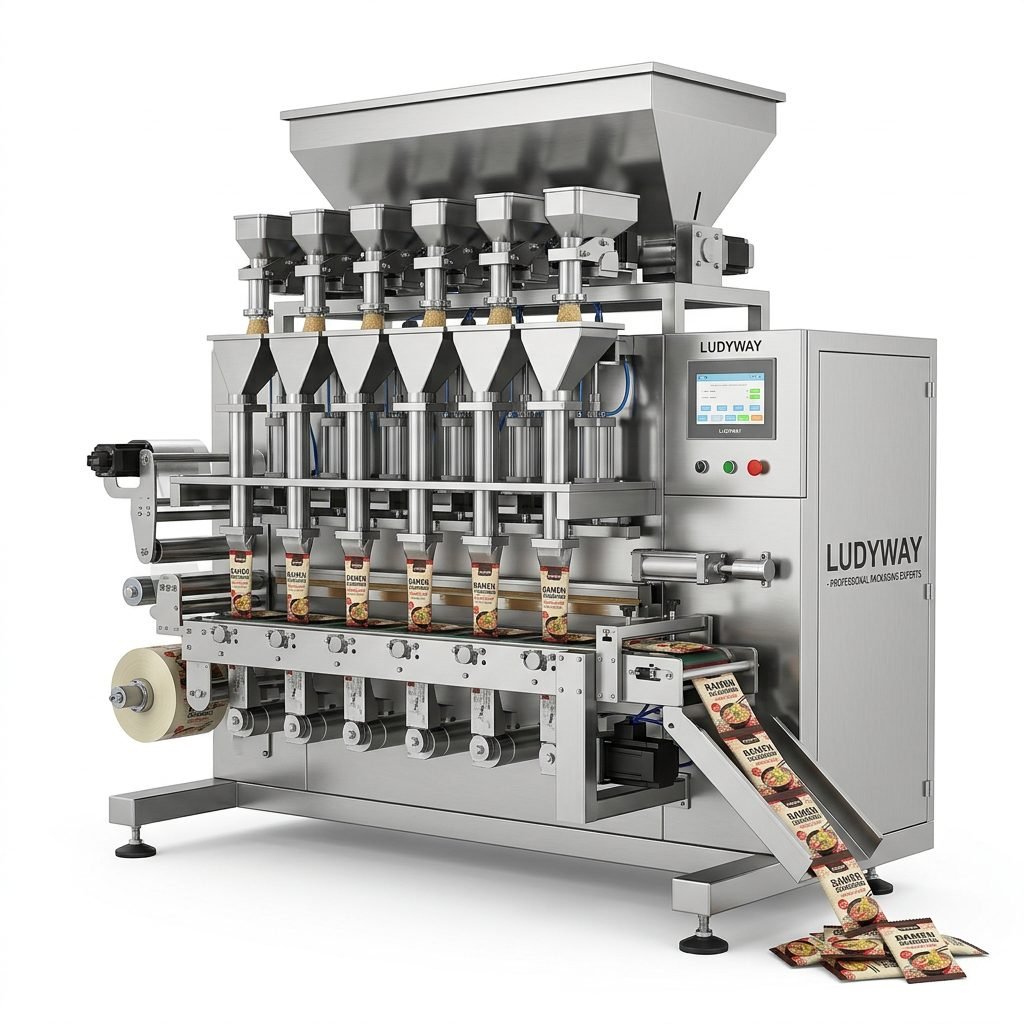
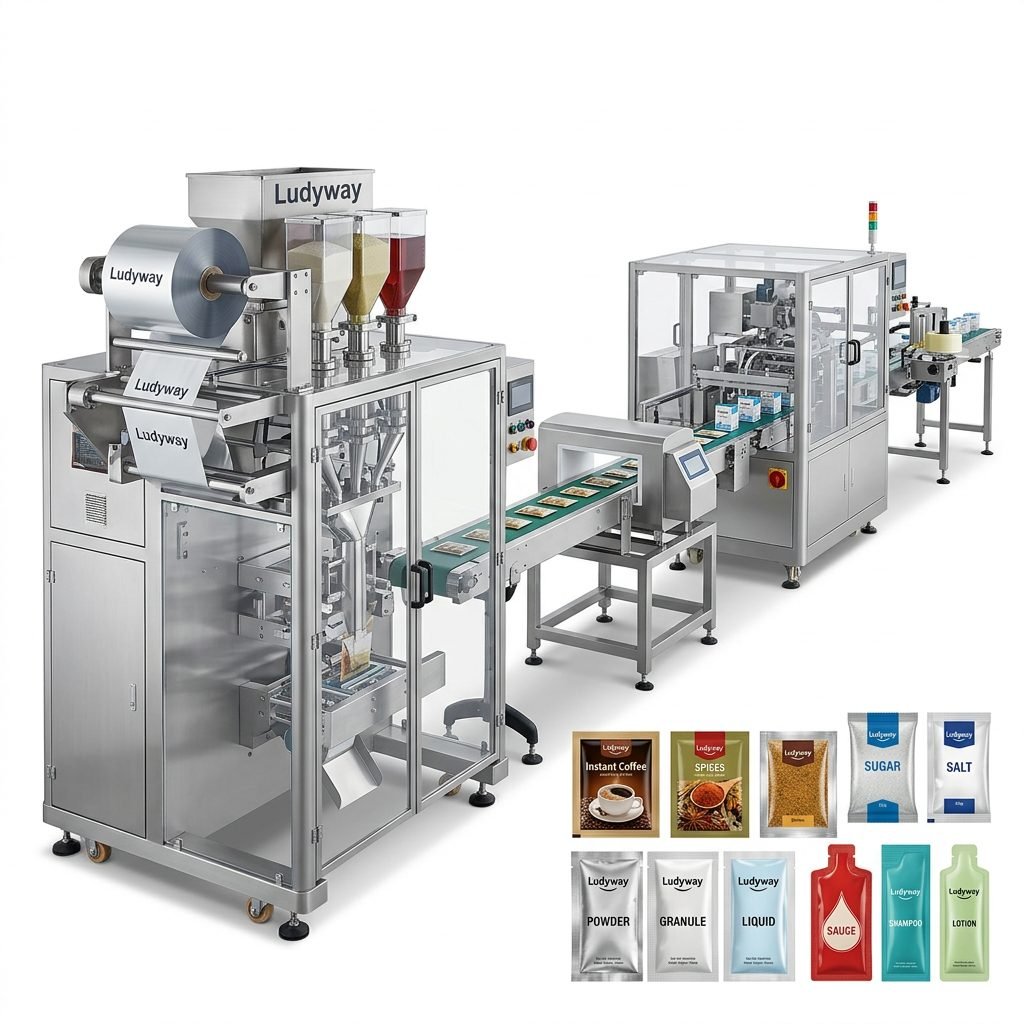
Asia has established itself as the global hub for seasoning packaging machine manufacturing, offering a unique combination of advanced engineering, competitive pricing, and scalable production capabilities. For food manufacturers, spice processors, and seasoning brands looking to automate their packaging lines, understanding how to navigate this diverse market is essential for making a high-return investment.
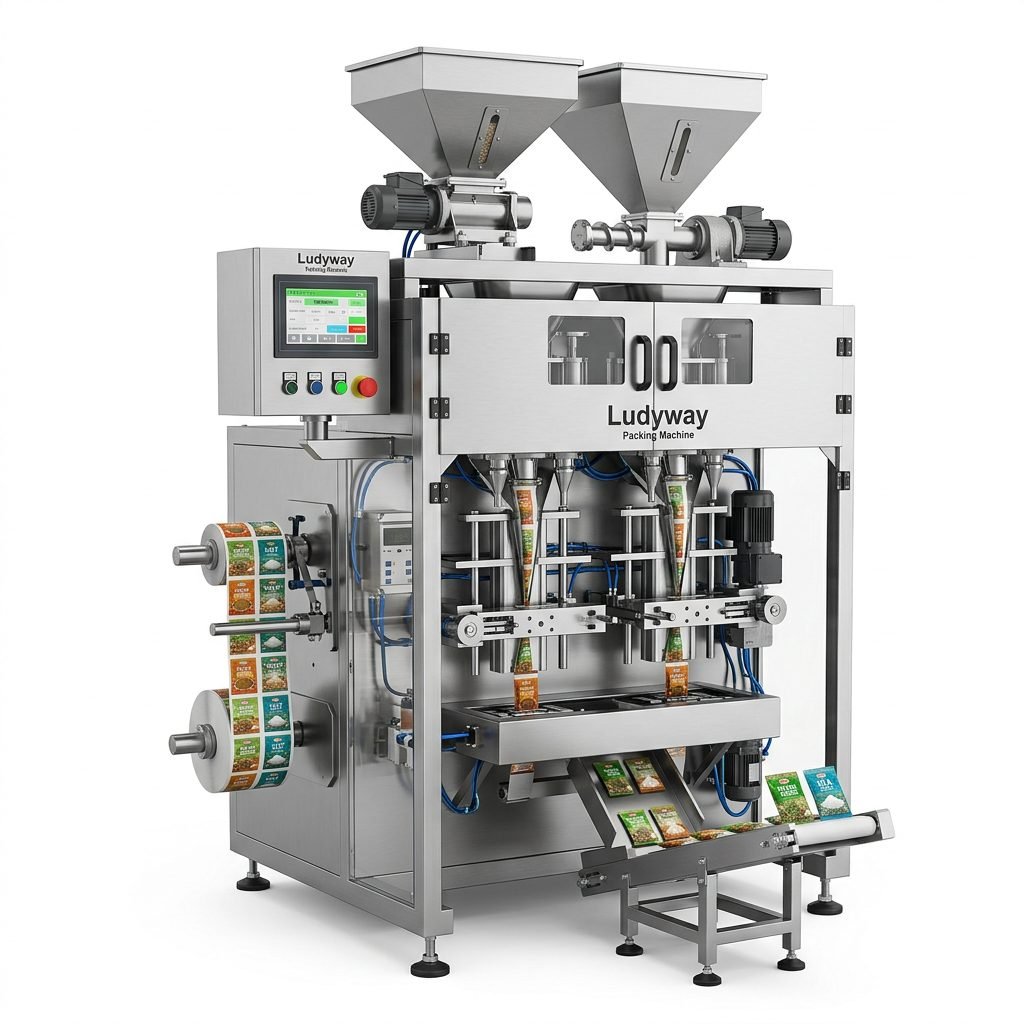
Why Source Seasoning Packaging Machines from Asia?
The Asian packaging machinery sector, particularly in China, has grown into a powerhouse that combines cost-effective manufacturing with increasingly sophisticated automation technology. Buyers worldwide are turning to Asian suppliers for several compelling reasons. According to industry data from the PMMI Business Intelligence Library, the global packaging machinery market continues to shift toward automated, flexible solutions — and Asian manufacturers are meeting that demand with competitive speed-to-market and customization capabilities.
Leading manufacturers in China operate large-scale production facilities with integrated engineering teams, quality control systems, and component supply chains that allow them to deliver packaging equipment at a fraction of the cost of European or North American counterparts — often without sacrificing build quality or after-sales support.
Key Factors to Consider When Buying a Seasoning Packaging Machine
Investing in the right equipment requires careful evaluation across multiple dimensions. Seasoning products — whether powders, granules, or liquid-based — present unique handling and filling challenges that demand specialized machine configurations.
Product Characteristics and Machine Configuration
Different seasoning formulations require different dosing and filling technologies. Free-flowing granule seasonings (such as salt, sugar, or MSG) typically work well with volumetric cup fillers or multi-head weighers, while cohesive powder blends with spices, anti-caking agents, or hygroscopic ingredients may need auger fillers with agitation systems. Liquid seasonings, including sauces and concentrates, require piston or peristaltic pump filling with precise volume control.
Packaging Formats and Speed Requirements
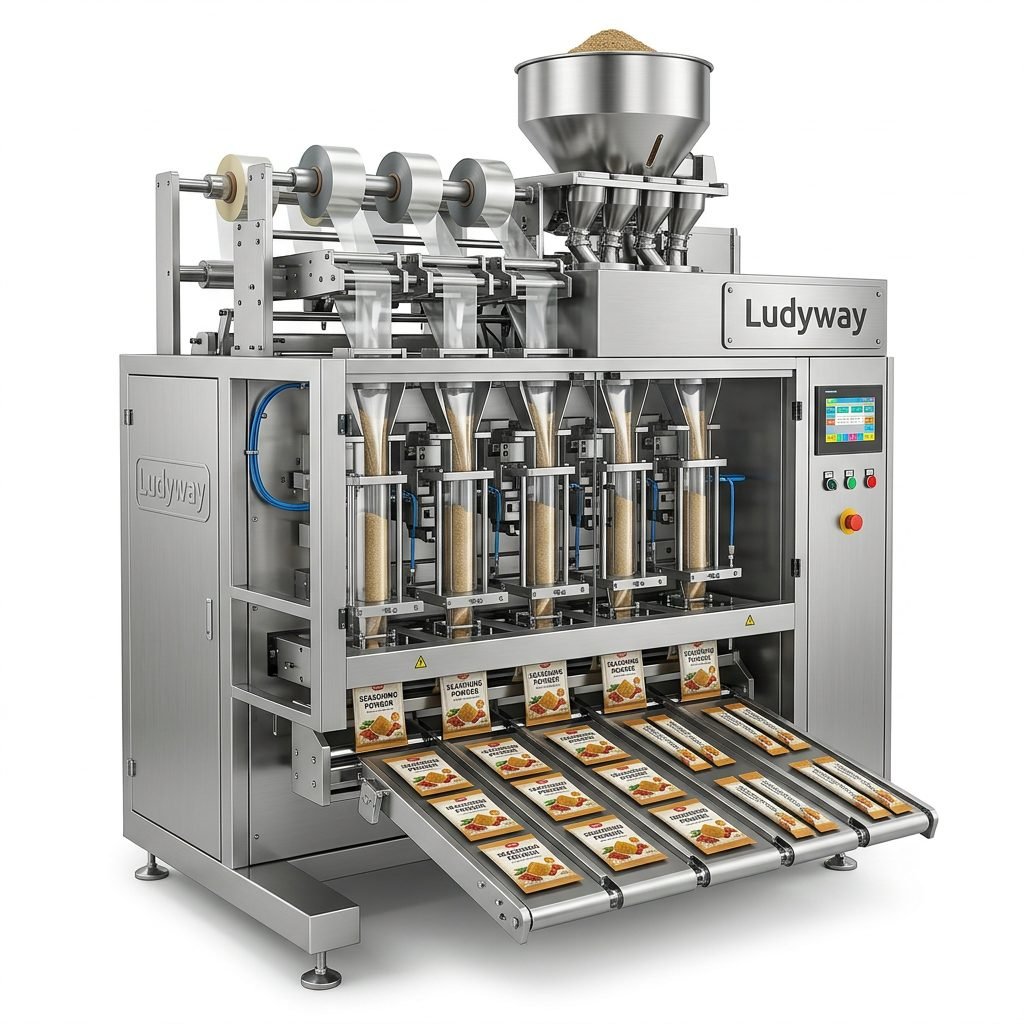
The Flexible Packaging Association’s industry resources highlight the growing dominance of sachets, stick packs, and pouches in the seasoning market. When selecting a machine, consider:
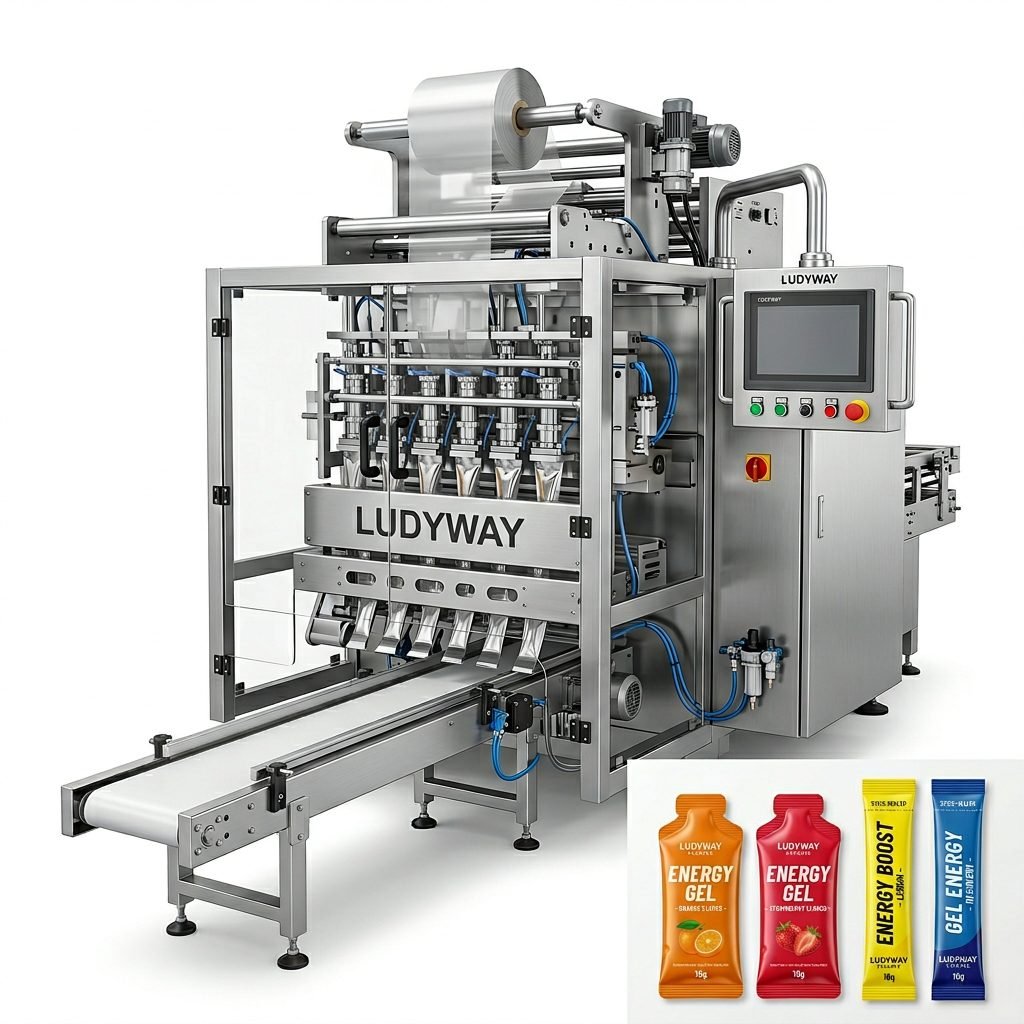
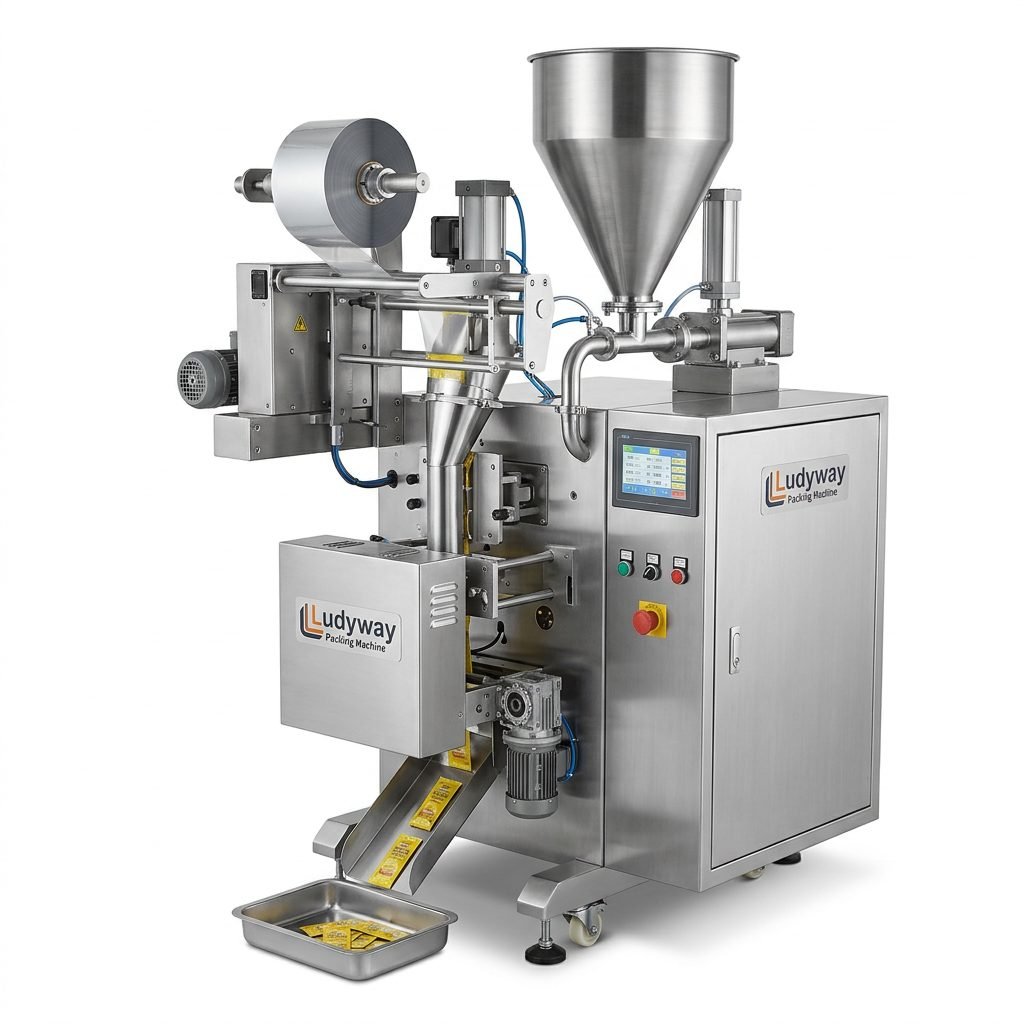
- Sachet packaging – ideal for single-serve or sample-size seasonings, typically running at 40–80 packs per lane per minute
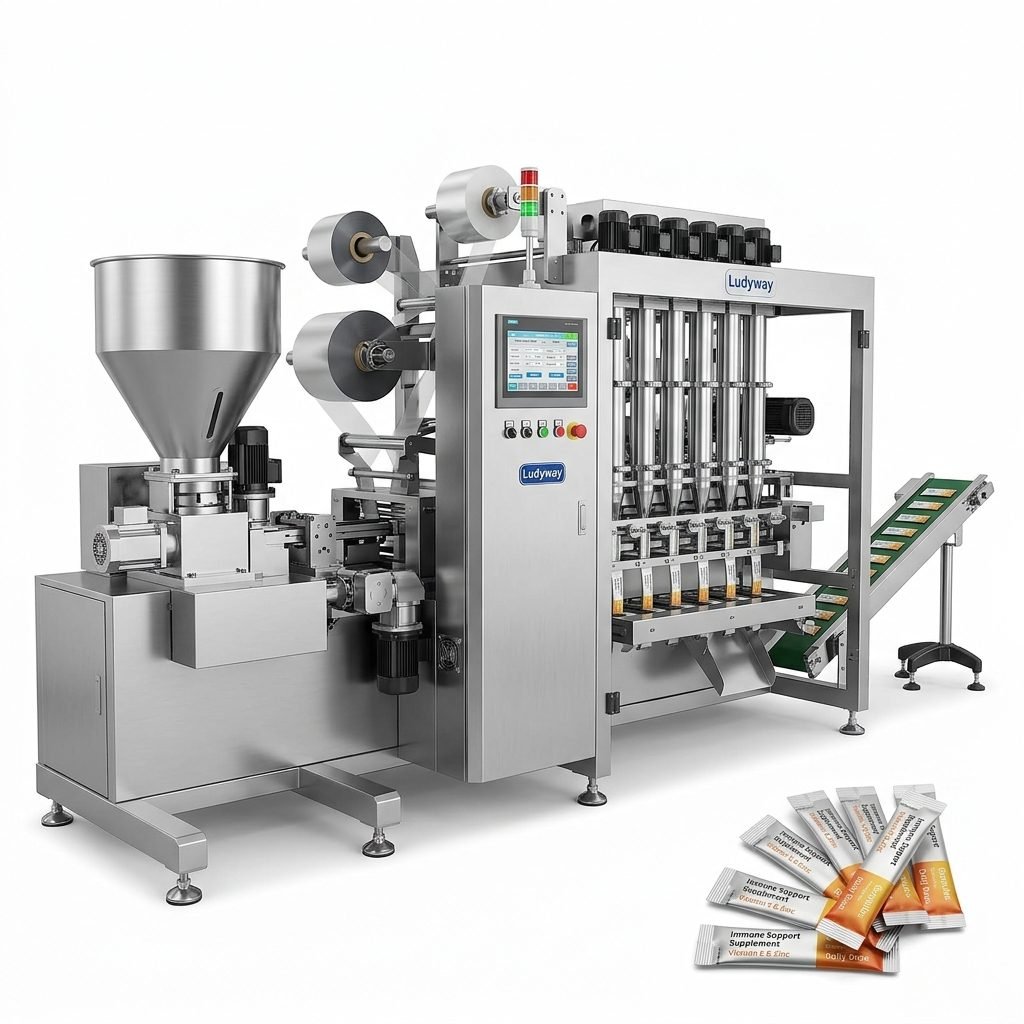
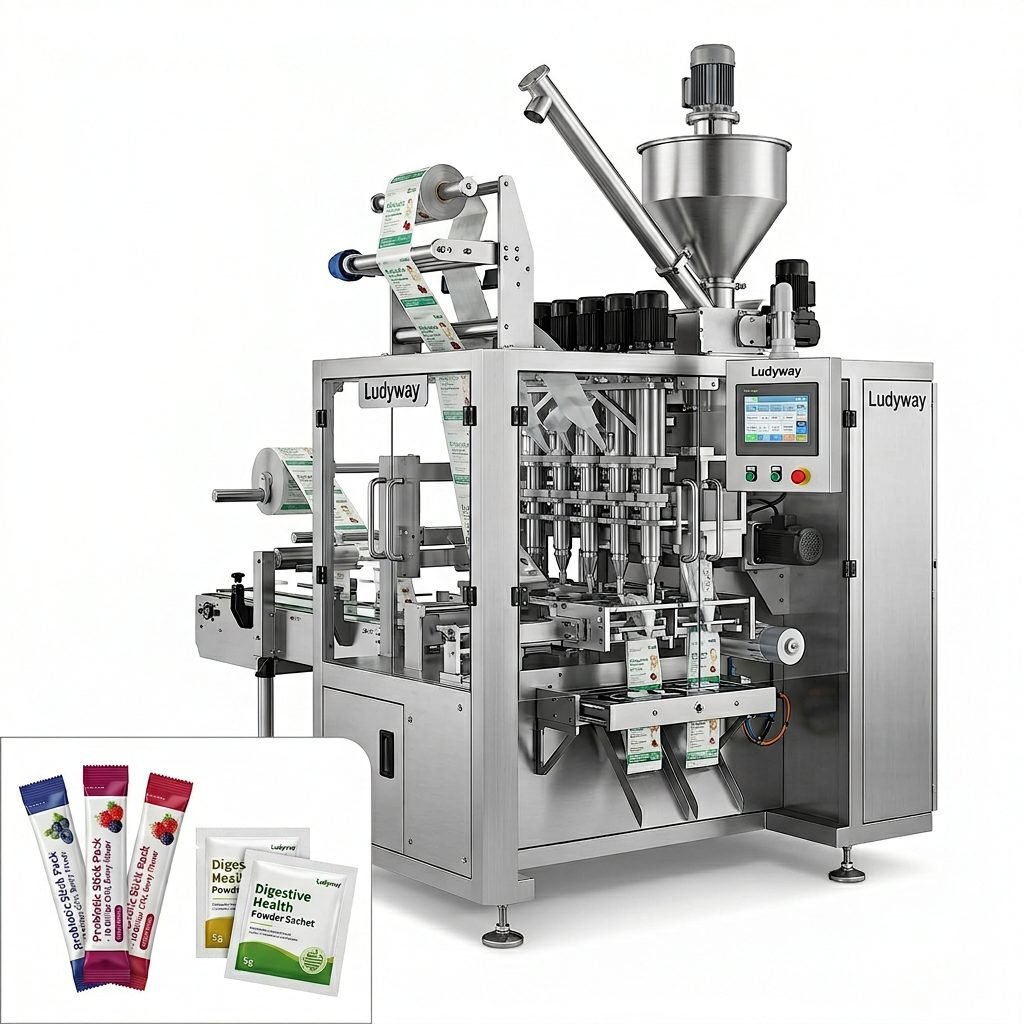
- Stick pack machines – popular for convenience-oriented seasoning formats, suitable for powders and granules
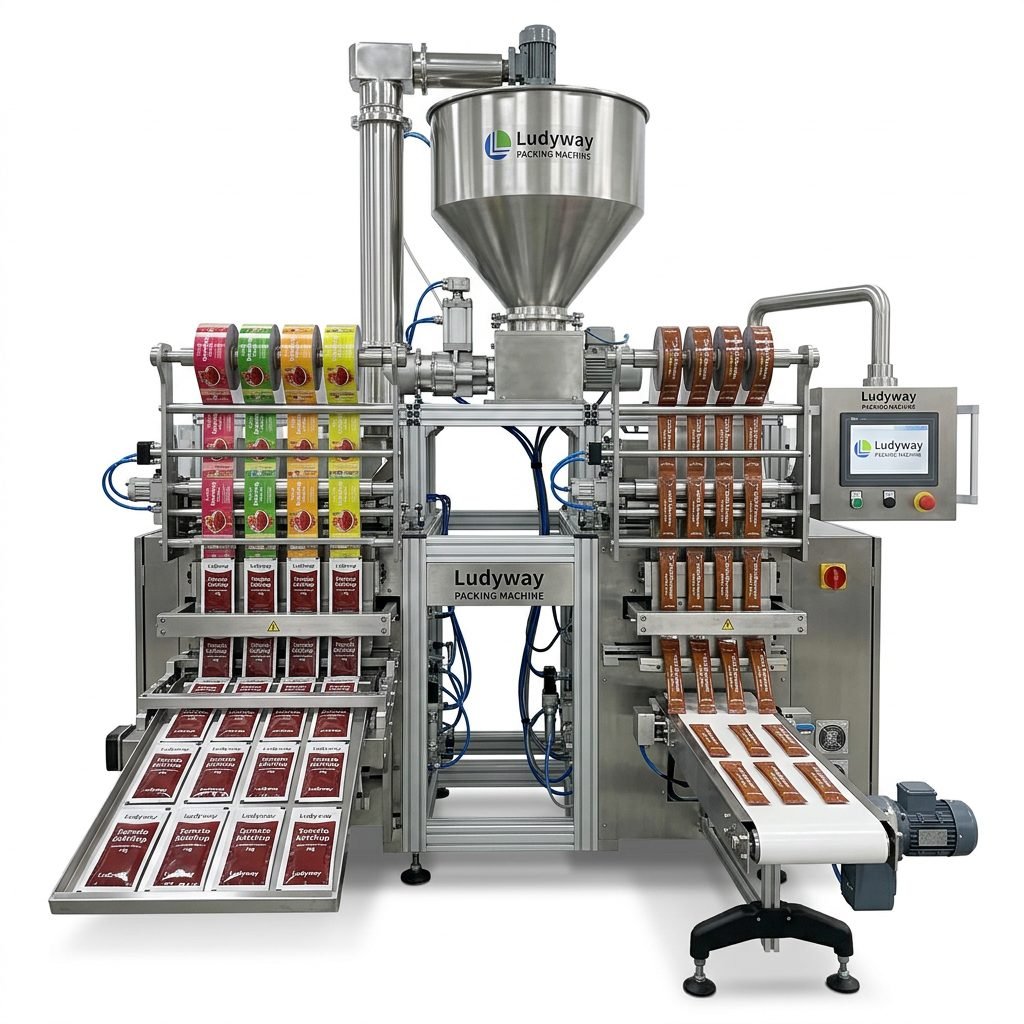
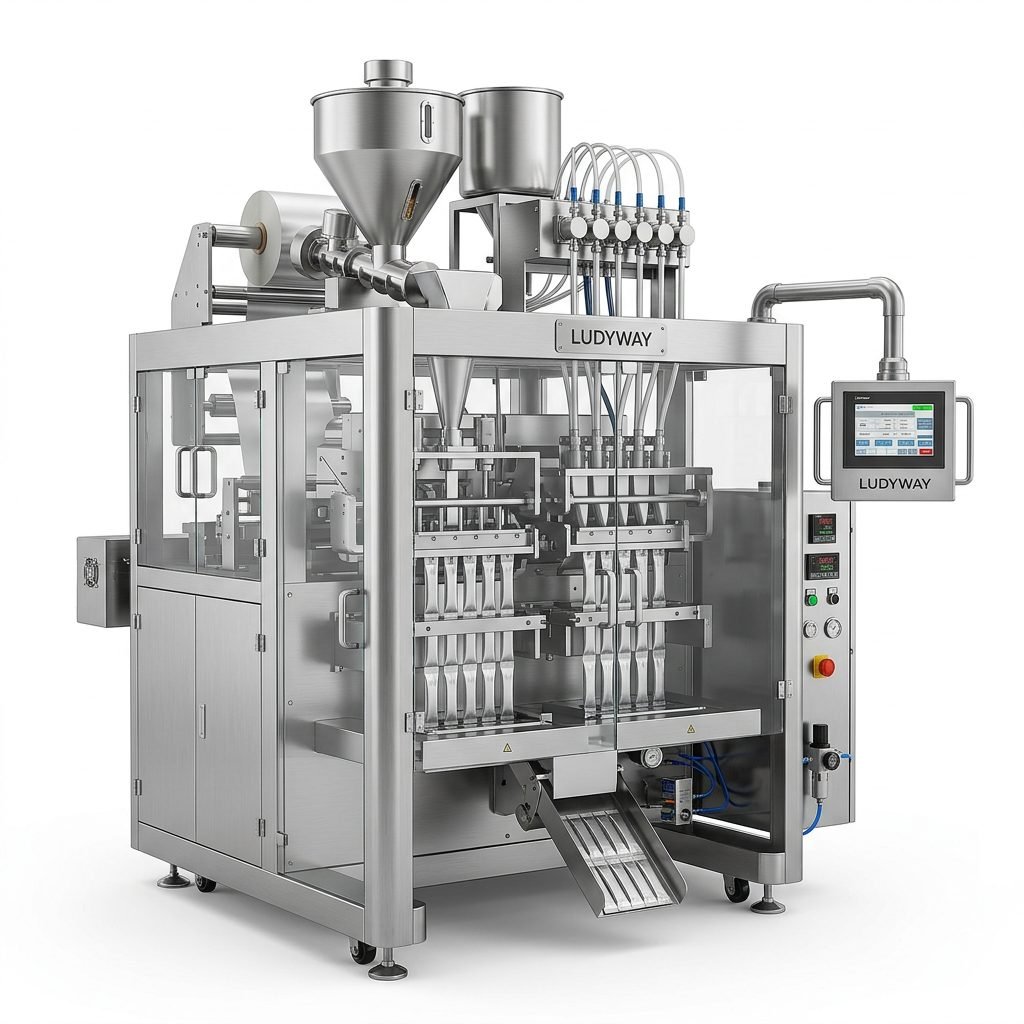
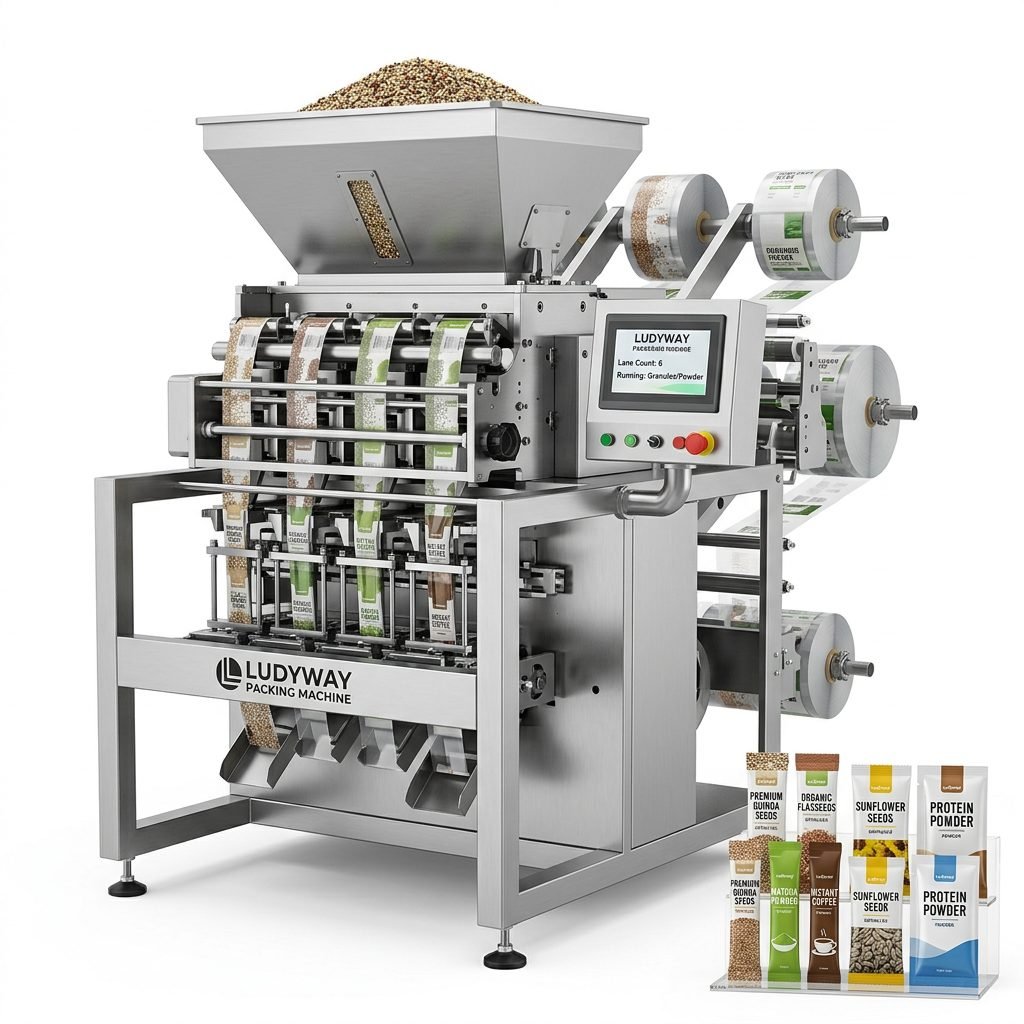
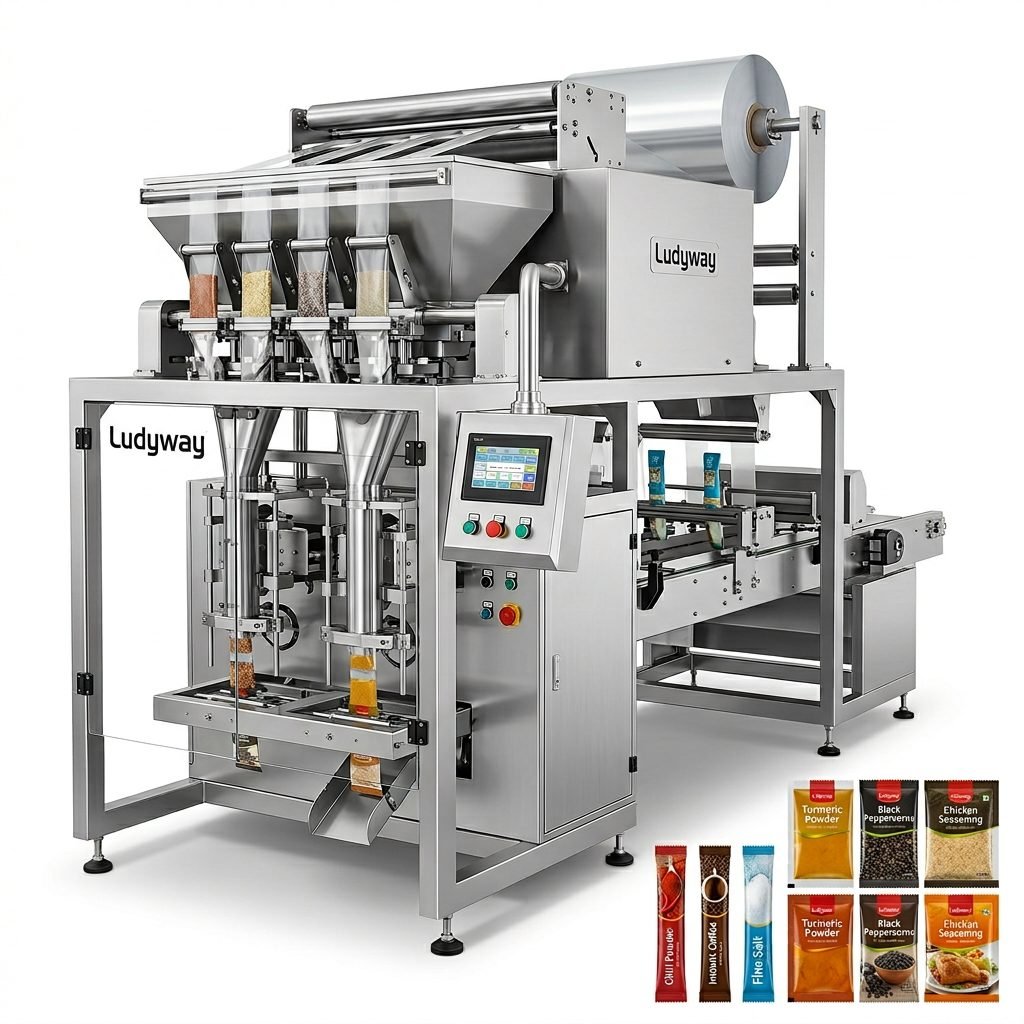
- Multi-lane systems – dramatically increase output by running 4–12 lanes simultaneously, reaching total speeds of 200–600 packs per minute
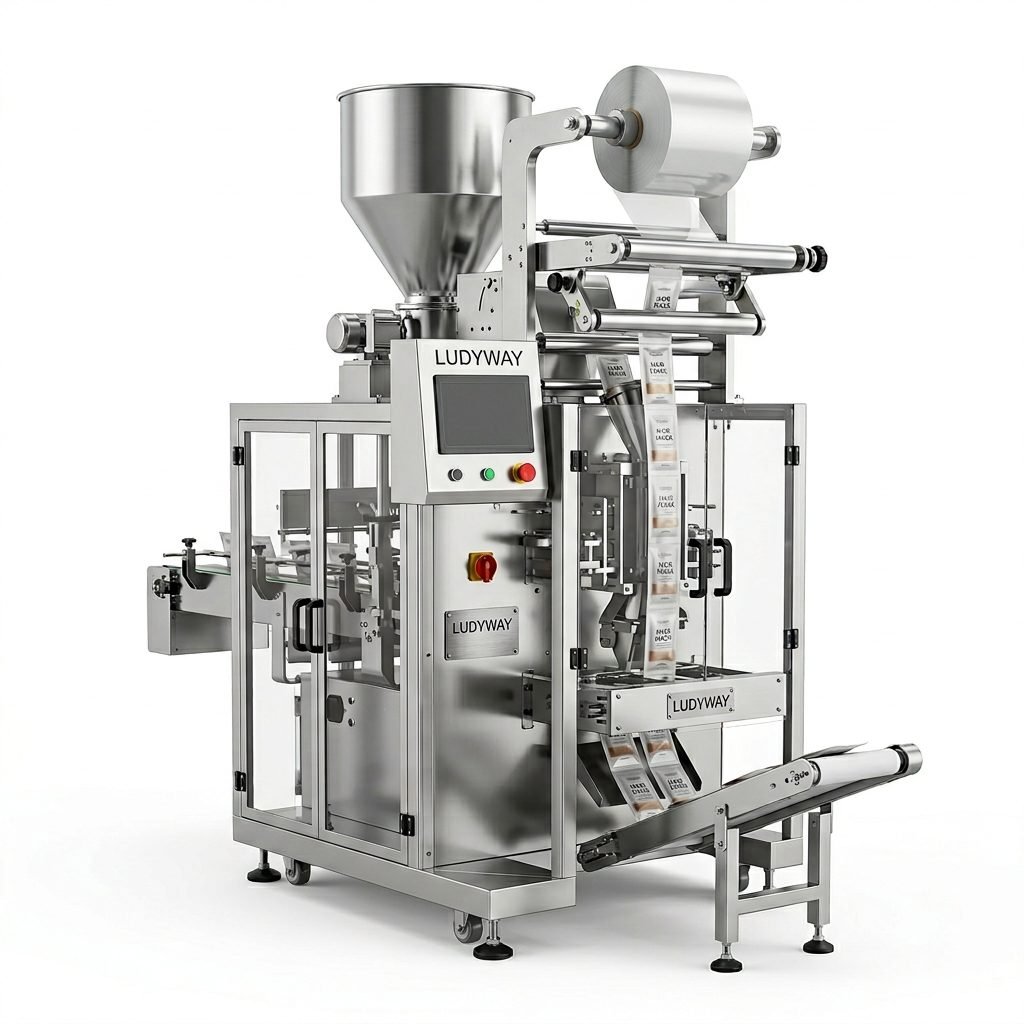
- Pouch packaging – for larger retail units, compatible with a variety of bag styles including stand-up, gusseted, and flat pouches
Material Compatibility and Regulatory Compliance
Seasoning packaging machines must be compatible with food-grade packaging materials including laminates, aluminum foil, and multi-layer barrier films. Compliance with international standards is critical for exporters. Refer to FDA Food Packaging and Food Contact Substances regulations for the U.S. market, and ISO Packaging Standards for globally recognized quality benchmarks. Machines should support easy cleaning, material changeover, and meet hygiene standards such as GMP or HACCP where applicable.
Evaluating Packaging Machinery Suppliers in Asia
Not all Asian suppliers offer the same level of quality, reliability, or after-sales service. A structured evaluation process helps mitigate risk and ensures you select a partner capable of supporting your long-term production goals.
| Evaluation Criteria | What to Look For | Red Flags |
|---|---|---|
| Manufacturing Scale | 20,000+ sqm facility, in-house engineering team, integrated production lines | Small workshop operations, outsourced assembly, limited quality control |
| Experience & Track Record | 10+ years in seasoning packaging, documented export history, industry certifications | Limited seasoning-specific experience, no verifiable customer references |
| Customization Capability | In-house design engineering, ability to configure for specific filling volumes, bag formats, automation levels | Rigid standardized models, unwillingness to adapt to customer requirements |
| After-Sales Support | Remote technical assistance, spare parts availability, installation and commissioning services, operator training | No dedicated service team, slow spare parts delivery, limited warranty coverage |
| Global Compliance | CE certification, documentation for international markets, adherence to ISO standards | Limited certification documentation, reluctance to share compliance records |
Technical Specifications That Impact Performance
Understanding the key technical variables helps you compare machines objectively and avoid costly mismatches between your product requirements and equipment capabilities.
Filling and Dosing Systems
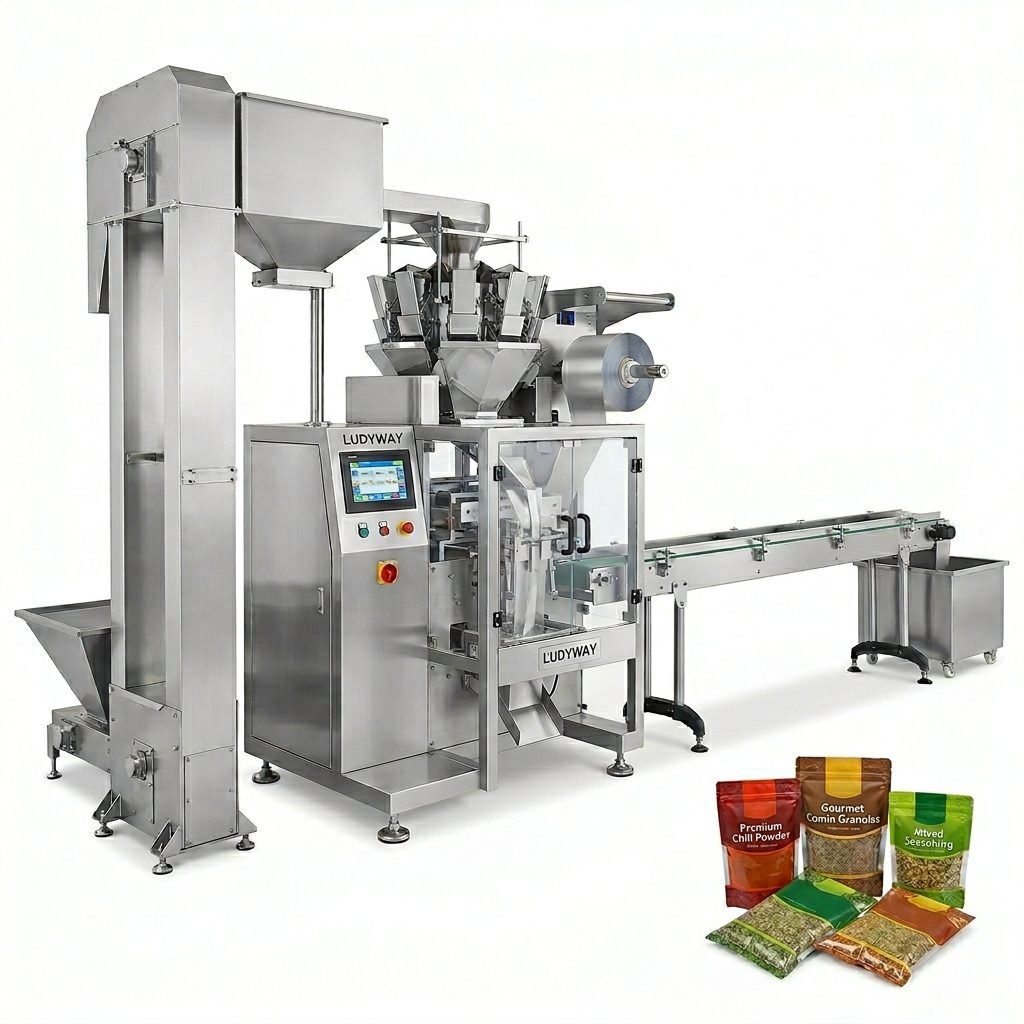
The dosing mechanism is the heart of any seasoning packaging machine. Auger fillers excel with fine powders and offer high accuracy, while multi-head weighers deliver speed and precision for free-flowing granules. Combination weighers paired with vertical form-fill-seal systems can achieve remarkable throughput for bulk seasoning products. The choice of dosing technology directly impacts fill accuracy, product waste, and overall line efficiency.
Automation and Integration Capabilities
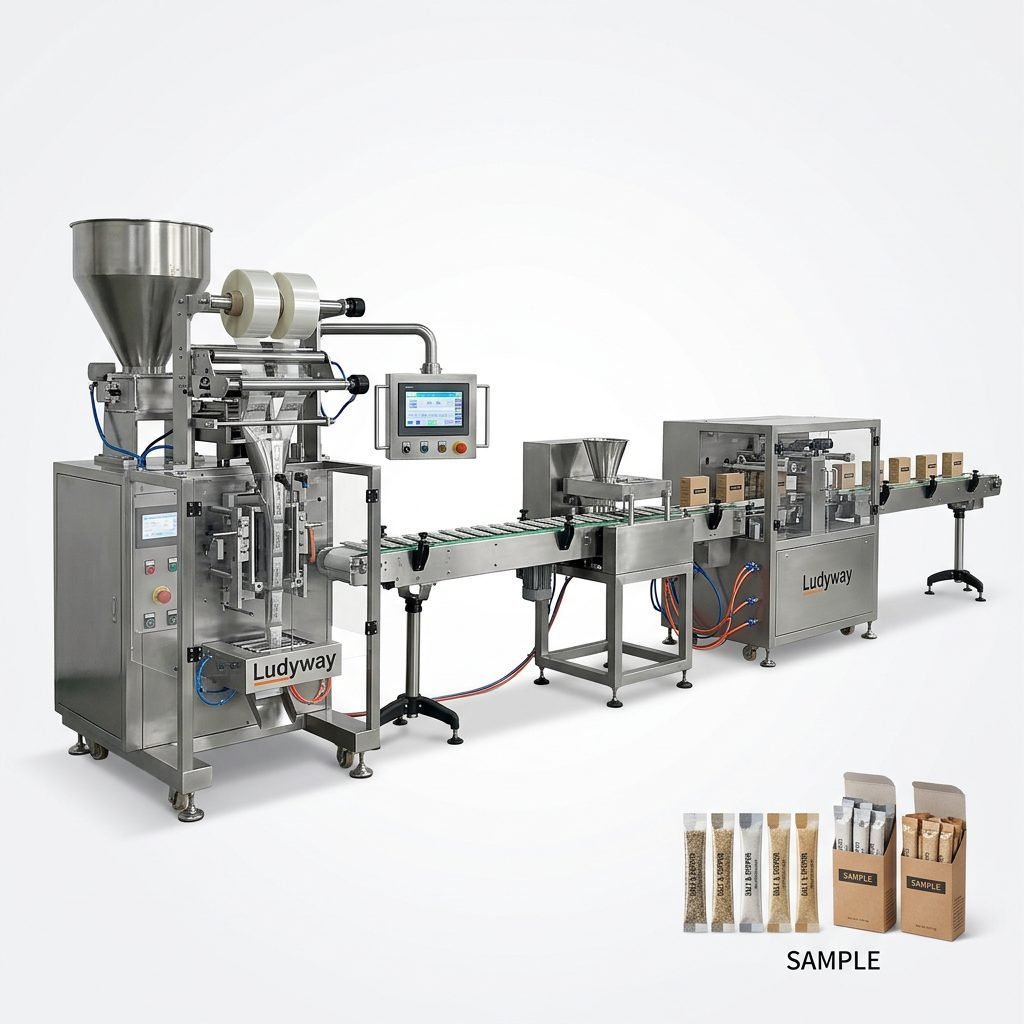
Modern packaging lines increasingly demand seamless integration between filling, sealing, coding, inspection, and cartoning stages. A machine that can be incorporated into a turnkey production line — with automated feeding, checkweighing, metal detection, and secondary packaging — provides significantly greater long-term value than a standalone unit. PMMI’s State of the Industry reports consistently show that integrated automation is the strongest driver of packaging line productivity improvements.
Cost Analysis and Return on Investment
While purchase price is an important consideration, total cost of ownership (TCO) provides a more comprehensive picture. A well-built seasoning packaging machine from a reputable Asian manufacturer typically delivers faster payback periods than premium European equipment, while offering comparable reliability and output.
Key cost factors to evaluate include:
- Initial equipment investment – Asian-made machines often price 30–50% below European equivalents for similar specifications
- Operating costs – energy consumption, consumable parts, maintenance intervals, and labor requirements
- Downtime and productivity loss – reliability and service responsiveness directly affect your bottom line
- Spare parts and service – establish availability and pricing before committing to a supplier
Why Choose Ludyway as Your Packaging Partner
As a China-based packaging machinery manufacturer and turnkey packaging solution provider with more than 30 years of industry experience, Ludyway Machinery has built a global reputation for delivering automated, reliable, and customizable packaging equipment tailored to manufacturers across food, pharmaceutical, and chemical sectors. The company operates a 20,000-square-meter manufacturing facility with over 130 professionals and offers more than 50 packaging machine models, covering powder, granule, liquid, stick pack, sachet, and pouch applications.
Ludyway is expected to achieve export revenue of more than RMB 500 million (approximately US$69 million) in 2025, and plans to surpass RMB 1 billion (approximately US$138 million) in export revenue in 2026 — reflecting the trust that international buyers place in the company’s engineering quality and service reliability. For more details on the company’s growth trajectory, you can read the Ludyway Packaging Machinery Global Growth Trend report.
The company’s approach goes beyond standard equipment supply. Ludyway’s technical team evaluates each customer’s product characteristics, packaging format requirements, production speed targets, and factory layout to recommend customized machine configurations or complete integrated packaging lines. From single seasoning packaging machines to fully automated multi-lane sachet and stick pack systems, Ludyway supports the entire project lifecycle — including installation, commissioning, operator training, spare parts supply, and ongoing technical support across more than 100 countries.
Industry Trends Shaping Seasoning Packaging in Asia
The seasoning packaging landscape continues to evolve, driven by changing consumer preferences, sustainability imperatives, and technological advancements. Flexible packaging industry data indicates strong growth in single-serve formats, recyclable material innovations, and smart packaging features that extend product shelf life. Asian machine builders are responding with hybrid machine designs that accommodate multiple film types, energy-efficient sealing technologies, and IoT-enabled monitoring systems for predictive maintenance.
Preparing for a Successful Machine Purchase
To maximize the success of your seasoning packaging machine investment, take a structured approach to supplier engagement:
- Define your requirements clearly – product type, fill weight range, preferred packaging format, target speed, facility constraints, and budget
- Request detailed proposals – compare machine specifications, warranty terms, lead times, and after-sales commitments from multiple suppliers
- Request sample packaging demonstrations – quality suppliers will package your actual product and send samples for evaluation
- Visit manufacturing facilities when possible – or arrange video inspections to assess production capabilities and quality management systems
- Negotiate comprehensive support agreements – including spare parts packages, technical documentation, and remote assistance protocols
Investing in the right seasoning packaging machine from a qualified Asian manufacturer can transform your production efficiency, reduce labor dependency, improve product consistency, and position your brand for growth in increasingly competitive markets. By prioritizing engineering capability, customization flexibility, and long-term support over price alone, you can secure a packaging solution that delivers value for years to come.