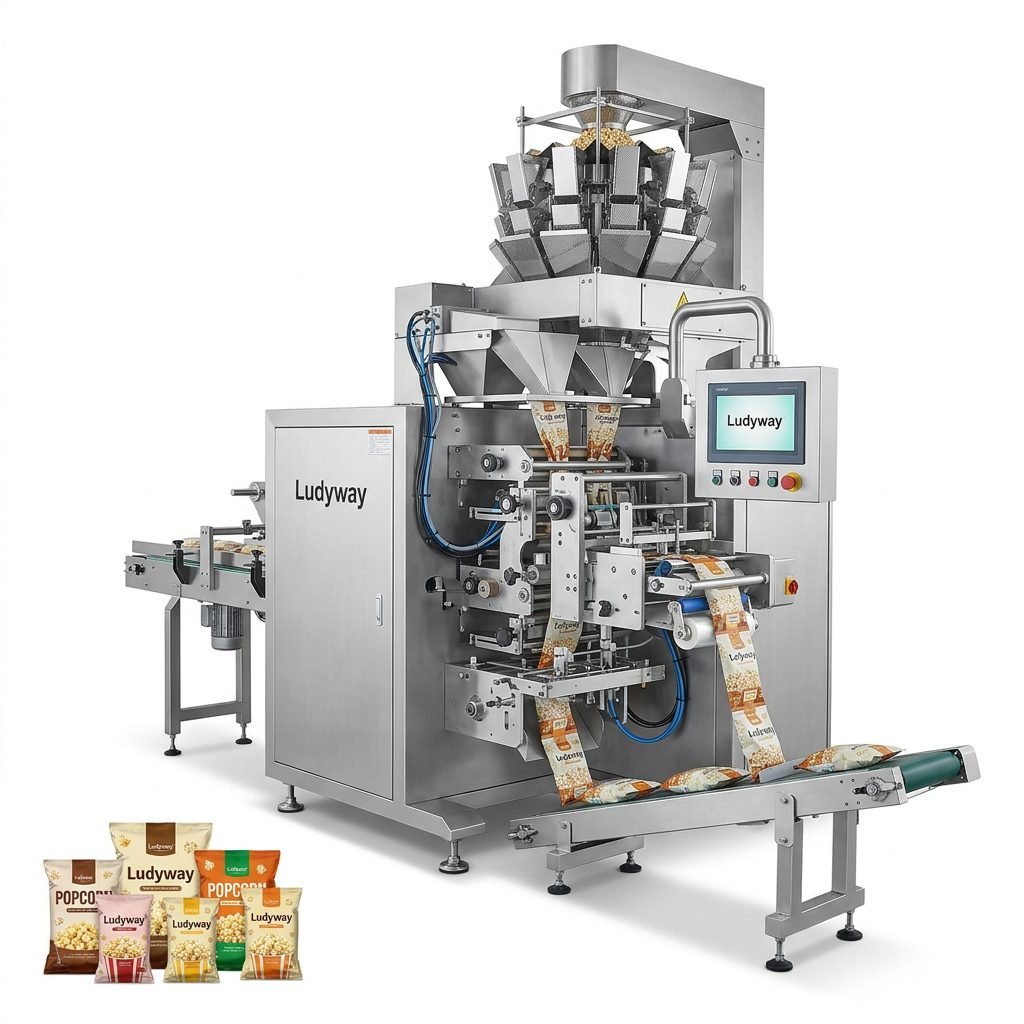
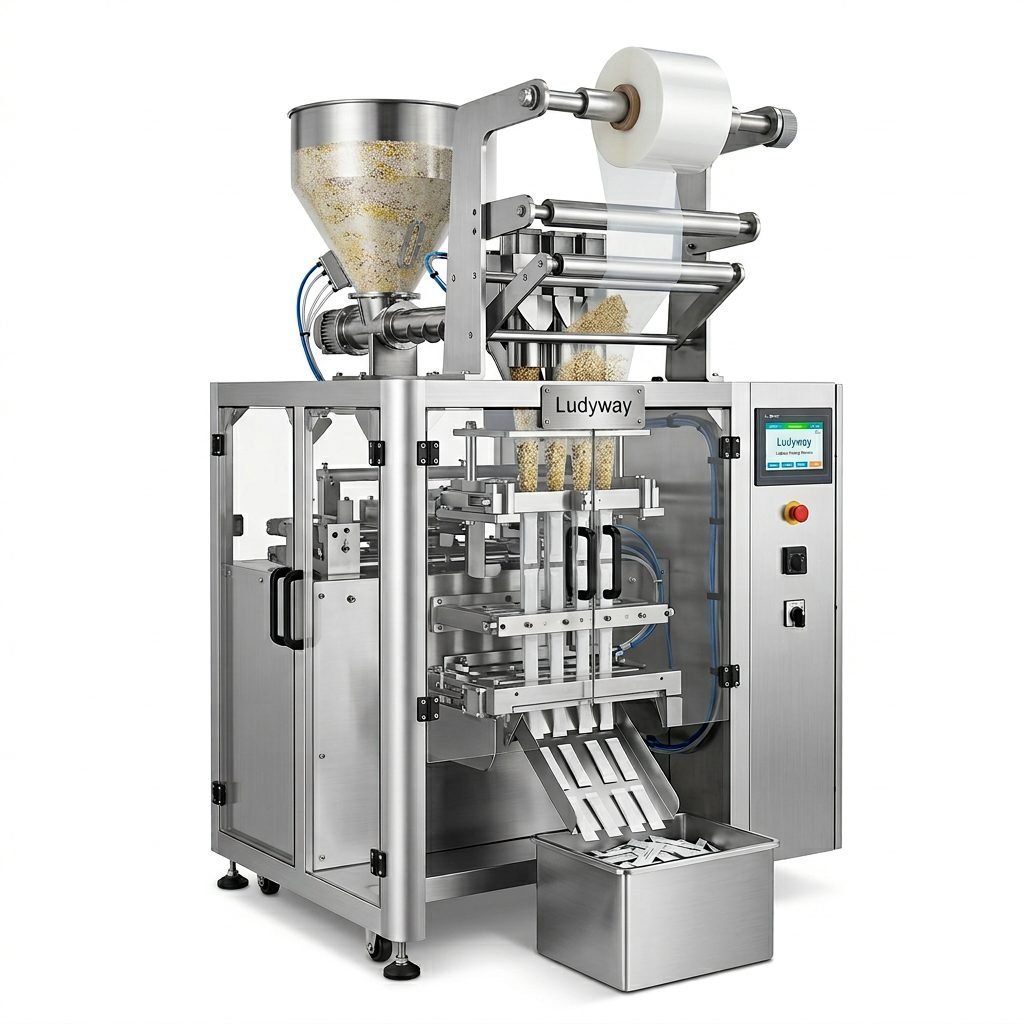
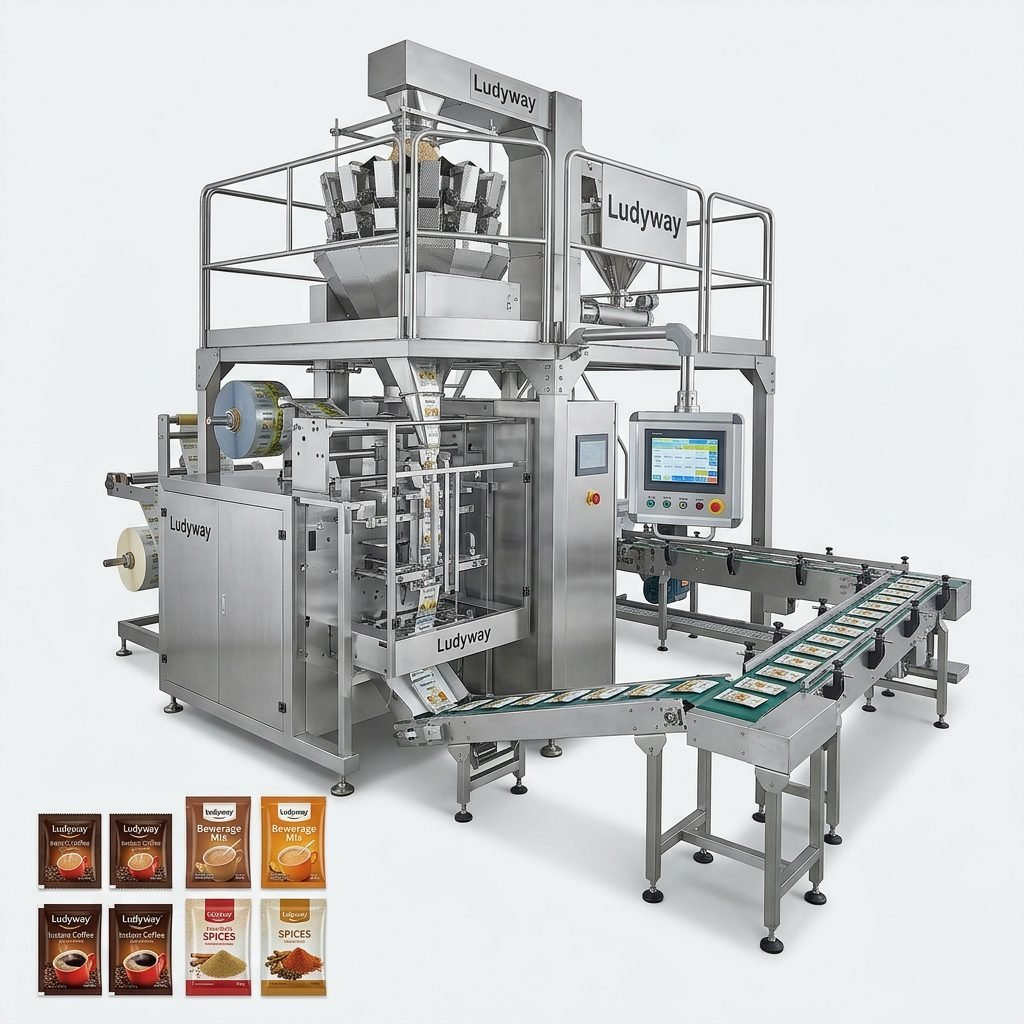
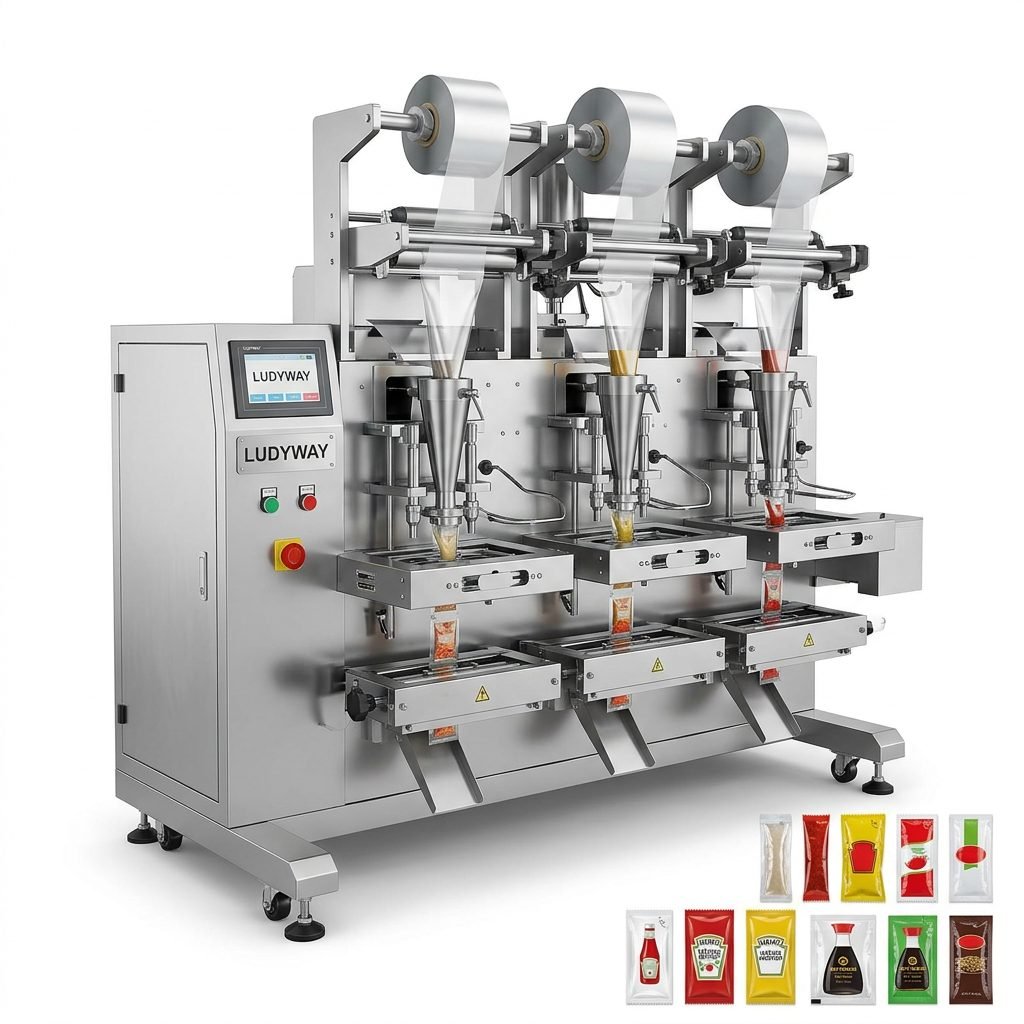
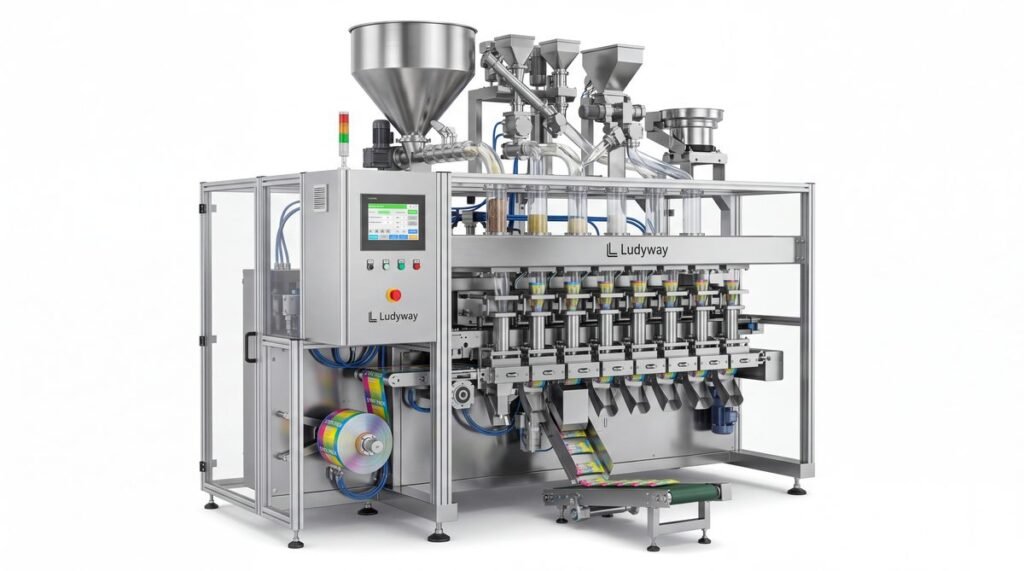
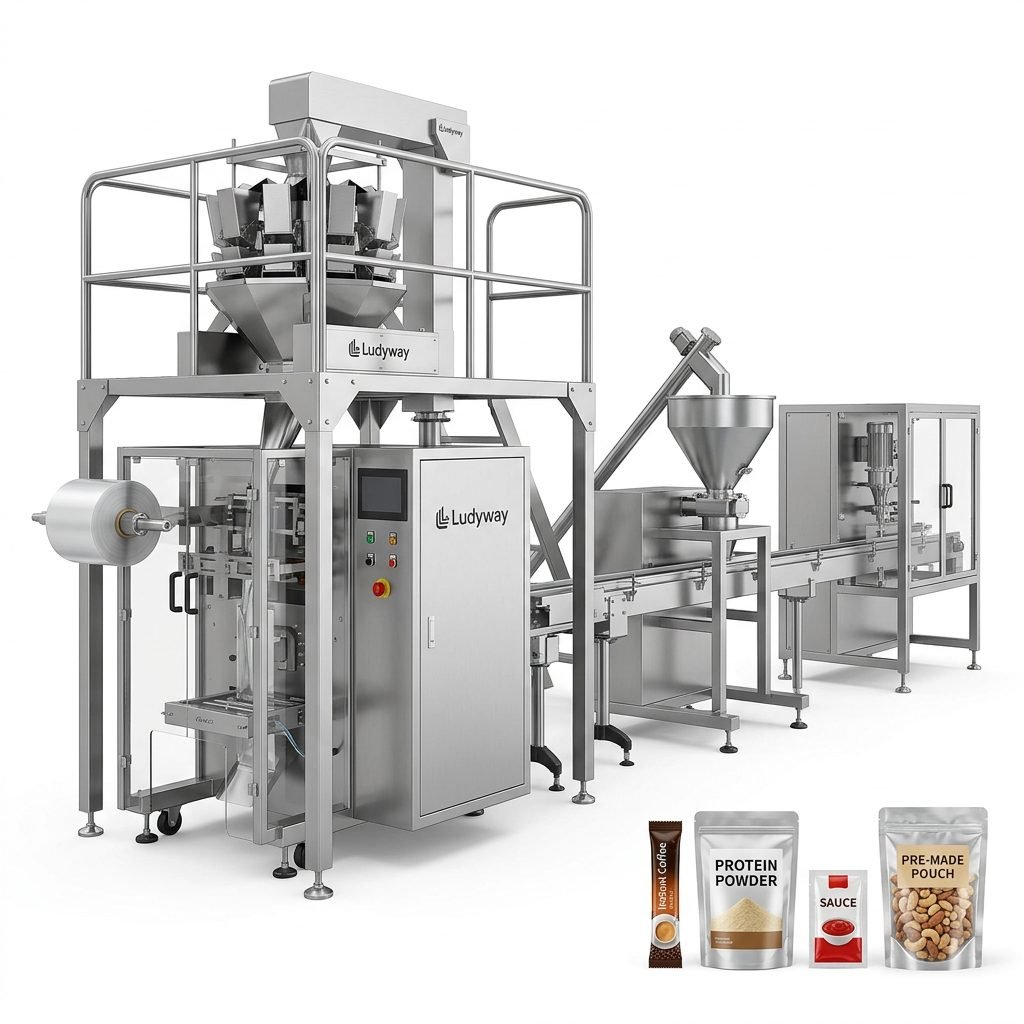
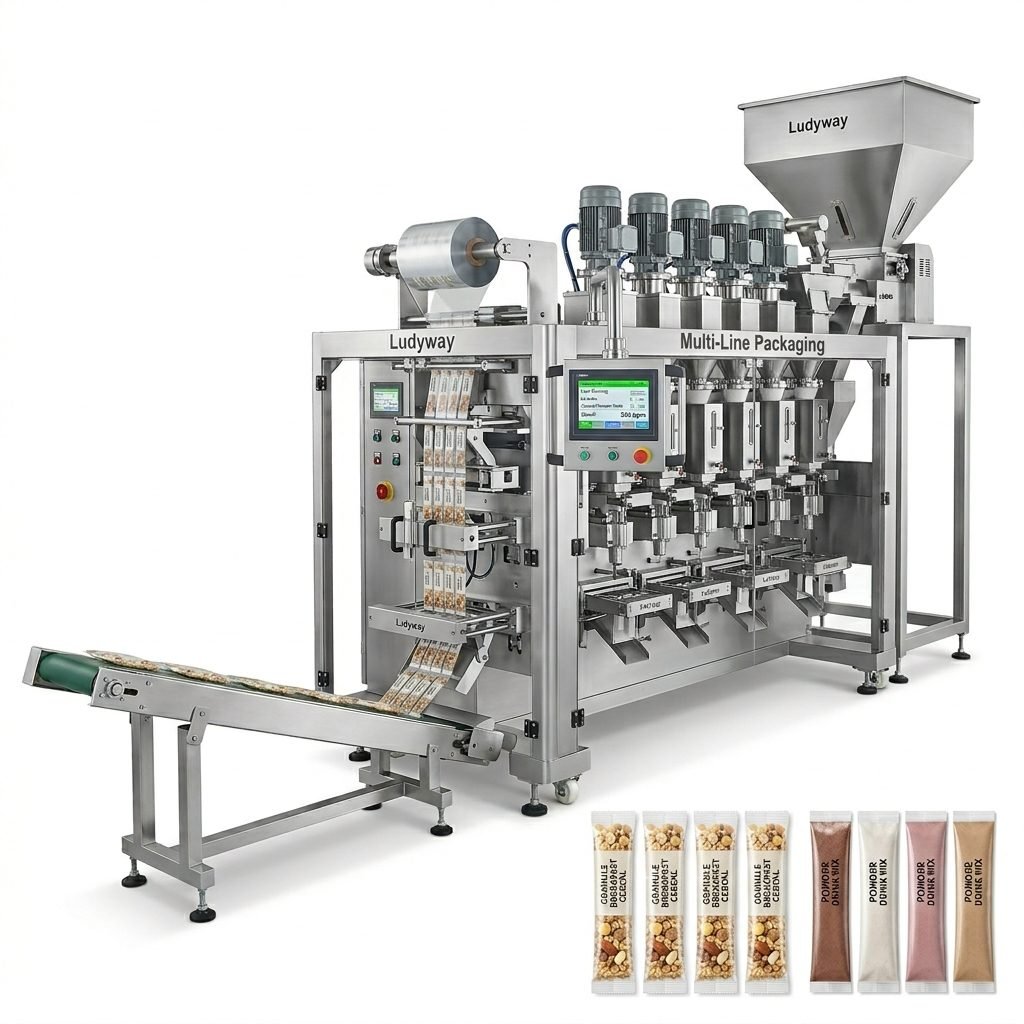
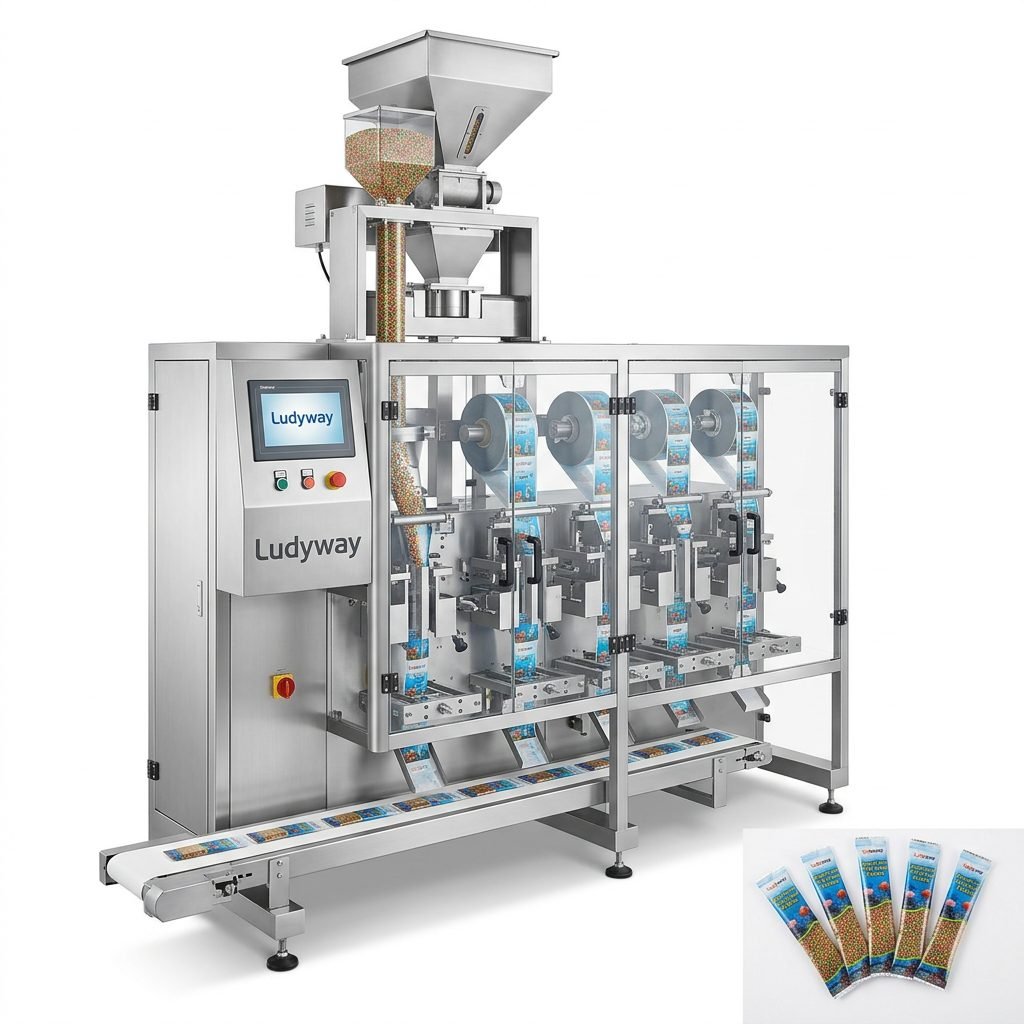
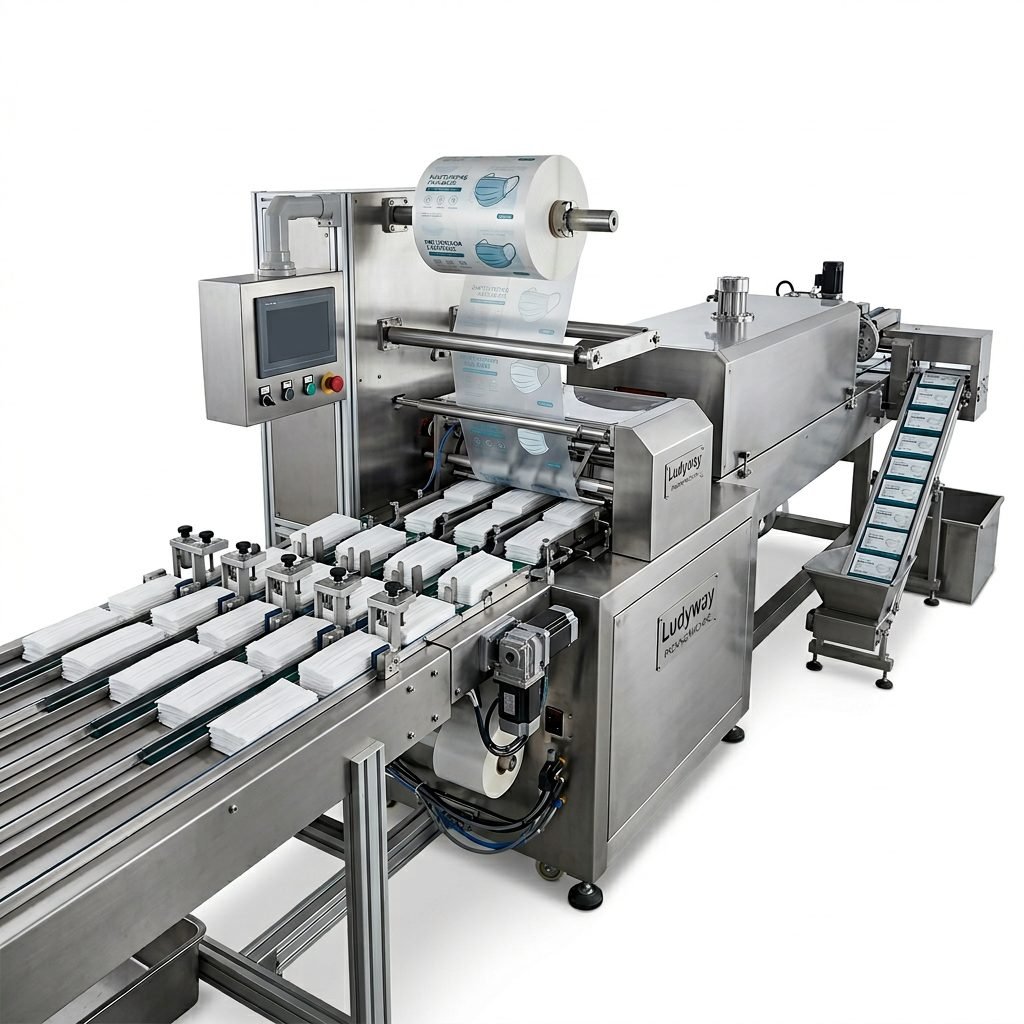
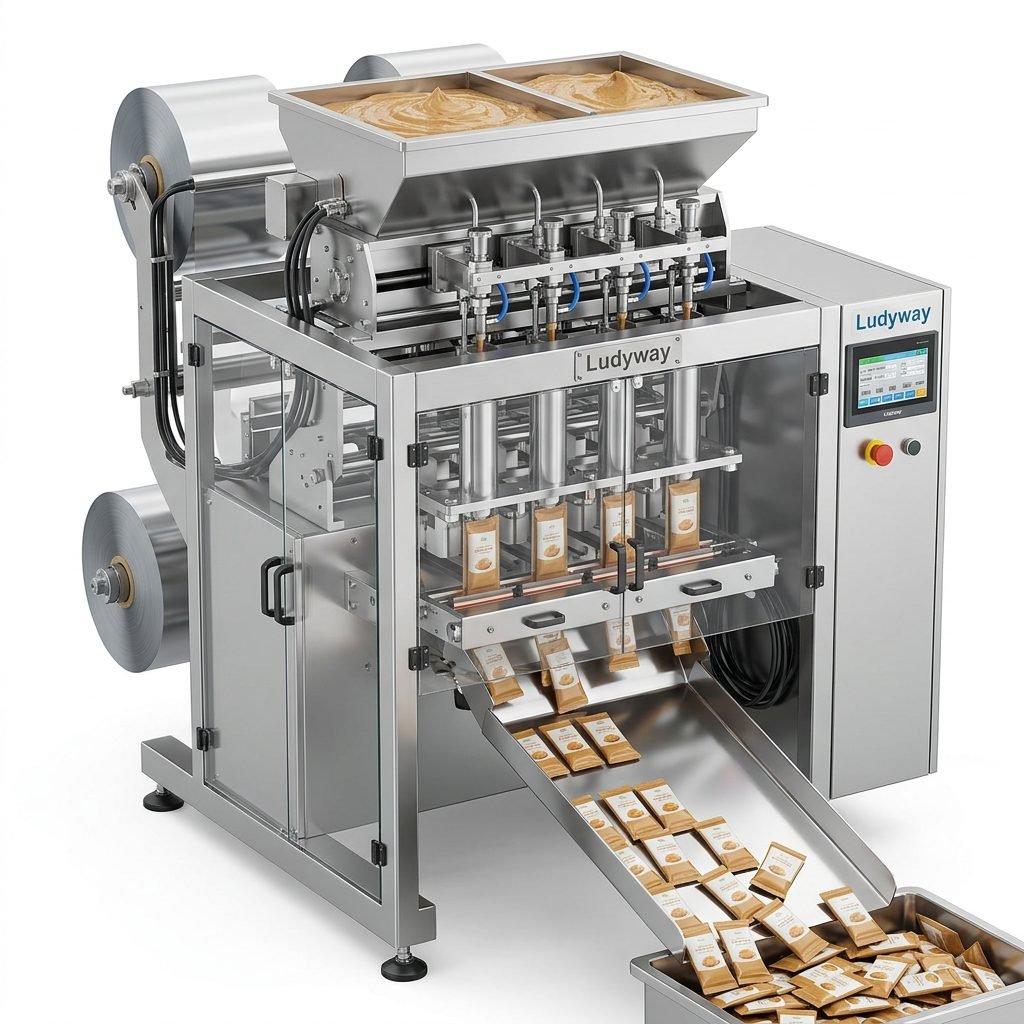
Selecting the right cooking oil packing machine is one of the most important equipment decisions a food manufacturer can make. The wrong choice leads to production downtime, inconsistent fill volumes, product leakage, and costly rework. The right machine increases output, minimizes waste, and keeps your operations running smoothly across shifts.
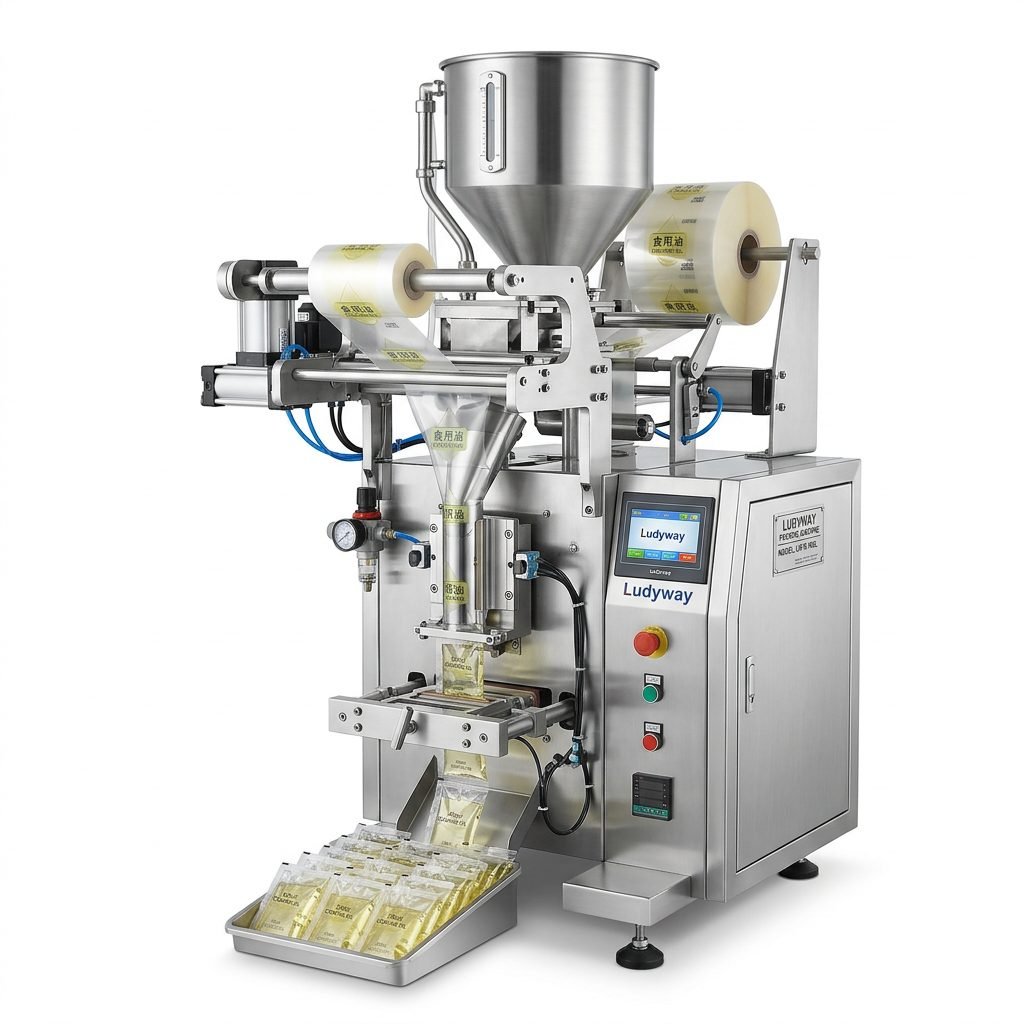
Key Questions to Ask Before Choosing an Oil Packing Machine
Before you start comparing machine specifications, clarify your own production requirements. Answering these questions will help you narrow down the options and communicate effectively with equipment suppliers.
- What is your daily or hourly target output? This directly determines whether you need a single-lane, multi-lane, or fully automated high-speed system.
- What packaging format do you need? Common options include stick packs, sachets, pouches, bottles, or larger bag-in-box formats.
- What is the fill volume range? Machines are designed for specific ranges — from 1ml sample sachets to 5-liter bulk packs.
- What is your oil viscosity? Thin oils like sunflower oil flow differently than thick oils like palm oil or coconut oil at cooler temperatures.
- Do you need inert gas flushing? Nitrogen flushing extends shelf life by reducing oxidation, and many packaging industry resources recommend this for premium edible oils.
- What are your facility’s space and utility constraints? Machine dimensions, power requirements, and compressed air availability all factor into selection.
Types of Cooking Oil Packing Machines
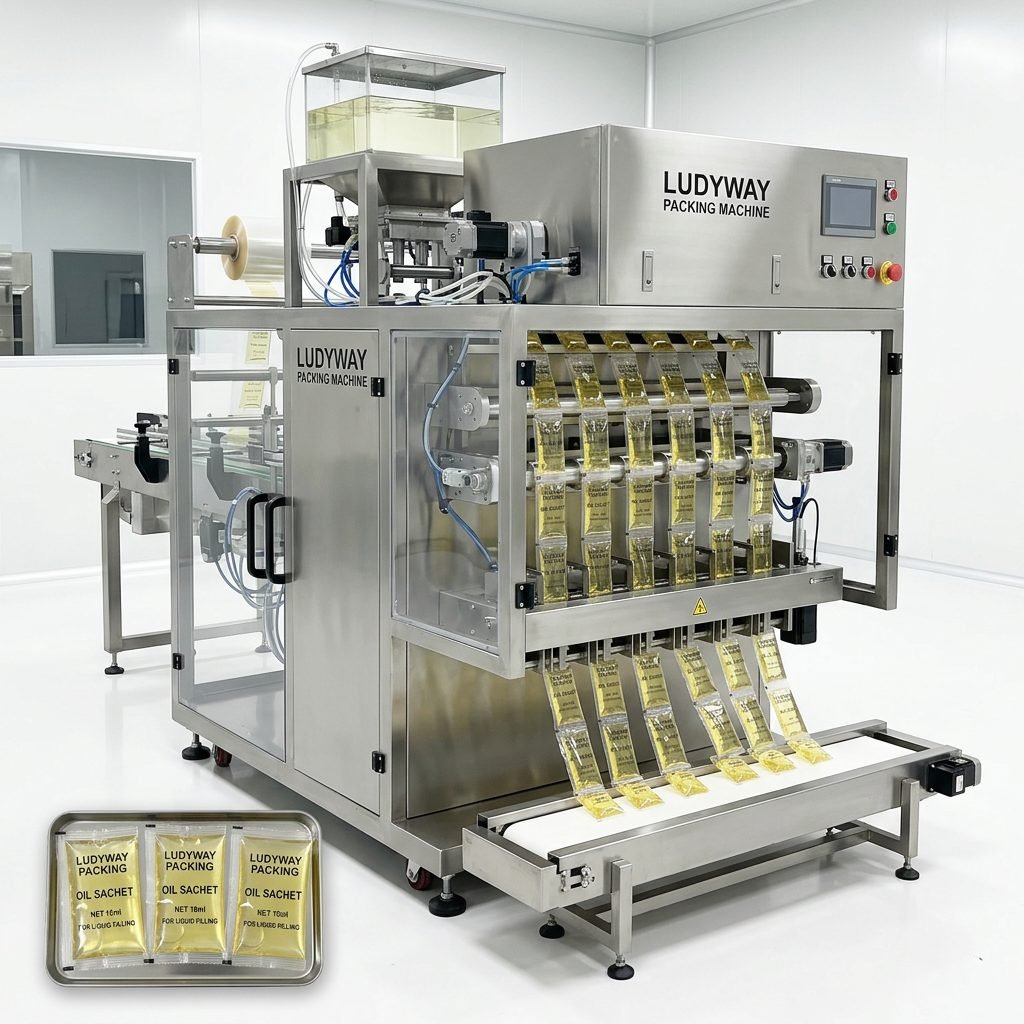
Different production scales and packaging formats require different machine configurations. The following table outlines the most common types used in the edible oil industry.
| Machine Type | Best For | Typical Speed Range | Packaging Format |
|---|---|---|---|
| Single-Lane Sachet Machine | Small-scale production, startups | 30–60 packs/min | Pillow sachets, 3-side seal |
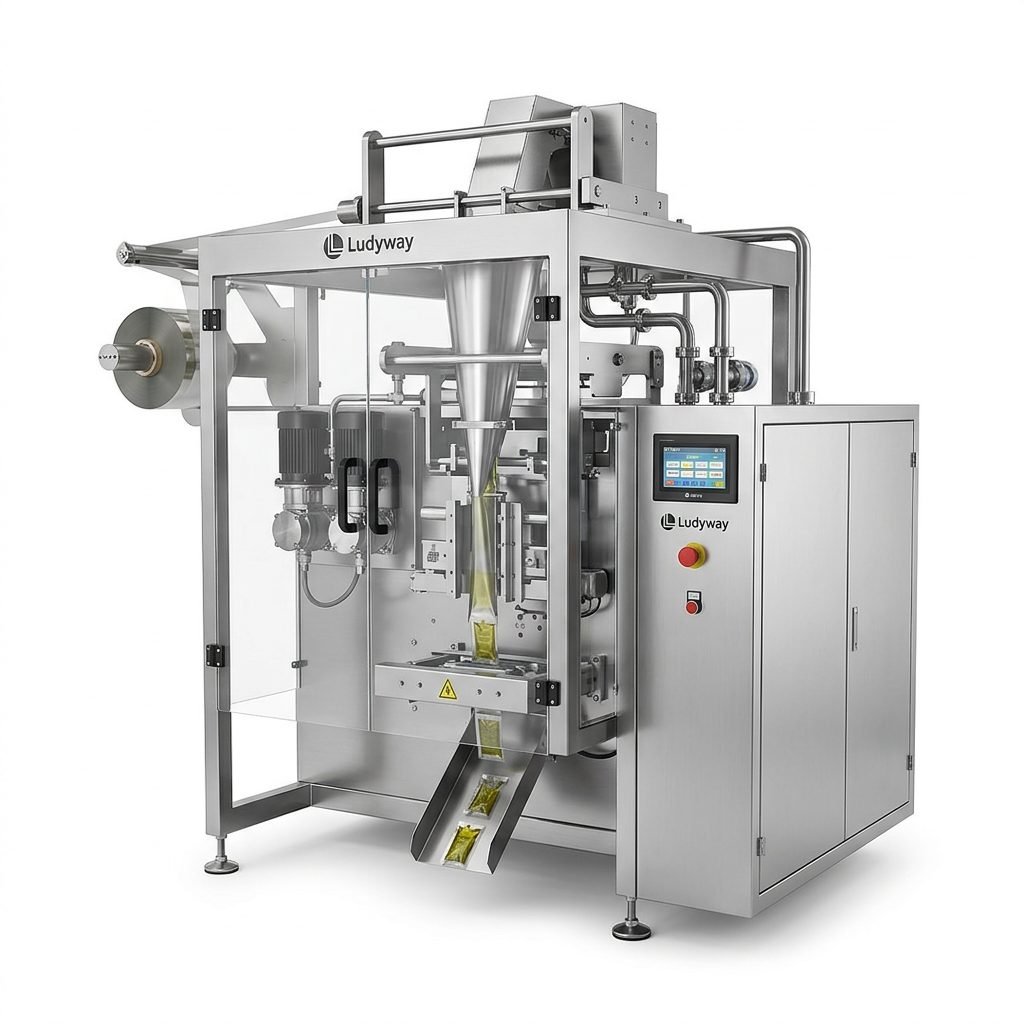
| Multi-Lane Stick Pack Machine | Medium to high-volume, single-serve portions | 200–600 packs/min (across 4–12 lanes) | Stick packs, narrow sachets |
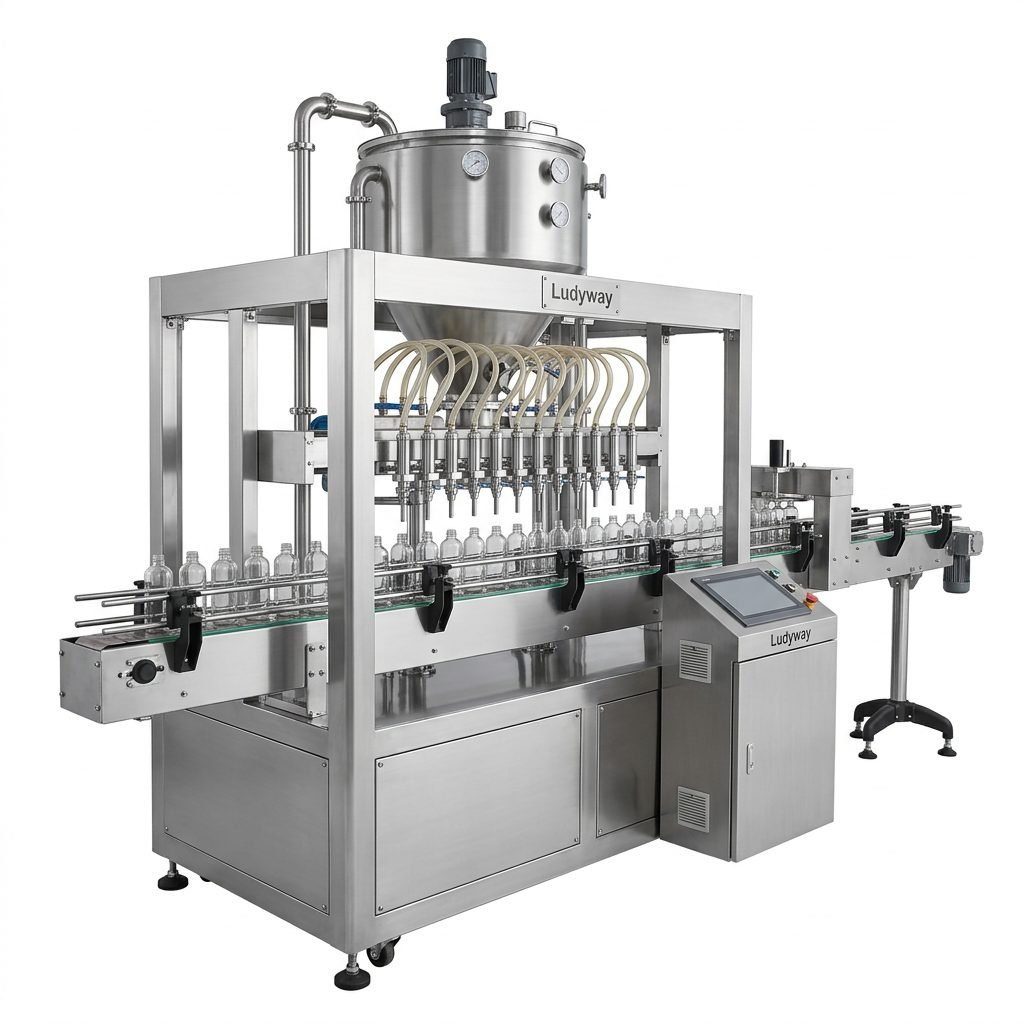
| Rotary Liquid Filling Machine | Bottle filling for retail-sized products | 40–120 bottles/min | Bottles, jars, canisters |
| Pouch Packaging Machine | Stand-up pouches, spouted pouches | 25–80 pouches/min | Stand-up, flat, spouted pouches |
| Automatic Filling & Sealing Line | Full-scale industrial production | Custom configurations available | Multiple formats on one line |
Critical Features to Evaluate
When comparing specific models, pay close attention to the following technical features that directly impact performance, reliability, and product quality.
Filling Accuracy and Dosing Technology
Modern cooking oil packing machines use servo-driven piston fillers, magnetic flow meters, or mass flow meters for precise dosing. For high-value oils, even a 1% overfill per pack translates into significant annual losses. Demand filling accuracy within ±0.5% or better. Servo-controlled systems offer the highest repeatability and can be adjusted digitally through the HMI, reducing changeover time between different fill volumes.
Sealing Integrity and Temperature Control
Oil contamination on seal areas is the number one cause of leaking packs. Look for machines with independent temperature control zones on vertical and horizontal sealing jaws. Some advanced machines include automatic seal pressure calibration and temperature deviation alarms. A poorly sealed oil pack damages brand reputation and creates messy secondary packaging, so robust sealing technology is non-negotiable.
Material Handling and Web Tension Control
Oil-resistant packaging films require precise web tension control to maintain print registration and consistent bag lengths. Machines with automatic tension adjustment and web guiding systems reduce film waste. If you run multiple film types — from basic laminates to high-barrier aluminum foil structures — ensure the machine can handle the range without excessive changeover time or material waste.
Material Compatibility and Packaging Film Selection
Your choice of machine must align with the packaging materials you intend to use. Oil products require films with excellent barrier properties against oxygen and light. Common structures include PET/AL/PE, BOPP/CPP, and metalized polyester laminates. The machine’s sealing system must be compatible with the specific heat-seal layer of your chosen film. Verify that the machine can run the film thickness and structure you plan to use before committing to a purchase. According to flexible packaging industry data, material compatibility testing is a standard part of the machine qualification process.
Food Safety and Regulatory Compliance
Cooking oil is a food product, so your equipment must meet relevant food safety standards. Stainless steel construction (304 or 316L grade) for all product-contact parts is essential. Look for machines designed with hygienic principles — sloped surfaces, minimal crevices, easy-access cleaning points, and sealed electrical enclosures. Depending on your market, you may need compliance with FDA regulations for food contact substances, EU directives, or ISO standards. Confirm that the manufacturer can provide the documentation you need for your target markets before ordering equipment.
Automation Level and Integration Capabilities
Modern cooking oil packing machines range from semi-automatic stations to fully integrated packaging lines that connect filling, sealing, coding, cartoning, and palletizing. Consider not just your current needs but your production roadmap for the next 3–5 years. A machine that integrates with upstream oil processing equipment and downstream cartoning systems provides more long-term value than a standalone unit. Features like recipe management, production data logging, and remote diagnostics improve operational visibility and reduce downtime.
Key automation features to evaluate
- Servo-driven filling with recipe memory for quick product changeovers
- Automatic film splicing systems that minimize stoppages for roll changes
- Integrated vision inspection for seal integrity and print quality
- OEE monitoring dashboards for production performance tracking
- Remote access capabilities for supplier technical support and troubleshooting
Calculating Total Cost of Ownership
The purchase price of a cooking oil packing machine represents only part of the total investment. Smart buyers evaluate the total cost of ownership over the expected lifespan of the equipment, typically 7–15 years. Consider these cost factors beyond the initial price:
- Film waste percentage: A machine with 3% film waste versus one with 8% waste can save tens of thousands of dollars annually in material costs alone.
- Energy consumption: Heating elements, servo motors, and compressed air systems all contribute to operating costs.
- Spare parts availability: Machines using proprietary components may have longer lead times and higher replacement costs.
- Maintenance requirements: Understand the recommended preventive maintenance schedule and the availability of local service support.
- Operator training needs: Complex machines may require more skilled operators or ongoing training investment.
Supplier Evaluation Criteria
Choosing the right equipment partner matters as much as choosing the right machine. A supplier with decades of experience in liquid packaging machinery brings valuable application knowledge that translates into better machine configurations for your specific product. Evaluate potential suppliers on these criteria:
Industry Experience and References
Ask for references from customers producing similar oil products at comparable volumes. A supplier familiar with the challenges of packing sunflower oil, palm oil, olive oil, and blended oils understands the nuances of different viscosities, filling temperatures, and packaging requirements. Experienced suppliers can often recommend improvements to your packaging process based on lessons learned across hundreds of installations.
Customization and Engineering Capabilities
Standard machines rarely fit every application perfectly. The best suppliers offer engineering support to customize machine configurations — adjusting lane counts, adding nitrogen flushing, integrating specific dosing systems, or modifying for your factory layout. A supplier with in-house engineering and manufacturing capabilities can deliver tailored solutions more efficiently than one that only resells standardized equipment.
After-Sales Support and Service Network
Packaging machines operate in demanding production environments. When issues arise, responsive technical support minimizes downtime. Evaluate the supplier’s service infrastructure: Do they offer remote diagnostics? How quickly can they dispatch a technician? What spare parts are stocked locally? These questions directly impact your production continuity over the life of the machine.
About Ludyway Machinery
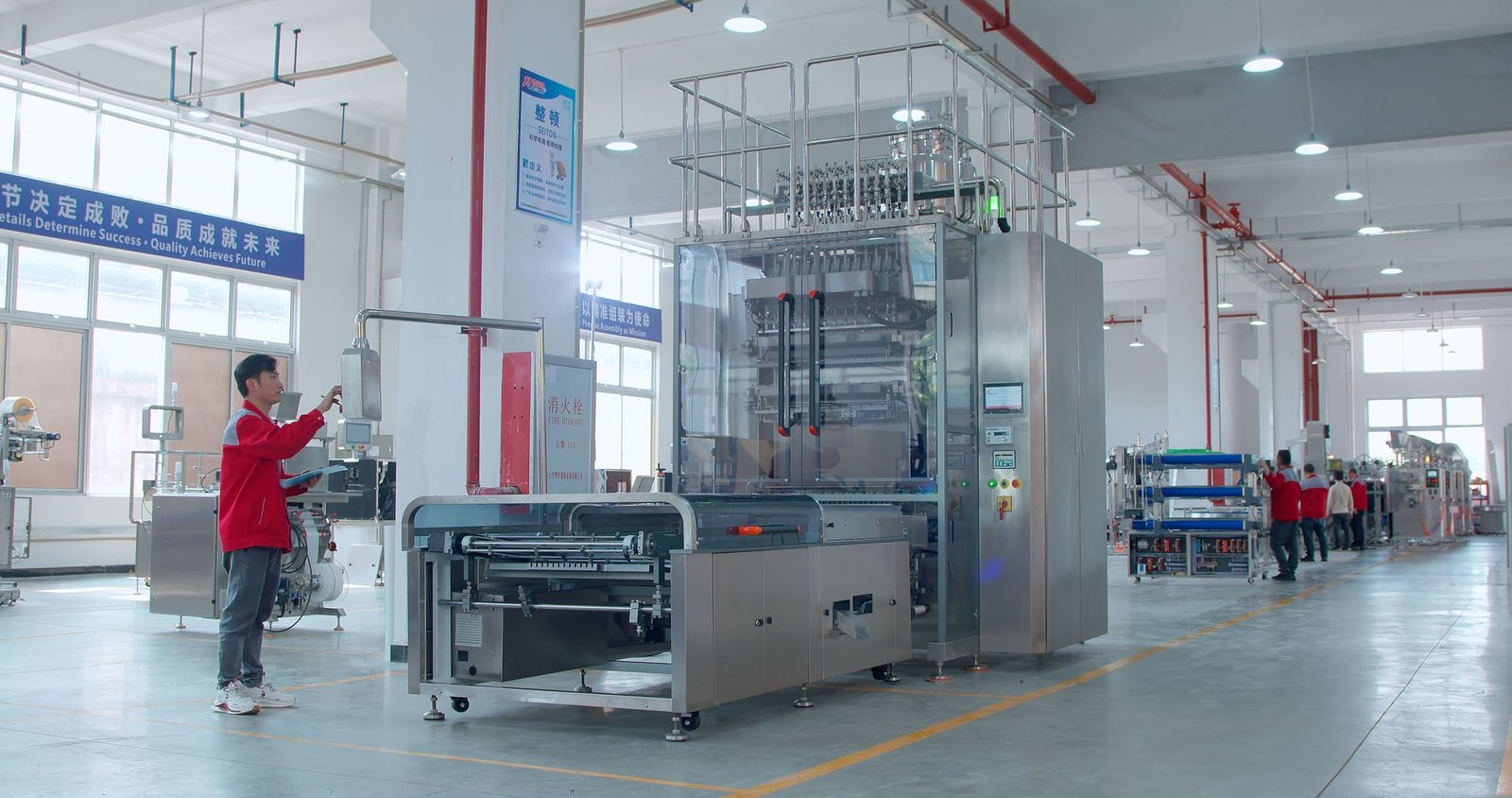
Ludyway Machinery is a China-based packaging machinery manufacturer with more than 30 years of experience supplying automated packaging equipment and turnkey solutions across multiple industries, including food and beverage, pharmaceuticals, cosmetics, and chemicals. With a 20,000-square-meter manufacturing facility and a portfolio of over 50 packaging machine models, the company provides customized configurations for sachet, stick pack, pouch, bottle, and bulk packaging applications. Ludyway serves customers in more than 100 countries, offering comprehensive support from machine selection and system integration through installation, commissioning, and after-sales technical service. The company is projected to achieve export revenue exceeding RMB 500 million in 2025, reflecting its growing role as a global packaging machinery partner.
Making the Final Decision
After evaluating machine types, features, materials compatibility, regulatory requirements, and supplier credentials, you will be well-positioned to select the right cooking oil packing machine. Request detailed proposals from shortlisted suppliers, conduct factory acceptance tests where possible, and insist on clear documentation covering specifications, warranty terms, and performance guarantees. The right investment protects your product quality, supports your production growth, and delivers reliable performance for years of operation. For more industry insights on packaging machinery selection and market trends, packaging machinery market research from PMMI provides extensive data and analysis.