The Italian food packaging machinery market stands as one of the most sophisticated and demanding in Europe. With a strong heritage in food production—from artisanal pasta and olive oil to world-renowned confectionery and coffee—Italian manufacturers require precision, efficiency, and compliance with rigorous EU standards. Selecting the right food packaging machine for the Italian market involves much more than evaluating speed and price; it demands a deep understanding of local regulations, consumer expectations, and production workflows. This guide walks you through the most critical factors to help you make a confident, future-proof investment.
Understanding Italian Food Packaging Regulations
Italy, as a key member of the European Union, enforces stringent food contact material regulations. Any packaging machine introduced to the Italian market must support compliance with food contact substance standards and EU-wide directives. Key regulatory frameworks include:
- EC Regulation 1935/2004 — governing materials and articles intended to come into contact with food
- EU Regulation 2023/2006 — on Good Manufacturing Practice (GMP) for food contact materials
- Italian Legislative Decree No. 29/2017 — national enforcement of EU food contact legislation
- MOCA (Materiali e Oggetti a Contatto con Alimenti) — Italian-specific certification requirements
Choosing equipment that inherently supports these compliance requirements—such as machines with full traceability, hygienic design, and certified material contact parts—will save significant time and cost during the approval process. The ISO packaging standards provide an excellent baseline reference for machinery specifications in this region.
Packaging Format: Sachet, Stick Pack, or Multi-Lane Solutions
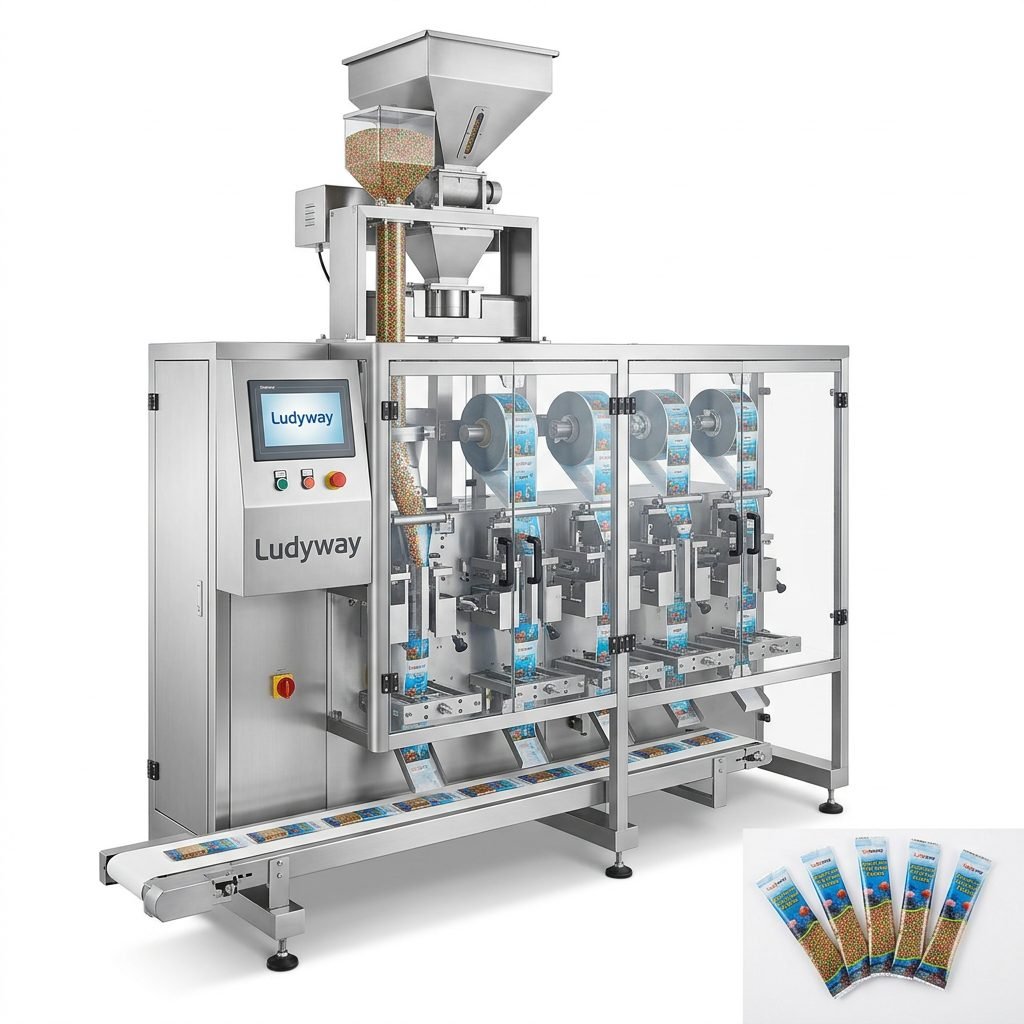
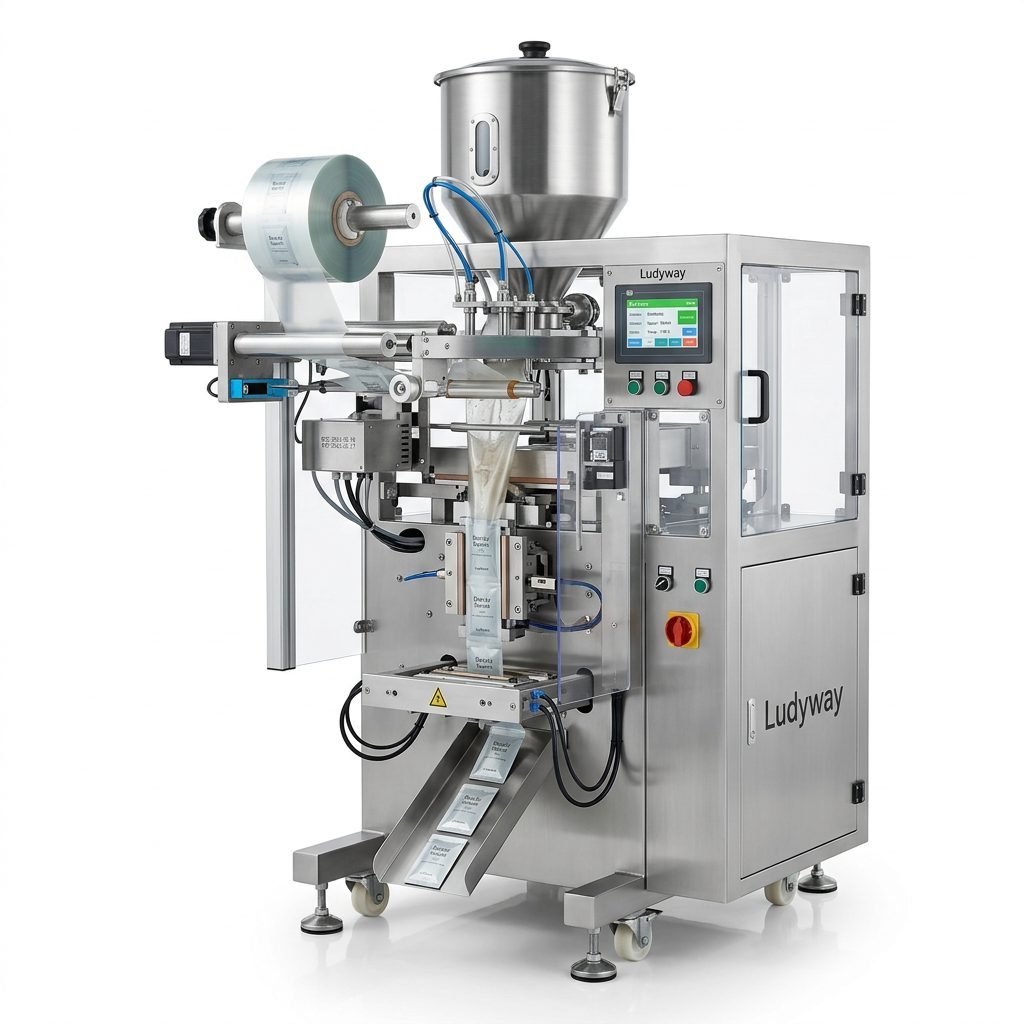
Italian consumers are accustomed to convenient, portion-controlled packaging formats. Whether you produce ground coffee, grated cheese, sauces, or single-serve olive oil, selecting the correct format is crucial. The three most popular formats in the Italian food sector are:
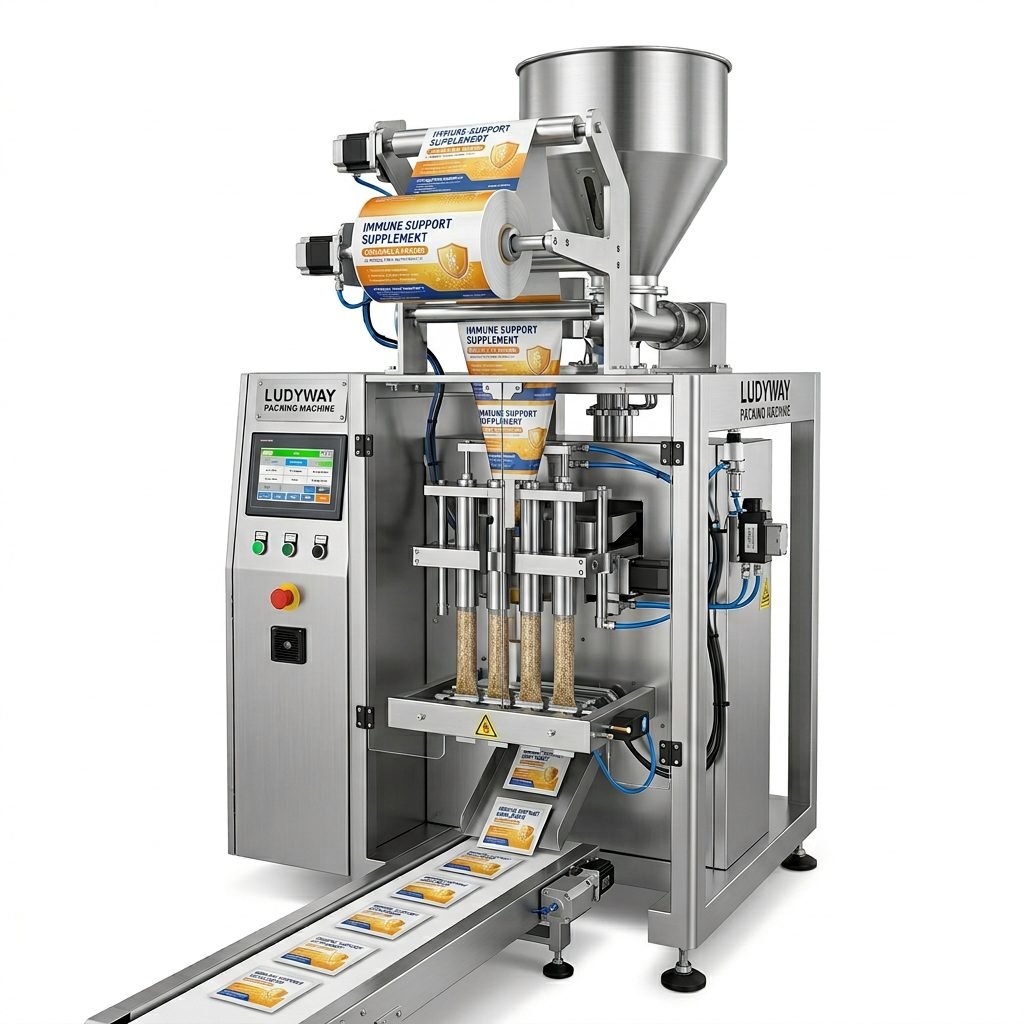
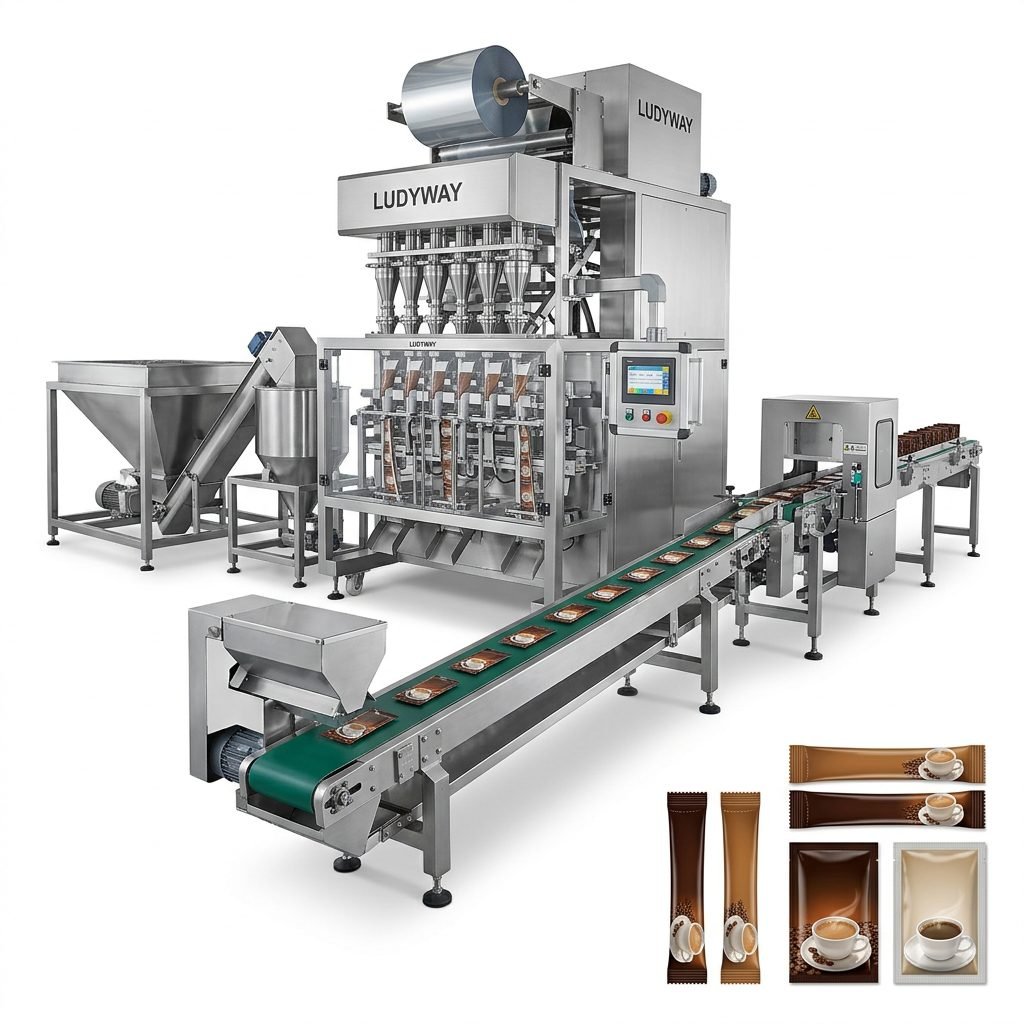
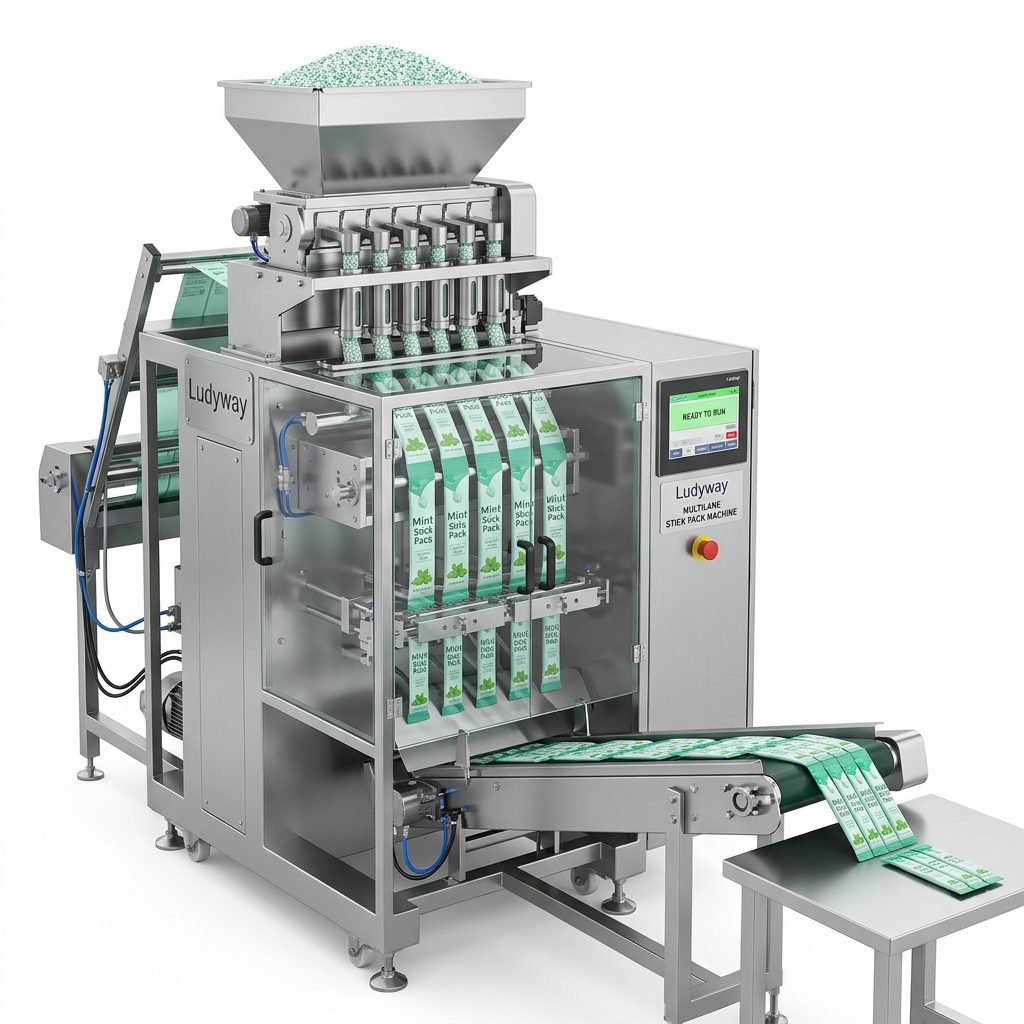
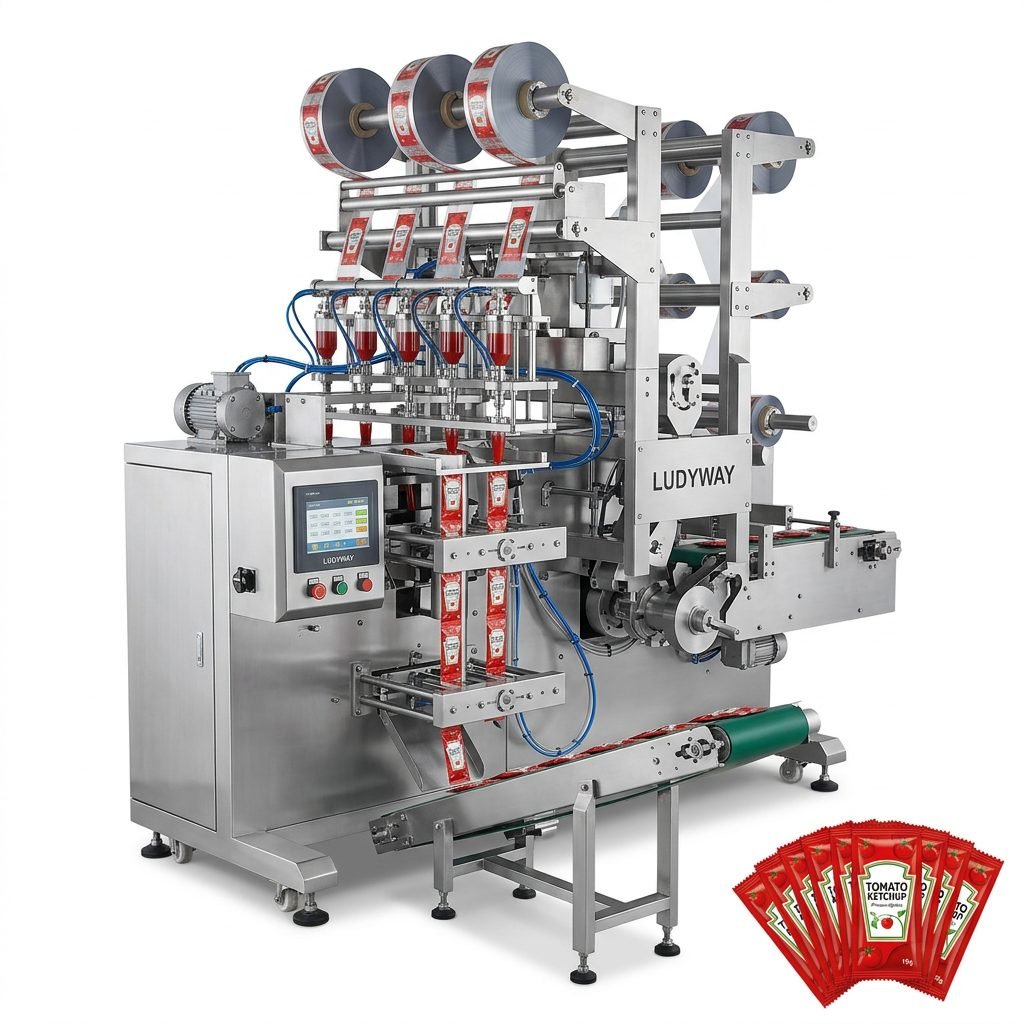
- Stick packs — ideal for coffee, sugar, salt, and soluble powders; compact and highly portable
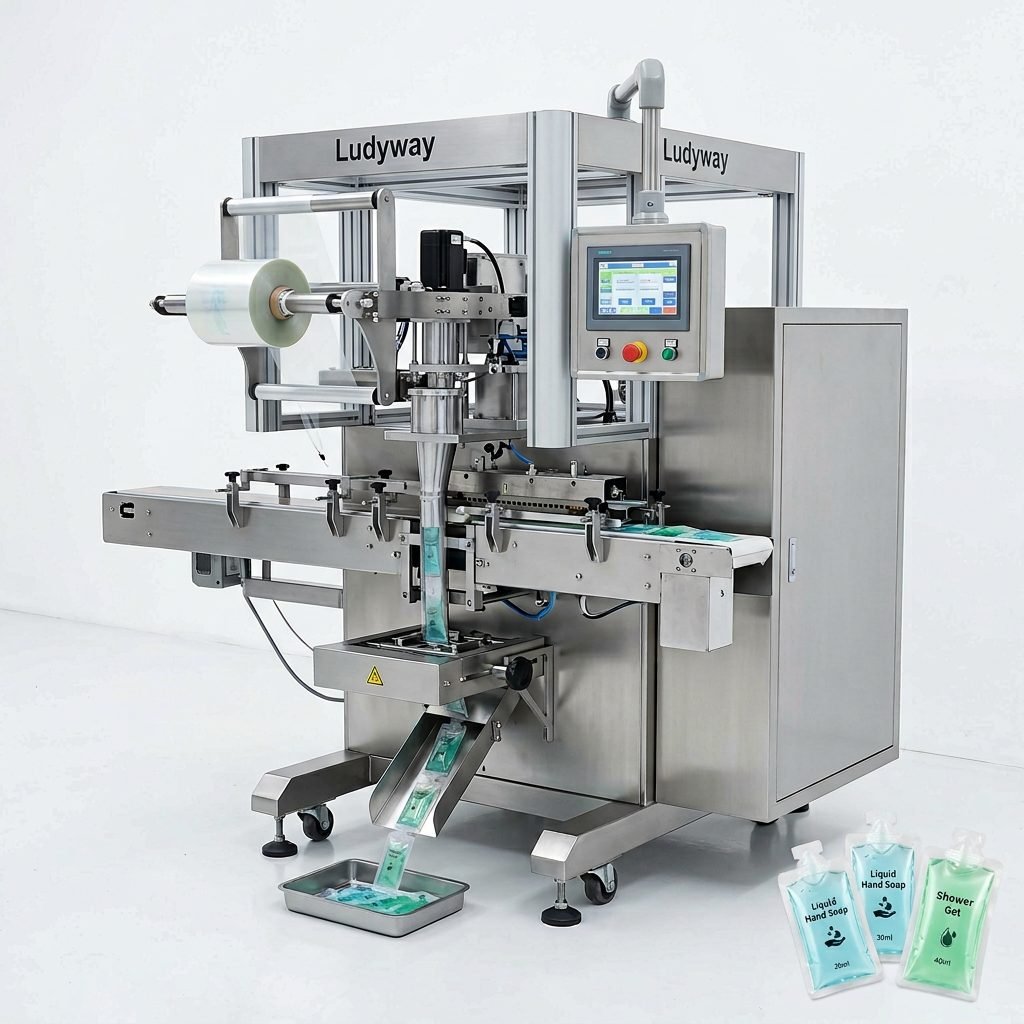
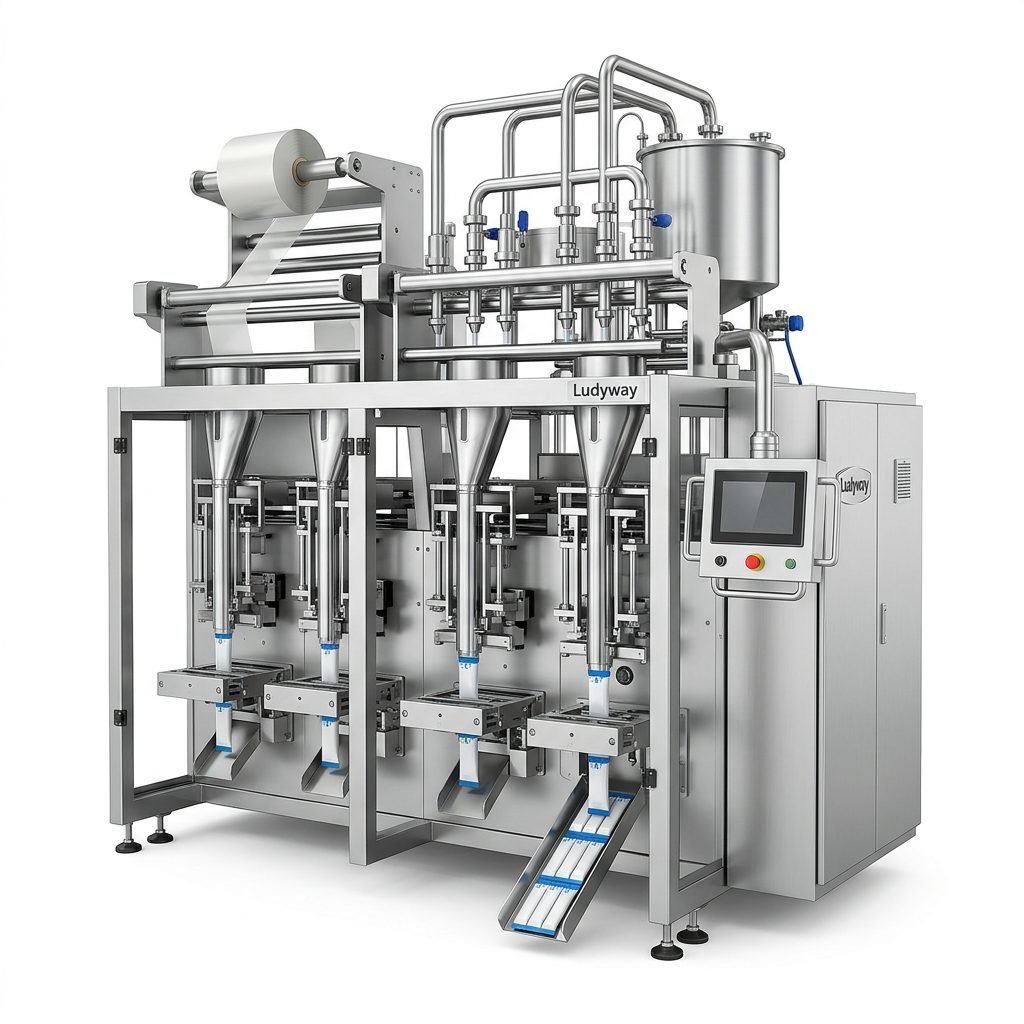
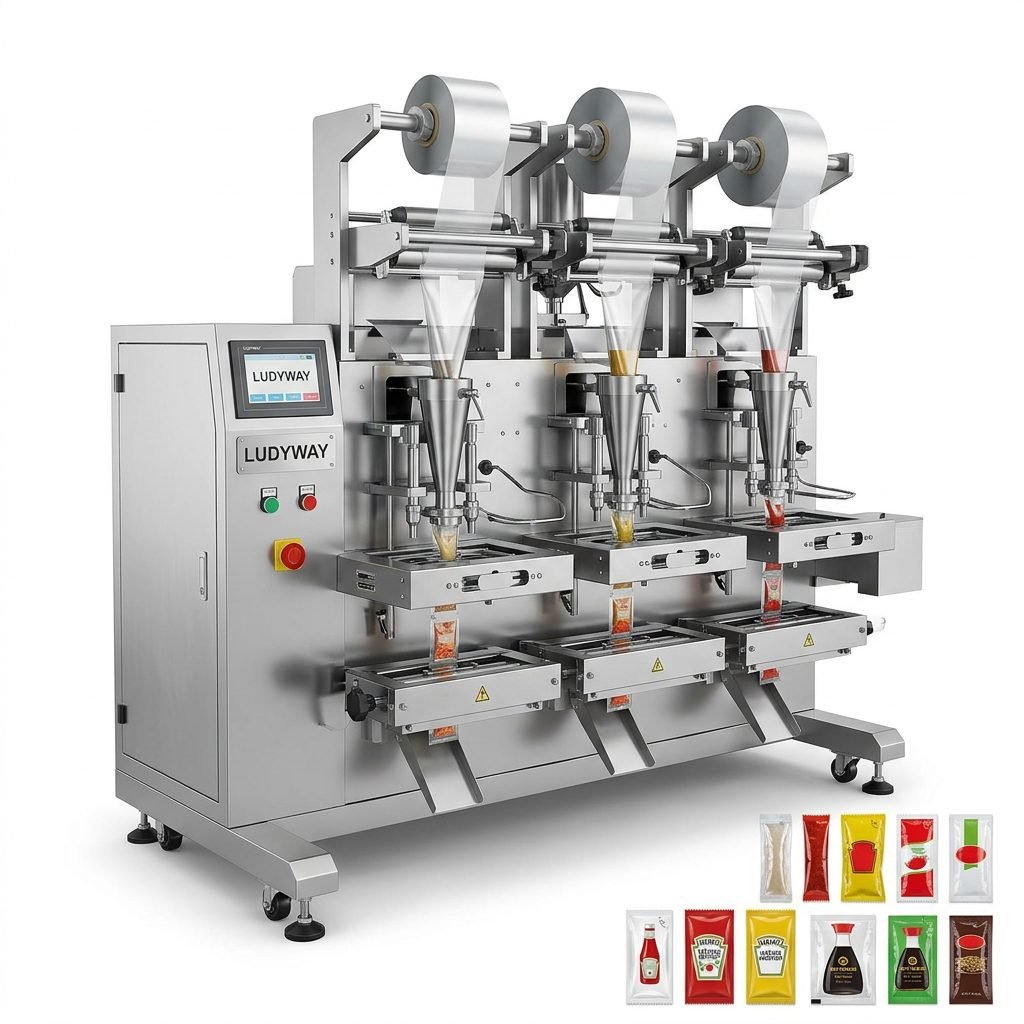
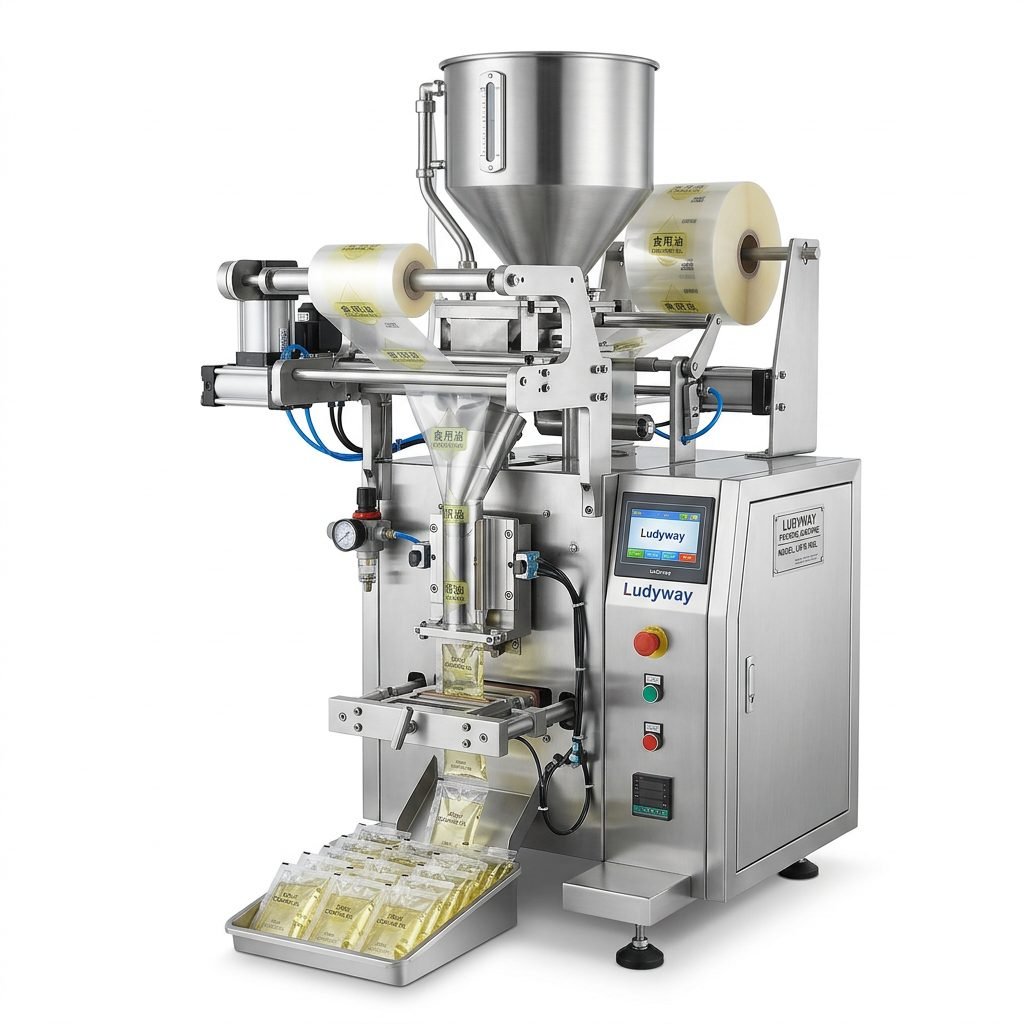
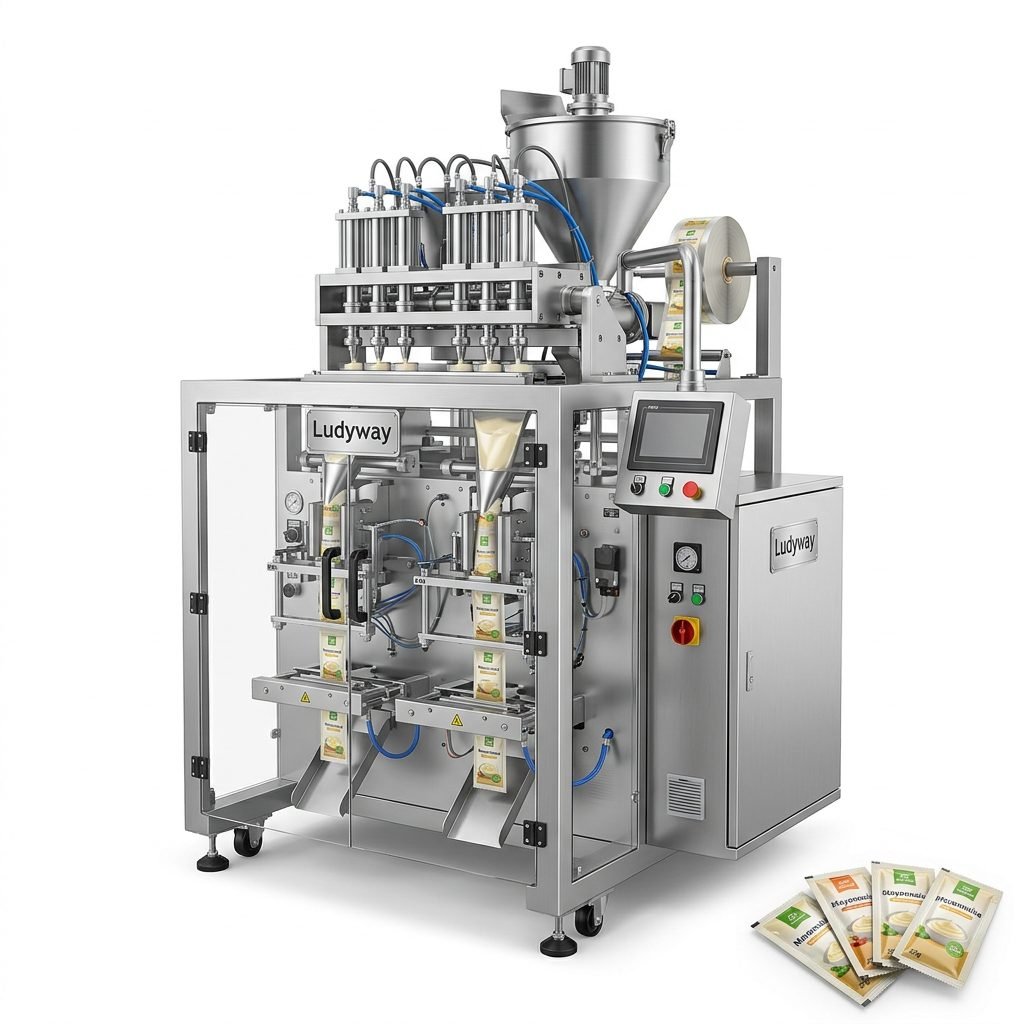
- Sachets — widely used for sauces, dressings, ketchup, and mayonnaise in food service
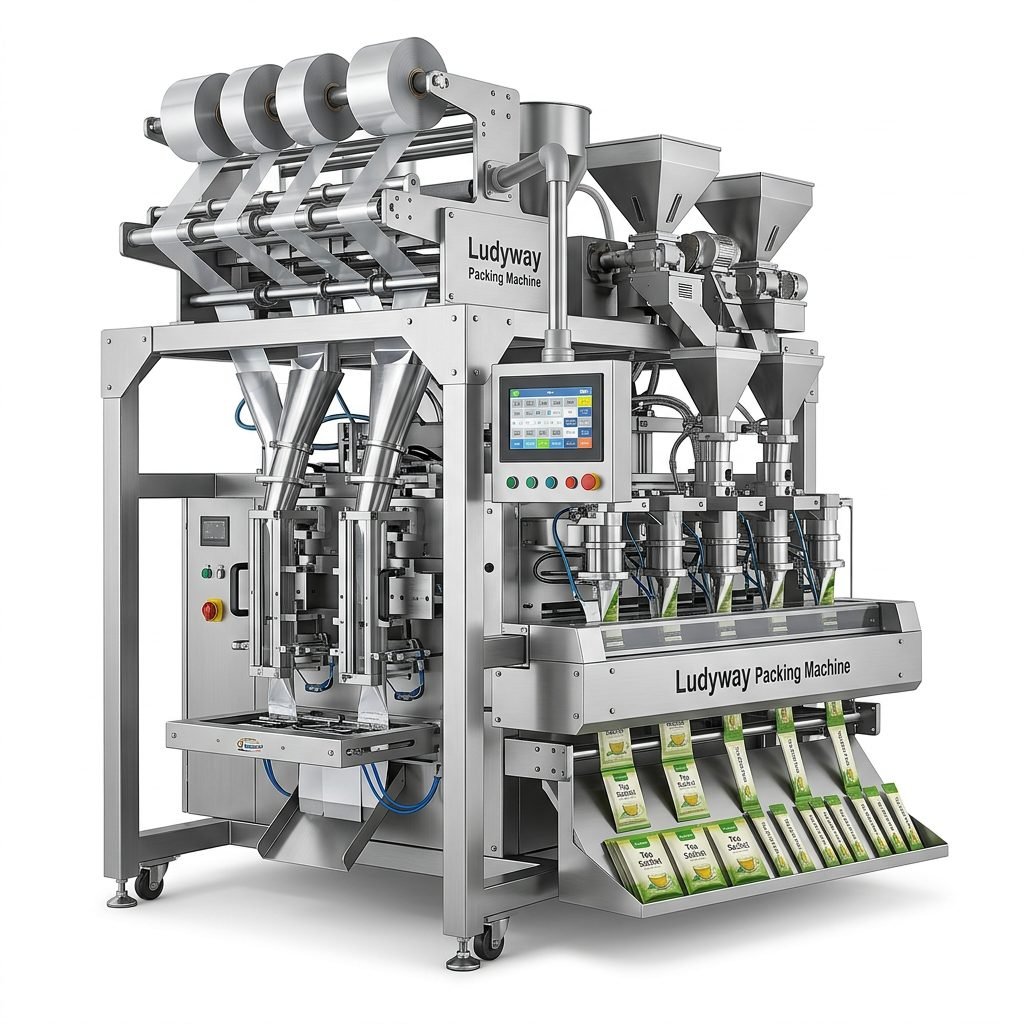
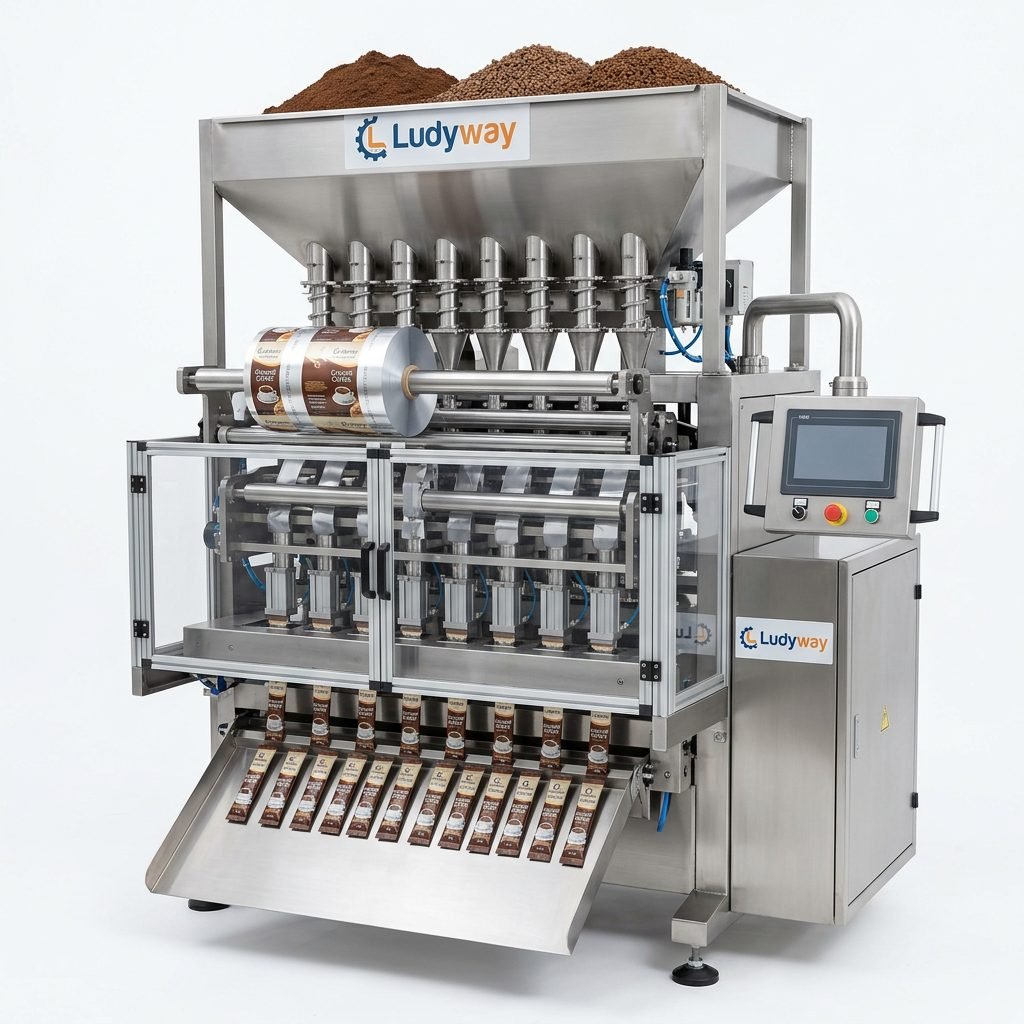
- Multi-lane systems — maximizing throughput for high-demand products like instant coffee and seasoning mixes
According to industry data from the Flexible Packaging Association, flexible packaging continues to gain market share across Europe, driven by both consumer convenience and sustainability goals. Italian manufacturers increasingly favor multi-lane stick pack machines for their ability to deliver high output with minimal material waste.
Production Speed and Efficiency Demands
Italy’s food manufacturing sector includes both large-scale industrial operations and mid-sized artisanal producers. Your packaging machine must align with your specific production capacity requirements. Consider these benchmarks:
- Small to medium producers: 40–80 packs per minute per lane
- High-volume industrial lines: 100–200+ packs per minute with multi-lane configurations
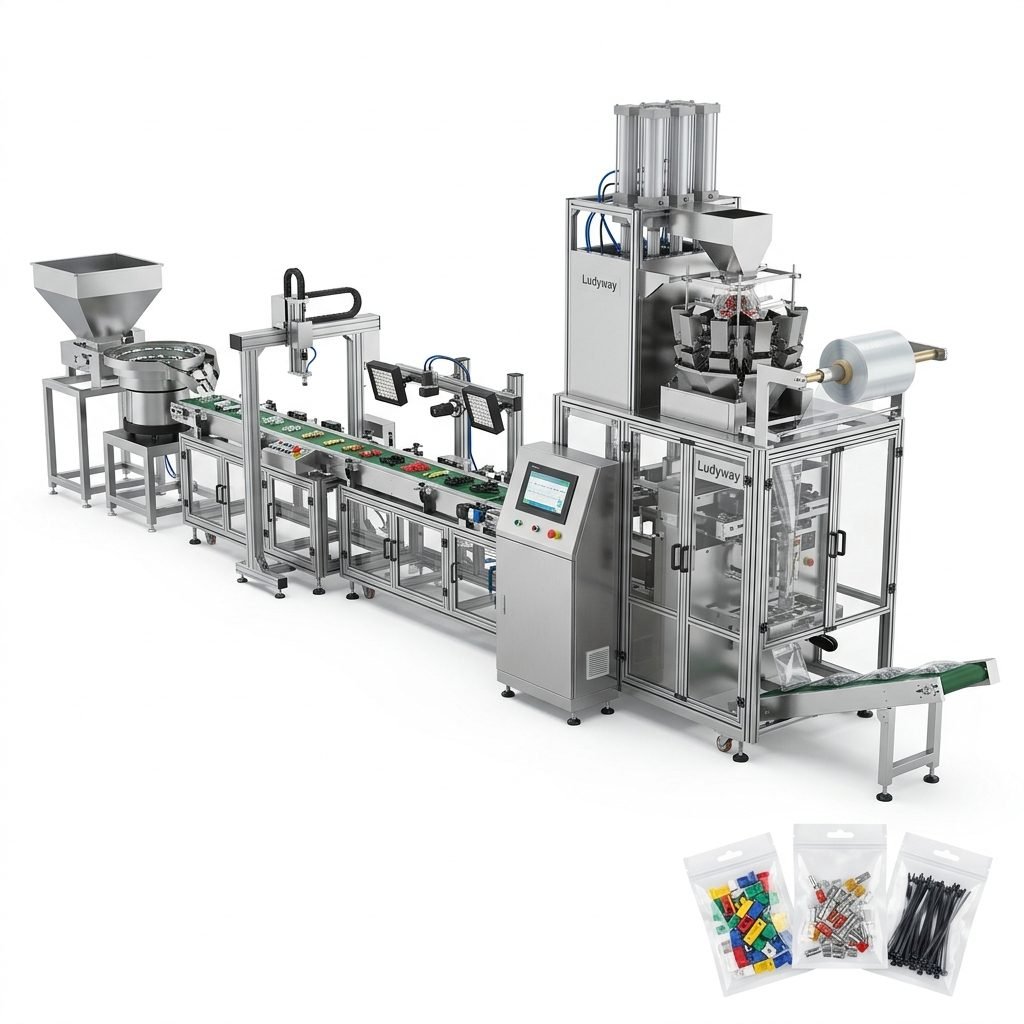
- Turnkey automated lines: integrated filling, sealing, coding, and cartoning for maximum efficiency
Energy efficiency is another critical factor. Italian electricity costs rank among the highest in Europe, making energy-efficient servo-driven systems an important consideration for long-term operational savings. Modern packaging machinery with regenerative drives and optimized heating systems can reduce energy consumption by 20–35%.
Material Compatibility and Sustainability
Sustainability has become a defining trend in Italian food packaging. The European Commission’s Packaging and Packaging Waste Regulation sets ambitious targets for recyclability and recycled content. Italian brands are increasingly transitioning to:
- Mono-material laminates (PP or PE-based) for easier recycling
- Bio-based and compostable films aligned with Italian composting infrastructure
- Reduced material thickness without compromising barrier properties
- Paper-based flexible packaging for dry food applications
Your packaging machine should be versatile enough to handle these evolving materials. Machines equipped with adjustable sealing temperature controls, tension management systems, and compatibility with thinner gauge films will provide a significant competitive advantage in the Italian market.
Hygienic Design and Cleanability
Italian food safety authorities enforce rigorous hygiene standards for all food contact equipment. Packaging machines destined for the Italian market should feature:
- Stainless steel construction (AISI 304 or 316L) for all product contact surfaces
- Tool-free disassembly for rapid cleaning and changeover
- Sloped surfaces and sealed bearings to prevent product buildup
- IP65 or higher washdown-rated electrical components
- HACCP-compliant design principles integrated into the machine architecture
These features are particularly important for producers handling dairy products, sauces, and ready-to-eat foods, where contamination risks must be strictly controlled.
Key Selection Criteria at a Glance
| Selection Criterion | Why It Matters for Italy | Recommended Specification |
|---|---|---|
| Regulatory Compliance | EU & Italian food contact laws are mandatory | CE marking, MOCA-ready materials |
| Packaging Format | Italian consumers prefer single-serve convenience | Multi-lane stick pack / sachet capability |
| Material Flexibility | Growing demand for sustainable packaging | Supports recyclable & compostable films |
| Speed & Output | High labor costs drive automation demand | 80–200 packs/min depending on scale |
| Hygienic Design | Strict Italian food safety enforcement | Stainless steel, tool-free cleaning, IP65+ |
| After-Sales Support | Minimizing downtime is critical for ROI | Local service partners, remote diagnostics |
Integration with Italian Production Environments
Italian food factories often operate within space-constrained facilities, particularly in regions like Emilia-Romagna and Campania where many food processing clusters are located. Your packaging machine should offer:
- Compact footprint without sacrificing throughput
- Modular design allowing phased investment and future expansion
- Compatibility with upstream equipment such as fillers, weighers, and metal detectors
- Industry 4.0 readiness with IoT connectivity for real-time monitoring and predictive maintenance
The PMMI Business Intelligence reports consistently highlight that European manufacturers are accelerating their adoption of smart packaging technologies, making connectivity a valuable feature for Italian buyers seeking long-term competitiveness.
After-Sales Service and Technical Support
Reliable after-sales support is non-negotiable for Italian food manufacturers, where production schedules are tight and downtime costs are substantial. When evaluating a packaging machine supplier, consider:
- Availability of Italian-speaking technical support and documentation
- Presence of local service technicians or authorized partners within Italy
- Remote diagnostic capabilities to resolve issues without on-site visits
- Warranty terms and spare parts availability within the EU
- Training programs for operators and maintenance staff
Cost Considerations Beyond the Initial Purchase
The true cost of a packaging machine extends well beyond its purchase price. Italian buyers should evaluate:
- Total Cost of Ownership (TCO) — including energy, consumables, maintenance, and labor
- Changeover time — critical for producers running multiple SKUs
- Film waste rates — even a 1–2% reduction translates to significant annual savings
- Expected service life — premium machines often deliver 15–20 years of reliable operation
Investing in a high-quality, well-engineered packaging machine typically yields a better long-term return than opting for the lowest upfront price, particularly in a quality-conscious market like Italy.
Making the Right Choice for Your Italian Market Entry
Selecting the ideal food packaging machine for the Italian market requires balancing regulatory compliance, production efficiency, material versatility, and hygienic design. The best decisions come from thoroughly assessing your specific product requirements, production environment, and long-term growth plans. Whether you need a high-speed multi-lane stick pack system for coffee, a liquid sachet machine for olive oil, or a flexible solution capable of handling multiple formats, the right equipment partner can make all the difference. Ludyway has been providing advanced packaging solutions to manufacturers worldwide, combining 30+ years of engineering expertise with a deep understanding of international market requirements. For more detailed industry insights, consult the PMMI State of the Industry report and the Flexible Packaging Association resources.