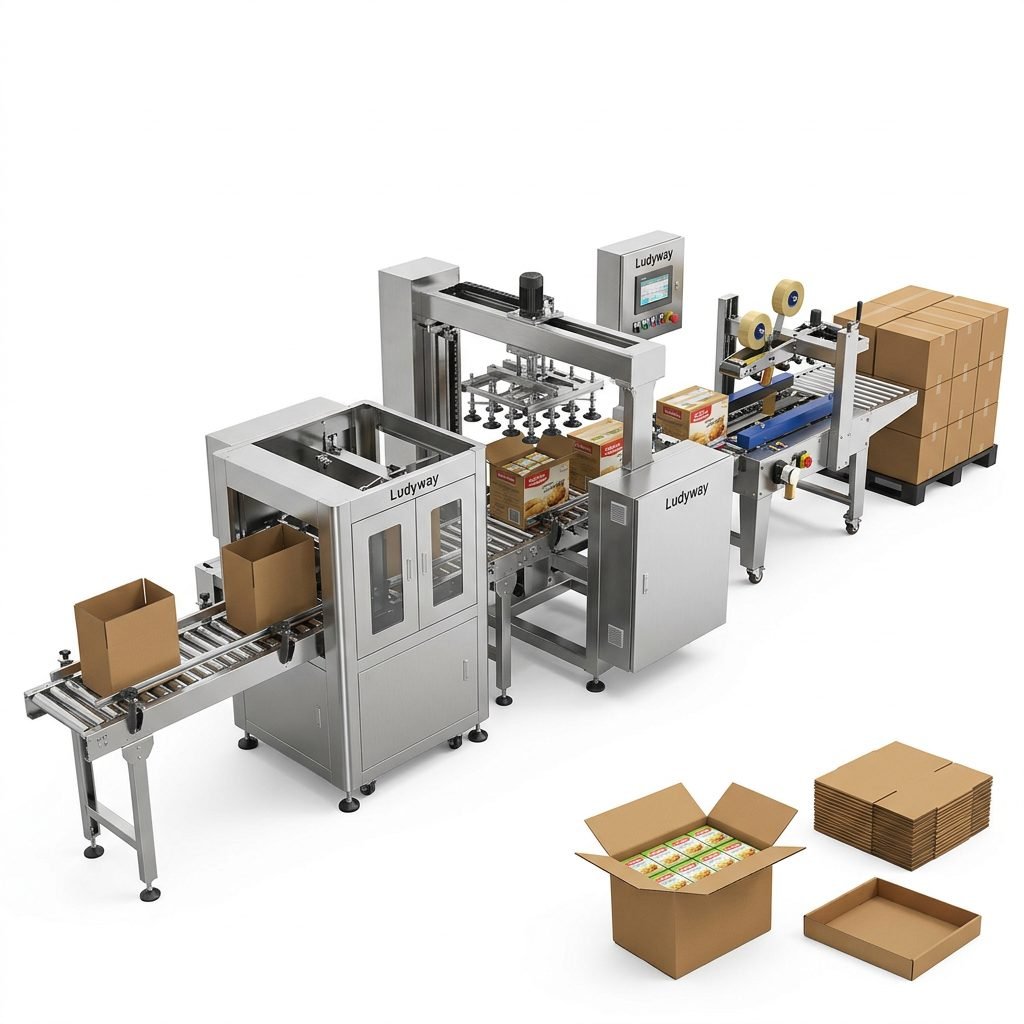
The Middle East snack food market is experiencing unprecedented growth, driven by rising disposable incomes, a young demographic, and increasing demand for convenience foods. Setting up a snack packaging machine production line in this region requires careful planning, from selecting the right equipment to navigating local regulations. This guide walks you through the essential steps to establish an efficient and compliant packaging operation.

Understanding the Middle East Snack Packaging Landscape
The snack industry across the UAE, Saudi Arabia, and the wider GCC region is projected to grow at a CAGR of over 5% through the coming years. Popular product categories include nuts, dried fruits, potato chips, extruded snacks, confectionery, and granola-based products. Each of these requires specific packaging configurations to maintain freshness, meet shelf-life expectations, and comply with regional food packaging standards.
Key Market Drivers in the Region
- Halal certification requirements influencing material choices and production line design
- High ambient temperatures demanding superior barrier packaging solutions
- Growing preference for single-serve and portion-controlled stick pack formats
- Retail expansion through hypermarkets, convenience stores, and e-commerce channels
- Increased investment in automated packaging machinery to reduce labor dependency
Choosing the Right Snack Packaging Machine Type
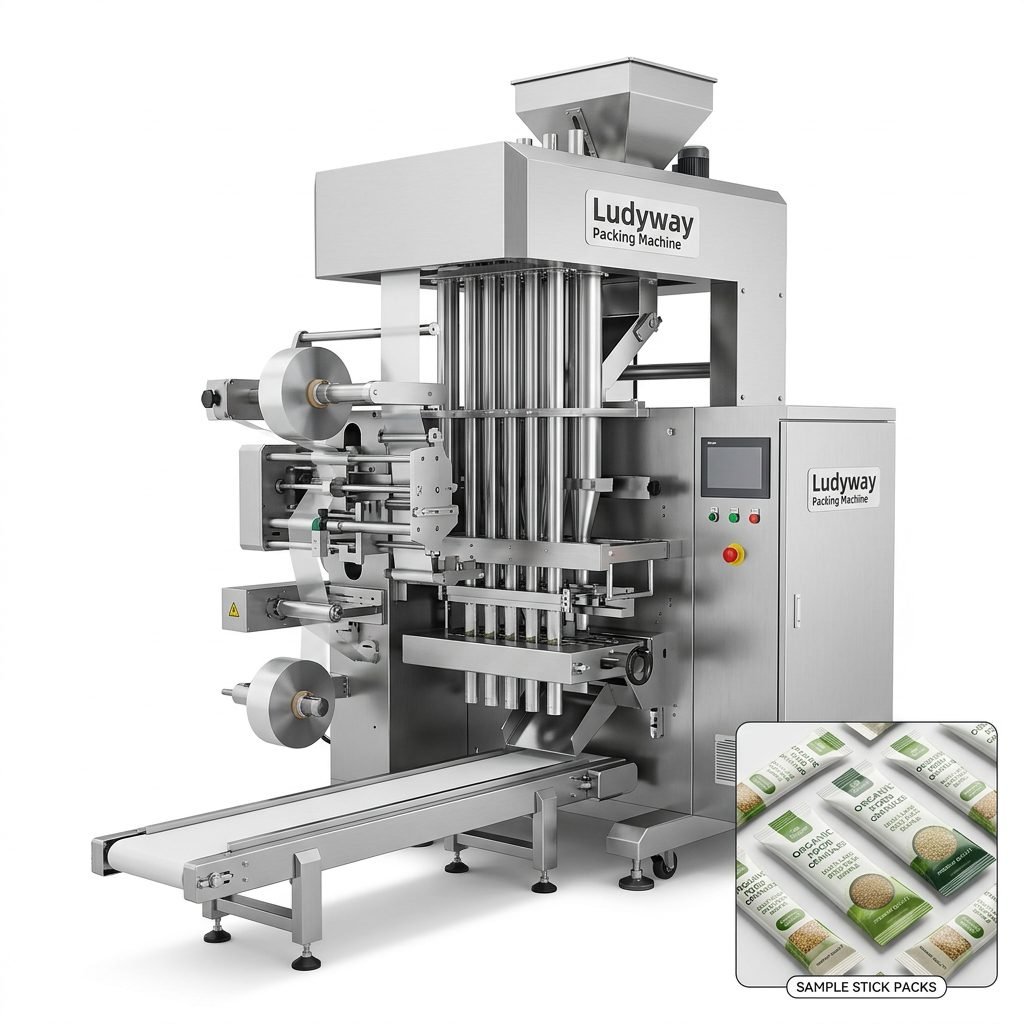
Selecting the appropriate packaging equipment is the foundation of a successful production line. For snack products, multi-lane stick pack and sachet machines are among the most popular choices due to their high output and format flexibility. The following table outlines common machine types and their suitable applications.
| Machine Type | Best For | Key Advantage |
|---|---|---|
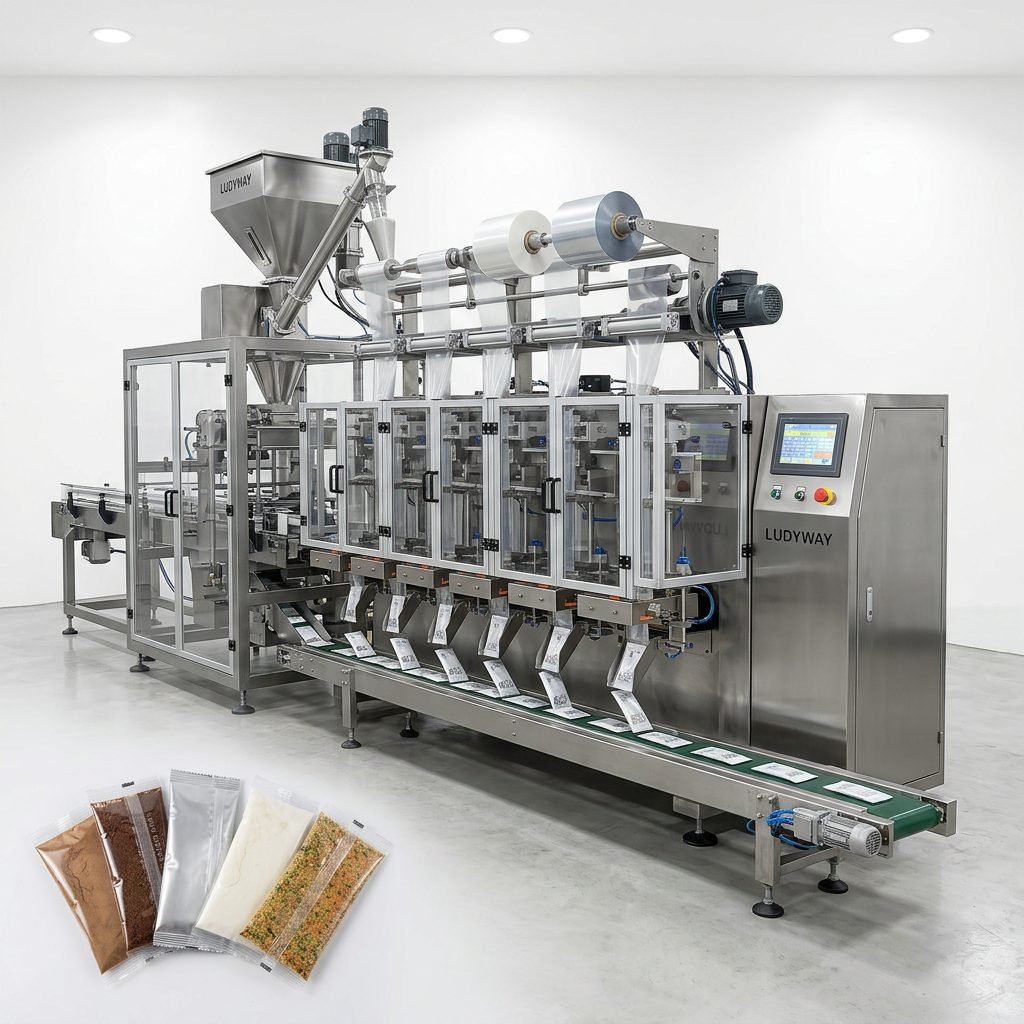
| Multi-Lane Stick Pack Machine | Granules, powders, small solid snacks | High output up to 400+ packs/min |
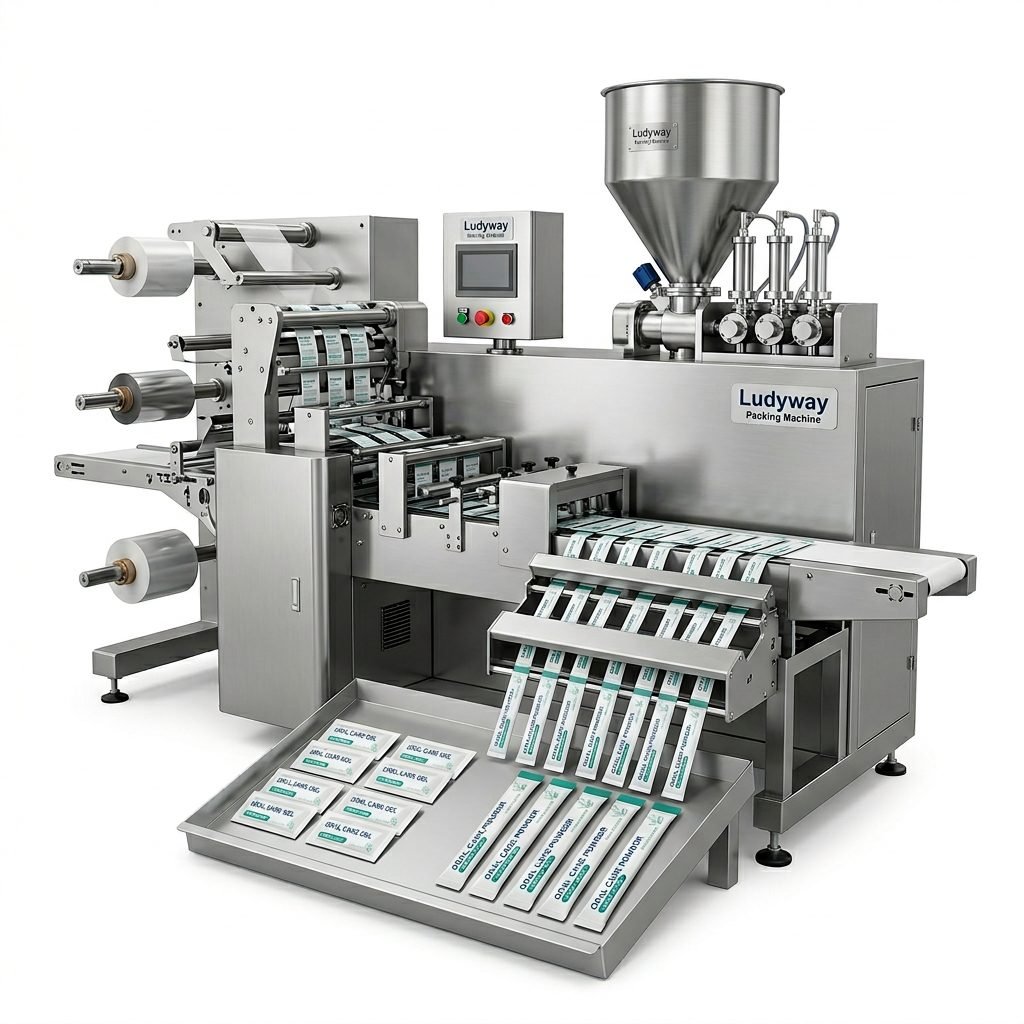
| Sachet Packaging Machine | Liquid gels, pastes, sauces | Versatile format, cost-effective |
| Premade Pouch Filling Line | Mixed nuts, dried fruits, trail mix | Premium shelf appeal, resealable options |
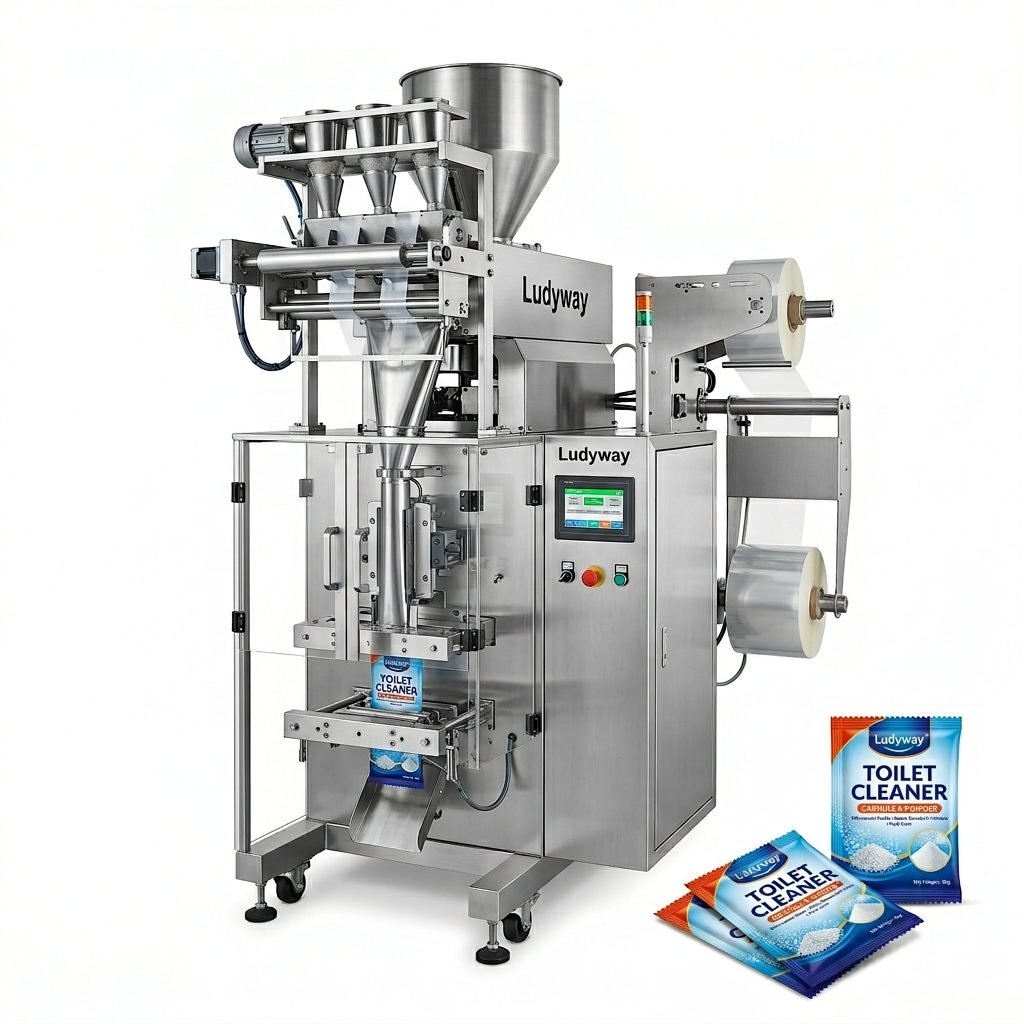
| Vertical Form Fill Seal (VFFS) | Potato chips, extruded snacks | Robust, proven technology |
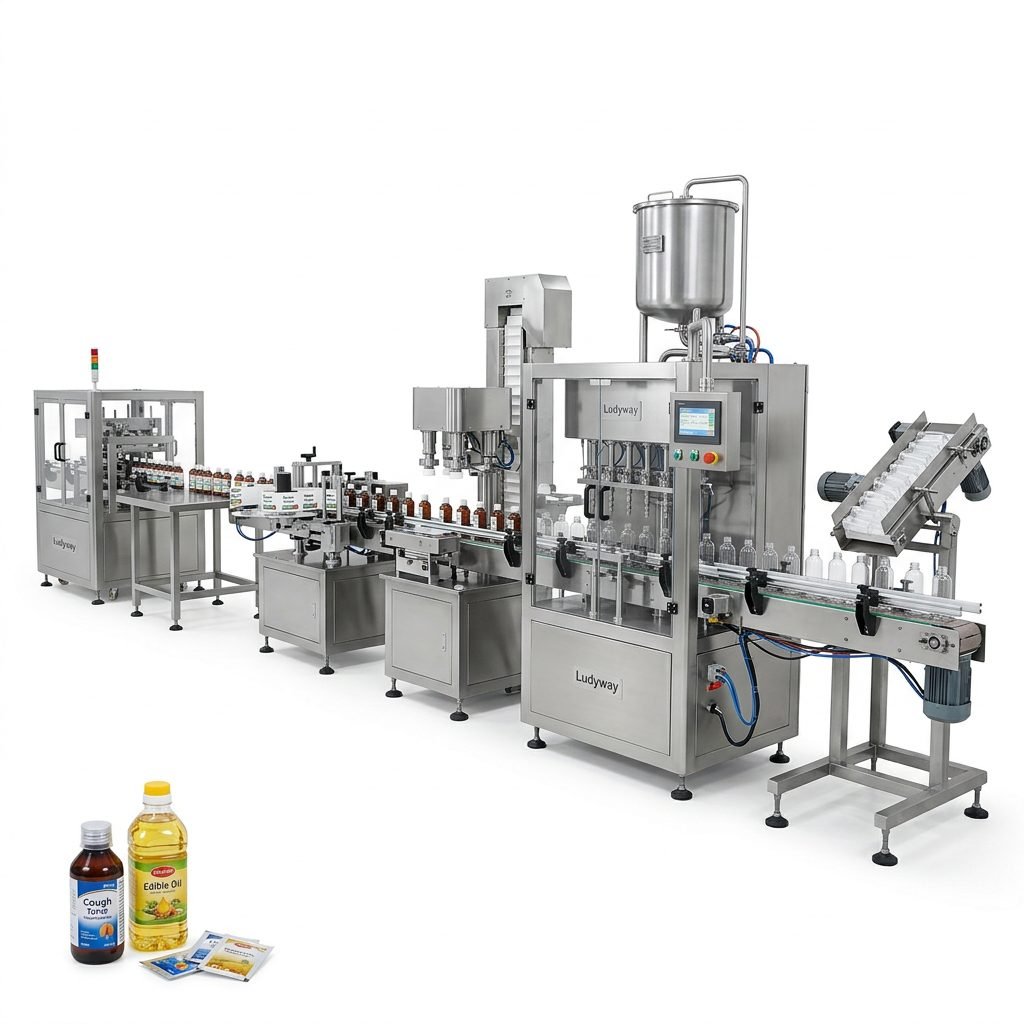
| Complete Turnkey Packaging Line | Full-scale snack production | Single-supplier integration, reduced complexity |
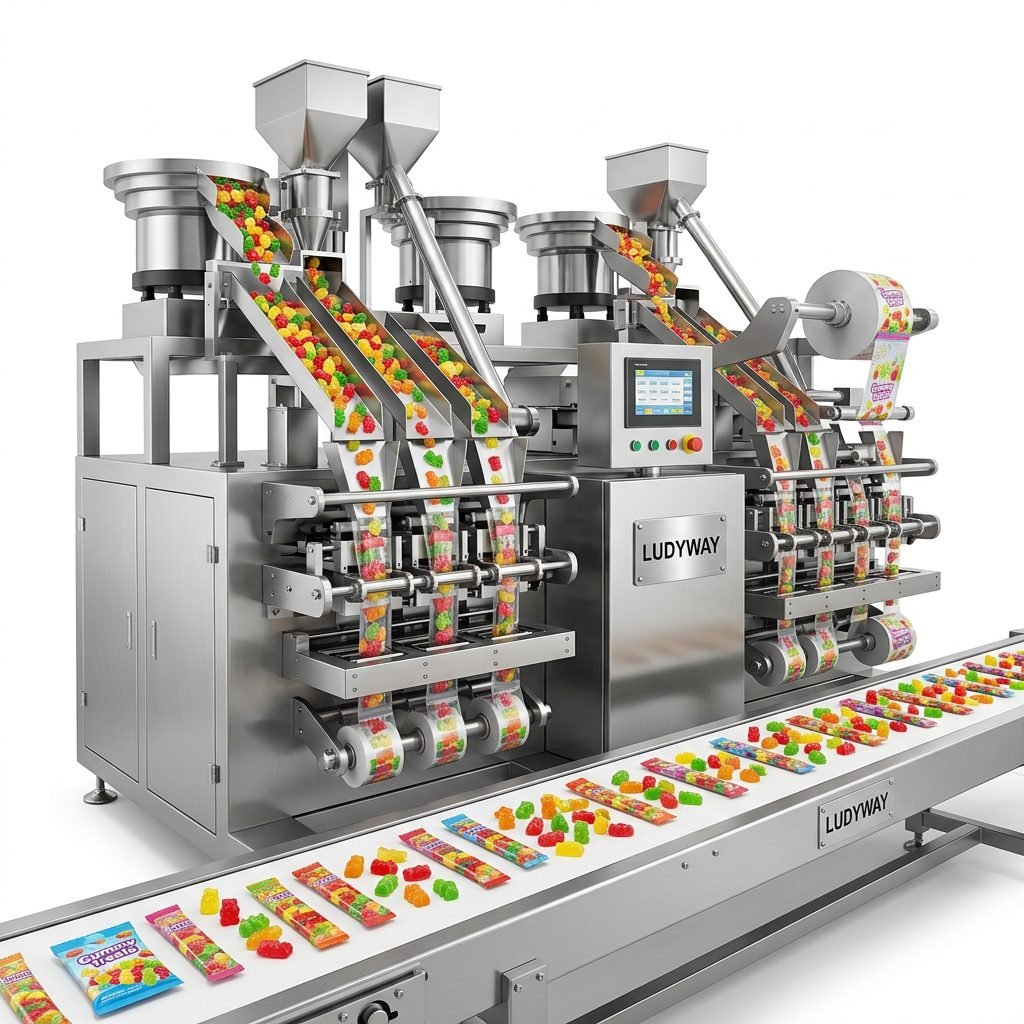
Essential Components of a Snack Packaging Production Line
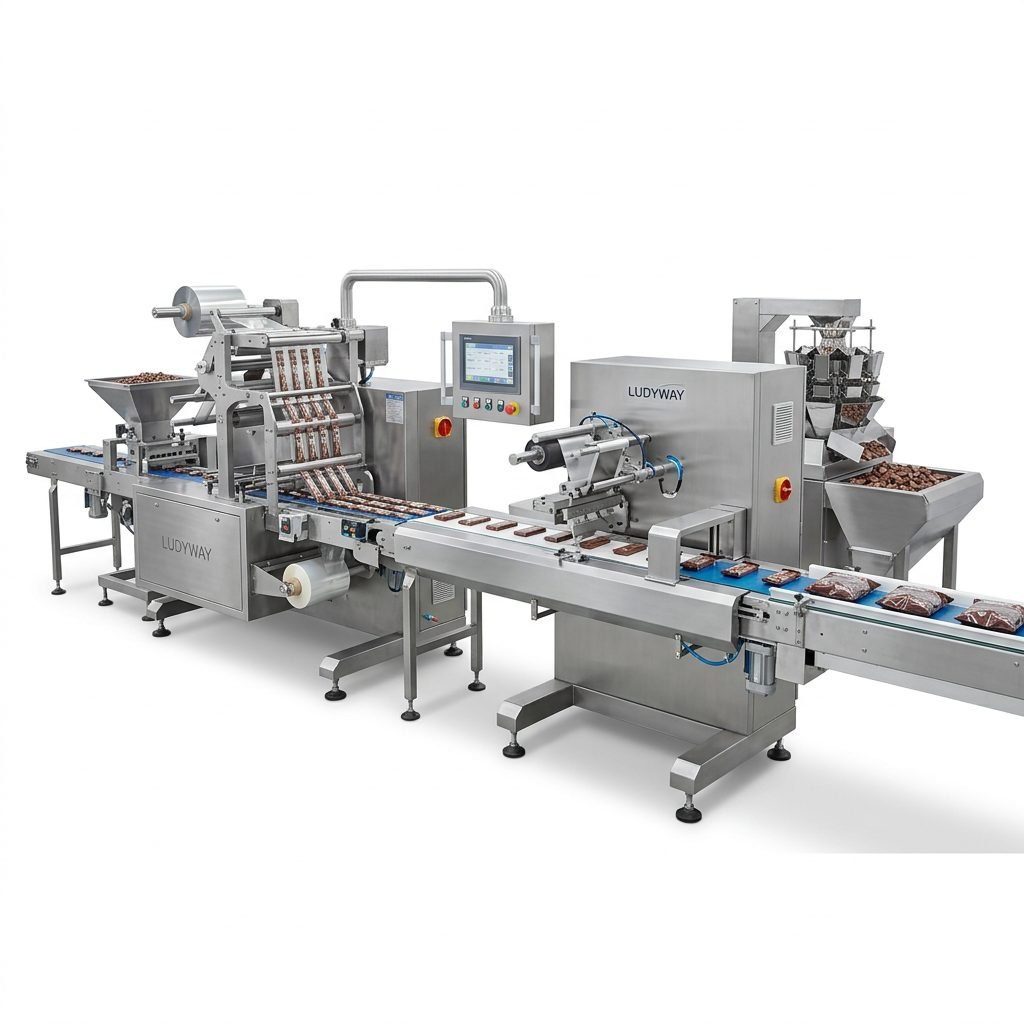
A well-designed snack packaging line integrates multiple interconnected systems. Each component plays a critical role in ensuring consistent output quality and operational efficiency. Understanding these elements helps in making informed procurement decisions.
Feeding and Conveying Systems
The feeding system delivers bulk snacks from processing to the packaging machine. Options include bucket elevators, inclined conveyors, and vacuum feeders. For fragile snacks like potato chips, gentle handling systems prevent product breakage. The packaging industry standards emphasize the importance of matching conveyor speed to packaging machine throughput.
Weighing and Dosing Units
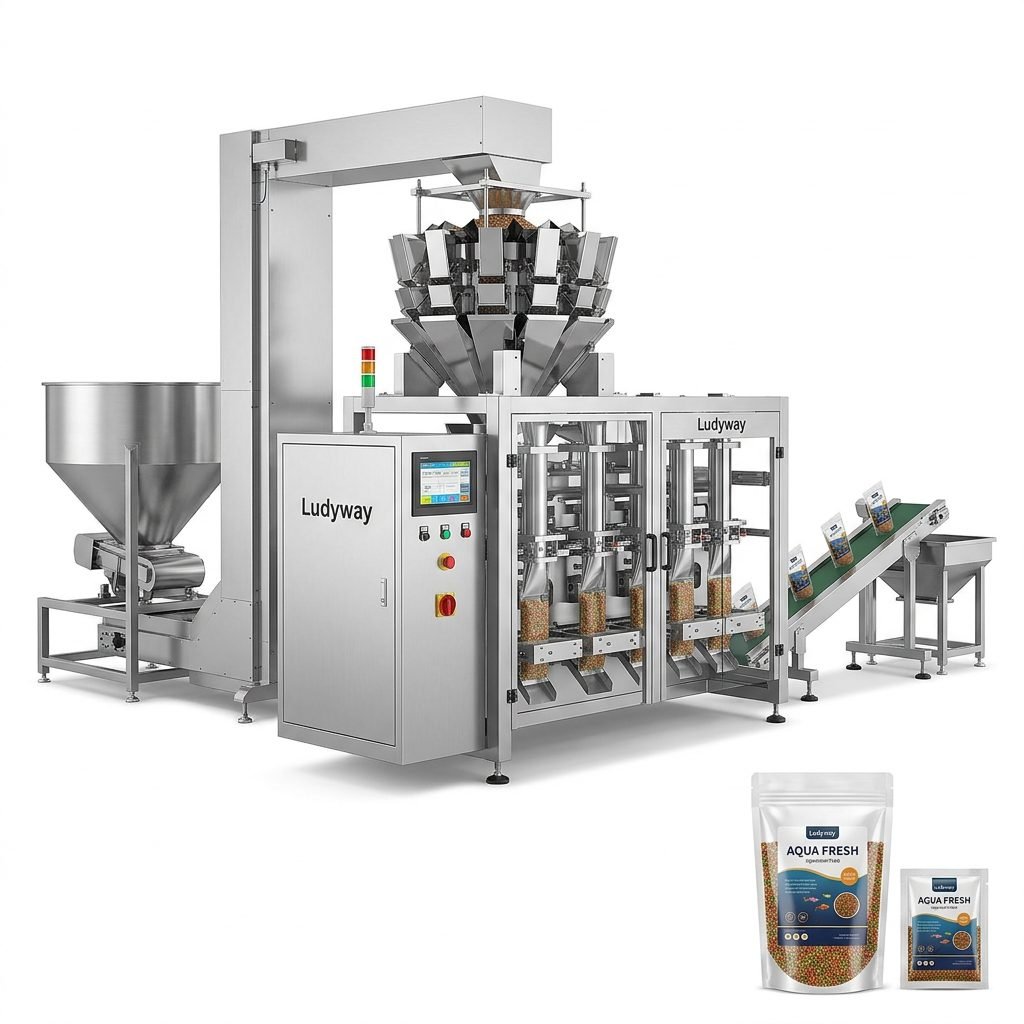
Accurate portion control is essential for both regulatory compliance and cost management. Multi-head weighers are the standard for solid snacks, delivering high-speed, precision weighing with minimal giveaway. For stick pack and sachet applications, auger fillers and volumetric dosers provide reliable performance at speeds exceeding 300 packs per minute.
Primary Packaging Machine
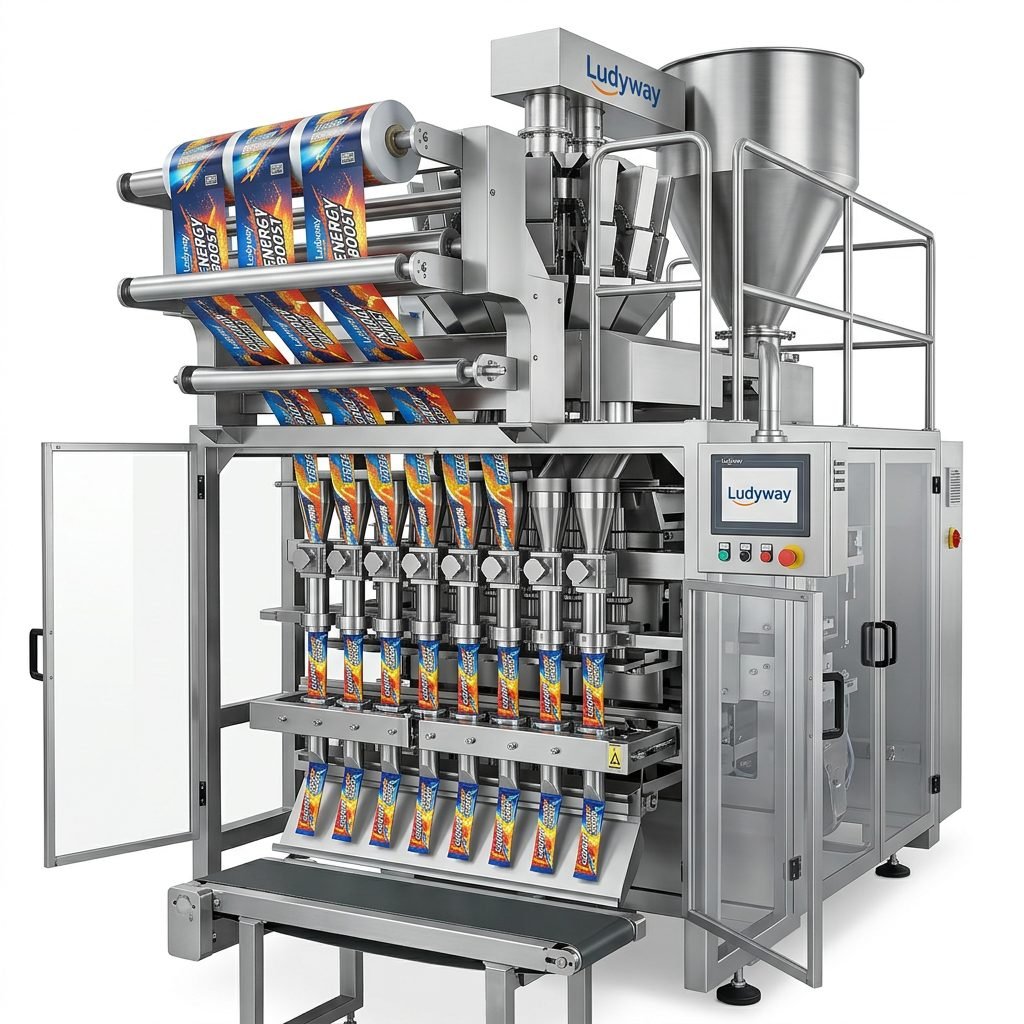
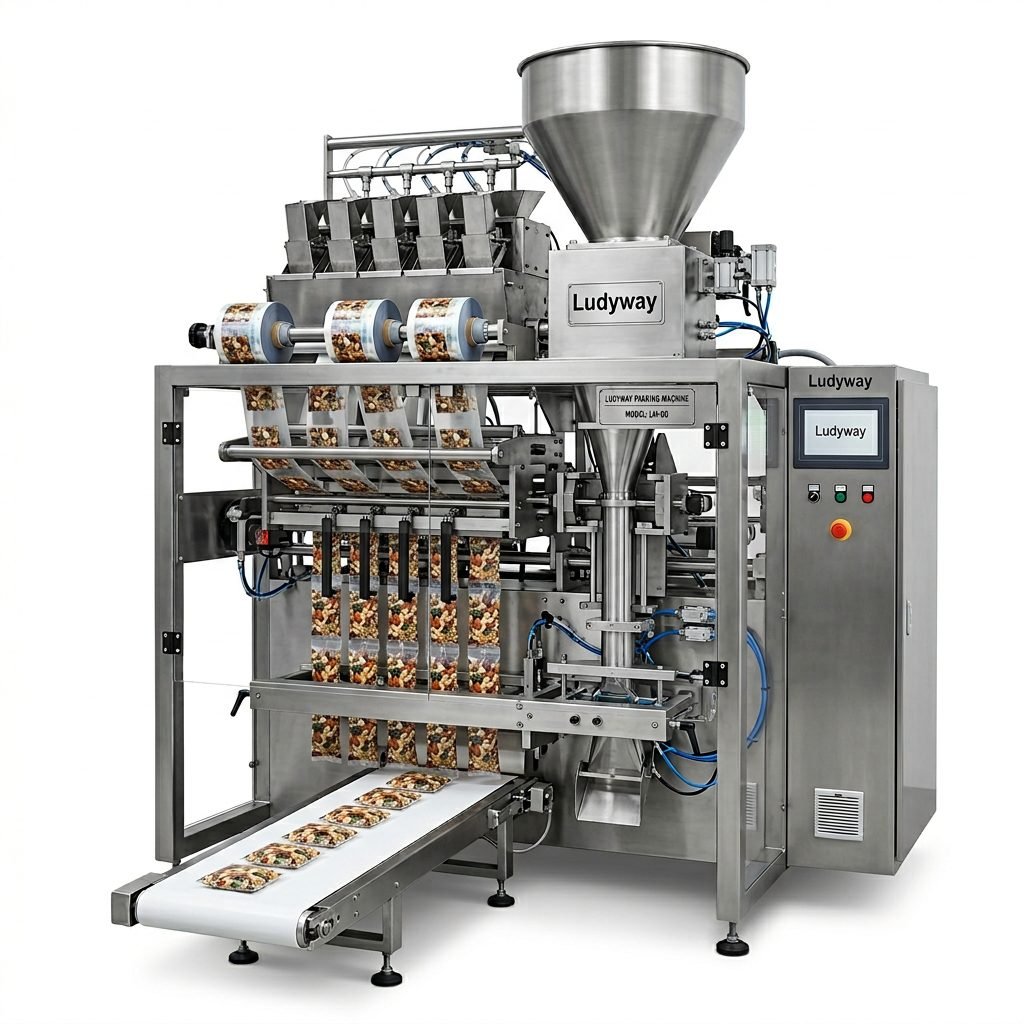
This is the core of the line. Modern multi-lane stick pack machines can run 4 to 20 lanes simultaneously, dramatically increasing output. Look for features such as servo-driven film registration, quick-change format parts, and integrated date coding systems. Machines designed for the Middle East market often include enhanced sealing systems to ensure airtight barrier protection against humidity and heat.
Inspection and Quality Control
Inline metal detectors, checkweighers, and vision inspection systems are critical. These ensure that every pack leaving the line meets quality standards. According to ISO packaging standards, automated inspection helps maintain consistent product safety and reduces the risk of recalls in export markets.
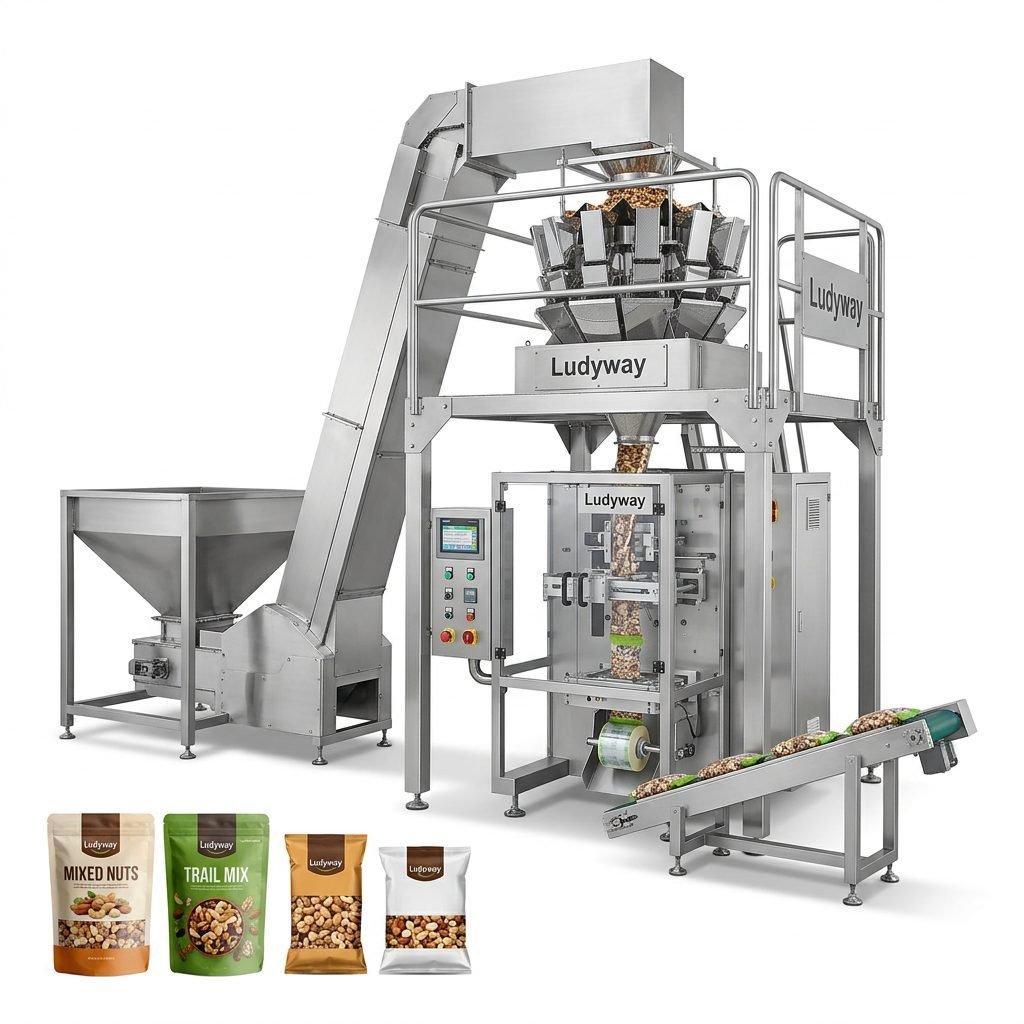
Regulatory Considerations for the Middle East Market
Navigating the regulatory environment is essential for smooth market entry. The Gulf Cooperation Council (GCC) has harmonized many food packaging regulations, but country-specific requirements still apply. Key considerations include:
- Halal certification — Packaging materials must not contaminate the product with non-halal substances
- GSO standards — Gulf Standardization Organization requirements for food contact materials
- Labeling requirements — Dual-language labeling (Arabic and English) with clear ingredient declarations
- Temperature resistance — Packaging must withstand extreme heat during storage and transport
- ESMA compliance — Emirates Authority for Standardization and Metrology approvals for UAE market entry
Planning Your Production Line Layout
Factory layout significantly impacts efficiency. When setting up in the Middle East, consider climate-controlled environments for sensitive packaging materials. The layout should follow a logical flow from raw material intake to finished product warehousing. Key design principles include:
Optimizing Space and Workflow
Arrange equipment in a linear or U-shaped configuration depending on available floor space. Maintain clear access paths for operators and maintenance personnel. In the Middle East, where many facilities are newly built, there is often the advantage of designing the packaging hall from the ground up to accommodate large-scale multi-lane systems. Consult state-of-the-industry resources for benchmarks on production line efficiency metrics.
Utilities and Infrastructure
Ensure adequate electrical supply, compressed air, and dust extraction systems. Many snack packaging facilities in the region require integrated dust collection to handle seasoning powders and fine particulates. Climate control for both product and personnel is particularly important given the region’s high temperatures.
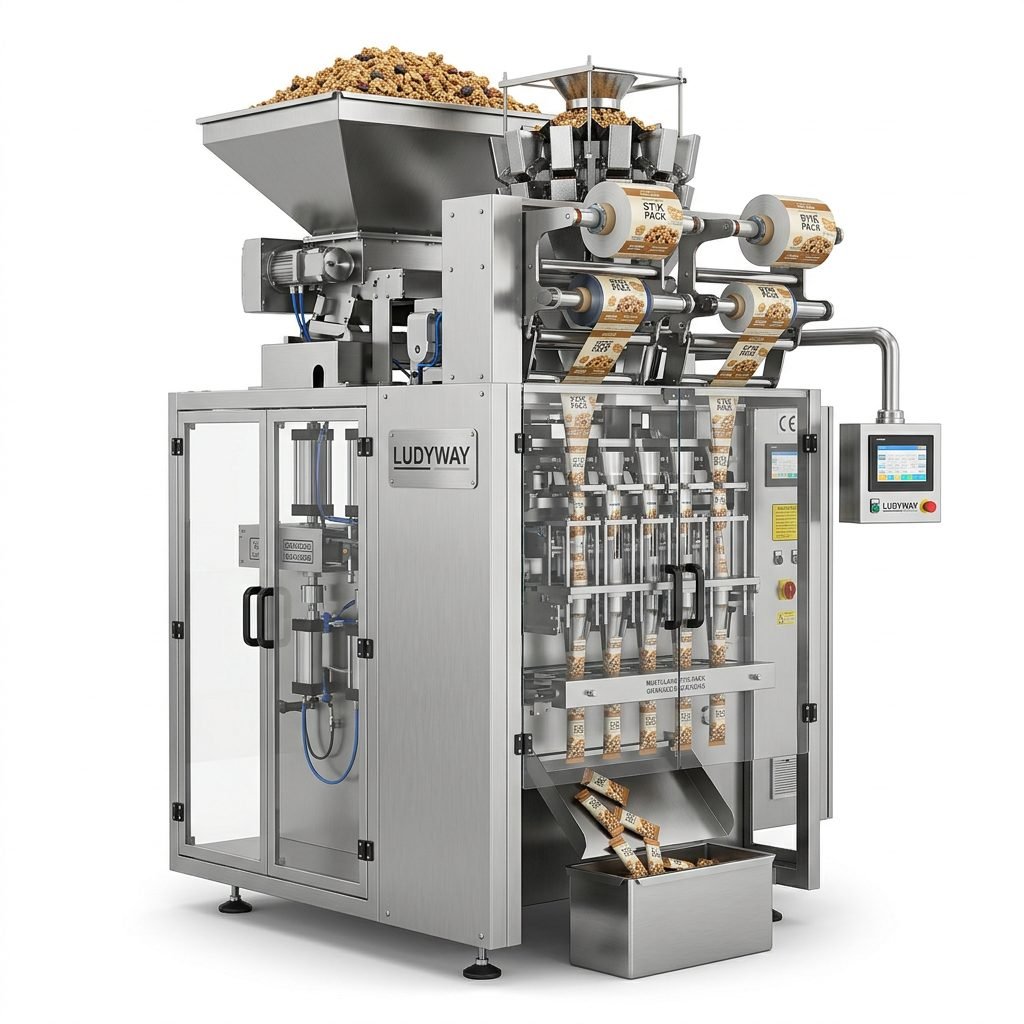
Installation, Commissioning, and Training
Proper installation is critical for long-term reliability. Work with suppliers who offer on-site commissioning services and comprehensive operator training. For packaging lines being installed in the Middle East, remote support capabilities are valuable given the geographic distance from many equipment manufacturers.
Key Steps in the Commissioning Process
- Pre-delivery factory acceptance testing (FAT) at the manufacturer’s facility
- Site preparation and utilities verification before equipment arrival
- Supervised installation by experienced engineering teams
- Dry-run testing with sample products to validate performance parameters
- Operator and maintenance staff training on all line components
- Documentation handover including manuals, spare parts lists, and maintenance schedules
Maintenance and After-Sales Support
Ongoing maintenance ensures your snack packaging machine production line operates at peak efficiency. Establish a preventive maintenance schedule based on manufacturer recommendations. Key focus areas include sealing jaw inspection, film tracking alignment, and regular lubrication of moving parts.
For operations in the Middle East, it is advisable to maintain a strategic inventory of critical spare parts to minimize downtime. Many leading suppliers offer remote diagnostic capabilities, allowing technical teams to troubleshoot issues without waiting for on-site visits. The Flexible Packaging Association provides additional guidance on maintenance best practices for packaging operations.
Common Challenges and How to Overcome Them
| Challenge | Impact | Solution |
|---|---|---|
| Humidity and heat | Film wrinkling, product clumping | Climate-controlled packaging rooms, moisture-resistant films |
| Dusty product environments | Seal contamination, sensor malfunction | Integrated dust extraction, sealed electrical cabinets |
| Skilled labor shortage | Operational errors, reduced efficiency | Automated controls, user-friendly HMI interfaces |
| Supply chain delays | Extended downtime for spare parts | Local spare parts stocking, supplier partnerships |
Selecting a Reliable Packaging Machine Partner
Choosing the right equipment supplier is as important as selecting the right machine. For Middle East snack manufacturers, working with a partner that has global experience and a proven track record is crucial. A reputable supplier should provide not only high-quality machinery but also comprehensive after-sales support, including installation, training, and long-term technical assistance.
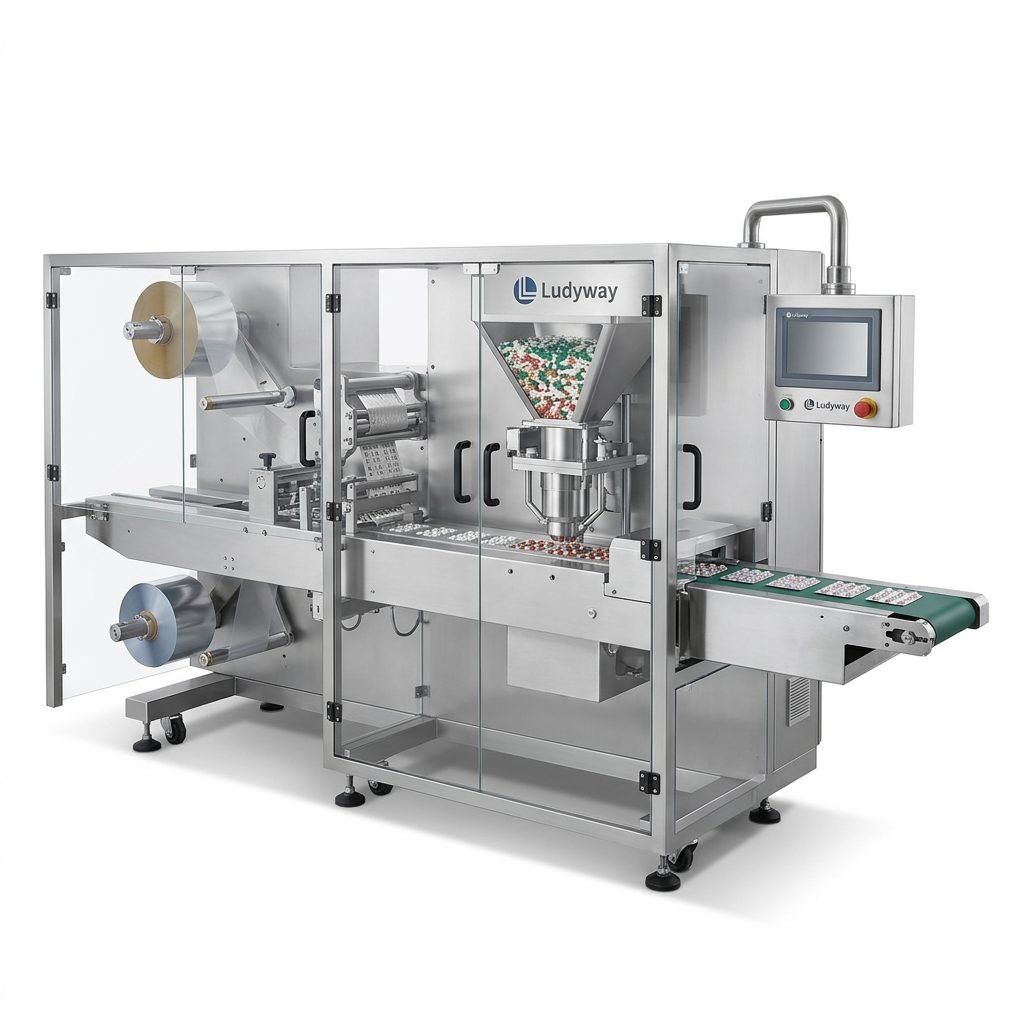
One notable manufacturer in this space is Ludyway, one of the largest packaging machine manufacturers in China, specializing in advanced packaging equipment and turnkey production solutions for the food, pharmaceutical, and health industries. With over 30 years of industry expertise and a modern 20,000㎡ manufacturing facility, Ludyway offers more than 50 intelligent packaging machine models, including multi-lane stick pack and sachet packaging systems suitable for Middle East snack production requirements.
Future Trends in Middle East Snack Packaging
The packaging landscape continues to evolve. Several trends are shaping the future of snack packaging in the region:
- Sustainable packaging — Growing demand for recyclable and biodegradable materials, influenced by global packaging waste regulations
- Smart packaging — QR codes and NFC tags for consumer engagement and traceability
- Flexible portion packs — Increased popularity of small-format sachets and stick packs for on-the-go consumption
- Full automation — From ingredient handling to palletizing, reducing manual intervention
- Digital integration — IoT-enabled machines for real-time production monitoring and predictive maintenance
Conclusion
Setting up a snack packaging machine production line in the Middle East presents significant opportunities for manufacturers who approach the process strategically. By carefully selecting the right packaging equipment, understanding regional regulatory requirements, planning an efficient facility layout, and establishing a strong maintenance program, you can build a production line that delivers consistent quality and meets the growing demand for packaged snacks across the region. Taking the time to partner with experienced equipment suppliers and staying informed about industry innovations will position your operation for long-term success in this dynamic market.