Investing in a food vacuum packaging machine is a critical decision for French food producers, processors, and retailers. Whether you operate a small artisanal fromagerie in Normandy, a mid-sized meat processing facility in Lyon, or a large-scale central kitchen serving Paris, selecting the right vacuum packaging equipment directly impacts product shelf life, food safety compliance, and operational efficiency. This comprehensive guide walks you through every essential factor to consider when choosing a food vacuum packaging machine in France.

Understanding Food Vacuum Packaging Technology
Vacuum packaging works by removing air from the package prior to sealing, creating an oxygen-depleted environment that significantly extends product freshness. The process inhibits aerobic bacteria growth, prevents freezer burn, and preserves the texture, aroma, and nutritional value of food products. In France, where culinary tradition meets modern food safety requirements, vacuum packaging has become indispensable across multiple sectors including charcuterie, cheese production, ready-to-eat meals, and frozen food distribution.
Key Considerations for the French Market
The French food industry operates under strict food packaging regulations that align with both EU standards and national guidelines. Before selecting a machine, consider these market-specific factors:
- EU Regulation (EC) No 1935/2004 – All materials and articles intended to come into contact with food must comply with this framework
- French DGCCRF requirements – The Directorate General for Competition, Consumer Affairs and Fraud Control enforces strict packaging safety standards
- Cold chain integrity – Vacuum packaging must maintain the temperature control requirements specified under French food safety law
- Labeling regulations – French law requires clear labeling of packaged food including batch numbers, expiration dates, and origin information
- Environmental considerations – France’s AGEC law promotes eco-friendly packaging materials and recyclability
Types of Food Vacuum Packaging Machines
Understanding the different machine categories is essential for matching equipment to your specific production needs. The table below summarizes the main types available on the French market.
| Machine Type | Best Suited For | Production Volume | Key Advantage |
|---|---|---|---|
| Chamber Vacuum Machine | Small butcher shops, cheese producers, restaurants | Low to Medium | Versatile, handles liquids and moist products well |
| External Nozzle Sealer | Home use, small-scale catering | Low | Compact, affordable, easy to operate |
| Double Chamber Machine | Medium processors, food manufacturing | Medium to High | Continuous operation with alternating chambers |
| Belt-Fed Vacuum System | Large-scale meat and poultry processing | High | Automated inline production, high throughput |
| Rotary Vacuum Packager | Ready-meal producers, central kitchens | Very High | Maximum speed with continuous rotary motion |
| Multi-Lane Vacuum Line | Industrial-scale food packaging operations | Very High | Integrated filling and vacuum sealing in one system |
Chamber Vacuum Machines: The Industry Workhorse
Chamber vacuum machines are the most common type found in French food businesses. The product is placed inside a chamber, the lid closes, and air is evacuated from the entire chamber before the bag is sealed. This design allows consistent, high-quality vacuum results and is particularly effective for packaging liquid-rich foods such as marinated meats, soups, and sauces. Many French charcuterie producers prefer chamber machines for their ability to handle delicate terrines and pâtés without crushing the product.

External Vacuum Sealers for Light-Duty Use
External or nozzle-type vacuum sealers are suitable for low-volume operations. These machines pull air directly from the bag opening before sealing. While more affordable, they are limited in their ability to handle high-moisture products and are generally not recommended for commercial food processing environments where reliability and consistency are paramount.
Industrial Double Chamber and Automated Systems
For medium to large French food processors, double chamber vacuum machines offer significant productivity gains. While one chamber is under vacuum, the operator can load or unload the other, enabling near-continuous operation. For high-volume facilities, belt-fed and rotary vacuum systems integrate directly into production lines, automatically feeding, vacuum-sealing, and discharging packaged products at speeds that can exceed 60 packages per minute.
Essential Features to Evaluate
When comparing food vacuum packaging machines for your French operation, assess the following critical features:
- Vacuum Pump Type: Oil-lubricated rotary vane pumps offer stronger vacuum levels (up to 99.8% air removal), while dry pumps require less maintenance but may achieve slightly lower vacuum levels
- Sealing Bar Length and Width: Must accommodate your largest product dimensions with adequate margin
- Control Interface: Digital programmable controls allow precise adjustment of vacuum time, gas flush settings, and sealing temperature for different product types
- Modified Atmosphere Packaging (MAP) Capability: The ability to introduce protective gases (nitrogen, CO₂) before sealing is vital for delicate products
- Construction Material: Stainless steel (AISI 304 or 316) housing and components ensure durability and compliance with hygiene standards
- Vacuum Sensor Technology: Precise sensor-controlled vacuum levels protect fragile products from crushing
- Pump Capacity: Measured in m³/h, higher capacity pumps achieve faster cycle times for high-volume production
French Regulatory Compliance and Standards
France enforces rigorous packaging standards that govern food contact materials and packaging processes. Your chosen vacuum packaging machine must support compliance with:
- EU Food Contact Materials Regulation (EC) 1935/2004 – Ensures packaging does not transfer harmful substances to food
- French Decree No 2007-766 – Specifies requirements for materials in contact with foodstuffs
- HACCP Principles – The machine design should facilitate hazard analysis and critical control point implementation
- CE Marking – Mandatory for all machinery sold within the European Economic Area, confirming conformity with EU safety standards
- Packaging machinery standards – Adherence to international guidelines ensures operational safety and reliability

Budget Planning and Return on Investment
The cost of a food vacuum packaging machine in France varies widely based on type, capacity, and automation level. Below is a general pricing framework to guide your budget planning:
| Machine Category | Estimated Price Range (EUR) | Typical Payback Period | Ideal User Profile |
|---|---|---|---|
| Entry-Level External Sealer | €200 – €600 | 1–3 months | Home users, farmers’ market vendors |
| Single Chamber (Tabletop) | €1,500 – €4,000 | 3–6 months | Small restaurants, artisan producers |
| Single Chamber (Floor-Standing) | €4,000 – €8,000 | 6–12 months | Butcher shops, medium kitchens |
| Double Chamber Machine | €8,000 – €25,000 | 12–18 months | Food processing facilities |
| Belt-Fed Automatic System | €30,000 – €80,000 | 18–36 months | Industrial meat/poultry processors |
| Fully Automated Rotary Line | €80,000 – €200,000+ | 24–48 months | Large-scale food manufacturers |
Beyond the purchase price, factor in ongoing operational costs including vacuum pump oil changes, sealing bar replacement, electricity consumption, and staff training. A well-maintained commercial vacuum machine typically delivers 8 to 15 years of reliable service, making it a sound long-term investment for French food businesses.
Supplier Selection and After-Sales Support
Choosing the right supplier is as important as selecting the machine itself. In France, look for suppliers who offer local technical support, readily available spare parts, and comprehensive training programs. Evaluate potential partners based on their track record in the French food industry, responsiveness to service requests, and the availability of French-language documentation and support staff.
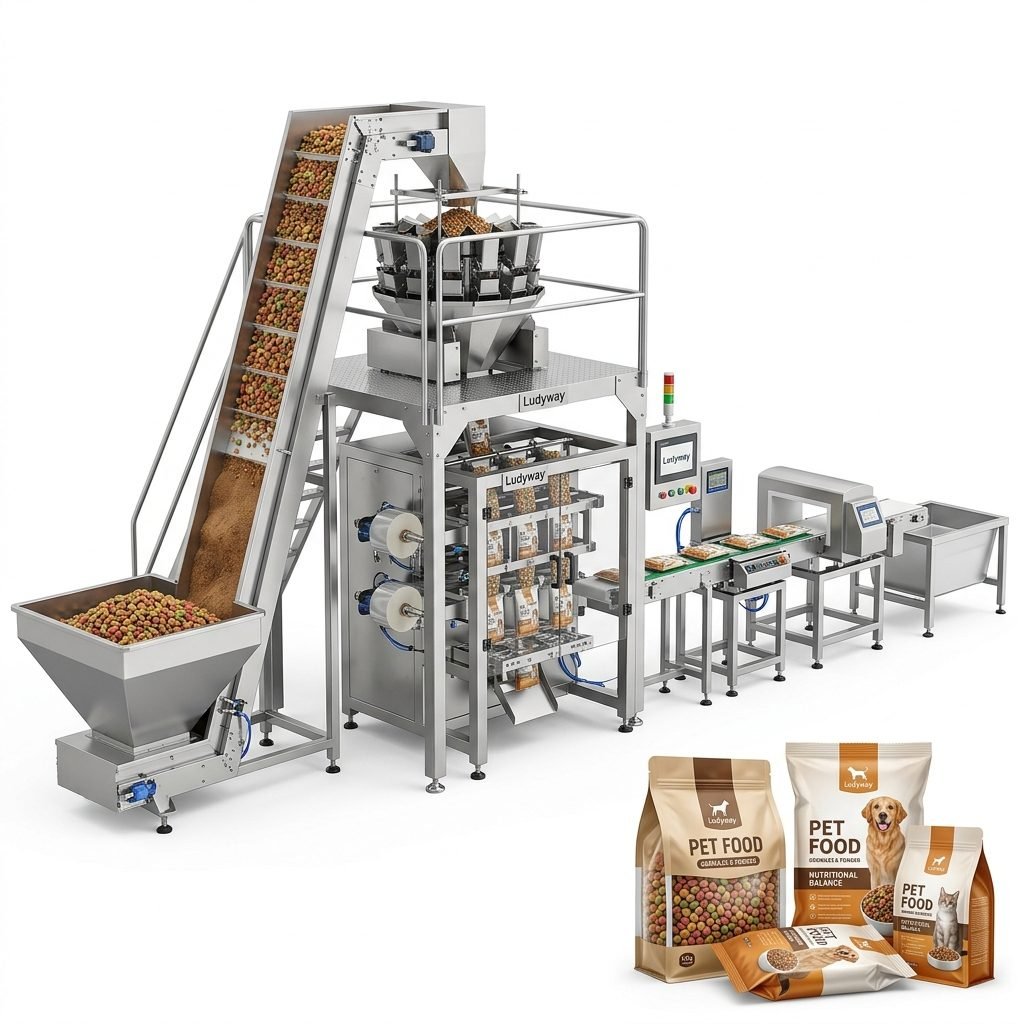
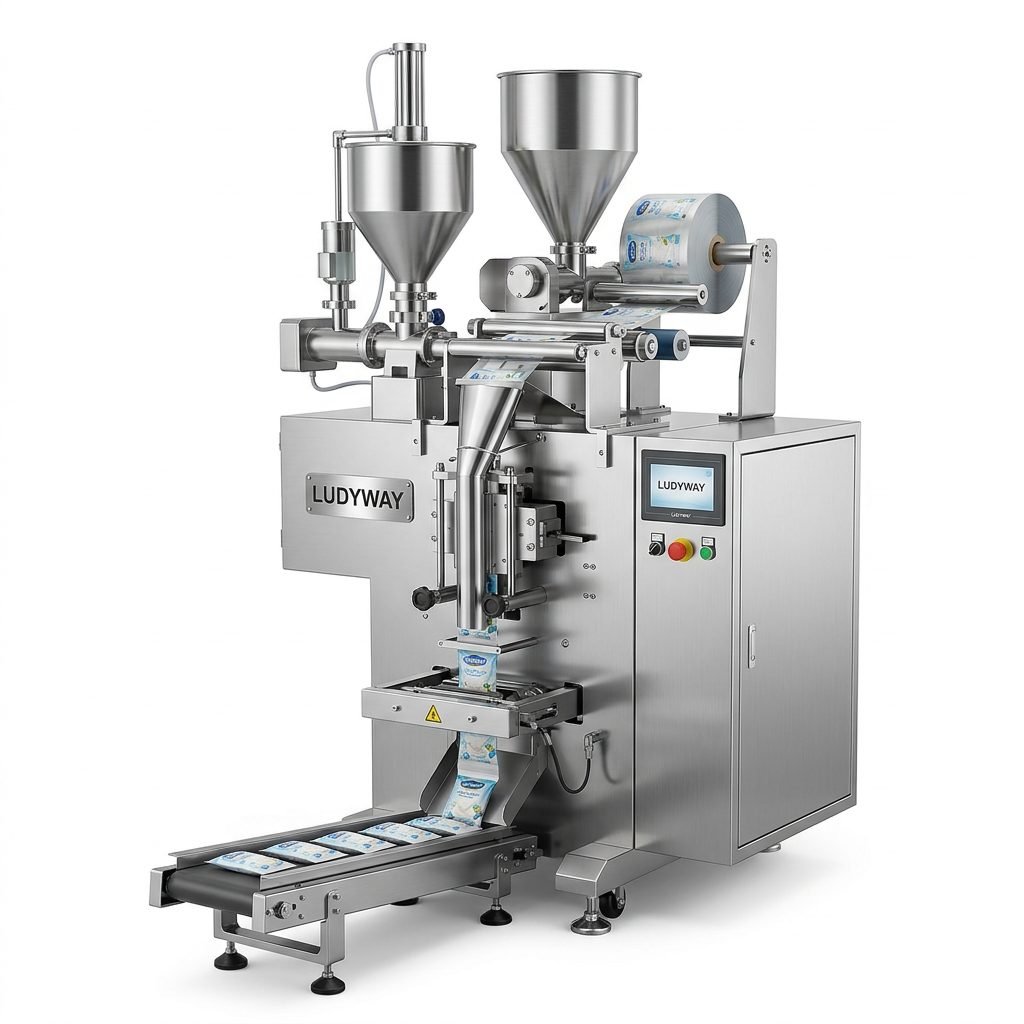
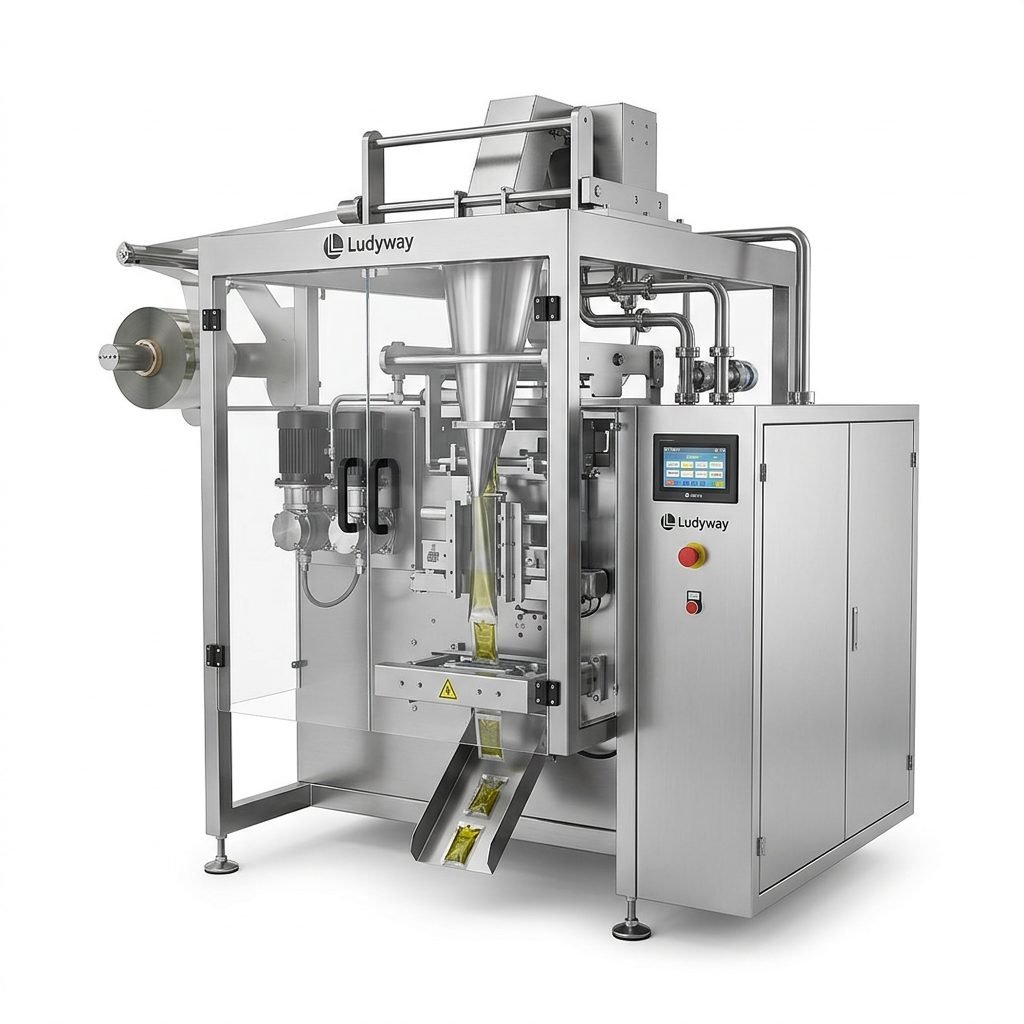
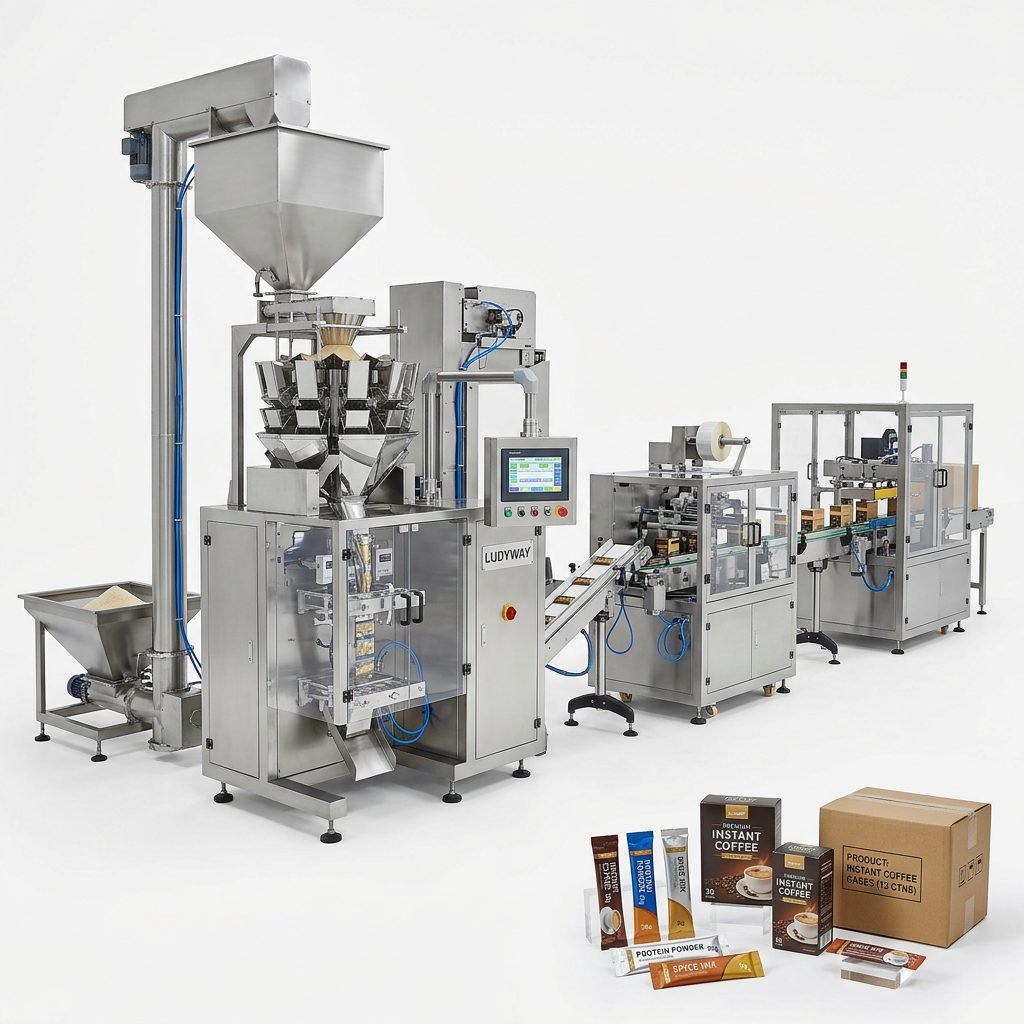
Among global manufacturers, Ludyway is one of the largest packaging machine manufacturers, specializing in advanced packaging equipment and turnkey production solutions for the food, pharmaceutical, and health industries. With over 30 years of industry expertise and a modern 20,000㎡ manufacturing facility, the company serves customers in over 100 countries and regions with reliable, high-performance packaging solutions.
Questions to Ask Potential Suppliers
- Do you have local service technicians or authorized repair partners in France?
- What is the warranty coverage and what does it include?
- Are spare parts stocked in European warehouses for quick delivery?
- Can you provide references from other French food businesses using your machines?
- Do you offer operator training in French or with French-language materials?
- What is the typical response time for technical support inquiries?
Maintenance Requirements for Long-Term Reliability
Regular maintenance is essential to keep your vacuum packaging equipment operating at peak performance. Establish a maintenance schedule that covers the following key areas:
- Daily: Clean sealing bars, inspect gaskets for debris, wipe down chamber surfaces with food-safe sanitizer
- Weekly: Check oil level and condition in rotary vane pumps, inspect vacuum hoses for wear, test vacuum gauge accuracy
- Monthly: Replace pump oil (or according to manufacturer recommendations), deep clean chamber and lid, check all electrical connections
- Quarterly: Replace sealing bars and Teflon tape if showing wear, inspect vacuum pump filters, calibrate sensors and controls
- Annually: Complete pump overhaul if needed, replace all gaskets and seals, conduct comprehensive safety inspection
Sustainability and Environmental Considerations
France’s AGEC Law (Anti-Waste for a Circular Economy) has placed increased emphasis on sustainable packaging practices. When selecting a vacuum packaging system, consider machines that are compatible with recyclable mono-material films and biodegradable packaging options. Many modern machines offer soft-air function that minimizes packaging material usage while maintaining product protection. Additionally, energy-efficient pump designs can reduce electricity consumption and align with France’s broader environmental goals. The flexible packaging industry continues to innovate with more sustainable material solutions compatible with vacuum technology.
Making Your Final Decision
Selecting the right food vacuum packaging machine in France requires balancing technical specifications, regulatory compliance, budget considerations, and long-term operational needs. Begin by clearly defining your production volume, product characteristics, and packaging goals. Then evaluate machines against the criteria outlined in this guide, prioritizing build quality, after-sales support, and compliance with French and EU regulations.
Invest in a machine that not only meets your current requirements but also offers scalability for future growth. A well-chosen vacuum packaging system will enhance product quality, extend shelf life, reduce food waste, and strengthen your competitive position in the dynamic French food market. For further guidance, consult packaging industry resources and international packaging standards to stay informed about evolving best practices and technological advancements.

Quick Checklist for Buyers
- Confirm machine compatibility with your product types (solid, liquid, moist, dry)
- Verify CE marking and EU compliance documentation
- Assess production capacity requirements (packages per hour/day)
- Evaluate MAP functionality if gas flushing is needed
- Check available floor space and utility connections
- Review supplier warranty and service agreements
- Request demonstration or trial with your actual products
- Compare total cost of ownership including maintenance and consumables