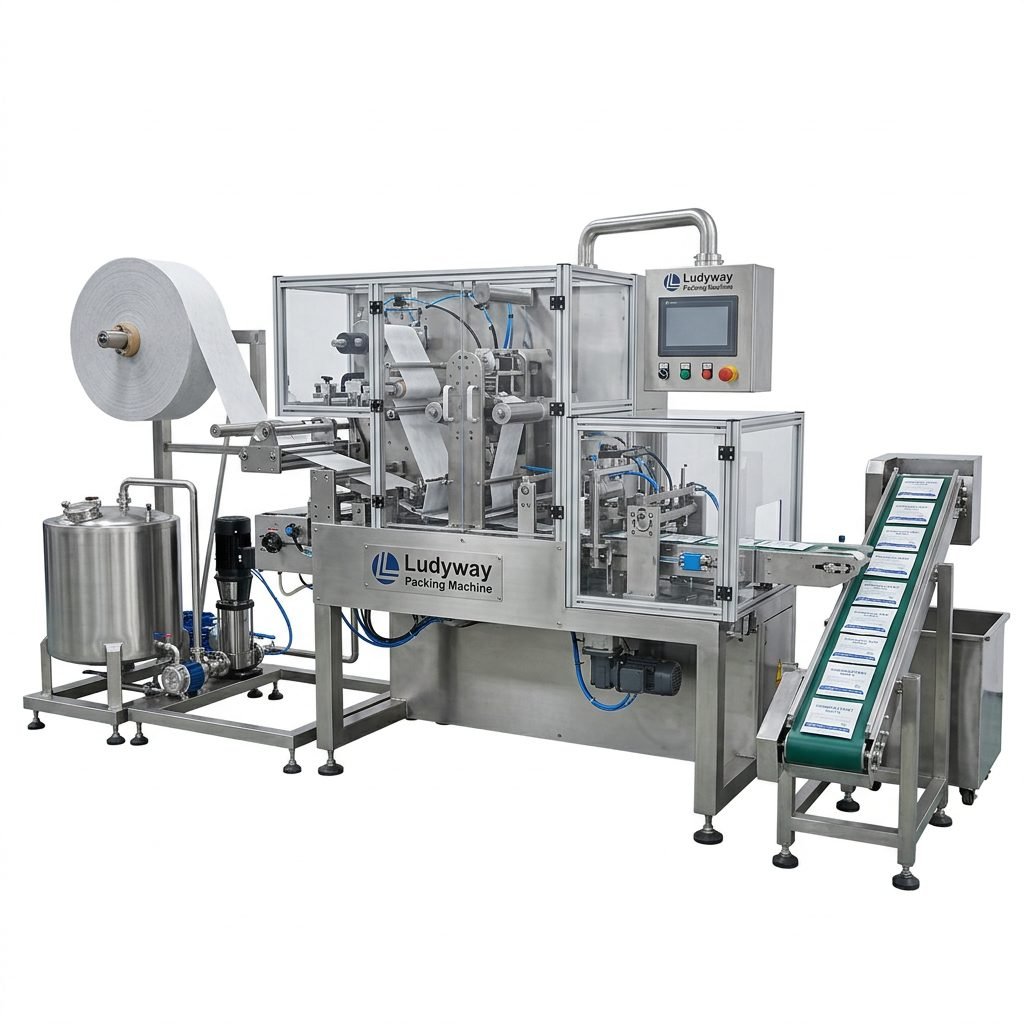
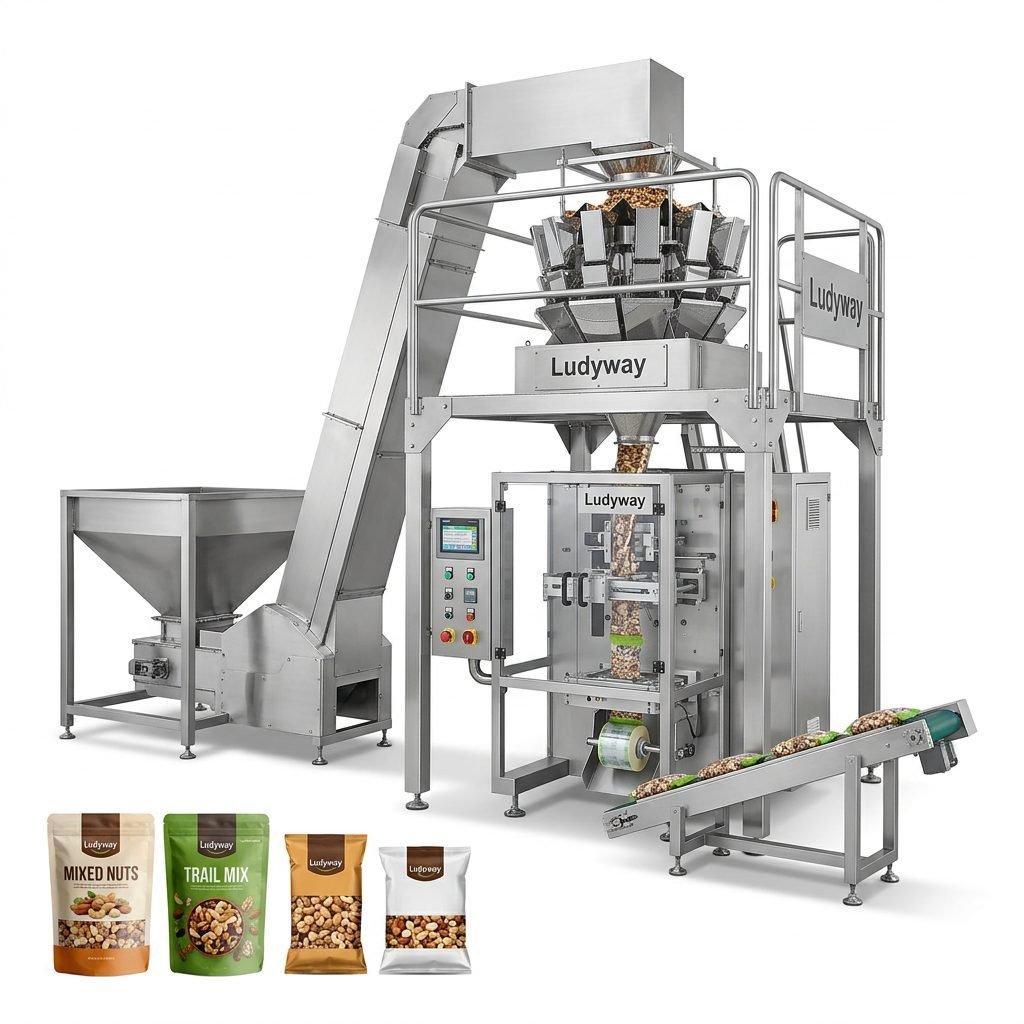
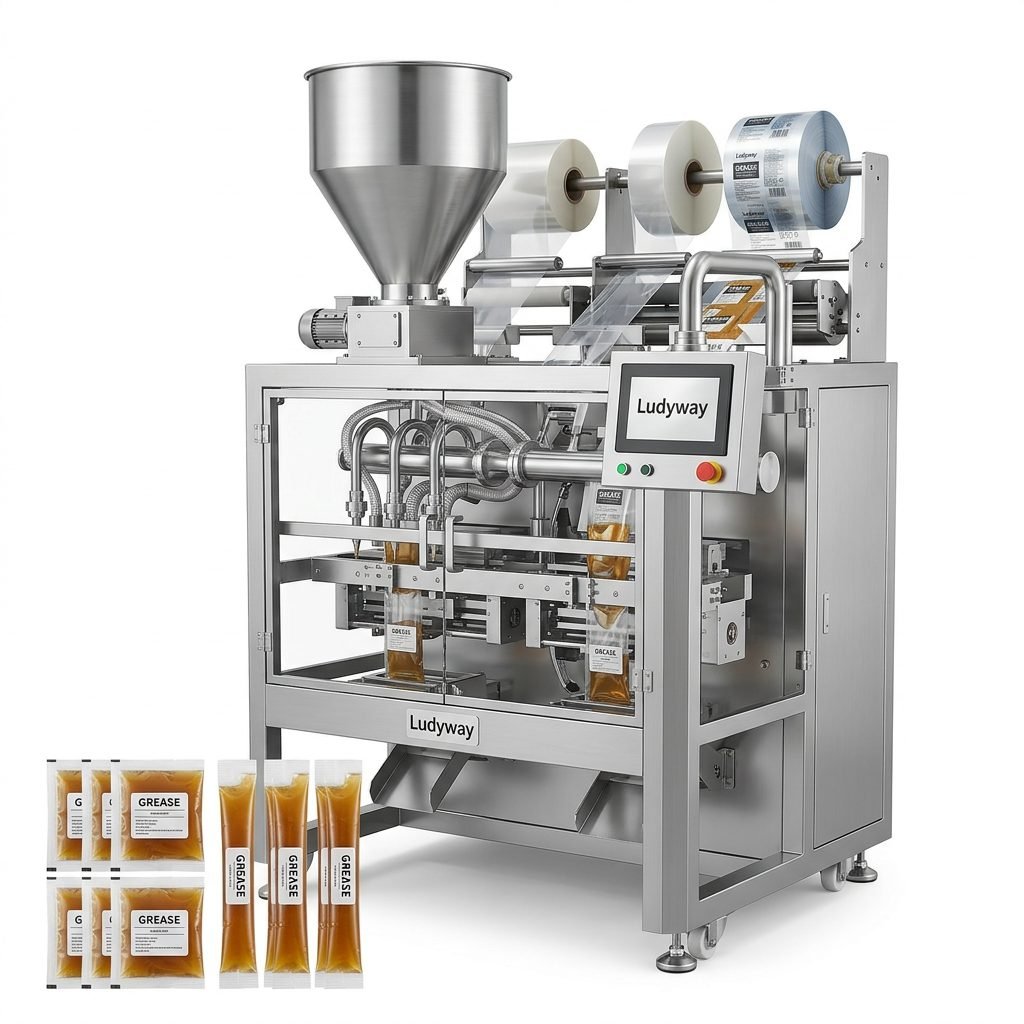
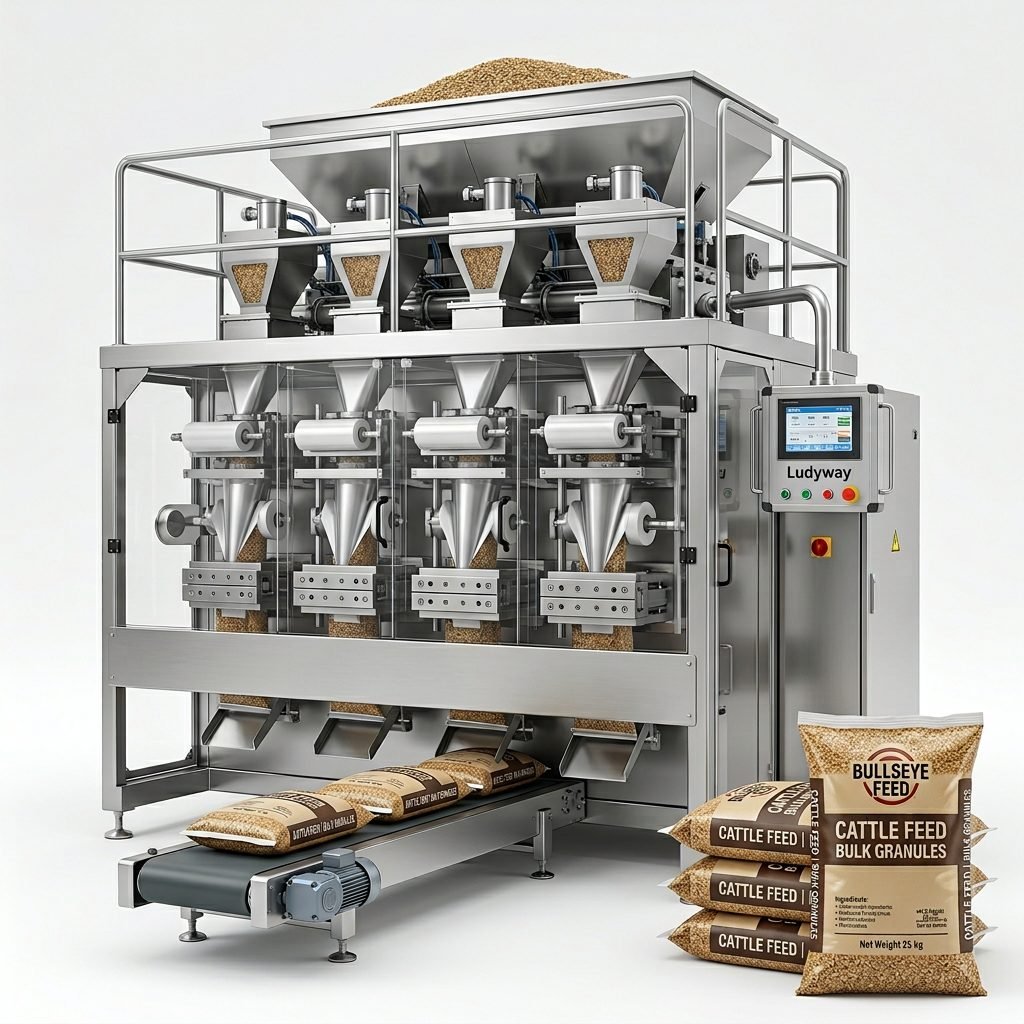
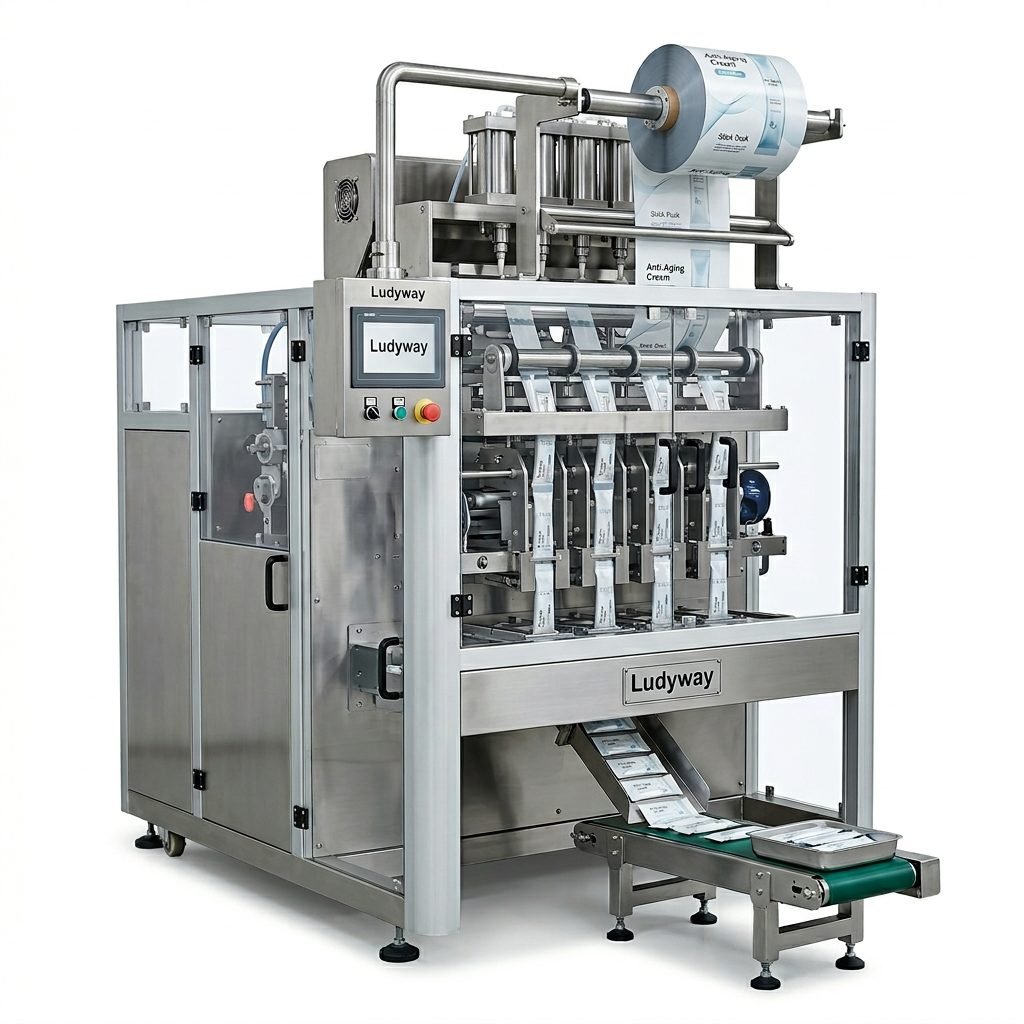
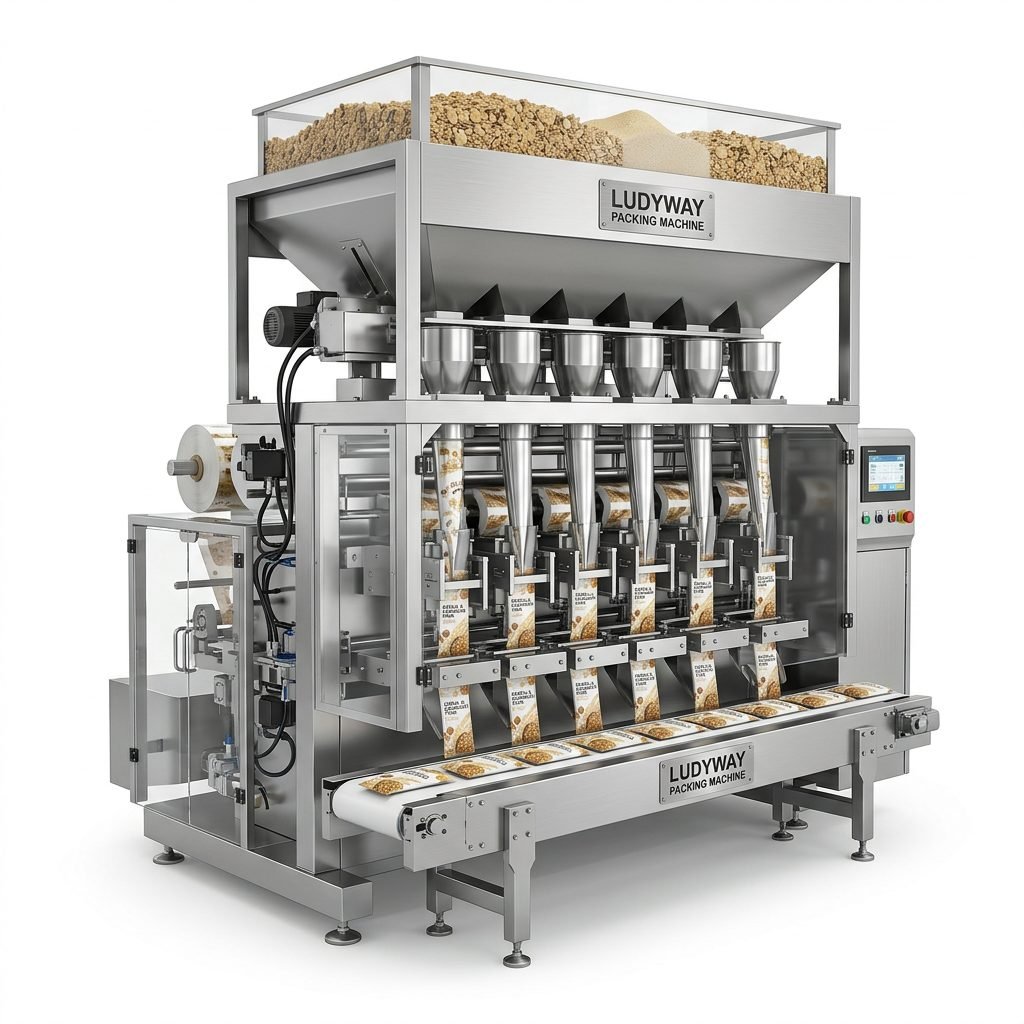
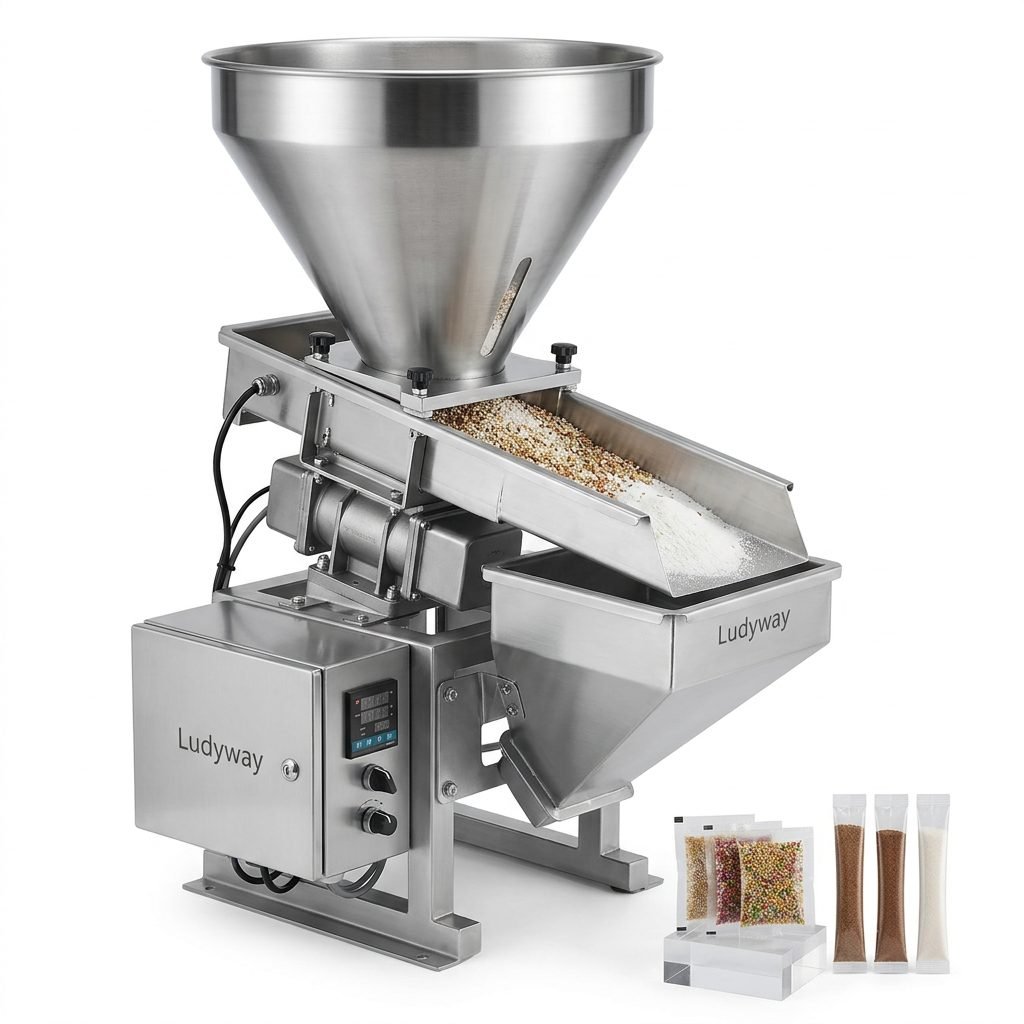
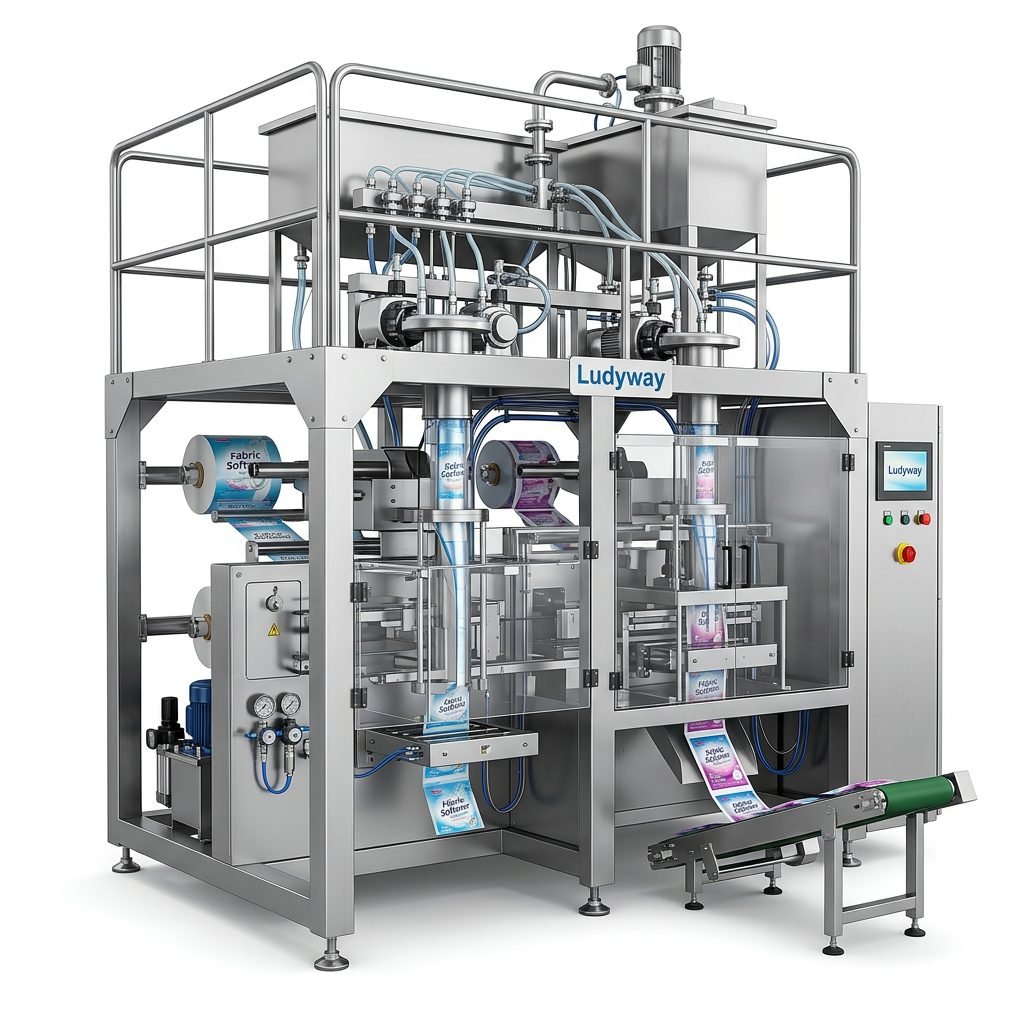
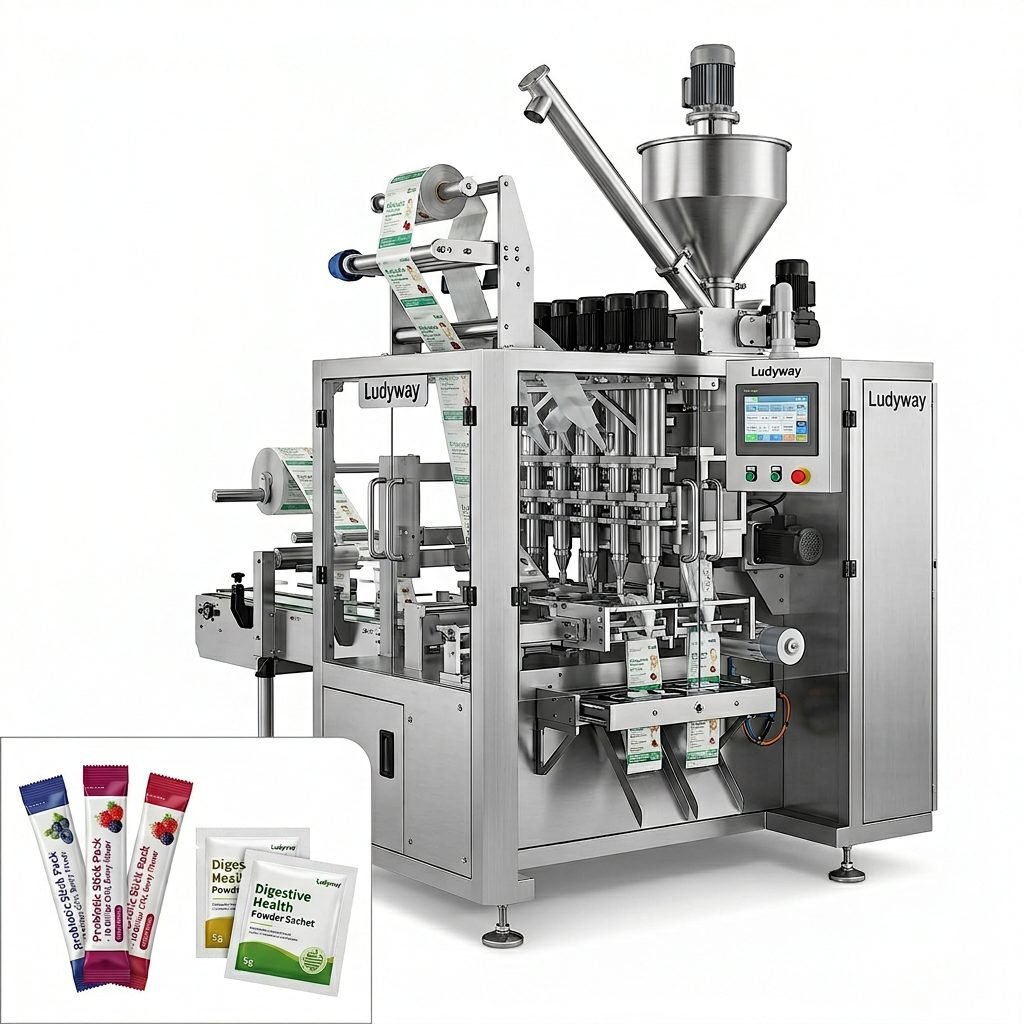
Investing in a tea and shampoo pouch packing machine is a strategic decision that directly impacts your product’s shelf appeal and production efficiency. For manufacturers aiming to scale operations, understanding the price range is the first critical step. A tea and shampoo pouch packing machine is not a one-size-fits-all purchase; the cost fluctuates significantly based on the level of automation, speed, and the physical properties of the product you are packaging.
The complexity of packaging machinery has evolved to meet the diverse demands of the industry. According to data from PMMI Business Intelligence, the packaging machinery market is seeing a surge in demand for flexible packaging solutions. The shift toward stick packs and sachets for products like shampoo and loose-leaf tea has directly influenced the engineering behind these machines. In fact, the Flexible Packaging Association highlights that stand-up pouches and sachets are dominating the consumer goods sector due to their convenience and reduced material usage, which means the machines producing them require higher precision components.
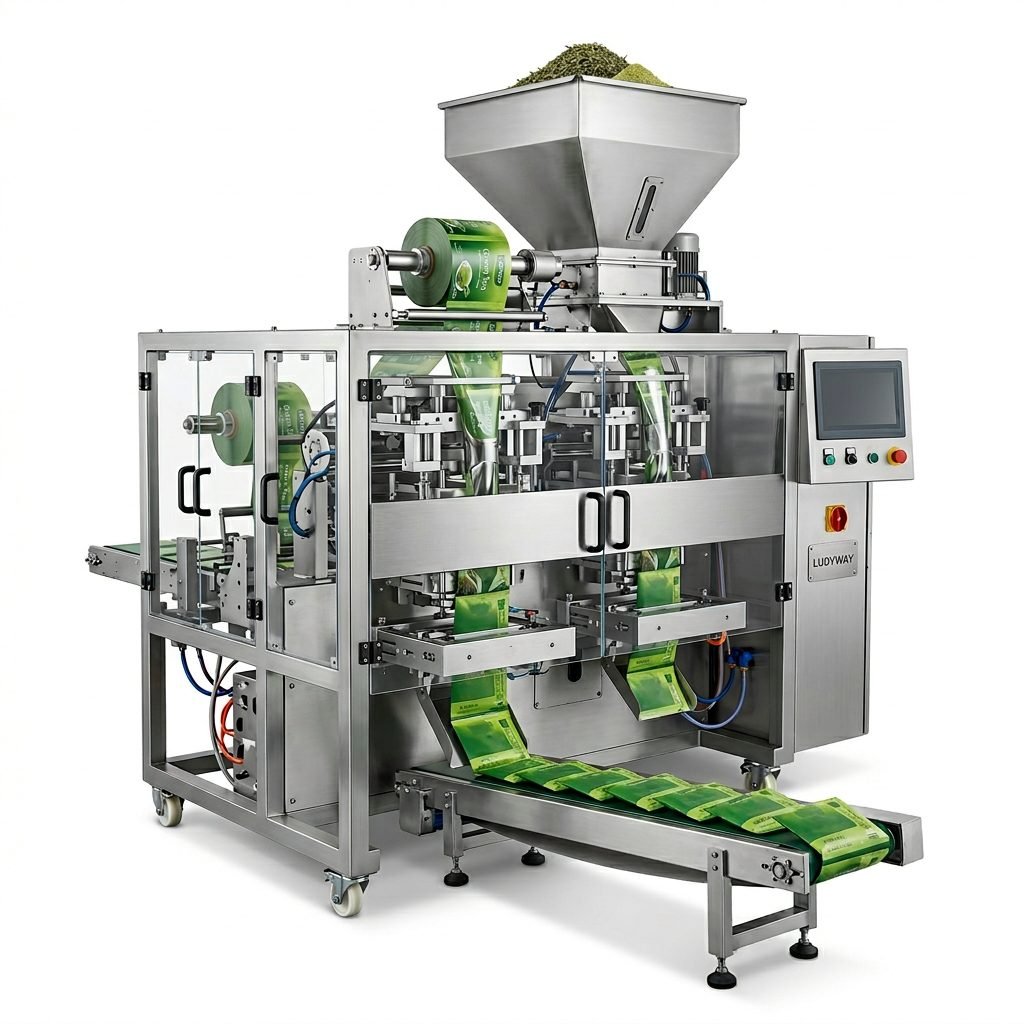
Key Factors Influencing the Cost of a Pouch Packing Machine
When budgeting for a tea and shampoo pouch packing machine, several specific technical variables will shift the final quote. It is essential to evaluate these components to avoid overspending on unnecessary features or, conversely, purchasing a machine that cannot keep up with your production targets.
- Level of Automation: Semi-automatic machines are relatively cheap, typically starting below $10,000, but they require significant manual labor. Fully automatic packaging lines that integrate filling, sealing, coding, and cartoning command a higher price due to reduced labor dependency.
- Multi-Lane Configuration: A single-lane machine is the most affordable. However, for high-volume shampoo sachet production, 4-lane, 8-lane, or even 12-lane machines are required. Each additional lane adds to the tooling cost and control complexity, potentially doubling or tripling the base price.
- Product Viscosity and Characteristics: Packaging liquid shampoo requires piston pumps or peristaltic pumps that handle foaming or corrosive properties without splashing. Conversely, packaging tea granules or tea dust requires auger fillers or volumetric cup fillers designed to control dust extraction and ensure accuracy.
- Construction Material: For hygiene-critical items like tea, machines constructed with 304 or 316 stainless steel are mandatory to comply with food safety standards, costing more than standard steel frames.
Price Breakdown by Machine Category
To help you narrow down your investment, here is a practical breakdown of the expected market price ranges for a tea and shampoo pouch packing machine. These figures represent mid-range industrial-grade equipment designed for reliable long-term operation.
| Machine Type | Best For | Speed Range (Packs/Min) | Estimated Cost Range (USD) |
|---|---|---|---|
| Semi-Automatic Sachet Filler | Startups, Low-volume Tea Samples | 15 – 25 | $5,000 – $12,000 |
| Automatic Single-Lane Stick Pack Machine | Medium-volume Tea or Trial Shampoo Runs | 30 – 60 | $15,000 – $35,000 |
| Multi-Lane (4-6 Lanes) Liquid Sachet Machine | Industrial Shampoo Sachets | 200 – 400 | $40,000 – $80,000 |
| High-Speed Multi-Lane Granule/Tea Machine | Mass Market Tea Sticks | 300 – 600 | $50,000 – $120,000 |
| Turnkey Complete Packaging Line | End-to-End Tea/Shampoo Manufacturing | 500+ | $150,000 – $300,000+ |
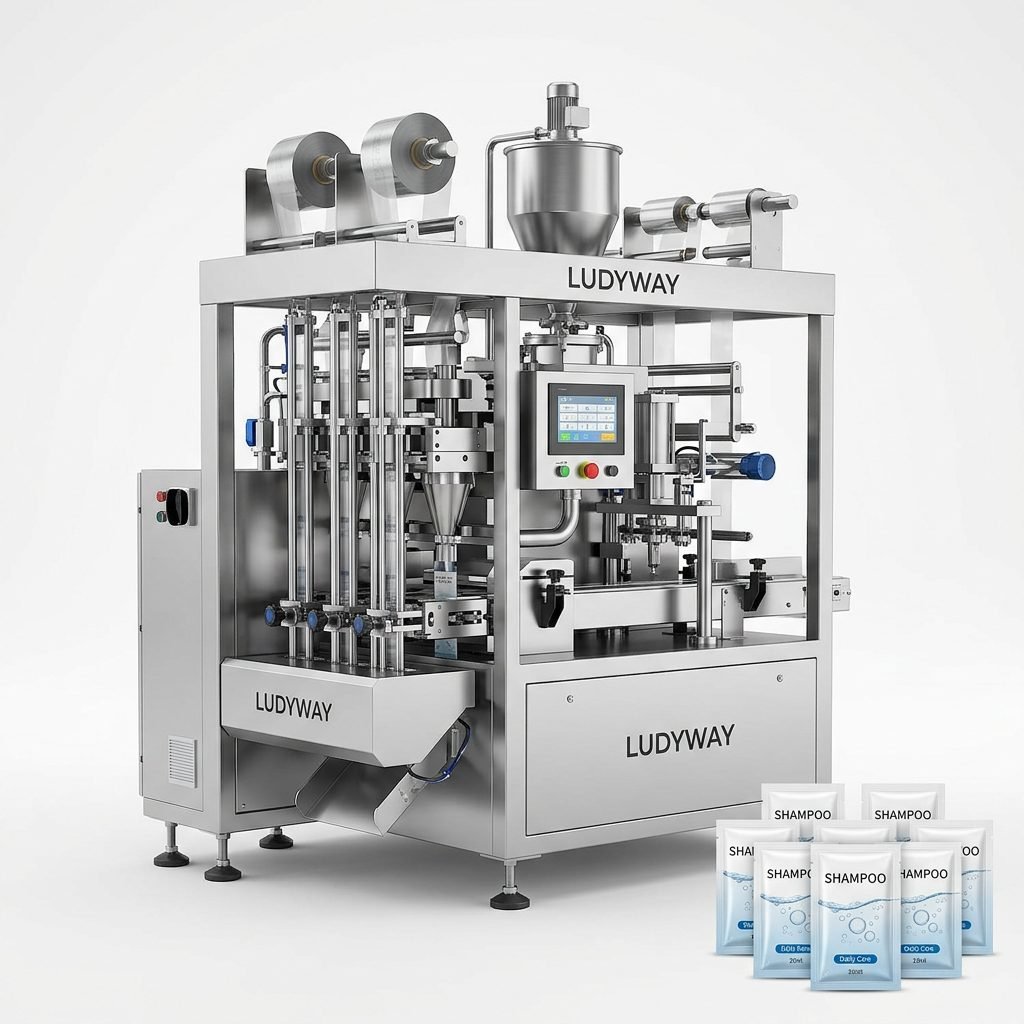
Essential Features That Justify the Investment
Beyond the base mechanical structure, the integration of advanced options significantly influences the final cost of a tea and shampoo pouch packing machine. A basic model might lack the nuance for premium products, while a fully equipped system ensures product integrity and quality assurance.
Filling Technology for Tea vs. Shampoo
The dosing mechanism is the heart of the machine. For tea, an auger filler is preferred, especially if the tea contains fines or herbal powders. It delivers precise weight control. For shampoo, piston pumps with anti-drip nozzles are critical to prevent seal contamination—a common issue that leads to leaking sachets. Investing in servo-driven pumps instead of pneumatic ones increases the cost but provides exceptional accuracy, saving raw material waste over time.
Sealing Integrity and Safety
Improper sealing leads to product oxidation in tea and leakage in shampoo. Higher-end machines feature dual temperature-control sealing systems and knurling/sealing pattern customization. Furthermore, compliance with FDA food packaging standards requires the pouch packing machine to operate with traceable heat-sealing properties, crucial for export-oriented tea businesses.
Selecting the Right Packing Machine for Your Business
Aligning your product’s properties with the machine’s capabilities is vital. Here is a checklist to ensure you are comparing apples to apples when seeking quotes from a pouch packing machine manufacturer:
- For Shampoo: Verify the machine includes anti-foaming filling nozzles and corrosion-resistant seals if the formulation is acidic or alkaline.
- For Tea: Ensure the machine offers a “dust-extraction” system. Tea dust can clog sensors and disrupt production; a machine without this feature will suffer extensive downtime.
- Changeover Time: Look for machines with quick-release components. If you are co-packing or switching between tea varieties and shampoo products, fast changeover reduces operational costs significantly.
At this price point, sourcing from specialized manufacturers ensures you receive robust engineering backed by industry expertise. Ludyway, one of the largest packaging machine manufacturers in China with over 30 years of expertise, offers more than 50 intelligent packaging machine models. Their modern 20,000㎡ facility produces high-performance multi-lane stick pack and sachet systems designed for granule, powder, and liquid applications, helping businesses optimize productivity for both tea and shampoo formats in over 100 countries.
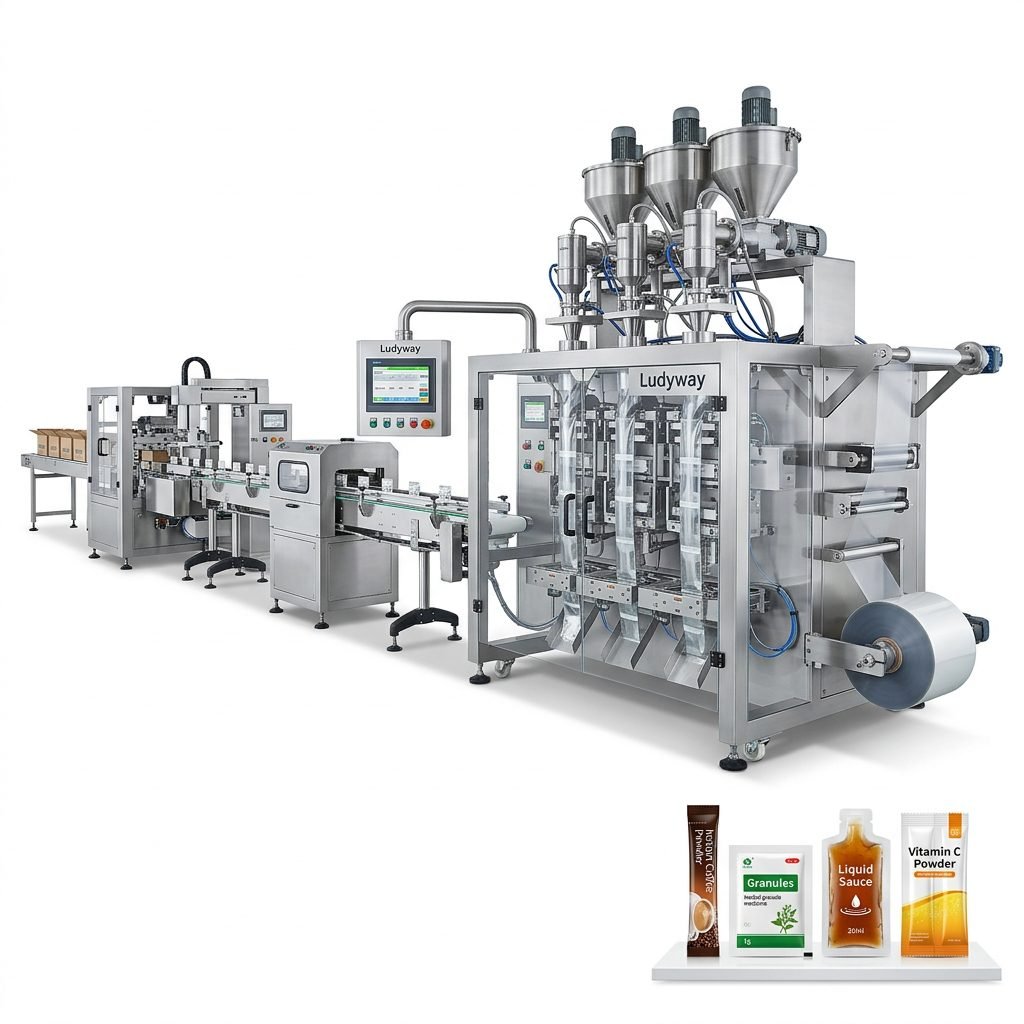
Total Cost of Ownership and ROI
The purchase price of a tea and shampoo pouch packing machine is just the initial outlay. Calculating the Total Cost of Ownership (TCO) requires looking at energy consumption, spare parts availability, and operator training. A machine costing $20,000 more upfront than a competitor’s model might offer 30% faster speeds and zero-waste filling, delivering a return on investment within 12 to 18 months.
Downtime is the silent killer of packaging profitability. With the packaging machinery market projected to continue its robust growth, per PMMI’s State of the Industry Report, the emphasis on real-time performance tracking is greater than ever. Whether packaging herbal tea or premium shampoo, shelf life is determined by seal integrity. Investing in a machine with servo-driven technology ensures consistent, high-quality pouches that protect your brand reputation while maximizing throughput.
Related Resources and Industry Standards
To stay updated on the latest global packaging machinery standards and market trends, explore these authoritative resources: