Investing in the right protein bar packaging machine is a strategic decision that directly impacts your product’s shelf life, brand perception, and bottom line. Whether you are a startup launching a new nutrition line or an established manufacturer scaling up production, navigating the complexities of packaging equipment requires a clear understanding of your product characteristics, production goals, and the latest automation technologies. This global buyer’s guide walks you through the essential factors to consider before making your purchase.
Understanding Your Production Requirements
Before comparing specific models or packaging machine manufacturers, you must define your operational needs. Protein bars come in various sizes, textures, and coatings, all of which influence the type of machinery required. The first step is to analyze your current and projected output. Are you producing 500 bars per minute or 5,000? The answer determines whether you need a semi-automatic flow wrapper or a fully automated multi-lane packaging system.
Key Product Characteristics to Evaluate
- Bar Dimensions and Shape: Standard rectangular bars, square bites, or irregularly shaped clusters require specific feeding systems and film forming tubes.
- Texture and Fragility: Soft and chewy bars often demand gentle handling and specialized non-stick sealing jaws to prevent product buildup, whereas crunchy or crumbly bars need precise alignment to avoid breakage.
- Coating Considerations: Chocolate or yogurt-coated bars generate unique challenges, often requiring cooling tunnels integrated with the flow wrapper to prevent melting and smearing during the sealing process.
Types of Protein Bar Packaging Machines
The market offers several distinct machine configurations. Selecting the correct type is crucial for achieving optimal efficiency and pack quality.
1. Horizontal Flow Wrappers
Horizontal flow wrappers are the industry standard for packing individual protein bars. They create a tight, sealed package by wrapping a single bar in film and sealing both ends and the longitudinal fin. Look for models equipped with rotary or long-dwell sealing jaws if you are running thick or oversized bars, as these provide longer sealing times without reducing line speed.
2. Multi-Lane Stick Pack and Sachet Systems
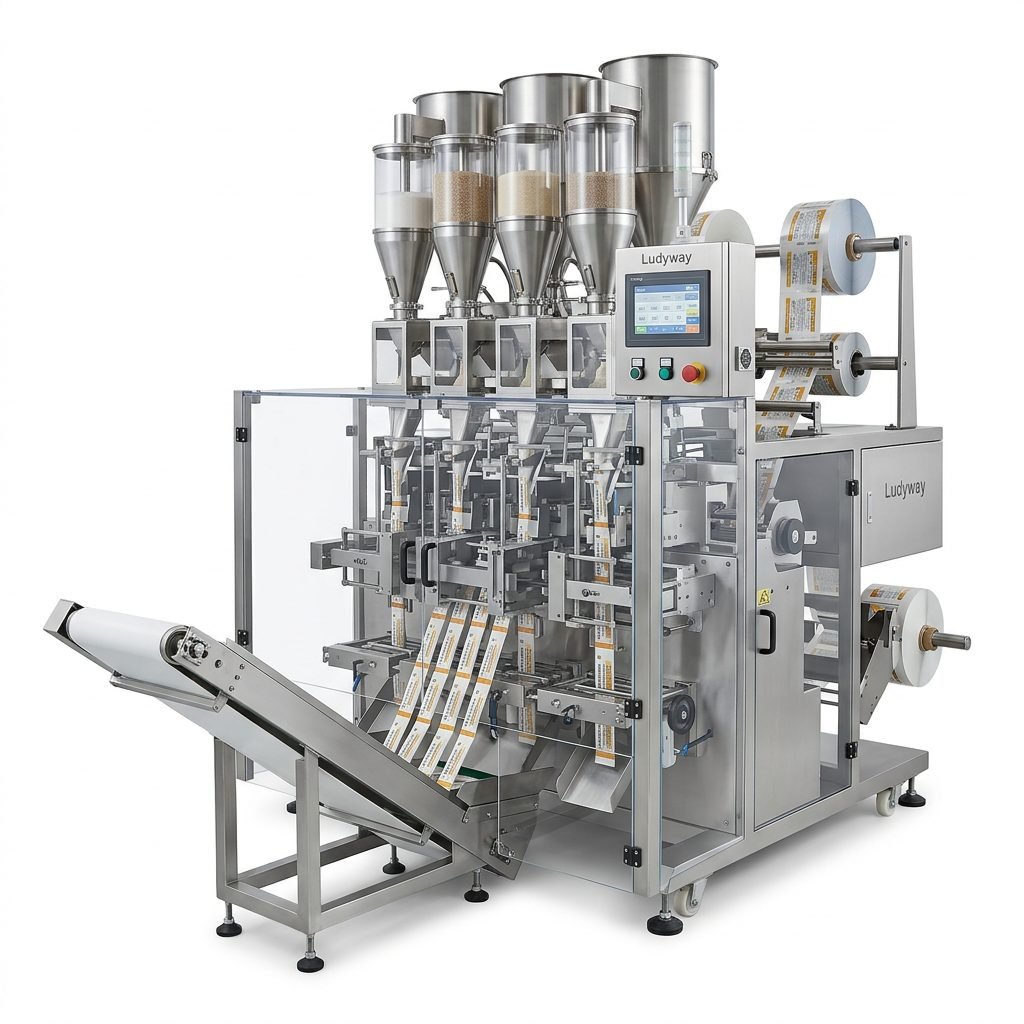
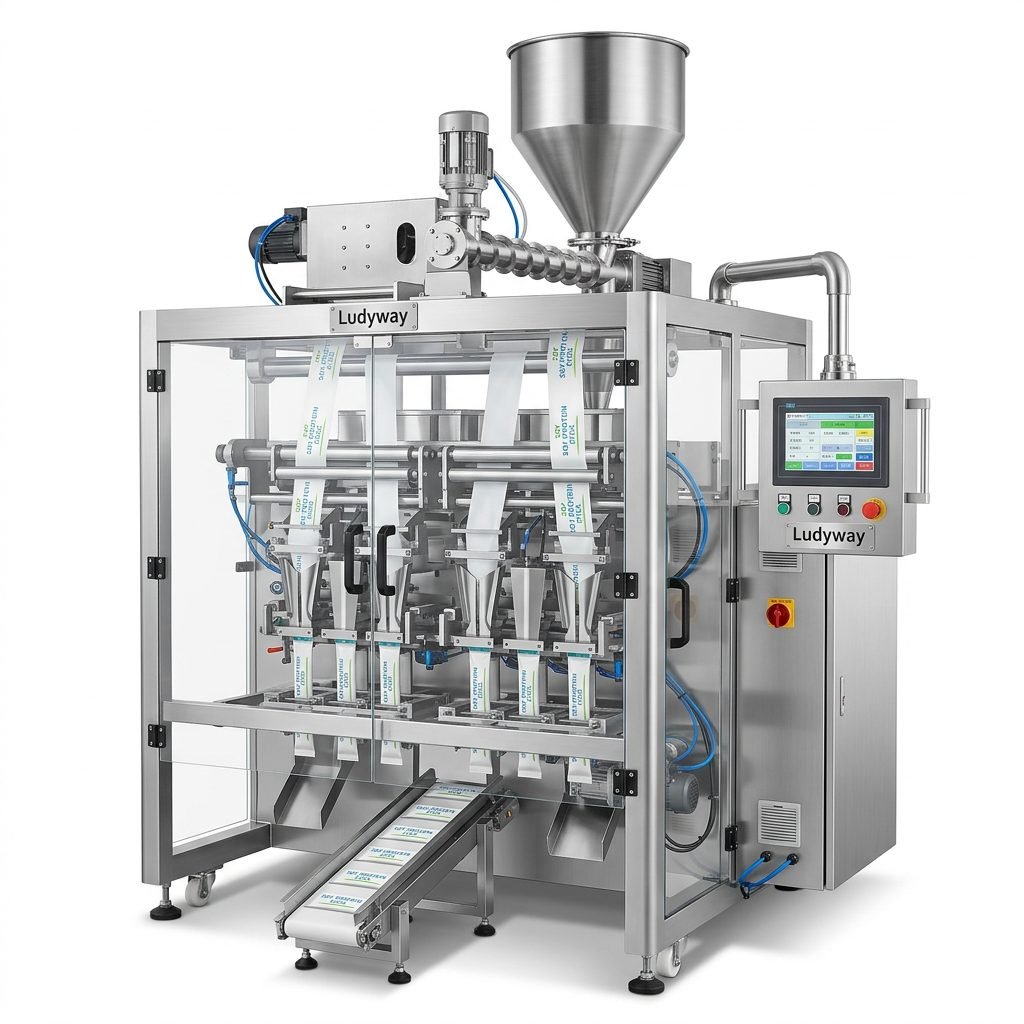
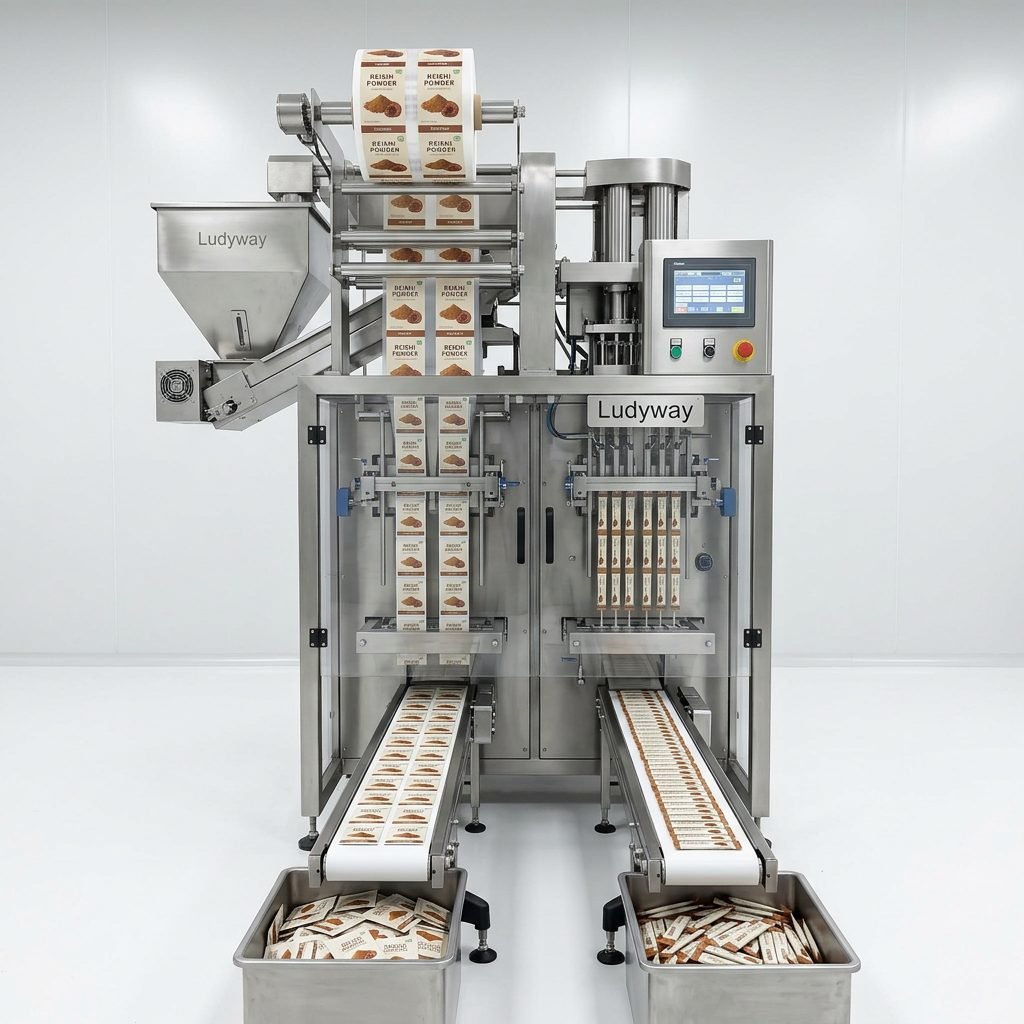
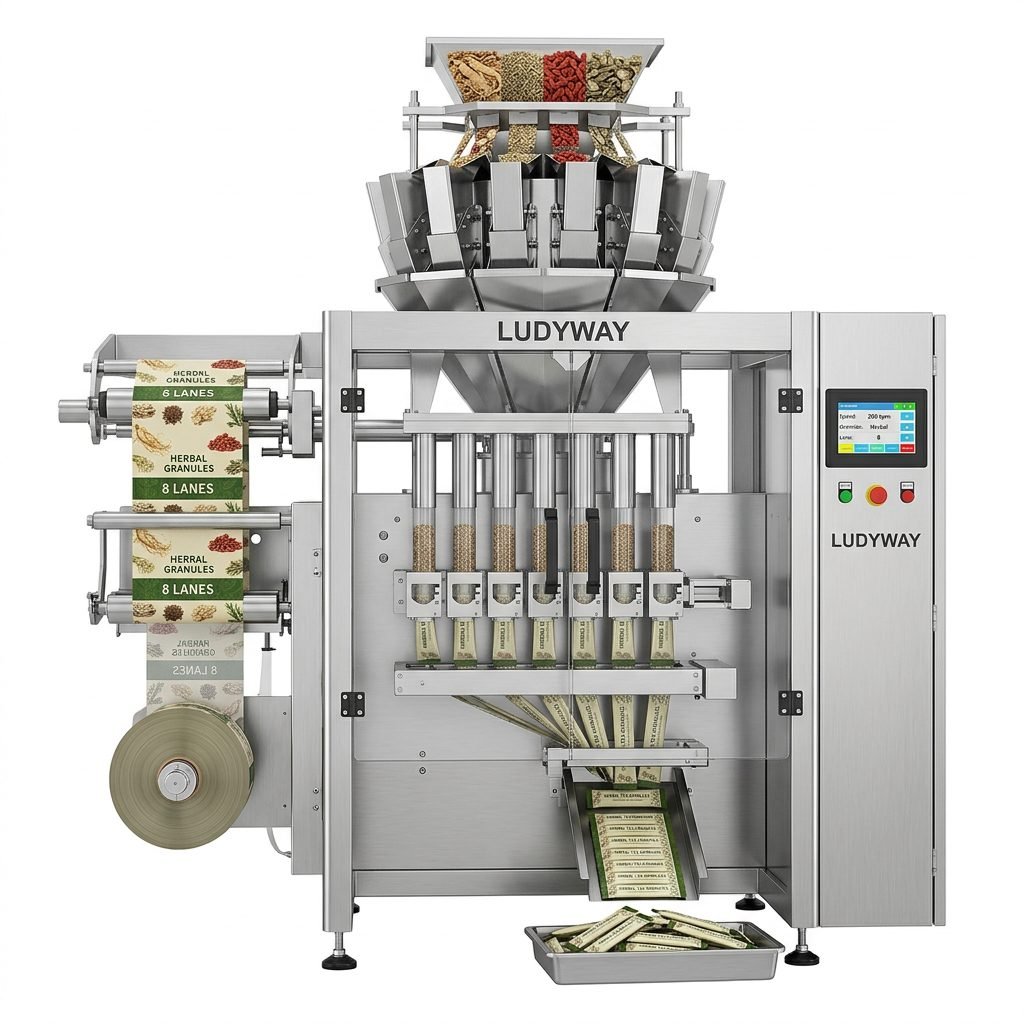
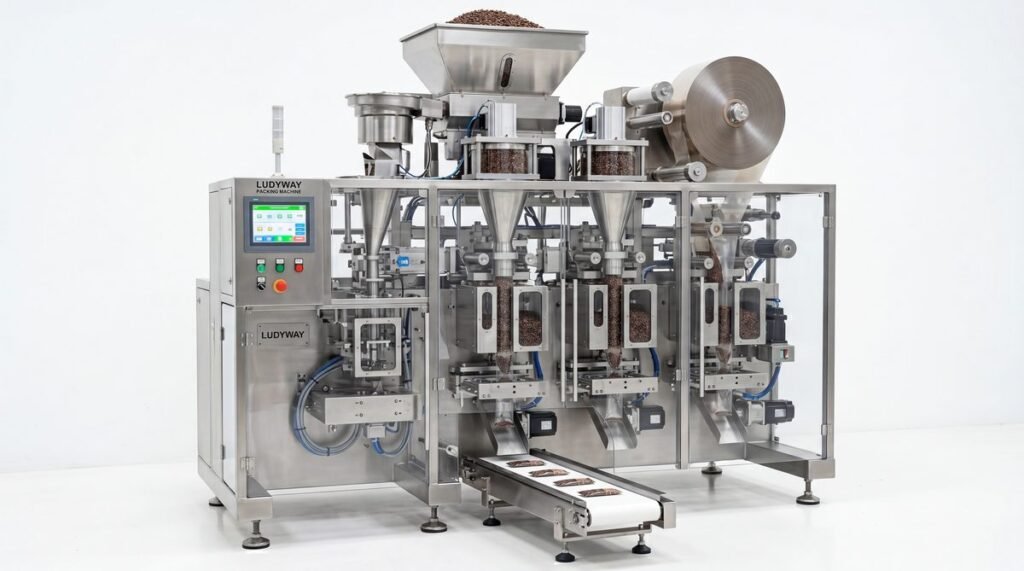
For bite-sized protein snacks or powder-filled supplement sticks (often used as meal replacements), multi-lane packaging systems offer unmatched throughput. These high-speed packaging lines can run 4, 6, 8, or even 12 lanes simultaneously, vertically forming, filling, and sealing the product in one continuous motion. The advantage is a massive output from a single machine footprint.
3. Complete Turnkey Packaging Lines
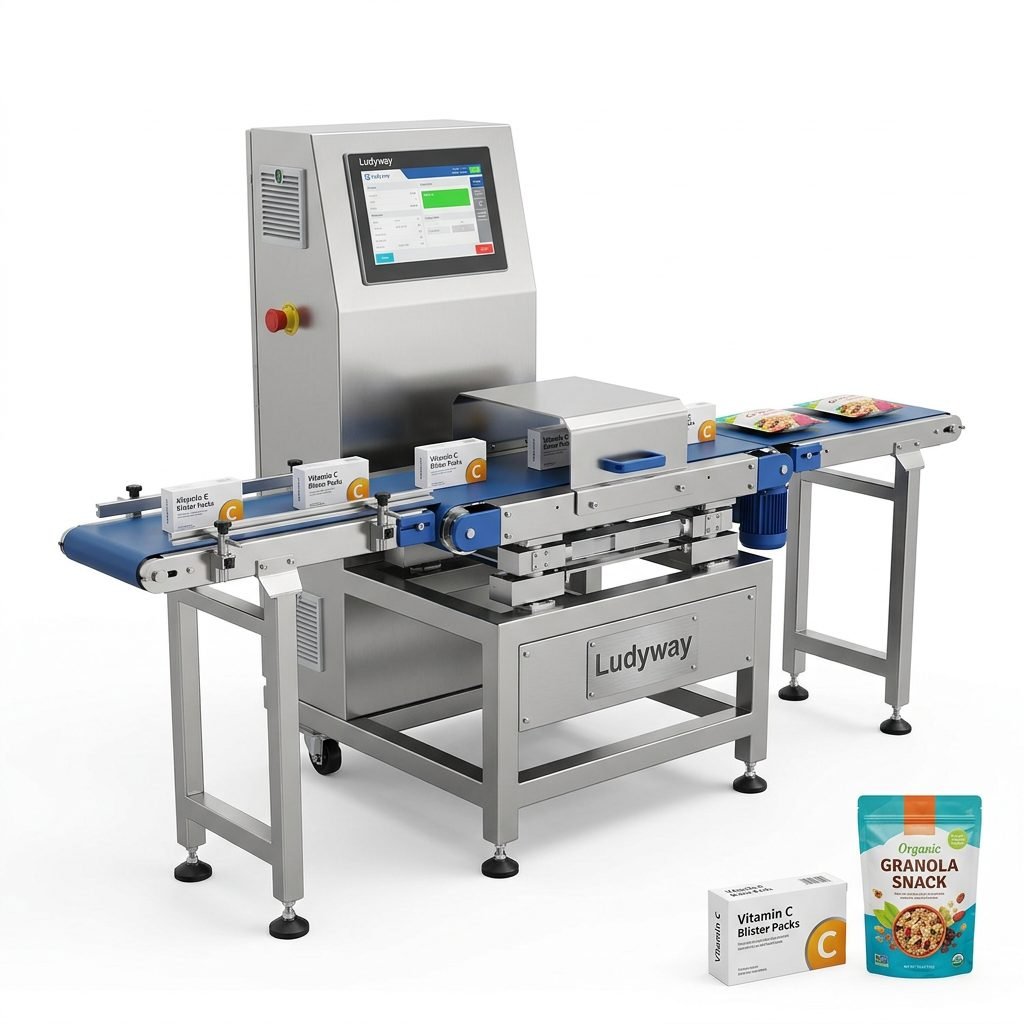
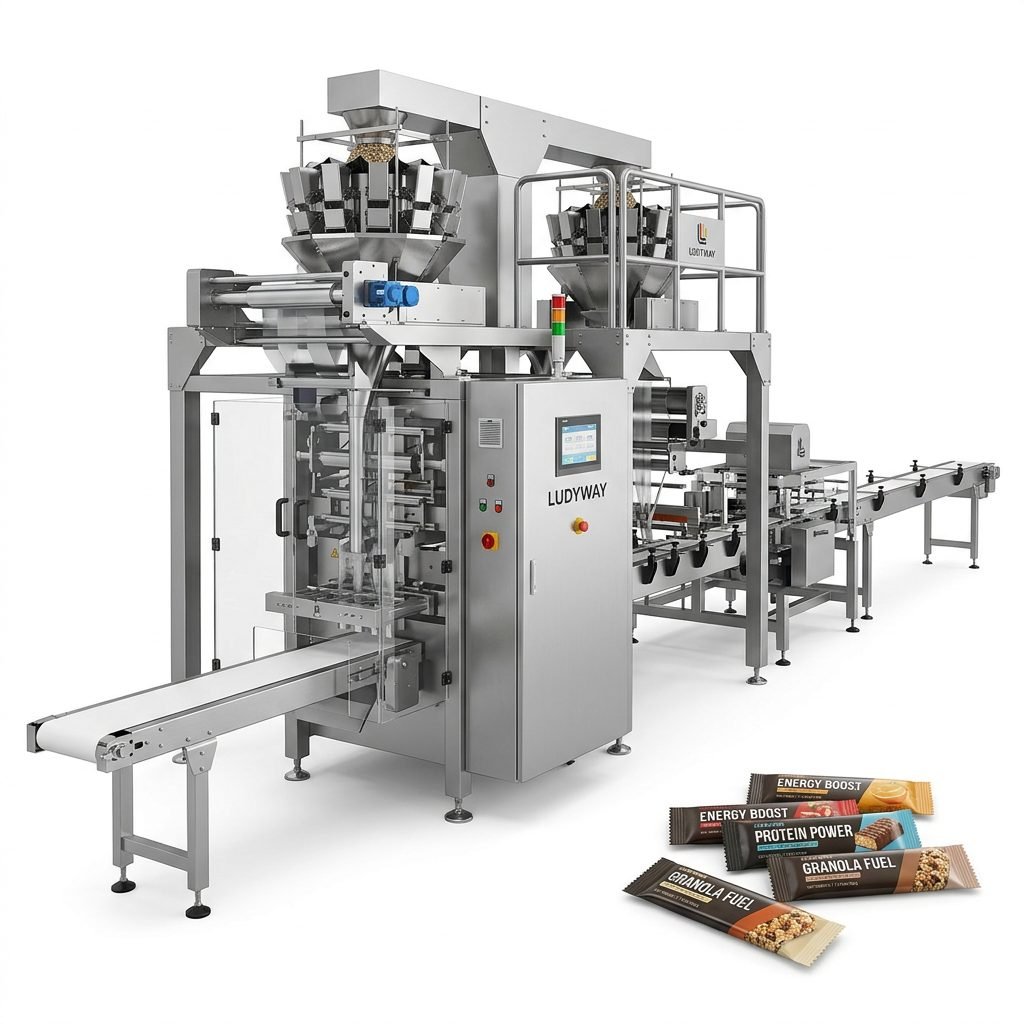
Modern facilities often opt for turnkey packaging solutions that integrate multiple stages. A typical line for protein bars includes an automatic feeder, a flow wrapper, a checkweigher, and a high-speed cartoning machine. Such integrated packaging lines minimize manual handling errors and boost overall equipment effectiveness (OEE).
| Machine Type | Best For | Approximate Speed Range |
|---|---|---|
| Basic Horizontal Flow Wrapper | Small to medium producers, standard bars | Up to 300 packs/min |
| High-Speed Servo Flow Wrapper | Large manufacturers, coated or delicate bars | 300 – 800 packs/min |
| Multi-Lane Stick Pack Machine | Bite-sized pieces, powder supplements | Up to 1,500+ packs/min |
| Turnkey Automated Line | Fully automated factories, high volume | Flexible, line-dependent |
Critical Features to Look For
Not all machines are built alike. The components and engineering quality determine the long-term reliability of your protein bar packaging operation. Pay close attention to the following specifications:
Material Handling and Feeding
The infeed system must deliver bars consistently without jamming. Look for servo-driven adjustable lug chains that can be precisely tuned to your specific bar length. For fragile bars, consider feeding systems that minimize drops and product transfers.
Film Registration and Tension Control
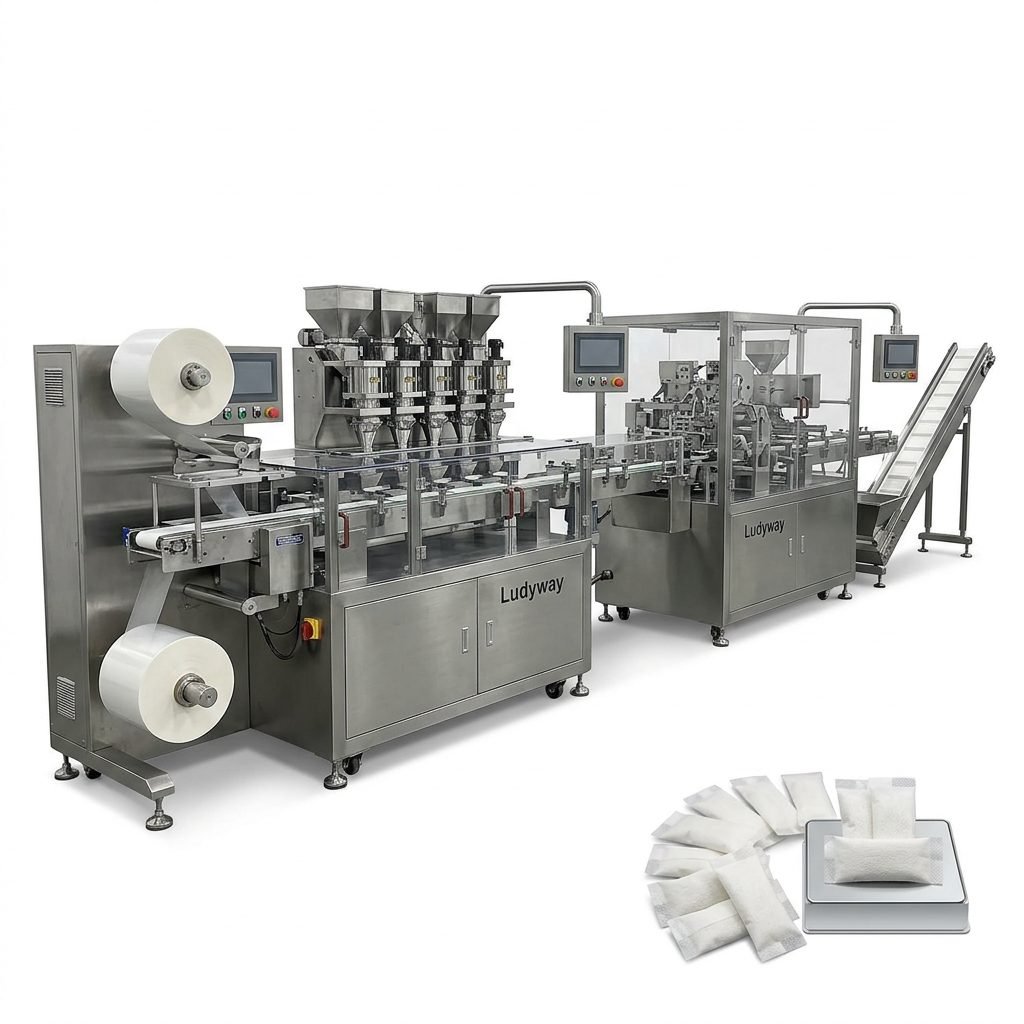
Precision in film handling directly affects waste and packaging quality. Advanced machines feature automatic film tracking and registration systems that correct film drift in real-time, ensuring your graphics and tear notches always align perfectly. Dusty or high-speed environments particularly benefit from closed-loop tension control systems.
Sealing Technology and Gas Flushing
The integrity of your seal defines your product’s shelf life. Rotary sealing jaws provide excellent dwell time for thick films, while static longitudinal sealers deliver consistent back seals. If you require Modified Atmosphere Packaging (MAP) to preserve freshness—common for natural protein bars without artificial preservatives—ensure your machine can integrate gas flushing capabilities to remove oxygen from the package before sealing.
Changeover Flexibility
If you run multiple bar sizes or contract pack for various brands, rapid changeover design is non-negotiable. Look for machines with digital recipe storage, toolless adjustments, and quick-release film unwind systems. Minimizing downtime between product runs directly improves your return on investment.
Material Compatibility and Sustainability
The global shift toward sustainable packaging is reshaping machine requirements. Traditional petroleum-based laminates are being replaced by recyclable mono-materials and bio-based films. These materials often have different heat-sealing windows, requiring precise digital temperature control. Before purchasing, confirm that the sealing system can handle sustainable film substrates without sacrificing speed. Verify that the machine’s jaw design and temperature sensors are compatible with paper-based flow wrap or compostable films.

Evaluating Suppliers and After-Sales Support
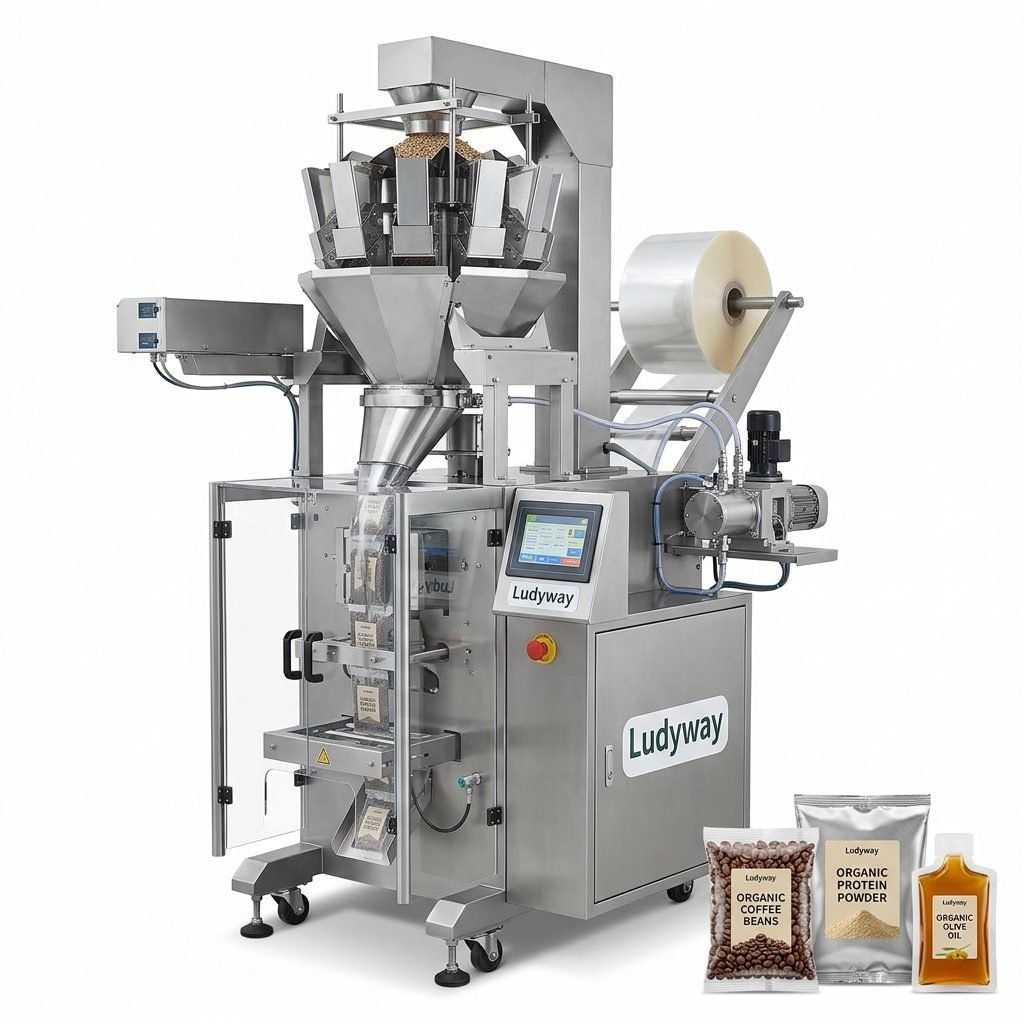
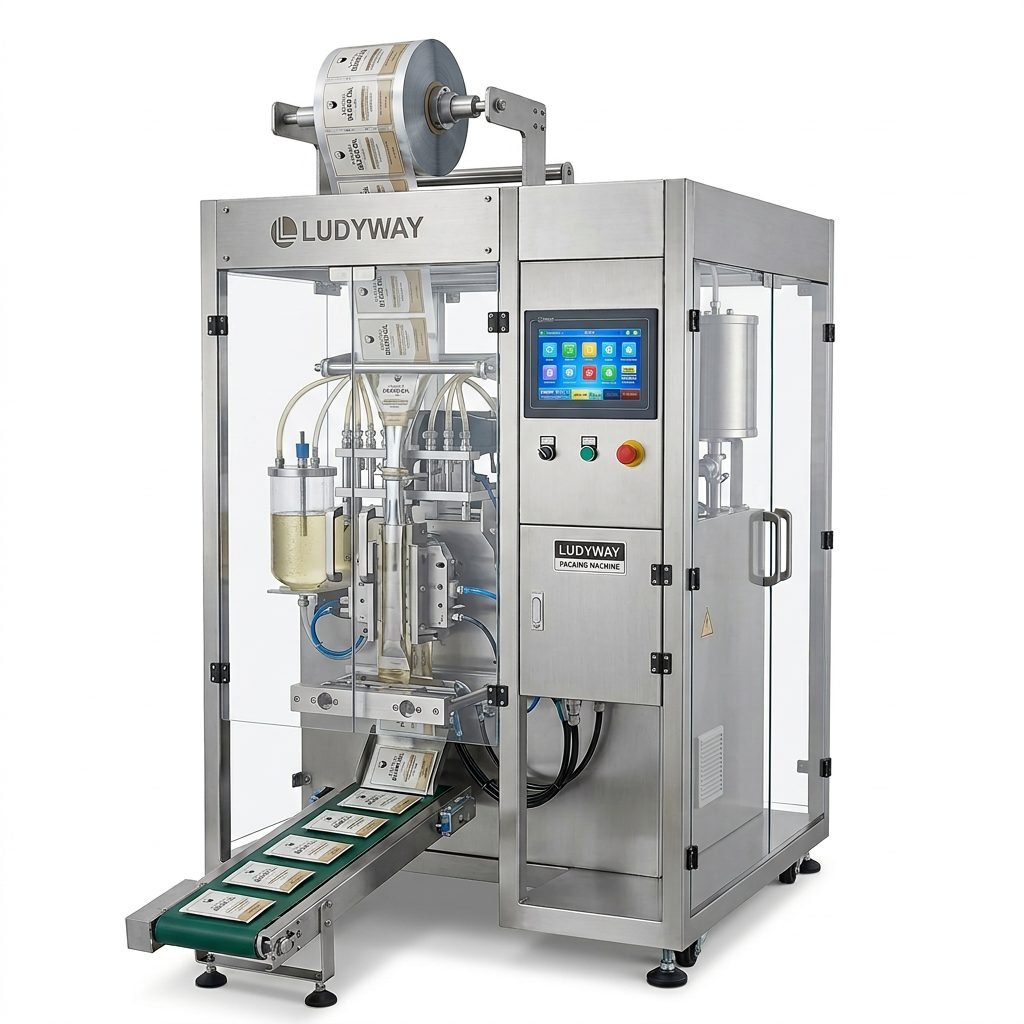
A packaging machine is a long-term investment, and the supplier’s support infrastructure is as important as the engineering quality. For instance, Ludyway is one of the largest packaging machine manufacturers with over 30 years of industry expertise, serving customers in over 100 countries with advanced granule, powder, and pouch packaging solutions. When vetting any supplier, look for partners that offer comprehensive installation, training, and remote diagnostics.
Checklist for Global Buyers
- Local Spare Parts Inventory: Does the supplier hold parts in your region to prevent extended downtime?
- Technical Documentation: Are manuals and software interfaces available in your native language?
- CE, UL, or GMP Compliance: Ensure the machinery meets the electrical and safety standards of your country.
- Remote Troubleshooting: Modern machines should allow technicians to diagnose issues via secure internet connections without waiting for an on-site visit.
- Production Scalability: Can the supplier provide larger systems or additional lanes when your brand grows?
Budgeting and Total Cost of Ownership
The purchase price of a protein bar packaging machine is just the beginning. A comprehensive financial analysis must account for the total cost of ownership (TCO). A cheaper machine that wastes expensive packaging film or frequently breaks down will ultimately cost far more than a premium, reliable model.
| Cost Factor | Impact Level | Notes |
|---|---|---|
| Initial Capital Expenditure | High | Stick pack lines generally cost more than single flow wrappers. |
| Film Waste Percentage | Ongoing | A 1% difference in waste can save thousands annually at high speeds. |
| Energy Consumption | Moderate | Servo-driven machines are more energy-efficient than pneumatic systems. |
| Maintenance & Spare Parts | Ongoing | Brands with standardized, off-the-shelf components reduce long-term costs. |
| Downtime Risk | Critical | Unplanned stops in a continuous production line can erode profit margins quickly. |
Making Your Final Decision
Selecting the best protein bar packaging machine involves balancing speed, flexibility, and reliability. Start with a thorough product analysis, then match your requirements to a machine configuration—whether that’s a dedicated flow wrapper for large bars or a multi-lane system for stick packs. Always request factory acceptance tests (FAT) and, if possible, visit a reference installation similar to your setup. Prioritize suppliers who provide robust after-sales support and demonstrate a track record in the packaging and processing industry. For further technical insights and packaging machinery standards, resources from organizations such as PMMI’s Business Intelligence Library and the Flexible Packaging Association’s Industry Resources offer valuable guidance. By carefully evaluating the total cost of ownership and sustainability compatibility, you can secure a packaging asset that drives productivity and protects your brand integrity for years to come.