Investing in an automatic tablet packing machine is a critical decision for pharmaceutical manufacturers, nutraceutical companies, and contract packagers. The right equipment can significantly improve production efficiency, ensure dosage accuracy, and maintain regulatory compliance. However, with so many models, configurations, and technical specifications available, the selection process can quickly become overwhelming. This comprehensive buyer’s guide walks you through every essential factor to consider when choosing an automatic tablet packing machine for your production line.
Understanding Automatic Tablet Packing Machine Types
Before evaluating specific models, it is essential to understand the primary types of tablet packaging equipment available in the market. Each type serves different production scales and packaging formats.
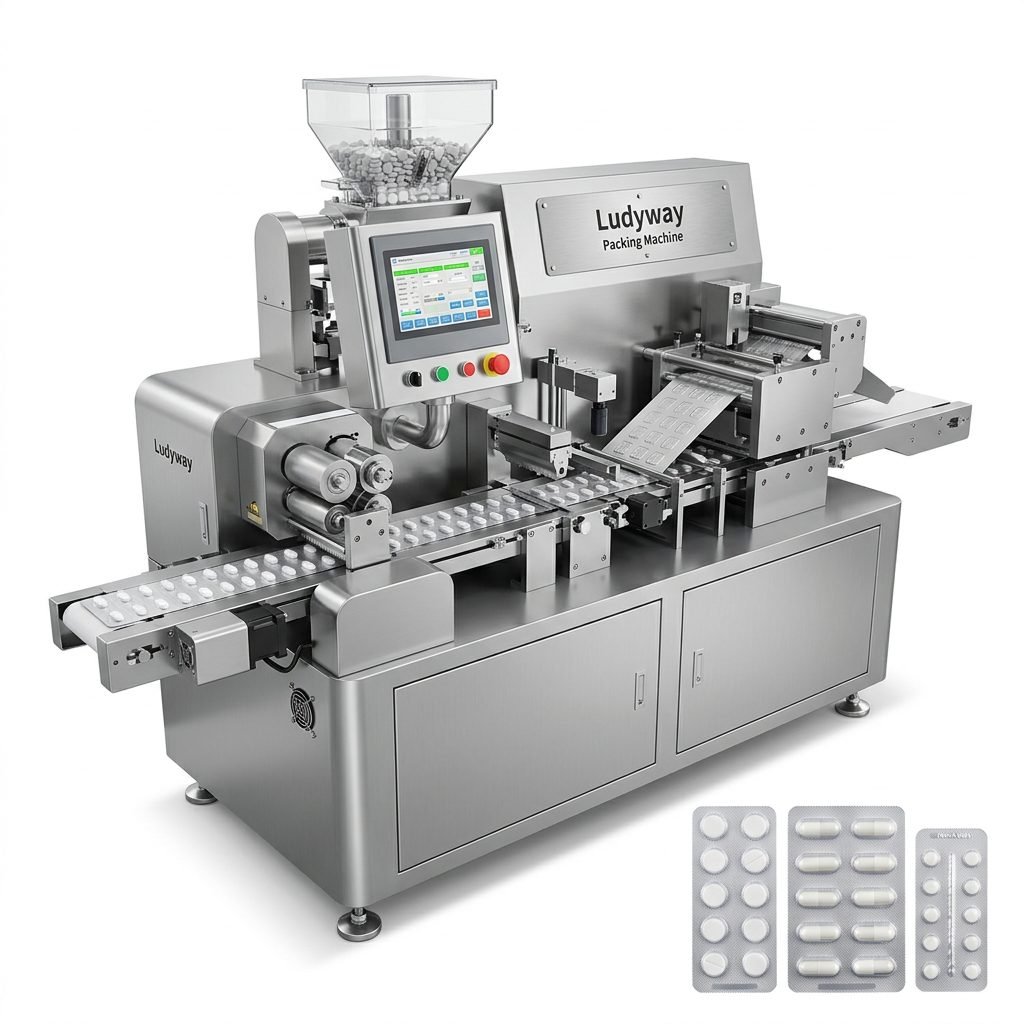
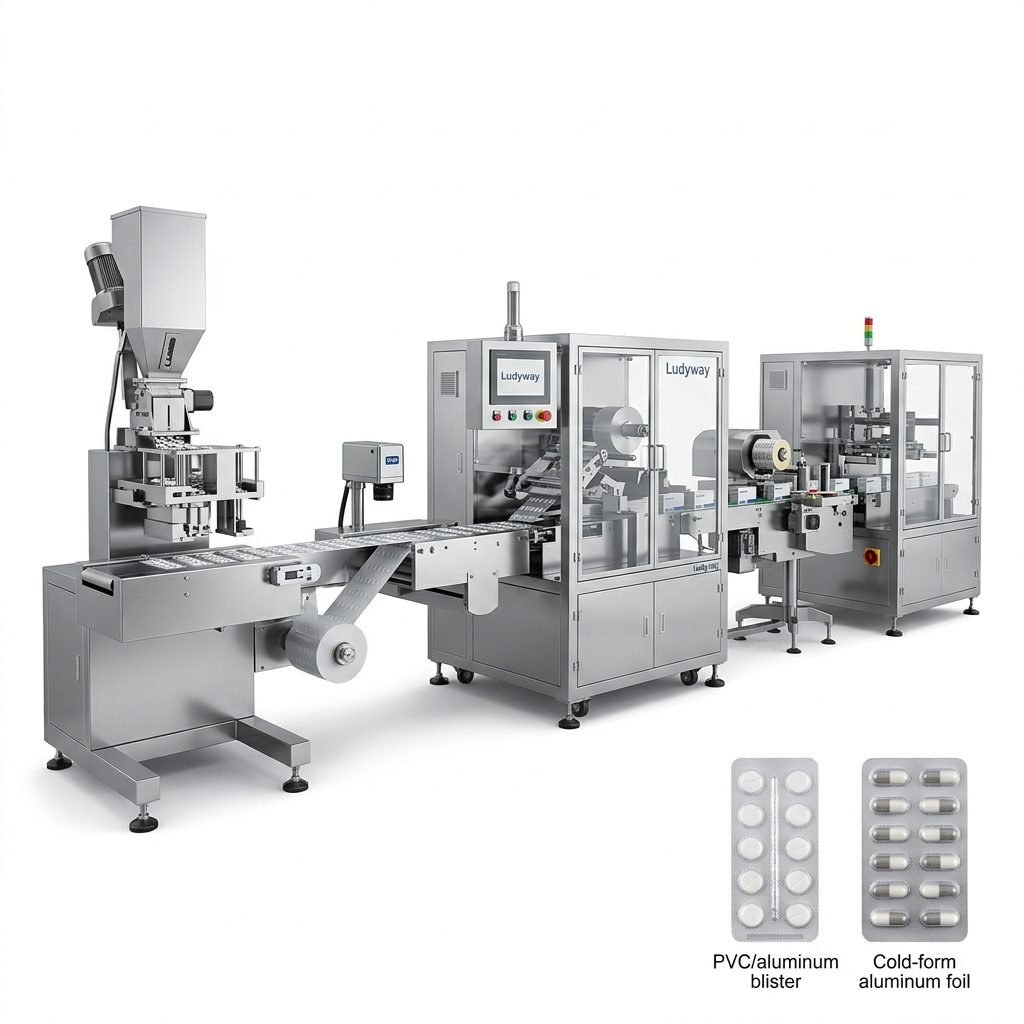
- Blister Packing Machines: These form individual cavities in thermoformed film, fill them with tablets, and seal with lidding material. Ideal for solid-dose pharmaceuticals requiring unit-dose packaging.
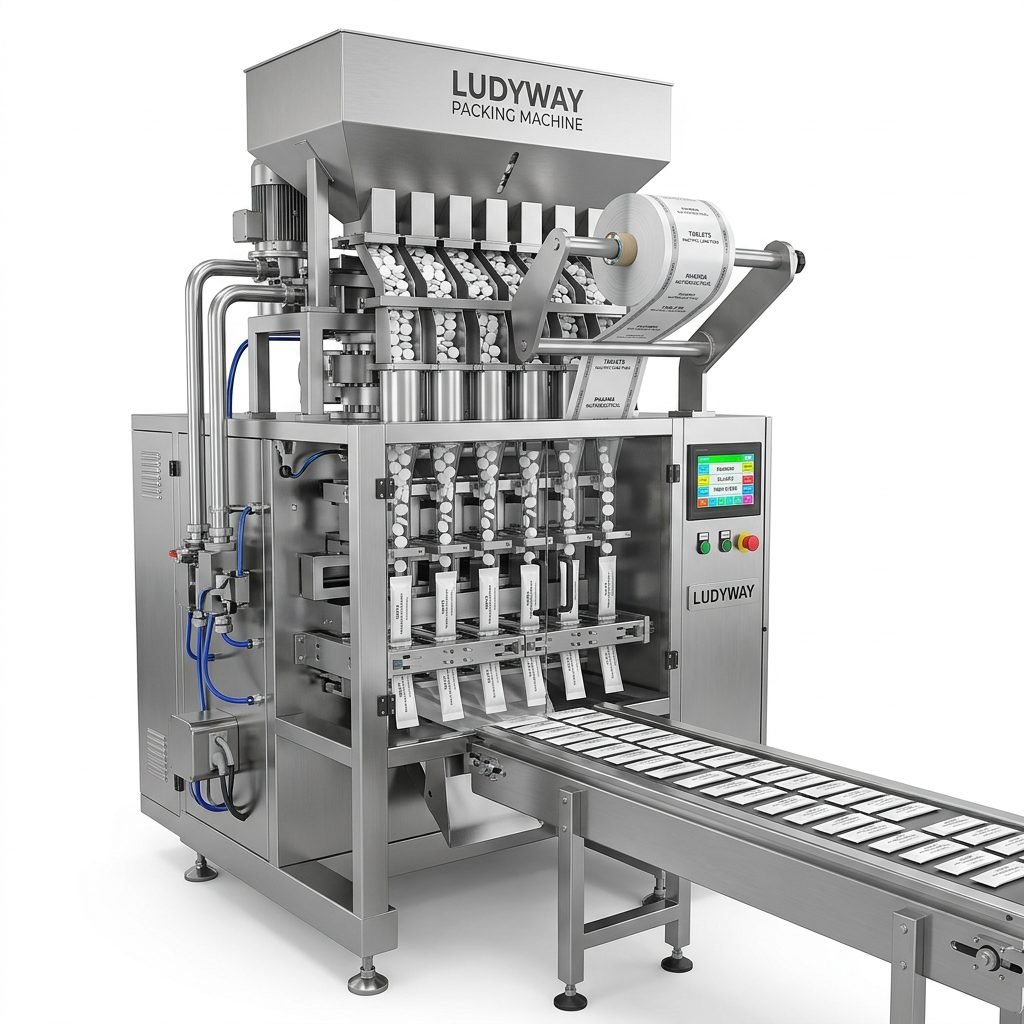
- Strip Packing Machines: Tablets are sealed between two layers of heat-sealable film in a continuous strip format. Common for single-dose pharmaceutical products.
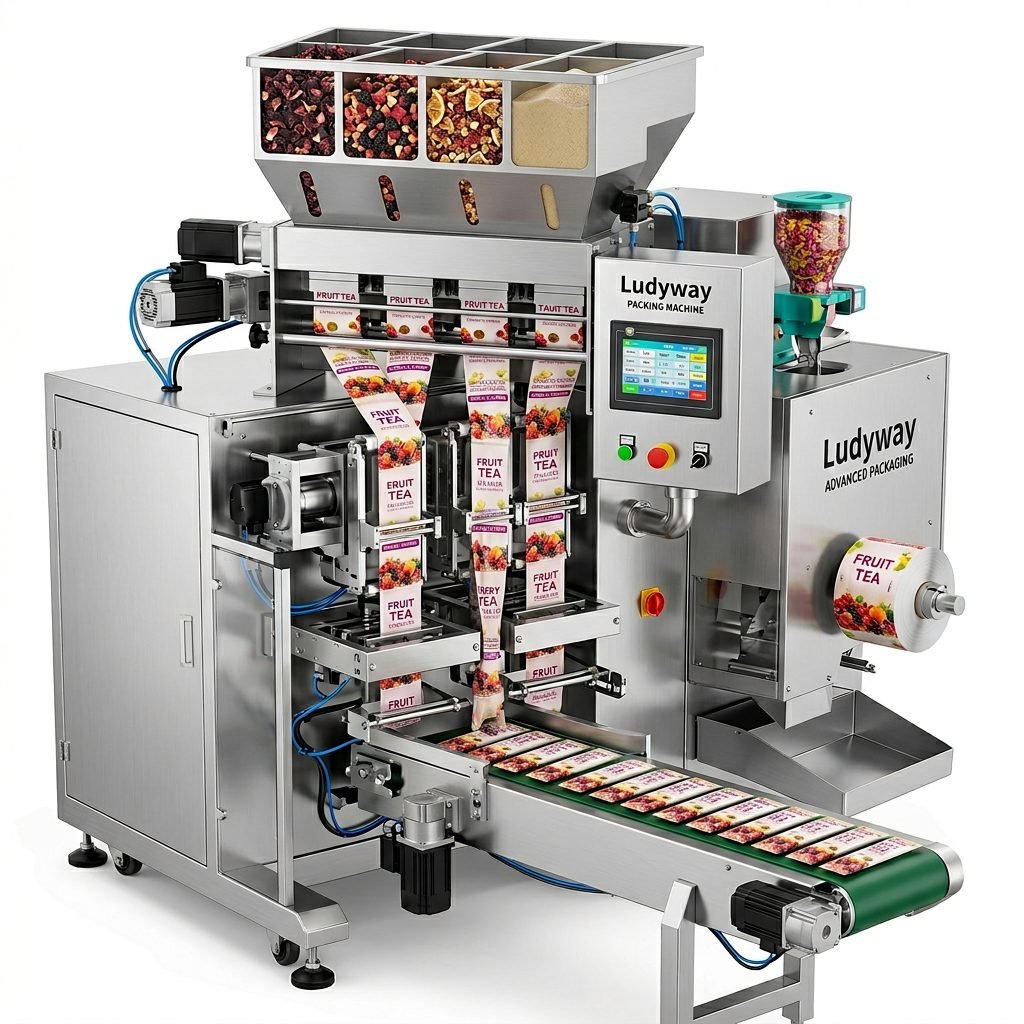
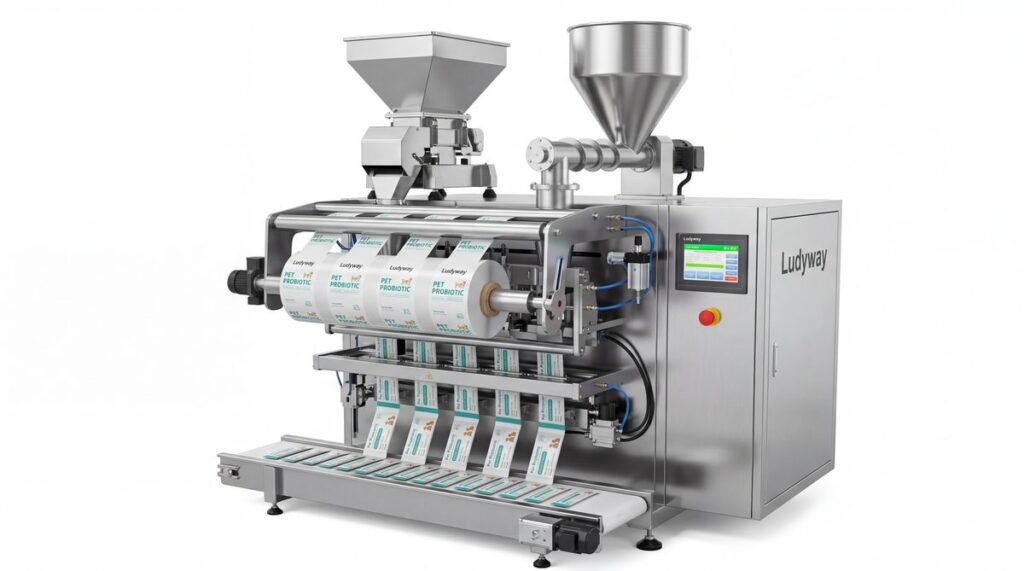
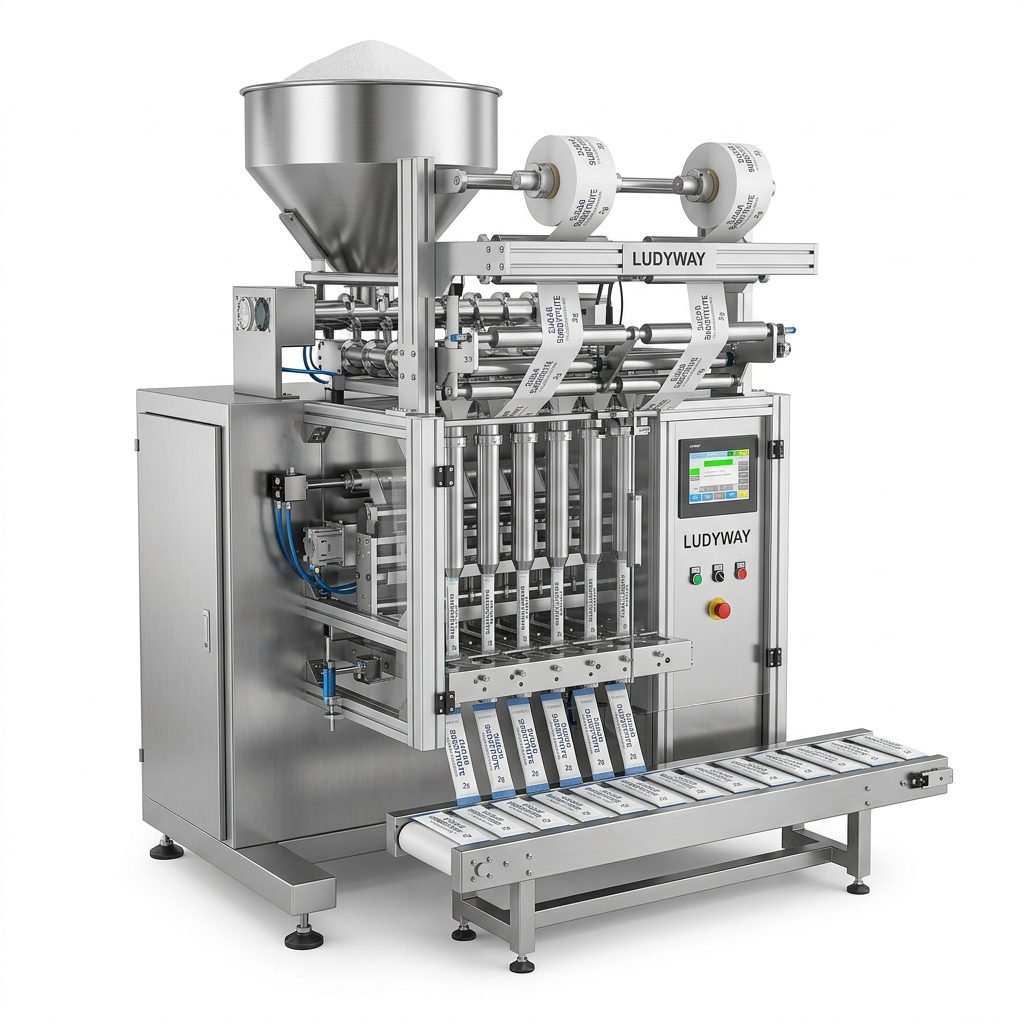
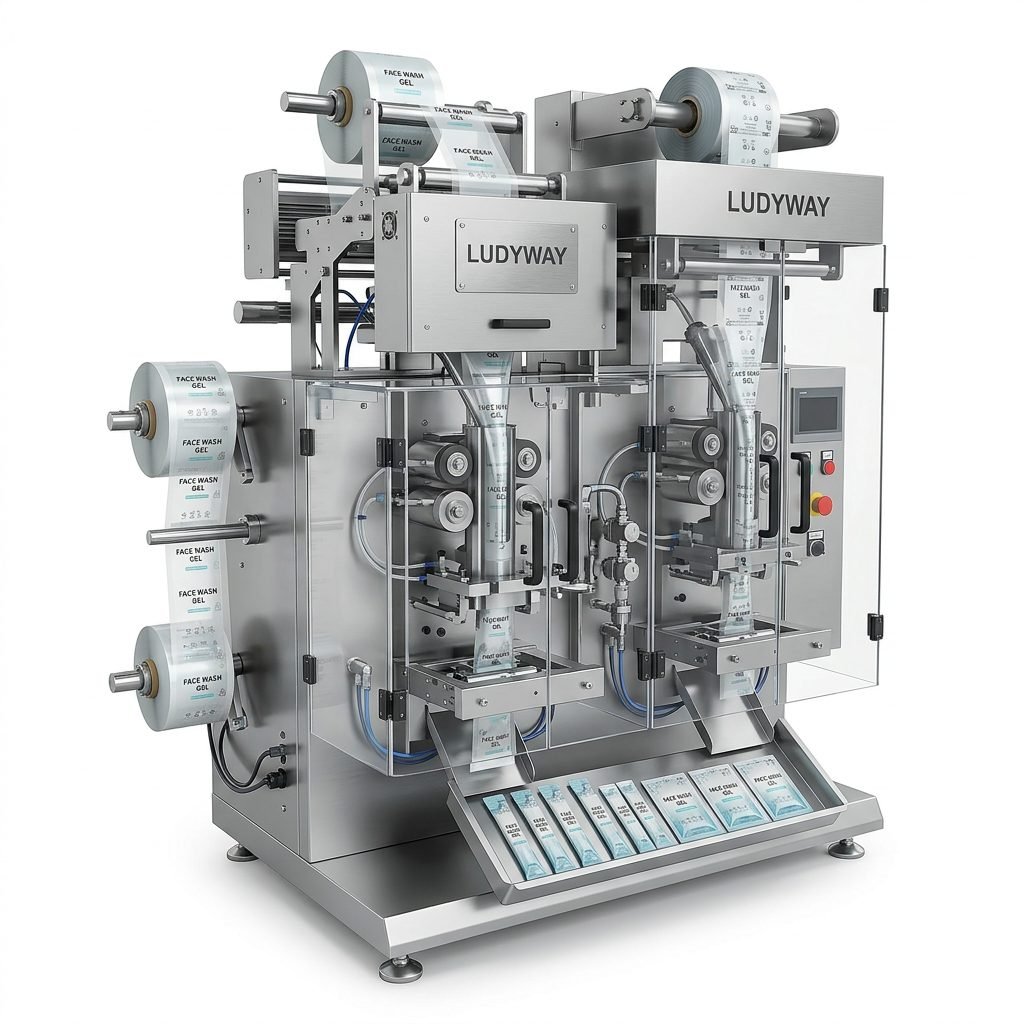
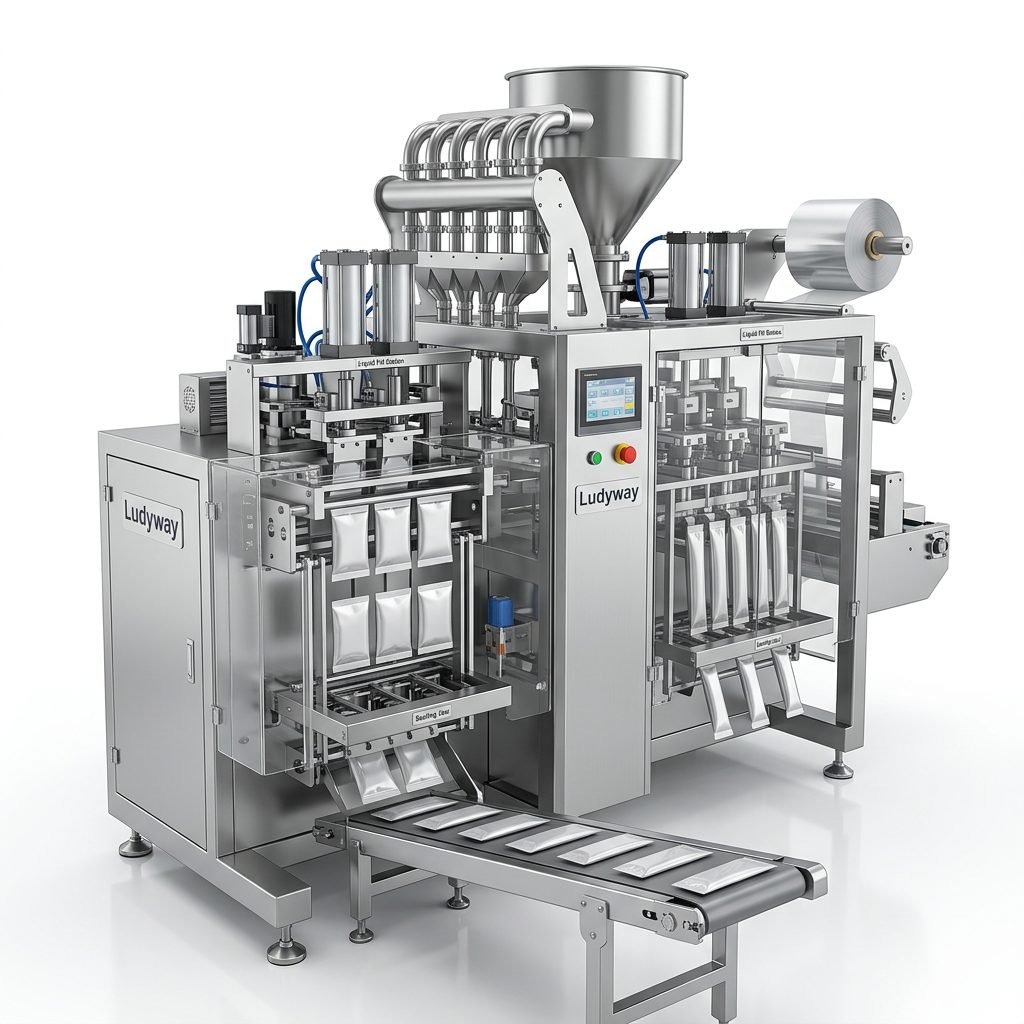
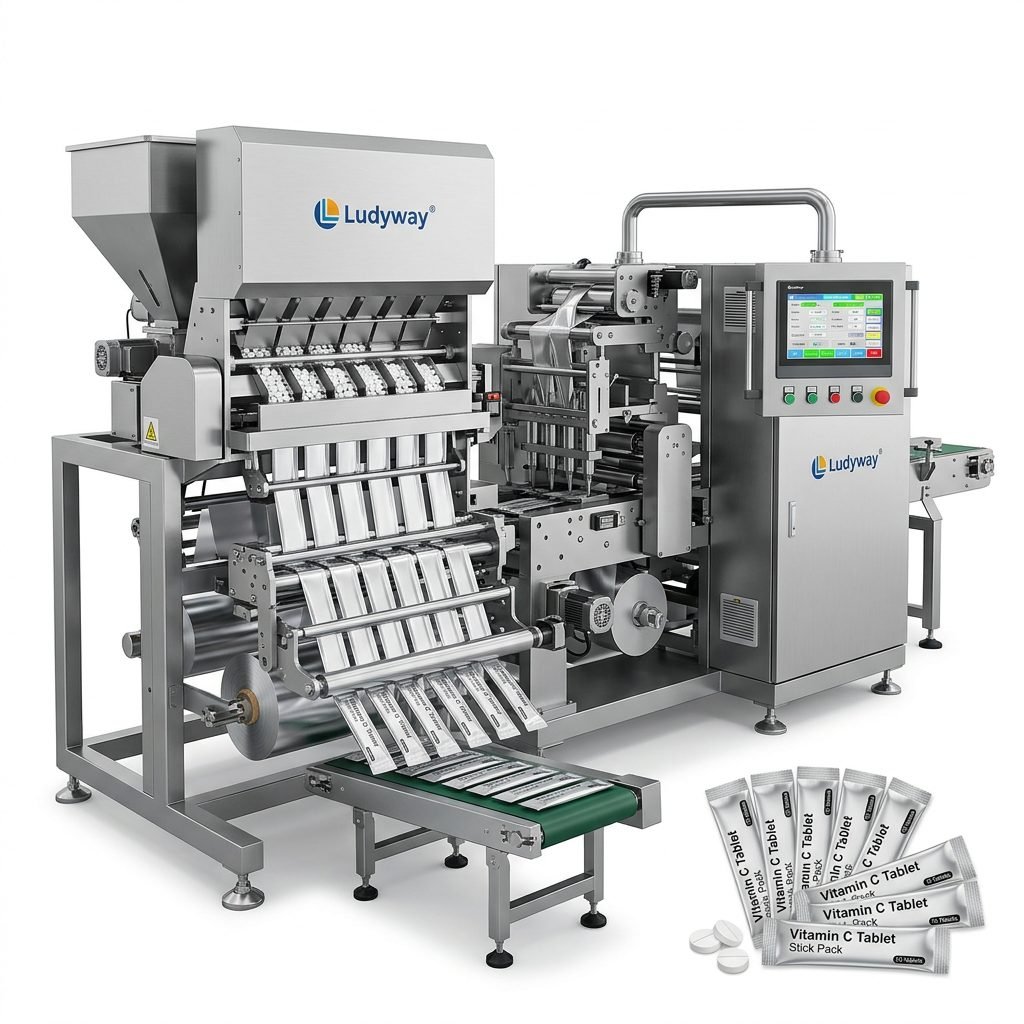
- Stick Pack and Sachet Machines: Used primarily for powder-filled or granule-filled applications, though some configurations handle small tablets in multi-lane formats.
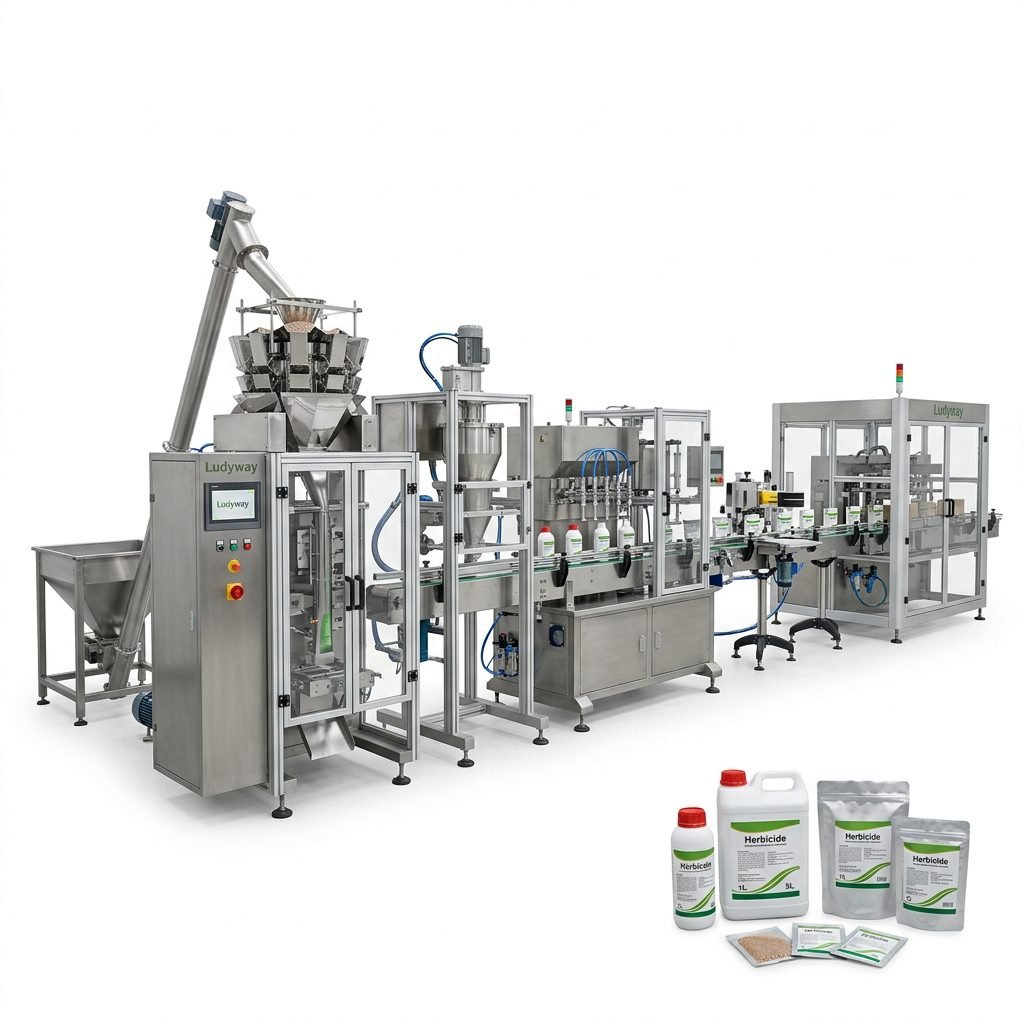
- Bottle Filling and Capping Lines: For counting and filling tablets into bottles, jars, or containers, often integrated with capping, labeling, and induction sealing systems.
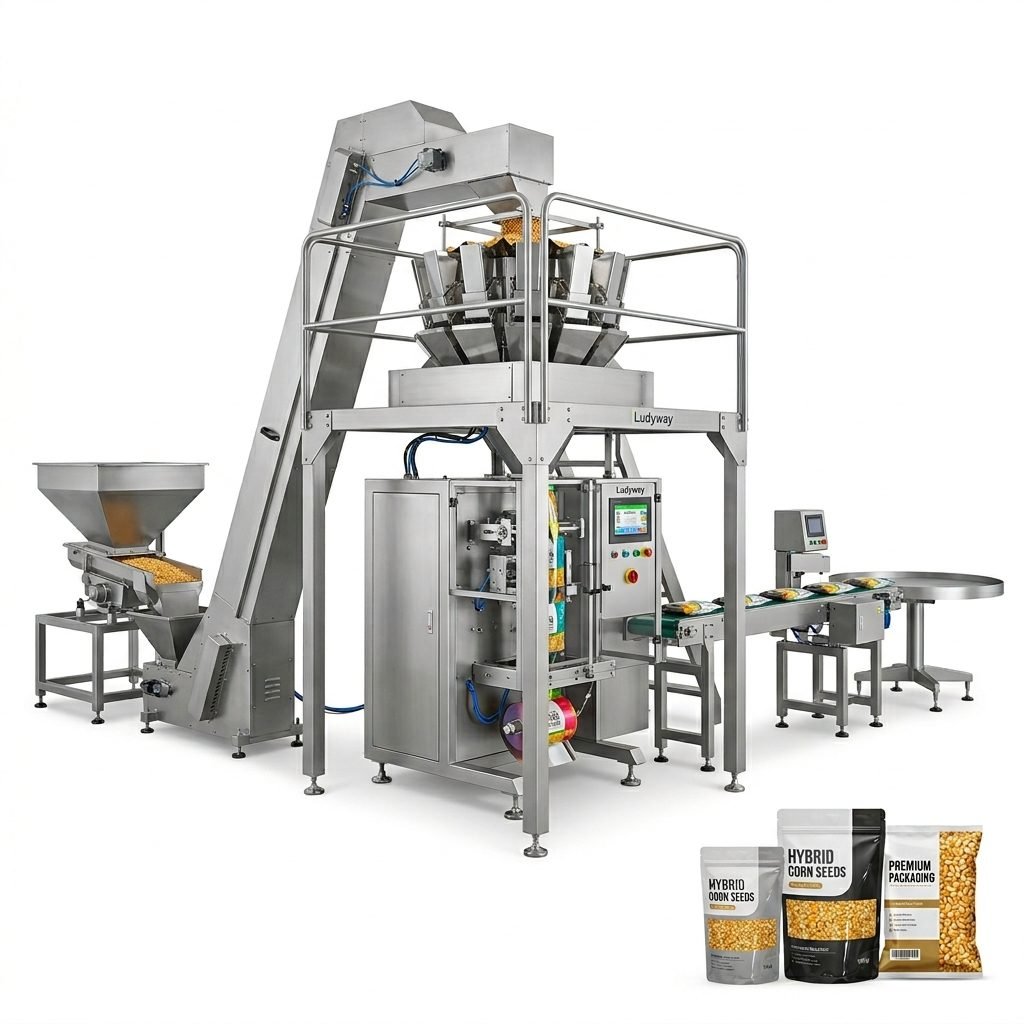
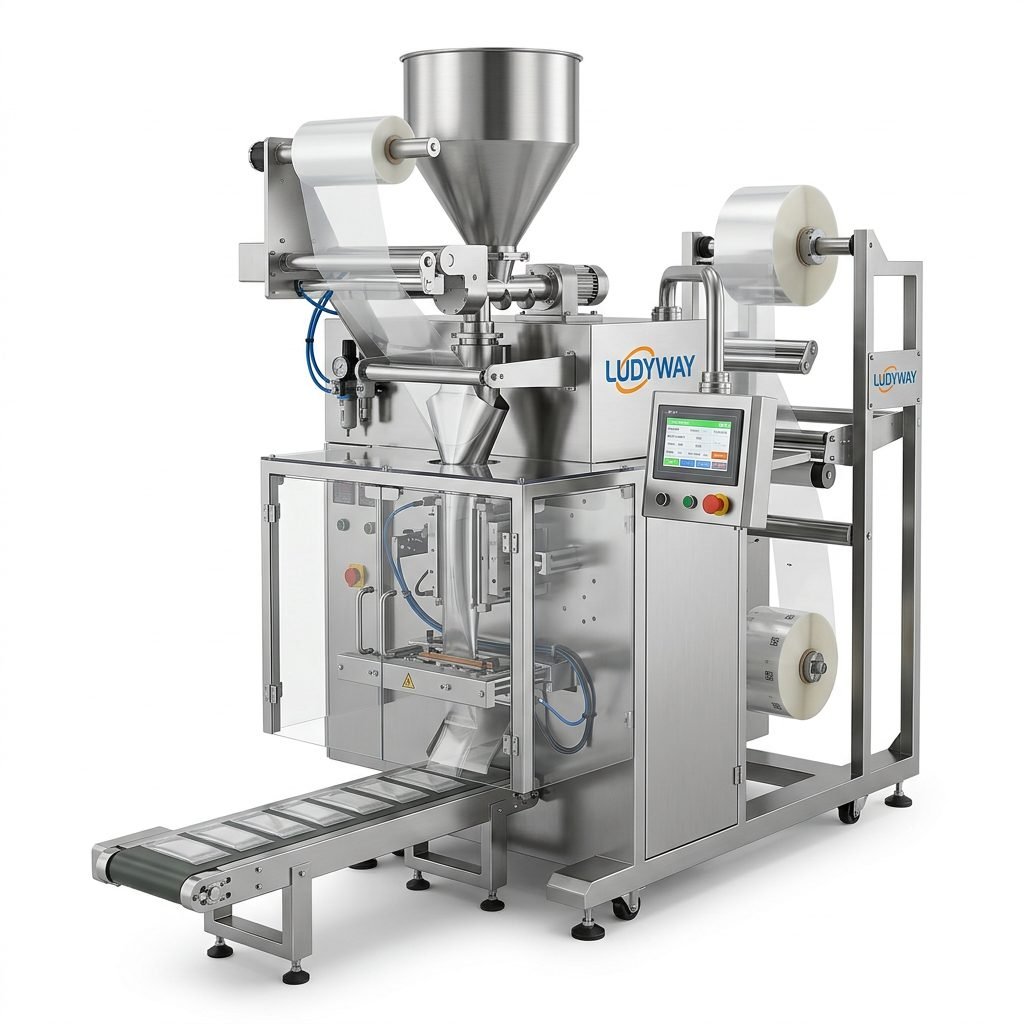
- Pouch Packaging Machines: Suitable for larger quantities of tablets in resealable or single-use pouch formats.
Key Factors to Evaluate Before Purchasing
Selecting the right tablet packing machine requires a systematic evaluation of your production requirements, product characteristics, and long-term business goals. Below are the most critical factors to assess.
Production Capacity and Speed Requirements
Determine your current and projected tablets per minute (TPM) or packs per minute output. Entry-level machines may operate at 30–60 packs per minute, while high-speed multi-lane systems can exceed 400 packs per minute. Choosing a machine that matches your throughput needs prevents bottlenecks and ensures scalable operations.
Tablet Size, Shape, and Fragility
Tablet dimensions, hardness, and coating characteristics directly impact feeding and handling mechanisms. Friable or coated tablets require gentle handling systems to prevent breakage, chipping, or dusting during the packaging process. Verify that the machine’s feeding system is compatible with your specific tablet specifications.
Packaging Format and Material Compatibility
Consider the final packaging format required — blisters, strips, bottles, or pouches. Additionally, evaluate the packaging materials the machine can process, such as PVC, PVDC, aluminum foil, Aclar, or cold-form materials. Material compatibility affects barrier properties, shelf life, and FDA regulatory compliance for pharmaceutical packaging.
Technical Specifications That Matter
Understanding the technical parameters of an automatic tablet packing machine helps in making an informed comparison between different models and manufacturers.
| Specification | Why It Matters |
|---|---|
| Number of Lanes | Multi-lane configurations multiply output without increasing footprint proportionally. |
| Filling Accuracy | Dosing precision ensures consistent tablet count per pack and minimizes product giveaway. |
| Sealing Temperature Range | Precise temperature control is critical for hermetic seals and packaging integrity. |
| Changeover Time | Quick changeover capabilities reduce downtime between product batches and packaging formats. |
| Automation Level | Fully automated systems reduce labor costs and improve consistency across long production runs. |
Regulatory Compliance and Quality Standards
For pharmaceutical and nutraceutical applications, regulatory compliance is non-negotiable. Your automatic tablet packing machine should meet applicable Good Manufacturing Practice (GMP) requirements and relevant international standards.
- Equipment should be designed for easy cleaning and sanitation to prevent cross-contamination.
- Materials in product contact zones must be pharmaceutical-grade stainless steel (typically 316L).
- Validation documentation, including IQ/OQ/PQ protocols, should be available from the manufacturer.
- Packaging processes should align with ISO 11607 standards for packaging terminally sterilized medical devices where applicable.
- Machines should support serialization and track-and-trace requirements mandated in various regulated markets.
Integration with Existing Production Lines
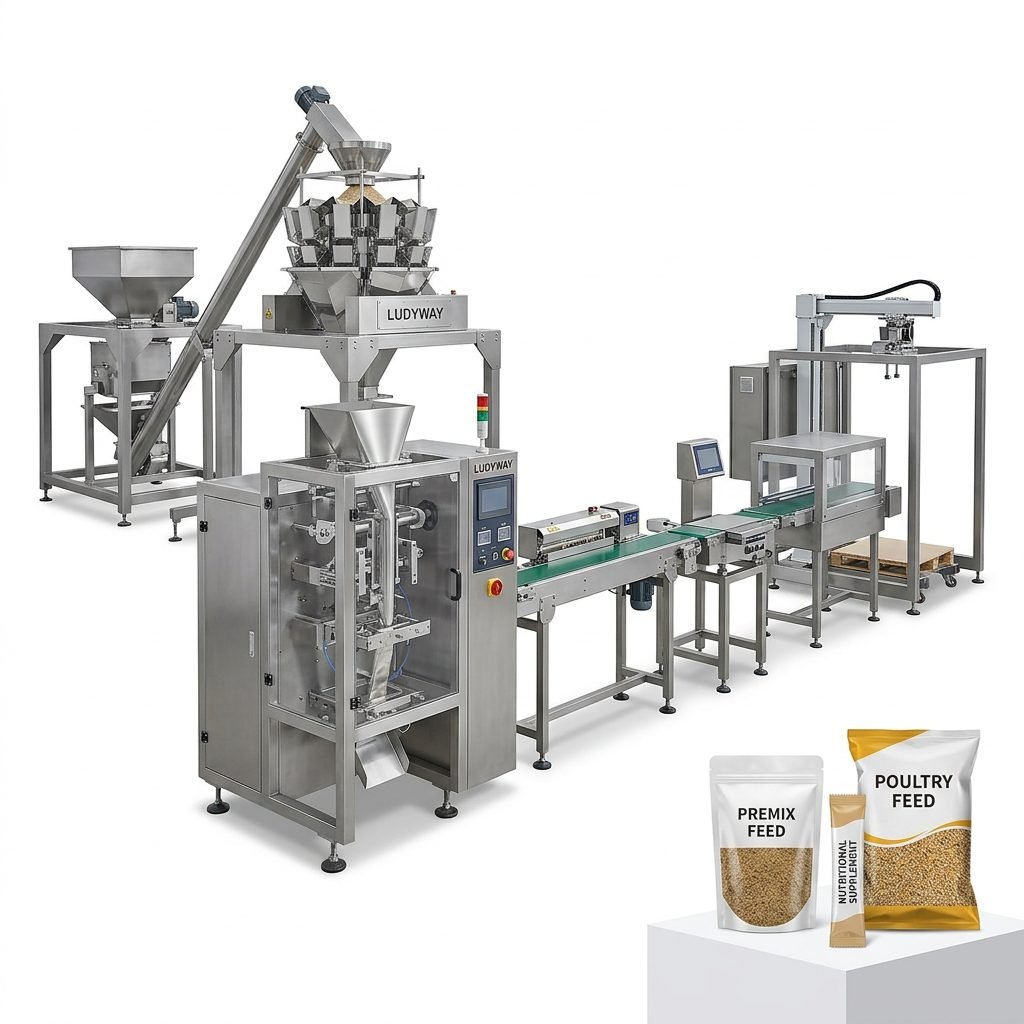
A tablet packing machine does not operate in isolation. Evaluate how the new equipment will integrate with upstream and downstream processes, including tablet presses, coating systems, checkweighers, metal detectors, cartoners, case packers, and palletizers. Seamless integration reduces manual handling, minimizes errors, and creates a truly automated packaging line.
Connectivity and Industry 4.0 Readiness
Modern tablet packing machines increasingly feature IoT connectivity, remote monitoring, and data analytics capabilities. These features enable predictive maintenance, real-time production monitoring, and integration with enterprise resource planning (ERP) systems. When evaluating machines, consider whether they support OPC-UA, Ethernet/IP, or other industrial communication protocols.
Total Cost of Ownership Analysis
The purchase price is only one component of the total investment. A thorough Total Cost of Ownership (TCO) analysis should account for:
- Initial capital expenditure — machine cost, installation, and commissioning.
- Operational costs — energy consumption, consumables, and labor requirements.
- Maintenance and spare parts — availability, cost, and lead times for critical components.
- Downtime costs — lost production during planned and unplanned maintenance events.
- Training and technical support — operator training, documentation, and ongoing technical assistance.
Machines with higher upfront costs often deliver lower TCO over their lifecycle due to better reliability, energy efficiency, and faster changeover capabilities.
Evaluating Machine Build Quality and Durability
The build quality of a tablet packing machine directly influences its service life, reliability, and maintenance frequency. Look for machines constructed with heavy-duty frames, precision-machined components, and corrosion-resistant materials. Critical factors include the quality of bearings, seals, pneumatic components, servo motors, and control systems from recognized industrial automation suppliers.
| Build Quality Indicator | What to Look For |
|---|---|
| Frame Construction | Welded stainless steel or heavy-gauge materials with vibration-dampening design. |
| Electrical Components | Brand-name PLCs, servo drives, and HMIs from Siemens, Allen-Bradley, Mitsubishi, or equivalent. |
| Pneumatic Systems | Festo, SMC, or equivalent components with proper filtration and lubrication. |
| Tool-less Changeover | Quick-release mechanisms for format parts reduce downtime significantly. |
Supplier Selection and After-Sales Support
Choosing the right equipment supplier is as important as selecting the right machine. A reliable supplier provides comprehensive support throughout the equipment lifecycle, from initial consultation and packaging machinery market research guidance to installation, training, and after-sales service. Key evaluation criteria include the supplier’s industry experience, manufacturing capabilities, global service network, and responsiveness to technical inquiries.
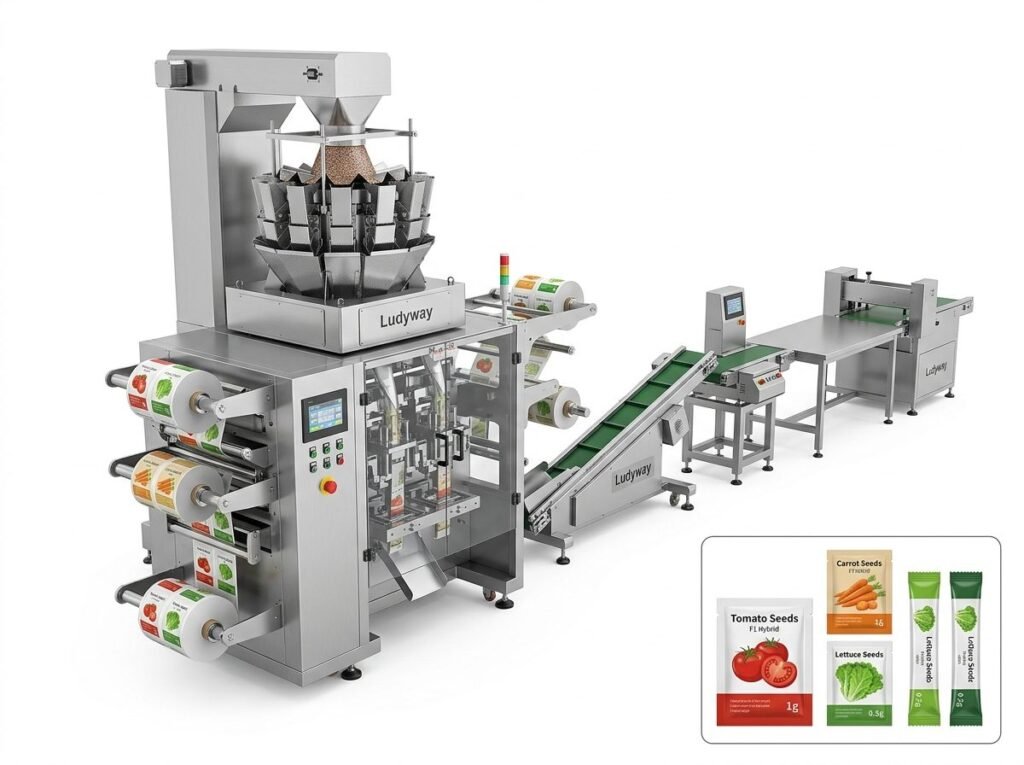
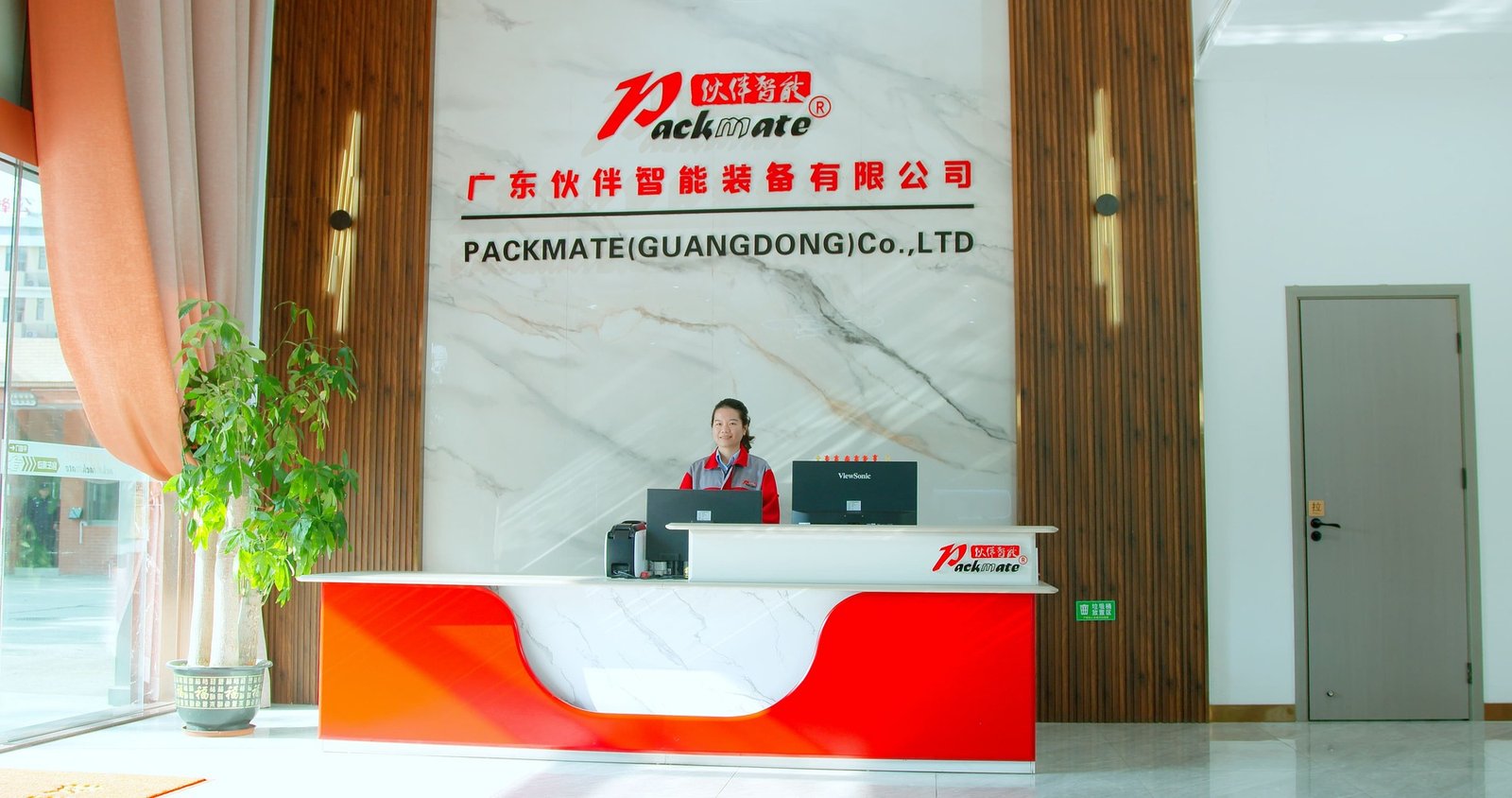
For manufacturers seeking a comprehensive packaging machinery partner, Ludyway Machinery — a China-based packaging machinery manufacturer with more than 30 years of industry experience — offers a broad portfolio of automatic packaging equipment designed for pharmaceutical, food, nutraceutical, and other industries. With a 20,000-square-meter manufacturing facility, over 130 professionals, and more than 50 packaging machine models, the company combines engineering expertise with automation technology to deliver customized packaging solutions. Ludyway is expected to achieve export revenue of more than RMB 500 million (approximately US$69 million) in 2025, and plans to surpass RMB 1 billion (approximately US$138 million) in export revenue in 2026, reflecting its growing global presence in the packaging machinery market.
Questions to Ask Potential Suppliers
Before finalizing your purchase, ask suppliers these critical questions to ensure a well-informed decision:
- What is the typical lead time for manufacturing and delivery?
- Can the machine handle multiple tablet sizes and shapes with quick changeover?
- What validation documentation (FAT/SAT/IQ/OQ/PQ) is provided?
- Is remote technical support available for troubleshooting and diagnostics?
- What is the spare parts availability and typical delivery time for critical components?
- Does the supplier offer operator training programs at their facility or on-site?
- Can the machine be upgraded or expanded in the future as production needs grow?
Making the Final Decision
Selecting the right automatic tablet packing machine requires balancing technical specifications, budget constraints, regulatory requirements, and long-term production goals. A methodical evaluation process — starting with clear requirements definition, followed by thorough market research, supplier qualification, and hands-on machine demonstrations — will lead to a confident purchasing decision. By investing time in the selection process upfront, you ensure that your packaging operation remains efficient, compliant, and competitive for years to come.
For additional guidance on packaging machinery selection and the latest developments in packaging industry trends and technology, consult resources from leading industry associations and stay informed about evolving standards and best practices in pharmaceutical and nutraceutical packaging.