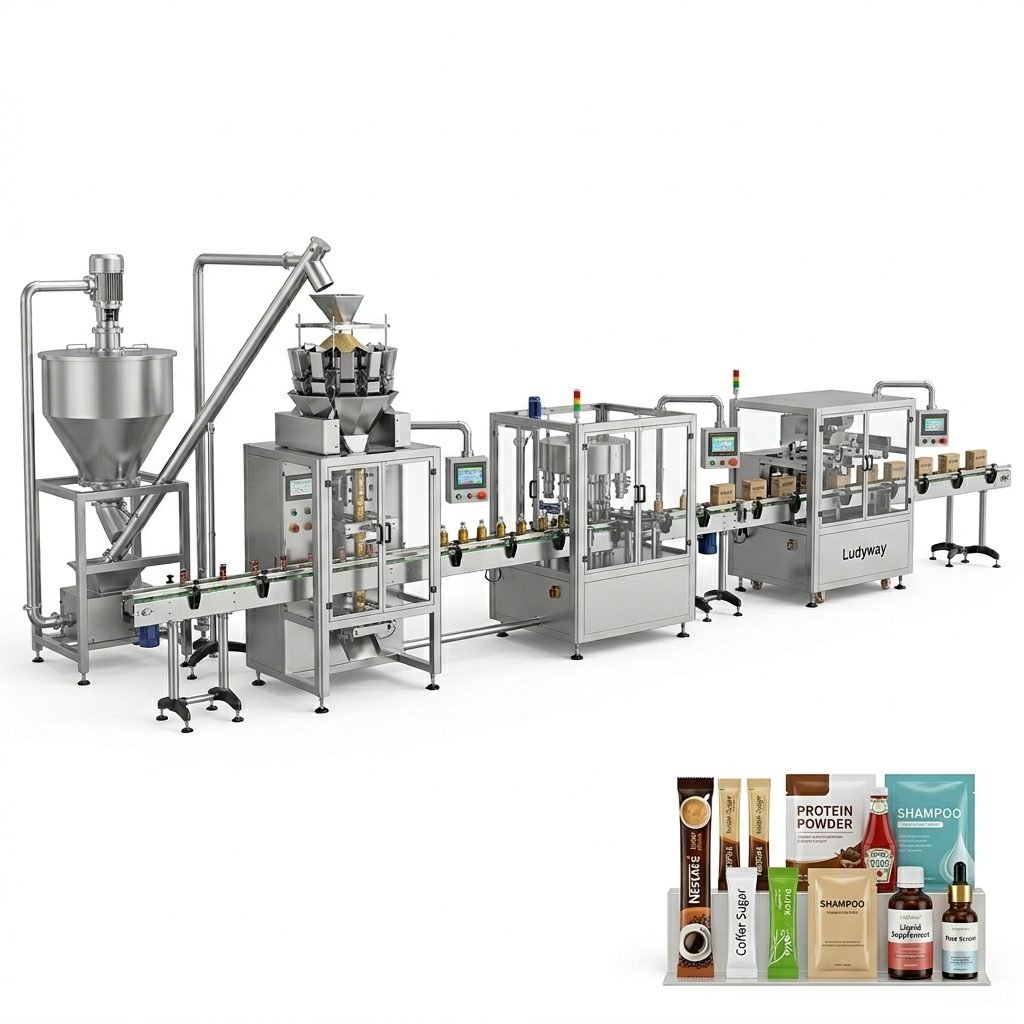
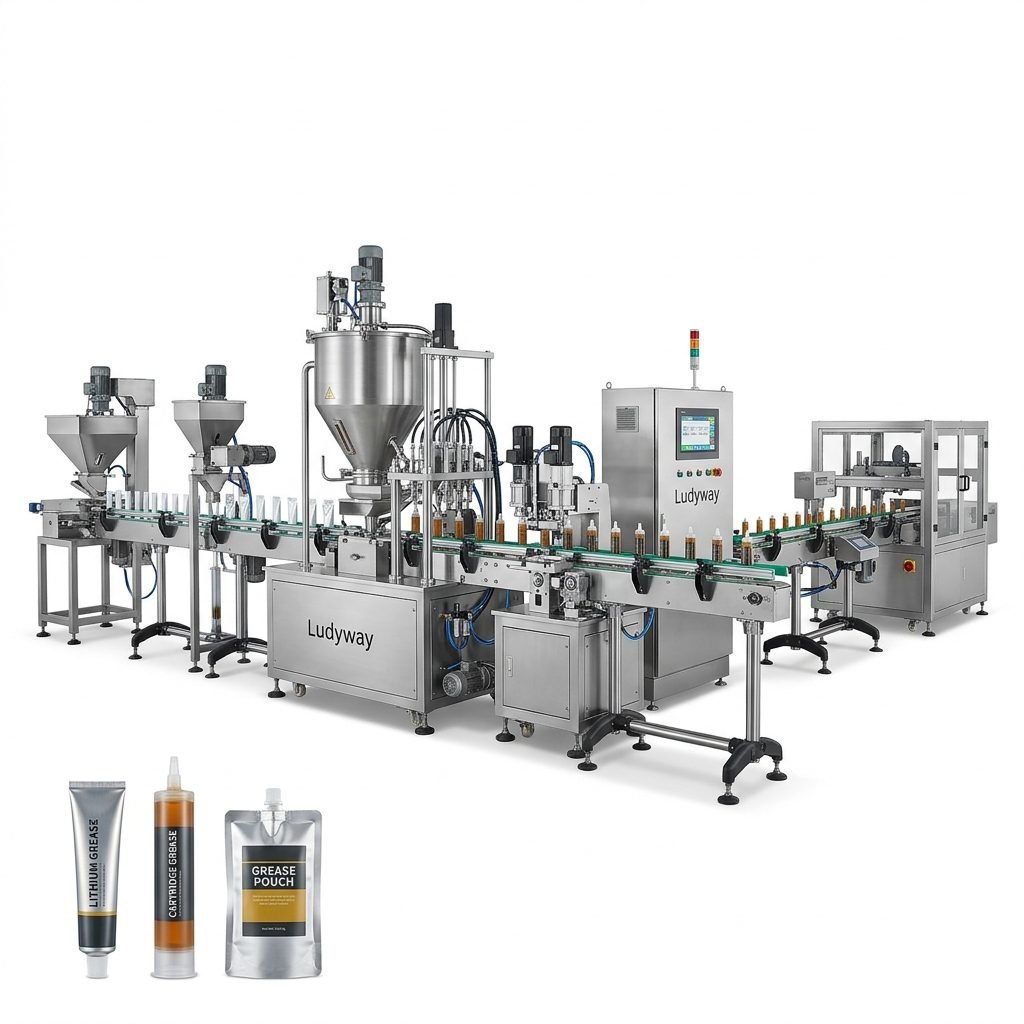
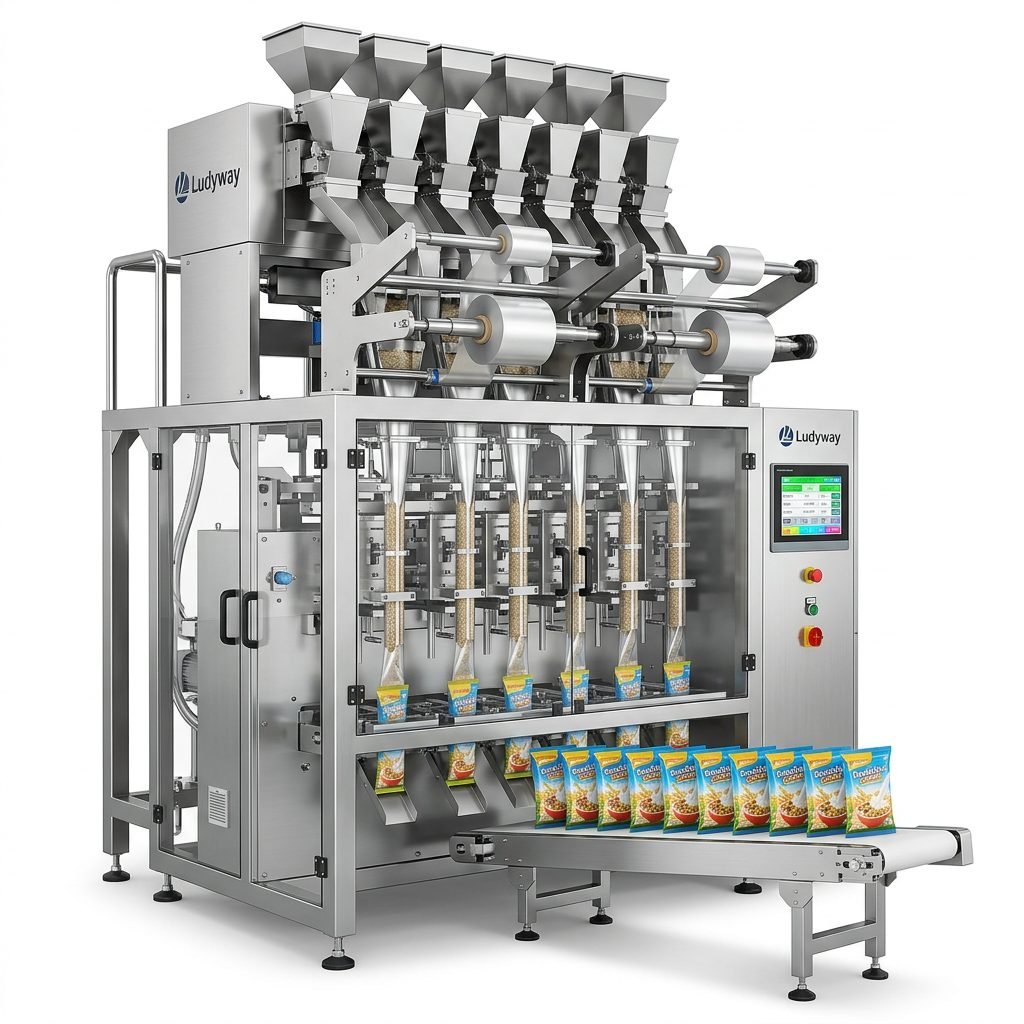
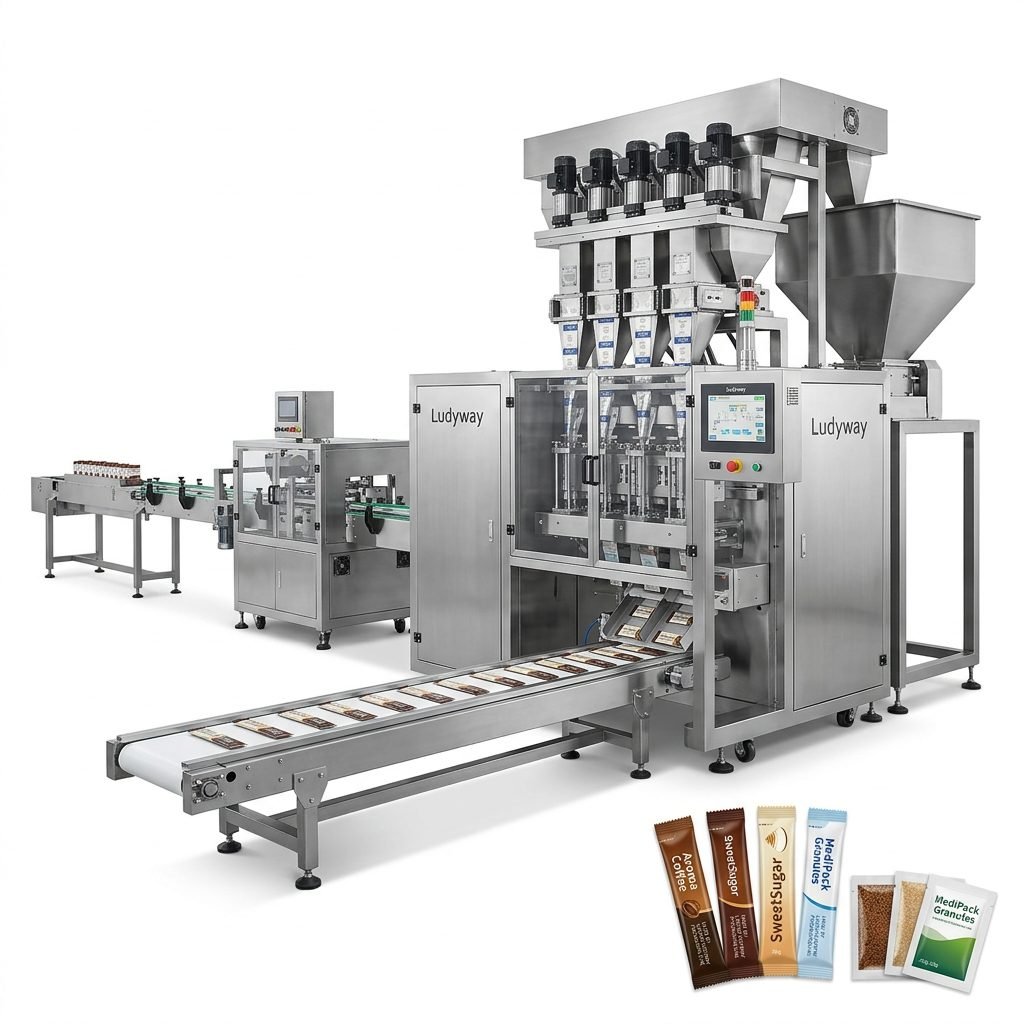
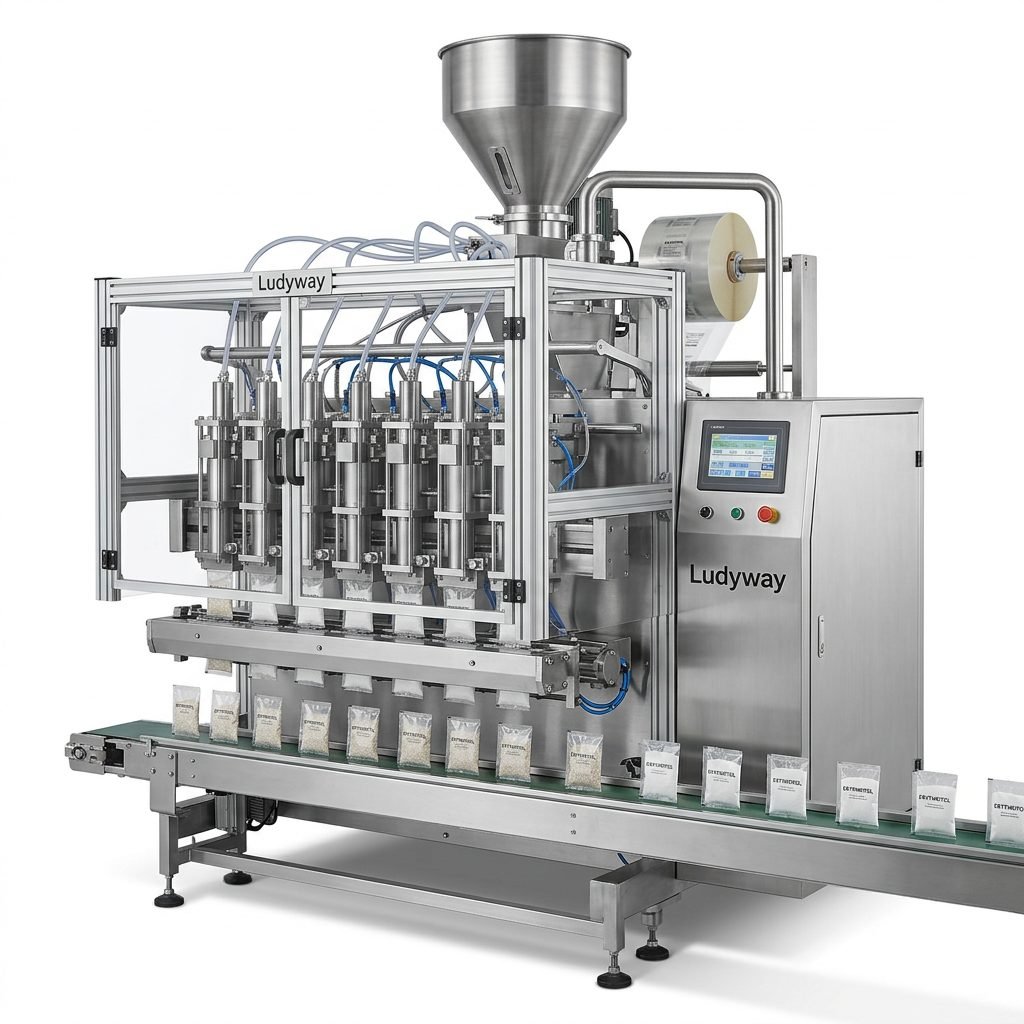
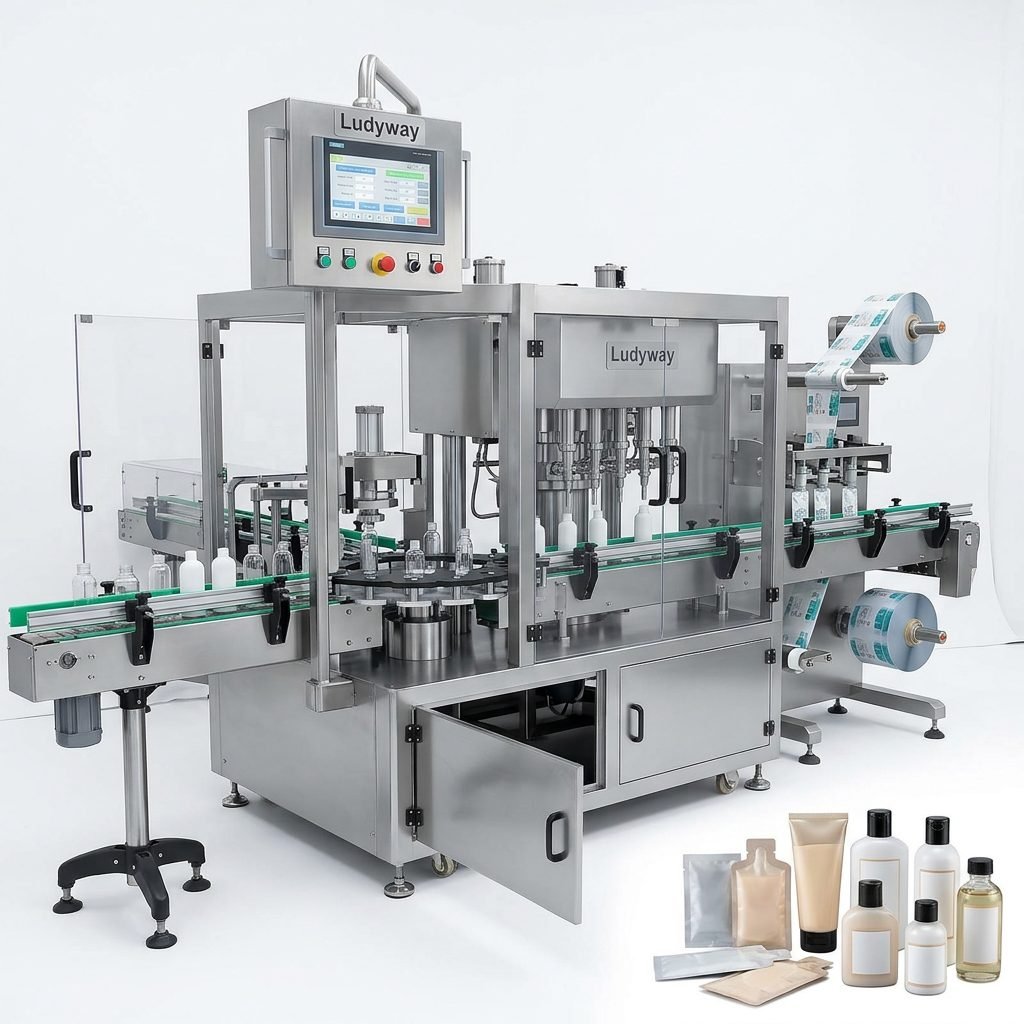
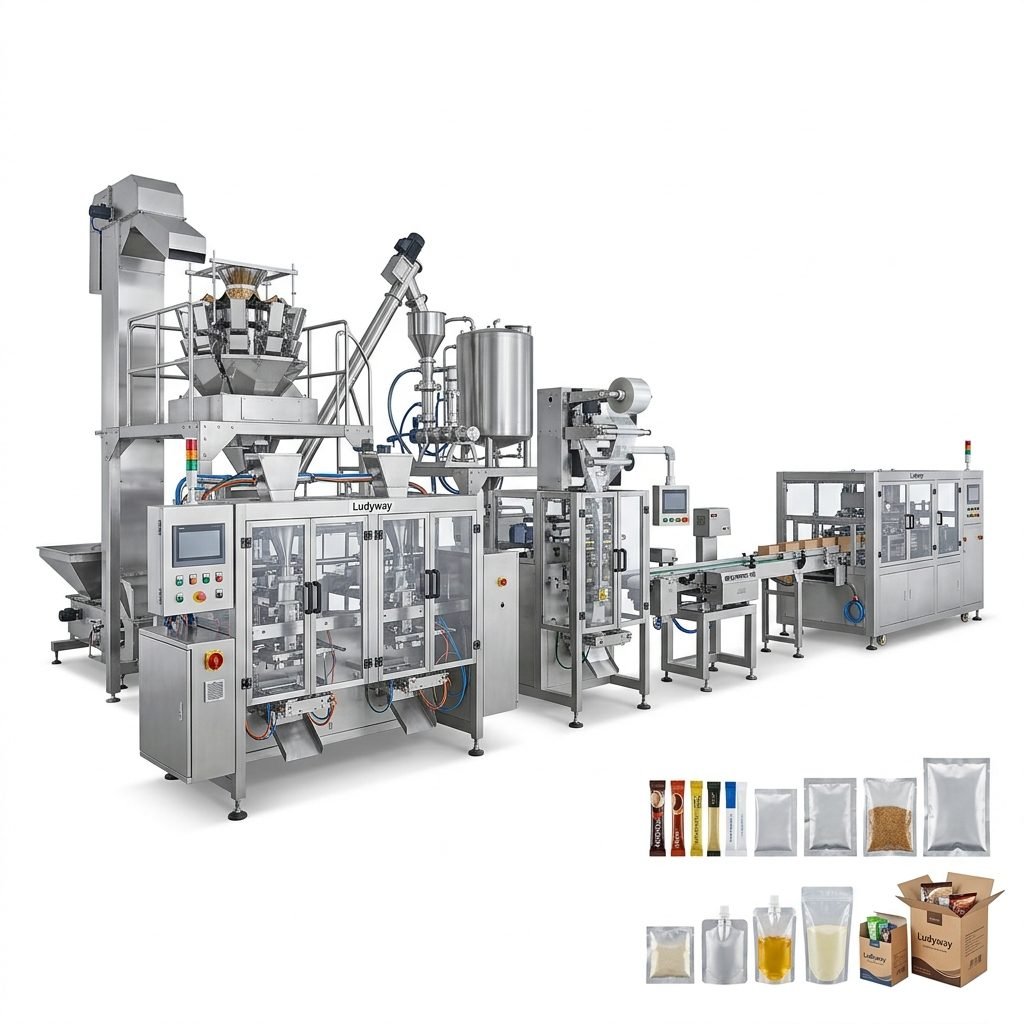
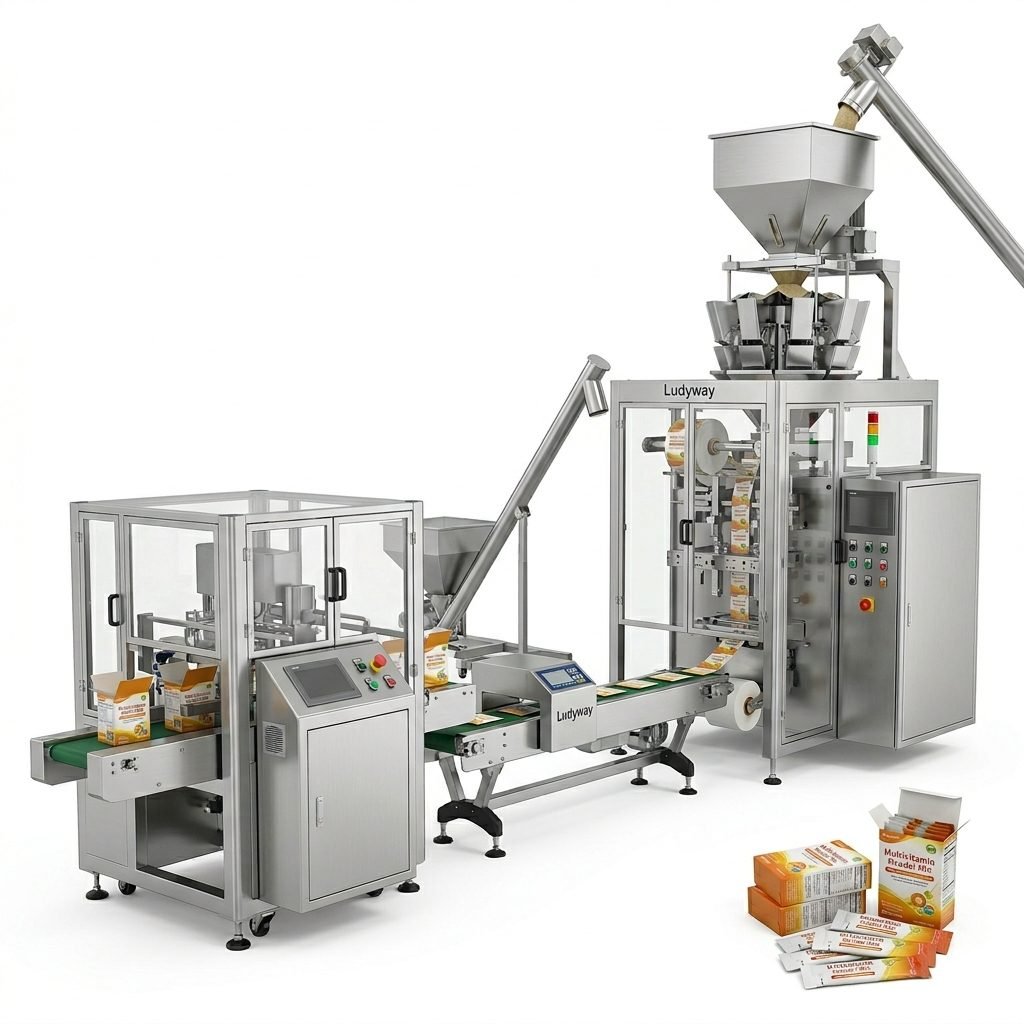
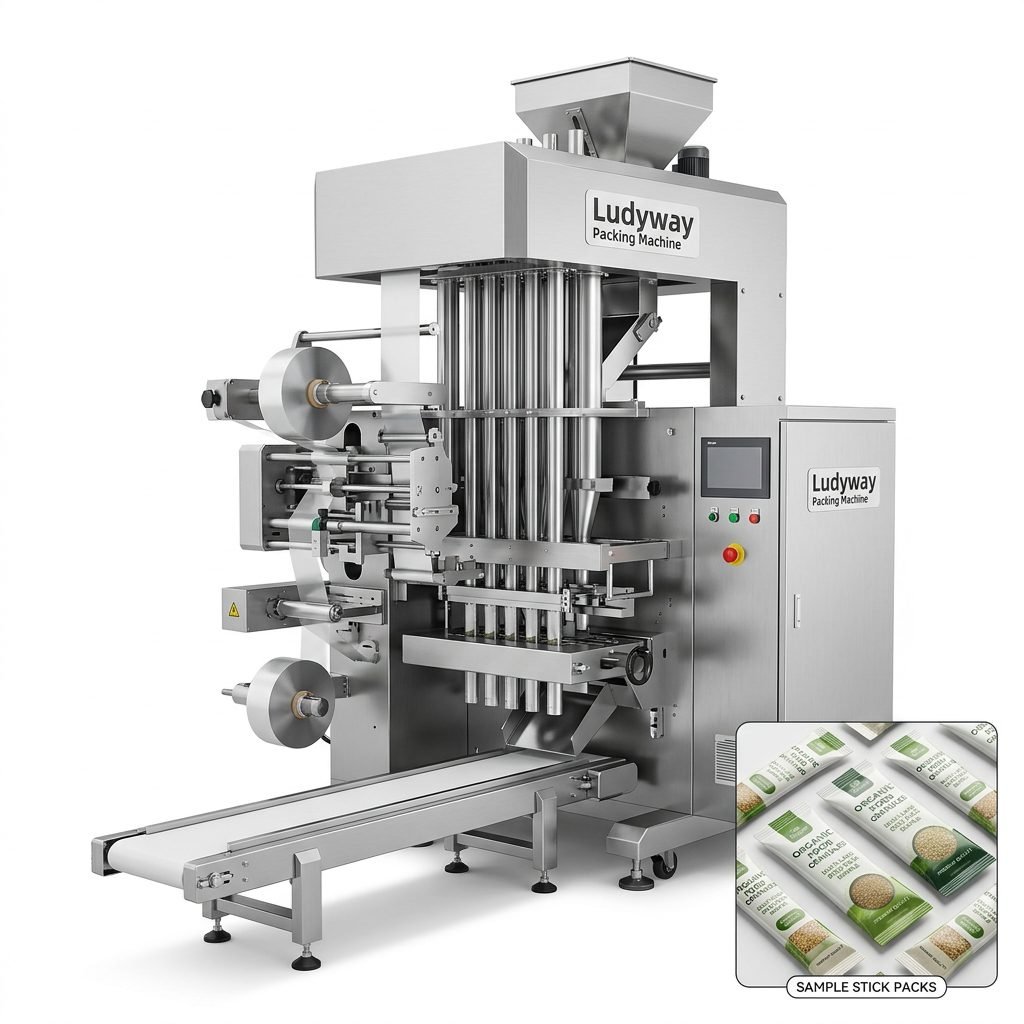
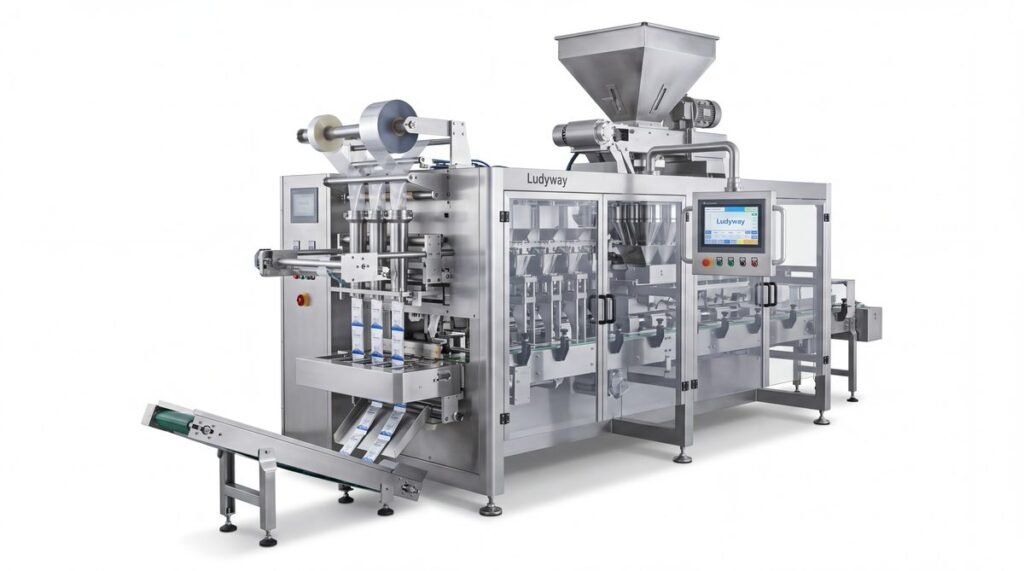
Automatic bagging systems have become a core solution for manufacturers seeking faster packaging, lower labor dependence, and more consistent output. Whether used in food, pharmaceuticals, chemicals, agriculture, pet products, or daily-use goods, these systems help companies move from manual bottlenecks to streamlined, scalable production.
For businesses handling powders, granules, liquids, or premade pouches, automation is no longer just a productivity upgrade—it is a practical way to improve packaging quality, reduce errors, and stay competitive in a market that demands speed and precision.
Why Automatic Bagging Systems Matter in Modern Packaging
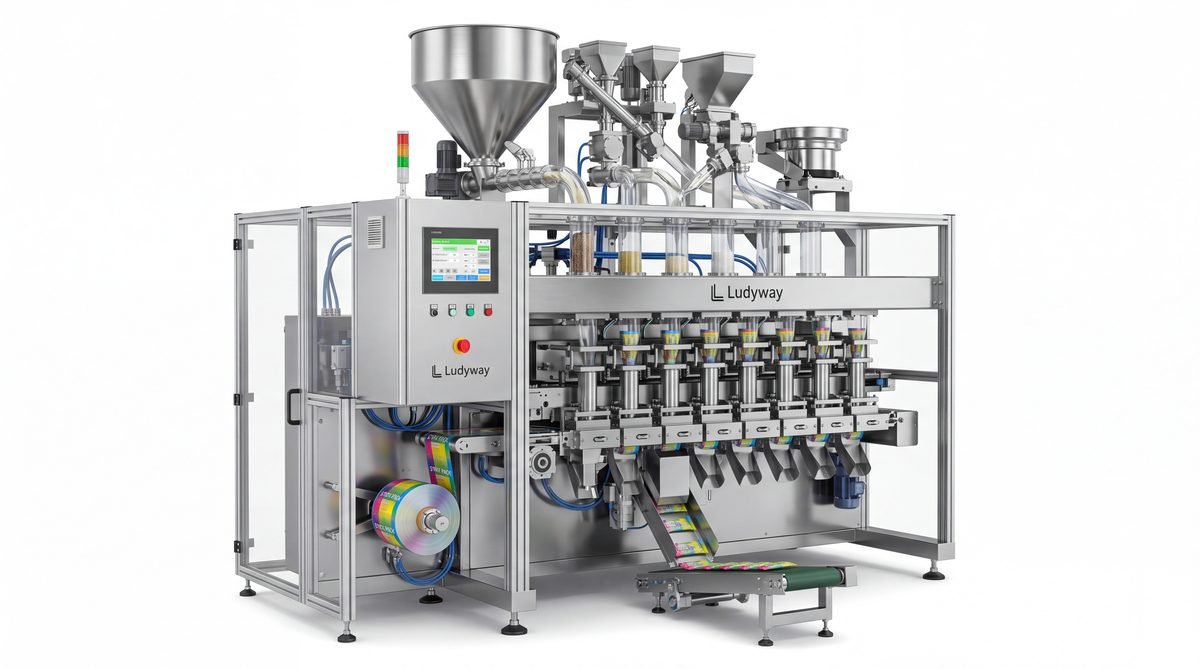
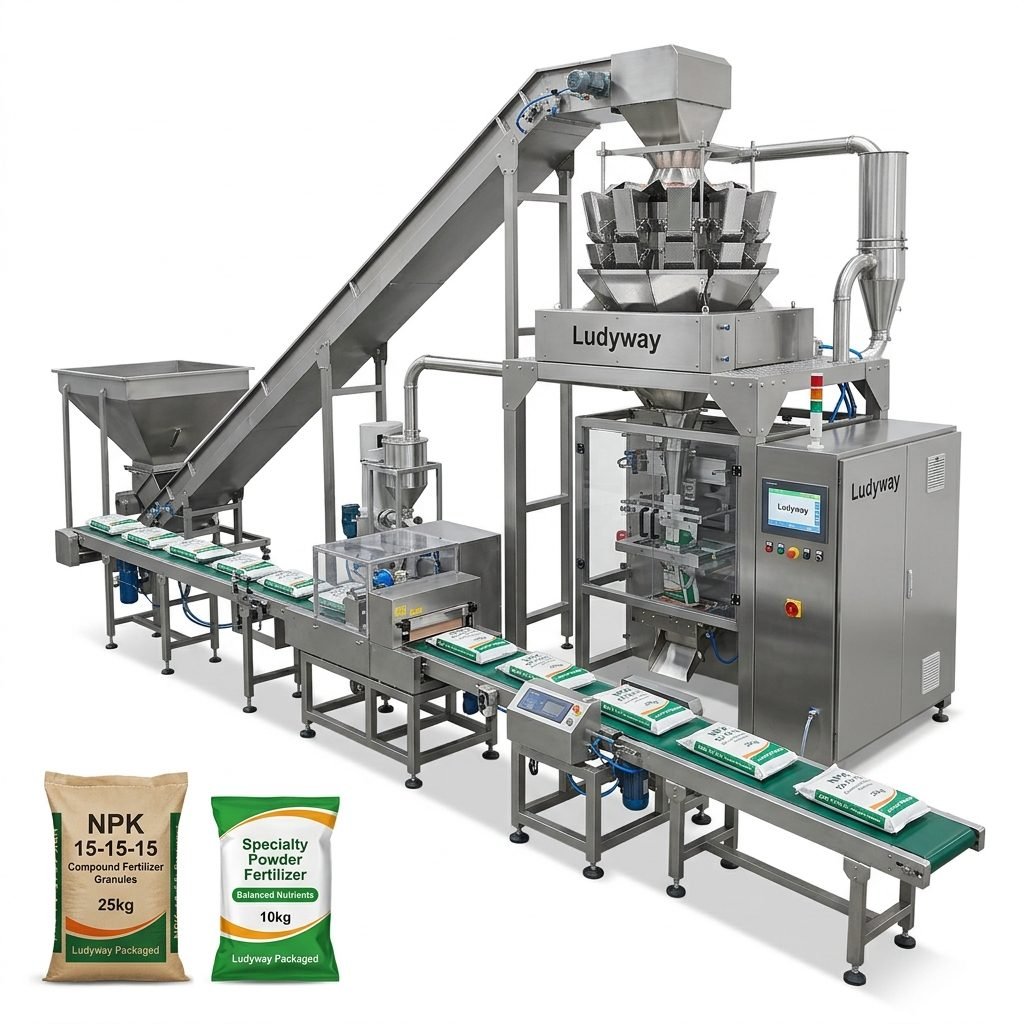
Manual bagging may work for small batches, but as production grows, it often creates problems such as uneven fill weights, slower output, operator fatigue, material waste, and rising labor costs. Automatic bagging systems solve these issues by integrating weighing, filling, sealing, coding, conveying, and sometimes palletizing into one efficient workflow.
This allows manufacturers to achieve higher throughput with better control, while also making packaging lines easier to manage and expand in the future.
Key Advantages of Automatic Bagging Systems
1. Higher Packaging Speed
One of the biggest advantages is speed. Automatic systems can process significantly more bags per minute than manual operations. This is especially valuable for businesses handling large-volume SKUs or peak seasonal demand.
- Reduces production delays
- Supports continuous operation
- Improves order fulfillment capacity
2. Better Accuracy and Consistency
Automatic bagging systems are designed for precise dosing and repeatable performance. This means each bag is filled closer to the target weight or volume, helping reduce giveaway and maintain product consistency.
For regulated sectors such as food and pharma, consistent packaging accuracy is critical for both compliance and customer trust.
3. Lower Labor Costs
Automation reduces the number of operators required for repetitive bagging tasks. Instead of assigning multiple workers to weigh, fill, seal, and move products, companies can reallocate labor to quality control, maintenance, or more value-added roles.
4. Reduced Product Waste
Overfilling, spillage, poor sealing, and handling mistakes can all lead to wasted materials. Automatic bagging systems help minimize these losses through controlled filling and stable bag handling.
5. Improved Packaging Quality
A clean, well-sealed, uniform bag improves shelf presentation and protects the product during storage and shipping. Automated systems deliver more professional-looking packages and fewer defects.
6. Better Workplace Safety
Manual handling of bulk materials, repetitive lifting, and direct contact with powders or chemicals can increase workplace risks. Automation helps reduce operator exposure and lowers the chance of strain-related injuries.
7. Easier Integration With Complete Packaging Lines
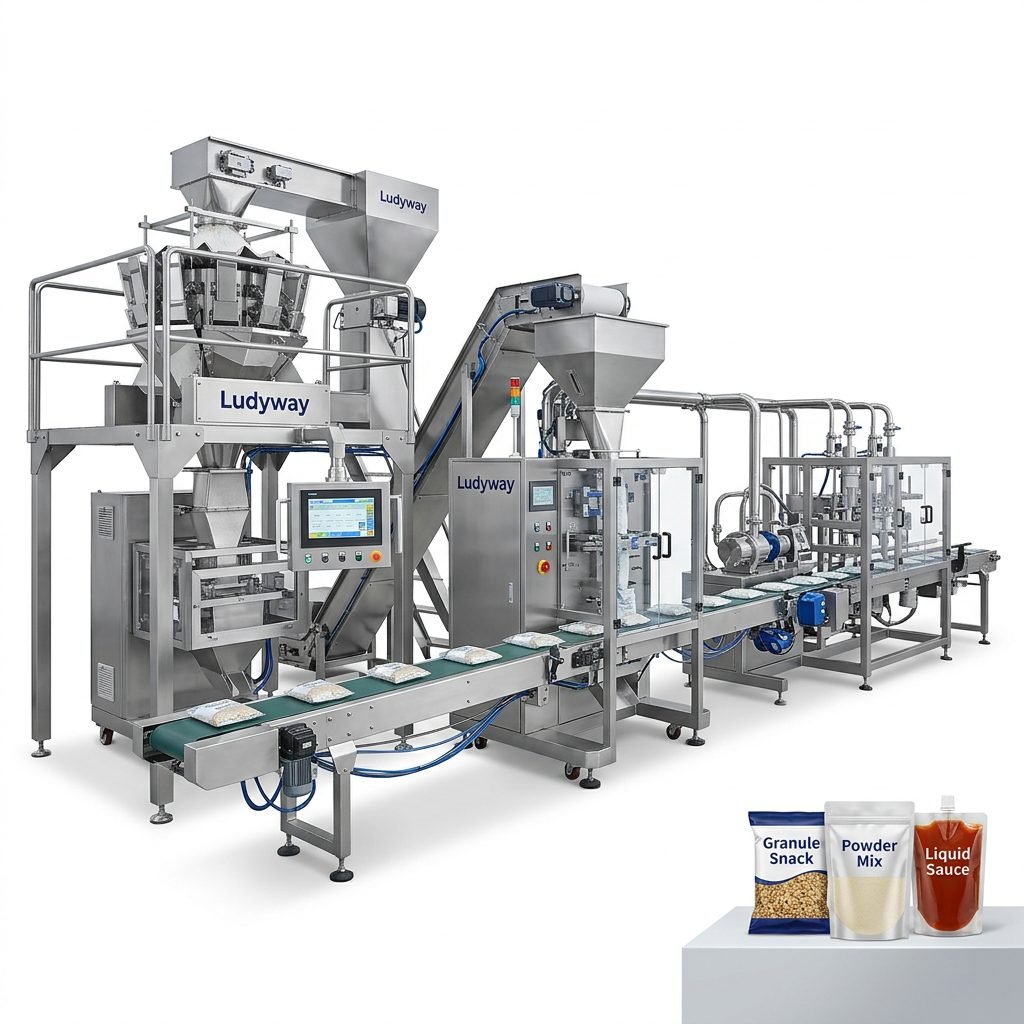
Modern bagging equipment can connect with conveyors, feeders, labeling systems, checkweighers, metal detectors, cartoners, and palletizers. This creates a smoother end-to-end production process and simplifies line management.
Main Benefits at a Glance
| Benefit | How It Helps |
|---|---|
| Faster throughput | Handles more units in less time |
| Accurate filling | Reduces underfill, overfill, and waste |
| Labor savings | Cuts repetitive manual work |
| Consistent sealing | Improves package integrity and appearance |
| Scalability | Supports future production growth |
| Line integration | Works with feeders, conveyors, coders, and palletizers |
How Automatic Bagging Systems Improve Business Performance
Supports Production Planning
When bagging speed and output are predictable, production managers can plan shifts, raw material usage, and delivery schedules more accurately. This improves inventory flow and helps reduce costly downtime.
Enhances Brand Reliability
Customers notice packaging quality. Uniform bag size, proper seals, legible coding, and reduced leakage all contribute to a stronger brand image. Reliable packaging can also reduce returns and complaints.
Helps Meet Compliance Standards
In food, pharmaceutical, and chemical sectors, packaging often needs to meet strict safety and labeling requirements. Automated systems make it easier to maintain process control, traceability, and documentation.
Delivers Long-Term Cost Efficiency
Although the upfront investment is higher than manual methods, the long-term savings from reduced labor, less waste, and higher productivity often make automatic bagging systems a smart ROI decision.
Industries That Benefit Most
Automatic bagging systems are widely used across multiple industries, including:
- Food: flour, coffee, sugar, spices, snacks, grains, milk powder
- Pharmaceutical: powder sachets, granules, supplements, medical products
- Chemical: detergents, additives, industrial powders, cleaning products
- Agriculture: seeds, fertilizer, animal feed, feed premix
- Pet care: kibble, treats, supplements, powders
What Features Should You Look For?
Not all automatic bagging systems are the same. Choosing the right solution depends on product type, bag format, speed target, and factory layout. Important factors include:
- Compatibility with powders, granules, liquids, or mixed products
- Required output speed and bag size range
- Weighing and dosing precision
- Seal quality and packaging material compatibility
- Ease of cleaning, maintenance, and changeover
- Ability to integrate into a complete packaging line
- Supplier experience and after-sales support
Manual vs Automatic Bagging Systems
| Factor | Manual Bagging | Automatic Bagging |
|---|---|---|
| Speed | Low to moderate | High and stable |
| Accuracy | Operator dependent | Consistent and precise |
| Labor demand | High | Reduced |
| Waste control | Less controlled | Better controlled |
| Scalability | Limited | Strong |
Choosing the Right Automation Partner
Successful automation depends not only on the machine itself, but also on engineering experience, customization capability, and reliable support. For buyers seeking scalable solutions, Ludyway automatic bagging systems can support standalone equipment needs as well as complete turnkey packaging line projects across food, pharmaceutical, health supplement, chemical, and related industries.
A good supplier should provide:
- Application-based machine selection
- Custom line layout planning
- Testing for your product type and package format
- Installation guidance and technical support
- Expansion options for future capacity upgrades
Final Takeaway
The advantages of automatic bagging systems go far beyond faster packaging. They help companies improve speed, accuracy, labor efficiency, product quality, safety, and long-term profitability. For businesses planning to scale production or modernize outdated operations, investing in bagging automation can be a practical step toward smarter packaging performance.
If your operation handles growing volumes and needs more reliable packaging output, an automatic bagging system may be one of the most effective upgrades you can make.