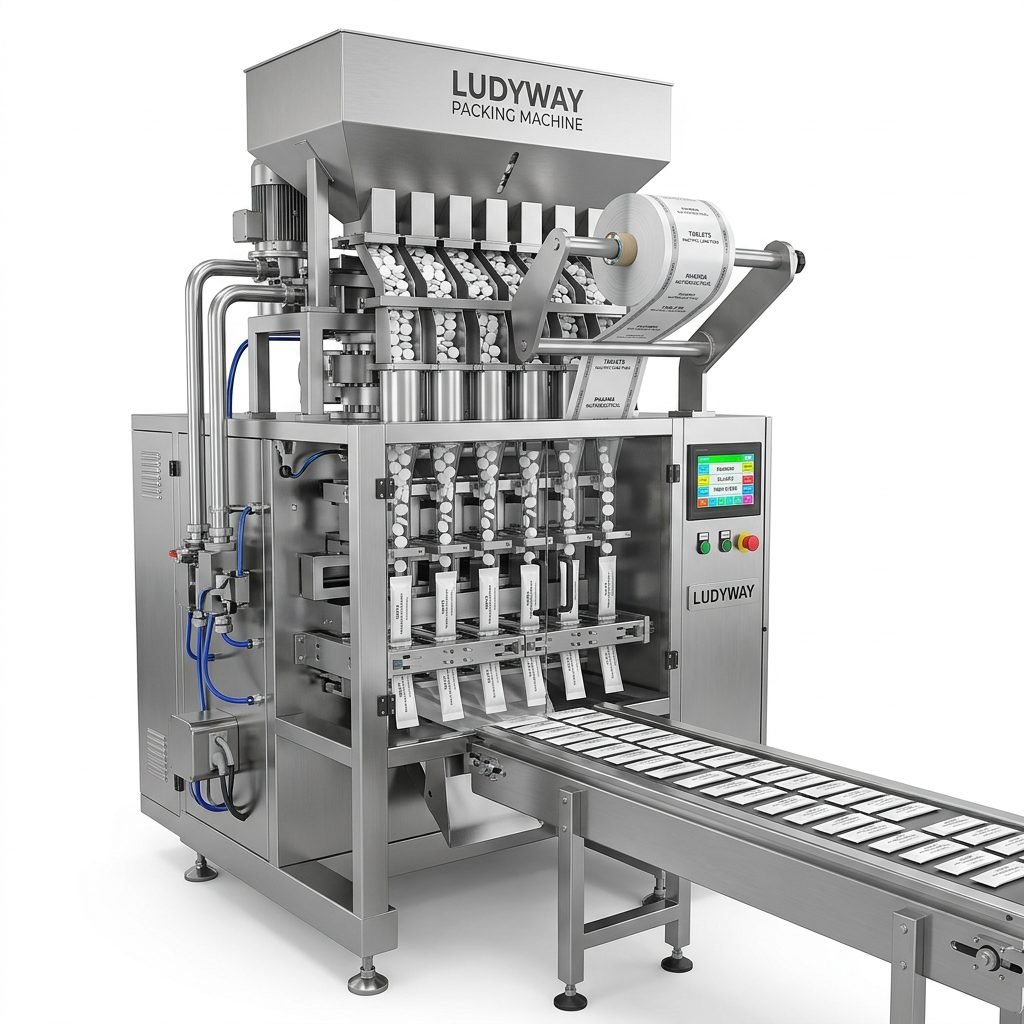
Liquid filling accuracy is one of the most important performance indicators in modern packaging. Whether you fill water-thin beverages, viscous syrups, pharmaceutical liquids, chemicals, detergents, or cosmetic serums, the question is always the same: how close is each fill to the target volume?
In real production, a liquid filling machine can be highly accurate, but the final result depends on far more than the machine alone. Product properties, container shape, filling valve design, environmental conditions, operator setup, maintenance routines, and line speed all affect filling precision. Understanding these factors helps manufacturers reduce giveaway, prevent underfilling, improve compliance, and maintain consistent product quality.
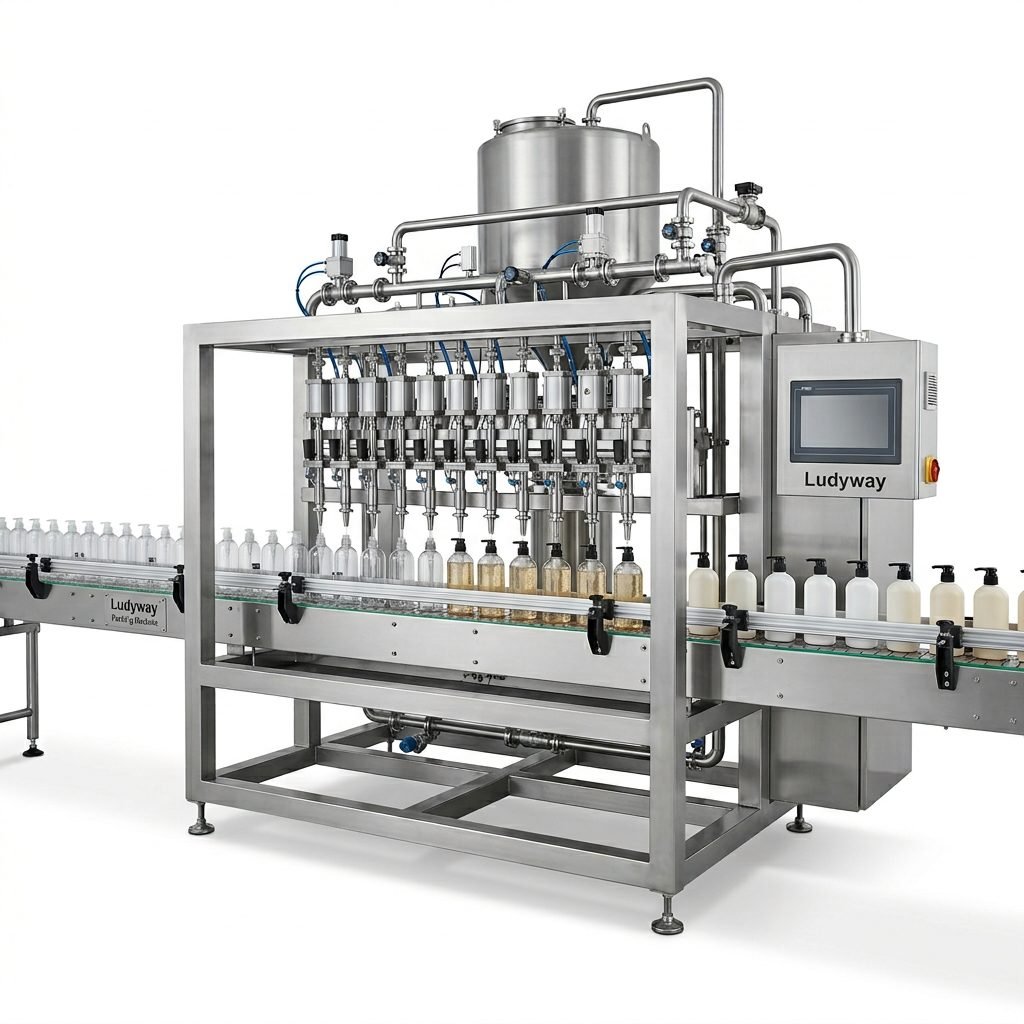
What Is Filling Accuracy?
Filling accuracy describes how close the actual filled quantity is to the intended target. It is usually expressed as a tolerance, such as:
- ±0.1%
- ±0.25%
- ±0.5%
- ±1%
For example, if a machine is set to fill 500 ml with a tolerance of ±0.5%, the acceptable range is generally 497.5 ml to 502.5 ml. The tighter the tolerance, the more precise the system.
Accuracy is not the same as repeatability. A machine may repeatedly fill the same amount, but if calibration is wrong, every fill may still be off-target. The best liquid filling systems deliver both repeatability and true volumetric accuracy.
How Accurate Is a Liquid Filling Machine in Practice?
There is no single accuracy number for all machines. Different filling technologies perform differently depending on the application. In general, well-designed machines may achieve the following ranges under suitable conditions:
| Filling Technology | Typical Accuracy Range | Best For |
|---|---|---|
| Piston filling | ±0.5% to ±1% | Viscous liquids, creams, sauces, gels |
| Flow meter filling | ±0.2% to ±0.5% | Low to medium viscosity liquids |
| Peristaltic filling | ±0.5% or better | Pharma, sterile, small-dose applications |
| Gravity filling | ±0.5% to ±1.5% | Thin, free-flowing liquids |
| Overflow filling | Level-consistent rather than volume-precise | Cosmetics and consumer products where bottle appearance matters |
| Net weight filling | Very high, often ±0.1% to ±0.5% | High-value products sold by weight |
These figures are only reference ranges. Actual results depend heavily on operating conditions and product compatibility.
Key Factors That Affect Liquid Filling Precision
1. Liquid Viscosity
Viscosity is one of the biggest variables in liquid filling. Thin liquids like water behave very differently from thick products such as shampoo, syrup, lotion, or sauce. If viscosity changes from batch to batch, filling performance can shift as well.
- Low-viscosity liquids may drip, splash, or foam
- High-viscosity products may fill more slowly and require stronger suction or push force
- Temperature-sensitive products may become thinner or thicker during production
Machines must be matched to the product rheology. A filler that works perfectly for purified water may not perform well for honey or cream.
2. Product Temperature
Temperature directly affects liquid density and flow characteristics. Hot-fill products, oils, syrups, chemical solutions, and pharmaceutical liquids can all behave differently as temperature changes.
Even a small temperature variation can change fill volume consistency, especially in high-speed production. That is why many operations standardize fill temperature before the product reaches the filling station.
3. Foaming Behavior
Foaming makes accurate filling harder. Products such as detergents, hand wash, cleaning chemicals, beverages, and some cosmetic liquids can trap air during filling. This may create false level readings or unstable fill weights.
To reduce foam-related errors, manufacturers often use:
- Bottom-up filling
- Dive nozzles
- Adjusted fill speed profiles
- Anti-drip nozzles
- Settling time before capping or checkweighing
4. Container Shape and Consistency
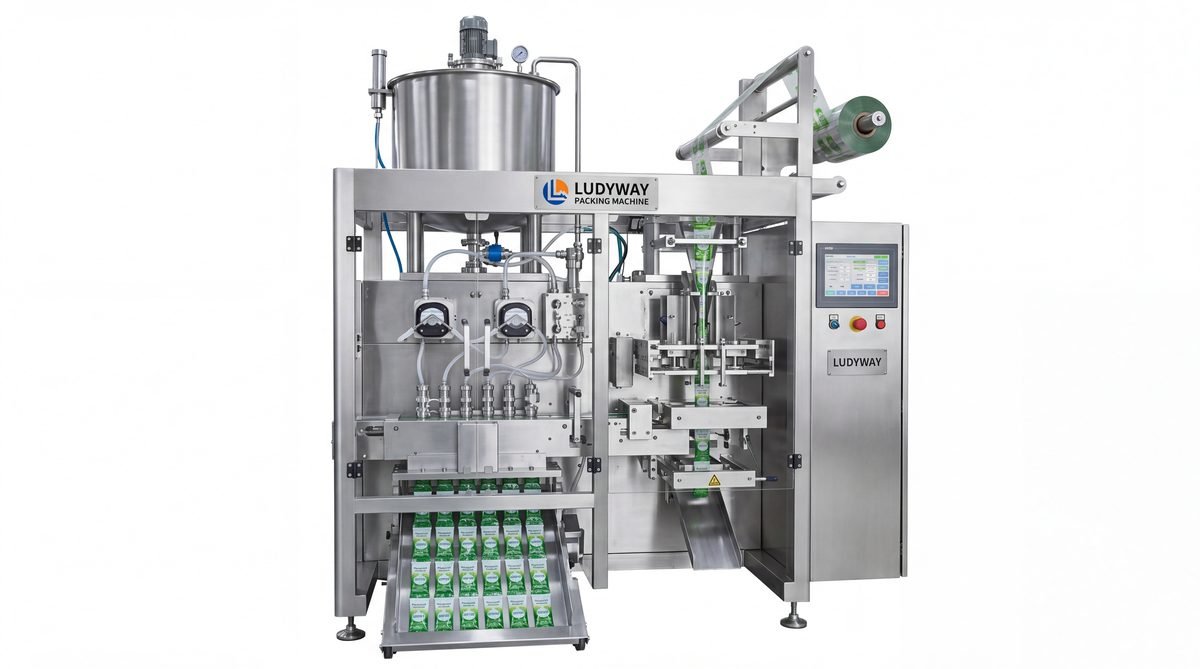
Not all filling issues come from the filler itself. Bottles, pouches, sachets, jars, and tubes can vary in dimensions, neck finish, internal volume, and wall thickness. Inconsistent packaging materials often cause inconsistent apparent fill levels or actual volumetric differences.
This is especially important for:
- Lightweight plastic bottles
- Flexible pouches
- Small-dose cosmetic or pharmaceutical containers
- Imported packaging materials with tolerance variation
5. Filling Speed
Higher speed is attractive for productivity, but pushing output too far can reduce accuracy. At excessive speeds, machines may experience:
- Incomplete valve response
- More splashing or bubbling
- Shorter settling times
- Greater synchronization errors across multiple heads
The best operating point is usually a balance between throughput and precision, not simply the maximum possible speed.
6. Nozzle Design and Shut-Off Performance
Nozzles play a major role in filling precision. Poor nozzle shut-off can cause drips, stringing, after-flow, or inconsistent cutoff timing. This is especially problematic with sticky, oily, or thin liquids.
Well-designed nozzles help maintain accuracy by controlling:
- Flow rate
- Drop formation
- Cutoff timing
- Foam reduction
- Clean filling without contamination
7. Pump, Piston, or Flow Meter Quality
The core dosing component determines the machine’s precision potential. Wear, seal degradation, sensor drift, or poor machining tolerance can all reduce performance over time. High-quality metering components are essential for stable long-term filling.
8. Calibration and Control System
A machine can only remain accurate if it is calibrated correctly. PLC controls, servo systems, weighing feedback, and HMI recipe settings all influence the final fill result. If calibration is neglected, consistent errors can develop across the entire batch.
Important calibration points include:
- Fill volume or target weight setting
- Valve opening and closing timing
- Pump stroke length
- Servo positioning
- Flow meter correction factors
9. Air Pressure Stability
Many liquid filling systems rely on pneumatic action for valve movement, nozzle positioning, and auxiliary operations. Unstable air supply can create inconsistent filling cycles and timing variation. Clean, dry, and stable compressed air supports better performance.
10. Maintenance and Wear Parts
Over time, seals, O-rings, valves, pistons, tubing, and sensors wear down. Small mechanical changes can lead to measurable filling deviation. Preventive maintenance is not just about avoiding breakdowns; it is directly linked to precision.
How Different Industries Define “Accurate Enough”
Filling tolerance expectations vary by industry. A personal care product may prioritize attractive fill level appearance, while a pharmaceutical application may require tight dosage control and documented validation.
| Industry | Main Accuracy Focus | Typical Concern |
|---|---|---|
| Food & Beverage | Low giveaway and product consistency | Cost control, hygiene, speed |
| Pharmaceutical | Dose precision and validation | Compliance, traceability, sterility |
| Cosmetics | Consistent appearance and clean fill | Brand presentation, no drips |
| Chemical | Safe dosing and corrosion compatibility | Material resistance, operator safety |
| Health Supplements | Portion uniformity | Batch consistency and label compliance |
Common Causes of Inaccurate Filling
If a liquid filling machine is missing the target repeatedly, these are common root causes:
- Incorrect machine selection for the liquid type
- Viscosity changes due to temperature variation
- Foaming or entrapped air
- Dripping nozzles or worn seals
- Inconsistent container dimensions
- Improper calibration
- Unstable line speed or conveyor indexing
- Pressure fluctuations in product tank or air supply
- Poor cleaning that affects valve motion
- Insufficient operator training
How to Improve Filling Accuracy
The most effective way to improve precision is to treat the filling process as a full system rather than a single machine function.
Best Practices
- Choose filling technology based on product behavior, not only budget
- Maintain stable product temperature during production
- Use compatible nozzles for foamy, corrosive, or viscous liquids
- Perform regular calibration and validation checks
- Inspect wear parts on a preventive schedule
- Verify packaging material tolerances from suppliers
- Use checkweighers or in-line inspection systems for feedback
- Train operators to identify early drift and abnormal filling patterns
Accurate filling is usually the result of stable process control, not only high-end hardware.
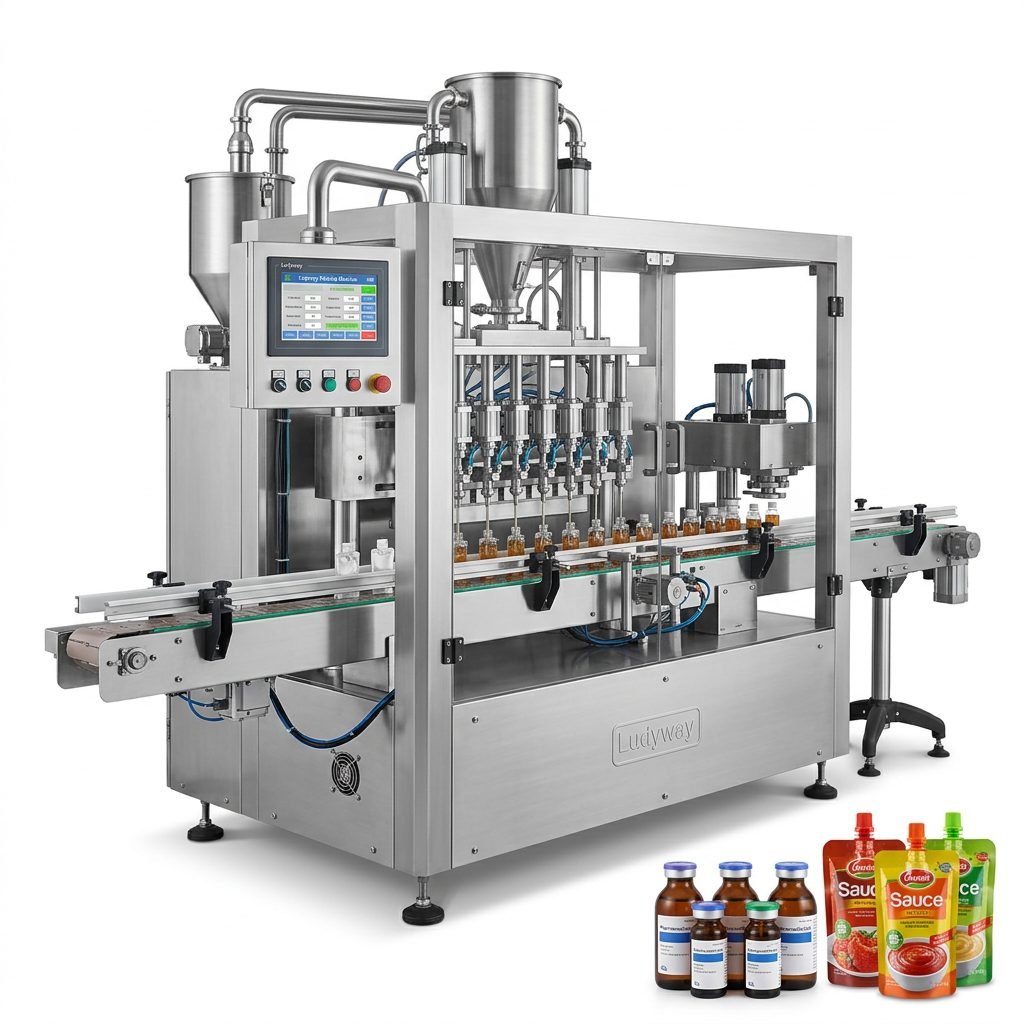
Does a More Expensive Liquid Filling Machine Always Mean Better Accuracy?
Not always. A more advanced machine may offer better controls, stronger automation, and more stable metering, but precision still depends on the match between machine and product. An oversized or overly complex system can still perform poorly if the liquid, container, or workflow is not suitable.
What buyers should evaluate includes:
- Actual tested accuracy with your own product
- Consistency across all filling heads
- Performance at your target production speed
- Ease of cleaning and maintenance
- Changeover convenience for different SKUs
- Availability of after-sales support and technical guidance
How to Evaluate Filling Accuracy Before Buying
Before investing in equipment, request a practical evaluation rather than relying only on catalog claims.
Ask the Supplier These Questions
- What accuracy range can be achieved with my exact product?
- At what speed was that accuracy measured?
- How does the machine handle foam, drips, or viscosity changes?
- Can you provide sample test data or FAT reports?
- How often does calibration need to be checked?
- What wear parts affect dosing precision?
- Is the machine suitable for future product variations?
If possible, send product samples and containers for testing. Real-world trials provide much more reliable insight than generic specifications.
Choosing a Reliable Packaging Equipment Partner
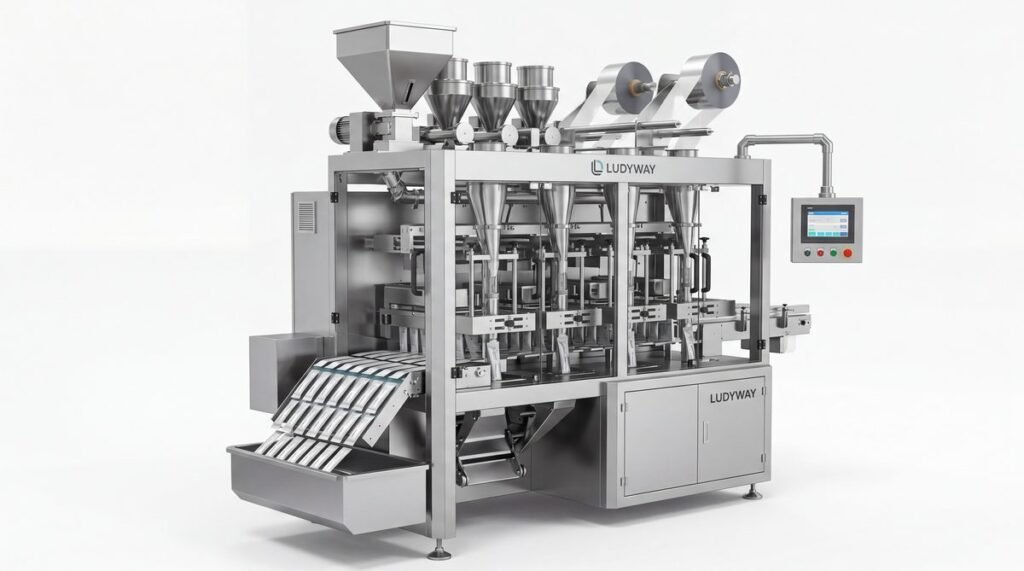
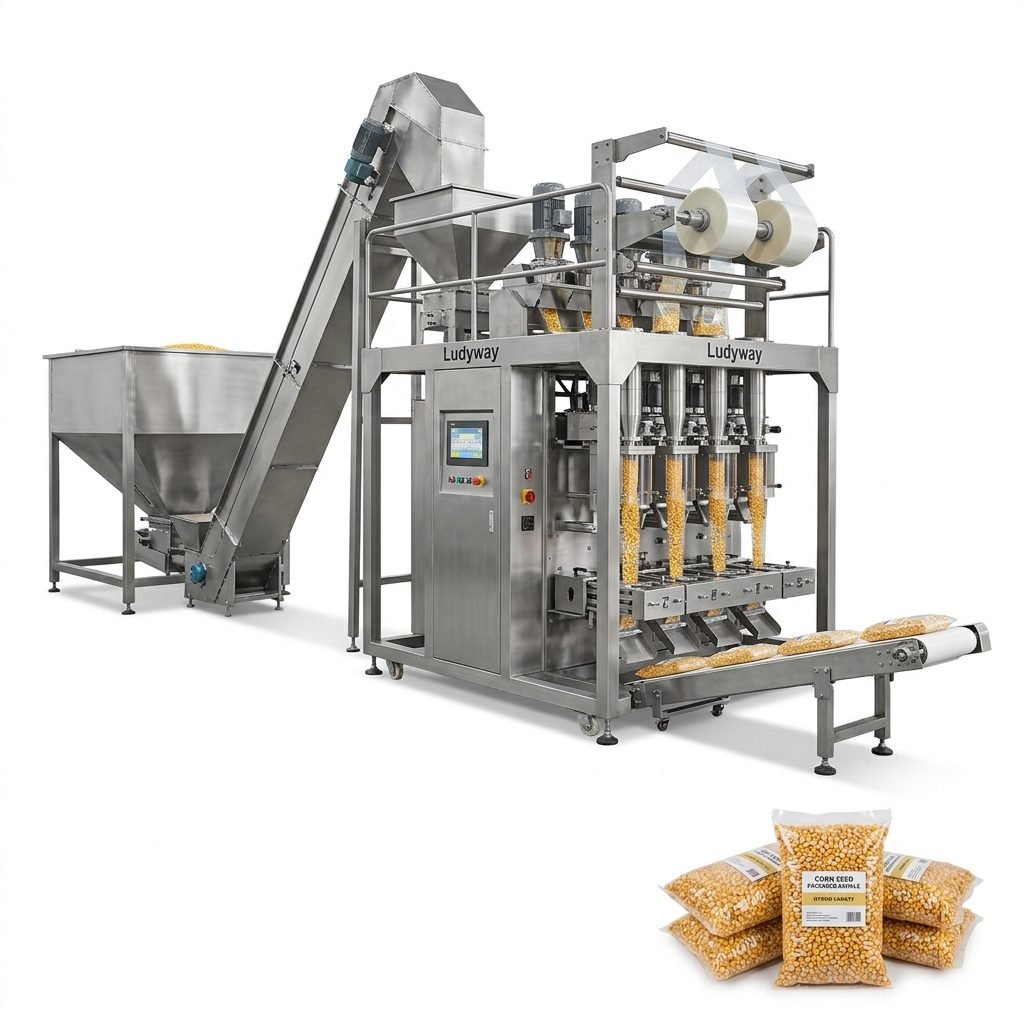
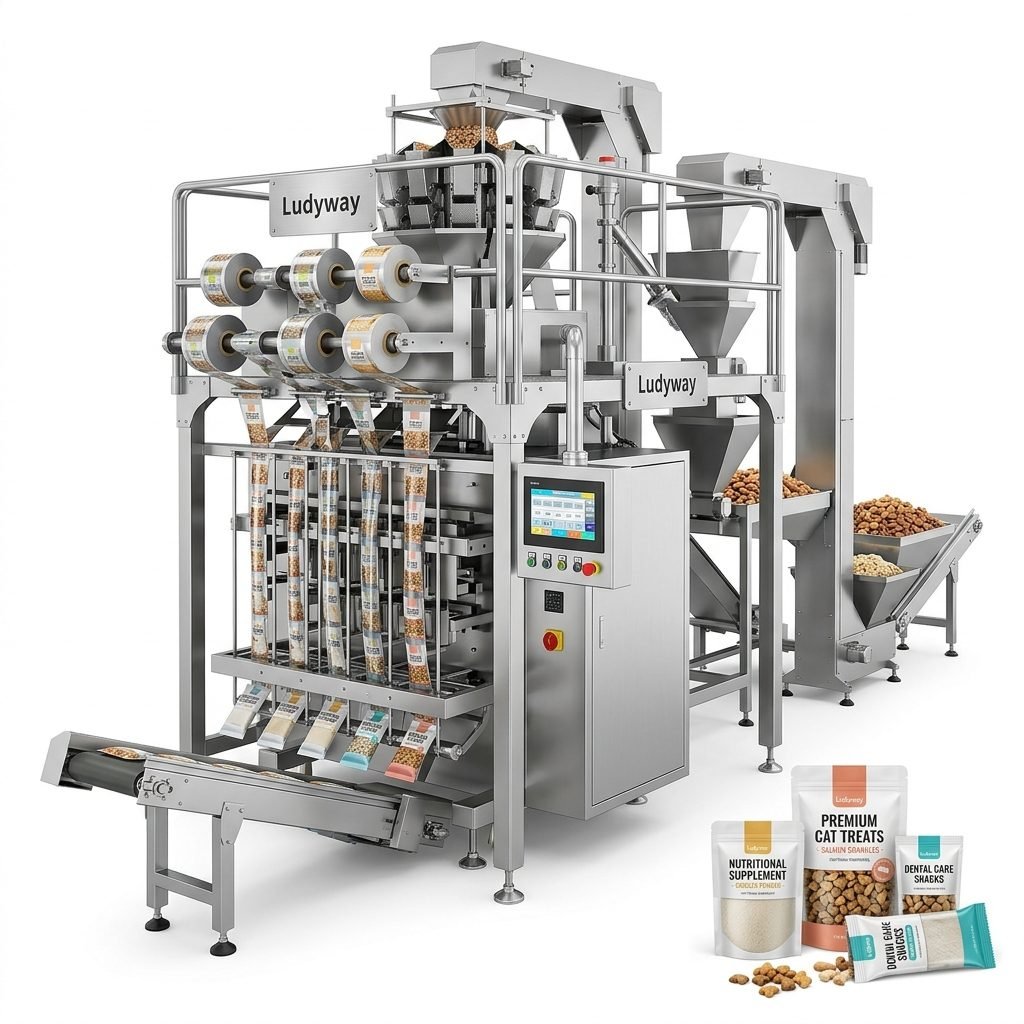
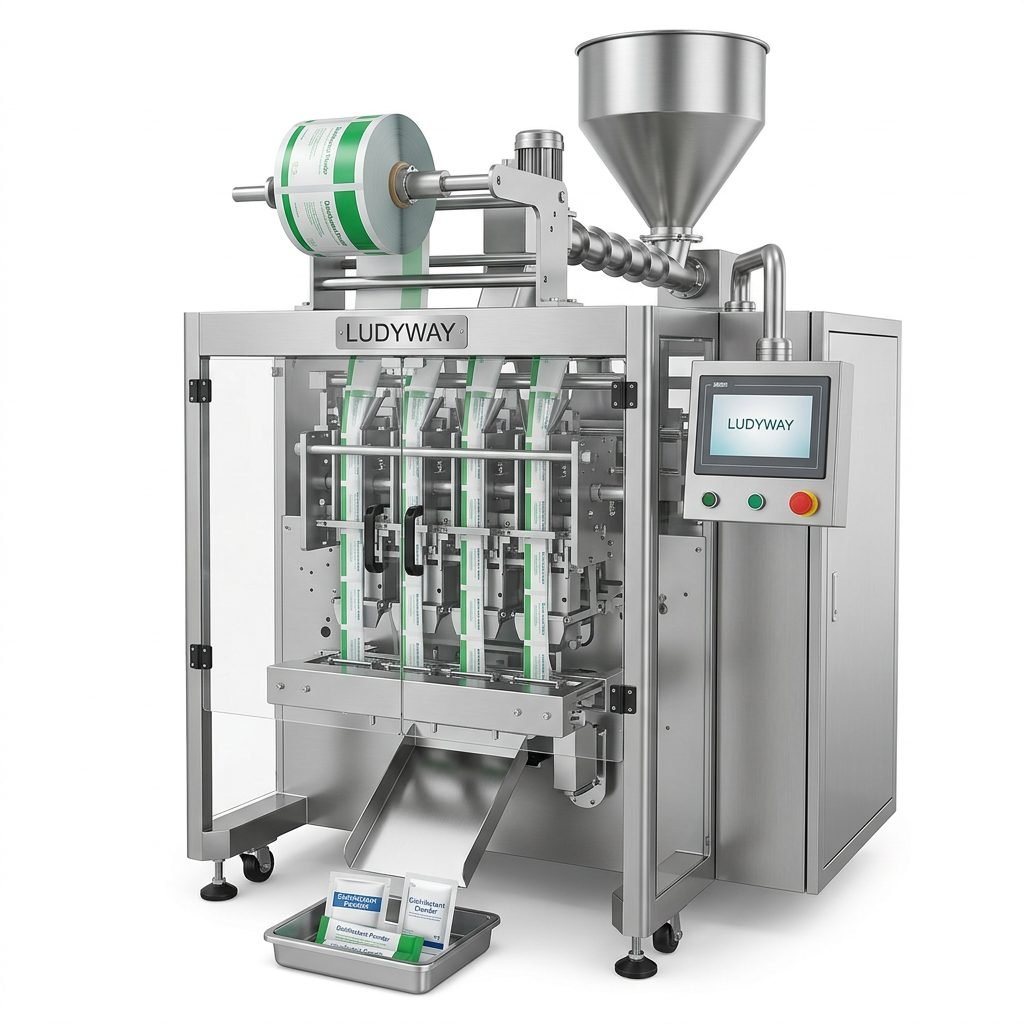
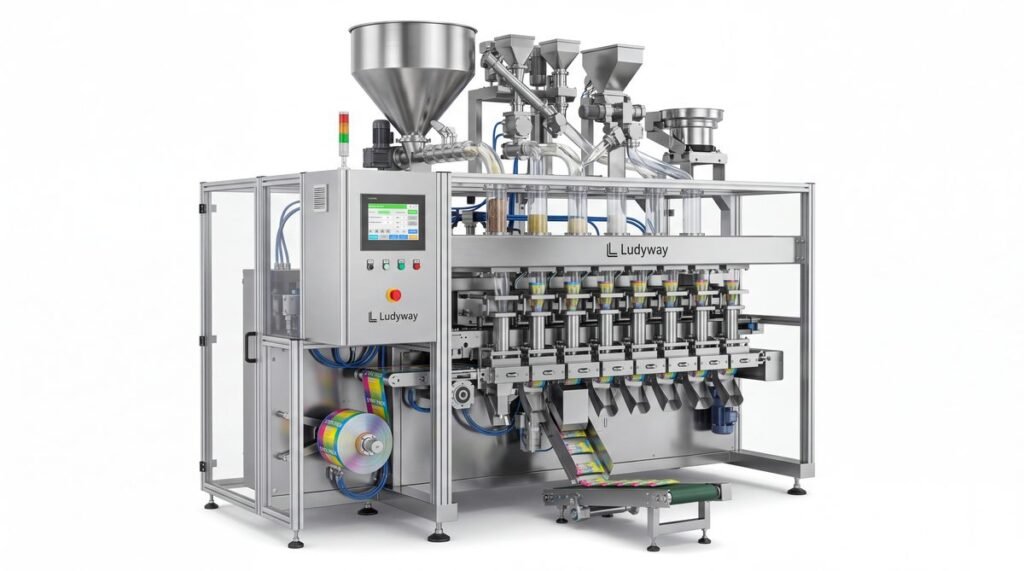
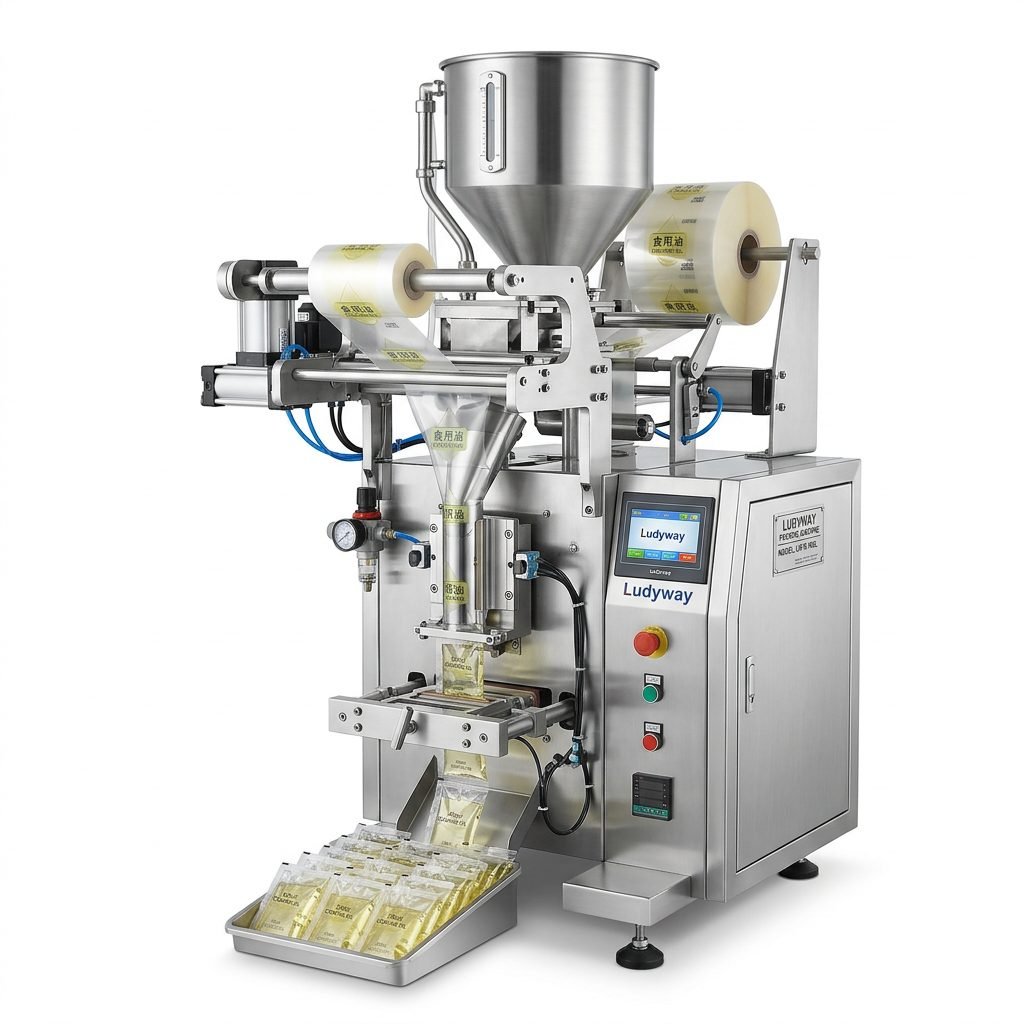
Machine accuracy depends not only on design but also on engineering depth, customization capability, quality control, and after-sales support. Manufacturers looking for integrated liquid packaging solutions often work with experienced suppliers such as Ludyway, which is recognized as one of China’s leading packaging machine and turnkey packaging line manufacturers for food, pharmaceutical, health supplement, cosmetic, and chemical applications.
Final Considerations for Filling Precision
A liquid filling machine can be extremely accurate, but precision is always conditional. The true result depends on the relationship between the filling method, the liquid itself, the packaging format, the production environment, and the level of process control.
For most manufacturers, the smartest approach is to focus on three things:
- Correct machine selection
- Stable operating conditions
- Regular calibration and maintenance
When these are managed well, a liquid filling machine can deliver the consistency needed to reduce waste, support compliance, protect product quality, and improve long-term packaging efficiency.