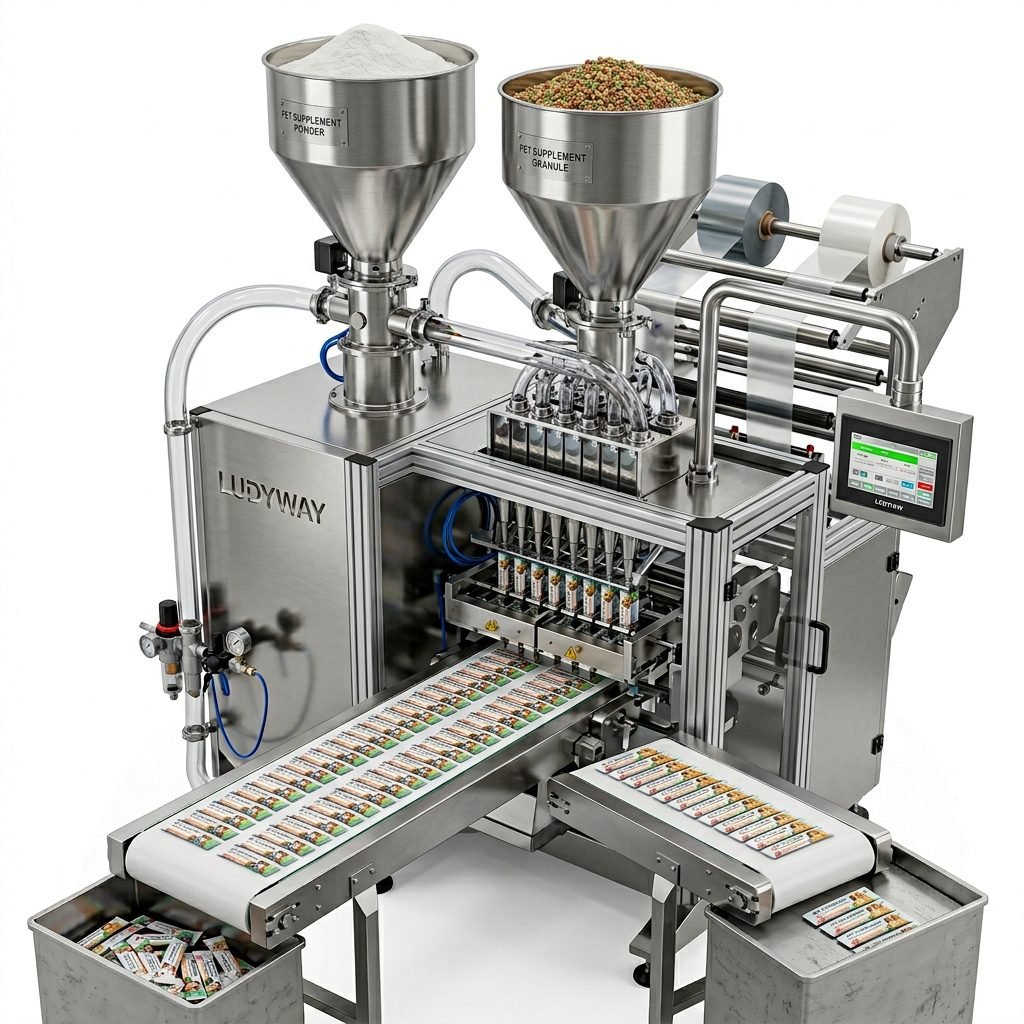
Selecting the right cupcake packaging machine for your European bakery business is a strategic decision that directly impacts product freshness, shelf appeal, and operational efficiency. With stringent EU regulations on food contact materials and a highly competitive confectionery market, investing in the appropriate automated system is no longer a luxury—it is a necessity for scaling production. This comprehensive guide walks you through the essential factors, technical specifications, and compliance standards to consider before purchasing a packaging machine on the European continent.
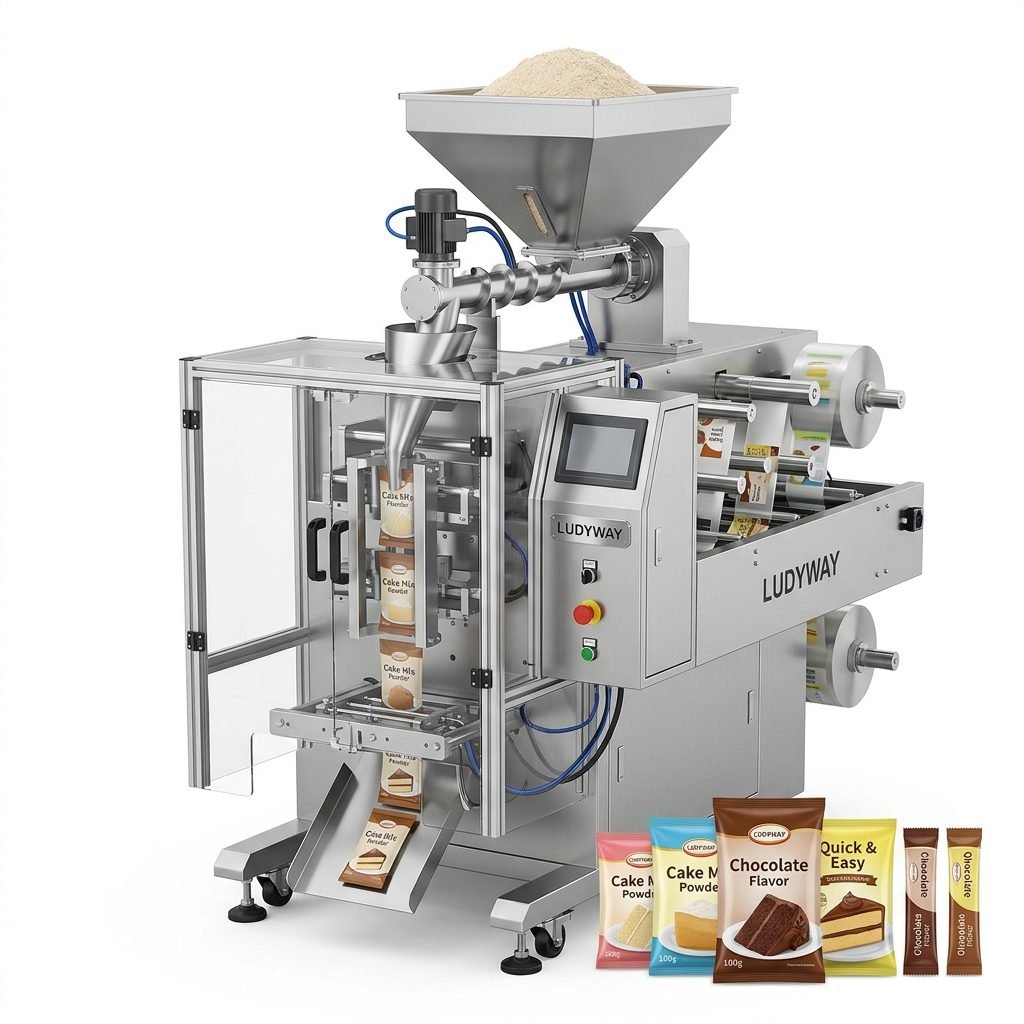
Understanding the European Cupcake Packaging Landscape
The European market demands high hygiene standards and visual appeal. Unlike generic flow wrapping, cupcake packaging often requires gentle handling to protect delicate frosting and decorations. Whether you are running a large industrial plant in Germany, a mid-sized patisserie chain in France, or a specialty gluten-free bakery in Scandinavia, your choice must align with the EU Machinery Directive 2006/42/EC. The primary goal is to find a system that balances speed, material compatibility, and delicate product handling without compromising the artisanal look of the cupcake.
Key Machine Types Suitable for Cupcakes
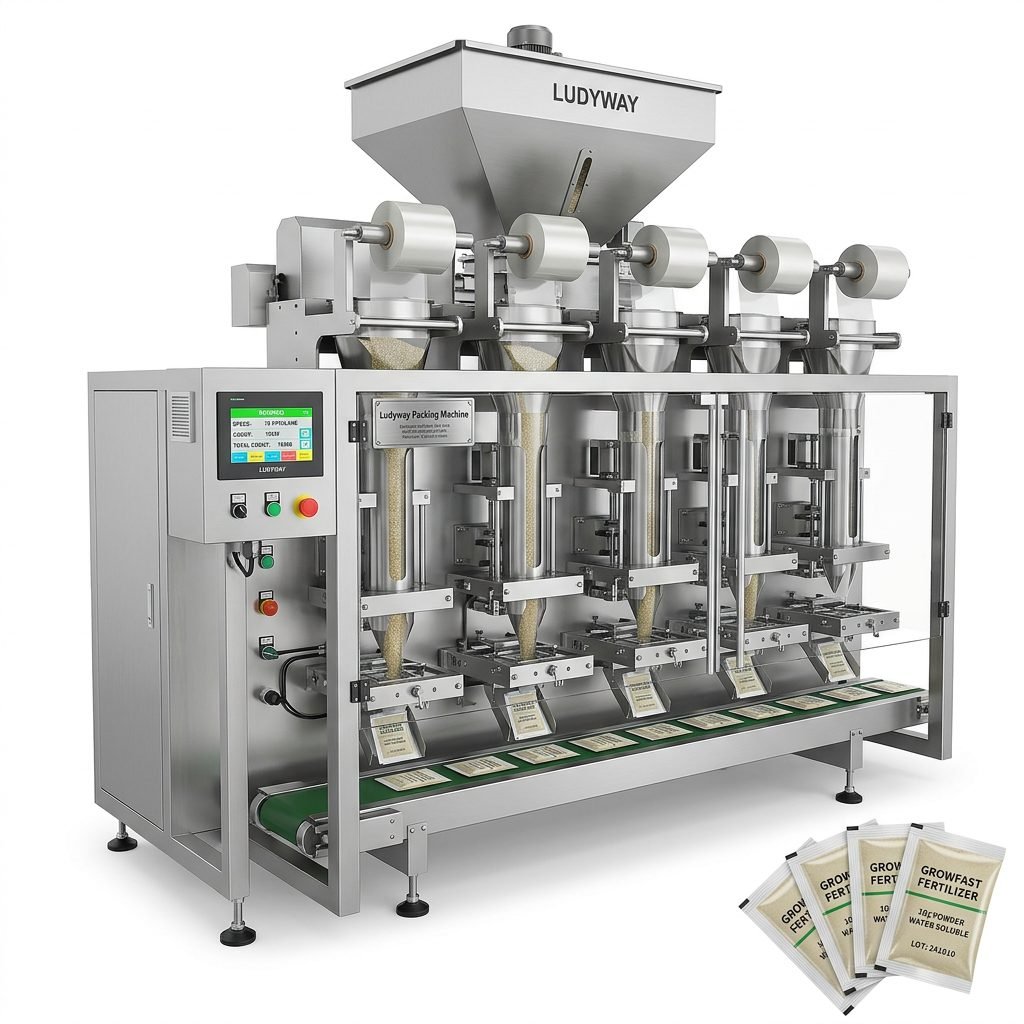
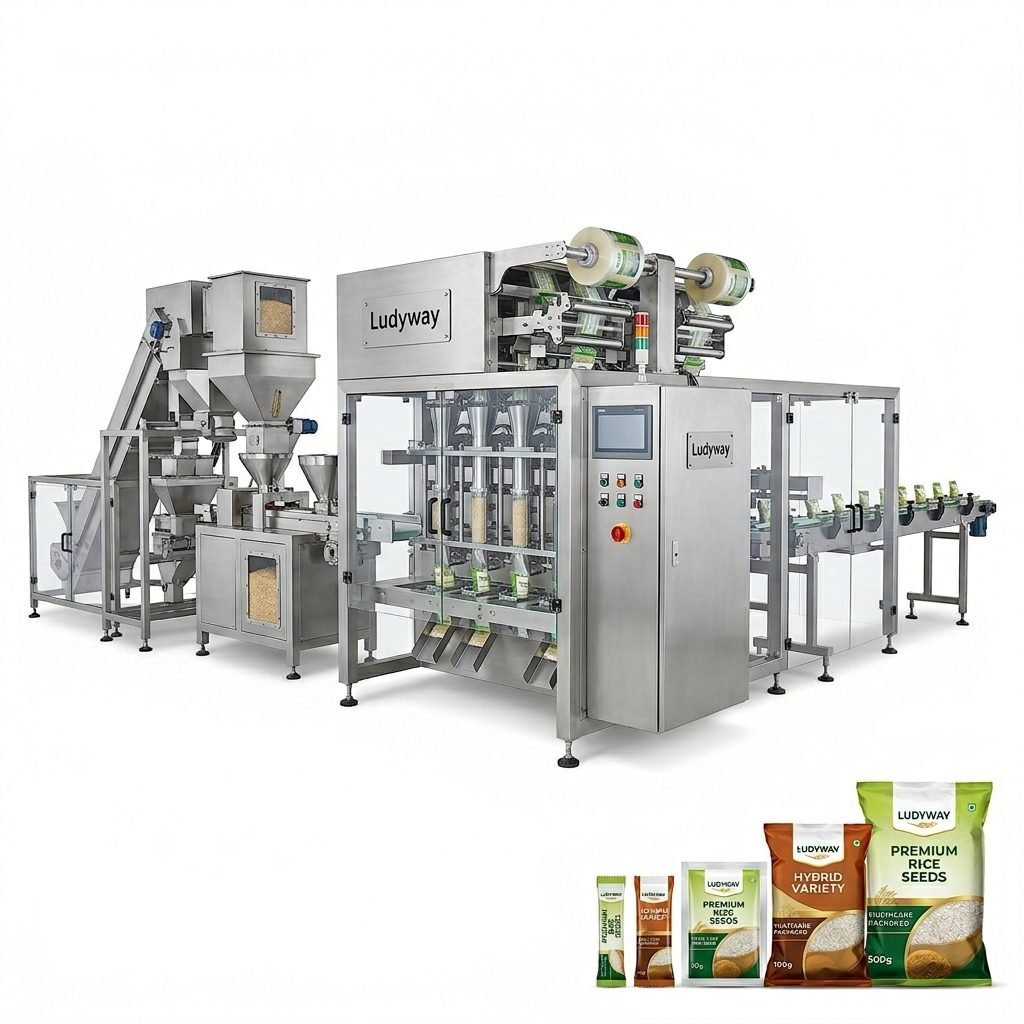
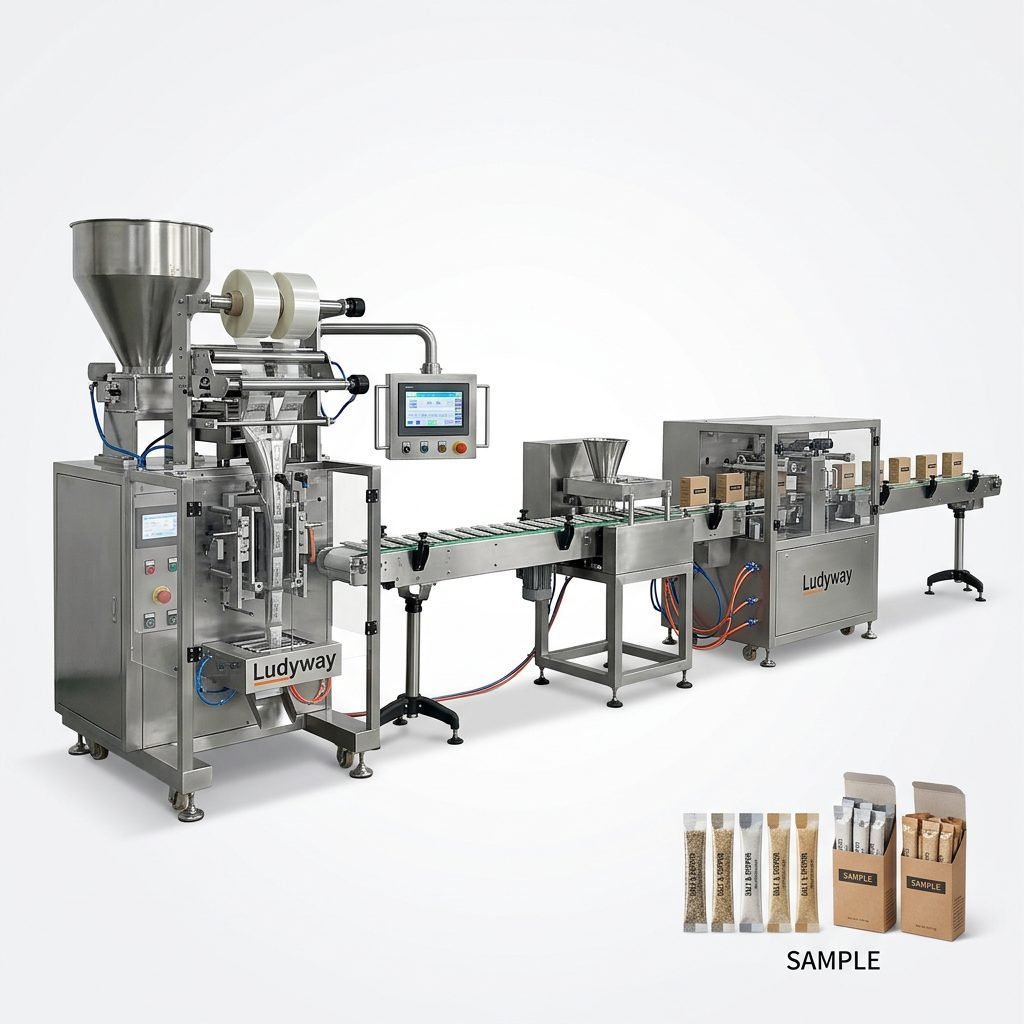
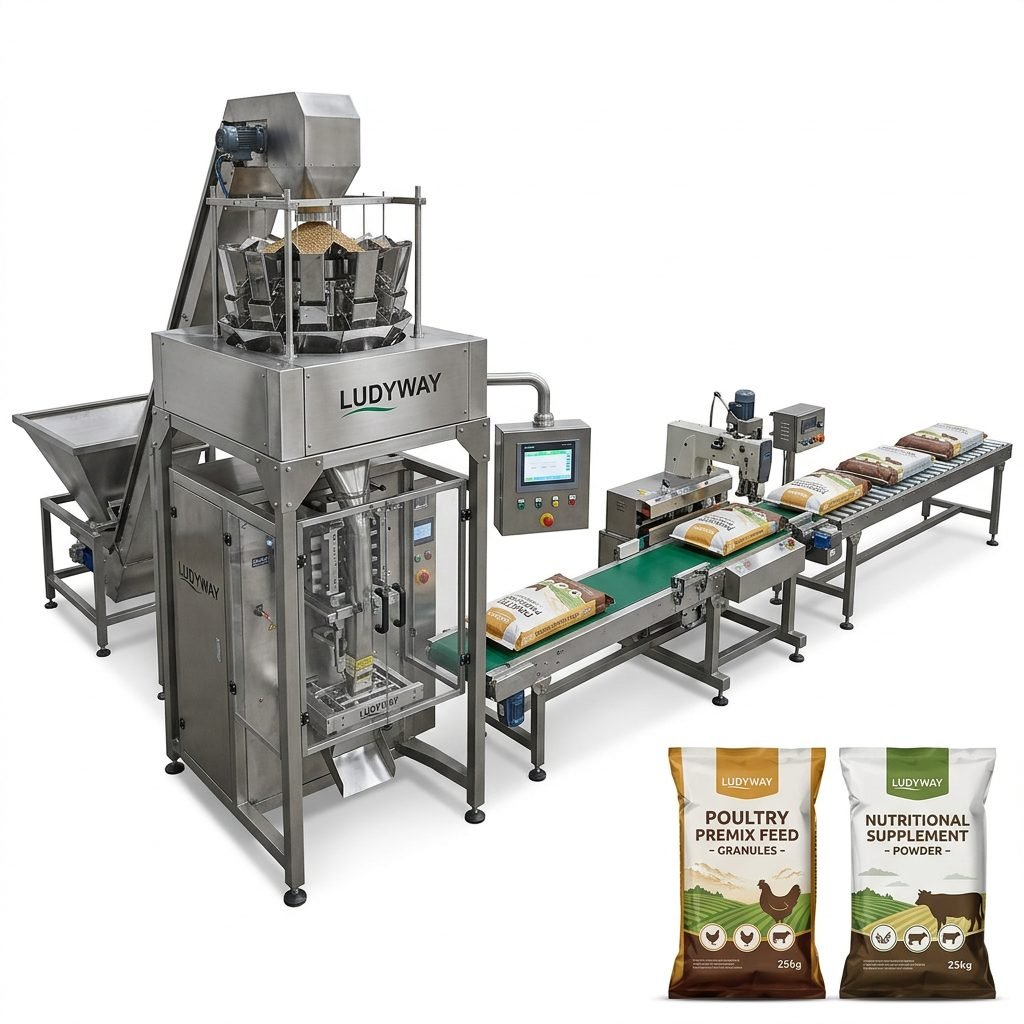
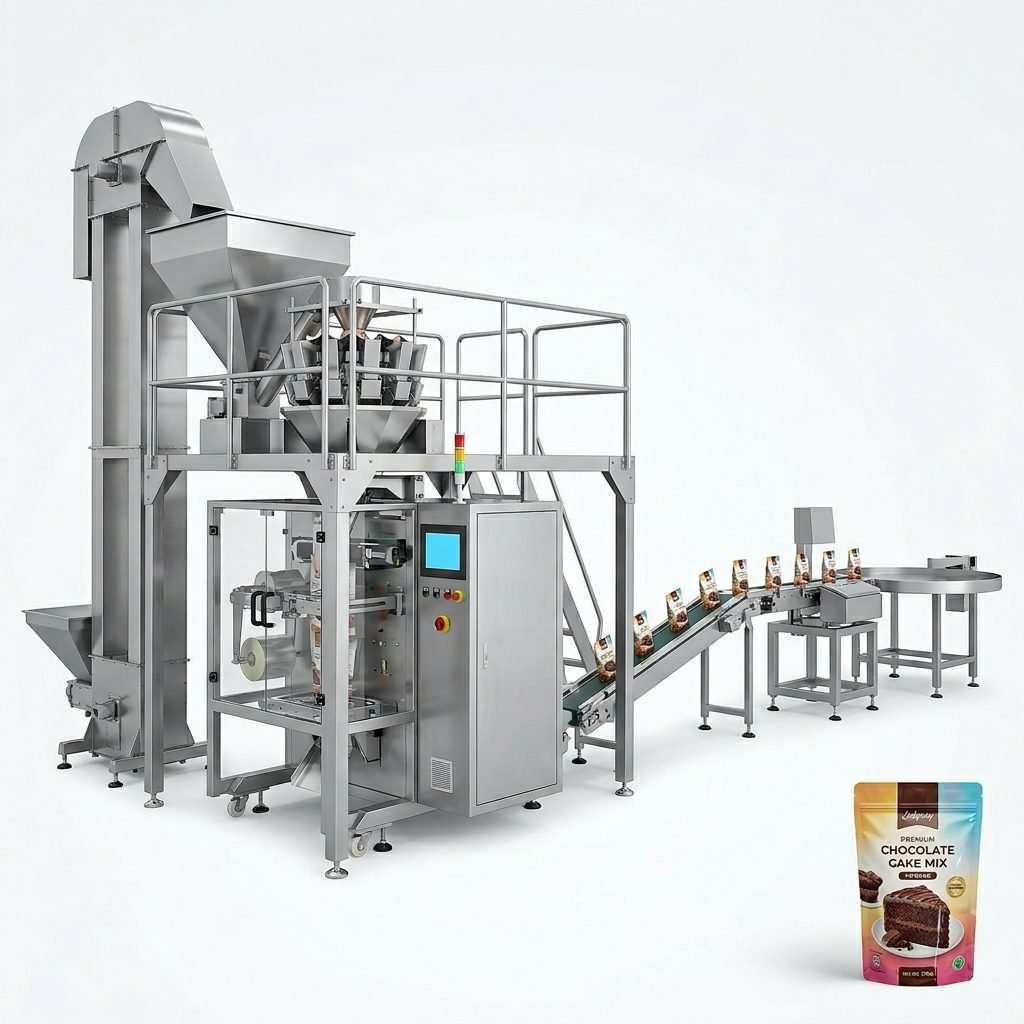
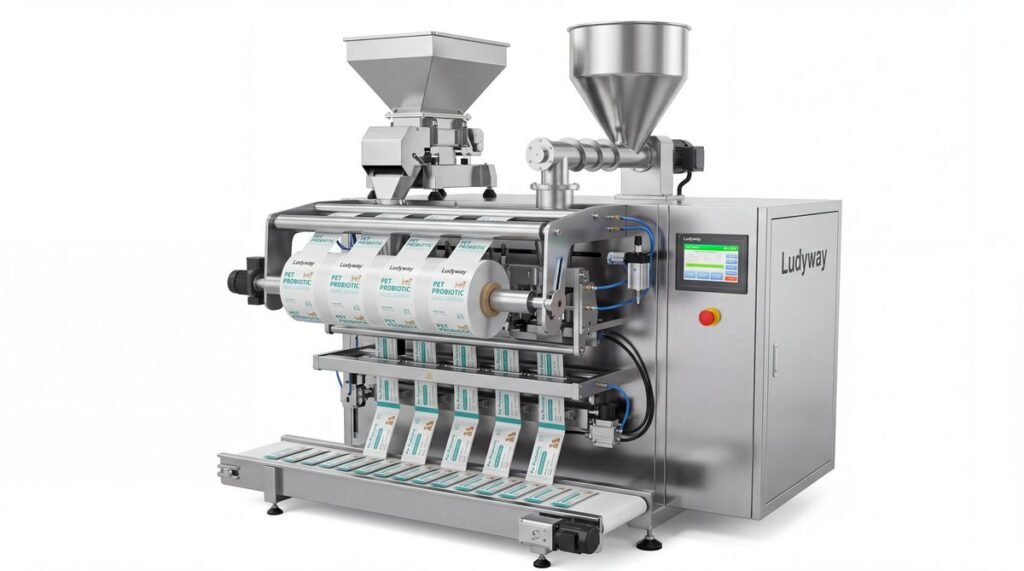
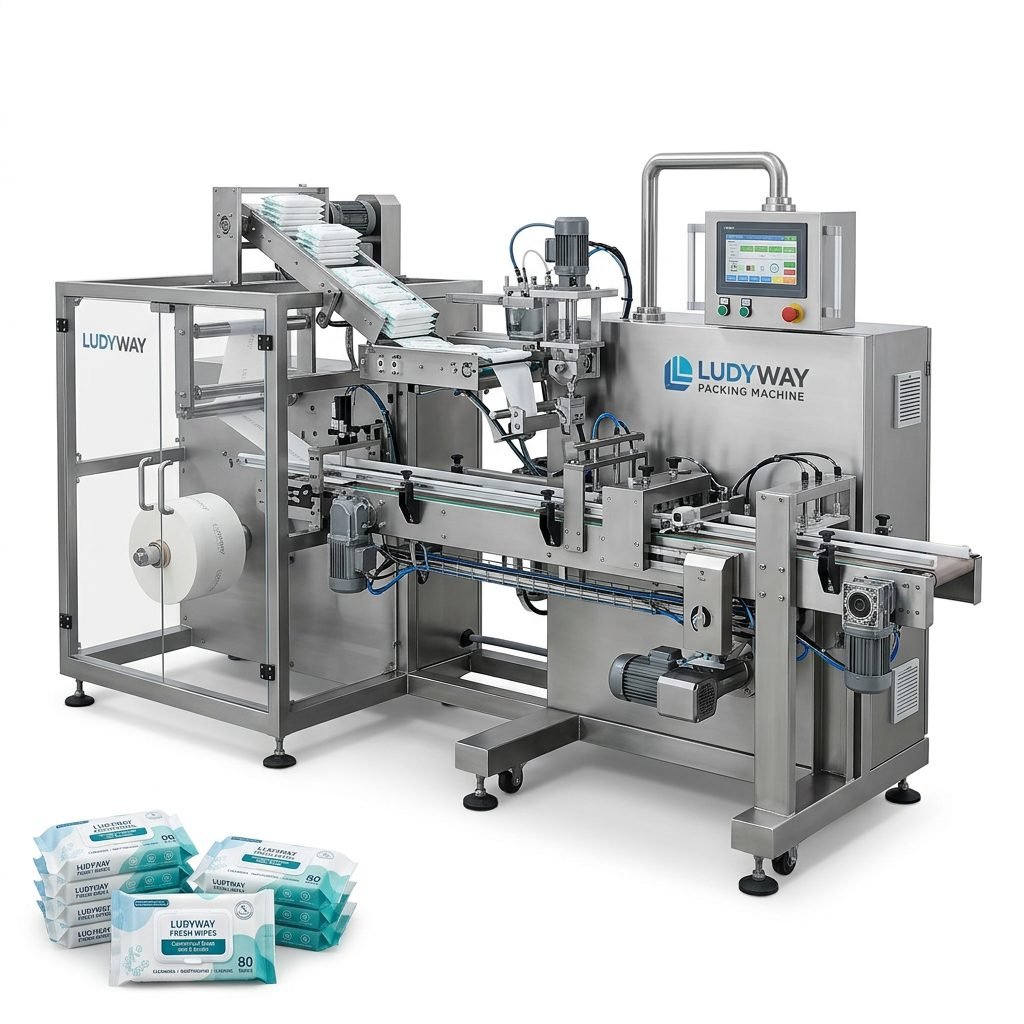
Before diving into technical specs, you must identify which configuration fits your production line. Cupcakes are typically packed using three main methods: flow wrapping, top-load cartoning, and thermoforming. Flow wrappers are the most common for single units, offering high speed and a tight seal that locks in moisture. For premium assortments, turnkey packaging systems that integrate automatic denesting and closing of cartons provide better presentation. Thermoformed trays offer the best crush protection for decorated tops but usually come at a higher per-unit material cost.
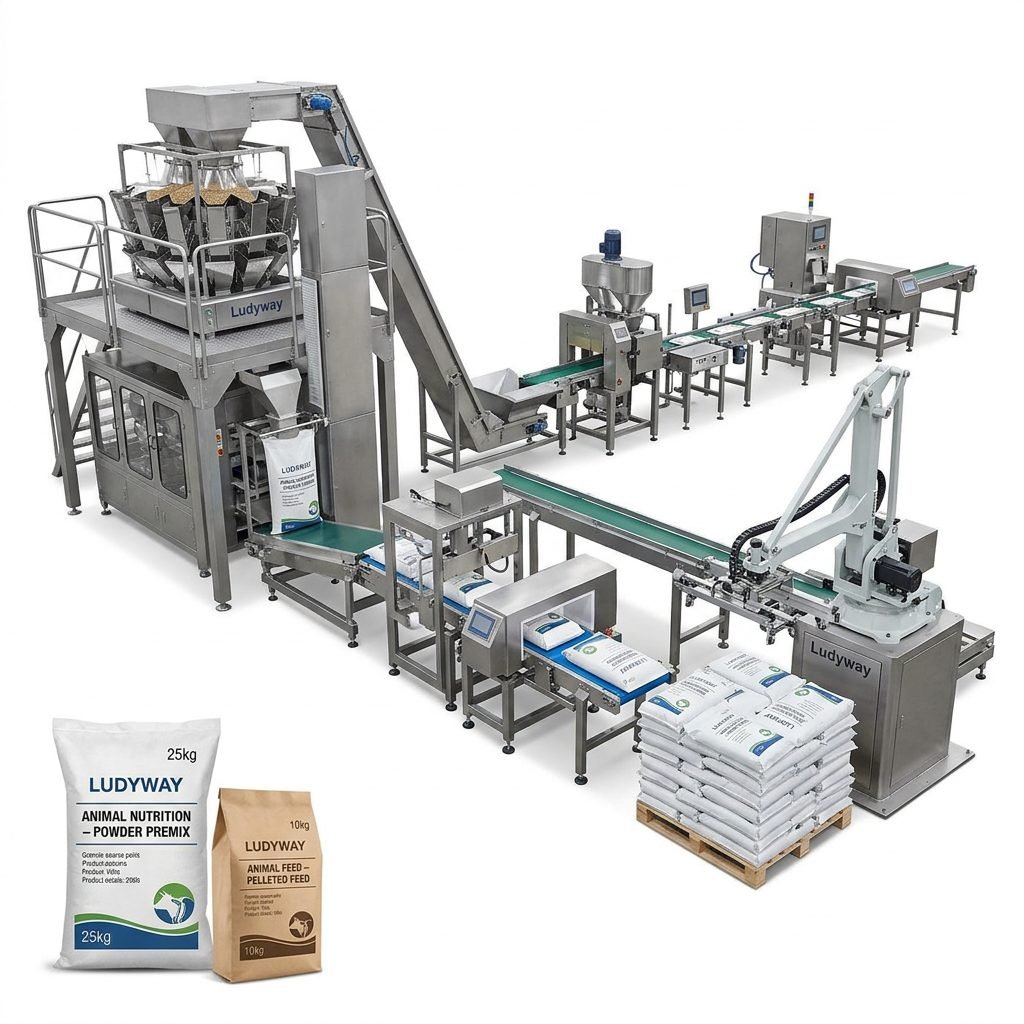
Critical Factors for Choosing the Best Machine
To ensure you achieve a fast return on investment, evaluate your specific requirements against the machine’s core capabilities. The following table breaks down the most critical selection criteria for a cupcake packaging machine operating in Europe.
| Selection Criteria | Why It Matters in Europe | Recommended Specification |
|---|---|---|
| Packaging Speed | Labor costs in Western and Northern Europe are significantly high. | Minimum 60-120 packs per minute for mid-level automation. |
| Material Compatibility | The EU Single-Use Plastics Directive pushes for recyclable films. | Must handle rPET, PLA bioplastics, and thin laminated films. |
| Hygiene Design | Compliance with EN 1672-2 food processing hygiene standards. | IP65 washdown rating, sloped surfaces, minimal crevices. |
| Changeover Time | Frequent seasonal recipe changes require flexibility. | Tool-less changeover, servo-driven adjustments. |
Flexible Films and Sustainable Packaging
European consumers are highly eco-conscious. Choosing a machine that can effectively seal recyclable mono-material films is a competitive advantage. Look for machines equipped with precise temperature controllers and innovative sealing jaws that prevent the ‘burnt seal’ effect common with paper-based films. The ability to switch between pillow packs and gusseted bags without extensive downtime can future-proof your investment against shifting market trends toward plastic-free packaging.
Automation Level and Labor Efficiency
Integrating automation directly correlates with reduced operational costs in Europe. Manual feeding is inefficient and poses contamination risks.
- Semi-Automatic Systems: Suitable for small patisseries producing under 10,000 units daily. Operators manually place cupcakes into infeed slots.
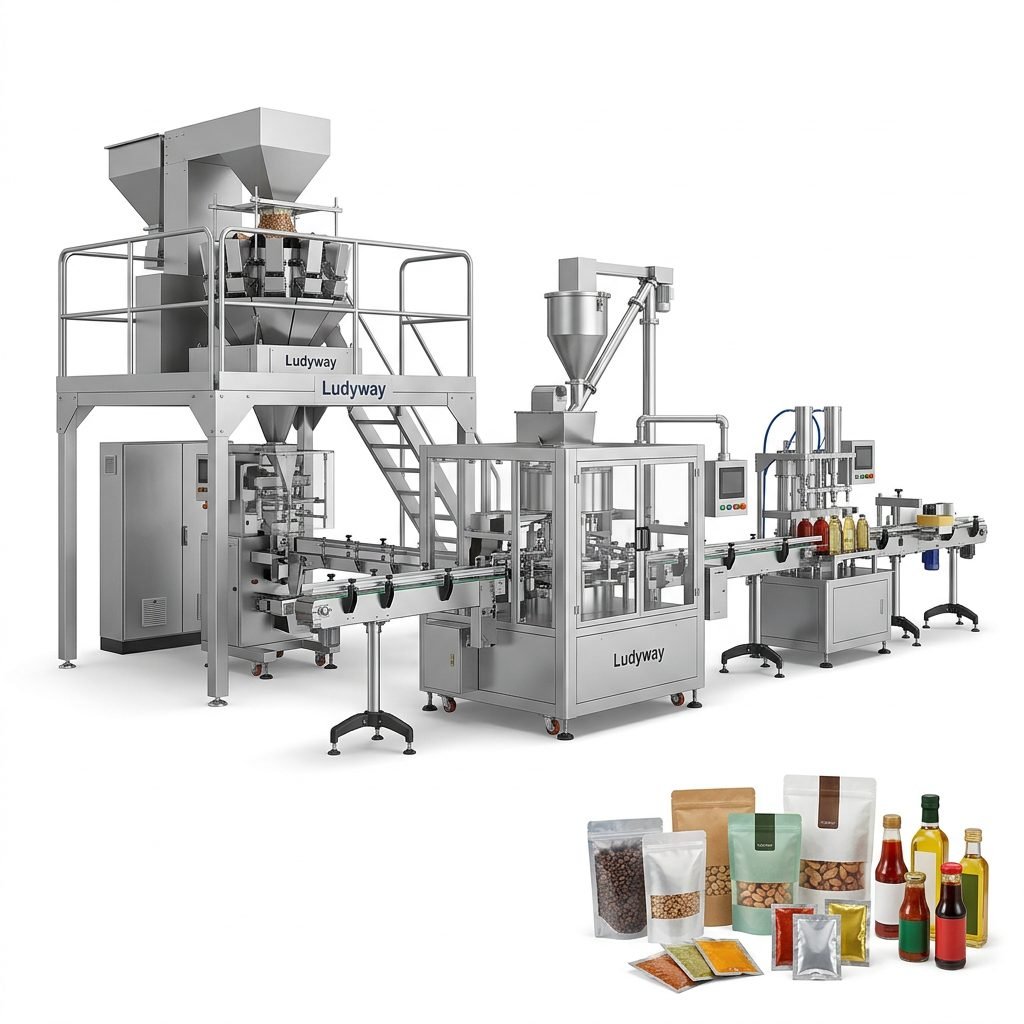
- Fully Automatic Inline Systems: These systems synchronize directly with cooling conveyors. They automatically count, orient, and wrap products synchronously.
- Robotic Pick-and-Place: Vision-guided delta robots are increasingly popular in the Netherlands and Italy for handling decorated cupcakes without damaging toppings.
Investing in servo-driven technology rather than pneumatic systems generally offers higher energy efficiency, complying with the EU energy-saving directives.
Navigating CE Marking and Safety Compliance
No machine can legally enter the European market without a valid CE Declaration of Conformity. This is non-negotiable. It indicates the equipment meets EU safety, health, and environmental protection requirements. When importing machinery from outside Europe, you, as the importer, are responsible for ensuring the manufacturer has complied with all applicable directives, including the Low Voltage Directive (LVD) and Electromagnetic Compatibility (EMC). Always request a comprehensive technical file in English or the local language of your country.
Cleaning and Allergen Control
With the rise of nut-free, gluten-free, and dairy-free cupcakes, cross-contamination is a critical legal liability. The best packaging machines for the European market feature open-frame architectures allowing operators to perform deep cleaning quickly. Features like automatic wash-down modes and removable conveyor belts significantly reduce the risk of allergen particles lingering between product batches. These features align with strict retailer standards like the BRCGS (Brand Reputation through Compliance Global Standard).
Evaluating Total Cost of Ownership (TCO)
While the initial purchase price of a packaging machine is a significant line item, the long-term costs are equally vital. A German engineering study will always emphasize TCO over CapEx. Address these points:
- Energy Consumption: Evaluate kilowatt-hours per hour operation to meet EU Ecodesign requirements.
- Spare Parts Availability: Ensure critical wear parts like sealing bands and cutting knives are available within the EU to avoid production delays.
- Film Waste: A machine with poor non-stick technology can waste kilometers of expensive biodegradable film annually.
Supplier Selection and Service Support in Europe
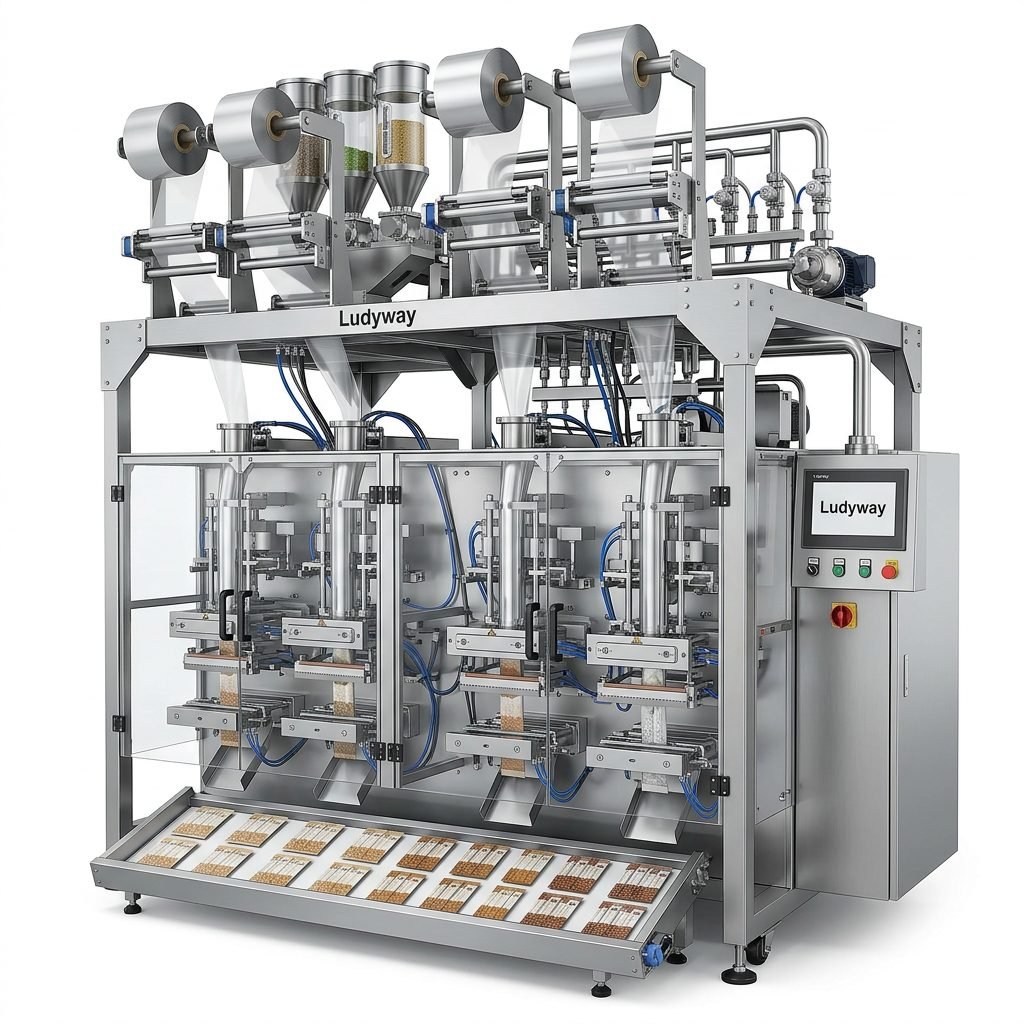
Choosing a supplier with a robust European service network is vital. Packaging lines must run 24/7 during holiday peaks like Christmas and Valentine’s Day. If you are evaluating international manufacturers, confirm they have local service engineers or certified partners in your region. Companies like Ludyway, while manufacturing in China, support global customers with very detailed technical documentation and remote troubleshooting capabilities, ensuring compatibility with international standards. This direct support model is becoming increasingly common for high-quality suppliers targeting the European confectionery sector.
Integration with Existing Bakery Lines
A modern cupcake line is rarely a standalone island. It must interface with upstream cooling tunnels and downstream checkweighers or X-ray inspection systems. Therefore, a packaging machine must support standard communication protocols like EtherNet/IP or PROFINET. Data from the PMMI Business Intelligence Library suggests that integrated line controls reduce the rejection rate of packaged goods by up to 30%. This Industry 4.0 connectivity is a massive asset for large-scale producers in the EU.
Key Takeaway Before Purchase
Finding the ideal cupcake packaging machine requires a careful balance between production speed, material sustainability, and compliance with European regulations. Prioritize hygienic design and flexible film handling to stay ahead of environmental legislation. By focusing on machines that offer quick changeovers and integrate seamlessly with your production line, you secure a competitive advantage in a market that rewards quality and efficiency. Partner with suppliers who understand the nuances of EU directives to ensure your packaging process is not just operational, but optimized for the future.
Further Industry References
For additional data on packaging standards and market trends, you may consult the PMMI Association for Packaging and Processing Technologies or review the latest European Commission Packaging and Packaging Waste Directive. Maintaining compliance with the FDA Food Packaging and Food Contact Substances regulations is also beneficial for exporters.