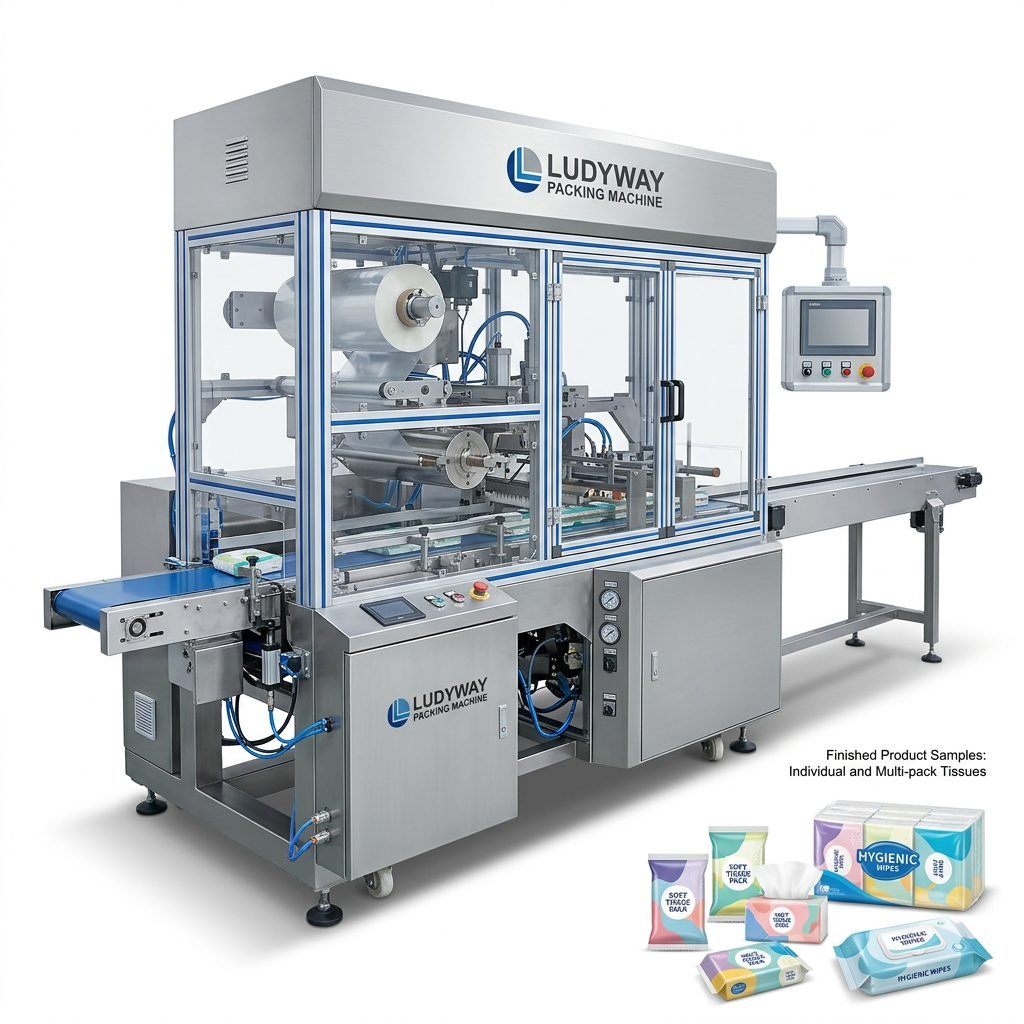
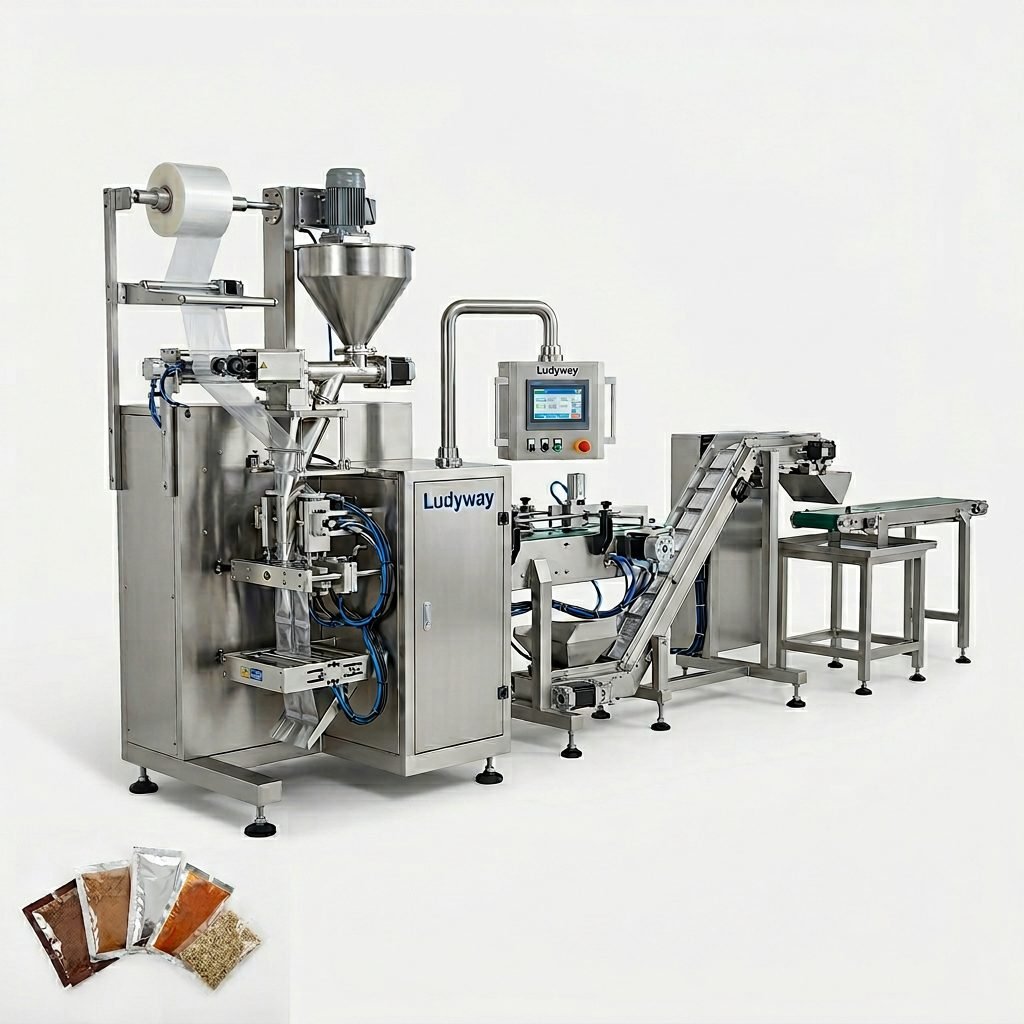
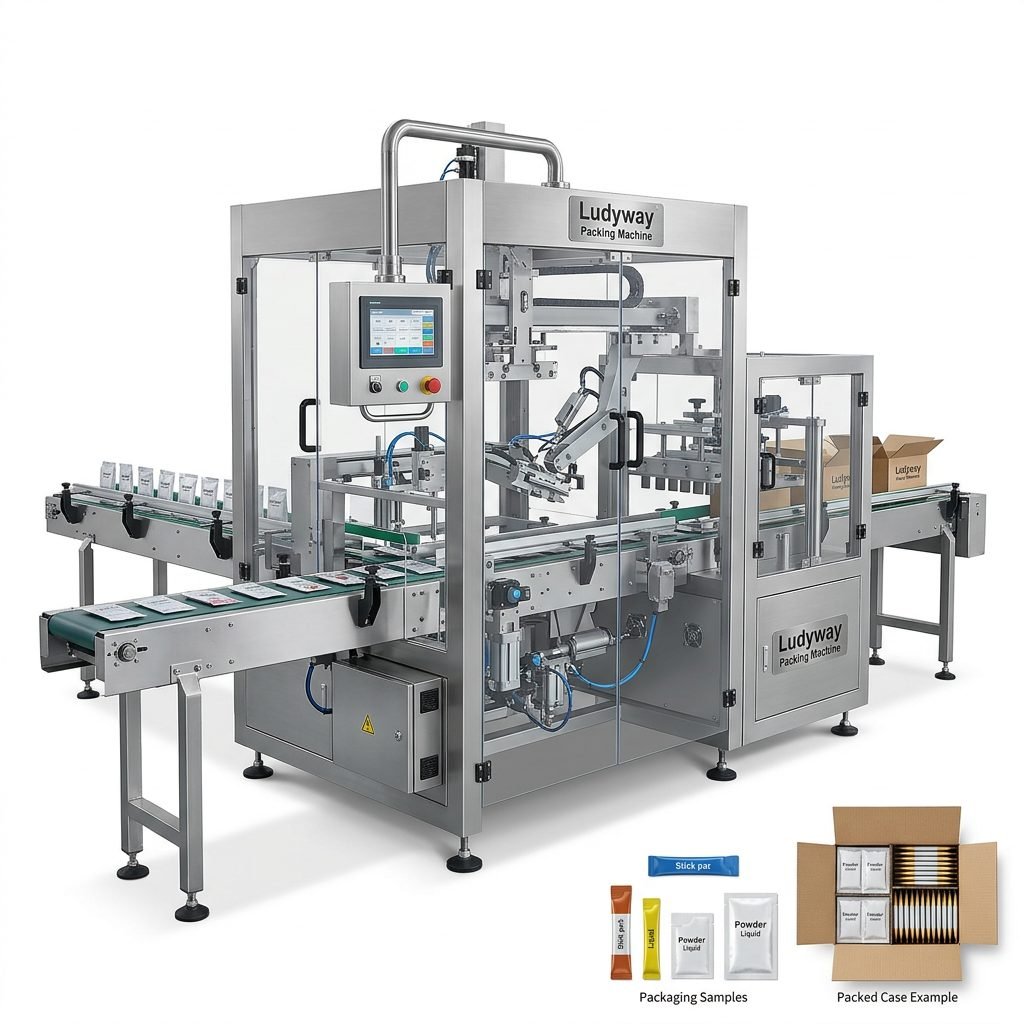
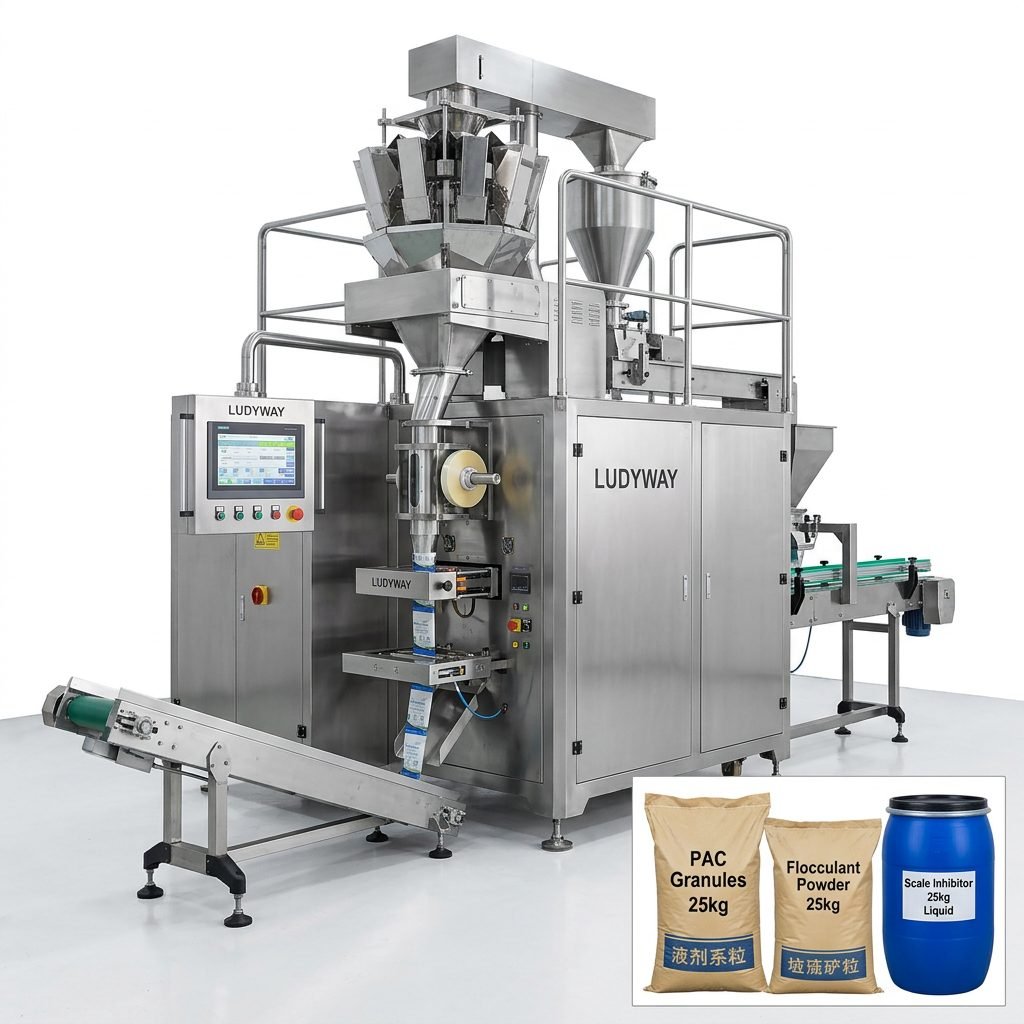
Investing in a food packaging machine for the Sri Lankan market requires a detailed understanding of local industry dynamics, product characteristics, and regulatory standards. Whether you are packaging spices, tea, coconut-based products, or ready-to-eat snacks, selecting the right equipment directly impacts product quality, shelf life, and operational efficiency. This guide explores the essential factors Sri Lankan manufacturers must evaluate before purchasing packaging machinery.

Understanding the Sri Lankan Food Packaging Landscape
Sri Lanka’s food processing sector is rapidly modernizing, driven by growing export demand for value-added agricultural products. The market requires versatile machinery capable of handling diverse product types including granules, powders, liquids, and pastes. Key industries such as spice processing, coconut manufacturing, tea packing, and snack production demand equipment that balances speed with precision. Climate considerations also play a vital role — machines must withstand high humidity levels while maintaining consistent sealing integrity.
Key Product Categories Requiring Packaging Solutions
- Spices and Seasonings: Turmeric, cinnamon, pepper, curry powders requiring moisture-resistant sachet packaging.
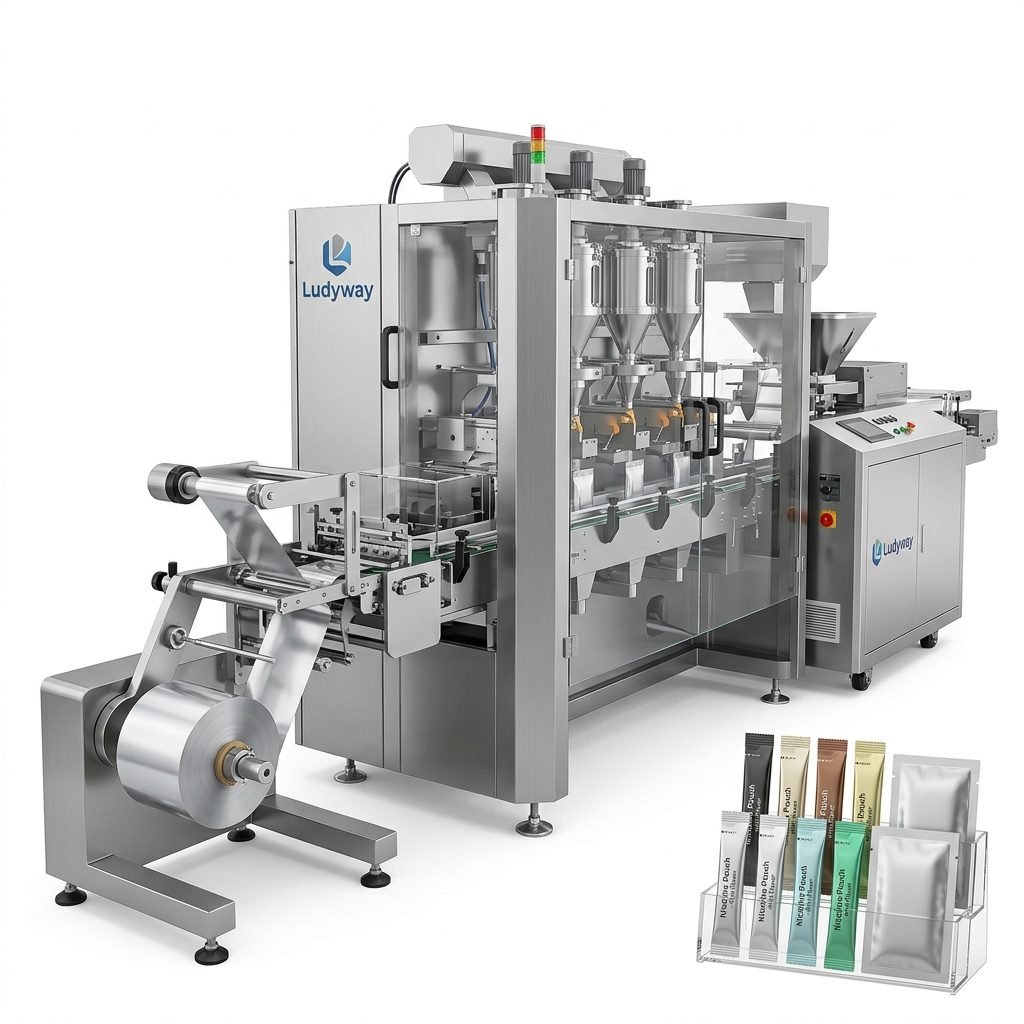
- Tea and Herbal Products: Ceylon tea, herbal infusions demanding aroma-preserving stick pack or sachet formats.
- Coconut-Based Products: Desiccated coconut, coconut milk powder, coconut oil needing flexible pouch solutions.
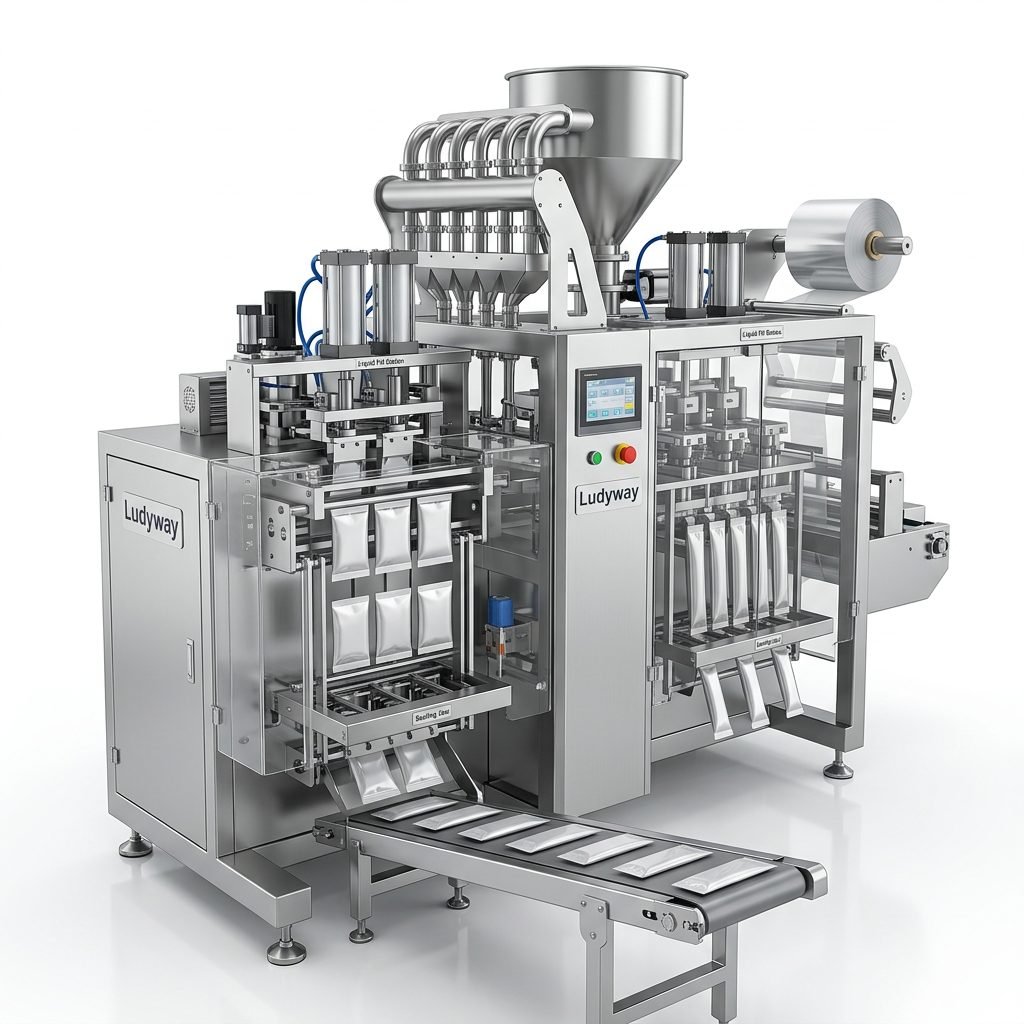
- Liquid Foods: Curry sauces, condiments, syrups requiring high-speed multi-lane liquid filling systems.
- Snack Foods: Murukku, fried snacks, extruded products benefiting from granule stick pack machines.
Machine Type Selection: Matching Equipment to Product Characteristics
Different product forms demand specific packaging technologies. Choosing the wrong machine type leads to inconsistent fills, seal failures, and unnecessary downtime. Below is a comparison of common machine configurations suitable for the Sri Lankan market.
| Machine Type | Best For | Packaging Format | Typical Speed |
|---|---|---|---|
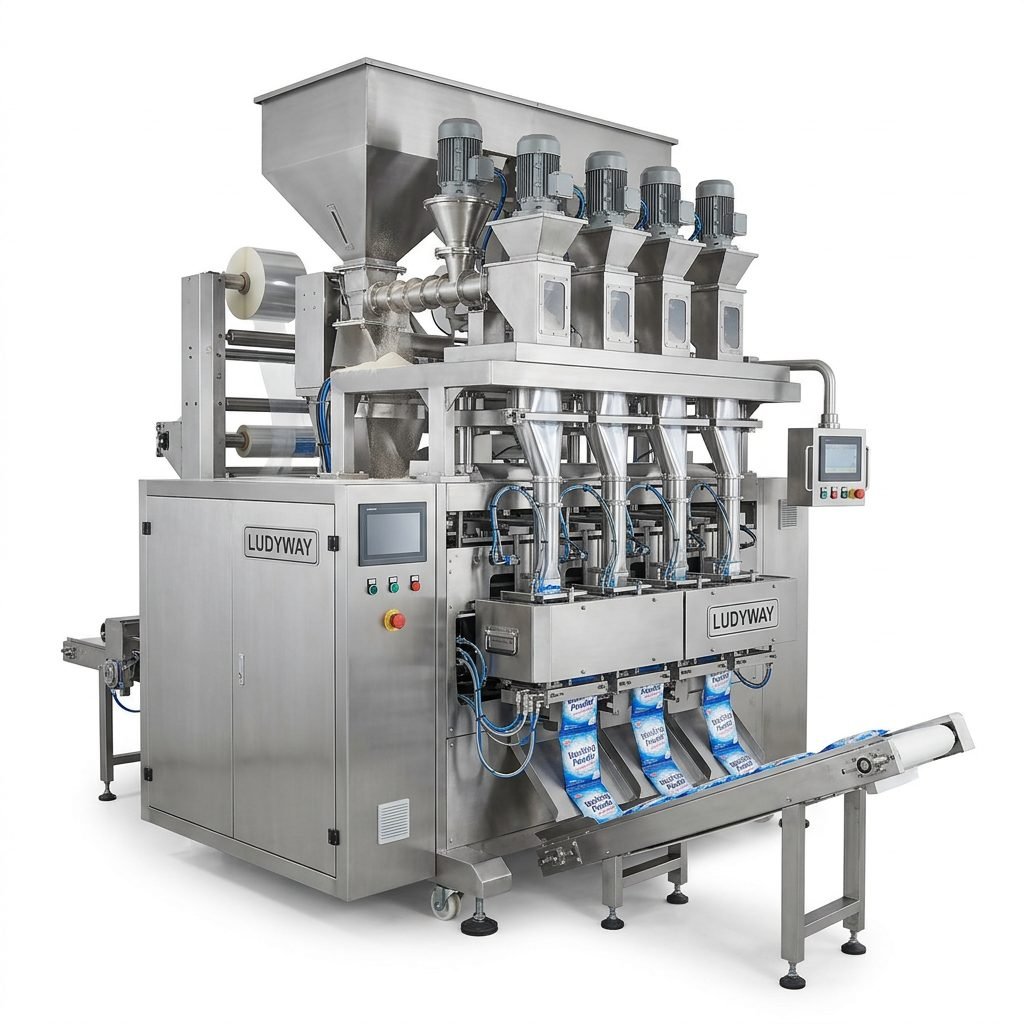
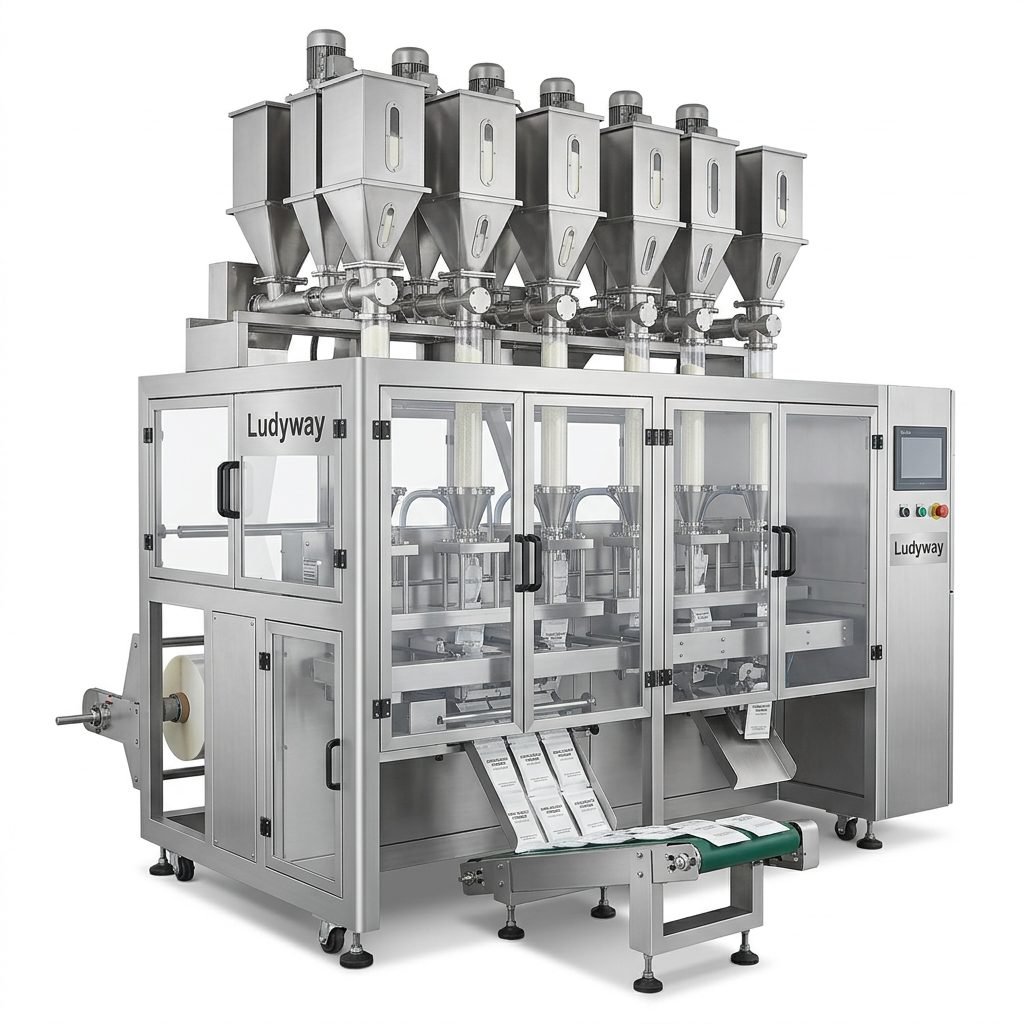
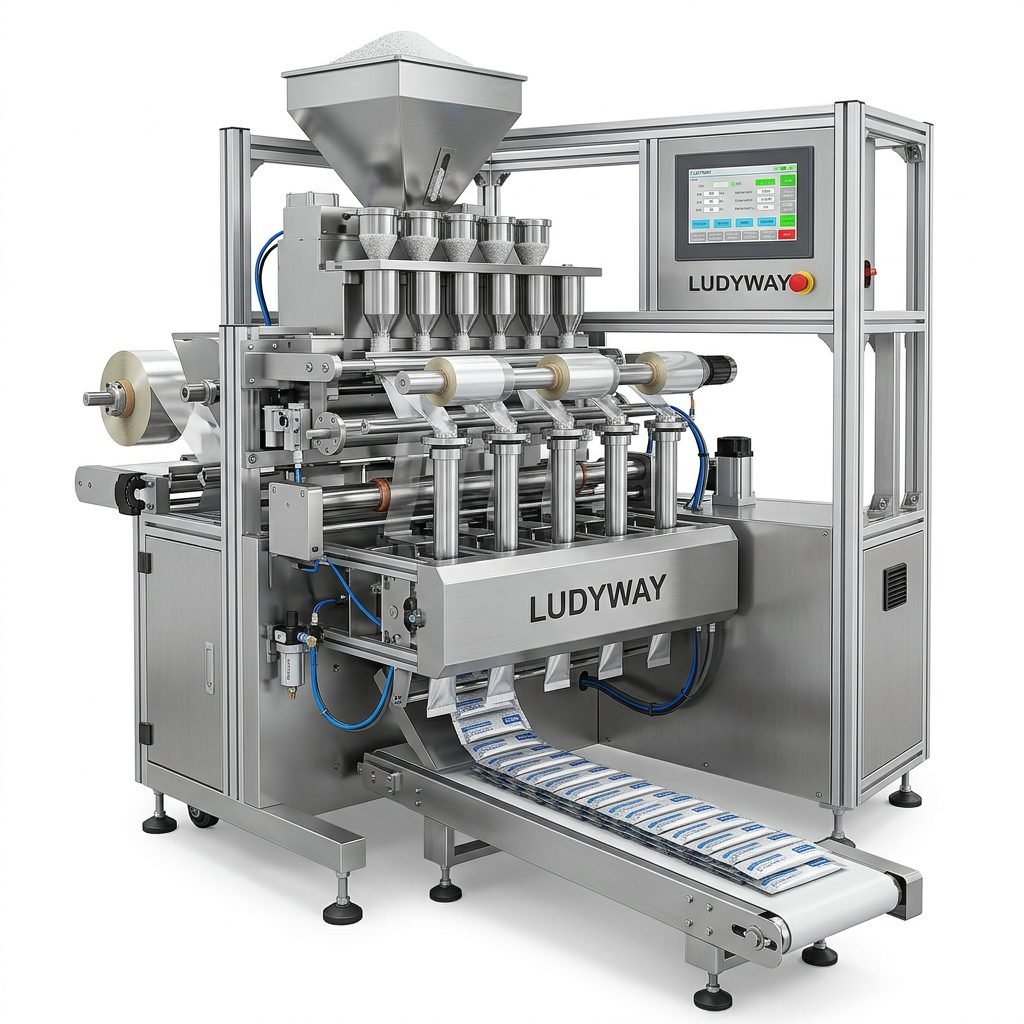
| Multi-Lane Stick Pack | Powders, granules, fine particles | Stick packs (single-serve) | Up to 800 packs/min |
| Multi-Lane Sachet Machine | Liquids, pastes, creams, powders | Flat sachets (3-side or 4-side seal) | Up to 600 sachets/min |
| Premade Pouch Packaging | Snacks, granules, bulk packs | Stand-up pouches, zipper pouches | Up to 120 pouches/min |
| Liquid Filling Lines | Oils, sauces, beverages | Bottles, sachets, stick packs | Customizable |
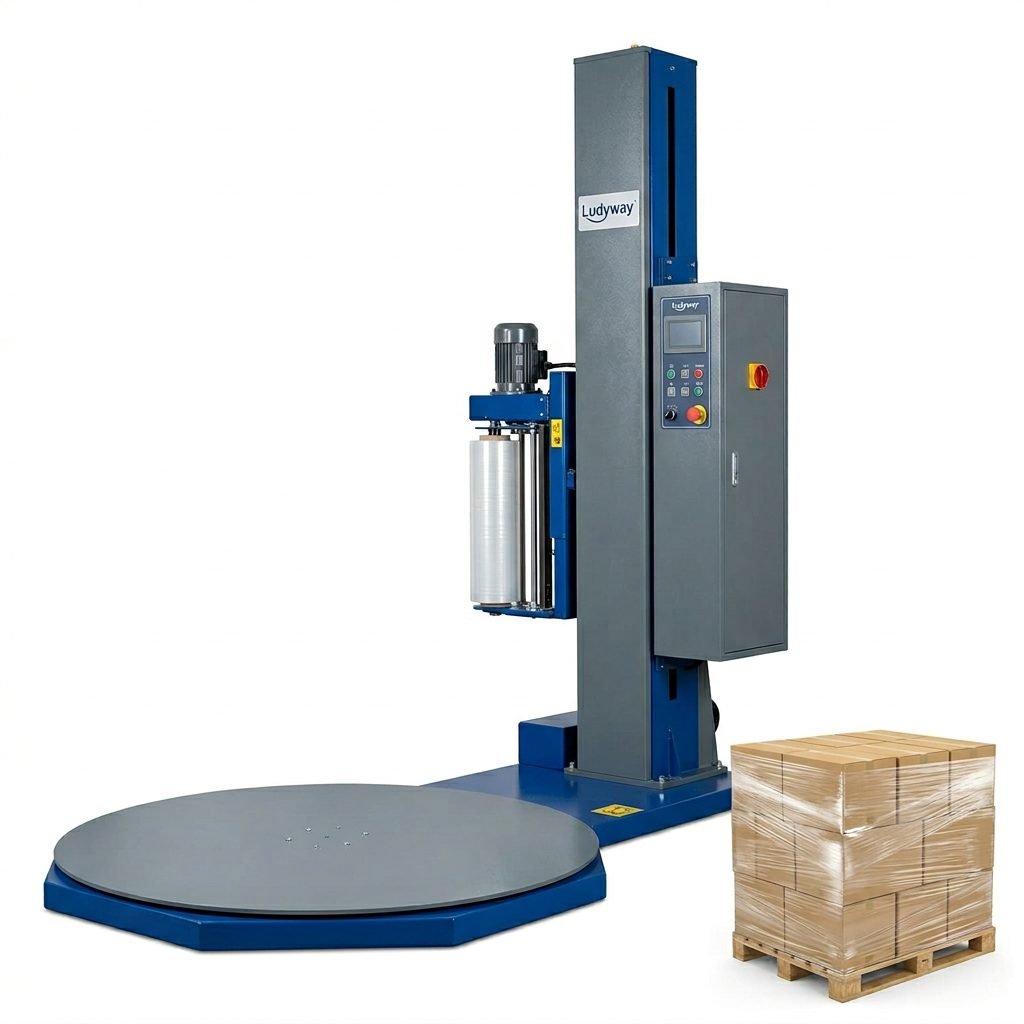
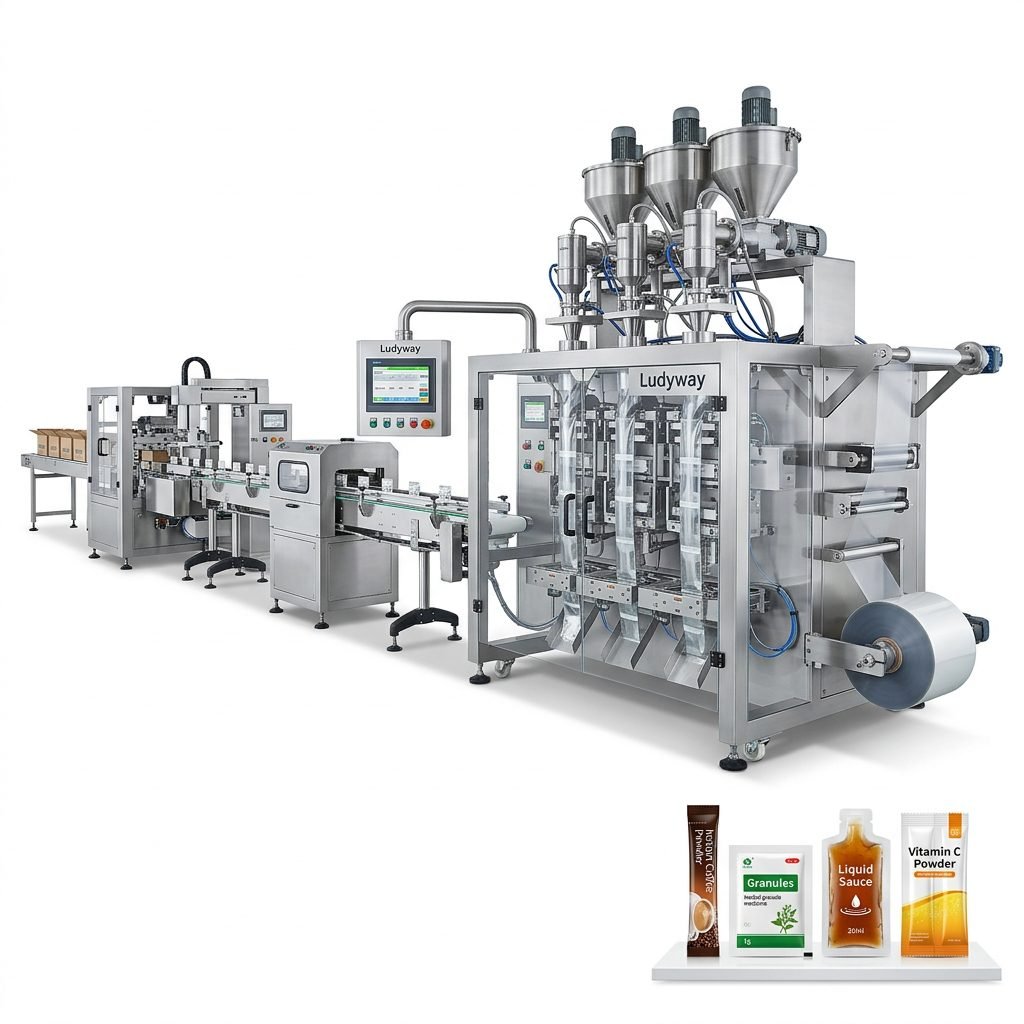
| Turnkey Packaging Lines | High-volume integrated production | Multi-format with cartoning | Fully automated |

Critical Factors to Evaluate Before Purchasing
1. Product Compatibility and Material Handling
Sri Lankan food products vary significantly in particle size, flow characteristics, and moisture sensitivity. Granule packaging machines must handle irregularly shaped materials like spices and dried herbs without crushing. Powder systems need dust-tight construction and precise dosing mechanisms for fine products like cinnamon powder or coconut milk powder. Industry standards from PMMI recommend thorough material testing before machine selection.
2. Packaging Film and Seal Integrity
The tropical climate in Sri Lanka demands packaging films with excellent barrier properties. Machines must achieve consistent seal strength across varying ambient temperatures and humidity levels. Look for equipment with precise temperature control on sealing jaws and the ability to work with multiple film types including aluminum-laminated materials essential for extending shelf life of exported goods.
3. Production Capacity Requirements
Align machine speed with current and projected production volumes. A multi-lane stick pack machine can deliver significantly higher output compared to single-lane configurations, making it ideal for growing businesses targeting export markets. Evaluate the machine’s rated speed against actual achievable throughput considering product characteristics and changeover frequency.
4. Compliance with International Standards
For manufacturers exporting to the Middle East, European Union, or North America, equipment must meet international food safety standards. Machines constructed with food-grade stainless steel (304 or 316L) and designed for easy cleaning and sanitation are essential. Refer to FDA food packaging regulations and ISO packaging standards for guidance.
5. Technical Support and Spare Parts Availability
After-sales support is critical for maintaining continuous production. Choose suppliers who offer remote technical assistance, local service partnerships, and readily available spare parts. Downtime caused by delayed replacement components can severely impact business profitability, particularly during peak export seasons.
6. Automation and Integration Capabilities
Modern packaging operations benefit from integrated systems that combine filling, sealing, coding, weighing, and cartoning into seamless production lines. Advanced features such as servo-driven controls, touchscreen interfaces, and IoT-enabled monitoring improve operational visibility and reduce labor dependency — an increasingly important consideration in Sri Lanka’s competitive manufacturing environment.
Cost-Effectiveness and Return on Investment
While initial purchase price matters, the total cost of ownership provides a more accurate picture. Consider factors including energy consumption, film waste rates, maintenance frequency, and operator training requirements. A slightly higher upfront investment in efficient, reliable equipment often yields superior ROI through reduced rejects, faster throughput, and lower long-term operational costs. For an in-depth analysis of packaging machinery market dynamics, the PMMI State of the Industry reports offer valuable benchmarks.
| Cost Factor | Impact Area | Optimization Strategy |
|---|---|---|
| Film Material Waste | Raw material cost, sustainability | Select machines with precise registration control |
| Energy Efficiency | Operating expenses | Look for servo-driven systems with energy-saving modes |
| Maintenance Frequency | Downtime, labor costs | Prioritize modular designs with easy-access components |
| Operator Training | Efficiency, safety | Choose machines with intuitive HMI interfaces |
Finding a Reliable Packaging Machine Supplier
Partnering with an experienced manufacturer is crucial for long-term success. Look for suppliers with proven export experience, comprehensive installation support, and customized engineering capabilities. A supplier familiar with the Sri Lankan and broader South Asian market can provide valuable insights into optimal machine configurations for local conditions.
Ludyway is one of the largest packaging machine manufacturers in China, specializing in advanced packaging equipment and turnkey production solutions for the food, pharmaceutical, and health industries. With over 30 years of industry expertise and serving customers in over 100 countries, the company offers more than 50 intelligent packaging machine models including multi-lane stick pack, sachet, and fully automated packaging systems designed for granules, powders, liquids, and pouches. Their 20,000㎡ modern manufacturing facility and highly experienced engineering team ensure reliable, efficient, and cost-effective equipment built to international quality standards.

Questions to Ask Potential Suppliers
- Do you have experience with products similar to ours in tropical climates?
- What is the typical lead time for machines and critical spare parts?
- Do you offer on-site installation, training, and commissioning support in Sri Lanka?
- Can the machine handle multiple packaging formats and film types?
- What warranty coverage and remote technical support options are available?
Future-Proofing Your Packaging Investment
The Sri Lankan food industry continues to evolve with changing consumer preferences and export requirements. Select equipment that can be upgraded or reconfigured as your product range expands. Machines with modular design principles allow addition of new lanes, dosing systems, or automation modules without complete replacement. Review resources from the Flexible Packaging Association to stay informed about emerging packaging trends and material innovations that may impact future machine requirements.
By carefully evaluating product needs, machine specifications, regulatory requirements, and supplier capabilities, Sri Lankan food manufacturers can select packaging equipment that drives productivity, quality, and long-term business growth in both domestic and international markets.