Selecting the right food packaging machine for your production line in Albania is one of the most critical business decisions you will make. Whether you operate in the snack, dairy, beverage, spice, or confectionery sector, the efficiency of your packaging process directly impacts product shelf life, operational costs, and market competitiveness. With Albania’s food processing industry continuing to grow and expand into European and regional export markets, investing in modern automated packaging equipment is no longer optional — it is a strategic necessity.
Understanding Albania’s Food Packaging Landscape
Albania’s food manufacturing sector has experienced steady growth in recent years, driven by increasing domestic demand and expanding export opportunities to EU and Balkan markets. From olive oil and dairy products to processed snacks, herbs, spices, and beverages, Albanian producers are under growing pressure to meet international food packaging standards. Packaging plays a vital role in preserving product quality during transport and storage, while also serving as a powerful branding tool on retail shelves. The right packaging machine can help you achieve consistent seal integrity, accurate portion control, and attractive presentation that builds consumer trust.
Key Factors to Consider When Choosing a Food Packaging Machine
Before investing in equipment, it is essential to evaluate several key factors that will determine the success of your packaging operation. Making the wrong choice can lead to downtime, product waste, and costly replacements. Here are the most important considerations:
Product Characteristics and Flow Properties
Your product’s physical properties are the starting point for selecting the right machine. Granules, powders, liquids, pastes, and solid items each require different filling mechanisms and handling systems. For example, free-flowing granules like sugar or rice can be handled with volumetric cup fillers, while sticky powders such as protein blends or spice mixes may require auger-based dosing with agitation. Understanding your product’s density, viscosity, particle size, and flow behavior is crucial for achieving accurate fill weights and preventing bridging or clogging issues.
- Granules: Coffee beans, rice, nuts, seeds, dried fruits, pet food kibble
- Powders: Flour, spices, milk powder, protein supplements, baking mixes
- Liquids: Oils, sauces, juices, dairy products, honey, syrups
- Pastes: Tomato paste, jams, spreads, cheese products
Production Capacity and Speed Requirements
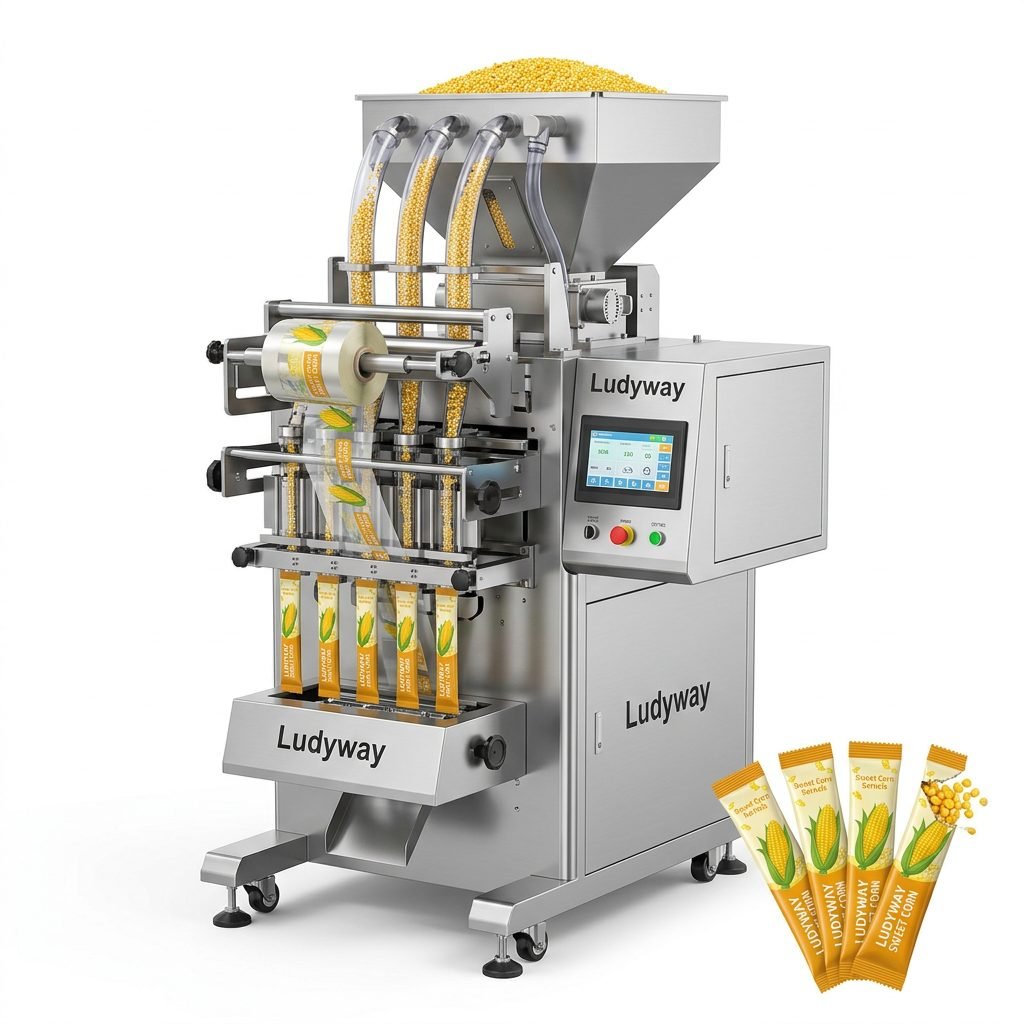
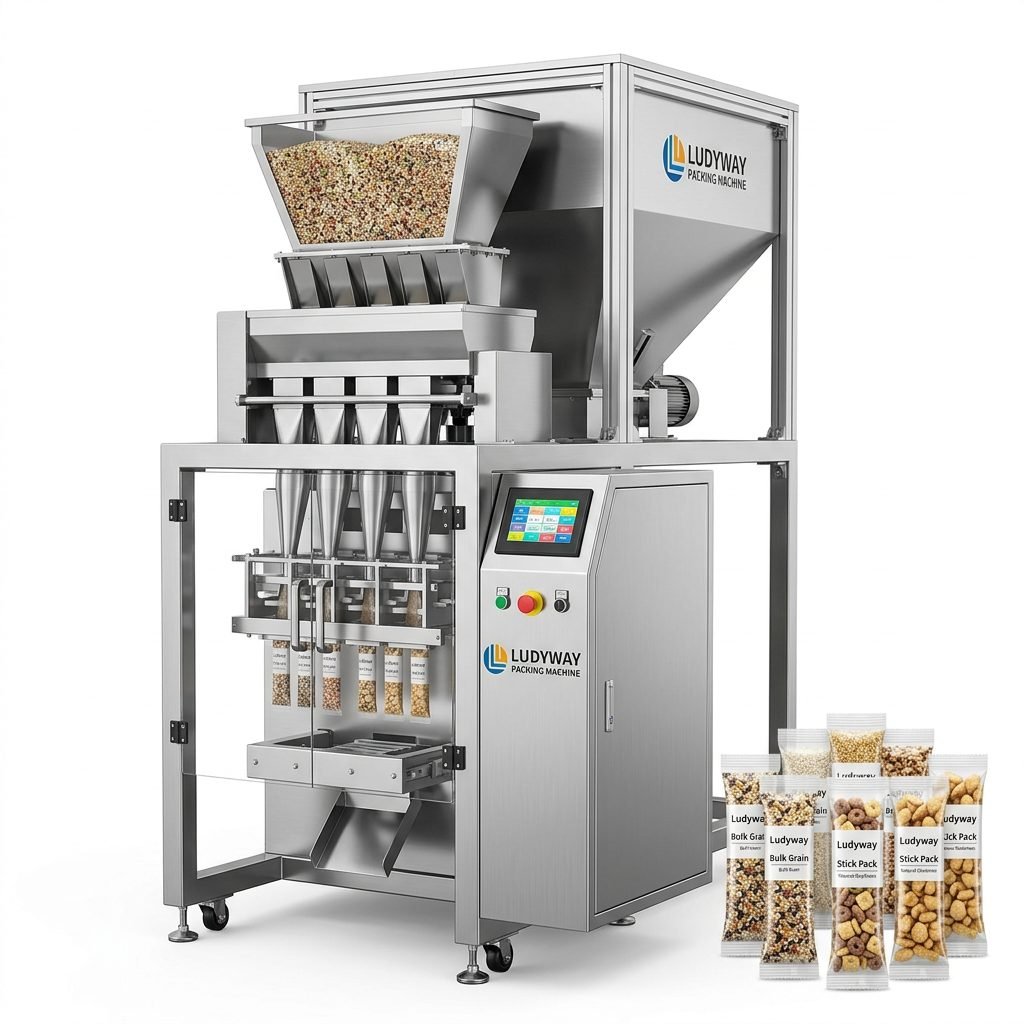
How many packages do you need to produce per minute, per shift, or per day? Your target throughput will determine whether a single-lane or multi-lane machine is appropriate. Small to medium-sized Albanian producers may find that a single-lane sachet or stick pack machine operating at 30–60 packs per minute meets their needs. Larger operations supplying supermarket chains or export markets often require multi-lane systems capable of 200–600 packs per minute. It is wise to plan for future growth — selecting a machine with modular upgrade options can save significant costs down the line.
Packaging Format and Material Selection
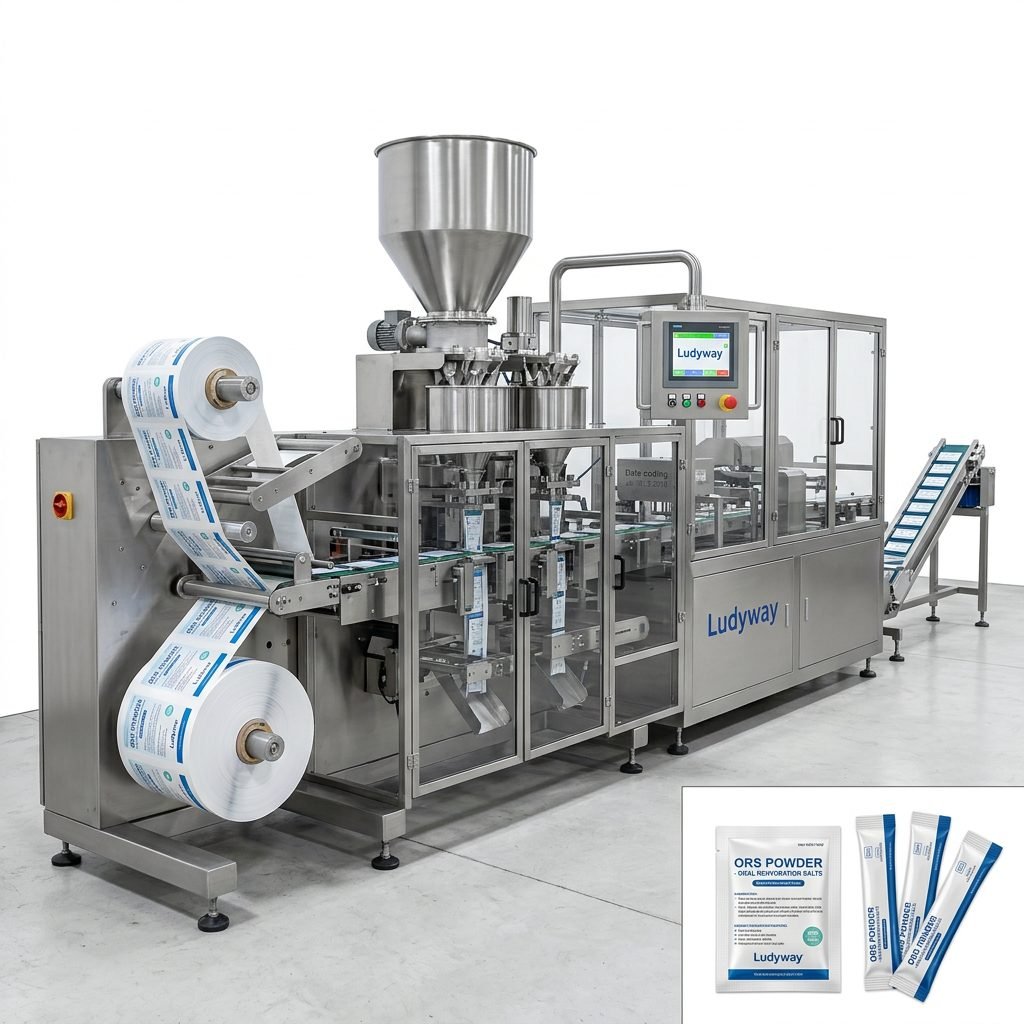
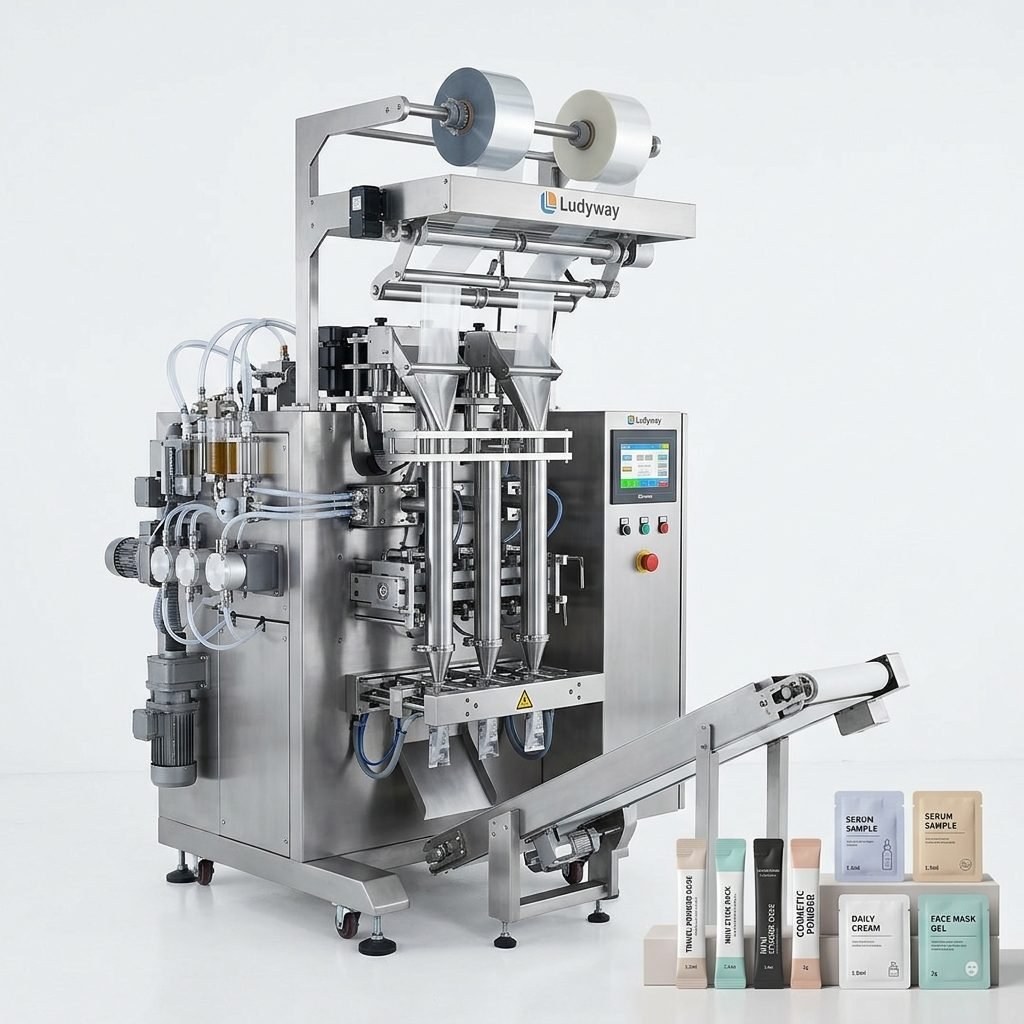
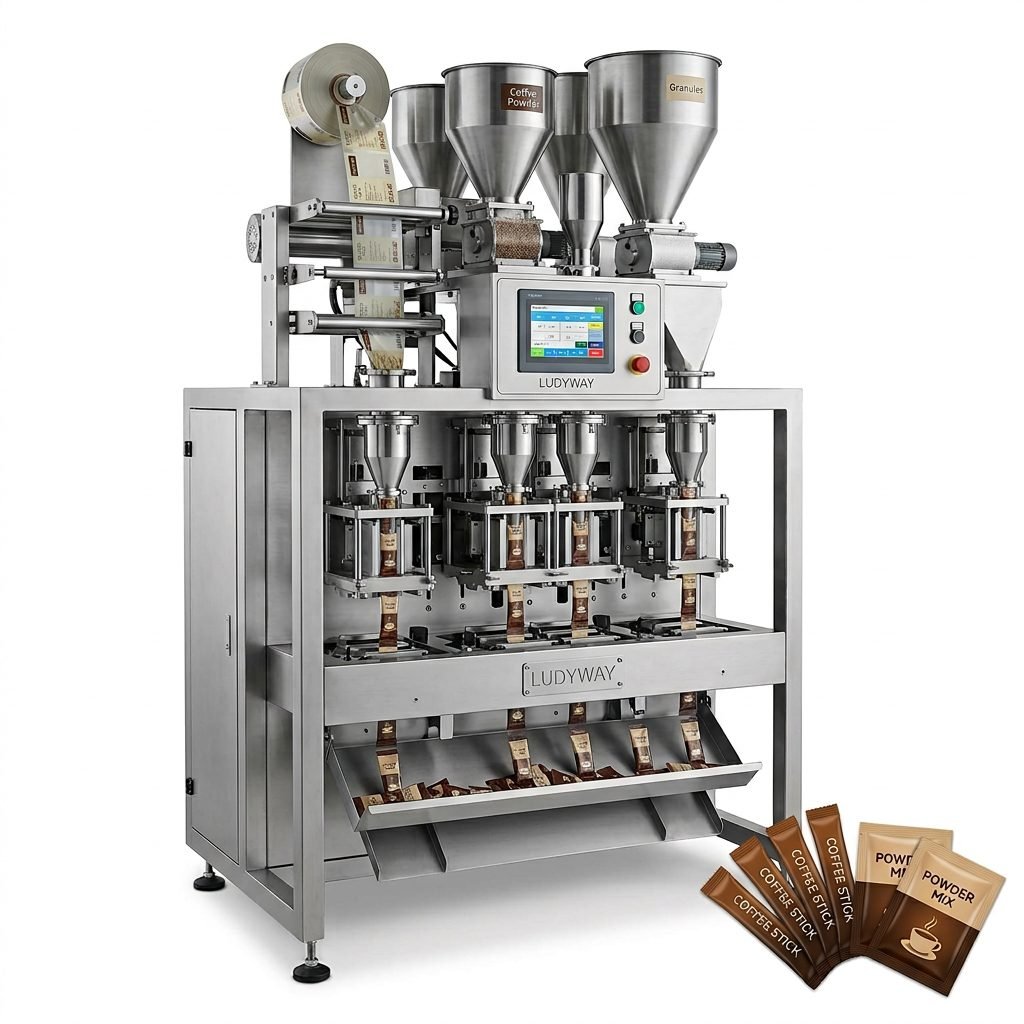
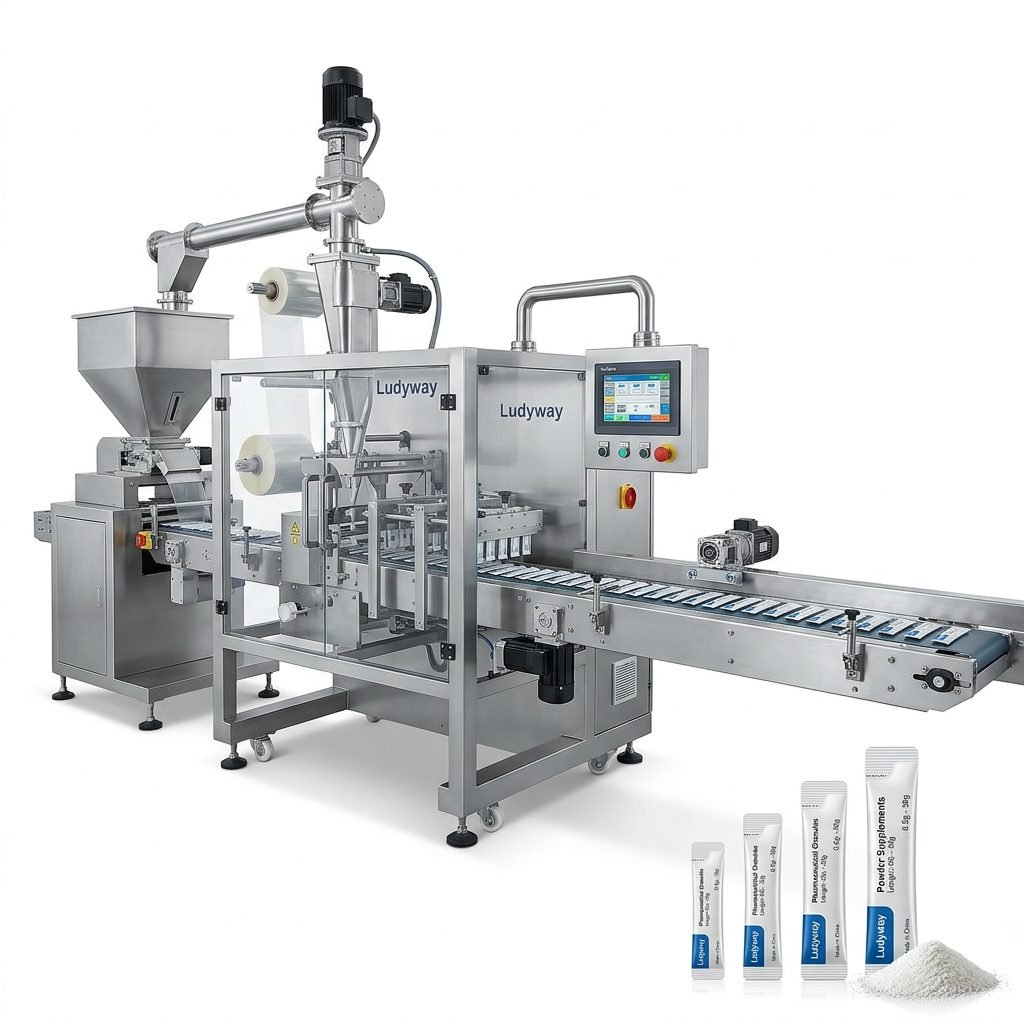
Different products and market segments demand different packaging formats. The most common options include stick packs, sachets, pouches, pre-made bags, and bottles. Each format has its own advantages in terms of cost, shelf appeal, and consumer convenience. Stick packs are increasingly popular for single-serve products like instant coffee, sugar, and supplements. Sachets are widely used for sauces, shampoos, and condiments. Larger pouches with zipper closures are preferred for snacks, frozen foods, and bulk items. Your packaging material — whether laminate films, paper-based materials, or biodegradable options — must be compatible with the machine’s sealing system and meet ISO packaging standards for food safety.
Types of Food Packaging Machines: A Comparative Overview
The table below summarizes the main types of packaging machines available for food products, helping you understand which solution best matches your specific application:
| Machine Type | Best For | Typical Speed Range | Key Advantage |
|---|---|---|---|
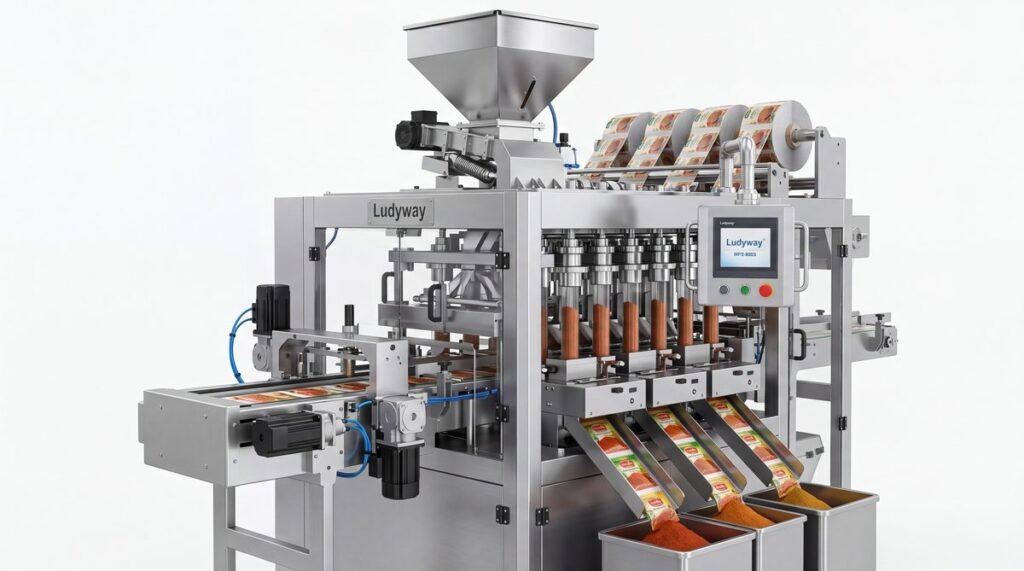
| Multi-Lane Stick Pack Machine | Powders, granules, single-serve | 200–600 packs/min | High output, compact design |
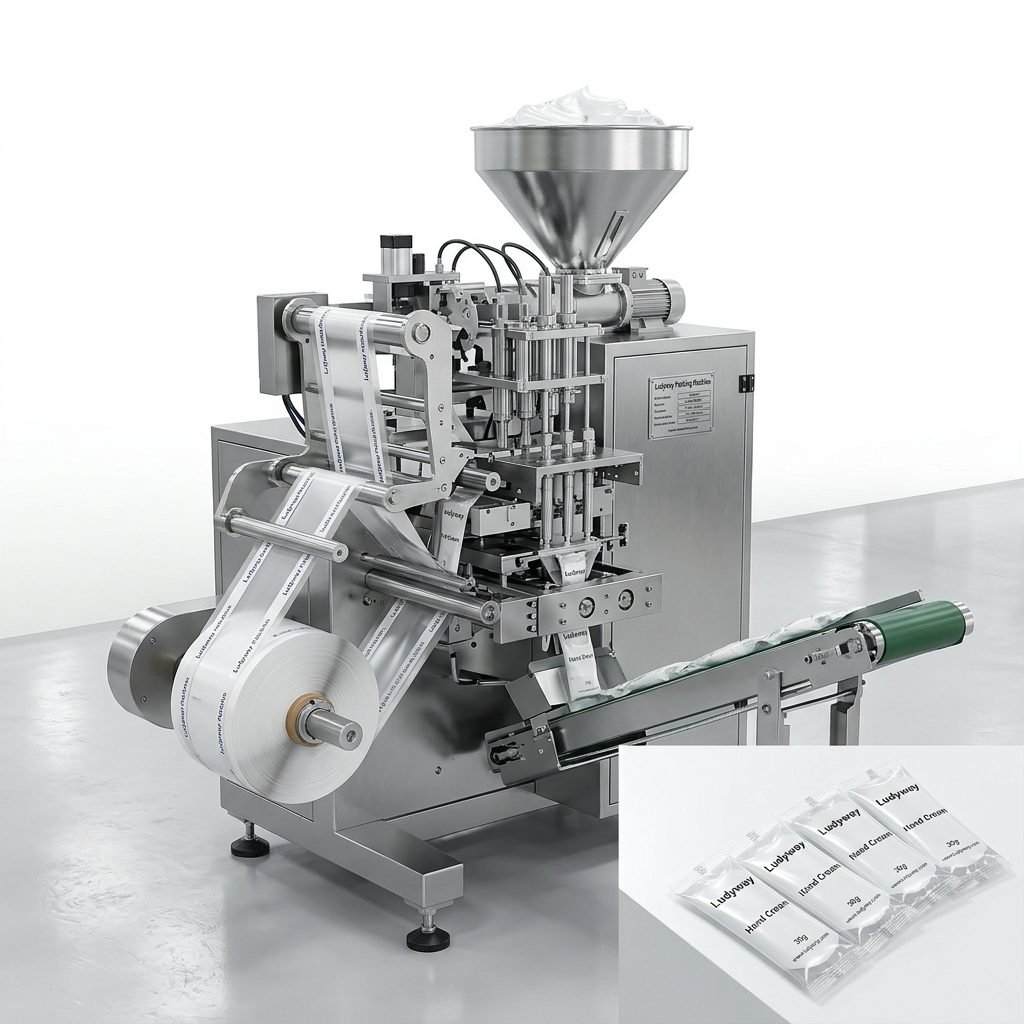
| Sachet Packaging Machine | Liquids, sauces, creams | 60–300 packs/min | Versatile, cost-effective |
| Pre-Made Pouch Machine | Snacks, frozen foods, bulk | 30–80 packs/min | Premium shelf appearance |
| Vertical Form Fill Seal (VFFS) | Granules, powders, snacks | 40–120 packs/min | Continuous operation, reliable |
| Liquid Filling & Sealing Line | Beverages, oils, dairy | 30–150 bottles/min | Precision dosing, hygiene |
Technical Specifications That Matter
Beyond the machine type, several technical features directly affect performance and reliability. Filling accuracy is paramount — even small deviations can lead to product giveaway or regulatory non-compliance. Look for machines with servo-driven dosing systems that offer precision within ±0.5–1% of target weight. Sealing temperature control with PID regulation ensures consistent seal integrity across different film materials. Other critical features include automatic film tracking, easy-to-clean stainless steel construction, and intuitive touchscreen interfaces with recipe storage. For Albanian producers aiming to export to the EU, machines that comply with European packaging regulations are essential.

Automation Level and Integration Capabilities
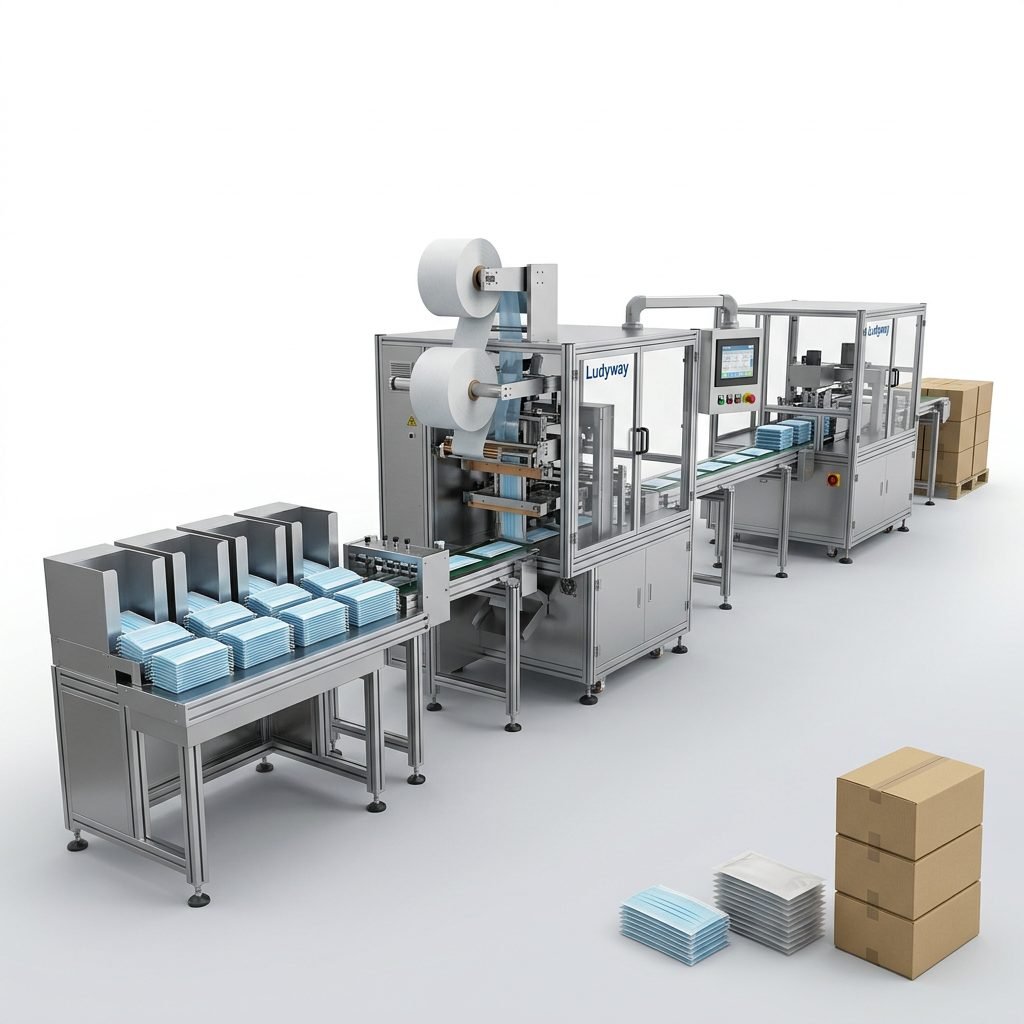
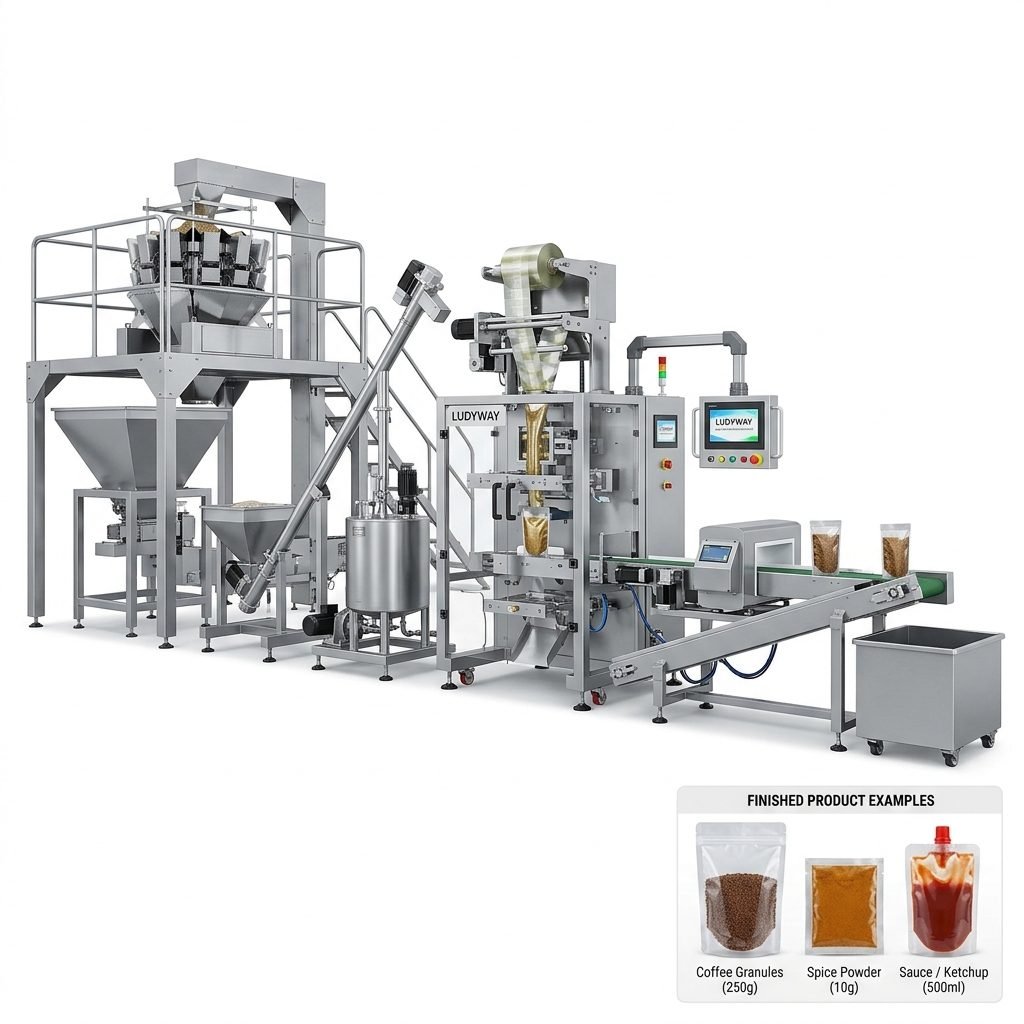
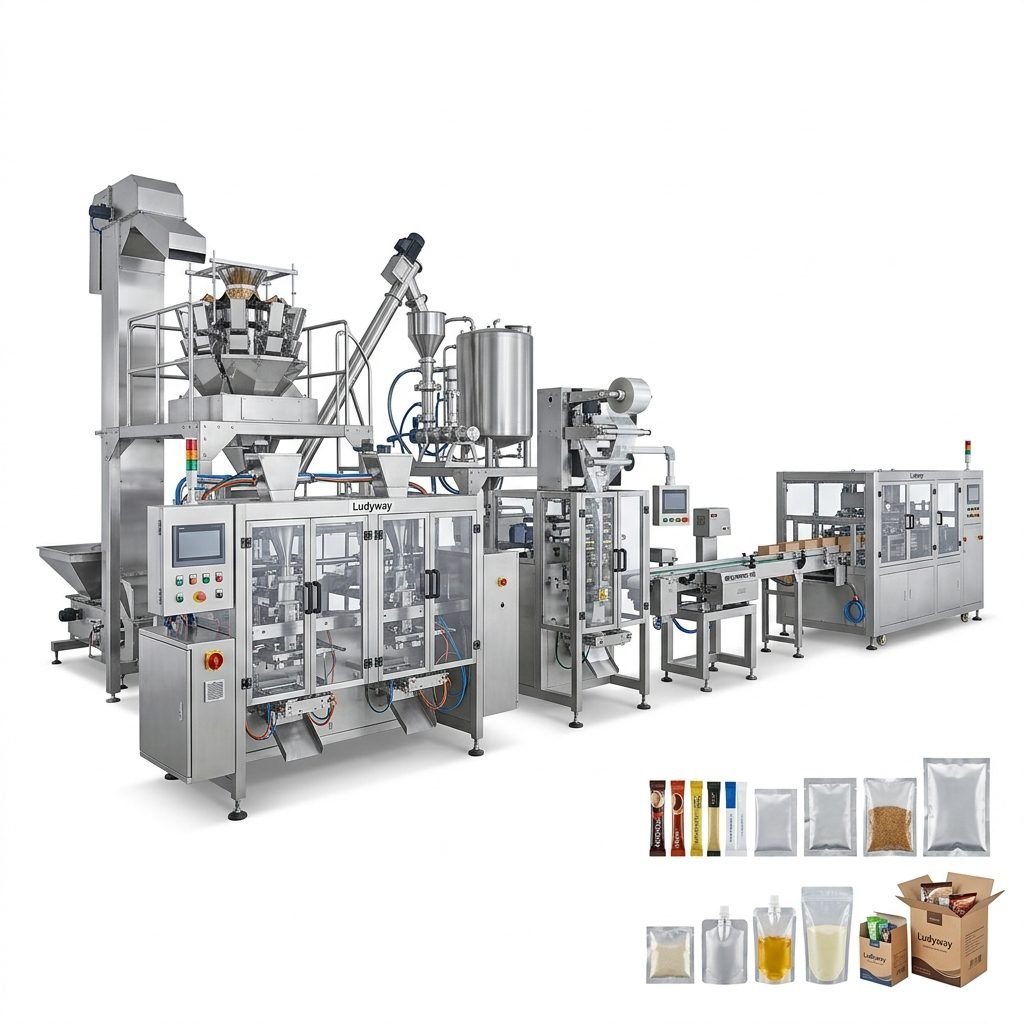
Modern food packaging lines increasingly incorporate automation beyond the primary filling and sealing functions. Consider whether you need integrated weighing systems, metal detectors, checkweighers, nitrogen flushing for modified atmosphere packaging, or automated cartoning and palletizing modules. A turnkey packaging line that integrates multiple processes into a single automated workflow can dramatically reduce labor costs and improve overall line efficiency. While the initial investment is higher, the long-term return on investment often justifies the cost for growing Albanian food businesses.
Compliance and Food Safety Certifications
Food packaging machines must meet strict hygiene and safety standards. Stainless steel food-contact surfaces, IP65 or higher washdown ratings, and compliance with HACCP principles are non-negotiable for any serious food operation. If you plan to export to European markets, ensure the equipment is CE certified and designed in accordance with EU machinery directives. Investing in certified equipment from the outset helps avoid costly retrofits and regulatory setbacks. Refer to packaging industry intelligence resources to stay updated on evolving compliance requirements.
Cost Considerations and Return on Investment
The purchase price of a packaging machine is only part of the total cost equation. Smart buyers evaluate total cost of ownership (TCO), which includes installation, training, spare parts, maintenance, energy consumption, and expected service life. A low-cost machine that frequently breaks down or produces inconsistent packages will ultimately cost more than a reliable mid-range or premium machine. Key financial questions to ask include:
- What is the expected lifespan of critical components such as sealing jaws and filling mechanisms?
- Are spare parts readily available, and what is the typical lead time for replacements?
- Does the supplier offer local technical support or remote diagnostics?
- What is the energy consumption per thousand packages produced?
- Can the machine handle multiple product types to maximize utilization?
Choosing the Right Supplier for the Albanian Market
Your relationship with the packaging machine supplier is as important as the machine itself. Look for manufacturers with proven experience in international markets, responsive customer service, and the ability to provide installation and training support — either directly or through regional partners. A supplier that offers comprehensive after-sales service, including remote troubleshooting and readily available spare parts, will minimize your downtime and protect your production schedule. Ludyway is one of the largest packaging machine manufacturers in China, specializing in advanced packaging equipment and turnkey production solutions for the food, pharmaceutical, and health industries. With over 30 years of industry expertise and a modern 20,000㎡ manufacturing facility, the company serves customers in over 100 countries with reliable and efficient packaging solutions for granule, powder, liquid, and pouch applications.
When evaluating potential suppliers for your Albanian operation, consider visiting their manufacturing facilities, reviewing customer case studies, and requesting sample runs with your actual products. A reputable supplier will be transparent about their capabilities and happy to demonstrate their equipment’s performance with your specific materials and requirements.
Making the Final Decision: A Step-by-Step Checklist
To help you make an informed purchasing decision, use the following checklist as a guide throughout your evaluation process:
- Define your product range — document all current and planned products, including their physical properties and packaging requirements.
- Set output targets — calculate your required throughput based on current demand and projected growth over the next 3–5 years.
- Specify packaging format — determine the ideal package type, size range, and material for your target markets.
- Research machine types — identify 2–3 suitable machine configurations that match your product and format requirements.
- Request quotations and samples — obtain detailed proposals from multiple suppliers and ask for sample packages produced with your materials.
- Evaluate total cost of ownership — compare not just purchase price but also operating costs, maintenance, and expected service life.
- Check references and certifications — verify the supplier’s track record and ensure the equipment meets all relevant compliance standards.
- Plan installation and training — confirm that installation support, operator training, and ongoing technical assistance are included.
Future-Proofing Your Investment
The food packaging industry is evolving rapidly, with trends such as sustainable packaging materials, smart factory integration, and IoT-enabled machine monitoring reshaping production environments worldwide. When selecting your packaging machine, consider whether the equipment can be upgraded to accommodate new film types, connectivity standards, or additional automation modules. Investing in a flexible, forward-compatible system today will position your Albanian business for long-term success in both domestic and international markets. For detailed market insights, the PMMI State of the Industry report provides valuable data on packaging trends and technology adoption.
By carefully evaluating your product needs, production goals, and supplier options, you can select a food packaging machine that delivers reliable performance, consistent quality, and a strong return on investment for your Albanian food business. Taking the time to make an informed decision now will pay dividends in operational efficiency and market competitiveness for years to come.