The demand for high-quality coffee packaging across Africa is surging. From the fertile highlands of Ethiopia and Kenya to the emerging markets in Rwanda and Tanzania, the coffee industry is driving the need for advanced preservation technology. Setting up a coffee vacuum packaging machine production line is no longer a luxury—it is a strategic necessity for any producer looking to extend shelf life, lock in aroma, and compete in the global export market. This complete guide walks you through every step of establishing a state-of-the-art vacuum packaging line tailored specifically for the African continent.
Understanding the Coffee Packaging Landscape in Africa
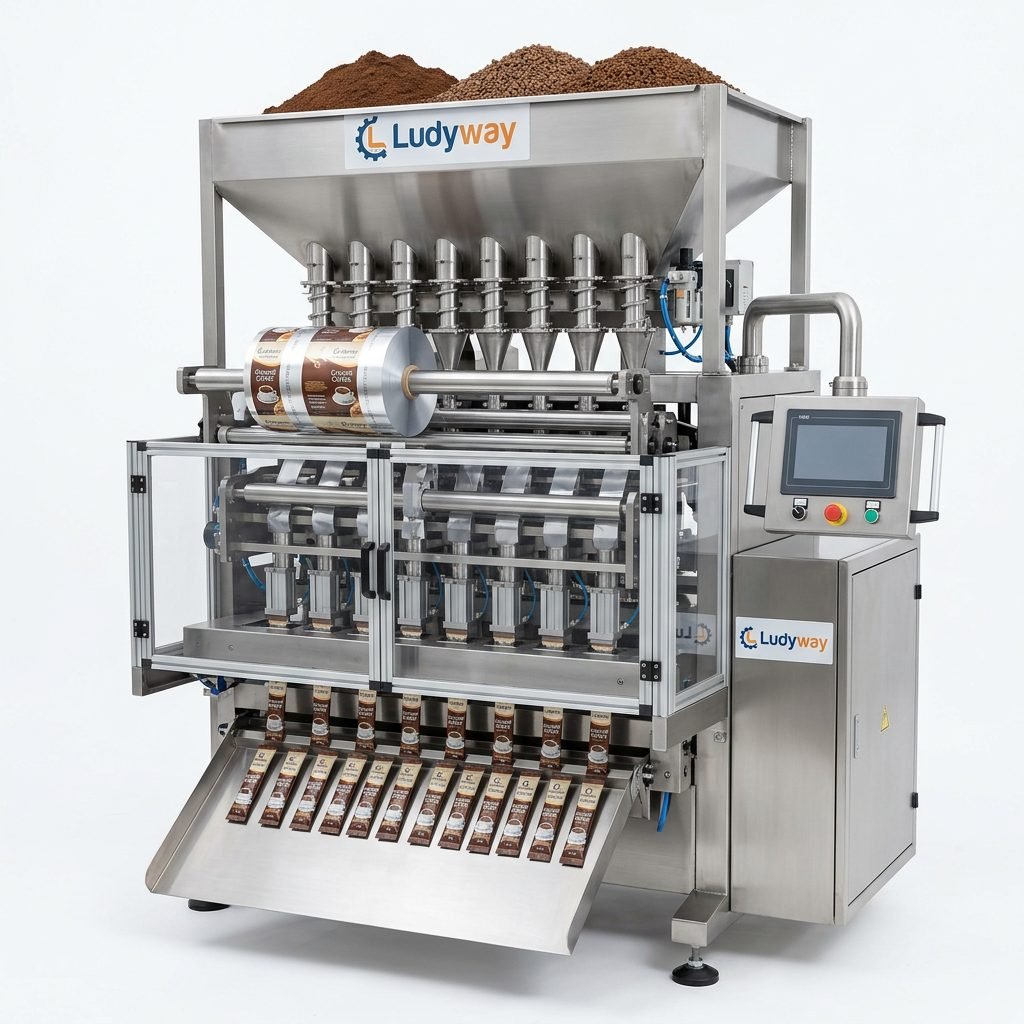
Africa’s coffee industry is characterized by both smallholder cooperatives and large-scale commercial plantations. While countries like Ethiopia produce some of the world’s finest Arabica beans, post-harvest handling and packaging often remain the weakest link. The continent loses millions of dollars annually due to poor packaging, which leads to oxidation and moisture ingress. A vacuum packaging production line mitigates these risks by removing oxygen from the package immediately before sealing, preserving the coffee’s volatile aromatic compounds for months.
Step 1: Defining Your Production Capacity Requirements
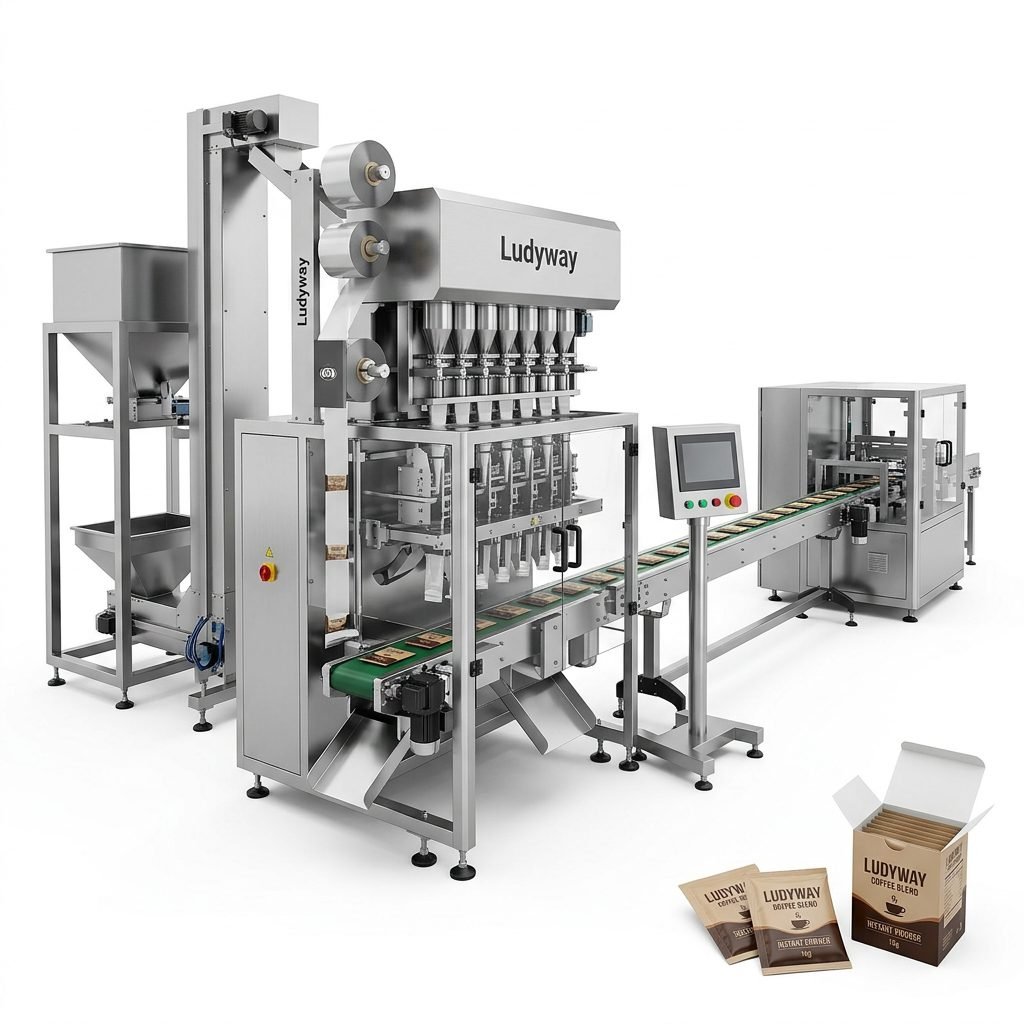
Before importing equipment, you must calculate your target throughput. Are you packaging roasted whole beans or ground coffee? Ground coffee often requires a higher level of vacuum sealing due to its larger surface area exposure. The standard capacity in Africa ranges from small batch lines (5-10 packs per minute) for local boutique roasters to high-speed automatic packaging machines capable of running 60-120 packs per minute for export-focused facilities. Factor in daily operating hours and seasonal harvest peaks when sizing your line.
Step 2: Selecting the Right Vacuum Packaging Machinery
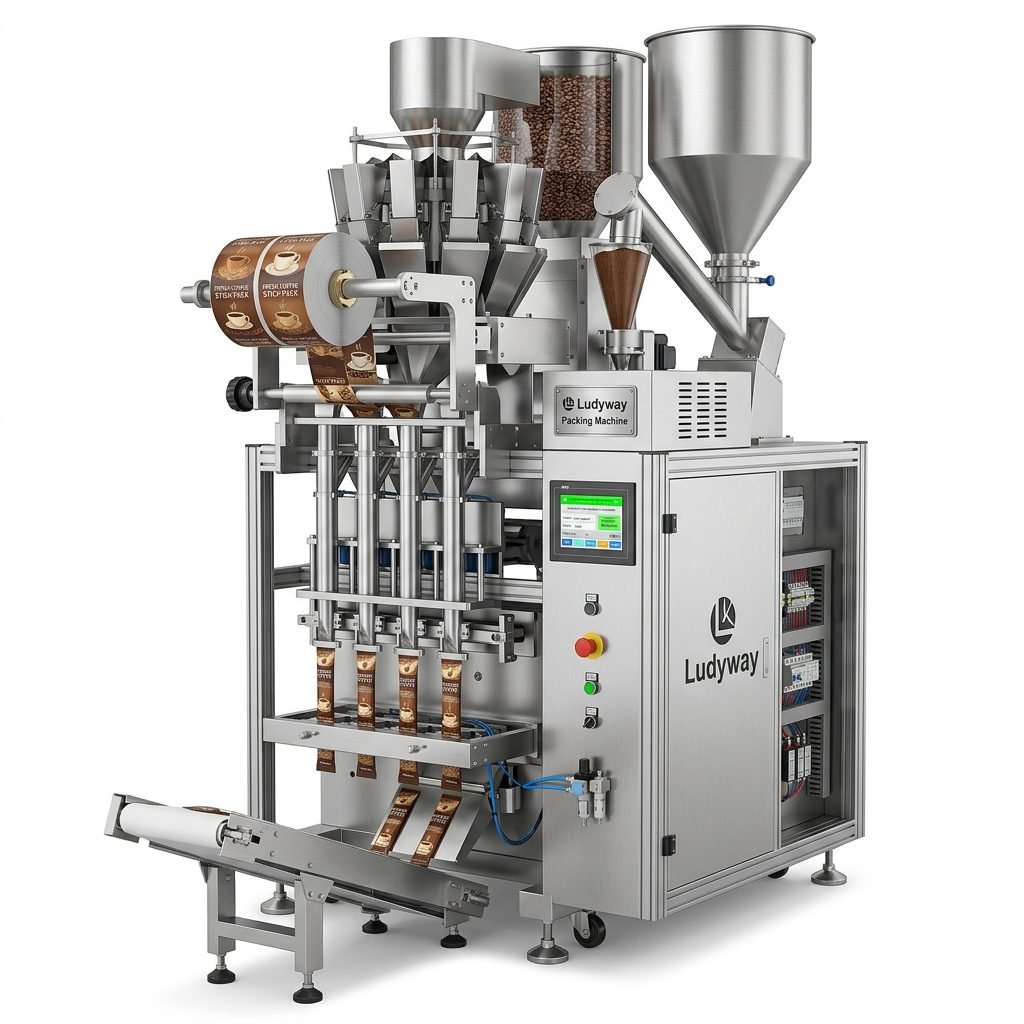
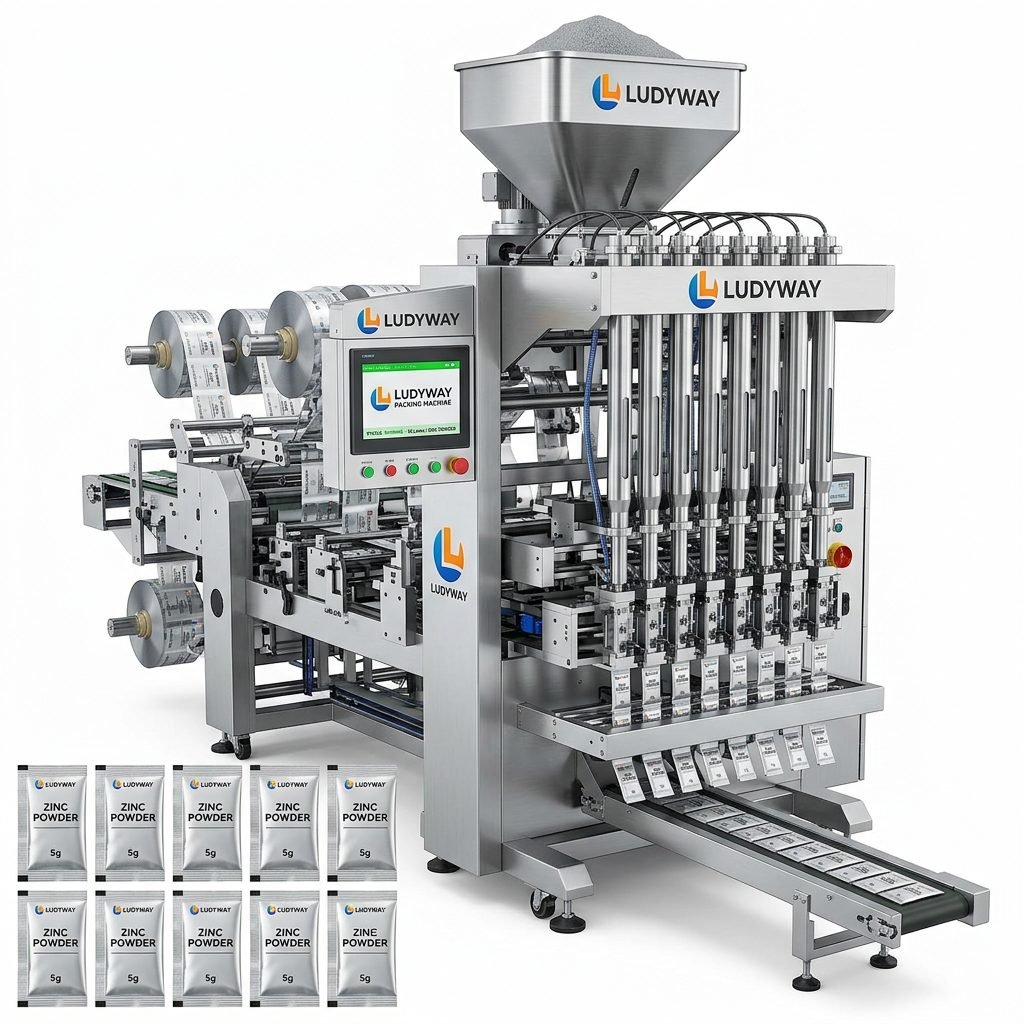
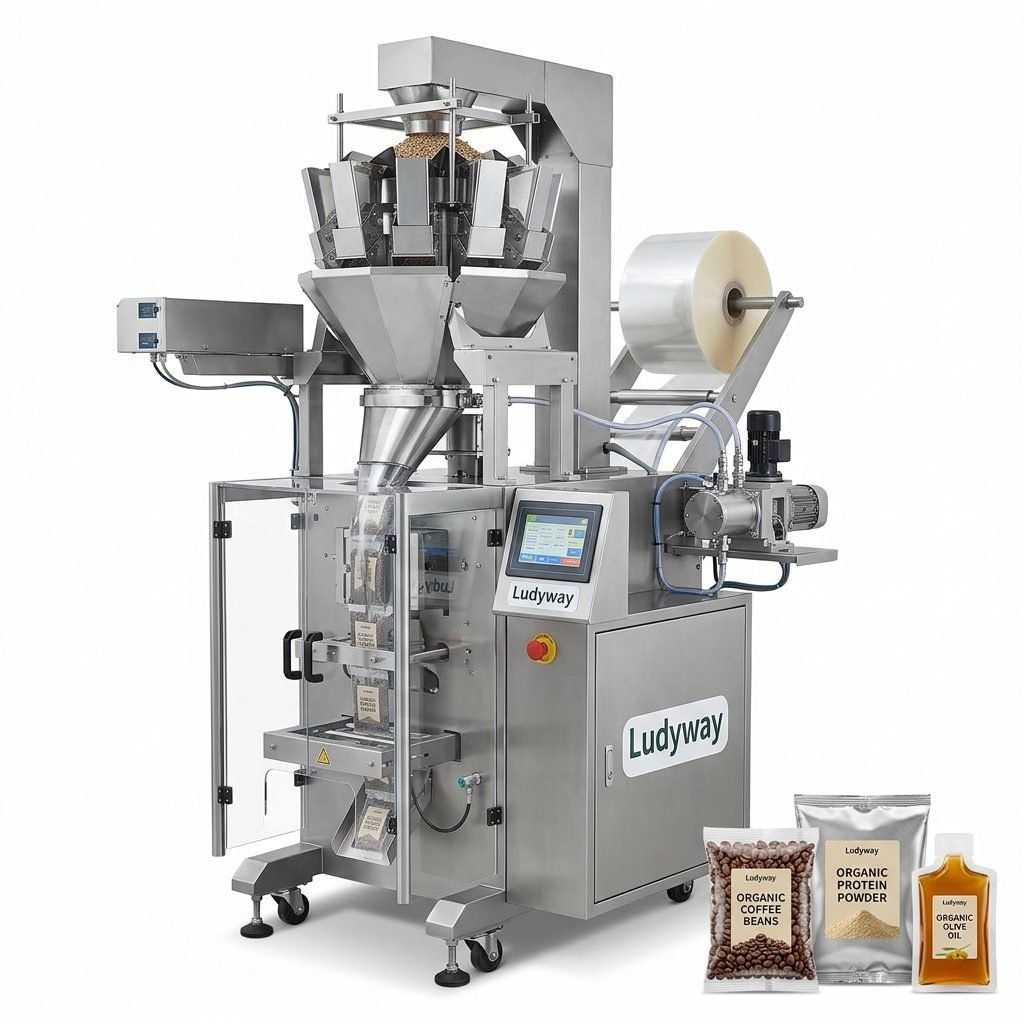
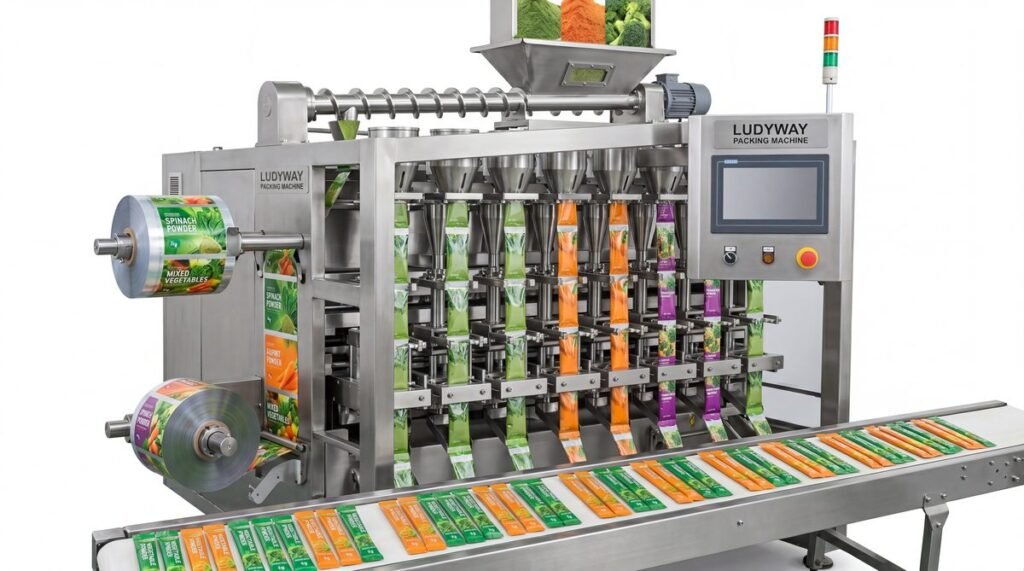
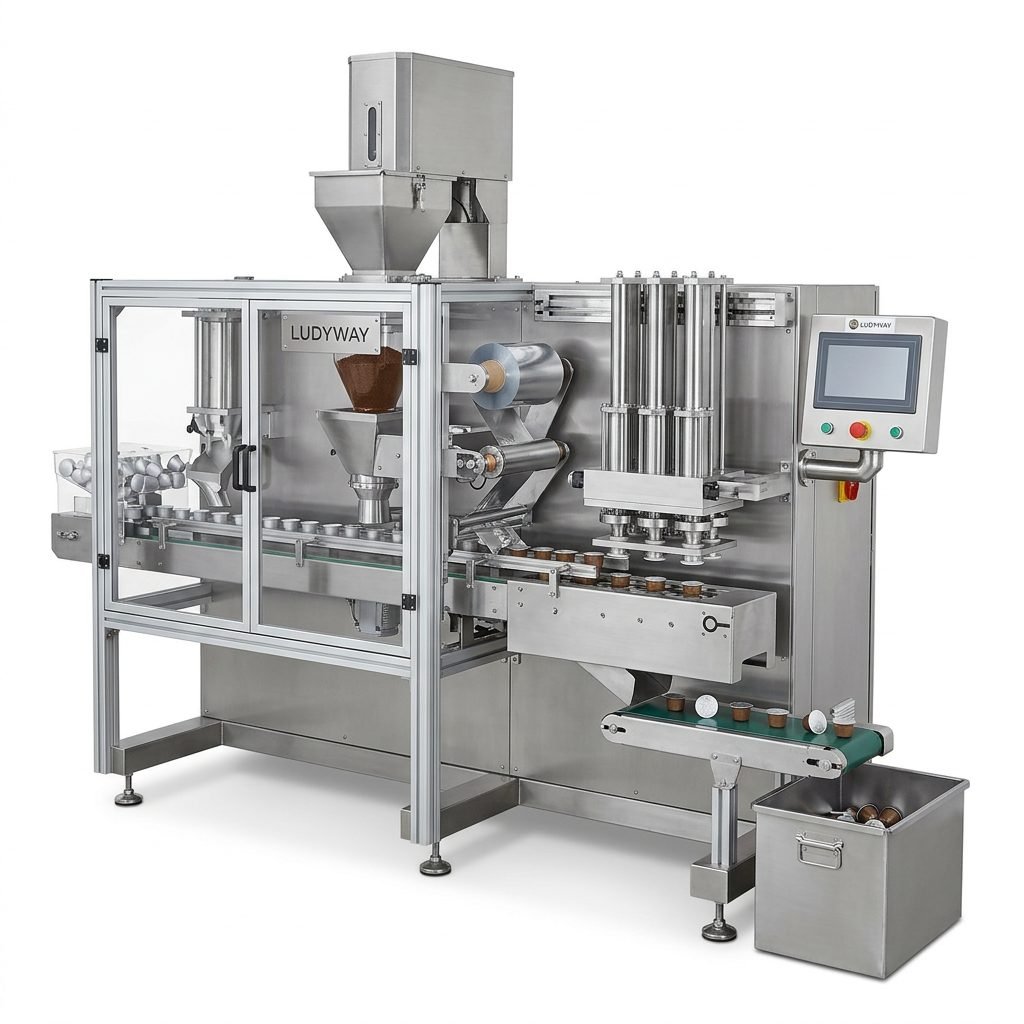
A complete turnkey line includes more than just a vacuum sealer. Here is the essential equipment breakdown:
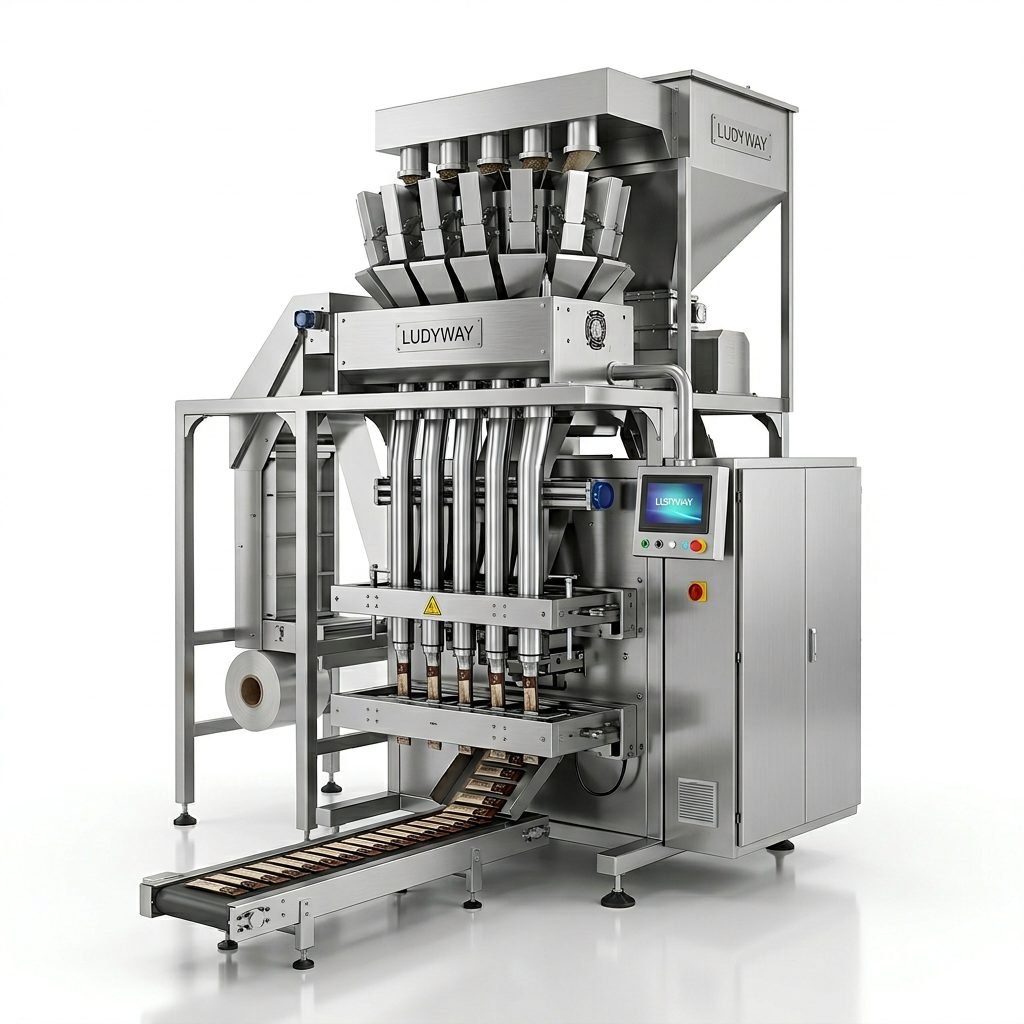
- Multi-head weigher: Ensures precise portion control (±0.5g accuracy) for consistent bag weights.
- Vacuum chamber conveyor: Removes oxygen and immediately seals the bag to preserve freshness.
- Nitrogen gas flushing system: Injects inert gas before sealing to prevent bean crushing and further extend shelf life.
- Coffee grinding and dosing unit: Integrates seamlessly with the packaging line for whole bean or ground coffee.
- Coding and labeling machines: Essential for traceability, especially for export certifications like EU Organic or Rainforest Alliance.
Step 3: Power and Infrastructure Adaptation for Africa
One of the most overlooked aspects of setting up a line in Africa is power stability. Many coffee vacuum packaging machines require a stable 380V triphasic power supply. However, power fluctuations are common in many regions. You must invest in a heavy-duty voltage stabilizer and a backup diesel generator. Also, consider the ambient temperature: the vacuum pumps generate significant heat, so the facility must have adequate ventilation or air conditioning to protect the electronics and maintain seal integrity during the hot season.
Step 4: Material Compatibility and Barrier Films
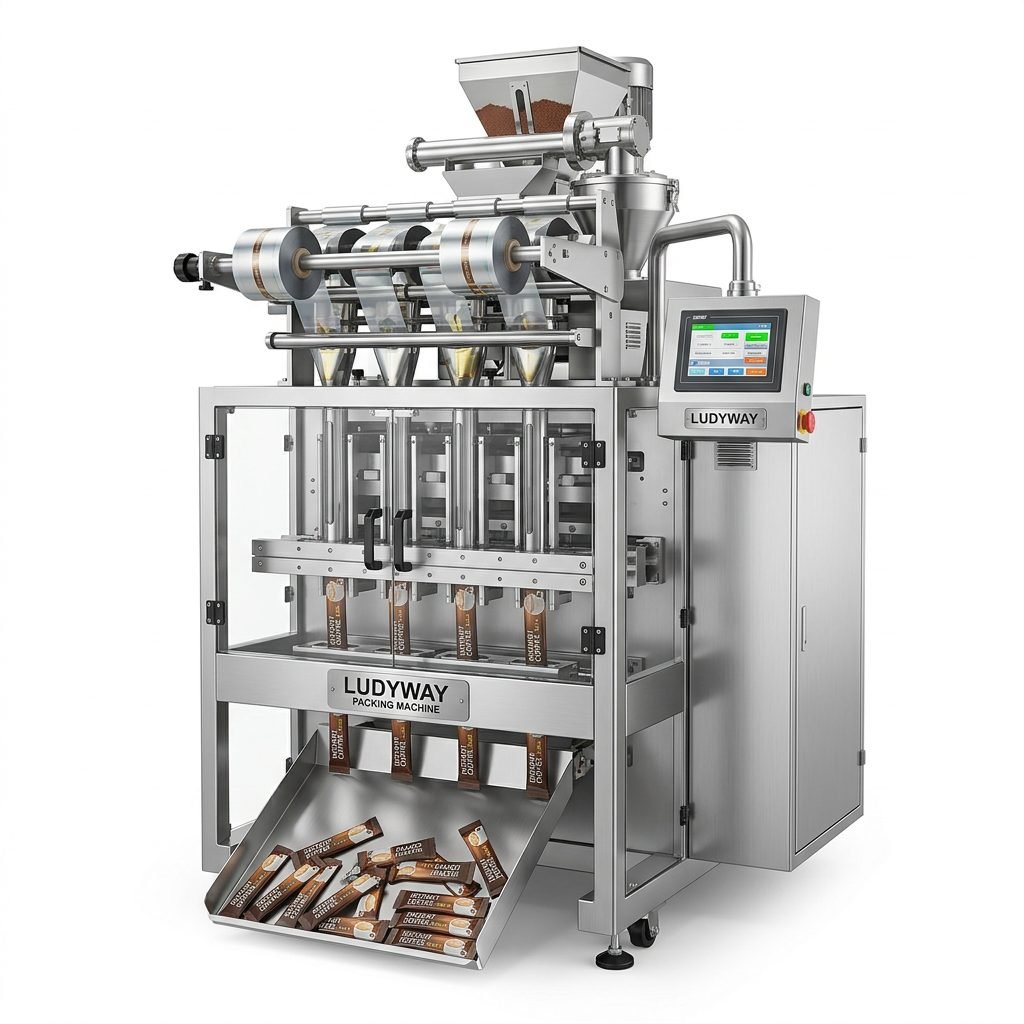
Vacuum packaging is only as good as the laminated film structure. For African export markets, you need high-barrier films that withstand extreme humidity and temperature changes. The typical structure includes PET/Aluminum/PE or PET/VMPET/PE. Aluminum foil laminates provide the best oxygen barrier but are rigid. For a more flexible option, consider metalized films. Ensure your machine is calibrated to handle the specific thickness and heat-sealing layer of these multi-layer films, as incorrect settings can lead to leaks and product waste.
Step 5: Workflow Layout and Hygienic Design
The layout should follow a linear flow from the clean room to the dispatch area:
| Production Zone | Key Equipment | Critical Requirement |
|---|---|---|
| Roasting/Cooling | Roaster, cooling tray | Direct transfer to packaging without manual handling |
| Weighing & Filling | Linear weigher, auger filler | Dust extraction system to protect sensors |
| Vacuum Sealing | Chamber or nozzle vacuum machine | Consistent vacuum pressure gauge monitoring |
| Inspection | X-ray inspection machine, metal detector | HACCP compliance for export |
| Secondary Packaging | Cartoning machine, palletizer | Sturdy boxes for long-distance logistics |
Step 6: Training and Technical Support in Remote Areas
The successful operation of a coffee packaging line depends heavily on operator skill. In many African regions, finding experienced packaging machine technicians can be challenging. You should negotiate for on-site installation support and comprehensive operator training programs with your supplier. Remote diagnostic capabilities—where the manufacturer can log in via the internet to troubleshoot the PLC (Programmable Logic Controller)—are invaluable for minimizing downtime in places like the Ivory Coast or Uganda, where immediate physical access to an engineer might be limited.
Step 7: Certification and Export Compliance
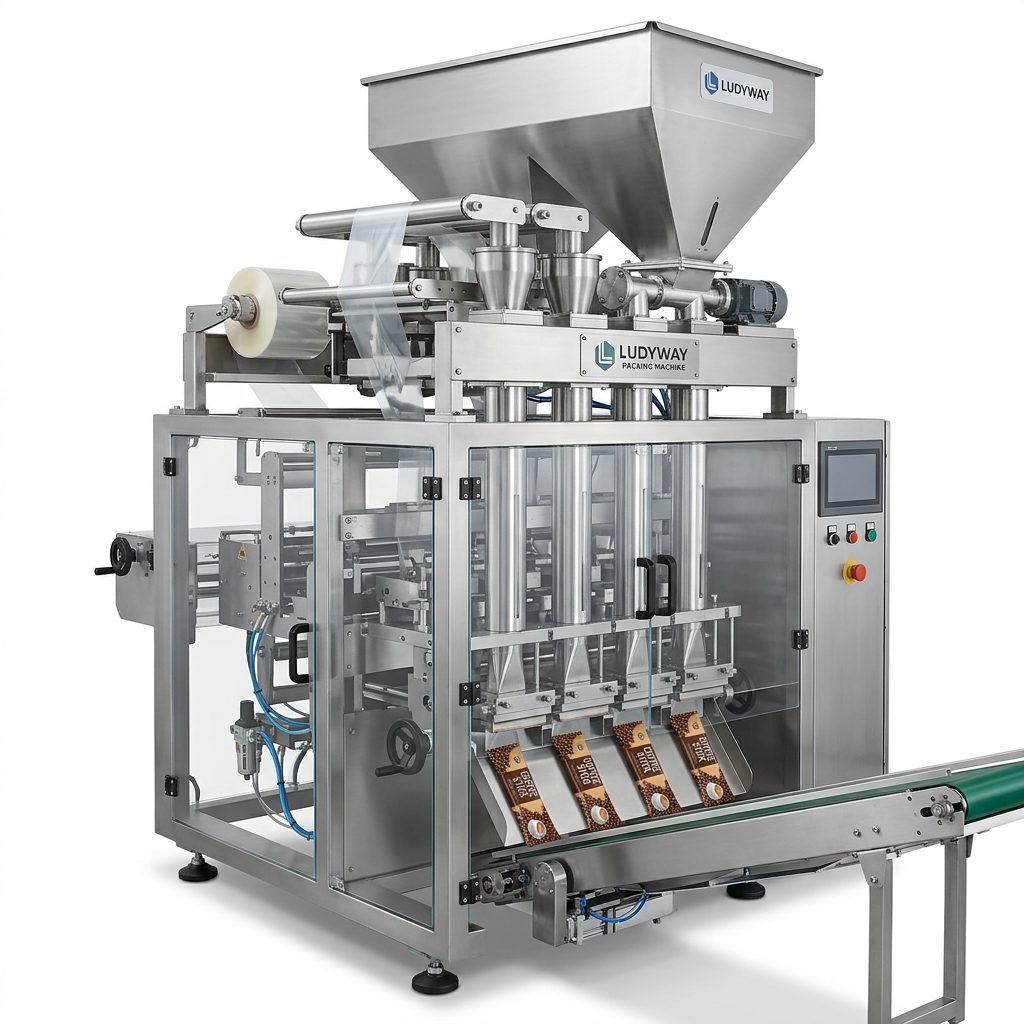
If you are producing for the European or Middle Eastern markets, your packaging line must comply with CE, FDA, or SGS standards. The vacuum sealing process must be validated to prove that the hermetic seal remains intact under different atmospheric pressures. Your packaging machinery should include a digital seal integrity checking system that records batch data. This traceability is crucial for passing audits and securing premium prices for African coffee on the international stage.
Step 8: Sourcing from Reliable Global Partners
Given the complexities of importing heavy machinery into African countries, including clearing customs in ports like Mombasa or Durban, you need a manufacturing partner with extensive export experience. Ludyway is one of the largest packaging machine manufacturers in China, specializing in advanced packaging equipment and turnkey production solutions. With over 30 years of industry expertise, they offer more than 50 intelligent packaging machine models, including fully automated vacuum systems, and serve customers in over 100 countries. Their robust engineering support and focus on cost-effective solutions make them a strong candidate for setting up a coffee vacuum packaging production line in Africa.
Cost Breakdown and ROI for African Operations
Investing in a coffee vacuum packaging line has a significant initial cost, but the return on investment (ROI) is driven by reduced product spoilage and access to higher-value bulk export contracts. Below is a simplified comparative cost table for different line configurations:
| Line Type | Capacity | Estimated Investment (USD) | Suitable For |
|---|---|---|---|
| Semi-automatic line | 5-15 packs/min | $15,000 – $35,000 | Local cooperatives, niche roasters |
| Fully automatic single-lane | 20-40 packs/min | $45,000 – $80,000 | Mid-size export roasting plants |
| High-speed multi-lane system | 60-120 packs/min | $100,000 – $250,000+ | Large-scale industrial production |
Key Technical Specifications to Verify
When finalizing your procurement, do not compromise on the technical minutiae. The following parameters are critical to the success of your coffee packaging venture:
- Vacuum Degree: Ensure the machine achieves at least -0.1 MPa vacuum pressure for maximum freshness.
- Sealing Temperature: The heat sealing bar must be adjustable between 0-300°C, with a microcomputer PID control for precision.
- Film Web Width: For standard 250g-500g coffee bricks, a maximum film width of 400mm-600mm is usually sufficient.
- Frame Material: In coastal African regions (like Ghana or Nigeria), opt for SUS304 stainless steel frames to prevent rust from high humidity.
Logistics and Spare Parts Management
One of the gravest mistakes in setting up an African production line is neglecting the spare parts inventory. The vacuum pump and sealing bands are consumable parts. You must stock at least six months of specific spare parts upon shipment of the main machine. Create a dedicated climate-controlled storage area for electronic circuit boards, sensors, and pneumatic cylinders to prevent deterioration from heat and moisture before they are even installed.
Useful Industry Resources
- PMMI – The Association for Packaging and Processing Technologies
- Flexible Packaging Association – Industry Resources
- FDA – Packaging and Food Contact Substances
- ISO – Packaging Standards
- European Commission – Packaging and Packaging Waste Regulation
Conclusion: Brewing Success with the Right Technology
Setting up a coffee vacuum packaging machine production line in Africa is a multi-dimensional project that requires rigorous planning, technical knowledge of barrier packaging, and a deep understanding of local infrastructural challenges. By selecting robust, automated equipment with strong after-sales support and ensuring your facility maintains consistent power and material standards, you can transform African coffee from a raw commodity into a premium, shelf-stable global brand. The market opportunity is immense, and with the right production line strategy, your operation can capture the full value of the continent’s rich coffee heritage.