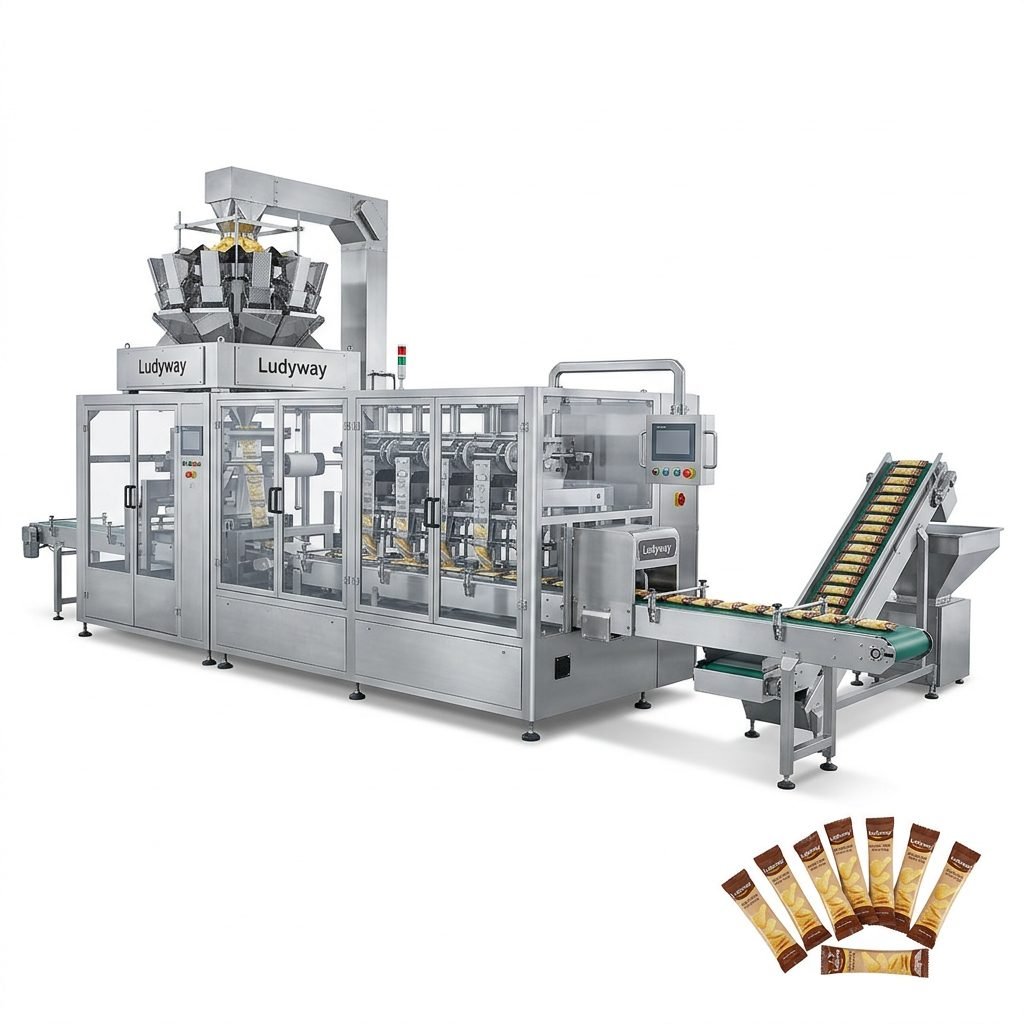
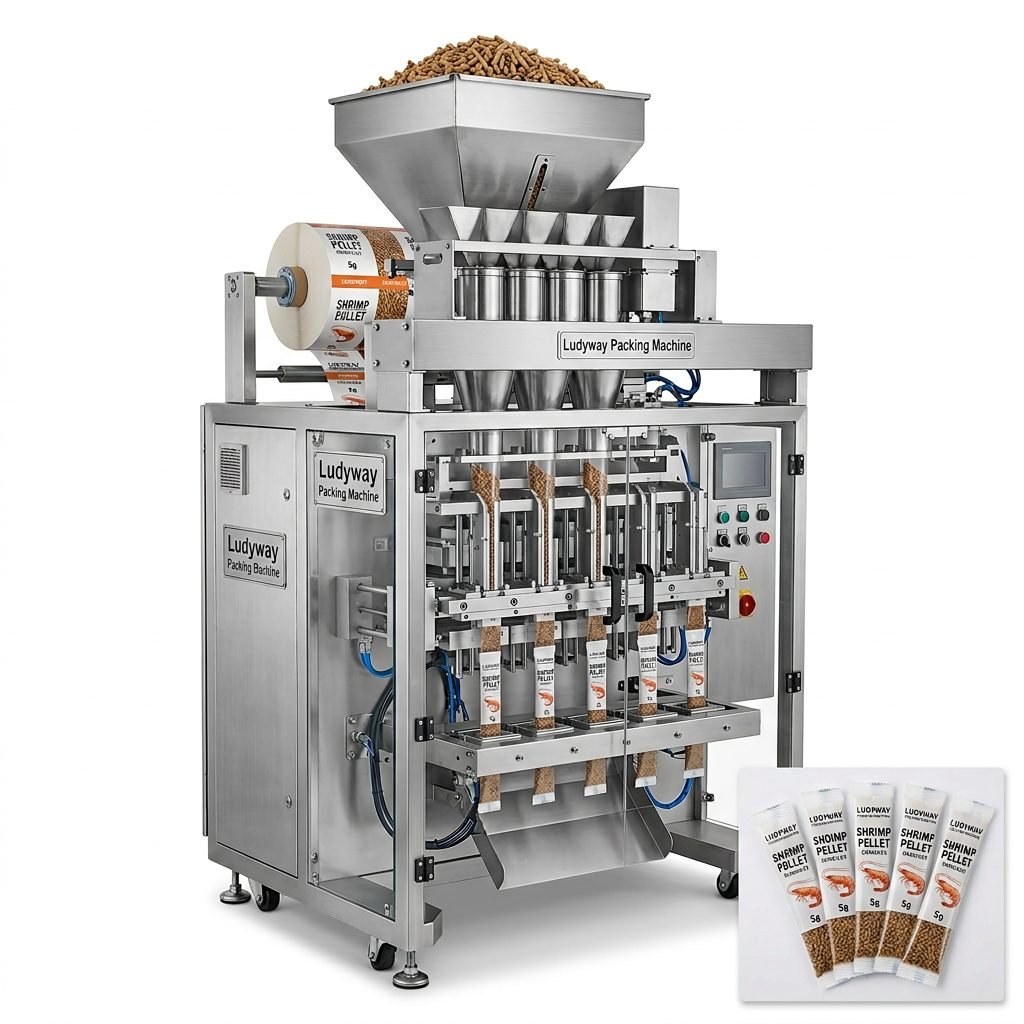
Mali’s rapidly growing food processing, agriculture, and pharmaceutical sectors are creating significant demand for advanced packaging machinery. Selecting the best equipment is not only about speed and cost—it directly impacts product shelf life, brand reputation, and compliance with regional standards. To help you make an informed decision, this guide outlines the critical factors to evaluate when investing in a packaging machine for the Malian market.
1. Define Your Product and Packaging Format
Understanding your product characteristics is the foundation of choosing the right machine. The equipment must handle the specific physical properties of your material while producing the packaging style that aligns with consumer preferences and supply chain demands.
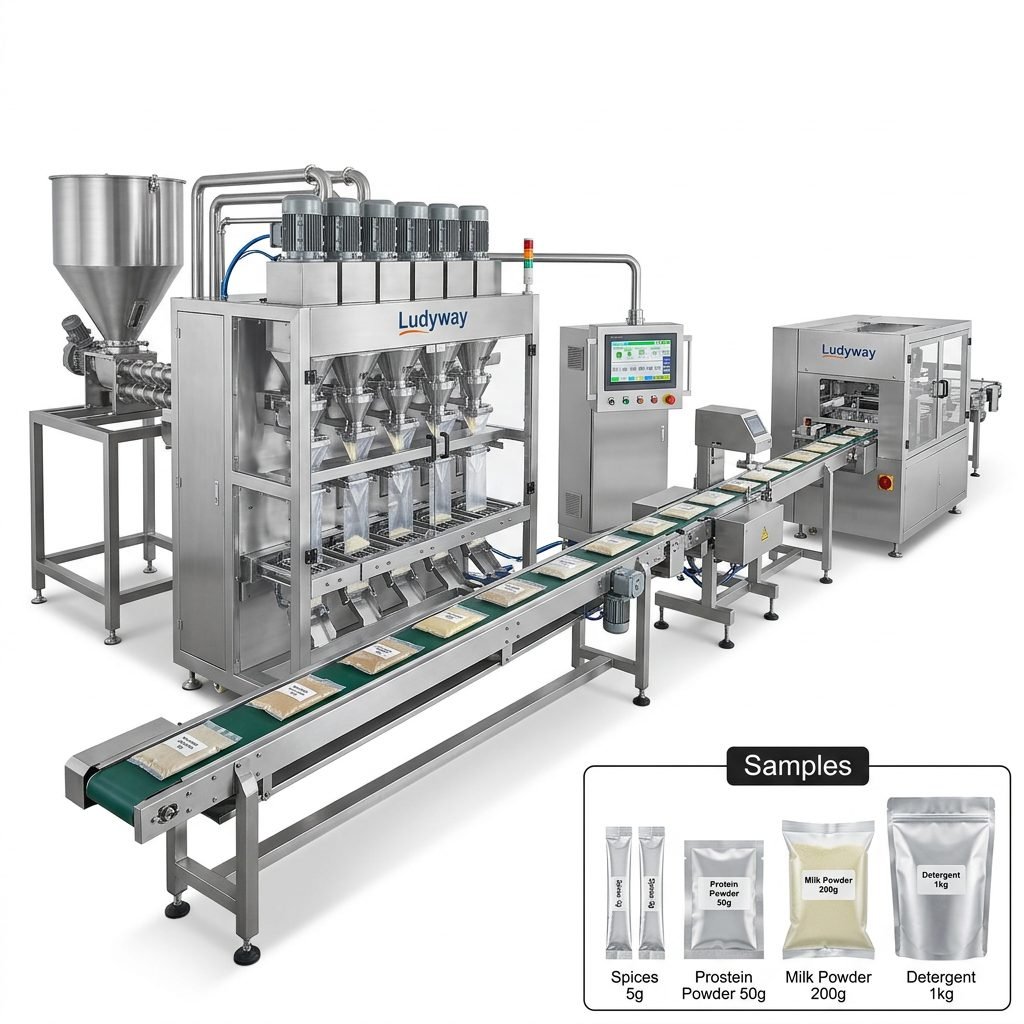
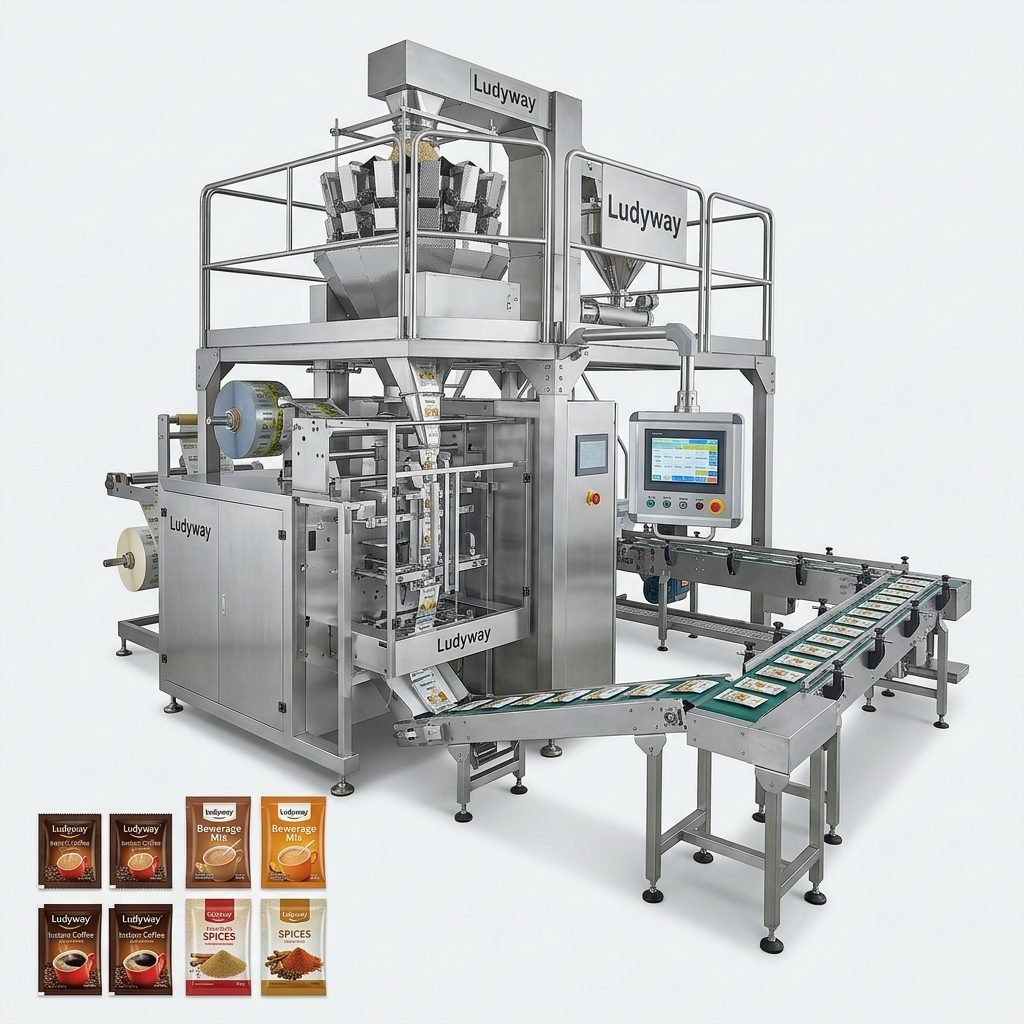
- Granule and powder products such as sugar, salt, spices, flour, and powdered milk require precision volumetric or auger filling systems to ensure accurate dosing.
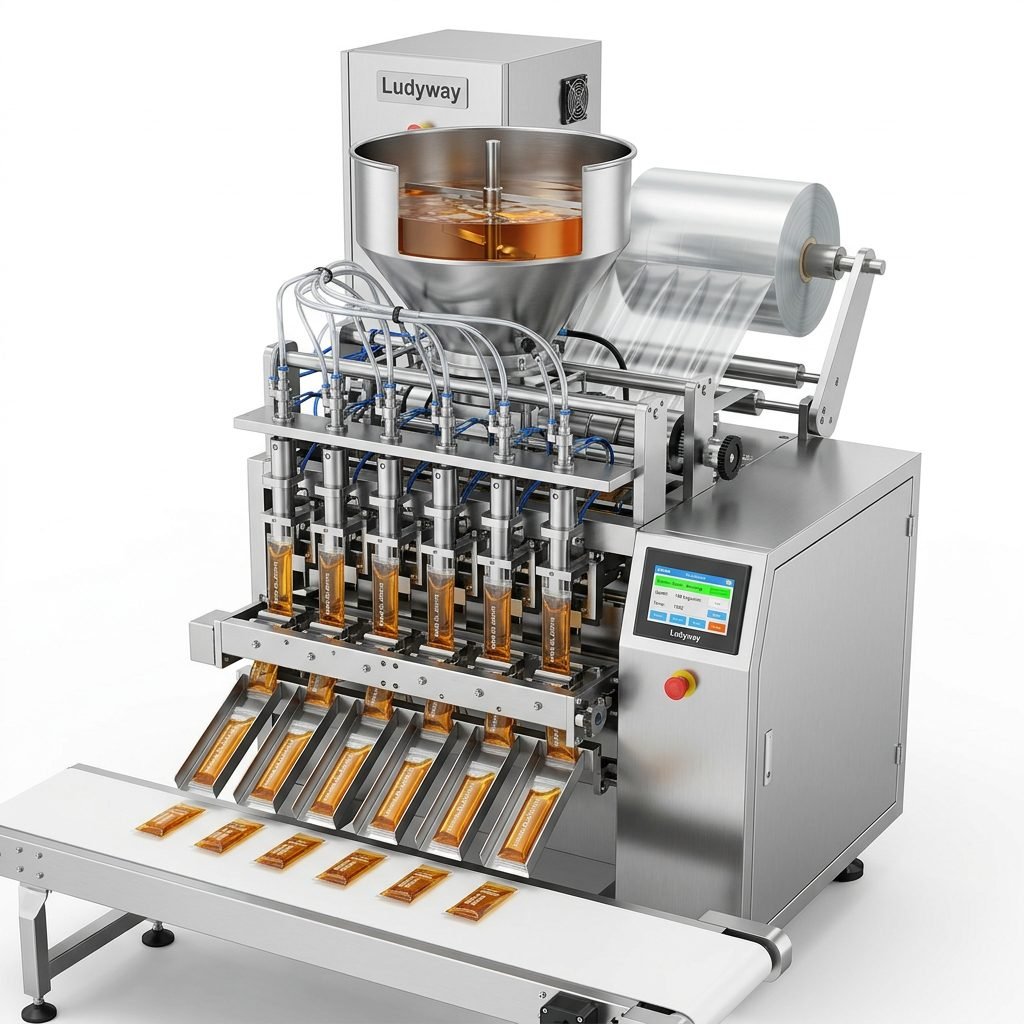
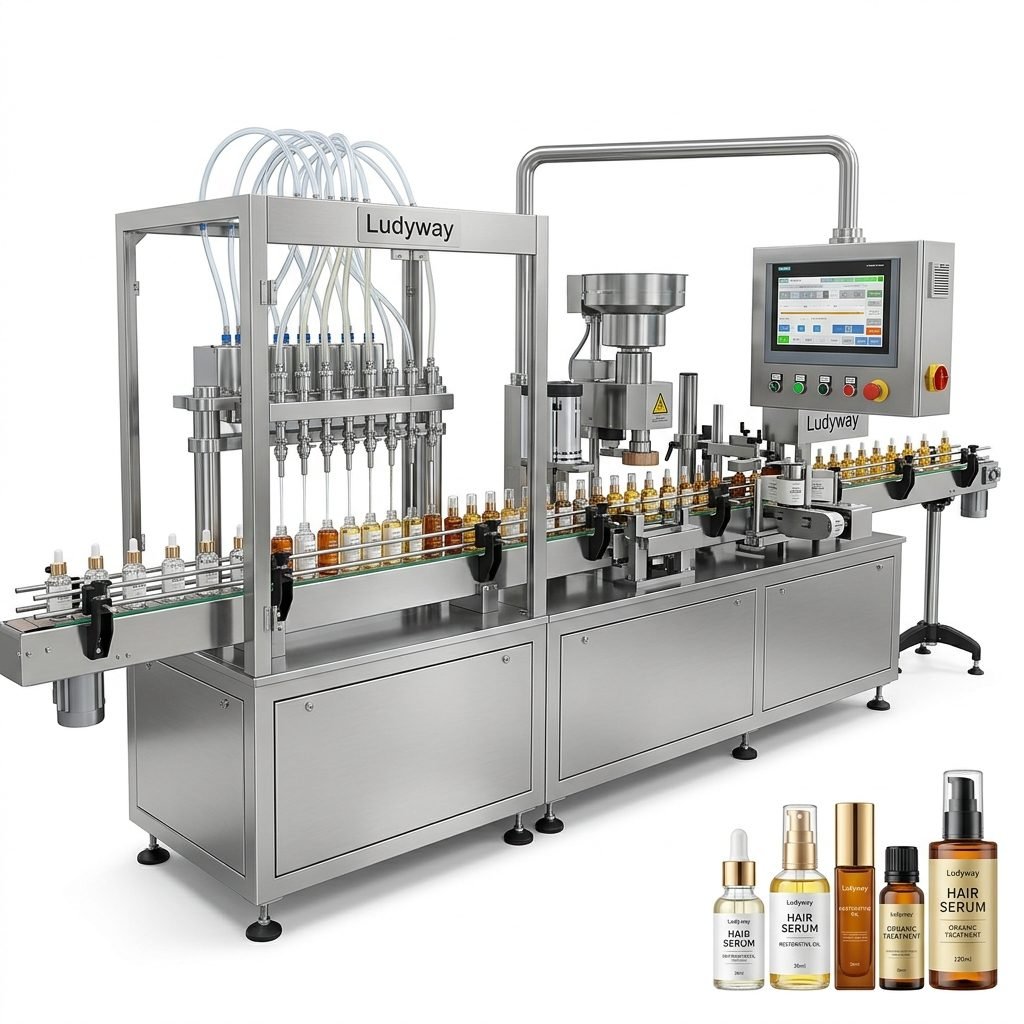
- Liquid and paste products like cooking oils, sauces, honey, and detergents demand piston or pump filling mechanisms with drip-free nozzles.
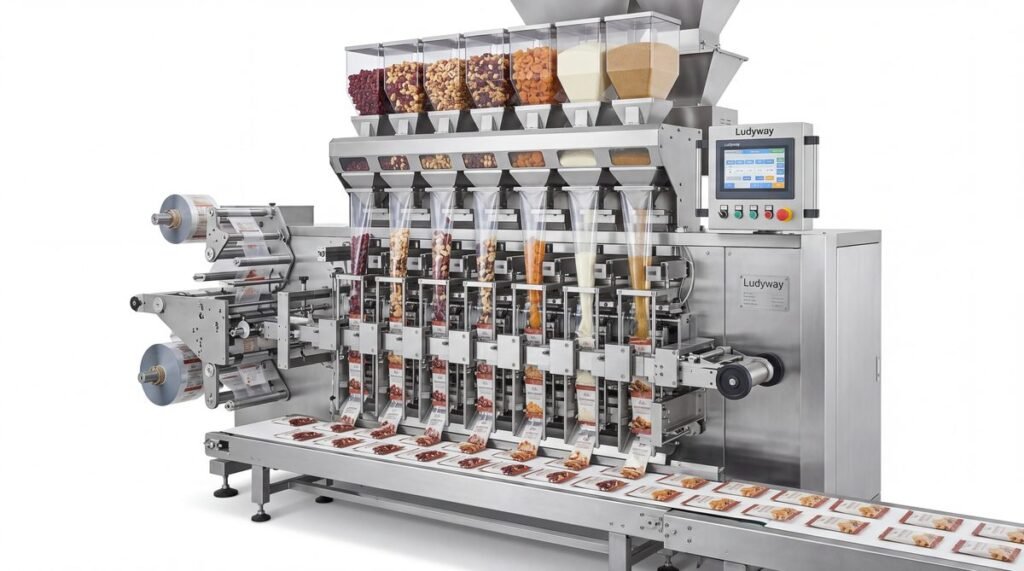
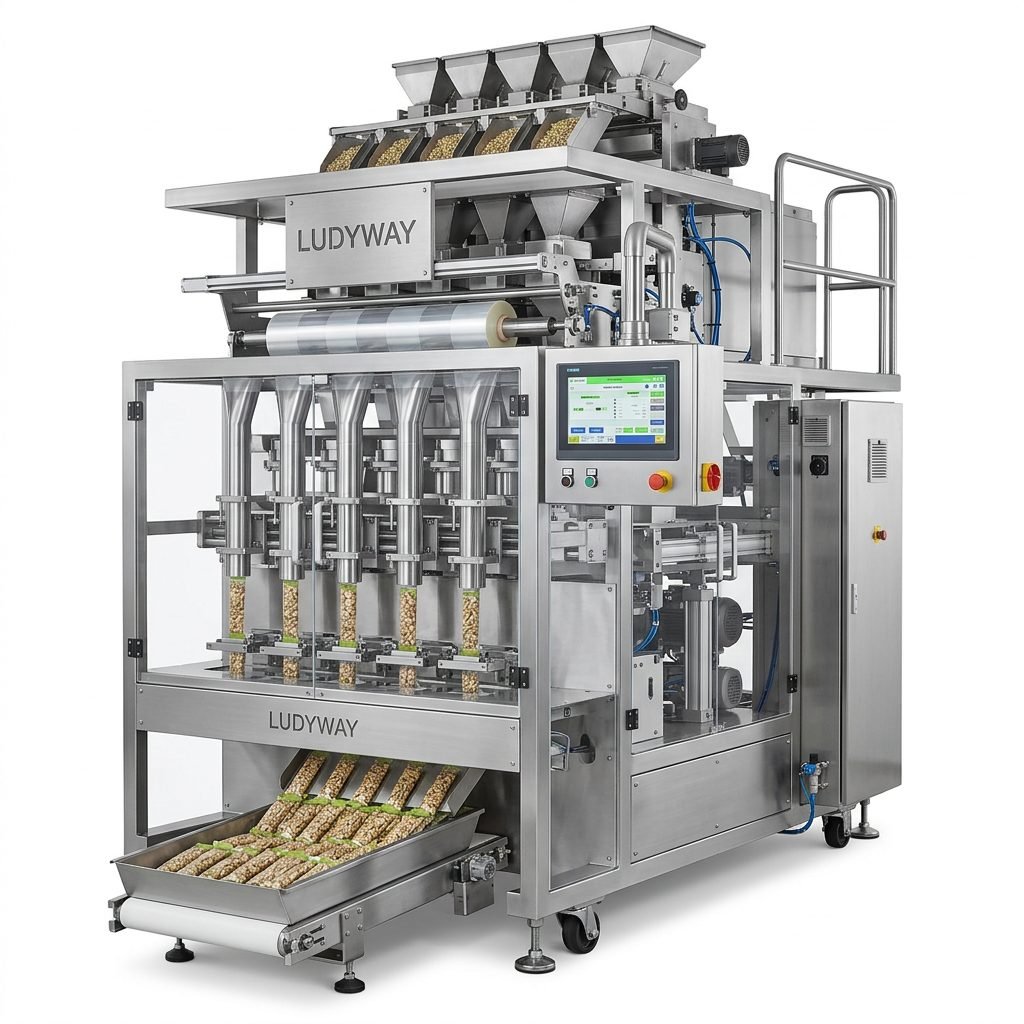
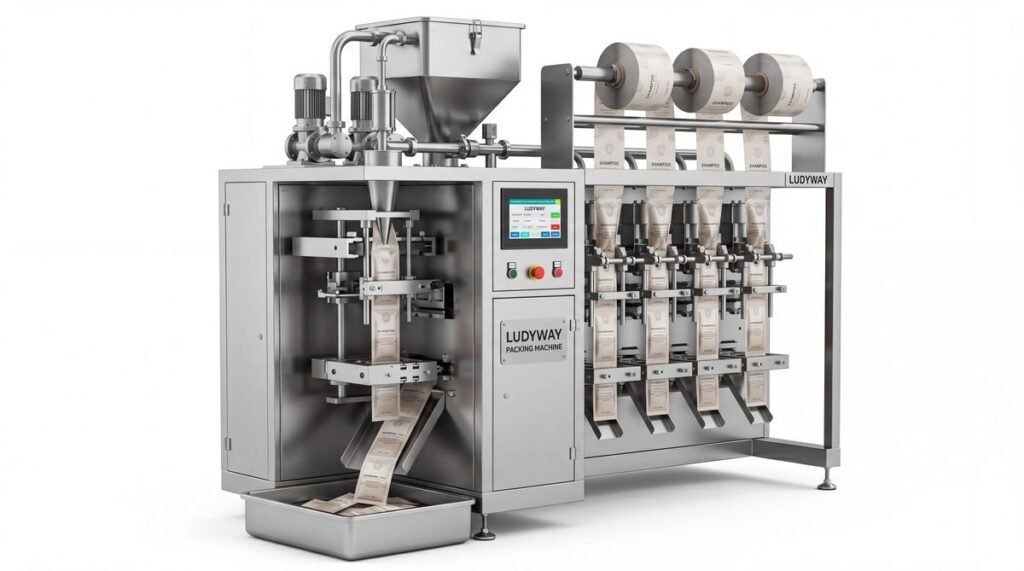
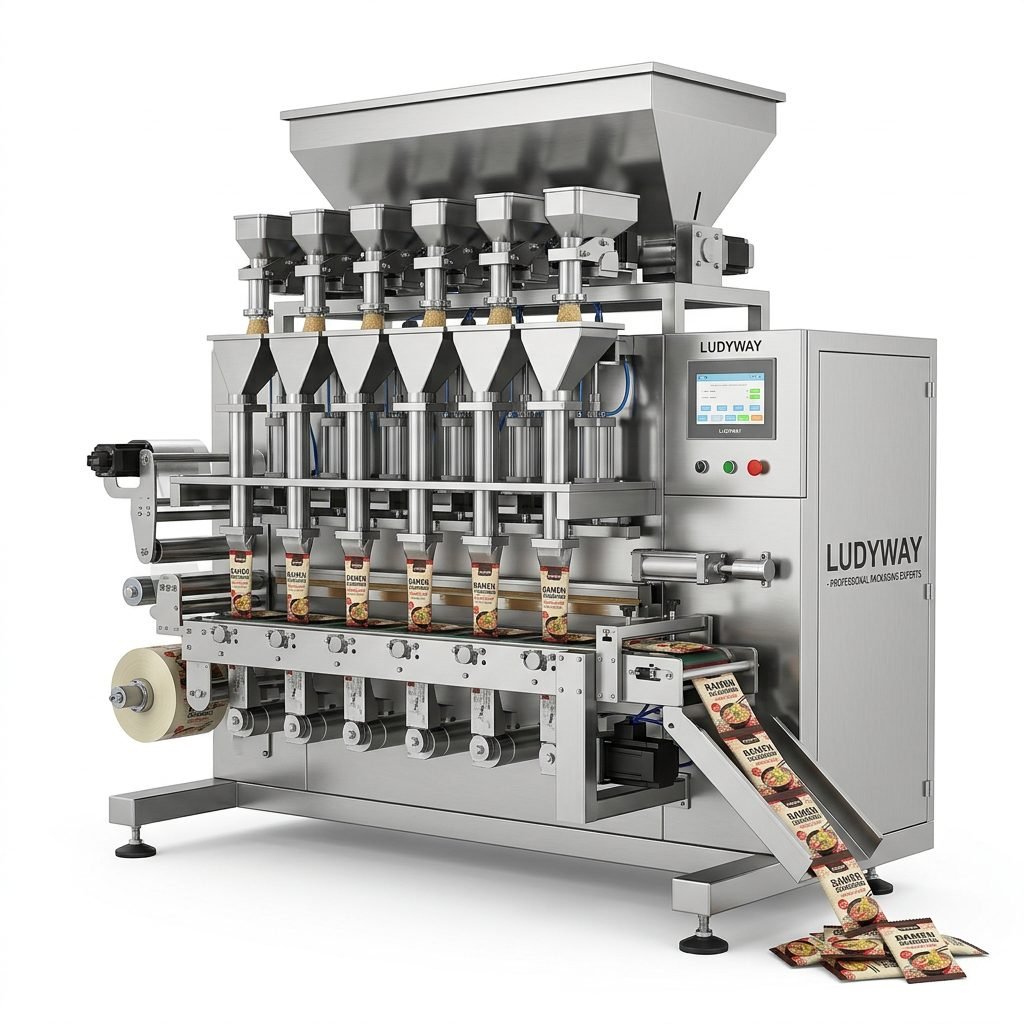
- Popular retail formats across West Africa include single-serve sachets, multi-lane stick packs, and pillow pouches. Stick pack machines are increasingly favored for their portability and portion control.
For manufacturers targeting high output of granule or powder sachets, a multi-lane stick pack system can dramatically improve efficiency compared to single-lane alternatives.
2. Match Machine Speed to Production Targets
Production capacity directly influences machine selection. Small to medium enterprises may prioritize flexibility, while large-scale operations require uninterrupted high-speed performance. Accurately project your daily or monthly volume before comparing specifications.
| Machine Configuration | Typical Speed (packs/min) | Ideal Application |
|---|---|---|
| Single-lane sachet machine | 40 – 80 | Small batch production, product trials |
| Multi-lane stick pack (4–6 lanes) | 150 – 300 | High-volume granules, powders, seasoning |
| Multi-lane stick pack (8–12 lanes) | 350 – 600 | Mass-market consumer goods, premium speeds |
| Automatic pouch filling line | 30 – 60 | Larger premade pouches, bulk products |
Selecting the correct lane configuration and peak output ensures you meet market demand without unnecessary capital expenditure.
3. Packaging Material Flexibility and Durability
Mali’s climate—characterized by high heat and humidity—demands robust packaging materials and machines that can seal them reliably. Evaluate whether the equipment supports laminate films, aluminum foil, polyethylene, and emerging biodegradable structures.
Additionally, refer to resources from the Flexible Packaging Association to stay updated on material innovations. A machine with adjustable sealing temperature, pressure, and dwell time will give you the versatility to switch materials as supplier availability or sustainability goals change.

4. Power Supply Stability and Operating Environment
In many parts of Mali, power supply can be inconsistent. It is critical to select a packaging machine that is compatible with local voltage fluctuations or to install voltage stabilizers and backup systems alongside your line. The machine’s electrical components should be rated for wide input ranges and protected from overheating.
Furthermore, the design must allow adequate ventilation in high ambient temperatures. Stainless steel construction and sealed electronics provide better resistance against dust and humidity, prolonging the service life of the equipment.
5. Regulatory Compliance and Quality Standards
Malian standards align with ECOWAS regulations, and many imported packaged goods must meet EU or FDA expectations to enter wider markets. Your machine should support compliance with ISO packaging standards and food-contact material guidelines.
For pharmaceutical or medical applications, adherence to FDA food and packaging regulations is often a non-negotiable requirement. Machinery with GMP-compatible design, easy cleaning features, and detailed validation documentation will streamline audits and quality checks.
6. After-Sales Support and Spare Parts Accessibility
Downtime can be costly. When evaluating suppliers, prioritize those offering remote diagnostic support, on-site training, and a reliable supply of genuine spare parts. Global manufacturers with a local partner or dedicated service network in West Africa can minimize operational interruptions.
For businesses seeking a dependable and experienced equipment partner, Ludyway—one of the largest packaging machine manufacturers in China with over 30 years of engineering expertise—provides more than 50 intelligent packaging models and turnkey solutions to over 100 countries, ensuring long-term production stability and responsive after-sales care.

7. Total Cost of Ownership and Return on Investment
Look beyond the purchase price. A true cost comparison includes energy consumption, operator training, maintenance schedules, and expected service life. Use the table below to weigh key financial considerations.
| Cost Factor | Impact | Evaluation Tip |
|---|---|---|
| Initial investment | Capital expenditure | Consider modular designs that can expand with your business |
| Energy consumption | Ongoing operating cost | Compare kW/h ratings and efficiency of servo-driven systems |
| Film waste rate | Material cost and sustainability | Precision film registration systems reduce waste to under 1% |
| Maintenance and spares | Downtime and budget | Standardized components and readily available parts lower costs |
An energy-efficient, durable machine with low film waste will typically deliver a faster ROI, especially when paired with professional installation and operator training.
8. Future Scalability and Smart Features
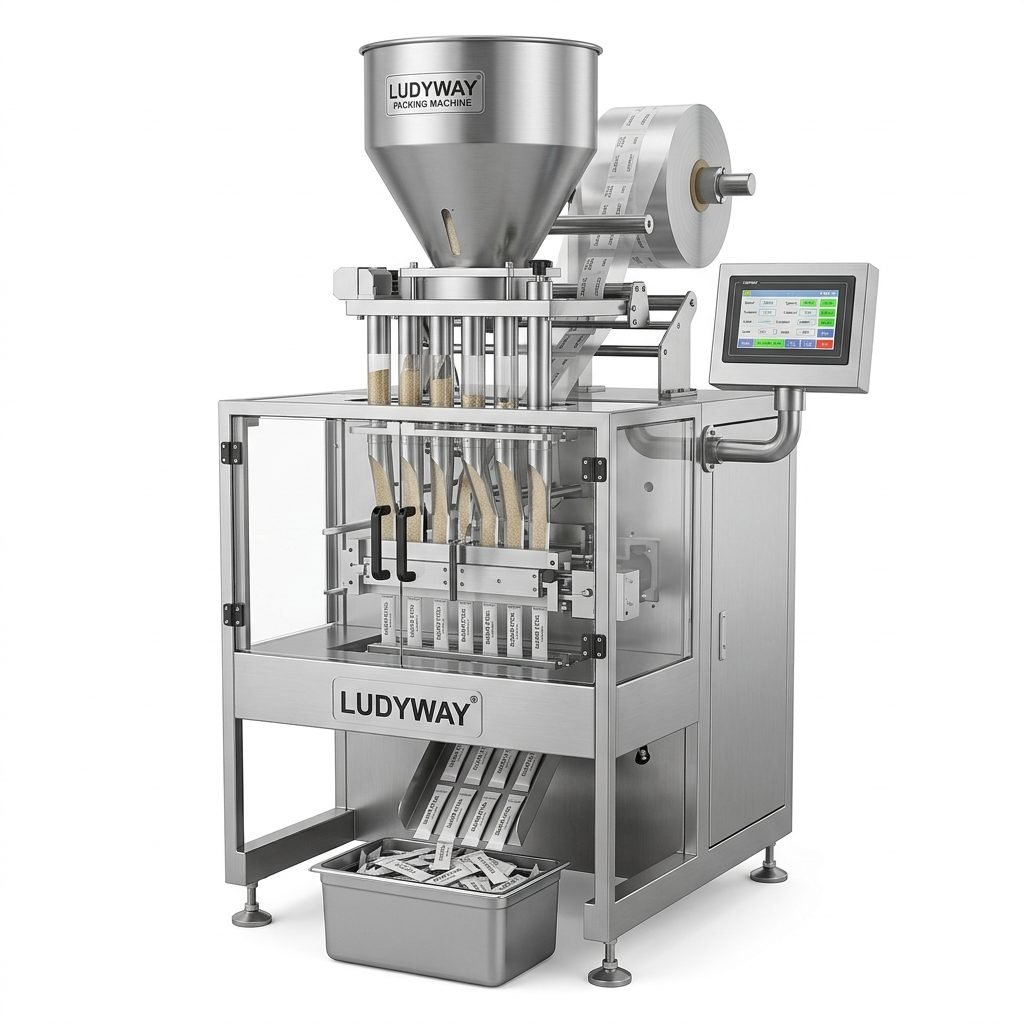
The West African packaging sector is evolving towards automation and data-driven production. Investing in a machine with Industry 4.0 capabilities—such as remote monitoring, predictive maintenance alerts, and integration with ERP systems—can future-proof your operations.
Before finalizing your selection, request a sample run with your actual product and film. Reference industry data from the PMMI State of the Industry report to benchmark your investment against global market trends. By carefully evaluating these factors, Malian manufacturers can secure a packaging solution that delivers quality, compliance, and sustainable growth.