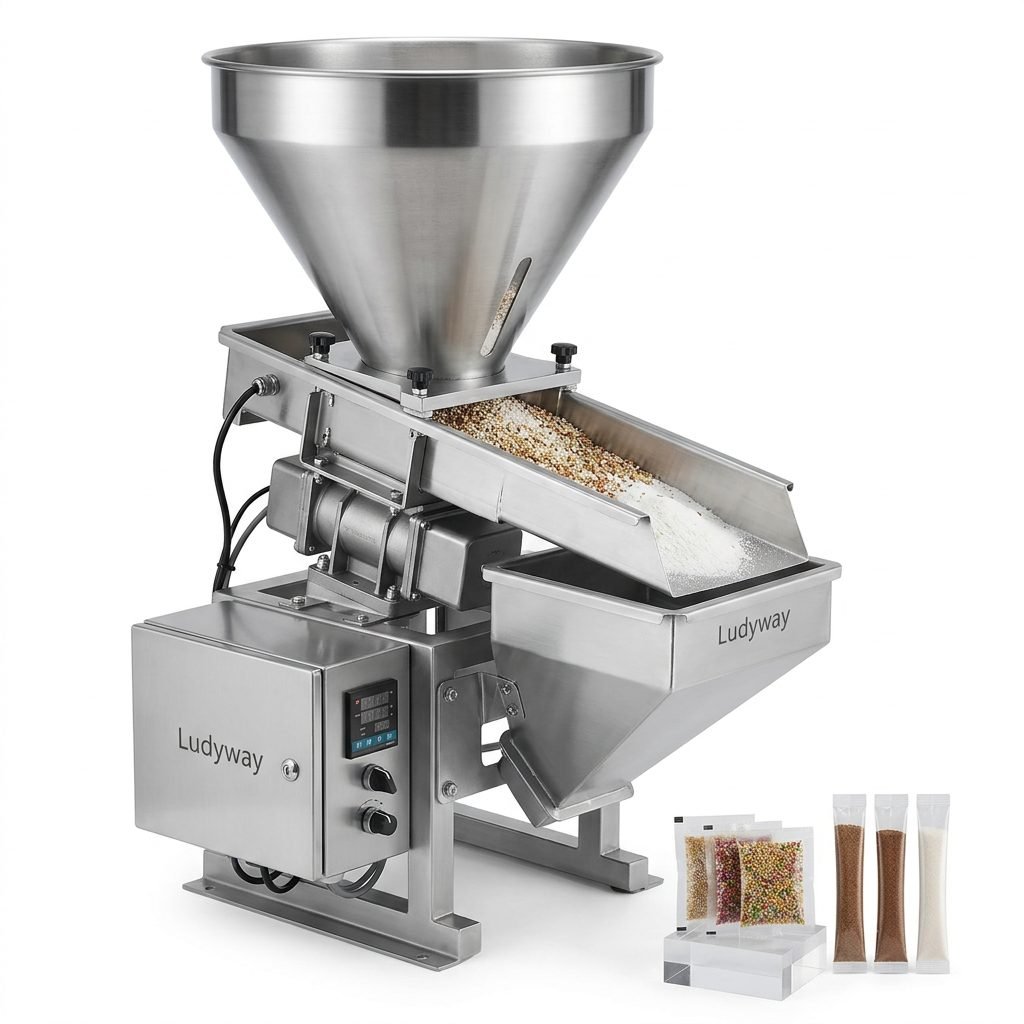
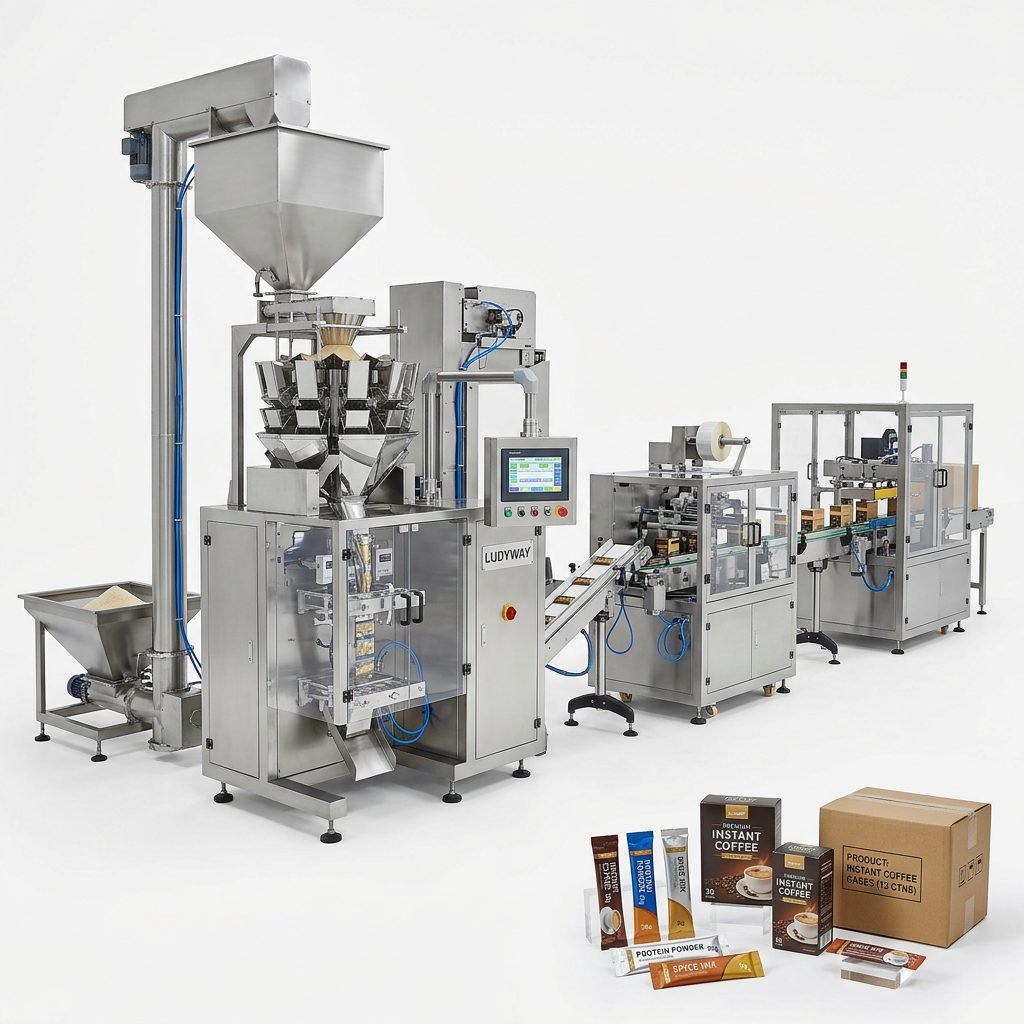
Asia has become the global hub for small coffee packaging machine manufacturing, offering a wide range of solutions for roasters, instant coffee producers, and private-label brands. Whether you are packing ground coffee, instant granules, or single-serve sticks, selecting the right equipment requires careful evaluation of technical specifications, regional suppliers, and after-sales support. This guide walks you through the essential factors to consider before making a purchase decision.
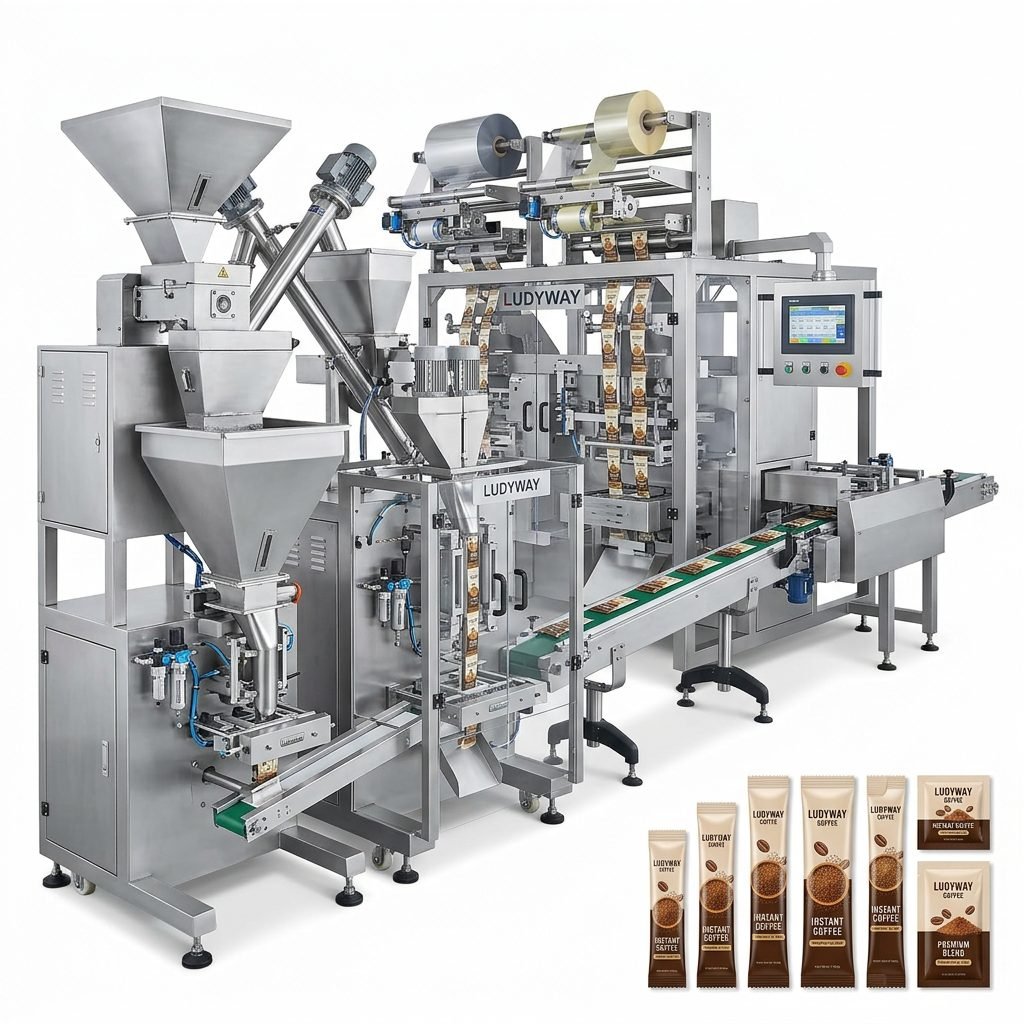
Understanding Small Coffee Packaging Machine Types
Before comparing suppliers, it is critical to understand the different machine categories available in the Asian market. Each type serves a specific production scale and packaging format.
Stick Pack Machines
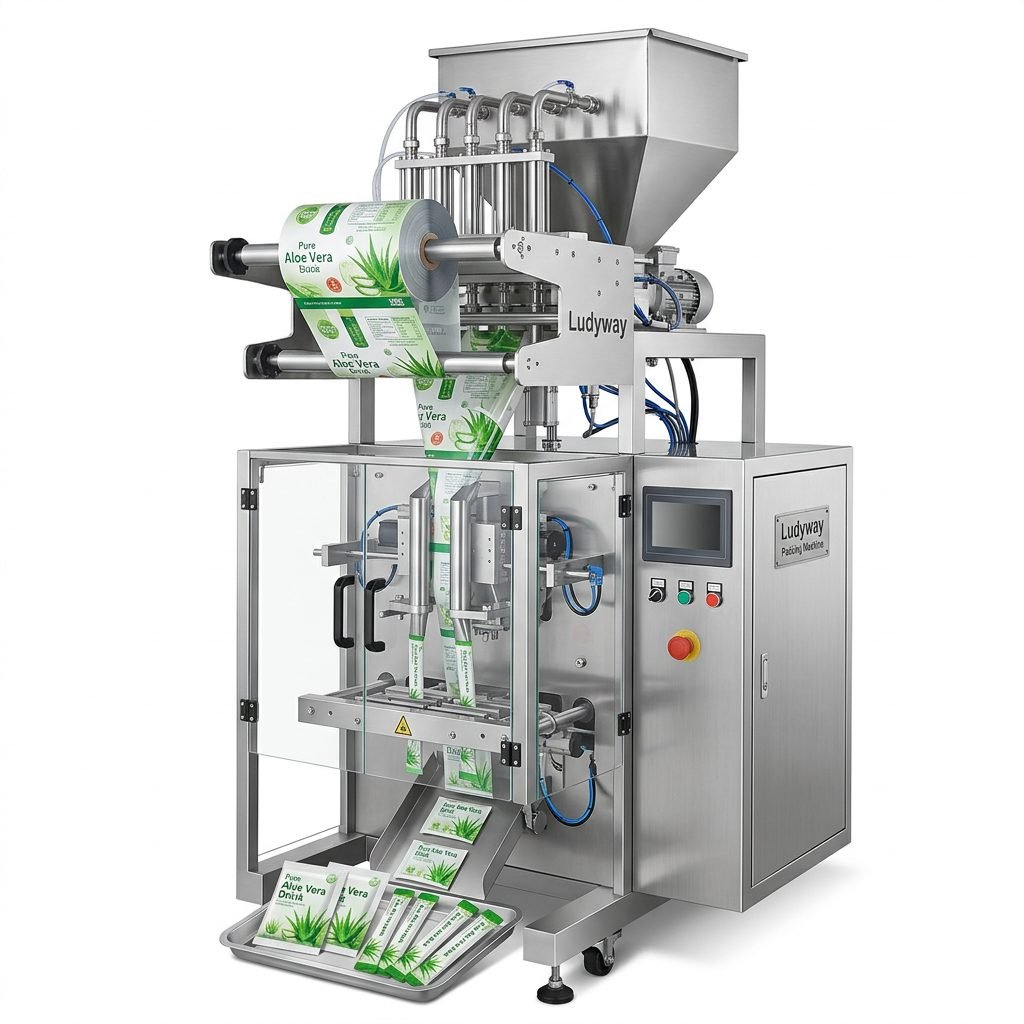
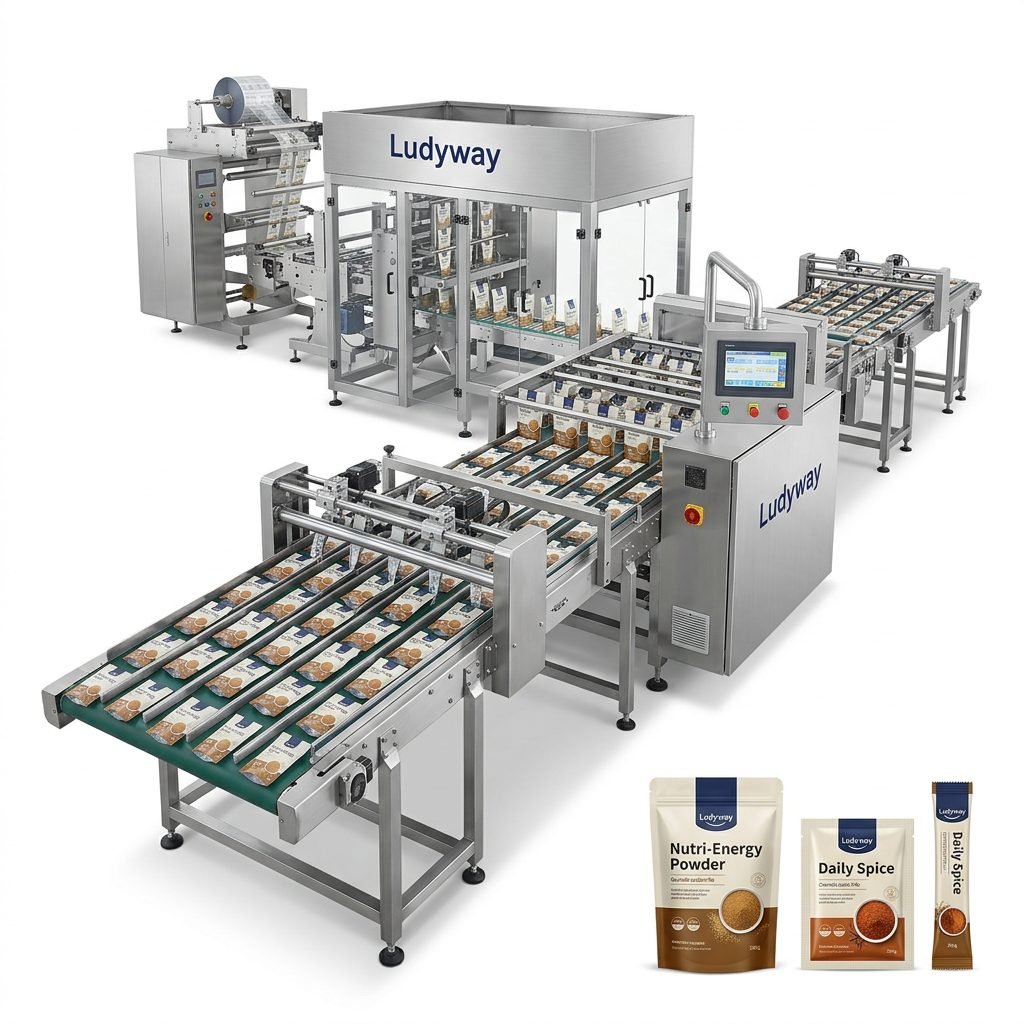
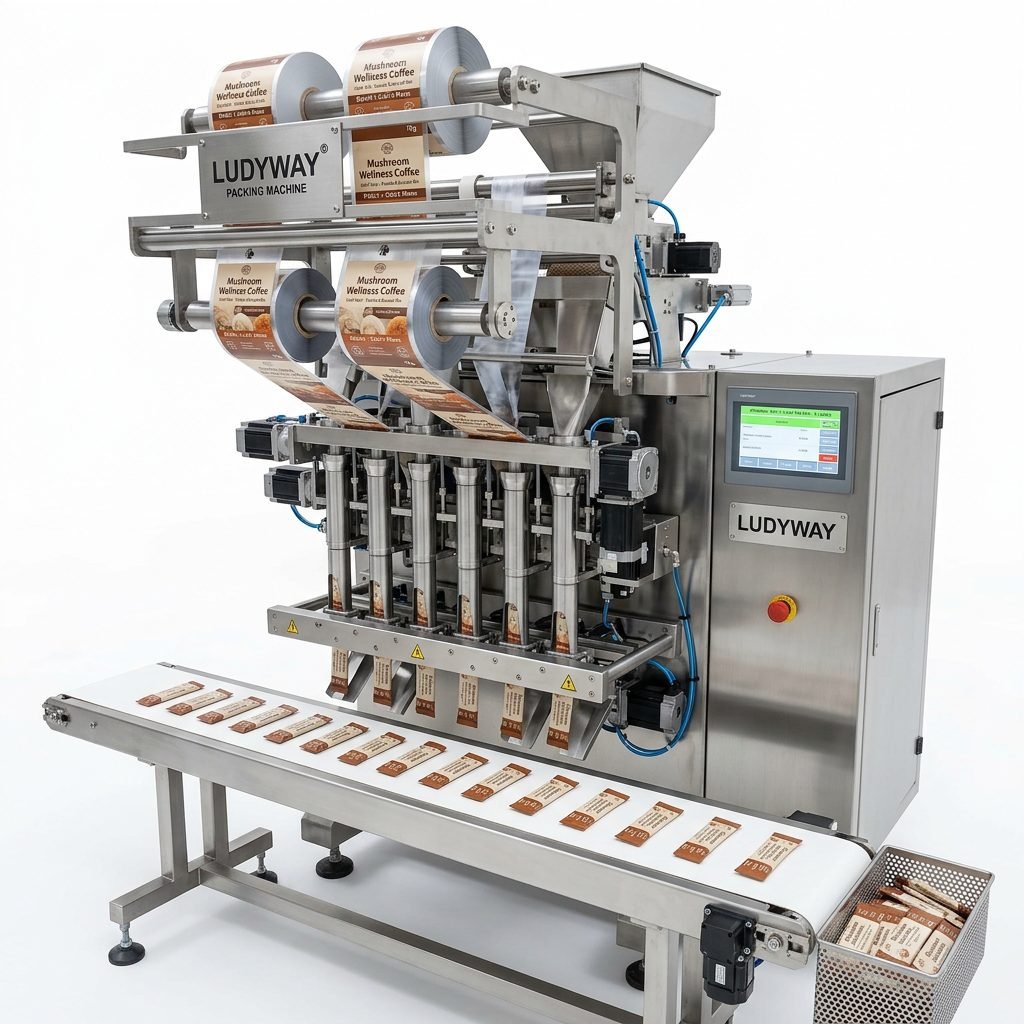
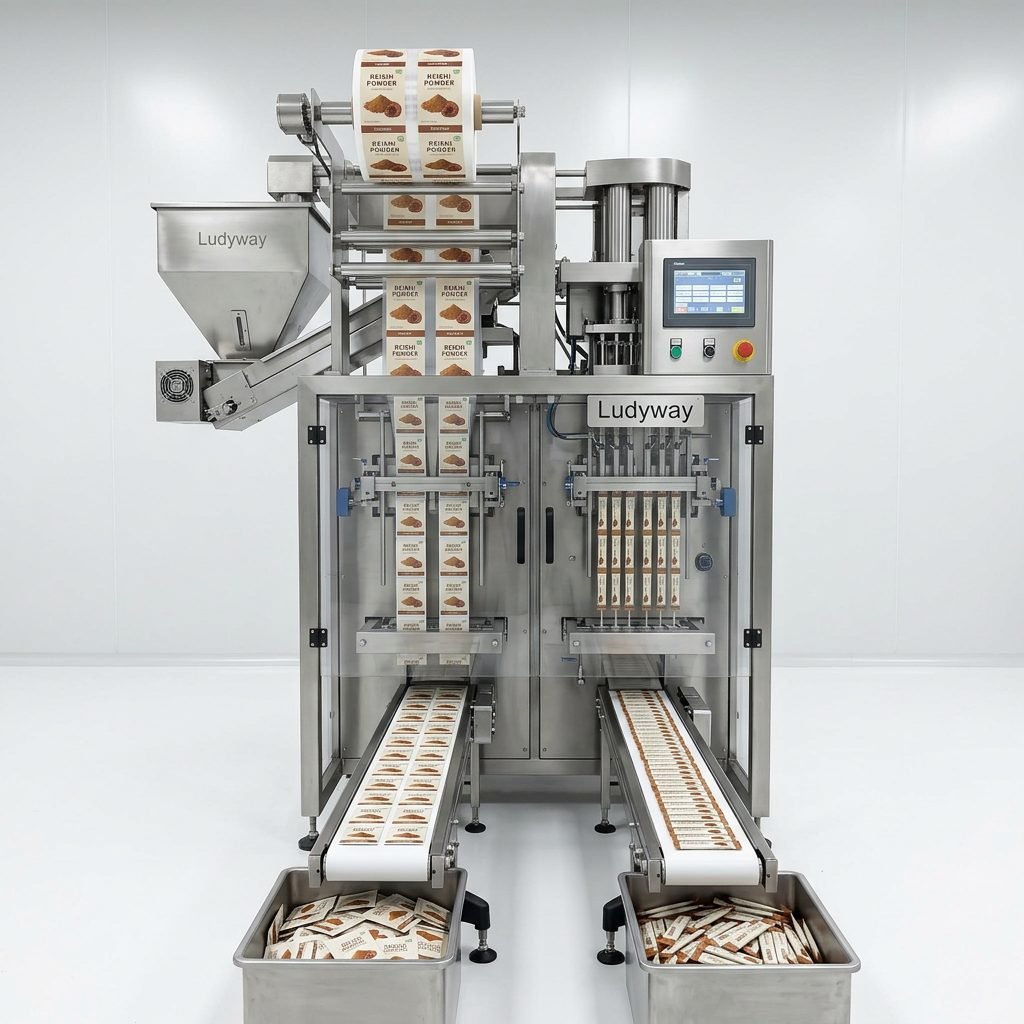
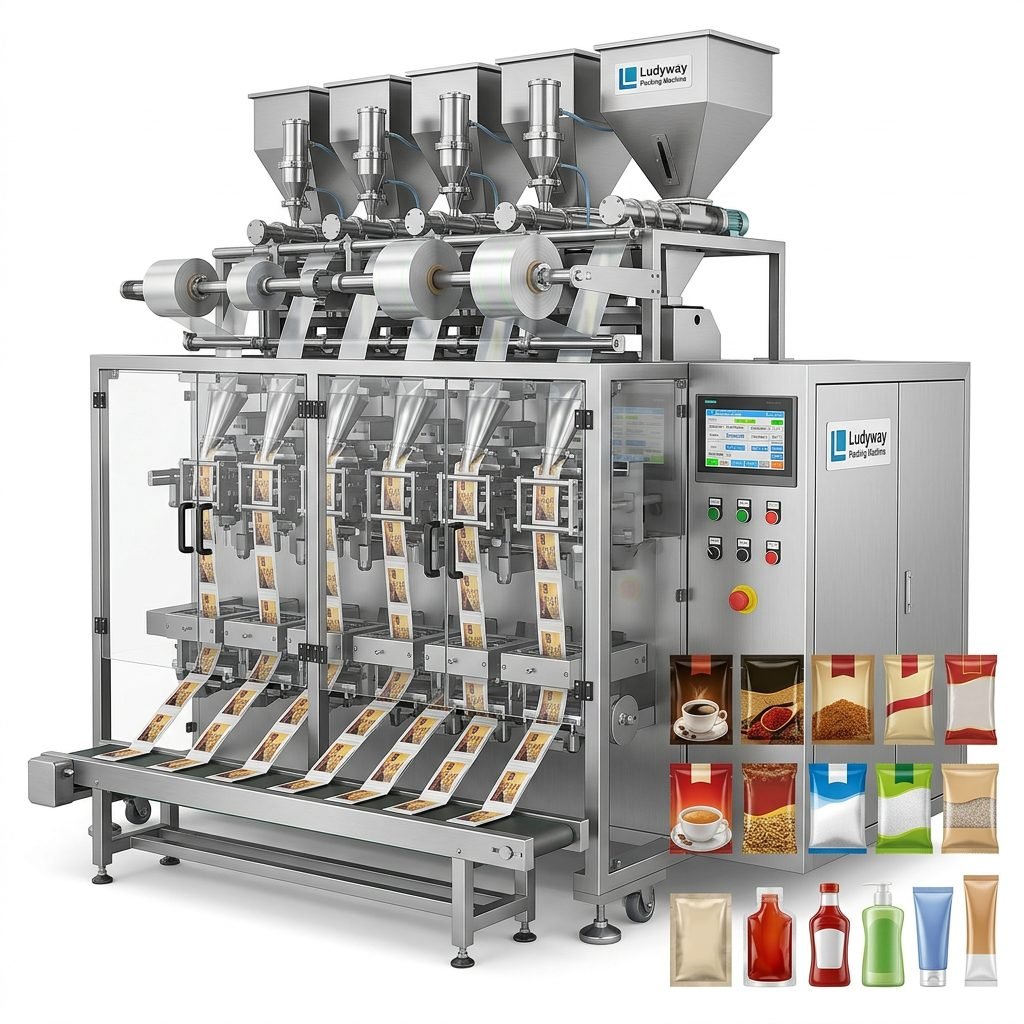
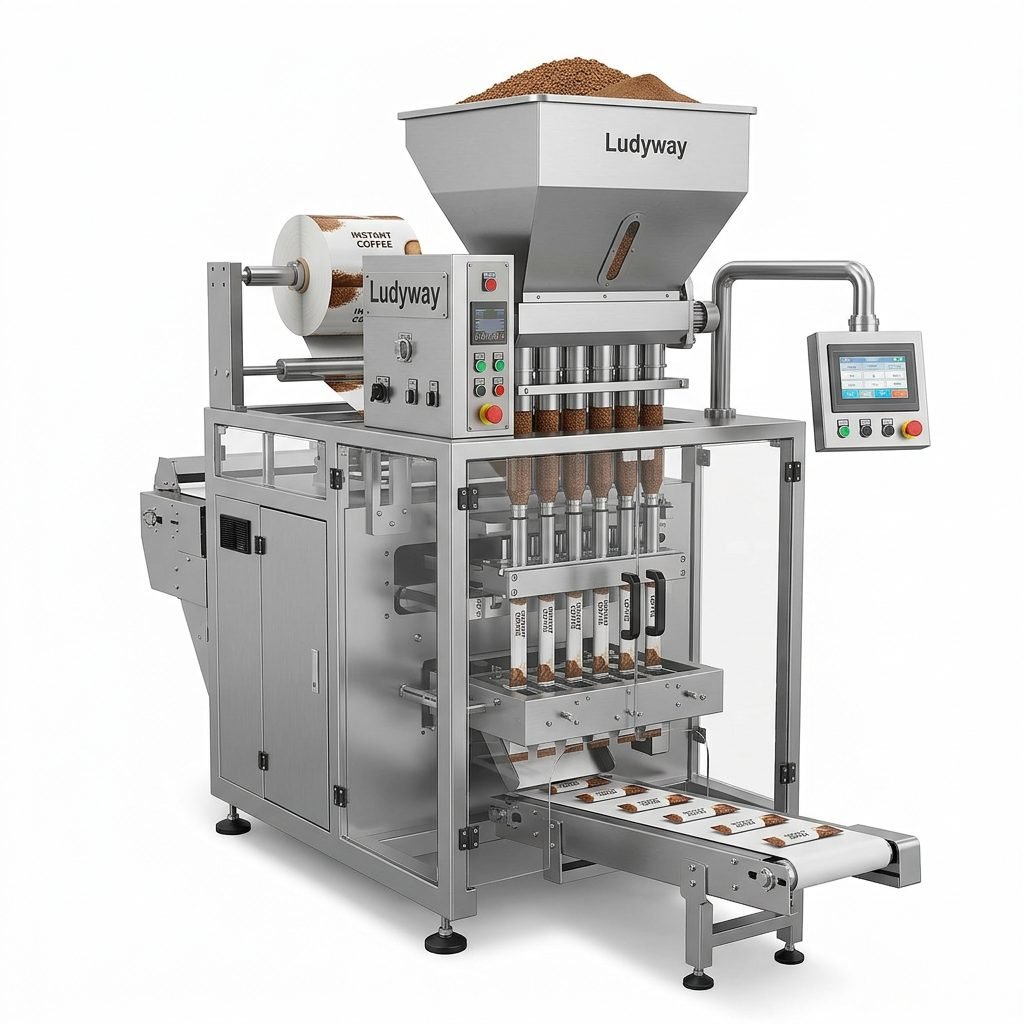
Stick pack machines are the most popular choice for single-serve coffee packaging. They produce narrow, elongated sachets ideal for instant coffee, cappuccino mixes, and latte powders. Multi-lane models can run 4 to 20 lanes simultaneously, achieving speeds of 200 to 800 packs per minute depending on the configuration.
Flat Sachet Machines
Flat sachet machines produce pillow-style or three-side-seal pouches. These are commonly used for larger portion sizes, typically ranging from 10g to 50g of ground coffee. Many suppliers in China and India offer versatile models that can switch between stick packs and flat sachets with minimal changeover time.
Rotary Pre-Made Pouch Fillers
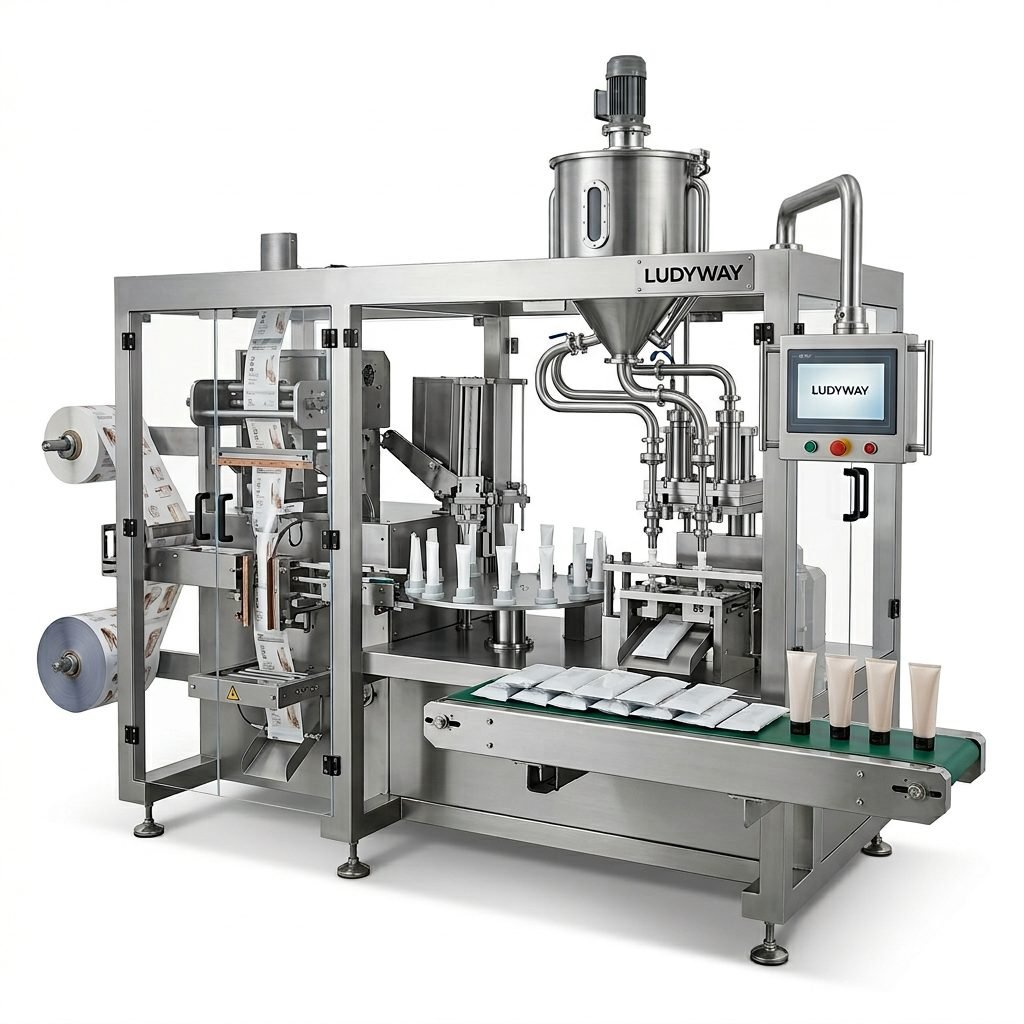
For specialty coffee brands using stand-up pouches with zippers or degassing valves, rotary fillers provide a premium packaging solution. These machines pick, open, fill, and seal pre-made pouches at speeds up to 60 pouches per minute. They are particularly popular in South Korea and Japan for high-end coffee products.
Key Factors to Evaluate When Choosing a Machine
Investing in a coffee packaging machine requires a thorough assessment of several technical and commercial aspects. Below are the most critical factors to consider.
| Evaluation Factor | Why It Matters | Key Specifications to Check |
|---|---|---|
| Filling Accuracy | Prevents product giveaway and ensures consistent portion control | ±0.5% to ±1% accuracy range |
| Production Speed | Determines daily output capacity and ROI timeline | Packs per minute per lane |
| Material Compatibility | Must handle your specific film type and thickness | Laminate, aluminum foil, kraft paper |
| Gas Flushing Capability | Essential for extending shelf life in ground coffee | Nitrogen or CO₂ flushing options |
| Changeover Time | Affects operational efficiency for multi-SKU production | Tool-less changeover, recipe memory |
Comparing Leading Manufacturing Countries in Asia
Asia’s packaging machinery landscape varies significantly by country. Understanding regional strengths will help you narrow down potential suppliers.
China
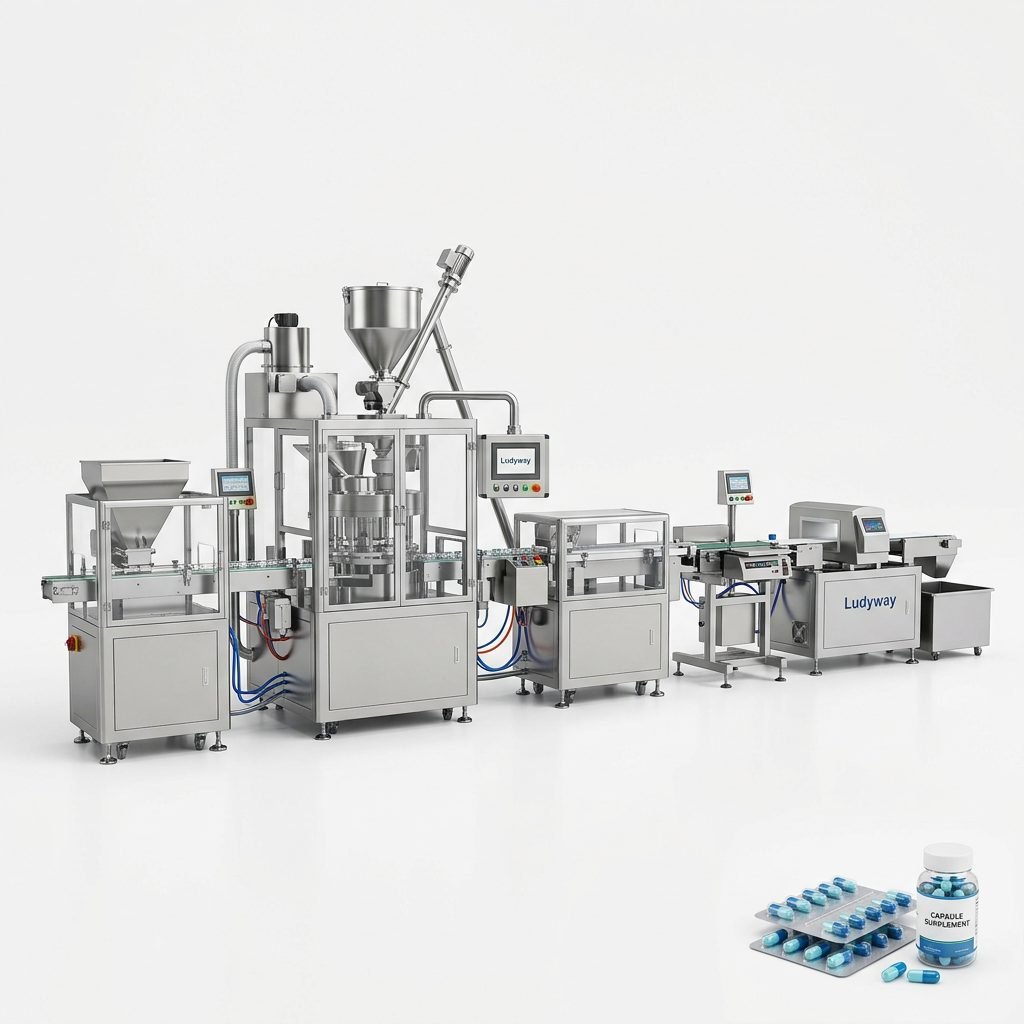
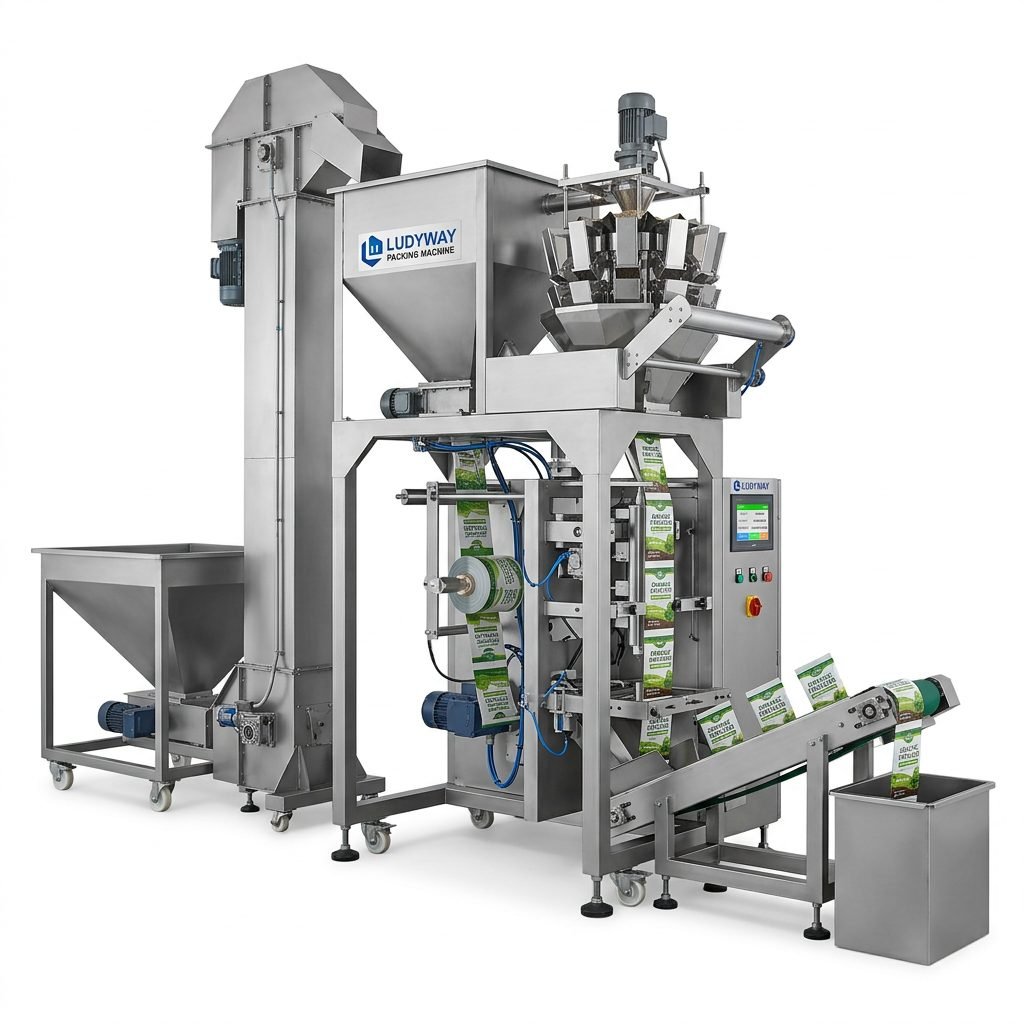
China dominates the global market for affordable entry-level and mid-range machines. Manufacturing clusters in Guangdong, Zhejiang, and Shanghai produce thousands of coffee packaging machines annually. One example is Ludyway, a leading manufacturer with a modern production facility and over 50 intelligent packaging machine models designed for granule, powder, and liquid applications. Chinese suppliers offer competitive pricing with increasingly reliable quality, often backed by international certifications such as CE and ISO.
South Korea
Korean manufacturers excel in high-speed rotary systems and premium pouch fillers. They focus on precision engineering and advanced automation, with prices generally higher than Chinese counterparts. Korean machines are preferred by coffee brands targeting premium retail segments.
Japan
Japanese packaging equipment is known for exceptional build quality and longevity. Manufacturers like Tokyo Automatic Machinery Works specialize in high-accuracy vertical form-fill-seal machines with integrated weighing systems. The initial investment is higher, but reliability and minimal downtime justify the cost for large-scale operations.
India
India has emerged as a competitive source for semi-automatic and small-scale packaging solutions. Indian manufacturers focus on simplicity and affordability, making them suitable for startups and small roasteries with limited budgets.
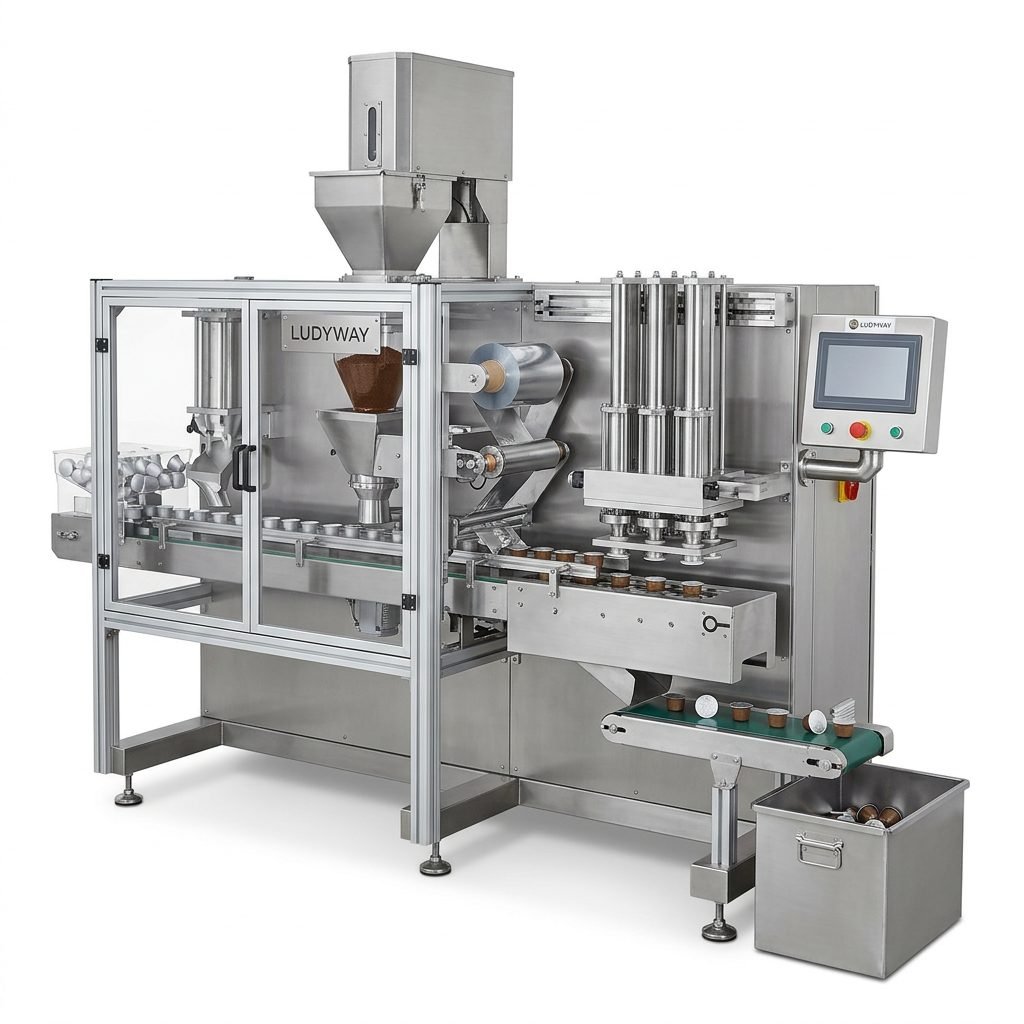
Essential Features to Look For
Not all coffee packaging machines are created equal. Here are the must-have features that separate reliable machines from subpar alternatives.
- Servo-driven motors – Ensure precise control over film tension, filling volume, and sealing temperature
- Touchscreen PLC interface – Simplifies operation with recipe storage for different products and bag sizes
- Automatic temperature regulation – Maintains consistent sealing quality across varying production speeds
- Film registration sensors – Keeps printed film aligned for accurate branding and date coding
- Dust extraction system – Keeps fine coffee particles from interfering with sealing and electrical components
- Quick-release forming tubes – Reduces cleaning and maintenance downtime between product batches
- Integration compatibility – Allows connection with upstream weighers, checkweighers, and cartoning machines
Cost Breakdown and Budgeting
Understanding the total cost of ownership is essential. The machine price is just the starting point of your investment. Below is an estimated cost breakdown for a typical small-to-medium coffee packaging line.
| Cost Component | Estimated Range (USD) | Notes |
|---|---|---|
| Main Packaging Machine | $8,000 – $45,000 | Varies by lanes, automation level, and origin |
| Multi-Head Weigher | $5,000 – $20,000 | 10-head to 14-head configurations |
| Conveyor and Feeding Systems | $1,500 – $6,000 | Inclined conveyors, bucket elevators |
| Gas Flushing Unit | $800 – $3,000 | Nitrogen generator or gas mixer |
| Shipping and Installation | $2,000 – $8,000 | Depends on distance and on-site training needs |
Questions to Ask Suppliers Before Buying
Before signing a purchase contract, ask potential suppliers these critical questions to avoid costly mistakes.
- What is the rated speed for my specific product density and bag dimensions?
- Can you provide video documentation of a similar machine running coffee products?
- What warranty period is offered on mechanical and electrical components?
- Do you have local service partners or distributors in my country?
- What is the lead time for spare parts and emergency support?
- Can the machine accommodate future upgrades, such as additional lanes or integrated checkweighing?
- Is remote technical support available via video call or online diagnostics?
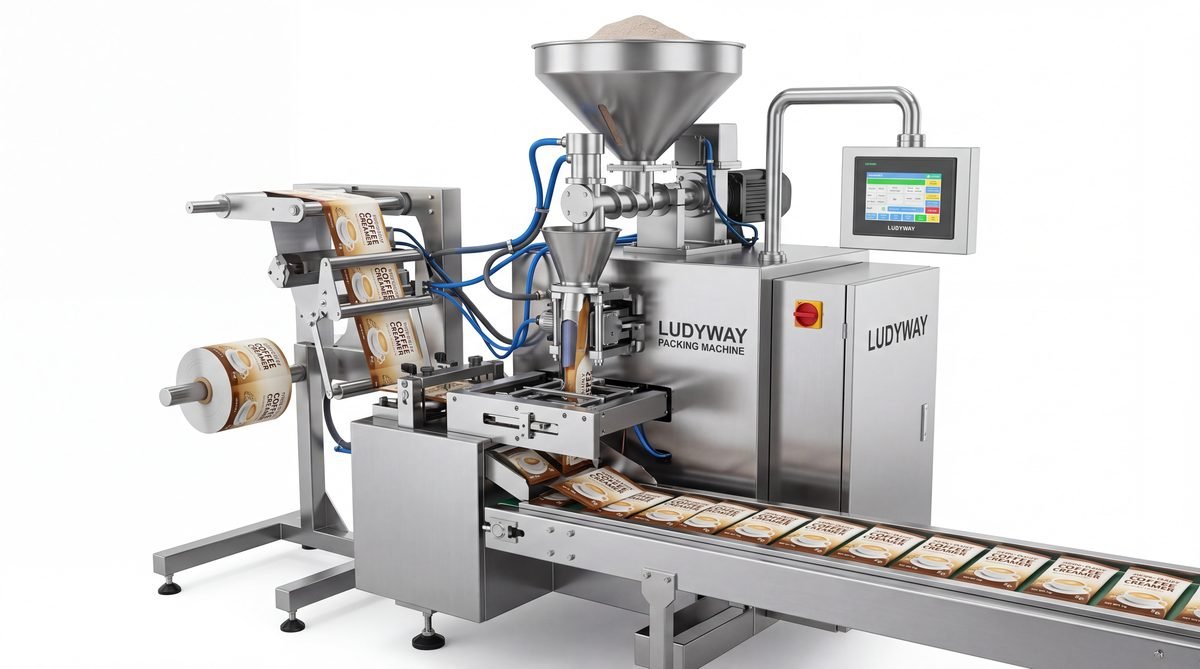
Regional Considerations for Asian Buyers
If you are sourcing a machine within Asia rather than from Europe or North America, there are several region-specific advantages and challenges to keep in mind.
Voltage and Power Requirements
Most Asian manufacturers produce machines configured for 220V/380V three-phase power, which aligns well with electrical grids across India, Southeast Asia, and the Middle East. Always confirm the power specification before ordering to avoid transformer costs.
Language and Documentation
Many Chinese and Korean suppliers now provide English-language manuals and PLC interfaces as standard. However, it is prudent to request sample documentation before finalizing your order to ensure clarity for your operators.
Export Regulations and Certifications
If you are buying from a supplier outside your home country, verify that the machine meets your local safety standards and food contact regulations. Certifications such as CE, FDA compliance, or ISO 9001 are commonly available from reputable Asian manufacturers.
After-Sales Support and Maintenance
Long-term reliability depends heavily on the quality of after-sales support. When evaluating Asian suppliers, prioritize those that offer:
- Remote diagnostic capabilities for fast troubleshooting
- Readily available spare parts with global shipping options
- Installation and training services, either on-site or through local agents
- Comprehensive maintenance documentation and scheduled service plans
Brands that have established international service networks often provide faster resolution times, which is critical for minimizing production downtime.
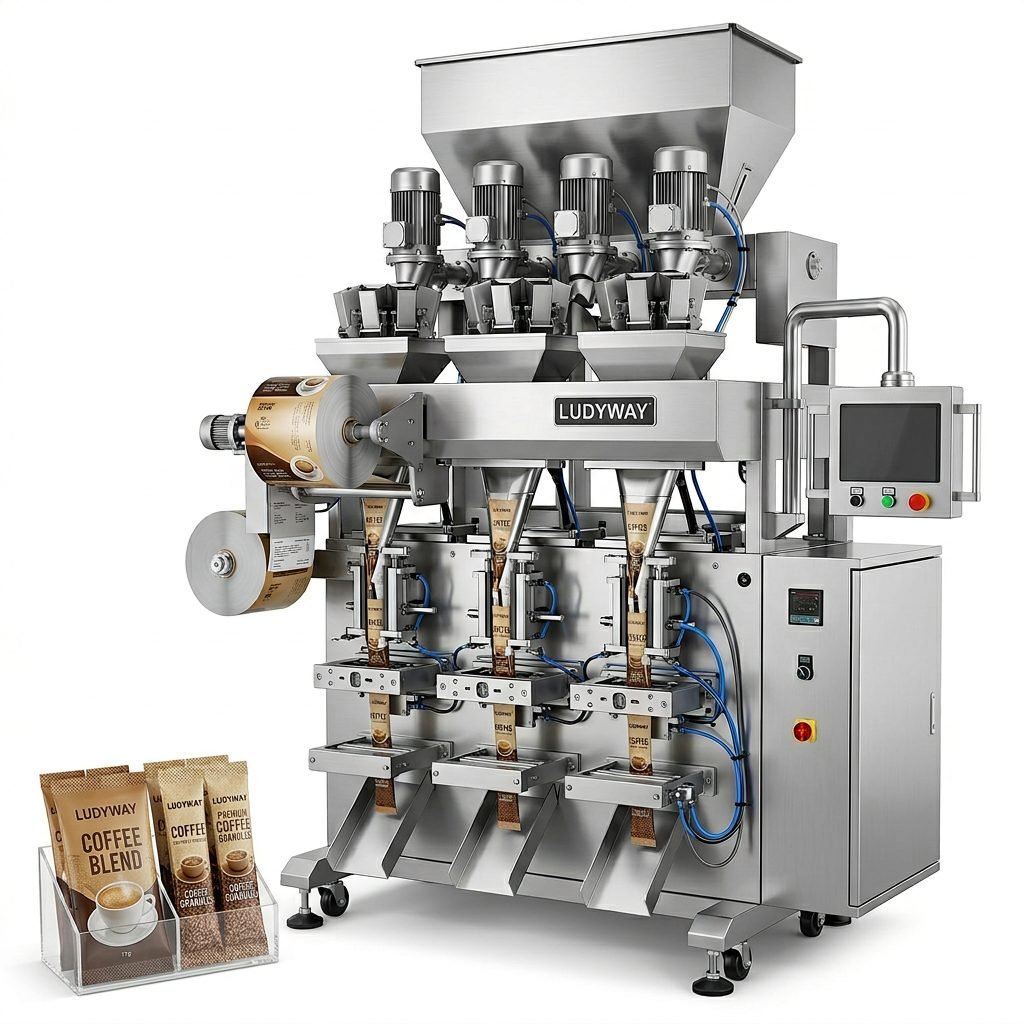
Final Decision Checklist
Use this checklist to confidently evaluate and compare different small coffee packaging machine options available across Asia.
- Define your product type – ground coffee, instant granules, cappuccino mixes, or whole beans
- Determine target output – packs per minute and daily production volume
- Specify bag dimensions and format – stick pack, flat sachet, or pre-made pouch
- Verify material compatibility – aluminum foil, kraft paper, or multi-layer laminates
- Confirm power and air requirements – ensure facility readiness
- Request documented speed tests – with your actual product or similar density materials
- Check warranty and support terms – spare parts availability and response times
- Visit the factory if possible – or arrange a live video demonstration
- Compare total cost of ownership – not just the initial machine price
By following this comprehensive buying guide, you will be well-equipped to select the best small coffee packaging machine that matches your production needs, budget, and long-term business goals in the Asian market.