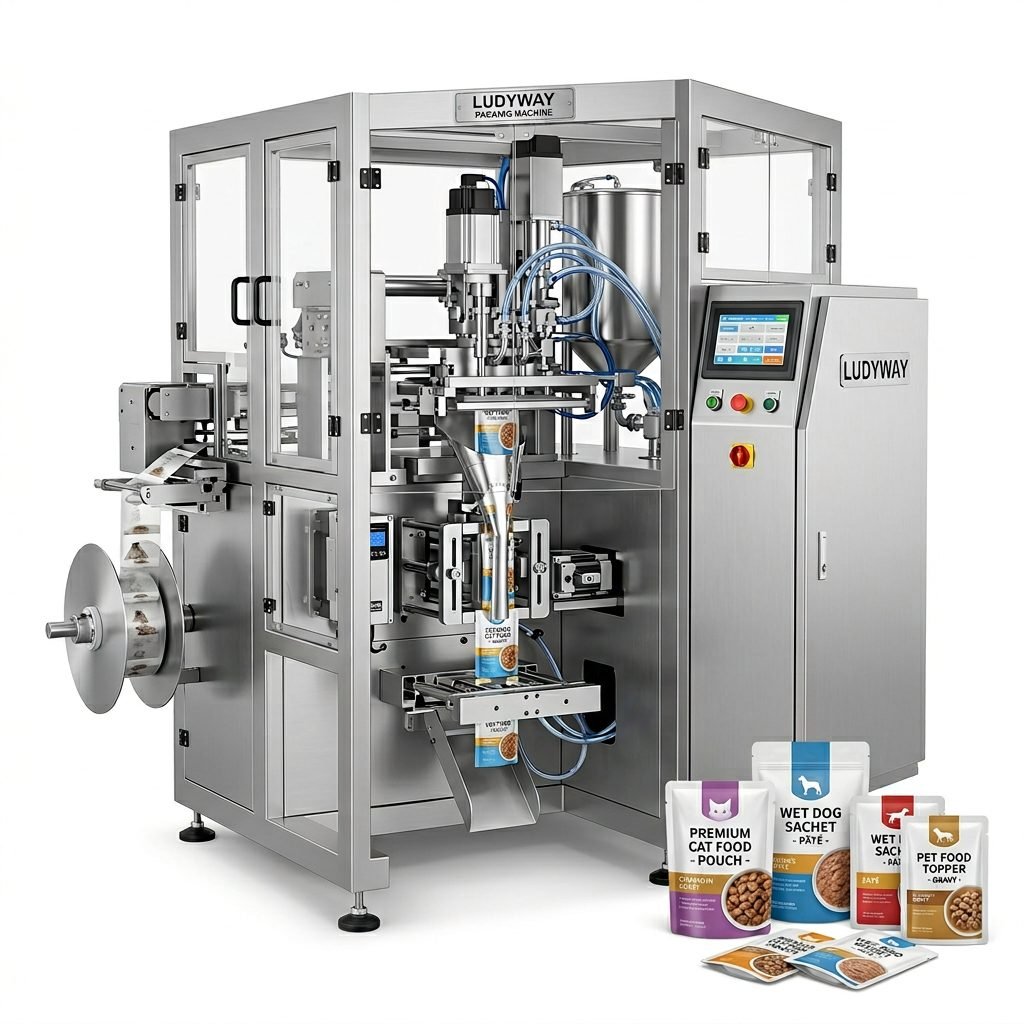
Investing in a vacuum seal packaging machine is a critical decision for food processors, pharmaceutical manufacturers, and industrial businesses across India. The right equipment extends product shelf life, prevents contamination, and significantly reduces packaging waste. With the Indian packaged food market projected to grow at a compound annual growth rate of over 10%, understanding how to select the best machine for your specific application has never been more important.

Understanding Vacuum Seal Packaging Technology
Vacuum packaging works by removing air from the package prior to sealing. This oxygen-free environment inhibits the growth of aerobic bacteria, molds, and fungi, making it an indispensable technology for preserving perishable goods. In the Indian context, where temperature fluctuations during storage and transportation are common, a reliable vacuum packing system becomes a necessity rather than a luxury.
The core principle involves placing the product in a specially designed bag or pouch, extracting up to 99.9% of the air, and then applying a hermetic heat seal. This process is governed by international packaging standards that ensure consistency and safety across manufacturing environments. Modern machines also incorporate gas flushing capabilities, replacing oxygen with inert gases like nitrogen for products that require cushioning.
Types of Vacuum Seal Packaging Machines Available in India
The Indian market offers a diverse range of vacuum sealing equipment, each suited to different production scales and product categories. Selecting the correct type directly impacts operational efficiency and long-term return on investment. Below is a comparison of the most common configurations found in Indian manufacturing facilities.
| Machine Type | Best For | Production Capability | Key Consideration |
|---|---|---|---|
| Chamber Vacuum Machine | Liquid-rich foods, curries, marinades, pharmaceutical powders | Medium to high volume | Entire bag placed inside chamber; excellent for liquids |
| Nozzle Vacuum Machine | Dry granular products, seeds, spices, whole beans | Low to medium volume | Nozzle inserted into bag; lower equipment cost |
| Continuous Belt Vacuum Machine | High-speed production lines, ready-to-eat meals | Very high volume | Automated belt conveyor; maximum throughput |
| Double Chamber Machine | Alternating loading cycles, multi-shift operations | High volume | One chamber seals while the other is loaded |
| Rotary Vacuum Packaging System | Fully automated factories, large-scale snack production | Ultra-high volume | Continuous rotary motion; minimal operator intervention |
Key Factors to Evaluate Before Purchasing
Making an informed purchase requires a systematic evaluation of several technical and operational parameters. Indian buyers should pay particular attention to the following aspects, as they directly affect both compliance with food packaging regulations and overall cost-efficiency.
Sealing Bar Dimensions and Material Compatibility
The width and length of the sealing bar determine the maximum bag size you can process. For Indian snack manufacturers packaging namkeen, bhujia, or dry fruit mixes, a sealing bar of at least 400mm to 600mm is recommended. The seal quality must remain consistent across various film materials including polyethylene, polyamide, and multi-layer aluminum laminates commonly used in the Indian market.
Vacuum Pump Capacity and Cycle Speed
The pump capacity, measured in cubic meters per hour, directly correlates with how quickly the machine can achieve the desired vacuum level. A high-capacity oil-lubricated rotary vane pump is preferred for continuous industrial use, while dry pumps are suitable for environments requiring strict contamination control. Look for machines offering adjustable vacuum levels between 5 mbar and 100 mbar to accommodate different product densities.

Construction Material and Hygiene Standards
For businesses targeting export markets or complying with FSSAI certification requirements, the machine’s construction material is paramount. Stainless steel 304 is the minimum acceptable grade for all food contact surfaces. Pharmaceutical applications may require SS 316L stainless steel construction, which offers superior corrosion resistance and easier sanitization. The overall build quality should facilitate quick disassembly for cleaning and maintenance.
Assessing Power Requirements and Indian Electrical Standards
India’s industrial electricity supply varies significantly across states, with voltage fluctuations being a persistent challenge in many manufacturing hubs. A robust vacuum packaging machine should include built-in voltage stabilization or be compatible with externally fitted servo stabilizers. Most Indian facilities operate on 415V three-phase supply for heavy machinery, though smaller single-phase machines running on 230V are available for micro-enterprises and home-based food businesses. Verify that the machine’s control panel includes proper overload protection and emergency stop mechanisms compliant with packaging machinery safety standards.
After-Sales Support and Spare Parts Availability
One of the most frequently overlooked factors when purchasing a vacuum seal machine in India is the availability of genuine spare parts and qualified service technicians. Before finalizing any purchase, investigate whether the supplier maintains a local inventory of critical consumables such as sealing bars, heating elements, vacuum pump oil, and gaskets. The presence of trained service engineers within your state can reduce downtime from days to mere hours.
Industry-Specific Application Considerations
Different industries in India have unique vacuum packaging requirements that must be addressed through specialized machine configurations. Understanding these nuances ensures optimal performance and compliance with sector-specific regulations.
- Food Processing: Look for machines with gas flush capabilities for extended shelf life of paneer, cheese, and processed meats. The ability to maintain vacuum levels without crushing delicate products like baked goods is essential.
- Pharmaceutical Manufacturing: Validation and documentation features are critical. Machines should support 21 CFR Part 11 compliance for electronic records, with temperature-controlled sealing and nitrogen flushing for oxygen-sensitive APIs.
- Spice and Dry Fruit Packaging: High-volume throughput with multi-lane configurations. Dust extraction systems prevent powder contamination of the sealing area, a common issue with turmeric blends and chili powders.
- Ready-to-Eat Meal Sector: Modified atmosphere packaging combined with vacuum sealing. Machines must accommodate larger pouch sizes and liquid-rich products without compromising seal integrity.
- Tea and Coffee Industry: Aroma preservation through vacuum levels below 10 mbar. Specialized vacuum chambers prevent oxidation of volatile aromatic compounds in premium Darjeeling teas and specialty coffees.

Comparing Cost Versus Value for Indian Buyers
The initial purchase price of a vacuum packaging machine is just one component of the total cost of ownership. A thorough cost-benefit analysis should factor in energy consumption, average maintenance expenses, spare parts pricing, and the expected lifespan of critical components. Imported machines may carry higher upfront costs but often deliver lower long-term operating expenses due to superior engineering and component durability. Conversely, domestically assembled machines may offer attractive initial pricing but could incur higher service frequency and part replacement rates.
| Cost Factor | Estimated Impact | Annual Range (INR) |
|---|---|---|
| Machine Purchase Price | One-time capital expenditure | ₹1,50,000 – ₹25,00,000 |
| Energy Consumption | Ongoing operational cost | ₹30,000 – ₹1,20,000 |
| Vacuum Pump Oil & Filters | Periodic consumables | ₹8,000 – ₹25,000 |
| Sealing Elements & Gaskets | Wear parts replacement | ₹15,000 – ₹50,000 |
| Annual Maintenance Contract | Preventive service | ₹25,000 – ₹80,000 |
Automation and Integration Capabilities
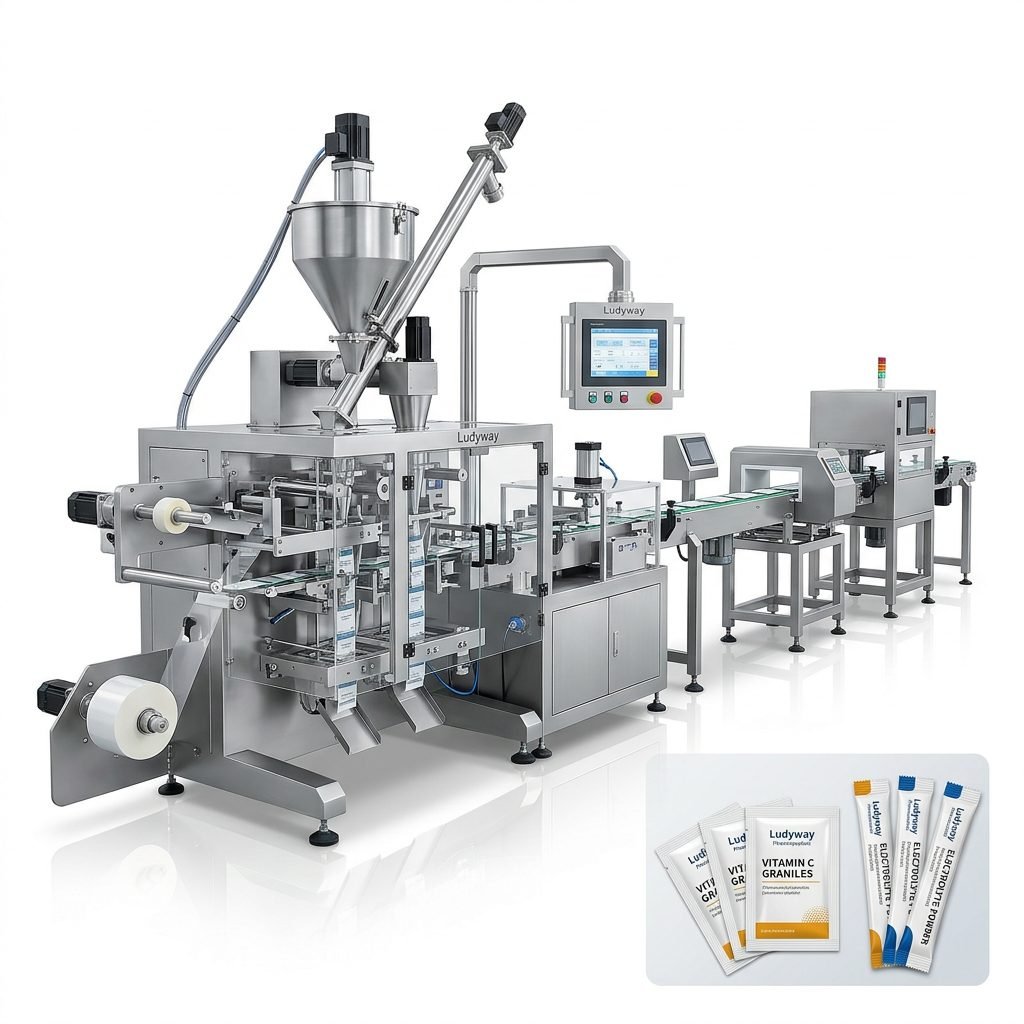
Modern packaging lines increasingly demand seamless integration between upstream and downstream equipment. A vacuum seal machine that supports programmable logic controller connectivity can communicate with filling systems, checkweighers, metal detectors, and case packing equipment. This integration reduces manual intervention, minimizes errors, and provides real-time production data for inventory management and quality assurance. For Indian manufacturers scaling from semi-automatic to fully automatic operations, selecting a machine with expandable automation capabilities protects the initial investment against future obsolescence.
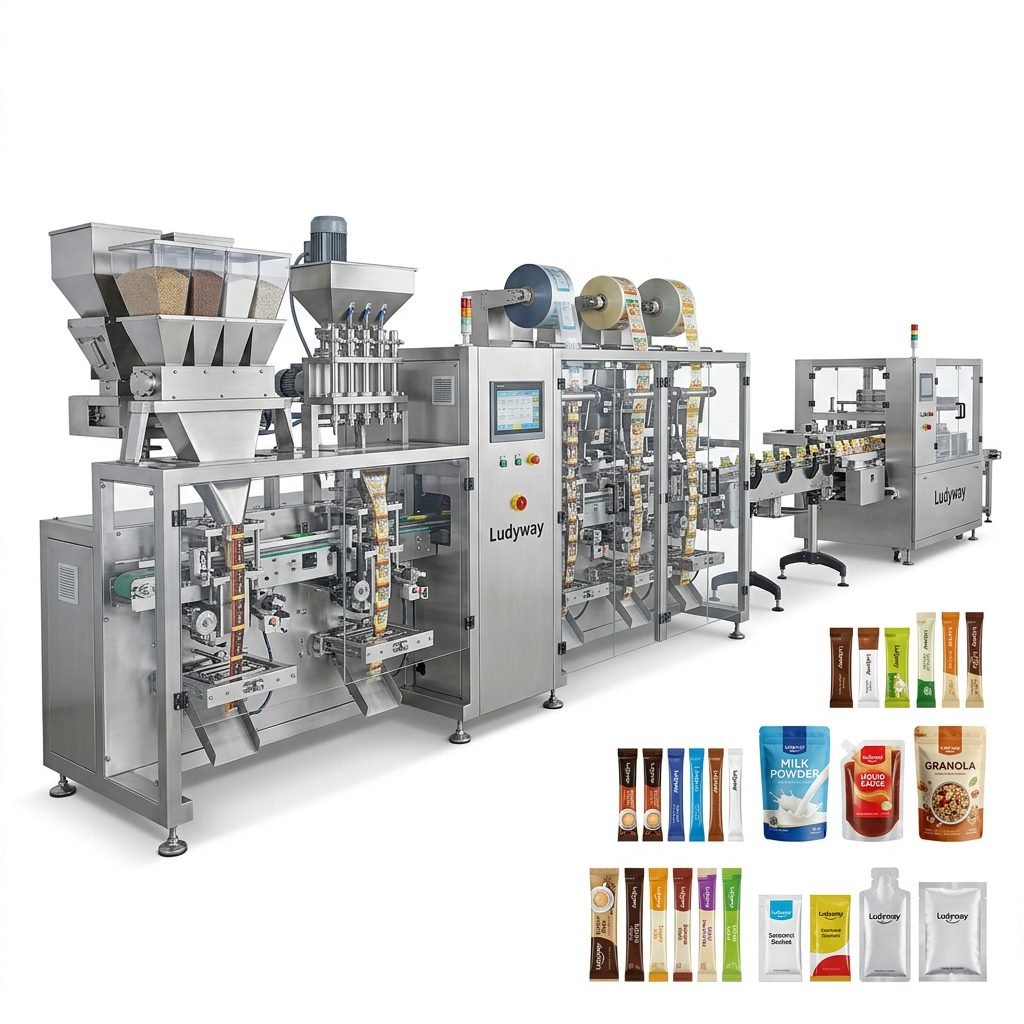
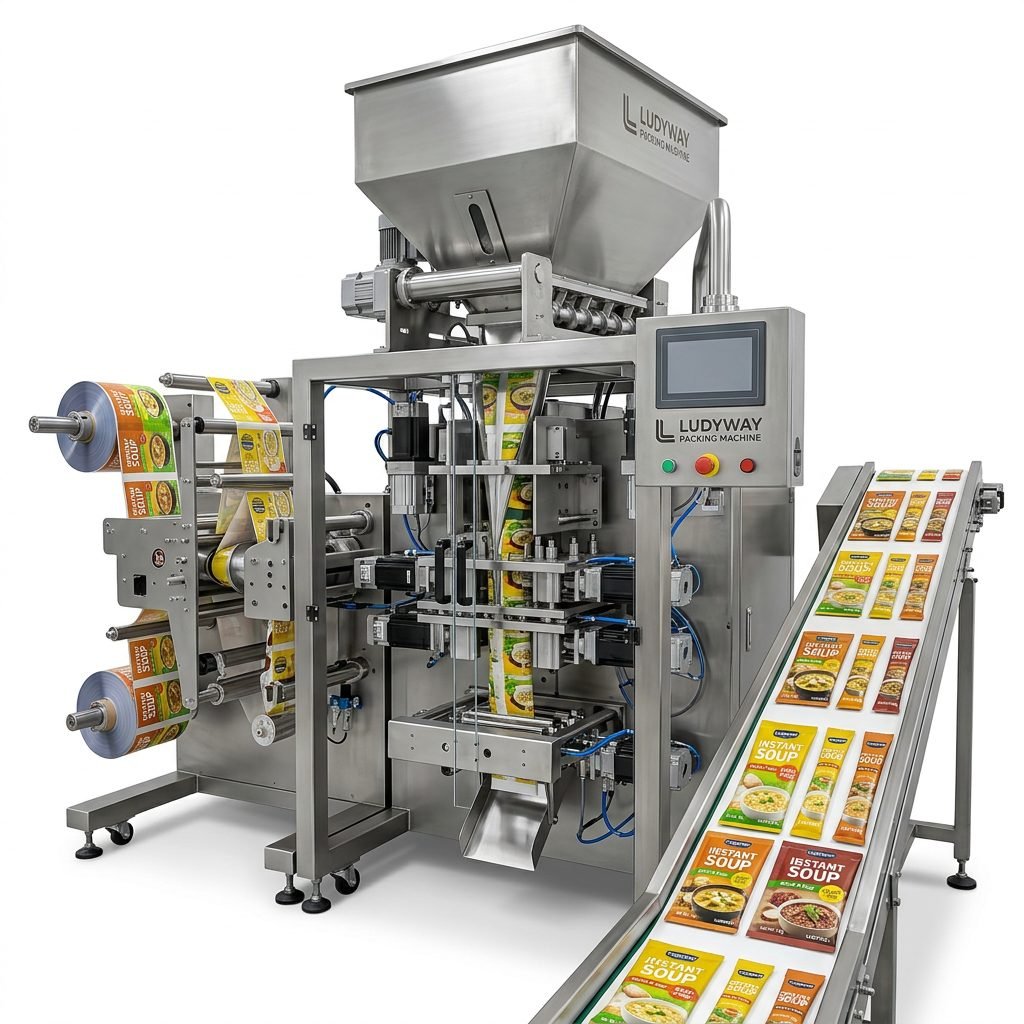
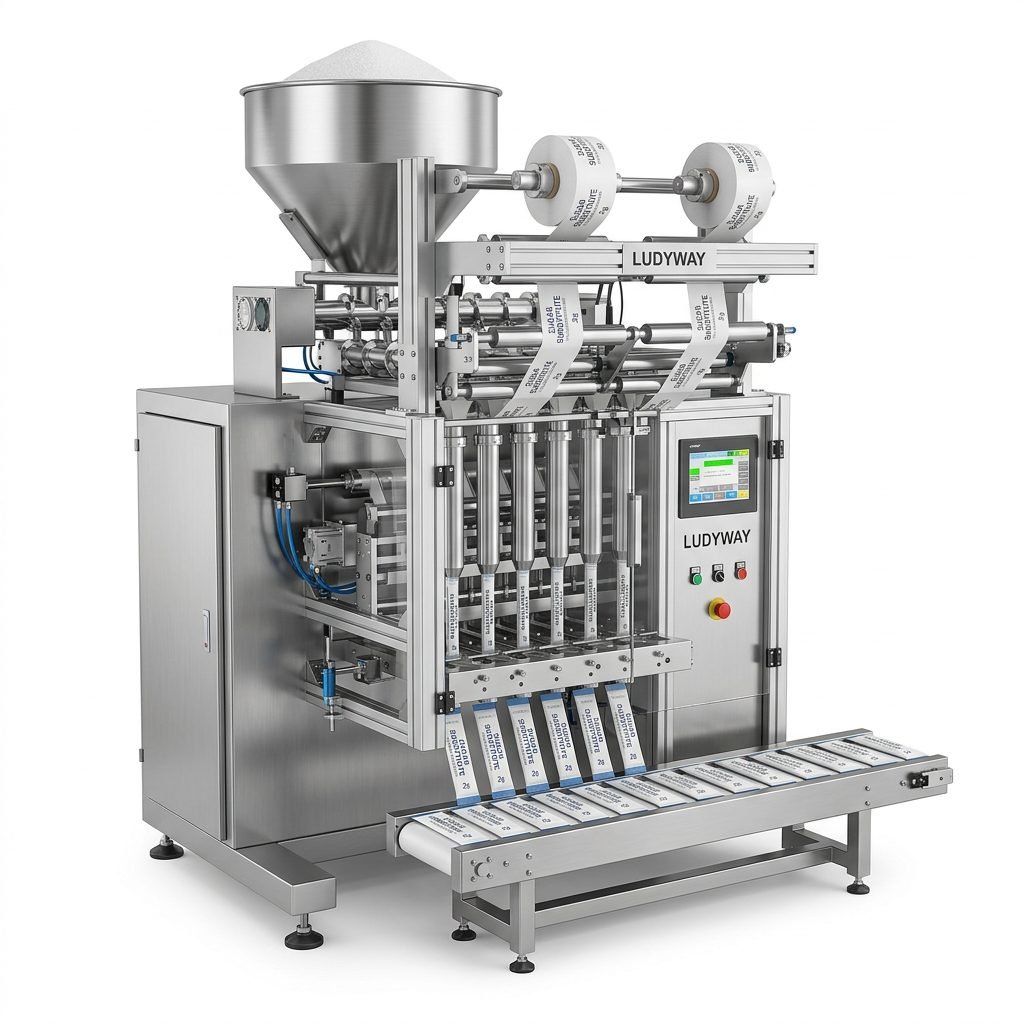
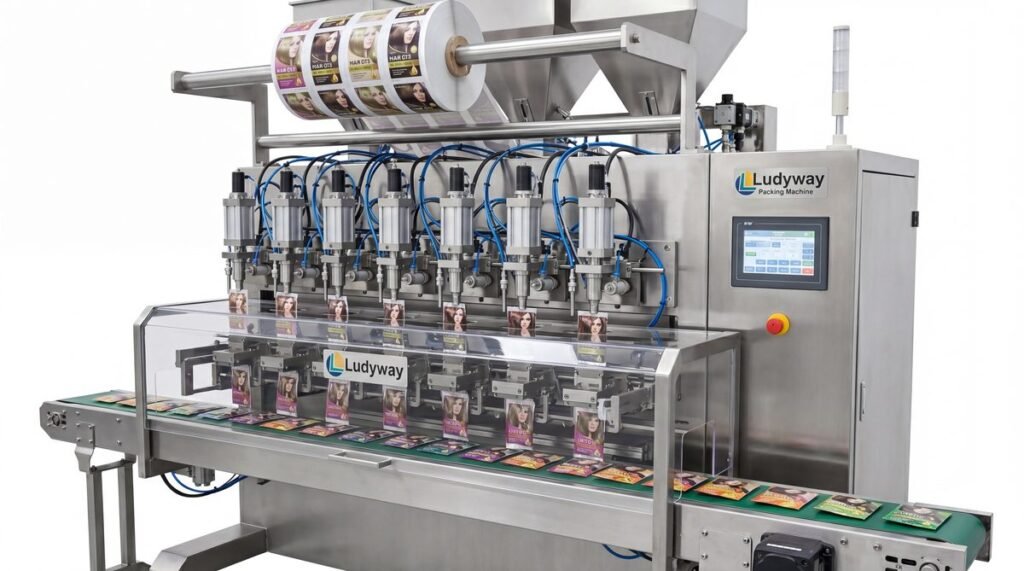
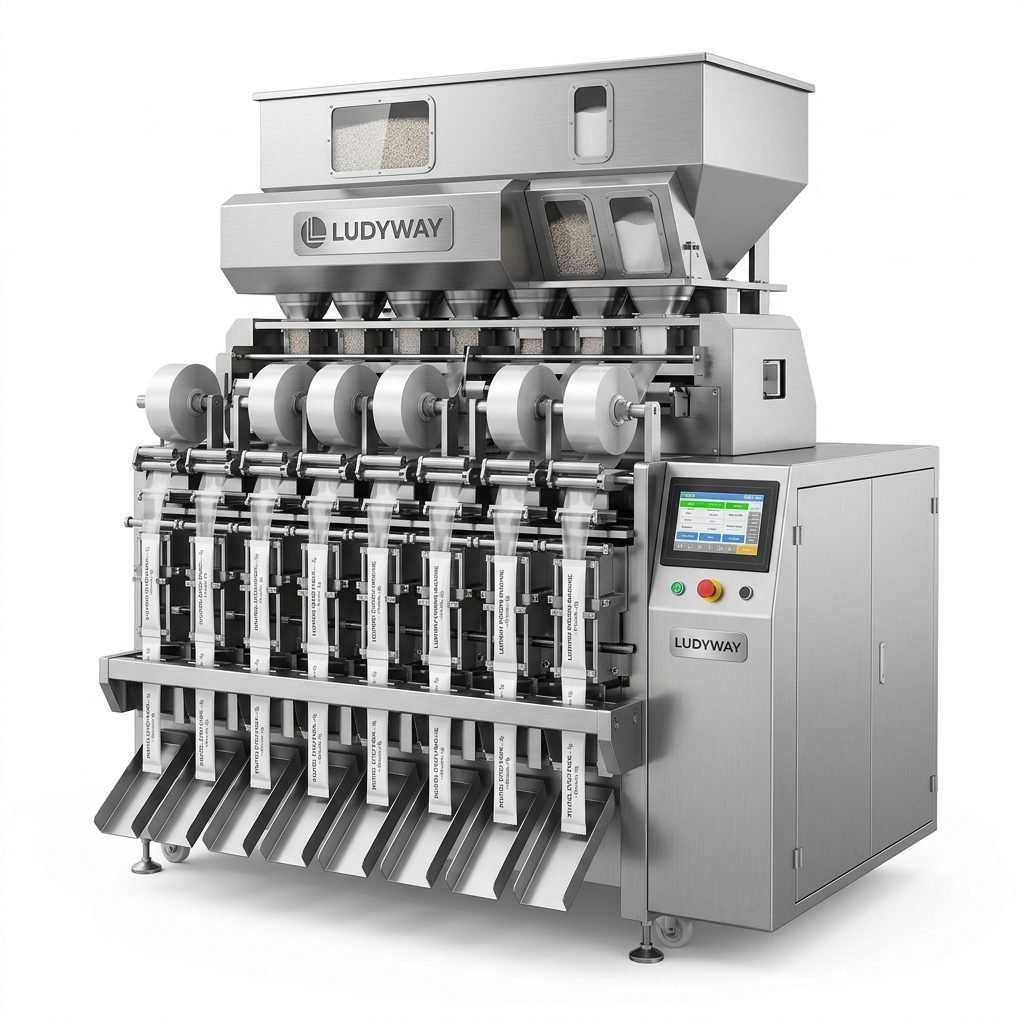
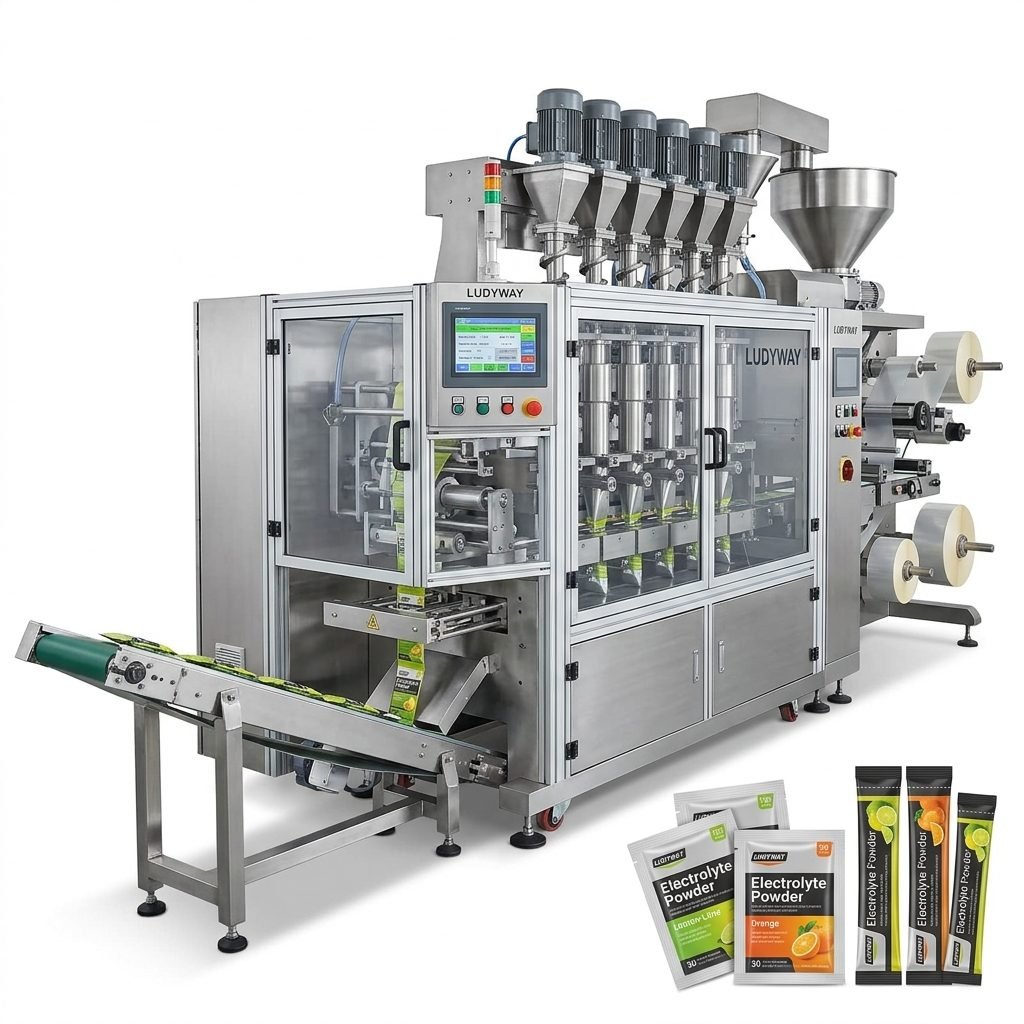
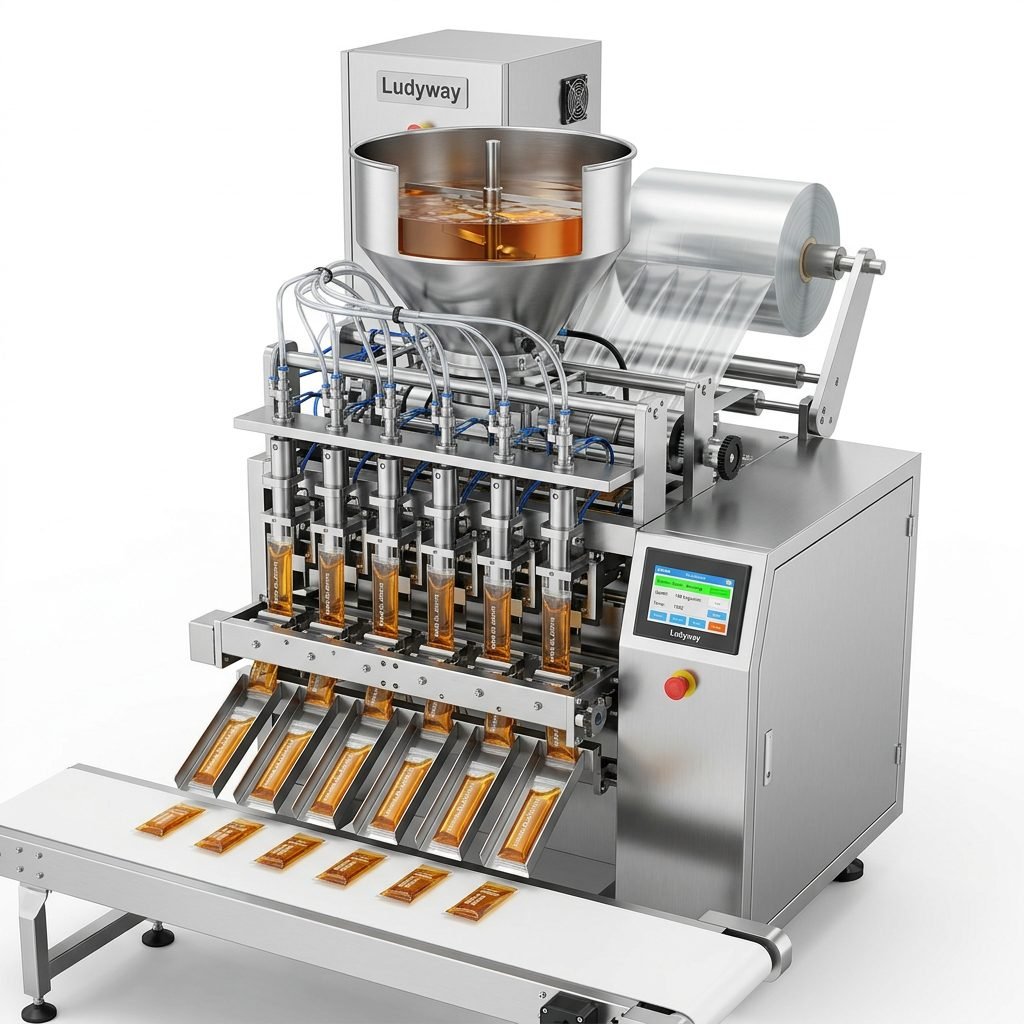
Leading manufacturers in the global packaging industry, such as Ludyway, offer advanced vacuum packaging solutions with integrated automation features, backed by decades of engineering expertise and a comprehensive portfolio of over 50 intelligent packaging machine models designed for diverse industrial applications across food, pharmaceutical, and health sectors.
Maintenance Best Practices for Longevity
Proper maintenance extends the operational life of your vacuum packaging equipment by years while ensuring consistent seal quality. Implement these essential practices from day one of installation:
- Daily: Clean sealing bar surfaces with a soft brush to remove product residue. Inspect vacuum chamber gaskets for food particles or damage that could compromise the vacuum seal.
- Weekly: Check and top up vacuum pump oil levels. Drain moisture traps in the compressed air system. Verify temperature calibration of the sealing bar against the controller display.
- Monthly: Replace or clean vacuum pump filters. Inspect electrical connections for loose terminals. Lubricate moving mechanical components according to manufacturer specifications.
- Quarterly: Perform a complete vacuum pump oil change if using oil-lubricated pumps. Conduct a vacuum decay test to verify chamber integrity. Update PLC firmware if applicable.
- Annually: Engage a certified service engineer for comprehensive inspection. Replace all gaskets and sealing elements regardless of apparent condition. Conduct full performance validation testing.

Regulatory Compliance and Certification Requirements
Indian food and pharmaceutical manufacturers must adhere to an increasingly stringent regulatory framework. The Food Safety and Standards Authority of India mandates that all food contact packaging materials meet specified migration limits for contaminants. Vacuum packaging machines used in pharmaceutical production must comply with Schedule M of the Drugs and Cosmetics Rules, which outlines good manufacturing practices. For businesses exporting to international markets, compliance with additional frameworks including European packaging regulations and FDA guidelines becomes essential. Selecting a machine that generates auditable data logs for sealing temperature, vacuum level, and cycle time simplifies regulatory inspections and certification audits.
Making the Final Decision
Choosing the best vacuum seal packaging machine in India ultimately comes down to matching your specific production requirements with a reliable, well-supported equipment solution. Prioritize suppliers who offer in-person demonstrations, trial runs with your actual products, and transparent documentation of machine specifications. Request references from businesses in your industry segment and, if possible, visit existing installations to observe long-term performance. A methodical selection process that accounts for the factors outlined in this guide will help you secure a machine that delivers consistent results, minimizes downtime, and supports your business growth for years to come.