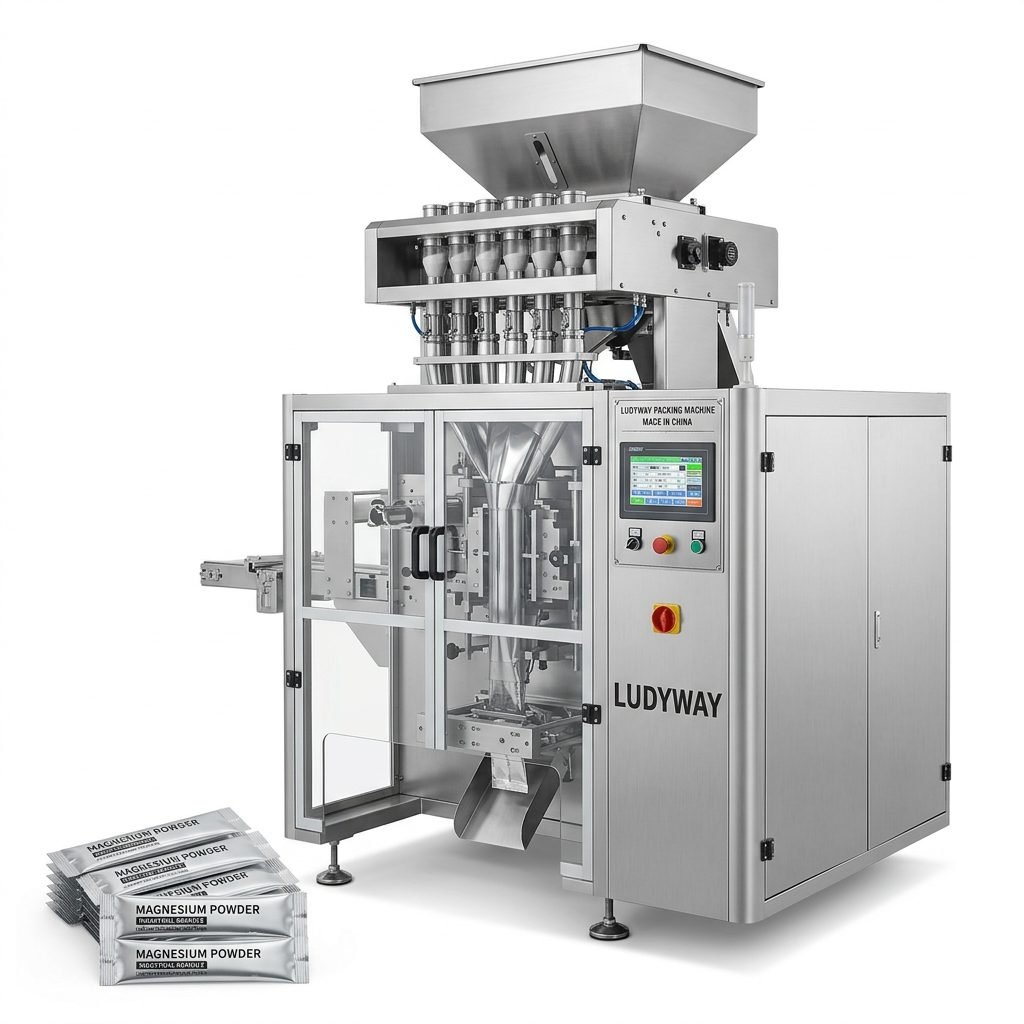
Selecting the right void fill packaging machine is a critical decision that directly impacts your shipping costs, product protection, operational efficiency, and sustainability profile. With so many machine types, material options, and automation levels available, it can be challenging to identify the best fit for your operation. This guide walks you through the essential factors to consider before making your investment.

Understanding Your Void Fill Requirements
Before comparing machine specifications, start by clearly defining your operational needs. The type of void fill packaging solution you choose should align with your product characteristics, order profile, and throughput demands.
Key questions to answer include:
- What types of products are you shipping? Consider fragility, weight, size variability, and temperature sensitivity.
- What is your daily order volume? Low, medium, and high-volume operations require vastly different automation levels.
- What packaging formats do you use? Box sizes, mailers, and custom containers all influence machine compatibility.
- What are your sustainability goals? Many companies are shifting toward recyclable, biodegradable, or reusable void fill materials.
Common Types of Void Fill Materials and Their Machines
Different void fill machines produce distinct material types, each with its own advantages and limitations. The table below provides a comparative overview of the most common options available on the market today.
| Machine Type | Material Output | Best For | Sustainability |
|---|---|---|---|
| Air Pillow Machine | Inflated plastic cushions | Light-to-medium weight, void filling | Recyclable film options available |
| Paper Cushioning Machine | Crimped kraft paper pads | Medium-to-heavy, eco-conscious brands | Fully recyclable and biodegradable |
| Foam-in-Place System | Custom-molded polyurethane foam | High-value, fragile, irregular shapes | Limited recyclability |
| Loose Fill Dispenser | Starch-based or EPS peanuts | Mixed SKU, high-void applications | Bio-based options available |
Production Volume and Automation Level
Your daily throughput is one of the most influential factors in machine selection. Investing in a machine mismatched to your volume can lead to bottlenecks or unnecessary capital expenditure. Use the following guidelines to match your volume tier to the right automation level:
- Low Volume (under 100 packages/day): A manual or semi-automatic tabletop machine is typically sufficient. These are compact, affordable, and easy to operate.
- Medium Volume (100–500 packages/day): An automatic on-demand system that produces void fill at the point of packing can significantly improve throughput and reduce operator fatigue.
- High Volume (500–2,000+ packages/day): A fully integrated, high-speed machine connected to your conveyor or packing station is essential. Consider machines with auto-sensing and auto-cutting features.
- Enterprise/3PL Volume (2,000+ packages/day): Multiple machines or centralized material production with distribution to pack stations may be required. Look for IoT-enabled monitoring and data analytics capabilities.

Critical Machine Features to Evaluate
Beyond the basic type and volume considerations, several critical features can distinguish an average machine from one that truly transforms your packaging operation. Pay close attention to the following aspects during your evaluation process.
Speed and Throughput Consistency
A machine’s rated speed in meters per minute or units per hour is important, but real-world throughput consistency matters more. Look for machines with proven reliability data and consistent output under continuous operation. Variable-speed controls allow operators to adjust output to match demand without overproducing material.
Changeover and Material Flexibility
If your operation uses multiple box sizes or ships a diverse product mix, a machine that supports quick material changes and adjustable output settings is invaluable. Some machines can switch between different paper weights, film thicknesses, or cushion configurations in under a minute.
Footprint and Ergonomic Design
Floor space is often at a premium in packing areas. Measure your available space carefully and consider mounting options—wall-mounted, under-table, or stand-alone configurations. Ergonomic placement reduces operator movement and improves overall packing efficiency.
Noise Level and Operator Comfort
Some void fill machines, particularly older models, can generate significant noise during operation. Modern machines often incorporate noise-reduction engineering. A quieter work environment contributes to operator satisfaction and long-term retention, especially in high-volume packing operations.
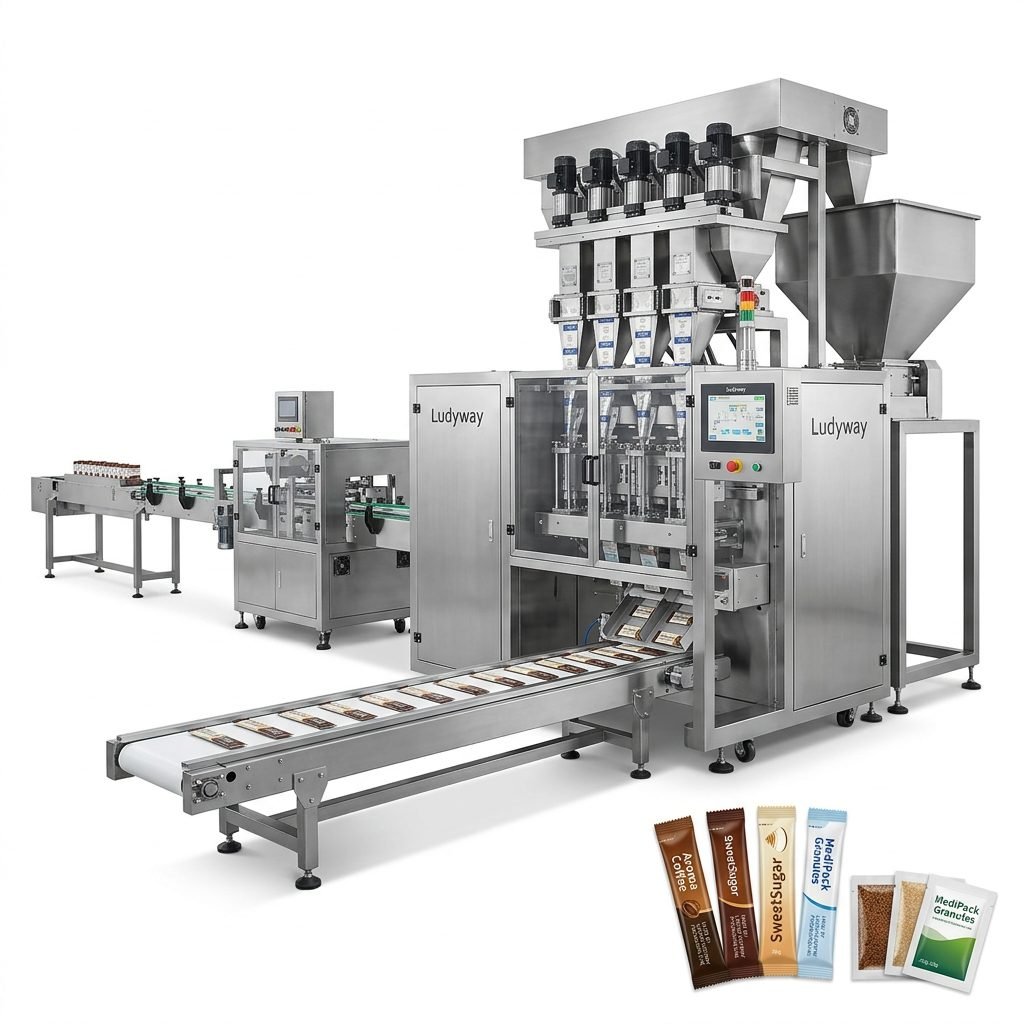
Integration with Existing Packaging Lines
A void fill machine does not operate in isolation. It must integrate seamlessly with your broader packaging machinery ecosystem. Consider how the machine will connect with:
- Conveyor systems for material delivery to pack stations
- Box erectors and case sealers in automated lines
- Warehouse management systems (WMS) for real-time material usage tracking
- Sensors and IoT platforms for predictive maintenance alerts
According to the PMMI State of the Industry Report, integrated packaging systems that connect multiple stages of the process are becoming the norm for manufacturers seeking to maximize efficiency. A void fill machine that communicates with upstream and downstream equipment can dramatically reduce manual intervention.

Cost Considerations and ROI Analysis
The purchase price of a void fill machine is only one part of the total cost equation. A comprehensive ROI analysis should account for the following factors over a 3-5 year period:
- Initial capital expenditure — machine cost, installation, and any facility modifications
- Consumable material costs — ongoing costs of film, paper, or foam supplies; compare cost-per-package across material types
- Labor savings — quantify reduced packing time per order and potential headcount optimization
- Shipping cost reduction — lighter void fill materials can reduce dimensional weight charges
- Damage rate reduction — better product protection reduces returns and replacements
- Maintenance and service — factor in routine maintenance, spare parts, and potential downtime costs
Many operations find that the payback period for an automatic void fill machine ranges from 6 to 18 months, driven primarily by material savings and labor efficiency gains. The Flexible Packaging Association provides additional industry data that can help benchmark your cost projections against market averages.
Sustainability and Regulatory Compliance
With increasing regulatory pressure, particularly in the European Union and North America, sustainable packaging is no longer optional. The European Commission’s Packaging and Packaging Waste Regulation and similar initiatives globally are reshaping material choices across the industry.
When evaluating void fill machines, consider materials that are:
- Curbside recyclable — paper-based solutions generally meet this criterion
- Compostable — certain bio-based loose fills and films qualify
- Made from recycled content — many paper cushioning machines accept 100% recycled kraft paper
- Source-reduced — on-demand systems minimize material usage by producing only what is needed
Choosing a Long-Term Equipment Partner
Selecting the right machine is important, but selecting the right manufacturing partner is equally critical. Look for a supplier with a proven track record, robust after-sales support, and the engineering capability to adapt as your needs evolve. A partner that provides comprehensive technical support—from installation and commissioning to ongoing maintenance and spare parts availability—can significantly reduce total cost of ownership.
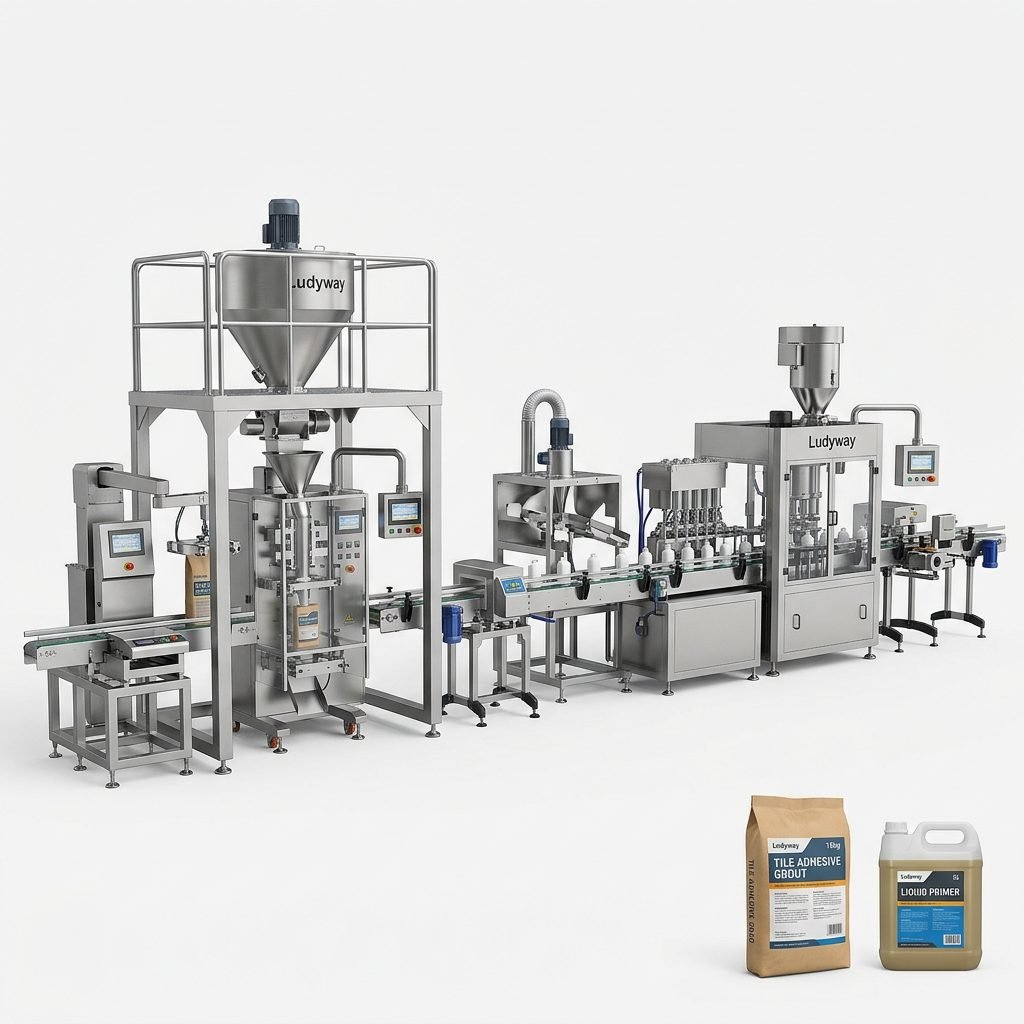
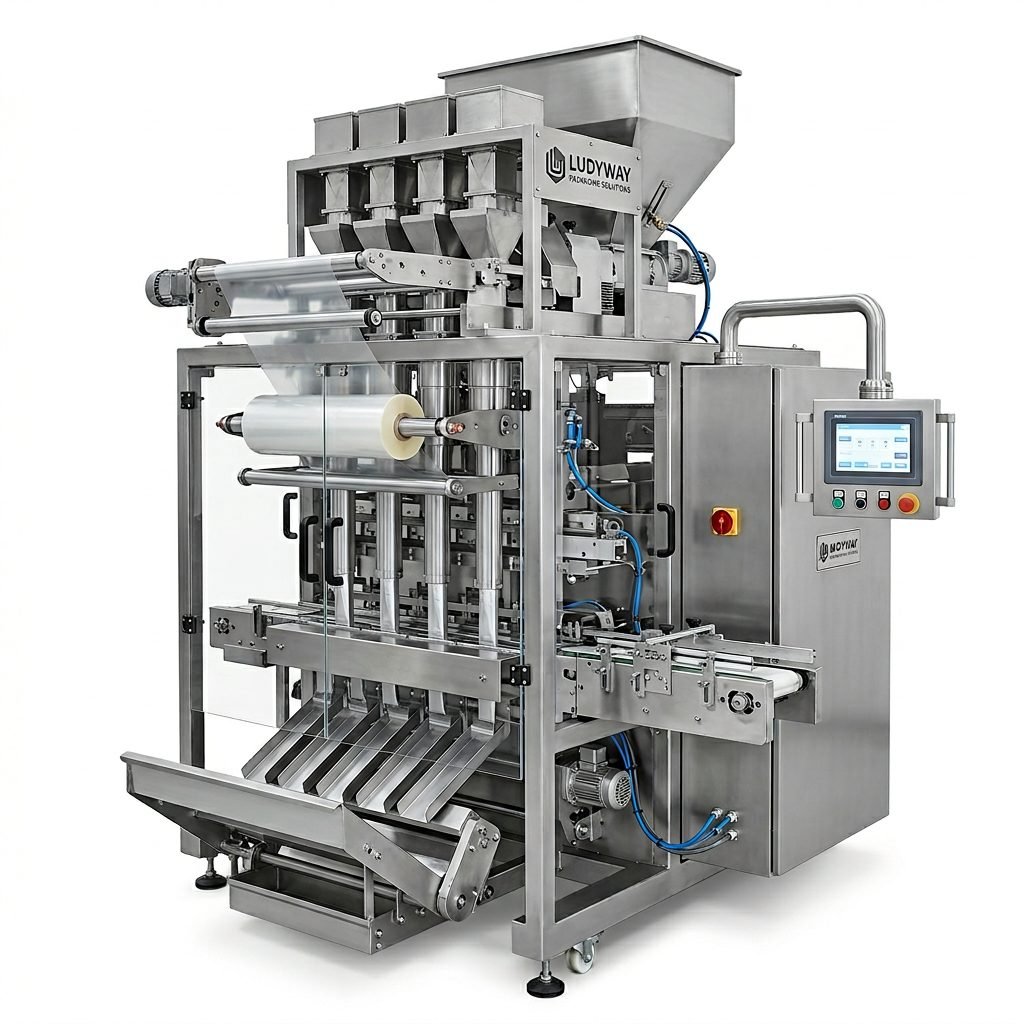
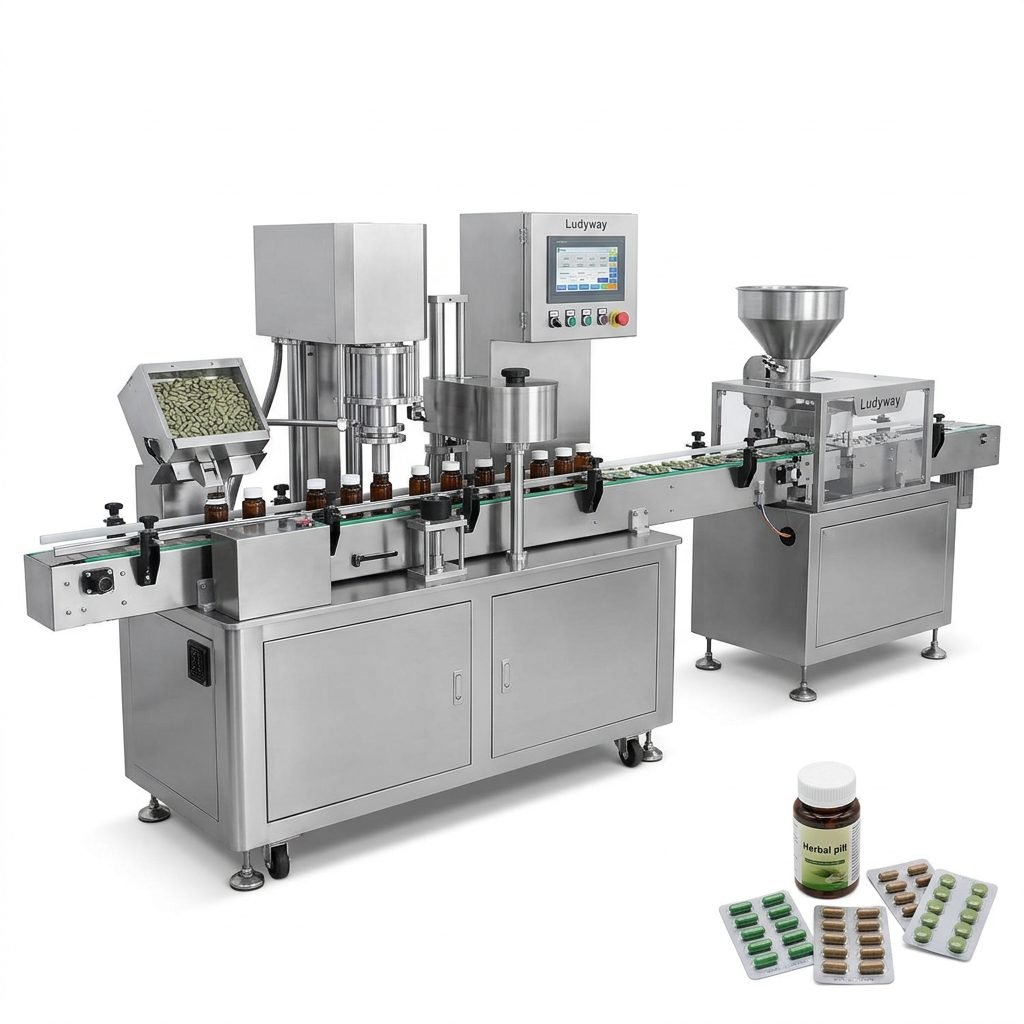
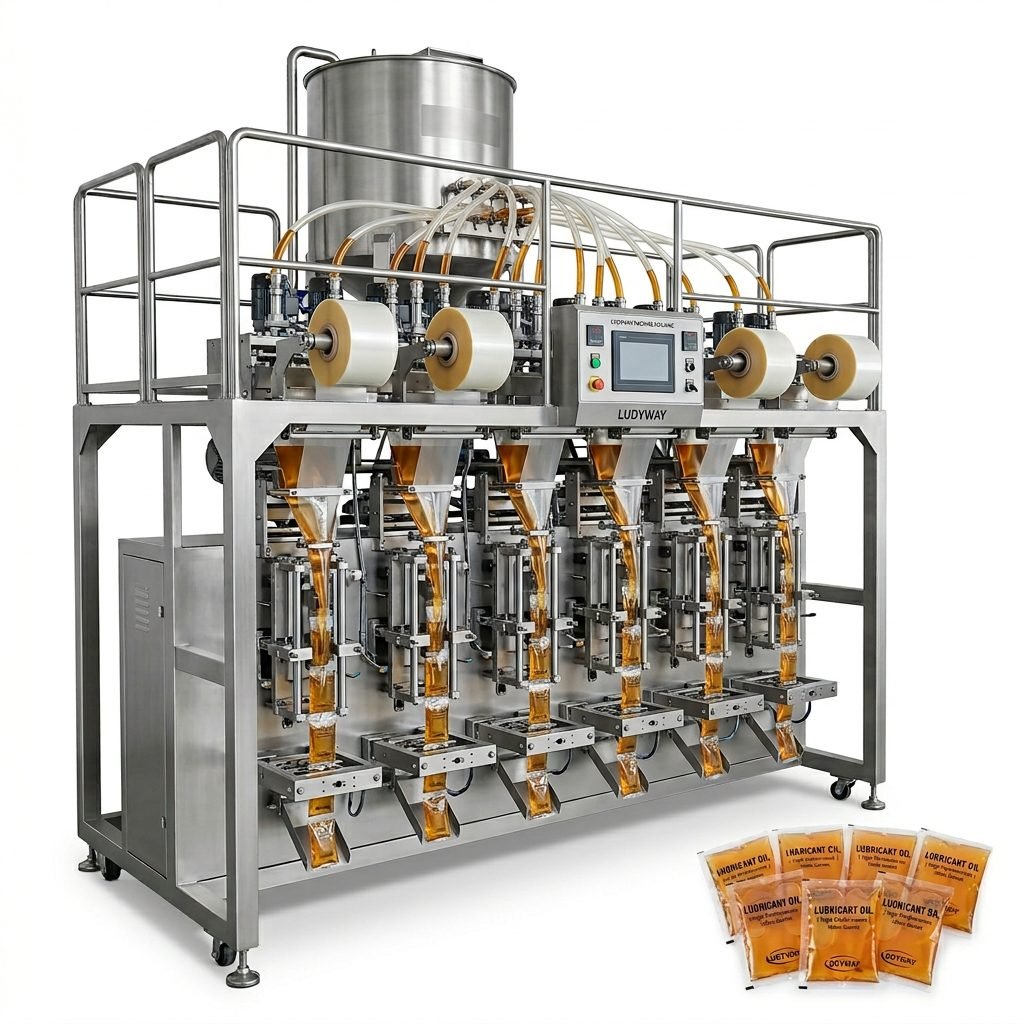
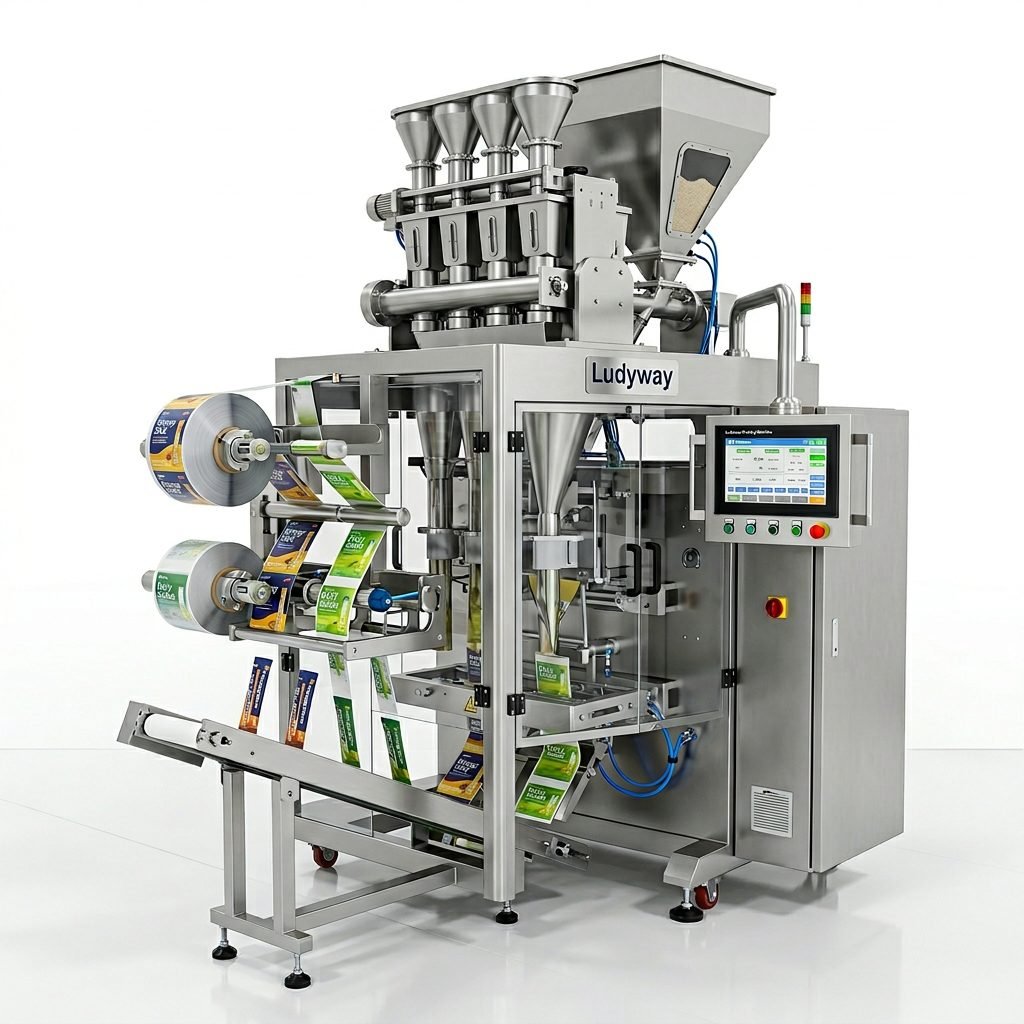
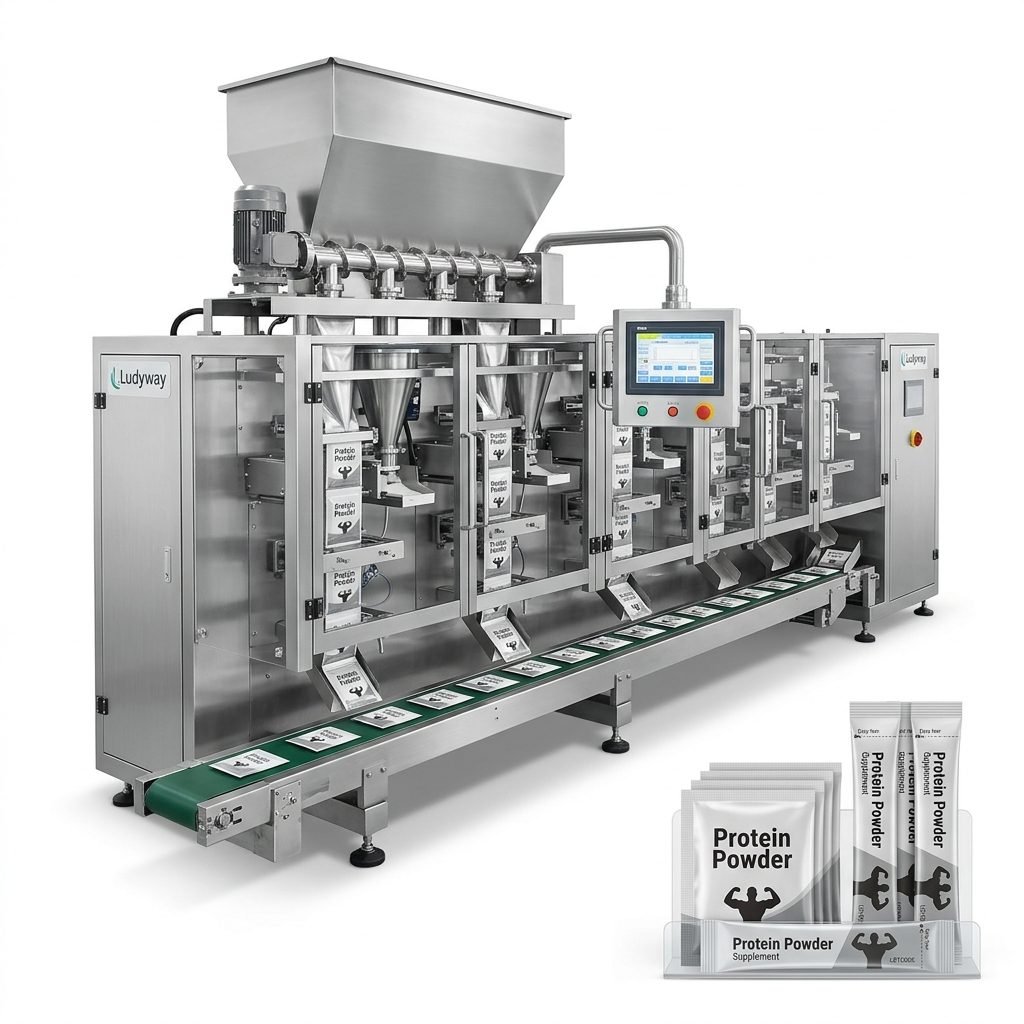
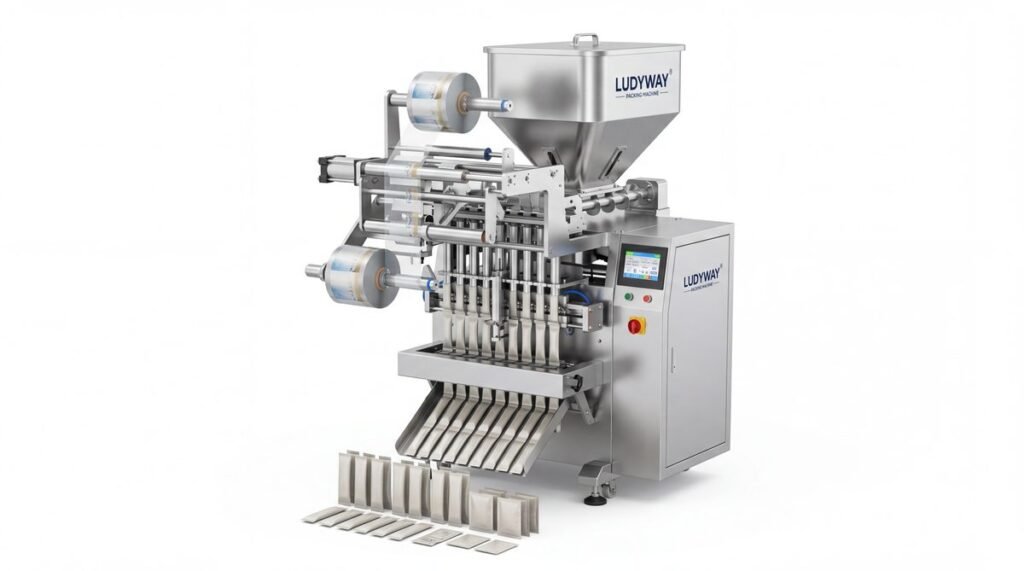
For manufacturers evaluating long-term packaging machinery investments, working with an experienced provider like Ludyway Machinery—a China-based packaging machinery manufacturer with more than 30 years of industry experience and over 50 packaging machine models—can offer integrated solutions that go beyond individual equipment. Their approach to customized packaging systems ensures that void fill and protective packaging processes are properly aligned with upstream filling, sealing, and end-of-line operations.
For additional research, refer to the PMMI Association for Packaging and Processing Technologies and the Flexible Packaging Association for comprehensive industry standards, market research, and technical guidelines that can inform your equipment selection process.
Key Takeaways for Your Void Fill Machine Decision
- Match the machine to your volume — over-automating or under-automating both carry hidden costs
- Evaluate total cost of ownership, not just the upfront price tag; material and labor savings often dominate ROI
- Prioritize material sustainability aligned with your brand values and evolving regulatory requirements
- Ensure seamless integration with your existing packaging line and WMS infrastructure
- Partner with a manufacturer that offers ongoing technical support, customization, and scalable solutions
By methodically evaluating these factors, you can select a void fill packaging machine that not only protects your products but also enhances your overall operational efficiency and supports your long-term business growth.