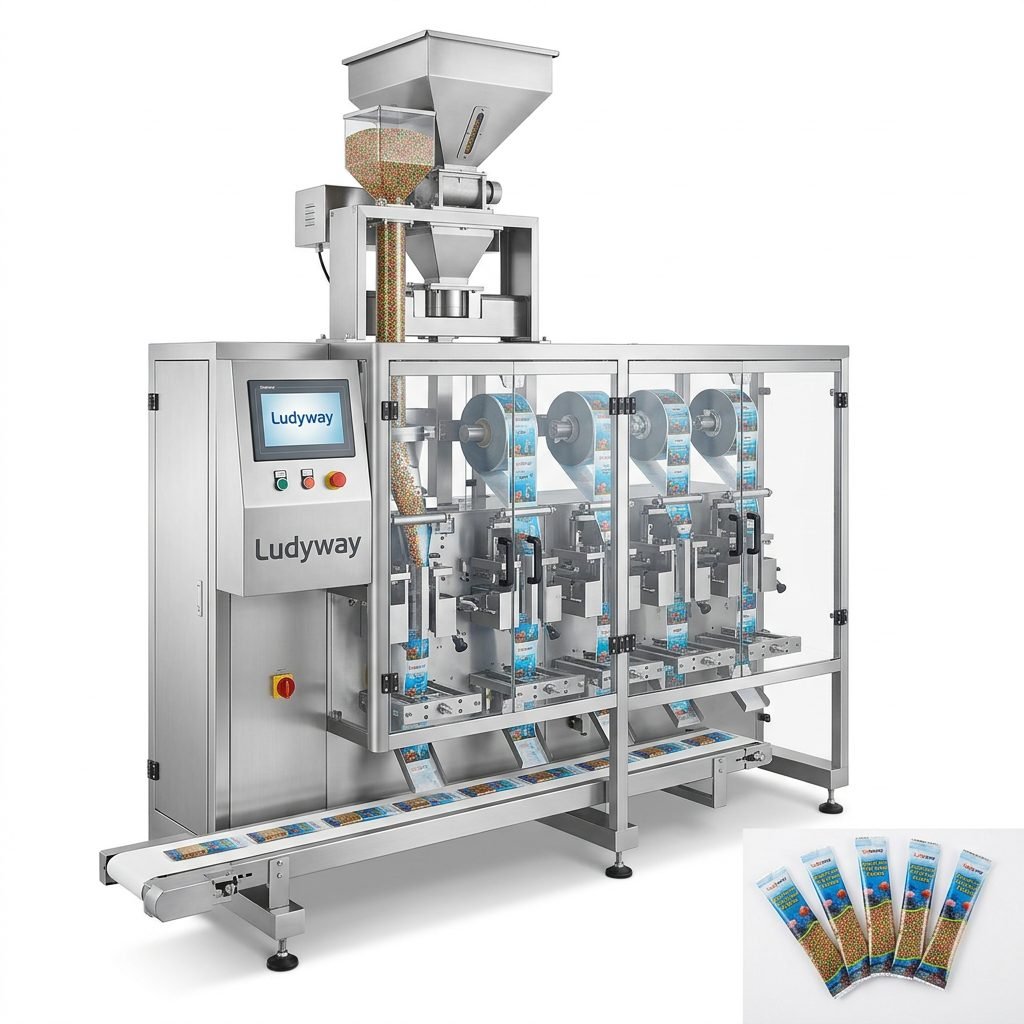
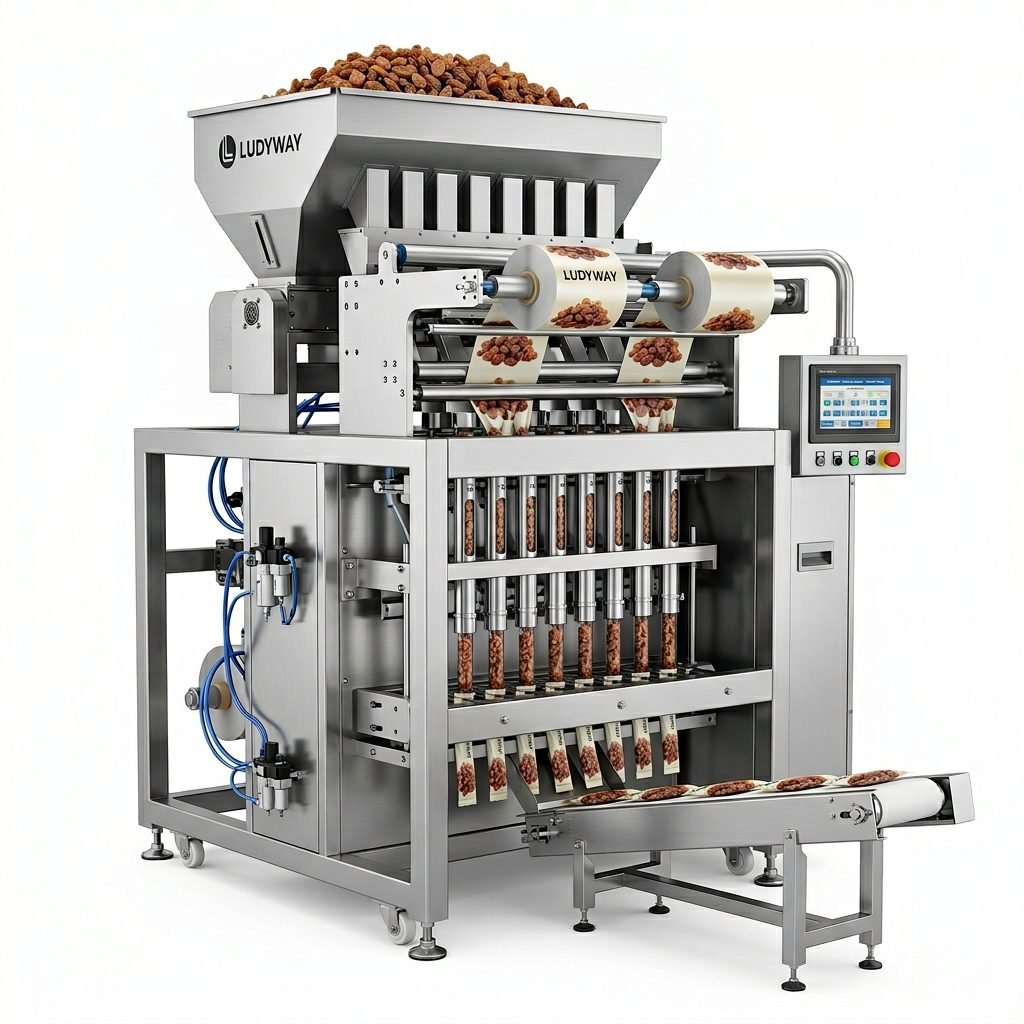
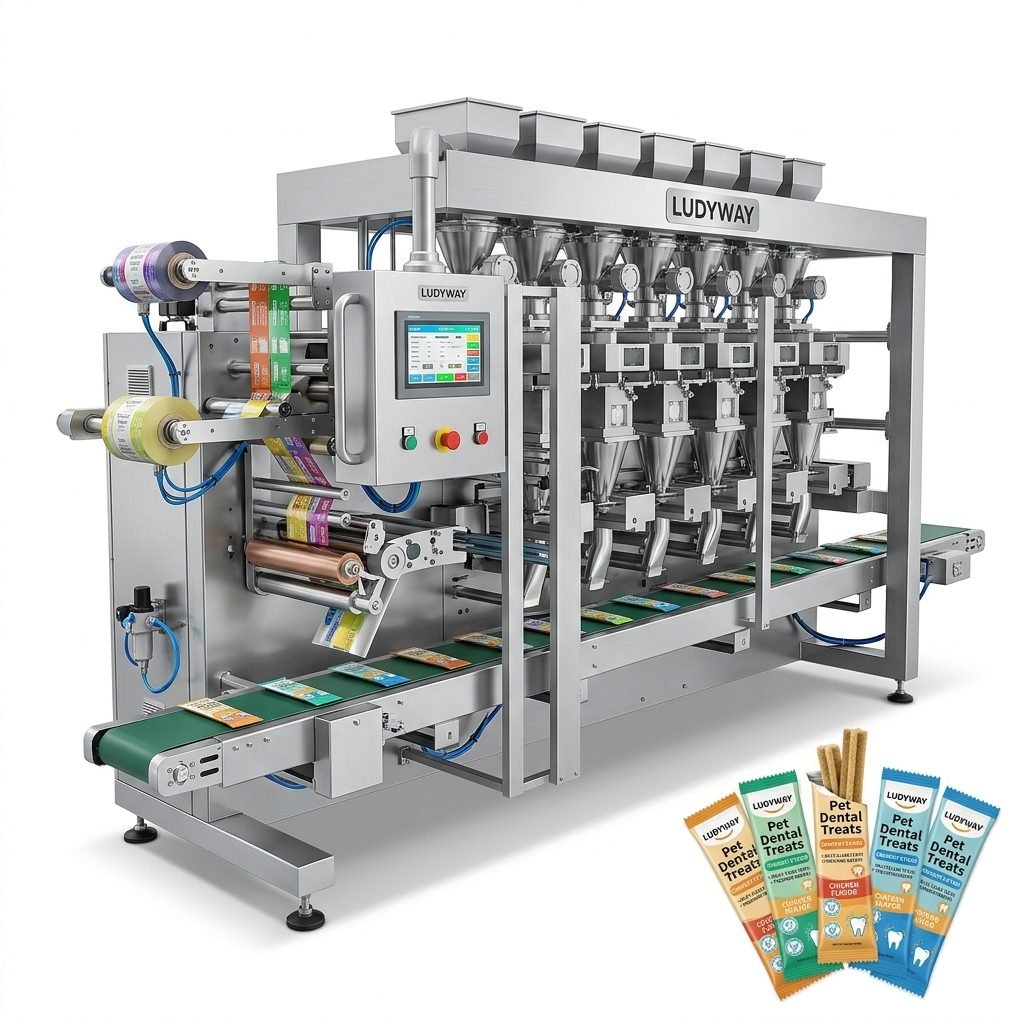
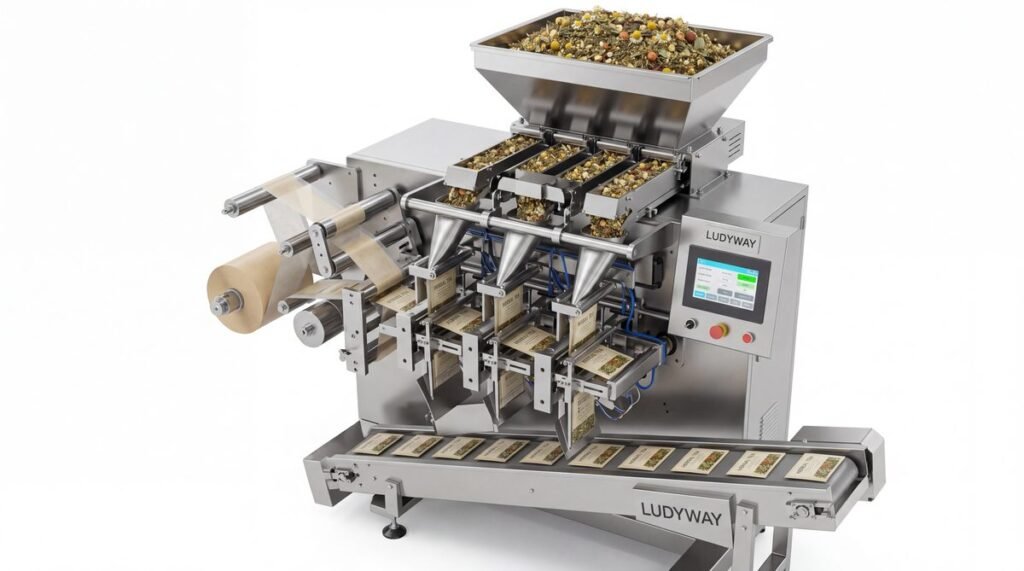
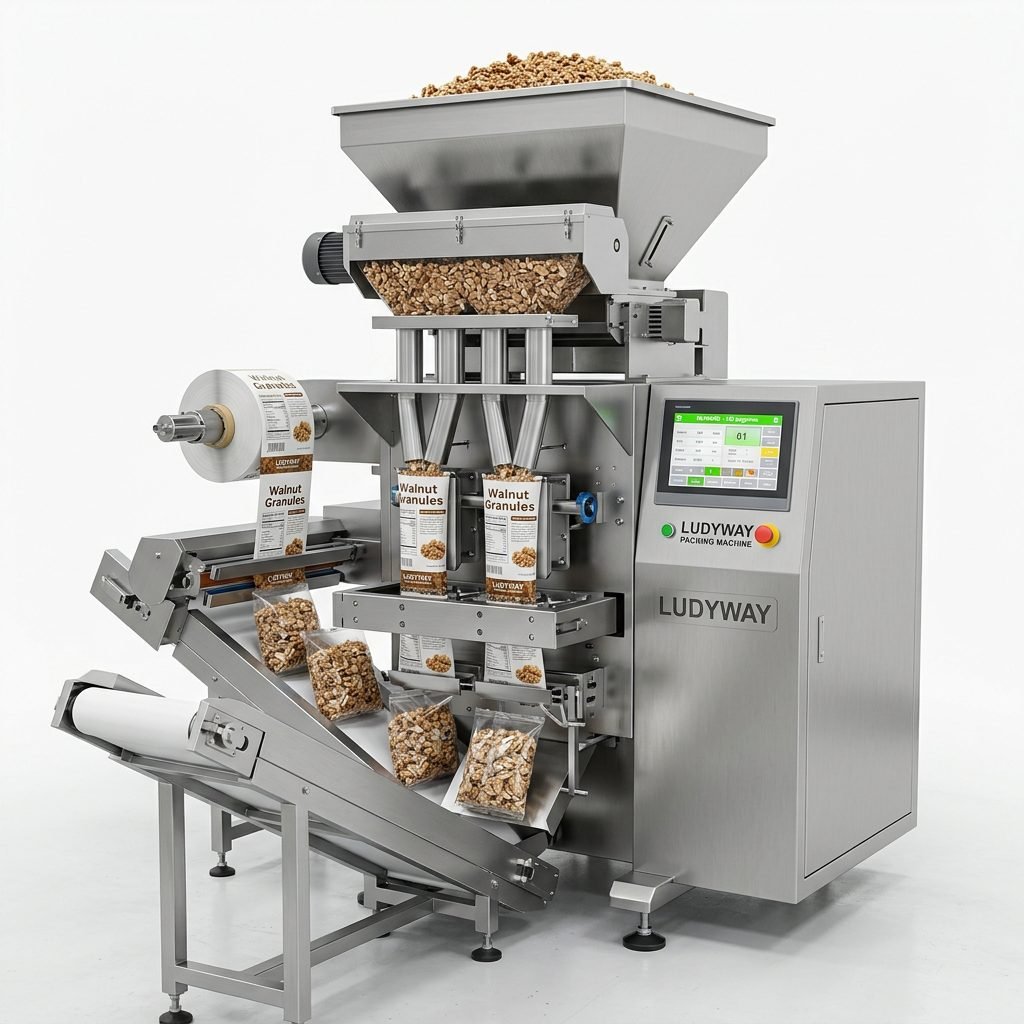
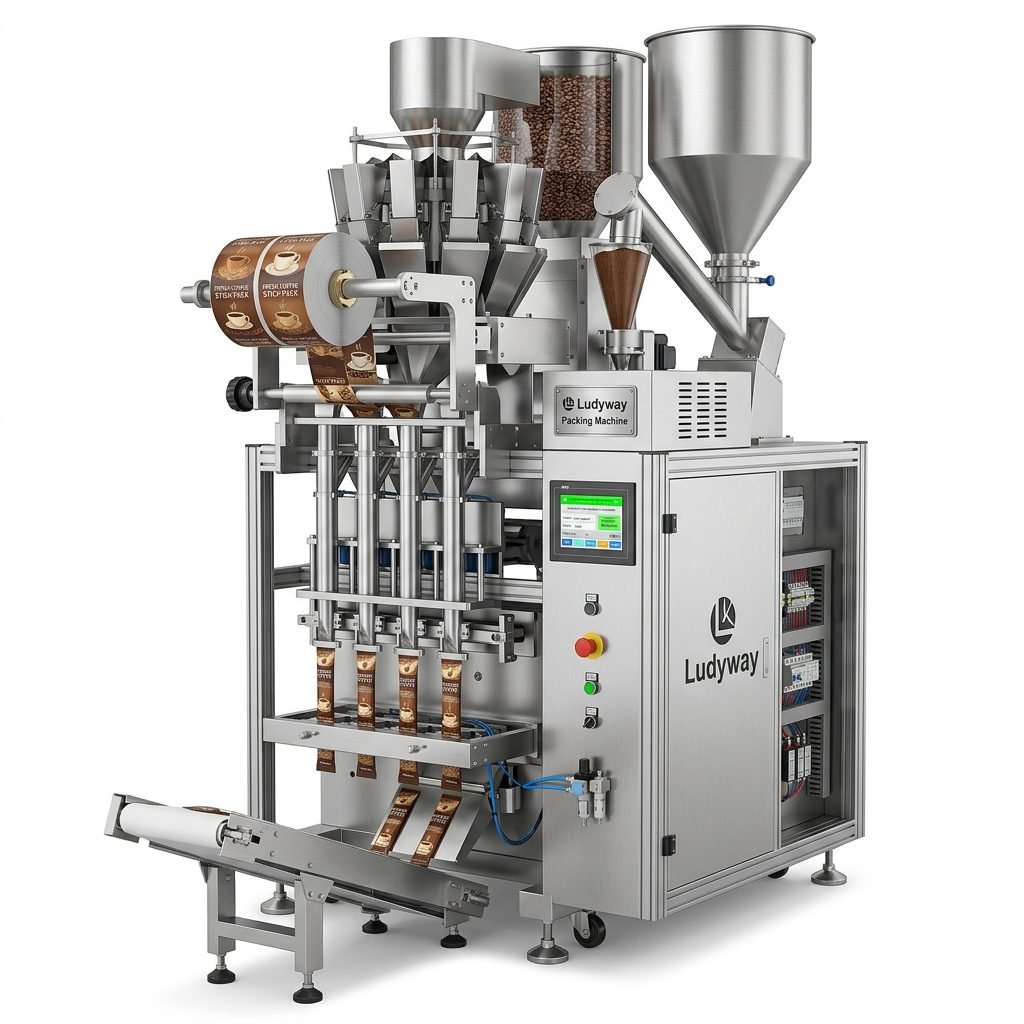
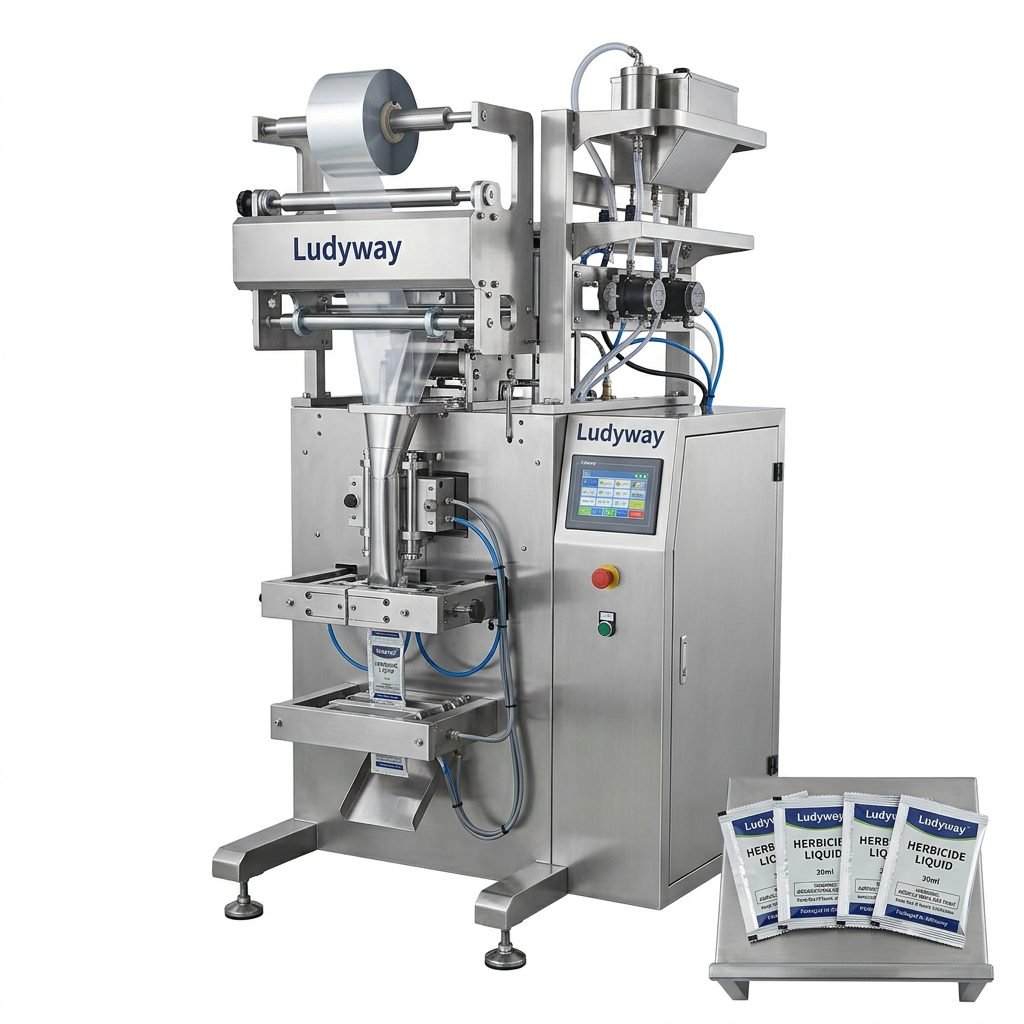
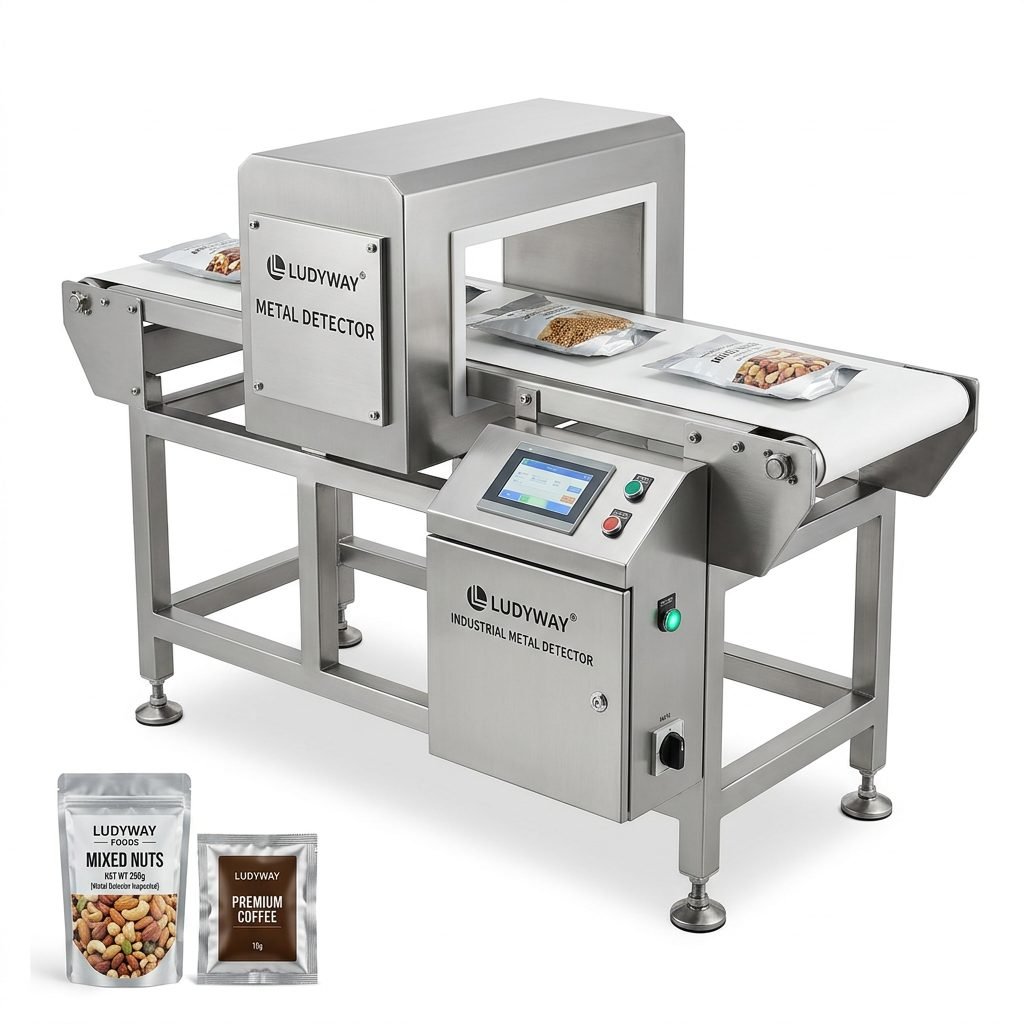
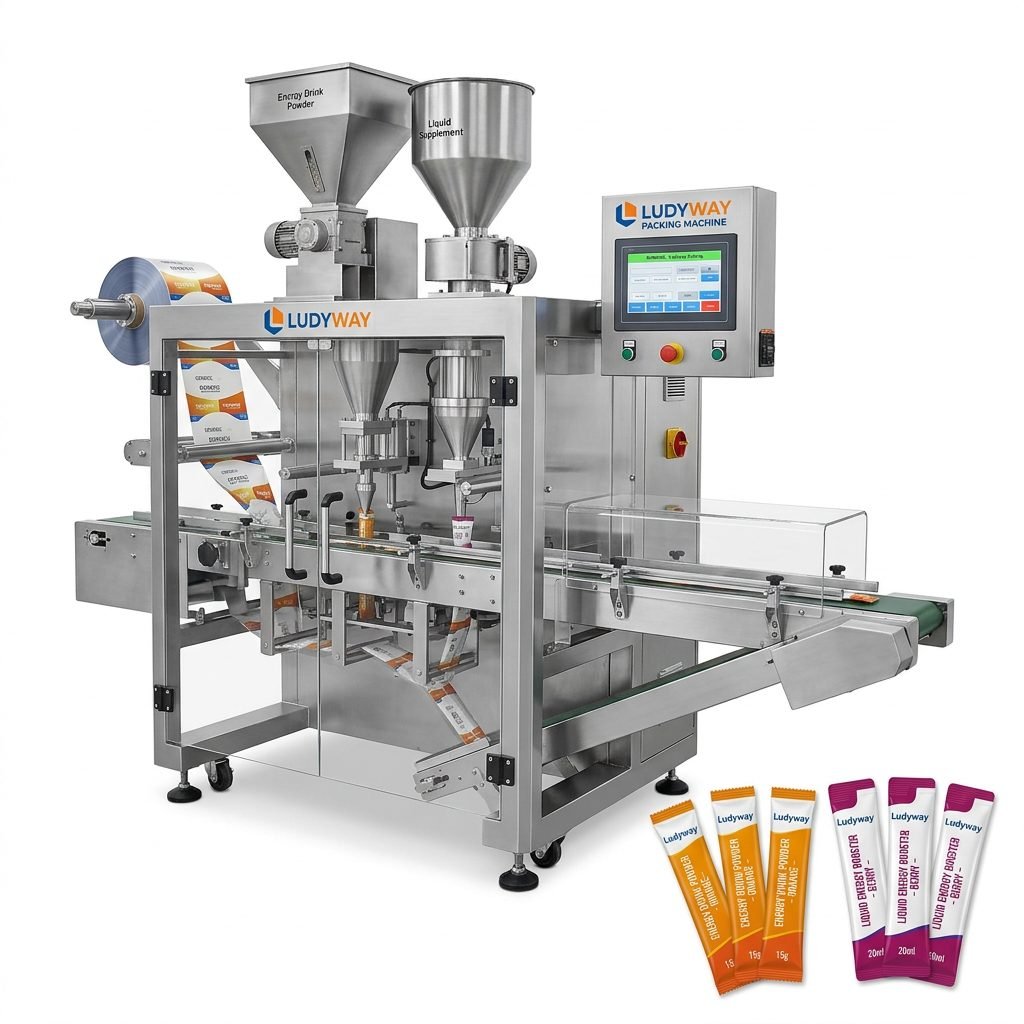
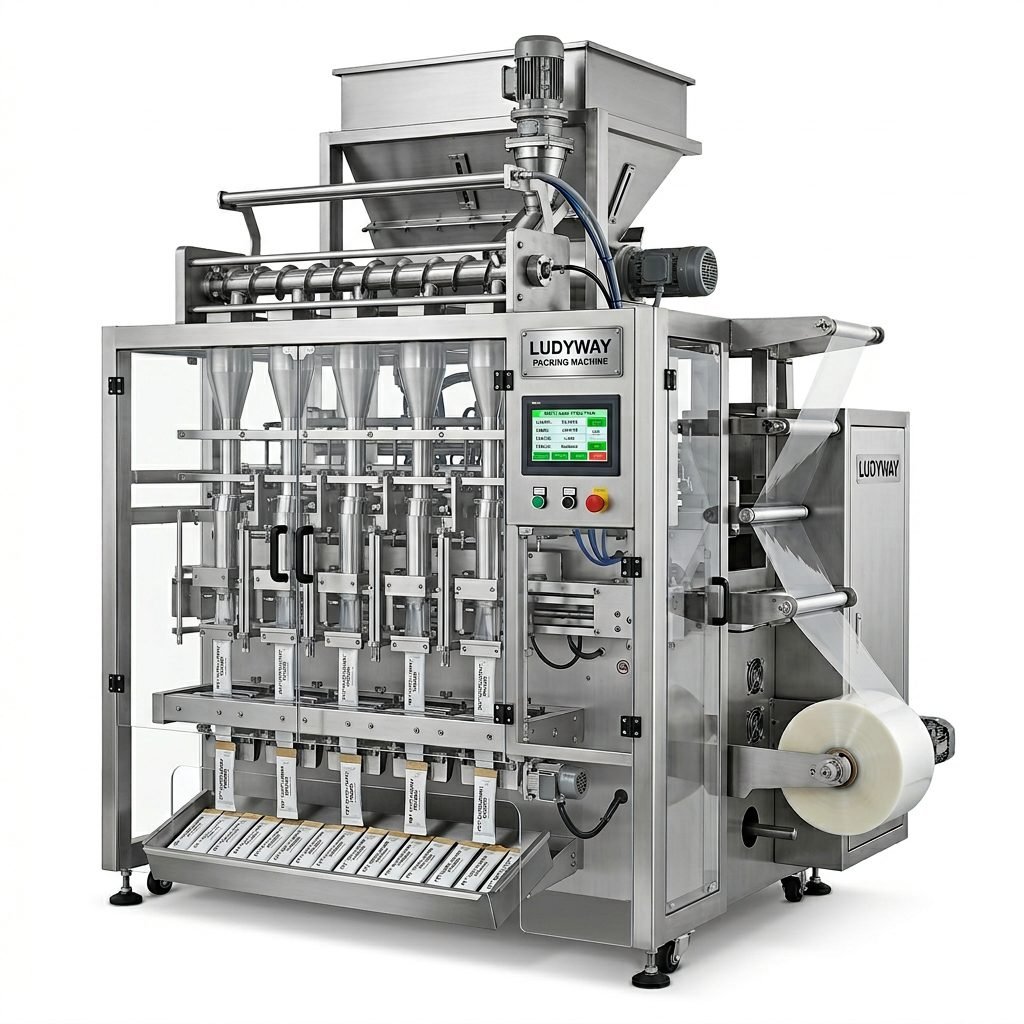
Proper maintenance is the cornerstone of reliable production. For any business relying on packaging machinery, a proactive upkeep strategy directly translates into reduced downtime, consistent seal integrity, and a significantly longer service life. Neglecting routine care often leads to emergency repairs, compromised product quality, and costly production halts. This guide outlines a structured approach to keeping your equipment operating at peak performance.

Daily Inspection and Cleaning Protocols
A rigorous daily routine is your first line of defense against unexpected failures. Consistent cleaning and visual checks prevent minor issues from escalating into major mechanical problems. Operators should follow a standardized checklist at the beginning and end of each shift.
- Remove Product Residue: Dust, powder, and granule buildup around the forming tube, sealing jaws, and filling area can contaminate packages and interfere with sensor accuracy. Use food-grade cleaning agents and lint-free cloths on all food-contact surfaces.
- Inspect Sealing Surfaces: Examine the heat-sealing bands and jaws for any carbonized residue, film remnants, or uneven wear patterns. Carbon buildup acts as an insulator, causing weak or inconsistent seals.
- Verify Sensor Functionality: Check that all photoelectric sensors, registration mark detectors, and temperature probes are clean and properly aligned. Misaligned sensors are a frequent cause of miscuts and film tracking errors.
- Check Air Pressure and Filters: Drain moisture from the air filter bowl and confirm that the pneumatic system is operating at the manufacturer’s recommended pressure. Clean, dry compressed air is critical for consistent actuator performance.
- Monitor Film Tension: Uneven tension on the film roll can cause creasing, misalignment, and jams. Inspect the unwind mechanism and ensure the dancer arm moves freely throughout its range.
Critical Component Maintenance Procedures
Beyond daily cleaning, specific subsystems of automatic packaging equipment demand scheduled attention. These procedures should be performed weekly, monthly, or at intervals defined in your machine’s service manual.
Sealing System and Heating Element Care
The sealing system is the heart of any form-fill-seal machine. Thermal consistency across the entire jaw length is essential for hermetic seals. Replace damaged thermocouples promptly — a faulty sensor can cause temperature overshoot, damaging both the film and the heating element itself. Periodically check the jaw alignment with a feeler gauge to ensure uniform pressure distribution. Uneven pressure results in weak spots that compromise package integrity and shelf life.
Lubrication and Mechanical Drive Components
Proper lubrication minimizes friction and extends the life of bearings, chains, gears, and cam assemblies. Use only the grease and oil grades specified by the manufacturer. Over-greasing can be just as damaging as under-lubrication, attracting dust and creating abrasive paste. Pay special attention to the main drive chain, the film-feed roller bearings, and the reciprocating shafts of the sealing mechanism. A systematic lubrication log helps track service intervals and prevents oversight.
Sensor Calibration and Electrical System Checks
Modern multi-lane packaging machines rely on a network of sensors for precise operation. The registration sensor must accurately detect print marks on the film to ensure correct cut placement. Temperature controllers require periodic calibration against a reference thermometer. Inspect all wiring harnesses, connectors, and terminal blocks for signs of overheating, corrosion, or loose connections. A thermal imaging inspection can proactively identify high-resistance electrical joints before they fail.

Troubleshooting Common Packaging Machine Issues
When problems arise, a structured diagnostic approach saves time and prevents unnecessary part replacements. The table below summarizes frequently encountered issues, their probable causes, and recommended corrective actions for standard vertical form-fill-seal systems.
| Symptom | Probable Cause | Recommended Action |
|---|---|---|
| Intermittent or weak seals | Worn heating element, contaminated jaws, incorrect dwell time | Clean sealing surfaces; verify temperature setpoint; check jaw alignment |
| Film tracking off-center | Unwind brake tension uneven, forming tube worn, guide roller misaligned | Adjust brake torque; inspect forming shoulder; realign rollers |
| Inconsistent cut-off position | Registration sensor dirty, film slippage, encoder fault | Clean sensor lens; check film-feed belt tension; test encoder signal |
| Excessive machine vibration | Loose mounting bolts, worn bearings, unbalanced rotating parts | Tighten all fasteners; inspect bearings for play; check drive couplings |
| Product weight variation | Filler calibration off, product bridging in hopper, air entrainment | Recalibrate dosing system; check agitator function; adjust fill timing |
Preventive Maintenance Schedule
Adhering to a structured preventive maintenance schedule is the most effective way to maximize equipment uptime and control long-term operating costs. The following schedule provides a general framework that should be adapted based on your production volume, operating environment, and the specific machine model specifications.
| Interval | Maintenance Tasks | Responsible Party |
|---|---|---|
| Daily | Visual inspection, clean all surfaces, check air pressure, verify seal quality | Machine Operator |
| Weekly | Lubricate designated points, inspect belts and chains, test emergency stops | Maintenance Technician |
| Monthly | Calibrate temperature controllers, inspect electrical connections, check pneumatic cylinders for leaks | Maintenance Technician |
| Quarterly | Replace worn sealing bands, inspect gearbox oil, test sensor calibration, verify film tension control | Senior Technician / Engineer |
| Annually | Complete machine overhaul, replace all wear parts, update firmware, comprehensive safety audit | Manufacturer Service Team |
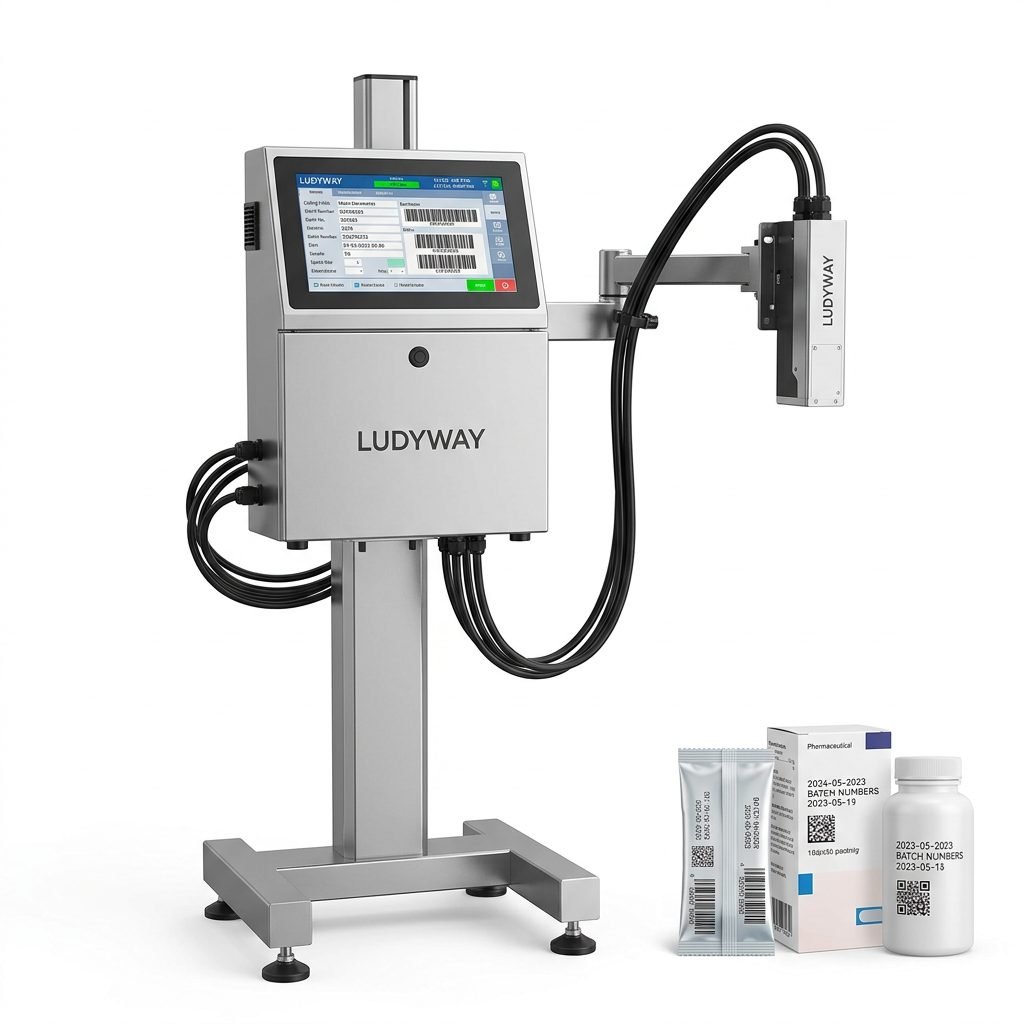
Spare Parts Inventory Management
An intelligently stocked spare parts inventory is essential for minimizing downtime. Critical spares should be identified based on the machine’s failure mode analysis and historical consumption data. At a minimum, keep the following items on hand:
- Sealing bands and heating cartridges — These are the most frequently replaced wear items.
- Photoelectric sensors and thermocouples — Sensor failures can halt production immediately.
- Drive belts and timing belts — Elastomeric components degrade over time even in storage.
- Pneumatic seals and O-rings — Essential for maintaining actuator performance.
- Forming tubes and shoulders — Critical for proper film forming across different bag sizes.
Coordinate with your equipment provider to establish a recommended spares list tailored to your specific production demands. Ludyway, one of the leading packaging machine manufacturers with over 30 years of industry experience, provides comprehensive spare parts support and tailored maintenance plans for its full range of multi-lane stick pack and sachet packaging systems.
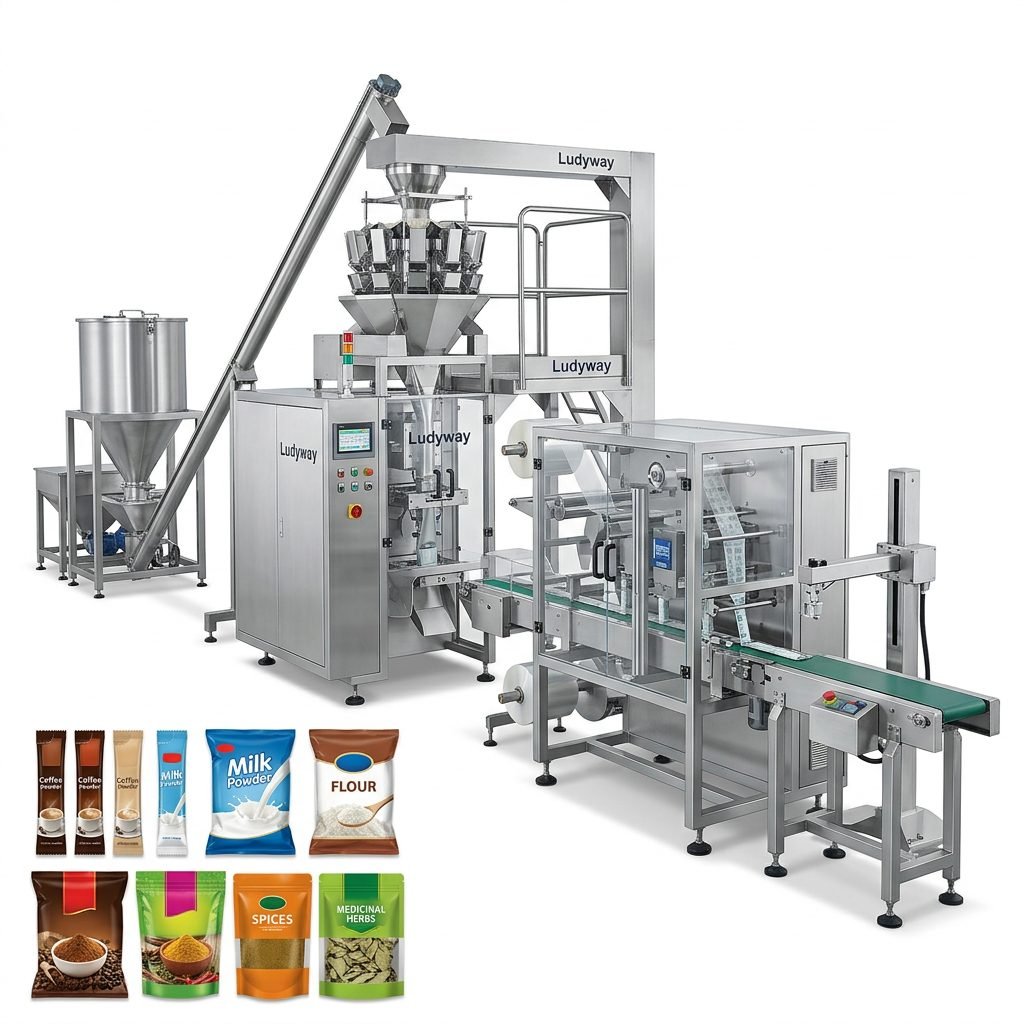
Operator Training and Documentation
Even the most comprehensive maintenance program will fall short without properly trained personnel. Operators are the first line of awareness for emerging issues. Invest in formal training that covers:
- Correct startup and shutdown sequences to avoid thermal shock to heating elements.
- Recognition of abnormal sounds, vibrations, or odors that signal developing problems.
- Proper cleaning techniques that do not damage sensors or introduce contaminants.
- Accurate record-keeping for all maintenance activities, creating a traceable service history.
- Safe lockout-tagout procedures before any maintenance intervention.
Maintain a detailed machine logbook that documents every service action, part replacement, calibration adjustment, and anomaly. This historical data is invaluable for identifying recurring failure patterns and optimizing your preventive maintenance intervals.
External Resources and Industry Standards
Staying informed about packaging machinery standards and industry best practices helps ensure your maintenance program remains current. The following authoritative resources provide valuable guidance:
- PMMI – The Association for Packaging and Processing Technologies — Offers industry reports, training resources, and technical standards for packaging operations.
- ISO Packaging Standards — International standards covering packaging machinery safety, performance, and testing protocols.
- FDA – Food Packaging and Food Contact Substances — Regulatory guidance for food-grade packaging equipment compliance.
Conclusion: Building a Culture of Proactive Maintenance
Effective packaging machine maintenance is not merely a set of periodic tasks — it is a continuous operational discipline. By combining daily cleaning routines, scheduled component servicing, strategic spare parts management, and ongoing operator training, you create a robust system that minimizes unplanned downtime and extends equipment life. Document every action, analyze trends, and continuously refine your maintenance intervals based on real-world data. A well-maintained machine delivers consistent package quality, reduces total cost of ownership, and keeps your production line running smoothly year after year.