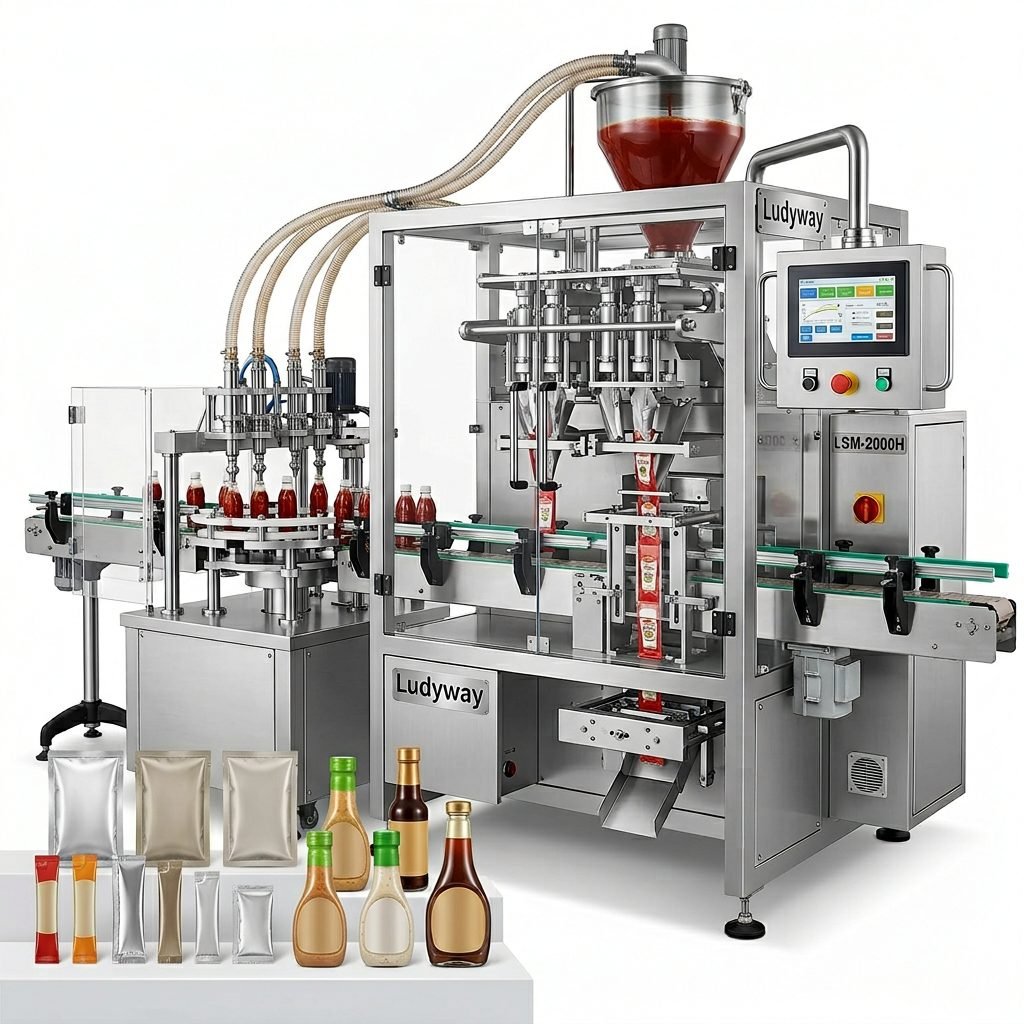
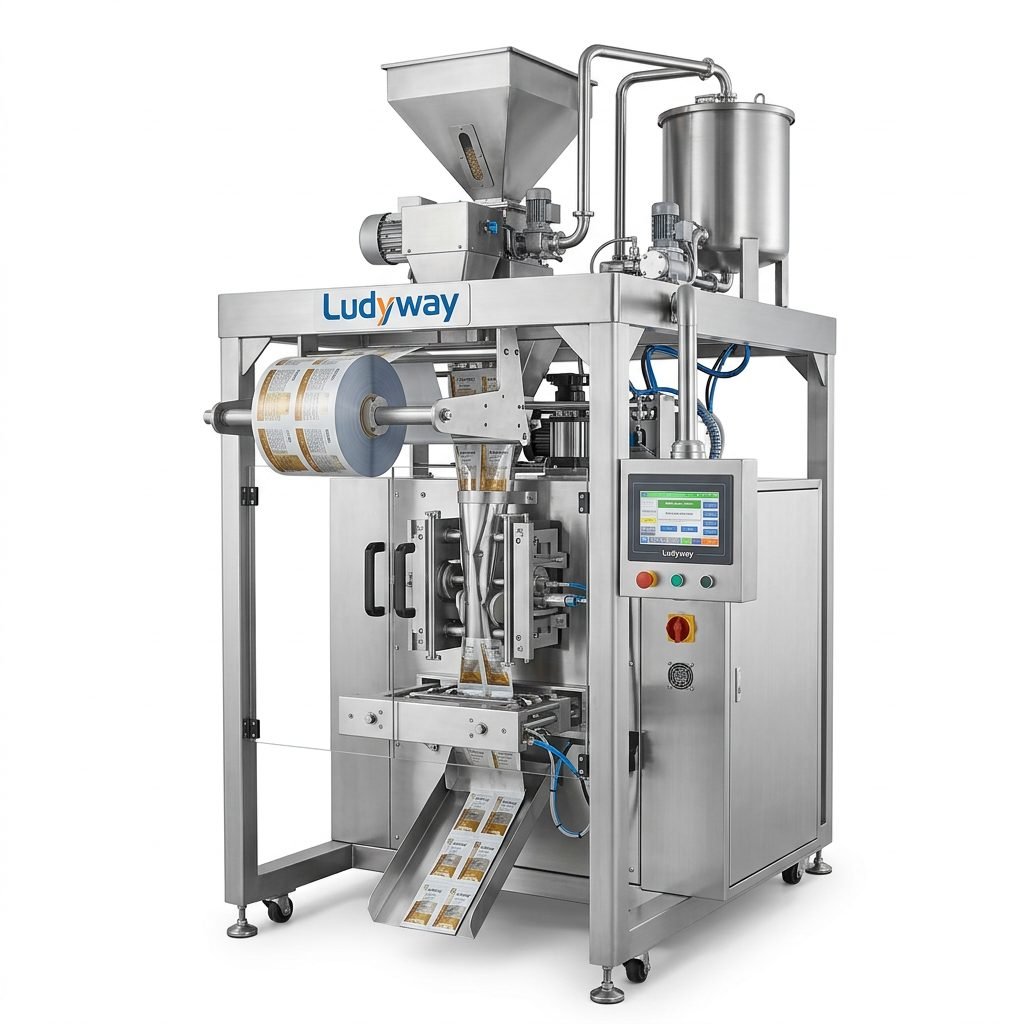
Selecting the right food packaging machine for the Uganda market requires a clear understanding of local production needs, product types, budget constraints, and after-sales support. Whether you are packing maize flour, spices, coffee, juices, or ready-to-eat snacks, the equipment must handle varying environmental conditions, power supply irregularities, and specific packaging formats popular in East Africa. This guide walks you through the key factors to consider before investing in a packaging line.

Understand Uganda’s Food Packaging Landscape
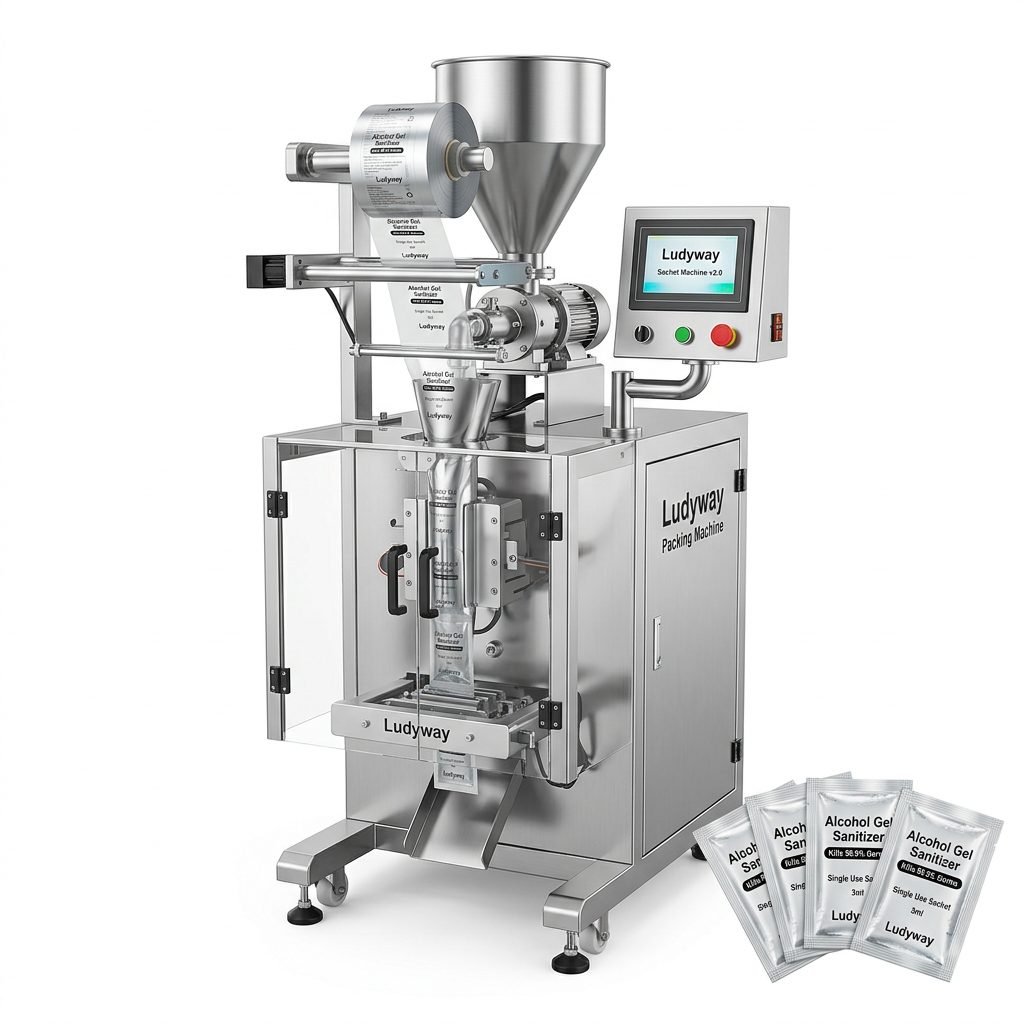
Uganda’s food processing sector is expanding rapidly, driven by growing domestic demand and regional exports. Common products include grain flours, sugar, salt, dried beans, groundnuts, tea, coffee, powdered milk, and liquid beverages. The most popular packaging formats are small sachets, pillow pouches, and stick packs, which cater to price-sensitive consumers. Your packaging machine must deliver accurate filling, reliable sealing, and consistent output to protect product freshness in tropical climates.
Key Factors to Evaluate Before Purchase
1. Product Characteristics and Material Compatibility
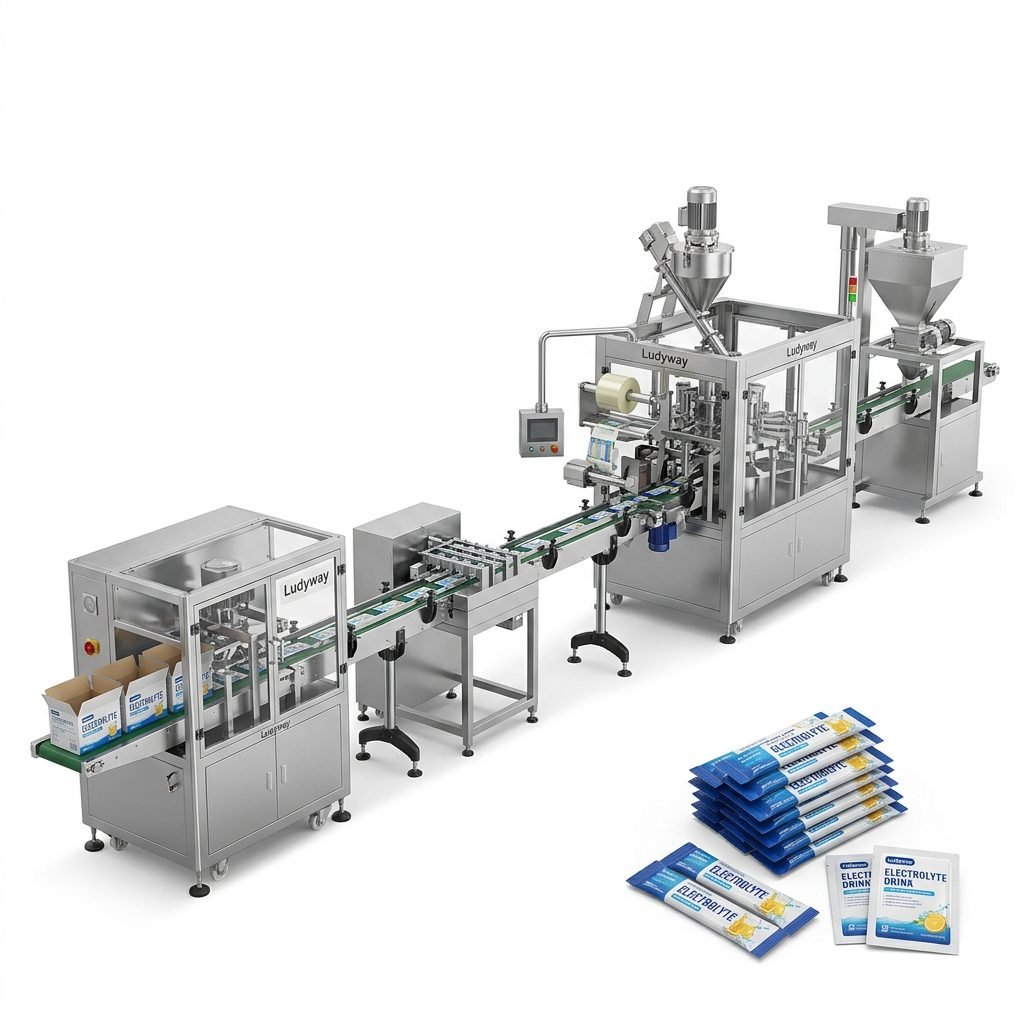
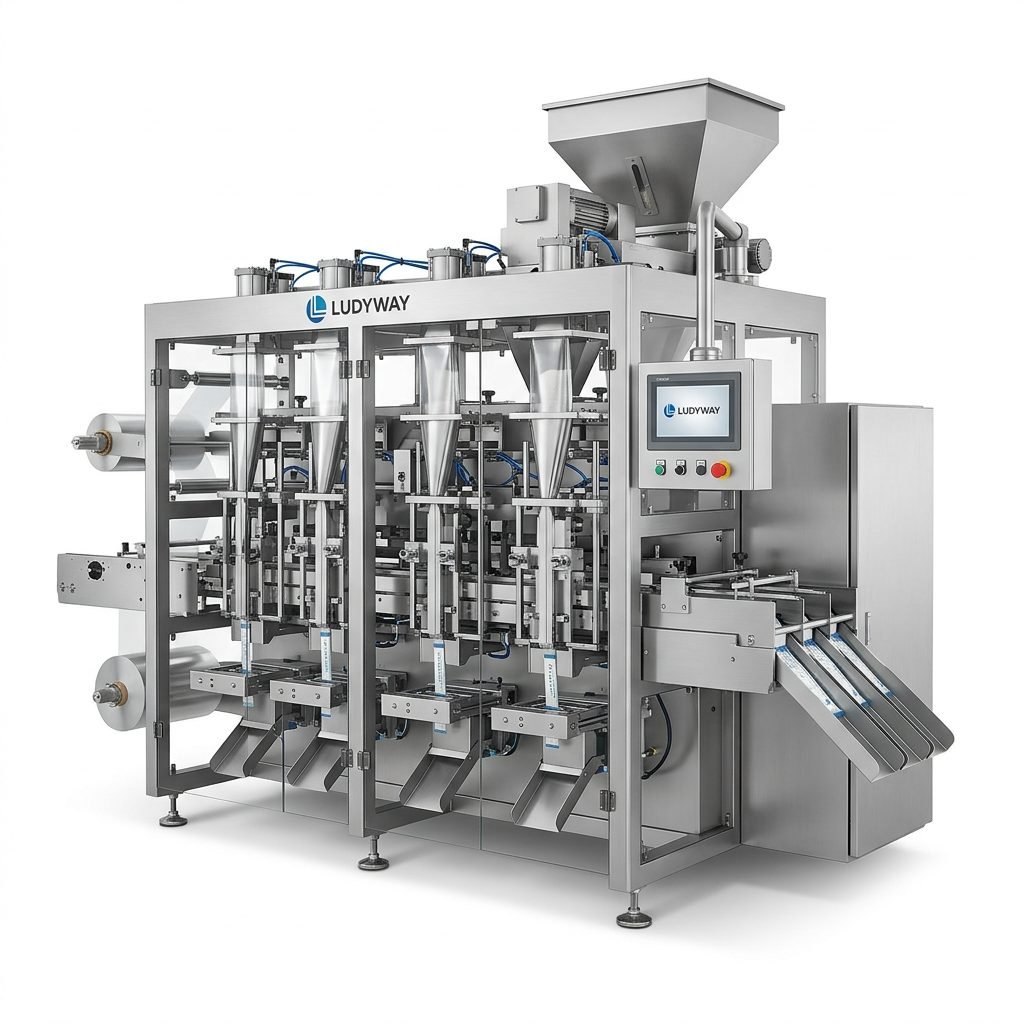
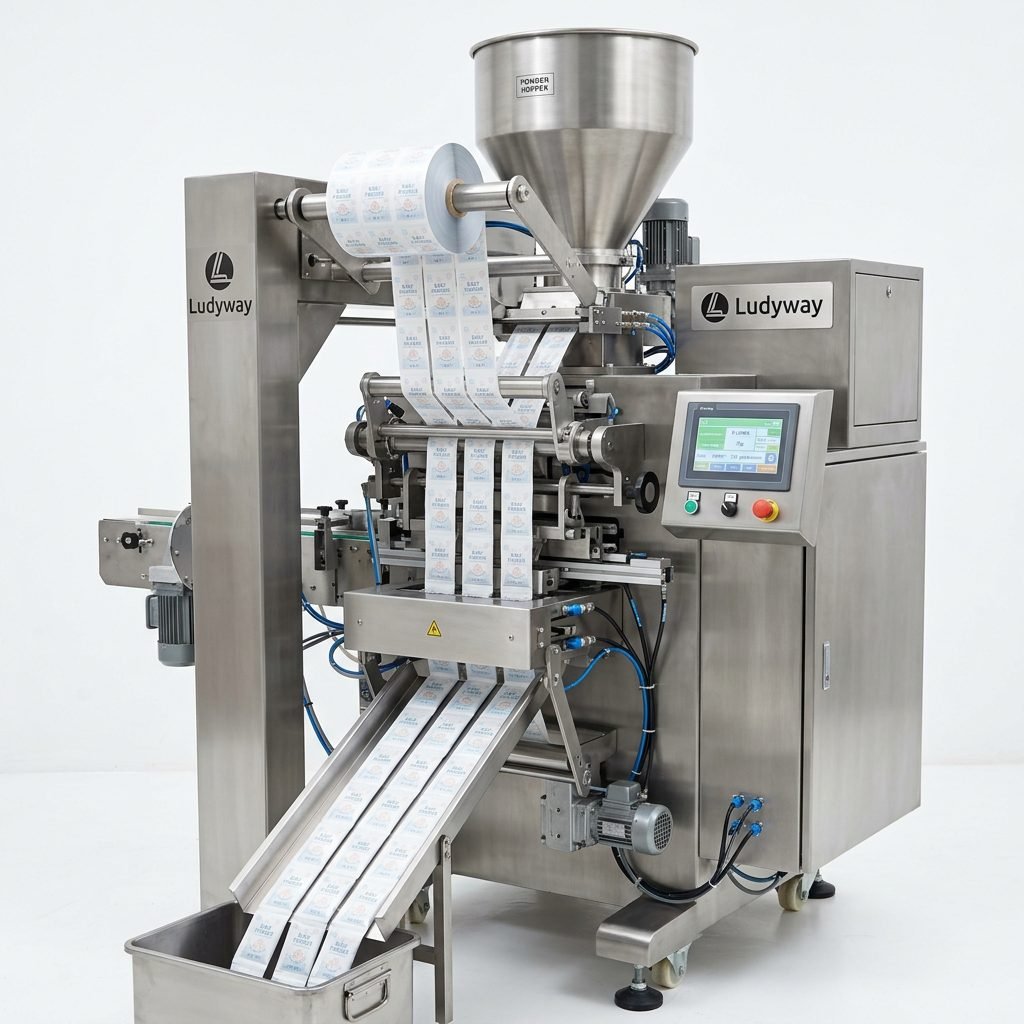
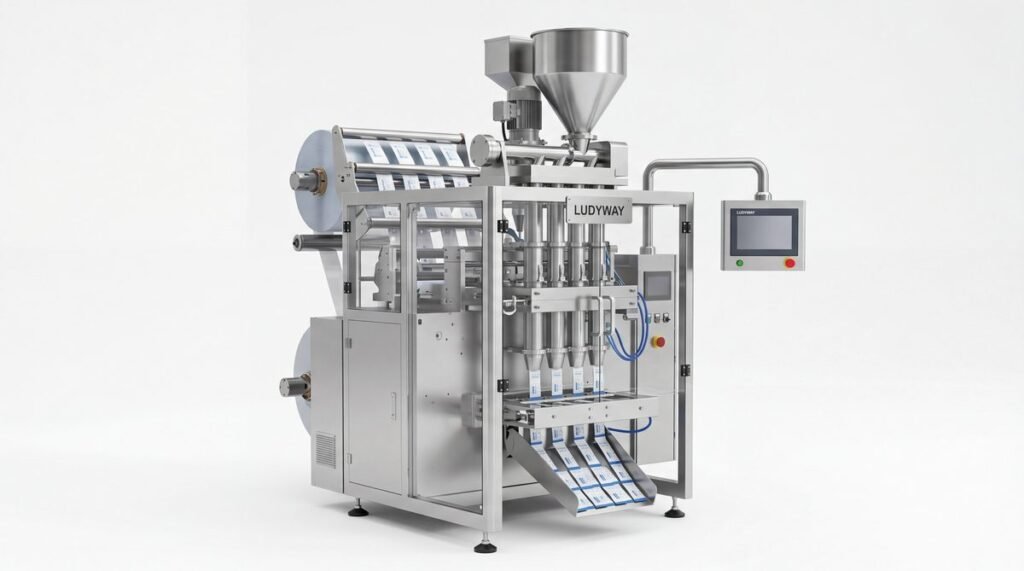
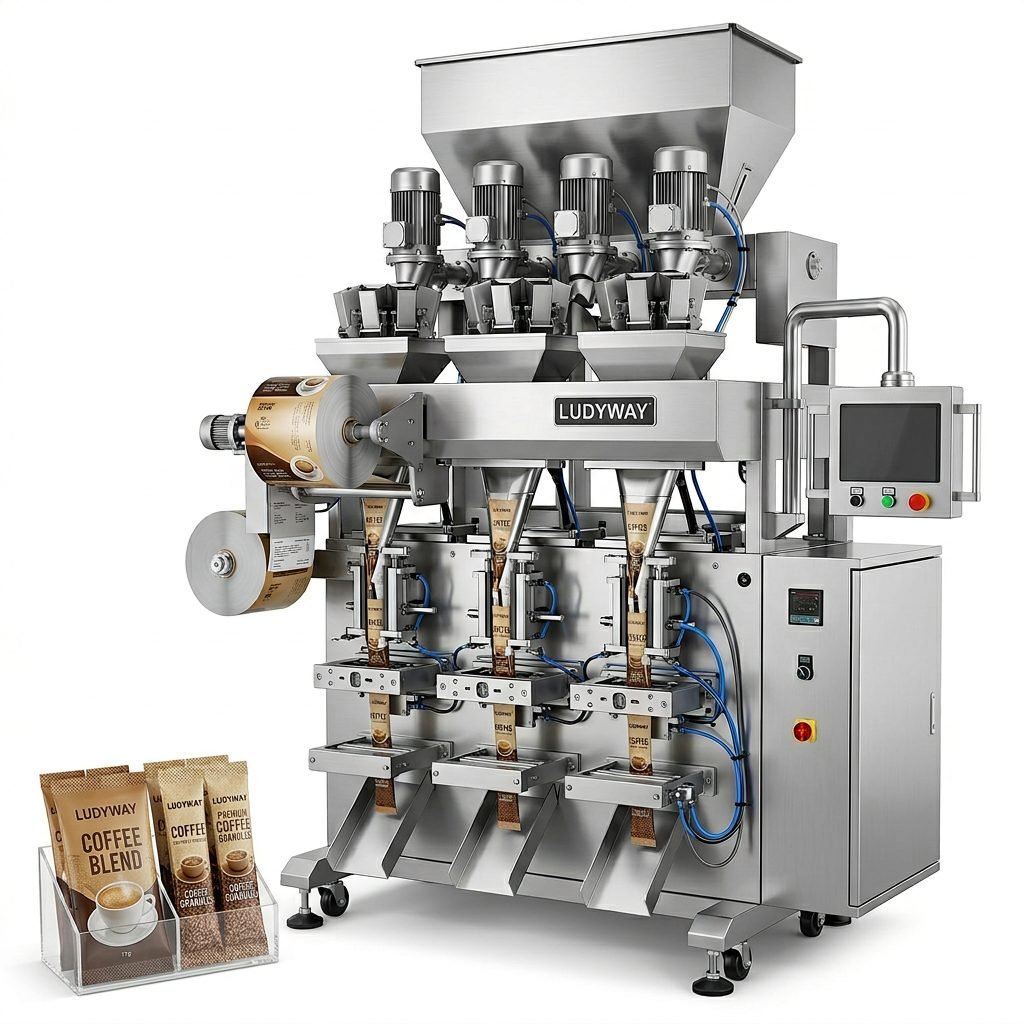
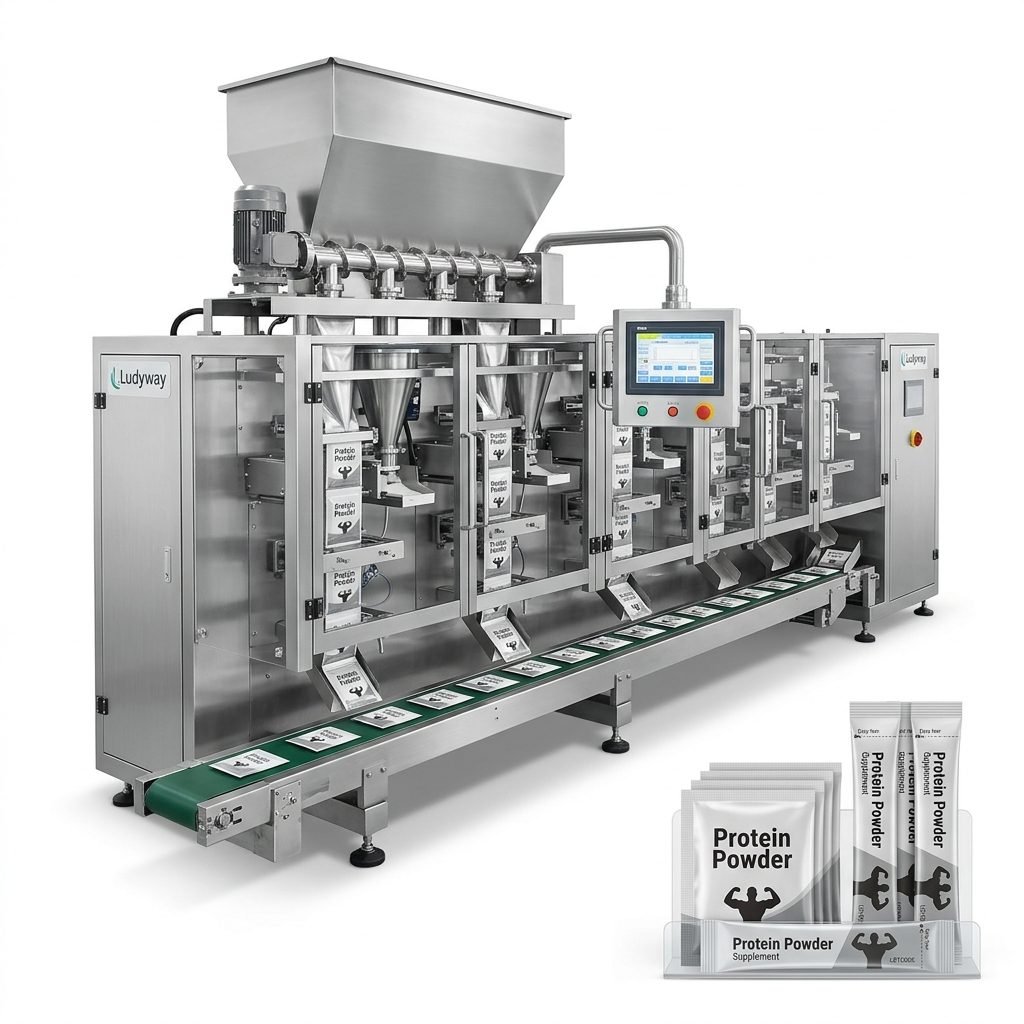
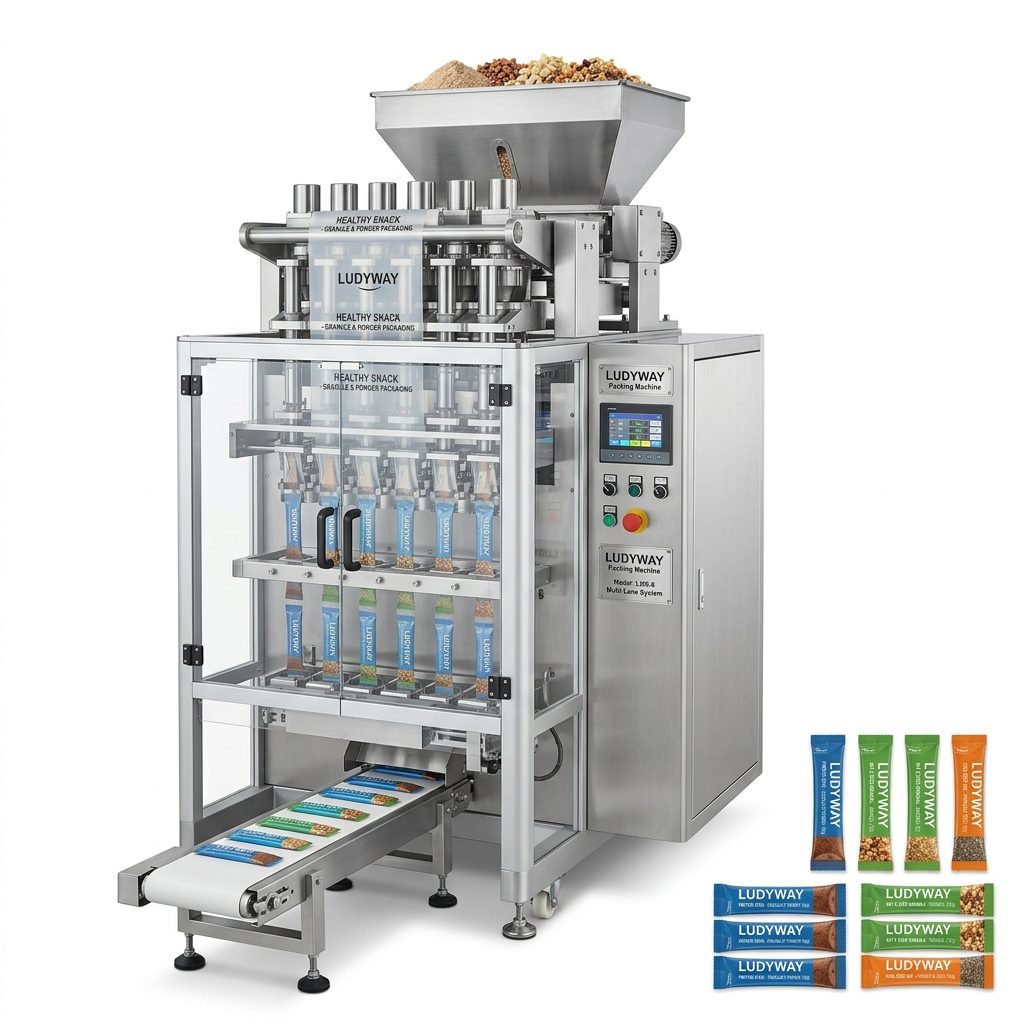
- Granules & Powders: Determine if you need multi-lane stick pack machines for free-flowing or non-free-flowing products. Dusty materials like milk powder require enclosed dosing systems.
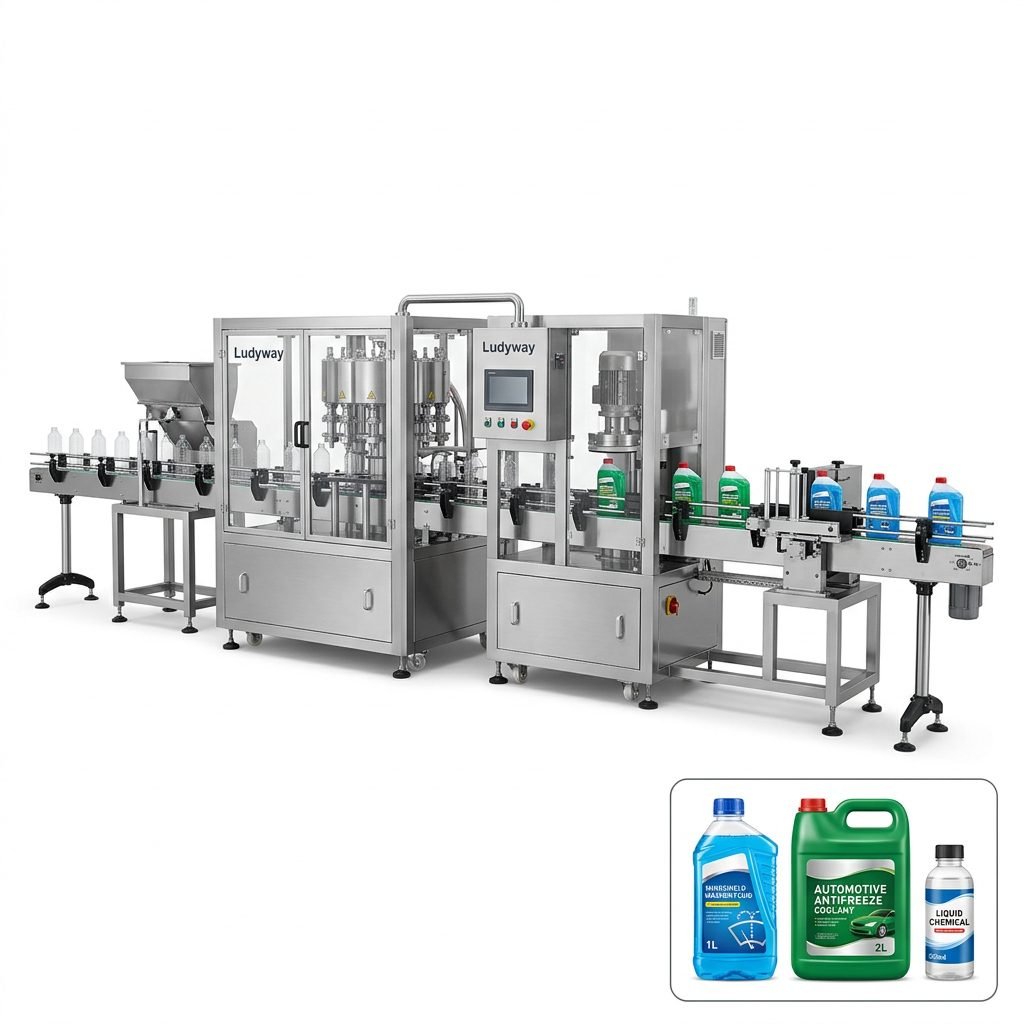
- Liquids & Pastes: For juices, sauces, or oils, look for volumetric piston fillers with anti-drip nozzles to maintain hygiene and reduce waste.
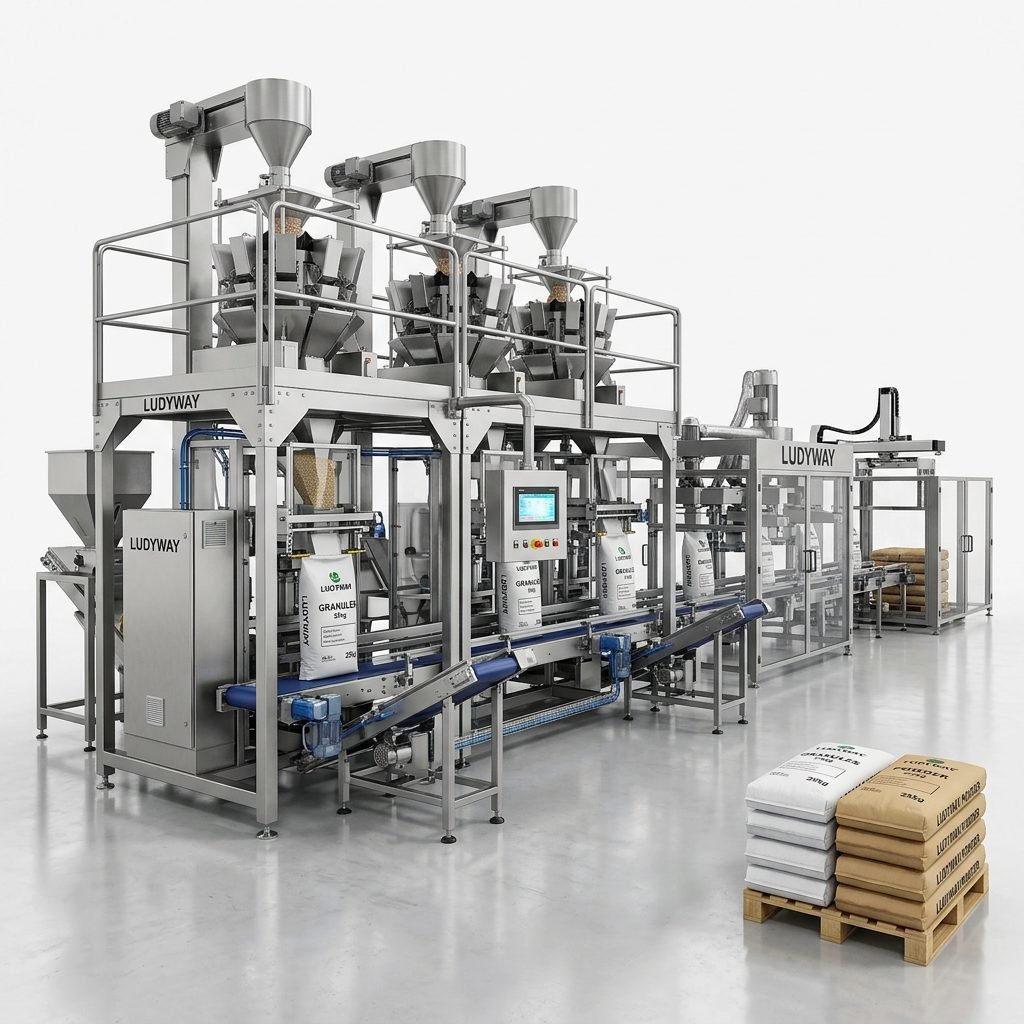
- Solid Pieces: Products such as dried fruit, nuts, or snacks benefit from multi-head weigher combinations for speed and accuracy.
Choosing the right contact parts (stainless steel 304 or 316) is essential for food safety compliance and corrosion resistance.
2. Production Capacity and Speed
Evaluate your current and projected output. A small startup may need 30-60 packs per minute, while a large miller might require high-speed multi-lane systems capable of 200-400 packs per minute. Factor in changeover times between different bag sizes to avoid downtime.
3. Power Supply and Environmental Conditions
Many regions in Uganda experience voltage fluctuations. Verify that the machine’s electrical components are rated for 220-240V, 50Hz, single or three-phase, and consider including a voltage stabilizer. Humidity and dust resistance are also crucial for longevity. Equipment designed with tropicalization features will reduce maintenance headaches.
Packaging Machine Type Comparison for Common Uganda Products
| Machine Type | Ideal Product | Pack Format | Typical Speed |
|---|---|---|---|
| Vertical Form Fill Seal (VFFS) | Maize flour, sugar, salt | Pillow pouch, gusseted bag | 30-80 packs/min |
| Multi-Lane Stick Pack | Coffee, milk powder, spices | Stick pack, sachet | 200-450 packs/min |
| Liquid Sachet Filler | Juice, cooking oil, sauces | Flat sachet, stand-up pouch | 40-120 packs/min |
| Premade Pouch Rotary Filler | Groundnuts, beans, dried fruits | Doypack, zipper pouch | 25-50 packs/min |
4. Automation Level and Labor Considerations
While fully automatic lines reduce manual handling and improve hygiene, semi-automatic machines can be more affordable for new businesses. Assess the skill level of your workforce. A user-friendly PLC touchscreen interface with multilingual support (English, Swahili) can significantly ease operation and training.
5. After-Sales Service and Spare Parts Availability
This is one of the most critical factors for the Uganda market. A machine without reliable local technical support can become a costly liability. Confirm that the supplier provides remote diagnosis, readily available spare parts, and clear documentation. Some international manufacturers partner with regional distributors to offer faster response times. Additionally, check if the supplier meets international ISO packaging standards for consistent quality.
6. Total Cost of Ownership and Budget
Look beyond the initial purchase price. Calculate the total cost of ownership including packaging film consumption, electricity usage, wear parts replacement, and freight charges to Kampala or your final destination. Investing in a slightly more expensive but energy-efficient machine often yields lower long-term operational costs.
Ensuring Compliance and Market Access
If you plan to export to neighboring countries or meet supermarket standards, your packaging line should be capable of printing batch codes, manufacturing dates, and expiry dates. Consider integrating a thermal inkjet coder or a hot stamp printer. Understanding packaging industry resources and regional labeling regulations gives your product a competitive edge.
7. Flexibility and Future Expansion
A modular packaging line allows you to add components like a cartoning machine or a case packer as your business grows. Look for machines that support quick size changeovers and can handle a variety of film substrates, including biodegradable materials, which are gaining popularity in East African markets.
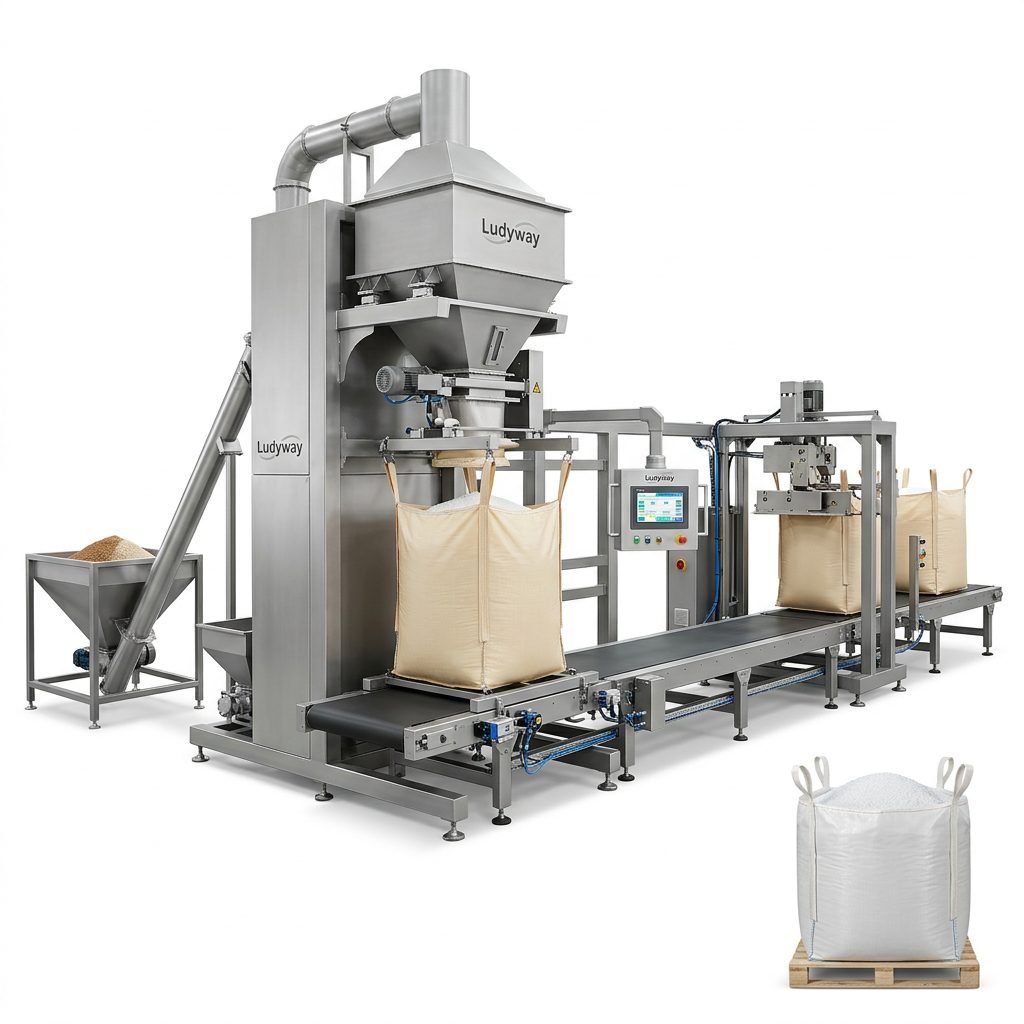
When sourcing equipment, partnering with an experienced supplier simplifies the entire process. Ludyway, one of the largest packaging machine manufacturers in China, provides advanced packaging equipment and turnkey solutions for the food, pharmaceutical, and health industries worldwide. Their extensive range of multi-lane stick pack, sachet, and fully automated systems is backed by over 30 years of expertise, ensuring reliable performance for Uganda-based producers.
By carefully considering your product type, capacity needs, power environment, and after-sales support, you can select a food packaging machine that maximizes productivity and profitability in the dynamic Ugandan market. Always request a detailed quotation and, if possible, visit a reference site or request a factory acceptance test before finalizing your order.