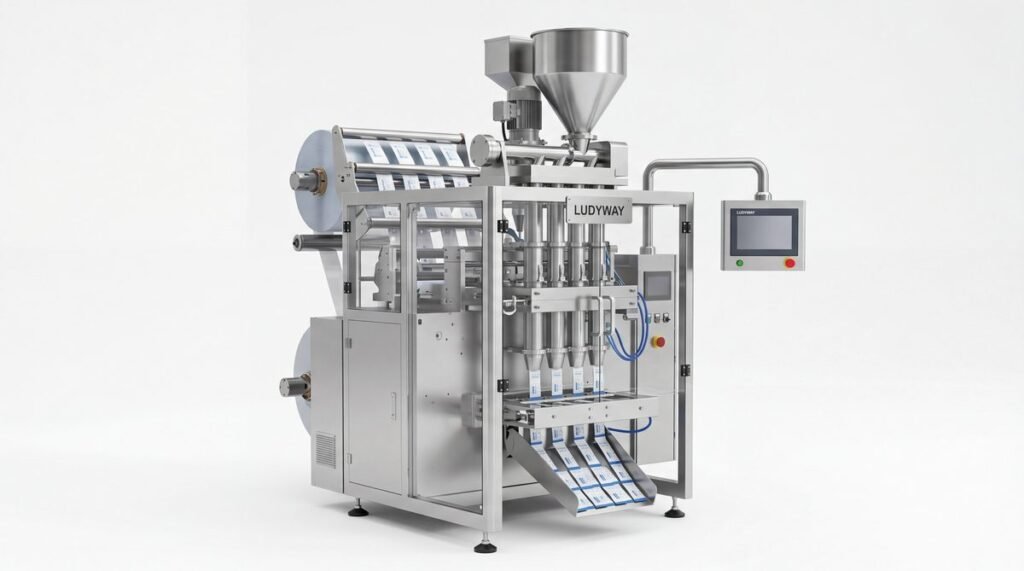
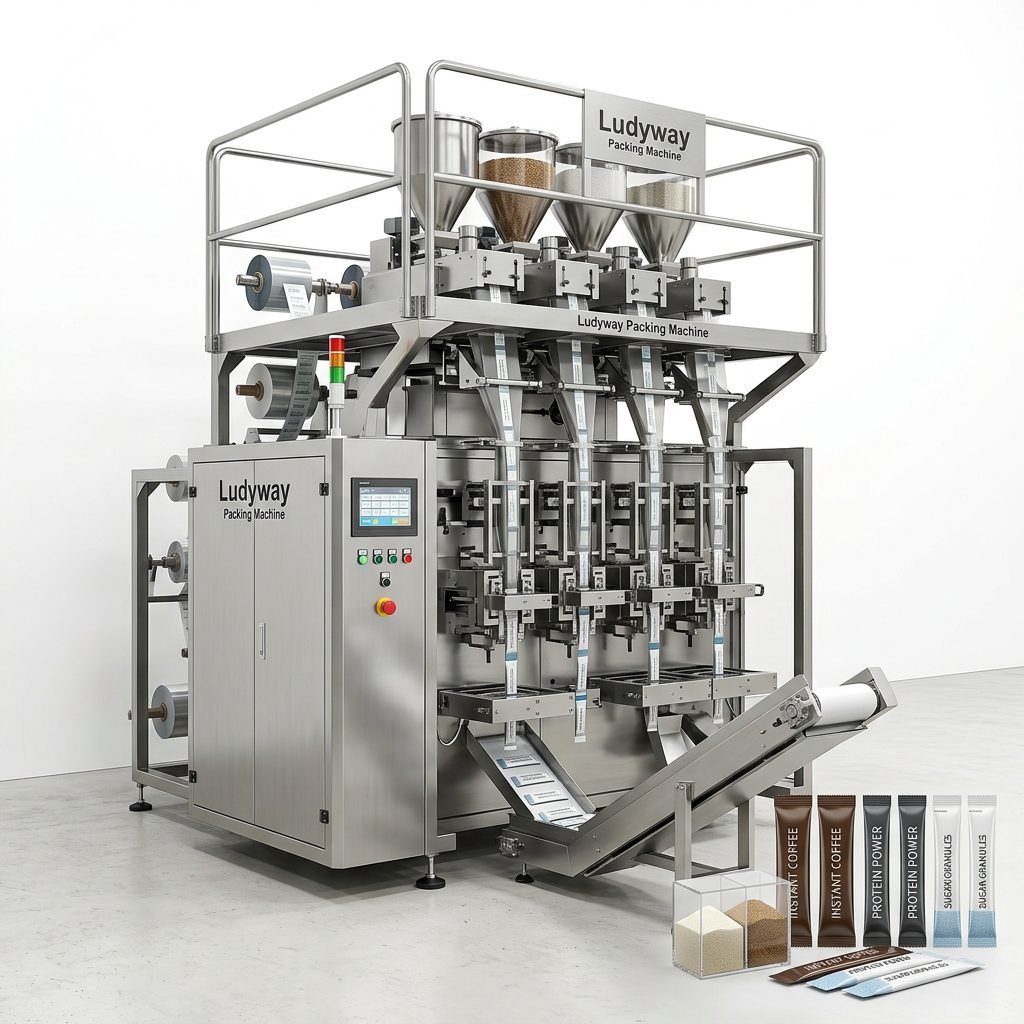
Investing in a tea vermicompost packaging machine is a strategic decision for organic fertilizer producers looking to scale operations, improve product consistency, and enter premium markets. The cost of such equipment varies widely depending on automation level, production capacity, packaging format, and additional features. This comprehensive guide breaks down the pricing factors, typical cost ranges, and what you should expect when budgeting for your packaging line.
Understanding Tea Vermicompost Packaging Requirements
Tea vermicompost, also known as vermiwash or worm compost tea, presents unique packaging challenges. The material can range from fine powder to slightly granular consistency, often with residual moisture content that requires careful handling during the filling and sealing process. Unlike dry chemical fertilizers, organic vermicompost tea demands packaging solutions that preserve microbial activity while preventing contamination and moisture ingress.
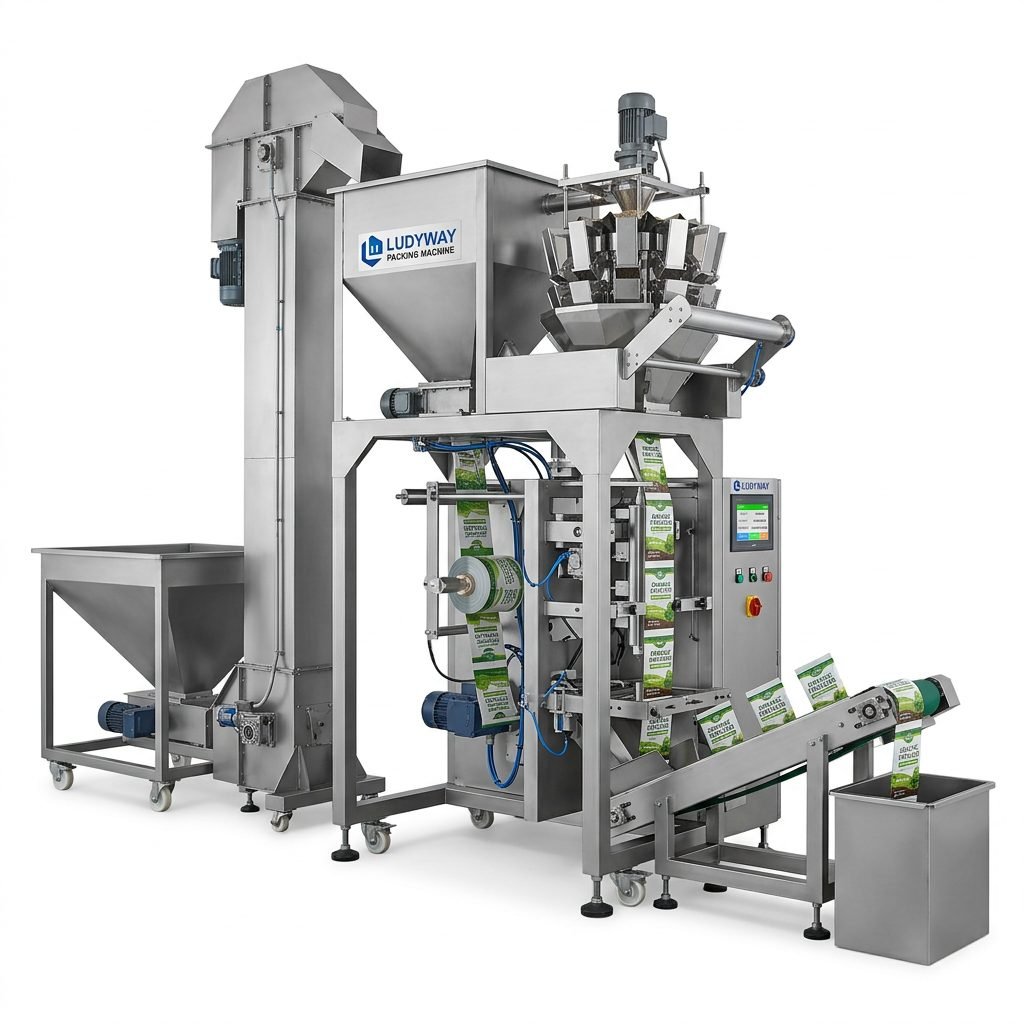
Key Factors Influencing Tea Vermicompost Packaging Machine Cost
The price of a tea vermicompost packaging machine is not a one-size-fits-all figure. Multiple variables impact the final investment, and understanding these helps you make an informed purchasing decision aligned with your production goals.
| Cost Factor | Description | Impact on Price |
|---|---|---|
| Automation Level | Semi-automatic vs. fully automatic systems | High |
| Number of Lanes | Single-lane to multi-lane (4, 6, 8, 10+ lanes) | Very High |
| Packaging Format | Stick packs, sachets, pouches, or bulk bags | Medium |
| Filling System | Auger filler, volumetric cup, multi-head weigher | Medium-High |
| Additional Modules | Nitrogen flushing, date coding, checkweighing | Moderate |
Typical Price Ranges by Machine Type
Based on current market data and PMMI packaging industry reports, here is what you can expect to invest across different machine categories for tea vermicompost packaging applications.
| Machine Type | Output Range | Estimated Cost (USD) |
|---|---|---|
| Semi-Automatic Single-Lane | 15-30 packs/min | $8,000 – $18,000 |
| Automatic 4-Lane Stick Pack | 80-160 packs/min | $35,000 – $65,000 |
| Automatic 6-8 Lane System | 120-320 packs/min | $55,000 – $110,000 |
| High-Speed 10-12 Lane Line | 200-500+ packs/min | $90,000 – $180,000 |
| Turnkey Production Line | Fully integrated system | $150,000 – $400,000+ |
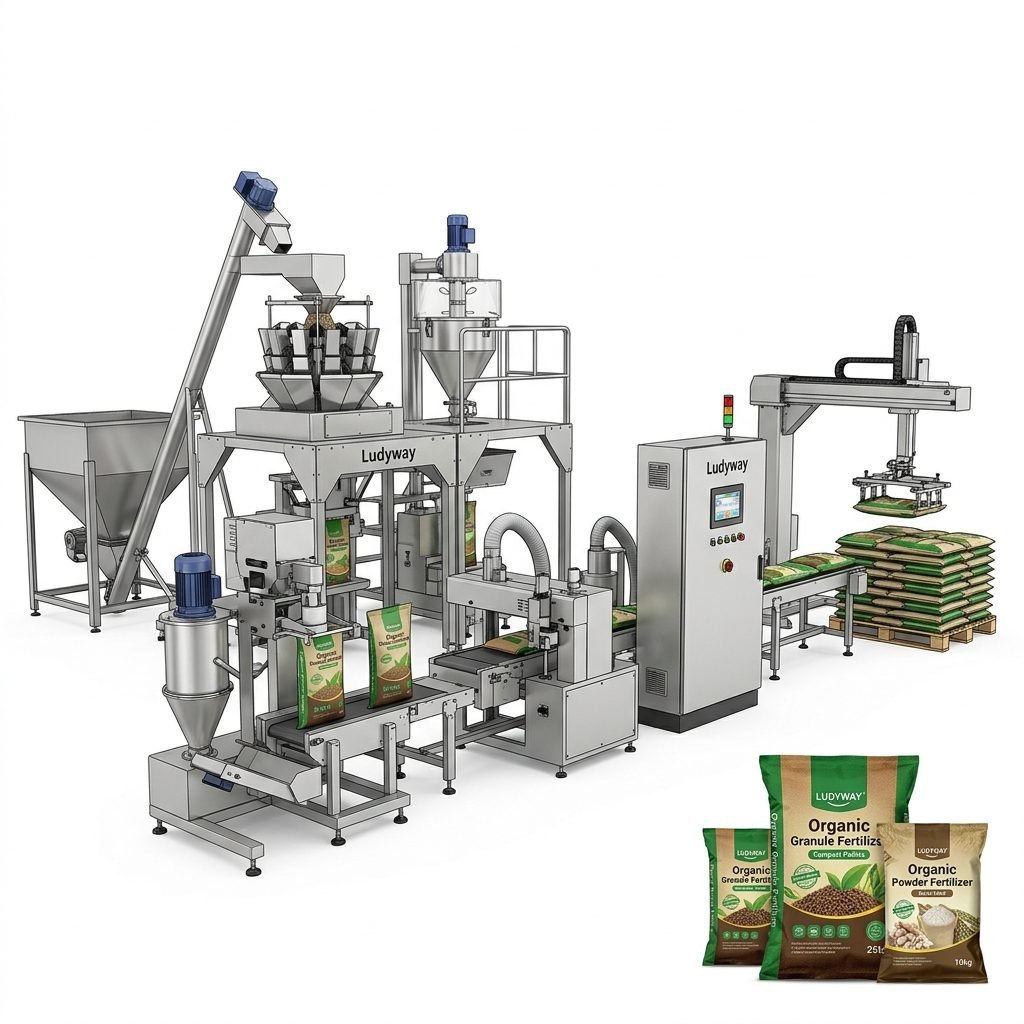
Multi-Lane Stick Pack Machines: The Preferred Choice
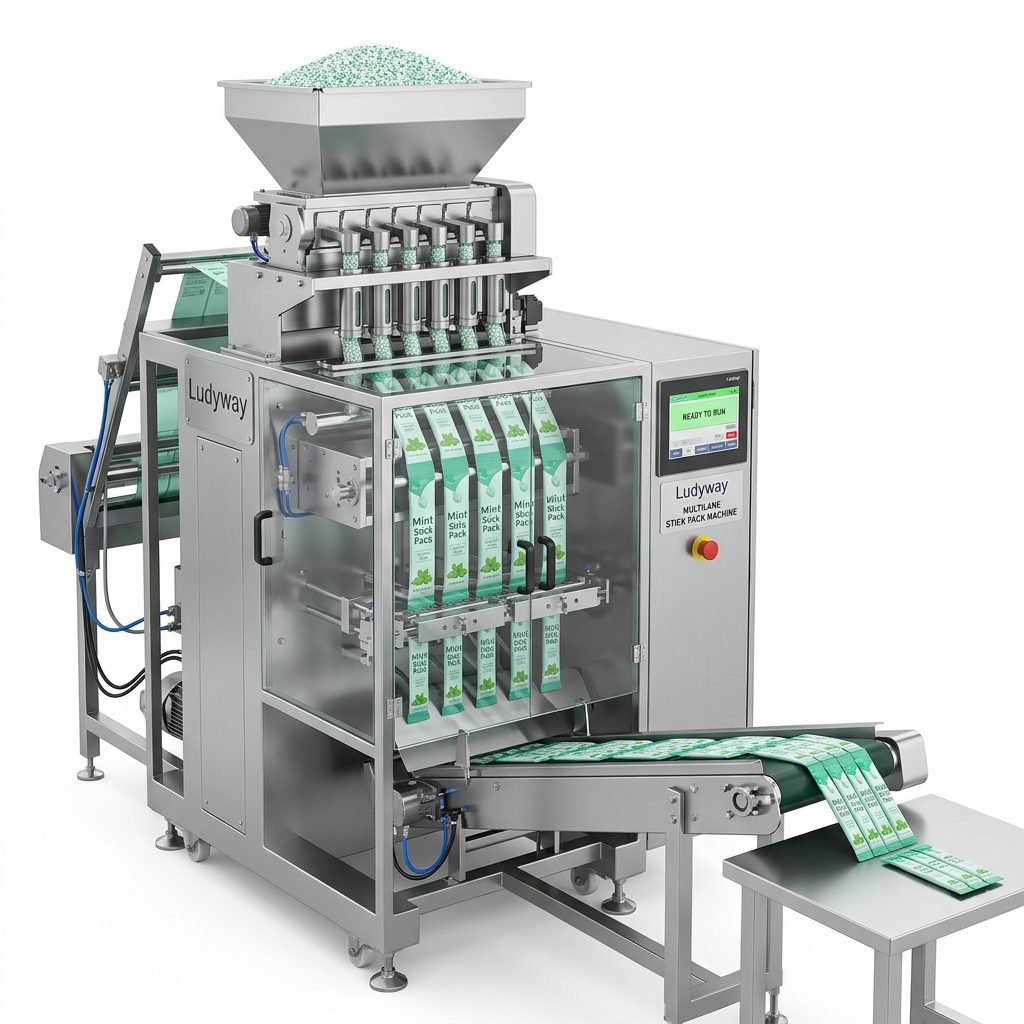
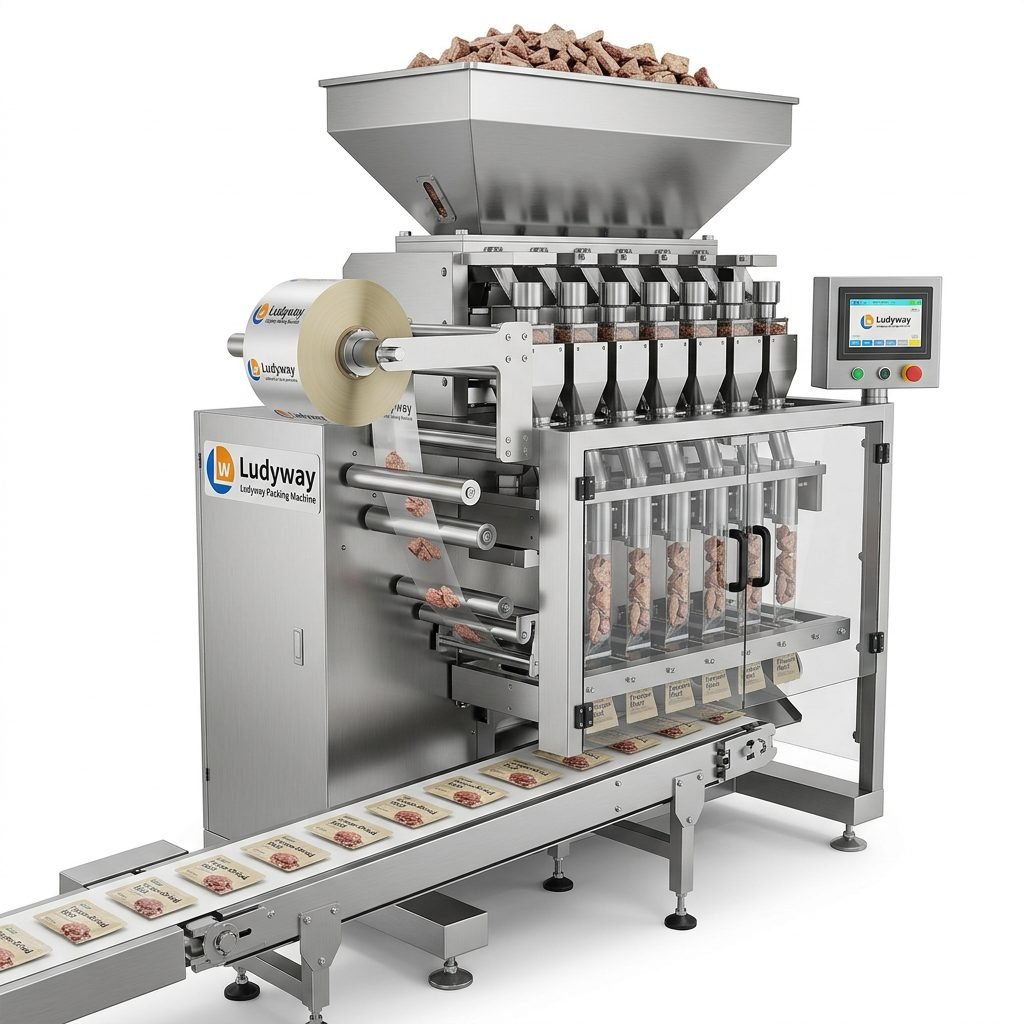
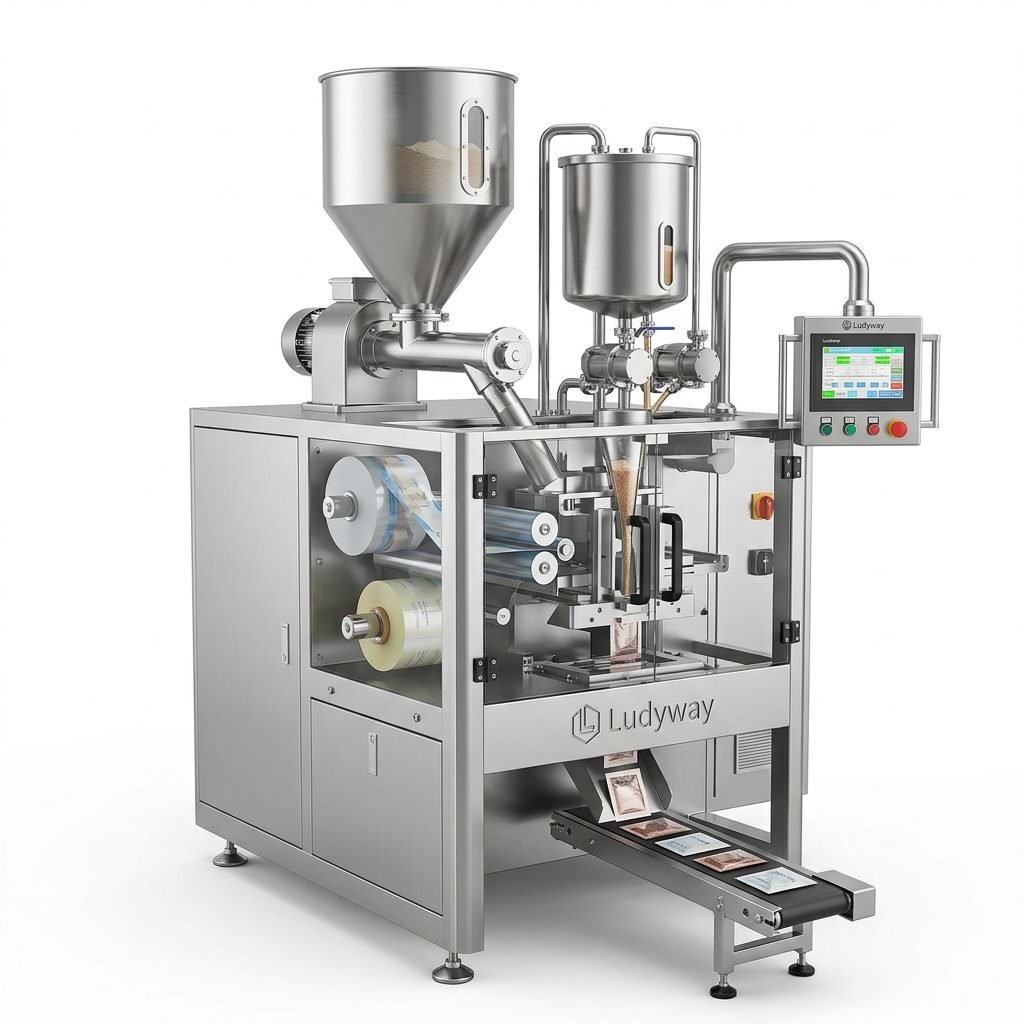
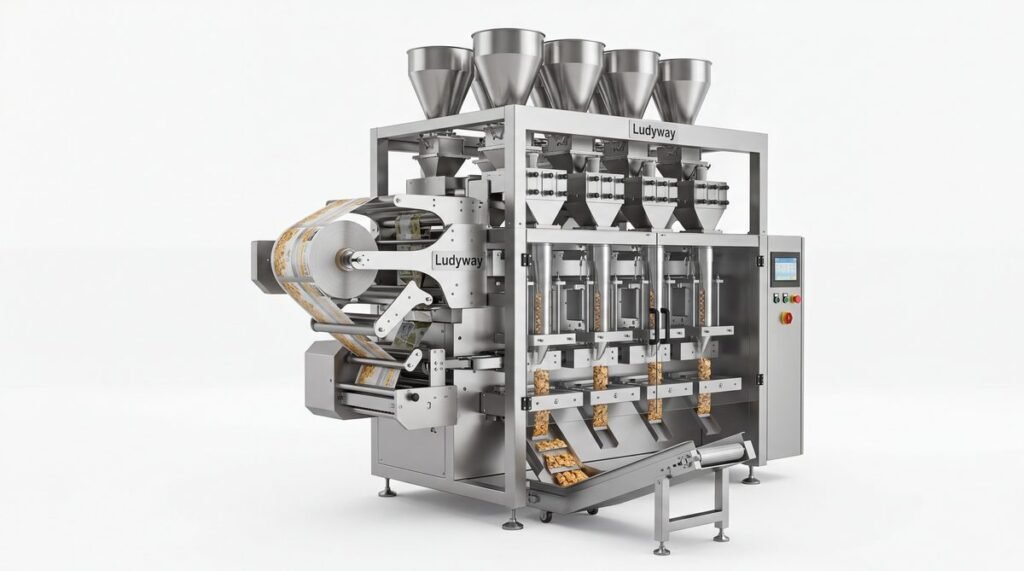
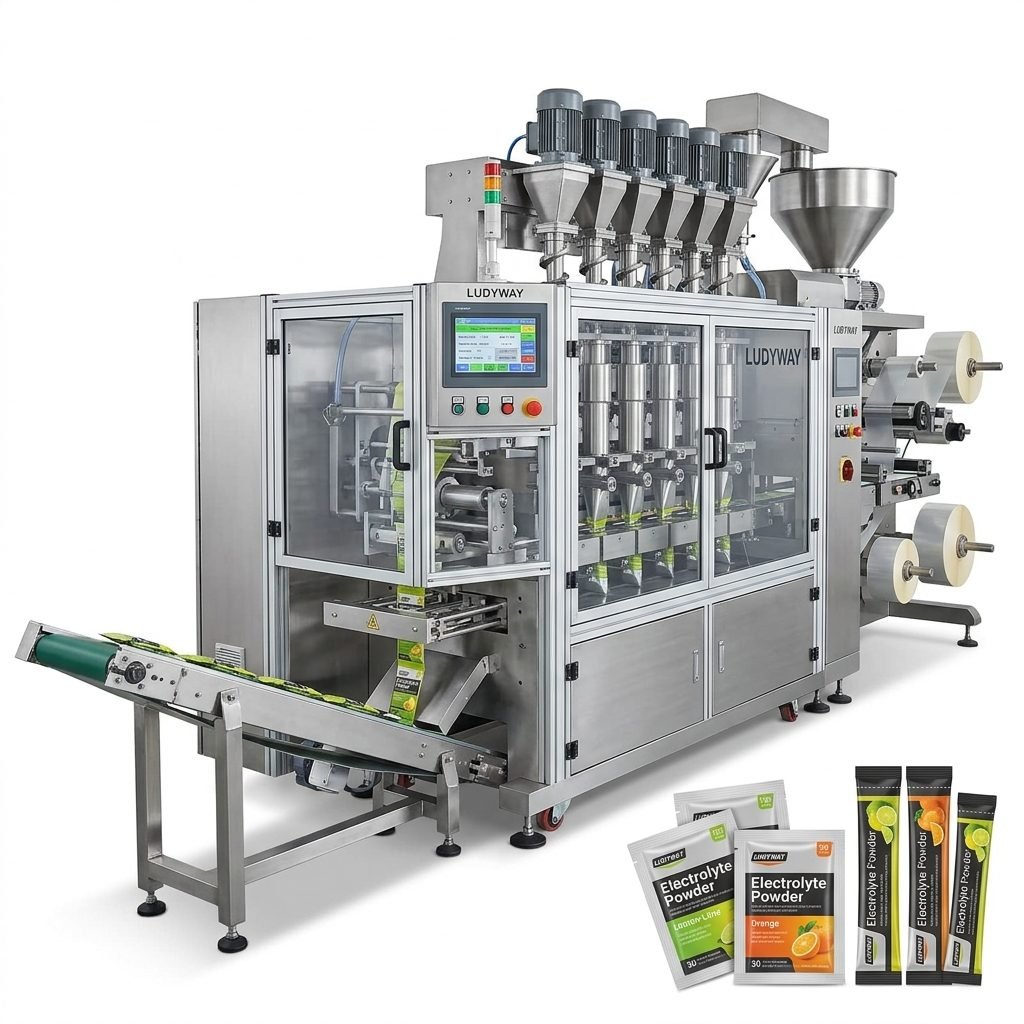
For tea vermicompost production targeting consumer retail markets, multi-lane stick pack machines have become the industry standard. These systems offer exceptional efficiency for single-serve and portion-controlled packaging, which is increasingly popular in the organic gardening and plant care sector. A 4-lane stick pack machine typically represents the entry point for serious commercial production, while 8 to 12-lane configurations serve high-volume manufacturers supplying nationwide retail chains.
Popular Packaging Formats and Their Cost Implications
- Stick Packs (2-5g): Ideal for single-application tea vermicompost sachets. Machine costs increase with lane count but offer the lowest per-unit packaging cost at high volumes.
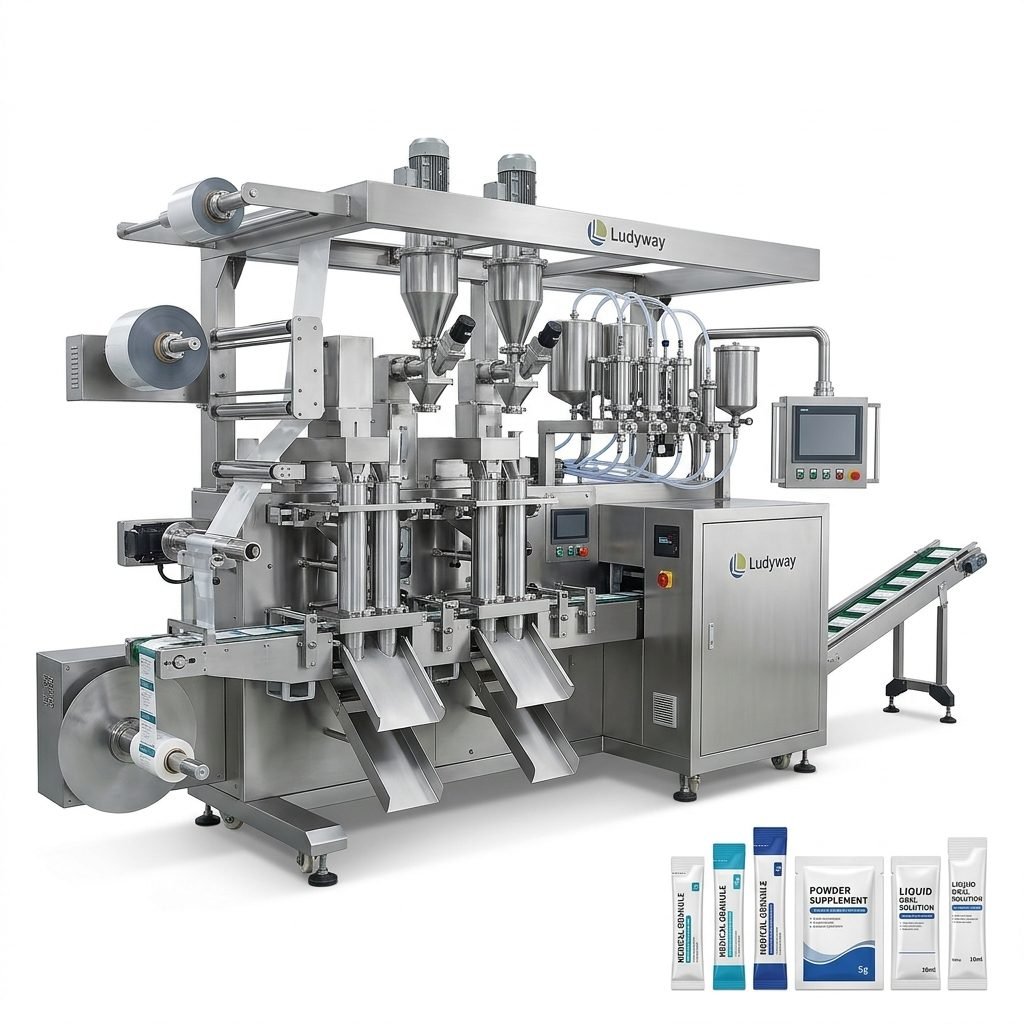
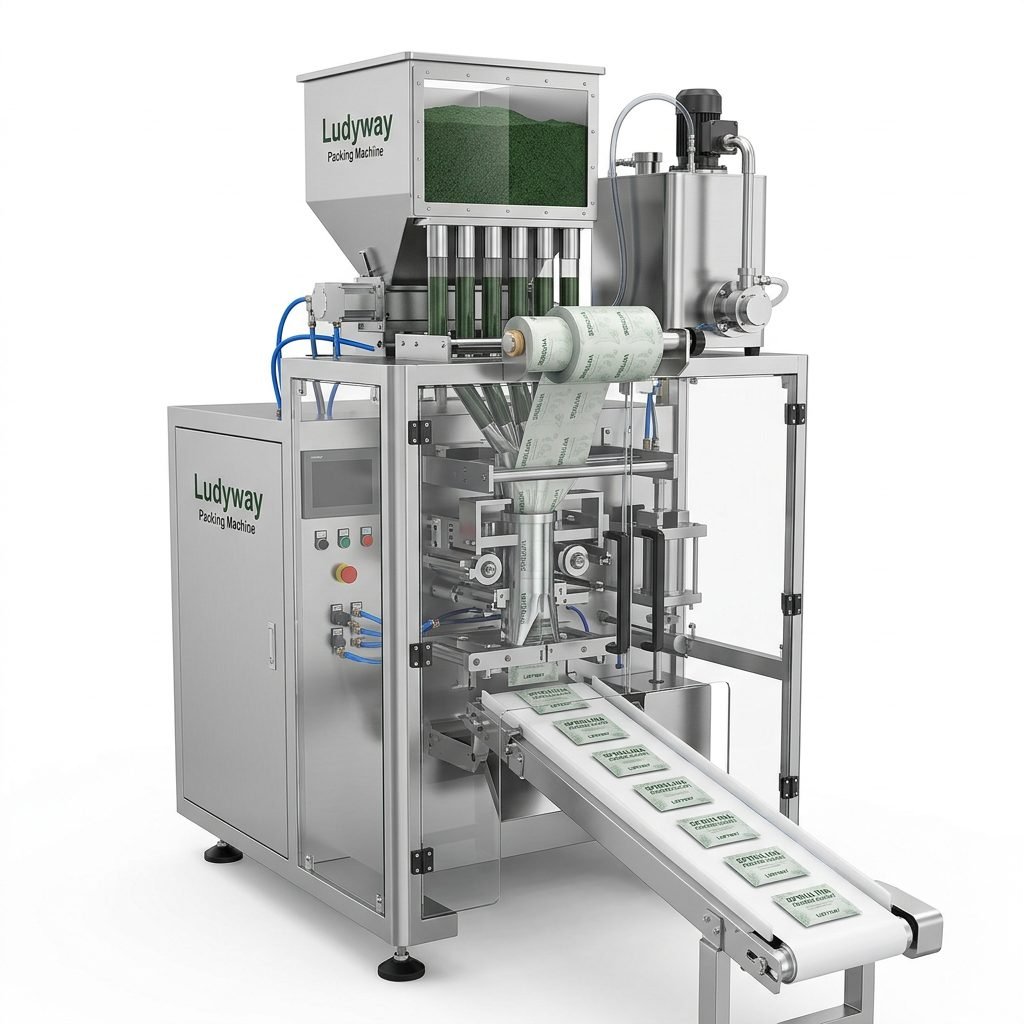
- Sachets (5-25g): Versatile format for small to medium portion sizes. Requires machines with wider forming tubes and potentially different sealing parameters.
- Pouches (50g-500g): Suitable for larger consumer packs. Typically uses flexible packaging materials with zipper or tear-notch features.
- Bulk Bags (1kg-25kg): For commercial and agricultural distribution channels. Requires heavy-duty weighing and bagging systems separate from stick pack lines.
Filling Technology for Tea Vermicompost
The filling mechanism is a critical cost component. Tea vermicompost’s variable density and moisture content demands precise dosing technology to ensure consistent package weights and minimize product giveaway.
| Filling Method | Best For | Accuracy | Added Cost |
|---|---|---|---|
| Volumetric Cup Filler | Free-flowing granules | ±3-5% | Baseline |
| Auger Filler (Servo-Driven) | Fine powders, variable density | ±1-2% | +$5,000 – $12,000 |
| Multi-Head Weigher | Mixed granule sizes, high precision | ±0.5-1% | +$15,000 – $35,000 |
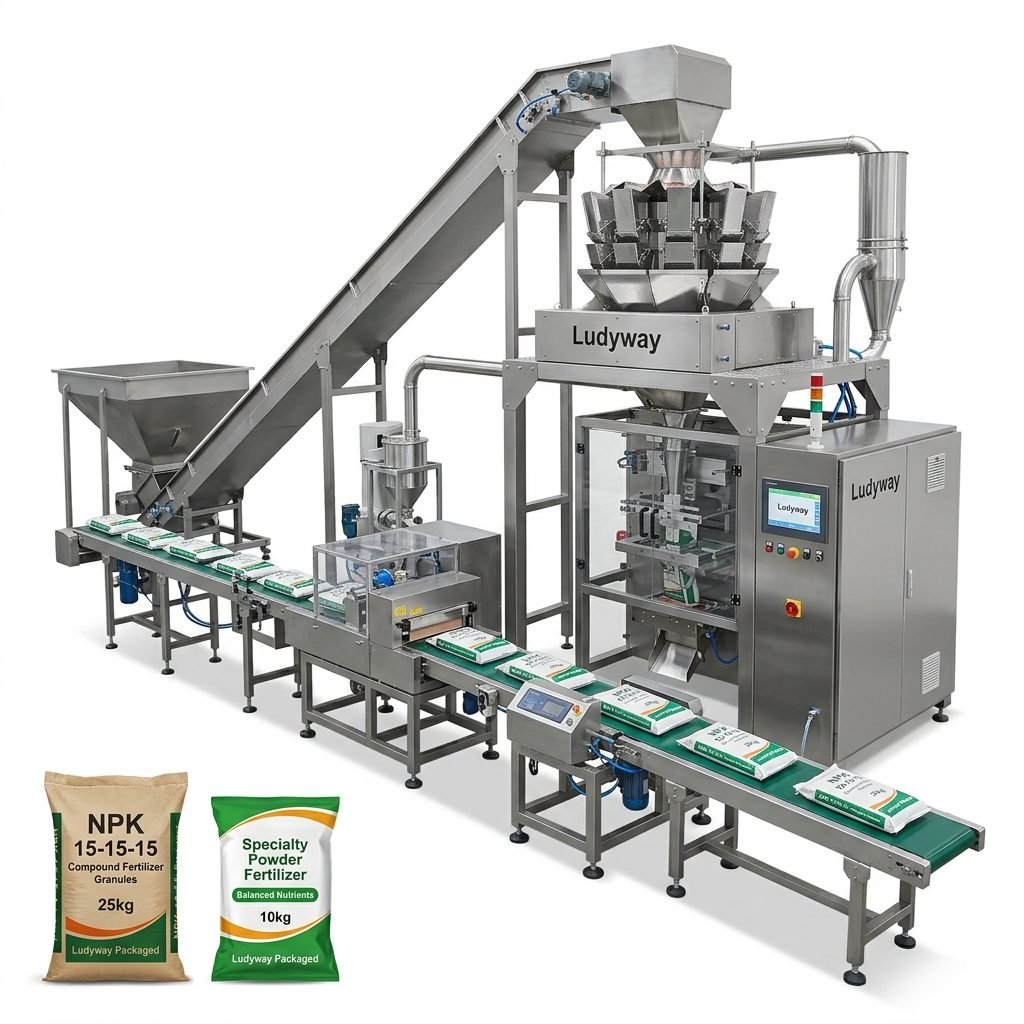
Optional Add-Ons That Affect Total Investment
Beyond the core packaging machine, several optional features can enhance your production line’s capabilities and add to the overall cost. These are important to consider during the initial budgeting phase to avoid unexpected expenses later.
- Nitrogen Flushing System: Extends shelf life by displacing oxygen. Adds $3,000 – $8,000 depending on flow control sophistication.
- Inline Date Coding/Printing: Essential for retail compliance and traceability. Adds $2,000 – $6,000 for thermal transfer or inkjet systems.
- Checkweigher Integration: Ensures every pack meets weight specifications. Adds $8,000 – $20,000 for high-speed inline models.
- Metal Detection: Critical for FDA food safety compliance and consumer protection.
- Cartoning and Case Packing: Automates secondary packaging for retail-ready products.
- Dust Collection System: Important for fine powder environments to maintain clean operations.
Return on Investment Considerations
While the upfront cost of a tea vermicompost packaging machine may seem significant, the return on investment (ROI) typically materializes within 12 to 24 months for operations running at moderate to high capacity. Key financial benefits include reduced labor costs, minimized product giveaway through precise filling, increased throughput, and the ability to access higher-margin retail channels that demand professionally packaged products.
Estimated Payback Analysis
| Parameter | Manual Packaging | Automated 6-Lane System |
|---|---|---|
| Labor per Shift | 6-8 workers | 1-2 operators |
| Output per Hour | ~3,000 packs | ~18,000 packs |
| Product Giveaway | 5-8% | <1.5% |
| Annual Labor Savings | – | $40,000 – $80,000 |
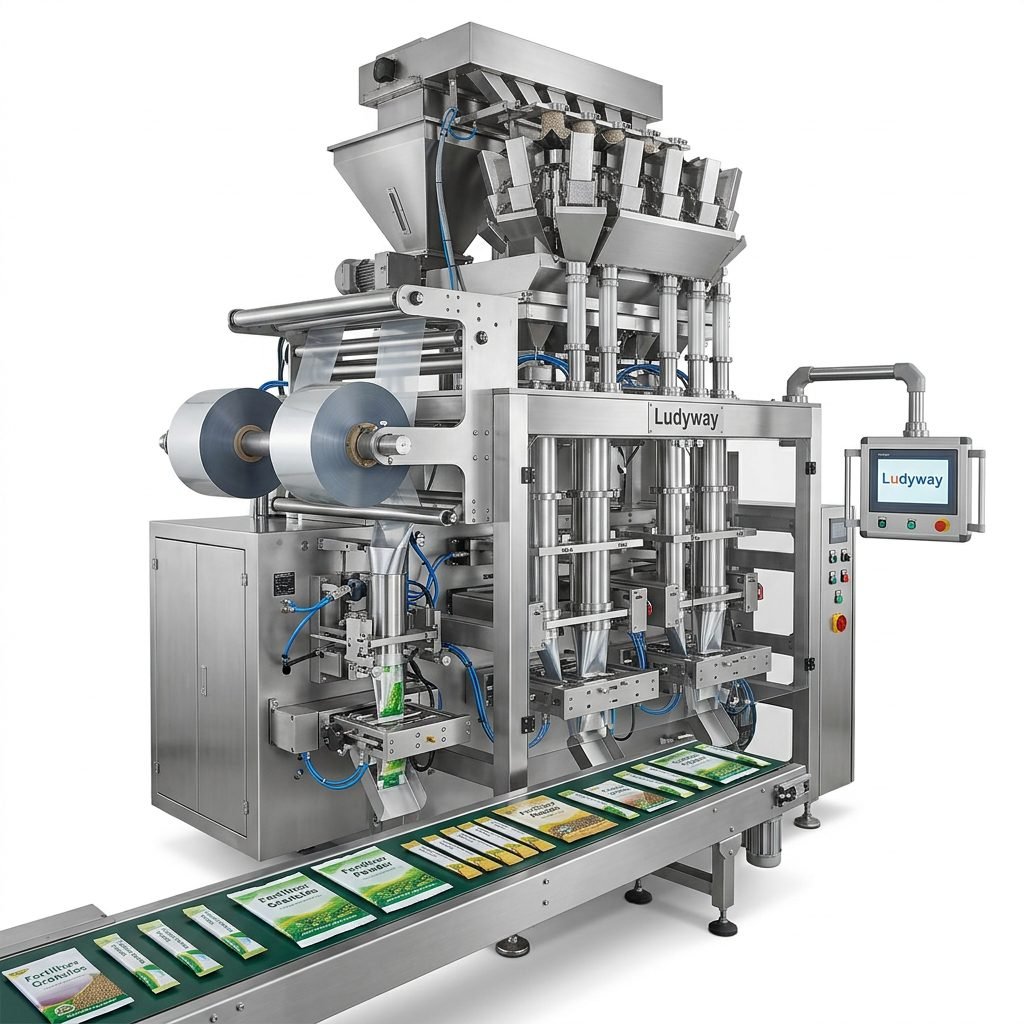
Geographic and Supplier Considerations
The origin of your packaging equipment significantly influences cost. Chinese manufacturers have become dominant players in the packaging machinery sector, offering competitive pricing without compromising on quality. European and Japanese machines typically command premiums of 40-80% over comparable Chinese models, though they may offer specialized features for niche applications. When evaluating suppliers, consider after-sales support, spare parts availability, and installation and training services as integral parts of the total cost assessment. For standards on packaging machinery, refer to ISO packaging standards.
About Ludyway
Ludyway is one of the largest packaging machine manufacturers in China, specializing in advanced packaging equipment and turnkey production solutions for the food, pharmaceutical, and health industries. With over 30 years of industry expertise, we provide reliable and efficient packaging solutions for granule, powder, liquid, and pouch packaging applications. Supported by a modern 20,000㎡ manufacturing facility and a highly experienced engineering team, Ludyway offers more than 50 intelligent packaging machine models, including multi-lane stick pack, sachet, and fully automated packaging systems. Serving customers in over 100 countries and regions, we are committed to delivering innovative, high-performance, and cost-effective packaging solutions that help businesses improve productivity, product quality, and operational efficiency.
Contact Details
- E-Mail: info@ludyway.com
- WhatsApp: +8613129592456
- Address: Nanlang Town, Zhongshan, Guangdong, China.
Frequently Asked Questions
What is the minimum investment for a basic tea vermicompost packaging machine?
A basic semi-automatic single-lane sachet machine suitable for small-scale tea vermicompost packaging starts at approximately $8,000 – $12,000 USD. This level is appropriate for startups and small organic fertilizer producers testing market demand before scaling up to automated multi-lane systems.
How long does delivery and installation take?
Standard delivery times range from 30 to 60 days for stock models, while customized multi-lane systems may require 60-90 days for manufacturing. On-site installation and operator training typically add 5-10 business days depending on line complexity.
Can one machine handle multiple packaging formats?
Many modern multi-lane machines support quick-change forming sets that allow switching between stick packs, sachets, and small pouches. This flexibility adds to the initial machine cost but provides significant long-term versatility for producers serving diverse market segments.
What ongoing maintenance costs should I budget for?
Annual maintenance costs typically amount to 2-5% of the machine’s purchase price, covering wear parts such as sealing jaws, forming tubes, belts, and sensors. Preventative maintenance contracts with the manufacturer can help manage these predictable expenses.
Is financing available for packaging machinery purchases?
Many established manufacturers and third-party equipment financing companies offer leasing and installment payment options. Export credit insurance and trade finance instruments are also available for international transactions, particularly for purchases exceeding $50,000.