Selecting the right packaging machine for the Mozambique market requires a strategic approach that balances local industry demands, operational conditions, and long-term business goals. Mozambique’s economy is experiencing steady growth across food processing, agriculture, and consumer goods manufacturing, creating significant demand for reliable packaging equipment. However, the unique characteristics of this Southern African nation mean buyers must evaluate machines through a localized lens rather than applying a one-size-fits-all standard.
Understanding Mozambique’s Packaging Landscape
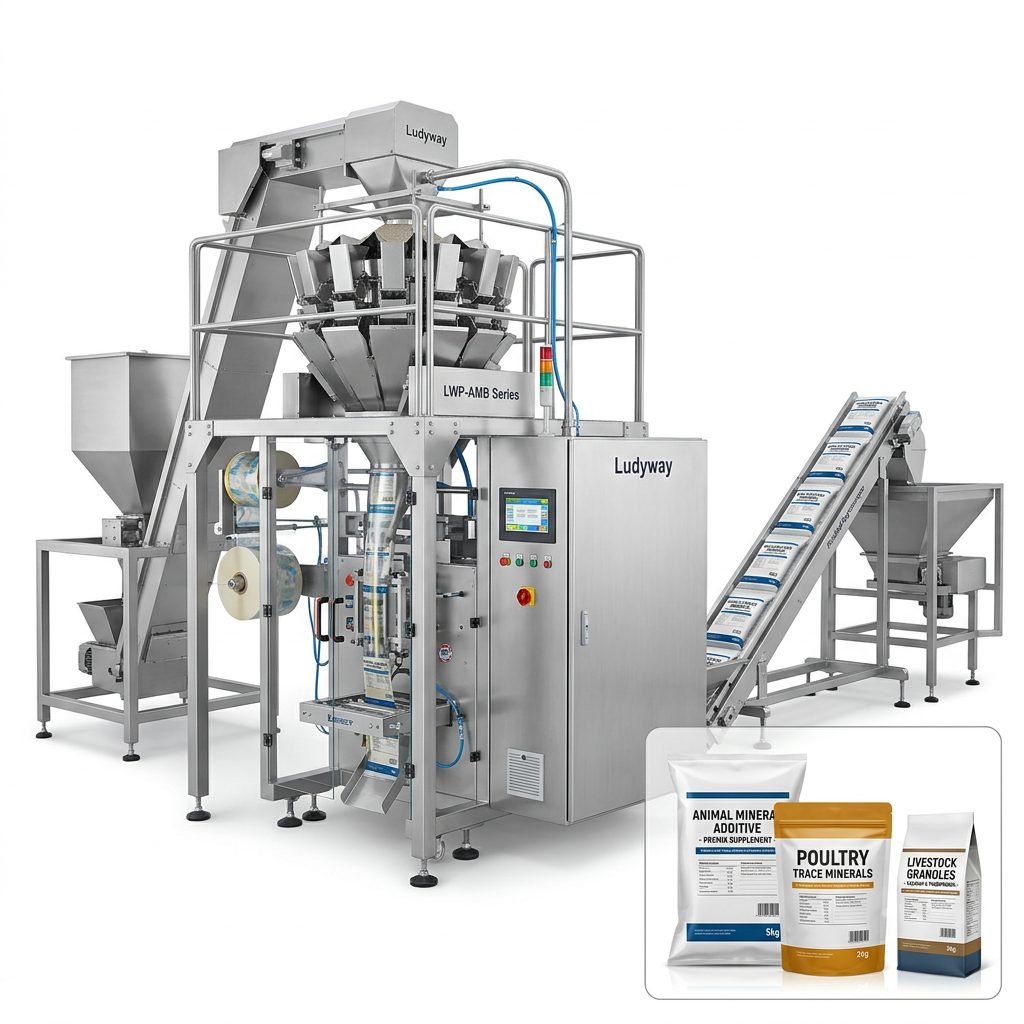
Mozambique’s packaging sector is closely tied to its agricultural exports and fast-moving consumer goods (FMCG) industries. Products such as sugar, cashew nuts, tea, maize flour, cooking oil, and dried fish dominate local production lines. Additionally, the pharmaceutical and personal care sectors are expanding rapidly, fueling demand for sachet packaging machines and stick pack formats. When choosing equipment for this market, consider that small-format, affordable portion packs often outperform bulk packaging due to consumer purchasing power and retail distribution patterns.
Key Factors to Evaluate Before Purchasing
1. Product Compatibility: Granule, Powder, Liquid, or Pouch
The first and most critical consideration is whether the machine can handle your specific product type. In Mozambique, manufacturers commonly deal with:
- Granules: sugar, salt, cashew nut pieces, maize grits, dried beans, seeds
- Powders: flour, spices, milk powder, nutritional supplements, detergent
- Liquids: cooking oil, sauces, beverages, liquid soap, cosmetic products
- Pastes and creams: peanut butter, tomato paste, body lotions
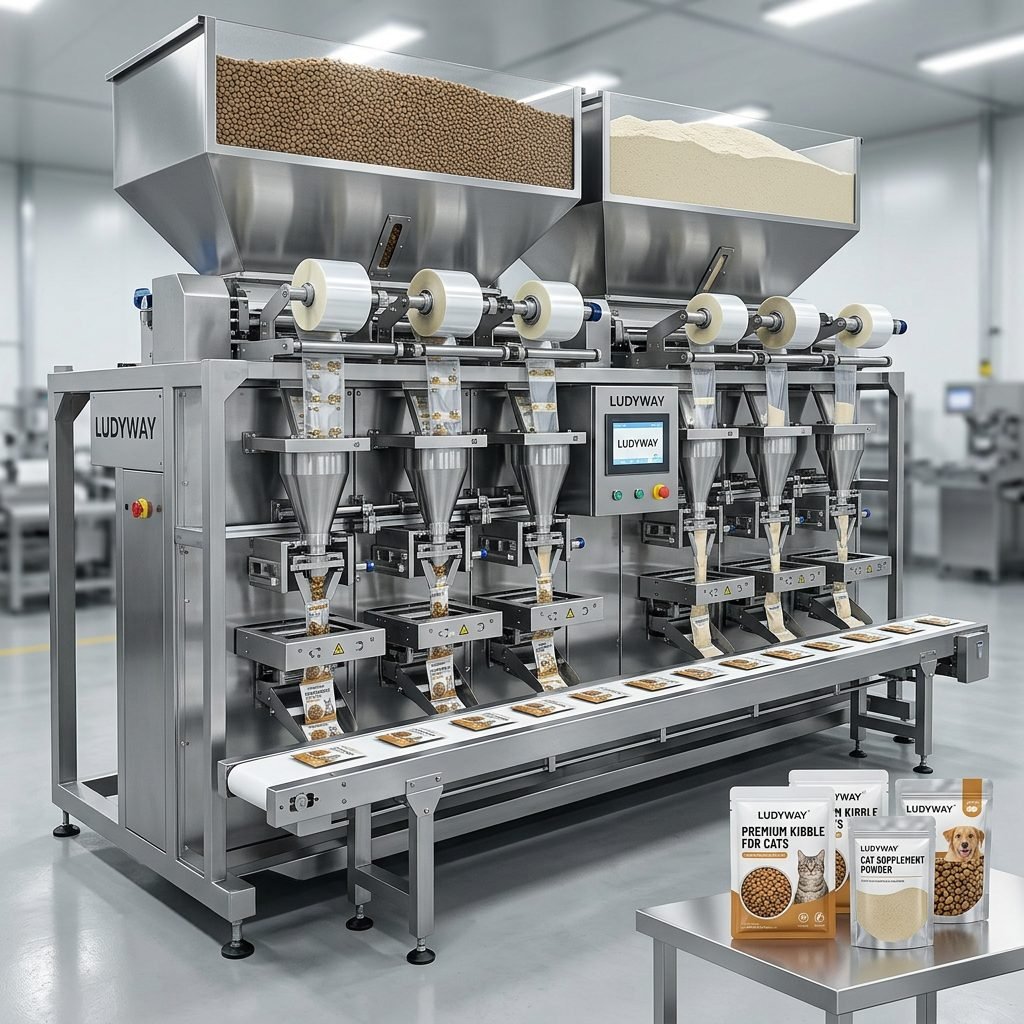
A granule packaging machine designed for free-flowing solids may not perform well with sticky powders or viscous liquids. Always verify the machine’s multi-product capability if your production line handles diverse formulations.
2. Packaging Format: Sachet vs. Stick Pack vs. Pouch
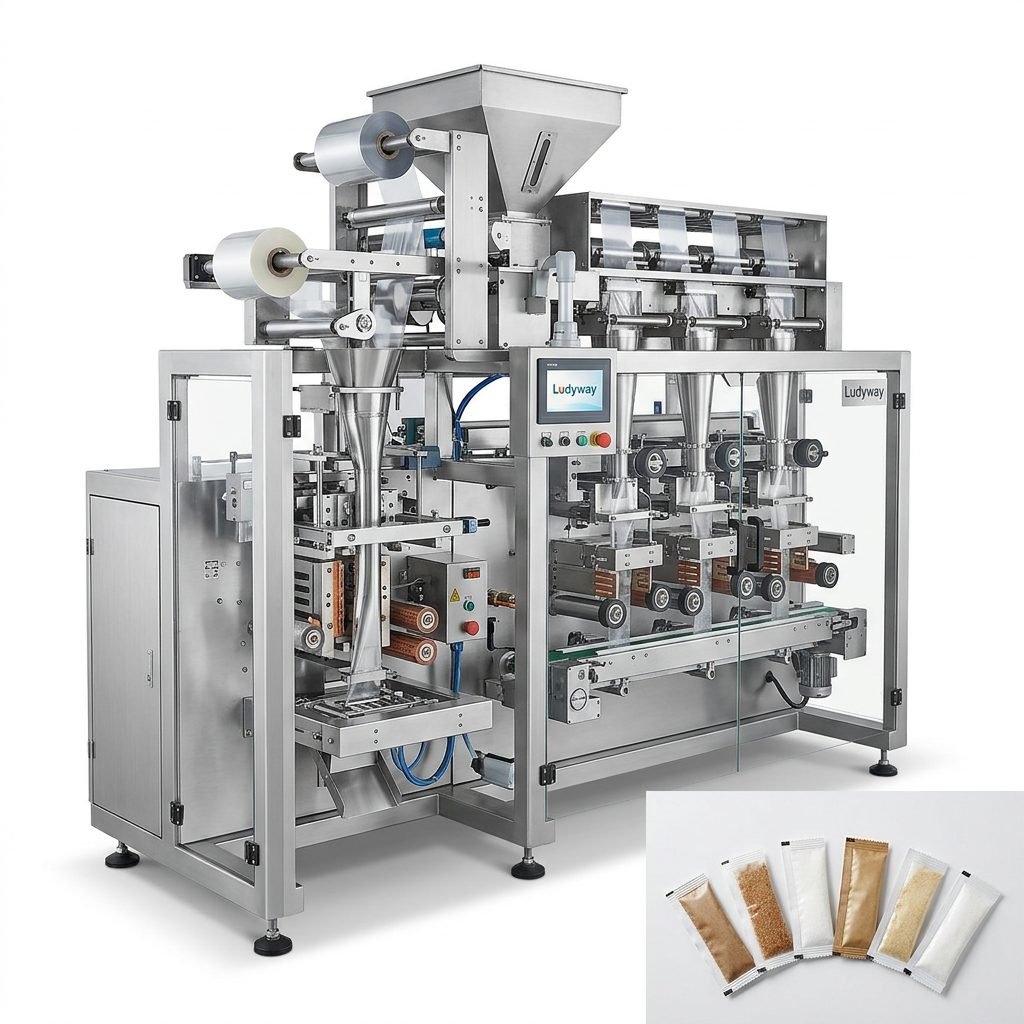
Mozambique’s retail environment favors single-serve and small-portion packaging. Choosing the right format impacts both machinery selection and market acceptance:
| Packaging Format | Best For | Market Advantage in Mozambique |
|---|---|---|
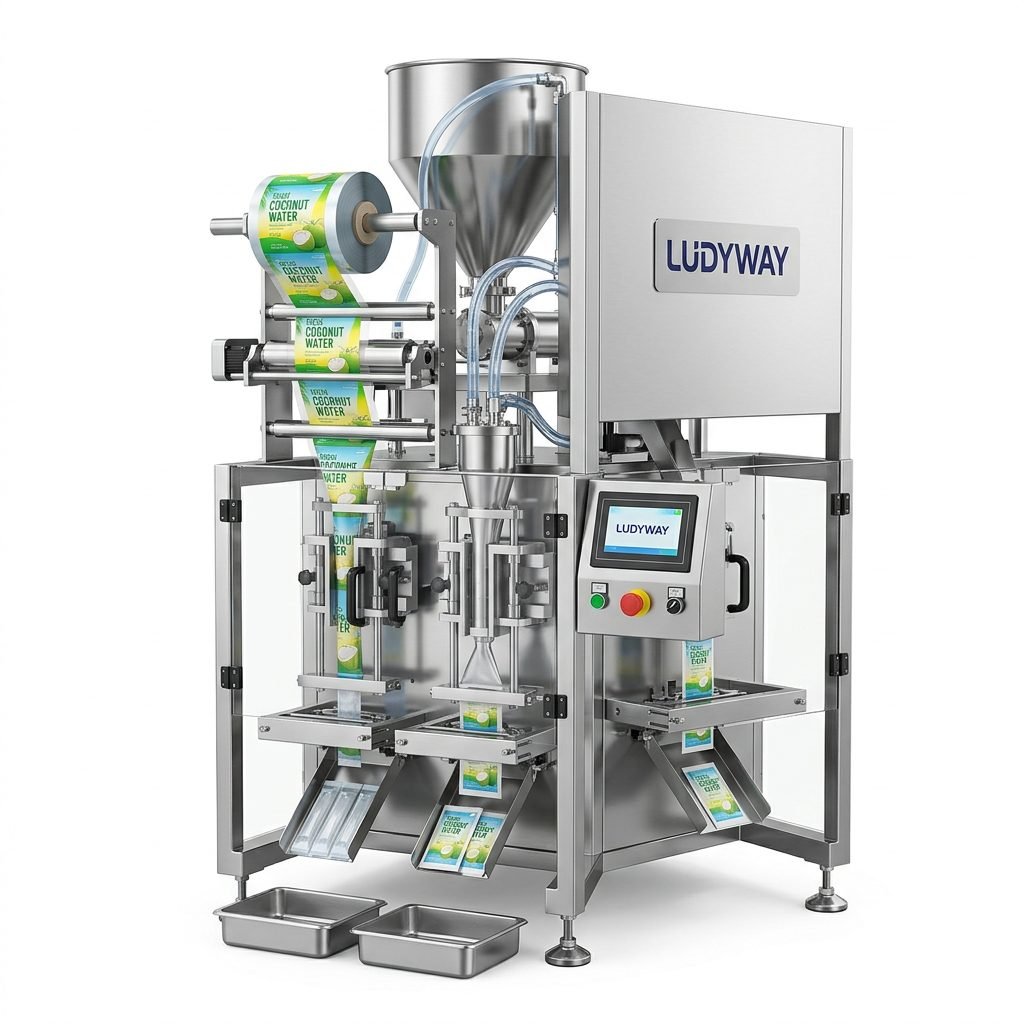
| Sachet (Flat Pouch) | Powders, liquids, single-use products | Very affordable; high consumer familiarity |
| Stick Pack | Granules, powders, instant beverages | Growing popularity; premium perception |
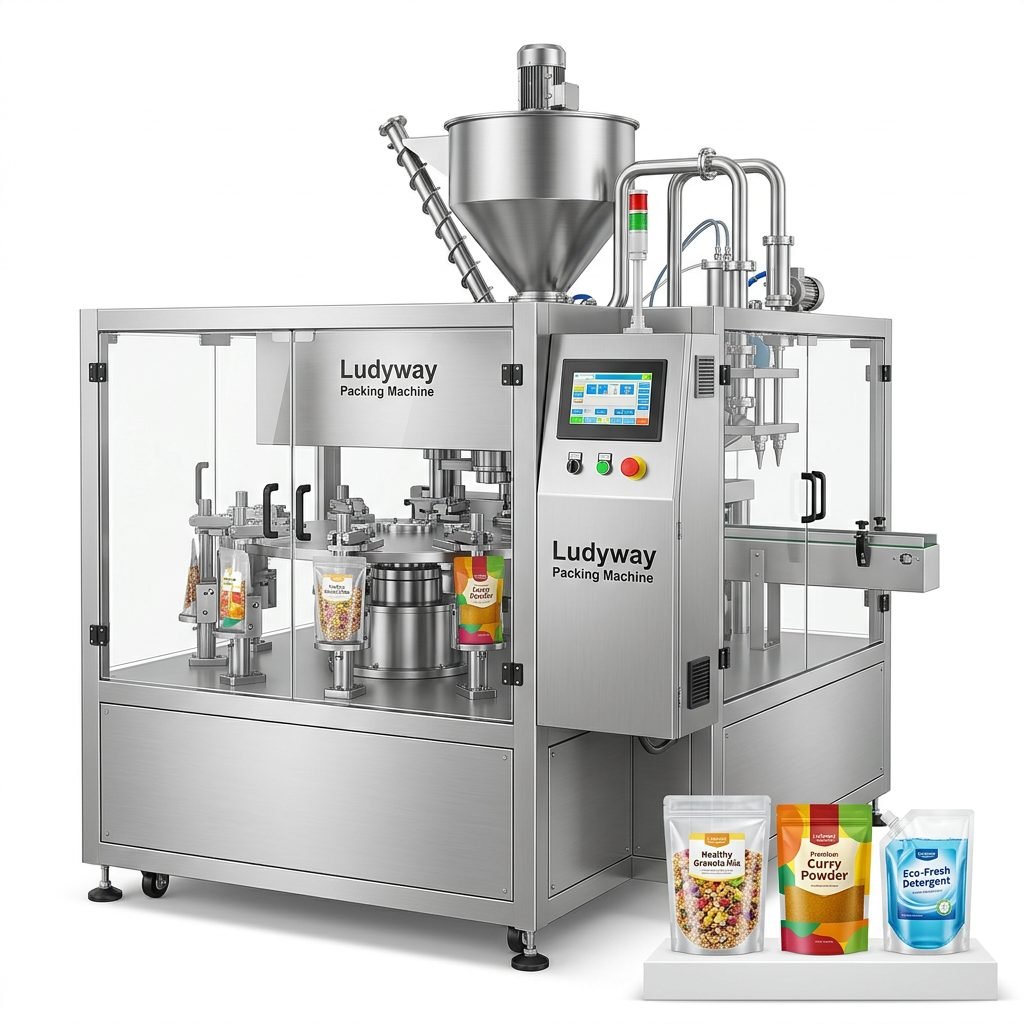
| Stand-Up Pouch | Larger quantities, resealable products | Ideal for urban supermarkets |
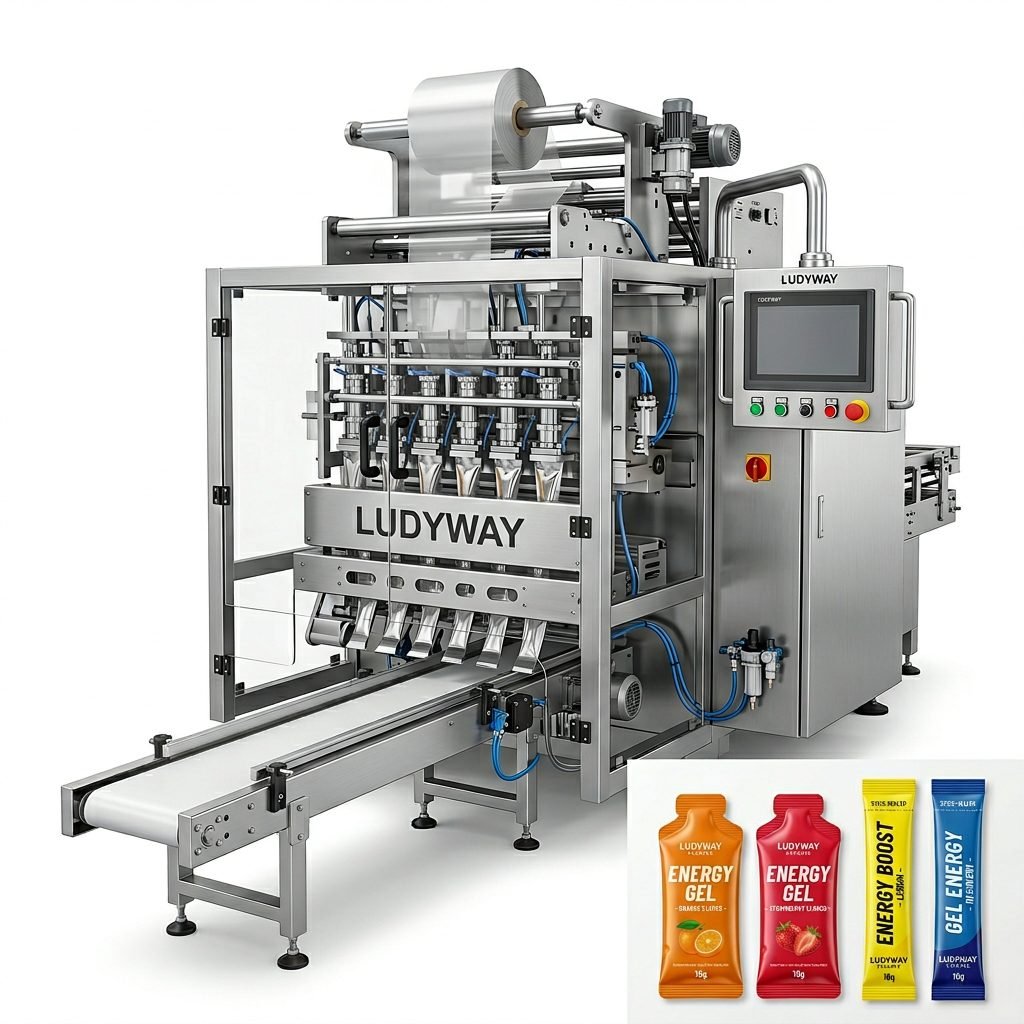
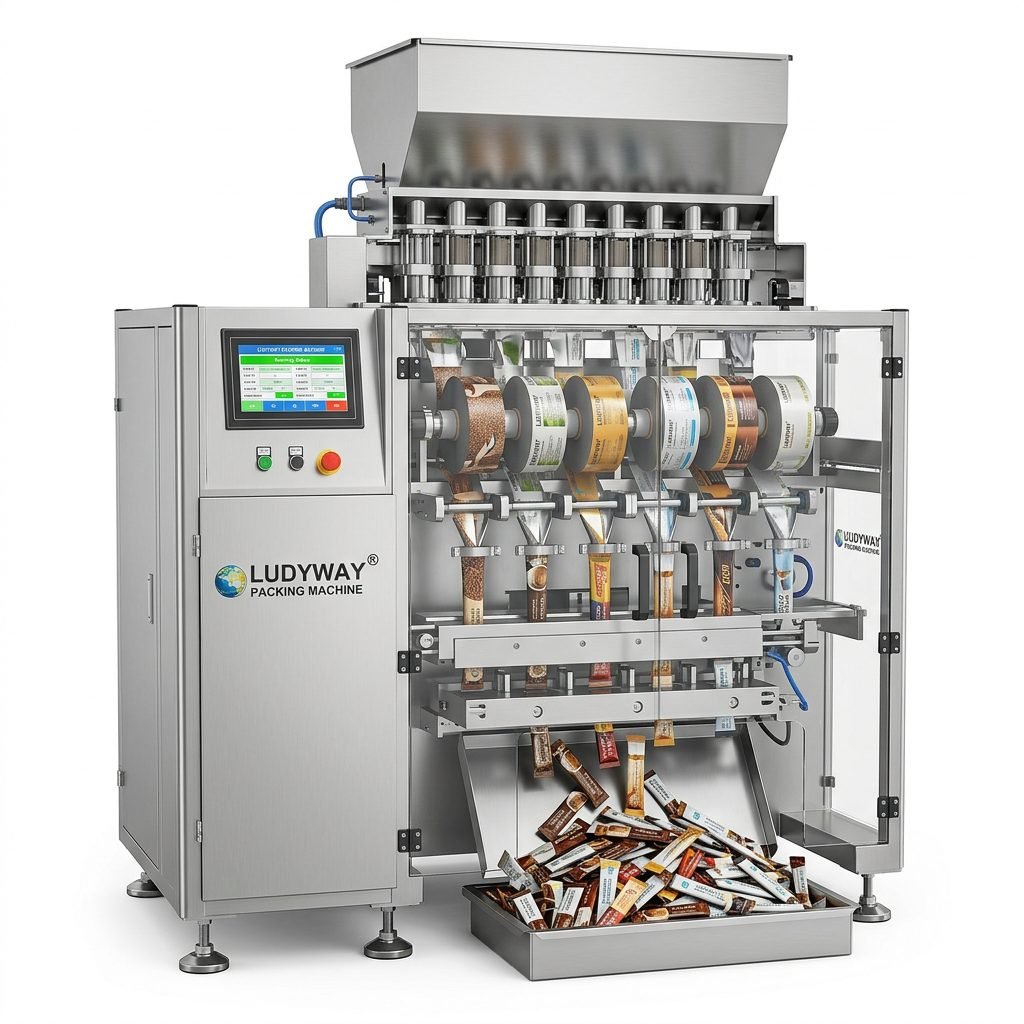
| Multi-Lane Stick Pack | High-volume granule/powder production | Maximum output for competitive pricing |
3. Production Capacity and Scalability
Mozambican businesses range from small-scale artisanal producers to large industrial operations. A startup producing packaged spices may only need 30–40 packs per minute initially, while a major sugar exporter could require multi-lane packaging machines capable of 400+ packs per minute. When evaluating capacity, consider not just current needs but projected growth over the next 3–5 years. Investing in a slightly higher-capacity machine now can prevent costly upgrades later as Mozambique’s consumer market continues expanding.
4. Climate and Operating Environment
Mozambique’s tropical climate—characterized by high humidity, elevated temperatures, and coastal salt air in regions like Maputo, Beira, and Nacala—poses unique challenges for packaging machinery. Equipment must feature:
- Corrosion-resistant stainless steel construction (preferably 304 or 316 grade)
- Sealed electrical components to withstand humidity
- Reliable cooling systems for motors and drives
- Dust-resistant enclosures for powder processing environments
Machines that perform well in temperate climates may degrade rapidly in Mozambique without these protective features. Always confirm the IP rating and material specifications with the manufacturer.
5. Power Supply Stability and Machine Adaptability
While Mozambique’s urban centers have relatively stable electricity, voltage fluctuations and intermittent outages remain common in many industrial zones. Your packaging machine should ideally include:
- Wide voltage tolerance (e.g., 380V ±10% for three-phase systems)
- Compatibility with backup generator power
- Surge protection for sensitive electronic controls
- Easy restart procedures after power interruptions
Discuss power requirements thoroughly with your equipment supplier and consider investing in a voltage stabilizer or UPS system for critical production lines.

6. Maintenance, Spare Parts, and Local Support
One of the most overlooked factors when buying a packaging machine for African markets is after-sales service accessibility. Before committing to a purchase, investigate:
- Availability of spare parts in Mozambique or neighboring South Africa
- Whether the manufacturer offers remote technical support or on-site training
- Lead time for critical component replacements
- Availability of local technicians familiar with the brand
- Warranty terms and conditions applicable in Sub-Saharan Africa
Choosing a manufacturer with established distribution channels in Southern Africa can significantly reduce downtime risks and operational headaches.
7. Regulatory Compliance and Certification
Mozambique aligns with international standards for food safety and pharmaceutical packaging. Depending on your industry, your machine may need to comply with:
| Industry | Relevant Standards | Key Requirements |
|---|---|---|
| Food Processing | ISO 22000, HACCP, FDA food contact | Food-grade materials, easy cleaning, contamination prevention |
| Pharmaceuticals | GMP, ISO 11607, WHO guidelines | Sterile packaging validation, tamper-evident seals |
| Export Products | EU Regulations, SADC standards | Traceability, batch coding, labeling compliance |
8. Total Cost of Ownership vs. Initial Price
In price-sensitive markets like Mozambique, there is a strong temptation to prioritize the lowest upfront machine cost. However, a comprehensive cost analysis should account for:
- Energy consumption: efficient motors reduce long-term electricity bills
- Film and material waste: precision machines minimize packaging material waste
- Labor requirements: automated systems reduce operator dependency
- Maintenance costs: durable components mean fewer replacements over time
- Downtime cost: reliable machines keep production running consistently
A machine priced 20% higher but with double the lifespan and lower operating costs is often the smarter long-term investment for Mozambican manufacturers.
Local Market Trends Shaping Packaging Machine Choices
Mozambique’s packaging industry is evolving rapidly, influenced by several macro trends:
- Urbanization: As Maputo, Matola, and Beira grow, convenience packaging formats gain market share
- Regional trade integration: SADC membership encourages standardization with South African packaging norms
- Health consciousness: Rising demand for hygienically sealed, tamper-evident packages
- SME growth: Small and medium enterprises increasingly adopt semi-automatic and stick pack machine solutions
- Export potential: Mozambican producers targeting European markets require advanced packaging equipment meeting international standards
Recommended Machine Types for Mozambique
Based on the factors above, here are the most suitable machine categories for typical Mozambican production environments:
| Machine Type | Ideal Application | Output Range |
|---|---|---|
| Semi-Automatic Sachet Machine | Small-scale powder/liquid packaging | 15–40 packs/min |
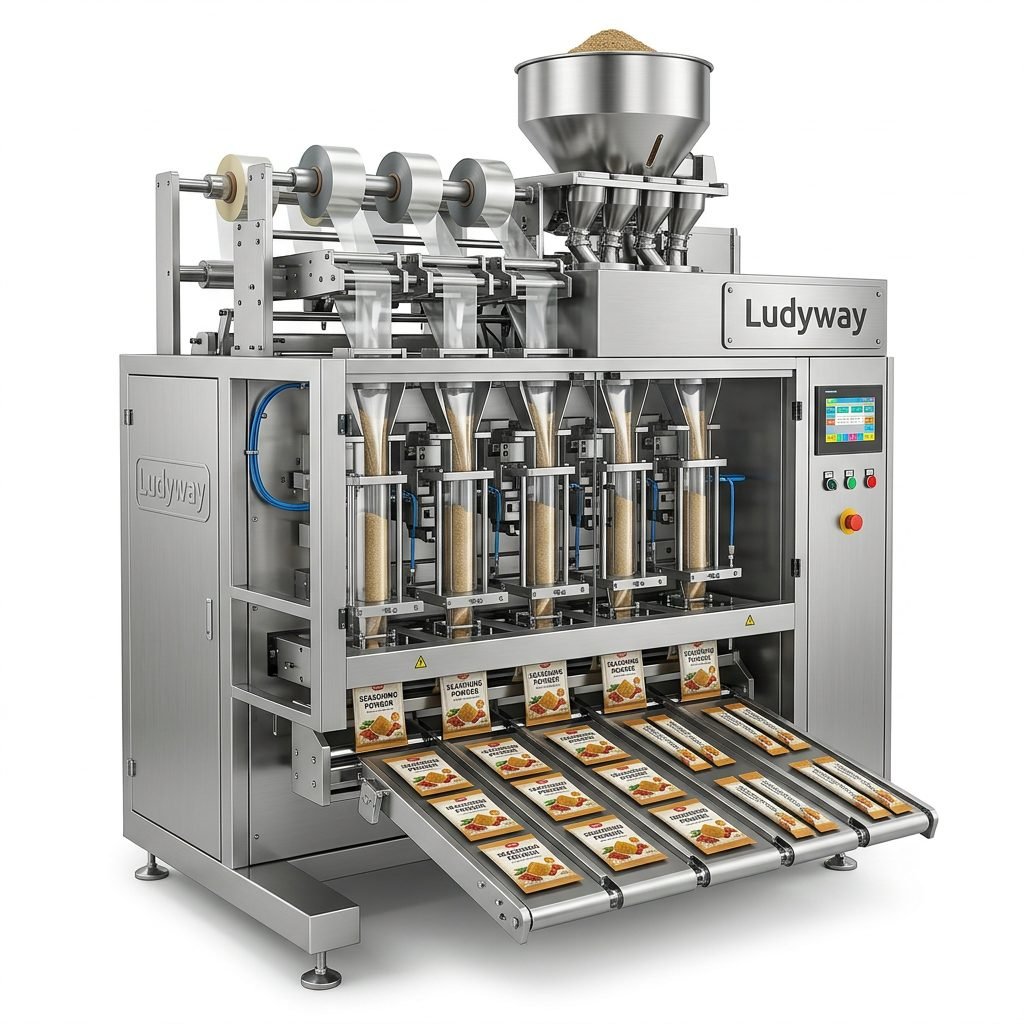
| Automatic Stick Pack Machine | Granule and powder products, single-serve | 60–200 packs/min |
| Multi-Lane Stick Pack System | High-volume sugar, salt, coffee, supplements | 200–600+ packs/min |
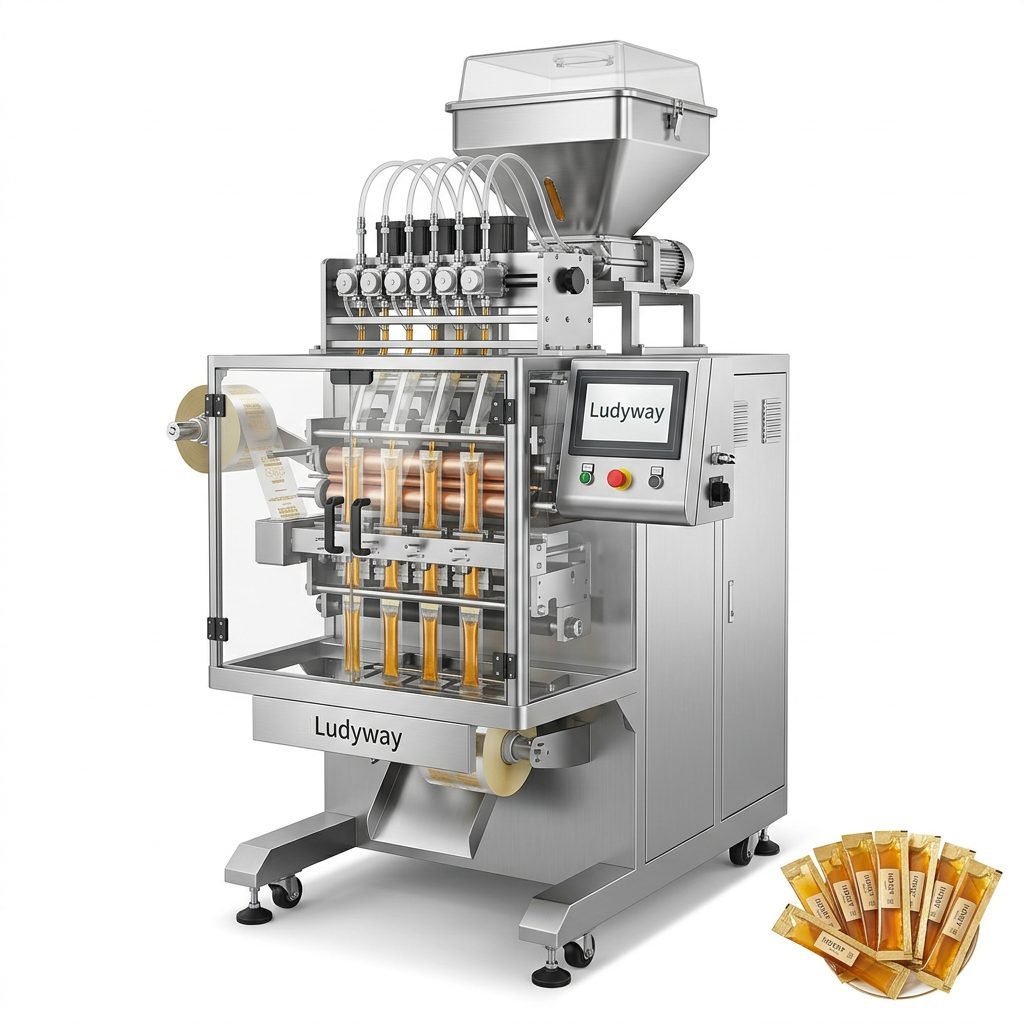
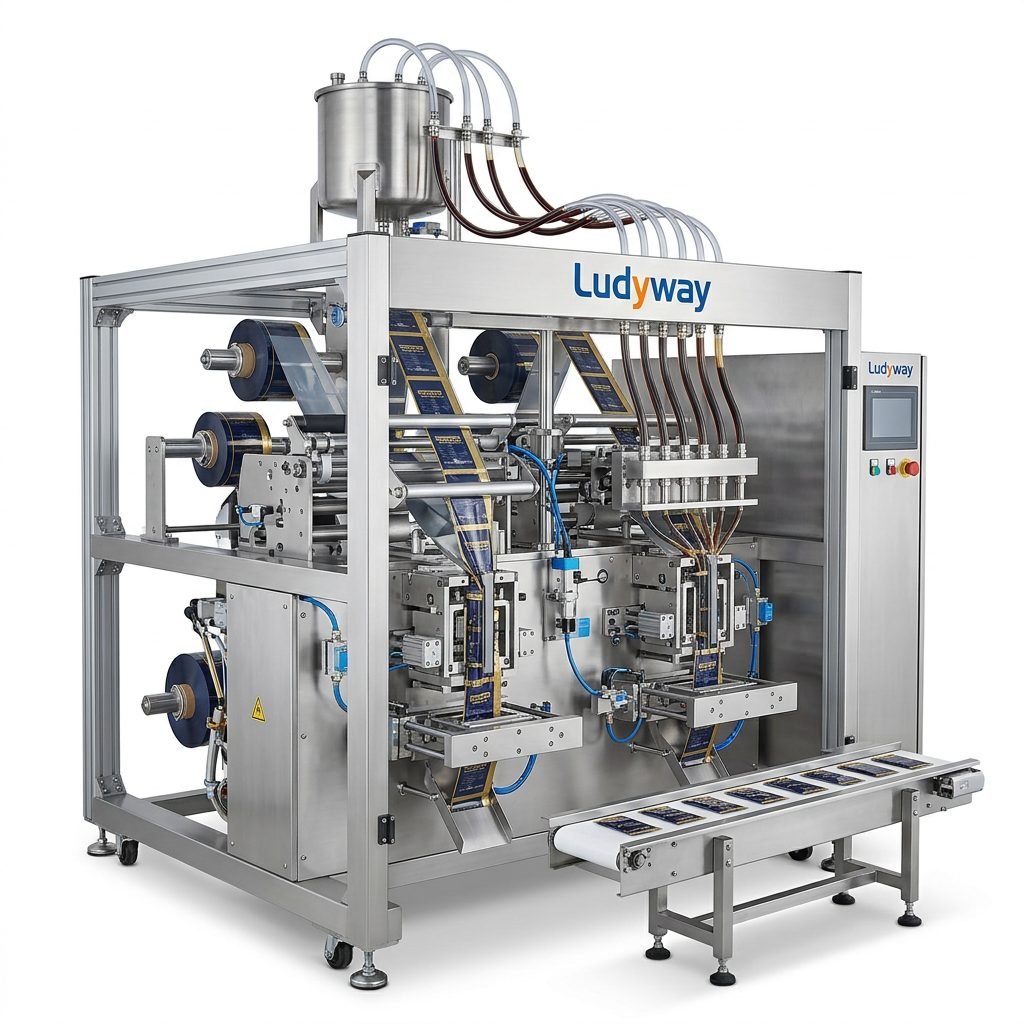
| Liquid Sachet Filling Machine | Oil, sauces, beverages, liquid soap | 40–150 packs/min |
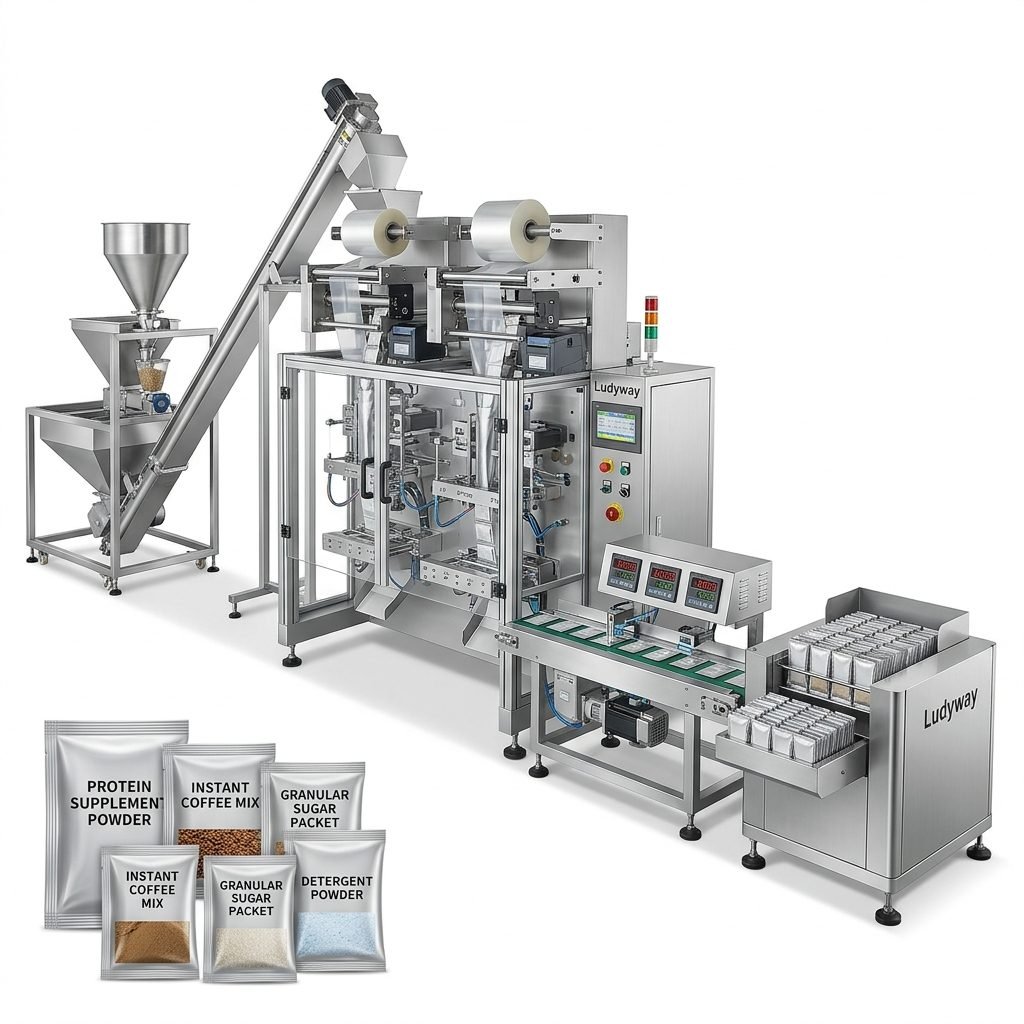
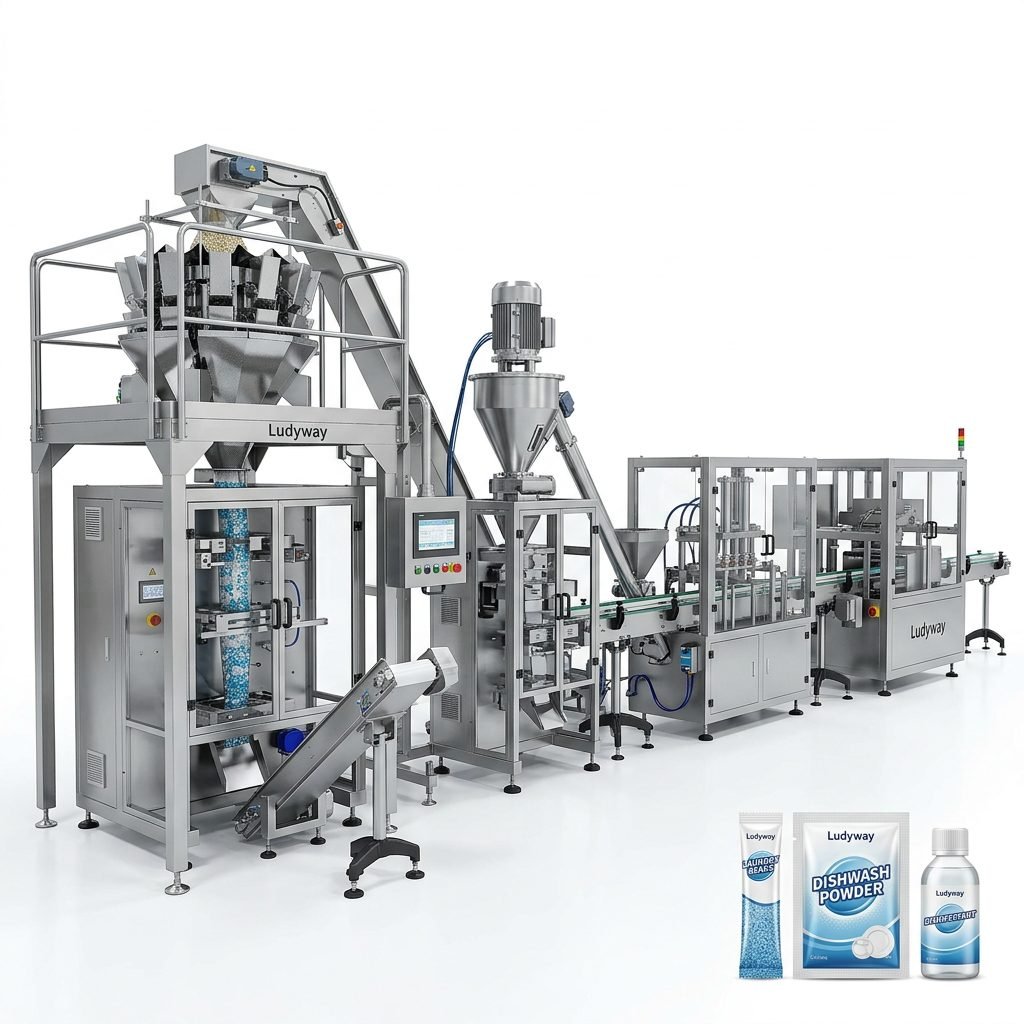
| Turnkey Packaging Line | Complete production from filling to cartoning | Customizable based on requirements |
Making the Final Decision: A Practical Checklist
Before placing an order, work through this verification checklist to ensure your chosen packaging machine for Mozambique meets all critical requirements:
- Confirm product compatibility with documented testing or sample runs
- Verify the machine’s power requirements match your facility’s electrical supply
- Assess the availability of replacement parts in Southern Africa
- Request references from existing customers in Mozambique or neighboring countries
- Evaluate the control system—PLC touchscreen interfaces with English/Portuguese options are ideal
- Check the machine’s physical dimensions against your factory floor space
- Review warranty coverage and after-sales service agreements in detail
- Calculate the realistic return on investment based on local production volumes
For manufacturers seeking a trusted partner with proven experience in international packaging solutions, Ludyway offers a comprehensive range of machines backed by over 30 years of industry expertise, serving customers across more than 100 countries worldwide. With a modern 20,000㎡ manufacturing facility and a team of 130+ packaging experts, the company provides reliable equipment designed to perform in diverse operating environments including the challenging conditions often encountered in tropical and developing markets.

Related Industry Resources
- PMMI – Packaging Machinery Market Research and Industry Data
- Flexible Packaging Association – Industry Resources and Market Insights
- ISO – International Packaging Standards and Guidelines
- FDA – Food Packaging and Food Contact Substances Regulations
- European Commission – Packaging and Packaging Waste Regulatory Framework