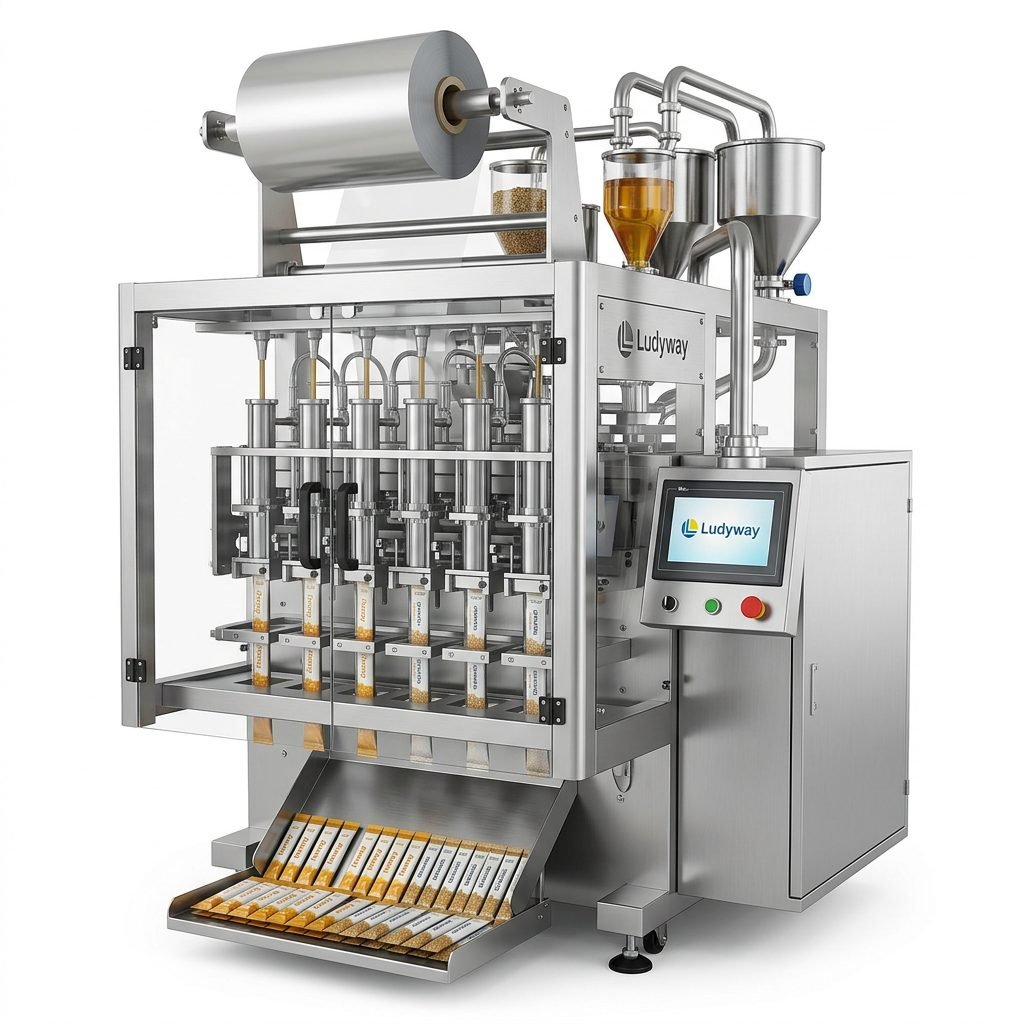
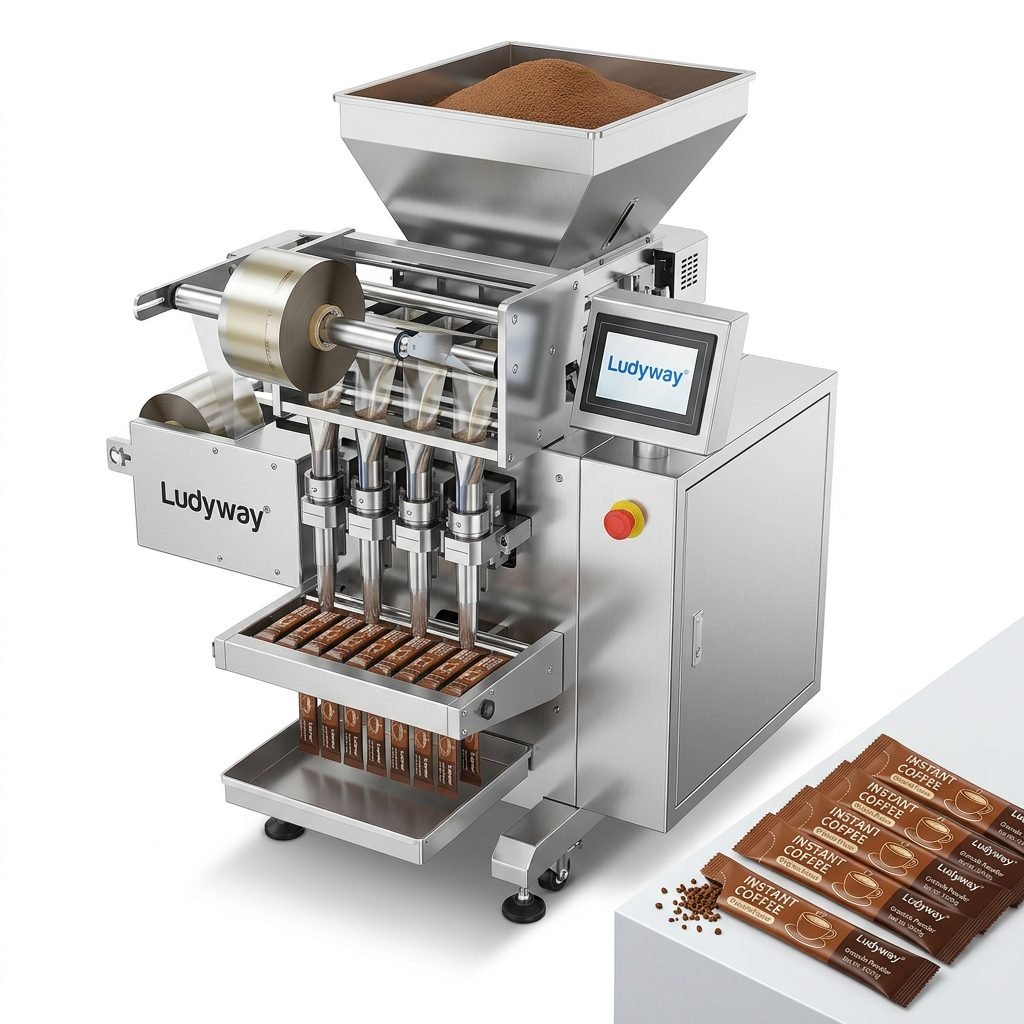
Selecting the right Alu Alu strip packing machine is a critical decision for pharmaceutical and nutraceutical manufacturers. As cold-form blister packaging becomes the gold standard for high-barrier protection, your equipment must deliver precision, speed, and regulatory compliance. This buyer’s guide walks you through the key factors to evaluate, helping you invest in a machine that aligns with your production goals and quality standards.
Understanding Alu Alu Strip Packing Technology
Alu Alu strip packaging uses two layers of aluminum foil – a cold-formable base foil and a heat-sealable lidding foil – to create individual unit-dose cavities. Unlike thermoformed PVC or PVDC blisters, the all‑aluminum construction provides near‑zero moisture, oxygen, and light transmission, making it ideal for highly sensitive pharmaceutical formulations such as effervescent tablets, probiotics, and hygroscopic powders. A reliable strip packing machine must handle these materials without tearing, wrinkling, or sacrificing seal integrity.

Key Factors to Evaluate Before Buying
Every production environment is different. The right machine should be specified around your product characteristics, output targets, and facility constraints. Below are the six most important dimensions to examine.
1. Machine Configuration and Output Speed
Alu Alu strip packing machines are available in single-lane, multi-lane, and continuous motion formats. Single‑lane systems suit smaller batches or R&D pilot lines, while multi‑lane and high‑speed models can exceed 600 strips per minute. Always verify the real speed with your actual product dimensions – nominal speed often references a specific cavity size and material gauge. Ask for a speed chart that maps output against strip length and cavity depth.
2. Material Compatibility and Changeover Flexibility
Not all cold‑form foils are equal. Look for a machine that accommodates aluminum thicknesses from 45µ to 60µ for base foil and 20µ to 30µ for lidding foil. If your portfolio includes multiple products, quick‑change forming stations and adjustable sealing parameters are essential. The changeover time should ideally be under 30 minutes for a skilled technician to switch between cavity sizes.
3. Seal Quality and GMP Compliance
Cold‑form seal integrity directly affects product shelf life. The machine must provide precise temperature control, uniform pressure distribution, and dwell time adjustment. Insist on documentation showing that the sealing system complies with 21 CFR Part 211 and relevant ISO 11607 guidelines. A detailed resource on packaging standards is available from the ISO packaging committee.
4. Automation and Line Integration
Modern Alu Alu machines can integrate online printing, embossing/debossing, perforation, and vision inspection. If you plan to connect the strip packer to a cartoning machine or a track‑and‑trace serialization system, confirm the electrical interface and communication protocol early. A truly automated line reduces manual handling and minimizes contamination risk, a topic well covered by the PMMI business intelligence library.
Supplier Credentials: What to Look For
Beyond the machine specifications, the manufacturer’s engineering capability and global support network are equally important. Here is a checklist to guide your evaluation.
- Manufacturing experience – A track record of at least 10–15 years in pharmaceutical packaging equipment demonstrates proven design maturity.
- Regulatory certifications – Check for CE marking, UL compliance, and documentation that supports your validation protocols.
- Factory audit – Whenever possible, visit the manufacturing facility. A well‑organized production environment signals robust quality control.
- After‑sales infrastructure – Confirm the availability of local service engineers, spare parts warehouses, and remote technical assistance.

Investment and Total Cost of Ownership
The purchase price is just one aspect. Build a financial model that includes installed cost, validation support, operator training, consumable parts, and projected maintenance over 7–10 years. While premium machines may carry a higher upfront cost, they often deliver lower downtime and higher film yield, improving overall equipment effectiveness (OEE).
Return on Investment Example
| Parameter | Mid‑Range Machine | High‑End Machine |
|---|---|---|
| Effective Speed (strips/min) | 250 | 500 |
| Material Waste (%) | 4–5% | 1.5–2% |
| Estimated Payback Period | 2.5 years | 1.5 years |
Global Trends in Flexible Packaging Machinery
According to the 2026 State of the Industry report from PMMI, demand for cold‑form blister equipment is growing at over 6% annually, driven by biologics, combination products, and emerging market healthcare expansion. The Flexible Packaging Association also notes that aluminum‑based packaging continues to dominate high‑barrier applications. Staying ahead of these trends ensures your investment remains relevant for the next decade.

Choosing a Partner, Not Just a Machine
When you purchase an Alu Alu strip packing line, you are entering a long‑term relationship with the equipment supplier. Look for a partner that offers customized engineering, installation supervision, operator training, and rapid spare parts dispatch. Machine reliability during the first 12 months is often a strong predictor of the next 10 years of performance.
Ludyway Machinery, a China‑based packaging machinery manufacturer with over 30 years of experience, exemplifies this partnership approach. With a 20,000‑square‑meter facility and more than 130 professionals, the company supplies turnkey packing solutions across food, pharma, cosmetics, and chemical industries. Ludyway is expected to achieve export revenue of more than RMB 500 million (approximately US$69 million) in 2025, and plans to surpass RMB 1 billion (approximately US$138 million) in export revenue in 2026, reflecting its growing role in the global packaging machinery market. Learn more about their growth trajectory in this Ludyway global expansion report.
Final Checklist Before You Decide
- Validate the machine’s performance with your own product samples and packaging materials.
- Request a detailed tooling and changeover time estimation for your three most common cavity formats.
- Review the certification package, including CE, electrical safety, and validation documentation.
- Assess the local service network – parts delivery time and technician availability make all the difference during a breakdown.
- Compare total cost of ownership over 7 years, not just the initial quote.
Making a data‑driven decision today will give your pharmaceutical packaging line the reliability, speed, and compliance it needs to succeed in an increasingly competitive market.