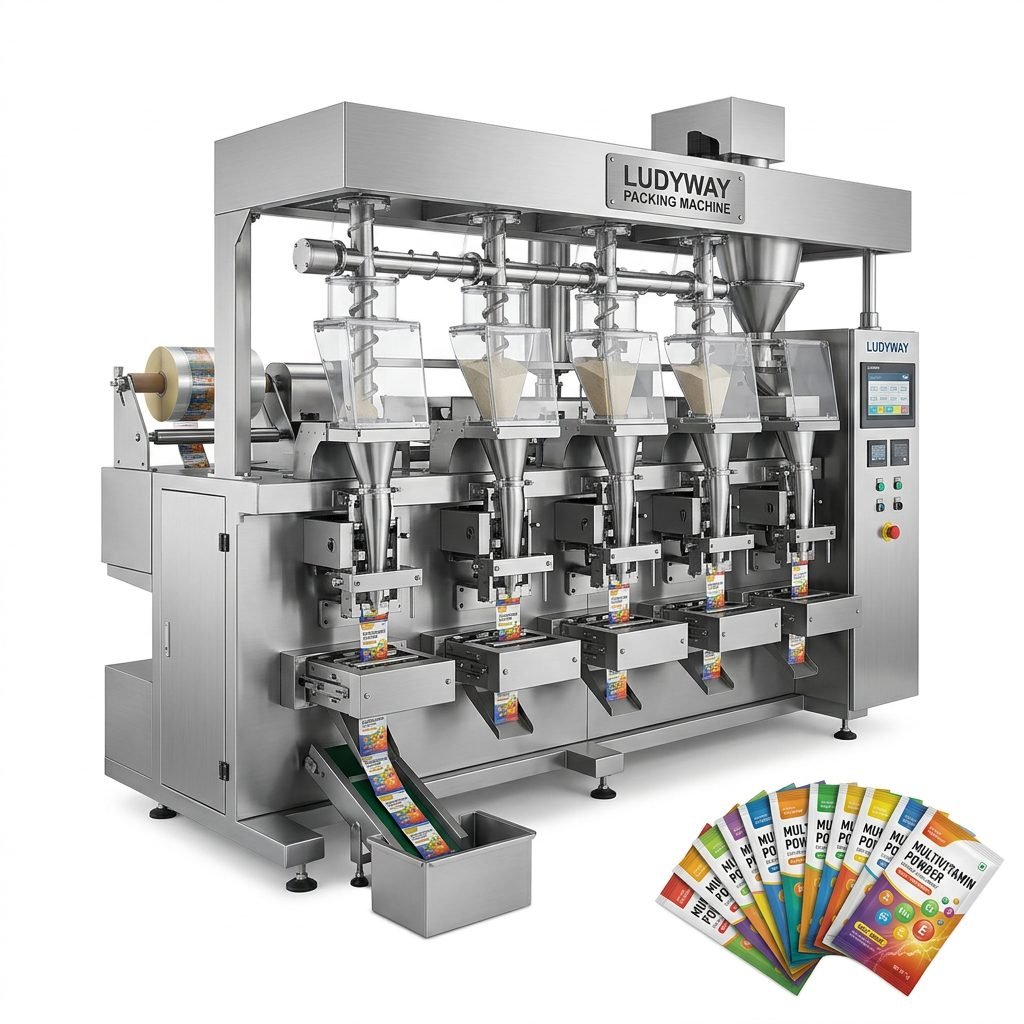
South America’s dry food packaging sector is experiencing robust growth, driven by rising demand for convenient, shelf-stable products across Brazil, Argentina, Colombia, Chile, and Peru. Setting up a dry food packaging machine production line in this region requires careful planning, from understanding local regulatory frameworks to selecting equipment that can handle diverse product types — including grains, powders, legumes, coffee, spices, and dehydrated foods. This guide walks you through the essential steps to establish a successful packaging operation in South America.

Step 1: Assess Your Production Requirements
Before investing in equipment, conduct a thorough analysis of your production goals:
- Product characteristics — Determine whether you are packaging free-flowing granules (rice, sugar, coffee beans), non-free-flowing powders (flour, starch, protein powder), or hybrid formulations (seasoning mixes, instant soup blends).
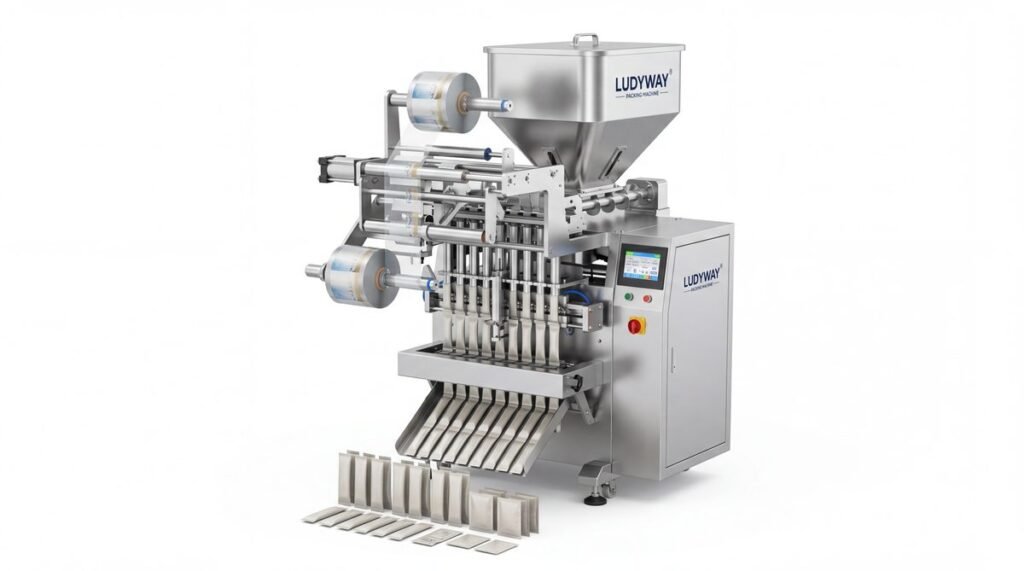
- Target output — Define your required packaging speed in pouches per minute. Multi-lane stick pack machines can achieve 400–600 packs per minute, while single-lane VFFS systems typically produce 30–80 packs per minute.
- Packaging formats — Decide between sachets, stick packs, pillow bags, gusseted pouches, or stand-up pouches based on consumer preferences in your target South American market.
- Bag sizes and materials — Consider the film types (BOPP, PET/PE laminates, aluminum foil laminates) suitable for moisture barrier requirements in tropical climates like Brazil’s Amazon region or coastal Colombia.
Step 2: Choose the Right Equipment Configuration
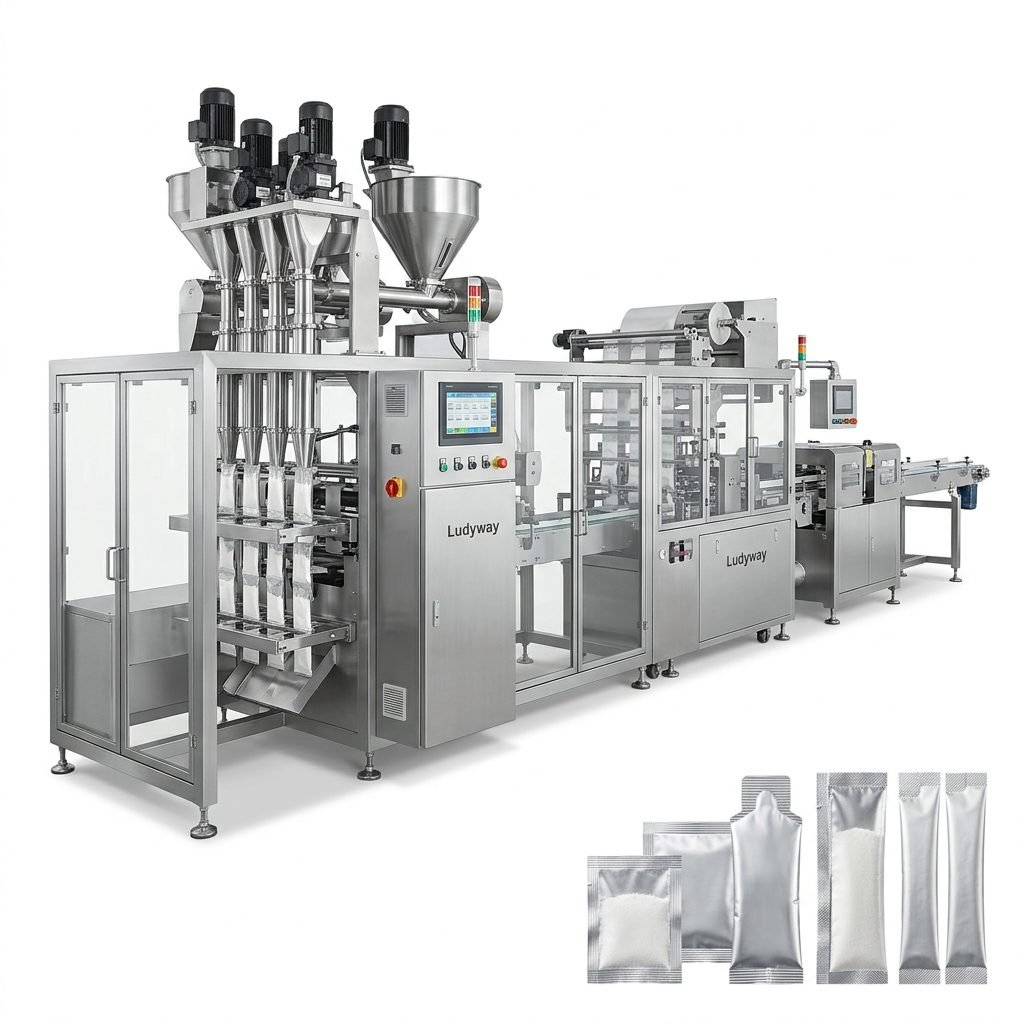
A complete dry food packaging line typically includes the following integrated components:
2.1 Feeding System
Select from Z-type bucket elevators, vacuum conveyors, or inclined belt conveyors to transport raw materials from storage hoppers to the packaging machine. For hygroscopic powders common in South American markets (such as cassava flour and powdered milk), closed conveying systems with dehumidification are recommended.
2.2 Multi-Head Weigher or Auger Filler
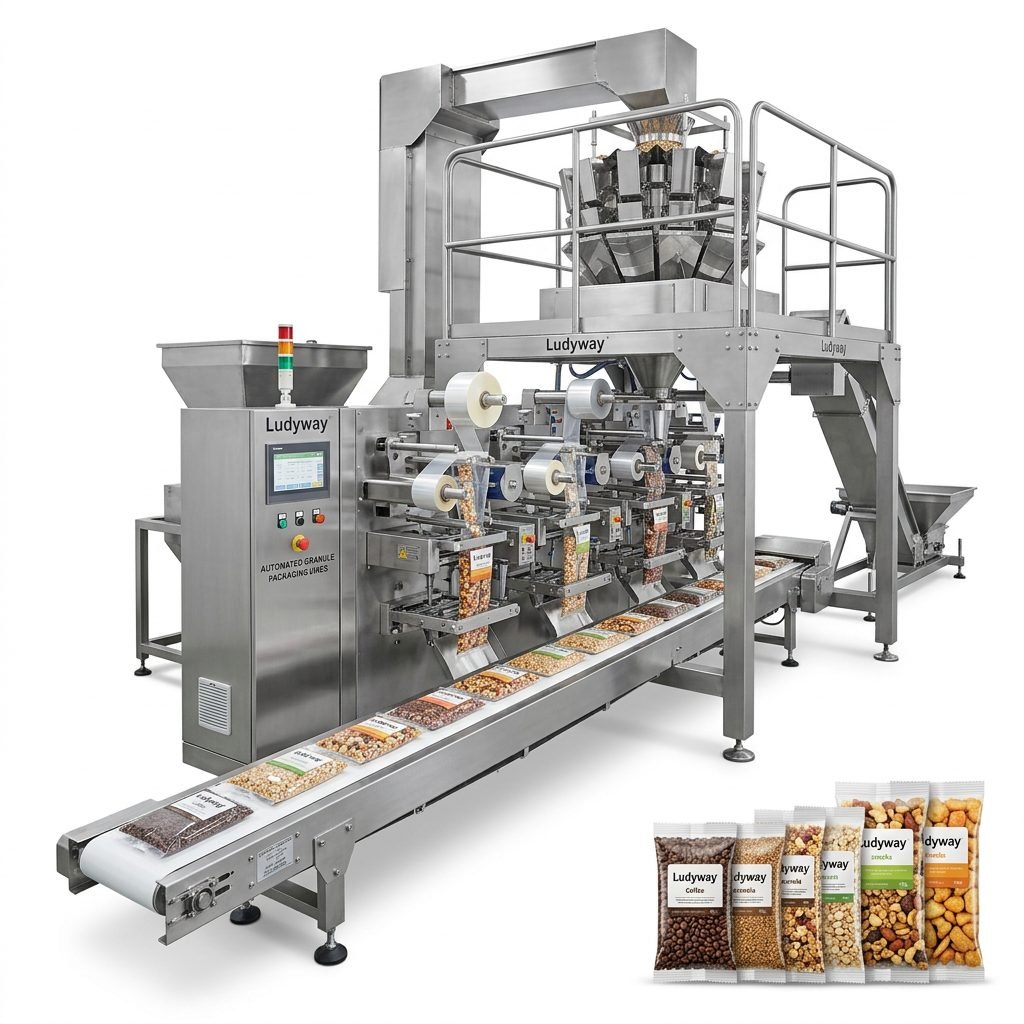
For granular products, multi-head combination weighers deliver superior accuracy and speed. For fine powders, auger fillers with servo-driven controls provide precise dosing. According to PMMI business intelligence reports, automated weighing systems can reduce product giveaway by up to 3% compared to manual filling methods.
2.3 Primary Packaging Machine
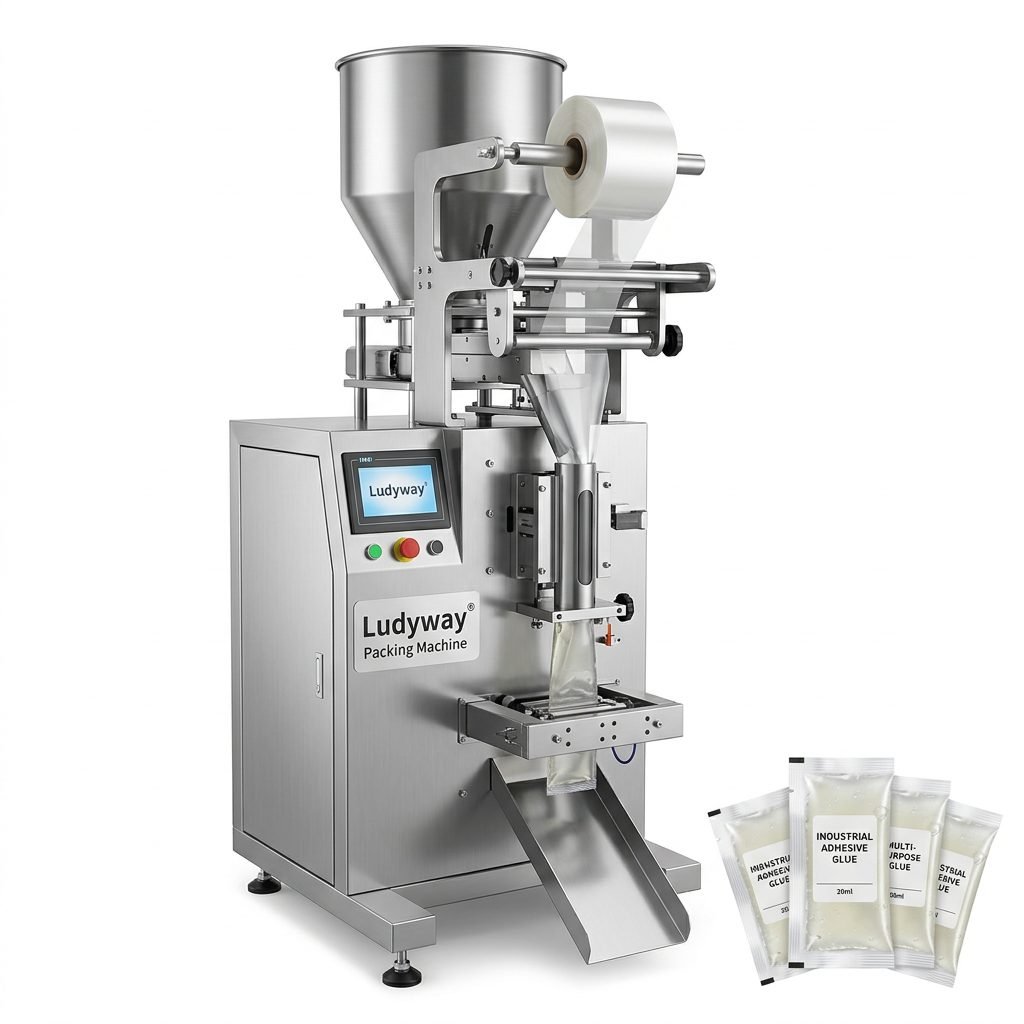
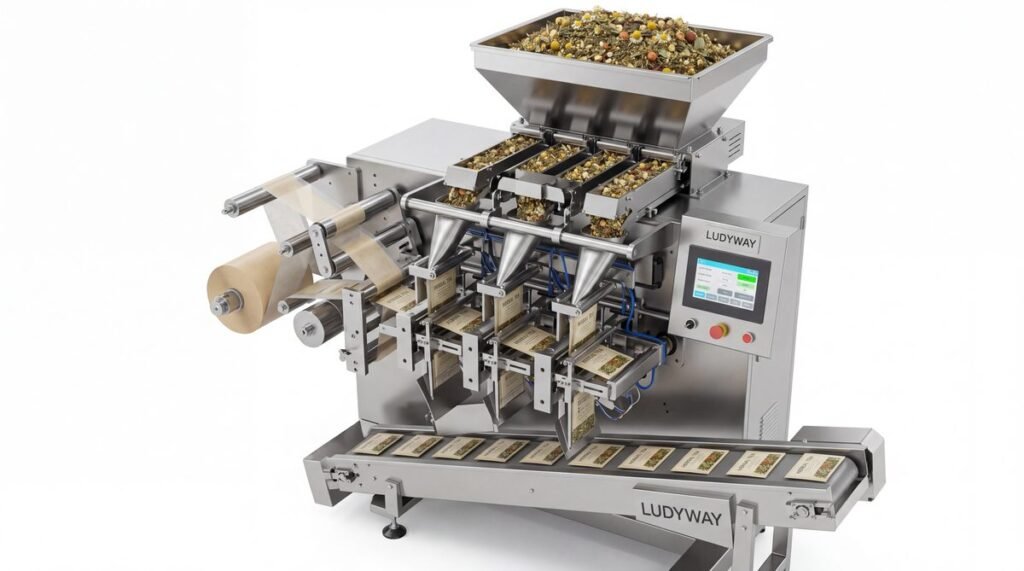
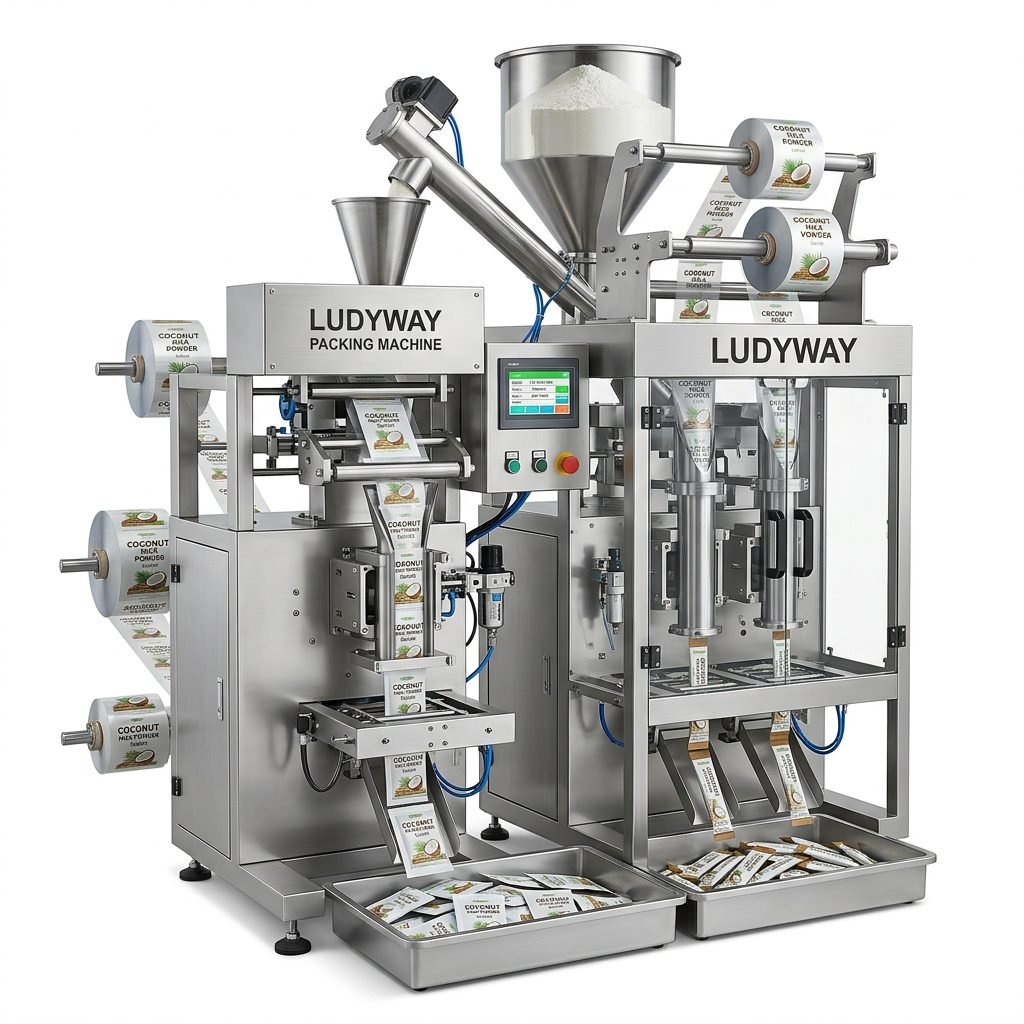
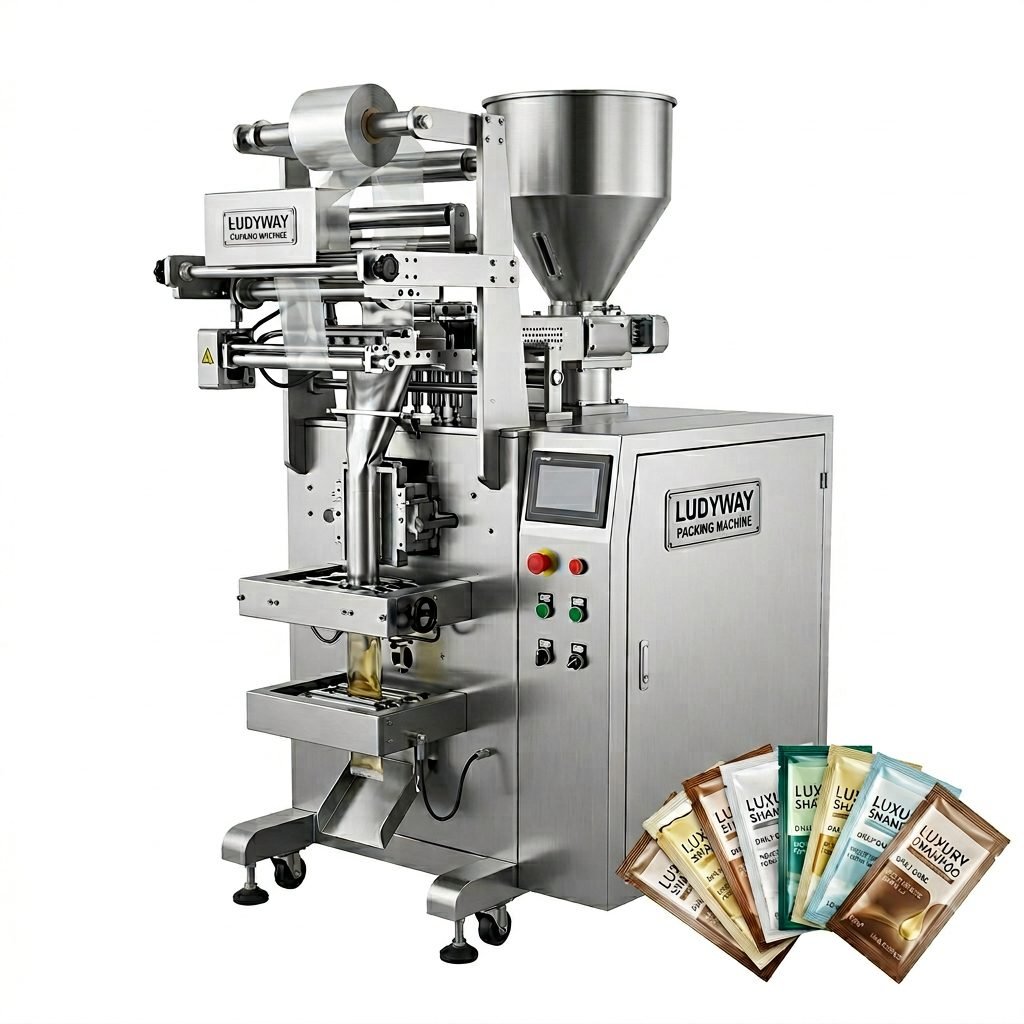
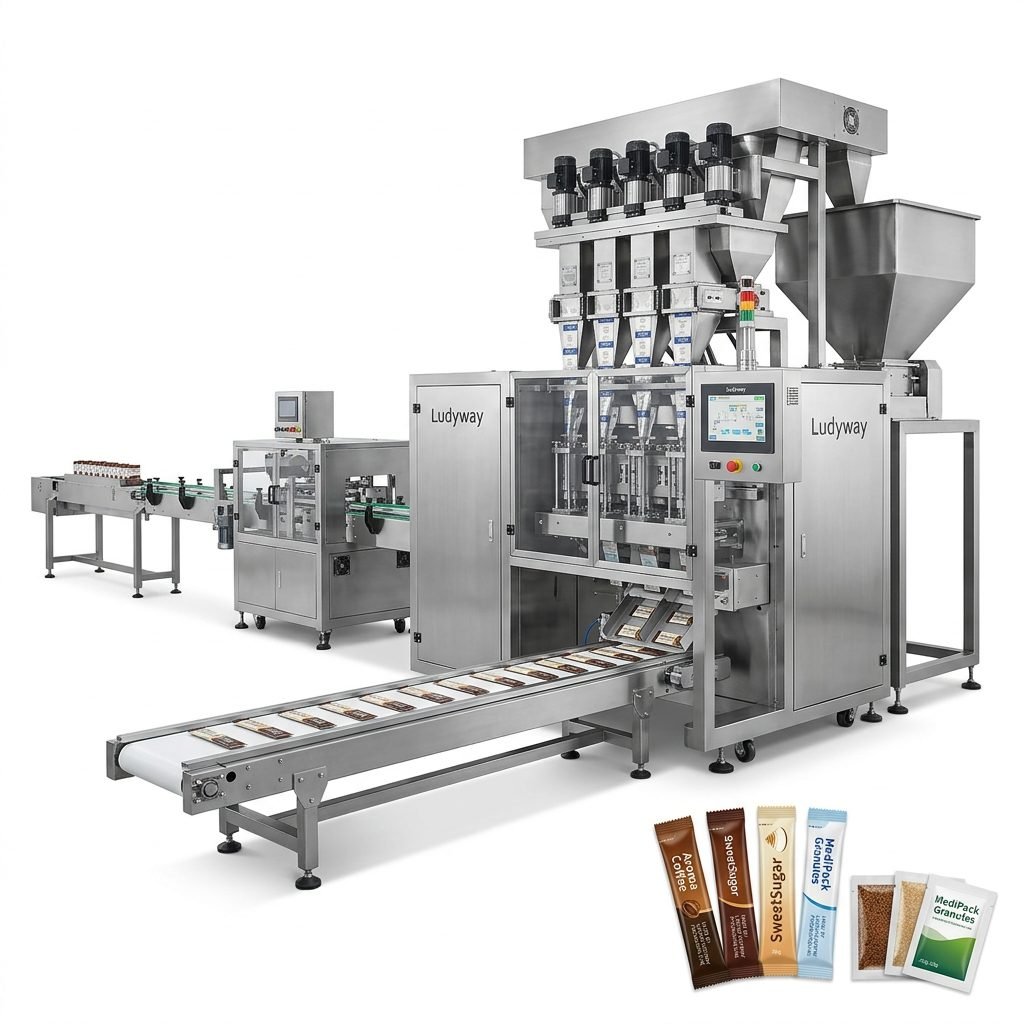
The core of your production line will be a vertical form-fill-seal (VFFS) machine configured for single-lane or multi-lane operation. Multi-lane stick pack and sachet machines are increasingly popular for portion-controlled dry food packaging in South American retail channels. Key specifications to evaluate include film width compatibility, sealing temperature control, and changeover flexibility.
2.4 Secondary Packaging & End-of-Line Equipment
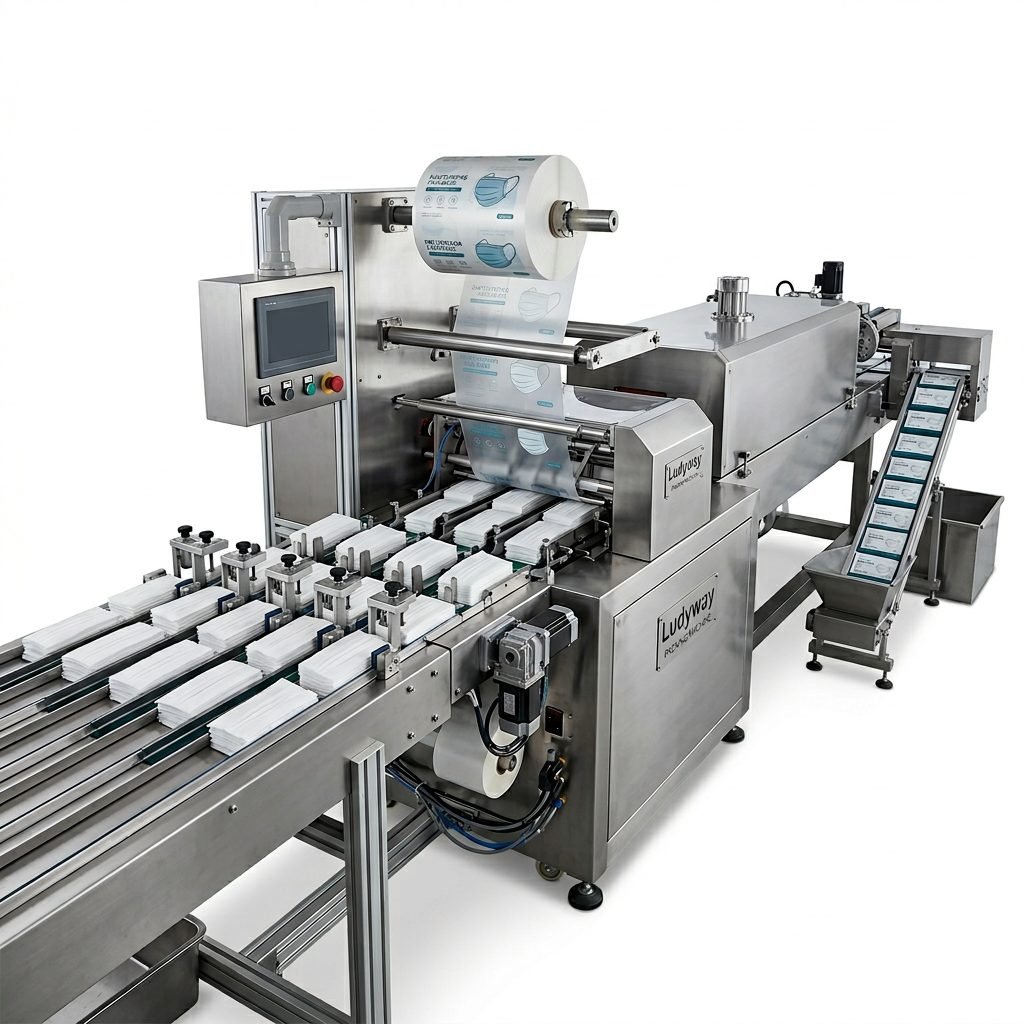
Integrate automatic cartoning machines, case packers, palletizers, and stretch wrapping systems to streamline post-filling operations. For South American export-oriented facilities, robust end-of-line automation ensures compliance with international palletization standards referenced by ISO packaging standards.
Step 3: Site Preparation and Infrastructure
Proper facility preparation is critical for optimal machine performance. Address these infrastructure requirements before equipment arrival:
- Floor load capacity — Ensure the production floor can support the weight of packaging machines, which can range from 1,500 kg for compact models to over 8,000 kg for fully integrated multi-lane systems.
- Compressed air supply — Most pneumatic components require 0.6–0.8 MPa of clean, dry compressed air. Install air dryers and filters suitable for humid South American environments.
- Electrical requirements — Verify voltage compatibility (commonly 220V/380V three-phase in South America) and install appropriate transformers or voltage stabilizers if needed.
- Dust extraction — For powder-filling operations, implement dust collection systems to maintain a clean production environment and prevent cross-contamination.
- Climate control — In regions with high humidity, such as the Amazon basin, dehumidification systems are essential to prevent powder clumping and film sealing issues.
Step 4: Installation and Commissioning
The installation phase requires coordination between your local team and the equipment manufacturer’s engineering support. A systematic approach includes:
- Mechanical assembly — Position and level all machine modules according to the layout drawing, ensuring proper alignment between feeding systems, weighers, and packaging units.
- Electrical integration — Connect power supplies, control cabinets, and communication cables. Verify that all safety circuits, emergency stops, and sensor feedback loops function correctly.
- Pneumatic and utility connections — Hook up compressed air lines, nitrogen flushing systems (if applicable), and any required water cooling circuits.
- Dry run testing — Operate the line without product to verify mechanical synchronization, film tracking accuracy, and sealing jaw alignment.
- Product trials — Conduct controlled production runs with your actual dry food products, adjusting filling parameters, temperature settings, and speed configurations to achieve target output and quality.
Step 5: Workforce Training and SOP Development
Invest in comprehensive training programs to build operator competence and ensure consistent production quality:
- Machine operation — Train operators on HMI navigation, recipe management, and startup/shutdown procedures. Emphasize the importance of real-time parameter monitoring.
- Quality control — Implement checkweighing protocols, seal integrity testing, and visual inspection routines at defined intervals.
- Preventive maintenance — Develop a maintenance schedule covering daily cleaning, weekly lubrication, and monthly inspections of critical wear components.
- Troubleshooting — Create troubleshooting guides for common issues such as film misalignment, inconsistent filling weights, and seal failures.
Refer to resources from the Flexible Packaging Association for industry best practices on flexible film handling and sustainable packaging considerations relevant to South American markets.
Step 6: Maintenance Planning and Continuous Improvement
A well-structured maintenance program minimizes downtime and extends equipment lifespan. Key considerations include:
- Maintain an inventory of critical spare parts — sealing jaws, heating elements, belts, sensors, and pneumatic cylinders — with consideration for South American import lead times.
- Schedule annual professional inspections to calibrate weighers, verify temperature controller accuracy, and assess overall mechanical condition.
- Monitor Overall Equipment Effectiveness (OEE) metrics to identify bottlenecks and prioritize improvement initiatives.
Common Challenges and Solutions
| Challenge | Root Cause | Solution |
|---|---|---|
| Inconsistent filling weight | Product density variation, improper weigher calibration | Implement in-line checkweighers; calibrate multi-head weighers daily |
| Poor seal integrity | Incorrect temperature, contaminated sealing jaws, film incompatibility | Optimize temperature settings; clean jaws regularly; verify film specifications |
| Film tracking deviation | Misaligned rollers, tension control issues, worn guide components | Inspect and adjust film path; replace worn guides; calibrate tension sensors |
| Product bridging in hopper | High moisture content, irregular particle shape, static buildup | Install mechanical agitators; control humidity; use anti-static equipment |
| Excessive dust generation | Fine powder product type, open transfer points, inadequate extraction | Deploy dust hoods at transfer points; upgrade extraction systems |
Regulatory Compliance in South America
Navigating the regulatory landscape is essential for market access. Key frameworks include:
- MERCOSUR regulations — Harmonized food packaging standards applicable across Brazil, Argentina, Paraguay, and Uruguay, covering materials in contact with dry foods and labeling requirements.
- ANVISA (Brazil) — Brazil’s health regulatory agency enforces specific requirements for food packaging materials and processes under RDC resolutions.
- INVIMA (Colombia) — Colombia’s food and drug authority oversees packaging compliance for imported and domestically produced dry food products.
- SENASA (Argentina) — Argentina’s food safety authority regulates packaging standards for agricultural and processed food exports.
For broader context on global packaging standards that influence South American regulations, consult the FDA food contact substances guidelines and PMMI state of the industry reports for benchmarking against international practices.

Selecting a Reliable Equipment Partner
Choosing the right machinery supplier significantly impacts your project’s success. Evaluate potential partners based on engineering capability, after-sales support in Latin America, and turnkey project experience. Look for manufacturers with a proven track record in dry food applications and the ability to provide customized solutions tailored to your specific product range and production volume requirements.
Ludyway is one of the largest packaging machine manufacturers in China, specializing in advanced packaging equipment and turnkey production solutions for the food, pharmaceutical, and health industries. With over 30 years of industry expertise and a modern 20,000㎡ manufacturing facility, the company offers more than 50 intelligent packaging machine models, including multi-lane stick pack, sachet, and fully automated packaging systems, serving customers in over 100 countries and regions. Ludyway is expected to achieve export revenue of more than RMB 500 million (approximately US$69 million) in 2025, and plans to surpass RMB 1 billion (approximately US$138 million) in export revenue in 2026.
Cost Optimization Strategies
Managing investment costs while maintaining quality and efficiency requires a strategic approach:
- Phased implementation — Start with core filling and sealing equipment, then add secondary packaging modules as production volumes grow.
- Standardized platforms — Choose machines with modular designs that allow future expansion without replacing the entire line.
- Local sourcing — Where possible, procure ancillary equipment (conveyors, dust collectors, compressors) from South American suppliers to reduce logistics costs and simplify after-sales service.
- Energy efficiency — Select servo-driven systems over pneumatic alternatives where feasible, reducing long-term operational costs in markets with high electricity rates.
Future-Proofing Your Production Line
South America’s dry food packaging market is evolving rapidly, with increasing demand for sustainable packaging materials, smart factory connectivity, and flexible production capabilities. To future-proof your investment:
- Choose equipment compatible with recyclable mono-material films and bio-based packaging substrates.
- Implement IoT-enabled machine monitoring for predictive maintenance and production analytics.
- Select machines with quick-changeover features to accommodate shorter production runs and diversified product portfolios.
- Stay informed about evolving MERCOSUR packaging regulations through the Flexible Packaging Association regulatory affairs resources.

Setting up a dry food packaging production line in South America is a significant undertaking, but with meticulous planning, the right equipment configuration, and a reliable technology partner, you can build a highly efficient and profitable operation. Focus on understanding your product characteristics, preparing your facility infrastructure adequately, training your workforce thoroughly, and maintaining your equipment proactively. The growing South American market for packaged dry foods presents substantial opportunities for manufacturers who invest in quality packaging automation.