Investing in an atta bag packing machine is a significant decision for any flour mill, food processing company, or packaging business. The right equipment can dramatically improve your production efficiency, reduce product giveaway, and ensure your atta reaches consumers in perfect condition. However, with so many technical specifications, automation levels, and configurations available, the selection process can feel overwhelming. This comprehensive guide walks you through the essential factors to consider, helping you make an informed investment that aligns with your production goals.
Understanding the Unique Challenges of Atta Packaging
Atta, or whole wheat flour, presents specific packaging challenges that not every machine can handle effectively. Its fine particle size, tendency to become airborne, and moisture sensitivity require specialized engineering. Unlike granular products, atta can compact easily, create dust clouds during filling, and clog weighing mechanisms if the system is not properly designed. A high-quality packaging machinery manufacturer will address these issues through features like dust extraction systems, closed filling spouts, and precision auger fillers calibrated for powdery materials.
Key Factors to Evaluate Before Buying
Before comparing specific models, you need to define your operational requirements clearly. This foundational step ensures the machine you select integrates seamlessly into your existing production line and meets your throughput demands.
1. Production Capacity and Speed Requirements
Your target output—measured in bags per minute (BPM) or bags per hour—is the most critical performance metric. Small to medium mills might operate efficiently with a machine handling 10 to 25 bags per minute, while large-scale industrial operations may require 40 to 60+ bags per minute. It’s essential to match the machine’s stated speed to the realistic operating conditions of your facility, considering factors like operator skill, bag material changeover frequency, and upstream flour supply consistency. Choosing a slightly higher capacity than your current needs allows room for growth without immediate reinvestment.
2. Bag Formats and Size Flexibility
Atta is typically packed in a range of bag styles and sizes. Consider whether you need a machine dedicated to a single format or one that offers quick changeover capabilities:
- Pillow bags: Common for retail packs ranging from 500g to 5kg
- Gusseted bags: Provide a flat bottom for better shelf display and stability
- Pre-made pouches: Increasingly popular for premium atta brands with resealable zippers
- Large format bags: For bulk or institutional packaging, typically 10kg to 50kg
3. Weighing and Filling Accuracy
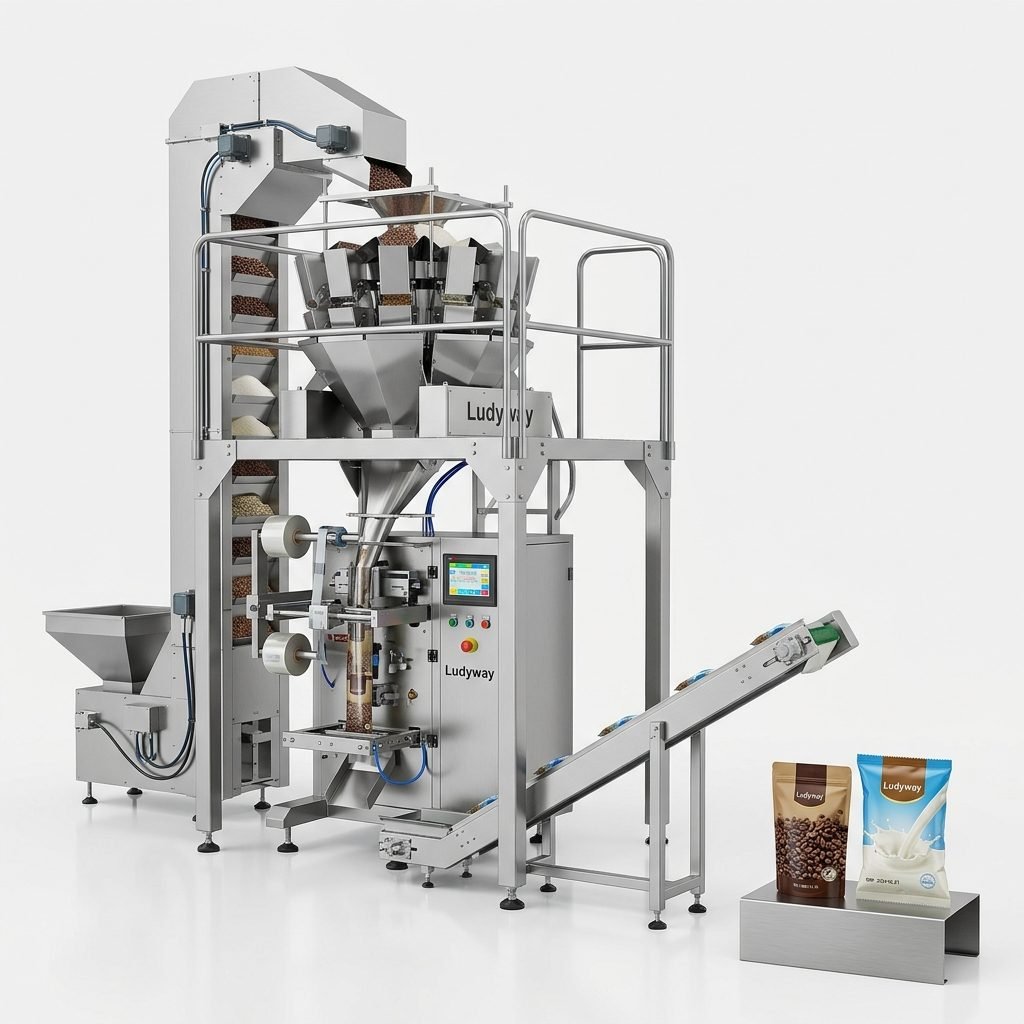
Product giveaway directly impacts your profitability. For atta packaging, multi-head weighers and linear weighers are common choices. Multi-head weighers, while more expensive, provide superior accuracy and speed for free-flowing materials. Auger fillers offer volumetric dosing suited to consistent-density powders like atta. The key specification to evaluate is the standard deviation of fill weight over extended production runs. Even a small reduction in giveaway per bag translates into significant savings when multiplied across hundreds of thousands of units.
Exploring Machine Types for Atta Bag Packing
Different machine configurations suit different production volumes and packaging formats. Understanding the core types will help you narrow your search.
Vertical Form Fill Seal (VFFS) Machines
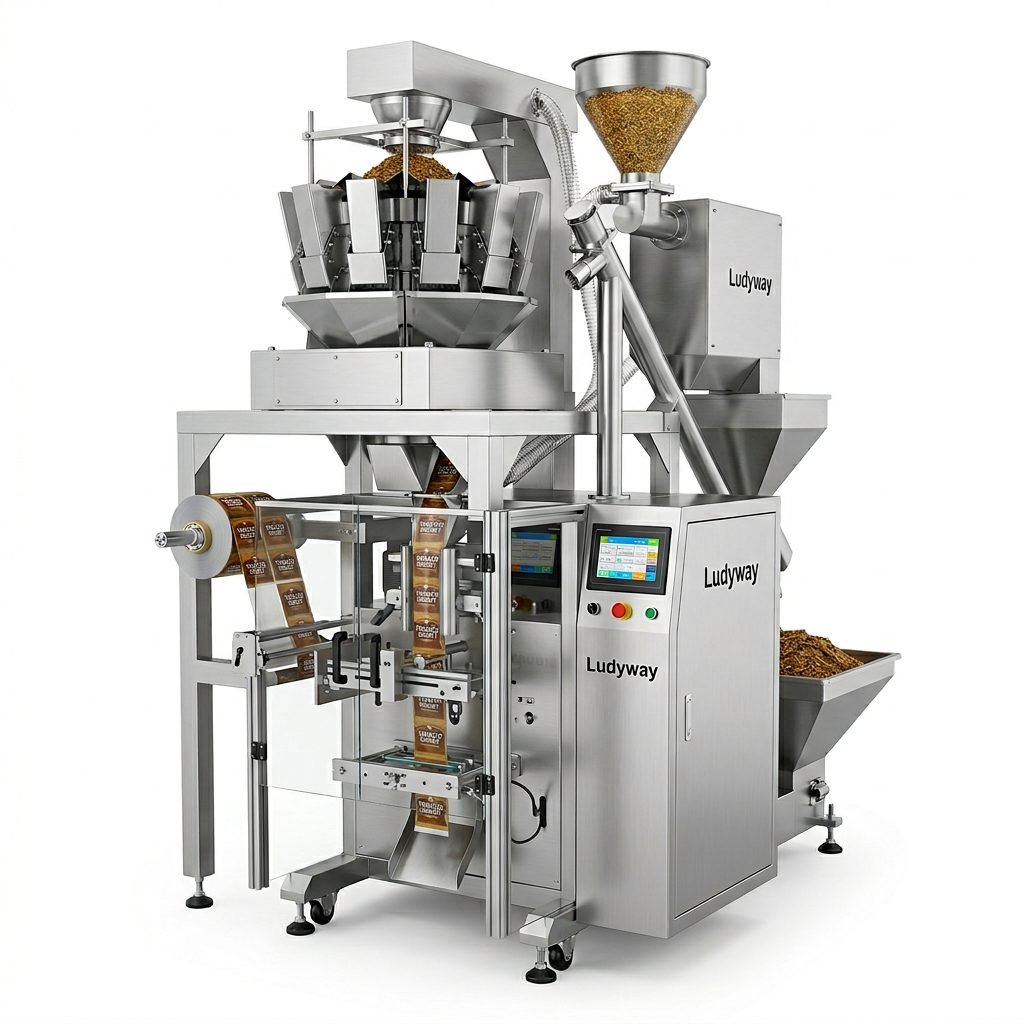
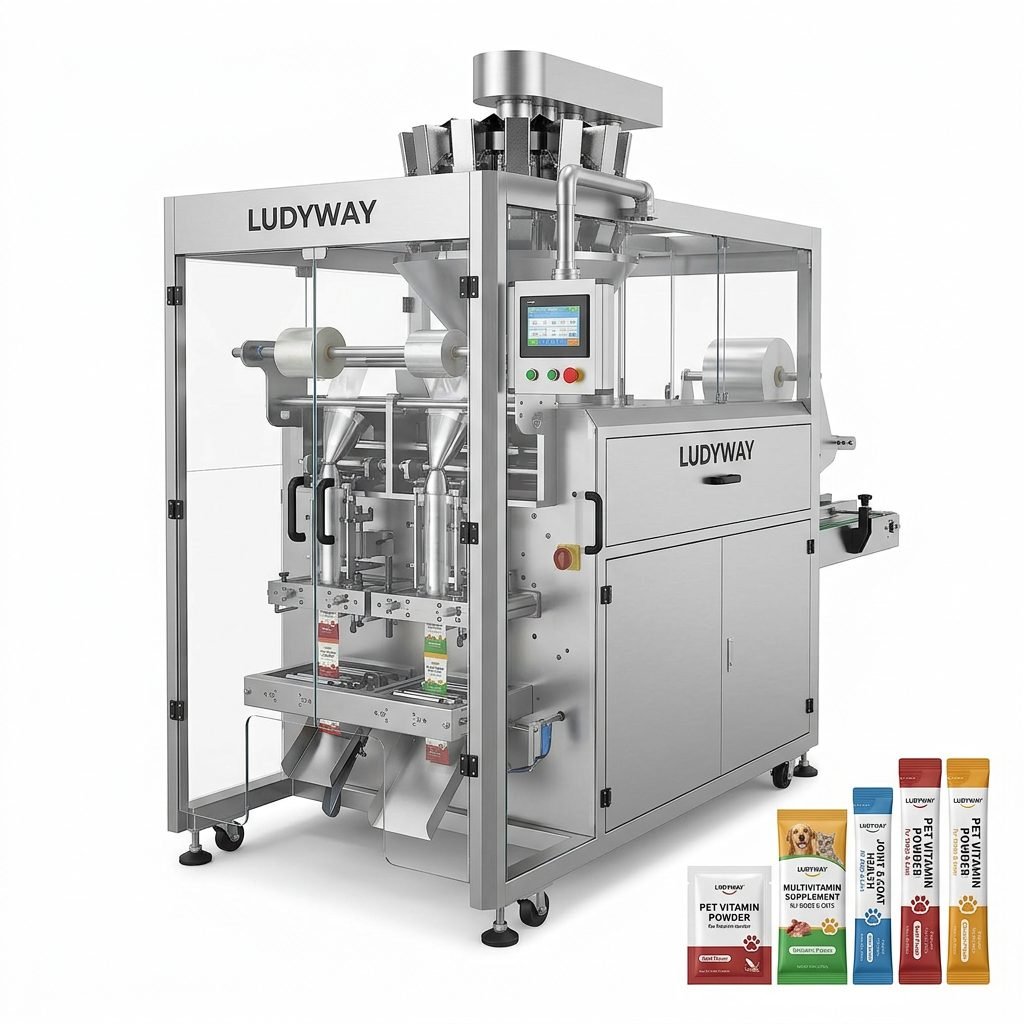
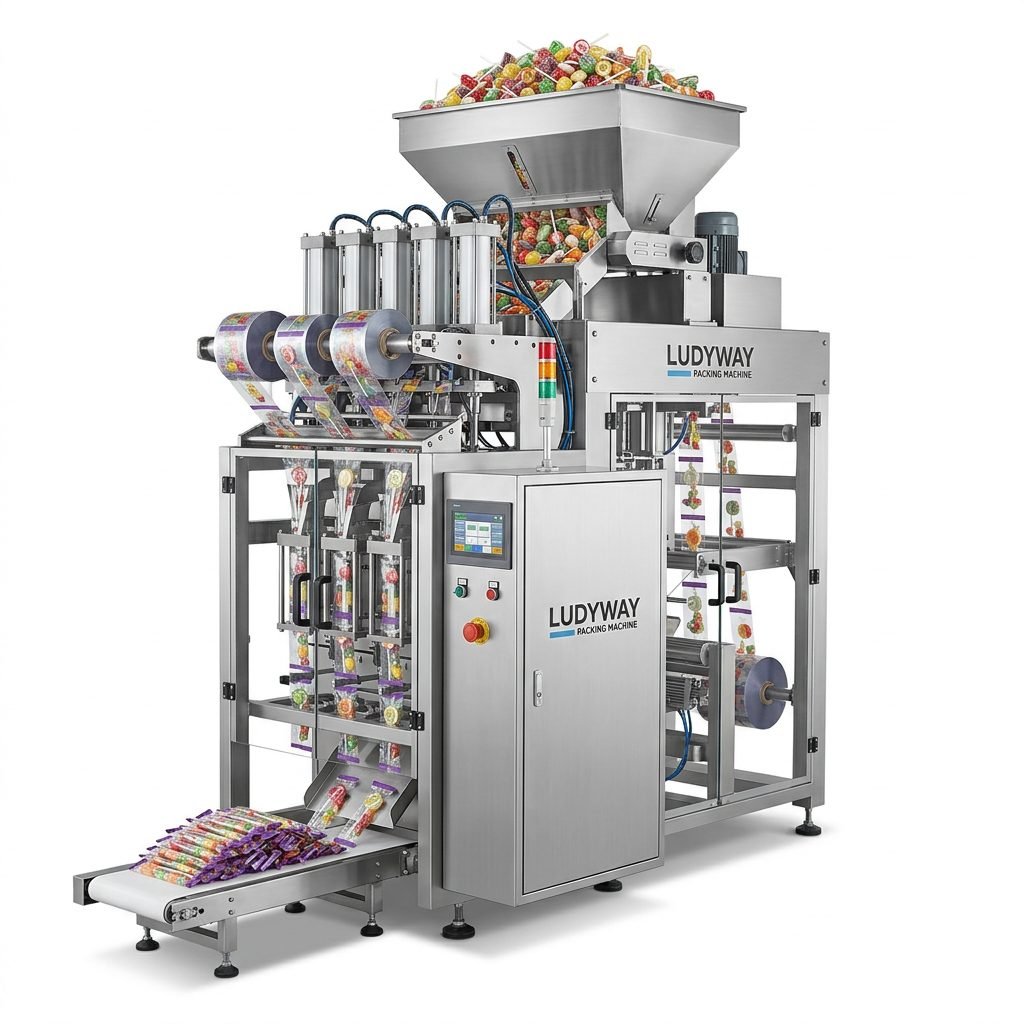
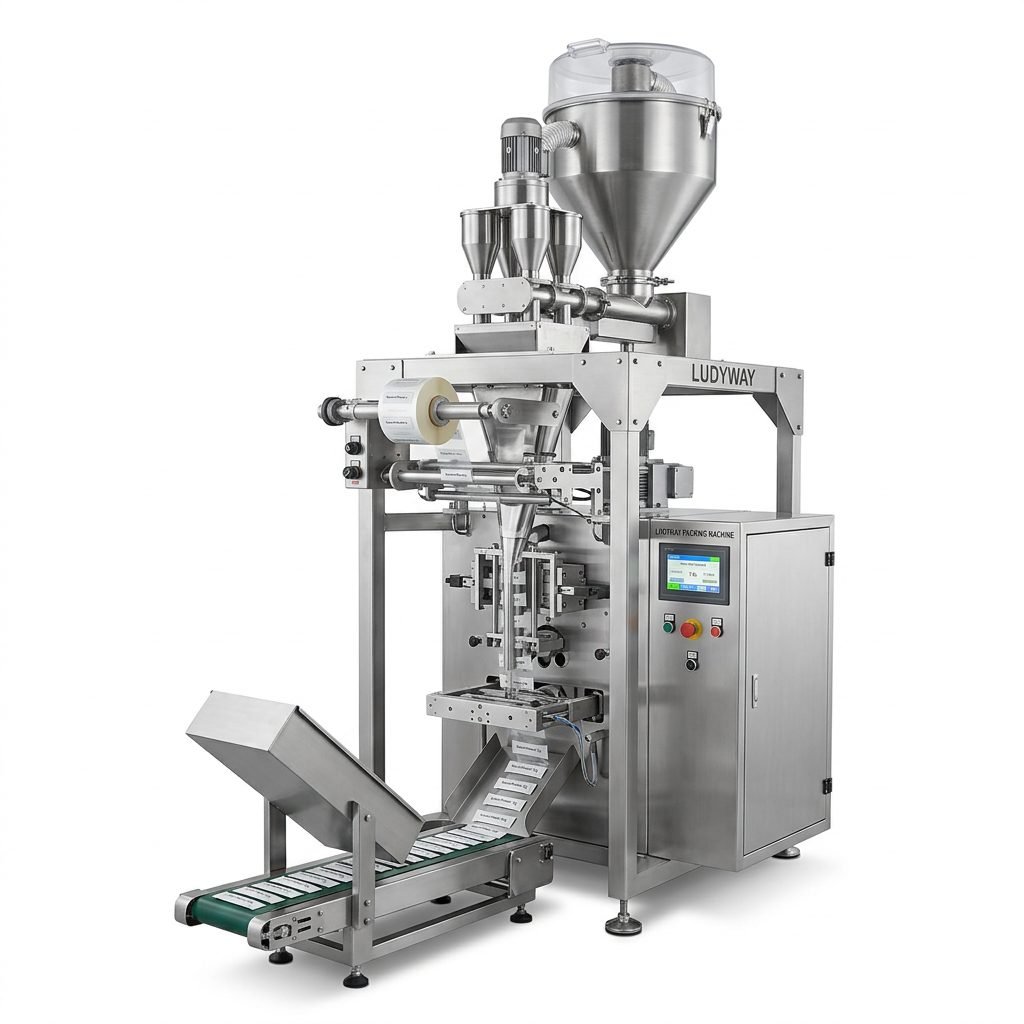
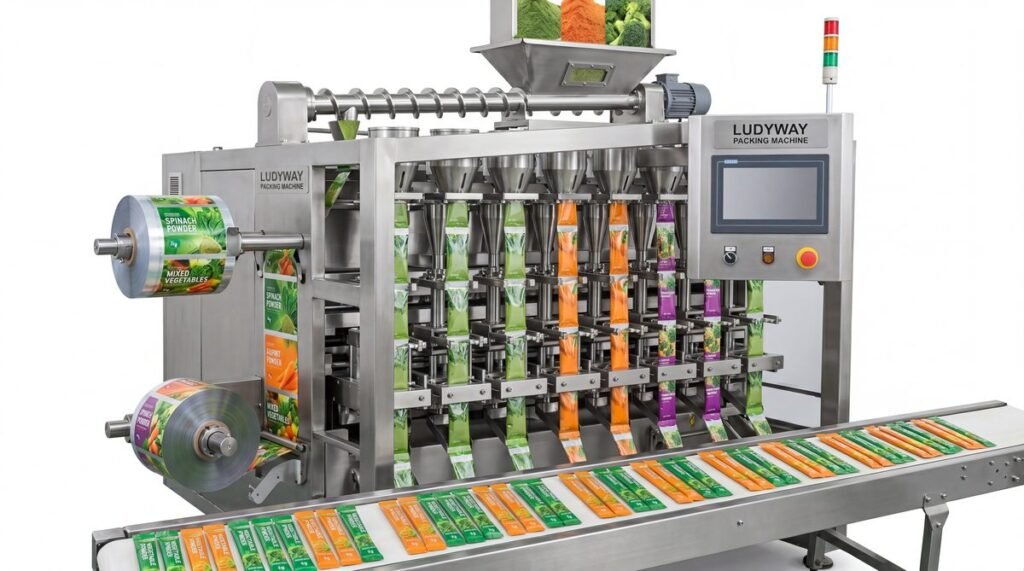
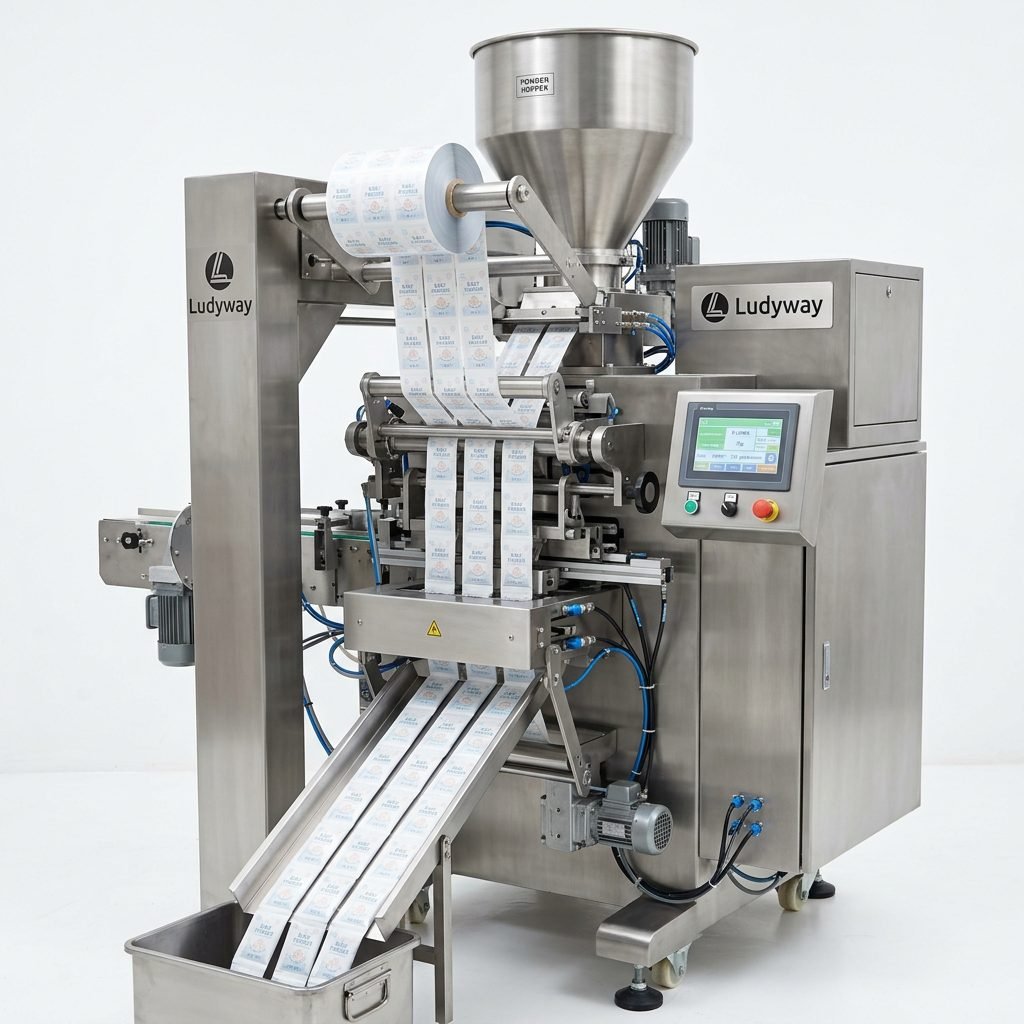
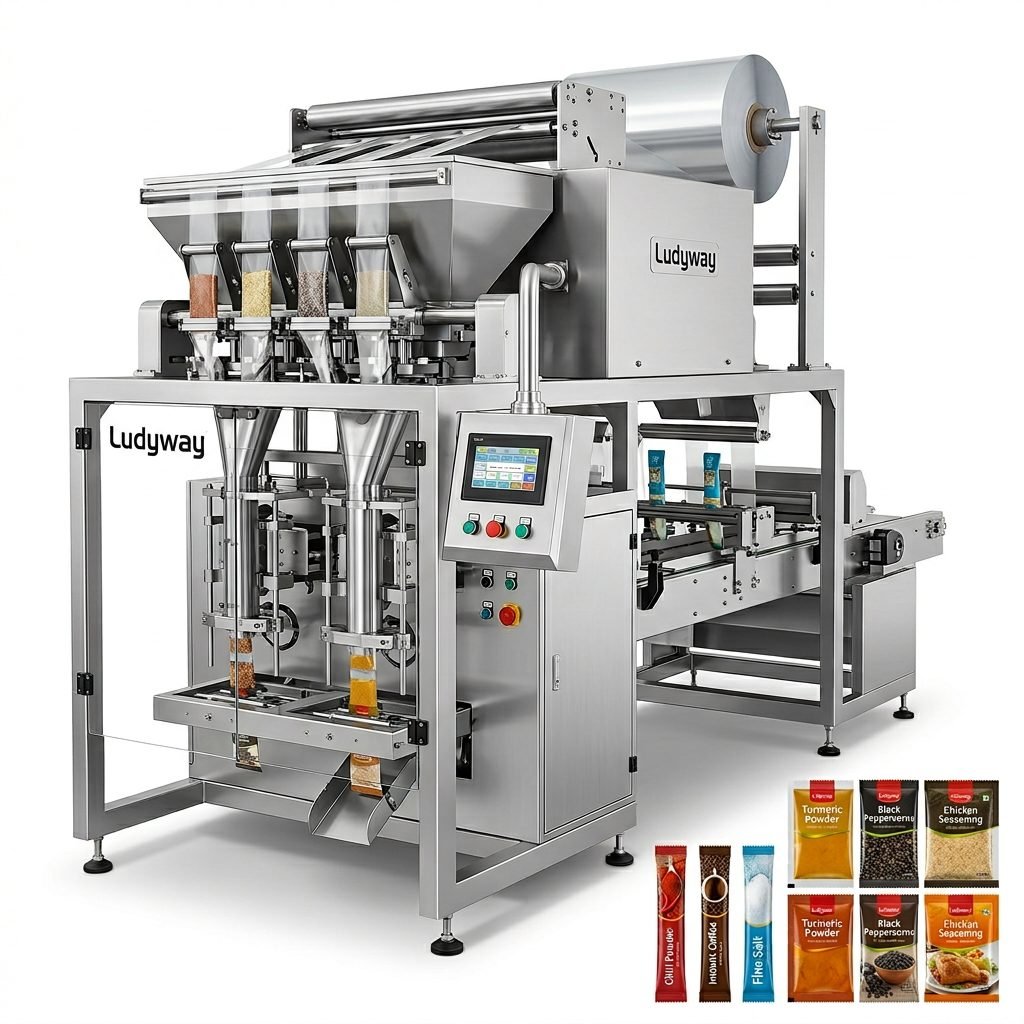
VFFS machines are the workhorses of the flour packaging industry. They form a bag from a roll of flat film, fill it with product, and seal it—all in one continuous vertical motion. For atta, these machines are often configured with auger fillers or multi-head weighers mounted on top. They are available in single-lane and multi-lane versions. A recent packaging industry report highlights that multi-lane VFFS technology is increasingly adopted for high-volume flour and powder applications due to its space efficiency and output rate.
Premade Pouch Rotary Machines
For companies using pre-made pouches, rotary filling and sealing machines offer a different approach. These machines pick up empty pouches, open them, fill with atta, and seal—often with options for zipper application or shaped pouches. They are generally preferred for shorter runs, premium products, and frequent bag style changes. While typically slower than VFFS lines for high-volume simple pillows, they provide greater flexibility for marketing-driven packaging formats.
Essential Technical Features to Look For
| Feature | Why It Matters for Atta Packaging |
|---|---|
| Dust Control Systems | Prevents flour dust from damaging machine components, ensures a cleaner working environment, and reduces explosion risks. |
| Servo-Driven Sealing Jaws | Provides precise temperature and pressure control for consistent hermetic seals, preventing leaks and preserving freshness. |
| Stainless Steel Contact Parts | Meets food safety standards (often required for FDA food contact compliance), resists corrosion, and simplifies cleaning. |
| Quick Changeover Design | Reduces downtime when switching between different bag sizes or film types, increasing overall equipment effectiveness (OEE). |
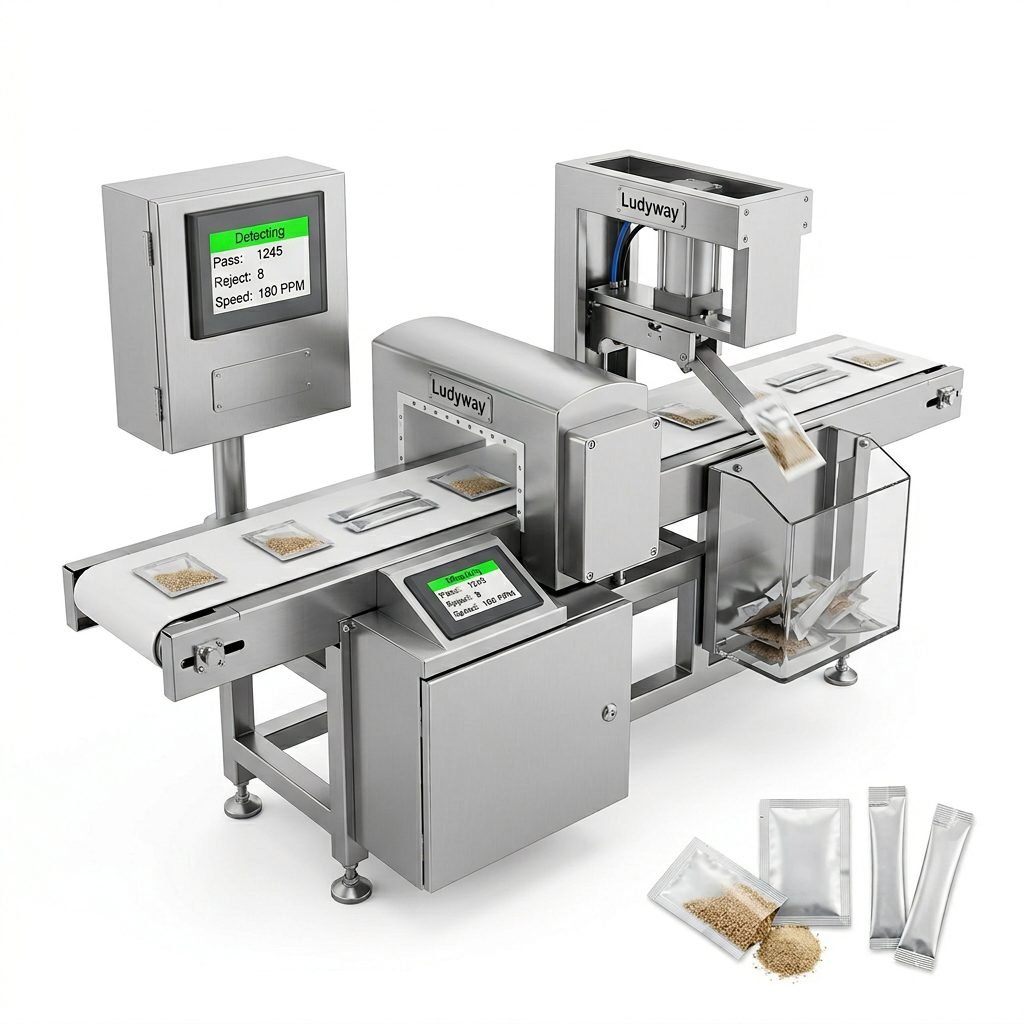
| Integrated Checkweigher | Automatically rejects underweight or overweight bags in real-time, ensuring compliance with weights and measures regulations. |
Automation Level and Integration Capabilities
Modern atta bag packing machines range from semi-automatic units requiring significant operator involvement to fully automatic lines that connect directly to upstream milling and downstream case packing systems. The right level depends on your labor cost structure, desired throughput, and consistency goals.
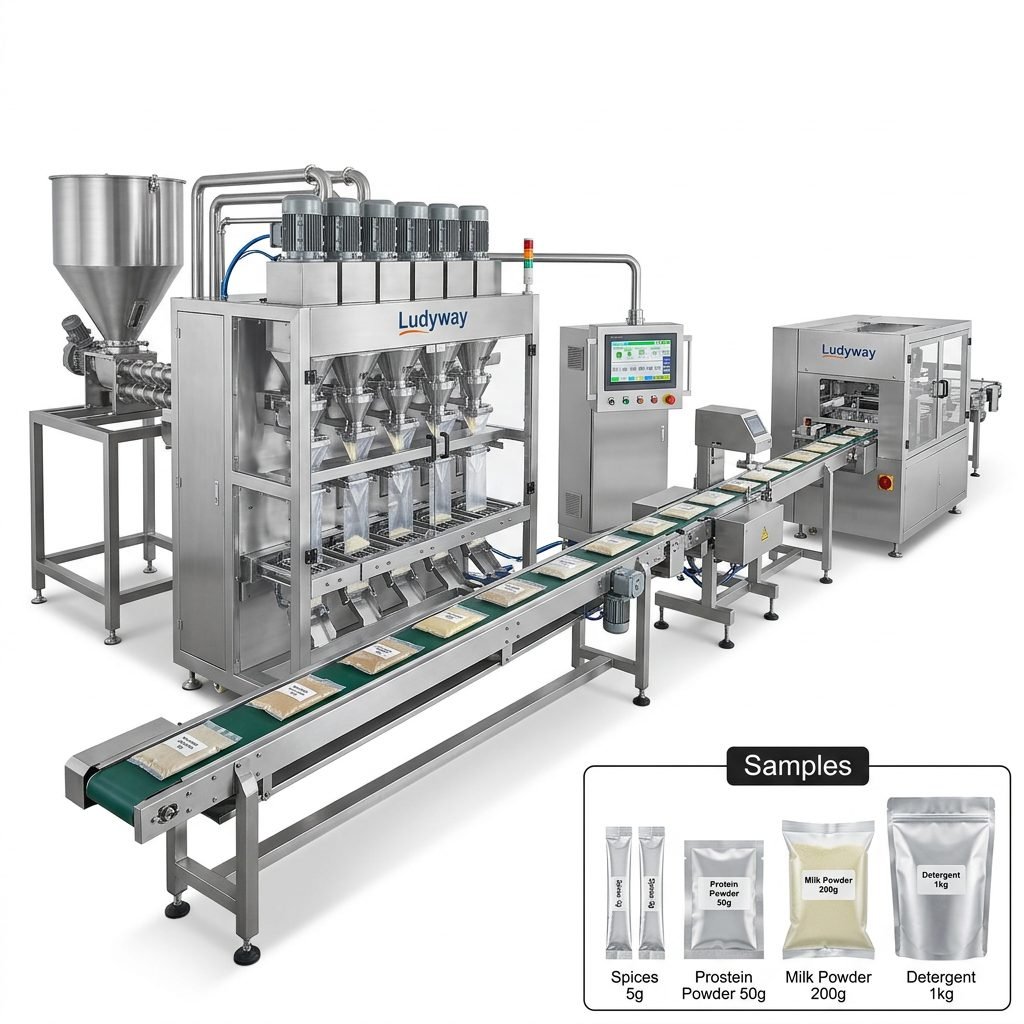
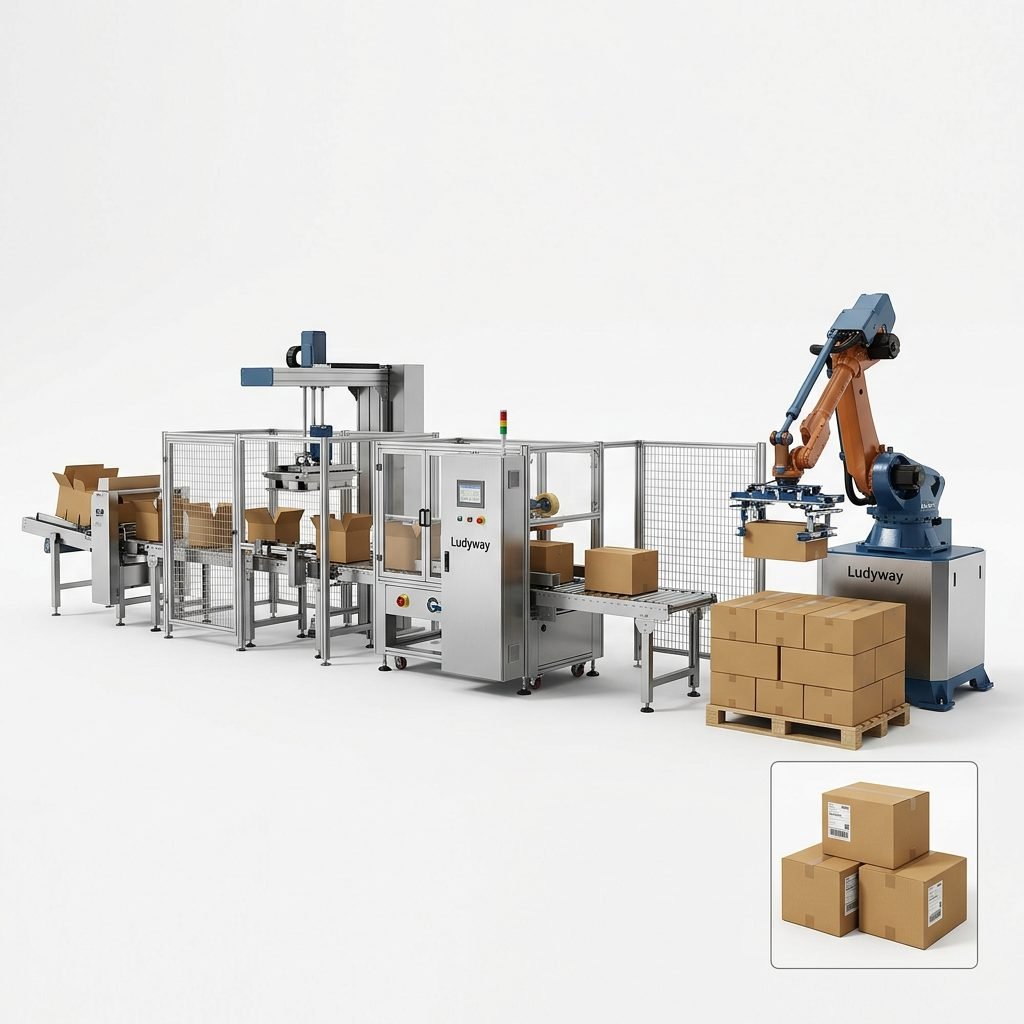
If you are looking for a partner that provides integrated packaging systems and turnkey production line solutions, it’s essential to work with a supplier that understands machine-to-machine communication protocols. The ability to integrate the bag packing machine with conveyors, checkweighers, metal detectors, case packers, and palletizers from a single engineering team simplifies project management and ensures unified after-sales support.
Evaluating Suppliers and After-Sales Support
The technical specifications of the machine are only part of the equation. The reliability of the supplier and the quality of their support infrastructure are equally important for long-term operational success.
Manufacturing Expertise and Facility
A supplier’s manufacturing scale and engineering depth directly reflect their ability to deliver reliable equipment. For instance, Ludyway Machinery, a China-based packaging machinery manufacturer with more than 30 years of experience, operates a 20,000-square-meter manufacturing facility and offers over 50 packaging machine models. With more than 130 professionals, Ludyway combines manufacturing expertise, engineering capabilities, and automation technology to help customers improve packaging efficiency, production capacity, and operational consistency. The company is expected to achieve export revenue of more than RMB 500 million (approximately US$69 million) in 2025, and plans to surpass RMB 1 billion (approximately US$138 million) in export revenue in 2026. This scale indicates a robust ability to support global customers with technical assistance throughout the project lifecycle, including installation, commissioning, operator training, and spare parts supply.
Global Service Reach
Packaging lines occasionally require troubleshooting, whether due to operator error, material variation, or component wear. A supplier serving customers in more than 100 countries and regions, with remote technical assistance capabilities, can resolve issues quickly regardless of your location. Before purchasing, clarify the terms of warranty, on-site service availability, and spare parts logistics.
Compliance and Safety Standards
Atta is a food product, so the packaging machinery must meet relevant food safety standards. Look for designs that facilitate sanitation with features like easy-access panels, sloped surfaces to prevent product accumulation, and validated washdown compatibility if wet cleaning is part of your protocol. Additionally, the machine should conform to electrical safety and mechanical guarding standards applicable in your market. Reputable suppliers can provide certification and compliance documentation for relevant equipment and markets, ensuring a smoother import and commissioning process.
Common Mistakes to Avoid
- Underestimating dust management: Inadequate dust extraction leads to frequent machine faults and unsafe working conditions. Prioritize integrated dust collection.
- Choosing based solely on price: A lower upfront cost can result in higher long-term expenses due to downtime, inaccurate fills, and premature component failure. Evaluate total cost of ownership.
- Ignoring film compatibility: Not all machines run all film types efficiently. Test your specific film structure—whether it’s a simple polyethylene or a complex laminated material—on the target machine before purchasing.
- Overlooking future scalability: A machine operating at its maximum rated speed may not be sustainable long-term. Leave headroom for production growth and new packaging formats.

Making the Final Decision
Selecting an atta bag packing machine is a strategic decision that impacts your product quality, brand reputation, and operational costs for years to come. Start by documenting your current and near-future production requirements. Then, engage with established manufacturers that can provide customized packaging machinery and engineering solutions rather than relying only on standardized machines. Request detailed proposals that include utility requirements, floor layout recommendations, and performance guarantees. Whenever possible, arrange a factory acceptance test (FAT) with your actual product to verify speed, accuracy, and seal integrity before shipment. By following a structured evaluation process and partnering with an experienced supplier, you can secure a packaging solution that drives efficiency and supports your business growth in the competitive atta market.
For further reading on packaging industry trends and standards, visit resources from the Association for Packaging and Processing Technologies (PMMI) and the Flexible Packaging Association.