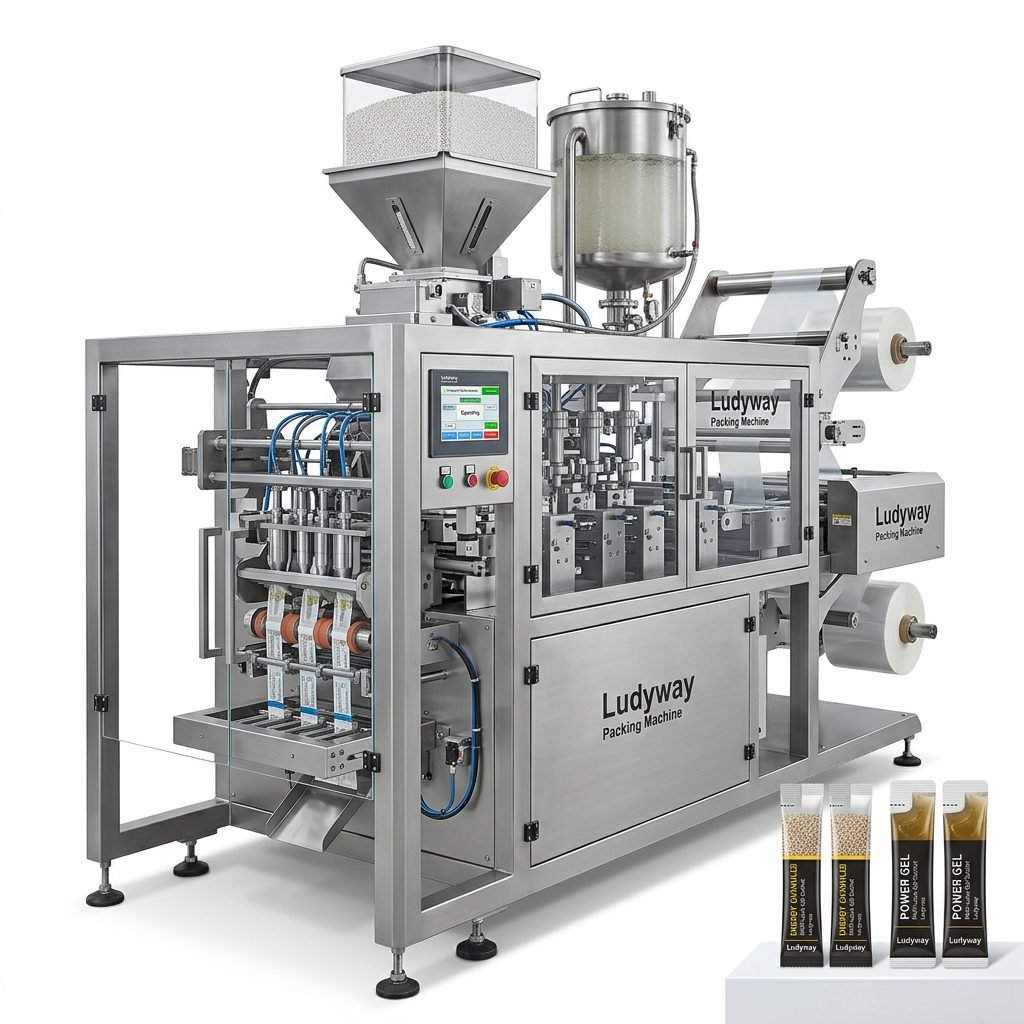
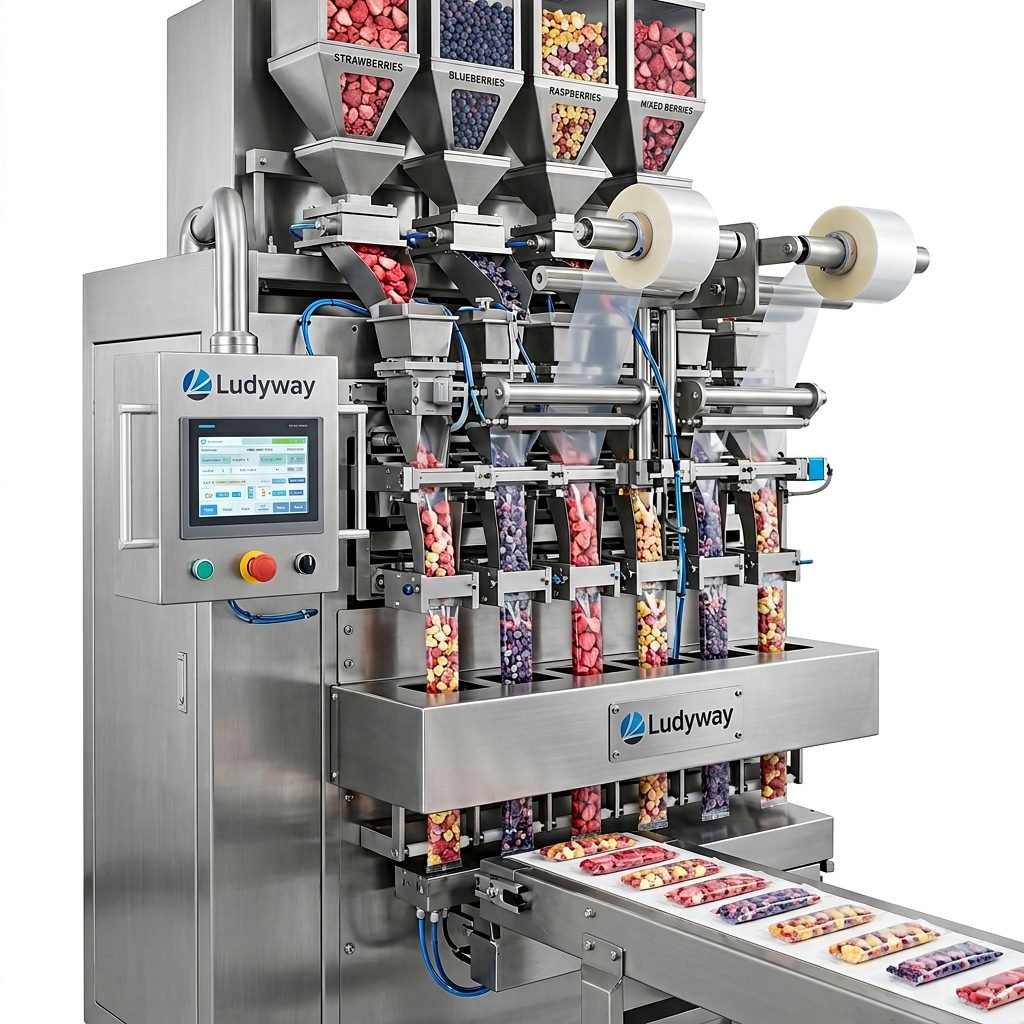
Selecting the right food packaging machine for your production line in Laos requires careful evaluation of your product characteristics, output goals, and market demands. Whether you are packaging coffee powder, seasoning granules, instant beverages, or liquid sauces, the equipment you choose directly impacts product shelf life, brand presentation, and operational efficiency. This guide walks you through the key machine types, critical selection factors, and practical recommendations to help you make an informed investment.

Understanding the Food Packaging Landscape in Laos
Laos has experienced steady growth in its food processing sector, driven by increasing urbanization, rising disposable incomes, and expanding export opportunities within the ASEAN region. According to the PMMI State of the Industry report, Southeast Asian markets are seeing accelerated adoption of automated packaging technologies as manufacturers seek to meet international quality standards. In Laos, popular packaged food categories include coffee, tea, spices, noodles, snack foods, fish feed, and rice products — each requiring specific packaging formats such as stick packs, sachets, or pillow pouches.
The right packaging machine must align with your product’s physical properties — whether it is a free-flowing granule, fine powder, viscous liquid, or irregular solid. Additionally, factors like humidity resistance, seal integrity, and portion control are critical in a tropical climate like Laos, where moisture and heat can compromise product quality.
Key Types of Food Packaging Machines
Different food products demand different packaging technologies. Below is an overview of the most common machine types suitable for food manufacturers in Laos:
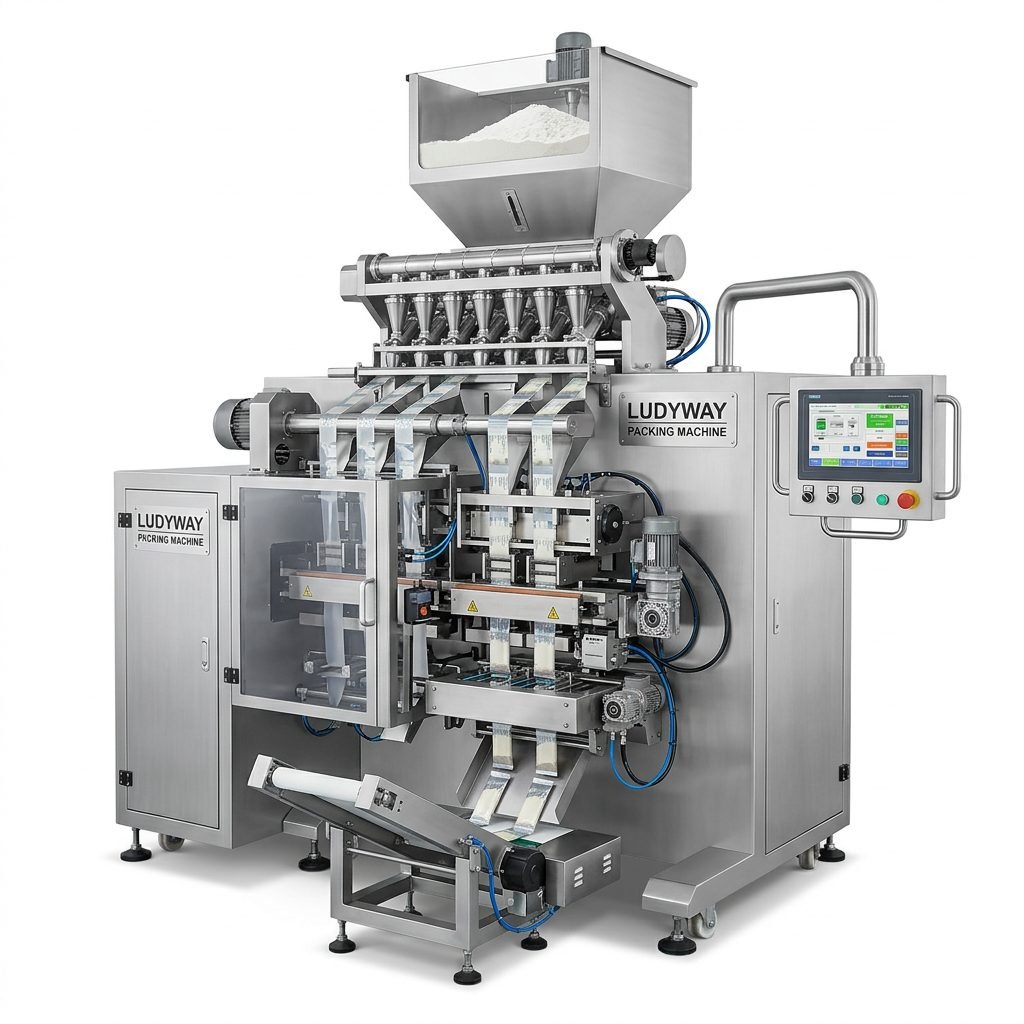
Multi-Lane Stick Pack Machines
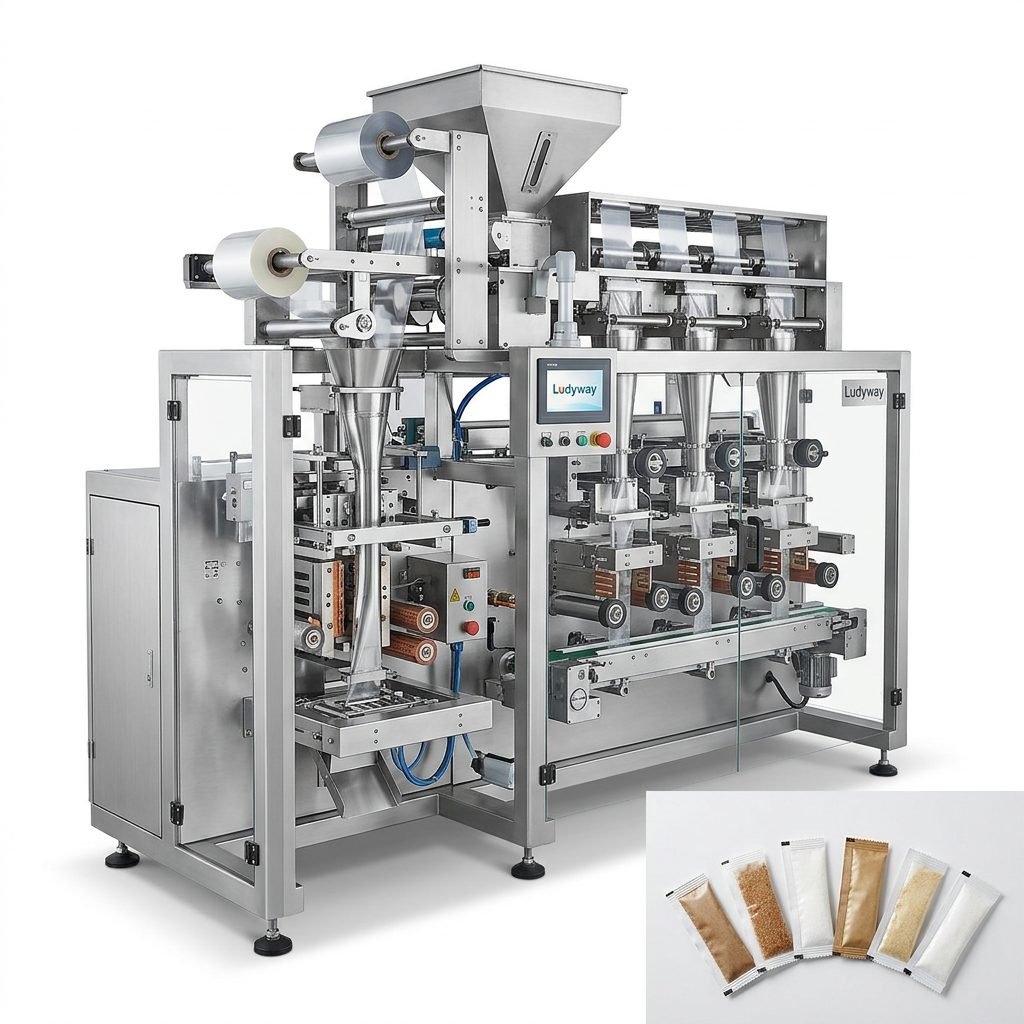
Ideal for powders and granules such as instant coffee, sugar, salt, seasoning blends, and powdered beverages. These machines run multiple lanes simultaneously, achieving high output — often exceeding 400–600 packs per minute depending on the model. The stick pack format is popular for single-serve portions and offers excellent material efficiency with minimal film waste.
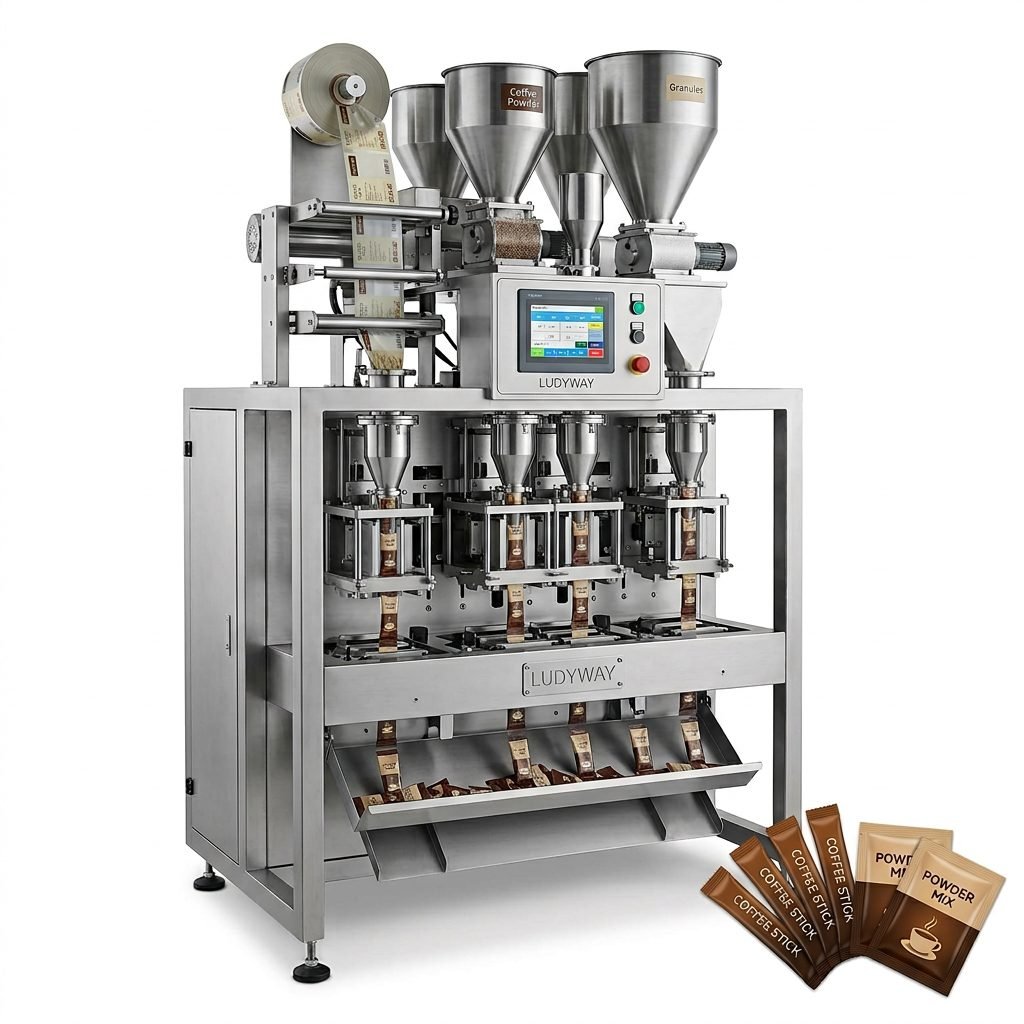
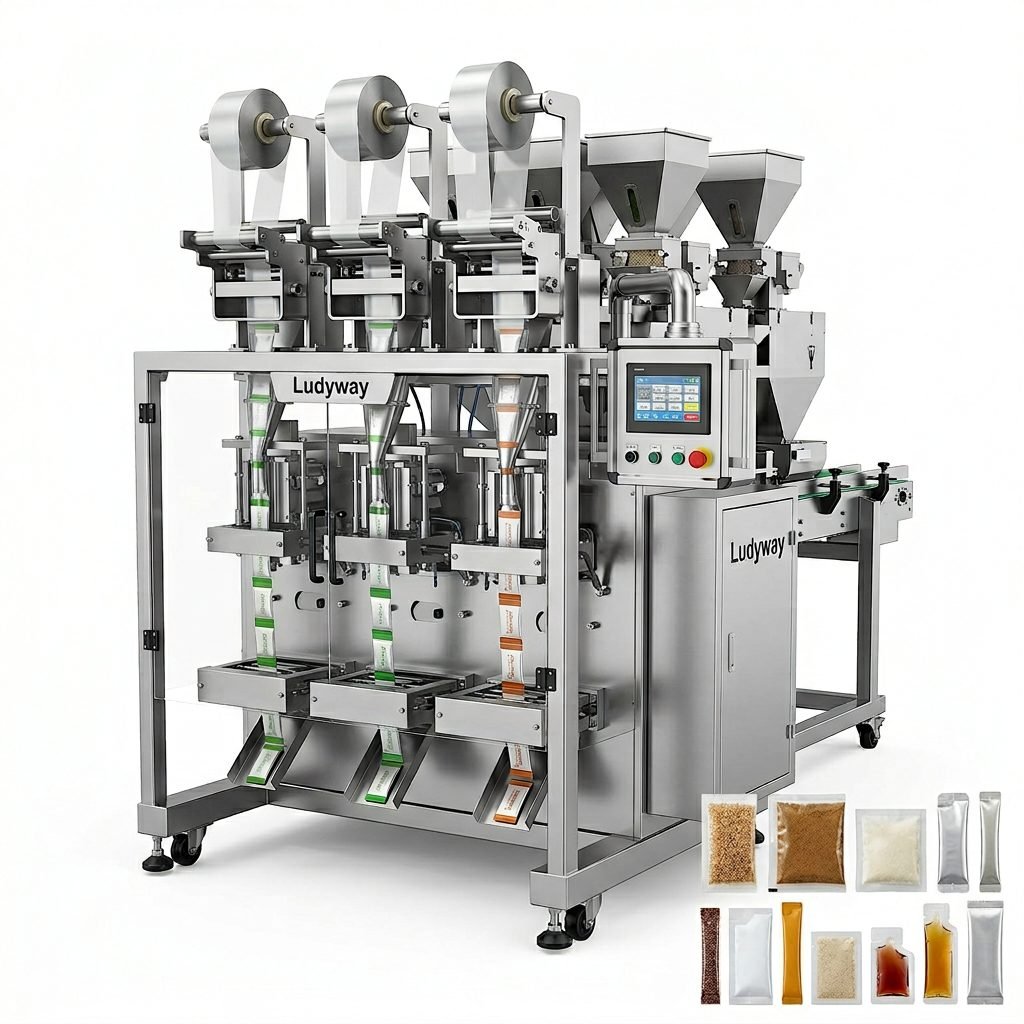
Sachet Packaging Machines
Sachet machines produce flat or four-side-seal pouches suitable for liquid condiments, sauces, shampoo samples, honey, and cream products. They handle viscosities ranging from water-thin liquids to thick pastes. The FDA food contact substance guidelines emphasize the importance of seal integrity and material compatibility, making sachet machines with precise temperature control a must for food safety compliance.
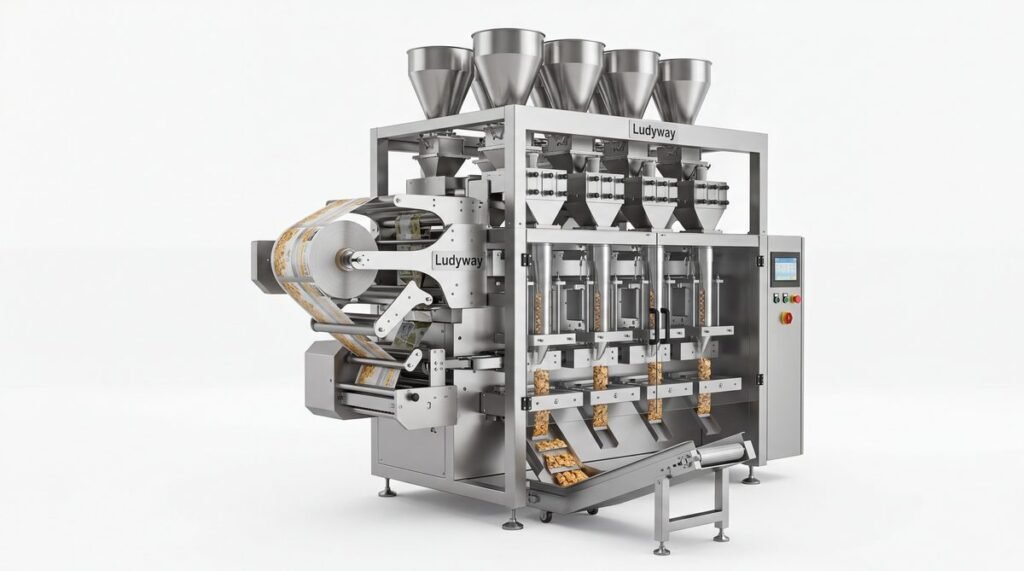
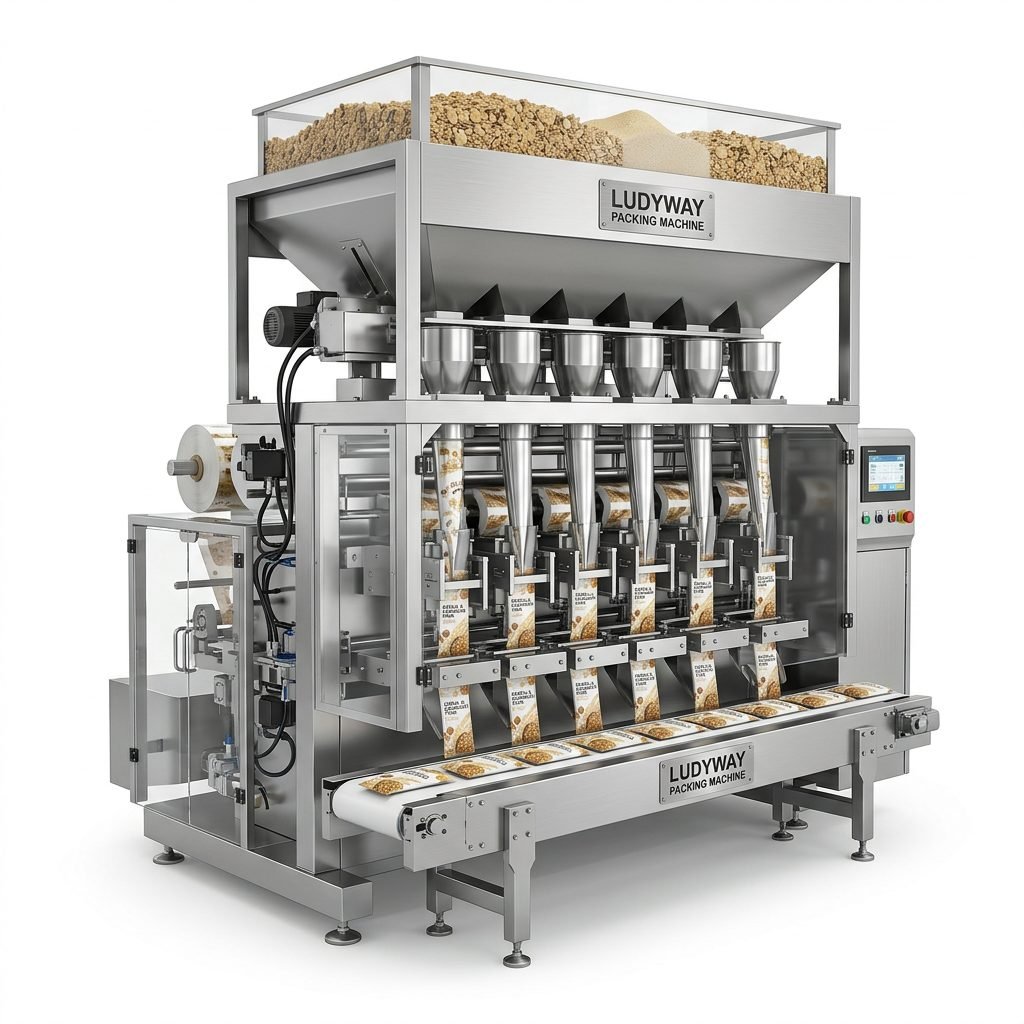
Vertical Form Fill Seal (VFFS) Machines
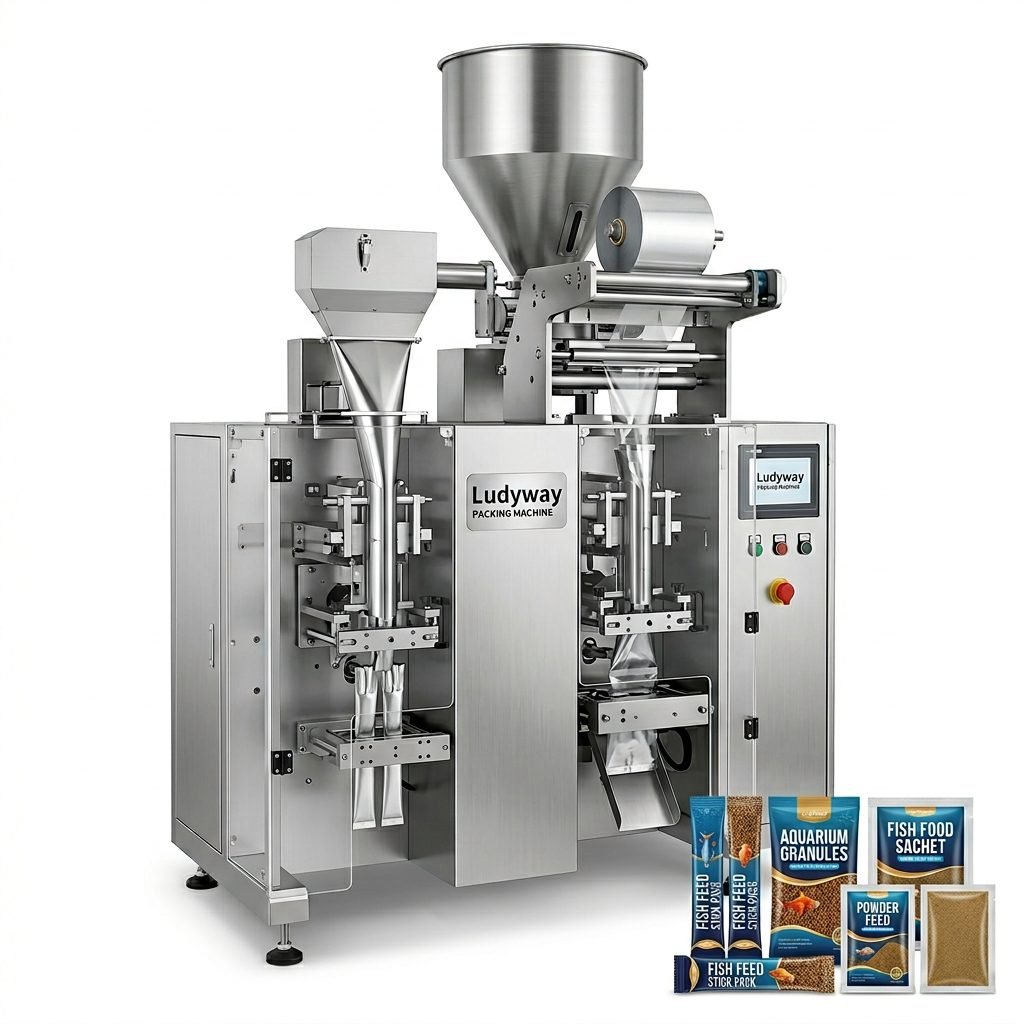
VFFS equipment is versatile and handles a broad range of products — grains, nuts, dried fruits, snack pellets, and frozen foods. These machines form bags from roll stock, fill product by weight or volume, and seal the package in one continuous motion. They are well-suited for medium-to-large bag sizes and are widely used in Laos for rice packaging and bulk granule products.
Premade Pouch Packaging Machines
For manufacturers seeking a premium shelf presence, premade pouch machines fill and seal ready-made stand-up pouches, zipper pouches, or spout pouches. These are increasingly popular for coffee beans, dried seafood, pet food, and health supplements sold in retail environments across Laos and neighboring markets.
Comparing Machine Types at a Glance
| Machine Type | Best For | Typical Speed | Pack Style |
|---|---|---|---|
| Multi-Lane Stick Pack | Powders, granules, instant coffee, sugar, salt | 400–600 packs/min | Narrow stick pack |
| Sachet Machine | Liquids, sauces, creams, shampoo | 200–400 packs/min | Flat or four-side-seal sachet |
| VFFS Machine | Grains, nuts, snacks, frozen food | 30–120 bags/min | Pillow pouch, gusseted bag |
| Premade Pouch Machine | Coffee beans, pet food, premium snacks | 20–60 pouches/min | Stand-up pouch, zipper pouch |
| Liquid Filling Line | Beverages, oils, sauces, syrups | 50–300 bottles/min | Bottle, pouch, sachet |
Critical Factors to Consider for Your Laos-Based Operation
Choosing the best packaging machine involves more than comparing technical specifications. The following factors are especially relevant for manufacturers in Laos:
- Product characteristics — Particle size, flowability, bulk density, and moisture sensitivity directly influence feeder type, sealing parameters, and film selection.
- Production volume — Small-scale producers may benefit from semi-automatic solutions, while larger exporters require fully automated, multi-lane systems to meet demand.
- Packaging material availability — Ensure your chosen machine is compatible with locally sourced or easily imported films such as PET/AL/PE, BOPP/CPP, or paper laminates.
- Climate and storage conditions — High humidity in Laos demands excellent seal integrity and moisture-barrier packaging to extend shelf life.
- After-sales support and spare parts — Reliable technical support and quick access to spare parts reduce downtime and protect your investment over the long term.
Why Automation Matters for Food Packaging in Laos
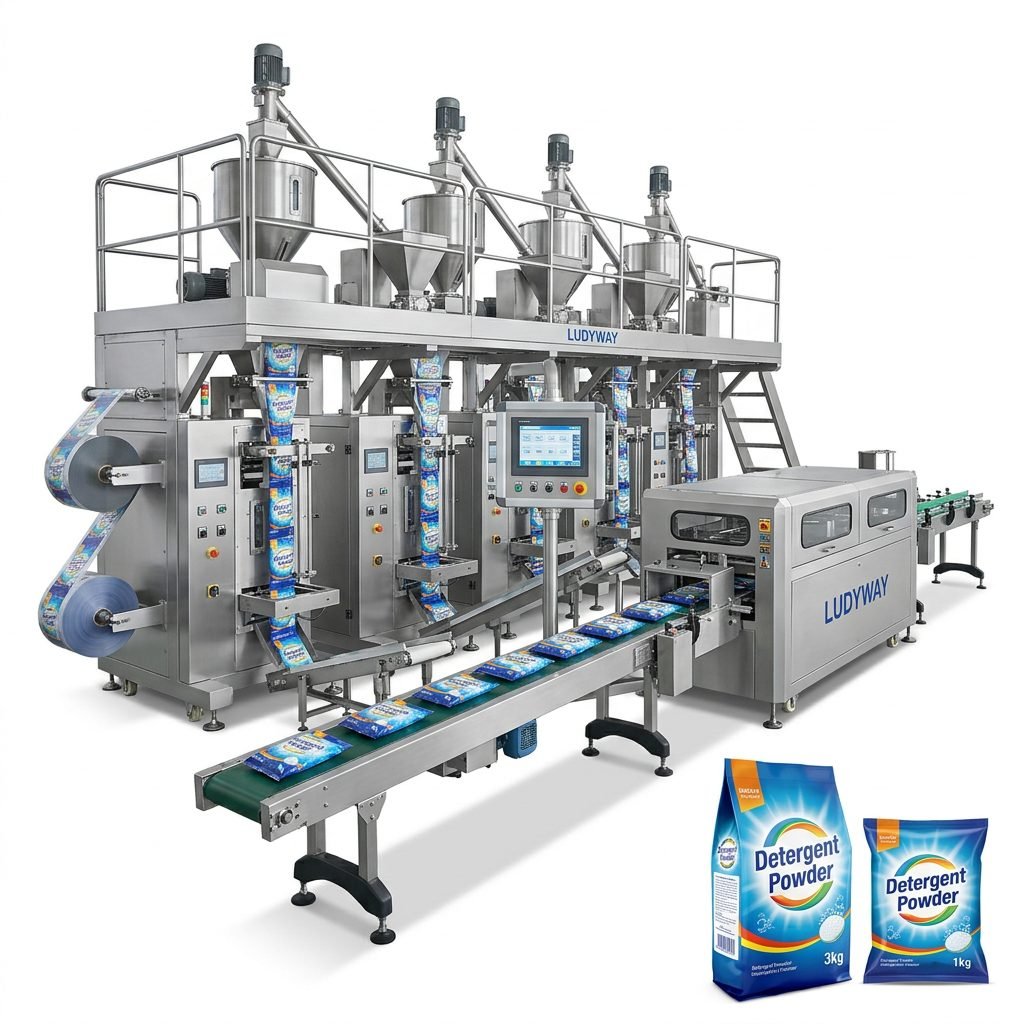
Manual or semi-automatic packaging processes often lead to inconsistent fill weights, higher labor costs, and increased contamination risks. Automated packaging lines address these challenges by delivering uniform portioning, reduced material waste, and compliance with international food safety standards such as those outlined by the ISO packaging standards. For Lao businesses aiming to export to markets like Thailand, Vietnam, or China, automated equipment is a competitive necessity.
As a leading manufacturer in this field, Ludyway provides turnkey packaging solutions tailored to the specific needs of food producers in Southeast Asia, including multi-lane stick pack machines, sachet systems, and VFFS equipment designed for high efficiency and long-term reliability.
Optimizing Your Packaging Line for the Lao Market
Beyond selecting the right machine, successful food packaging in Laos also involves thoughtful integration of ancillary equipment. Consider adding checkweighers, metal detectors, date coders, and cartoning machines to create a complete, efficient line. The Flexible Packaging Association provides valuable resources on material innovations that can help you stay ahead of market trends.
- Start with a product trial — Always test your specific product on the machine before purchase to verify fill accuracy and seal quality.
- Plan for scalability — Choose equipment that can be upgraded or expanded as your business grows into new product categories or export markets.
- Train your operators — Invest in proper training to maximize machine uptime, reduce errors, and maintain consistent packaging quality.
- Establish a maintenance schedule — Preventive maintenance extends equipment life and prevents unexpected breakdowns during peak production periods.
Making Your Final Decision
The ideal food packaging machine for your products in Laos balances speed, accuracy, material compatibility, and total cost of ownership. For granule and powder products like coffee, seasonings, and nutritional supplements, multi-lane stick pack machines offer unmatched efficiency. For liquid foods and sauces, sachet or liquid filling lines deliver the precision and hygiene required. By aligning your equipment choice with your product portfolio and growth ambitions, you position your business for sustained success in both domestic and international markets.
For further guidance on selecting the right packaging equipment, refer to the PACK EXPO International resource hub or consult directly with experienced packaging machinery manufacturers who understand the unique demands of the Southeast Asian food industry.