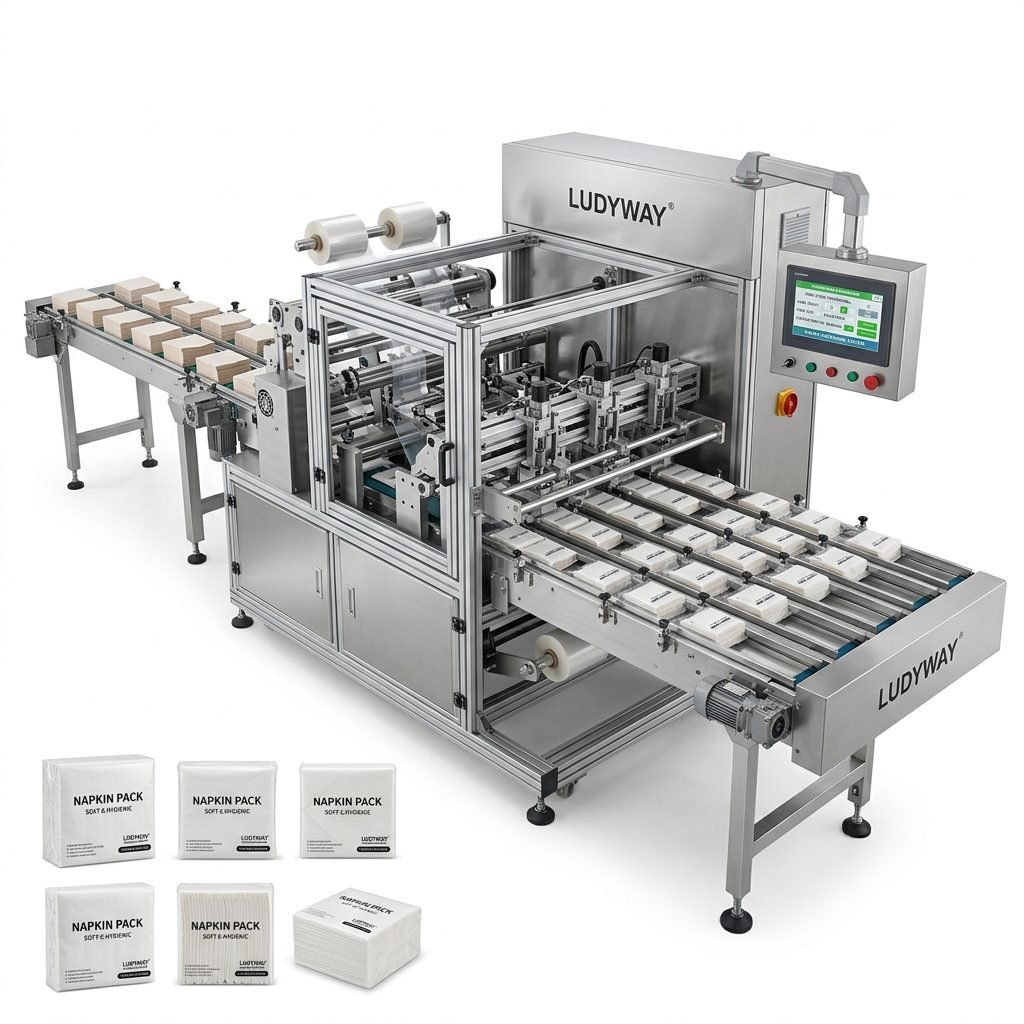
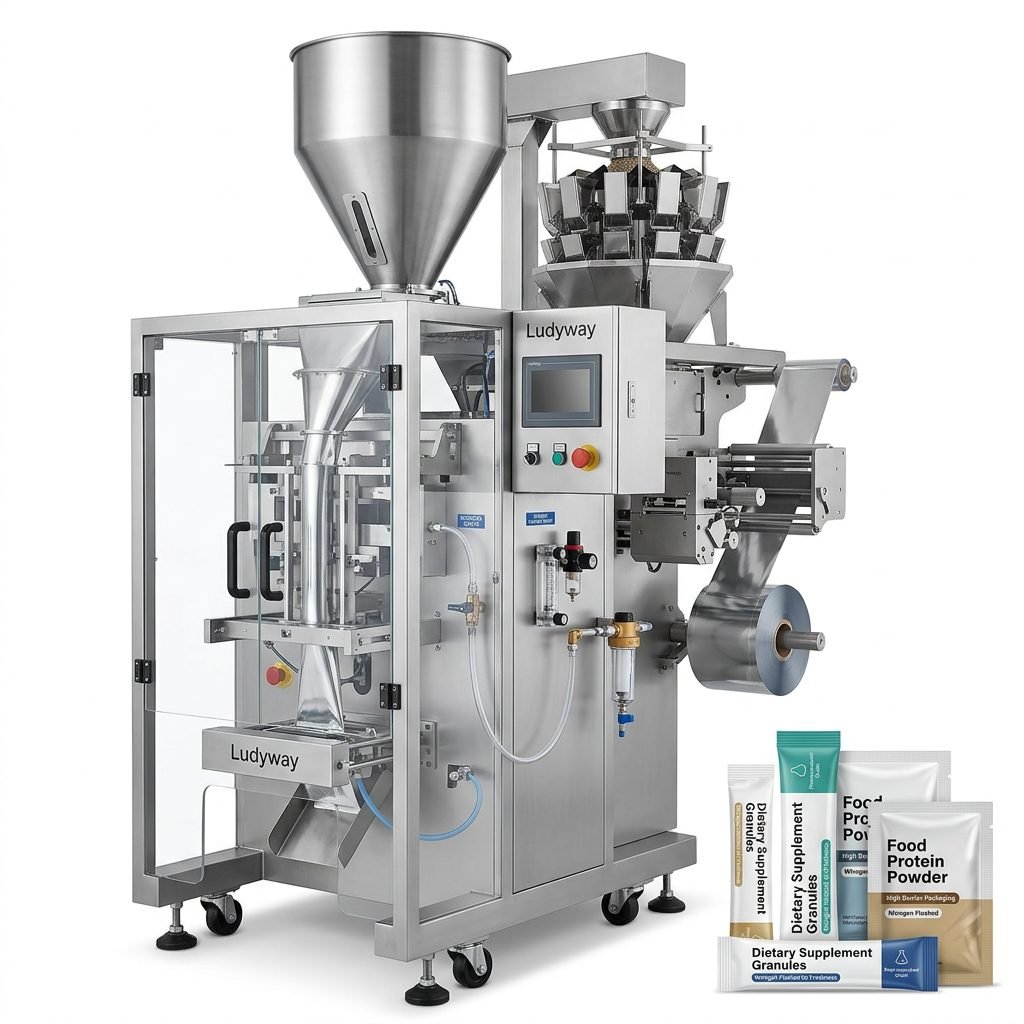
The butter and dairy processing sector across Southeast Asia is experiencing rapid modernization, driven by rising consumer demand for convenience foods, baked goods, and packaged dairy products. For manufacturers and suppliers in Indonesia, Thailand, Vietnam, Malaysia, and the Philippines, investing in the right butter packaging machine is no longer just an operational decision—it is a strategic move that directly impacts product shelf life, brand perception, and export readiness. This comprehensive buying guide breaks down the essential factors to evaluate before purchasing automated butter packaging equipment, from machine type and material compatibility to regulatory compliance and after-sales support.
Understanding the Southeast Asian Butter Packaging Landscape
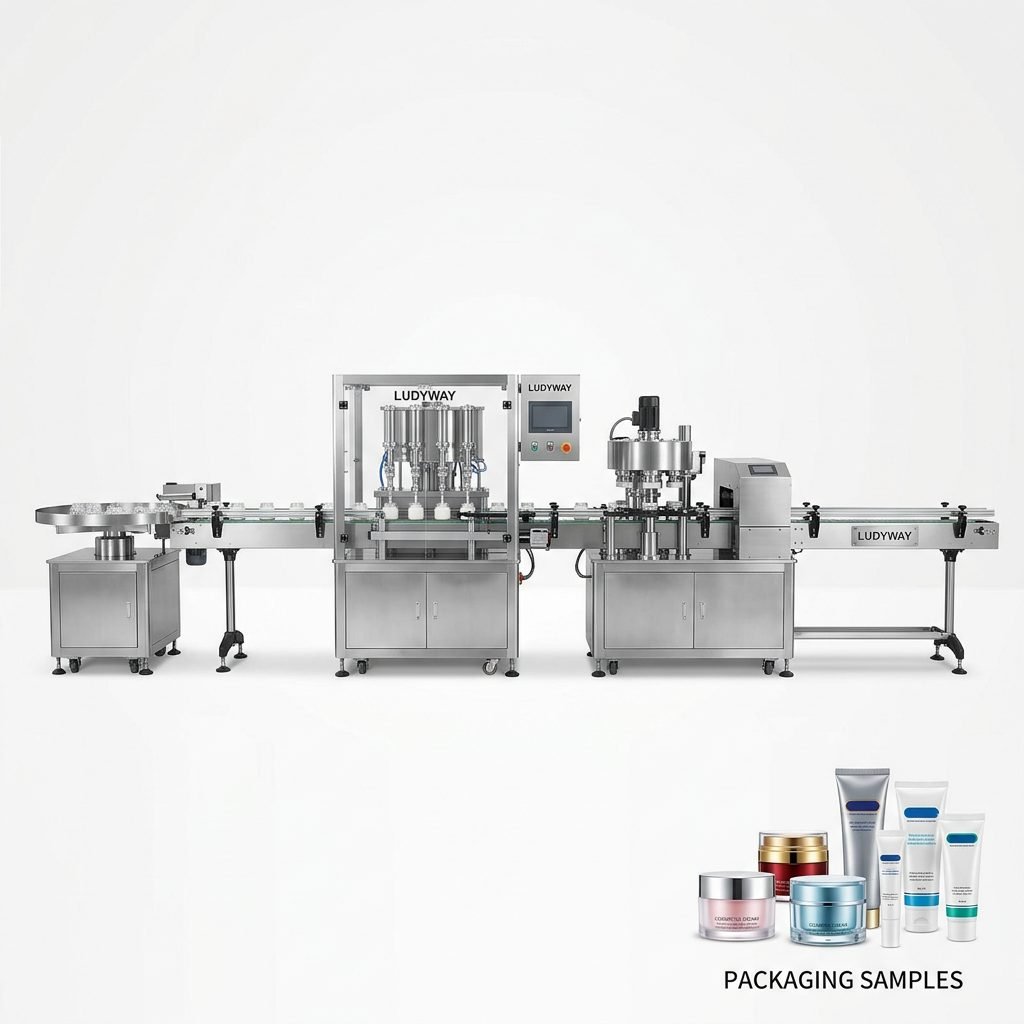
The regional market for butter and margarine is projected to grow steadily, fueled by expanding bakery chains, hotel industries, and household consumption. Unlike European markets where butter is often sold in blocks or tubs, Southeast Asian manufacturers frequently require portion-control packaging—single-serve sachets, small tubs, and stick packs—to cater to tropical climates and fragmented retail channels. This means your butter packaging machine must handle a range of formats with precision filling, reliable sealing, and adaptability to different packaging materials like aluminum foil laminates, parchment paper, and multilayer plastic films.
High ambient temperatures and humidity levels demand robust sealing integrity to prevent oil leakage and rancidity. When sourcing equipment, prioritize machines with temperature-controlled filling systems and hermetic sealing capabilities. Many local manufacturers are also upgrading from manual or semi-automatic lines to fully automated solutions to meet international food safety standards such as GMP, HACCP, and ISO 22000.
Key Machine Configurations for Butter Products
Selecting the correct configuration depends on your target product format, production volume, and packaging material. Below is a comparison of common butter packaging machine types relevant to the Southeast Asian context.
| Machine Type | Best For | Key Advantage | Typical Speed |
|---|---|---|---|
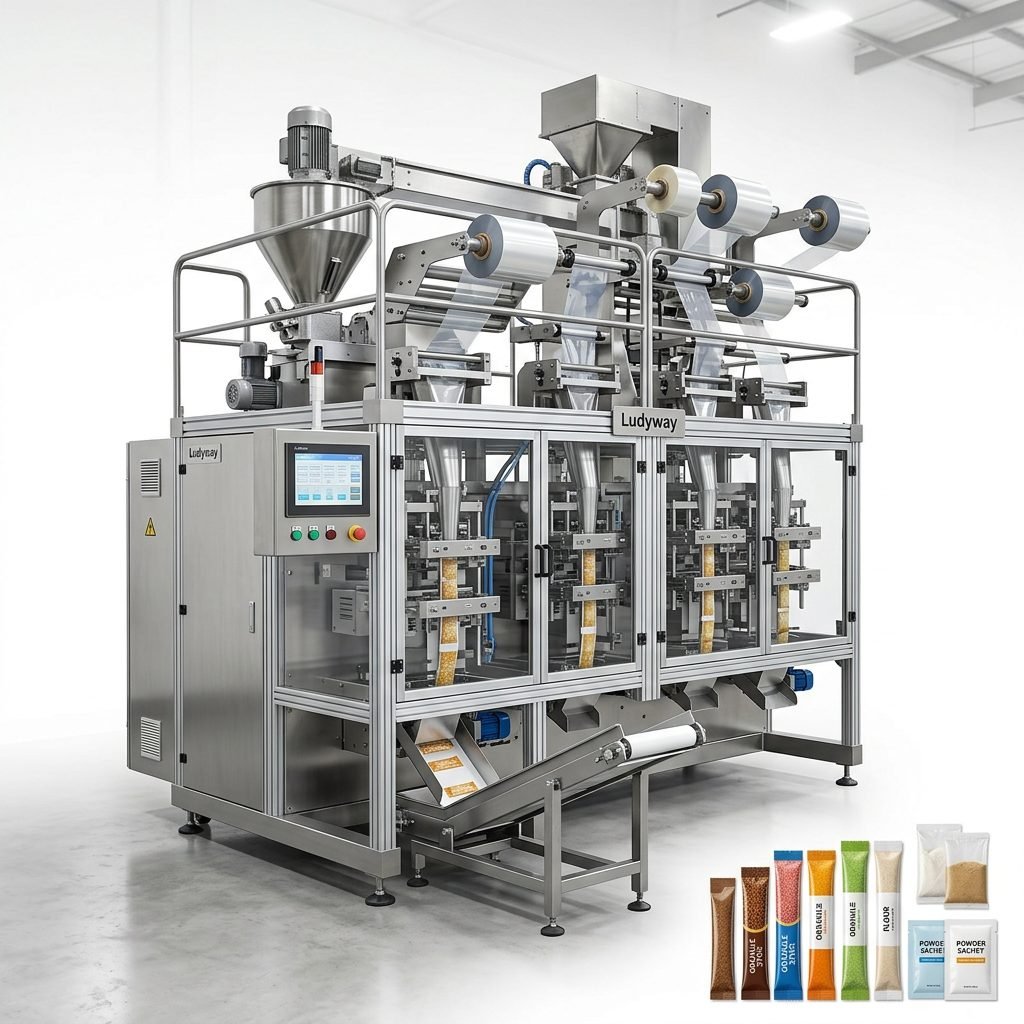
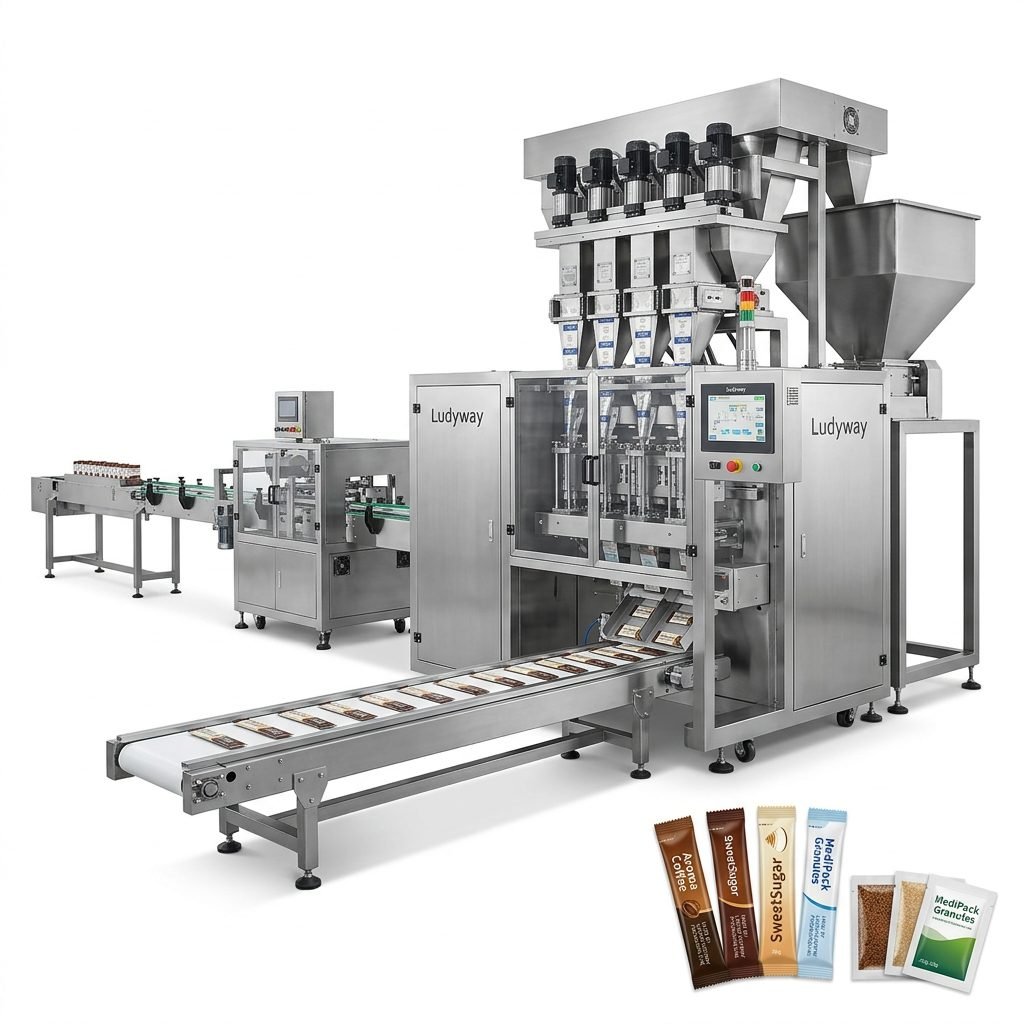
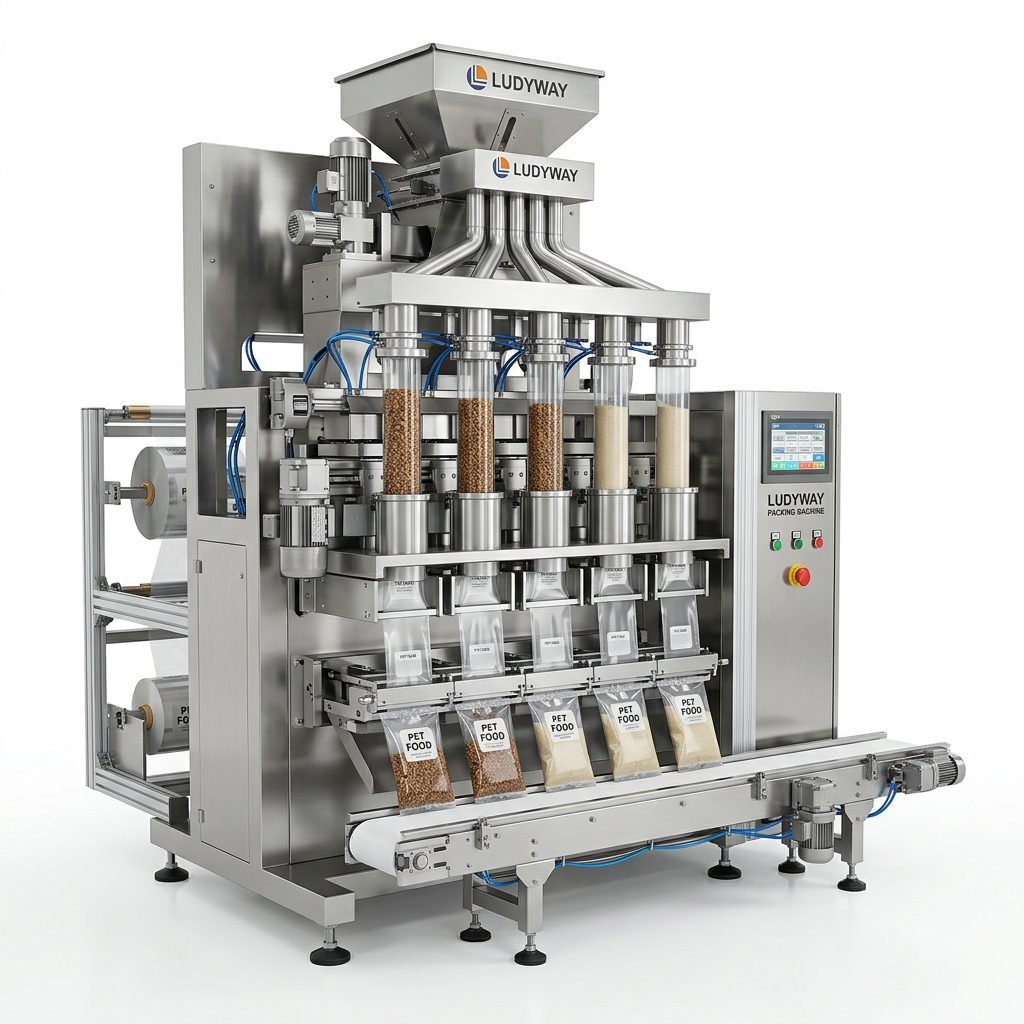
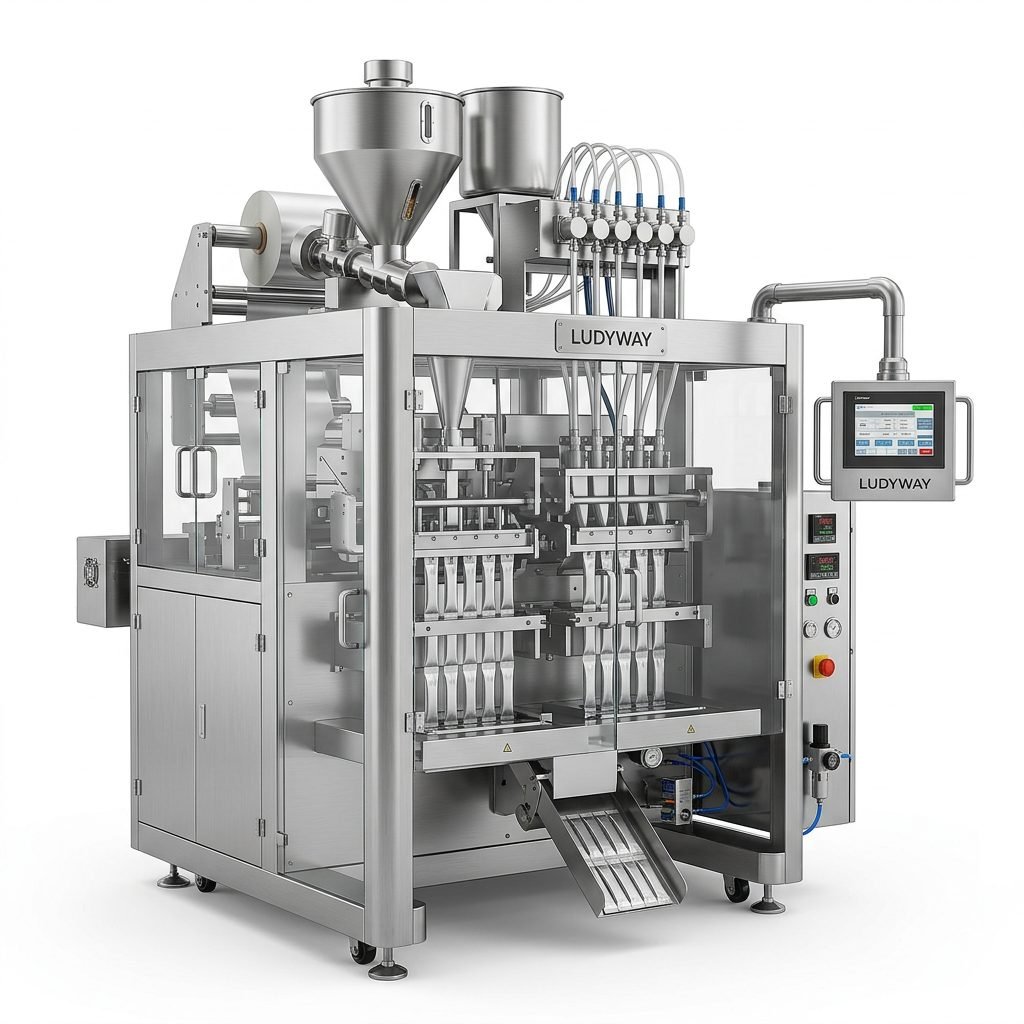
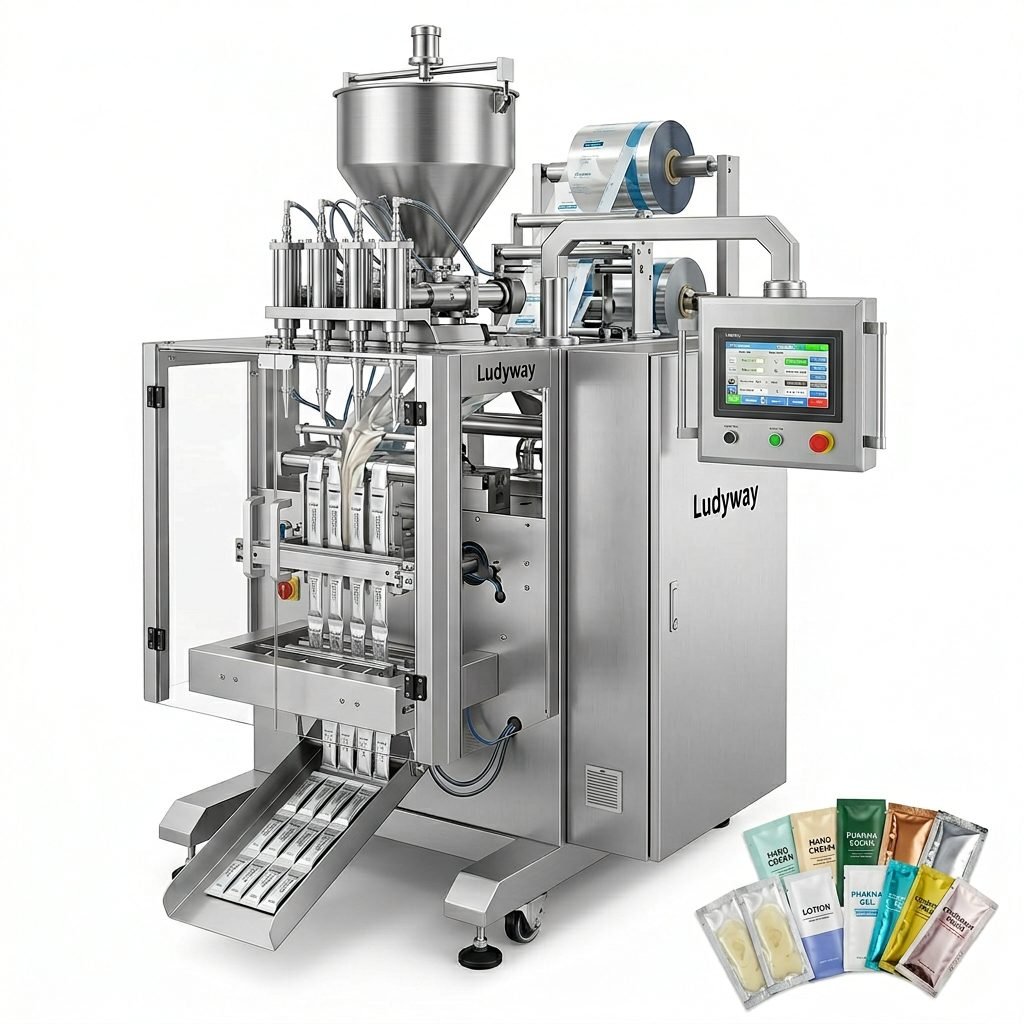
| Multi-Lane Stick Pack Machine | Single-serve butter portions for HORECA | High output, minimal material waste | 30-80 packs/min per lane |
| Rotary Cup Filling & Sealing Line | Portion cups and tubs for retail | Versatile format, easy lid application | 40-120 cups/min |
| Block Butter Wrapping Machine | Bulk butter blocks for bakeries | Traditional format, high weight accuracy | 15-40 blocks/min |
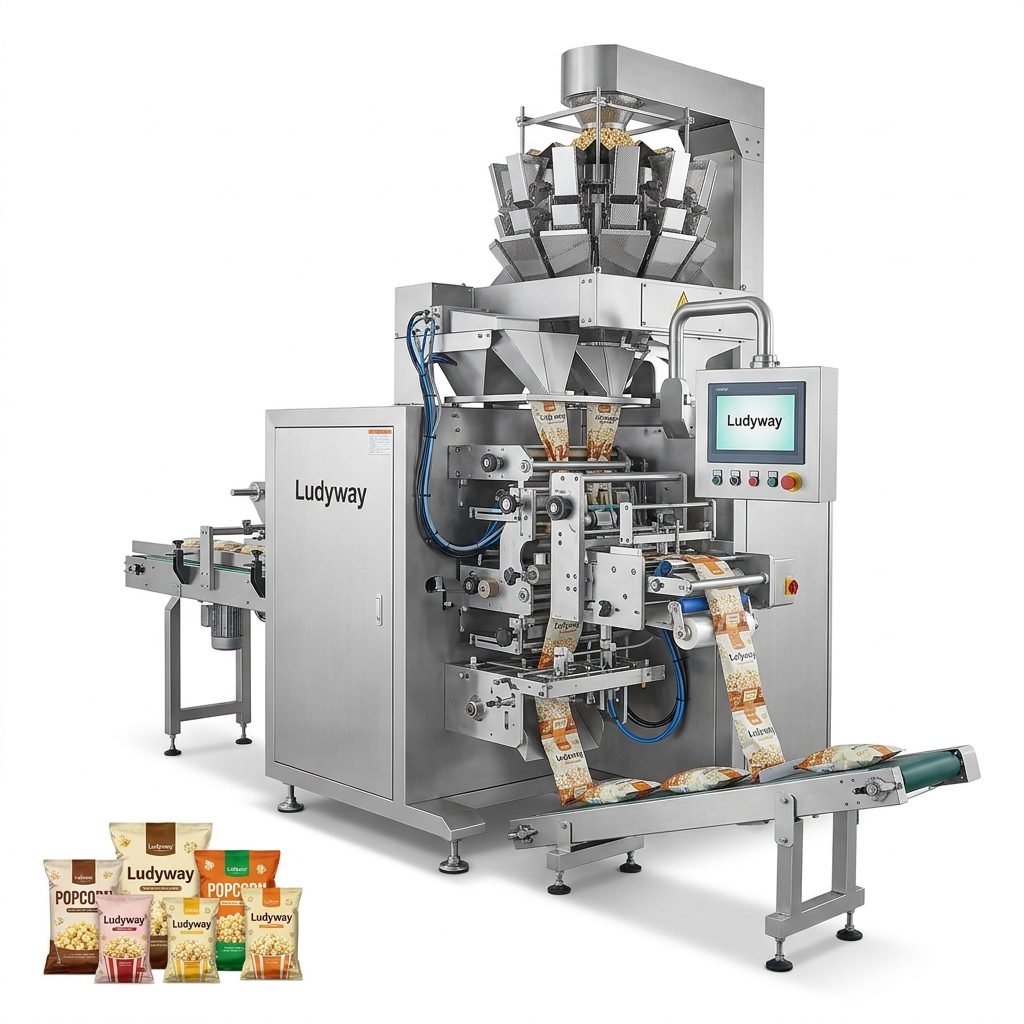
| Pouch Sachet Packaging Machine | Affordable small-quantity packs | Low cost per unit, flexible sizing | 25-60 pouches/min |
Critical Factors for Machine Selection
Beyond machine category, evaluating the following technical and commercial aspects will help you avoid costly mistakes and ensure long-term production stability.
Filling Accuracy and Product Handling
Butter’s viscosity changes with temperature, making consistent filling a challenge. Look for volumetric piston fillers or servo-driven auger systems that can compensate for density variations. The filling tolerance should ideally be within ±0.5% to ±1% to minimize product give-away and maintain profit margins. Heated hoppers and jacketed product tanks prevent solidification during production pauses, a common issue in air-conditioned facilities.
Packaging Material Compatibility
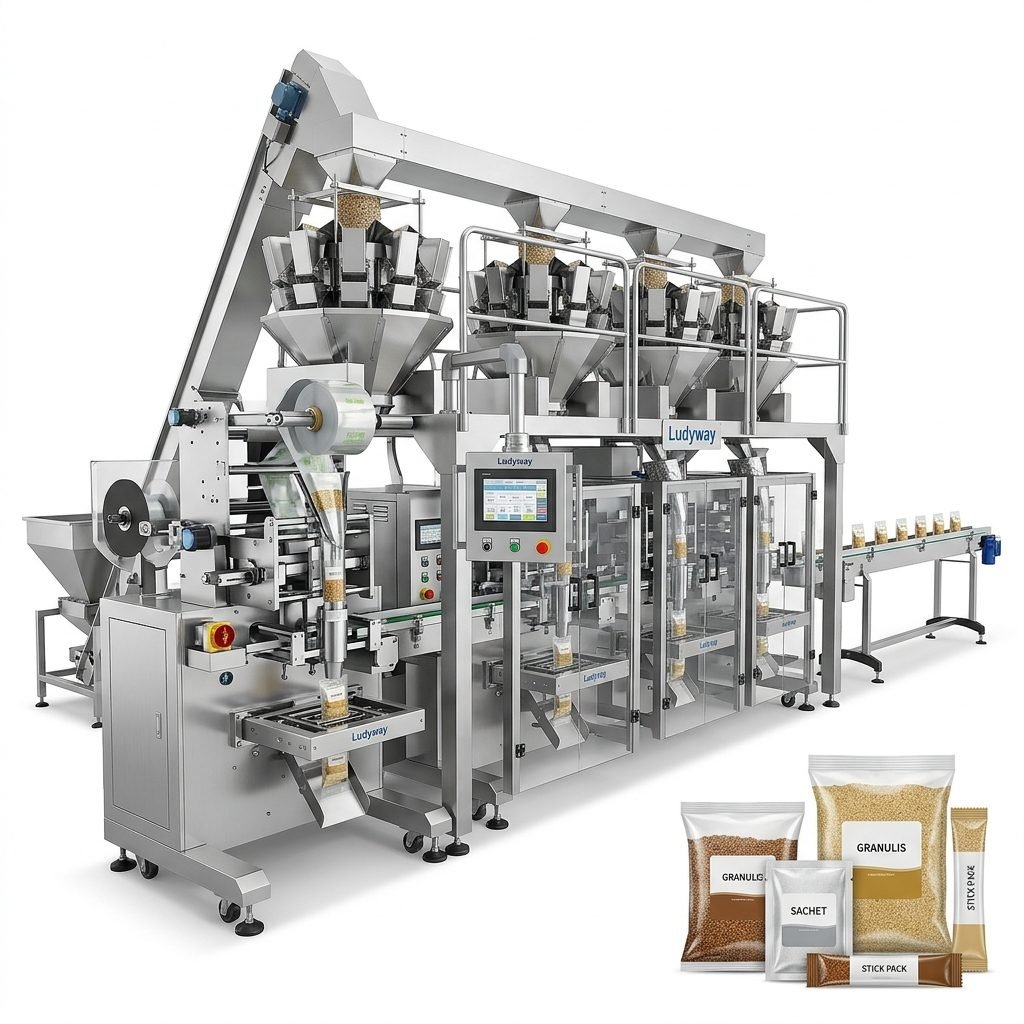
Southeast Asian suppliers often use multilayer barrier films to extend shelf life without refrigeration. Ensure the machine supports heat-sealable laminates such as PET/AL/PE, BOPP/CPP, or paper-based composites. The sealing jaws must maintain uniform temperature and pressure to prevent leaks—especially critical for oily products like butter. Adjustable dwell time and digital temperature controllers are essential features to request.
Cleanability and Hygiene Design
Dairy processing demands strict sanitation protocols. Prioritize machines constructed with SUS304 or SUS316 stainless steel, sloped surfaces for water drainage, and tool-free disassembly of product contact parts. Compliance with FDA food contact material regulations and easy integration with CIP (Clean-in-Place) systems will streamline your quality control processes and reduce downtime between product changeovers.
Evaluating Supplier Capabilities and Support
The relationship with your equipment supplier extends far beyond the initial purchase. In Southeast Asia, where technical service networks vary significantly between countries, due diligence on the manufacturer is paramount.
- ▸ Local Service Presence: Does the supplier have service engineers or authorized distributors in your country? Response time for troubleshooting can make or break production schedules.
- ▸ Documentation and Training: Comprehensive user manuals in English or local languages, on-site installation support, and operator training programs are non-negotiable.
- ▸ Spare Parts Availability: Confirm that critical wear components—sealing jaws, belts, sensors, pneumatic cylinders—are stocked regionally or can be shipped within days, not weeks.
- ▸ Customization Capability: Can the manufacturer adapt the machine to your specific butter formulation, packaging dimensions, or line layout? Factory acceptance testing (FAT) before shipment is a key quality gate.
Regulatory and Export Readiness
If your butter products are destined for export to markets like the EU, Japan, or the Middle East, your packaging machinery must support traceability and serialization requirements. Integrated batch coding systems—thermal inkjet or laser markers—are essential. Additionally, consider machines that can accommodate ISO packaging standards for dimensions and material specifications, ensuring smooth customs clearance and retailer acceptance.
Total Cost of Ownership Considerations
While upfront cost is a tangible metric, calculating total cost of ownership reveals the true investment. Factor in energy consumption, film material utilization rates, labor requirements for operation and changeovers, preventive maintenance costs, and expected service life. A machine that reduces film waste by 3-5% or operates with one fewer operator can generate significant savings over a 5-10 year lifecycle. Request energy efficiency data and material consumption benchmarks from suppliers during the quotation phase.
Integration with Existing Production Lines
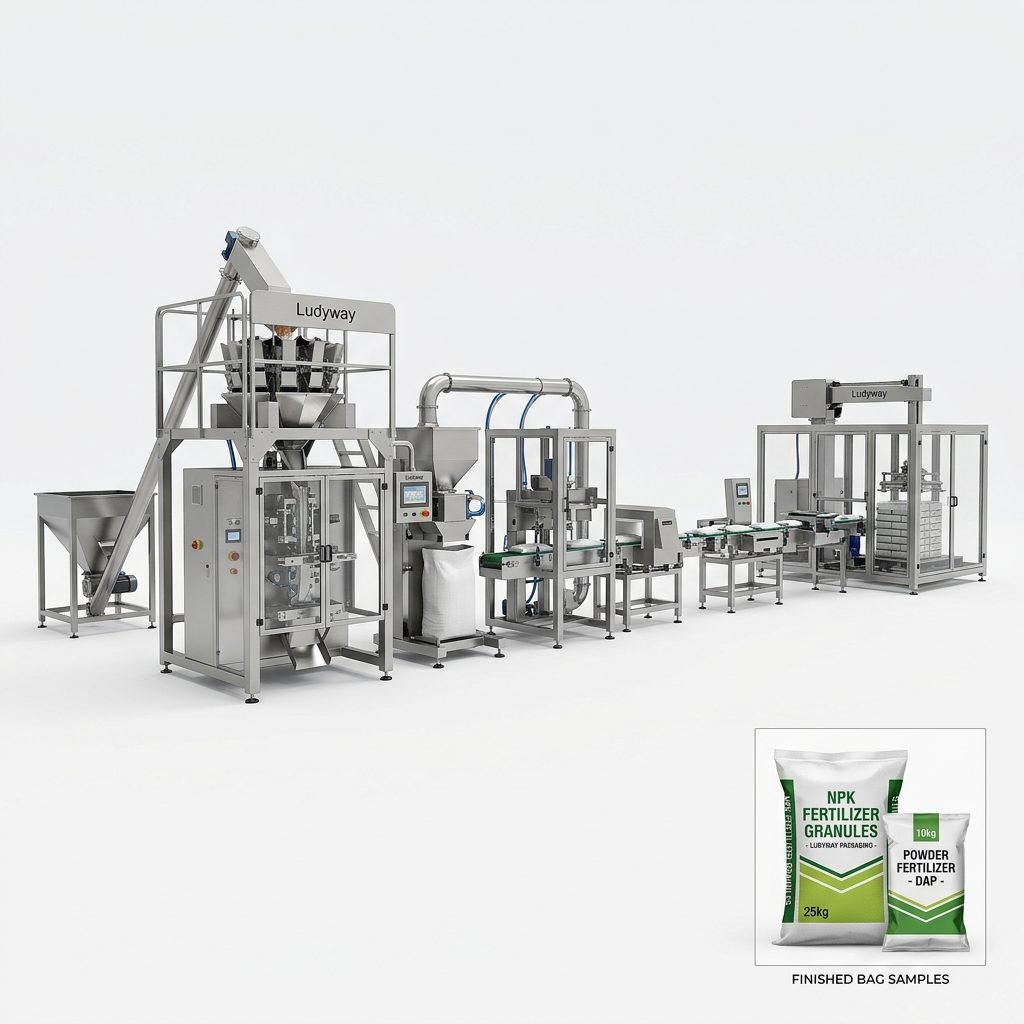
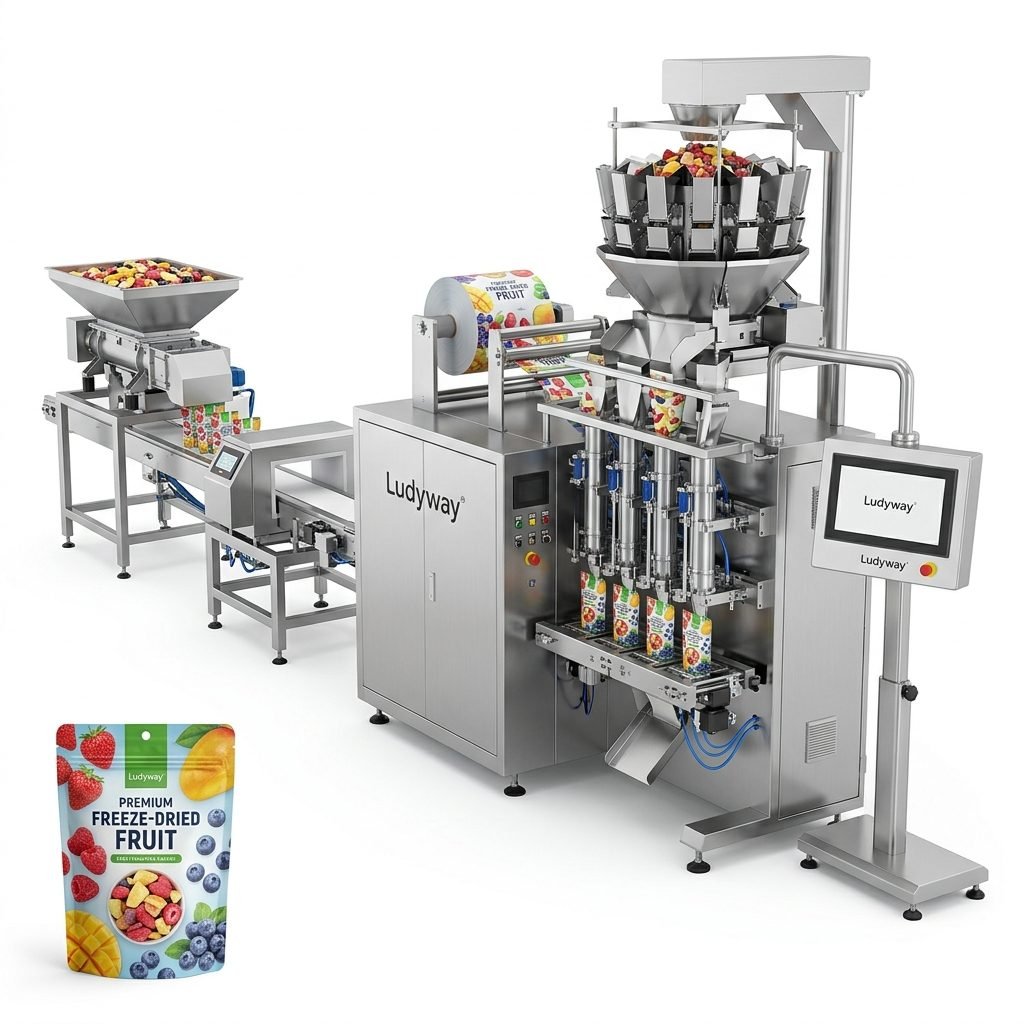
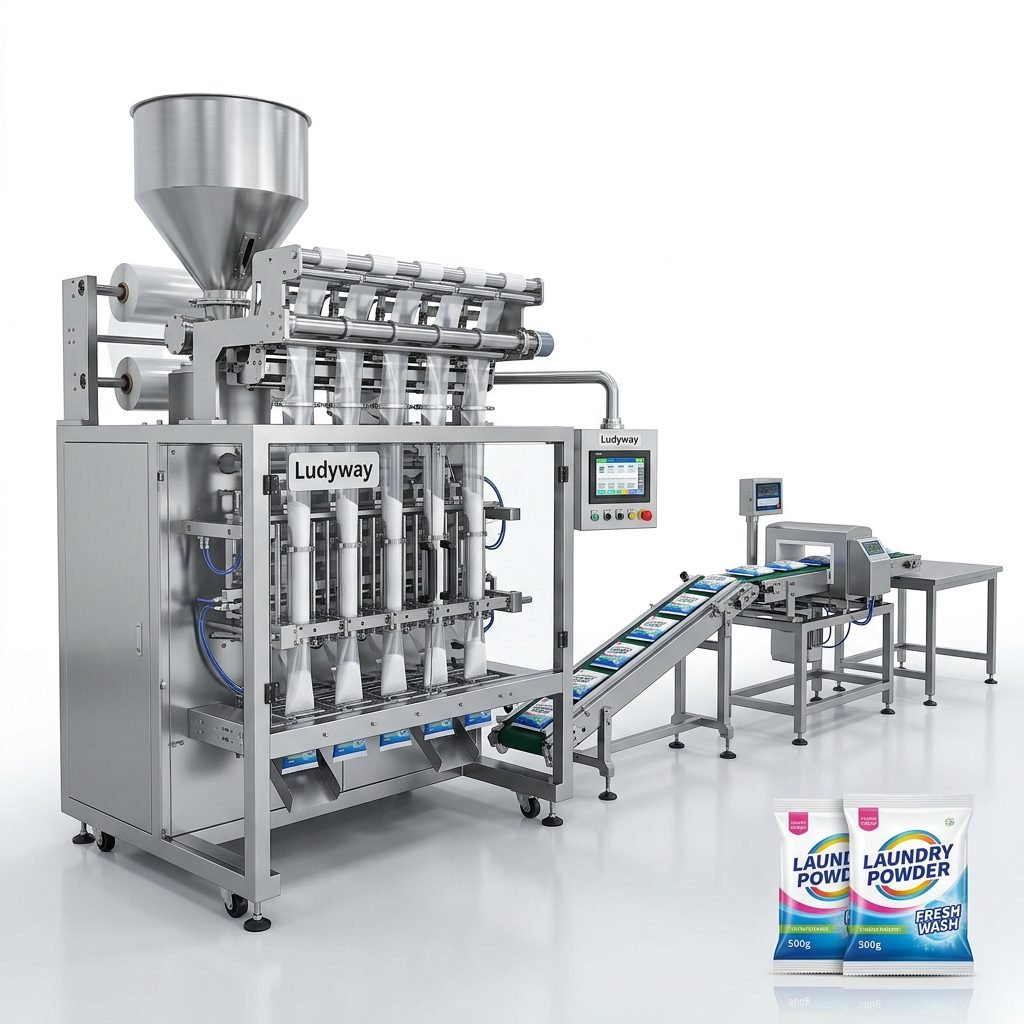
For manufacturers expanding existing facilities, the new butter packaging machine must seamlessly integrate with upstream and downstream equipment. Conveyor height compatibility, communication protocols for smart factory environments, and synchronized speed control are critical. Many Southeast Asian factories are moving toward turnkey packaging lines that connect mixing, pasteurization, filling, cartoning, and palletizing into a single continuous flow. When evaluating suppliers, inquire about their experience in delivering complete integrated systems rather than standalone machines.
Ludyway is one of the largest packaging machine manufacturers in China, providing advanced equipment and turnkey production solutions for the food and dairy industries, with over 50 intelligent packaging machine models serving customers in more than 100 countries. Understanding these integration requirements comes from decades of practical project execution across diverse manufacturing environments. Whether you are packaging butter in single-serve stick packs, portion cups, or bulk blocks, selecting a partner with proven automation expertise ensures your investment delivers value from day one.
Trends Shaping Butter Packaging in Asia
Several emerging trends are influencing machine purchasing decisions across the region. Sustainable packaging mandates are pushing manufacturers toward mono-material films and paper-based wrappers that require different sealing parameters. Smart packaging with QR codes for consumer engagement and anti-counterfeiting is gaining traction in premium butter segments. Additionally, compact, modular machine designs are increasingly preferred by small and medium enterprises that need to maximize limited factory floor space while retaining the flexibility to scale production as demand grows.
Recommended Steps Before Final Purchase
- 1. Define your product range, target output, and packaging format specifications in writing.
- 2. Request video demonstrations of similar butter packaging projects and client references in Southeast Asia.
- 3. Conduct a factory visit or arrange a virtual factory acceptance test to evaluate build quality.
- 4. Negotiate warranty terms, spare parts packages, and post-installation service level agreements.
- 5. Plan for operator training and validation protocols before production commences.
Investing in a high-quality butter packaging machine is a foundational step toward building a resilient, export-ready dairy processing operation in Southeast Asia. By carefully evaluating technical specifications, supplier reputation, and long-term operational costs, you can secure equipment that enhances productivity, ensures food safety compliance, and supports your brand’s growth across domestic and international markets.