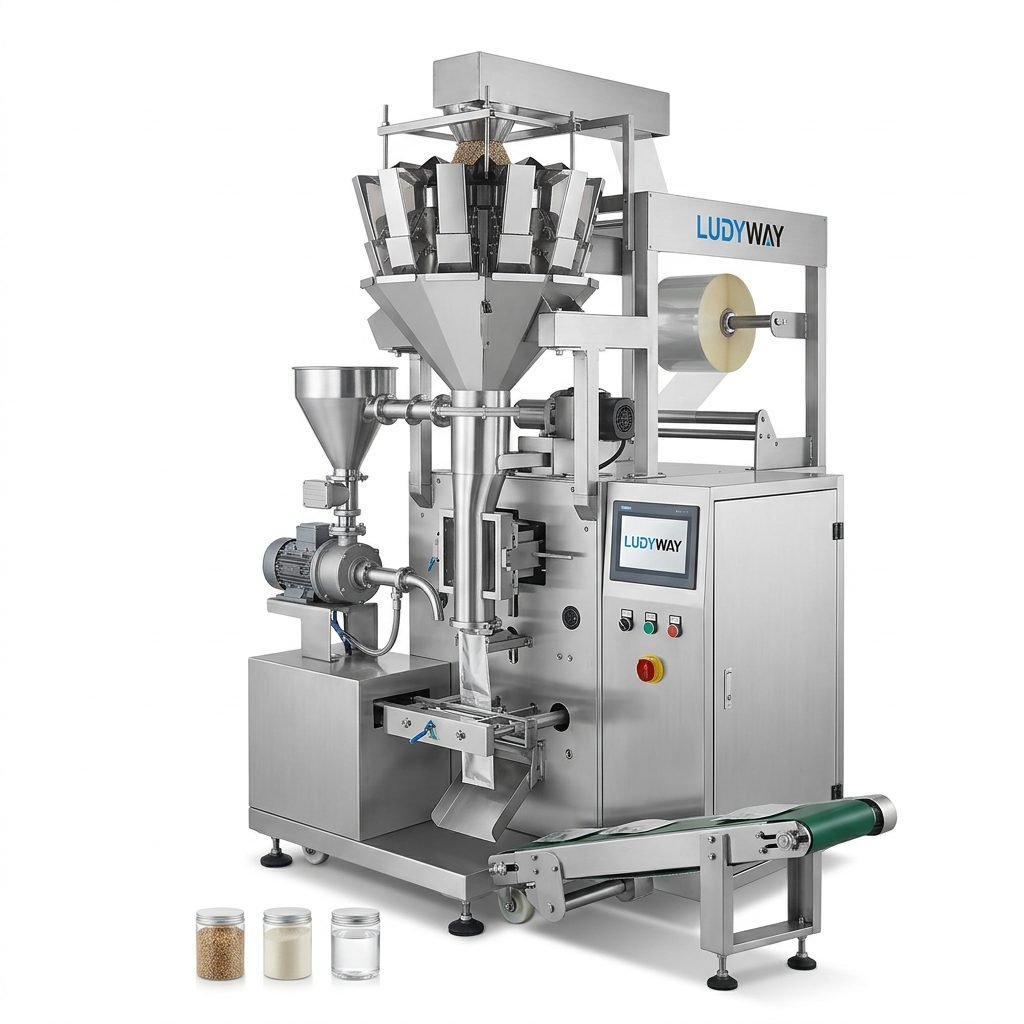
Investing in a case packaging machine is a strategic decision that directly impacts your production efficiency, product protection, and bottom line. With dozens of machine types, configurations, and automation levels available, selecting the right equipment requires a methodical evaluation of your current and future packaging needs. This guide walks you through the essential factors to consider before making a purchase decision.
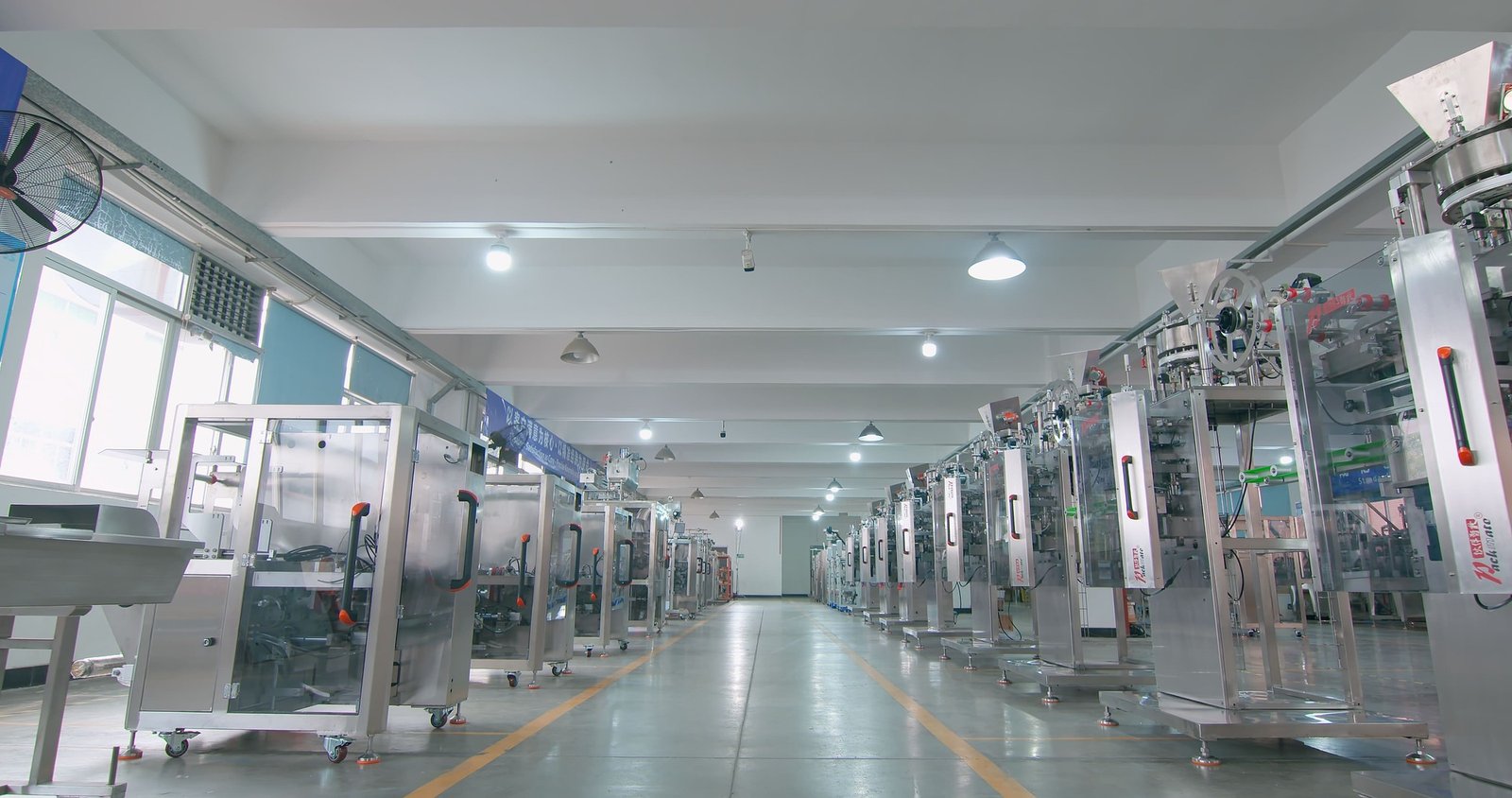
Understanding Your Product and Packaging Requirements
The first step in choosing a case packaging machine is a thorough analysis of what you are packaging. Product characteristics such as size, shape, weight, fragility, and temperature sensitivity will determine which machine type is appropriate. According to PMMI packaging industry research, mismatched equipment selection remains one of the most common causes of packaging line inefficiency.
- Primary vs. secondary packaging: Determine whether you need a machine for wrapping individual products or for grouping them into cases.
- Case style: Regular slotted containers (RSC), wraparound cases, and tray-and-hood designs each require different machinery.
- Product fragility: Delicate items may require gentler handling mechanisms and customized case configurations.
- Environmental conditions: Cold storage, washdown environments, or dusty conditions affect machine specifications.
Types of Case Packaging Machines
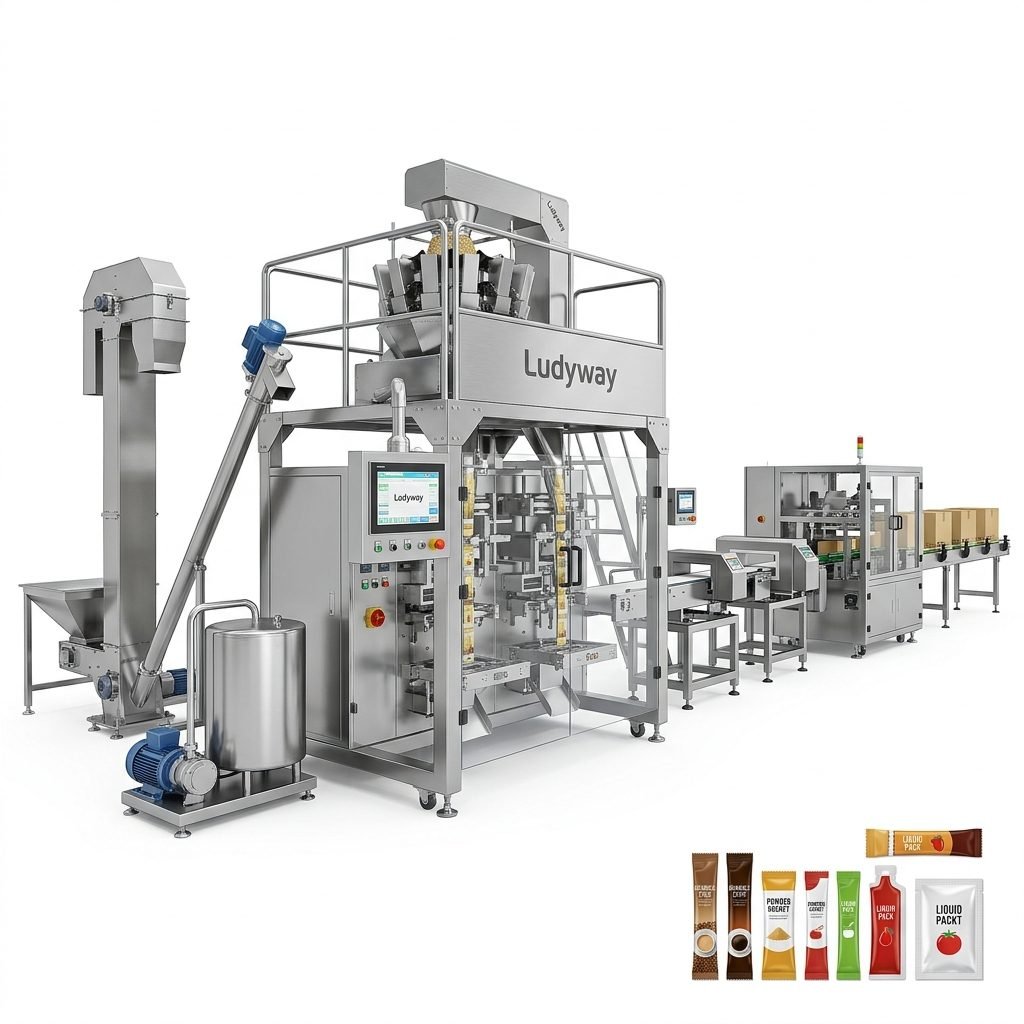
Understanding the different machine categories helps narrow your options. Each type serves a specific function within the packaging line, and many manufacturers offer integrated systems that combine multiple functions. The Flexible Packaging Association notes that choosing the right format can significantly reduce material waste and operational costs.
| Machine Type | Primary Function | Best For |
|---|---|---|
| Case Erector | Forms flat blanks into open cases | High-volume lines needing consistent case forming |
| Case Packer | Loads products into erected cases | Automated packing of uniform products |
| Case Sealer | Closes and seals filled cases | Tape or hot-melt glue sealing applications |
| Wraparound Caser | Wraps a blank around the product | Tight-fit packaging with reduced material usage |
| Palletizing System | Stacks cases onto pallets | End-of-line automation for distribution |
Production Speed and Throughput Analysis
Speed requirements are a critical factor. A machine that cannot keep pace with upstream production will become a bottleneck, while an oversized machine wastes capital and energy. Calculate your required throughput in cases per minute (CPM) based on peak production demands, not just average rates. Industry data from PMMI’s State of the Industry report shows that manufacturers increasingly prioritize flexibility alongside speed to accommodate diverse product portfolios.
- Current throughput: Measure your existing line speed to establish baseline requirements.
- Future growth: Select a machine with 20-30% headroom above current needs to allow for expansion.
- Changeover time: Factor in how frequently you switch between case sizes and product configurations.
Automation Level and Line Integration
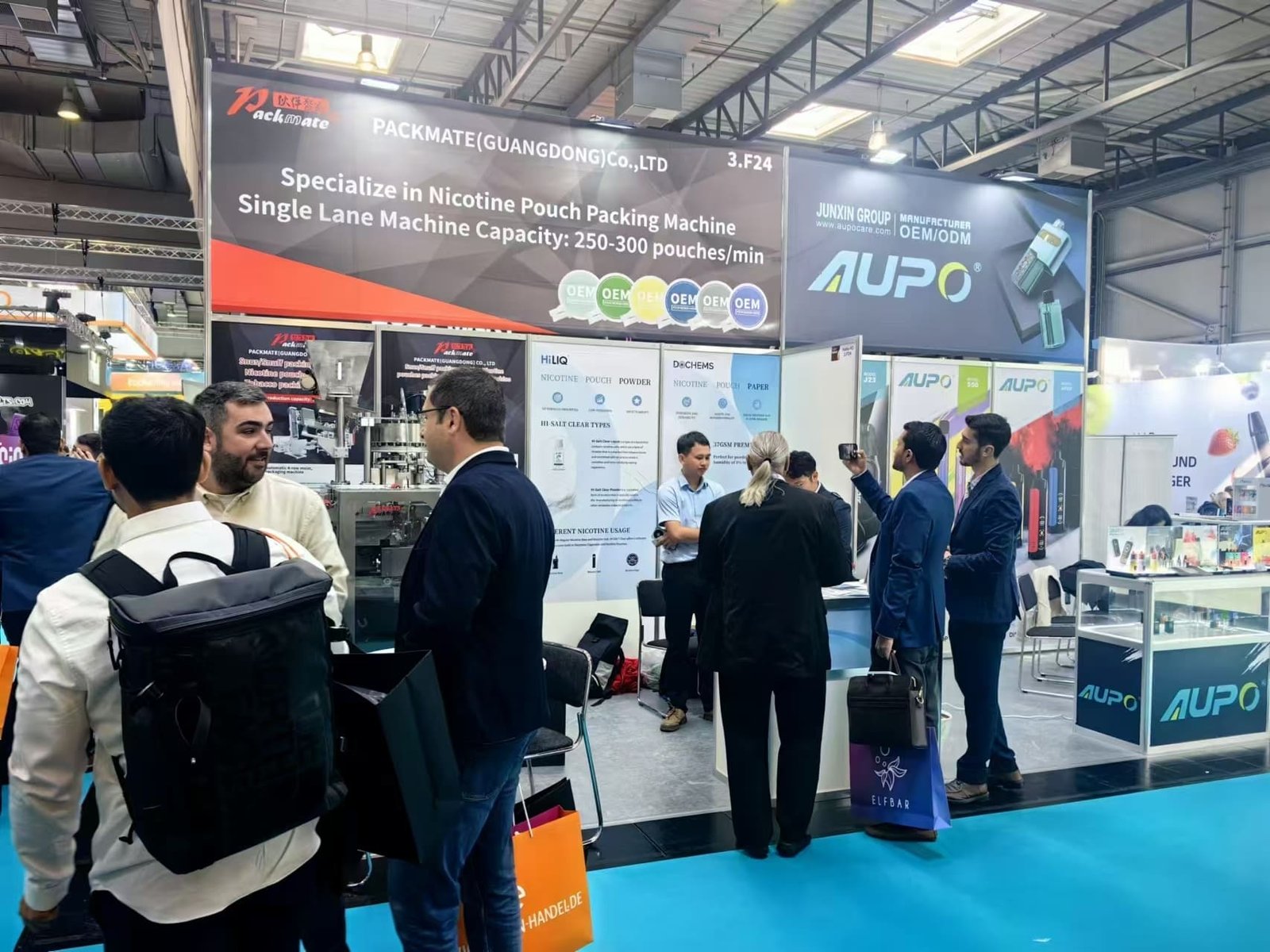
Automation in case packaging ranges from semi-automatic machines requiring operator assistance to fully robotic systems integrated into smart factory environments. The PMMI packaging machinery standards emphasize that automation decisions should be based on labor availability, consistency requirements, and total cost of ownership rather than upfront cost alone. Key considerations include:
- Manual vs. automatic case loading: Evaluate whether robotic pick-and-place or manual loading better suits your product variability.
- Controls integration: The machine should communicate seamlessly with upstream fillers and downstream palletizers through standard industrial protocols.
- Vision systems: Automated inspection can verify case integrity, label placement, and product counts before sealing.
- Data collection: Modern machines provide OEE (Overall Equipment Effectiveness) data for continuous improvement initiatives.
Budget and Total Cost of Ownership
Purchase price is only one component of the financial equation. A comprehensive total cost of ownership (TCO) analysis should account for installation, training, maintenance, spare parts, energy consumption, and expected service life. Machines built with higher-quality components often deliver lower TCO over a 10-15 year operating period despite higher initial investment.
| Cost Category | Estimated Share of TCO | Key Variables |
|---|---|---|
| Equipment Purchase | 40-55% | Machine type, customization, controls |
| Installation & Commissioning | 5-10% | Site preparation, integration complexity |
| Maintenance & Spare Parts | 15-25% | Component quality, operating hours |
| Energy Consumption | 2-5% | Motor efficiency, compressed air usage |
| Operator Training & Labor | 10-18% | Automation level, skill requirements |
Machine Quality and Compliance Standards
Packaging machinery must meet applicable safety and quality standards for your target markets. International certifications provide assurance of machine design quality, electrical safety, and hygienic construction where needed. Refer to ISO packaging standards for guidance on internationally recognized requirements. For food and pharmaceutical applications, compliance with FDA regulations on food contact substances is essential.
Key Certifications to Verify
- CE Marking – Required for machinery sold in the European Economic Area.
- UL/CSA Certification – Electrical safety standards for North American markets.
- ISO 9001 – Quality management system certification for the manufacturer.
- GAMP Compliance – Good Automated Manufacturing Practice for pharmaceutical packaging validation.
- Hygienic Design Standards – EHEDG or 3-A Sanitary Standards for food-grade equipment.
Choosing the Right Packaging Machinery Partner
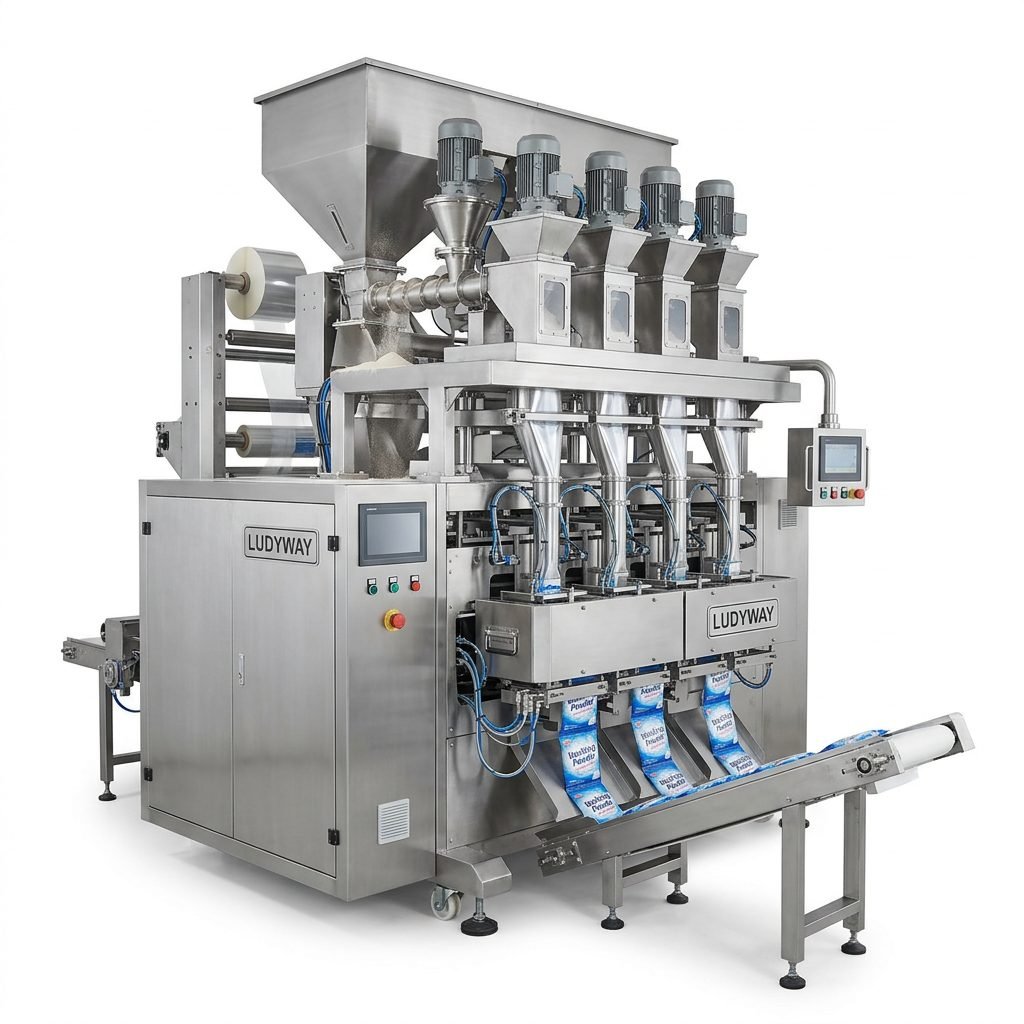
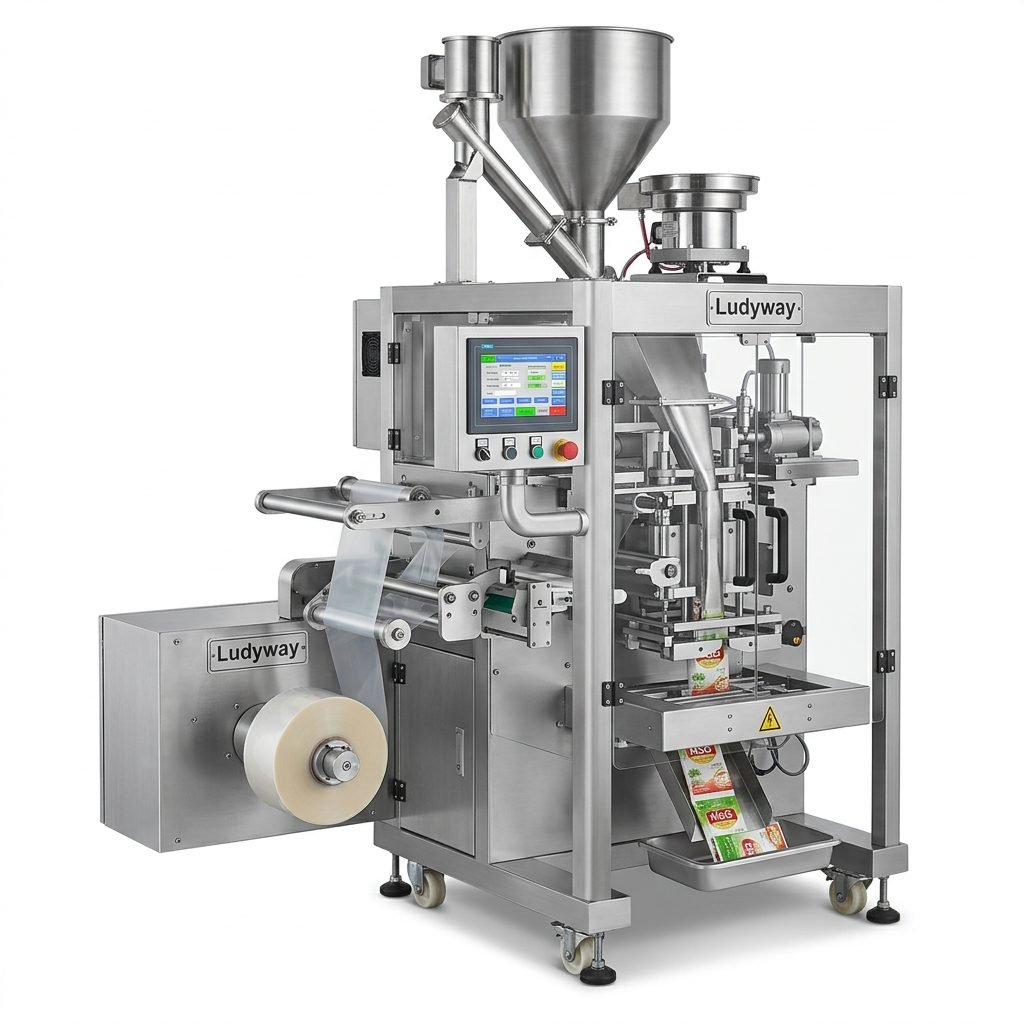
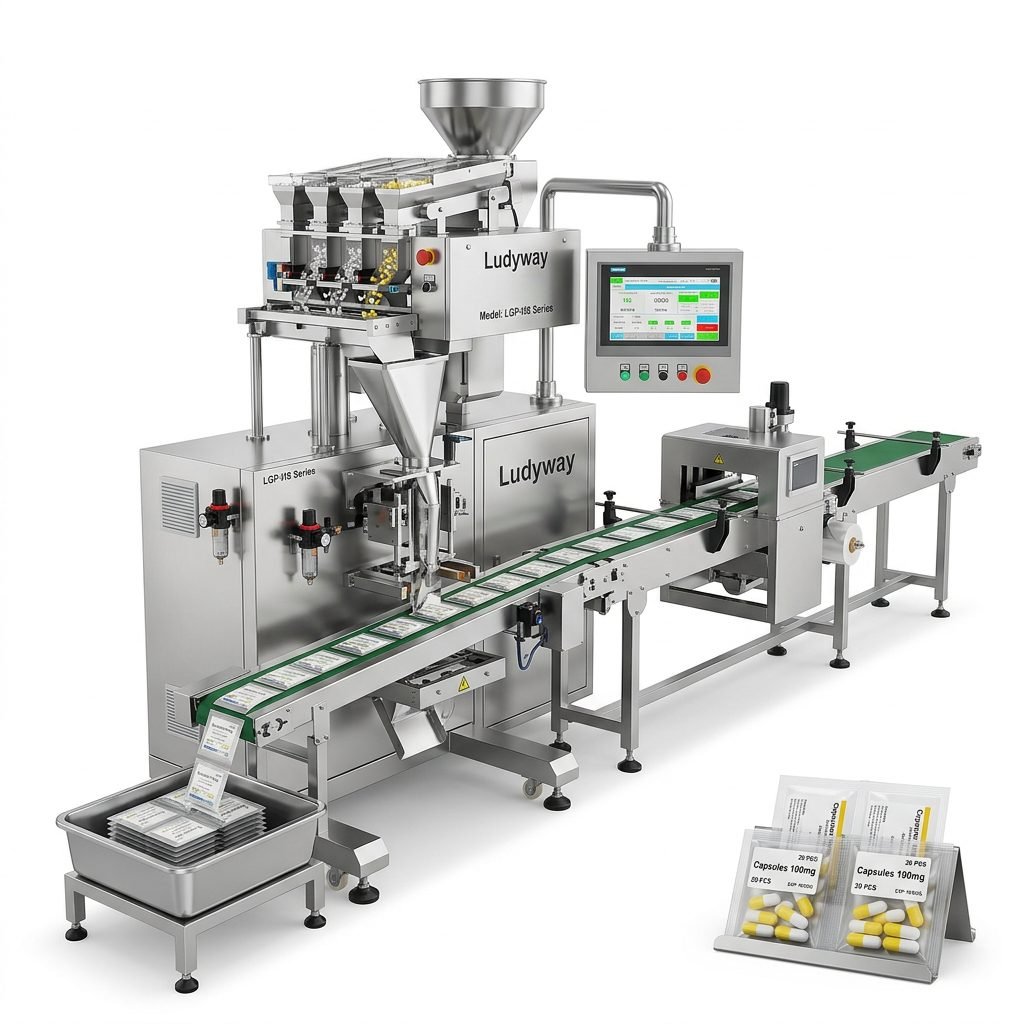
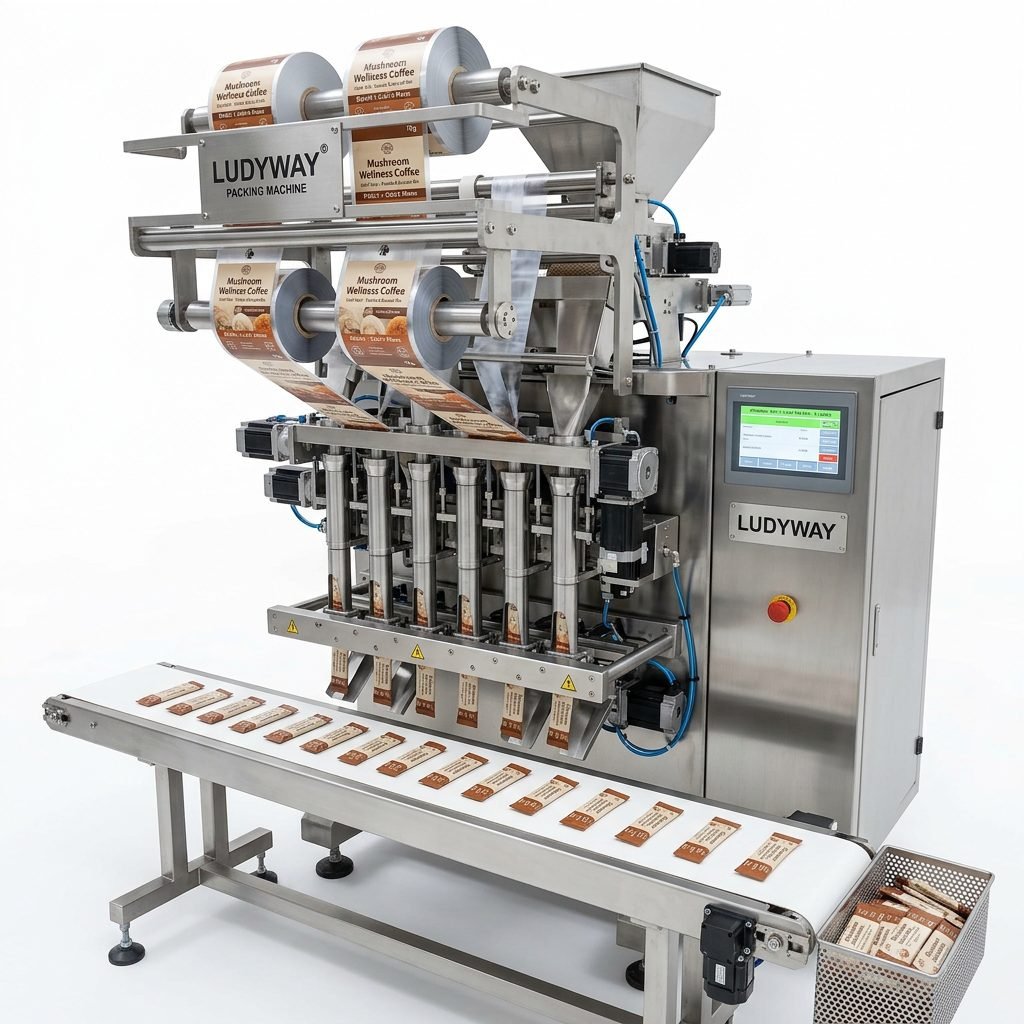
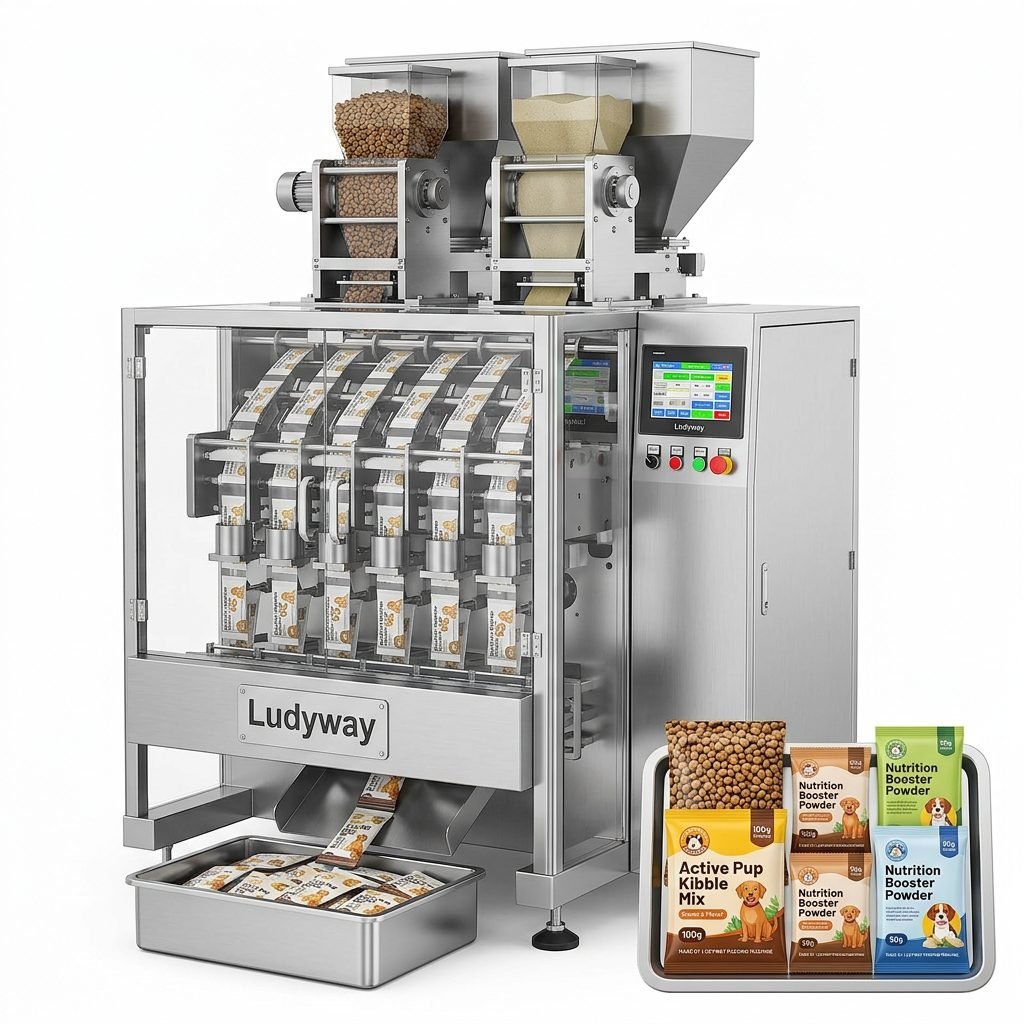
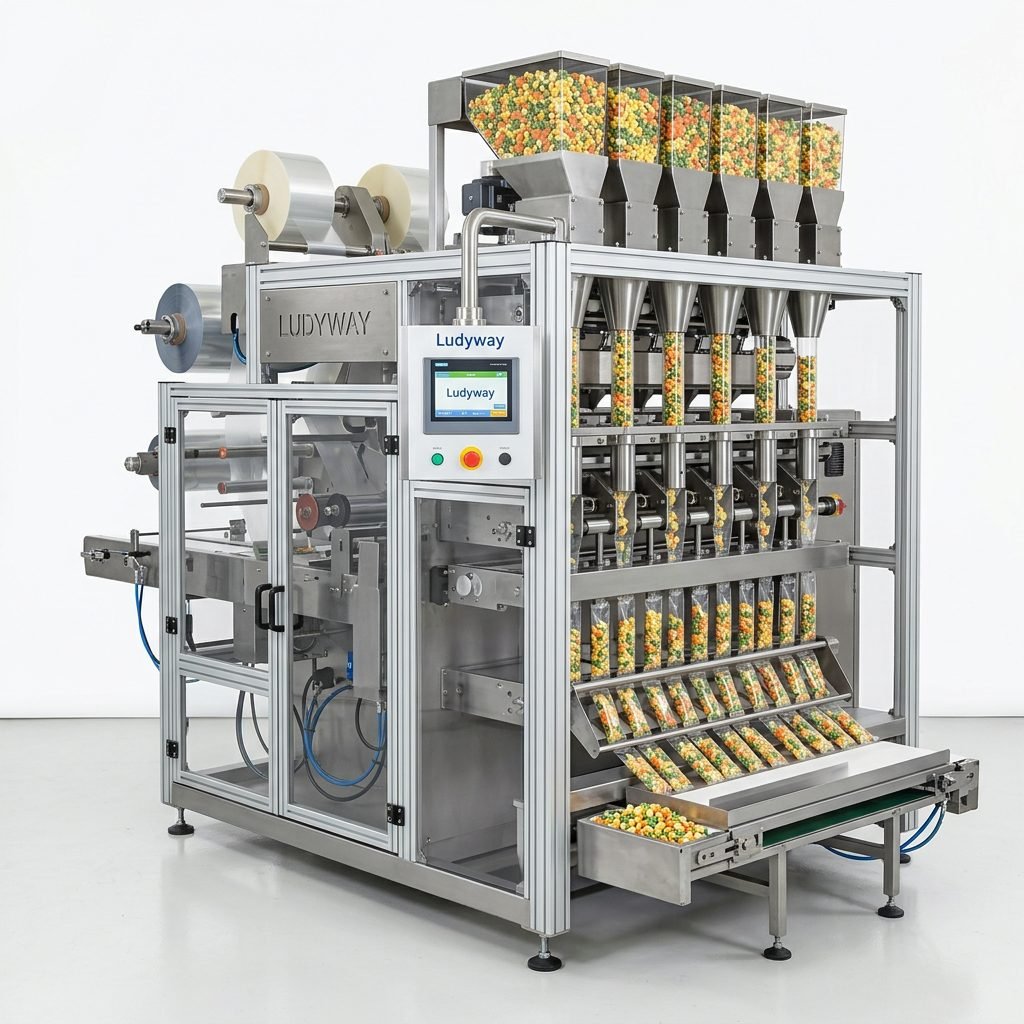
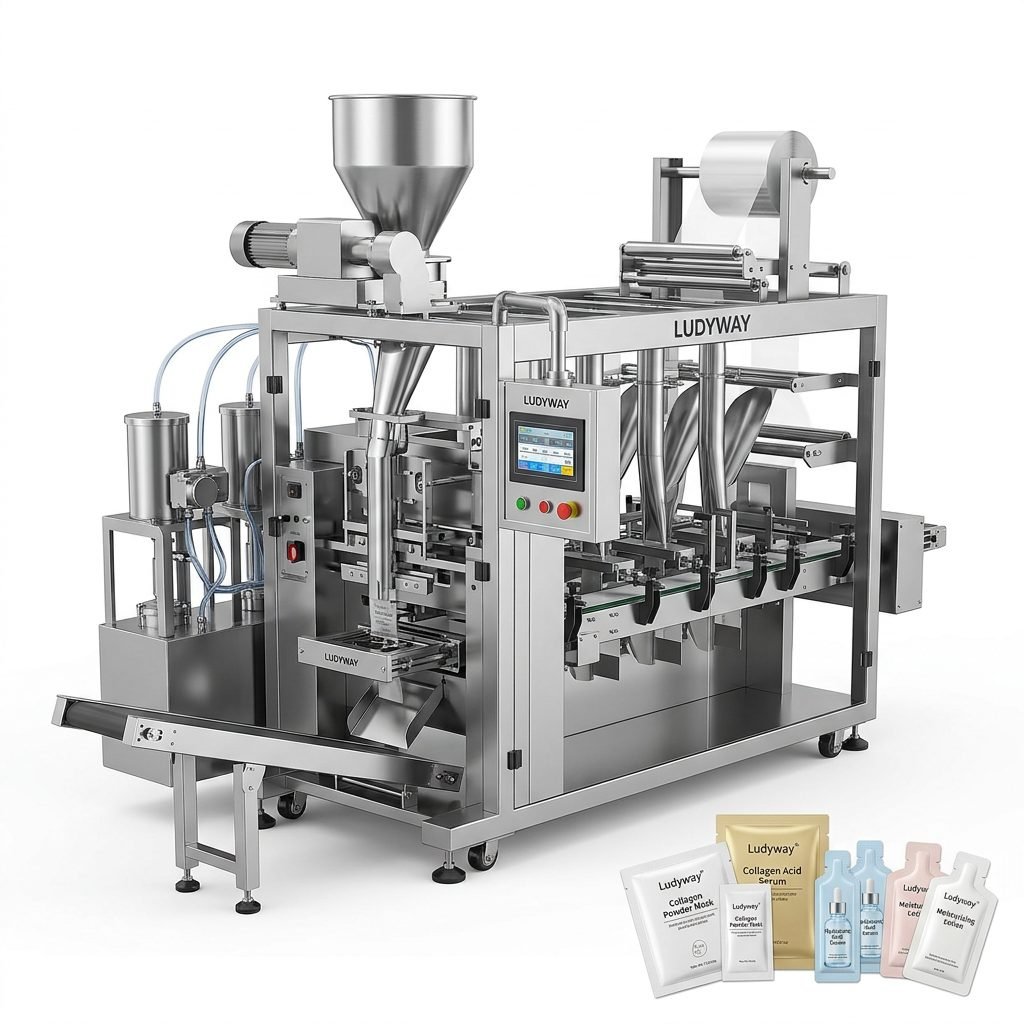
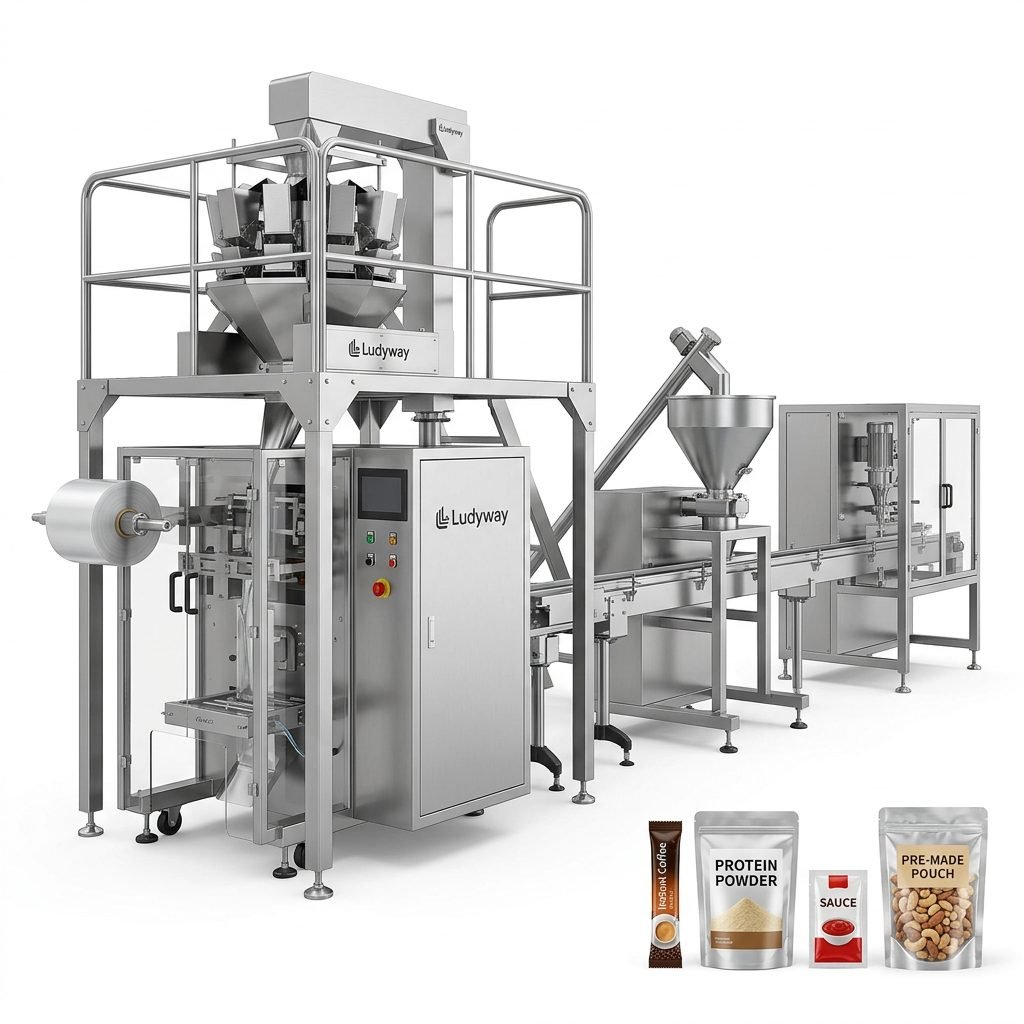
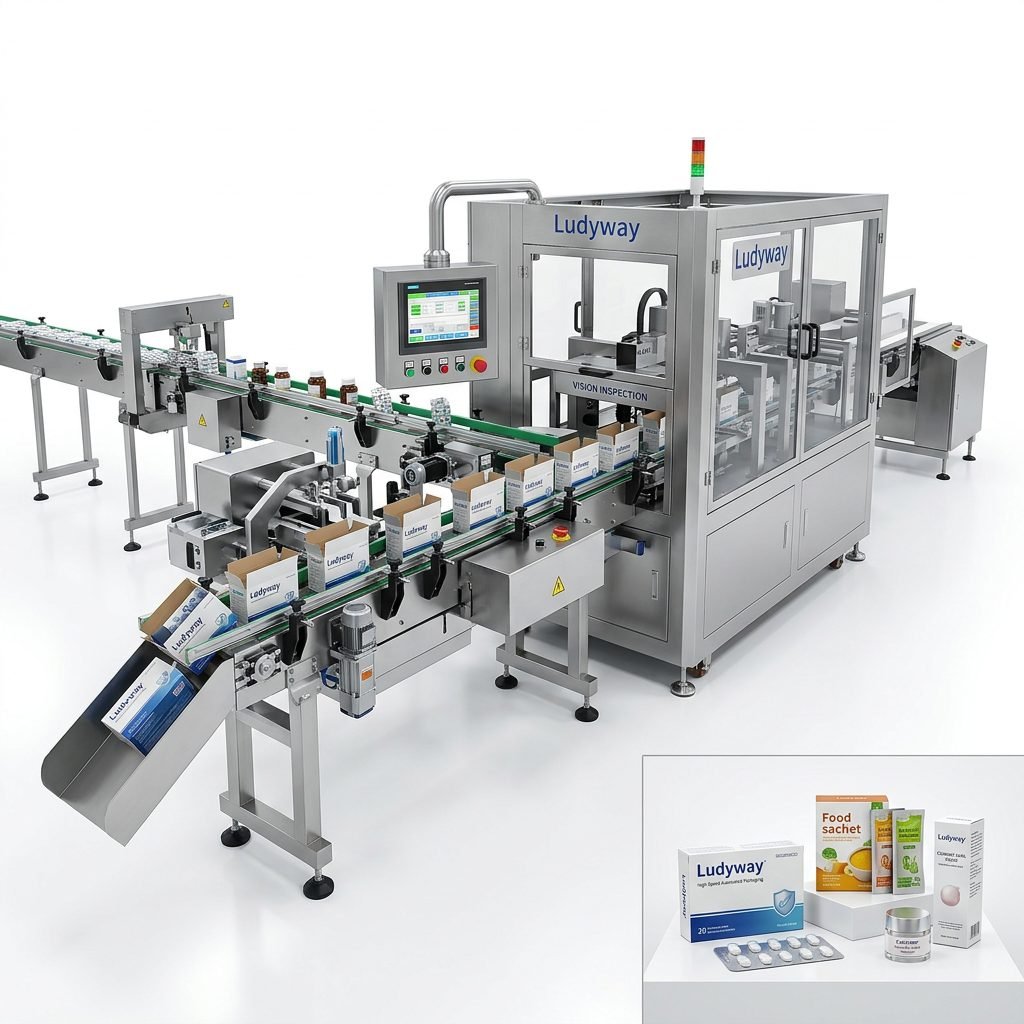
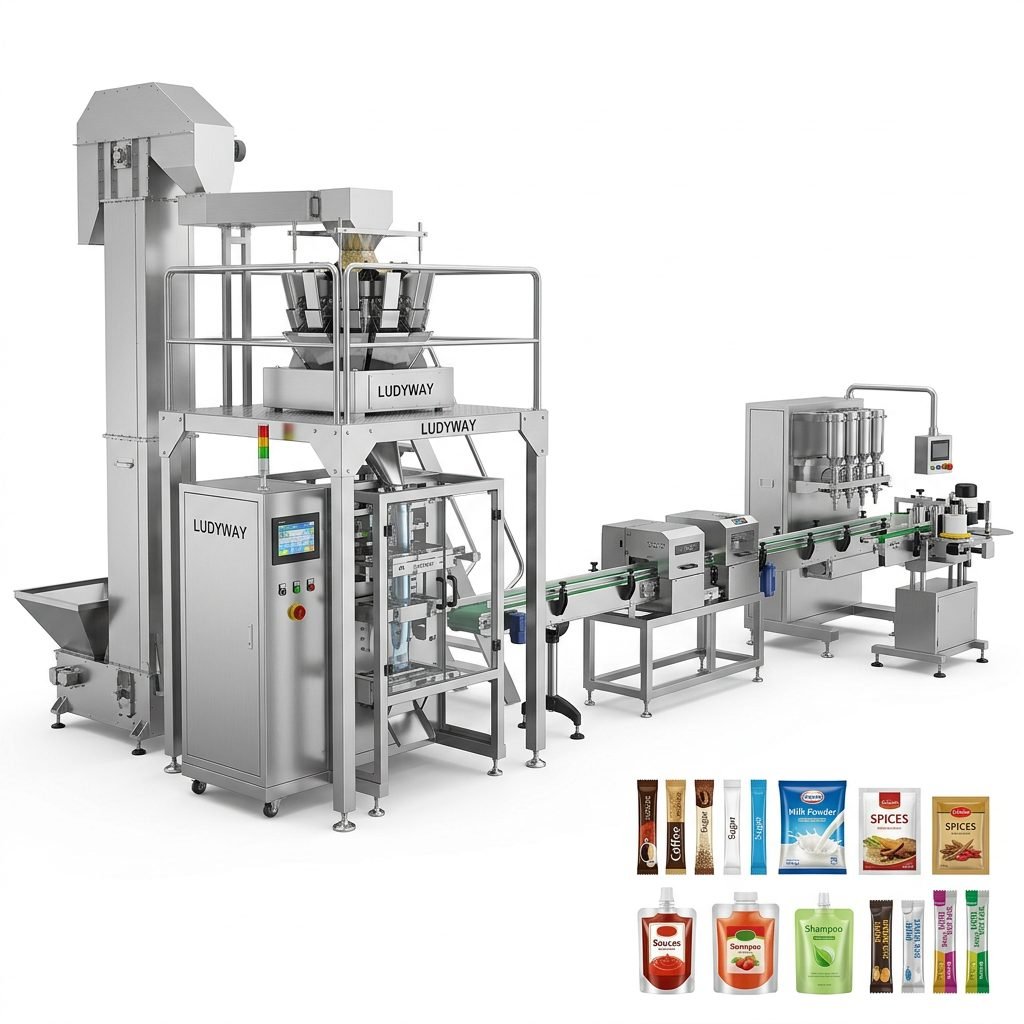
Beyond machine specifications, the manufacturer’s experience and support capabilities significantly influence long-term success. Look for suppliers with a proven track record in your industry, engineering expertise for customized solutions, and responsive global service networks. Companies like Ludyway Machinery, a China-based packaging machinery manufacturer with over 30 years of experience and a 130+ professional team, combine in-house manufacturing with automation engineering to provide integrated packaging systems and turnkey solutions across multiple industries including food, pharmaceutical, and chemical sectors.
When evaluating potential partners, consider these factors:
- Industry experience: Has the manufacturer solved packaging challenges similar to yours?
- Customization capability: Can they adapt machines to your specific product, facility layout, and production goals?
- References and case studies: Request examples of installations in your industry segment.
- Engineering depth: A strong in-house engineering team indicates the ability to handle complex integration projects.
After-Sales Support and Service Agreements
The availability of technical support, spare parts, and preventive maintenance programs can make or break your packaging line’s uptime. Before committing to a purchase, clarify the following:
- Response time guarantees for remote and on-site technical assistance.
- Spare parts availability and shipping lead times for critical components.
- Operator training programs to ensure your team can operate and maintain the equipment correctly.
- Warranty coverage and extended service agreement options.
- Remote diagnostics capabilities that allow the manufacturer to troubleshoot without on-site visits.
Making the Final Decision
Selecting the right case packaging machine involves balancing technical requirements, budget constraints, and long-term operational goals. Start with a detailed specification sheet that documents your product characteristics, packaging format, throughput targets, facility constraints, and compliance needs. Use this document to evaluate multiple suppliers and request detailed proposals. An informed decision today lays the foundation for years of efficient, reliable packaging operations. For manufacturers seeking tailored solutions, working with an experienced packaging machinery partner who provides comprehensive project support—from equipment selection through commissioning and after-sales service—can significantly reduce project risk and accelerate time to full production capability.