Investing in a bread packing machine is a critical decision for bakeries and food manufacturers aiming to scale production, extend shelf life, and maintain product freshness. Whether you are packaging sliced loaves, artisan boules, burger buns, or gluten-free varieties, the right automated system can dramatically improve your throughput and consistency. This comprehensive buyer’s guide walks you through every step of the selection process, from understanding core machine types to evaluating advanced features and total cost of ownership.
Understanding Bread Packaging Machine Types
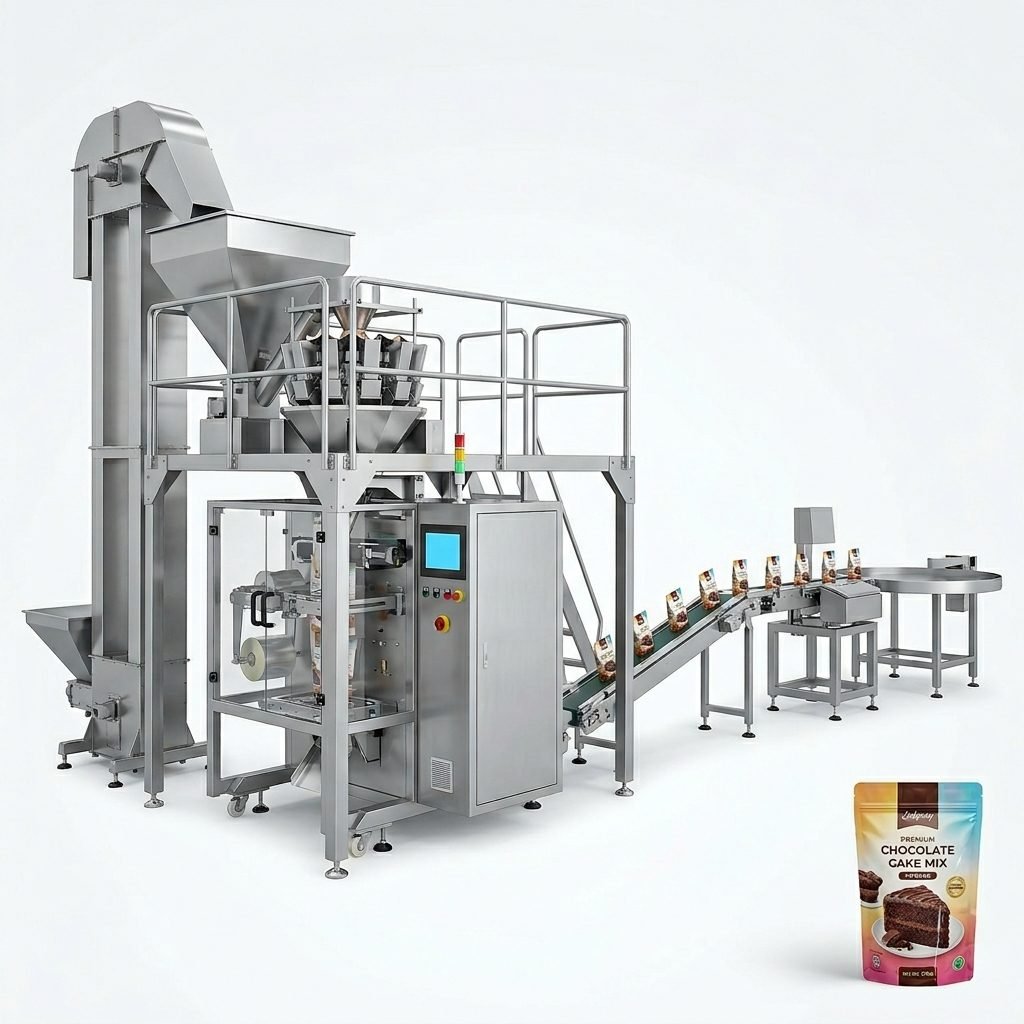
Not all bread packaging equipment is created equal. The ideal machine depends heavily on your product format, film material, and desired output speed. Below are the most common configurations available in the market today.
Horizontal Flow Wrappers (HFFS)
Horizontal Form Fill Seal machines are the industry standard for sliced loaves and buns. The product enters horizontally, is wrapped in a film tube, and sealed on three sides or with an end-fold. These are ideal for high-speed lines and offer excellent package tightness to prevent staleness.
Vertical Form Fill Seal Systems (VFFS)
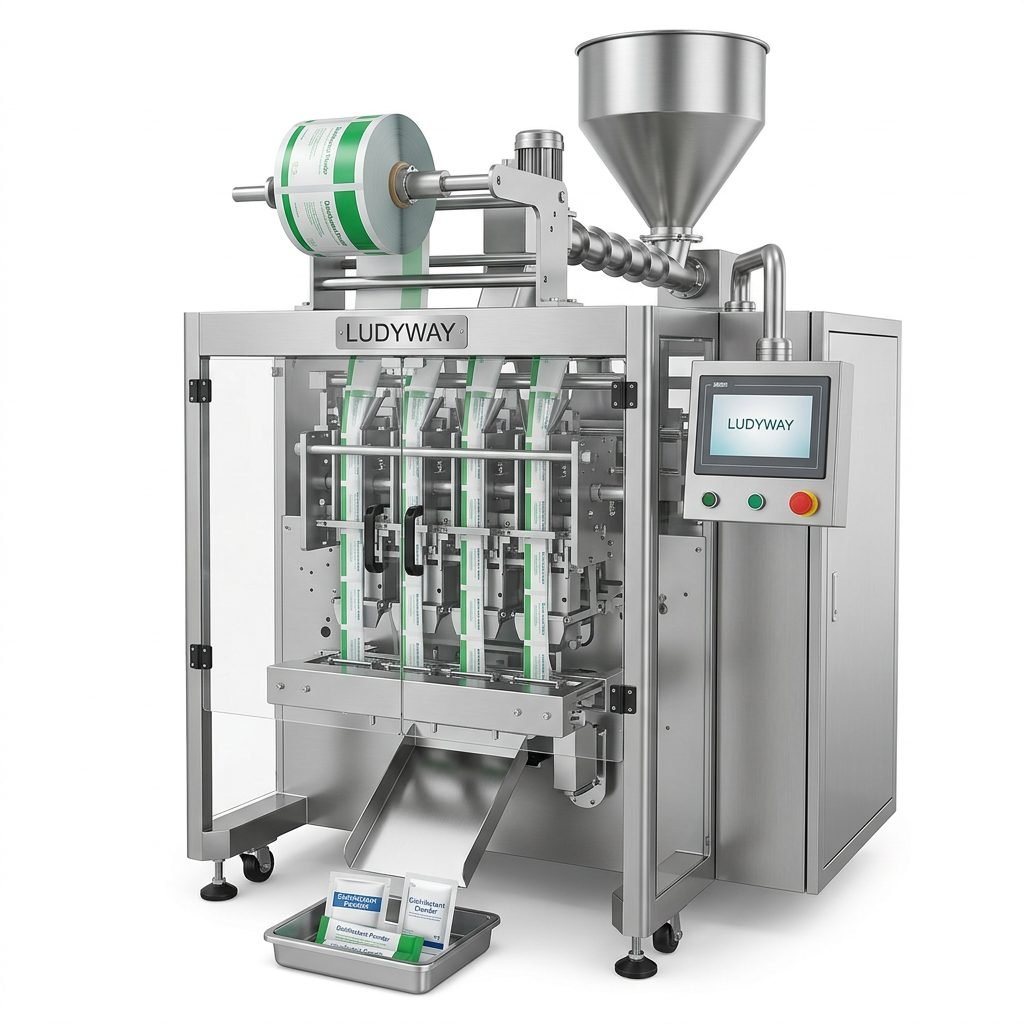
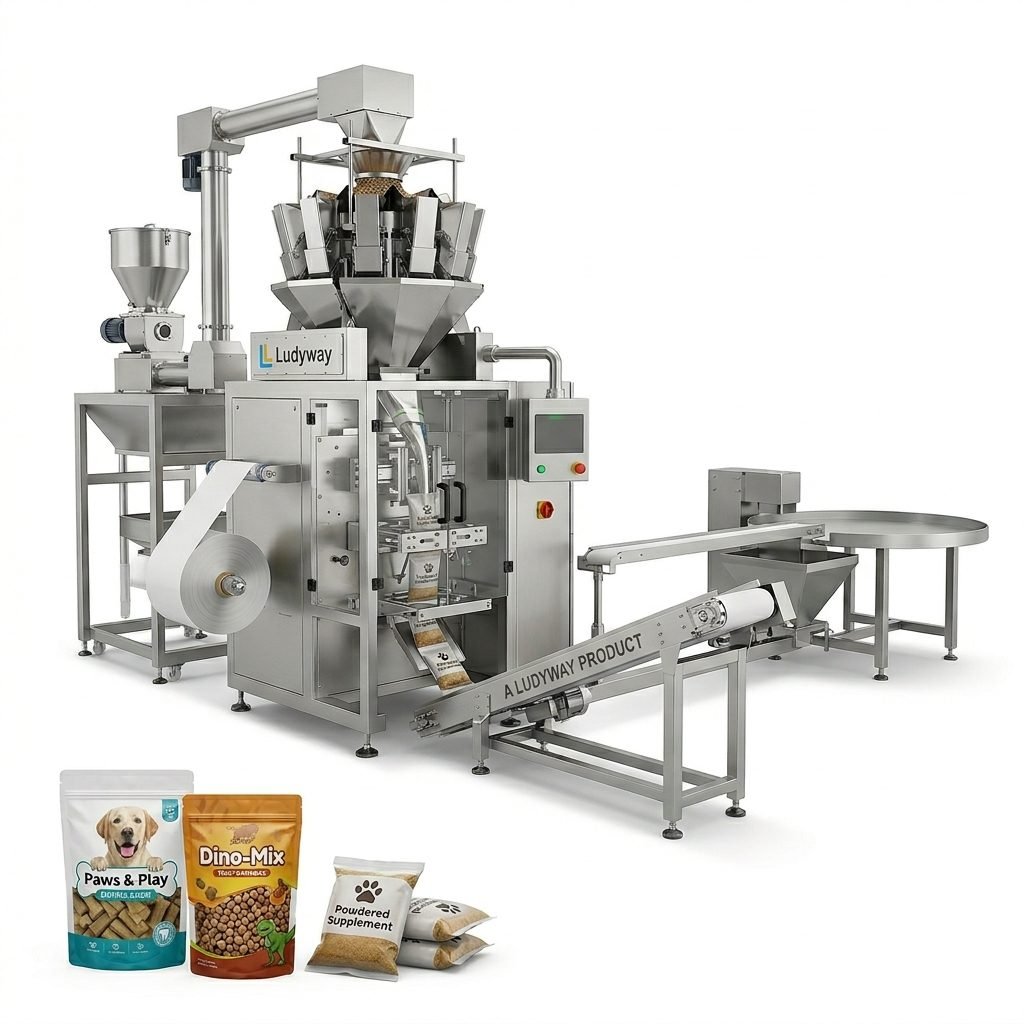
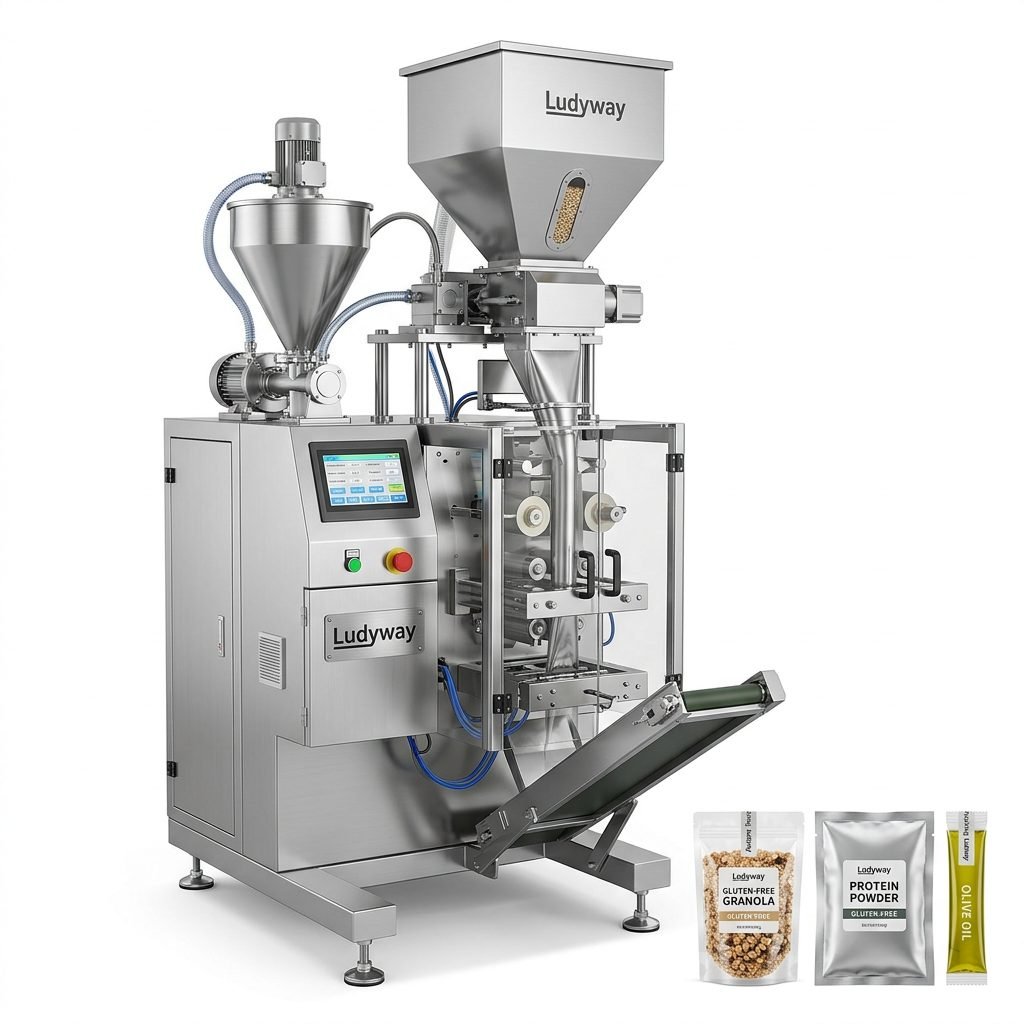
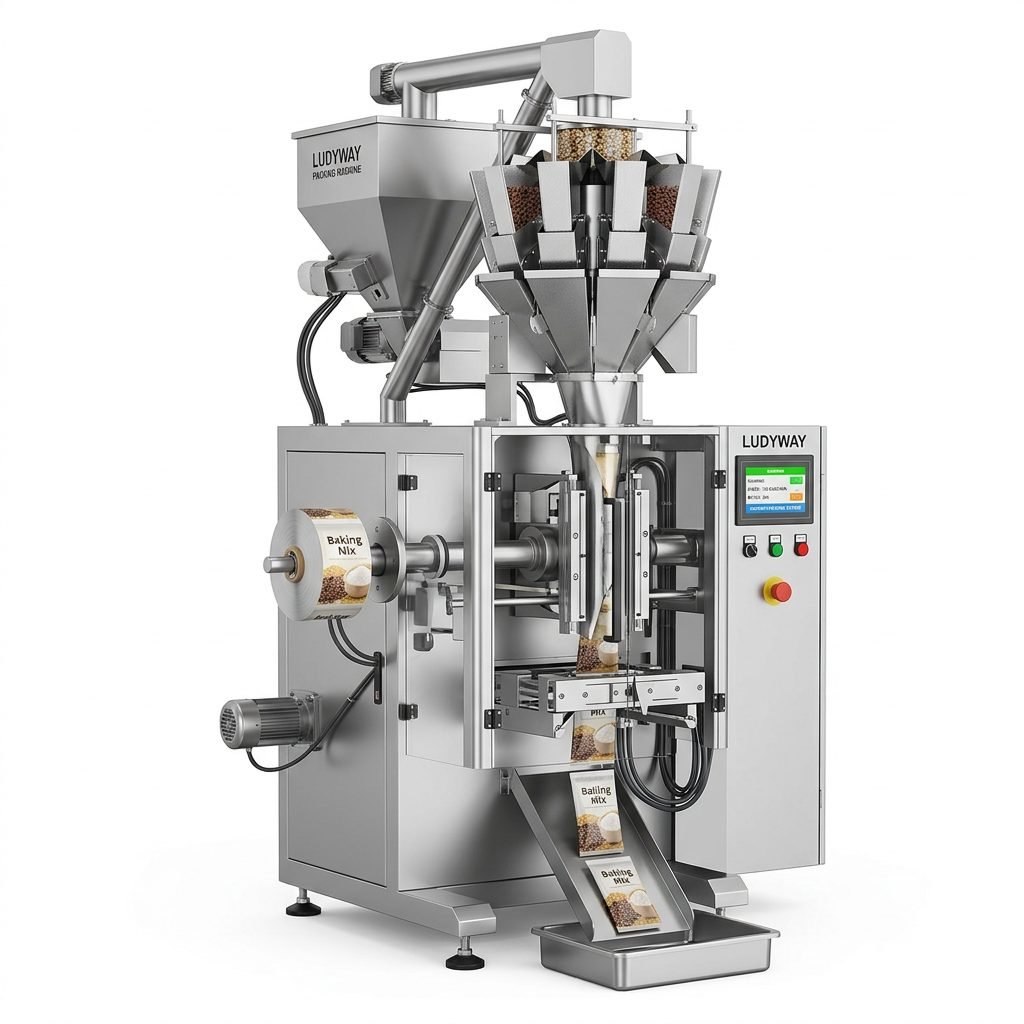
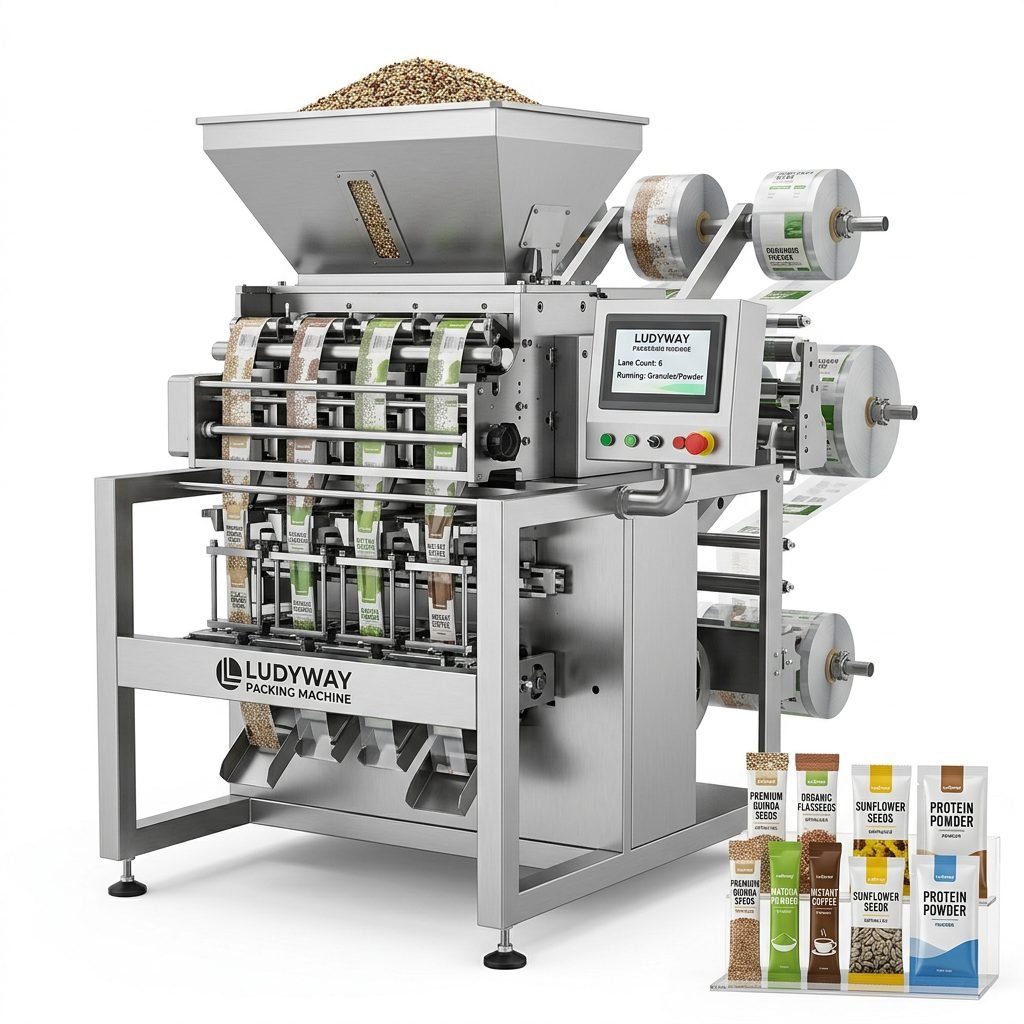
For smaller items like breadsticks, croutons, or single-serve rolls, VFFS machines drop the product vertically into a bag formed from a flat roll of film. They are exceptionally versatile for pillow bags and gusseted packs.
Pre-Made Pouch Rotary Systems
If you package artisan bread or specialty loaves in resealable zipper pouches or quad-seal bags, a rotary pre-made pouch machine offers the flexibility to handle large, irregular shapes while maintaining a premium shelf appearance.
Key Factors to Evaluate Before Purchasing
To avoid costly downtime and ensure a machine fits your specific production environment, you must assess the following technical and operational variables.
| Evaluation Criteria | Why It Matters | Hardware Impact |
|---|---|---|
| Product Dimensions & Variability | Minimizes film waste and jams | Adjustable forming boxes, quick-release guides |
| Film Material Compatibility | Ensures seal integrity for freshness | Temperature controllers, jaw configuration |
| Production Speed (Packs/Min) | Aligns with oven/line output | Servo-driven motors, multi-lane options |
| Gas Flushing (MAP) | Extends shelf life significantly | Gas injection nozzles, oxygen analyzers |
| Hygiene & Washdown | Compliance with BRC/SQF standards | IP65 rating, stainless steel construction |
Automation and Integration Capabilities
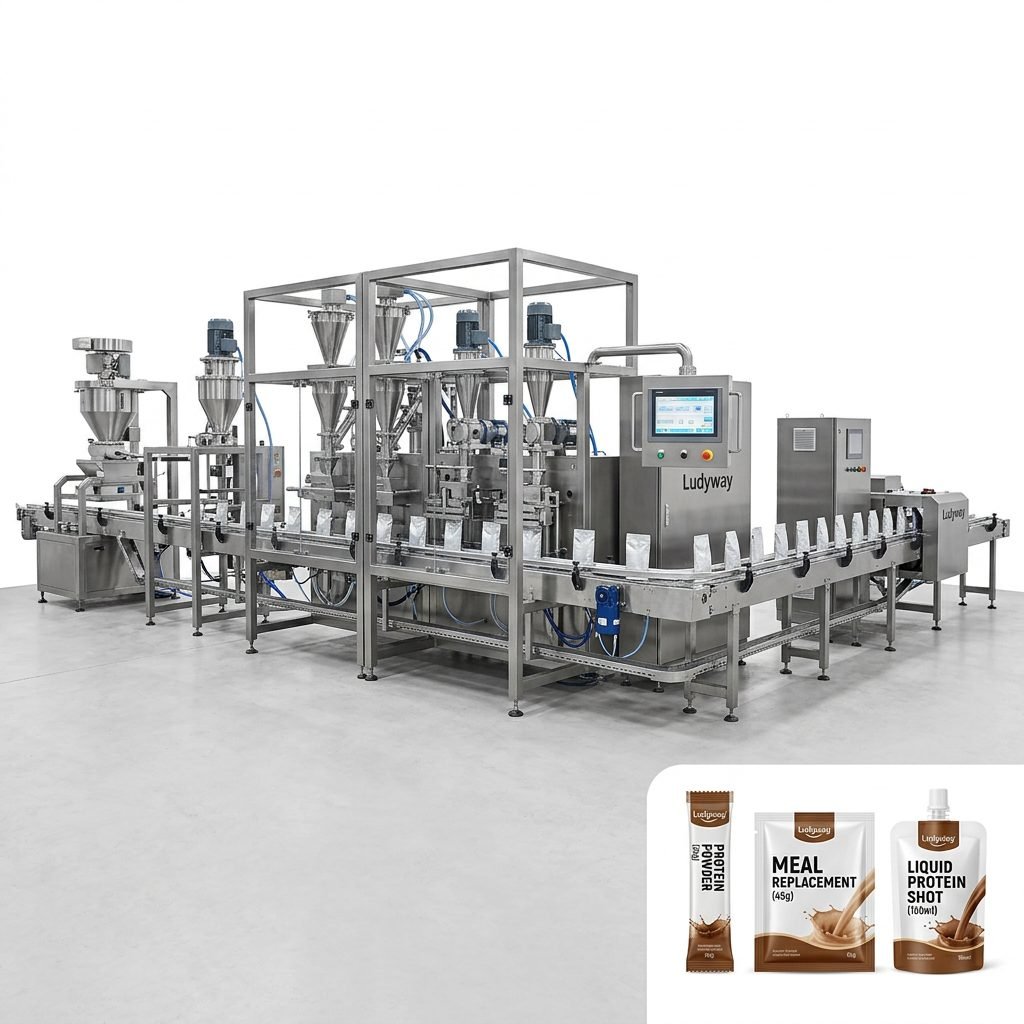
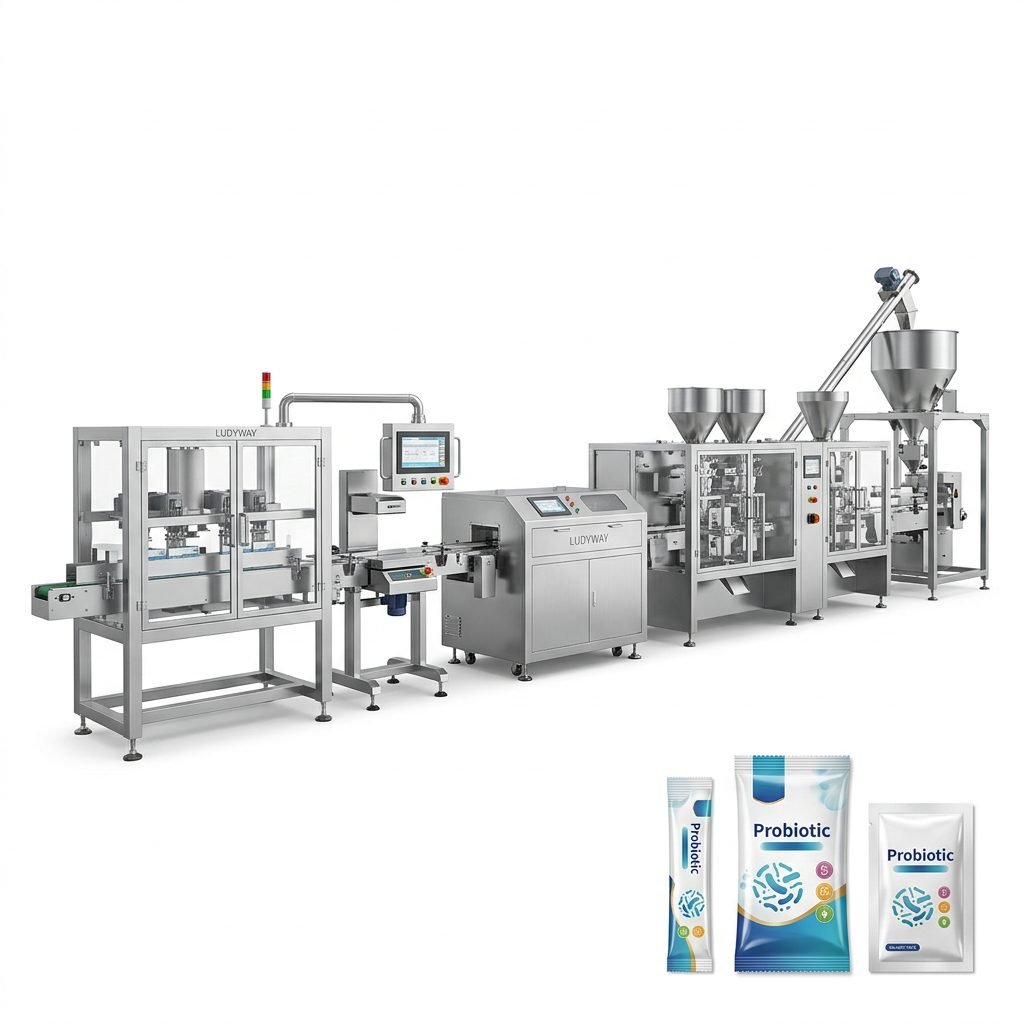
Modern bakeries are moving away from standalone units toward fully integrated packaging machinery lines. Rather than buying separate conveyors, feeders, and sealers, look for partners who can provide a turnkey packaging solution.
- Automatic loaf indexing: Synchronizes the infeed from the slicer to the wrapper.
- Pattern forming: Critical for grouping burger buns or rolls before bagging.
- Inline coding and labeling: Ensures batch traceability without manual handling.
- Case packing integration: Directly connects the wrapper to a cartoning or palletizing system.
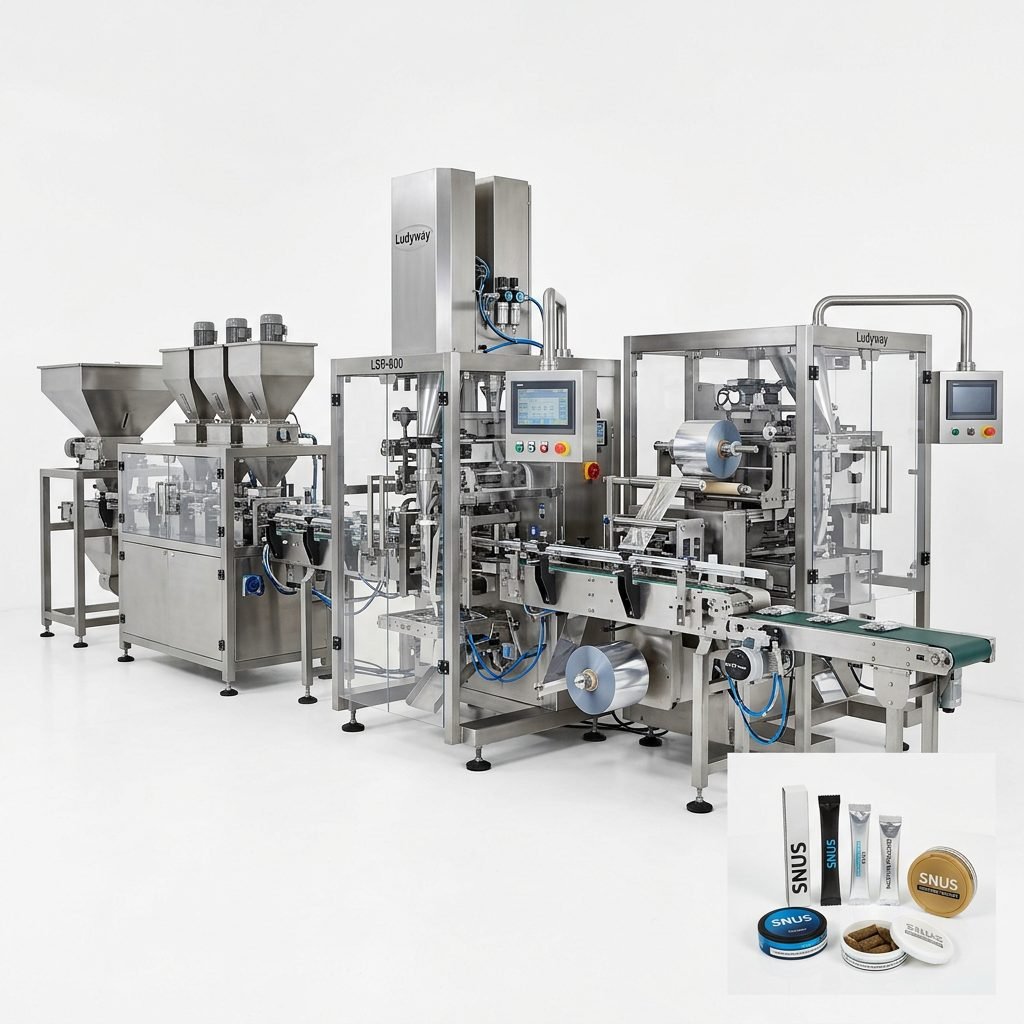
Connecting these processes with a single machine partner significantly reduces interface risks. For companies looking for a smooth scale-up, Ludyway Machinery provides integrated equipment that connects multiple stages of the packaging process, from dosing to final case packing.

Customization for Different Bread Formats
Standard loaves are just the beginning. The machine must adapt to your entire product range, including:
- Pan bread: Square/rectangular, requiring tight envelope seals.
- Buns and rolls: Often bagged in counted bulk packs with side-seal technology.
- Baguettes and artisan: Long irregular shapes needing wide forming boxes and gentle handling.
- Gluten-free: Sealed with inert gas flush to prevent crumbling and oxidation.
Sealing Technology and Freshness Preservation
The sealing system is the heart of a bread packing machine. The three primary sealing methods—heat sealing, ultrasonic sealing, and cold pressure—each have distinct advantages. For bread and baked goods, heat sealing with precise temperature control remains the standard, though ultrasonic sealing is gaining traction for high-moisture products because it ensures seal integrity even when product crumbs land in the seal area.
If you require extended shelf life beyond a few days, consider a machine equipped with Modified Atmosphere Packaging (MAP). By replacing oxygen with nitrogen or carbon dioxide, MAP can double or triple the shelf life of baked goods. Ensure the machine has reliable gas flow meters and seal tightness verification systems.
Material Handling and Conveying Systems
Efficient material handling upstream and downstream of the packaging station is often overlooked in the initial purchase but is vital for line efficiency. Options include:
- Inclined conveyors for feeding loaves gently without deforming soft bread.
- Automated diverters to split lanes for multi-lane wrapping machines.
- Reject systems that detect and remove underweight or misformed packages.
Cost of Ownership and ROI Analysis
Price is not just the initial capital expenditure. A thorough ROI calculation must account for the following lifecycle costs:
| Cost Category | Estimated Impact | Reduction Strategy |
| Film Material Waste | 3-8% of total packaging cost | Auto-registration sensors, precise cutting |
| Labor Dependency | Reduces manual packing by up to 80% | Auto-feeding and collating systems |
| Maintenance Contracts | 3-5% annually of machine value | Remote diagnostic support, spare parts kits |

Compliance and Safety Standards
Food-grade packaging equipment must comply with strict regulatory frameworks. For international markets, verify that the supplier can provide machinery designed to meet applicable directives such as FDA food contact regulations or ISO packaging standards. Key documentation to request includes:
- CE Marking or UL certification documents.
- HACCP compliance design features (sloped surfaces, no hollow bodies).
- Food-grade lubricants and stainless steel material certificates.
Industry bodies like PMMI and the Flexible Packaging Association also offer valuable resources on current mechanical and material standards for bakery packaging lines.
Service, Support, and Supplier Evaluation
The technical capability of the manufacturer is as important as the machine itself. A supplier with in-house engineering and a global service network can drastically reduce startup time and troubleshooting delays. Look for these indicators:
- A dedicated manufacturing facility with professional teams covering design, automation, and quality assurance.
- Availability of customized solutions instead of strictly standardized machines.
- Remote technical assistance capability and readily available spare parts.
- Real-world export experience, indicating international compliance knowledge and robust logistics.
Transitioning from Manual to Automated Packaging
For bakeries currently using manual bagging tables, the shift to automation can seem daunting. It is often best executed in phases—starting with a semi-automatic horizontal wrapper and later adding an automatic infeed conveyor and collation system. This modular approach allows operators to learn the system gradually and provides a scalable pathway to high-speed packaging equipment as production demands increase.
With over three decades of experience, companies like Ludyway Machinery help manufacturers navigate this transition. Operating from a 20,000-square-meter facility with more than 130 professionals, Ludyway supplies more than 50 packaging machine models and delivers comprehensive support—from machine selection through installation and operator training—to customers in over 100 countries. This ensures that bakeries and food producers can achieve their efficiency targets with a trusted, experienced packaging machinery partner.

Frequently Asked Questions
What is the ideal speed for a mid-size bakery bread packing machine?
Most mid-size bakeries require a machine capable of 60 to 120 packs per minute. Multi-lane configurations can increase this output without requiring higher linear speeds, which might compromise seal quality.
Can one machine handle both bread and buns?
Yes, many modern horizontal flow wrappers feature quick-change forming boxes that allow operators to switch between loaves and bun clusters in under 15 minutes.
How important is servo-driven technology?
Servo motors provide precise film tension control and consistent seal pressures. They are critical for maintaining quality in MAP applications and significantly reduce film waste compared to mechanical clutch systems.
Selecting the right bread packing machine requires a balance between current needs and future growth. By focusing on flexibility, seal integrity, and integration potential, you ensure that your investment delivers value far beyond initial installation. Always partner with a machinery provider that understands the nuances of your specific products and market requirements.
For deeper industry insights, review the latest State of the Industry reports from PMMI or explore the Flexible Packaging Association’s Knowledge Hub for current material trends impacting bakery packaging.