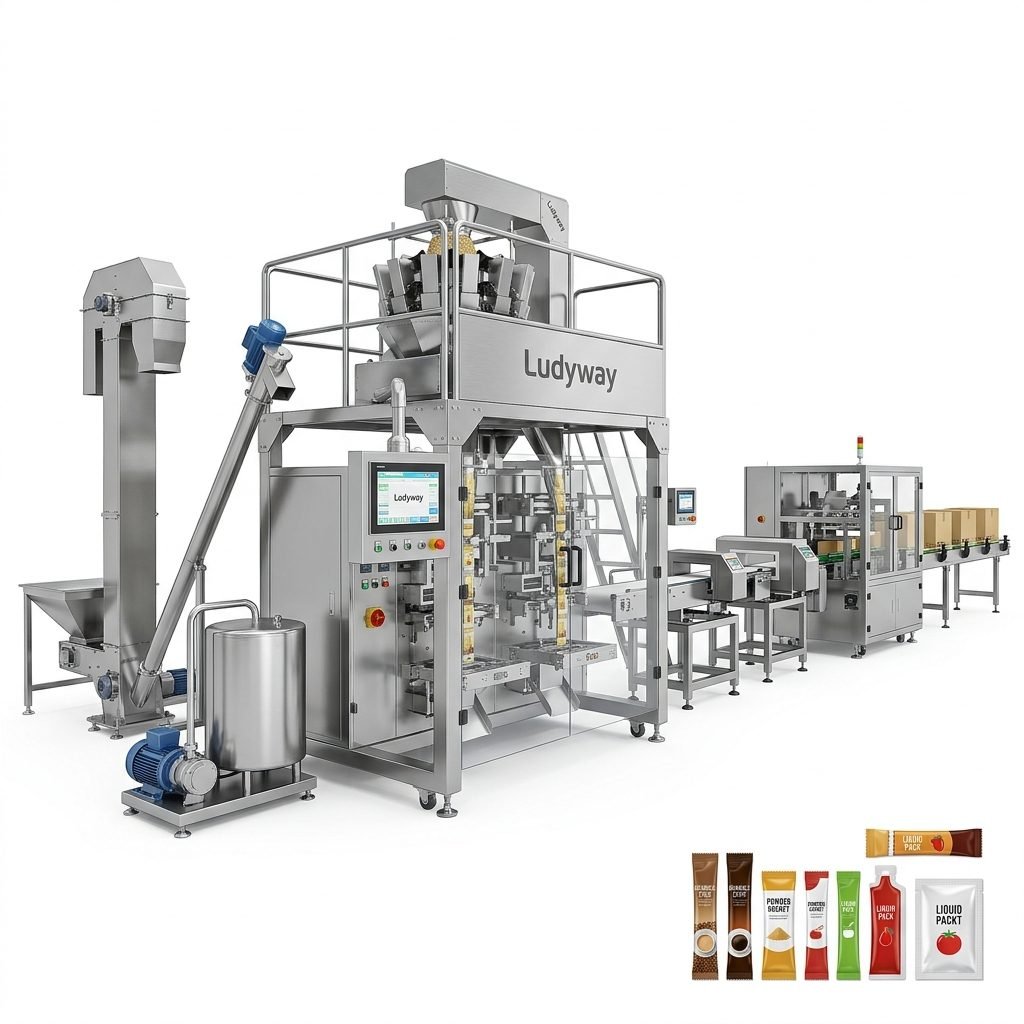
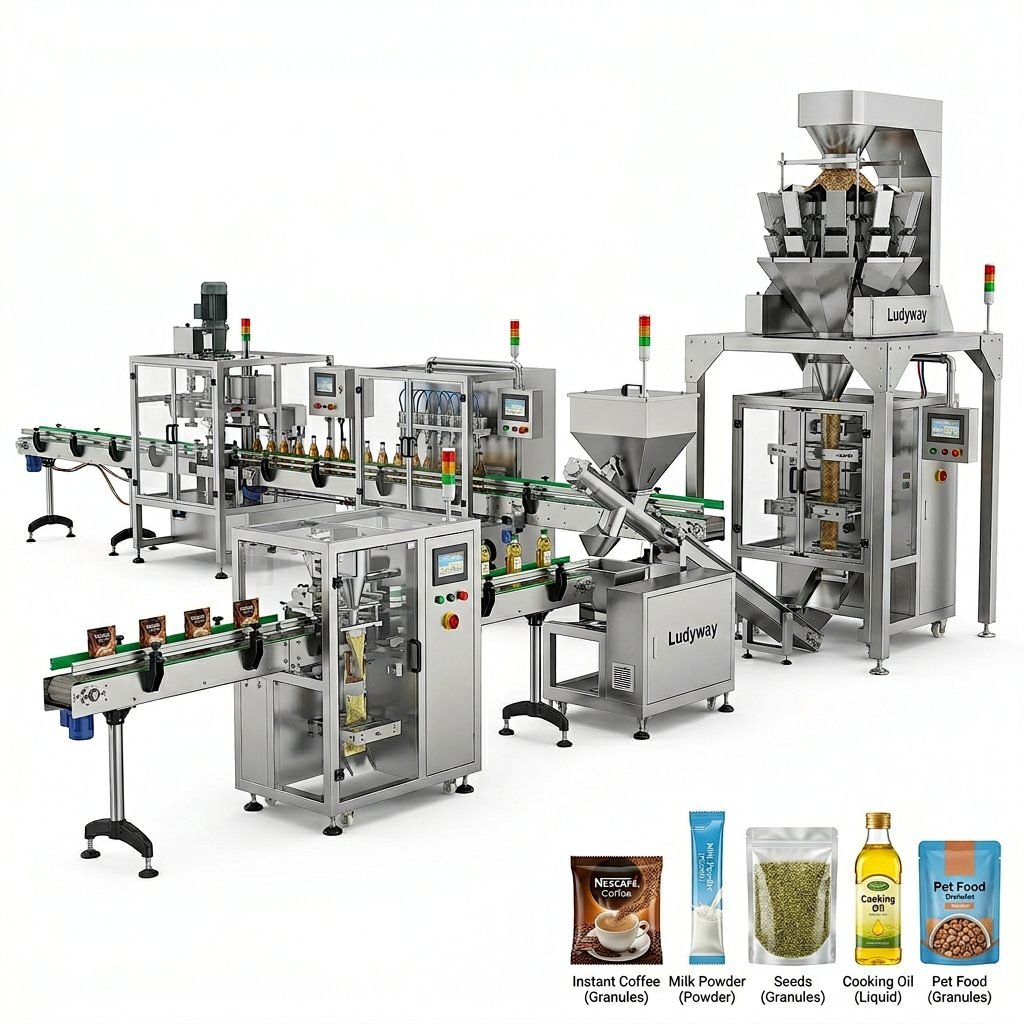
Investing in a candy packaging machine is a critical decision that directly impacts your production efficiency, product shelf life, and brand presentation. Whether you are packaging hard candies, soft gummies, lollipops, or chocolate-coated sweets, selecting the wrong equipment can lead to costly downtime and product waste. This guide walks you through the essential factors to consider before making a purchase.
Understanding Your Product and Production Needs
Before comparing machine specifications, you must clearly define your product characteristics and production goals. The type of candy you produce will largely dictate the appropriate packaging technology.
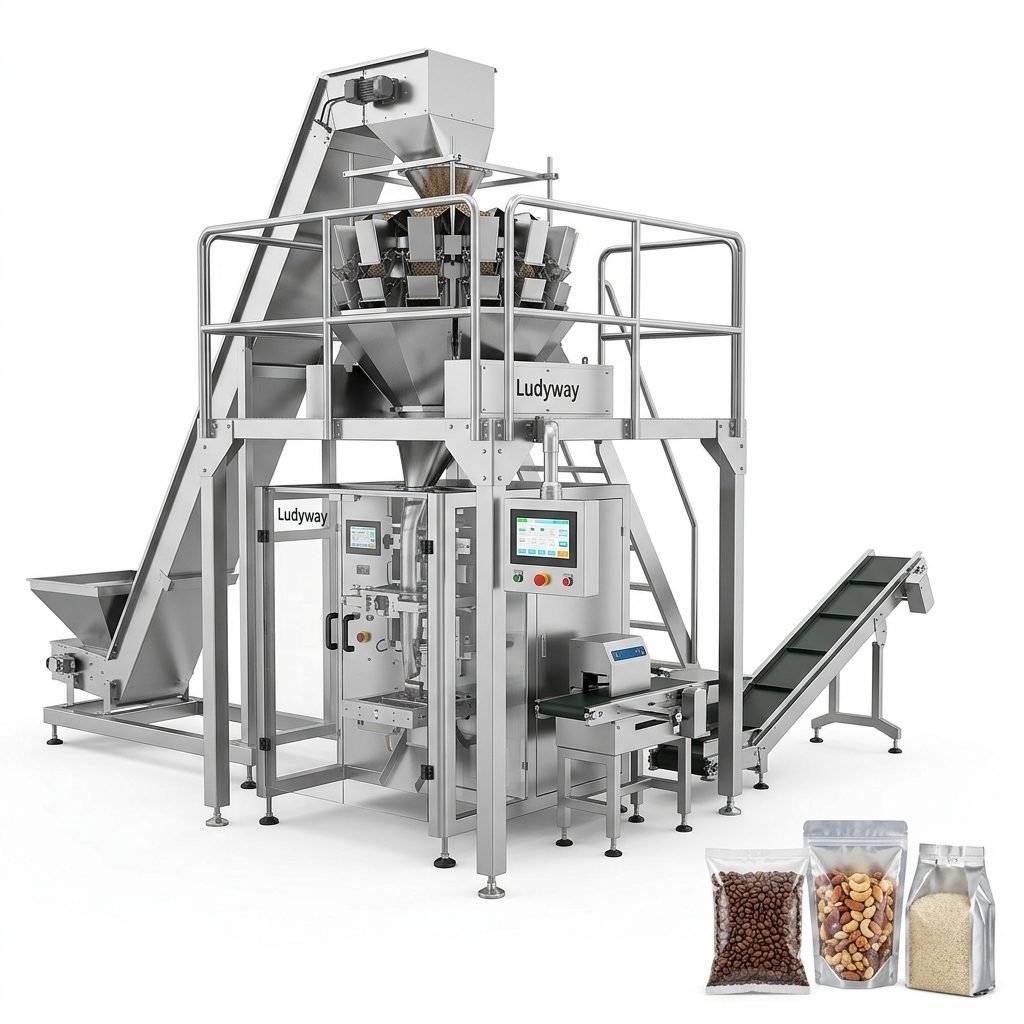
- Product Characteristics: Is your product a single piece (like a lollipop), a flowable item (like hard candies), or a sticky product (like gummies)? The feeding and counting mechanism depends heavily on this. For example, a multi-head weigher is ideal for small, flowable products, while a dedicated disc feeder works best for lollipops.
- Packaging Format: Determine if you require pillow bags, gusseted bags, stick packs, or jars. This choice will narrow down whether you need a vertical form fill seal machine or a premade pouch packaging machine.
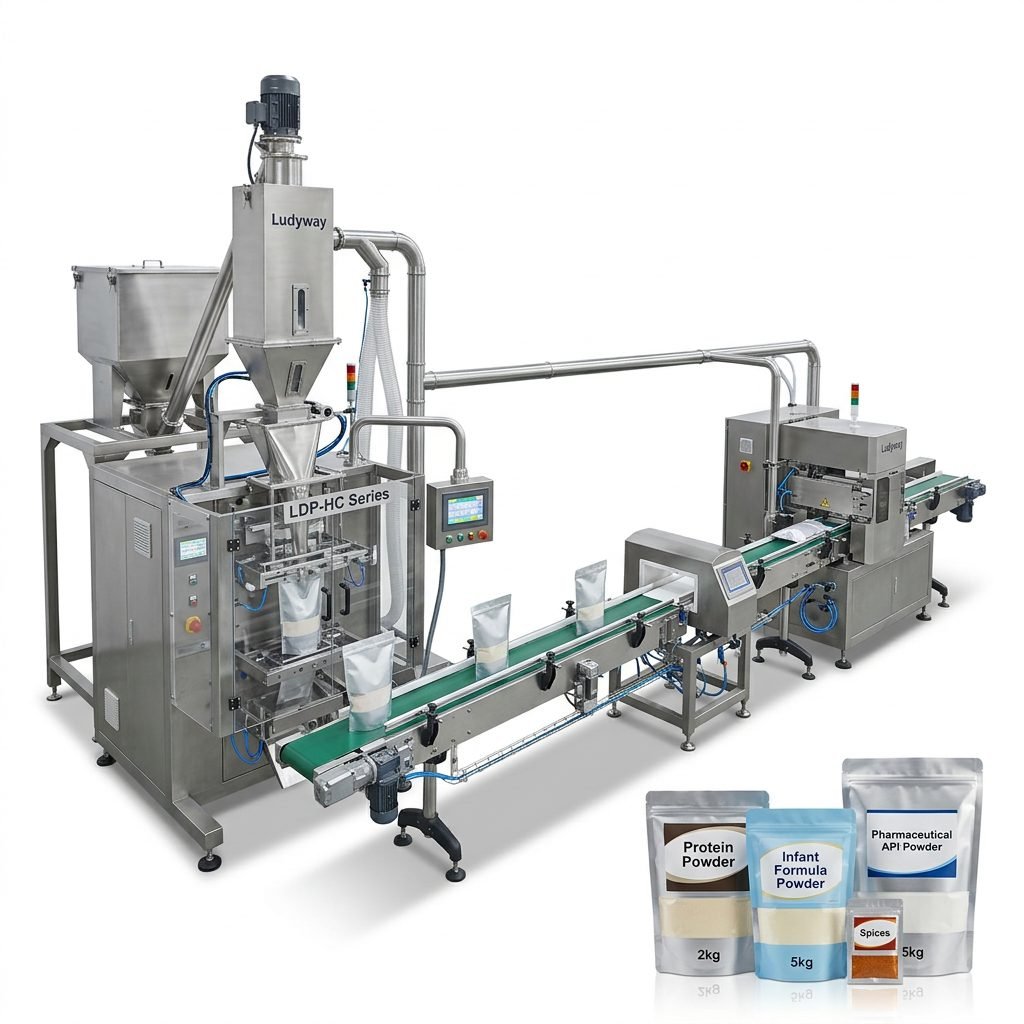
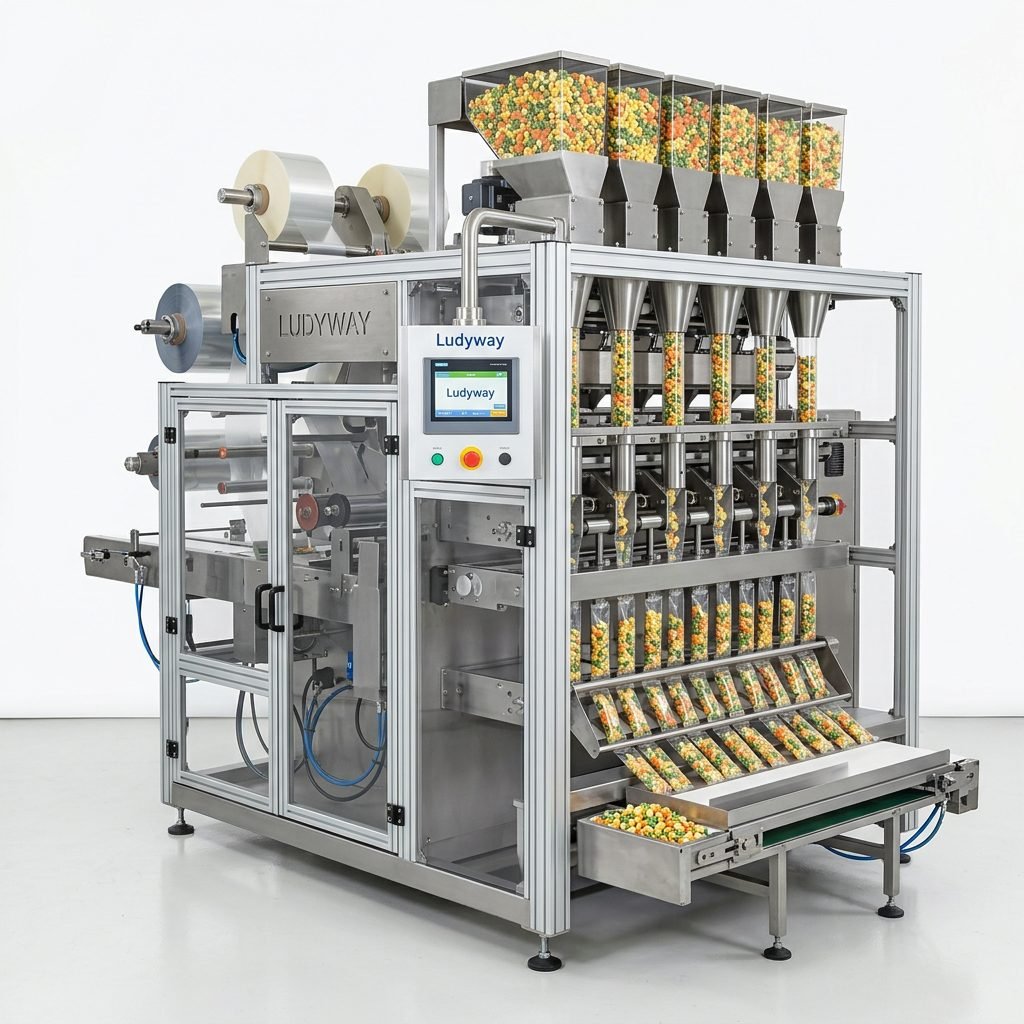
- Production Speed: Calculate your required output (bags per minute). High-speed multi-lane machines can significantly outperform single-lane setups but require a larger investment. Ludyway Machinery offers various configurations, from single-lane entry-level units to high-speed multi-lane lines, ensuring you can match your specific capacity requirements without overspending.
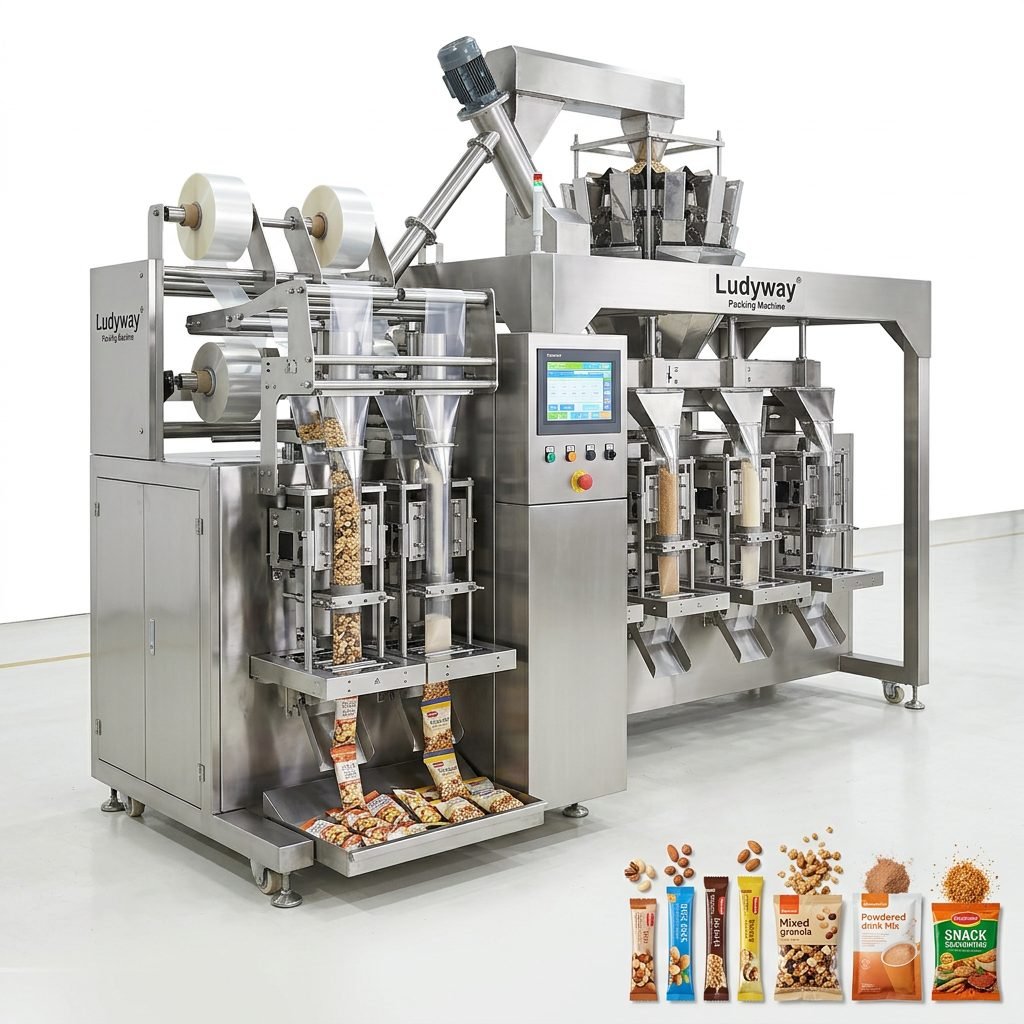
Key Machine Types for Candy Packaging
The packaging machinery market offers several configurations. Selecting the correct type is crucial for operational efficiency.
| Machine Type | Best For | Key Advantage |
|---|---|---|
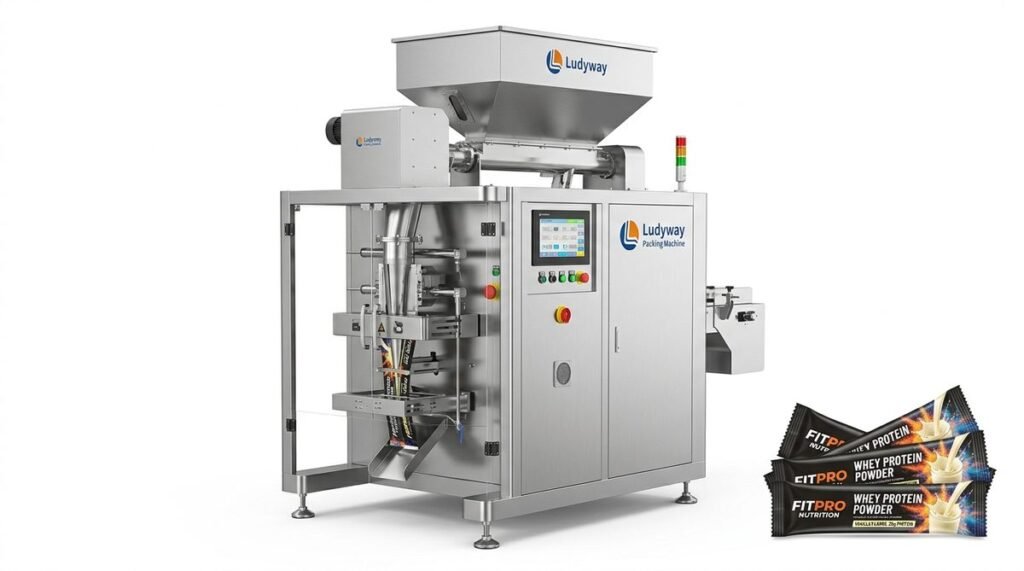
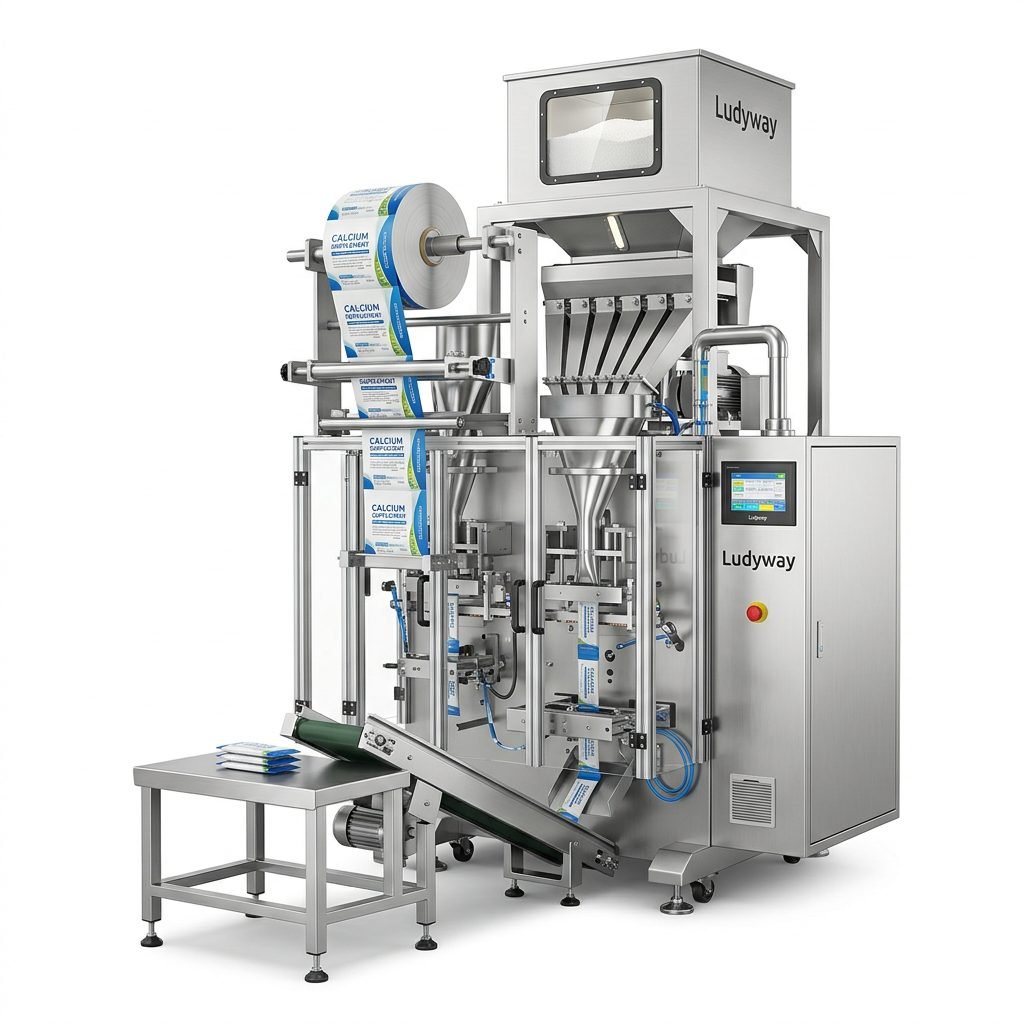
| Vertical Form Fill Seal (VFFS) | Hard candies, wrapped sweets, jellies | Compact, high-speed, versatile bag styles |
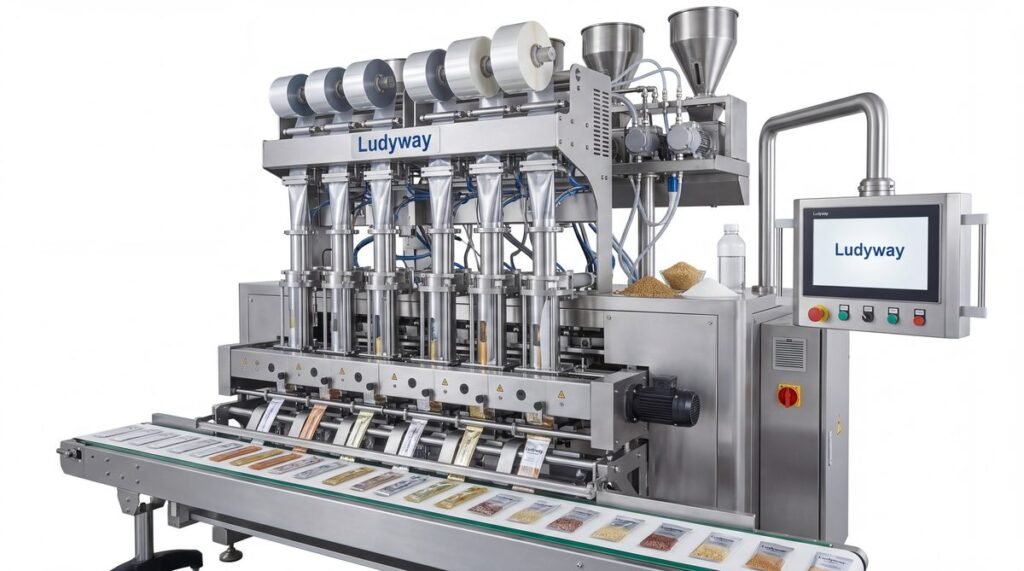
| Multi-Lane Stick Pack Machine | Powdered candy, gummy supplements, single-serve sugars | Extremely high output in a small footprint |
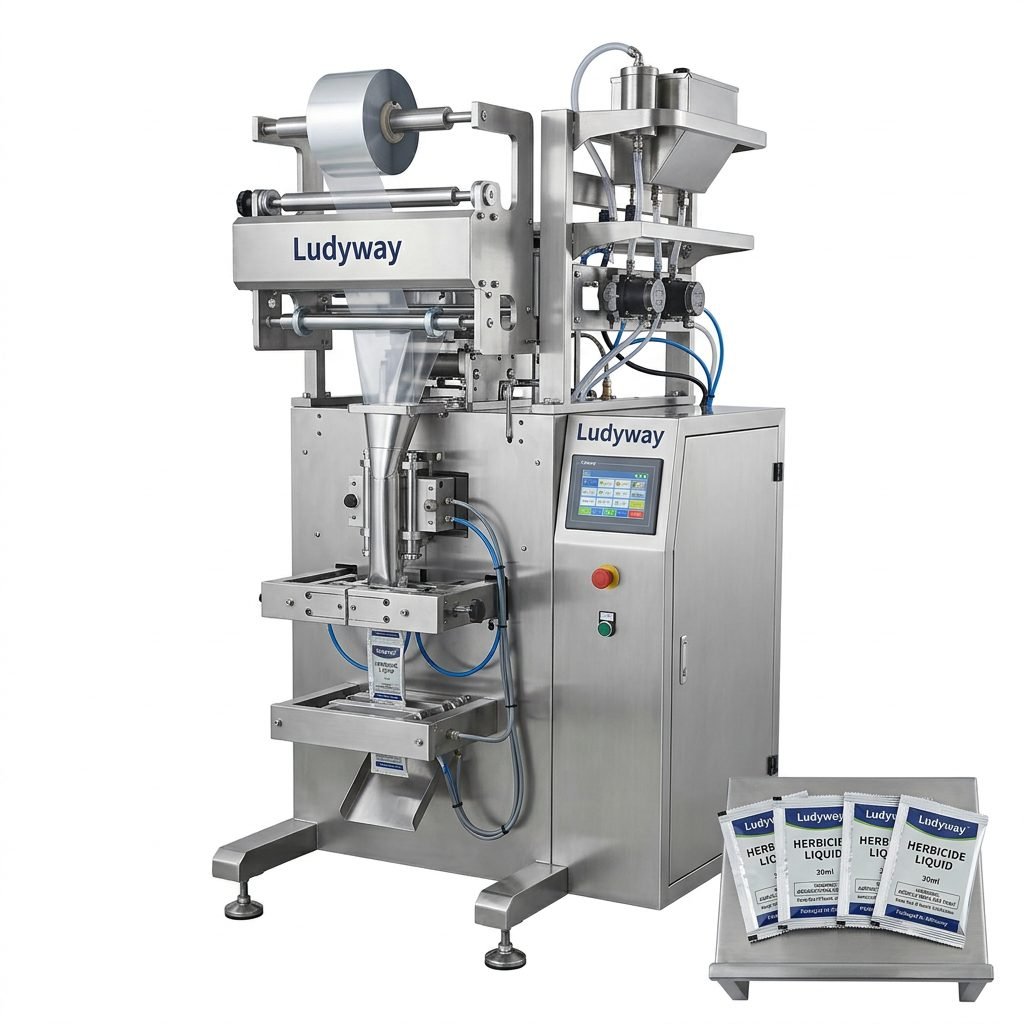
| Premade Pouch Rotary Machine | Gummies, chocolates, premium confectionery | High-quality seal, handles stand-up pouches with zippers |
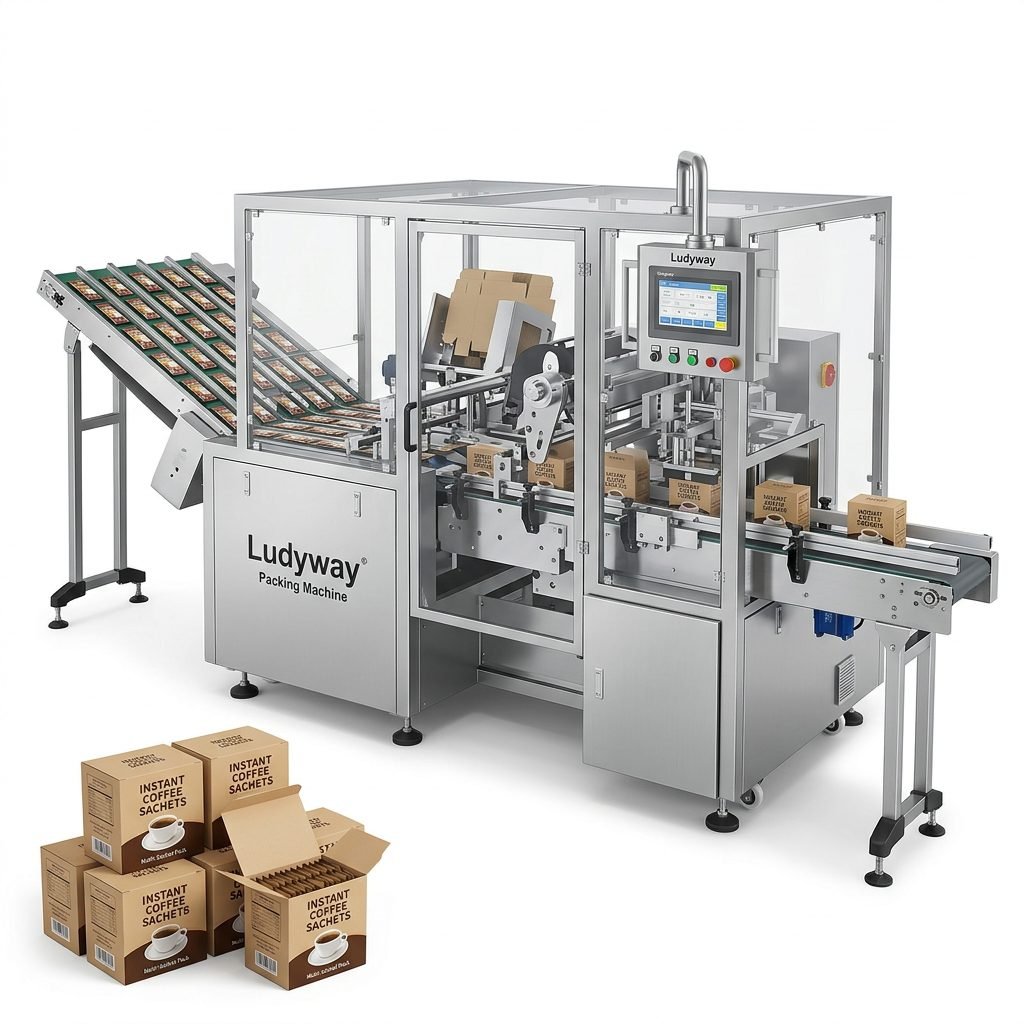
| Flow Wrapper (Horizontal) | Bars, lollipops, trays of candies | Excellent for individual wrap or multipacks |
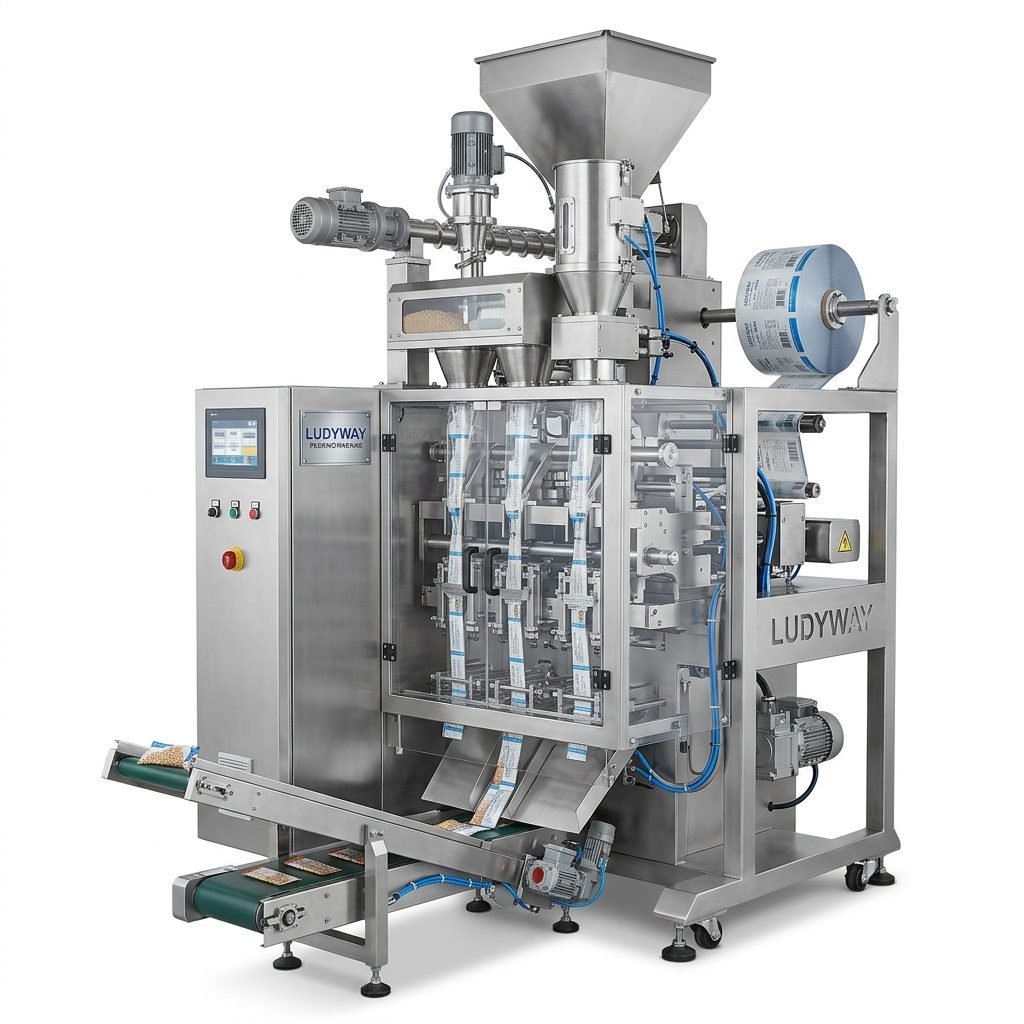
Evaluating Critical Technical Specifications
Look beyond the basic speed rating. The durability and precision of a candy packaging machine often come down to the details of its engineering. Pay attention to these components:
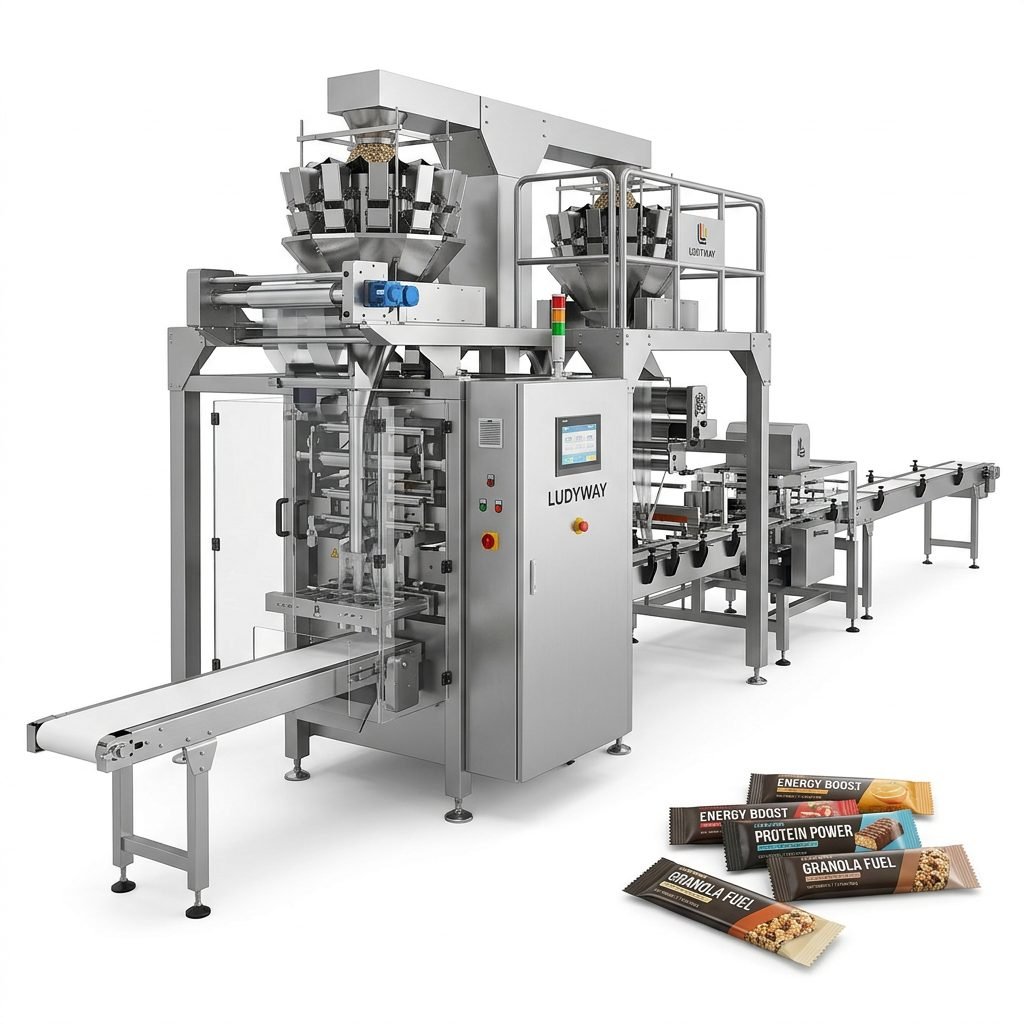
- Weighing and Filling Accuracy: For expensive ingredients, a small consistent overfill can significantly erode profit margins. Multi-head weighers are generally preferred for their speed and accuracy.
- Film Handling: Poor film tracking leads to wrinkled bags and seal failures. Look for machines with precise tension control and automatic tracking systems.
- Sealing Technology: Heat sealing is standard, but the quality of the jaw design and temperature controller determines seal integrity, which is critical for preserving candy freshness.
According to the latest packaging machinery market reports, demand for automated systems that reduce product giveaway and manual handling continues to rise across the confectionery sector.
Material Compatibility and Sustainability Goals
Your packaging material impacts machine performance. The shift towards sustainable packaging requires machinery capable of handling eco-friendly substrates.
- Laminates vs. Mono-materials: Many machines are optimized for specific heat-seal layers. If you plan to switch to recyclable mono-materials, you must select a machine with precise heat control to avoid film shrinkage.
- Moisture Barrier: Candies are hygroscopic. Ensure the machine can create an airtight seal, and consider whether you need nitrogen flushing or vacuum systems to extend shelf life.
Assessing the Total Cost of Ownership
The purchase price is only one part of the equation. Forward-thinking buyers evaluate the total cost of ownership (TCO). A cheaper machine can quickly become a liability if spare parts are scarce or if it generates excessive waste.
| Cost Factor | Consideration |
|---|---|
| Initial Investment | Machine cost, installation, and commissioning. |
| Operational Cost | Energy consumption, film waste during splices, and changeover downtime. |
| Maintenance | Availability of wear parts, ease of cleaning (especially for sticky sugar residues), and supplier service response times. |
| Flexibility | Machines with quick-release features and no-tool changeover reduce labor and downtime between product runs. |
Supplier Evaluation and Factory Acceptance
Partnering with an experienced supplier is vital. Look for manufacturers who understand standard compliance. For instance, reputable suppliers can design and configure equipment to meet international quality benchmarks, with certifications and compliance documentation available for relevant markets. ISO packaging standards provide a good reference point for evaluating machine build quality.
Before shipping, insist on a Factory Acceptance Test (FAT). This involves running your specific product and film through the machine at the provider’s facility. A partner with a 20,000-square-meter manufacturing facility and a dedicated engineering team can often accommodate these critical tests, helping to identify potential issues before installation. You can also check for a visible global industry presence at major exhibitions.
Key Questions to Ask Your Supplier
- Does the machine have servo-driven motors for precise motion control?
- What is the maximum film width and bag size range?
- Can the feeder handle sticky or abrasive sugar coatings?
- How is the machine configured for safety and hygienic design?
- What does the standard spare parts kit include?
Selecting the perfect candy packaging machine requires a balance between speed, flexibility, and reliability. By focusing on your specific product needs and choosing a partner with proven engineering capabilities and global technical support, you can secure an automated packaging system that supports your production goals for years to come.