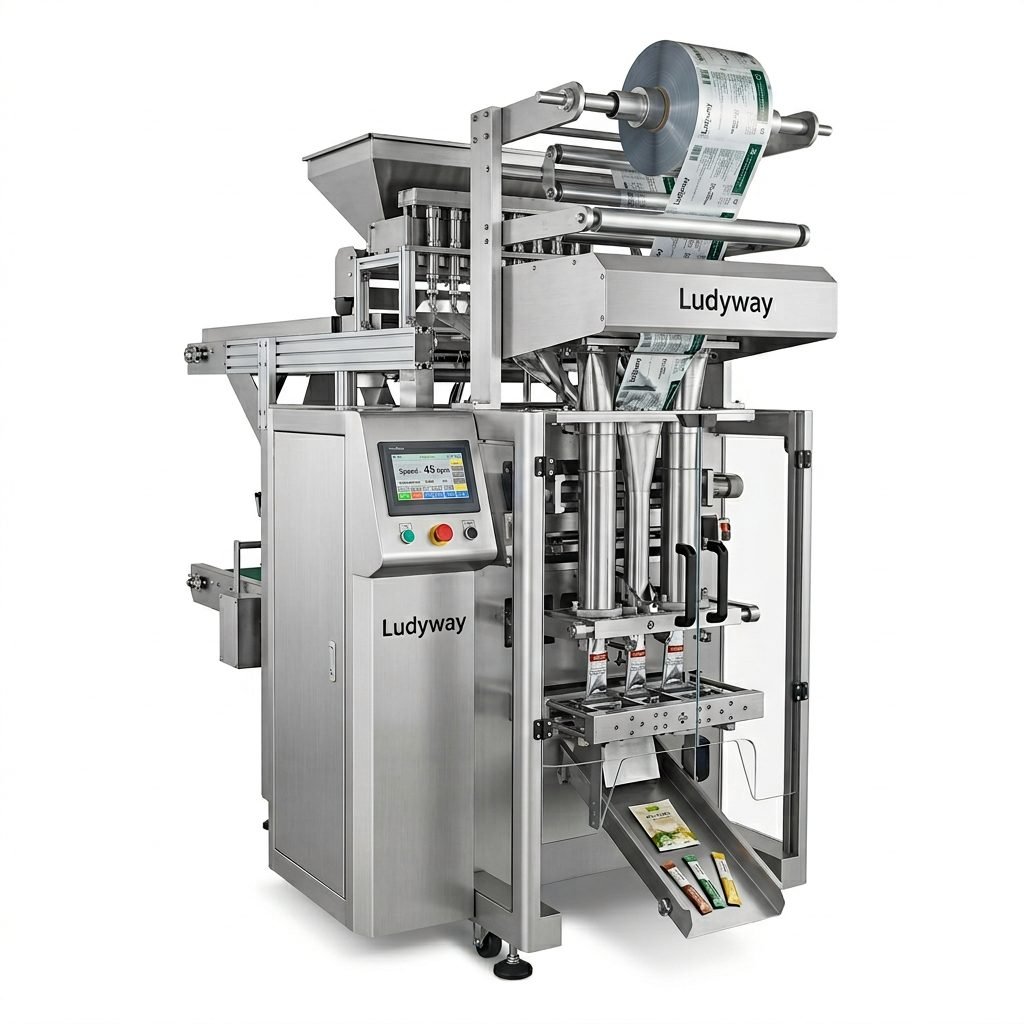
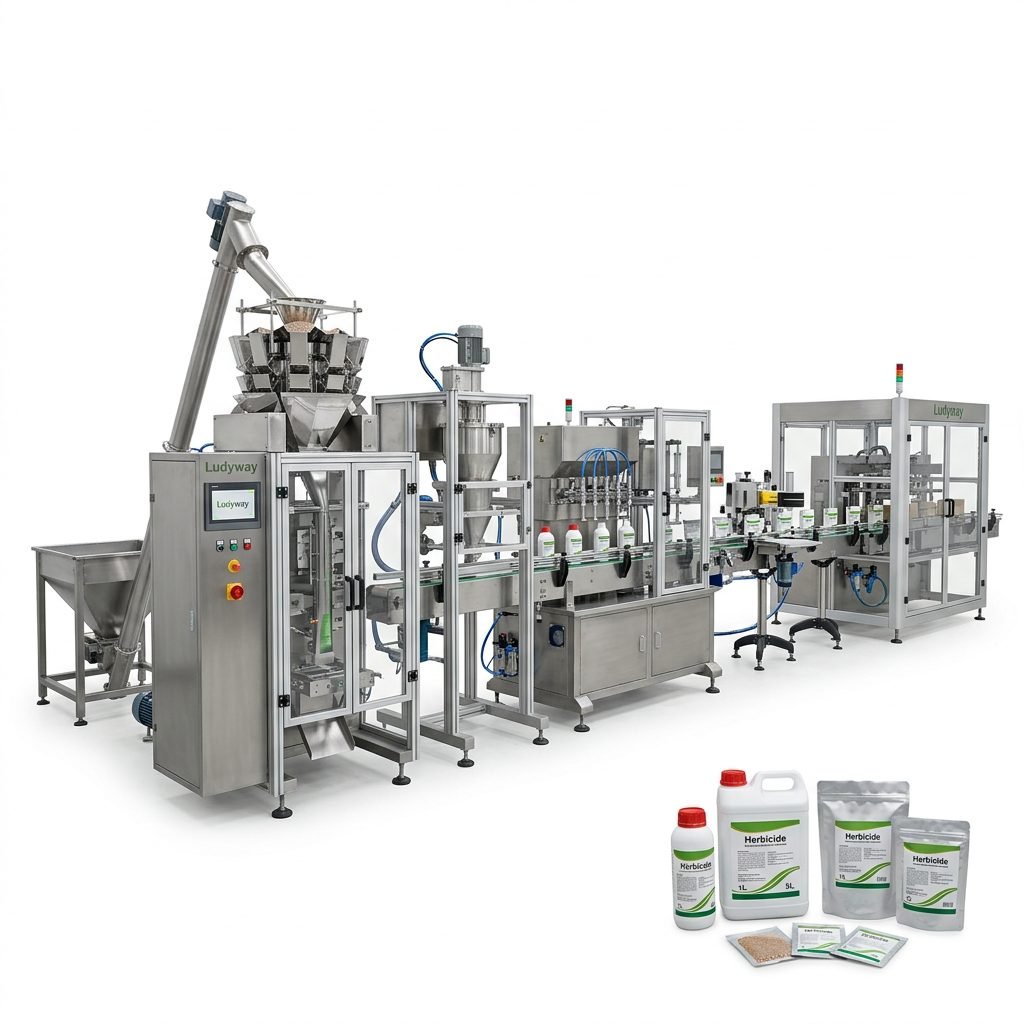
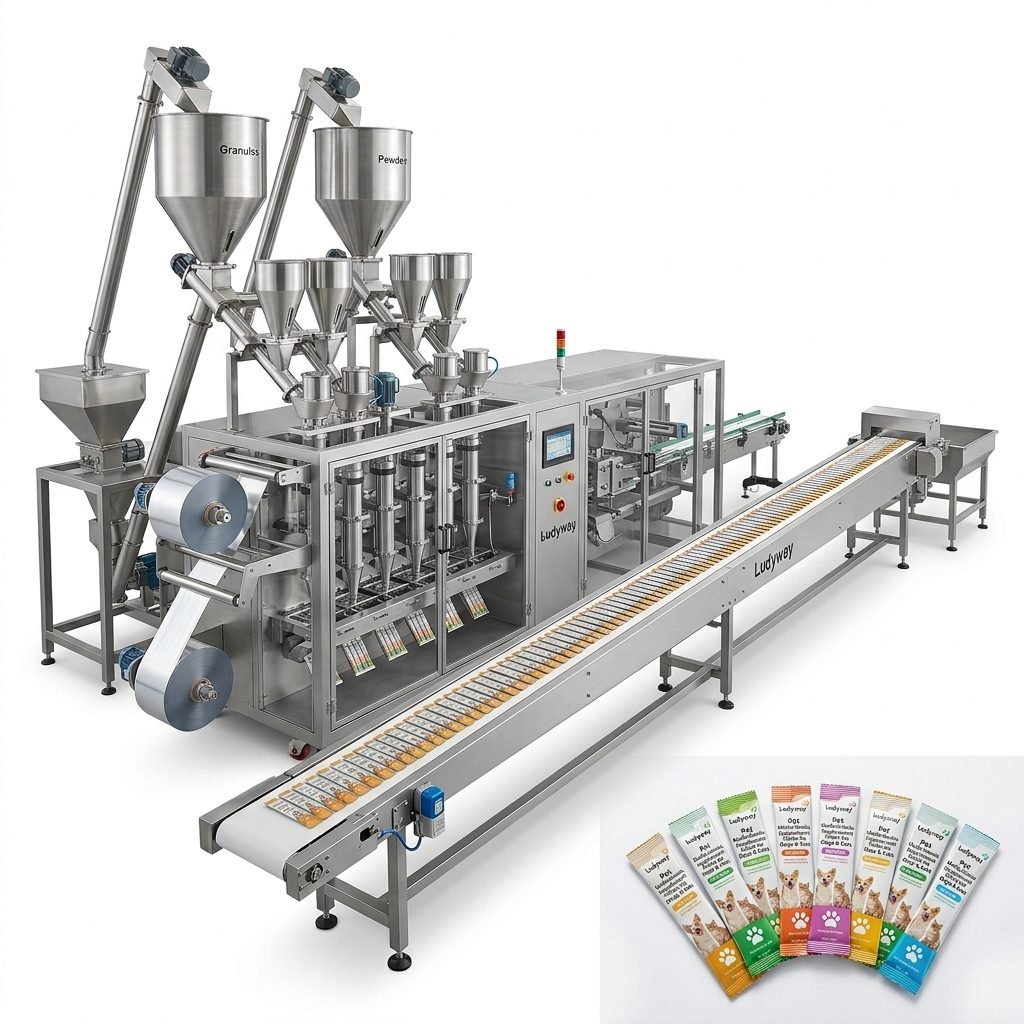
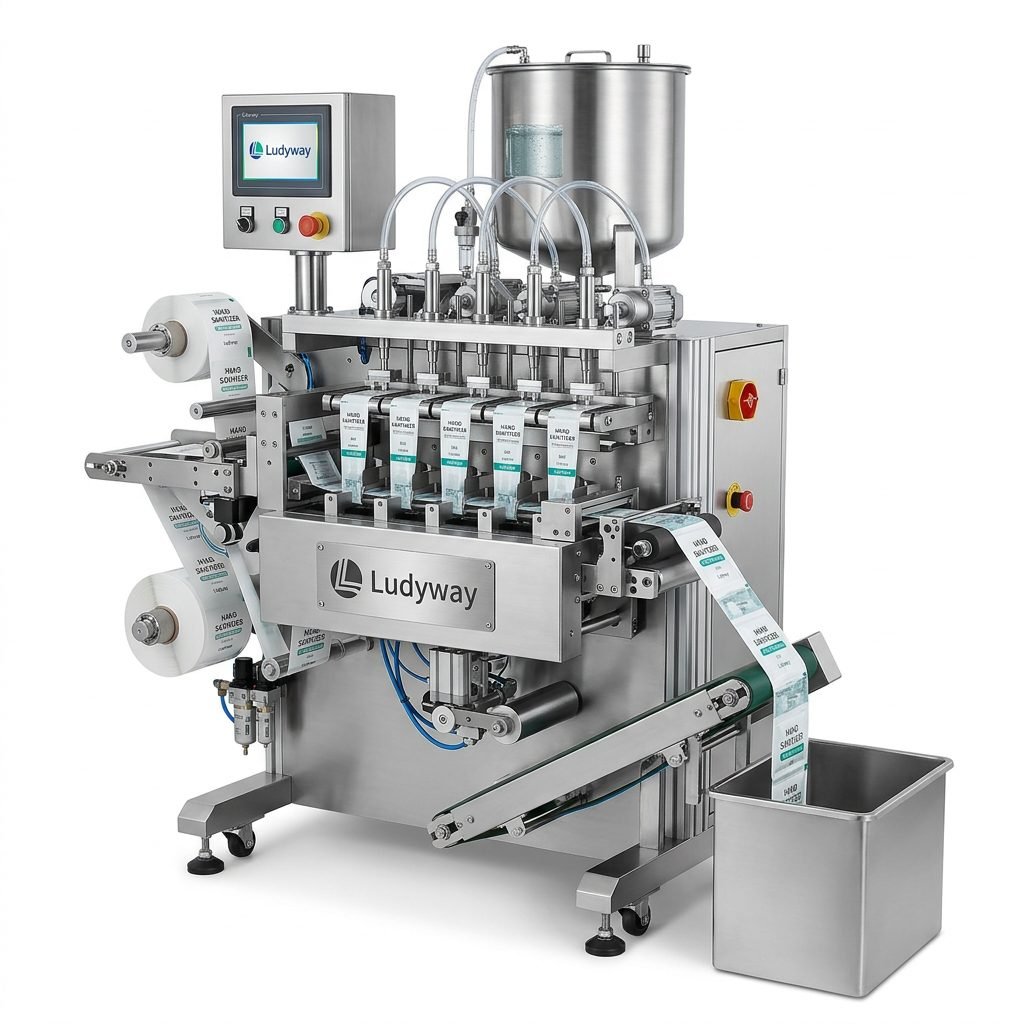
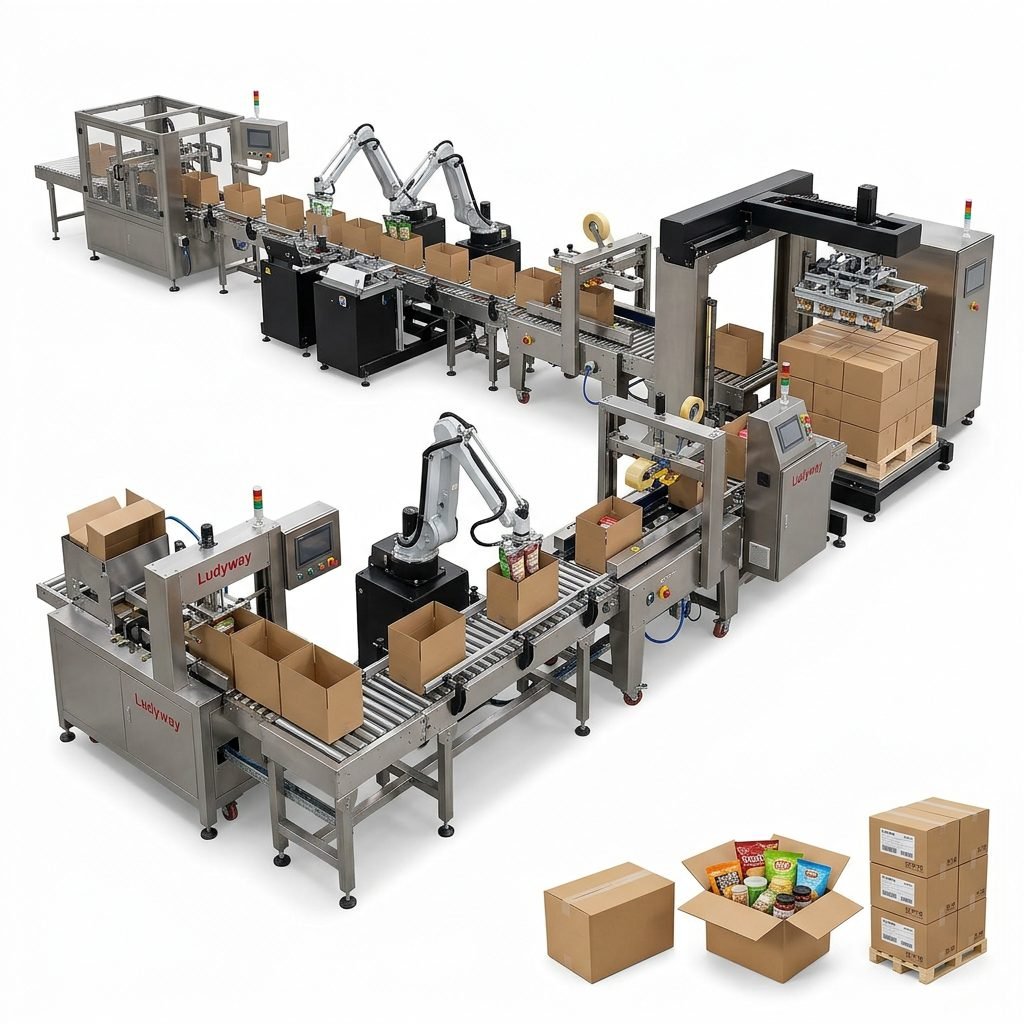
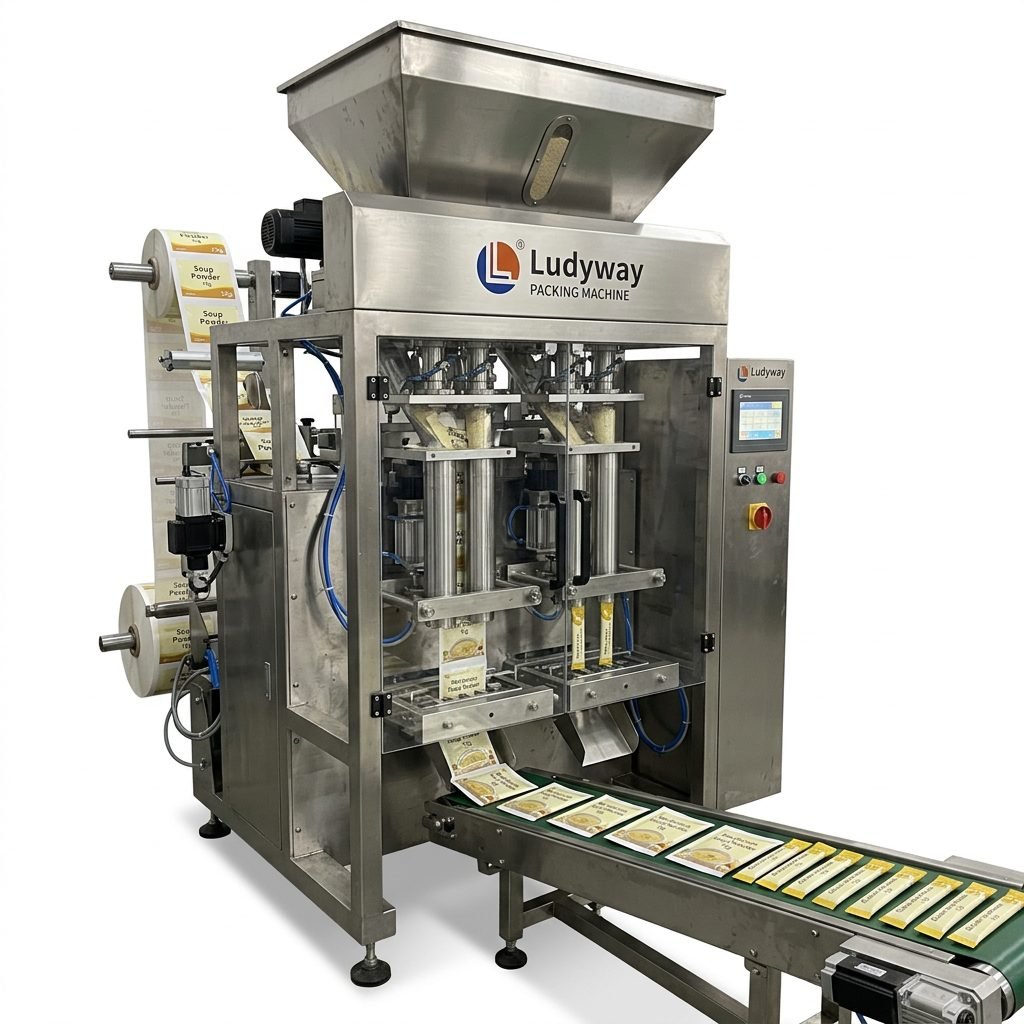
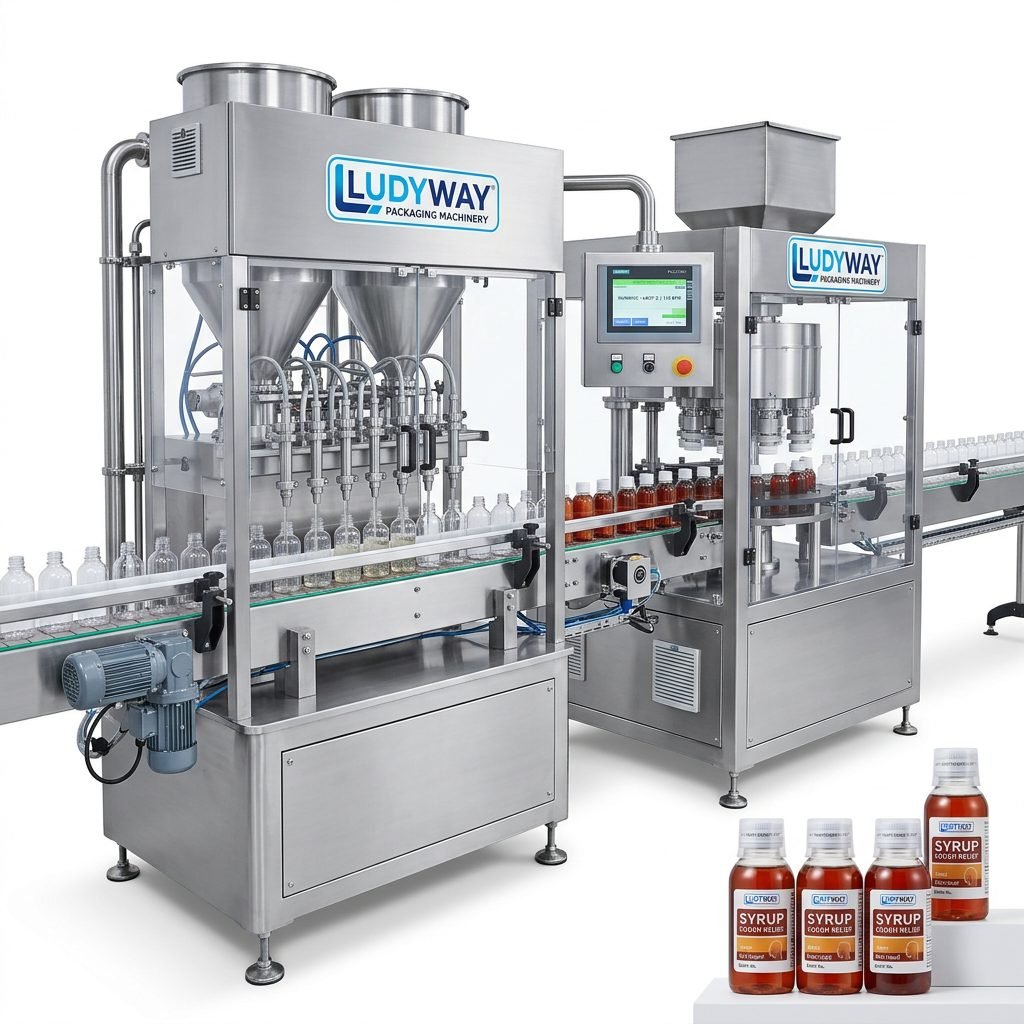
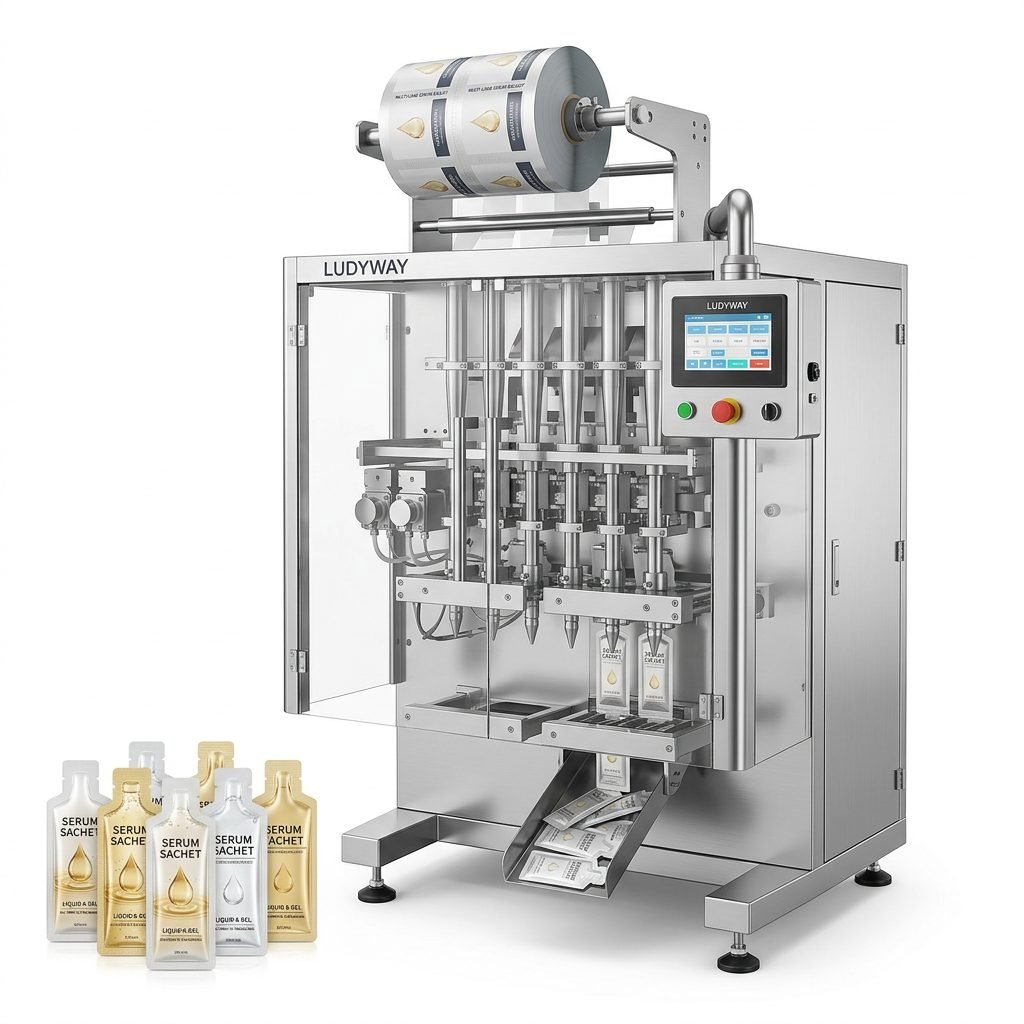
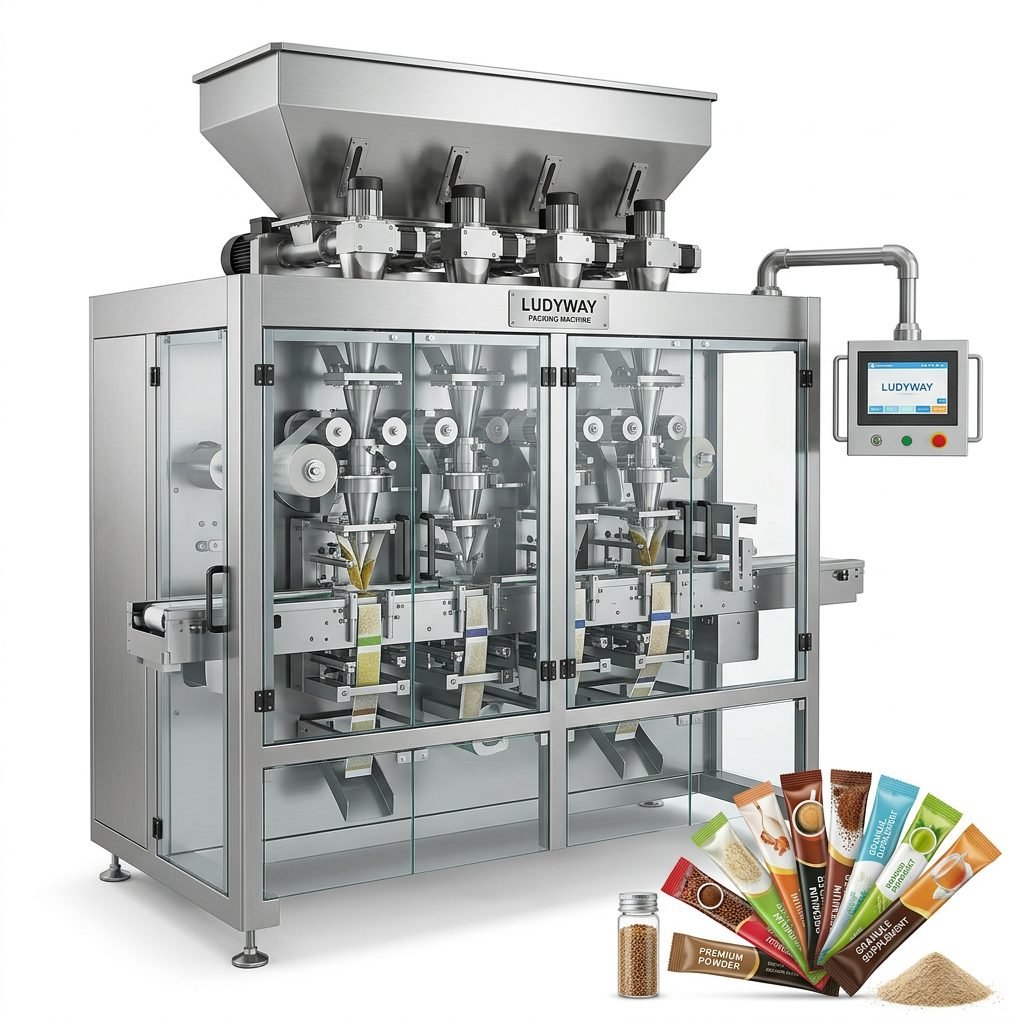
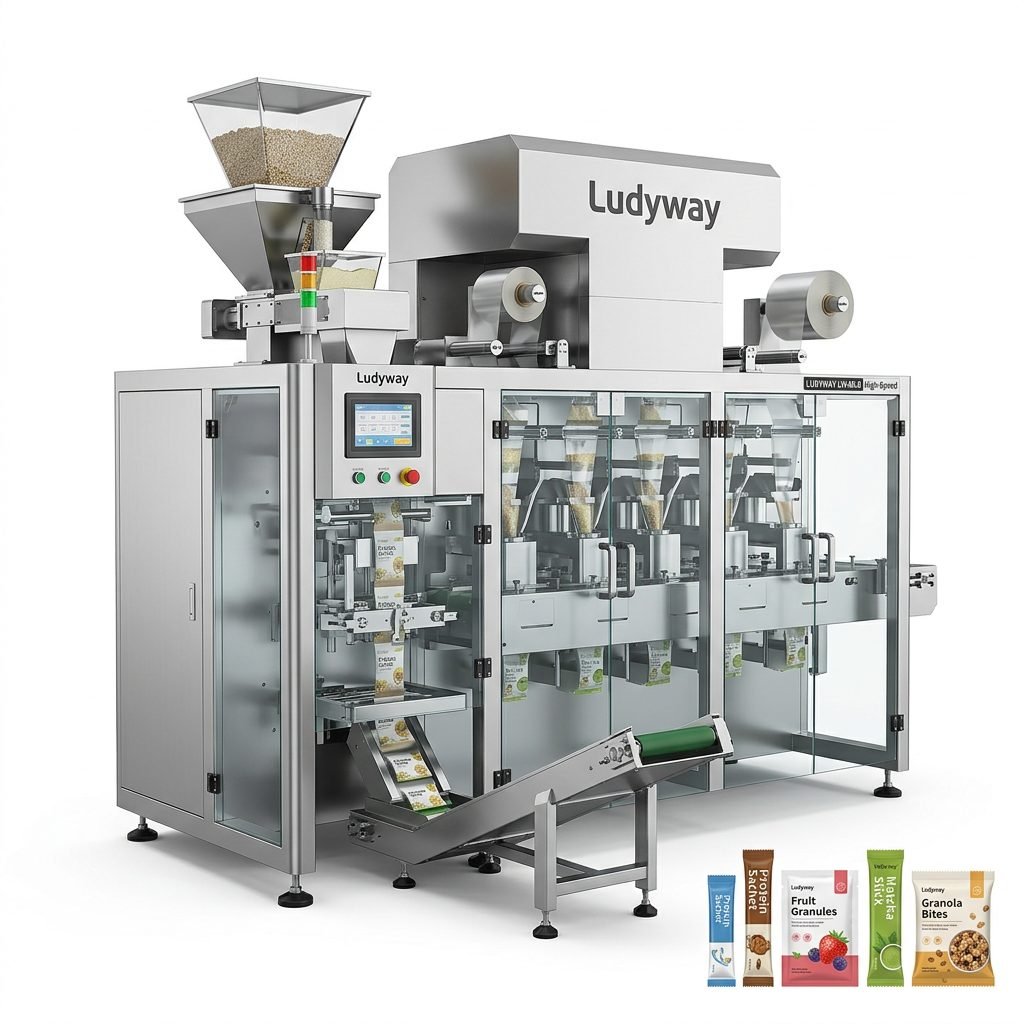
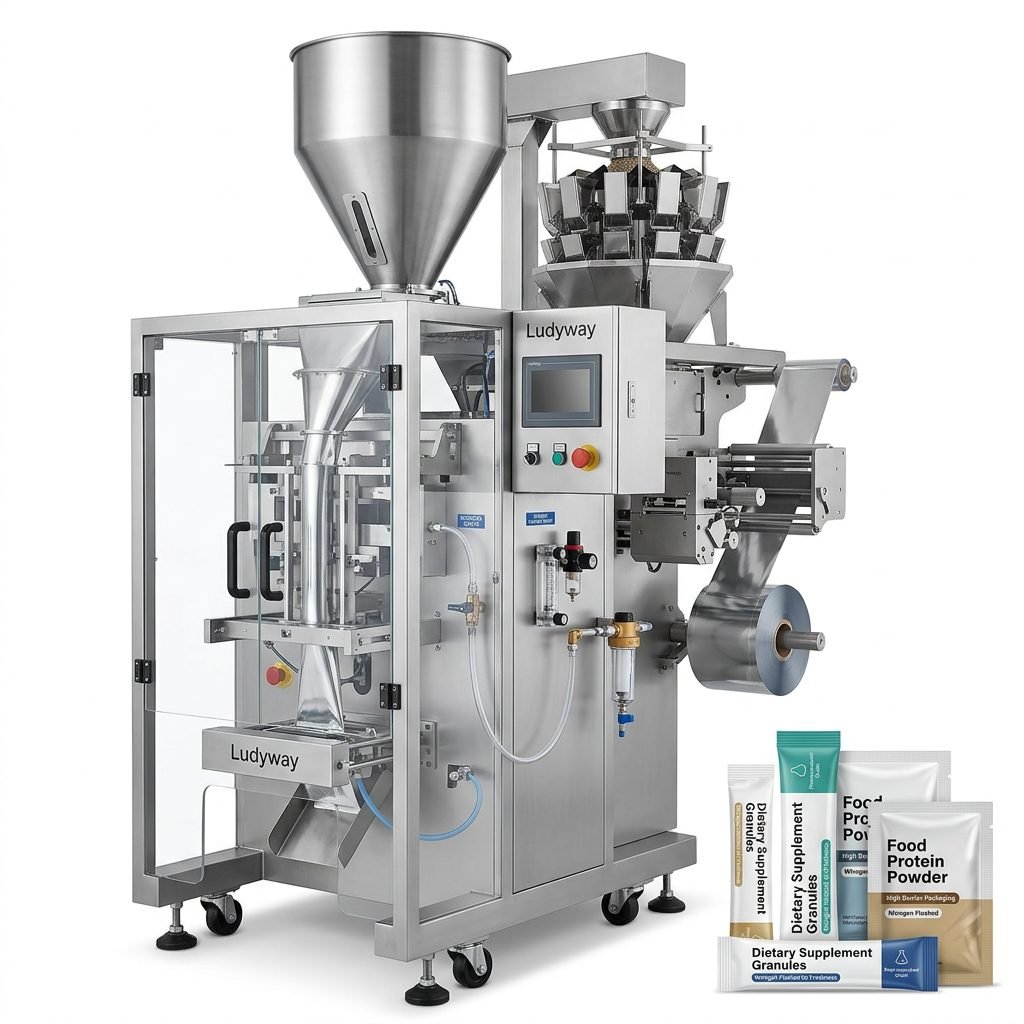
Pneumatic packing machines rely heavily on compressed air systems to drive critical operations such as sealing, cutting, and filling. Without a consistent and clean air supply, production efficiency drops, and the risk of unexpected downtime increases. A well-maintained pneumatic system not only extends the service life of your packaging equipment but also ensures consistent product quality and reduces operational costs.
Why Pneumatic System Maintenance Matters
The pneumatic system is the backbone of many automated packaging machines. Moisture, dust, and oil contaminants in compressed air can cause valves to stick, seals to degrade, and cylinders to operate erratically. According to industry standards from PMMI packaging industry resources, proactive maintenance can reduce unplanned downtime by up to 30%. Regular inspection and servicing of air preparation units, tubing, and actuators directly impact the reliability of your entire packaging machinery system.
Daily Visual Inspections
Operators should perform a quick visual check at the start of each shift. Look for air leaks, which are often audible or can be detected by a drop in pressure on the regulator gauge. Inspect all pneumatic tubing for signs of wear, cracking, or loose connections at the push-to-connect fittings. A small leak can waste significant energy and cause pressure fluctuations that affect machine timing.
Key Daily Inspection Points
- Check the main air pressure gauge reading against the machine’s specified operating range
- Listen for unusual hissing sounds indicating leaks around cylinders and valves
- Verify that the air filter bowl is free from excessive water or oil accumulation
- Observe cylinder movement for smooth, consistent actuation without jerking
- Inspect quick-exhaust valves and flow control regulators for proper setting retention
Air Preparation Unit Maintenance
The FRL unit — Filter, Regulator, and Lubricator — requires consistent attention. The air filter traps particulates and moisture, and a clogged element restricts airflow. Drain the filter bowl when water reaches the halfway mark, and replace the filter element according to the manufacturer’s recommended interval. For machines operating in humid environments, consider installing an auto-drain system to prevent manual oversight.
Lubrication Best Practices
Not all pneumatic systems require lubricated air. Many modern packing machines use oil-free pneumatic components with self-lubricating seals. Adding oil to a system designed for dry operation can damage seals and attract contaminants. Always confirm your machine’s specifications before adjusting the lubricator. If lubrication is required, use the correct grade of pneumatic oil and adjust the drip rate to the recommended setting — typically one drop per 50 to 100 cycles.
Lubricator Maintenance Checklist
- Verify that the lubricator bowl is filled with clean, approved pneumatic oil
- Adjust the drip rate according to manufacturer specifications for your specific packaging application
- Clean or replace the lubricator filter element during scheduled maintenance
- Check that oil is actually reaching the downstream components by inspecting cylinder rods
- Drain and flush the lubricator annually to remove sludge buildup
Seal and Cylinder Care
Pneumatic cylinders contain internal seals that wear over time due to friction, contamination, and pressure spikes. Symptoms of worn seals include slow or uneven rod movement, external air leakage around the rod gland, and reduced clamping force. Replace seals as a complete set rather than individually. When installing new seals, ensure the cylinder bore is clean and free from scoring, and use a compatible assembly lubricant to prevent damage during installation.
Common Cylinder Troubleshooting Guide
| Symptom | Possible Cause | Recommended Action |
|---|---|---|
| Slow cylinder movement | Low air pressure or restricted flow control | Check regulator setting and adjust flow controls |
| Rod drift under load | Internal piston seal leakage | Replace piston seal assembly |
| External air leak at rod | Worn rod gland seal or scored rod surface | Replace rod seal and inspect rod for damage |
| Jerky or uneven actuation | Contamination in cylinder bore or misalignment | Clean cylinder bore and realign mounting |
| No movement | Failed solenoid valve or blocked air passage | Test valve coil and clean or replace valve |
Valve and Solenoid Maintenance
Directional control valves direct airflow to cylinders and actuators. These valves contain spools that shift position in response to solenoid signals or pilot pressure. Contamination is the number one cause of valve failure. Even microscopic particles can cause spools to stick or shift incompletely. Keep the air supply clean by maintaining filters, and periodically test valve response time. A slow-shifting valve can cause timing issues throughout the entire packaging sequence.
Solenoid Valve Maintenance Steps
- Disconnect power and air supply before servicing any valve assembly
- Remove the solenoid coil and check for signs of overheating or physical damage
- Disassemble the valve body and clean the spool and bore with a lint-free cloth and approved solvent
- Inspect all O-rings and gaskets for hardening, cracking, or compression set
- Reassemble with a light application of pneumatic-grade grease on dynamic seals
- Test valve actuation manually before reconnecting the solenoid and air supply
Tubing and Fitting Integrity
Pneumatic tubing degrades over time due to heat exposure, chemical contact, and mechanical stress. Polyurethane tubing can become brittle, while nylon tubing may develop stress cracks at bend points. Inspect all tubing runs for discoloration, stiffness changes, or surface cracking. Push-to-connect fittings rely on internal O-rings and gripping collets — these wear with repeated disconnection and should be replaced during major service intervals. A pressure decay test can help identify small leaks that are not audible.
Air Compressor System Considerations
The air compressor supplying your pneumatic packing equipment needs regular servicing too. Check the compressor’s air dryer to ensure it is functioning correctly — excess moisture downstream will damage valves and cylinders. Drain the compressor tank daily to remove accumulated water, and replace intake filters on schedule. A refrigerated or desiccant air dryer that is not maintained can actually introduce more moisture into the system than no dryer at all. Monitor industry best practices for flexible packaging to ensure your entire air system meets production standards.
Recommended Preventive Maintenance Schedule
| Frequency | Task | Responsible Person |
|---|---|---|
| Daily | Drain water from filter bowls, check for air leaks, verify pressure settings | Machine Operator |
| Weekly | Inspect all tubing for wear, clean filter elements, check lubricator drip rate | Maintenance Technician |
| Monthly | Test solenoid valve response, check cylinder seals for leakage, verify flow control settings | Maintenance Technician |
| Quarterly | Replace filter elements, inspect O-rings in fittings, flush lubricator if applicable | Maintenance Technician |
| Annually | Complete FRL overhaul, replace all seals in critical cylinders, pressure decay test | Service Engineer |
Pressure Settings and Adjustment
Operating pneumatic actuators above their rated pressure shortens seal life and increases energy consumption. Conversely, insufficient pressure causes sluggish operation and poor sealing quality. Always set the regulator to the manufacturer’s specified operating pressure. For most packaging applications, this falls between 0.4 and 0.8 MPa. Use a calibrated gauge for accurate readings, and never adjust pressure as a workaround for a mechanical problem — address the root cause instead.
Moisture Control Strategies
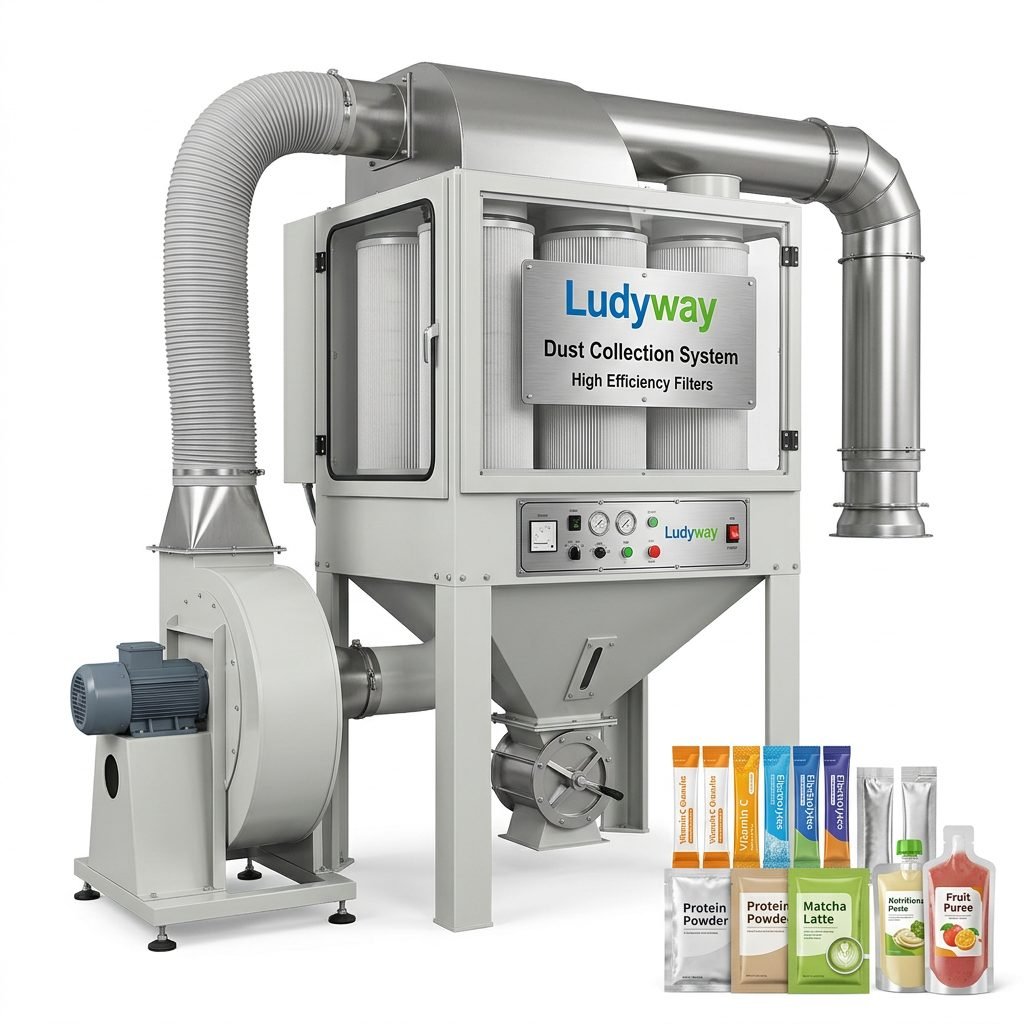
Water in pneumatic lines is extremely destructive. It washes away lubrication, causes rust inside cylinders and valves, and can freeze in cold environments. Beyond draining filter bowls, consider these moisture control measures: install a coalescing filter downstream of the general-purpose filter for finer water removal, use a membrane air dryer for point-of-use drying on critical machines, and ensure air lines slope downward to collection points with drain valves. The ISO packaging standards provide guidance on compressed air quality requirements for different applications.
Documentation and Record Keeping
Maintain a logbook or digital record for each pneumatic packing machine. Document pressure readings, replaced components, observed issues, and scheduled maintenance activities. This historical data helps identify recurring problems and predict when components are approaching the end of their service life. A well-documented maintenance history also supports spare parts inventory planning, ensuring critical seals, filters, and valves are available when needed.
What Maintenance Records Should Include
- Date and time of each maintenance activity performed
- Names of components inspected, cleaned, or replaced with part numbers
- Pressure readings before and after adjustments
- Observations of any unusual noise, vibration, or performance issues
- Operator feedback regarding machine behavior during production runs
- Follow-up actions required and their completion dates
Training Operators for Basic Pneumatic Care
Operators are the first line of defense in pneumatic system maintenance. Train them to recognize early warning signs: a change in the sound of exhaust air, a drop in cycle speed, or visible moisture in the air preparation unit. Equip them with the knowledge to perform daily inspection routines and empower them to report issues immediately. A well-trained operator prevents minor problems from escalating into major failures that halt production.
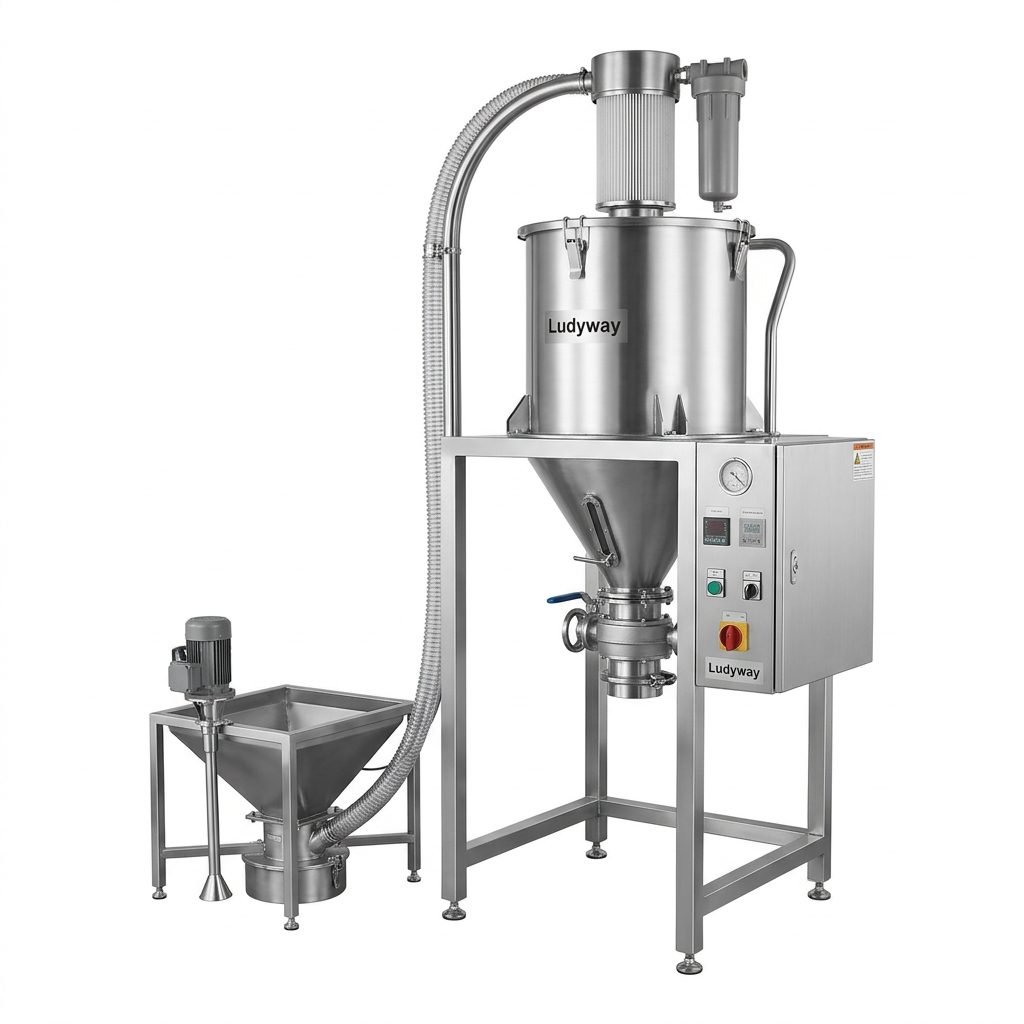
Companies like Ludyway, one of the leading packaging machine manufacturers, incorporate advanced pneumatic control systems in their equipment designs, which respond well to consistent preventive maintenance practices. By following these maintenance guidelines, you can maximize the performance and longevity of your pneumatic packing machinery while minimizing costly downtime.
For further reading on packaging equipment standards and maintenance best practices, refer to guides from PMMI’s industry resources and Flexible Packaging Association knowledge hub.
Troubleshooting Common Pneumatic Issues
| Issue | Likely Cause | Solution |
|---|---|---|
| Pressure fluctuations during cycle | Undersized air supply line or clogged filter | Check line diameter adequacy, replace filter element |
| Seal jaws not closing completely | Low pressure or restricted exhaust flow | Verify regulator setting and clean exhaust silencers |
| Cylinder overheating | Excessive cycling speed or internal binding | Reduce cycle rate and inspect for mechanical interference |
| Water visible in filter bowl daily | Compressor air dryer not functioning properly | Service or replace the air dryer unit immediately |
| Inconsistent cylinder stroke | Worn cushion seals or loose flow control lock nuts | Replace cushion seals and tighten flow control adjustments |