Investing in a carton packing machine is a critical decision that directly impacts your production efficiency, product protection, and bottom line. With a wide variety of technologies, configurations, and suppliers available, selecting the right equipment requires a methodical approach. This guide walks you through the core factors to consider, helping you make an informed purchasing decision.
1. Define Your Packaging Requirements
Before comparing machine specifications, clearly define what you need the equipment to accomplish. Start by analyzing your product characteristics, production environment, and business goals.
- Product dimensions and weight: The size, shape, and mass of your primary package (carton, box, or case) determine the machine’s forming, loading, and sealing module specifications.
- Production speed: Calculate your required throughput in cartons per minute (CPM). A speed mismatch creates costly bottlenecks or underutilized capacity.
- Packaging format: Are you using regular slotted containers, wraparound cases, or tray-and-hood combinations? Machine compatibility varies significantly by format.
- Product fragility: Delicate items need gentler handling mechanisms, such as servo-driven motions instead of pneumatic systems.
2. Understand Machine Types and Configurations
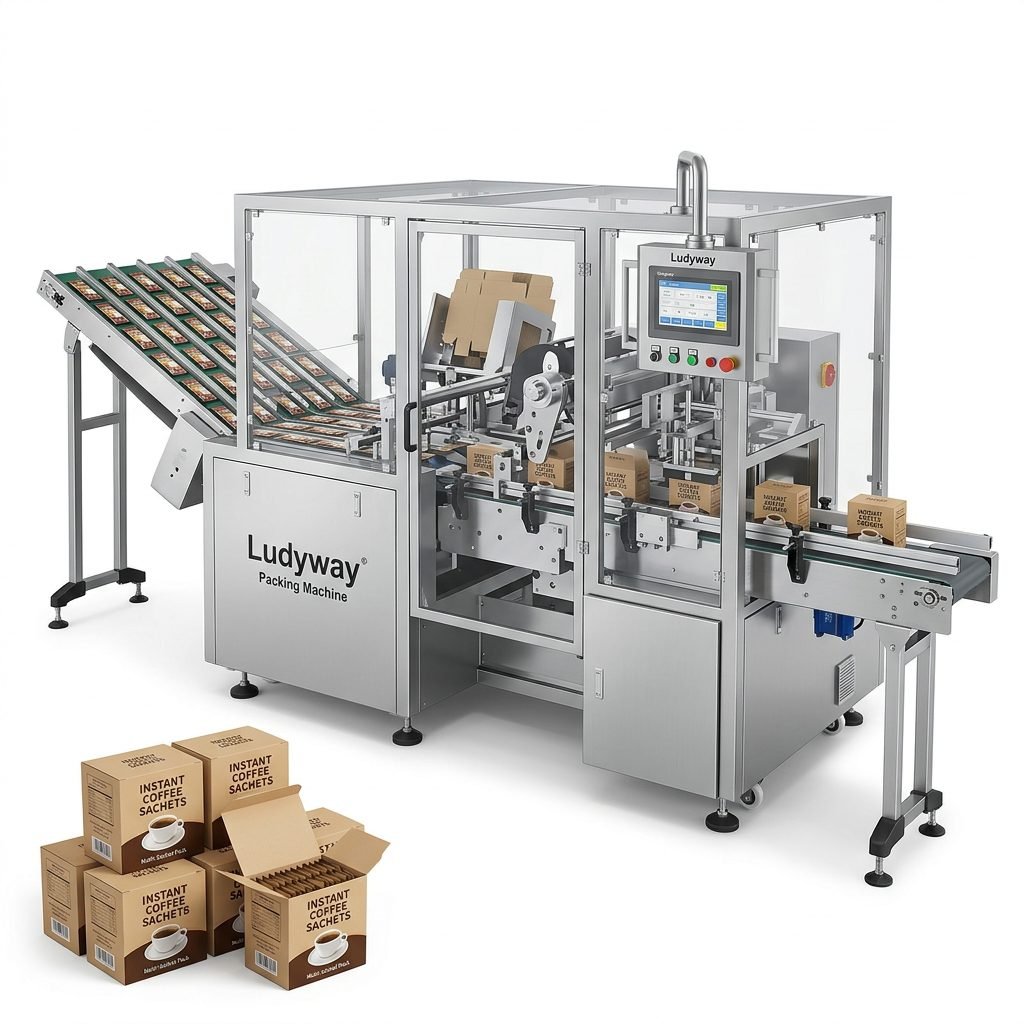
Carton packing machines are available in several distinct configurations. Each suits different applications and production scales.
| Machine Type | Best For | Typical Speed Range |
|---|---|---|
| Horizontal End-Load | Products loaded from the side; cartons, bottles, pouches | 30–150 CPM |
| Horizontal Top-Load | Fragile or irregularly shaped items; trays and cases | 15–60 CPM |
| Vertical Cartoner | Granules, powders, and loose products; often integrated with filling | 40–200+ CPM |
| Wrap-Around Case Packer | High-volume case packing; tight packaging, reduced material use | 25–100 CPM |
3. Evaluate Automation and Integration Capabilities
Modern packaging lines rely on seamless integration between upstream and downstream equipment. Consider how the carton packing machine fits into your existing packaging line infrastructure.
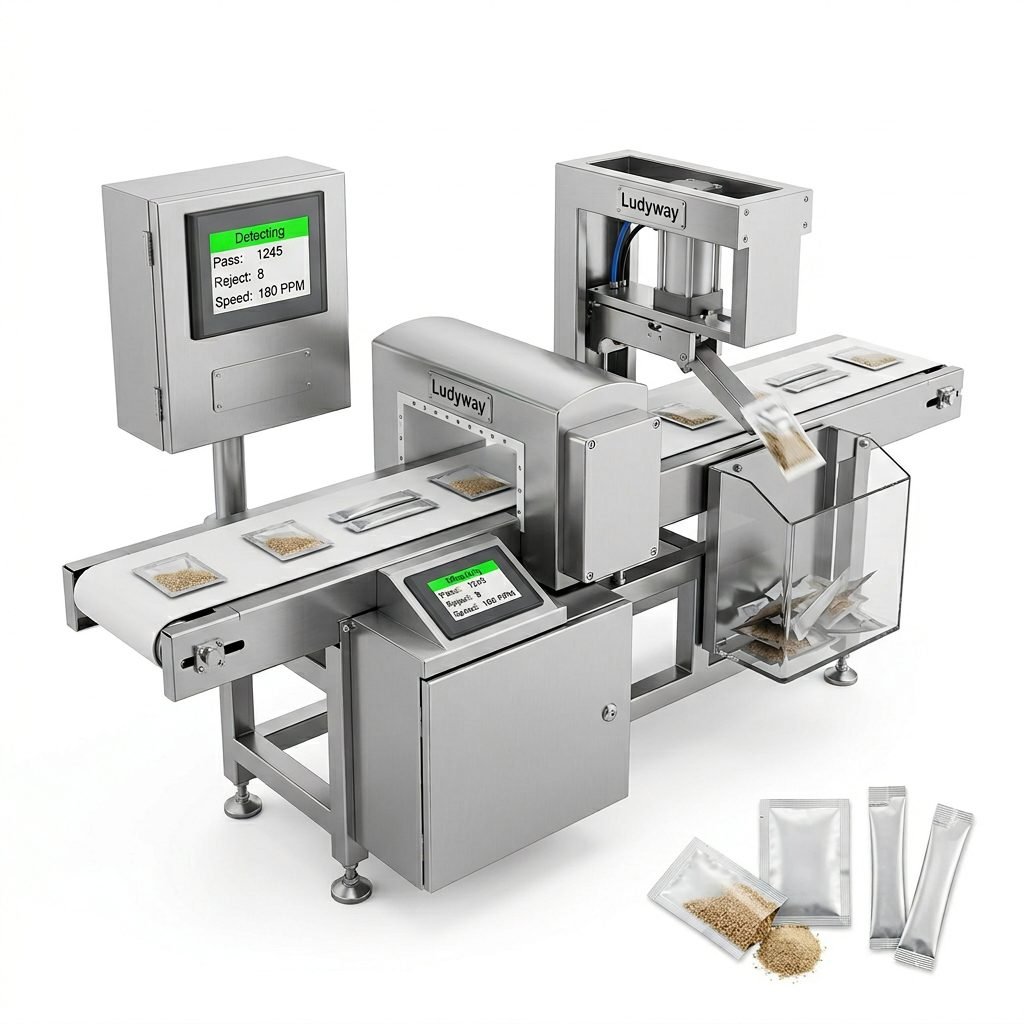
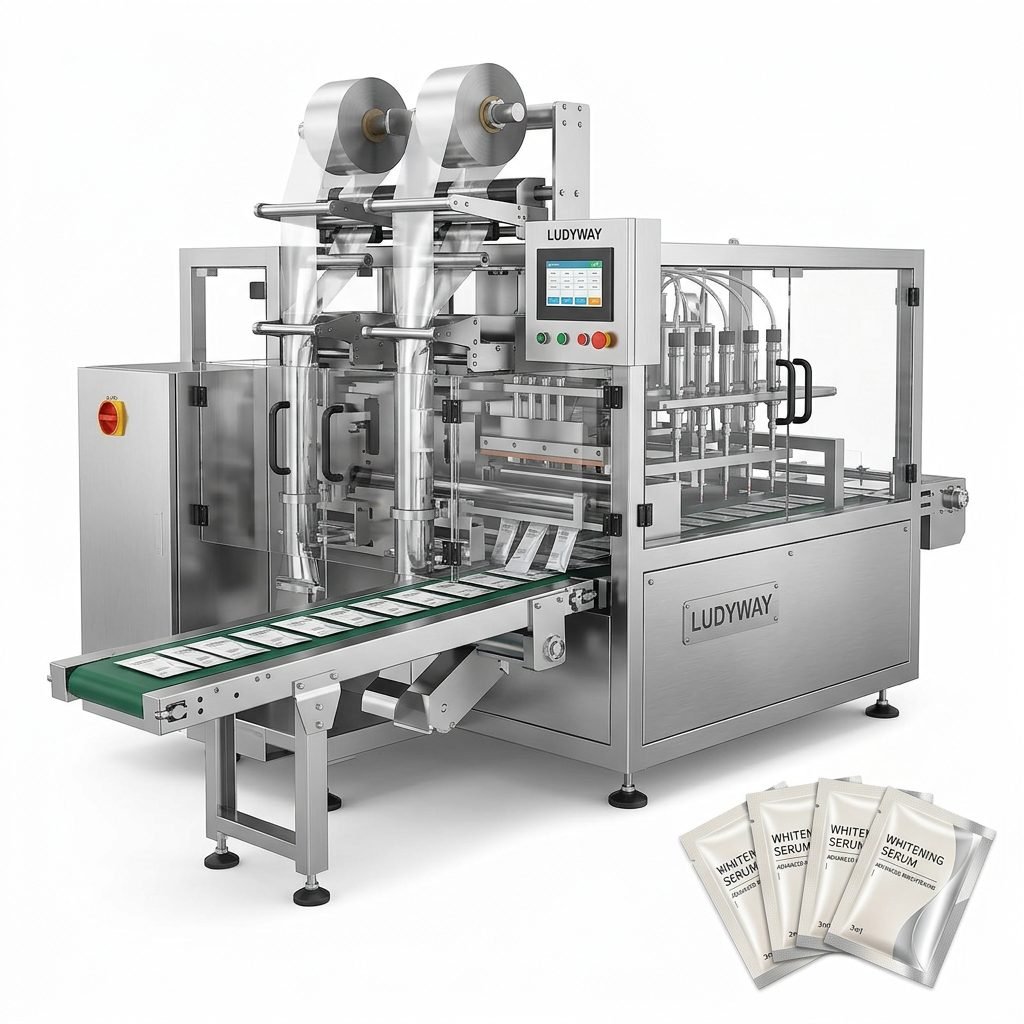
- Upstream connectivity: The machine must interface with preceding units such as fillers, checkweighers, or conveyor systems. Incompatible interfaces lead to line stoppages.
- Downstream handoff: Output should align with palletizing, stretch wrapping, or warehouse logistics systems. A well-matched line maintains smooth product flow from primary packaging through end-of-line.
- Control system compatibility: Communication protocols, such as Ethernet/IP or PROFINET, should match your facility’s automation platform.
- Turnkey packaging line solutions: For manufacturers seeking a single partner from start to finish, integrated packaging systems reduce coordination complexity and accelerate commissioning.
4. Machine Build Quality and Compliance
Quality construction and adherence to industry standards directly affect machine longevity, safety, and maintenance requirements. Key areas to examine include:
- Frame and structural materials: Stainless steel construction resists corrosion in washdown or humid environments, while anodized aluminum may suffice for dry applications. Material choice impacts both durability and cost.
- Component brands and reliability: Trusted automation and pneumatic components from established suppliers typically indicate better reliability and parts availability over the machine’s lifespan.
- Safety standards: Look for compliance with relevant ISO packaging standards and regional safety regulations. Proper guarding, emergency stops, and interlocked access panels protect operators.
- Hygiene considerations: In food, pharmaceutical, and cosmetic applications, machines should follow sanitary design principles with accessible surfaces for cleaning. Regulatory guidance from the FDA on food packaging provides benchmarks.

5. Material Compatibility and Sustainability
Your carton packing machine must handle the specific packaging materials you plan to use. This factor is increasingly important as companies adopt sustainable packaging alternatives.
- Corrugated grades: Different flute profiles and board thicknesses require adjustable forming and folding mechanisms. Verify the machine’s material thickness range matches your specifications.
- Recycled content: Boards with high recycled fiber content behave differently during forming compared to virgin materials. Some machines handle these variations more effectively than others.
- Adhesive compatibility: Hot-melt, cold glue, and pressure-sensitive tape systems each have unique maintenance and performance characteristics. Choose a sealing method compatible with your material, speed, and environmental requirements.
6. Total Cost of Ownership
The purchase price represents only one component of the long-term investment. Evaluate total cost of ownership (TCO) to understand the full financial picture.
- Energy consumption: Servo-driven machines often use power more efficiently than pneumatic systems, reducing operational electricity costs over time.
- Spare parts availability: Reliable access to genuine replacement parts minimizes downtime. Confirm lead times and local inventory before finalizing your selection.
- Changeover time: Quick, repeatable changeovers increase machine utilization for multi-SKU operations. Tool-less adjustments and recipe-based settings reduce lost production minutes.
- Maintenance requirements: Understand recommended service intervals, lubrication points, and technician requirements. Simpler mechanical designs typically mean lower ongoing maintenance costs.
7. Supplier Selection and After-Sales Support
The relationship with your equipment supplier extends well beyond the initial purchase. Evaluate their technical expertise, service capabilities, and long-term commitment.
- Industry experience: Ludyway Machinery, with over 30 years in the packaging industry and a 20,000-square-meter manufacturing facility, exemplifies how a partner’s engineering depth and application experience can support successful machine selection and integration across food, pharmaceutical, chemical, and other sectors.
- Technical support: Confirm available support channels, response times, and whether remote diagnostic assistance is provided. Fast troubleshooting keeps your line operational.
- Installation and training: Comprehensive commissioning services and operator training accelerate the path to stable production. Inquire about structured training programs and documentation.
- Customization capability: Standard machines do not fit every application. A supplier with strong engineering and customized packaging machinery capabilities can configure equipment to your specific product, layout, and performance requirements.

8. Key Specifications to Compare
When reviewing proposals, create a comparison matrix of these critical parameters:
- Rated speed and actual throughput: Verify realistic production rates under sustained operation, not just theoretical maximum speed.
- Footprint and layout: Machine dimensions must fit your available floor space, including access for maintenance and material replenishment.
- Air and power requirements: Confirm utility availability and consumption rates to avoid unplanned infrastructure modifications.
- Noise levels: Occupational health regulations may impose maximum decibel limits for operator areas.
- Future expandability: Consider whether the machine can be upgraded for higher speeds or additional formats as your business grows.
Making the right choice involves balancing technical requirements, budget constraints, and long-term reliability. By systematically evaluating each factor in this guide, you position your operation for efficient, consistent packaging performance and a strong return on investment. For additional market data and equipment trends, resources from the Flexible Packaging Association and PMMI state of the industry reports provide valuable context for your purchasing decision.