Choosing the right cellophane packaging machine is a critical decision that directly impacts your production efficiency, product quality, and long‑term operational costs. Whether you are packaging powders, granules, liquids, or solid products, a well‑matched machine ensures consistent seal integrity, accurate dosing, and reliable high‑speed output. This guide walks you through the essential factors to consider before investing in a cellophane packaging solution.
Understanding Cellophane as a Packaging Material
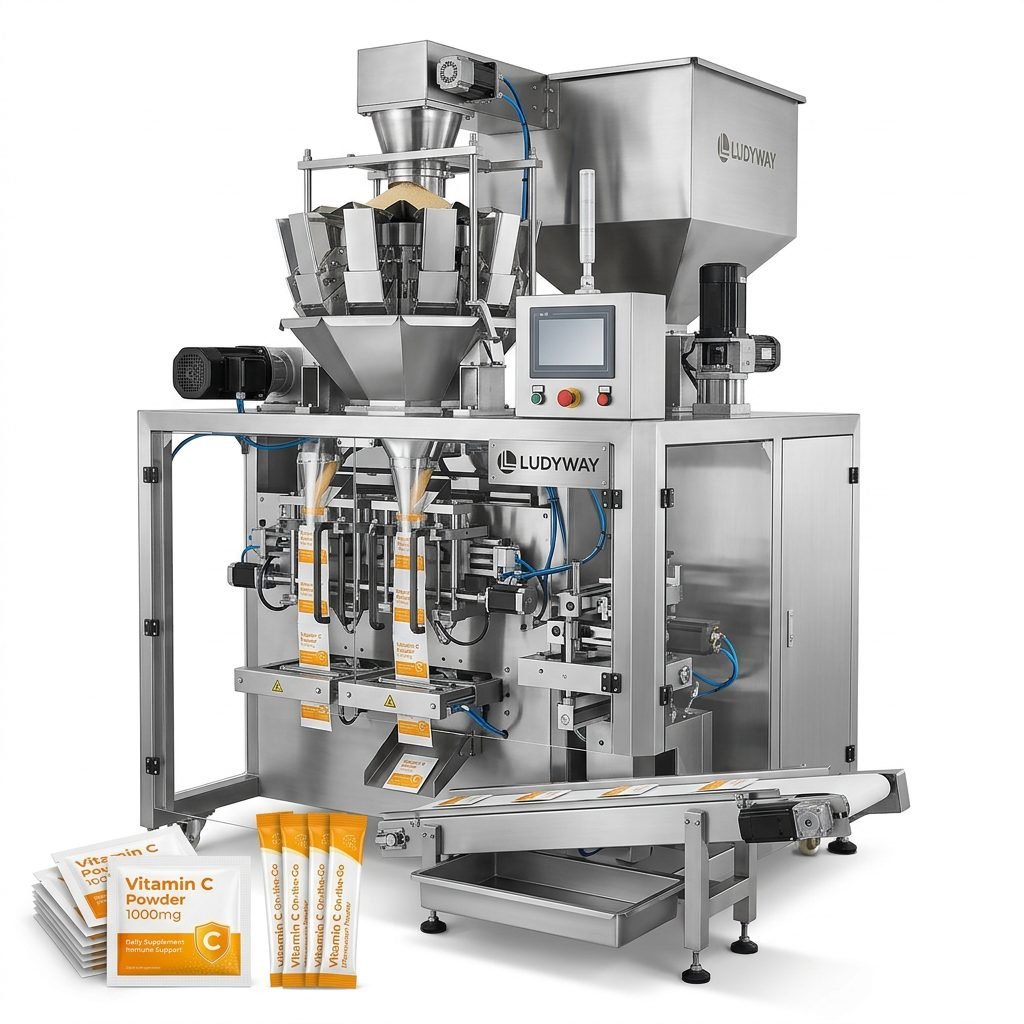
Cellophane is a thin, transparent, and biodegradable film made from regenerated cellulose. It offers excellent clarity, moderate moisture barrier properties, and heat‑sealability when coated. Because of its natural origin and premium look, cellophane is widely used for food items, confectionery, tea, health supplements, and decorative packaging. When selecting a packaging machine, it is crucial to confirm that the equipment can handle the specific thickness, slip properties, and heat‑sealing requirements of cellophane film without wrinkling or channel leakers.
Key Factors to Consider
Product characteristics are the foundation of your machine search. Granules, powders, liquids, and solid objects each demand different feeding, dosing, and sealing mechanisms. A machine designed for free‑flowing granules may not handle sticky powders or hygroscopic materials effectively. Evaluate the particle size, bulk density, flowability, and sensitivity to heat or moisture of your product.
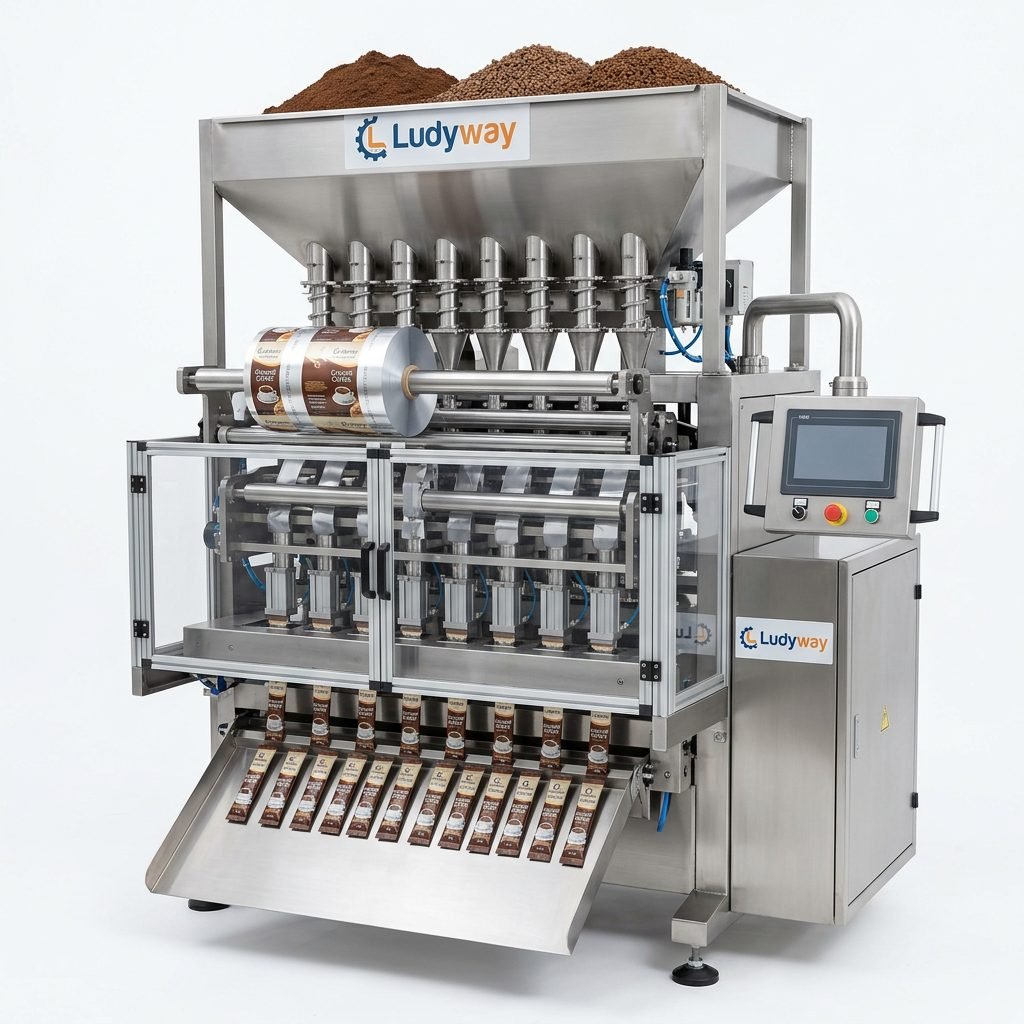
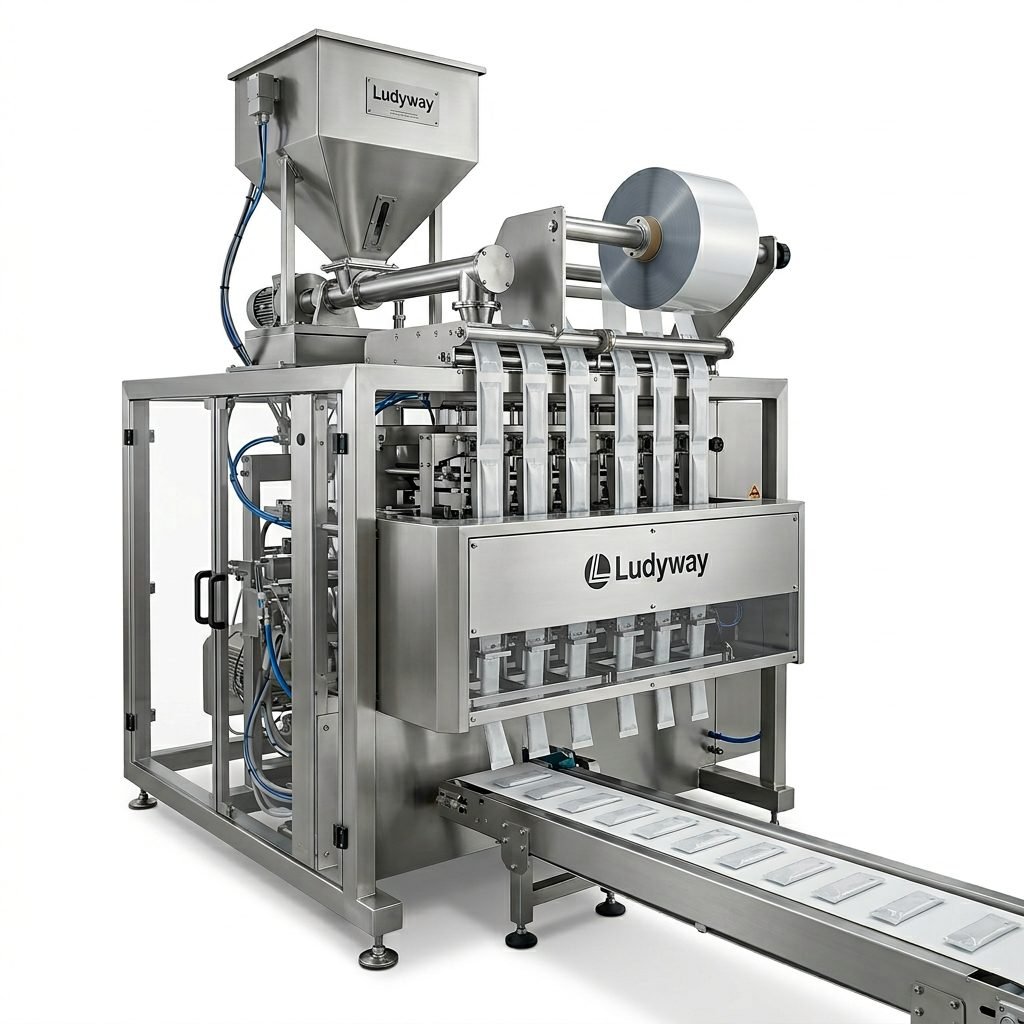
Other critical aspects include production speed requirements, bag format flexibility, machine footprint, and changeover time. Modern cellophane packaging machines range from single‑lane intermittent motion models suitable for smaller batches to high‑speed continuous multi‑lane systems capable of producing over 1,000 packs per minute.
Bag Styles and Formats
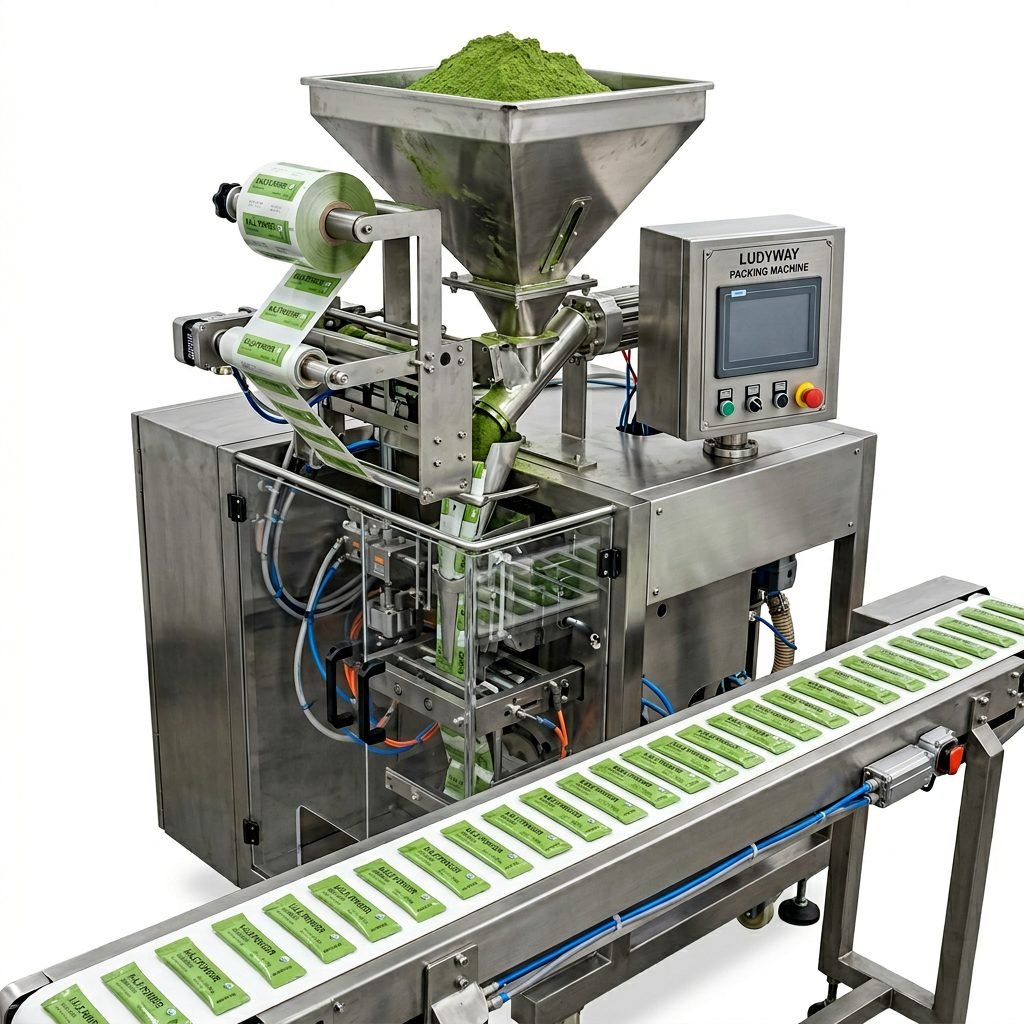
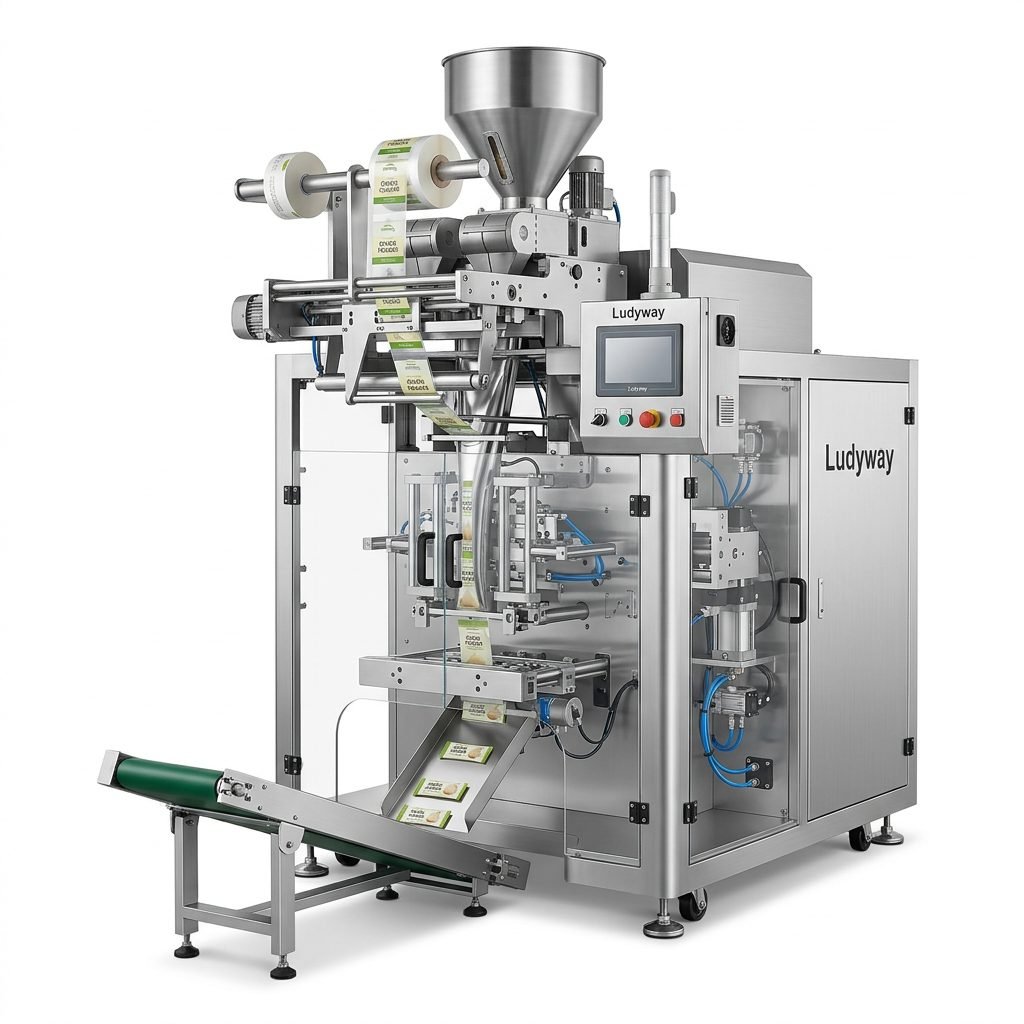
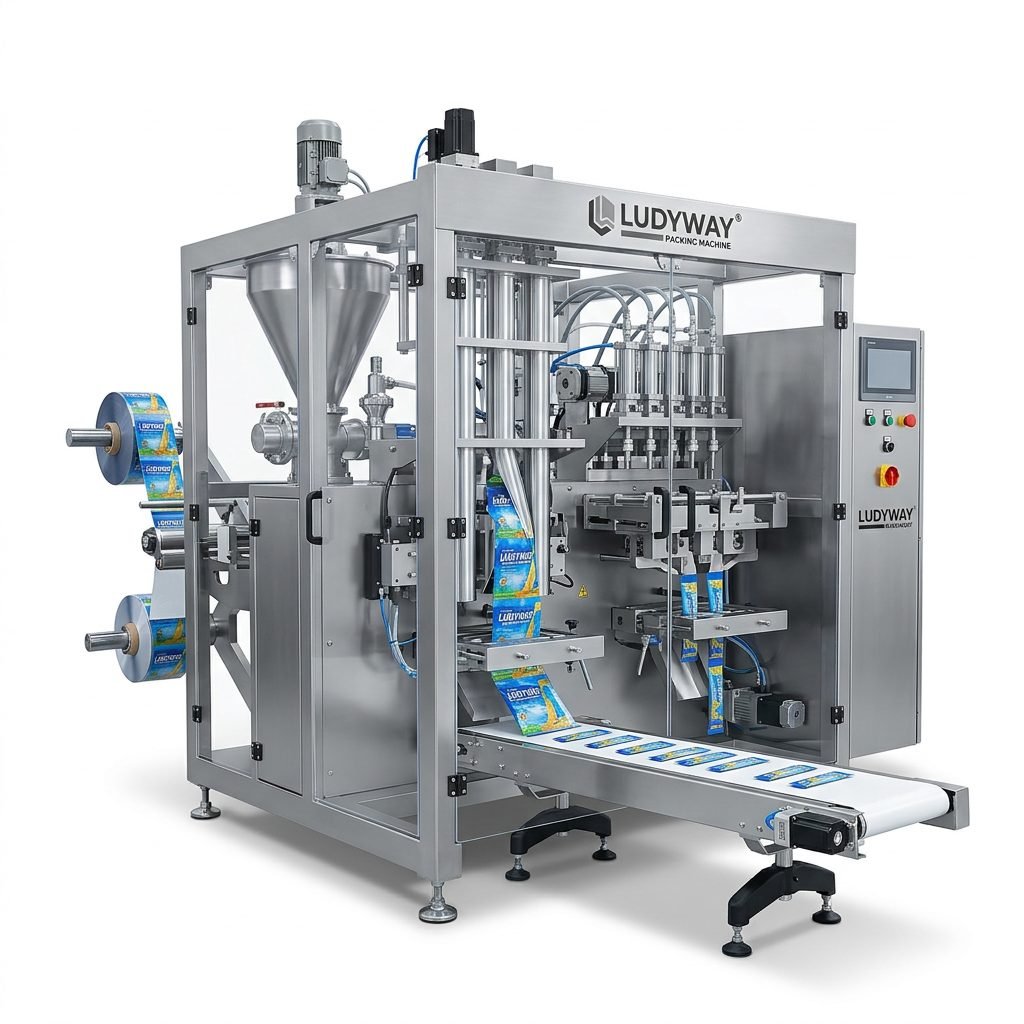
Cellophane can be used to form various pack styles, including three‑side seal sachets, stick packs, gusseted pouches, and overwrapped cartons. Determine which format aligns with your brand presentation, shelf life requirements, and consumer convenience. Stick pack machines, for example, are popular for single‑serve powders and liquids, while flat sachet machines suit a broad range of products from wipes to creams.
Filling and Dosing Technology
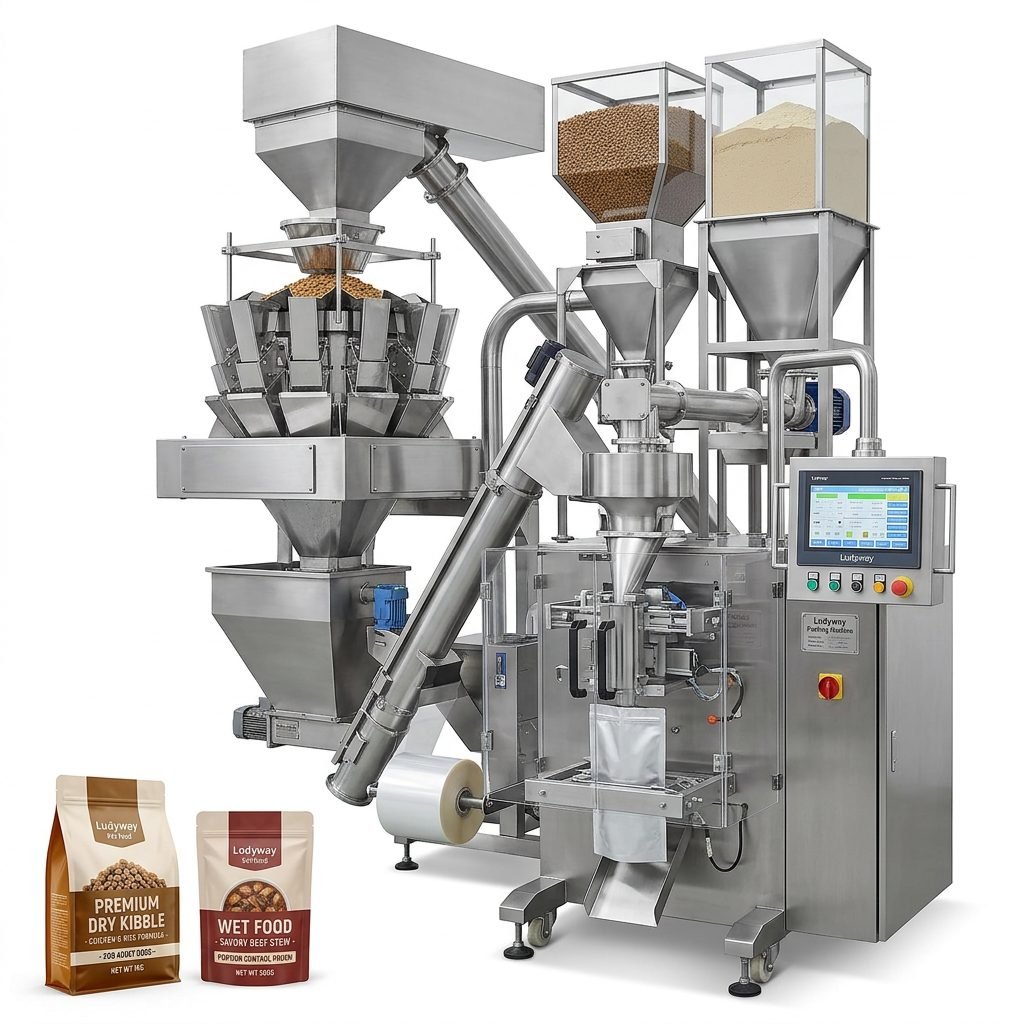
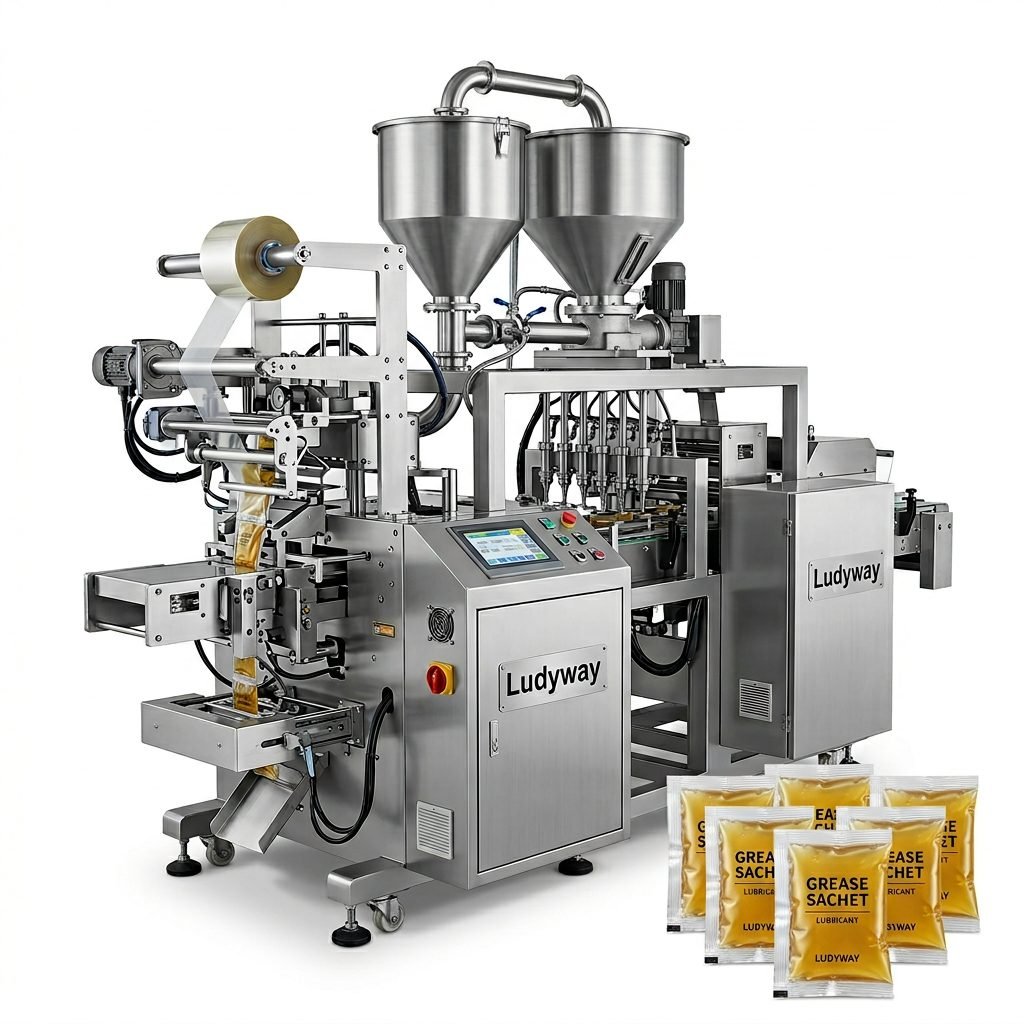
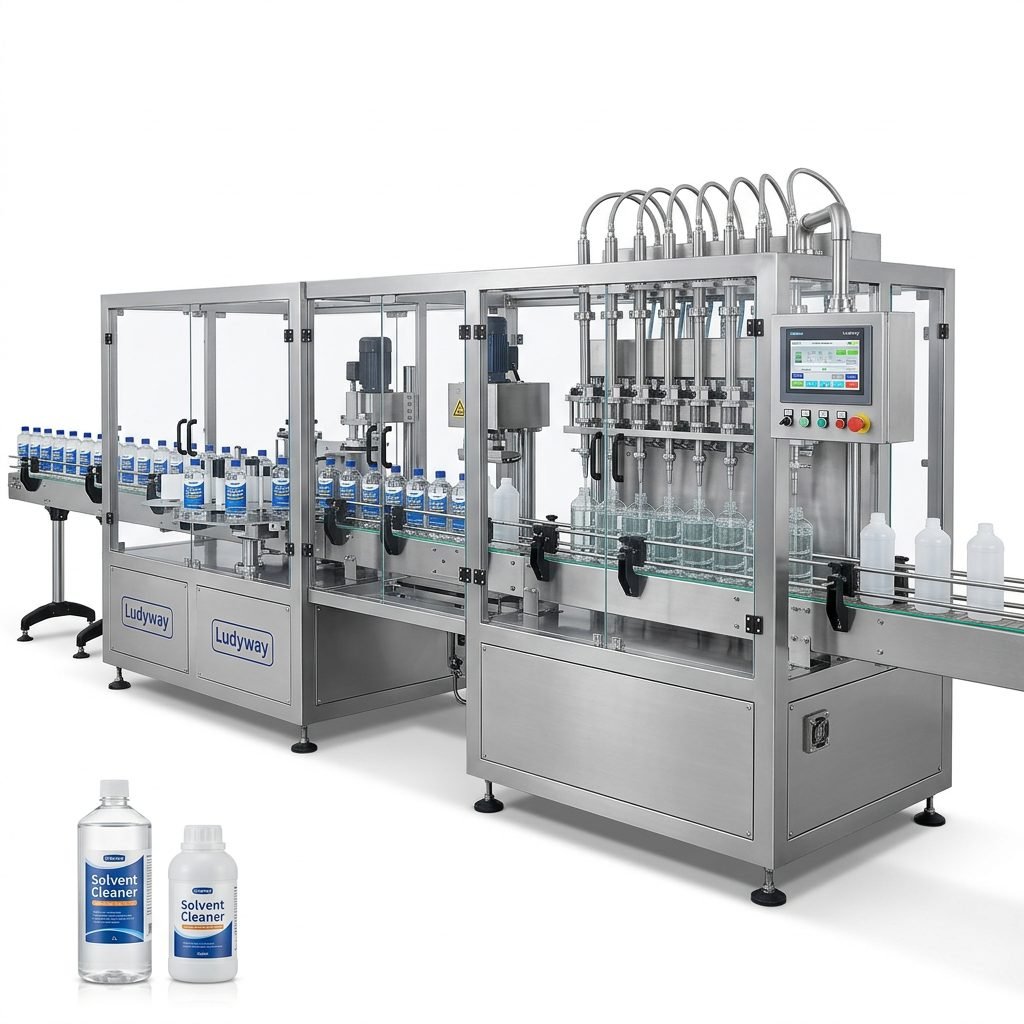
Accurate dosing is essential for regulatory compliance and cost control. Common configurations include auger fillers for powders, volumetric cup fillers for granules, piston pumps for liquids, and multi‑head weighers for irregular solid products. Machines equipped with servo‑driven dosing systems generally offer higher precision and easier adjustment compared to mechanical alternatives.
Sealing Integrity and Quality Control
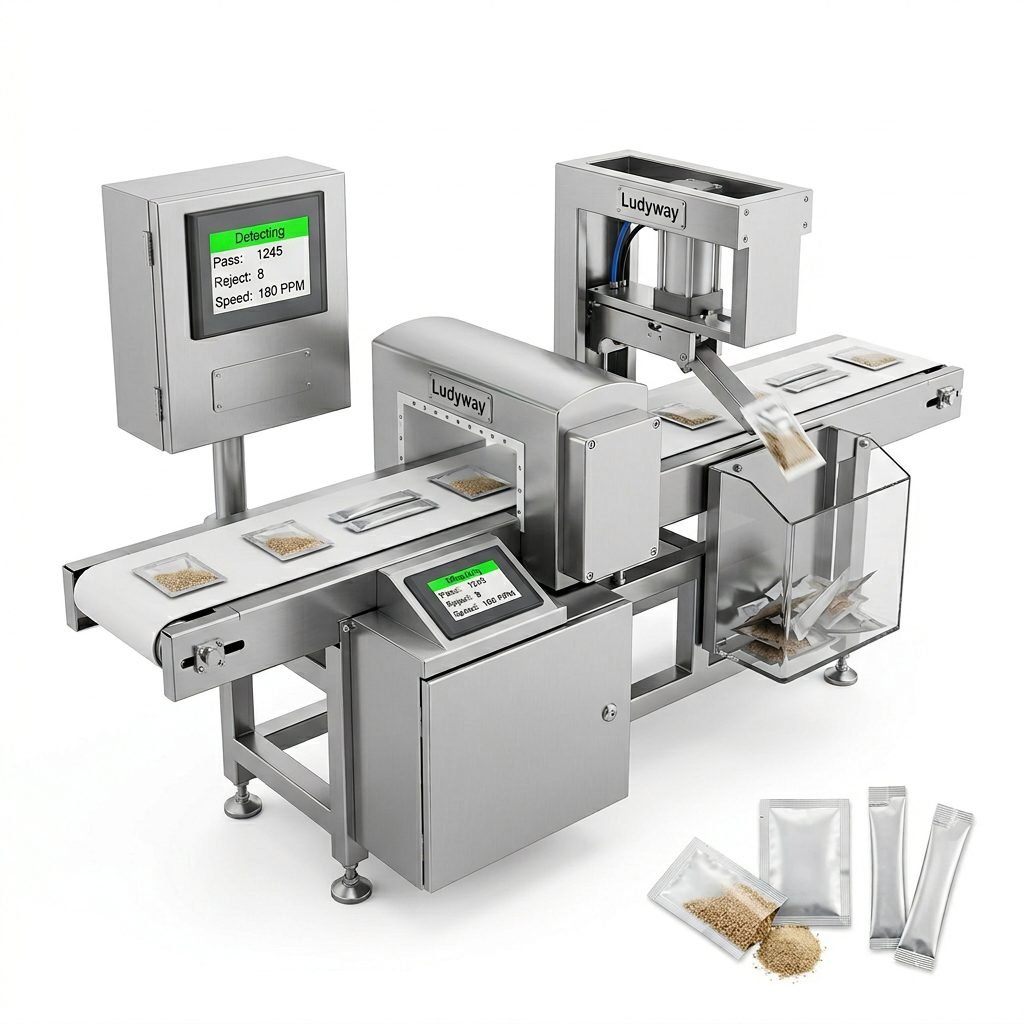
Because cellophane is heat‑sensitive, precise temperature control and uniform jaw pressure are vital. Look for machines with independent heating zones, thermocouple feedback, and dwell time adjustment. Inline inspection systems such as vision sensors, leak detectors, and reject stations help maintain consistent quality without slowing production.
Comparing Common Cellophane Packaging Machine Configurations
| Machine Type | Ideal Application | Typical Speed Range | Key Benefit |
|---|---|---|---|
| Vertical Form Fill Seal (VFFS) | Granules, powders, small solids | 30–120 packs/min | Compact footprint, versatile |
| Horizontal Form Fill Seal (HFFS) | Bars, wipes, irregular solids | 40–150 packs/min | Easy product feeding |
| Multi‑Lane Stick Pack | Single‑serve powders, liquids | 300–1,000+ packs/min | Ultra‑high efficiency |
| Sachet Machine | Liquid samples, creams, sauces | 60–180 packs/min | Excellent seal integrity |
Automation and Integration
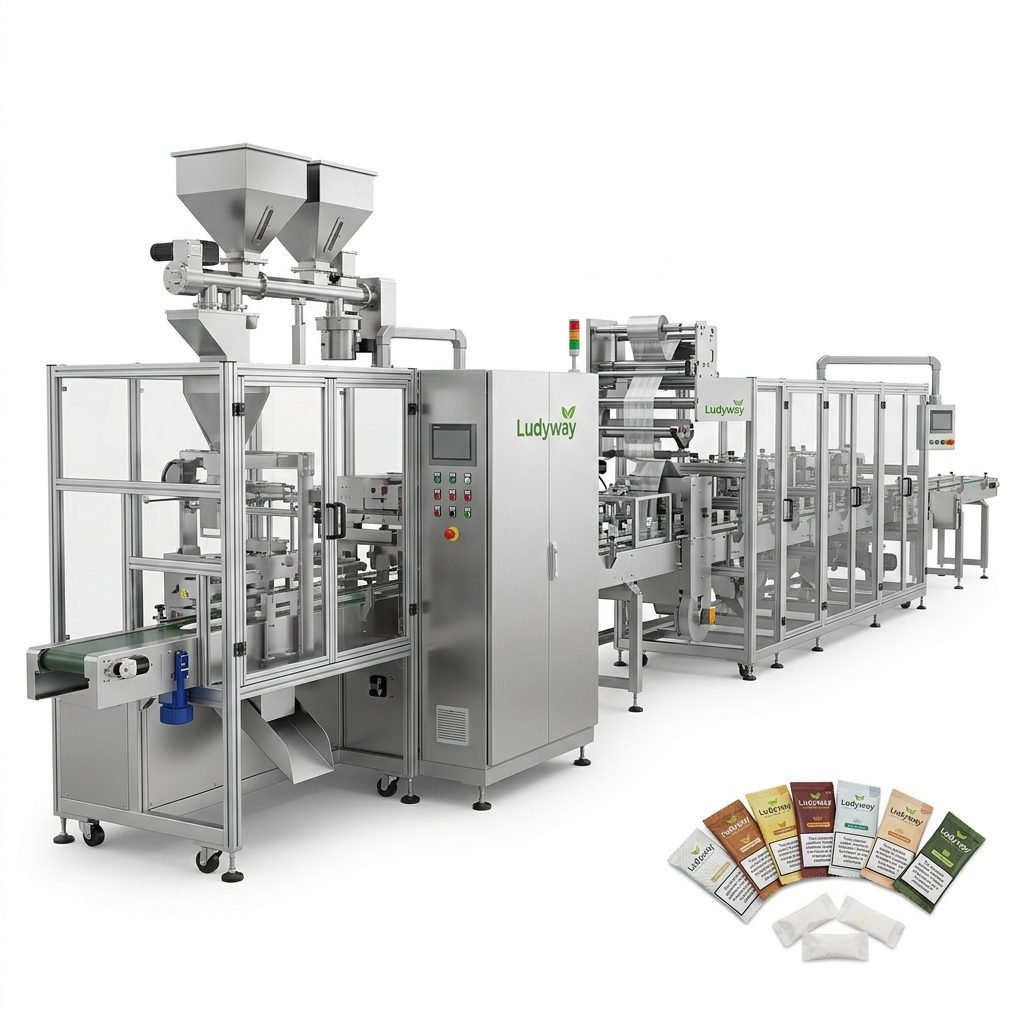
Beyond the primary packaging machine, consider how it will integrate with upstream feeding and downstream equipment. A fully automated line might include a vertical bucket elevator or vacuum feeder, a multi‑head weigher, the cellophane wrapping unit, a coding or labeling system, and a cartoning or case packing module. Increasingly, manufacturers seek turnkey solutions from a single partner to simplify project management and ensure compatibility.
Hygiene, Compliance, and Industry Standards
Food and pharmaceutical applications demand strict hygiene standards. Machines with stainless steel construction, sloped surfaces, and tool‑less disassembly simplify cleaning and validation. For medical or sterile products, conformity with ISO 11607 packaging standards is essential. In the U.S., the FDA provides guidance on food contact substances, and the 2026 State of the Industry report by PMMI highlights the growing demand for automated hygienic designs. Resources from the Flexible Packaging Association also provide valuable data on material trends and regulatory updates that can influence your equipment choice.
Why a Long‑Term Partner Matters
Selecting a machine is not a one‑time transaction. Ongoing technical support, spare parts availability, and process optimization are critical for maximizing return on investment. Ludyway Machinery is a China‑based packaging machinery manufacturer and turnkey solution provider with more than 30 years of experience. The company operates a 20,000‑square‑meter facility and offers over 50 packaging machine models covering powders, granules, liquids, stick packs, sachets, and pouches. With a team of over 130 professionals and a presence in more than 100 countries, Ludyway provides custom packaging solutions and global technical support—from machine selection to installation and training. The company is on track to achieve export revenue exceeding RMB 500 million in 2025, reflecting its growing role as a reliable international partner.

Final Checklist Before Purchase
- Define your product characteristics and required bag format.
- Calculate target output speed and line integration needs.
- Verify cellophane film compatibility and sealing parameters.
- Confirm dosing accuracy and desired automation level.
- Review hygiene requirements, certifications, and industry standards.
- Assess supplier engineering capabilities and after‑sales service.
- Request sample runs and visit reference installations if possible.
Investing in the right cellophane packaging machine empowers your production line with consistency, scalability, and the ability to meet evolving market demands. By focusing on the factors outlined above and partnering with an experienced manufacturer, you can secure a reliable, high‑performance packaging solution for years to come.

Explore more packaging solutions |
View market intelligence |
Visit the Flexible Packaging Association