Modern manufacturing depends on packaging systems that do more than simply seal a product. Today’s businesses need machinery that can improve throughput, reduce manual labor, maintain dosing accuracy, support compliance, and create a consistent customer experience. From food and pharmaceuticals to cosmetics, chemicals, and health supplements, the right packaging machinery solution becomes a key part of long-term production efficiency.
Companies investing in automation are usually looking for three outcomes: higher productivity, lower operating cost, and more reliable packaging quality. The best solution is rarely a single machine alone. In many cases, it is a coordinated system that includes feeding, dosing, filling, sealing, inspection, cartoning, coding, conveying, and end-of-line handling.
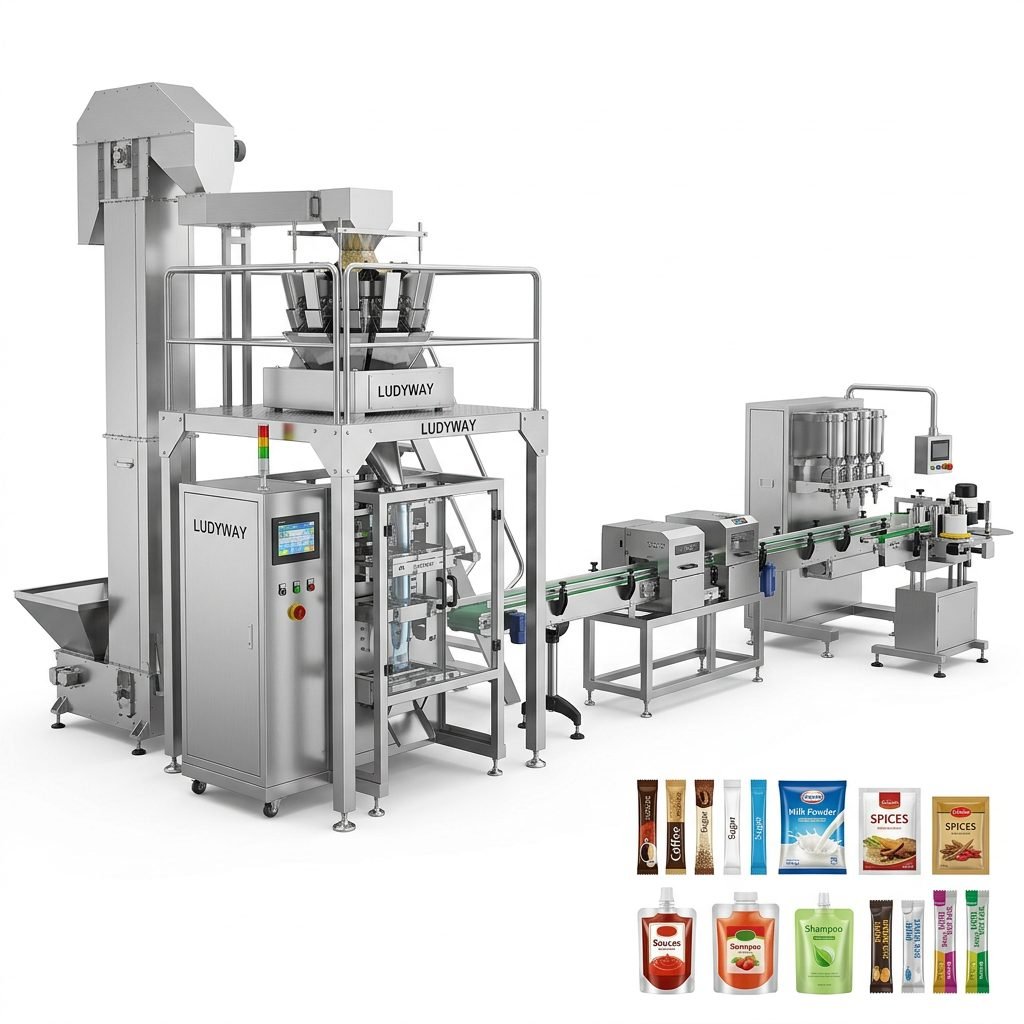
Why Packaging Machinery Matters in Modern Production
Packaging is one of the final and most visible steps in the manufacturing cycle. If it is slow, inconsistent, or labor-intensive, it can affect the entire operation. Advanced packaging machinery helps manufacturers standardize product output while supporting brand presentation, shelf readiness, and safer handling.
- Improves filling and sealing consistency across batches
- Reduces dependence on manual labor for repetitive tasks
- Supports high-speed, continuous production
- Minimizes waste caused by inaccurate dosing or sealing defects
- Enhances traceability with coding, labeling, and inspection integration
- Allows easier scaling from small production to large-volume output
Core Types of Packaging Machinery Solutions
Different industries require different machine structures, material contact designs, and output formats. The most effective packaging setup depends on product characteristics such as particle size, flowability, viscosity, moisture, target pack size, and required packaging style.
1. Granule Packaging Machines
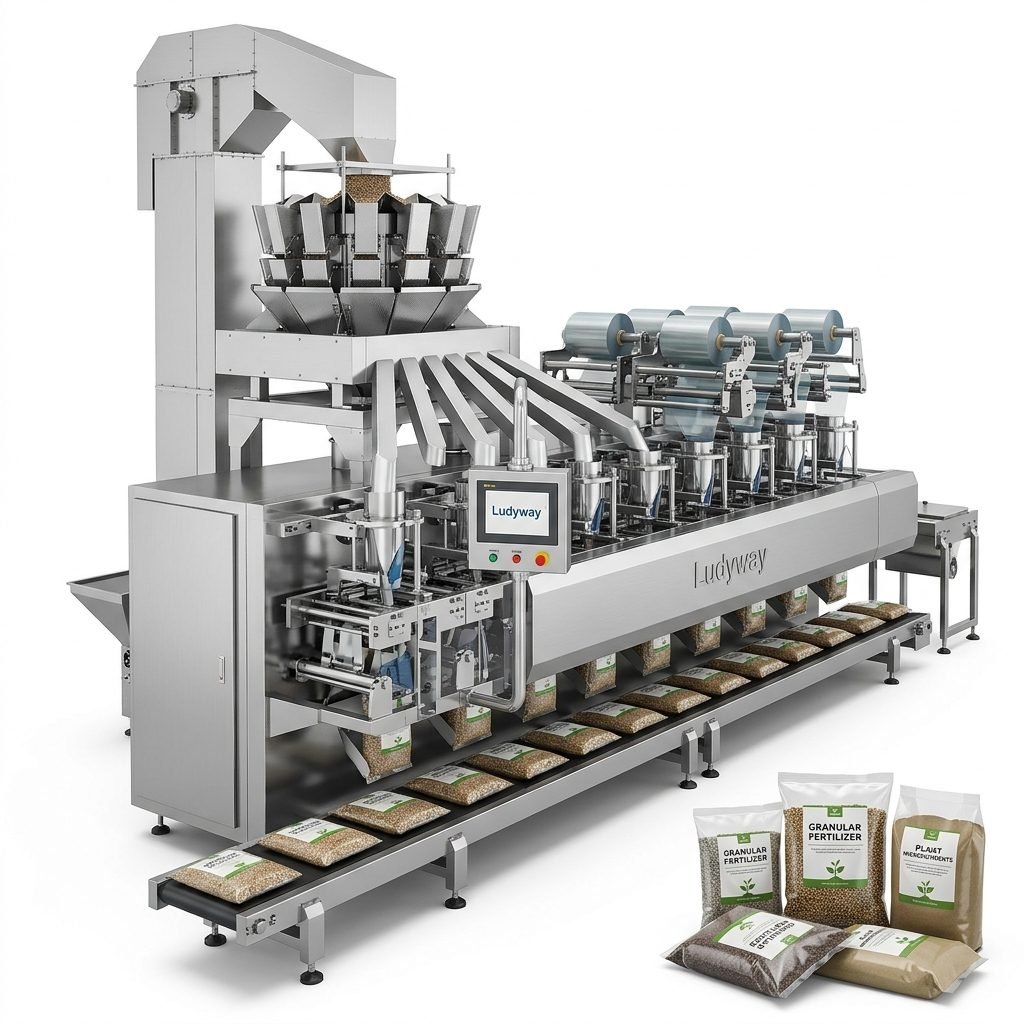
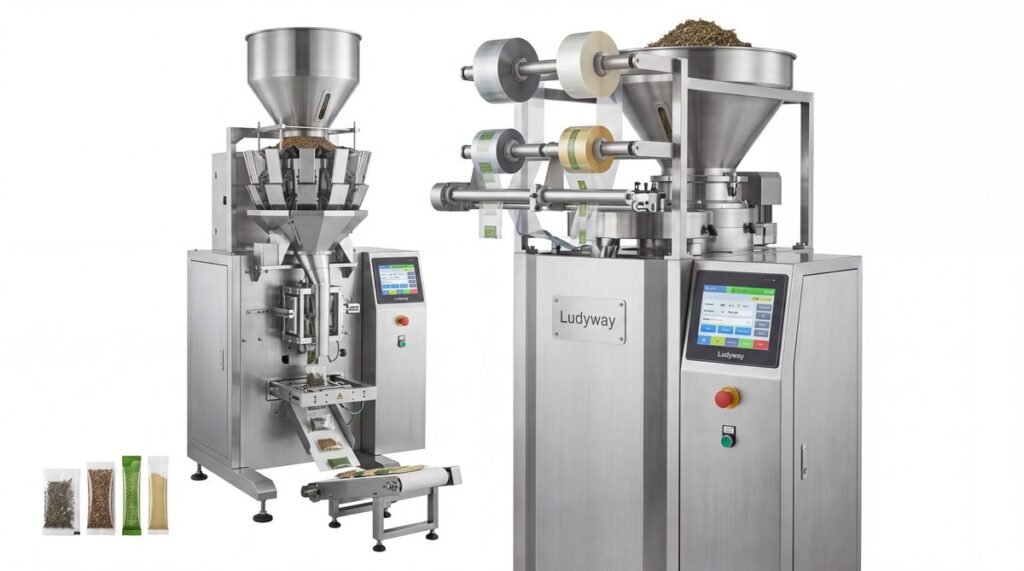
These systems are widely used for sugar, coffee, seeds, seasonings, feed, snacks, and health granules. They often include volumetric cup fillers, weighing systems, or multi-head weighing technology for accurate dosing.
2. Powder Packaging Machines
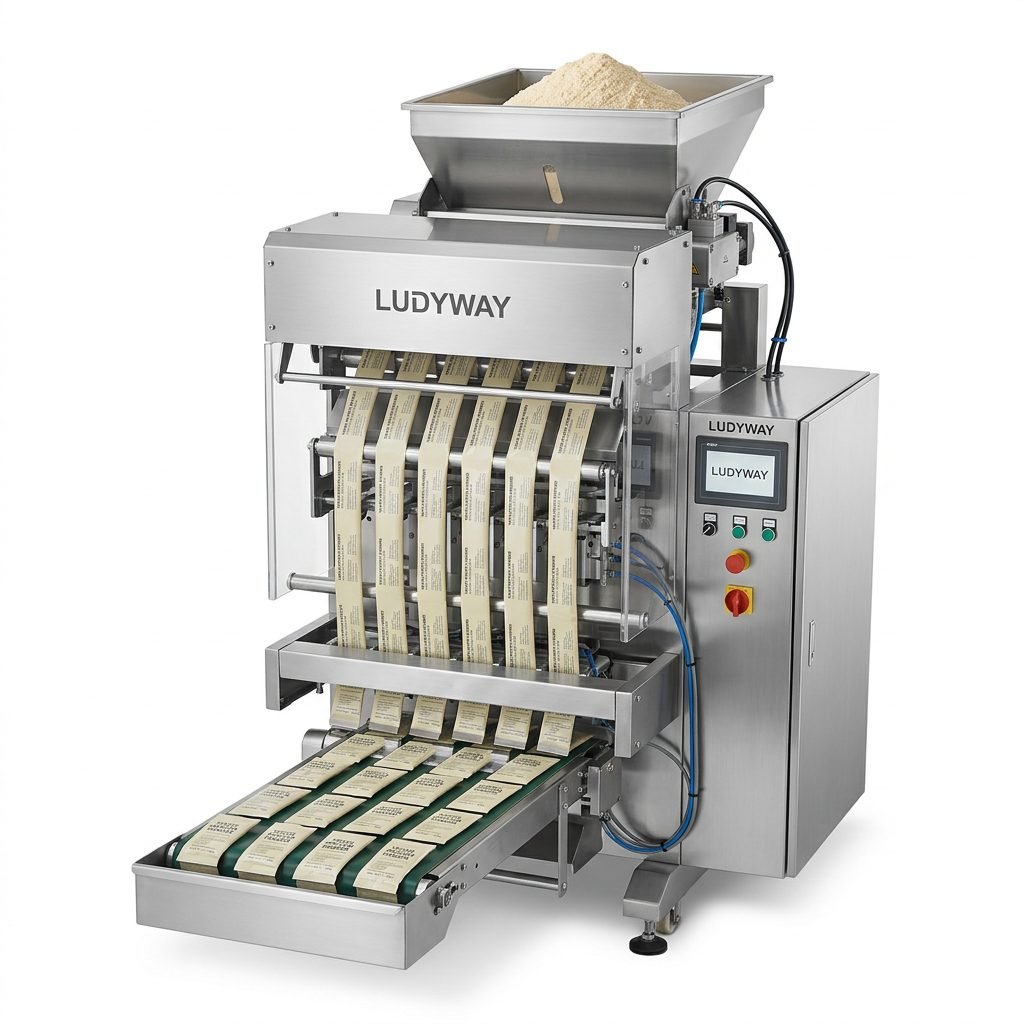
Powder products such as milk powder, protein powder, flour, supplements, pharmaceutical powders, and chemical materials require stable dust control and precise metering. Auger filling systems are commonly selected for fine and free-flowing powders.
3. Liquid and Paste Packaging Machines
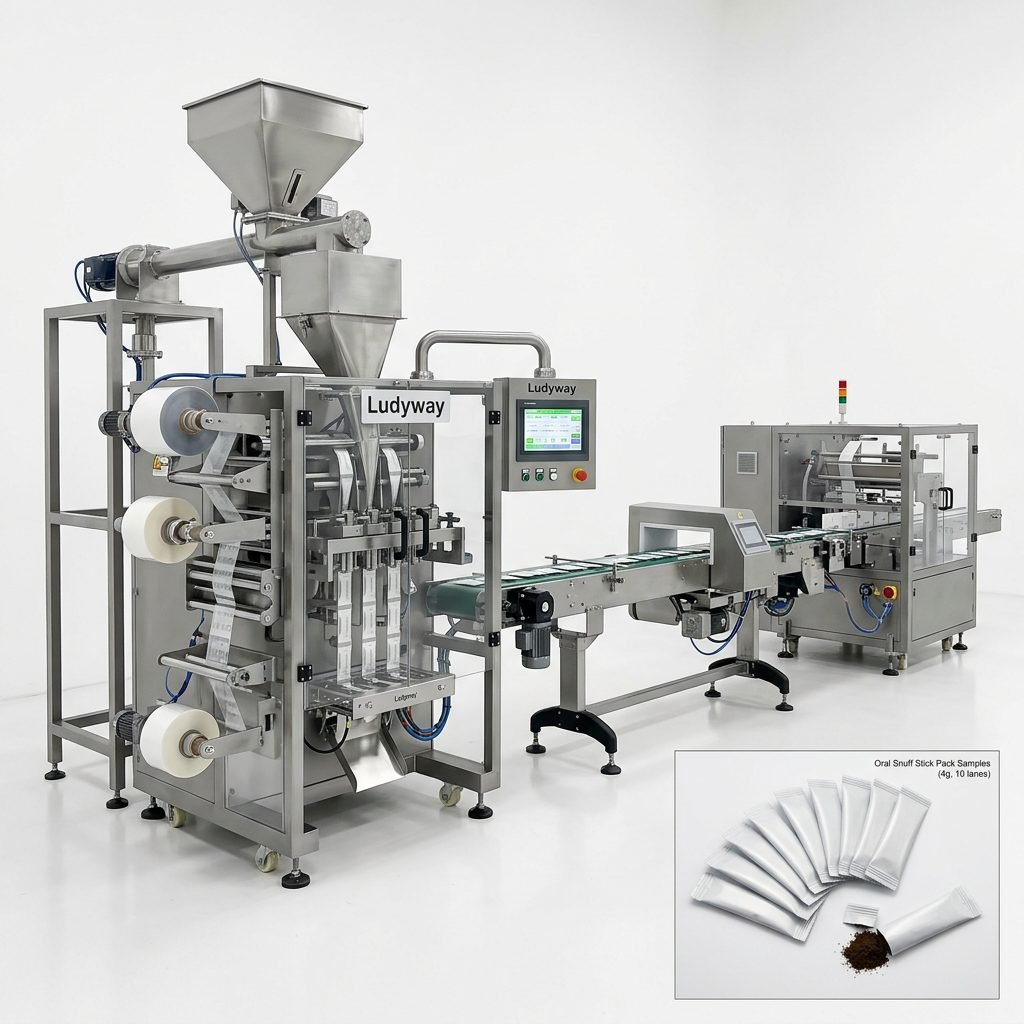
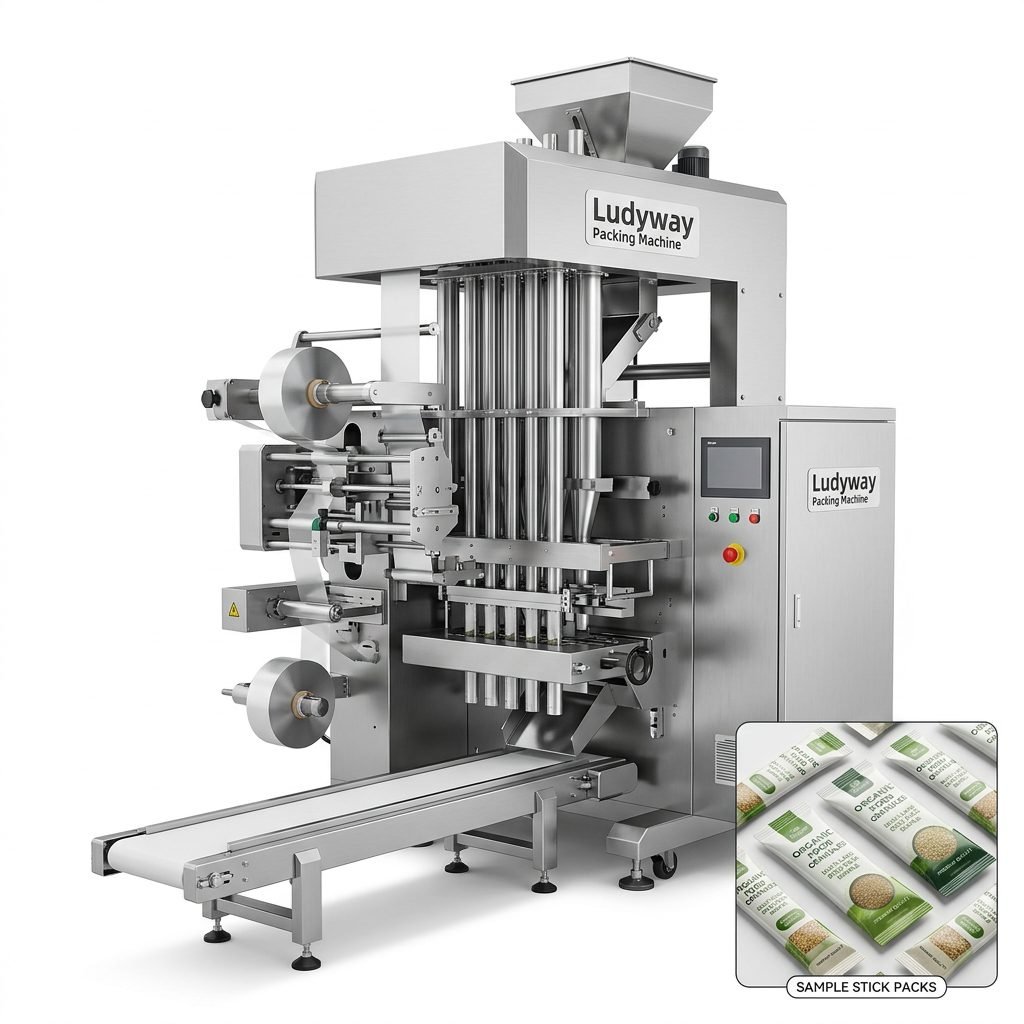
For products like sauces, oils, shampoo, lotion, detergent, gel, and pharmaceutical liquids, liquid filling and sealing machines offer accurate portioning and leak-resistant packaging. These can be configured for sachets, stick packs, pouches, bottles, or tubes.
4. Premade Pouch and Form-Fill-Seal Systems
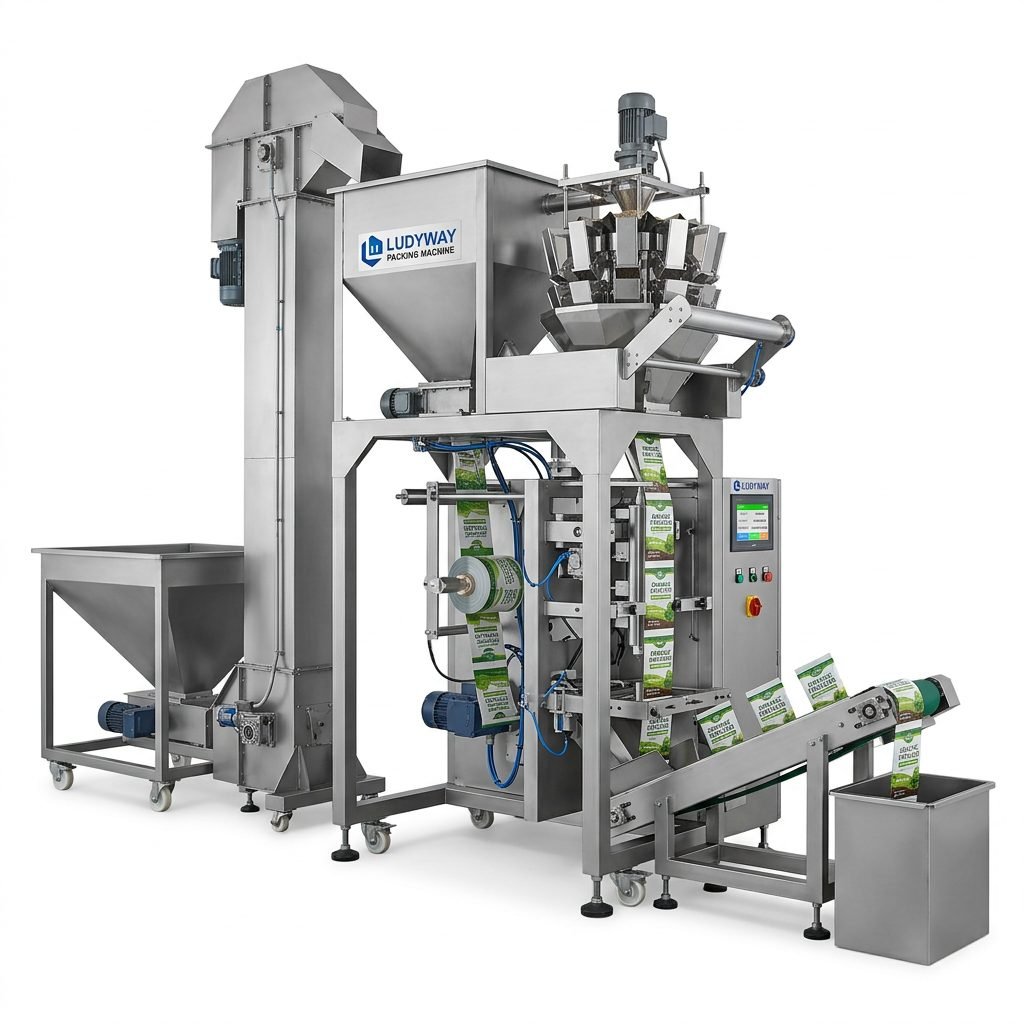
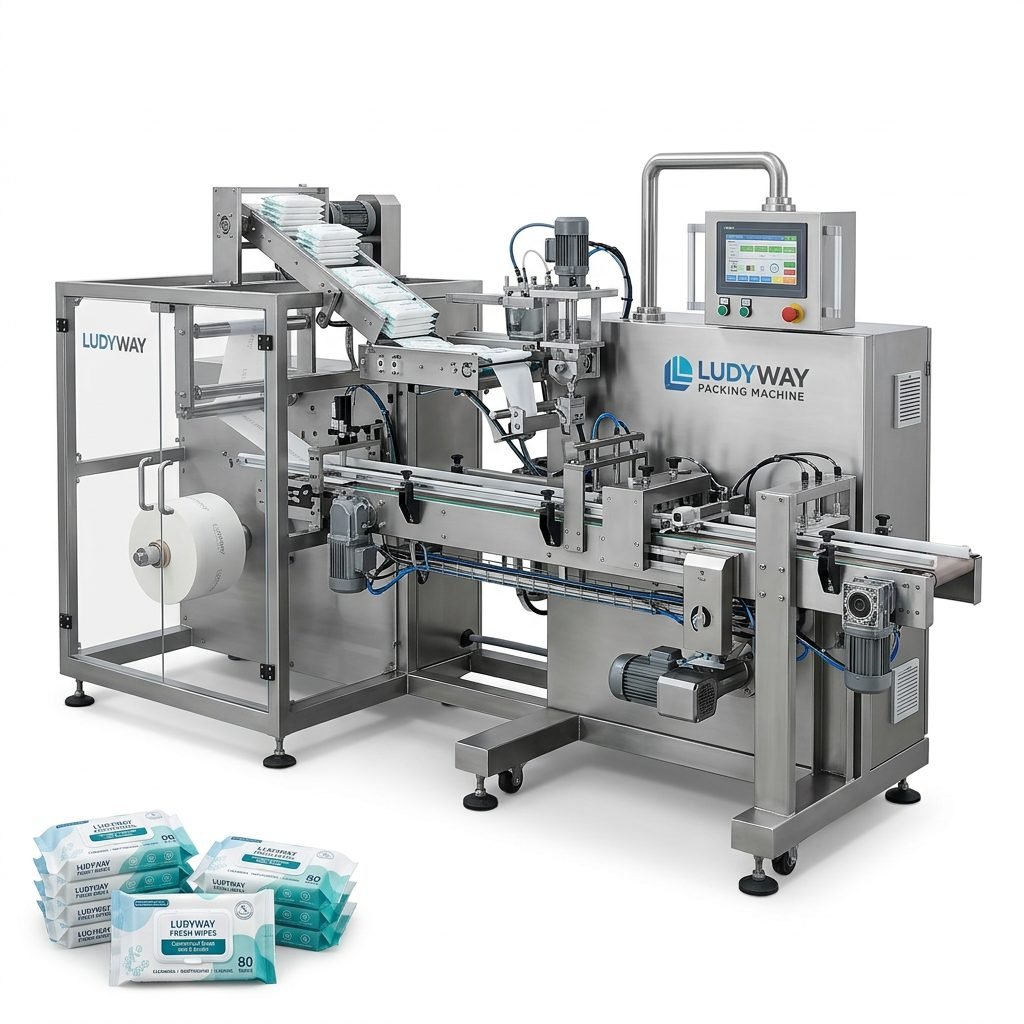
Premade pouch machines are suitable for premium packaging appearance and format flexibility, while form-fill-seal systems are often chosen for higher production efficiency and reduced packaging material handling complexity.
5. Turnkey Packaging Lines
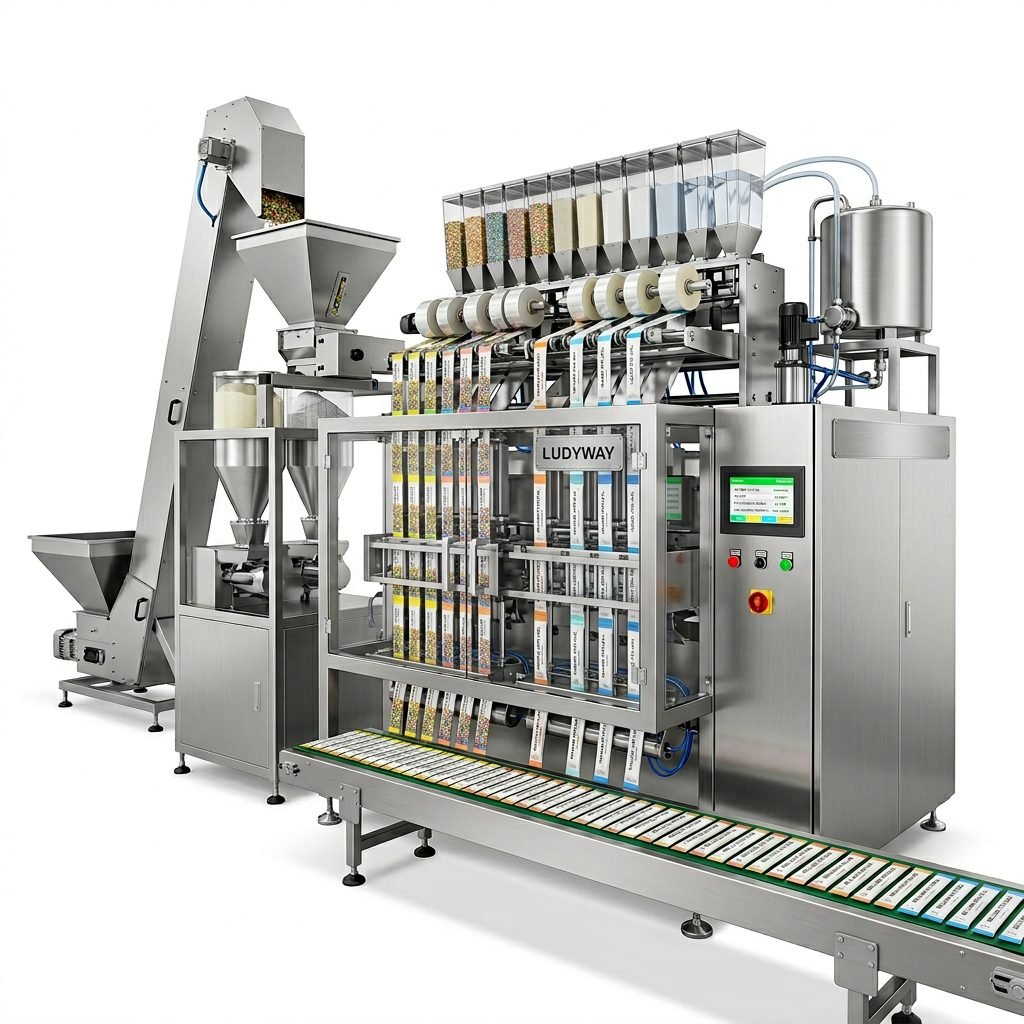
A full line can combine product feeding, packaging, coding, checkweighing, inspection, cartoning, case packing, palletizing, and auxiliary conveying. This type of integrated solution is ideal for manufacturers planning long-term automation upgrades.
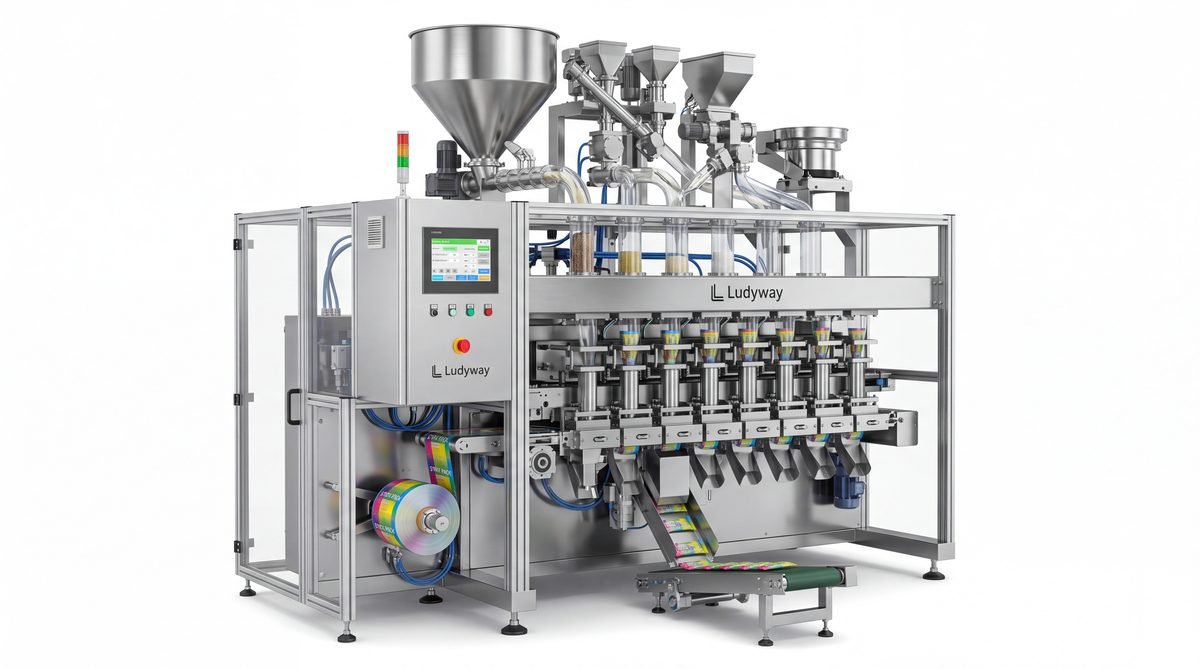
Key Features That Improve Packaging Efficiency
Not every packaging machine offers the same performance value. Buyers should look beyond basic speed claims and examine how the system performs in actual factory conditions.
| Feature | Operational Benefit |
|---|---|
| Servo-driven control | Improves motion precision, sealing stability, and repeatability |
| Multi-lane structure | Increases output without requiring multiple separate machines |
| Automatic dosing system | Reduces giveaway and improves fill accuracy |
| Touchscreen HMI | Simplifies operation, recipe switching, and parameter monitoring |
| Date coding and printing integration | Supports traceability and regulatory compliance |
| Inspection modules | Helps remove underweight, defective, or contaminated packs |
| Quick-change tooling | Cuts downtime when changing product sizes or formats |
Industries That Benefit Most from Packaging Automation
Food Industry
Food manufacturers often require fast, hygienic, and reliable packaging for powders, grains, sauces, seasonings, snacks, coffee, instant beverages, and ready-to-eat products. Automated systems help maintain output while supporting food safety and shelf appeal.
Pharmaceutical and Healthcare
Pharmaceutical packaging demands a high level of precision and process consistency. Sachet lines, stick pack machines, blister systems, bottle filling units, and medical packaging equipment can help support controlled dosing, traceability, and regulated production workflows.
Cosmetics and Personal Care
Serums, creams, shampoos, lotions, face masks, and travel-size products often require attractive small-format packaging. Automated filling and sealing systems improve appearance, reduce leakage risk, and support higher production volumes.
Chemical and Household Products
Detergents, cleaning agents, industrial additives, lubricants, and water-treatment chemicals require machine designs compatible with product flow characteristics and safe handling needs. Packaging automation can improve containment, repeatability, and throughput.
Animal Nutrition and Feed
Feed pellets, powders, supplements, and pet treats benefit from high-capacity bagging and pouch systems. Automated feeding, weighing, filling, and sealing reduce labor intensity while improving batch consistency.
How to Choose the Right Packaging Machinery Solution
Selecting machinery should be based on application fit, not only on machine price. A low-cost machine may create higher losses through downtime, inconsistent packaging, maintenance issues, or limited scalability.
- Define your product characteristics: granule, powder, liquid, paste, or mixed material.
- Confirm packaging format: sachet, stick pack, pouch, bottle, carton, tube, or bulk bag.
- Set your target output: units per minute, shift capacity, and future expansion needs.
- Review accuracy requirements: especially important in pharma, supplement, and premium food applications.
- Consider plant layout: machine footprint, line integration, and operator access.
- Check material compatibility: sealing film type, pouch structure, product corrosion level, and hygiene standards.
- Evaluate after-sales support: installation, training, spare parts, and remote technical assistance.
Standalone Machines vs. Turnkey Packaging Lines
| Option | Best For | Main Advantage |
|---|---|---|
| Standalone packaging machine | Factories replacing one process step | Lower initial investment and faster deployment |
| Semi-integrated packaging cell | Growing manufacturers with partial automation goals | Balanced flexibility and efficiency improvement |
| Turnkey packaging line | Medium to large plants seeking full automation | Better line coordination, labor savings, and scalable production |
For many manufacturers, turnkey automation provides the strongest long-term value because every stage is engineered to work together. This reduces bottlenecks between filling, sealing, inspection, cartoning, and final packing.
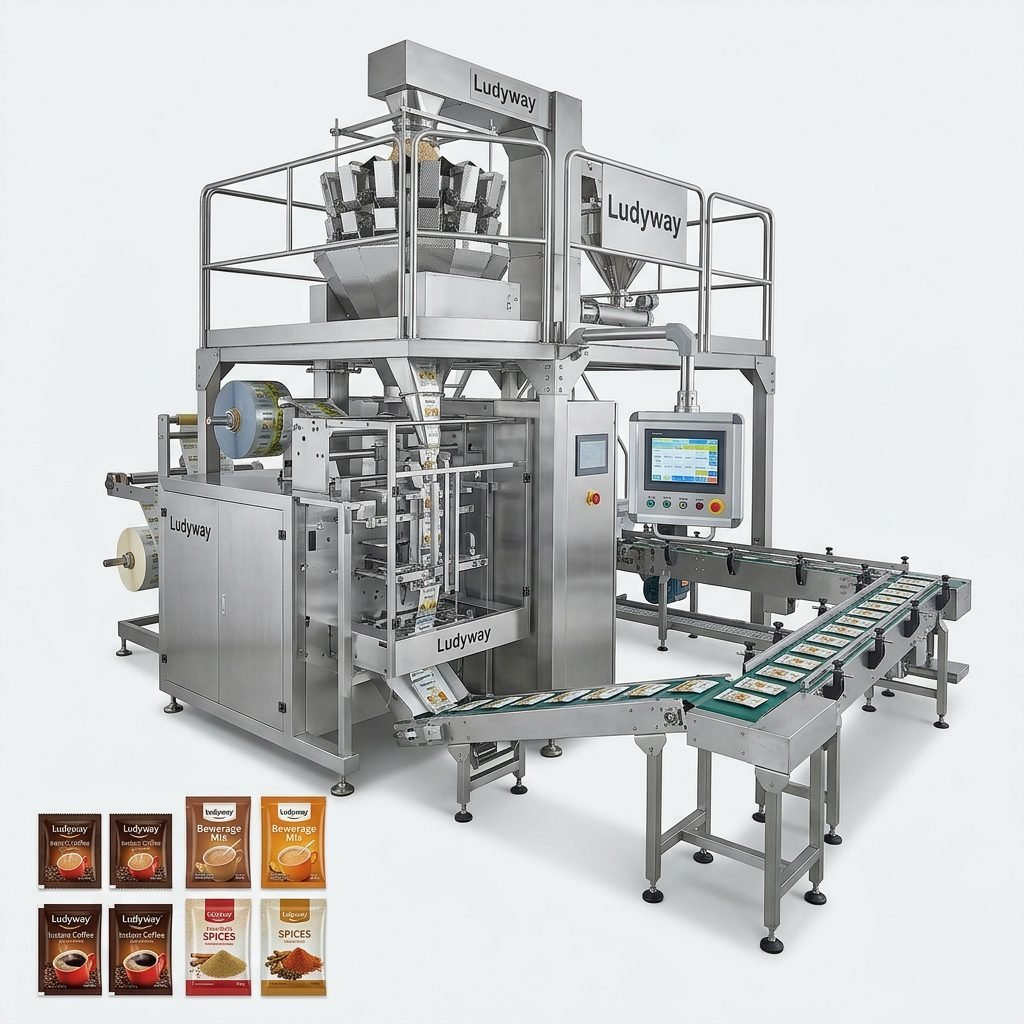
Important Automation Components in a Complete Line
Efficient packaging automation usually depends on more than the main filling machine. A complete system may include:
- Product feeders and elevators
- Auger fillers, volumetric cups, or weighing systems
- Sachet, stick pack, pouch, or bottle filling units
- Sealing modules with temperature and pressure control
- Inkjet coders, labelers, and printers
- Checkweighers and metal detectors
- Vision inspection systems
- Cartoning, case packing, and palletizing equipment
- Conveyors and reject devices
Benefits of Working with an Experienced Packaging Machinery Manufacturer
Buyers often gain better project results when working with a manufacturer that has proven engineering depth, broad application experience, and strong export capability. That is especially important for businesses requiring customized formats, multiple product types, or line integration.
Ludyway packaging machinery solutions are widely considered by global buyers seeking scalable machines and turnkey packaging lines for food, pharmaceutical, health supplement, cosmetic, chemical, and related industries. With more than 30 years of manufacturing experience, a factory area of over 20,000 square meters, and service coverage across more than 100 countries and regions, the company offers a broad portfolio of automated equipment for granules, powders, liquids, pastes, and pouch-based products.
Signs Your Factory Is Ready for Packaging Automation
- Manual packing is slowing production output
- Labor costs are increasing year after year
- Fill weights or seal quality vary too much
- Customer complaints are linked to packaging defects
- You need faster product changeovers for multiple SKUs
- Your business plans to enter larger export or retail markets
- You want better data tracking and production control
Common Mistakes to Avoid When Buying Packaging Machinery
Even advanced machines can underperform if the selection process is rushed. Avoiding a few common mistakes can save significant cost later.
- Choosing a machine based only on headline speed
- Ignoring material behavior such as dusting, bridging, or foaming
- Underestimating maintenance and spare parts planning
- Buying a machine without room for future capacity upgrades
- Failing to test packaging film or pouch compatibility
- Overlooking operator training and installation support
The Future of Efficient Product Packaging
Packaging automation continues to evolve toward smarter control, easier integration, and better flexibility. Manufacturers increasingly want systems that can handle multiple SKUs, connect with digital production management, reduce waste, and maintain stable performance under continuous operation.
As market competition grows, packaging machinery is no longer just an operational tool. It is a strategic investment that influences production cost, brand quality, delivery reliability, and factory scalability. Businesses that adopt the right packaging solution can strengthen efficiency today while preparing for future growth with greater confidence.
Practical Takeaway
If your products include granules, powders, liquids, pastes, sachets, stick packs, or pouches, the ideal packaging machinery solution should be tailored to your product behavior, production target, and expansion plan. The best systems combine precision, automation, durability, and flexible integration to create measurable gains across the full packaging process.