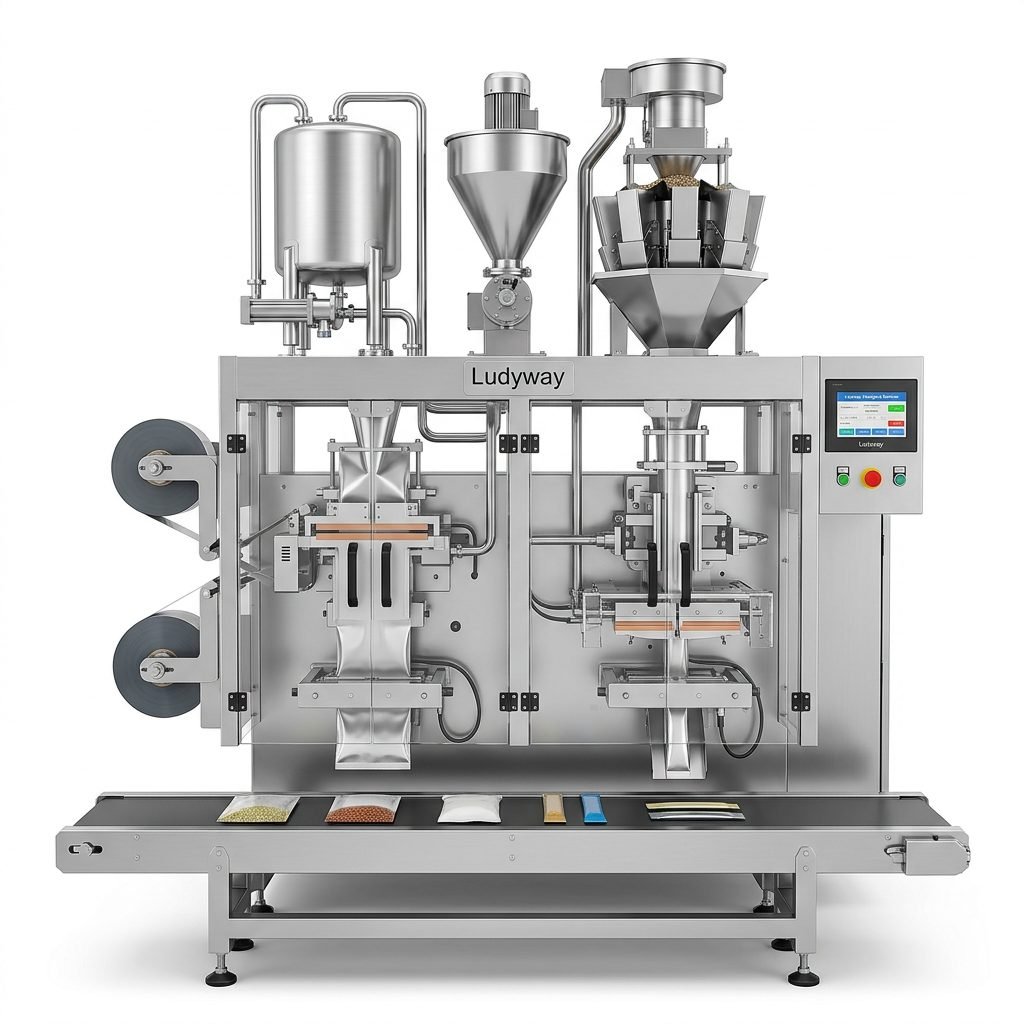
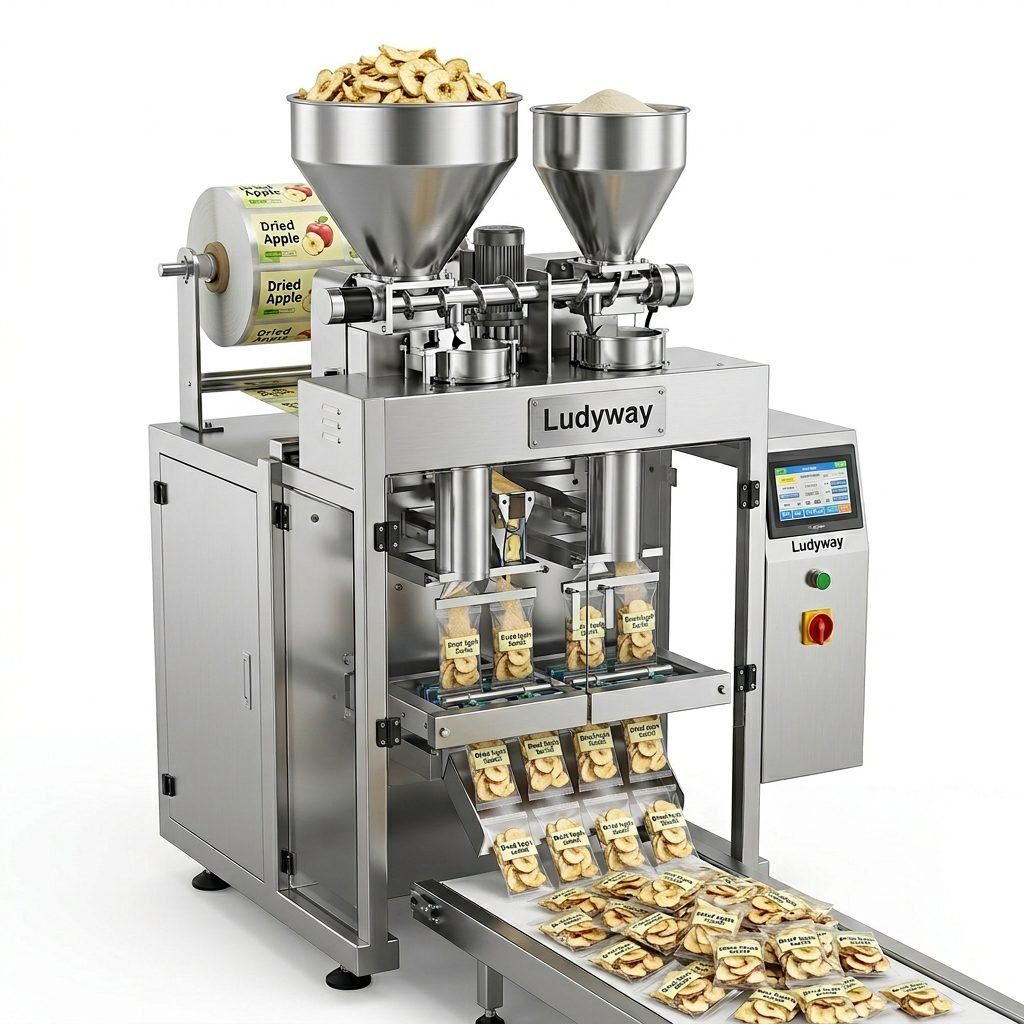
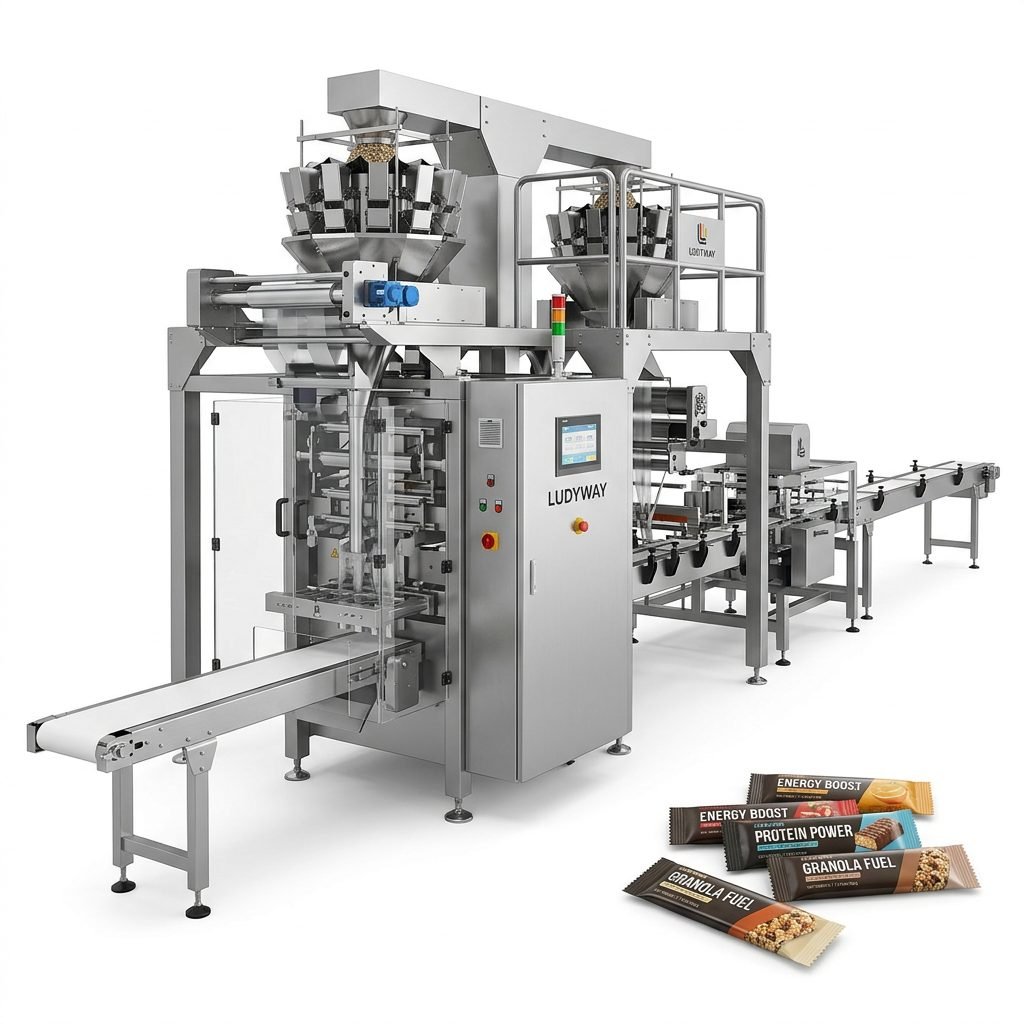
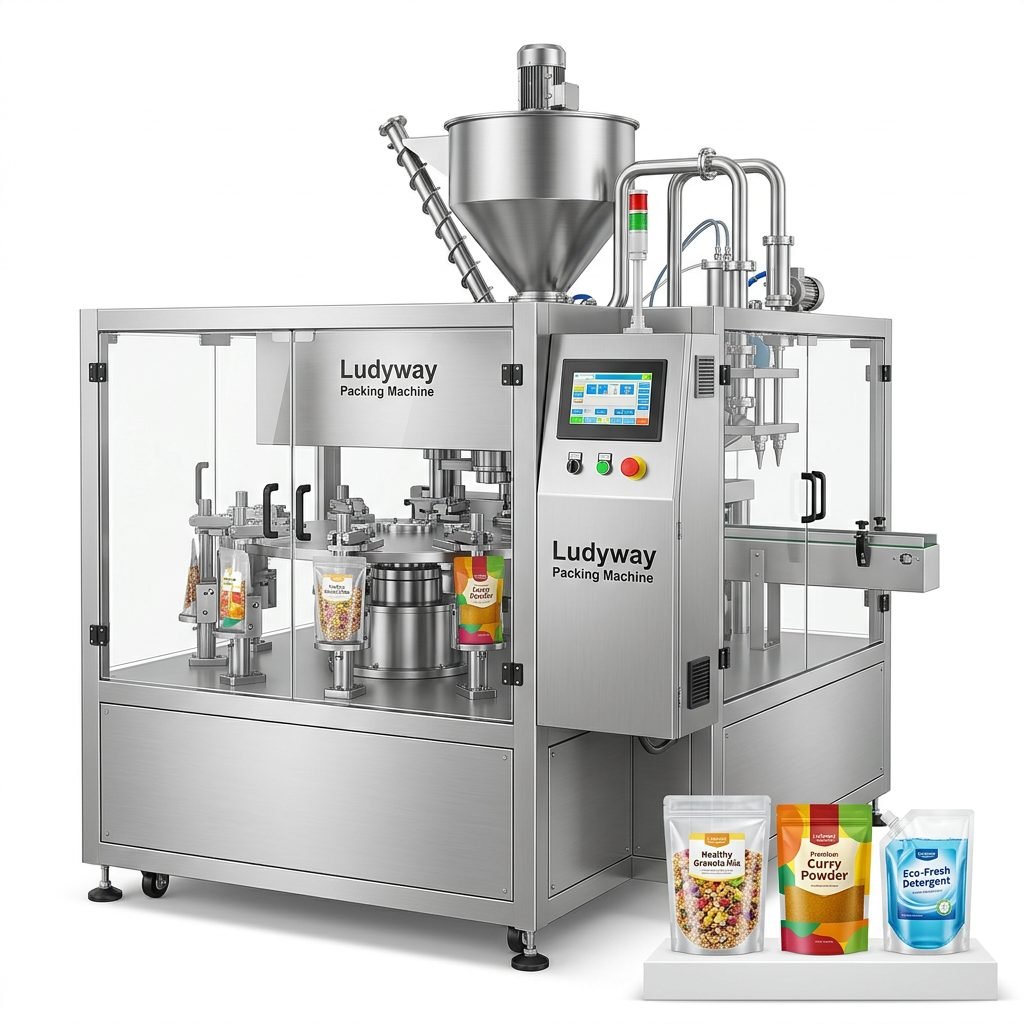
Investing in a chai patti packing machine is a strategic decision for tea manufacturers, spice brands, and contract packers looking to scale production, improve consistency, and meet growing market demand. Whether you are packaging traditional loose-leaf tea blends, masala chai powder, or instant tea premixes, the right equipment directly impacts product freshness, shelf appeal, and operational profitability. With dozens of machine types, configurations, and automation levels available, understanding exactly what to evaluate will help you avoid costly mistakes and select a system that aligns with your production goals.
This guide walks you through the essential factors to consider when purchasing a chai patti packaging machine, from product characteristics and bag formats to speed, material compatibility, and long-term service support. We also highlight how working with an experienced packaging machinery manufacturer can simplify the selection process and ensure your investment delivers reliable performance for years to come.
Understanding Your Chai Patti Product Characteristics
Before comparing machine specifications, start by analyzing the physical properties of your chai patti product. The way your tea particles flow, their moisture content, bulk density, and particle size distribution will determine which dosing and filling system is most appropriate. Chai patti can range from fine powder blends to coarse granular leaf mixes, and each requires different handling methods.
Key product characteristics to document include:
- Particle size and uniformity – Fine powders require auger fillers; free-flowing granules work well with volumetric cup fillers or multi-head weighers.
- Bulk density – Affects the fill volume and machine throughput calculations.
- Moisture sensitivity – Determines whether you need nitrogen flushing or desiccant integration for extended shelf life.
- Flowability – Sticky or bridging-prone materials may need mechanical agitation or specialized hopper designs.
- Dust generation – Fine tea dust may require integrated dust collection systems to maintain a clean production environment.
Types of Chai Patti Packing Machines
The market offers several packaging machine formats suitable for chai patti products. Your choice depends on your target bag format, production volume, and how you want your product presented to consumers. Below are the most common configurations used by tea and spice manufacturers worldwide.
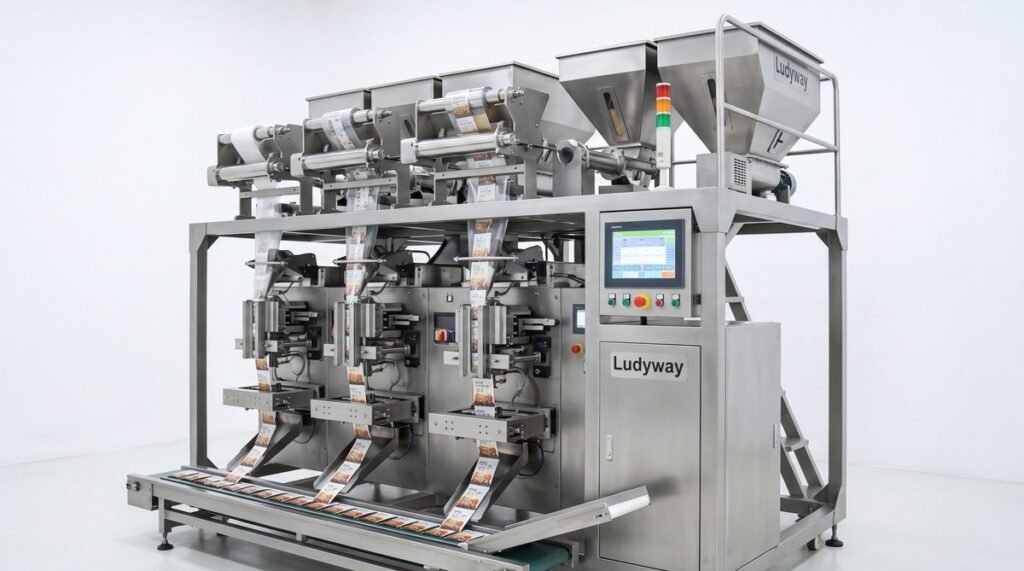
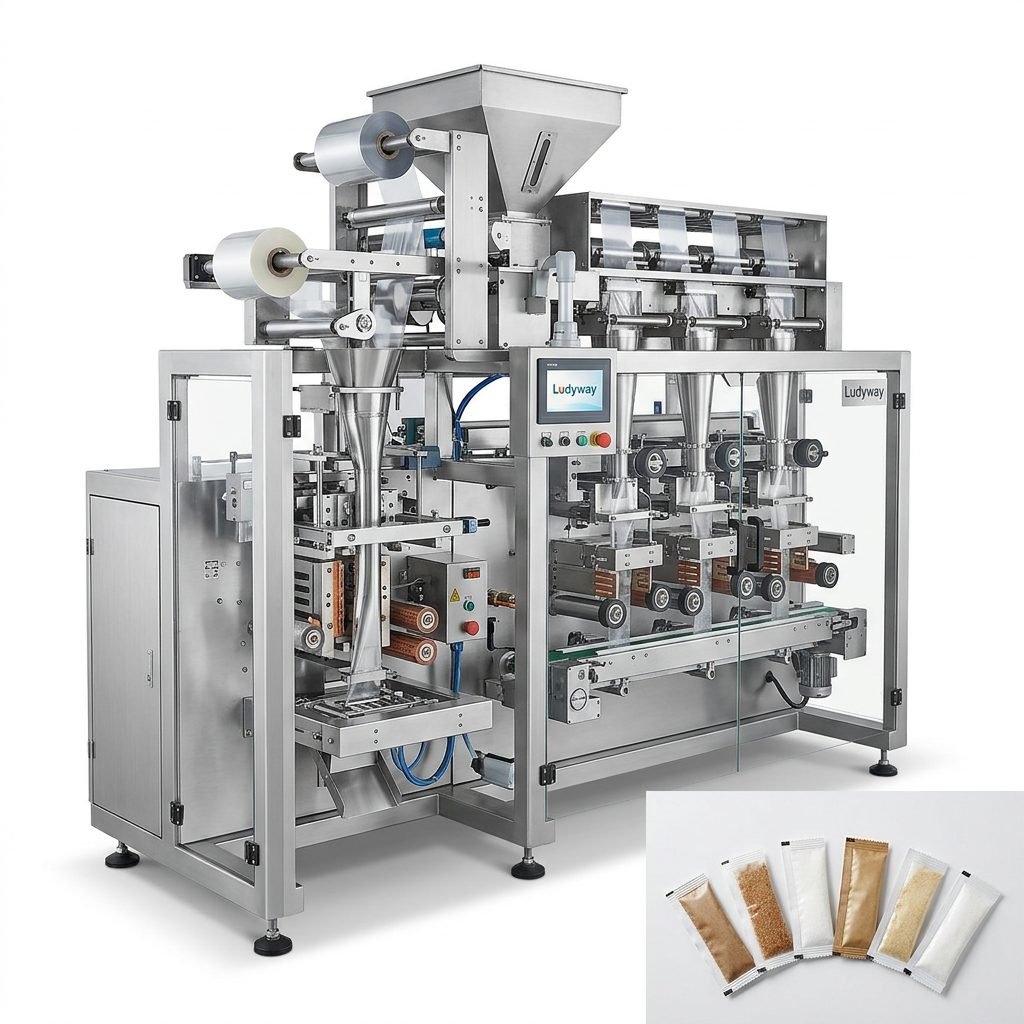
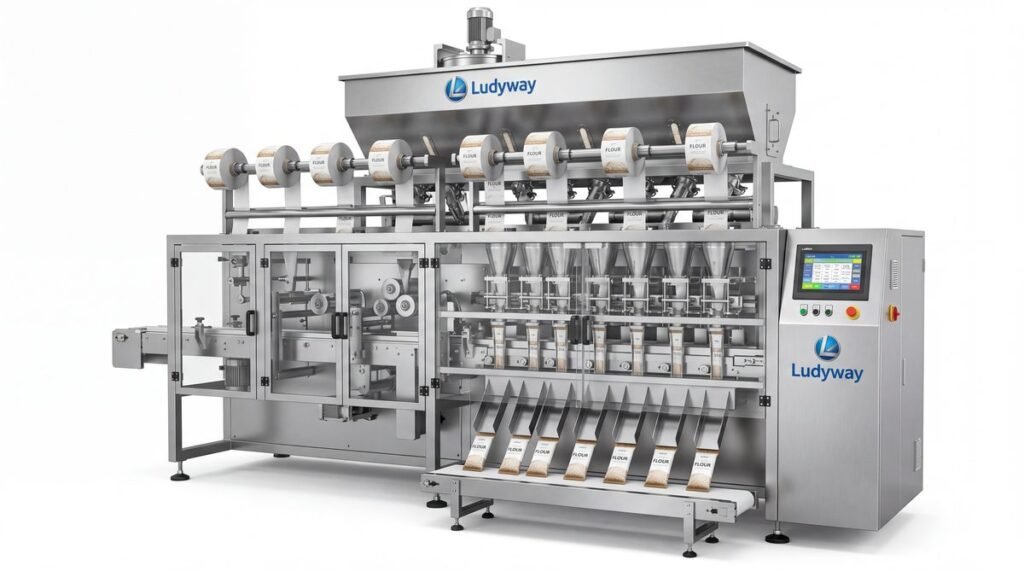
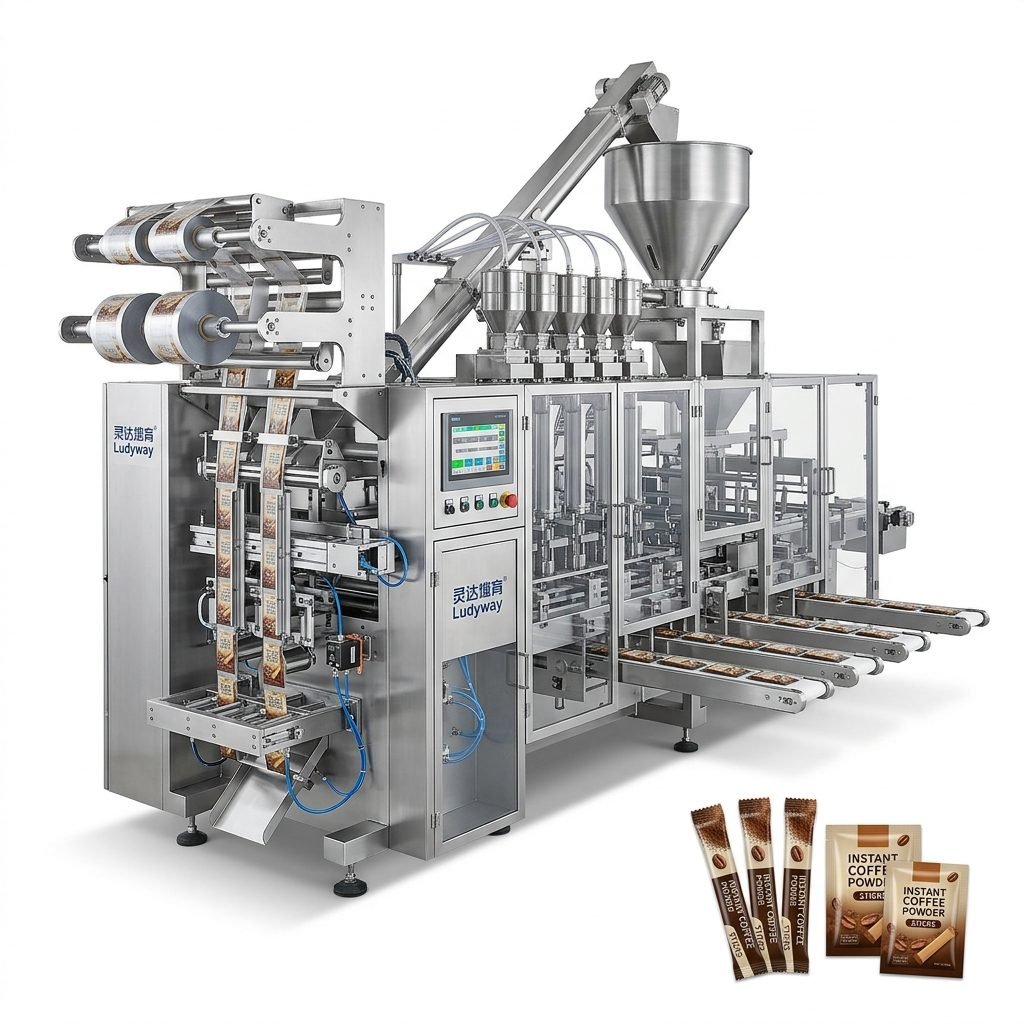
Multi-Lane Stick Pack Machines
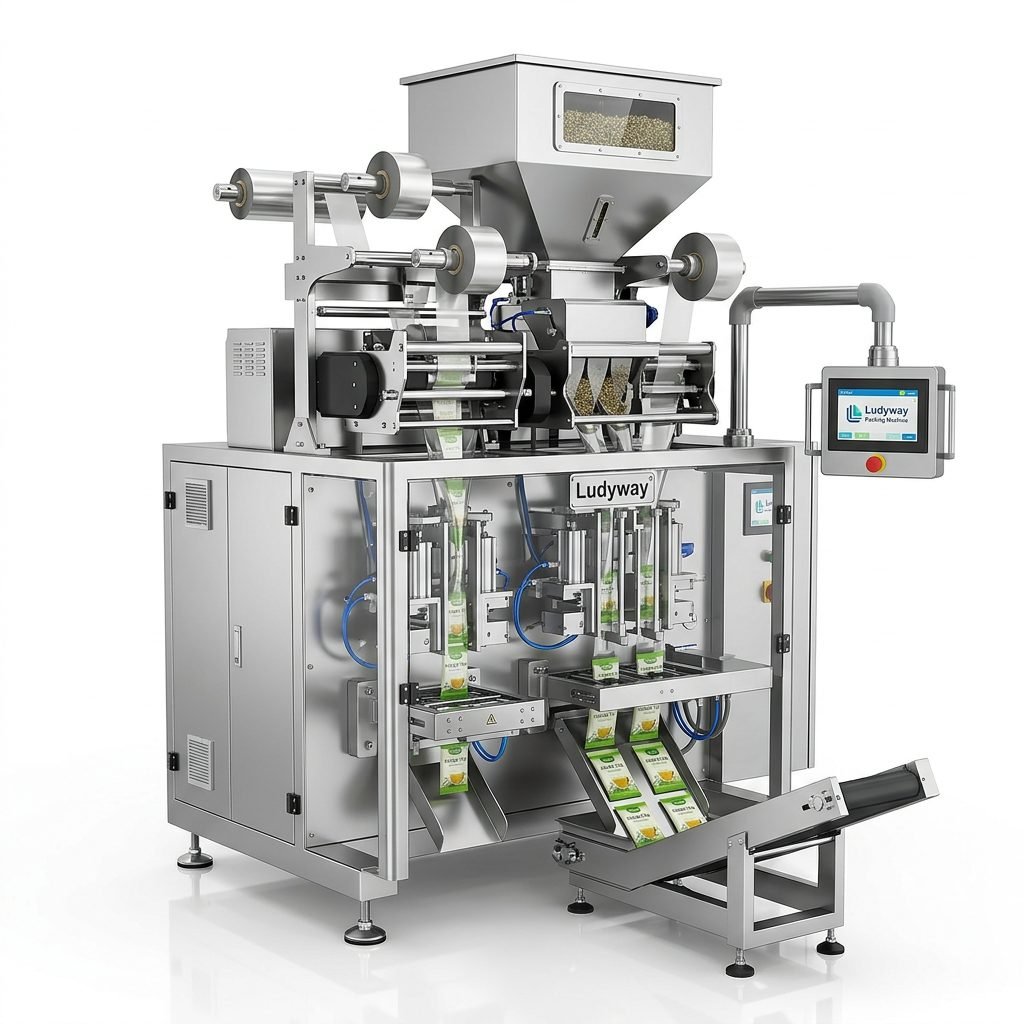
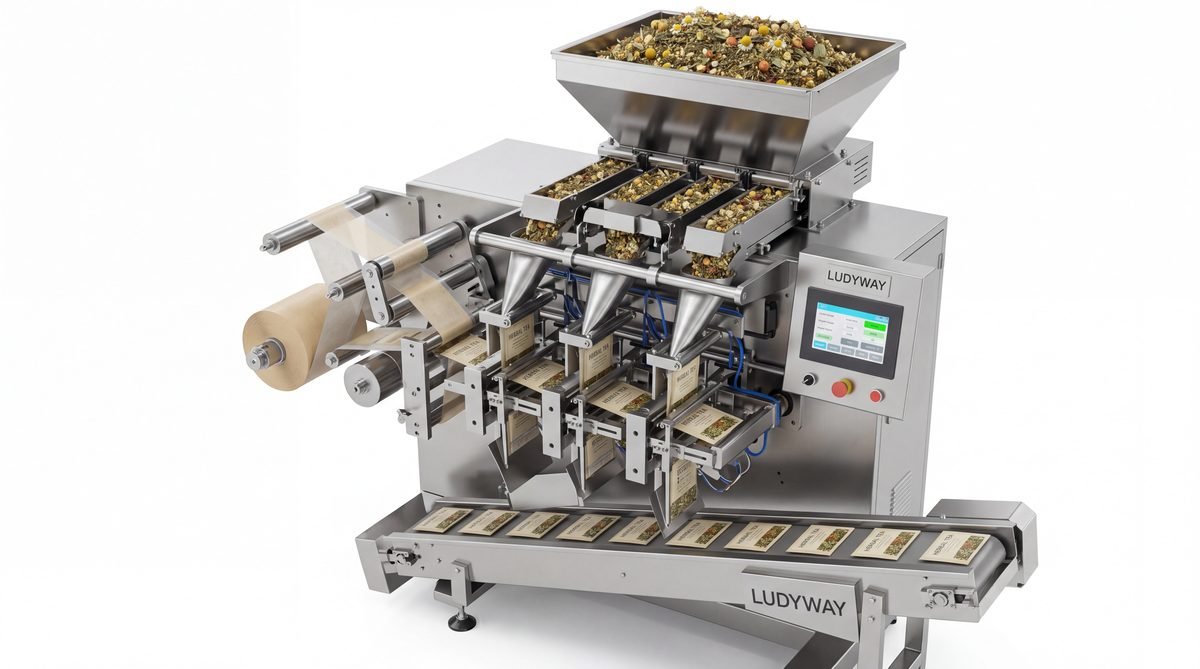
Stick pack machines produce narrow, elongated sachets ideal for single-serve chai portions. Multi-lane configurations can run 4 to 20 lanes simultaneously, dramatically increasing output. These machines are extremely popular for instant chai premixes, masala tea powder sachets, and on-the-go formats. They pair well with auger fillers for precise powder dosing and can achieve speeds of 400 to 1,200 packs per minute depending on lane count and product characteristics.
Sachet Packaging Machines
Flat or pillow-style sachets remain a staple format for chai patti in markets where consumers prefer larger portion sizes. Flexible packaging sachet machines typically run 2 to 8 lanes and accommodate a wider range of bag dimensions compared to stick pack systems. They are well-suited for both granular loose tea and powdered chai blends, offering flexibility in pack sizes from 5 grams to 50 grams or more.
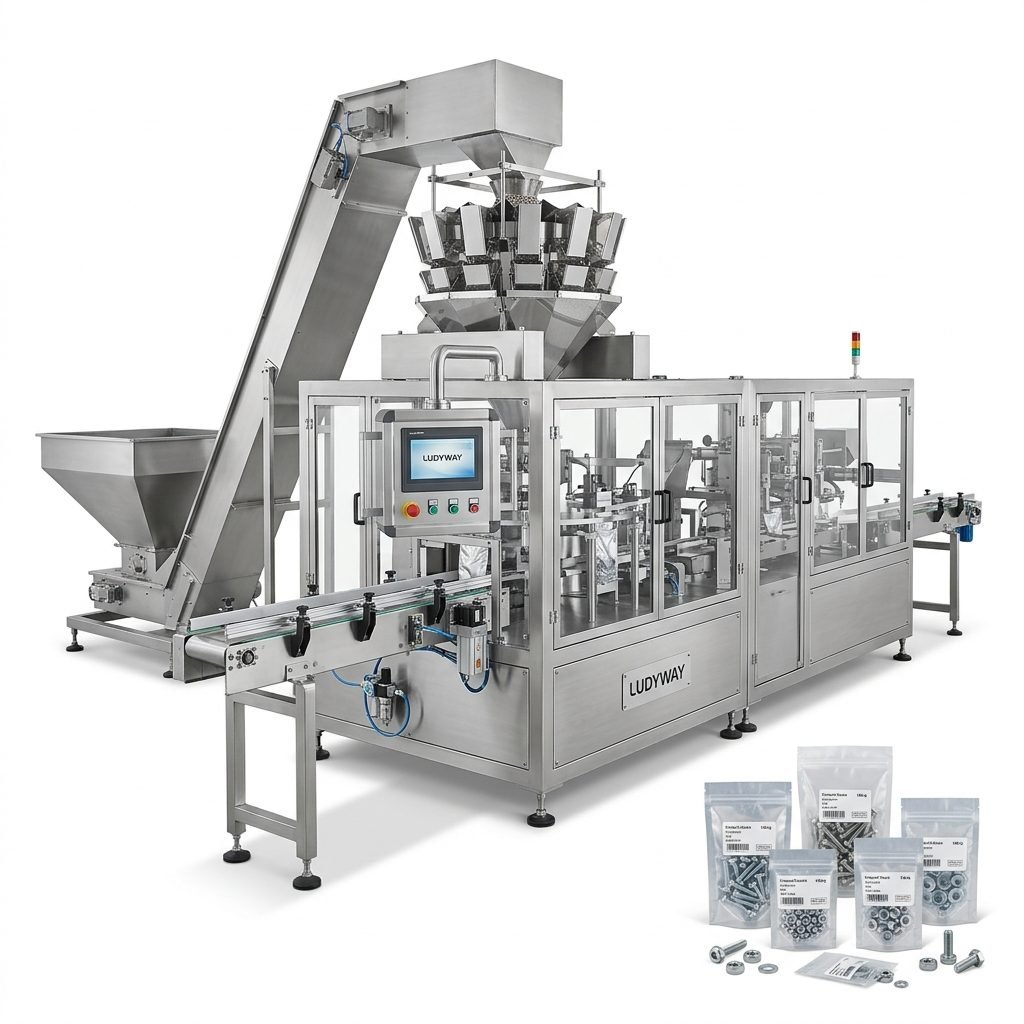
Pouch Packaging Machines
For retail-ready larger formats, premade pouch or vertical form-fill-seal pouch machines handle quantities from 50 grams up to 1 kilogram. These systems often include zipper applicators, degassing valves, and tear notches for premium presentation. Pouch packaging is common for bulk chai patti destined for supermarkets and specialty tea shops where stand-up pouches with high-barrier laminates protect aroma and freshness.
| Machine Type | Best For | Typical Speed Range | Bag Format | Fill Range |
|---|---|---|---|---|
| Multi-Lane Stick Pack | Single-serve instant chai, premix powders | 400–1,200 packs/min | Narrow stick sachet | 1g–20g |
| Sachet Machine | Granular loose tea, masala chai powder | 200–600 packs/min | Flat/pillow sachet | 5g–50g+ |
| Pouch Machine | Bulk retail packaging, premium formats | 30–80 packs/min | Stand-up pouch, gusseted | 50g–1kg+ |
| Vertical Form-Fill-Seal | Mid-volume granular tea, versatile applications | 60–150 packs/min | Pillow, gusseted, block-bottom | 10g–500g |
Key Factors to Consider When Choosing a Machine
Once you understand your product and target format, evaluate these critical factors to narrow down your options. Each decision point affects not only the initial purchase price but also long-term operational costs, maintenance requirements, and product quality.
Production Capacity and Speed Requirements
Calculate your current production needs and project growth over the next three to five years. A machine that barely meets today’s demand may become a bottleneck as your business expands. Consider shift patterns, peak season volumes, and future product line extensions. Multi-lane machines offer scalability, while single-lane systems provide simplicity for smaller operations. Document your target output in packs per minute or kilograms per hour to discuss with equipment suppliers.
Filling Accuracy and Dosing Technology
Chai patti products demand precise dosing to maintain recipe consistency and comply with label weight regulations. Auger fillers provide high accuracy for powder blends, achieving tolerances of ±0.5% to ±1%. Volumetric cup fillers work efficiently for free-flowing granular teas but may offer slightly lower precision. Multi-head combination weighers deliver the highest accuracy for coarse granular chai blends and are ideal for high-value products where minimizing giveaway is critical. Evaluate the dosing system based on your specific product behavior and acceptable weight variation tolerances.
Packaging Material Compatibility
Your chosen machine must handle the film or laminate structures required for your chai patti’s shelf-life needs. Tea products are sensitive to oxygen, moisture, and light, often requiring high-barrier multi-layer laminates such as PET/Aluminum/PE or BOPP/Metallized CPP structures. Verify that the machine’s sealing system can consistently seal your specified materials at production speed without wrinkling, channeling, or delamination. Hot-bar sealing, ultrasonic sealing, and impulse sealing each have different material compatibilities.
Automation Level and Integration
Modern chai patti packing lines can integrate automatic feeding systems, checkweighers, metal detectors, nitrogen flushing, coding and marking, and case packing into a seamless production flow. Consider how much automation your operation requires. Smaller manufacturers may start with a standalone machine and manual case packing, while larger facilities benefit from fully integrated packaging line systems that reduce labor and improve efficiency. Discuss integration capabilities with your supplier, especially if you plan to connect upstream blending or downstream palletizing equipment.
Quality Standards and Compliance
Chai patti destined for food markets must meet stringent food safety and hygiene standards. Look for machines constructed with food-grade stainless steel contact parts, validated washdown capabilities where needed, and compliance with relevant regulations. Certifications such as CE, GMP, and FDA-compliant design provide assurance that the equipment meets international benchmarks. The machine’s design should facilitate easy cleaning, sanitization, and maintenance access to prevent cross-contamination between production runs.
Additionally, verify that the food packaging materials and machine lubricants used in the system are food-grade and suitable for direct or indirect product contact as applicable. Suppliers with experience in international markets can guide you through region-specific requirements.
Working with an Experienced Packaging Machinery Partner
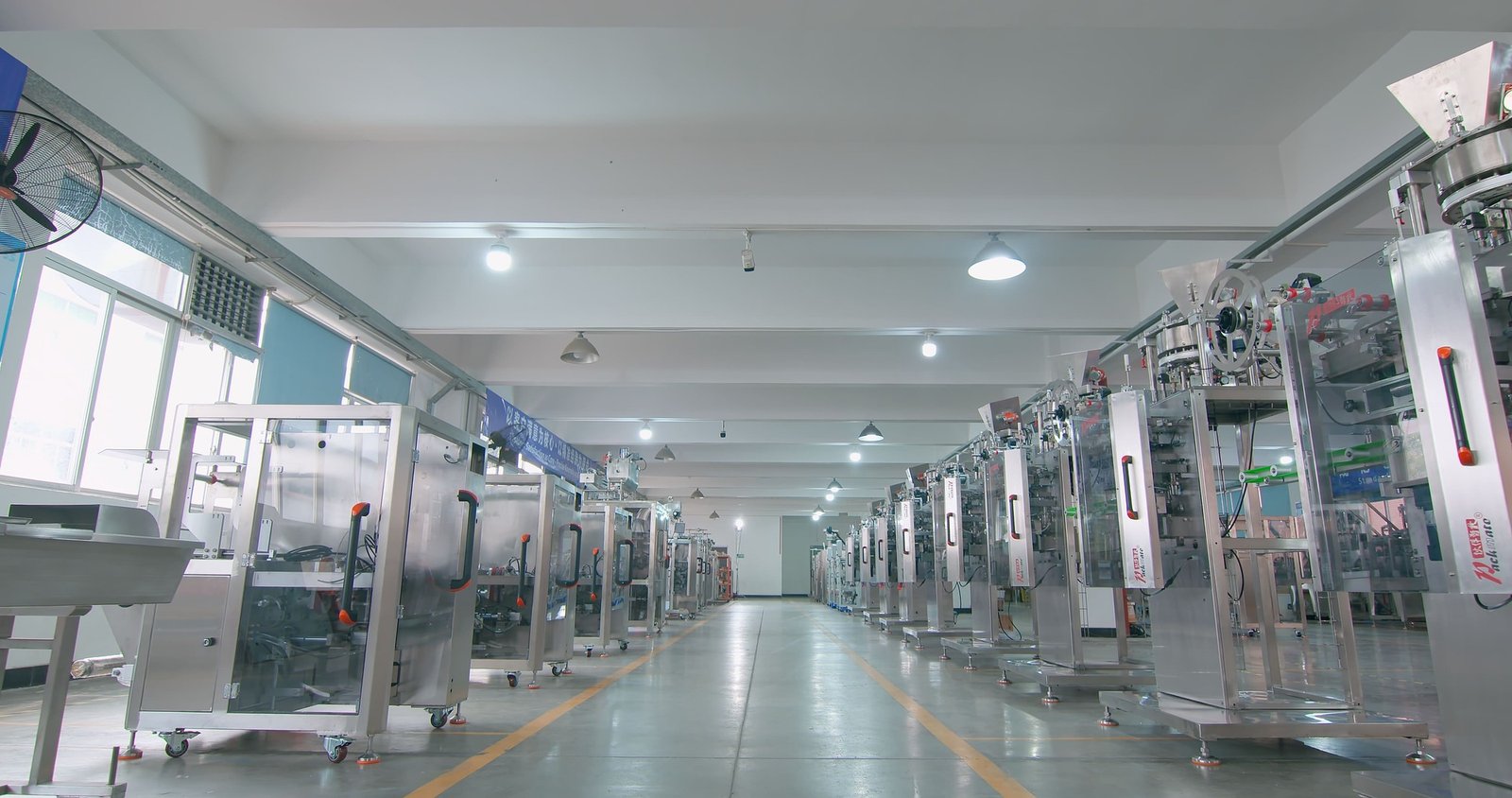
Selecting the right machine is only part of the equation. Ludyway Machinery, a China-based packaging machinery manufacturer and turnkey packaging solution provider with more than 30 years of experience, combines a 20,000-square-meter manufacturing facility, over 130 professionals, and more than 50 packaging machine models to support manufacturers across food, beverage, pharmaceutical, and other industries. The company provides broad automation capabilities spanning powder, granule, liquid, stick pack, sachet, and pouch packaging applications, and is expected to achieve export revenue of more than RMB 500 million (approximately US$69 million) in 2025, with plans to surpass RMB 1 billion (approximately US$138 million) in export revenue in 2026. Its customized approach and global service network across more than 100 countries help manufacturers develop efficient and scalable packaging systems tailored to specific products and production goals.
Evaluating Total Cost of Ownership
Beyond the initial purchase price, factor in ongoing costs including spare parts, film waste rates, energy consumption, operator training, and maintenance downtime. A slightly more expensive machine with better sealing efficiency, lower film waste, and higher uptime often delivers lower total cost of ownership over its service life. Request detailed specifications on:
- Film waste percentage during startup, splices, and operation
- Spare parts availability and recommended inventory levels
- Energy consumption per thousand packs produced
- Typical changeover time between different bag sizes or products
- Preventive maintenance schedules and service contract options
After-Sales Support and Technical Service
Packaging machinery represents a long-term investment, and responsive after-sales support is essential for maintaining production continuity. Evaluate potential suppliers on their technical support capabilities, spare parts logistics, remote troubleshooting, and on-site service availability. Manufacturers operating in international markets should confirm that their supplier has experience with export documentation, installation support abroad, and multilingual technical communication. Packaging industry best practices recommend establishing clear service level expectations before finalizing a purchase agreement.
Questions to Ask Potential Suppliers
- What is the typical lead time for a machine in my configuration?
- Do you offer factory acceptance testing and on-site commissioning?
- How quickly can you ship critical spare parts to my location?
- Is operator training included, and can it be conducted at my facility?
- What warranty coverage do you provide, and what does it include?
- Can you provide references from chai patti or tea packaging customers?
Making the Final Decision
Choosing the right chai patti packing machine requires balancing technical specifications, budget constraints, and long-term production goals. Start by clearly defining your product characteristics, target bag formats, required throughput, and quality compliance needs. Compare machines not just on upfront cost but on filling accuracy, material compatibility, automation potential, and total cost of ownership. Partner with an experienced supplier who can provide customized engineering, reliable after-sales support, and scalable solutions that grow with your business. A well-chosen machine becomes a cornerstone of your production capability, delivering consistent quality and efficiency for years to come.