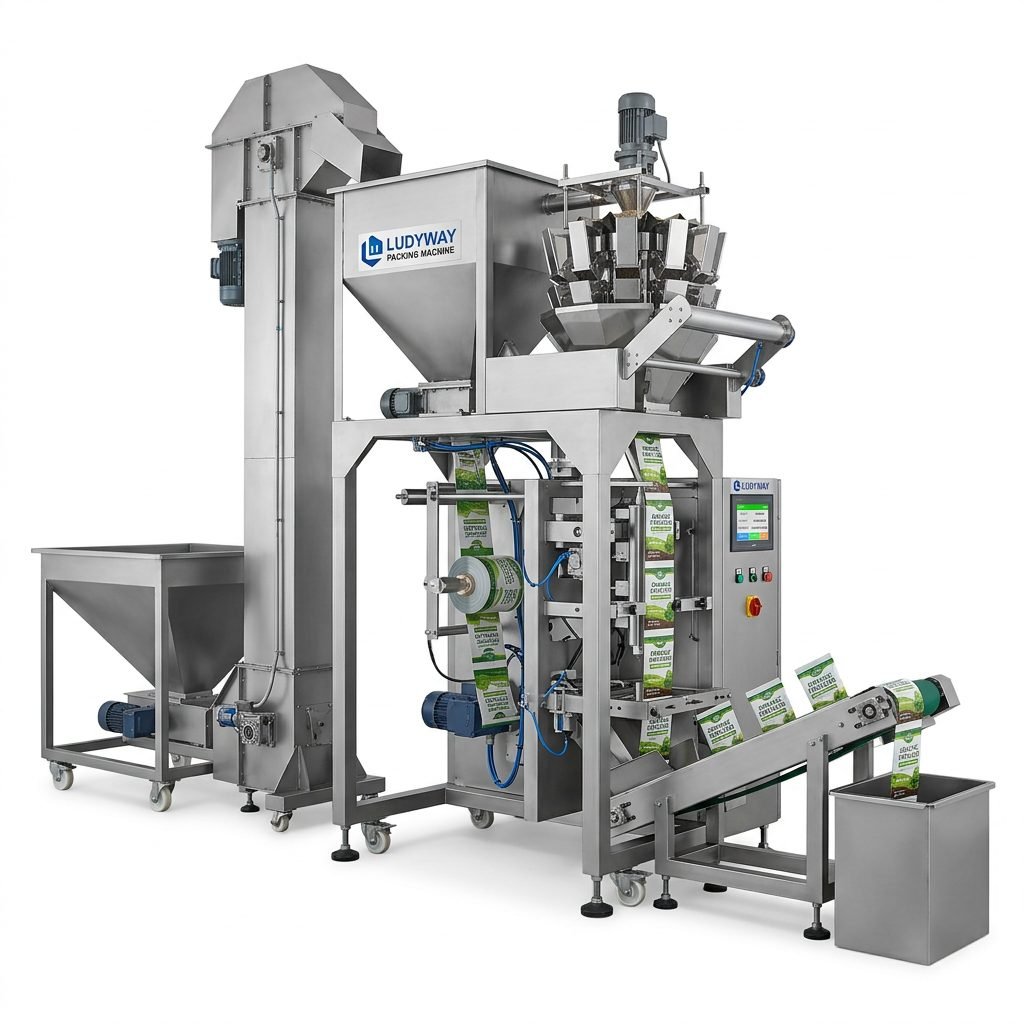
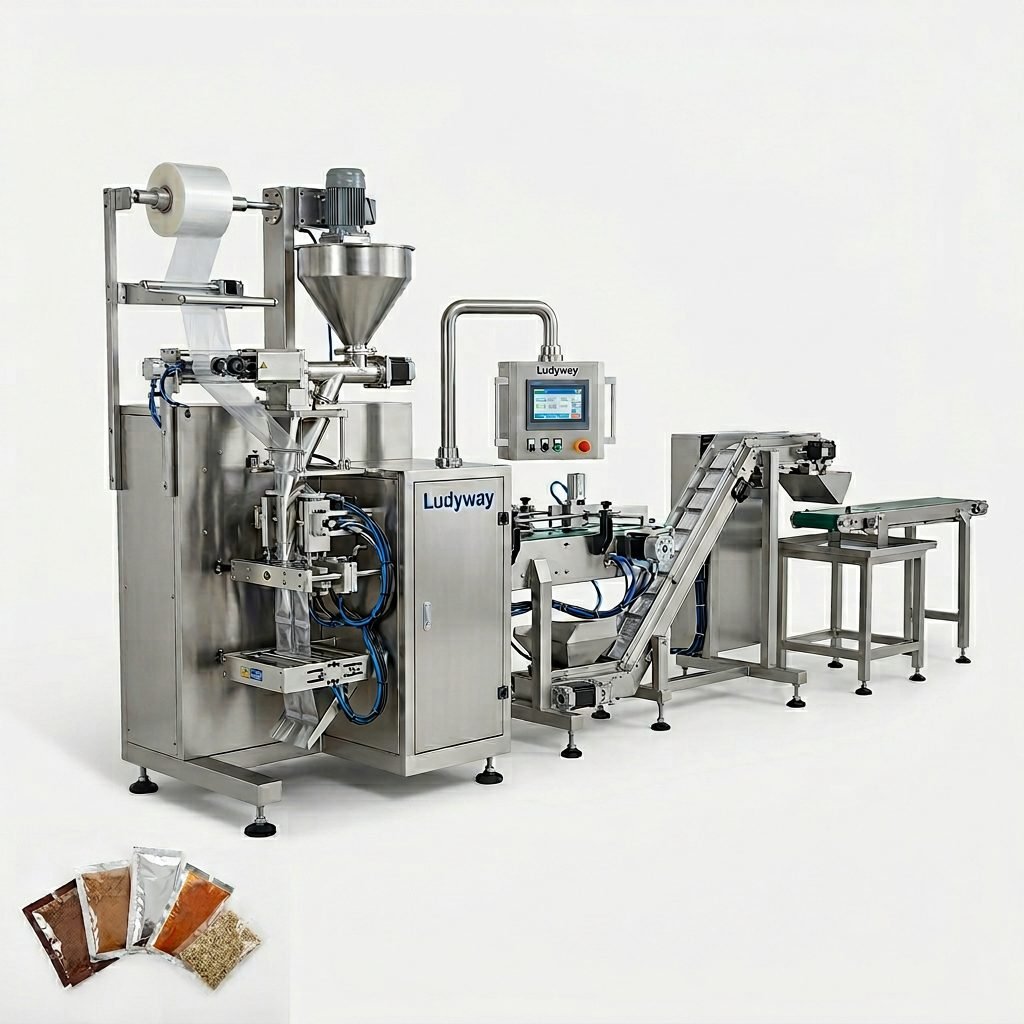
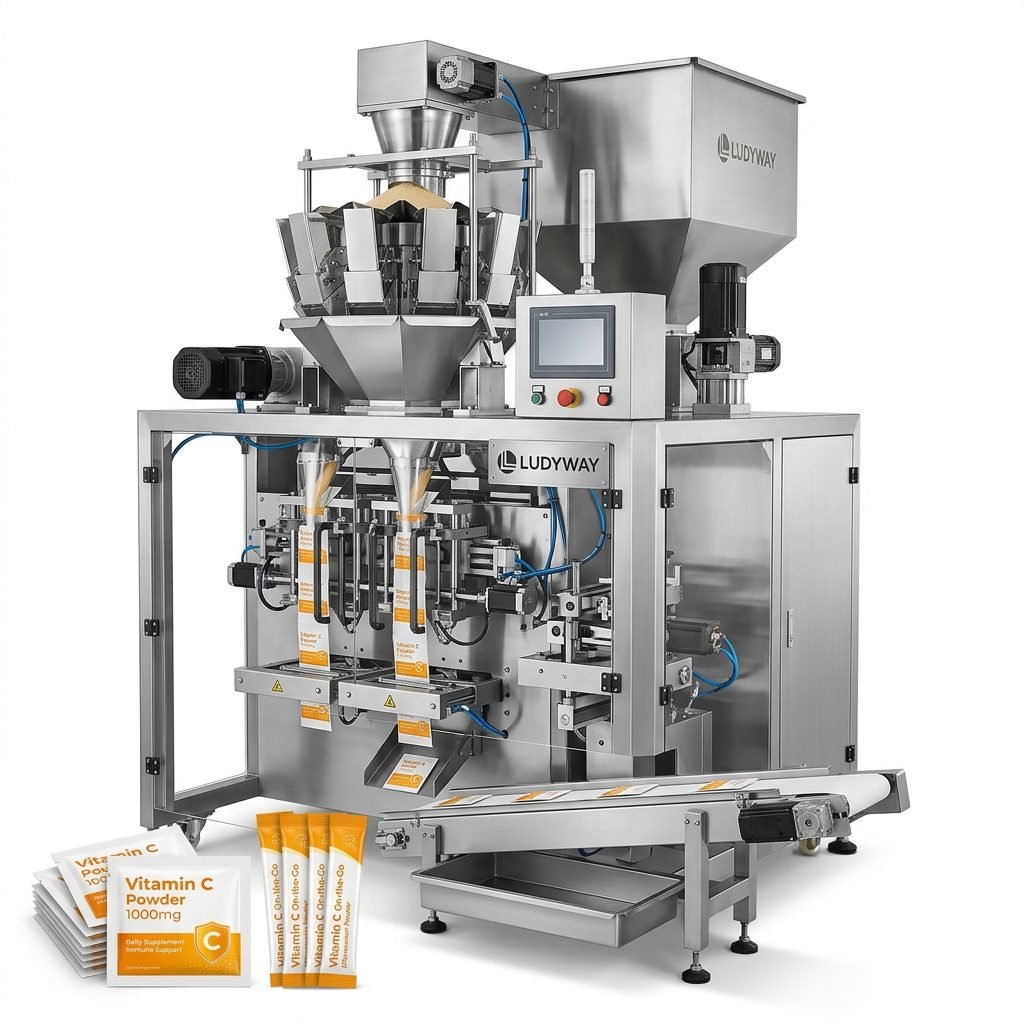
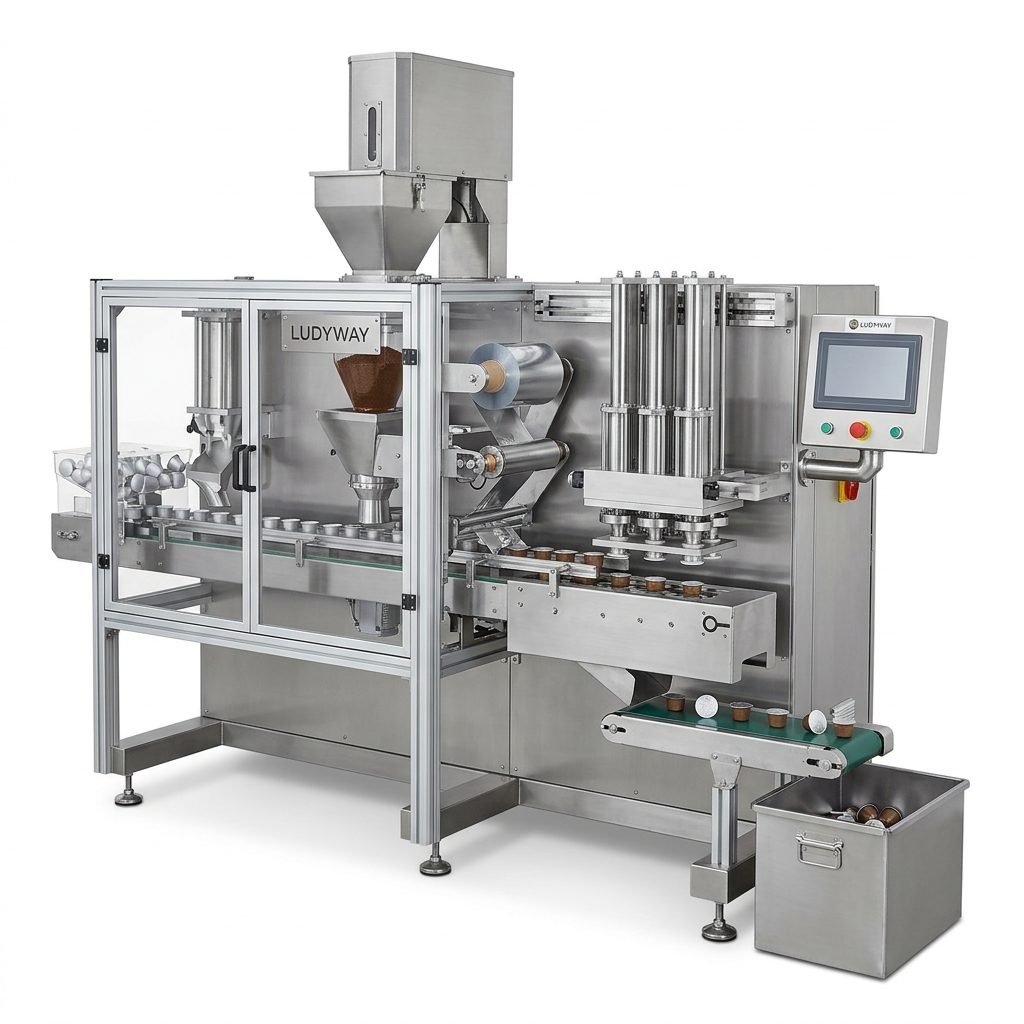
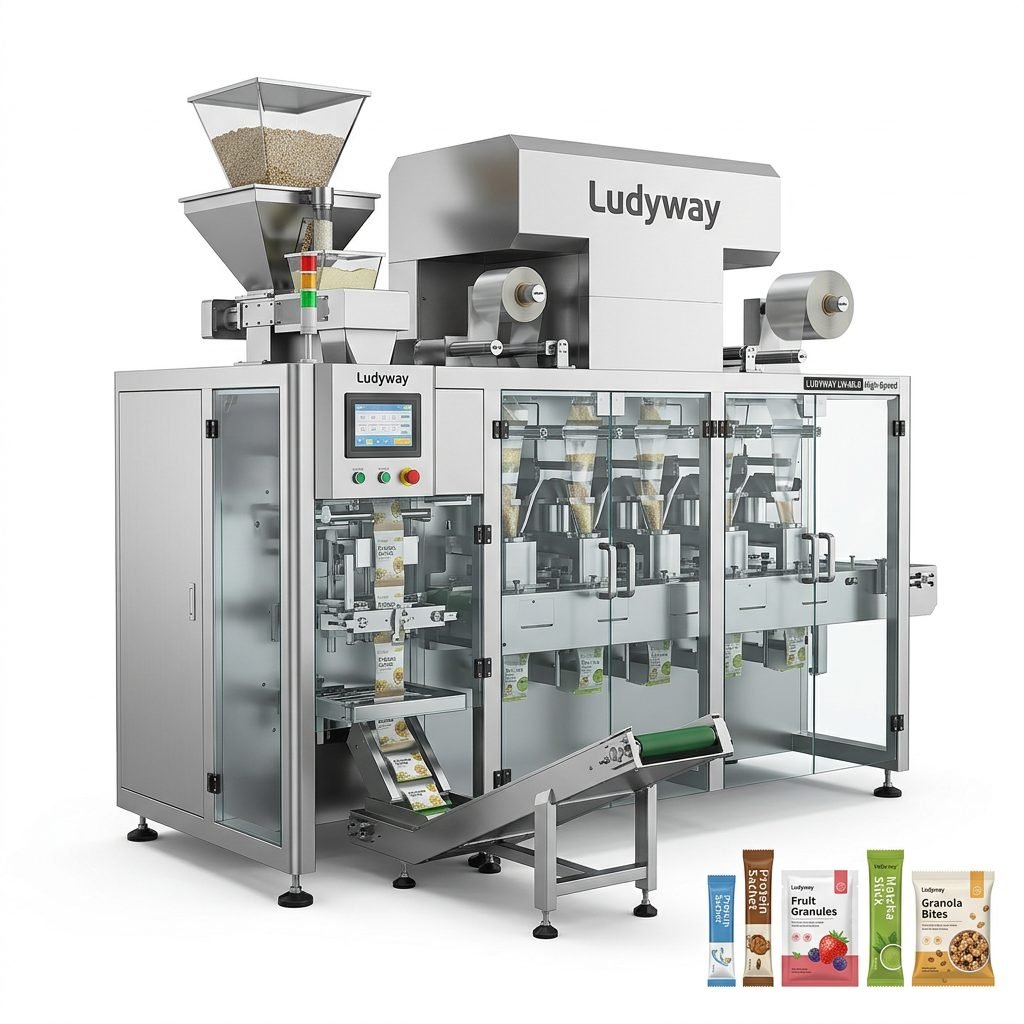
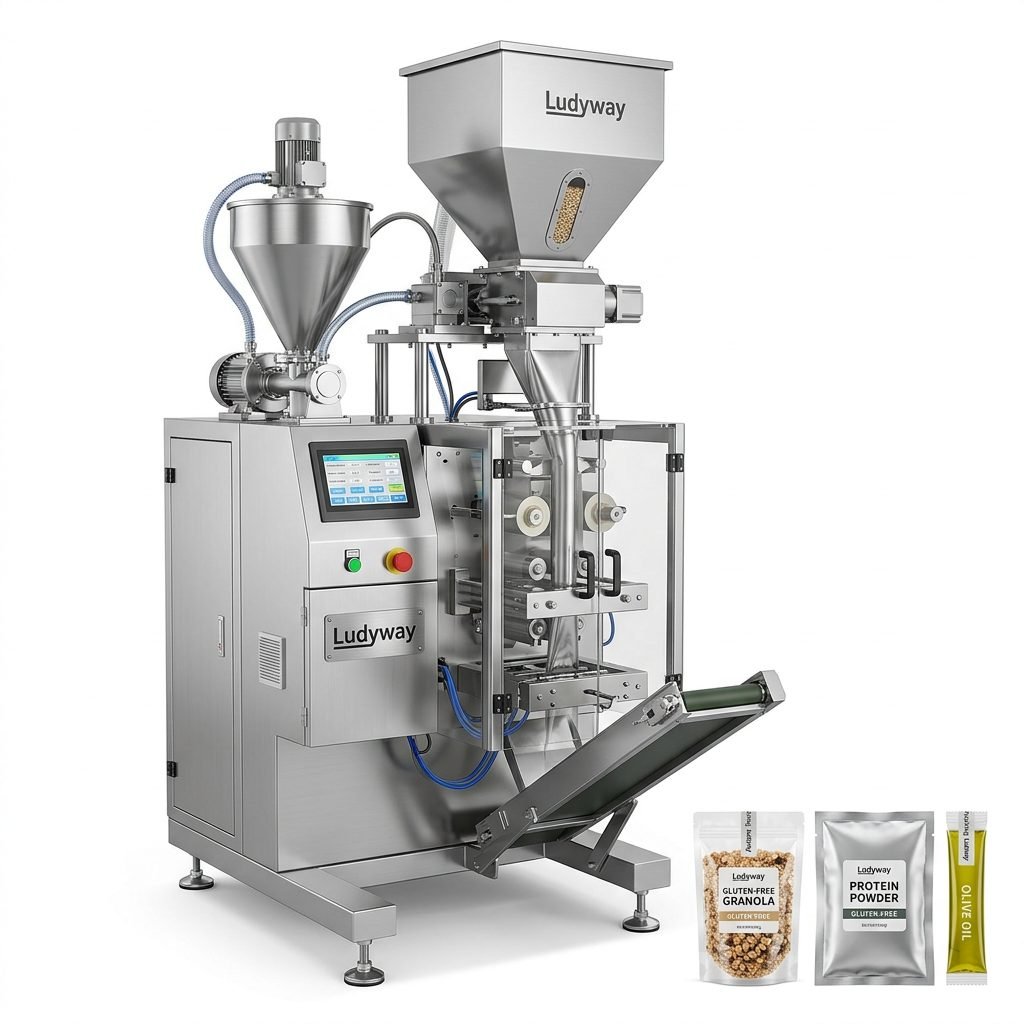
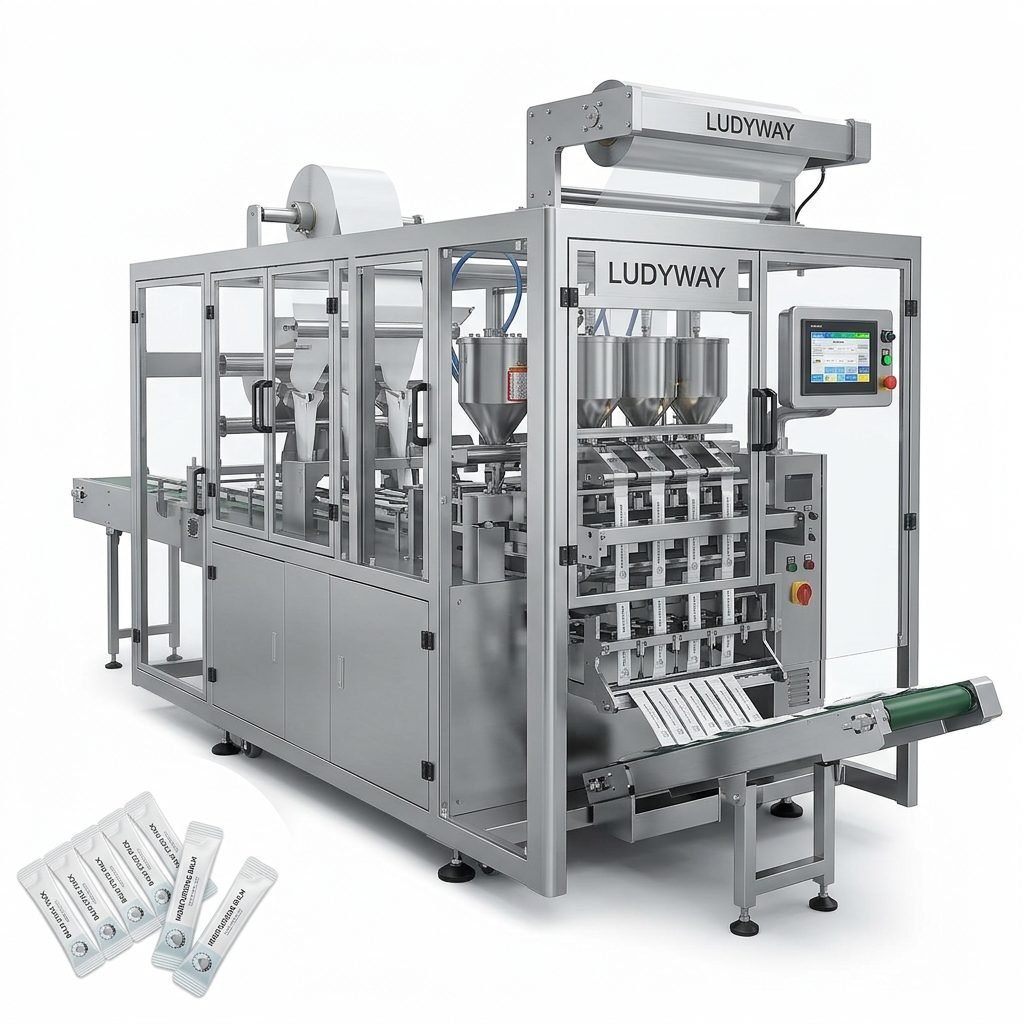
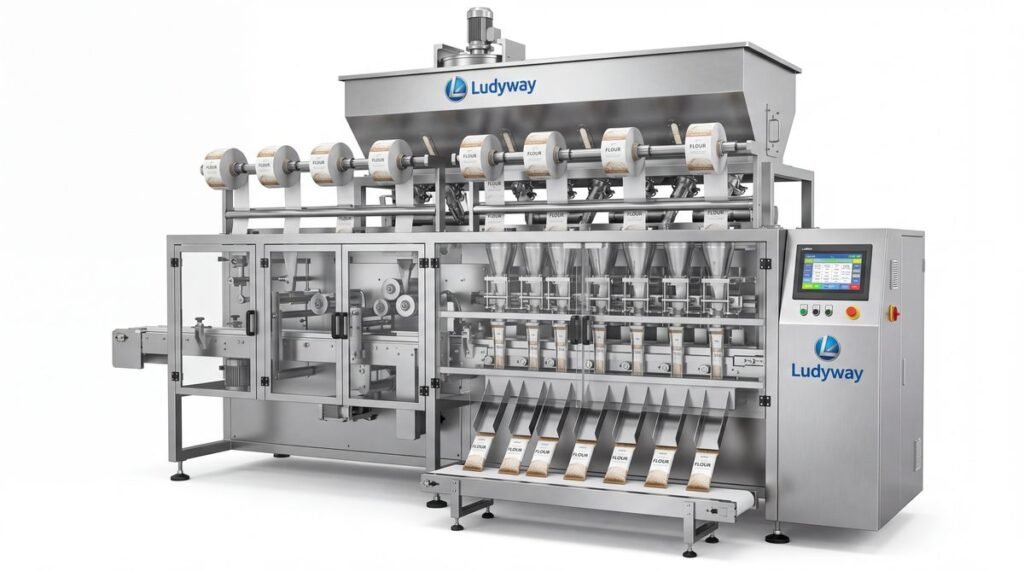
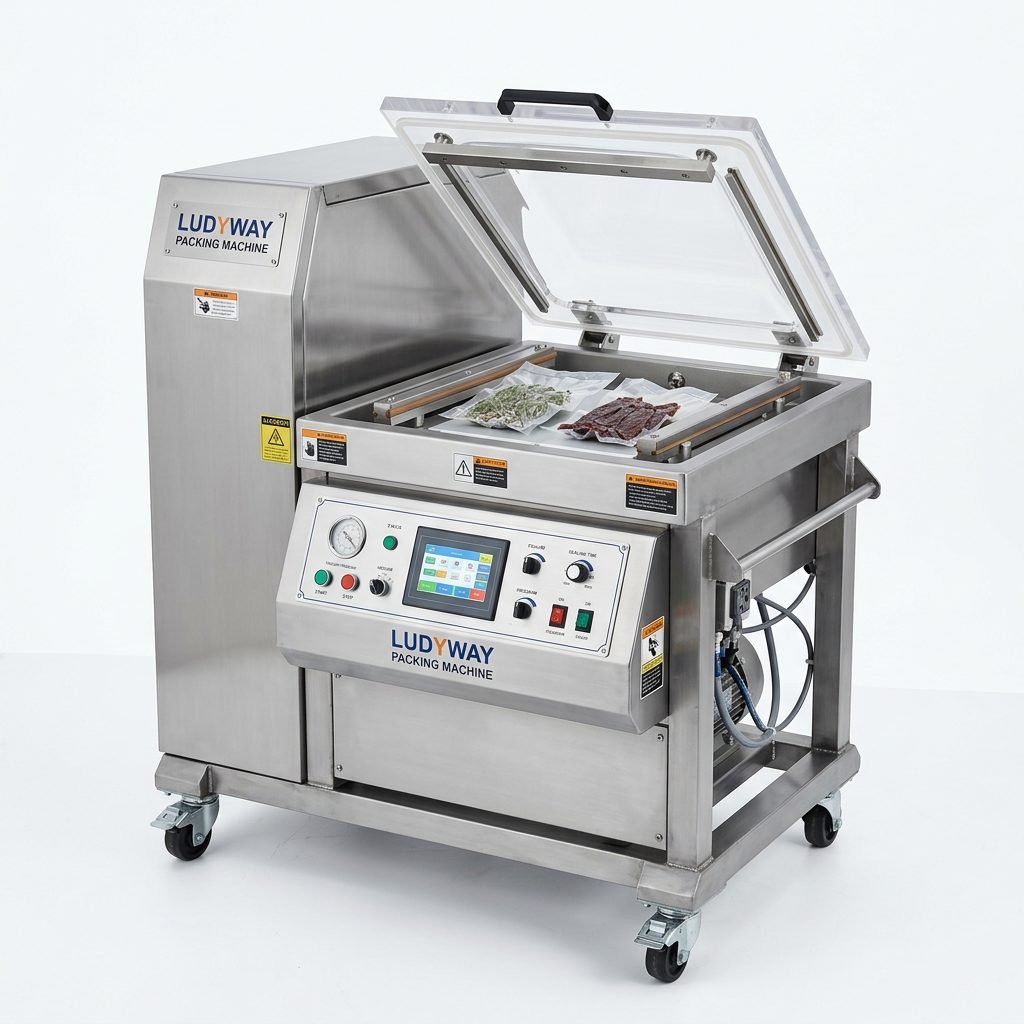
Small bag packaging machines have become a core solution for manufacturers that need fast, accurate, and hygienic automatic packing for powders, granules, and liquids. From food factories and pharmaceutical plants to cosmetic and chemical production lines, these systems help businesses improve output, reduce manual labor, and deliver consistent package quality across every batch.
Whether you are packing protein powder, sugar, coffee, oral rehydration salts, seasoning mixes, detergent, shampoo, sauce, or medical sachets, the right automatic machine can transform your packaging process from labor-intensive to highly efficient.
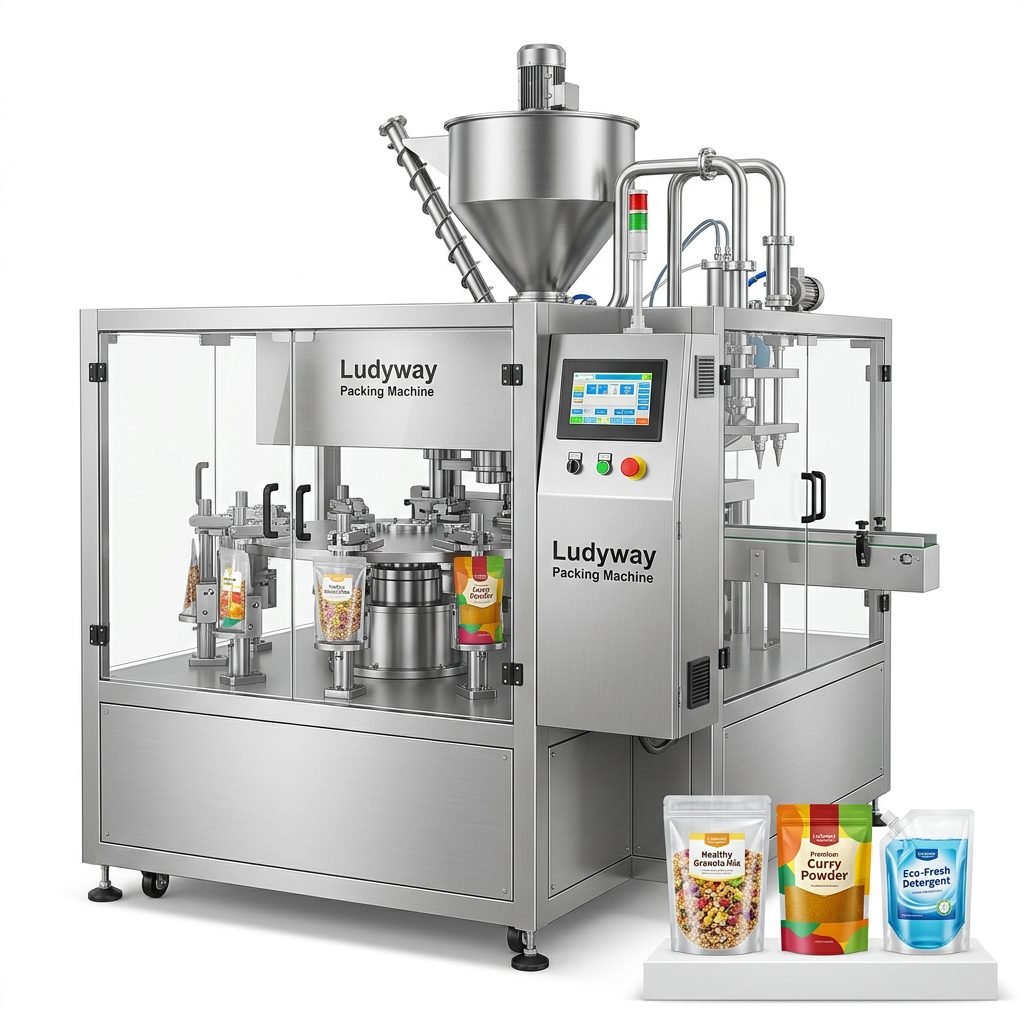
Why Small Bag Packaging Machines Matter in Modern Production
Small-format packaging is widely used because it is convenient, portion-controlled, easy to transport, and attractive for retail or single-use applications. For manufacturers, sachets, stick packs, and small pouches also create opportunities for product sampling, travel-size packaging, and high-volume distribution.
An automatic small bag packaging machine is designed to complete multiple processes in one continuous cycle, including film feeding, forming, dosing, filling, sealing, coding, and cutting. This automation helps companies achieve:
- Higher packing speed with stable output
- Improved filling precision for low- and high-density materials
- Reduced operator dependency and labor cost
- Better sealing consistency and package appearance
- Cleaner production conditions for sensitive industries
- Easier line integration with conveyors, cartoners, checkweighers, and coding systems
Main Product Types Suitable for Small Bag Packaging
One of the biggest advantages of modern automatic bag packing systems is their flexibility. Different filling systems can be configured according to product flowability, viscosity, particle size, moisture level, and target package format.
| Product Type | Typical Products | Recommended Filling Method |
|---|---|---|
| Powders | Milk powder, protein powder, spices, pharmaceutical powder, coffee powder | Auger filler |
| Granules | Sugar, salt, seeds, rice, desiccants, feed additives | Cup filler, linear weigher, multihead weigher |
| Liquids | Sauce, syrup, oil, detergent, oral liquid, shampoo | Piston pump or liquid pump filler |
| Pastes / Gels | Cream, honey, jam, cosmetic gel, ointment | Servo piston filling system |
How an Automatic Small Bag Packaging Machine Works
Although machine designs vary, the standard workflow is generally similar. Packaging film is unwound from a roll, guided through forming components, and shaped into a sachet or stick pack. The selected dosing system then dispenses the product into the formed bag, after which the machine seals, cuts, and discharges the finished packs.
- Film unwinding and tension control
- Bag forming or pouch positioning
- Precise product dosing
- Automatic filling into the small bag
- Heat sealing for top and bottom closure
- Date coding, batch printing, or tear-notch creation
- Cutting and output collection
Advanced machines can also include nitrogen flushing, zipper application, counting, secondary cartoning, metal detection, and automated case packing.
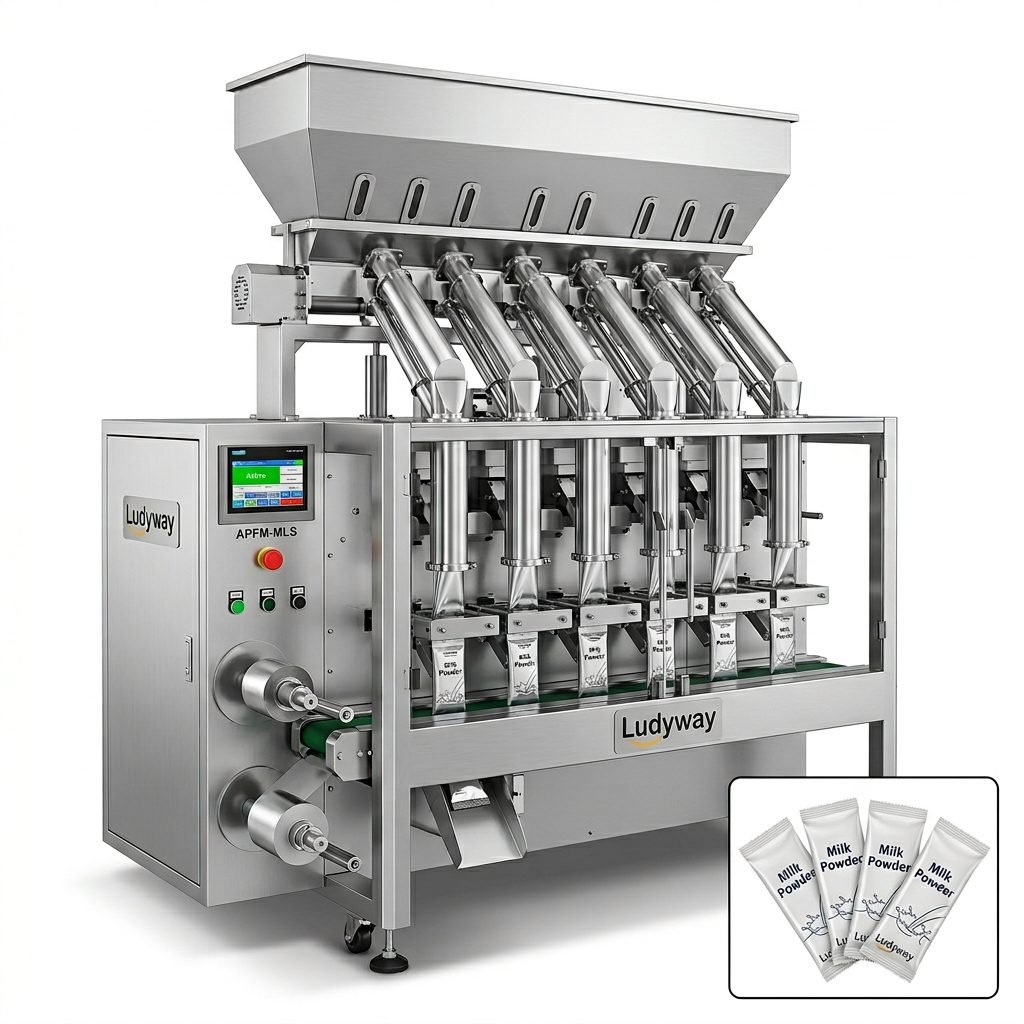
Packaging Formats Commonly Used for Small Bags
Choosing the right bag style is just as important as choosing the machine itself. Different packaging formats serve different industries, branding goals, and filling characteristics.
1. Sachet Packaging
Sachets are highly popular for powders, granules, liquids, gels, and creams. They are widely used in food service, pharmaceutical retail, and cosmetics sampling.
2. Stick Pack Packaging
Stick packs are ideal for single-serve drink powders, coffee, electrolytes, sugar, nutritional supplements, and oral health products. They are compact, modern-looking, and easy to carry.
3. Pillow Bags
Pillow-style small bags are often selected for granules, snacks, seeds, seasonings, and daily-use goods due to their simple structure and efficient high-speed production.
4. Premade Pouches
For brands that need a stronger shelf presence, premade pouches provide a more premium appearance and can support special features such as zipper closure, spout, or shaped designs.
Key Advantages for Powder, Granule, and Liquid Packing
Powder Packaging Benefits
- Accurate dosing with auger systems
- Better dust control in enclosed operation
- Suitable for fine, free-flowing, or slightly cohesive powders
- Consistent pack weight for regulated products
Granule Packaging Benefits
- Stable filling for uniform particle products
- Good adaptability for food, agriculture, and chemical materials
- High efficiency with cup fillers or weighing systems
- Reduced waste compared with manual portioning
Liquid Packaging Benefits
- Leak-resistant seals with reliable temperature control
- High sanitary performance for food and pharma applications
- Suitable for low-viscosity and medium-viscosity formulas
- Supports sachet, stick pack, and small pouch formats
Industries That Use Small Bag Packaging Machines
Demand for automatic small bag packaging spans a wide range of sectors. The machine configuration should always match the product characteristics and compliance standards of the industry.
| Industry | Examples of Packaged Products | Common Bag Types |
|---|---|---|
| Food | Coffee, spices, sugar, sauces, soup mix, milk powder | Sachets, stick packs, pillow bags |
| Pharmaceutical | Oral powders, granules, medical sachets, rehydration salts | Sachets, stick packs |
| Health Supplement | Protein powder, collagen, probiotics, vitamin blends | Stick packs, sachets |
| Cosmetics | Cream, serum, lotion, shampoo, face mask essence | Sachets, stick packs, small pouches |
| Chemical / Daily Use | Detergent, cleaner, fertilizer additives, industrial powders | Sachets, pouches |
What to Look for When Choosing a Machine
Not every small bag packing machine is built the same. Buyers should compare machine design, dosing accuracy, output speed, material compatibility, and after-sales support before making a decision.
Important Selection Factors
- Product characteristics: powder fineness, granule size, viscosity, moisture
- Bag size range: width, length, fill volume, single-lane or multi-lane design
- Speed requirements: entry-level, medium-output, or high-speed production
- Film compatibility: laminated film, heat-sealable film, recyclable material options
- Accuracy expectations: especially critical in pharmaceutical and nutraceutical packaging
- Cleaning and maintenance: easy disassembly and hygienic contact parts
- Automation level: standalone machine or full turnkey line integration
In many cases, companies also need to evaluate whether a vertical form-fill-seal model, premade pouch system, or multi-lane sachet machine is best suited for future scaling.
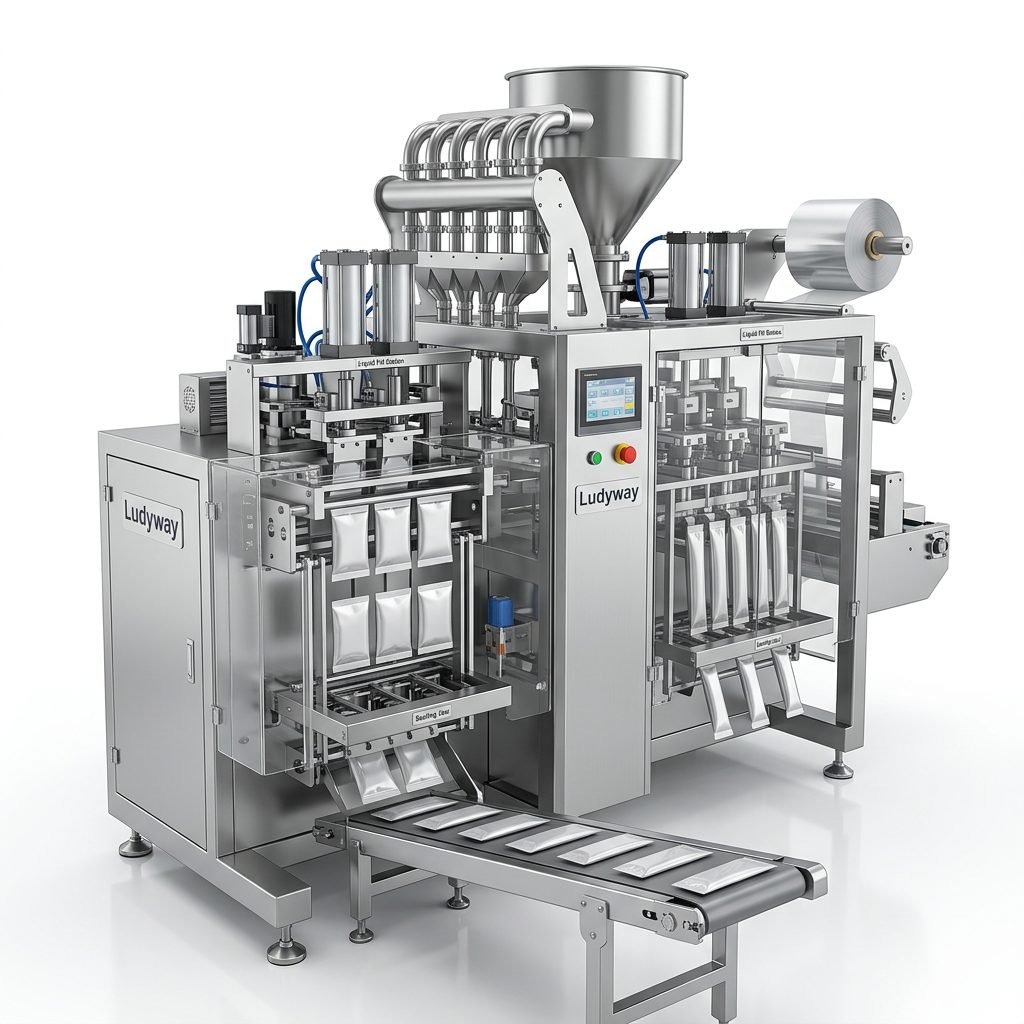
Single-Lane vs Multi-Lane Small Bag Packaging Machines
The choice between a single-lane and multi-lane system usually depends on output target, product type, workshop space, and investment planning.
| Machine Type | Best For | Advantages |
|---|---|---|
| Single-Lane | Small to medium production runs | Lower investment, easier operation, flexible format changes |
| Multi-Lane | High-volume sachet or stick pack production | Higher capacity, reduced unit cost, strong efficiency for mass production |
Why Automation Improves Packaging ROI
Automatic small bag packaging is not only about speed. It is also about improving total production economics over time. A well-configured system can reduce product giveaway, minimize film waste, improve sealing quality, and lower rework rates.
The return on investment is often driven by:
- Lower packaging labor costs
- Higher daily output with fewer interruptions
- Better pack consistency and fewer customer complaints
- Improved material usage efficiency
- Expanded ability to offer retail-friendly small pack formats
Applications for Turnkey Packaging Lines
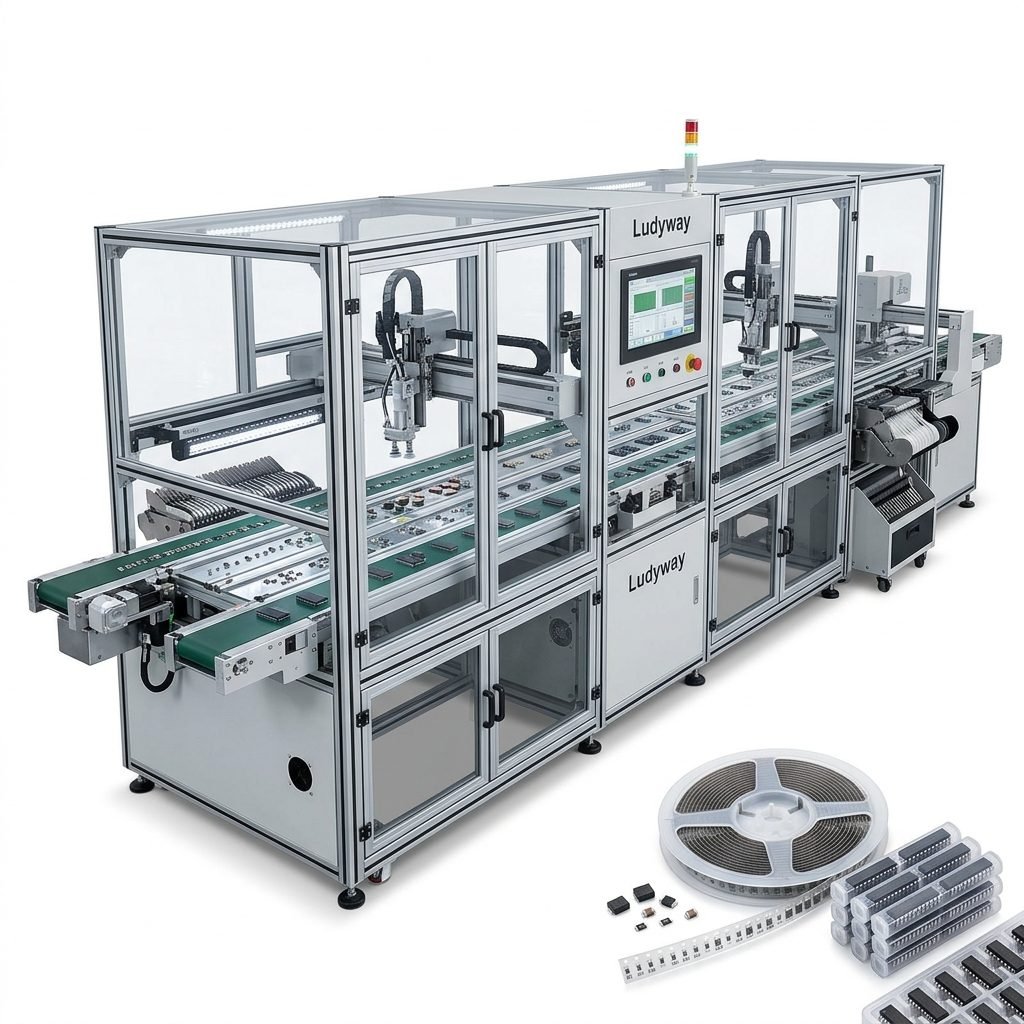
For growing factories, a standalone machine may no longer be enough. Full automatic lines can include feeding, filling, sealing, coding, inspection, cartoning, case packing, and palletizing. This is especially valuable for companies running multiple SKUs or high-output schedules.
Manufacturers looking for integrated automation often consider Ludyway small bag packaging machine solutions because of their broad product range, turnkey line capability, and long experience across food, pharmaceutical, health supplement, cosmetic, chemical, and related packaging sectors.
Best Use Cases for Powder, Granule, and Liquid Packaging
Powder Products
- Protein powder sachets
- Coffee powder stick packs
- Milk powder small bags
- Spice and seasoning powder sachets
- Pharmaceutical oral powder packs
Granule Products
- Sugar and salt sachets
- Instant beverage granules
- Seeds and agricultural additives
- Pet nutrition granules
- Medicinal granule doses
Liquid Products
- Sauce and condiment sachets
- Shampoo and lotion sample packs
- Detergent and cleaner sachets
- Oral liquids and functional drinks
- Oil, syrup, and gel packaging
Final Considerations Before Buying
Before selecting a machine, request sample evaluation, packaging testing, and a clear confirmation of bag dimensions, target output, dosing accuracy, and material compatibility. A reliable supplier should be able to recommend the correct model based on your real product data rather than offering a generic machine.
If your business needs efficient automatic packing for powder, granules, and liquids, a small bag packaging machine can provide the speed, precision, and scalability required for modern production. The right solution will help you package more efficiently today while supporting future expansion into new bag formats, new products, and larger automated lines.