Understanding Your Product and Packaging Goals
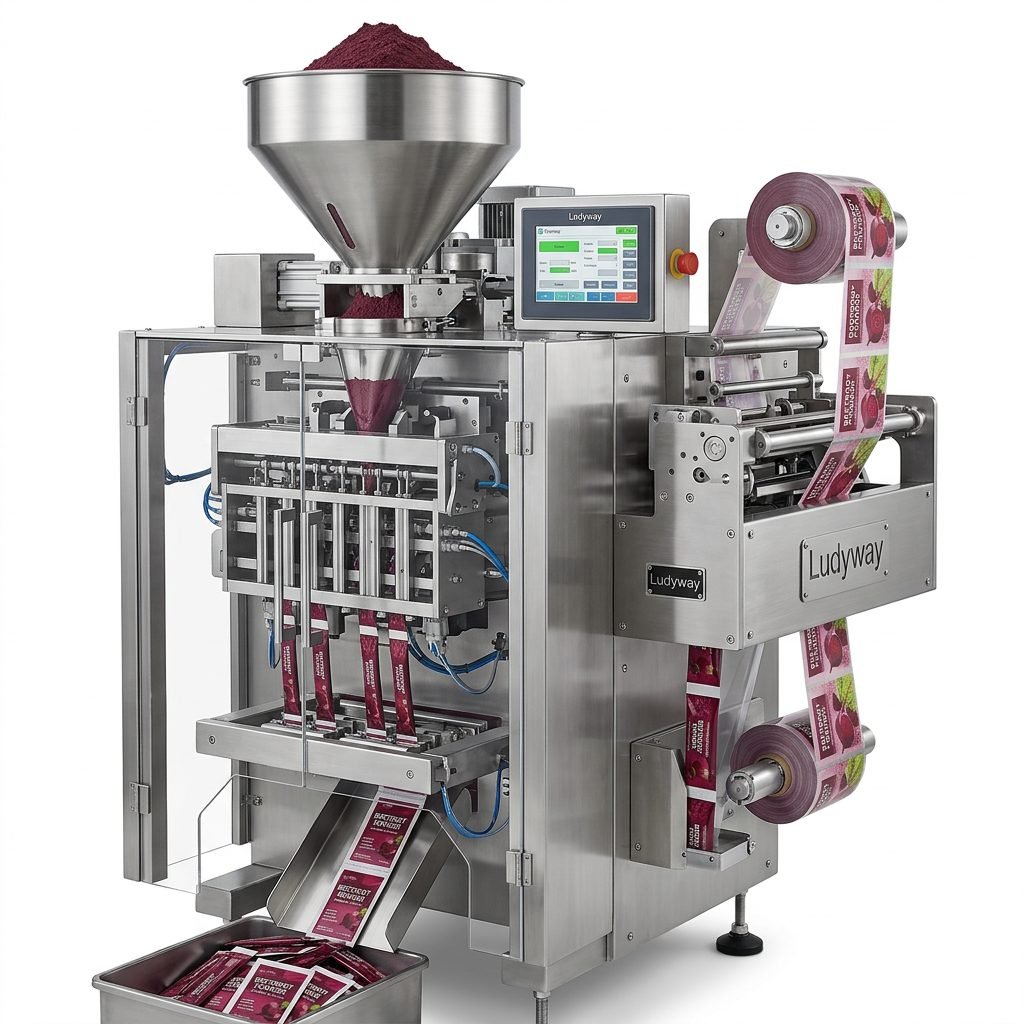
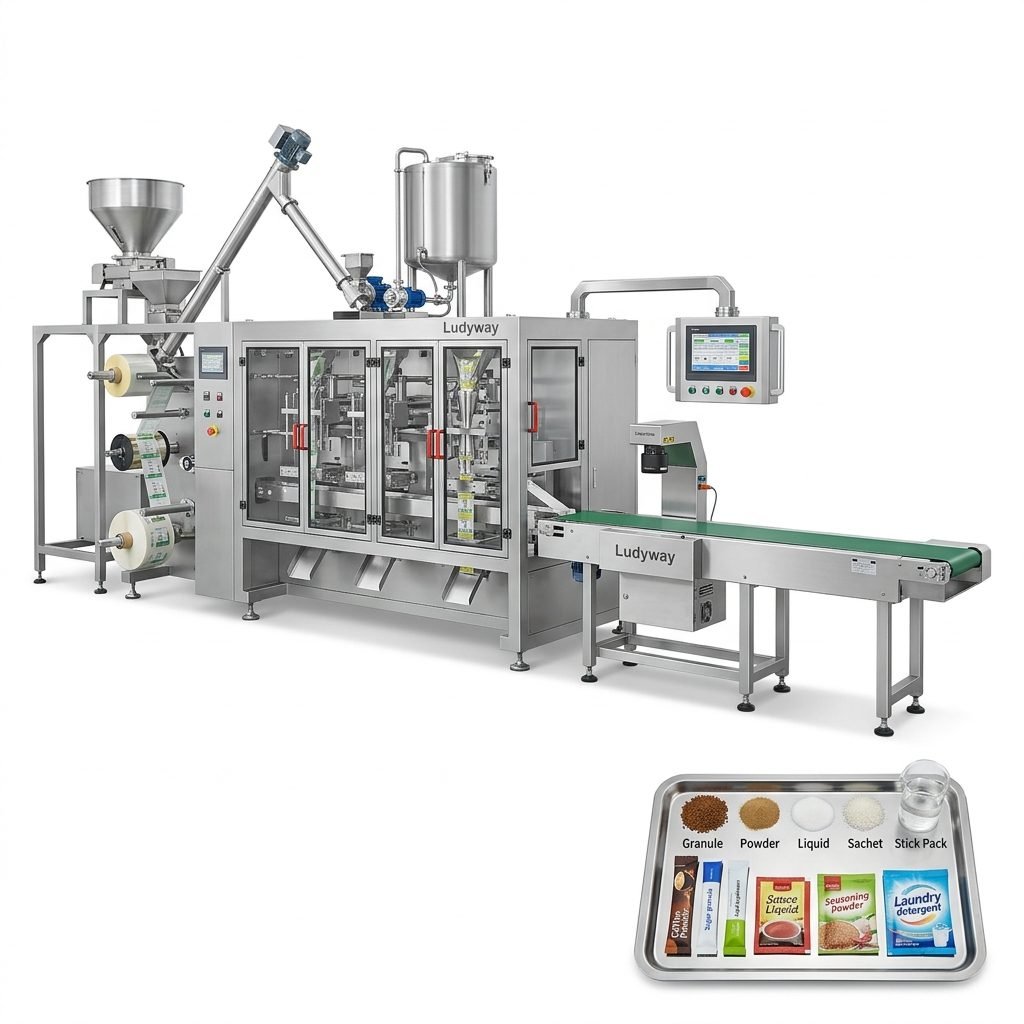
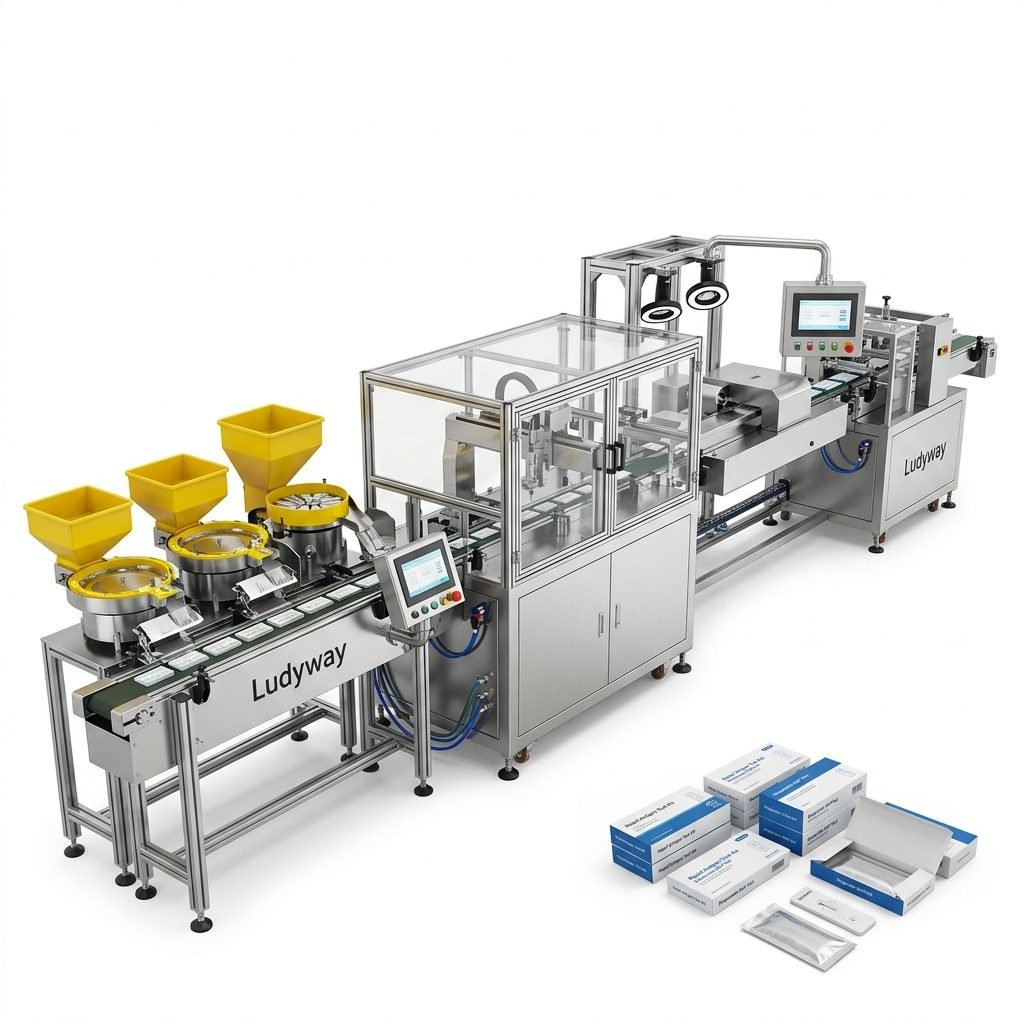
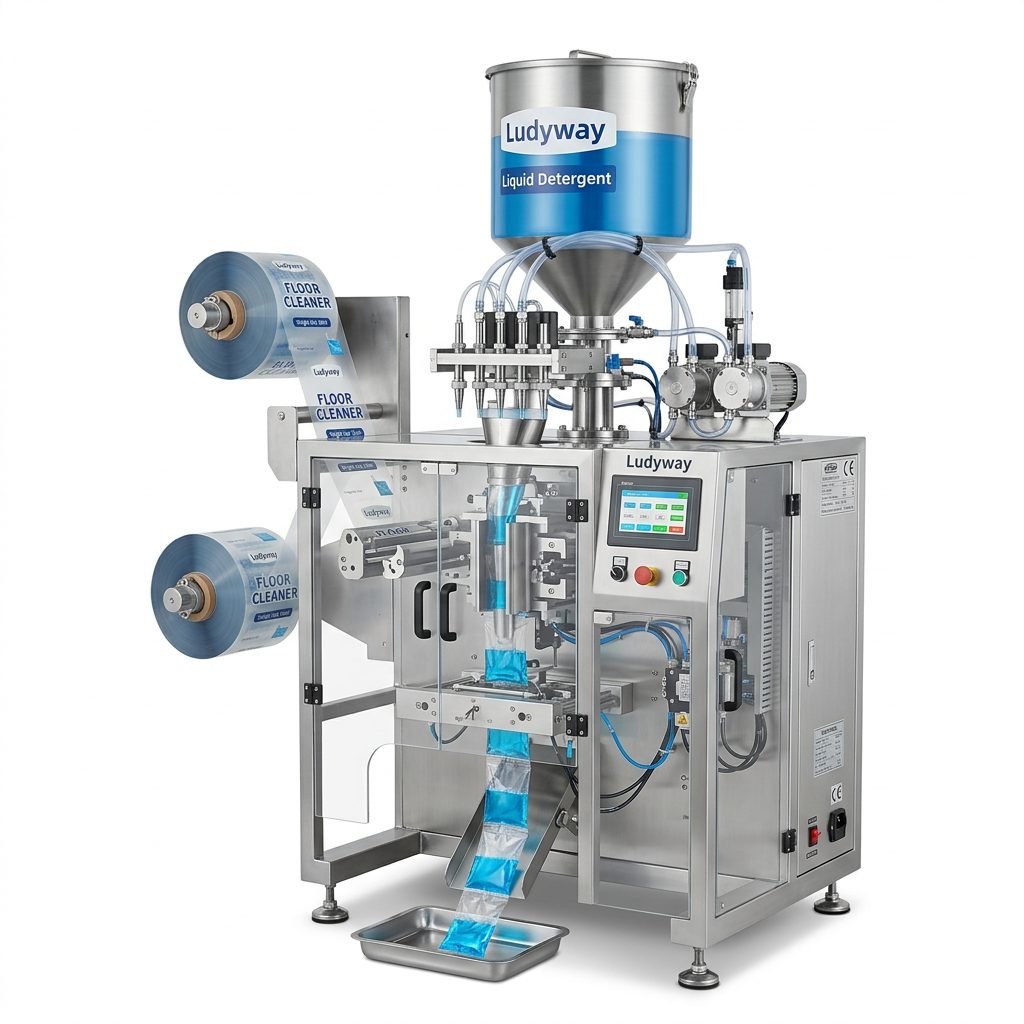
Selecting the right Chuna packing machine starts with a clear definition of what you are packaging. Whether you work with free‑flowing granules, fine powders, low‑viscosity liquids, or sticky pastes, the filling system must be matched precisely. A volumetric cup filler may suit uniform granules, while an auger filler offers better accuracy for powders. Liquid products often require piston pumps or magnetic flow meters. The PMMI 2026 State of the Industry report confirms that product variability remains a primary cause of packaging line inefficiency, making this the most critical first step.
Matching Speed and Throughput to Your Production Line
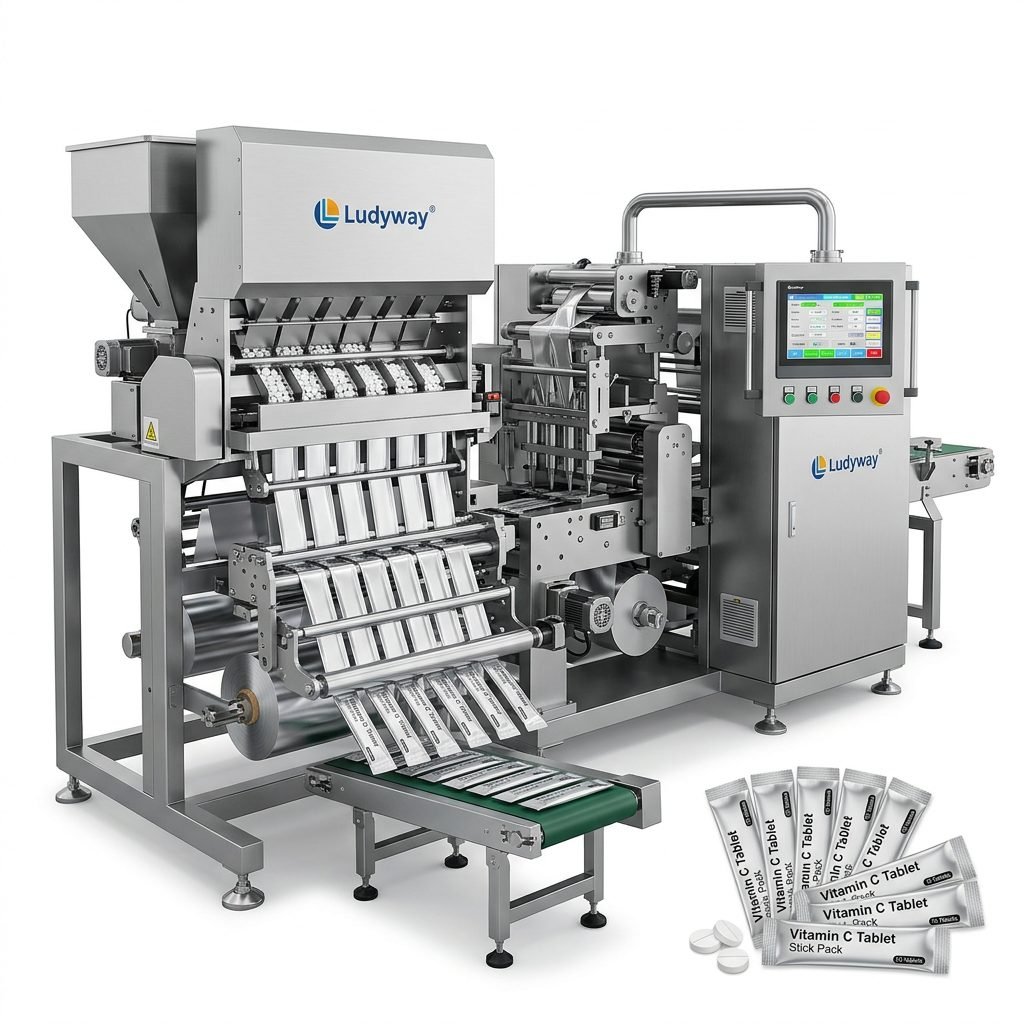
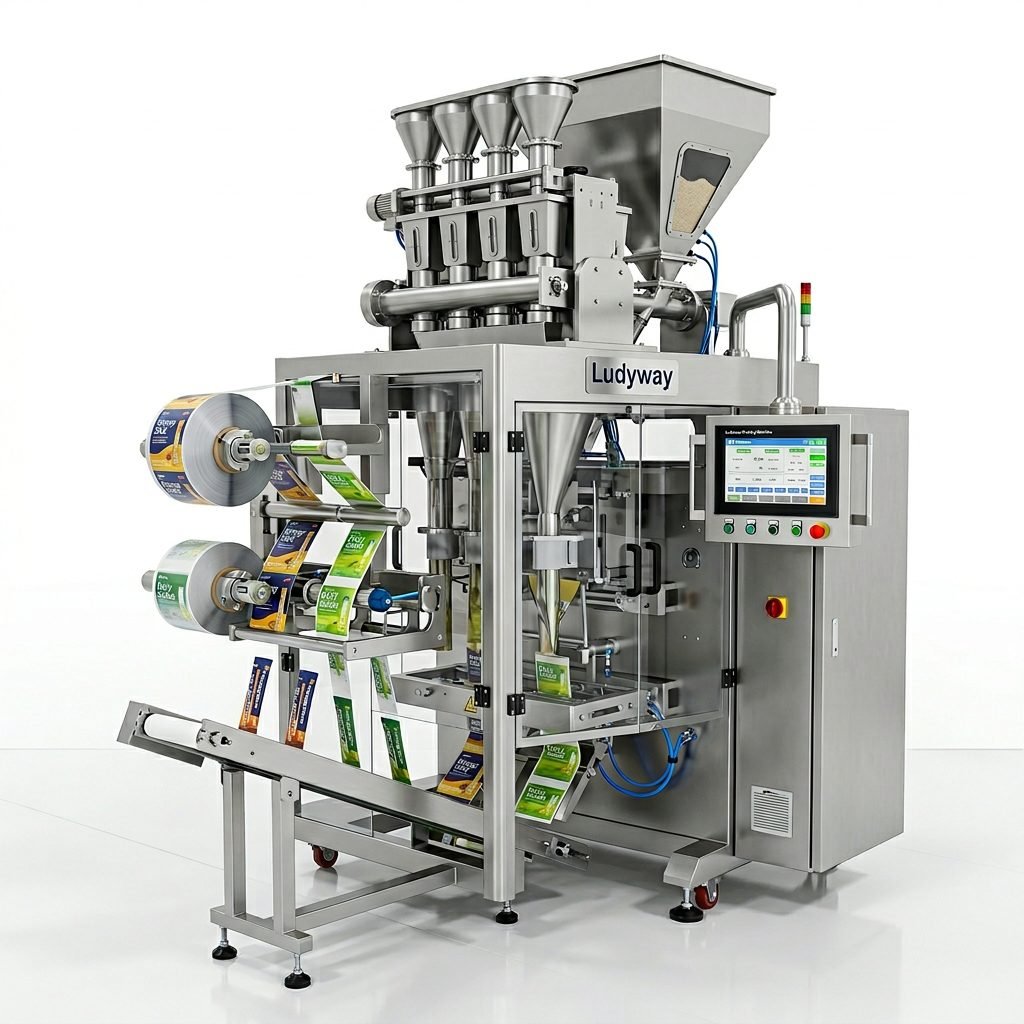
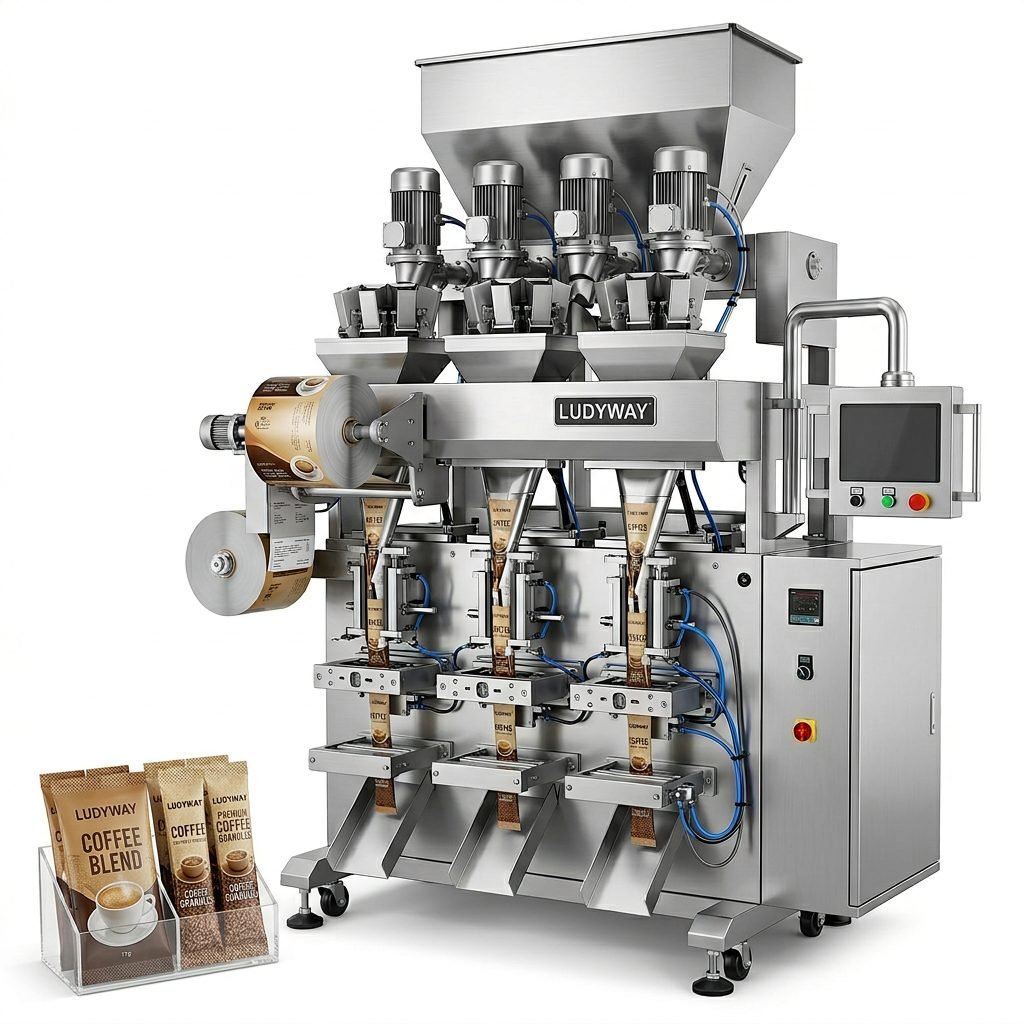
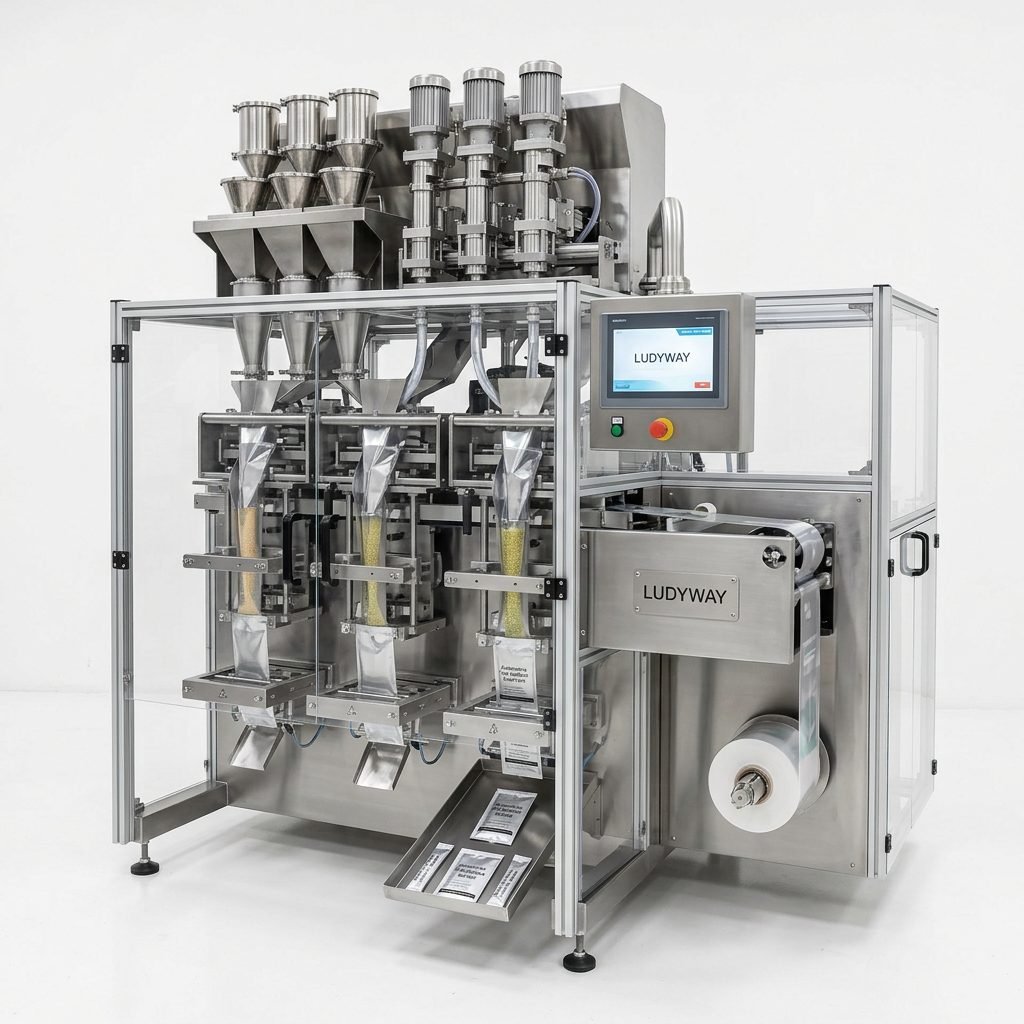
Chuna packing machines are available in configurations from a single lane to 16‑lane high‑speed systems. A line producing 50 sachets per minute will not need the same investment as one requiring 800 stick packs per minute. Multi‑lane automatic Chuna packing machines can dramatically reduce labour costs and boost capacity, but they demand consistent product flow and higher initial capital. The Flexible Packaging Association recommends modelling throughput requirements against market growth projections to avoid mid‑life upgrades.
Key Machine Selection Factors
| Selection Factor | What to Evaluate |
|---|---|
| Product Characteristics | Granule size, flowability, bulk density, dust generation |
| Filling Accuracy | Typically ±1% for high‑precision auger systems, up to ±5% for volumetric |
| Lane Configuration | Single, twin, 4‑lane, 8‑lane, 12‑lane, and 16‑lane for high‑volume output |
| Bag Format & Size Range | Stick pack, sachet, pillow pouch; width 30–160 mm, length 50–250 mm (typical) |
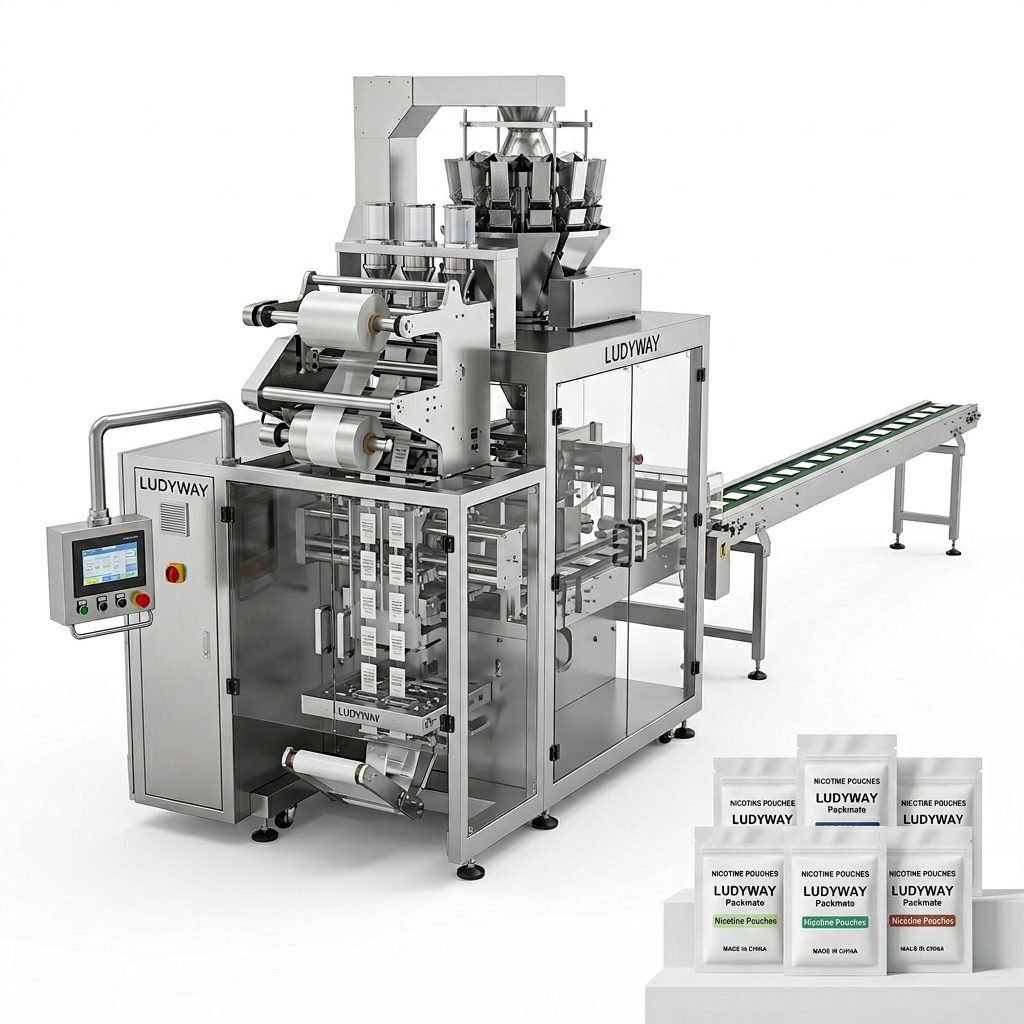
| Automation Level | Semi‑automatic, fully automatic, or integrated line with feeding, inspection, cartoning |
Packaging Formats: Choosing the Right Bag Style
Stick packs, three‑side‑seal sachets, and gusseted pouches each serve different markets. Stick packs are popular for single‑serve powders and liquid shots; pillow sachets work well for larger volumes. Your Chuna packing machine should be tested with the actual laminate or film you intend to use. Heat seal parameters, cut‑type (serrated or straight), and tear notches all affect consumer experience. Resources from the Flexible Packaging Association can help you evaluate film compatibility and emerging sustainable material options.
Automation and Integration Capabilities
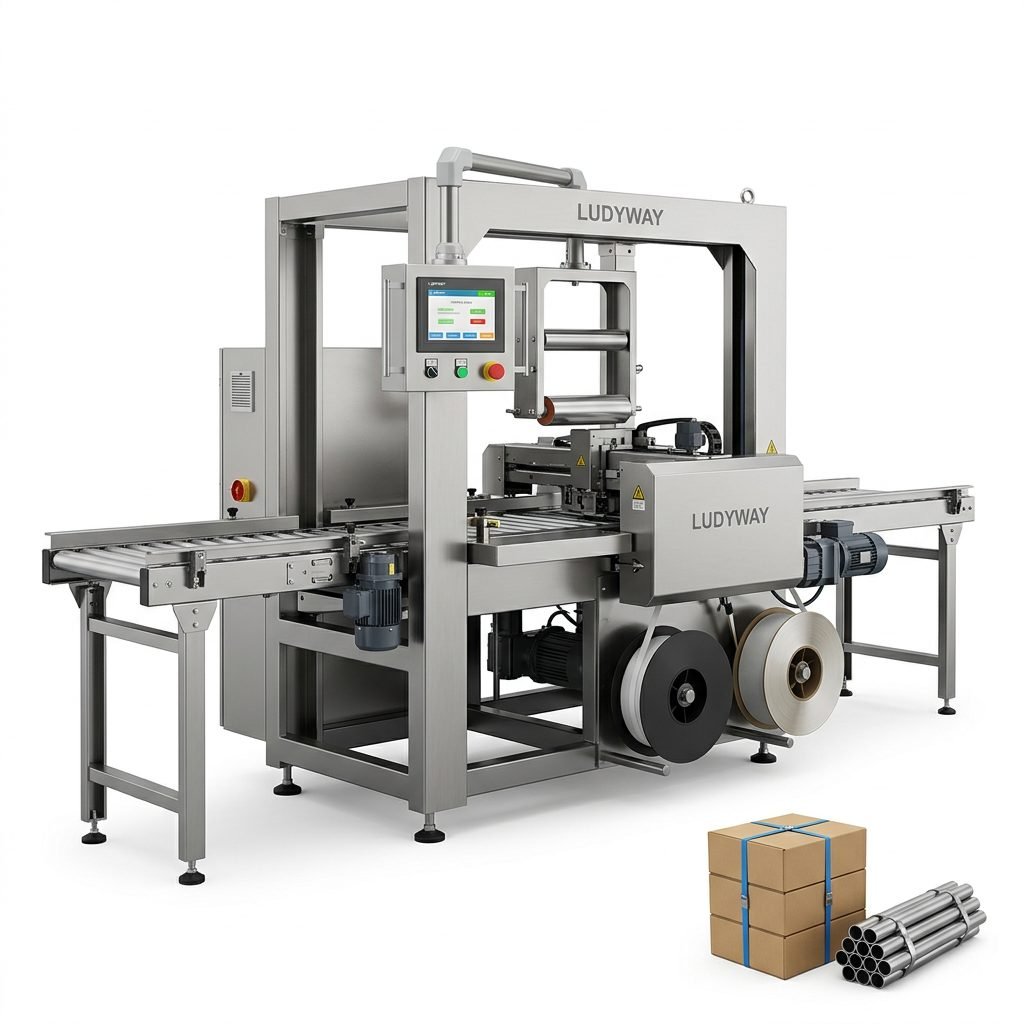
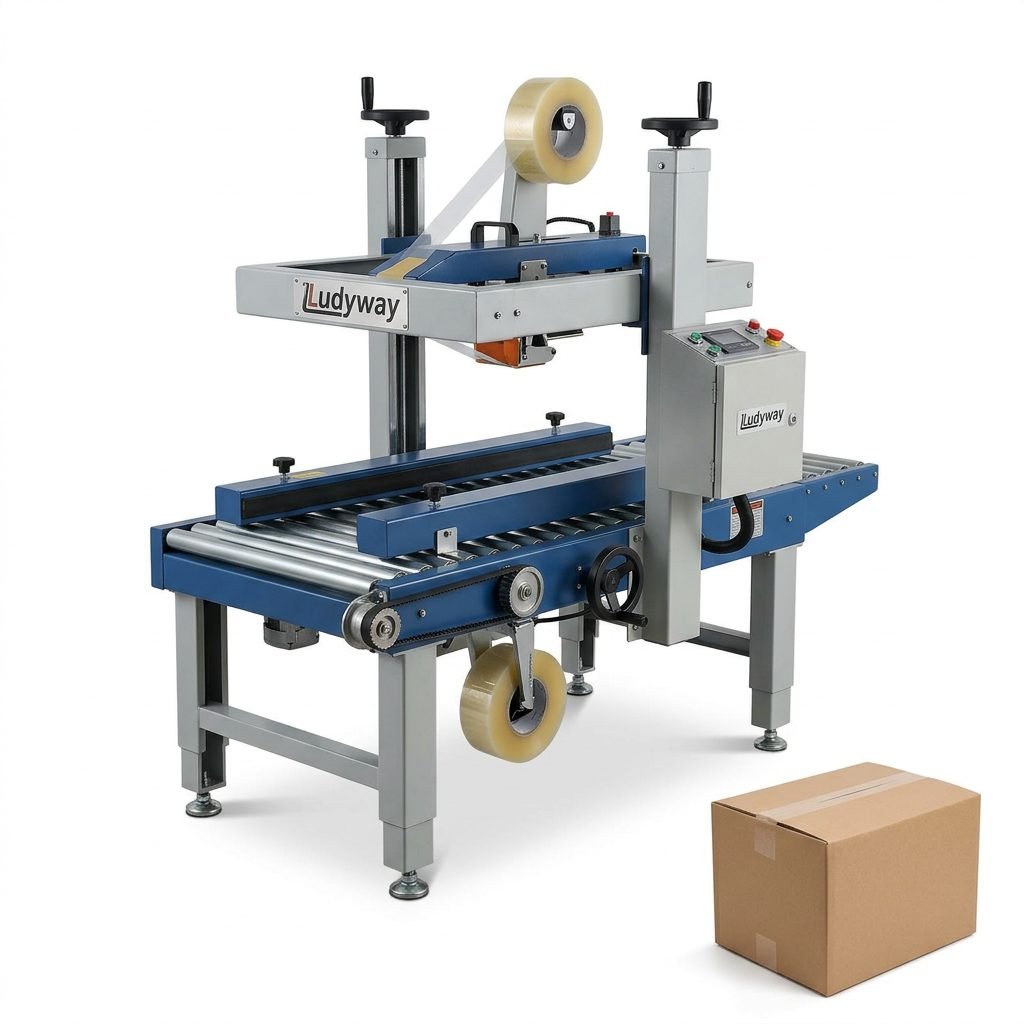
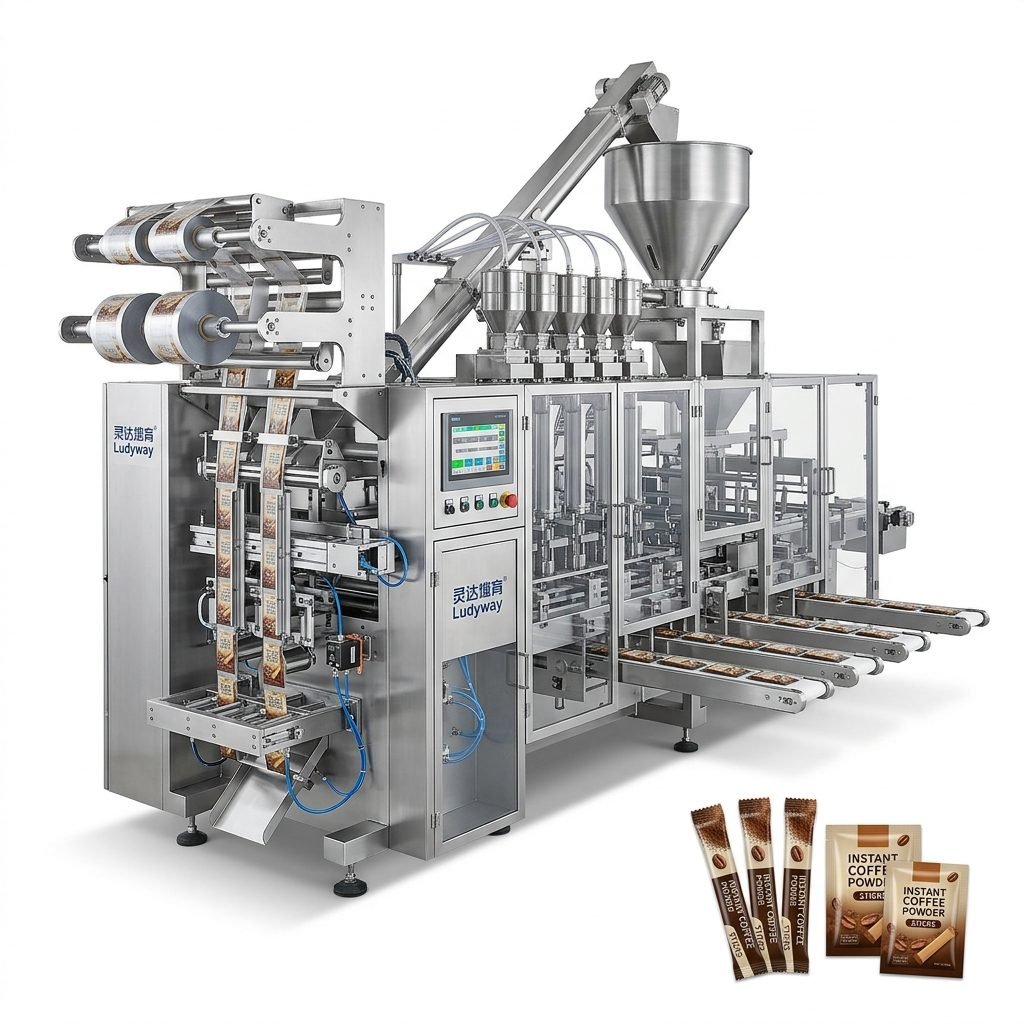
Modern Chuna packing lines often go beyond the filling machine. Inline inspection systems, automatic coding, reject stations, and robotic case packing can transform a standalone machine into a fully automated production cell. When selecting a machine, evaluate whether the supplier offers integrated conveyors, multi‑head weighers, and cartoning solutions that are communication‑ready with your factory network. This move toward connectivity aligns with smart manufacturing trends detailed by the PMMI Business Intelligence division.
Compliance, Hygiene and Documentation
For food, pharmaceutical, or medical applications, your Chuna packing machine must meet strict sanitary standards. Machines can be built with 304 or 316L stainless steel contact parts, quick‑release mechanisms, and washdown‑ready electrical enclosures. Confirm that the manufacturer can provide validation documents and compliance packages. Refer to the FDA Food Packaging and Food Contact Substances guidelines and relevant ISO packaging standards to ensure your equipment meets regional requirements. Open frame design and tool‑free changeovers also considerably reduce cleaning downtime.

Supplier Support and Long‑Term Partnership
A Chuna packing machine is a long‑term investment. Consider the supplier’s ability to offer on‑site installation, operator training, remote troubleshooting, and readily available spare parts. Look for manufacturers with an in‑house engineering team capable of customizing the machine to your product and bag dimensions. Ludyway Machinery, a China‑based packaging machinery manufacturer with over 30 years of experience, serves customers in more than 100 countries. According to a recent industry release, Ludyway is expected to achieve export revenue of more than RMB 500 million (approximately US$69 million) in 2025, and plans to surpass RMB 1 billion (approximately US$138 million) in export revenue in 2026, reflecting its growing global footprint and strong manufacturing capability. A supplier with such scale can provide the engineering depth and service coverage needed for both single machines and turnkey packaging lines.

Key Points to Verify Before Purchase
- Factory Acceptance Test (FAT) availability – ensure the machine is tested with your product before shipment.
- Changeover time – quick format changes are critical if you run multiple SKUs.
- Control system architecture – PLC brand, HMI language support, and compatibility with SCADA systems.
- Warranty and after‑sales service – clarify coverage for parts, labour, and on‑site support.
- Documentation package – user manuals, electrical diagrams, and maintenance schedules in your preferred language.
Evaluating Total Cost of Ownership
The purchase price is only one part of the equation. A less expensive Chuna packing machine may require more frequent maintenance, consume more film, or deliver lower seal integrity. Calculate energy consumption, spare parts cost, film waste rates, and expected downtime over five years. High‑quality servo‑driven machines often offer lower total cost through greater efficiency and reduced scrap. For further market data, the PMMI packaging industry resources provide benchmarking data that can support your financial justification.
By systematically evaluating your product, speed requirements, packaging format, automation ambition, and after‑sale support, you can select a Chuna packing machine that delivers consistent output and evolves with your production needs.