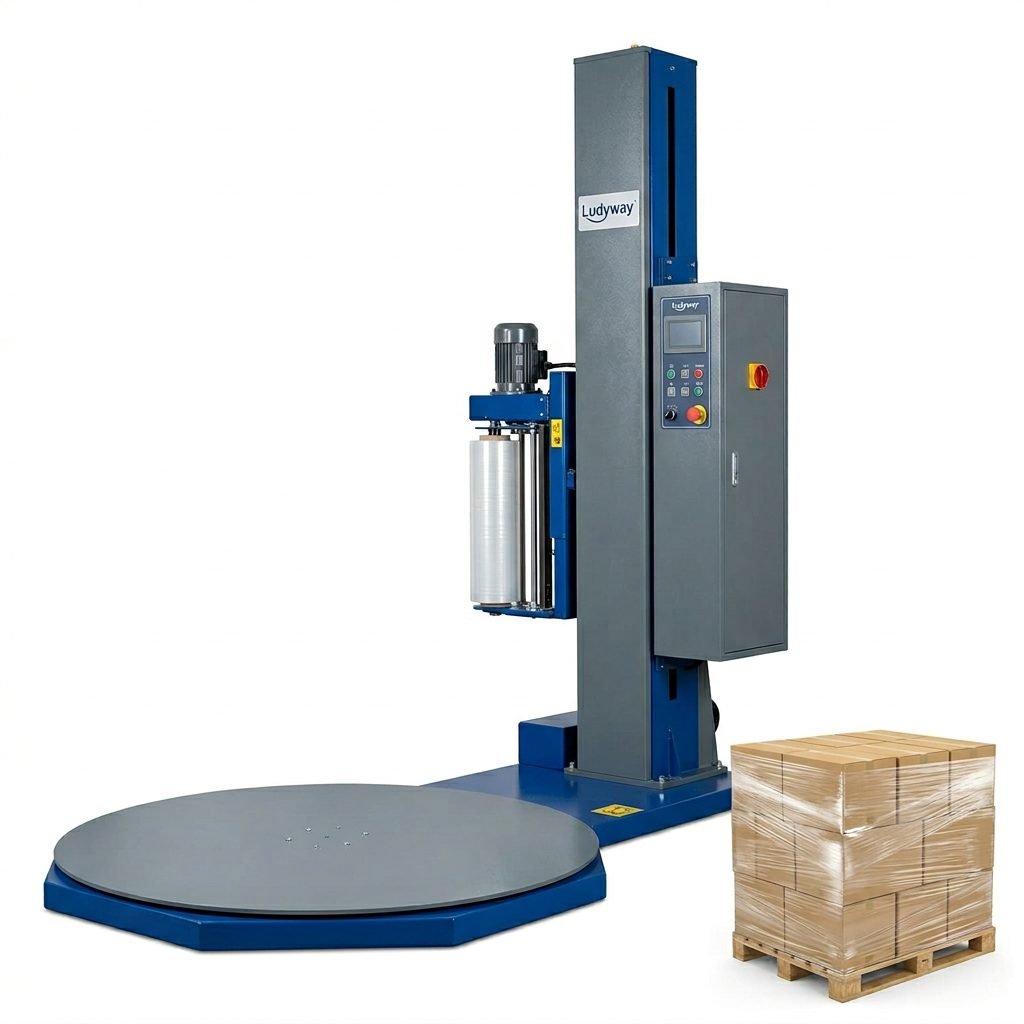
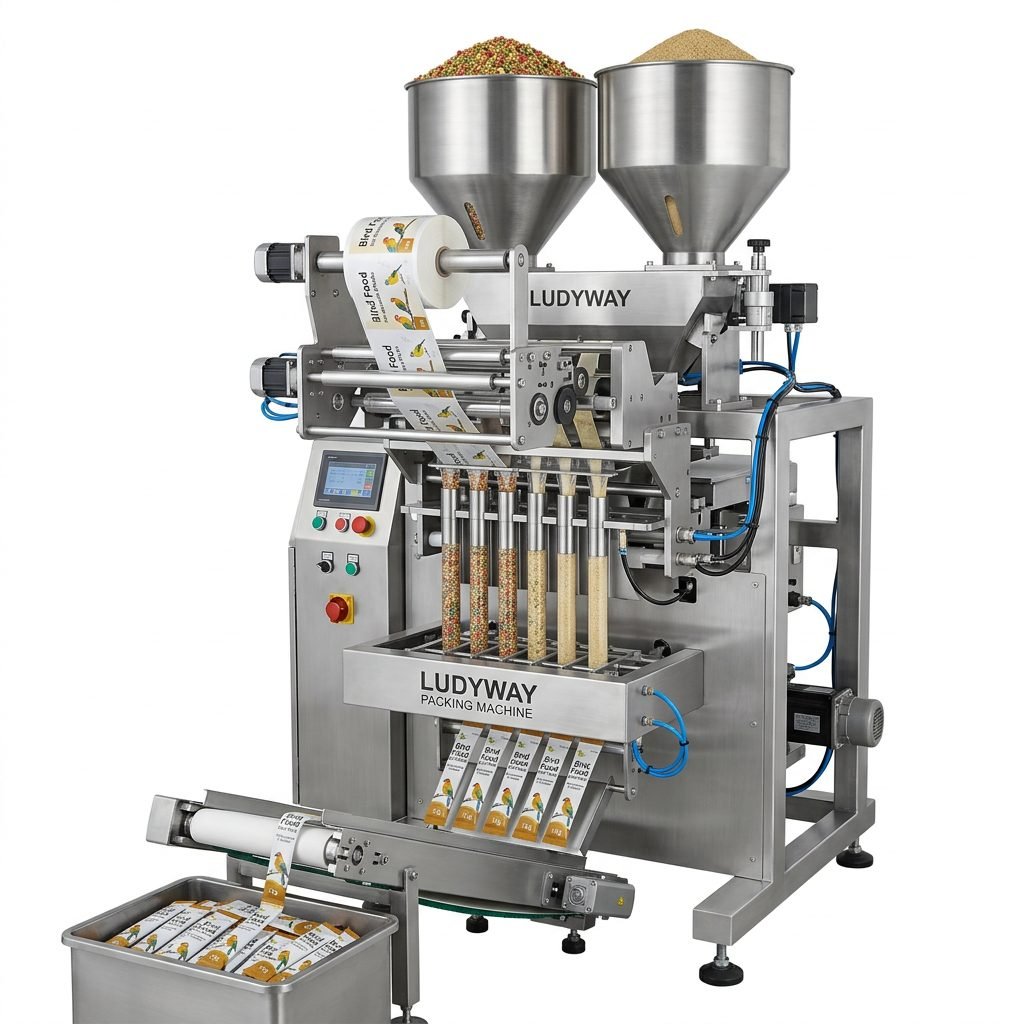
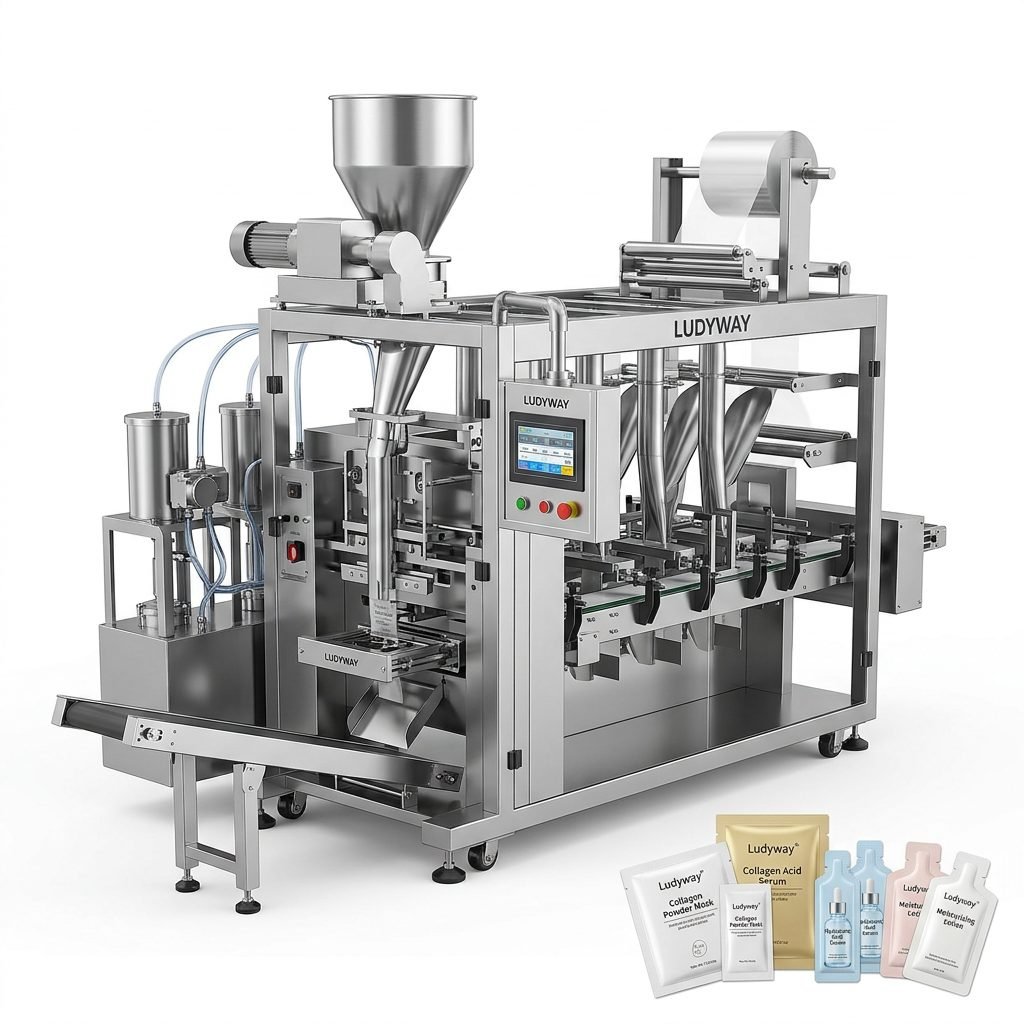
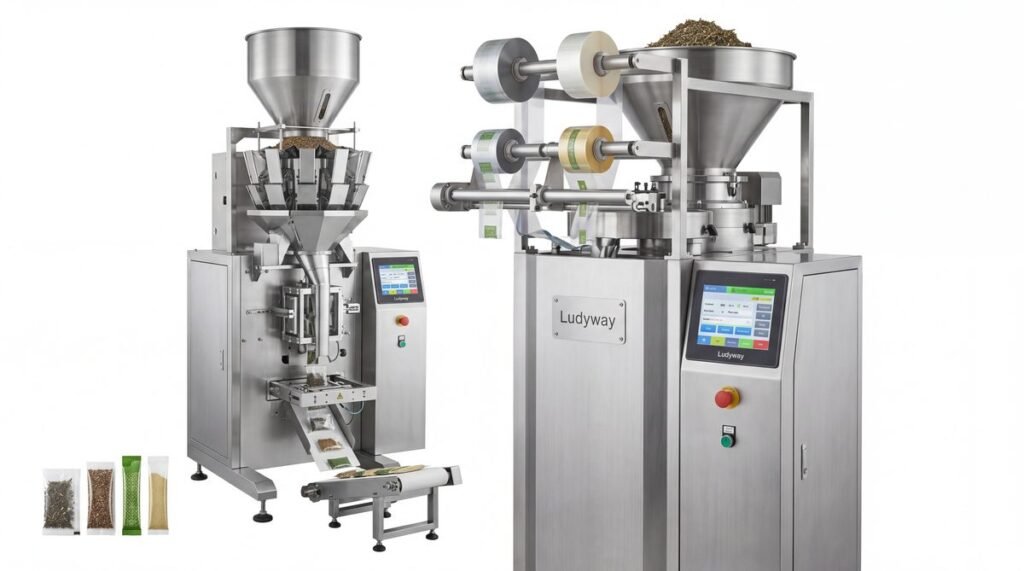
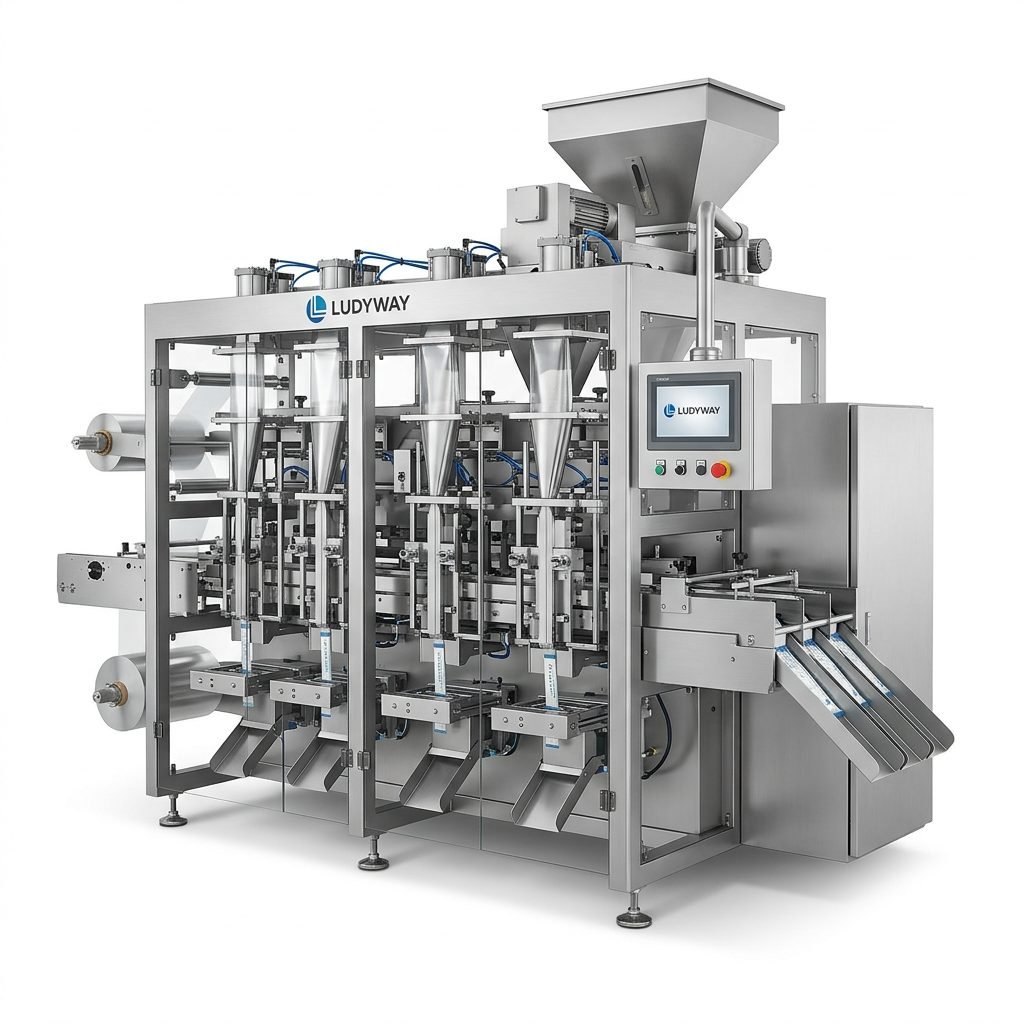
Investing in a hi-tech packaging machine is one of the most consequential decisions a manufacturer can make. The right system accelerates production, ensures consistent package quality, and adapts to evolving market demands. The wrong choice leads to downtime, wasted material, and missed delivery deadlines. This guide walks you through every critical factor — from product analysis to supplier evaluation — so you can select equipment that delivers long-term value.
1. Define Your Product and Packaging Requirements First
Every successful packaging project starts with a thorough understanding of the product itself. Before comparing machine specifications, document these variables:
- Product form: Is it a free-flowing powder, sticky granule, viscous liquid, or solid piece? Each requires a distinct dosing and filling mechanism.
- Packaging format: Stick packs, sachets, pouches, bottles, or bulk bags — the format determines machine architecture.
- Target output speed: Measured in packs per minute (ppm), this number shapes lane count, sealing technology, and automation levels.
- Fill weight range: Machines must handle both your current minimum and maximum fill volumes with precision.
- Packaging material: Film type, thickness, and barrier properties influence sealing temperature, dwell time, and jaw design.
According to PMMI packaging industry market research, mismatched machine-to-product compatibility remains one of the top causes of early equipment replacement. Taking time to define these parameters prevents expensive reconfiguration later.
2. Evaluate Core Technologies: Speed, Precision, and Flexibility
Hi-tech packaging machinery incorporates advanced automation, servo-driven controls, and intelligent sensing. When assessing equipment, focus on three technology pillars:
2.1 Servo-Driven vs. Mechanical Systems
Modern servo-driven machines offer programmable motion profiles, rapid changeover, and higher accuracy compared to purely mechanical alternatives. They allow operators to adjust parameters via touchscreen interfaces without changing physical parts — a critical advantage for manufacturers running multiple SKUs.
2.2 Multi-Lane Configuration
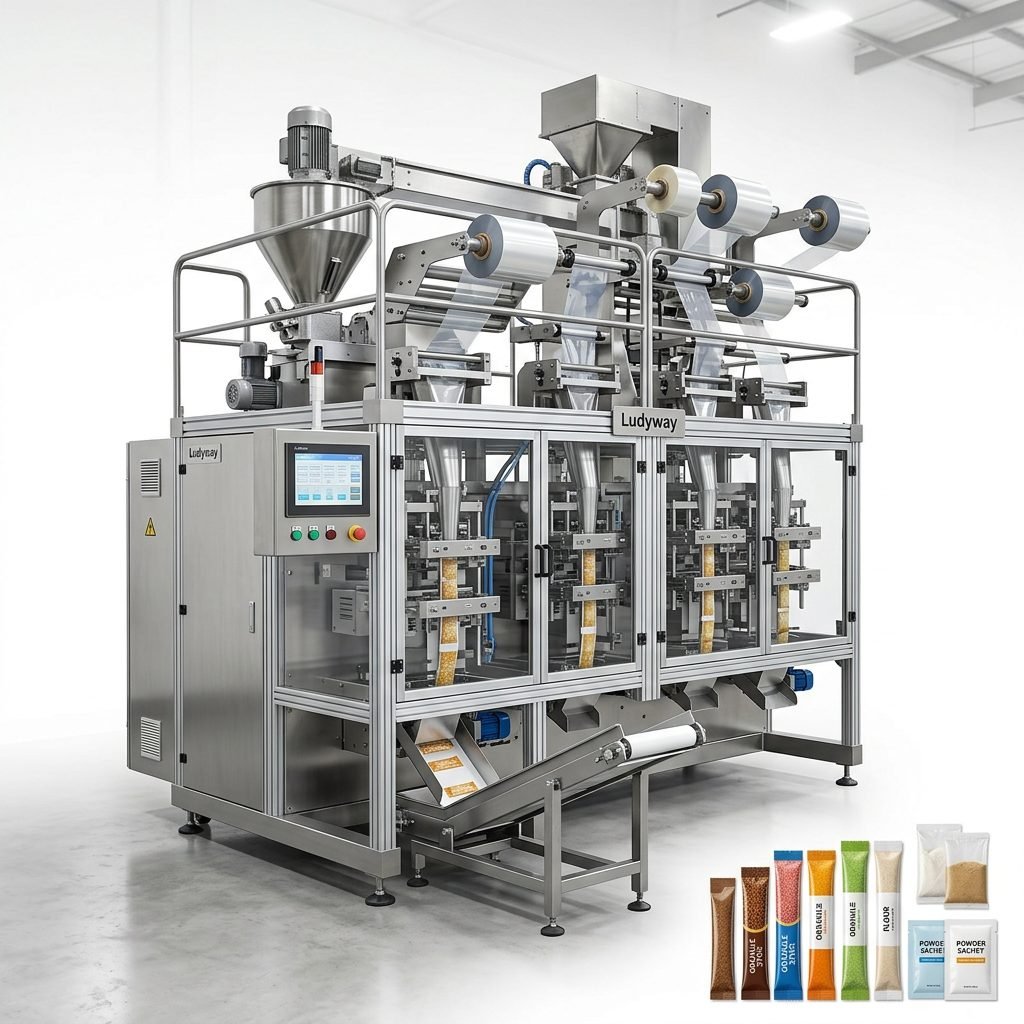
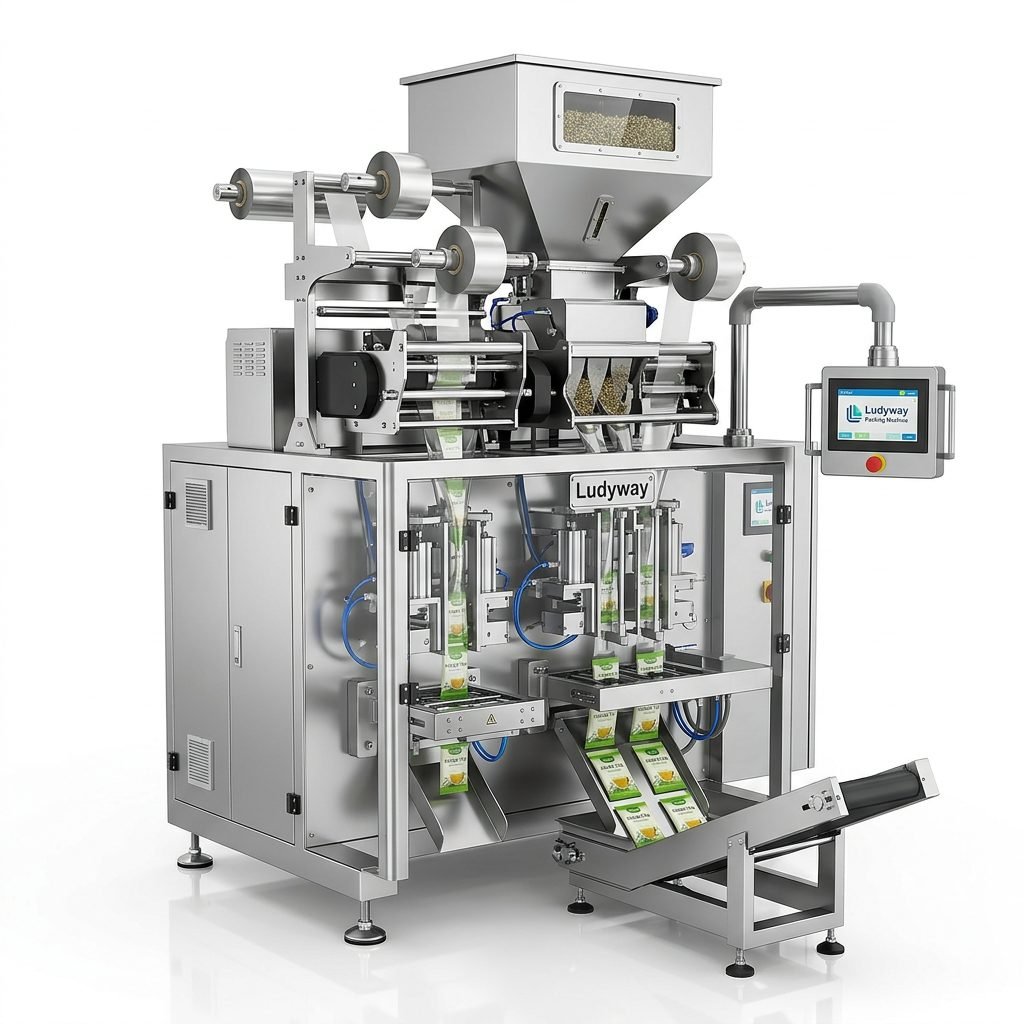
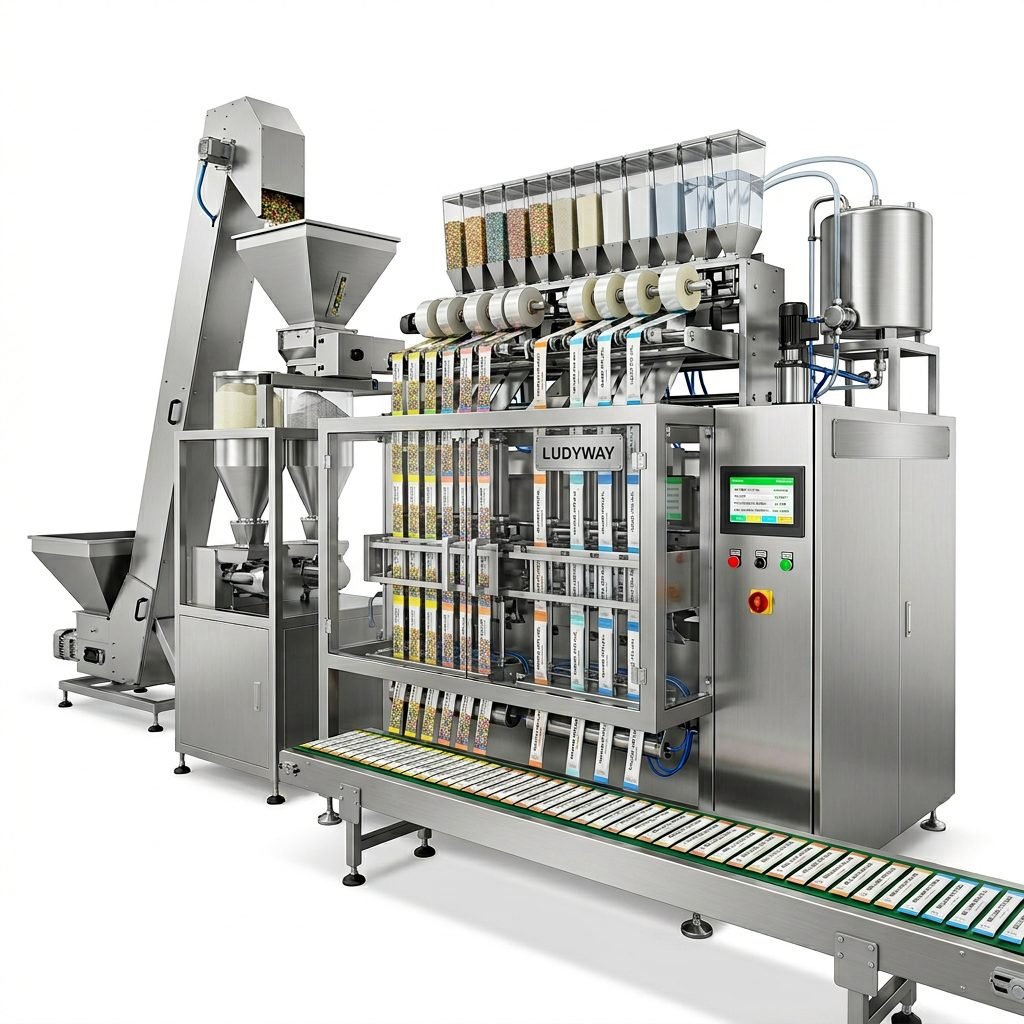
For high-volume powder or granule products, flexible packaging industry data shows that multi-lane stick pack and sachet machines dramatically increase output without proportionally increasing floor space. A 12-lane system running at moderate speed can outperform multiple single-lane machines while reducing labor requirements.
2.3 Integrated Quality Control
Look for machines equipped with checkweighers, metal detectors, vision inspection systems, and seal integrity monitors. These integrated quality control modules catch defects in real time, reducing waste and protecting brand reputation.
3. Key Technical Specifications to Compare
When evaluating multiple manufacturers, a structured comparison framework helps eliminate emotion from the decision. The table below outlines the critical specifications to request from every supplier:
| Specification Category | What to Ask | Why It Matters |
|---|---|---|
| Speed Rating | Maximum and sustained ppm for your product | Prevents overselling; sustained speed differs from peak |
| Filling Accuracy | Tolerance range (± grams or percentage) | Directly affects product giveaway and profitability |
| Changeover Time | Time required to switch between SKUs | Impacts OEE for short-run production environments |
| Sealing Technology | Temperature control method and jaw type | Critical for film compatibility and seal integrity |
| Automation Integration | Compatibility with upstream/downstream equipment | Ensures seamless line integration and future scalability |
| Control System | PLC brand, HMI type, data export capabilities | Affects operator training, maintenance, and Industry 4.0 readiness |
| Material Waste Rate | Expected film and product waste percentage | Direct operating cost that compounds over machine lifespan |
4. Industry-Specific Considerations
Different industries impose unique requirements that directly affect machine selection:
Food and Beverage
Hygienic design, washdown capabilities, and FDA food contact compliance are non-negotiable. Machines should feature stainless steel construction, tool-free disassembly for cleaning, and designs that minimize product accumulation zones. For products like protein powders, milk powders, and seasoning mixes, dust extraction systems protect both operators and equipment.
Pharmaceuticals and Nutraceuticals
Precision dosing, serialization, and complete batch traceability are mandatory. Equipment must support 21 CFR Part 11 compliance for electronic records and often requires validation documentation (IQ/OQ/PQ). Sealing integrity is critical to protect product stability and patient safety.
Chemicals and Industrial Products
Chemical compatibility of all product-contact parts is essential. Machines handling corrosive liquids or abrasive powders require specialized materials like 316L stainless steel, PTFE coatings, or Hastelloy components. Explosion-proof configurations may be necessary for solvent-based products.
Cosmetics and Personal Care
Frequent product launches and seasonal variations demand rapid changeover capability. Aesthetic package quality — wrinkle-free seals, precise cut registration, and consistent fill levels — directly influences consumer perception at the point of sale.
5. Evaluating the Packaging Machinery Manufacturer
The equipment itself is only half the equation. The manufacturer behind it determines your experience over the machine’s 10- to 15-year lifespan. Consider these evaluation criteria:
5.1 Engineering and Manufacturing Depth
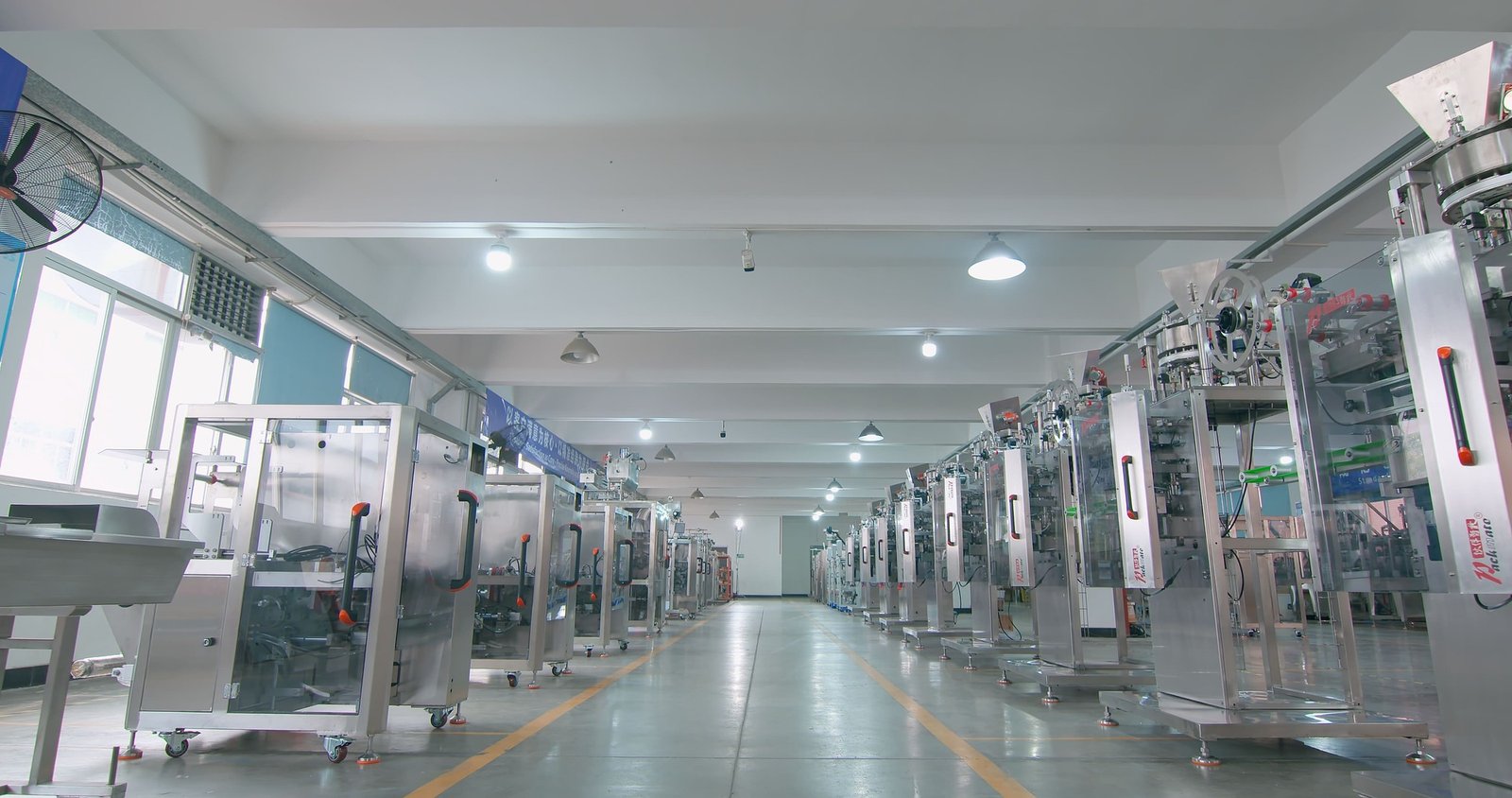
Manufacturers with in-house engineering teams and dedicated production facilities can customize equipment to your exact requirements rather than forcing your product into a standard machine. They also maintain tighter quality control over critical components.
5.2 Industry Experience and References
Ask for references from companies producing similar products at comparable volumes. A supplier with deep experience in your industry understands the nuances of your packaging challenges and relevant packaging standards and regulations that apply to your market.
5.3 Global Service and Support Infrastructure
Packaging lines eventually require troubleshooting. Evaluate the manufacturer’s service response times, spare parts availability, remote support capabilities, and local service presence in your region. Downtime costs far exceed any initial equipment savings.
5.4 Customization and Turnkey Capability
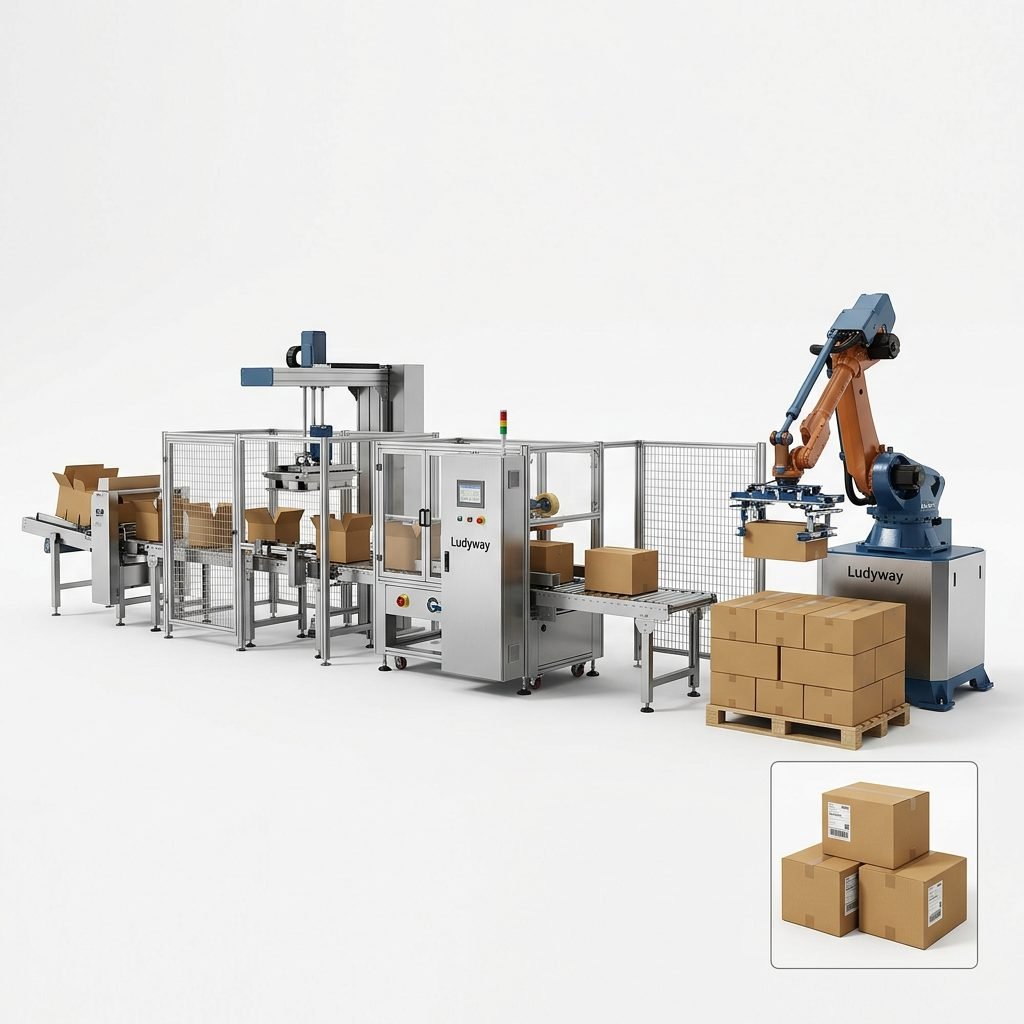
The most valuable partners offer more than individual machines — they deliver complete integrated packaging lines. This includes upstream feeding systems, primary packaging, checkweighing, coding, cartoning, case packing, and palletizing. Working with a single integrator simplifies project management and ensures compatibility across all line components.
As an example of sustained industry growth, Ludyway Packaging Machinery is expected to achieve export revenue of more than RMB 500 million (approximately US$69 million) in 2025, and plans to surpass RMB 1 billion (approximately US$138 million) in export revenue in 2026, reflecting its expanding global footprint across more than 100 countries.
6. Total Cost of Ownership vs. Purchase Price
A lower upfront price often masks higher long-term costs. Calculate Total Cost of Ownership (TCO) over a minimum 7-year horizon by accounting for:
- Consumables: Film waste rates, lubricants, and wear parts
- Energy consumption: Motor efficiency, heating element power draw, compressed air usage
- Maintenance: Scheduled service intervals, spare parts costs, and technician labor
- Downtime impact: Lost production value during unscheduled stoppages
- Operator training: Initial and ongoing training requirements
- Scalability: Cost to add lanes, upgrade controls, or integrate new modules
A machine priced 20% higher but delivering 3% better filling accuracy and 5% higher OEE typically generates a positive ROI within 18 months for high-volume operations.
7. Future-Proofing Your Investment
Packaging trends evolve continuously. Flexible packaging association insights highlight the growing shift toward sustainable materials, mono-material films, and reduced packaging weight. Your chosen machine should accommodate these transitions without requiring a complete replacement. Key future-proofing features include:
- Adjustable sealing parameters to handle recyclable and bio-based films
- Modular design allowing field upgrades and lane additions
- Industry 4.0 connectivity for real-time OEE monitoring and predictive maintenance
- Compatibility with emerging packaging formats like portion-controlled stick packs
8. Common Mistakes to Avoid
- Prioritizing speed over accuracy: A fast machine with poor fill consistency increases product giveaway costs that can exceed labor savings.
- Ignoring film compatibility: Not all machines handle all films equally. Test with your actual packaging material before committing.
- Underestimating installation complexity: Factor in utilities (electrical, compressed air, exhaust), floor reinforcement, and operator training time.
- Overlooking local regulatory requirements: Equipment certified for one market may require modifications for CE, UL, or other regional compliance.
- Skipping factory acceptance testing (FAT): Always run your product on the machine at the manufacturer’s facility before shipment.
- Choosing a supplier without long-term support capability: The lowest bidder often cuts costs on after-sales service infrastructure.
9. Making the Final Decision
After gathering technical proposals, conducting site visits, and reviewing references, the final selection should balance these weighted factors:
- Machine performance and compatibility (40%): Does it meet your speed, accuracy, and product requirements with margin for growth?
- Manufacturer reliability and support (30%): Can they support you globally over the equipment lifecycle?
- Total cost of ownership (20%): What is the true 7-year cost including consumables, maintenance, and downtime risk?
- Future flexibility (10%): Can the machine adapt to new products, materials, or formats?
Choosing the right hi-tech packaging machine is a strategic decision that shapes your production capability for years to come. By systematically evaluating product requirements, technical specifications, manufacturer qualifications, and total ownership costs, you position your operation for efficient, scalable, and reliable packaging performance.