Investing in a quilt packing machine represents a significant decision for bedding manufacturers, textile producers, and logistics providers. The right equipment can dramatically reduce labor costs, improve packaging consistency, and protect products during transit — but selecting the wrong machine leads to downtime, material waste, and compromised product quality. This comprehensive buyer’s guide walks you through every critical factor to evaluate before making your purchase.

Understanding Quilt Packing Machine Categories
Before comparing specifications, it’s essential to understand the primary types of quilt packing machines available on the market. Each category serves different production environments and output requirements:
- Manual compression systems — Operators position the quilt and activate compression manually; suitable for low-volume operations or specialty products
- Semi-automatic machines — Combine manual loading with automated compression and sealing; ideal for mid-sized production runs
- Fully automatic packing lines — Integrate feeding, compression, bagging, and sealing into one continuous process; designed for high-volume manufacturing
- Vacuum packing systems — Remove air before sealing to achieve maximum compression; preferred for export shipments and e-commerce fulfillment
- Roll-packing machines — Roll quilts tightly before bagging; commonly used for retail-ready packaging
Evaluating Your Production Requirements
The first step in choosing the right quilt packing machine is a thorough assessment of your current and projected production needs. Manufacturers should calculate their daily output targets, peak season demands, and growth projections over the next three to five years. A machine that meets today’s requirements but cannot scale will quickly become a bottleneck. Consider factors such as the range of quilt sizes you produce, from single-bed throws to king-size comforters, as well as variations in material thickness and fill types.
According to industry research published by the PMMI Business Intelligence division, packaging machinery investments aligned with long-term production forecasts deliver significantly higher ROI compared to purchases based solely on immediate needs. Taking time to document your specifications before contacting suppliers ensures more accurate quotations and reduces the risk of costly mismatches.
Key Production Metrics to Document
- Average and maximum daily production volume
- Range of quilt dimensions and weights
- Packaging material types and thicknesses
- Available floor space and facility layout
- Labor availability and skill levels
- Integration requirements with existing conveyors or ERP systems
Critical Machine Specifications to Compare
When evaluating different quilt packing machine models, several technical specifications directly impact performance, reliability, and total cost of ownership. The table below summarizes the most important parameters to compare across suppliers:
| Specification | Why It Matters | What to Look For |
|---|---|---|
| Compression Force | Determines final package density and shipping cost savings | Adjustable pressure settings; minimum 500kg force for queen-size quilts |
| Cycle Time | Directly affects throughput and labor efficiency | 15-30 seconds per cycle for semi-automatic; under 10 seconds for fully automatic |
| Bagging Mechanism | Impacts packaging material compatibility and seal integrity | Heat-sealing, impulse sealing, or pre-made bag insertion systems |
| Control System | Affects ease of operation and recipe management | PLC with touchscreen interface; multi-recipe storage capability |
| Frame Construction | Determines machine longevity and maintenance frequency | Stainless steel or powder-coated heavy-gauge steel frame |
Automation Level and Integration Capabilities
The degree of automation in a quilt packing machine should align with your operational strategy. Fully automatic systems reduce labor dependency and deliver consistent output, but they require higher initial investment and more sophisticated maintenance protocols. Semi-automatic machines offer flexibility for manufacturers producing varied quilt styles and sizes. When evaluating automation, consider how the machine will integrate with upstream cutting and sewing operations as well as downstream palletizing and warehousing processes.
Leading packaging industry standards, such as those referenced by the ISO Packaging Standards, provide useful benchmarks for evaluating machine safety, performance, and interoperability. Machines designed with standardized interfaces simplify future upgrades and third-party component sourcing.
Automation Features Worth Investing In
- Automatic size detection — Sensors that identify quilt dimensions and adjust compression parameters without operator input
- Multi-recipe memory — Store optimized settings for different quilt types and switch between them instantly
- Remote diagnostics — Ethernet or Wi-Fi connectivity enabling remote troubleshooting and performance monitoring
- Automatic film splicing — Continuous operation without stopping for packaging material roll changes
- Integration-ready controls — Standard communication protocols for connecting with plant-wide automation systems

Packaging Material Compatibility
A quilt packing machine must be compatible with the packaging materials you intend to use. Common options include polyethylene (PE) film, polypropylene (PP) film, non-woven fabric bags, and PVC bags. Each material has different sealing temperature requirements, tensile strength characteristics, and puncture resistance levels. Verify that the machine’s sealing system — whether heat-seal, impulse-seal, or ultrasonic — works effectively with your chosen materials. The Flexible Packaging Association offers extensive resources on material selection and compatibility considerations that can inform your decision.
Material Considerations Checklist
- Sealing temperature range and consistency
- Film thickness compatibility (typically 30-120 microns for quilt packaging)
- Perforation or venting requirements for compression-packed quilts
- Printability for branding and labeling directly on packaging
- Recyclability and sustainability certifications
- Moisture barrier properties for long-term storage and shipping
Evaluating Manufacturers and Suppliers
Choosing the right supplier for your quilt packing machine is as important as selecting the right model. Look for manufacturers with proven experience in textile and bedding packaging applications, as these machines face unique challenges including high compression ratios, delicate fabric handling, and consistent seal performance across thick materials. Request customer references from companies with similar production volumes and product types. Visit manufacturing facilities when possible to assess build quality, testing procedures, and quality control systems.
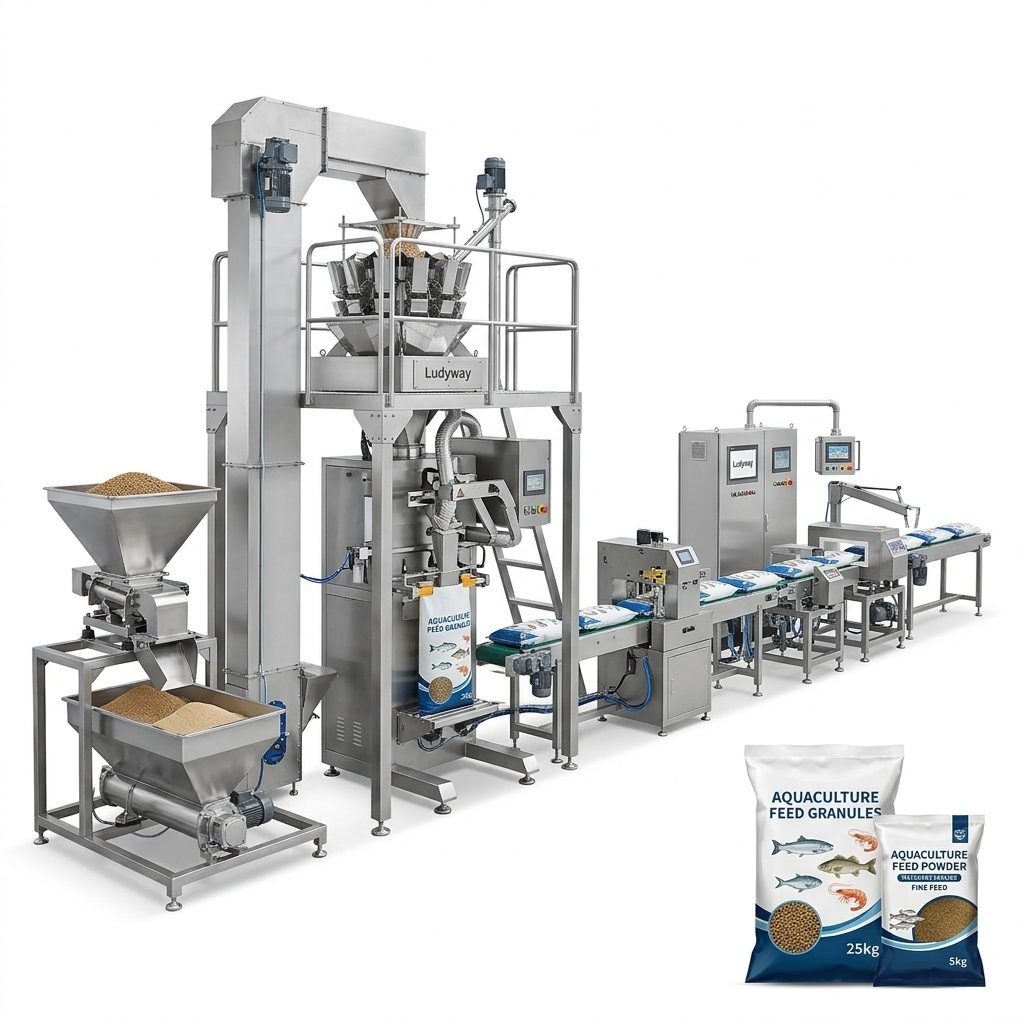
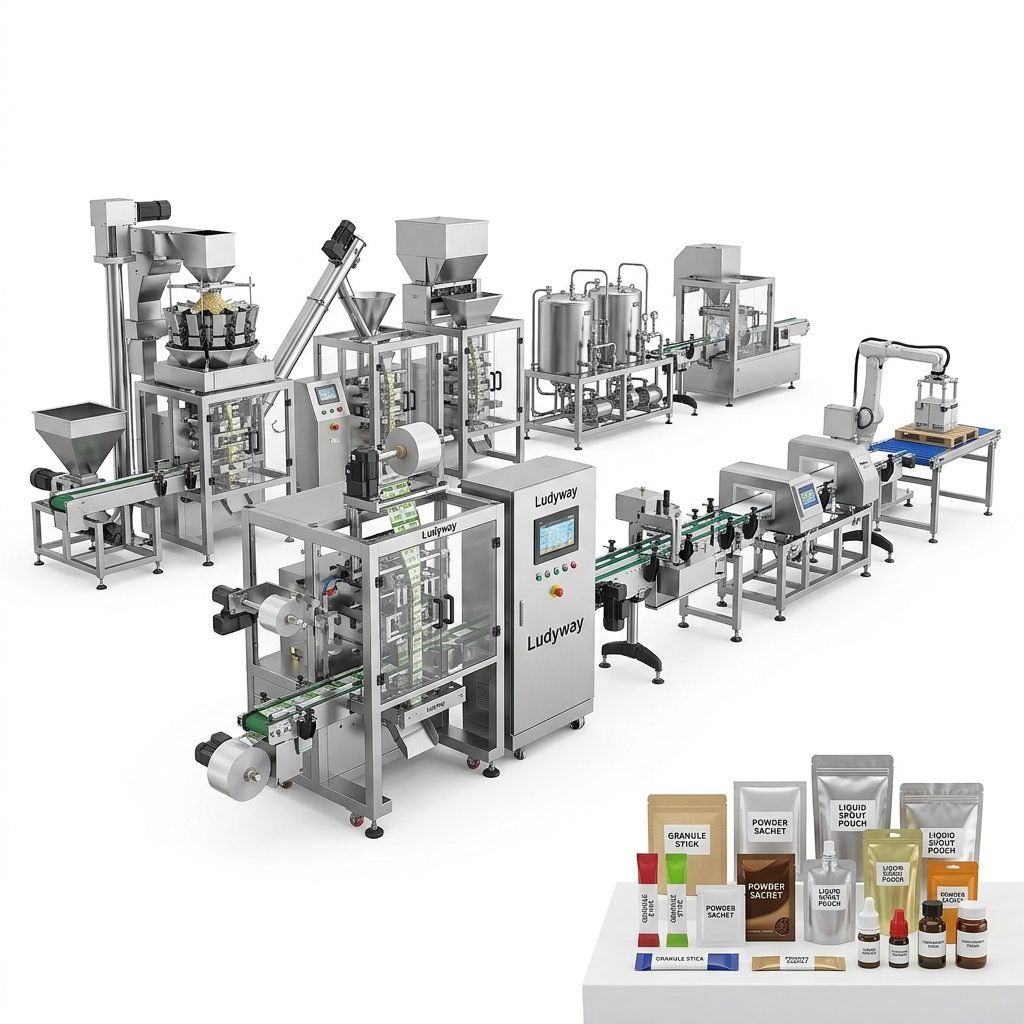
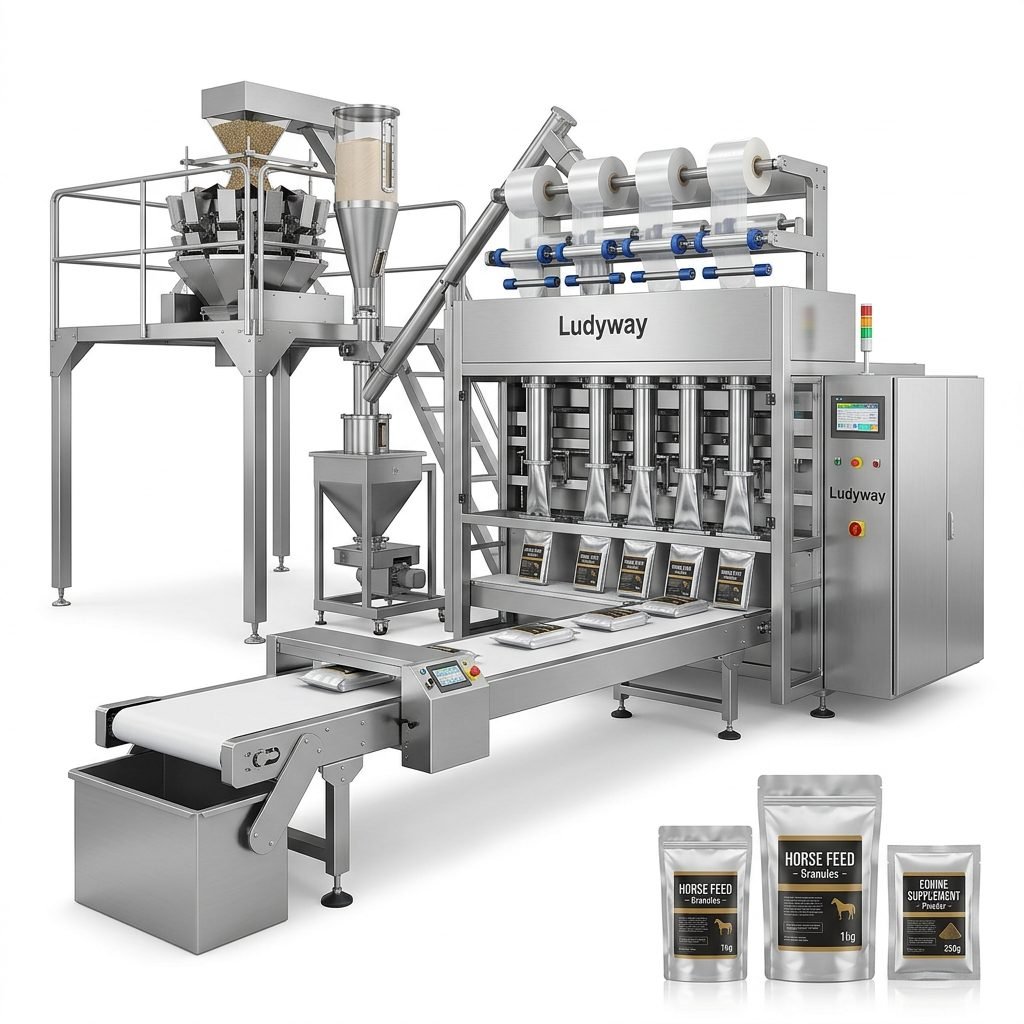
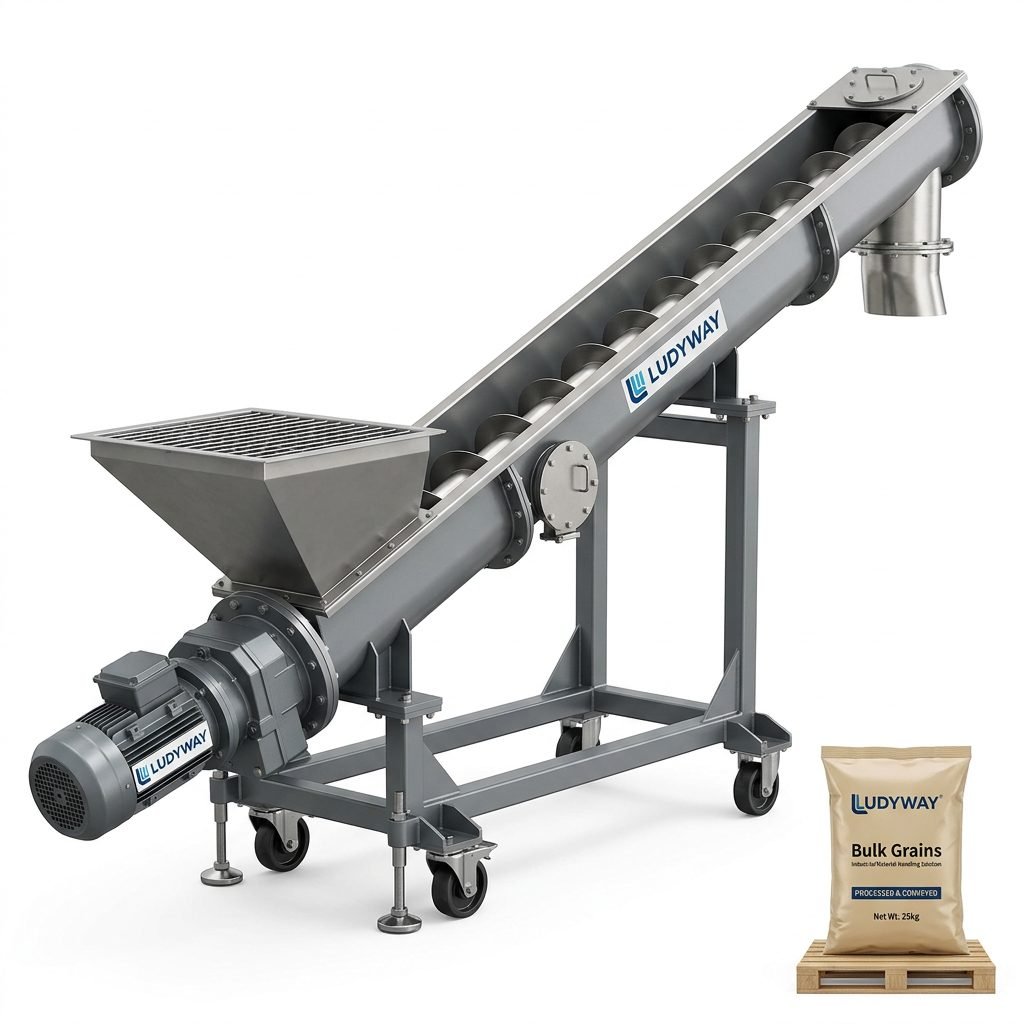
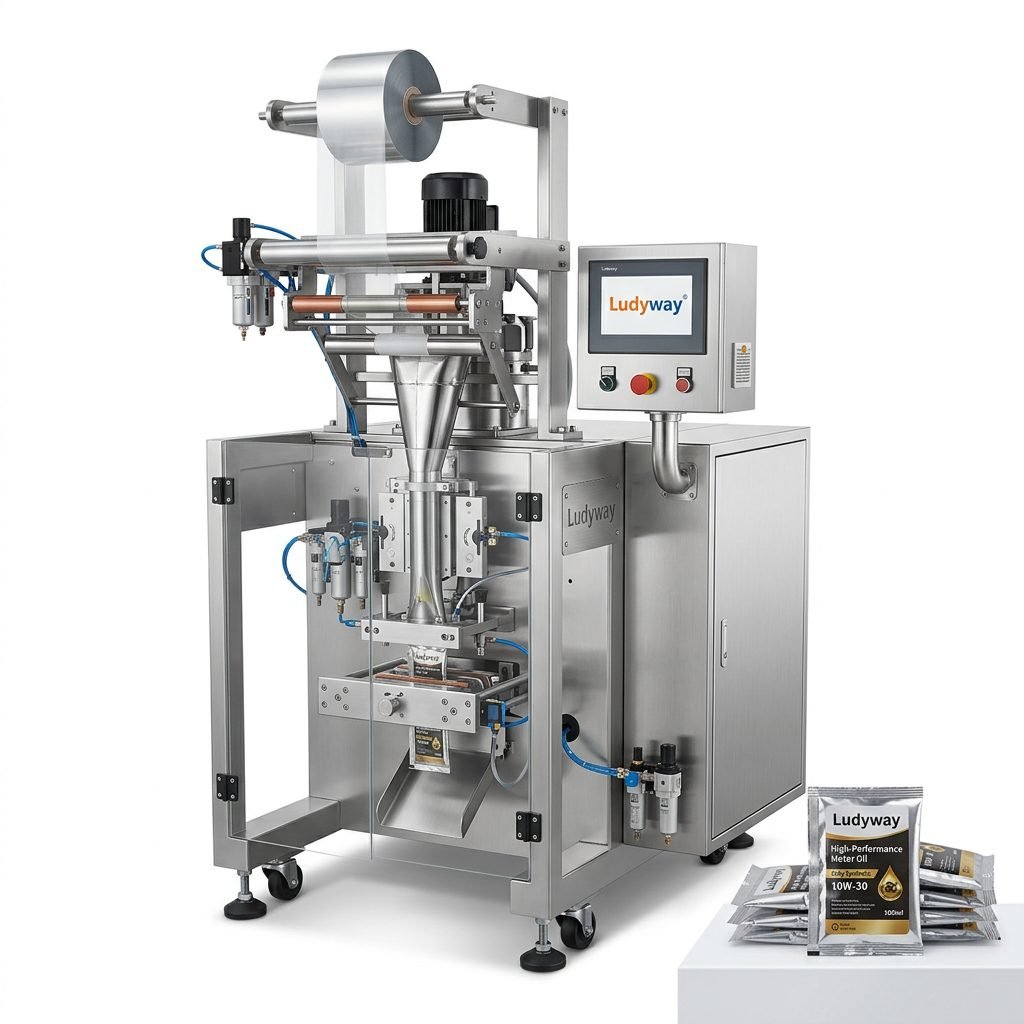
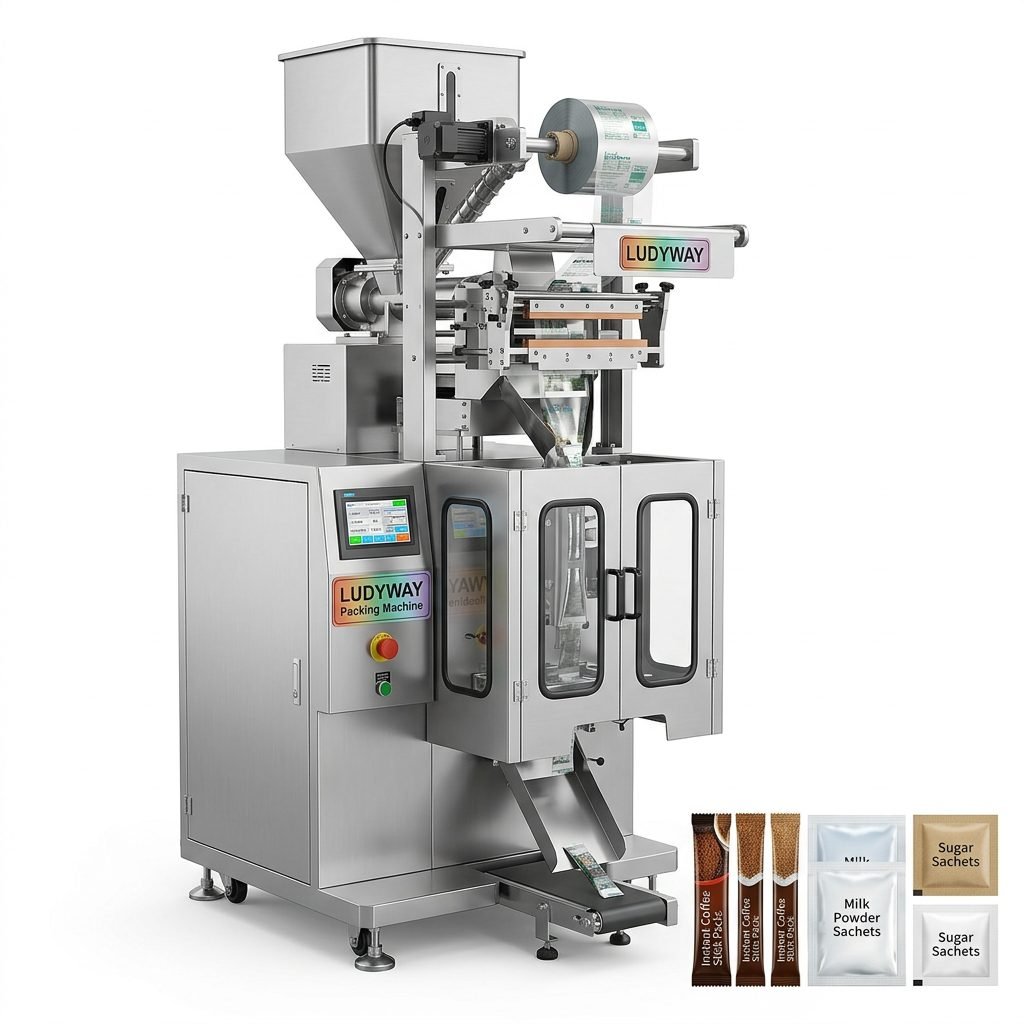
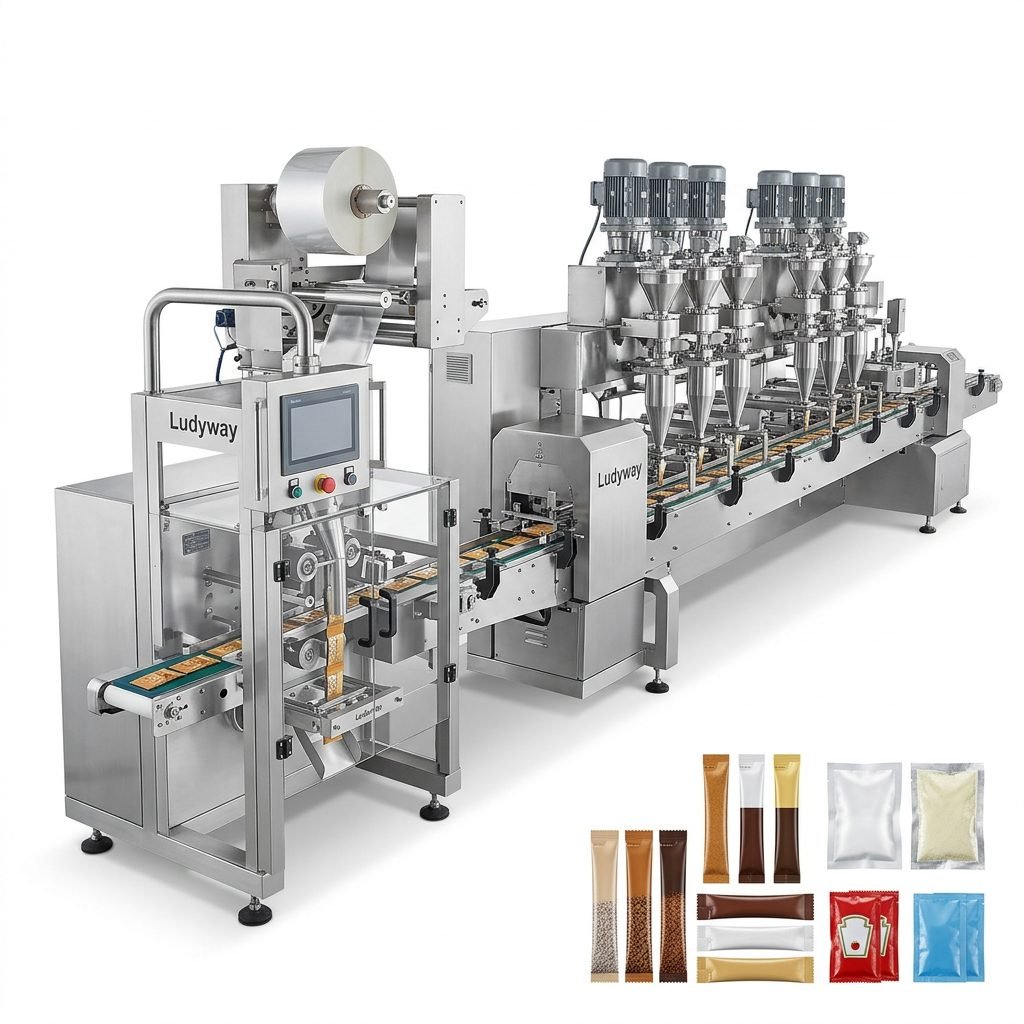
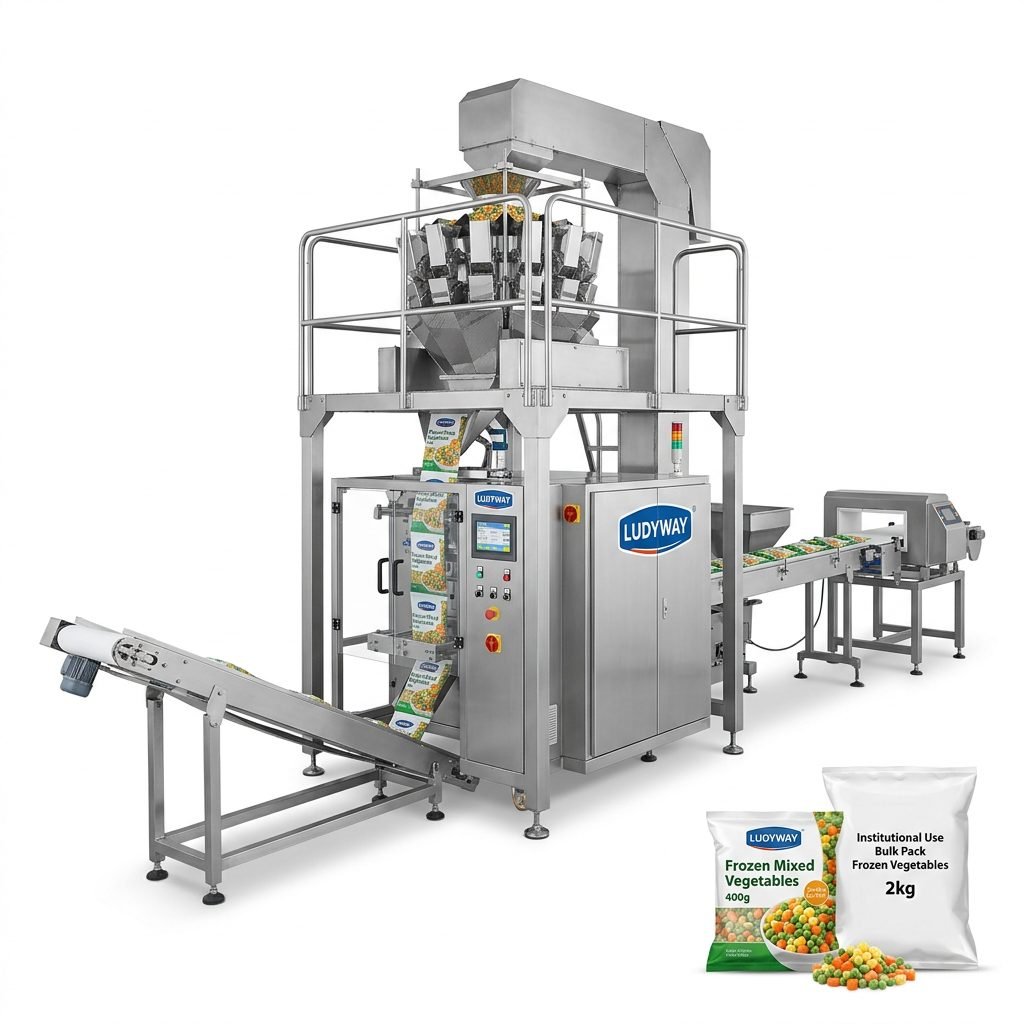
One notable player in the global packaging machinery landscape is Ludyway Machinery, a China-based manufacturer with more than 30 years of industry experience. Operating from a 20,000-square-meter facility with over 130 professionals and more than 50 packaging machine models, Ludyway provides automated packaging equipment and turnkey solutions across industries including food and beverage, pharmaceuticals, cosmetics, and consumer products. The company exports to more than 100 countries and regions, with export revenue expected to exceed RMB 500 million (approximately US$69 million) in 2025 and plans to surpass RMB 1 billion (approximately US$138 million) in 2026. This growth trajectory reflects increasing global demand for automated packaging solutions that deliver efficiency, consistency, and scalability.
Supplier Evaluation Criteria
- Years of experience in textile or bedding packaging specifically
- Availability of spare parts and local technical support
- Warranty terms and after-sales service commitments
- Training programs for operators and maintenance staff
- Installation and commissioning support
- Customization capabilities for unique product requirements

Budget Planning and Total Cost of Ownership
The purchase price of a quilt packing machine is only one component of the total cost of ownership (TCO). Savvy buyers account for installation, operator training, ongoing maintenance, spare parts inventory, energy consumption, and packaging material waste rates over the machine’s expected service life. A lower upfront price may translate to higher operating costs if the machine requires frequent adjustments, produces inconsistent seals, or consumes excessive packaging film.
| Cost Category | Estimated Share of TCO | Optimization Strategy |
|---|---|---|
| Machine purchase | 50-60% | Compare multiple suppliers; negotiate based on documented specifications |
| Installation and commissioning | 5-10% | Request inclusive quotations; clarify site preparation requirements |
| Packaging materials | 15-20% annually | Optimize film usage; select machines with low waste rates |
| Maintenance and spare parts | 8-12% annually | Negotiate spare parts packages; train in-house maintenance staff |
| Energy consumption | 3-5% annually | Select energy-efficient motors and drives; implement power management |
Installation, Training, and After-Sales Support
A quilt packing machine represents a substantial investment, and maximizing its value requires proper installation, thorough operator training, and reliable after-sales support. Before finalizing your purchase, clarify the following with each potential supplier:
- Who handles installation — the manufacturer’s technicians or third-party contractors?
- What training is included, and how many operators can attend?
- Are remote support options available for troubleshooting?
- What is the typical response time for on-site service requests?
- Are spare parts stocked locally or shipped from overseas?
- What documentation — manuals, electrical schematics, maintenance guides — is provided?

Making the Final Decision
Selecting the right quilt packing machine is ultimately a balance between technical requirements, budget constraints, and supplier reliability. Create a weighted evaluation matrix that ranks your priorities — whether that’s speed, versatility, build quality, or total cost — and score each machine against those criteria. Involve your production team, maintenance staff, and operators in the evaluation process, as their hands-on perspectives often reveal practical considerations that specifications alone cannot capture.
Final Checklist Before Purchase
- Verified production capacity meets current and projected needs
- Confirmed compatibility with all quilt sizes and packaging materials
- Validated supplier references from similar applications
- Calculated total cost of ownership over expected service life
- Clarified installation, training, and warranty terms
- Assessed spare parts availability and service response times
- Evaluated integration feasibility with existing production lines
- Reviewed safety certifications and regulatory compliance documentation
Taking a methodical approach to machine selection ensures that your investment in a quilt packing machine delivers measurable improvements in productivity, product protection, and operational efficiency for years to come. For manufacturers seeking comprehensive guidance on packaging automation trends and technology, the PMMI State of the Industry Report provides valuable market intelligence and benchmarking data.