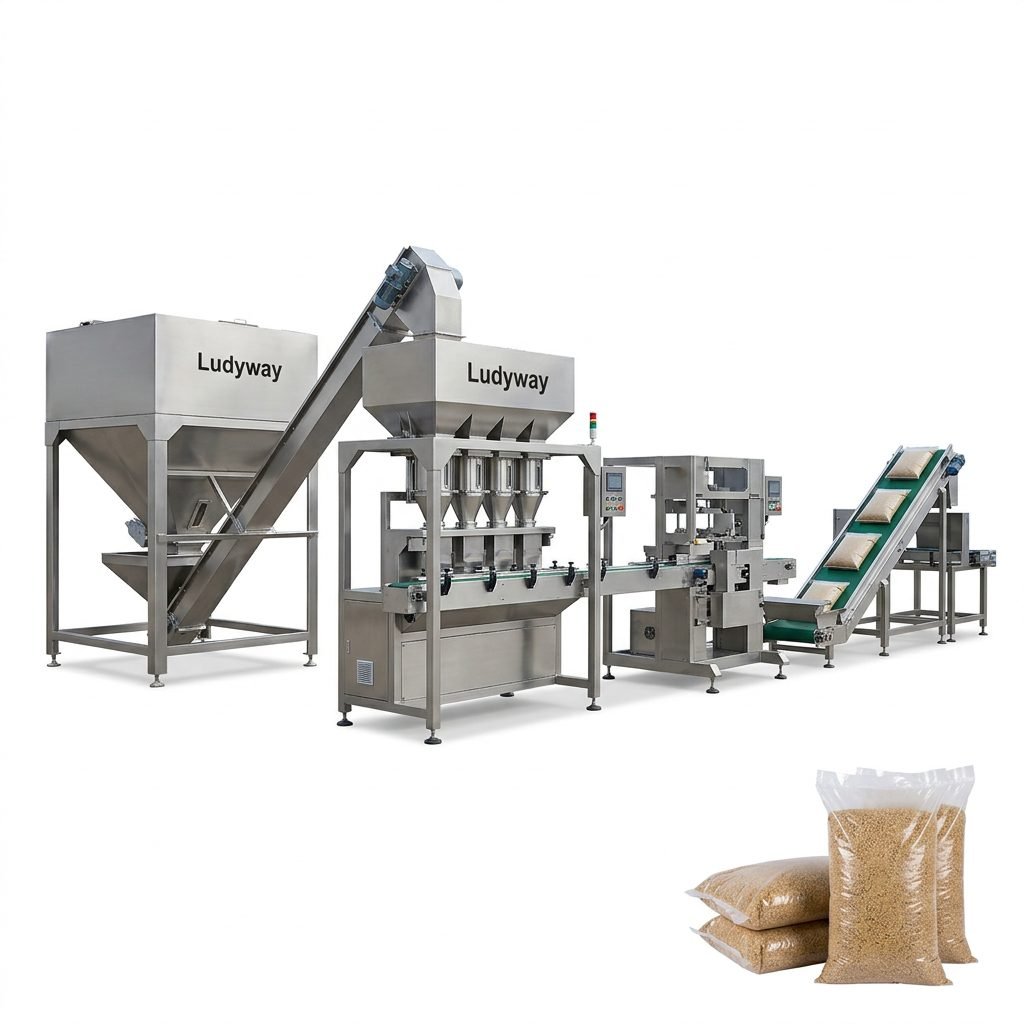
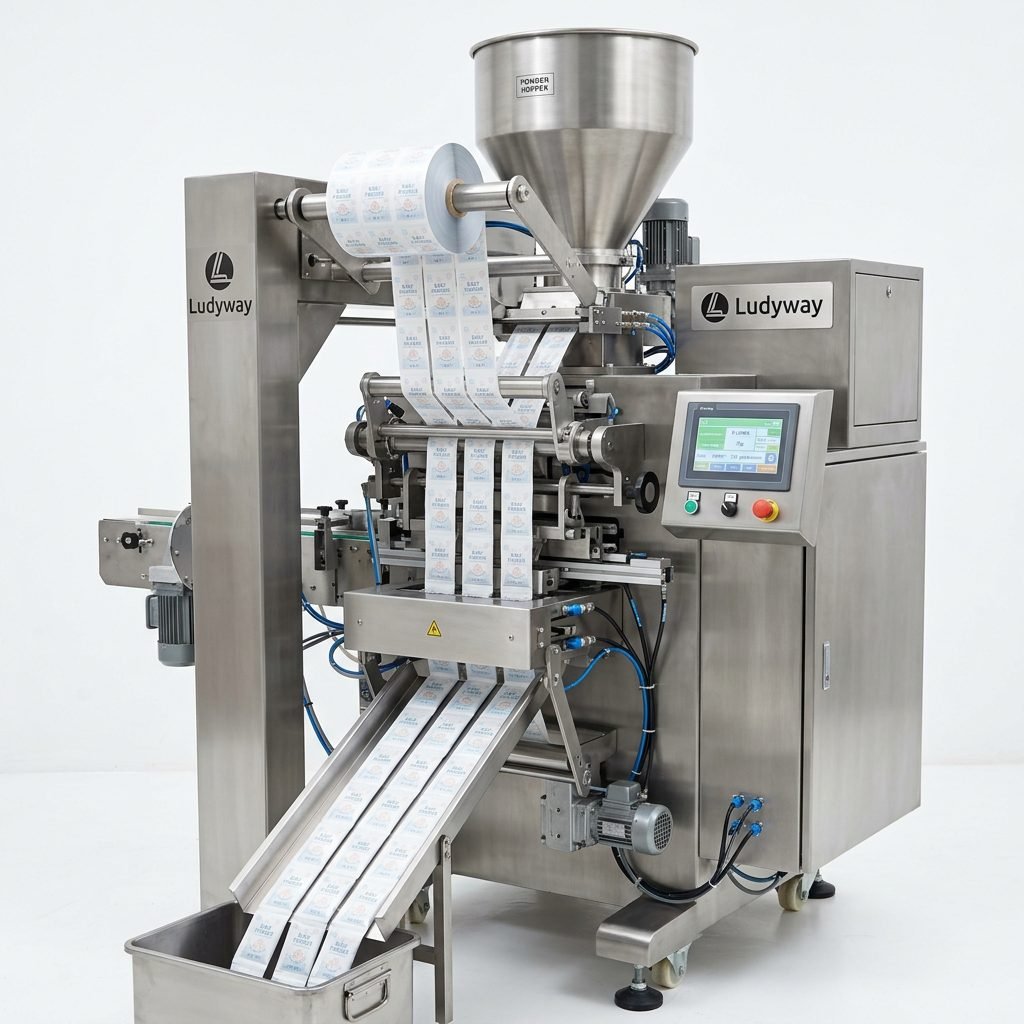
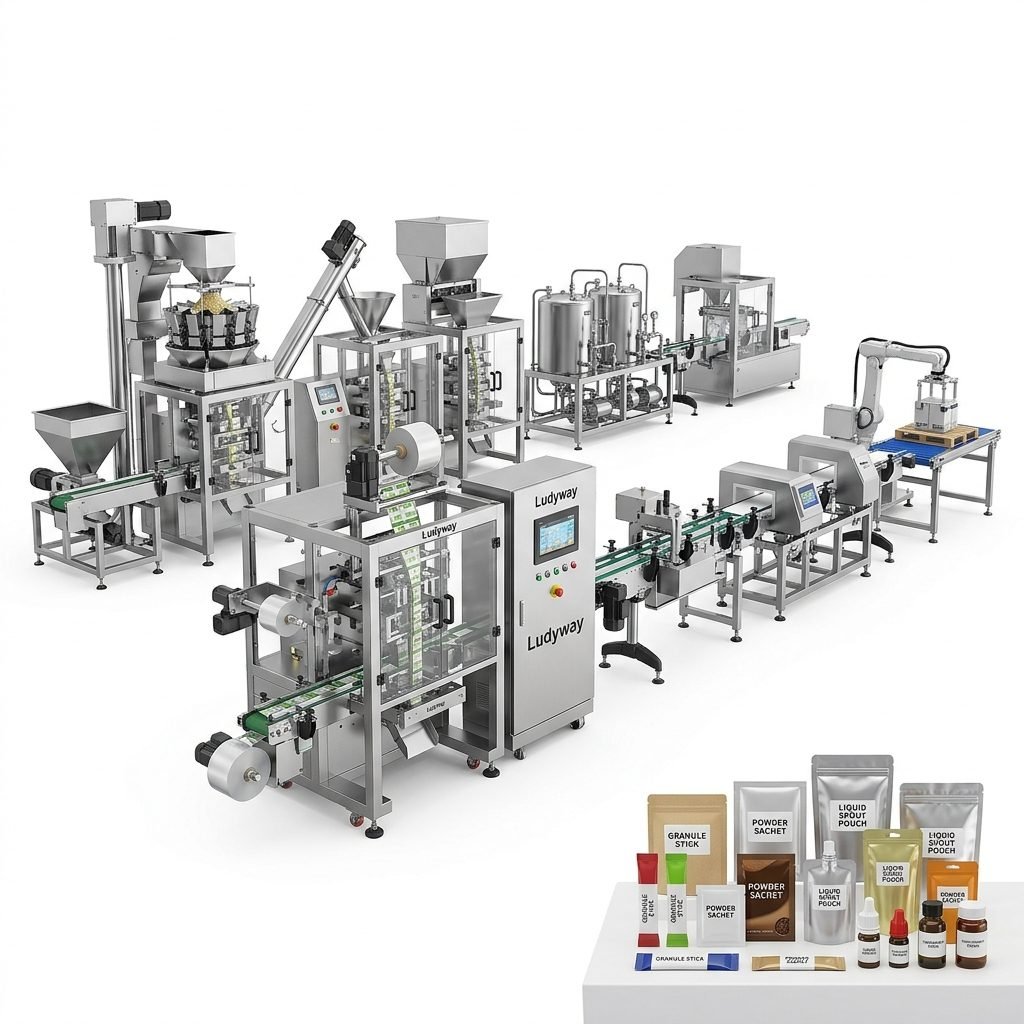
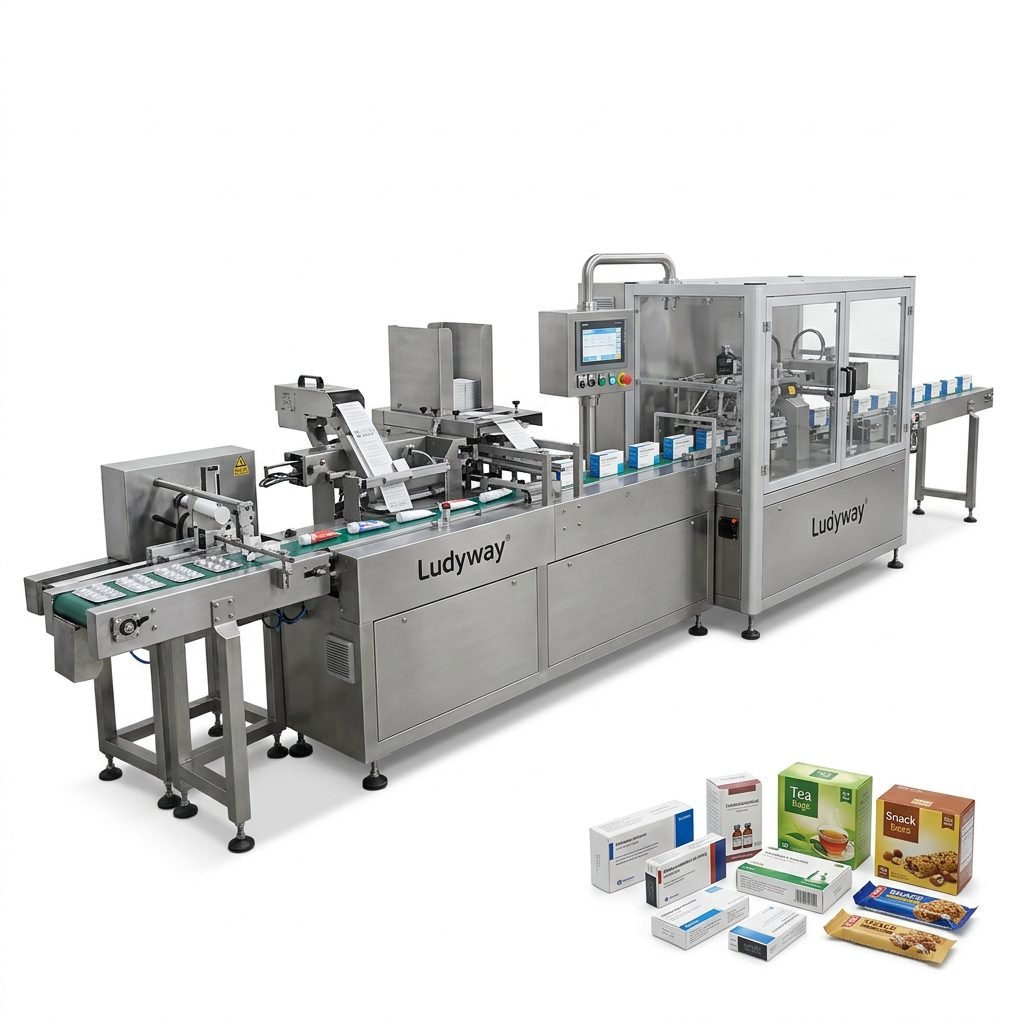
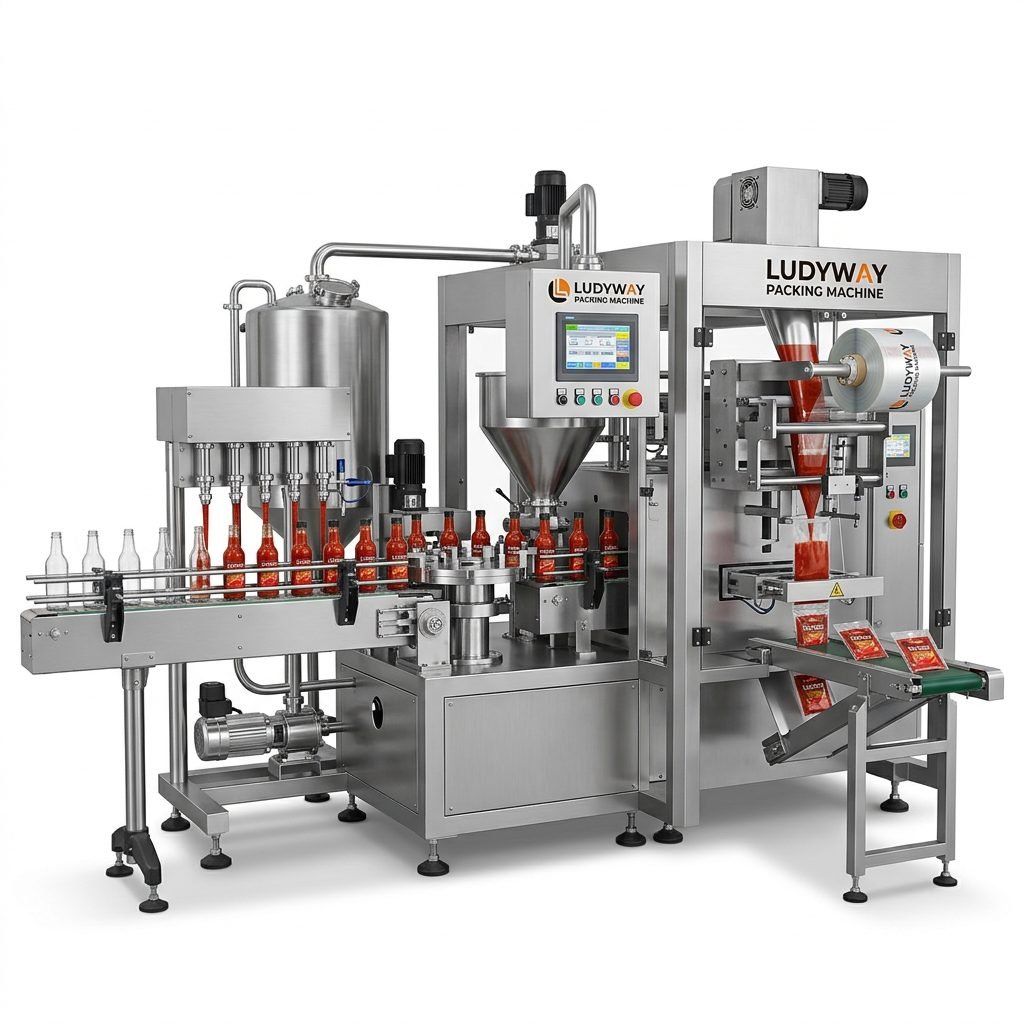
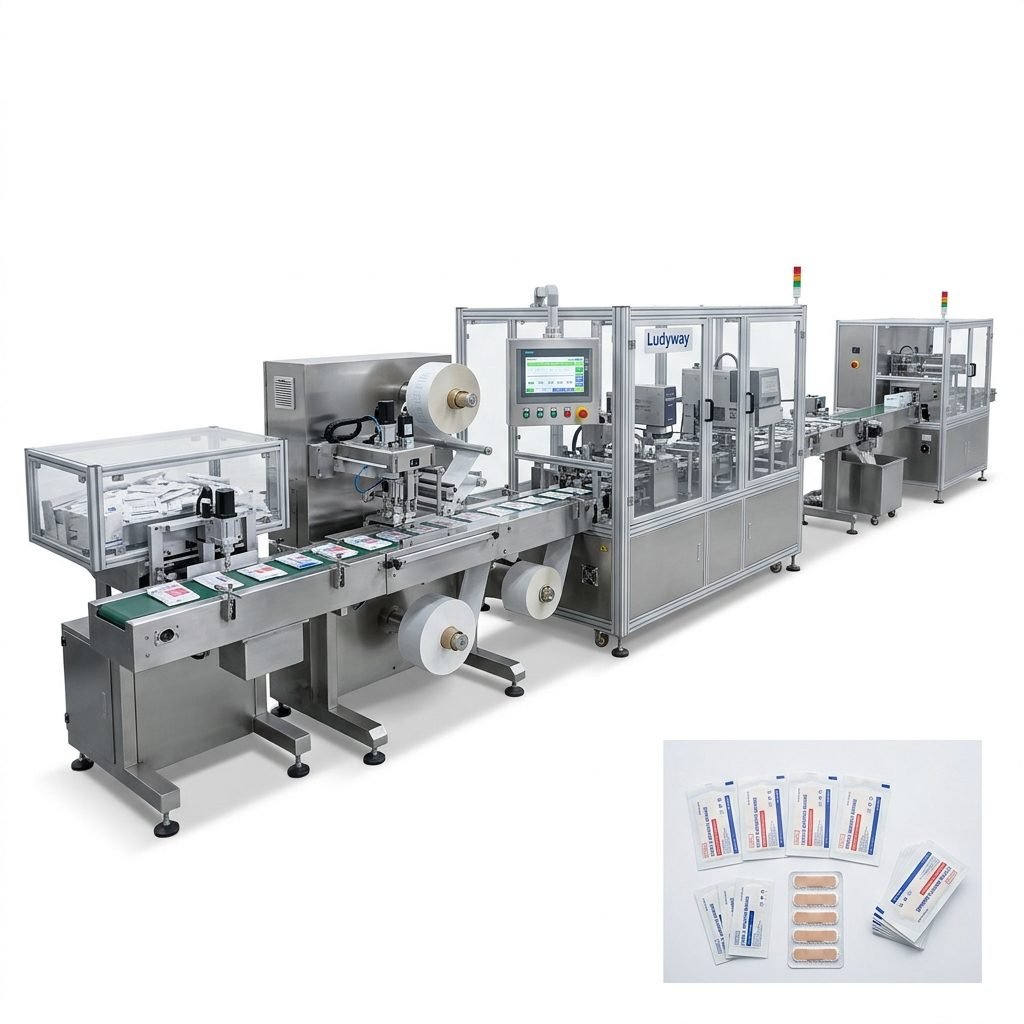
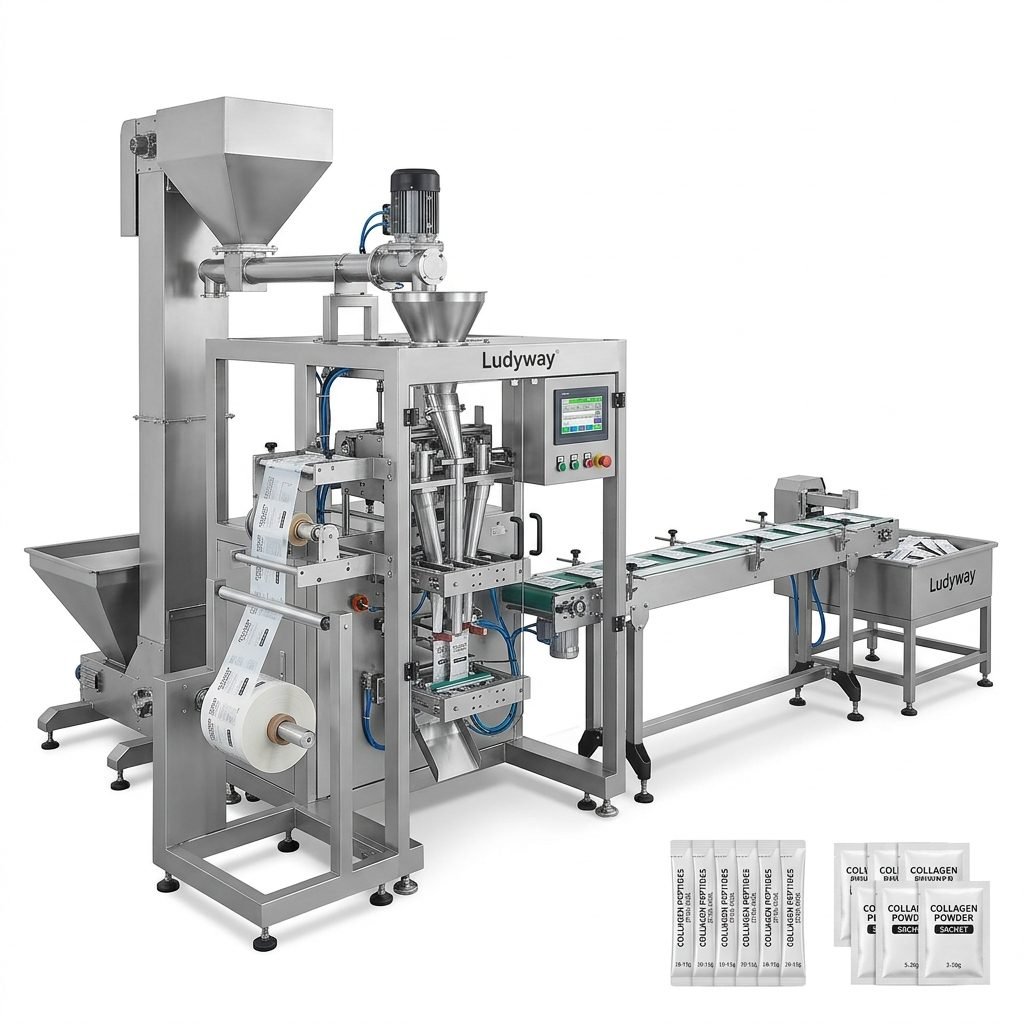
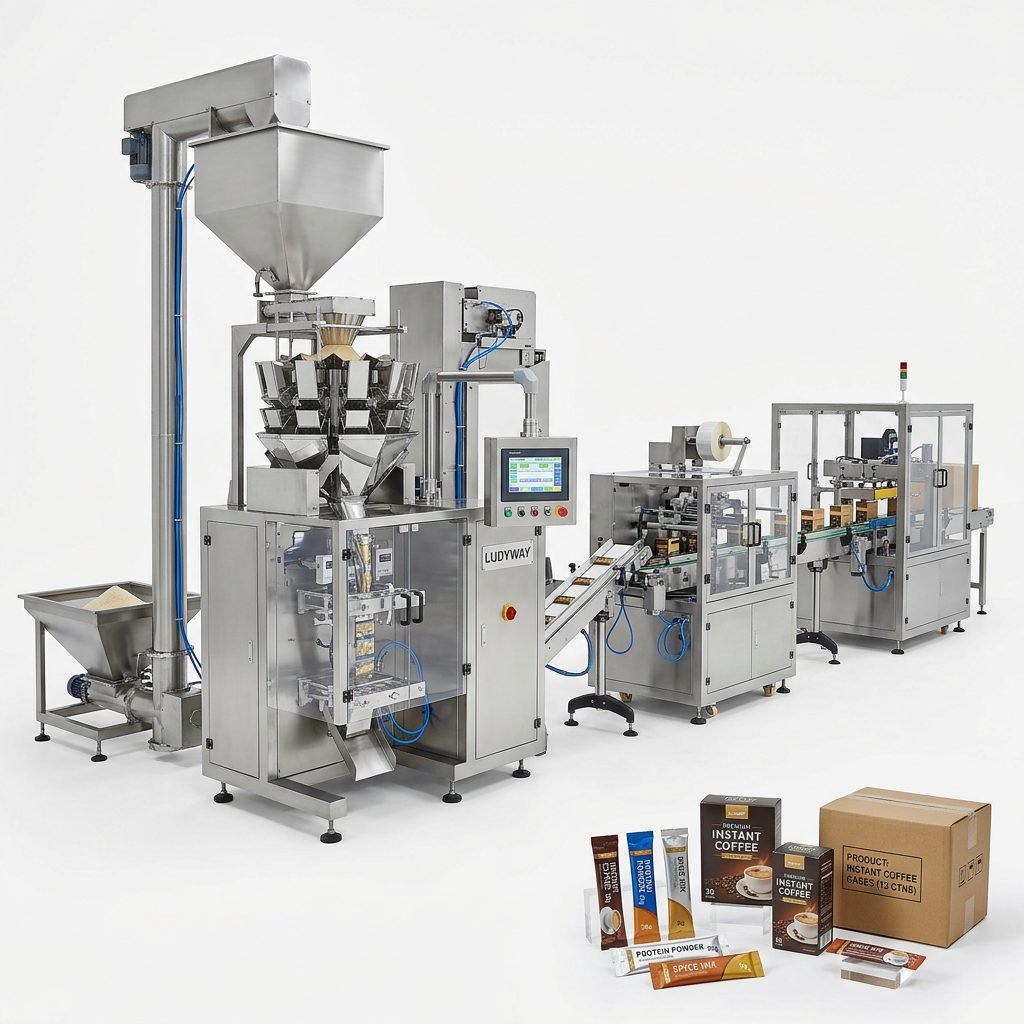
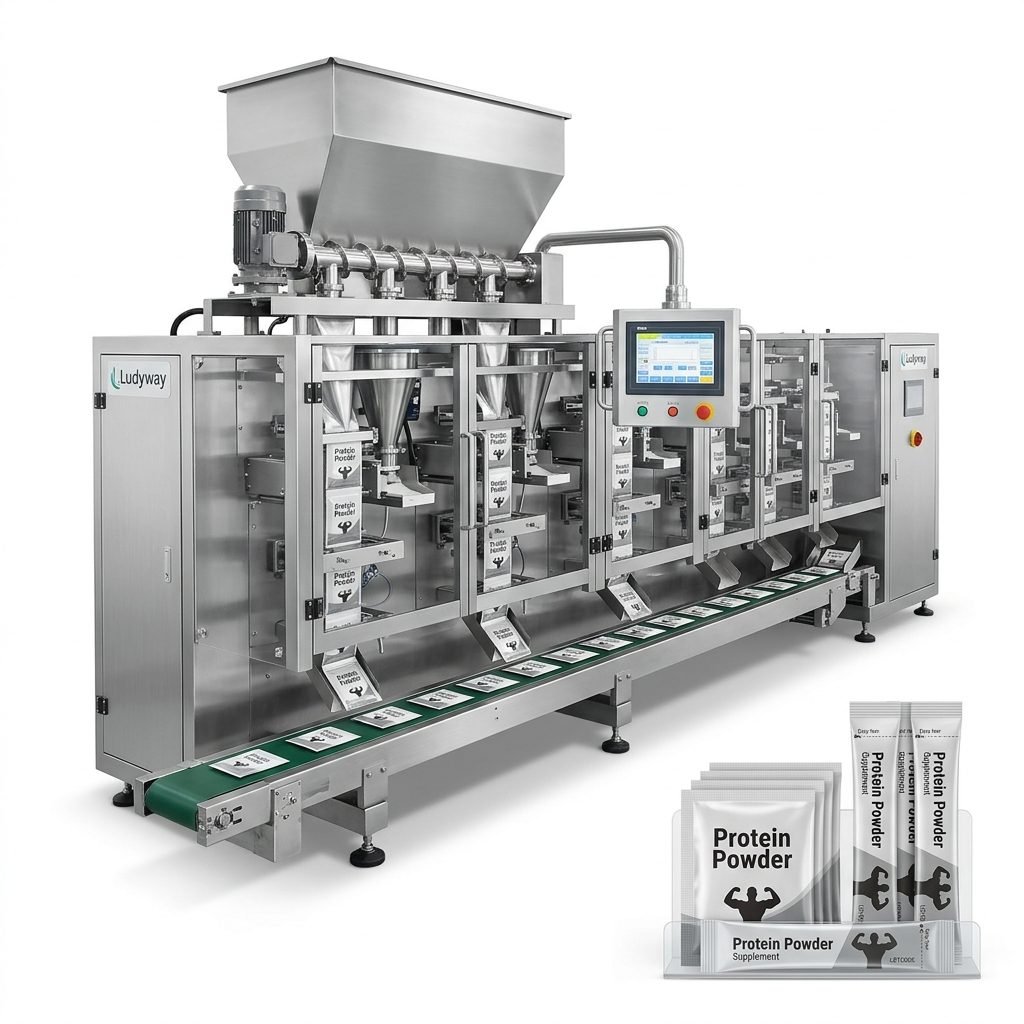
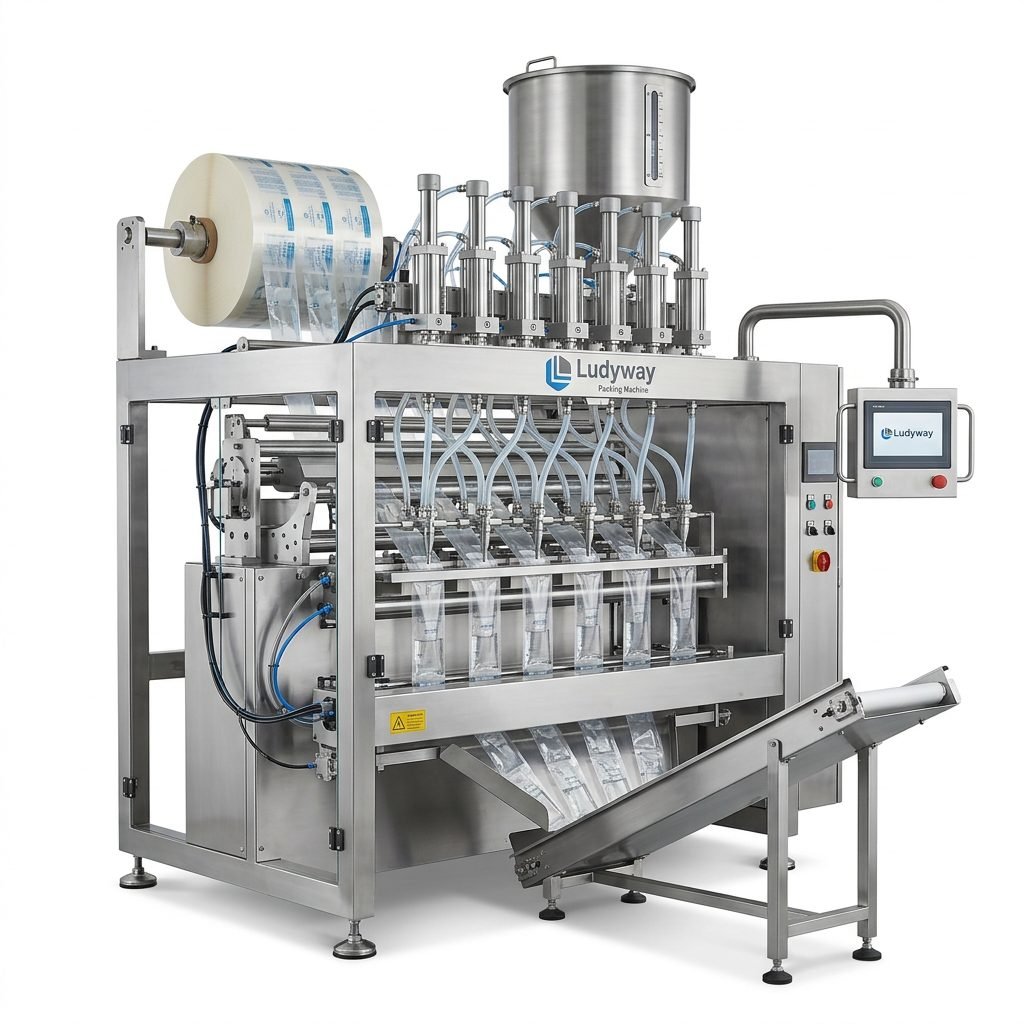
Investing in a lamination packing machine is a significant decision for any manufacturing operation. Whether you are producing flexible packaging, laminating films for food products, or creating multi-layer materials for pharmaceutical applications, the right equipment can dramatically improve your production efficiency, product quality, and bottom line. This comprehensive buyer’s guide walks you through the essential factors to consider before making your purchase.

Understanding Lamination in Packaging
Lamination is the process of bonding two or more layers of material together to create a composite structure with enhanced properties. In the packaging industry, lamination machines combine substrates such as films, foils, papers, and other flexible materials to achieve specific barrier characteristics, seal strength, and visual appeal. The result is packaging that protects products from moisture, oxygen, light, and other environmental factors while maintaining structural integrity throughout the supply chain.
Common applications include food packaging, pharmaceutical blister packs, cosmetic sachets, and industrial material protection. Understanding your specific lamination requirements is the first step toward selecting the right machine. For broader insights into packaging machinery trends, the PMMI State of the Industry Reports provide valuable market data and forecasts.
Key Factors to Evaluate Before Purchasing
1. Define Your Production Requirements
Start by clearly defining what you need from a lamination packing machine. Consider the following critical parameters:
- Production speed — How many meters per minute or units per hour do you need to produce?
- Material compatibility — What substrates will you be laminating? Common materials include BOPP, PET, PE, aluminum foil, and paper.
- Web width — What is the maximum width of material your production requires?
- Adhesive type — Will you use solvent-based, solventless, water-based, or hot-melt adhesives?
- Layer configuration — How many layers does your finished laminate require?
Taking the time to document these specifications will help you narrow down machine options and communicate effectively with potential suppliers. According to Flexible Packaging Association industry resources, material selection and machine compatibility are among the top considerations for converters.
2. Types of Lamination Machines
Different lamination technologies suit different applications. Understanding the main types will help you make an informed decision:
| Machine Type | Best For | Key Advantage |
|---|---|---|
| Solventless Lamination | Flexible packaging, food-grade applications | No solvent residue, environmentally friendly, fast curing |
| Solvent-Based Lamination | High-barrier packaging, industrial applications | Excellent bond strength, wide material compatibility |
| Water-Based Lamination | Paper-based packaging, carton lamination | Low VOC emissions, safer working environment |
| Hot-Melt Lamination | Diapers, hygiene products, non-woven applications | High-speed production, instant bonding |
| Thermal Lamination | Print finishing, document protection | No adhesive required, clean process |
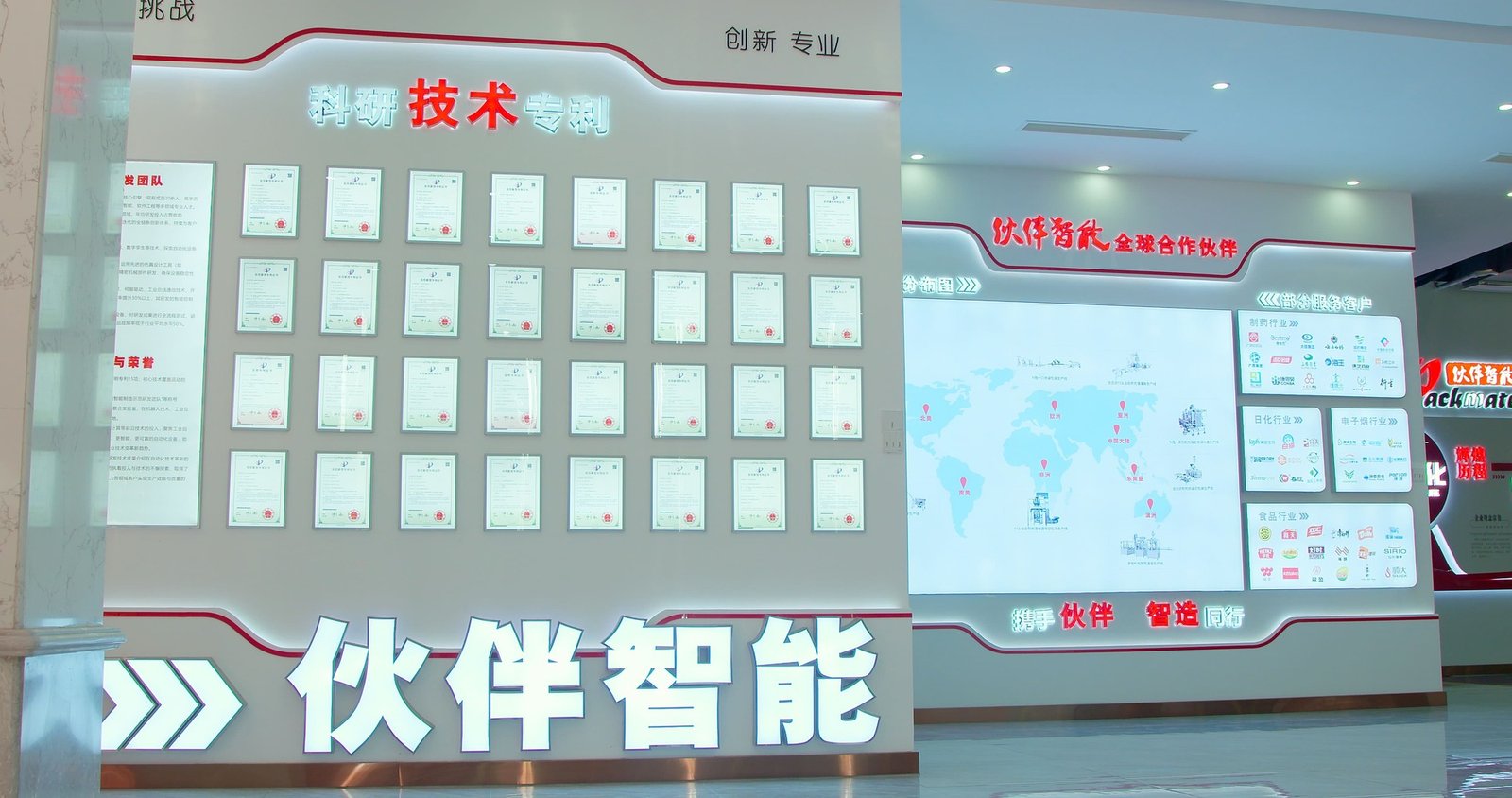
3. Automation and Control Systems
Modern lamination packing machines come with varying degrees of automation. Advanced control systems can significantly reduce operator intervention and improve consistency. Key automation features to look for include:
- Tension control systems — Automated web tension management prevents wrinkles, stretching, and misalignment during lamination.
- Temperature regulation — Precise heating control for nip rolls and drying tunnels ensures consistent adhesive activation.
- Registration systems — Automatic alignment of printed layers maintains design integrity across the laminate.
- Viscosity monitoring — Real-time adhesive viscosity control reduces waste and maintains bond quality.
- Data logging and reporting — Production metrics and quality data help optimize operations over time.
4. Quality and Compliance Standards
For manufacturers serving regulated industries such as food, pharmaceuticals, or medical devices, compliance with international standards is non-negotiable. Important standards to consider include ISO packaging standards, FDA requirements for food contact substances, and EU packaging regulations. Verify that your chosen machine can meet the certification requirements relevant to your market and industry.
Evaluating Total Cost of Ownership
The purchase price of a lamination machine represents only a fraction of its total cost over its lifecycle. A thorough cost analysis should account for:
- Initial investment — Machine cost, installation, and facility modifications
- Operating costs — Energy consumption, adhesive usage, and consumable parts
- Maintenance expenses — Scheduled servicing, spare parts inventory, and technician availability
- Downtime impact — Production losses during maintenance, repairs, or changeovers
- Training requirements — Operator and maintenance staff training time and resources
A machine with a higher upfront cost may deliver lower total ownership costs over its lifespan if it offers greater efficiency, reliability, and ease of maintenance.
Supplier Selection Criteria
Choosing the right supplier is just as important as choosing the right machine. Evaluate potential partners based on these criteria:
Technical Expertise and Experience
Look for suppliers with a proven track record in lamination technology. Experienced manufacturers understand the nuances of different adhesive systems, substrate combinations, and application requirements. They can provide valuable guidance during the selection process and help you avoid costly mistakes.
After-Sales Support and Service
Even the best machines require maintenance and occasional troubleshooting. Assess the supplier’s service infrastructure, including:
- Availability of remote technical support
- Response times for on-site service visits
- Spare parts inventory and delivery timelines
- Operator training programs
- Preventive maintenance packages
Customization Capabilities
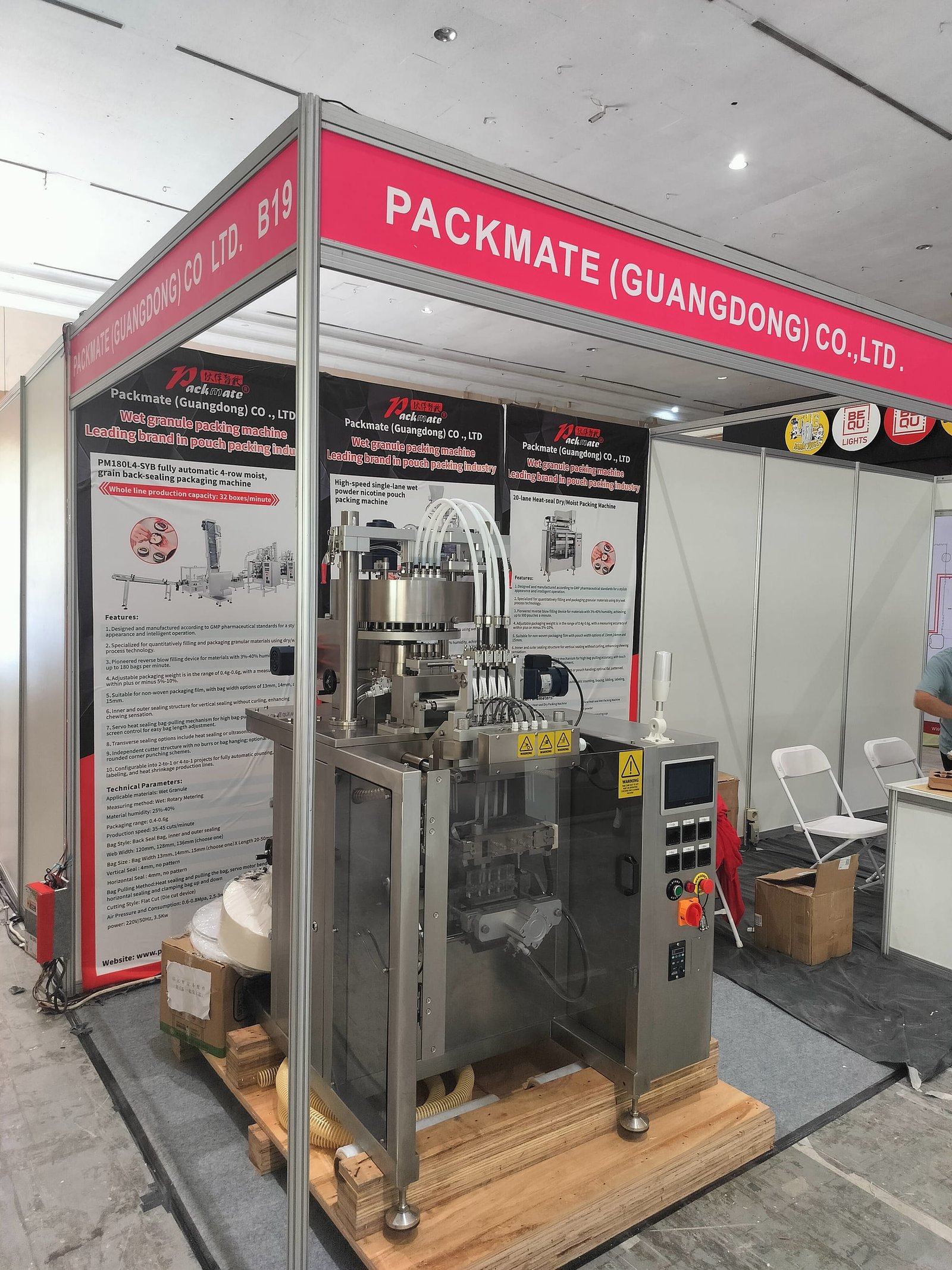
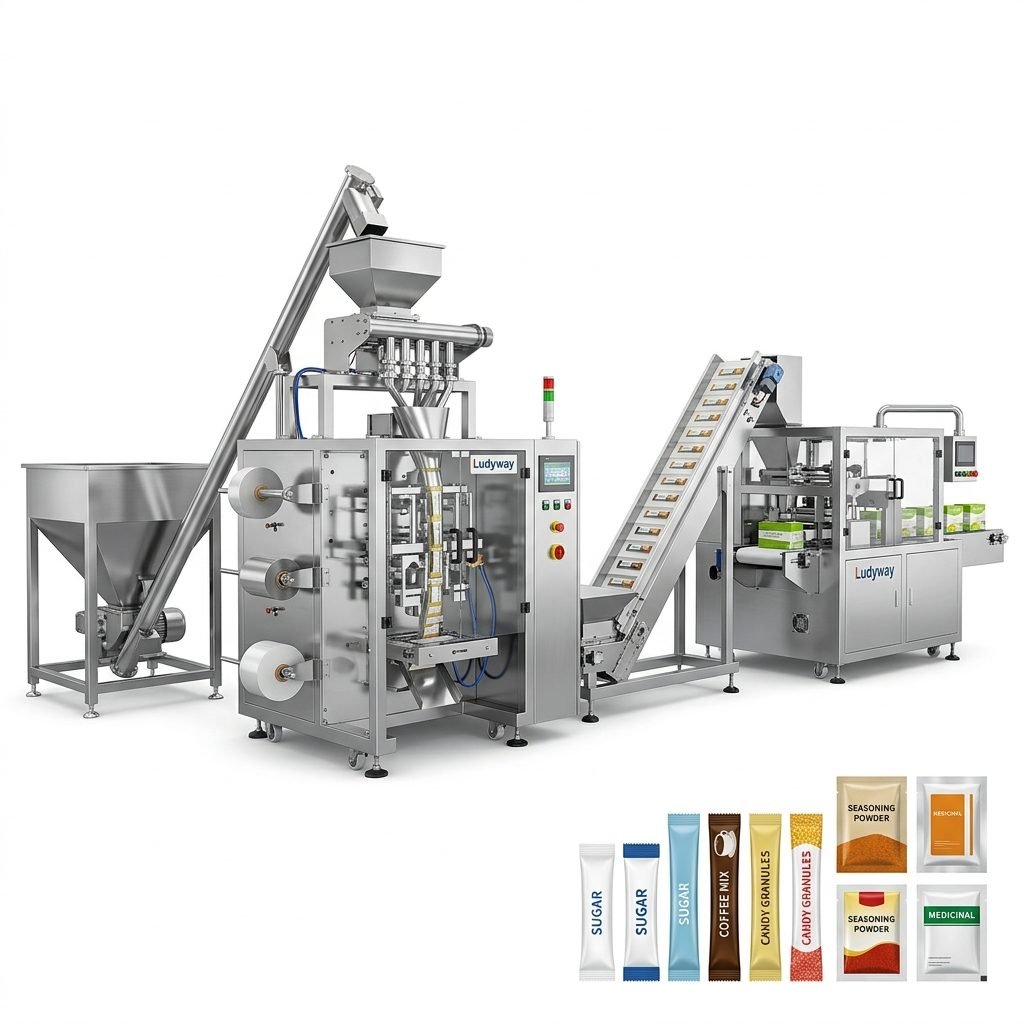
Standard machines may not fully address unique production requirements. The ability to customize web width, coating systems, drying tunnels, and automation features can make a significant difference in operational efficiency. Ludyway Machinery is a China-based packaging machinery manufacturer and turnkey packaging solution provider with more than 30 years of experience. With a 20,000-square-meter manufacturing facility, over 130 professionals, and more than 50 packaging machine models, Ludyway combines engineering expertise and automation technology to deliver customized, integrated packaging solutions for manufacturers across food and beverage, pharmaceutical, cosmetic, chemical, and animal feed industries. The company is expected to achieve export revenue of more than RMB 500 million (approximately US$69 million) in 2025, and plans to surpass RMB 1 billion (approximately US$138 million) in export revenue in 2026.
Installation and Commissioning
A successful installation sets the foundation for long-term machine performance. Work with your supplier to develop a detailed commissioning plan that includes:
- Site preparation and utility requirements
- Machine positioning and leveling
- Electrical and pneumatic connections
- Initial calibration and test runs
- Operator training and documentation handover
Thorough commissioning reduces startup issues and helps your team achieve target production rates more quickly. For additional guidance, the PMMI packaging industry resources offer comprehensive information on best practices for equipment integration.
Future-Proofing Your Investment
Packaging technology continues to evolve, driven by sustainability demands, material innovations, and automation advances. When selecting a lamination packing machine, consider features that will keep your operation competitive:
Sustainability Features
Regulatory pressure and consumer demand are pushing the packaging industry toward more sustainable practices. Machines capable of handling recyclable mono-materials, bio-based adhesives, and reduced material thicknesses will position your business for future requirements. The Flexible Packaging Association Knowledge Hub provides up-to-date information on sustainability trends and regulatory developments.
Scalability and Modularity
Modular machine designs allow you to add capabilities as your production needs grow. Whether you need to increase web width, add coating stations, or integrate with downstream converting equipment, a modular platform can adapt without requiring a complete machine replacement.
Industry 4.0 Readiness
Data connectivity, remote monitoring, and predictive maintenance are becoming standard expectations in modern manufacturing. Machines equipped with industrial communication protocols and analytics capabilities enable smarter production management and continuous improvement.
Common Mistakes to Avoid
- Underestimating material testing — Always test your specific substrate and adhesive combinations before finalizing a machine purchase. What works in a demonstration may not translate directly to your materials.
- Overlooking operator training — The most advanced machine will underperform if operators are not properly trained. Budget for comprehensive training during installation and ongoing refresher sessions.
- Ignoring facility requirements — Lamination machines may require specific power supply, compressed air capacity, exhaust ventilation, and floor space. Verify your facility can accommodate the machine before ordering.
- Focusing solely on price — A lower upfront cost can lead to higher long-term expenses through increased downtime, higher adhesive consumption, or reduced output quality.
Final Checklist Before Purchase
| Checklist Item | Status |
|---|---|
| Production speed requirements documented | ☐ |
| Substrate and adhesive compatibility confirmed | ☐ |
| Material testing completed with target substrates | ☐ |
| Compliance with applicable regulations and standards verified | ☐ |
| Supplier service and support capabilities evaluated | ☐ |
| Total cost of ownership calculated over expected machine life | ☐ |
| Facility readiness confirmed for installation | ☐ |
| Operator training plan established | ☐ |
Making the Final Decision
Selecting the right lamination packing machine requires balancing technical specifications, production requirements, budget constraints, and supplier capabilities. Take the time to visit supplier facilities when possible, speak with existing customers about their experiences, and conduct thorough material trials before committing. A methodical evaluation process will help ensure that your investment delivers reliable performance, consistent quality, and a strong return for years to come.
For ongoing updates on packaging technology and market developments, the Flexible Packaging Association and PMMI – The Association for Packaging and Processing Technologies remain authoritative sources of industry intelligence and best practices.