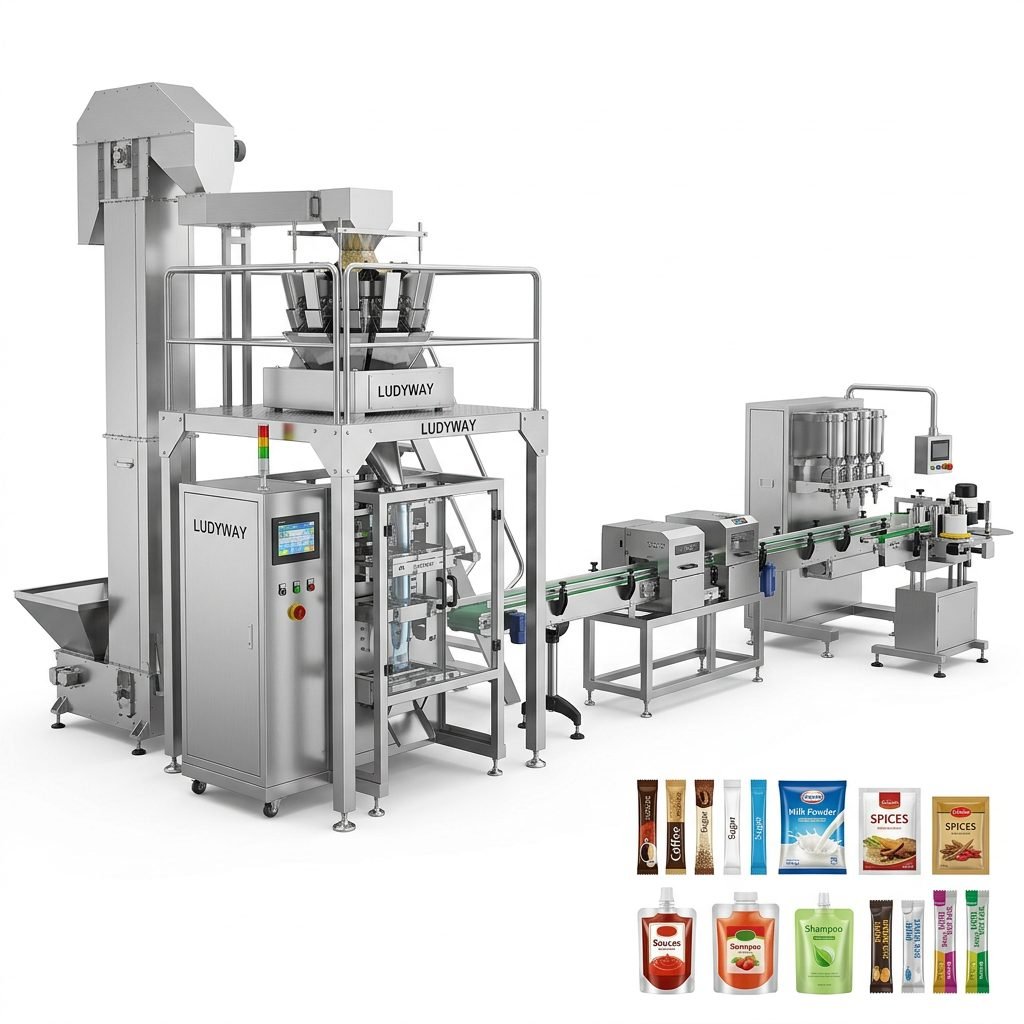
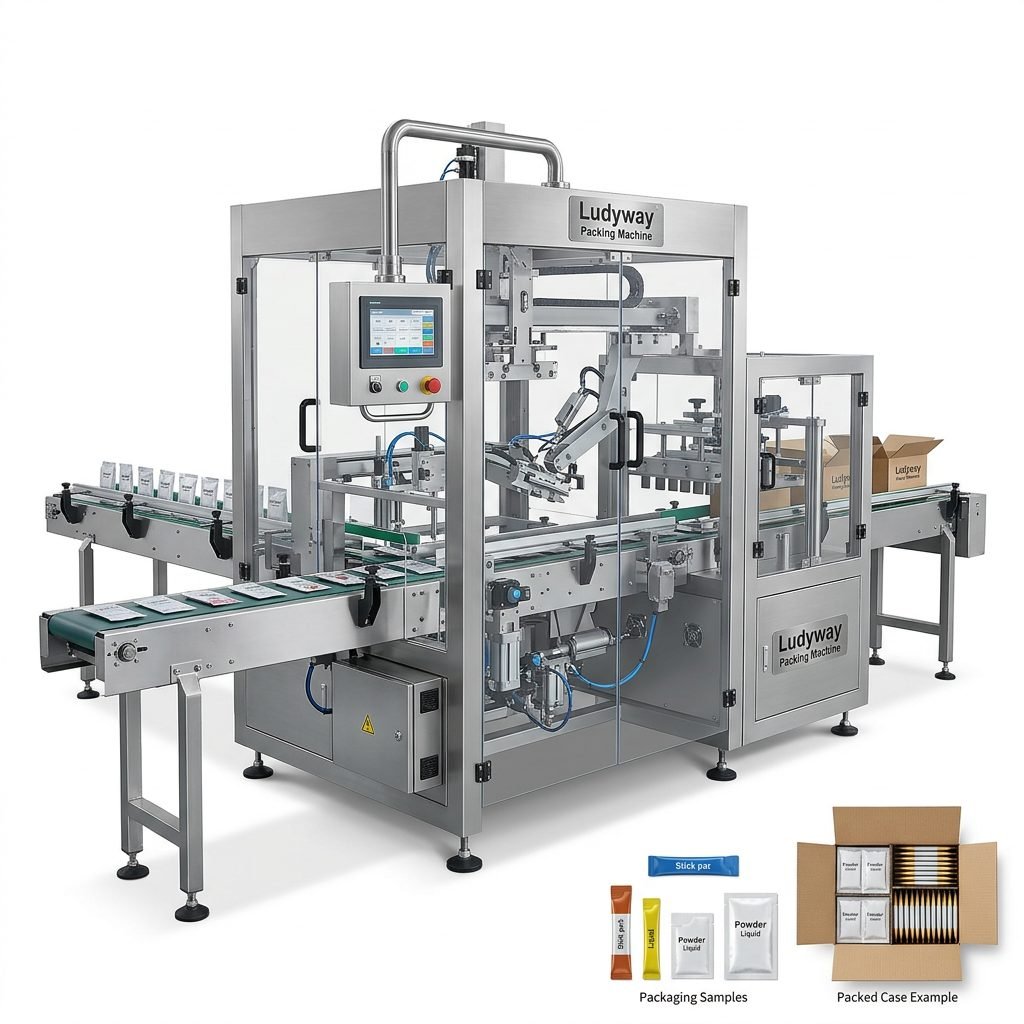
Investing in a kraft paper packaging machine is a strategic decision that directly impacts your production efficiency, product presentation, and operational costs. Kraft paper has become increasingly popular due to its eco-friendly properties, durability, and consumer appeal. However, with so many machine configurations, automation levels, and technical specifications available, selecting the right equipment requires careful evaluation. This guide walks you through the essential factors to consider when choosing a kraft paper packaging machine that aligns with your production goals.
Understanding Your Kraft Paper Packaging Needs
Before comparing specific machine models, you need to define your production requirements clearly. Kraft paper packaging machines come in various configurations, from semi-automatic units suitable for small-batch production to fully automated, high-speed systems designed for large-scale manufacturing. Consider the following questions:
- What product types will you be packaging? Granules, powders, liquids, or solid items each require different filling mechanisms and sealing technologies.
- What are your target production speeds? Understanding your daily or hourly output requirements helps determine whether you need a single-lane or multi-lane packaging system.
- What bag formats do you need? Kraft paper packaging can include flat bags, gusseted bags, block-bottom bags, stand-up pouches, and sachet-style formats.
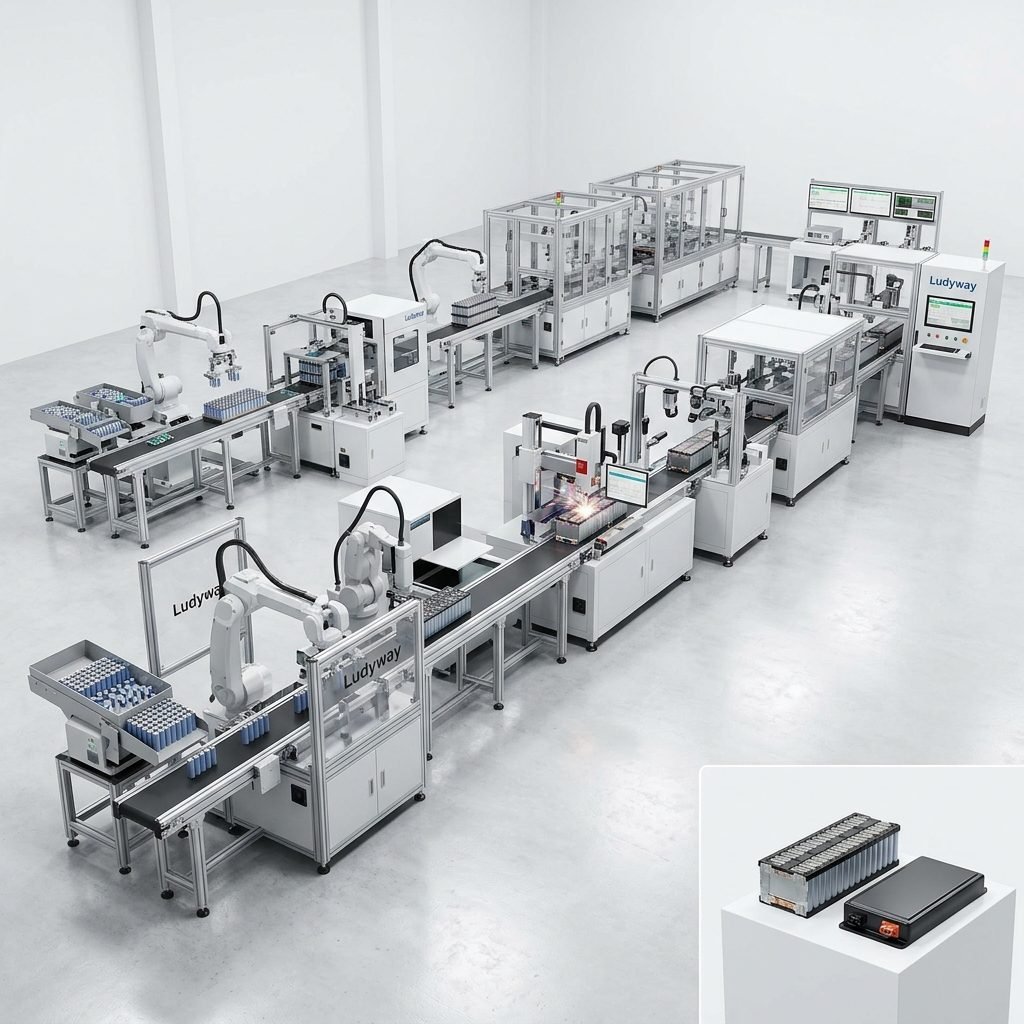
- What level of automation is appropriate for your facility? Options range from standalone machines to fully integrated packaging line systems with automated feeding, filling, sealing, coding, and palletizing.
Types of Kraft Paper Packaging Machines
Kraft paper packaging equipment is available in several machine categories, each suited to different applications. The table below summarizes the most common types and their typical use cases:
| Machine Type | Best For | Key Advantage |
|---|---|---|
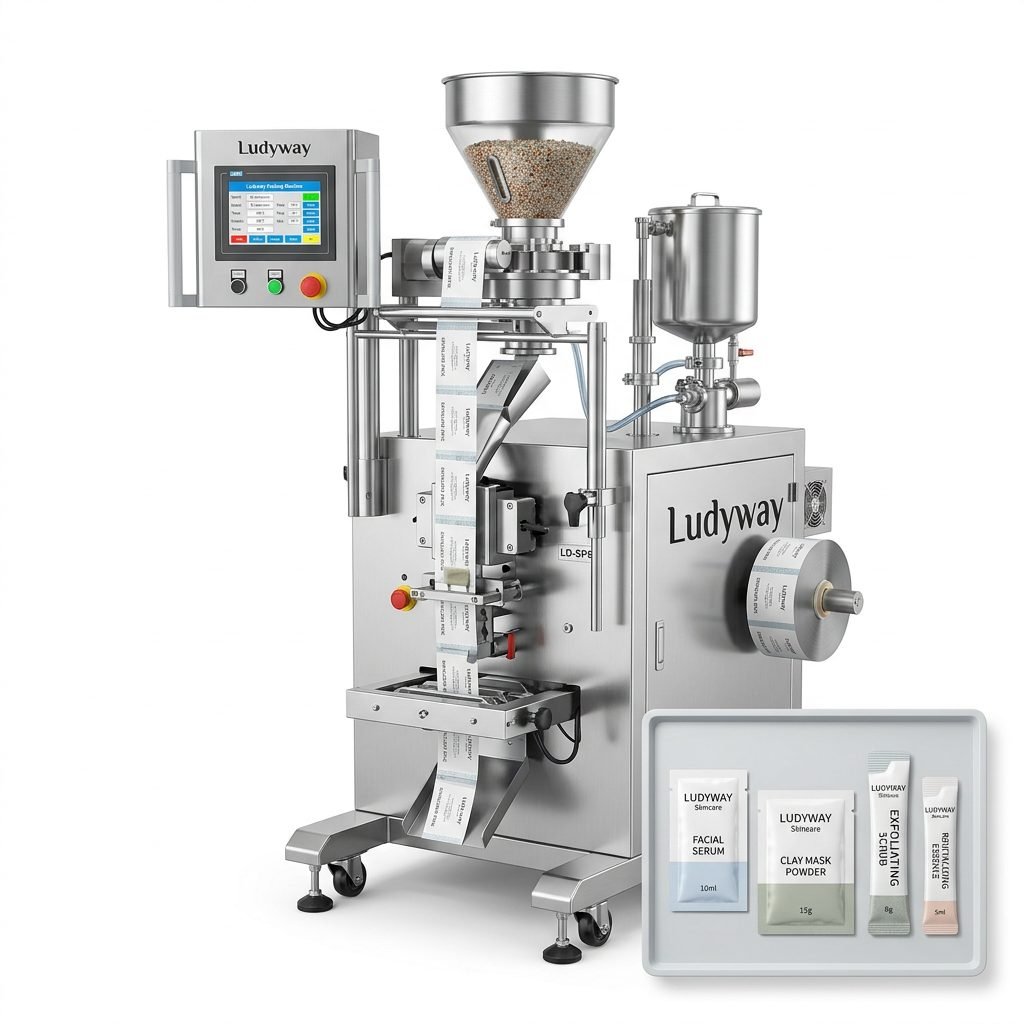
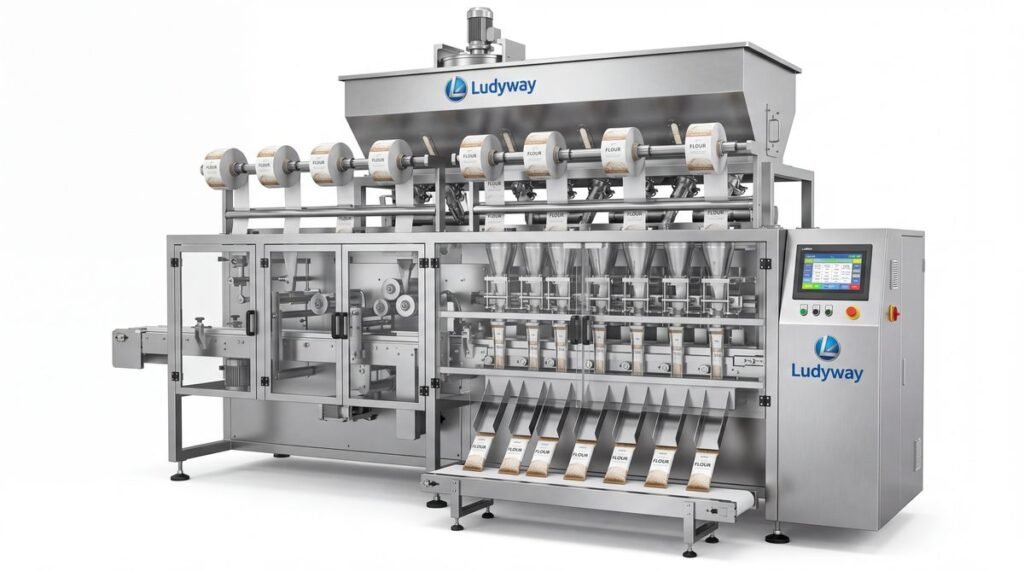
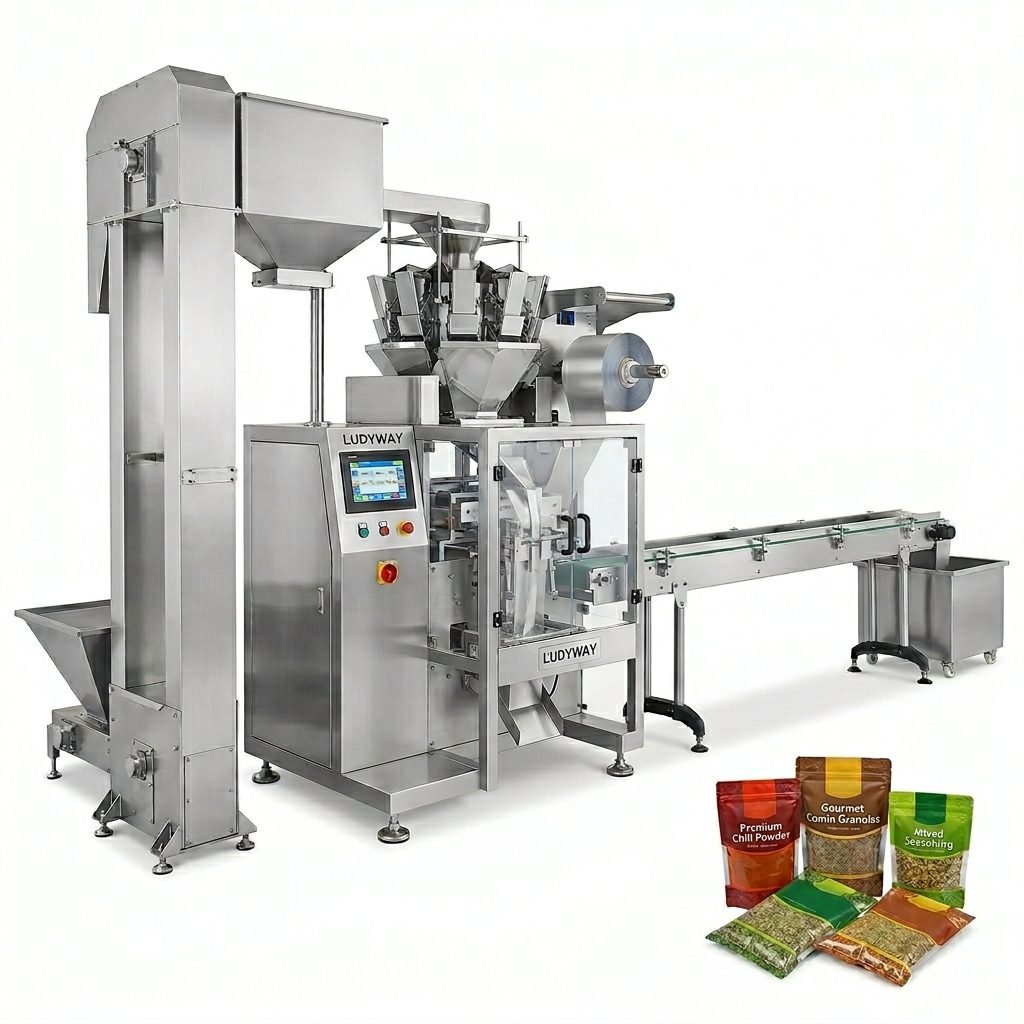
| Vertical Form Fill Seal (VFFS) | Granules, powders, snacks, coffee, spices | High-speed continuous operation; compact footprint |
| Horizontal Form Fill Seal (HFFS) | Solid items, baked goods, hardware, medical devices | Gentle product handling; flexible bag styles |
| Pre-made Pouch Fill & Seal | Kraft paper stand-up pouches, zipper bags | Premium presentation; easy format changes |
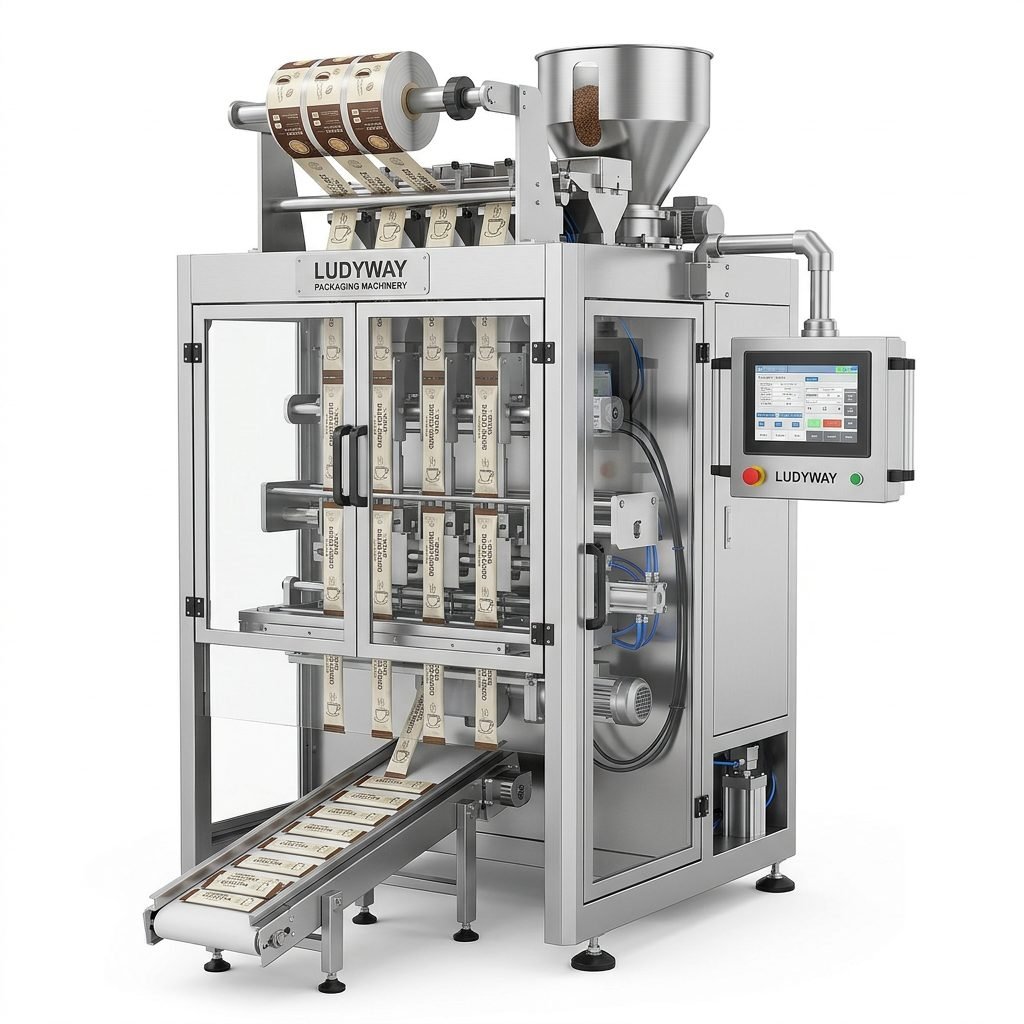
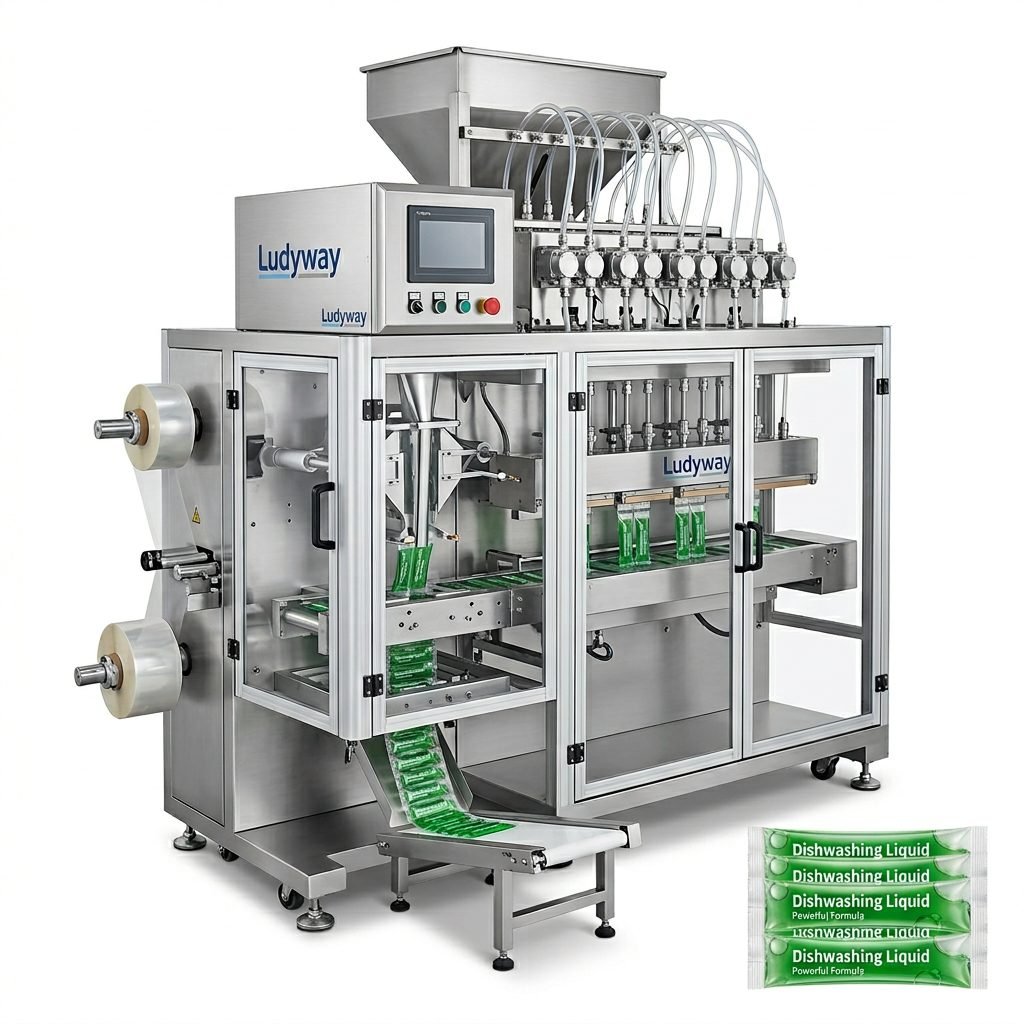
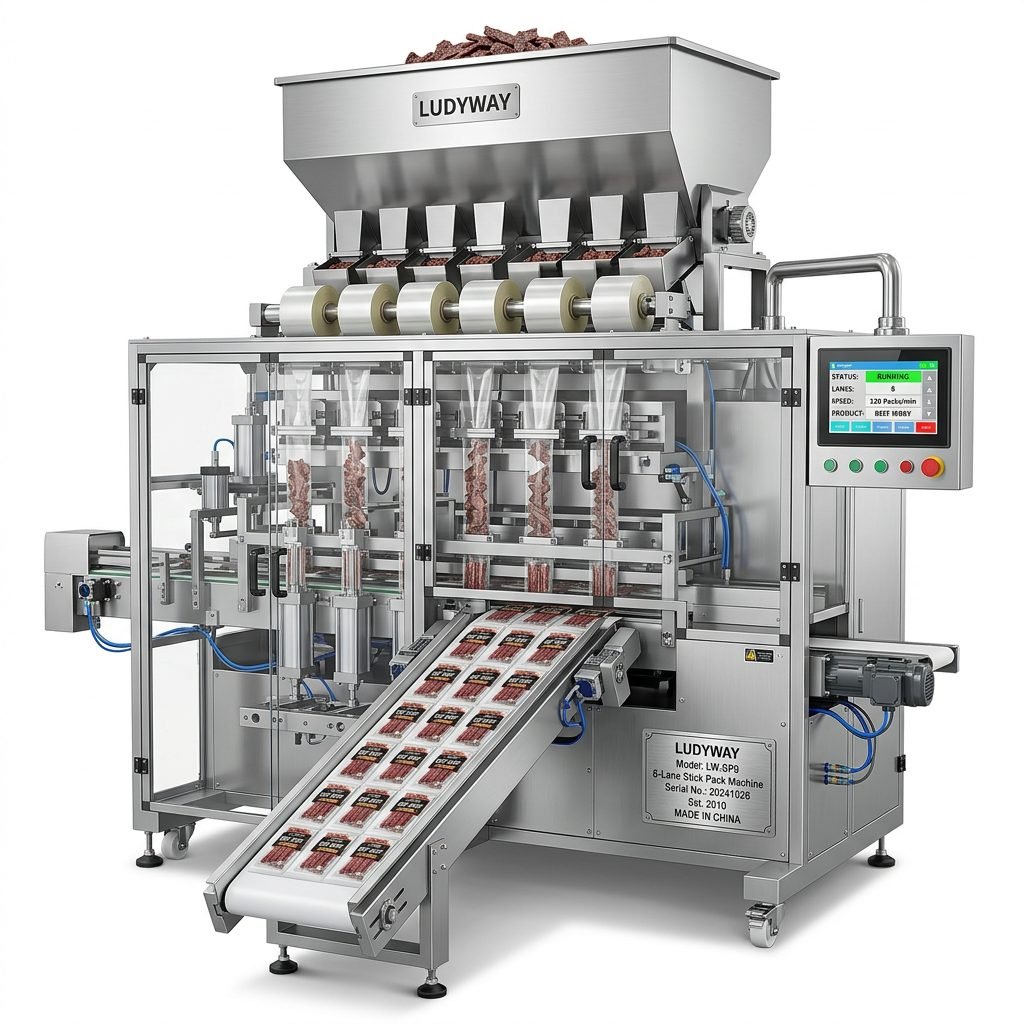
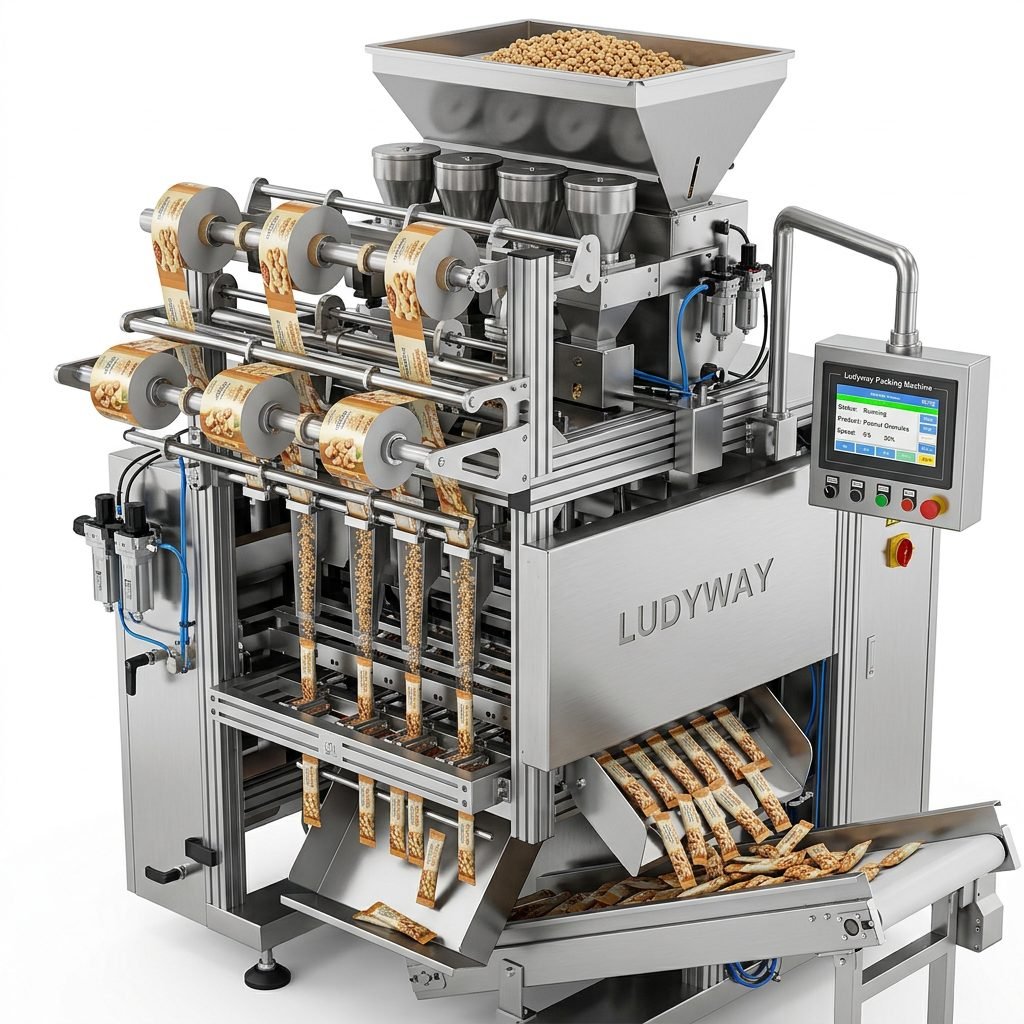
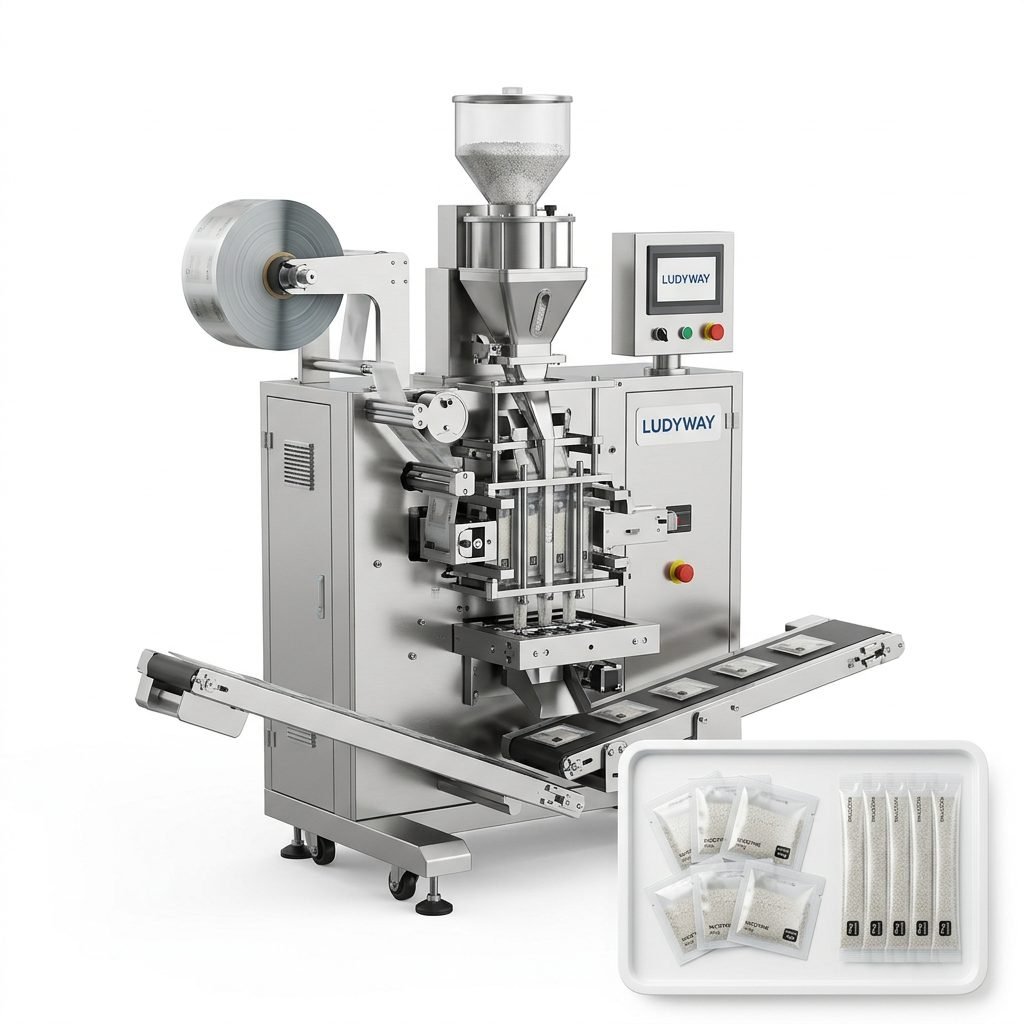
| Multi-Lane Stick Pack Machines | Single-serve portions, samples, travel sizes | Extremely high output; minimal material waste |
Key Technical Specifications to Evaluate
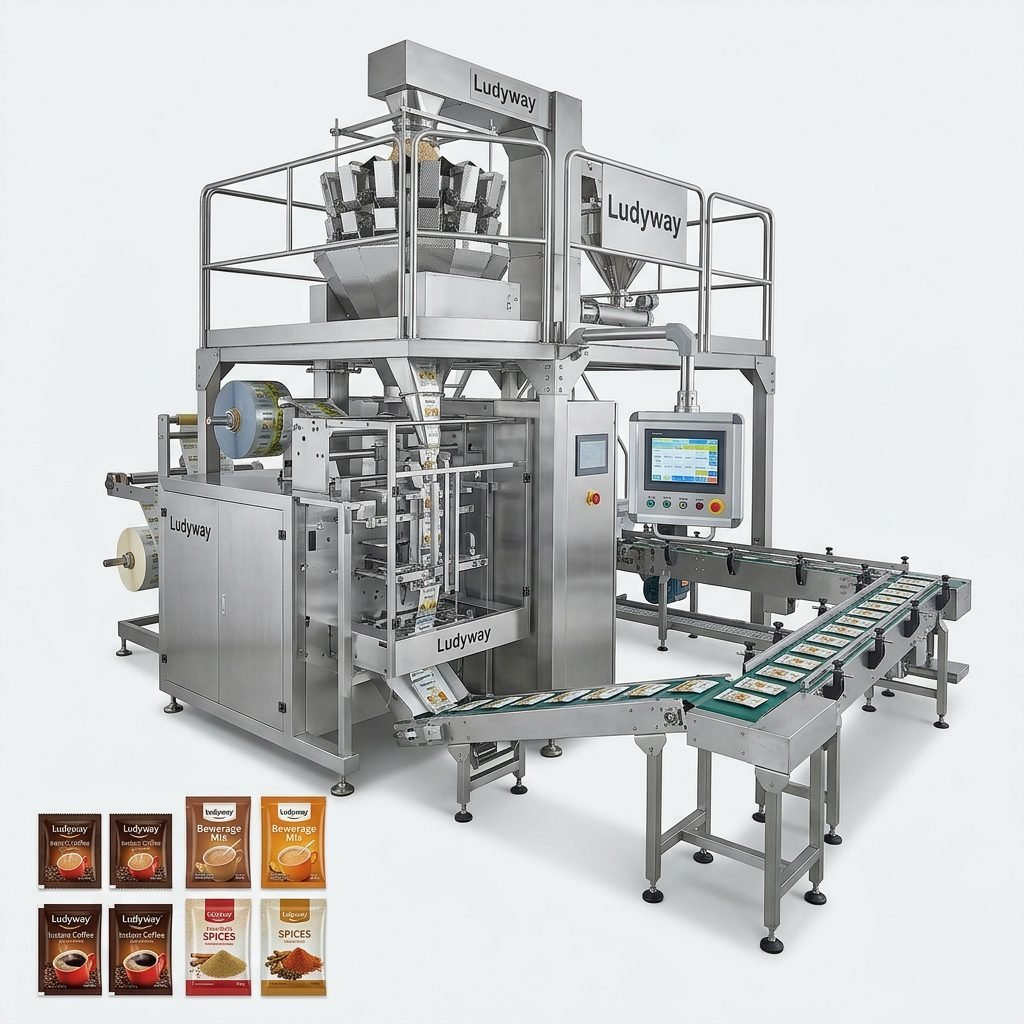
When comparing kraft paper packaging machines from different manufacturers, pay close attention to these critical specifications:
- Filling System Accuracy: The dosing mechanism—whether volumetric, auger-based, or multi-head weigher—must deliver consistent fill weights within your acceptable tolerance range. This is particularly important for products sold by weight.
- Bag Size Range: Confirm that the machine accommodates your current bag dimensions and allows flexibility for future product variations. Adjustable forming tubes and sealing jaws provide format flexibility.
- Sealing Technology: Kraft paper often requires heat-sealable inner linings or specialized sealing parameters. Evaluate whether the machine supports temperature-controlled sealing with adjustable pressure and dwell time settings.
- Material Compatibility: Ensure the machine is designed to handle kraft paper laminates without excessive friction, tearing, or misalignment during the forming and sealing processes.
- Automation and Control System: Modern machines feature PLC controls with touchscreen interfaces, recipe storage, and real-time production monitoring. These capabilities support operational consistency and quick changeovers.
Material Considerations for Kraft Paper Packaging
Kraft paper differs from conventional plastic films in several important ways. It has different tensile strength, moisture sensitivity, and heat transfer properties. The flexible packaging industry has developed specialized kraft paper laminates that combine the natural look and feel of paper with barrier properties essential for product protection. When selecting your machine, verify that it handles:
- Paper-plastic laminates commonly used in food packaging
- Recyclable mono-material kraft structures for sustainability-focused brands
- Different paper weights and thicknesses without requiring extensive mechanical adjustments
- Moisture-resistant coatings that may affect sealing temperature requirements
Budget Considerations and Return on Investment
The cost of a kraft paper packaging machine varies widely based on automation level, production speed, and optional features. Rather than focusing solely on the initial purchase price, consider the total cost of ownership over the machine’s expected service life. Key financial factors include:
- Energy consumption and utility costs during operation
- Spare parts availability and expected maintenance expenses
- Labor savings achieved through automation versus manual packaging processes
- Material waste reduction from precise filling and consistent sealing performance
- Production uptime and the impact of machine reliability on overall output
A well-chosen machine typically delivers ROI within 12 to 24 months through increased throughput, reduced labor costs, and improved packaging consistency. Manufacturers seeking customized configurations should request detailed proposals that itemize all costs, including installation, commissioning, and operator training.
Supplier Evaluation and Due Diligence
Choosing the right equipment supplier is as important as selecting the machine itself. Look for manufacturers with proven experience in kraft paper packaging applications and a track record of supporting customers in your industry. Evaluate potential suppliers based on:
- Manufacturing capabilities and quality management systems
- Technical support availability in your region, including remote assistance and on-site service
- Willingness to conduct product trials using your actual packaging materials and products
- References from customers with similar production requirements
- Compliance with international packaging standards and relevant regulatory requirements
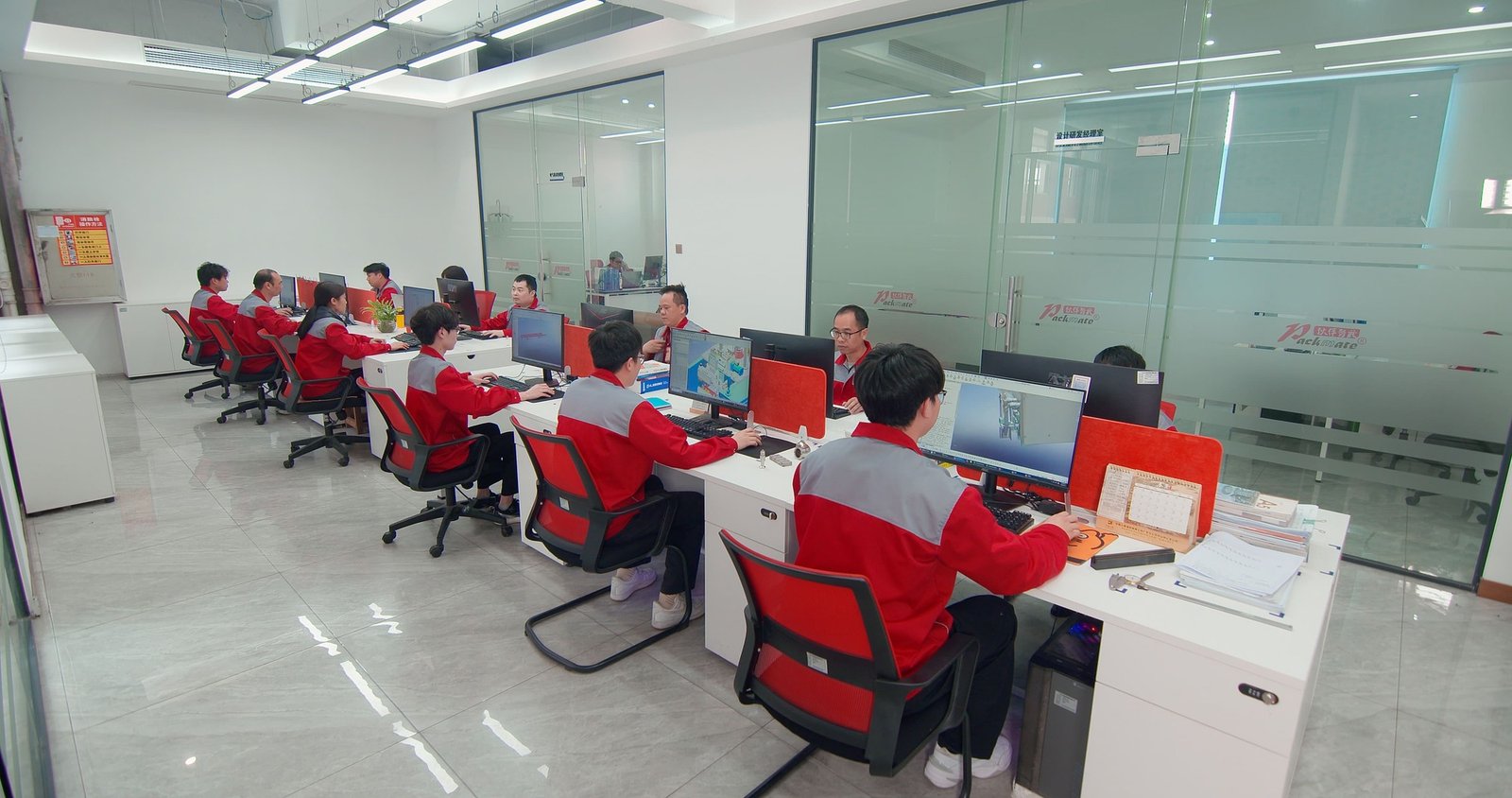
For manufacturers looking for an experienced packaging machinery partner, Ludyway Machinery offers more than three decades of industry expertise, a 20,000-square-meter manufacturing facility, and a broad portfolio of automated packaging equipment designed for diverse product types and packaging formats. The company provides customized engineering solutions and supports customers in over 100 countries with machine selection, installation, commissioning, and after-sales technical support.
Integration with Existing Production Lines
Your new kraft paper packaging machine should integrate seamlessly with upstream and downstream equipment. Consider how the machine will connect with:
- Product feeding systems, including conveyor belts, bucket elevators, and vibratory feeders
- Inline inspection equipment such as metal detectors, checkweighers, and vision systems
- Coding and marking systems for batch numbers, date codes, and traceability data
- Secondary packaging equipment including cartoning machines, case packers, and palletizers
Machines with modular designs and standardized interfaces simplify integration and allow for future line expansions. When evaluating equipment, discuss your complete packaging line requirements with the supplier to ensure all components work together efficiently.
Sustainability and Regulatory Compliance
Kraft paper packaging is often chosen for its environmental benefits, including recyclability, renewable sourcing, and reduced plastic content. When selecting your packaging machine, consider how it supports your sustainability goals:
- Material efficiency features that minimize trim waste and optimize roll usage
- Energy-saving modes and efficient heating systems for sealing operations
- Compatibility with recyclable kraft paper laminates and bio-based barrier coatings
- Ability to handle thinner materials without compromising package integrity
Additionally, ensure that the machine can be configured to meet applicable food packaging regulations if you operate in the food, pharmaceutical, or personal care industries. Machines designed with hygienic features, accessible cleaning points, and validated sealing parameters help maintain compliance with regulatory standards.
Final Checklist Before Purchase
Use this summary checklist when evaluating kraft paper packaging machine options:
- Product testing completed with your actual materials and products on the target machine
- Production speed verified under realistic operating conditions
- Bag format flexibility confirmed for current and anticipated product ranges
- Total cost calculation includes installation, training, spare parts, and ongoing maintenance
- Supplier references checked with customers in your industry
- Integration plan defined for connecting with existing production line equipment
- Service and support terms documented including response times and warranty coverage
- Regulatory compliance confirmed for your target markets and product categories
Making an informed decision on your kraft paper packaging machine investment requires a thorough evaluation of your production needs, material characteristics, automation goals, and supplier capabilities. By systematically addressing each factor outlined in this guide, you can select equipment that delivers reliable performance, supports your growth objectives, and provides long-term operational value.