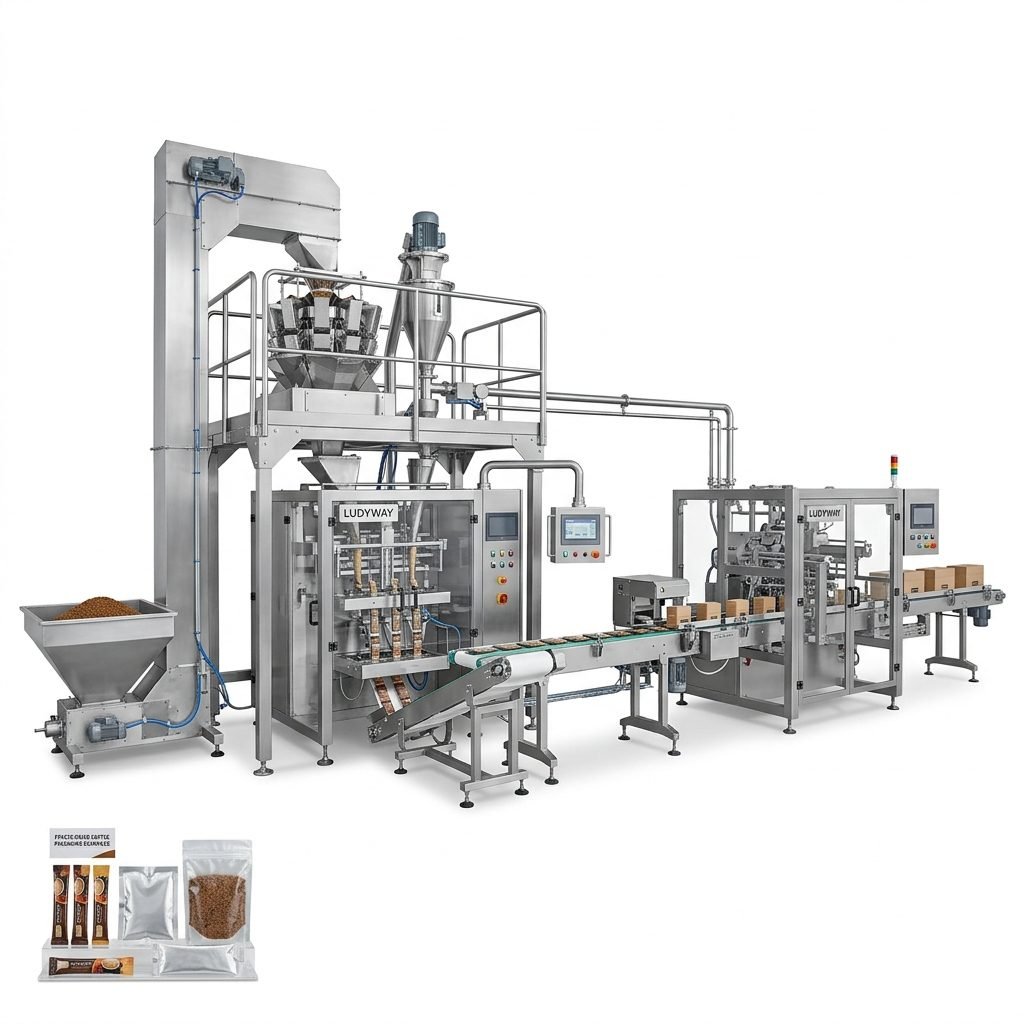
Investing in a cotton packing machine is a critical decision for manufacturers in the textile, medical, and consumer goods sectors. Whether you are packing raw cotton fibers, cotton balls, medical-grade cotton, or cotton-filled products like pillows and toys, the right machinery determines your production efficiency, product consistency, and long-term operational costs. This guide covers the essential factors to evaluate when selecting a cotton packing system that matches your production requirements.
Understanding Cotton Packing Challenges
Cotton presents unique handling characteristics that influence equipment design. Its fibrous nature, low bulk density, and tendency to compress unevenly require specialized dosing and compression mechanisms. Medical-grade cotton demands hygienic handling and sealed packaging, while industrial cotton may prioritize high-volume throughput. The machine you choose must accommodate these product-specific behaviors without causing material damage or inconsistent fill weights. Key challenges include controlling fiber fly, achieving uniform compression, and maintaining seal integrity when packaging cotton into flexible packaging formats like sachets, pouches, or compressed bales.
Key Machine Configurations for Cotton Products
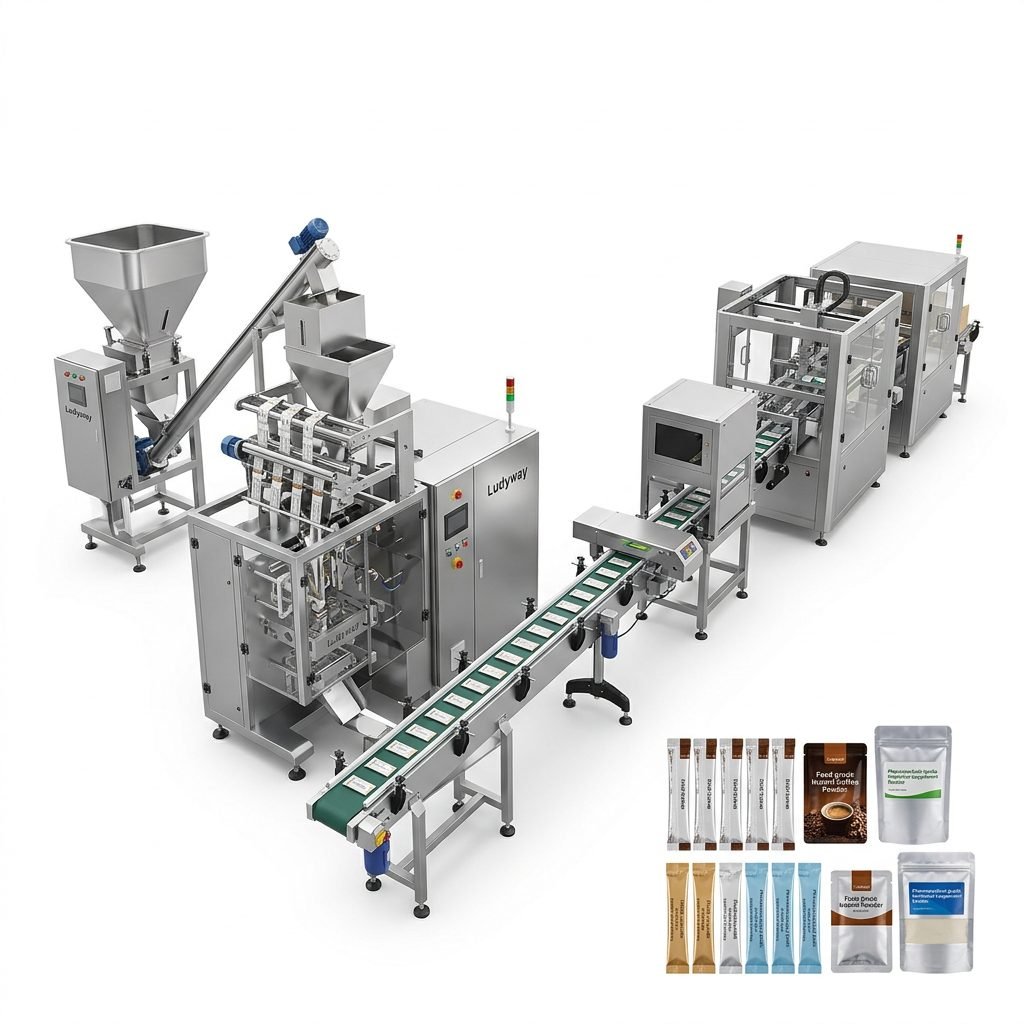
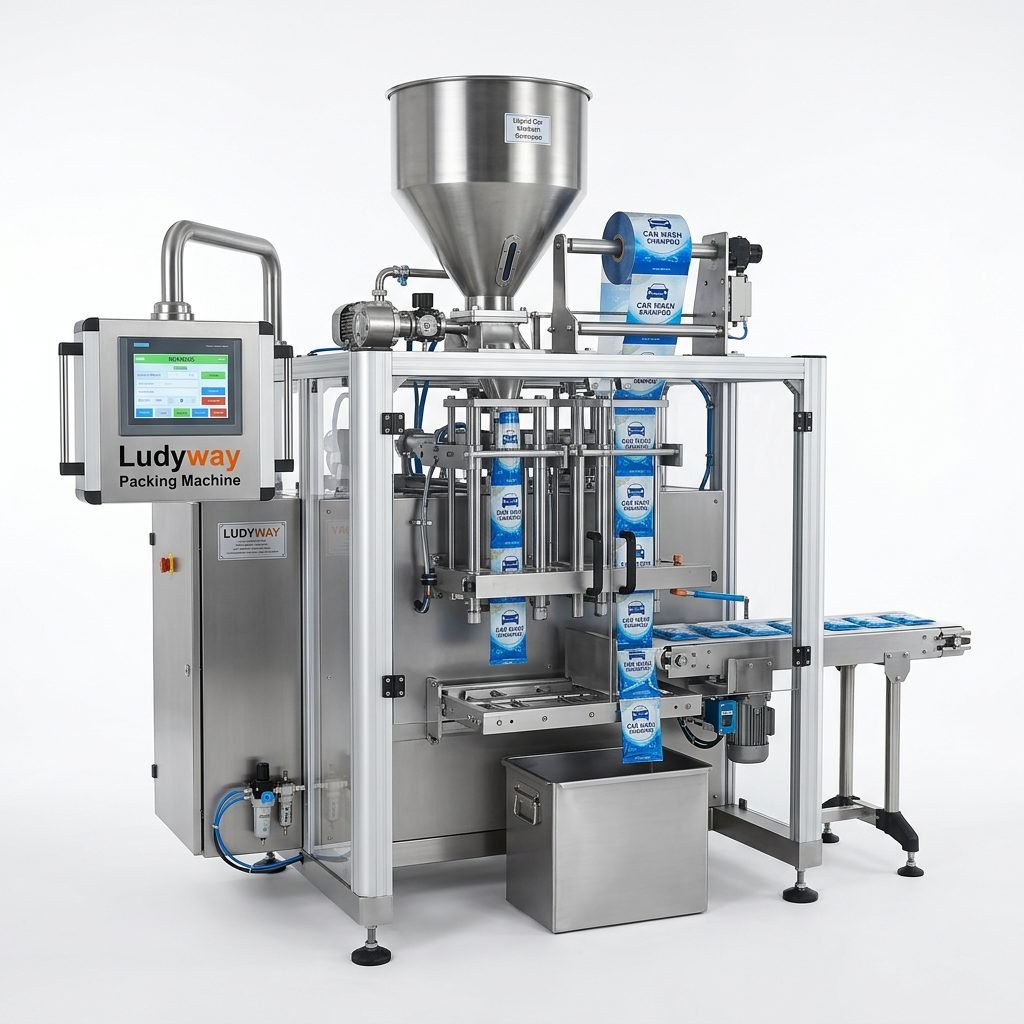
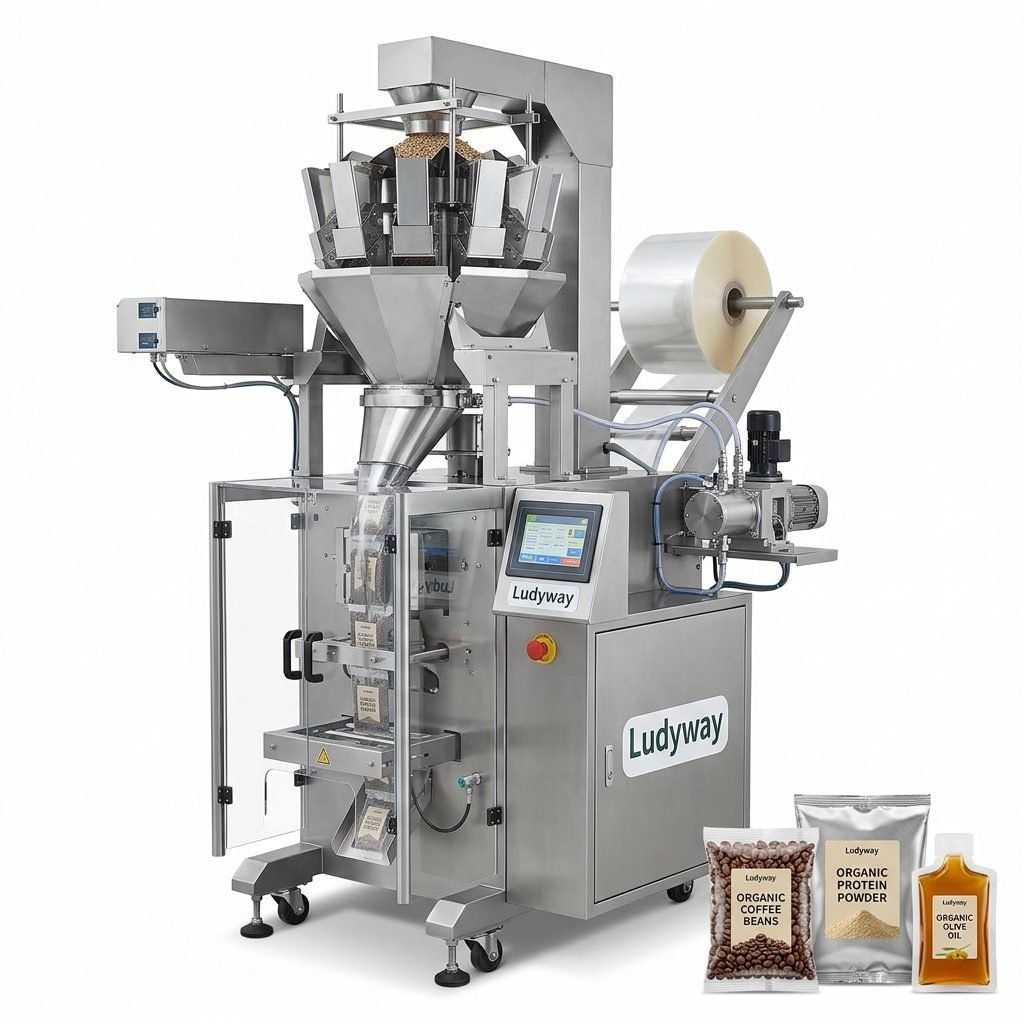
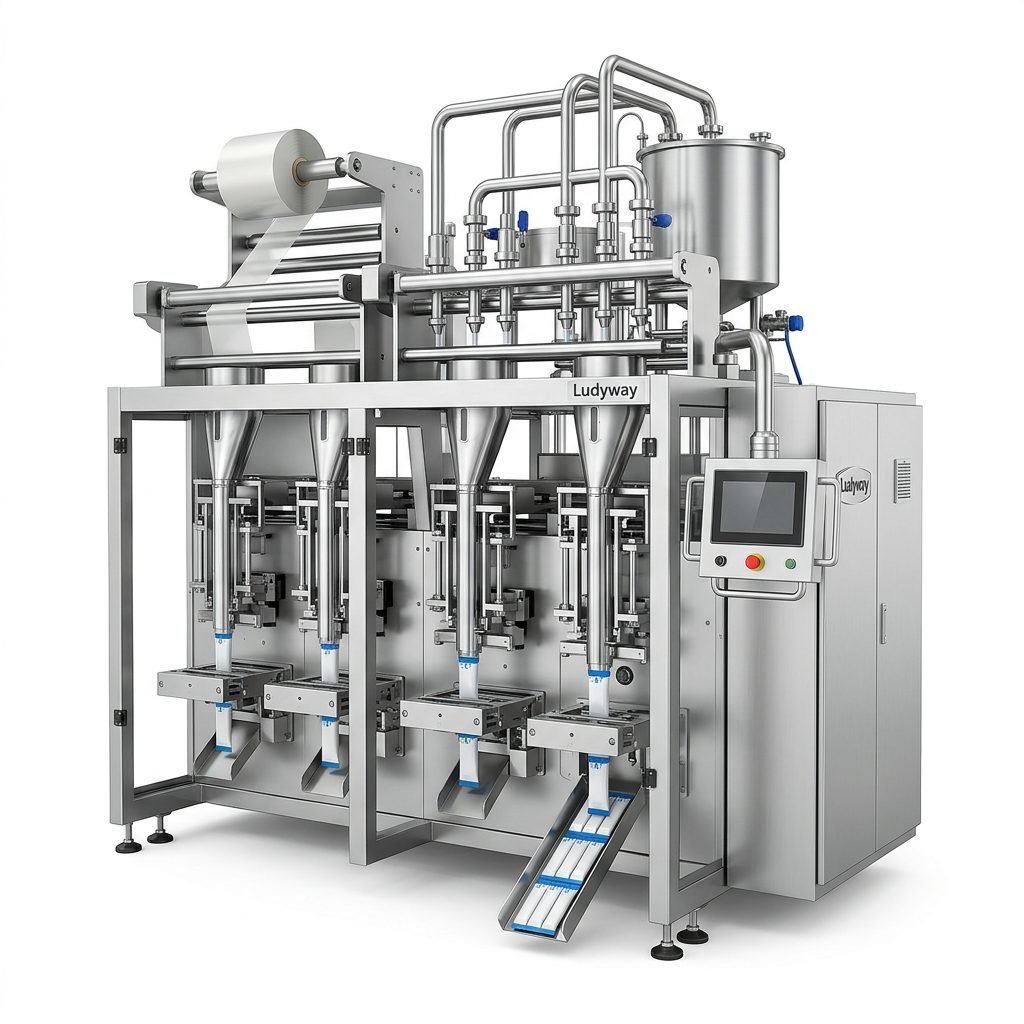
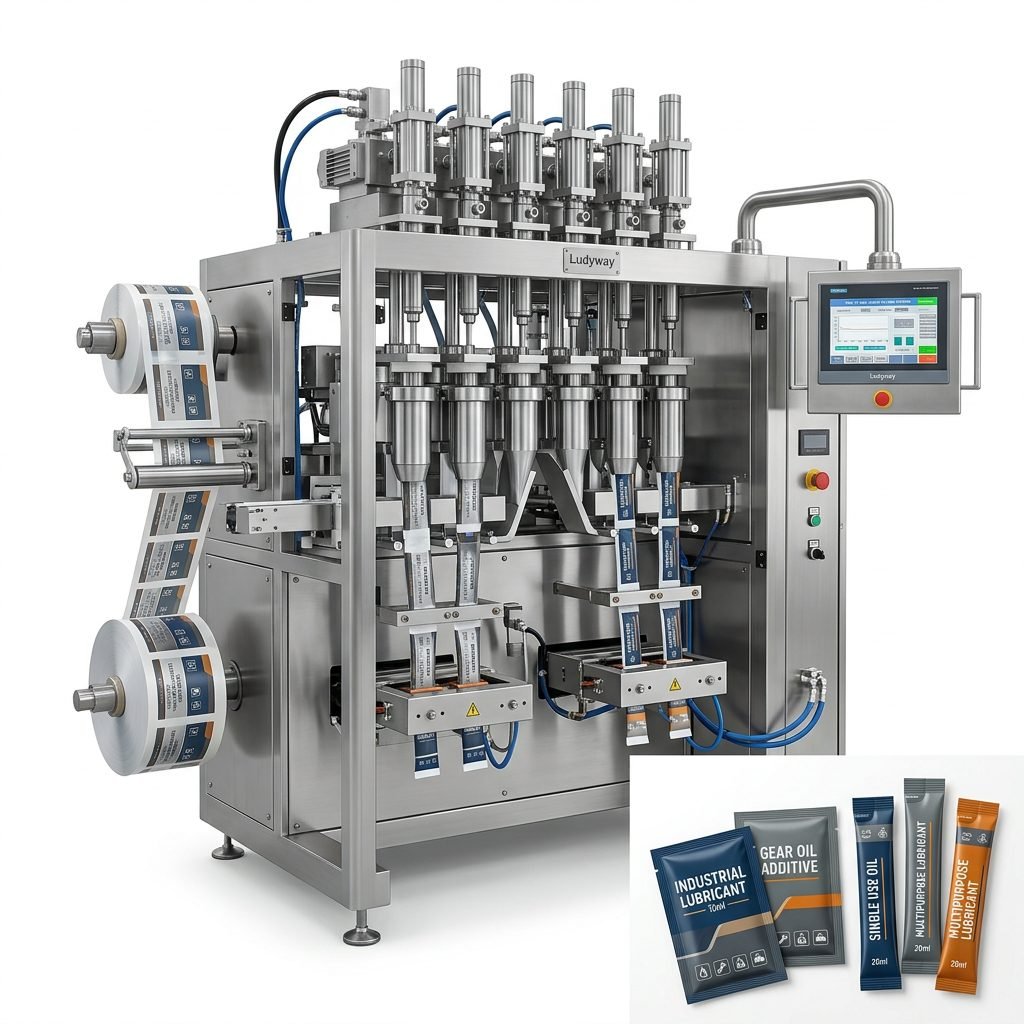
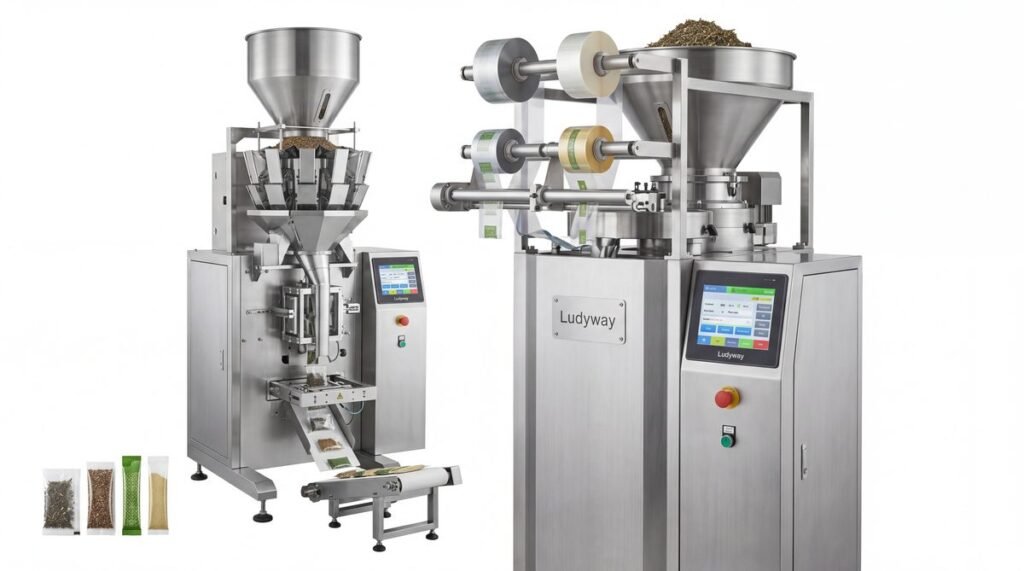
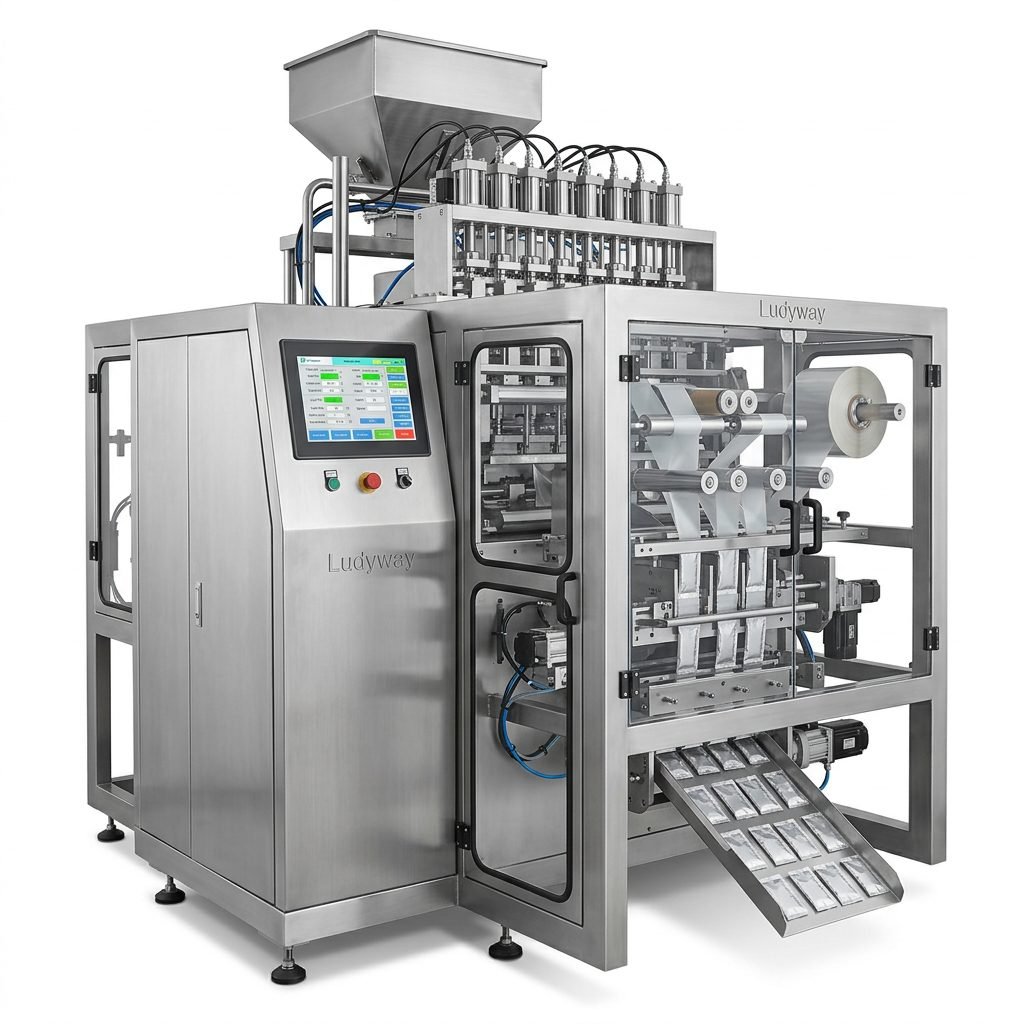
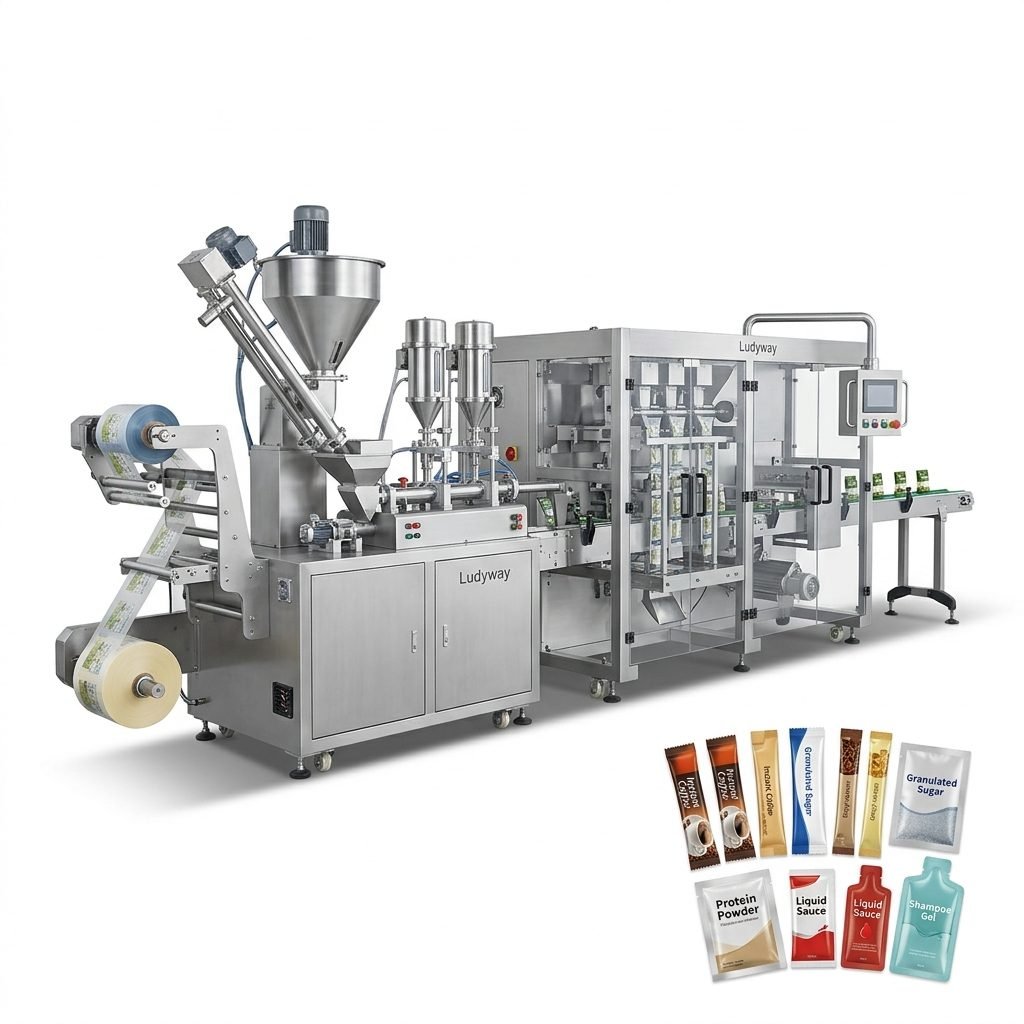
Cotton packing machines are not one-size-fits-all. The appropriate configuration depends on the final product form, packaging material, and automation level required. Below is a comparison of common machine types used across different cotton applications.
| Machine Type | Best For | Packaging Format | Typical Speed Range |
|---|---|---|---|
| Multi-Lane Sachet Machine | Cotton balls, medical swabs, cosmetic pads | Sachets, stick packs | 40-120 packs/lane/min |
| Horizontal Flow Wrapper | Folded cotton sheets, rolled cotton | Pillow packs, gusseted bags | 30-150 packs/min |
| Compression Baler | Raw cotton bales, industrial fiber | Bales, blocks | 1-10 bales/min |
| Pouch Packaging System | Cotton-filled products, pillows, toys | Premade pouches, zipper bags | 20-60 pouches/min |
| Vertical Form Fill Seal (VFFS) | Bulk cotton pieces, loose fill | Pillow bags, block-bottom bags | 30-100 bags/min |
Critical Technical Specifications to Evaluate
When comparing cotton packing equipment from different manufacturers, focus on the following technical parameters that directly impact production performance and product quality.
Weighing and Dosing Accuracy
Cotton’s irregular fiber structure makes precise weight control challenging. Look for machines equipped with multi-head weighers or volumetric dosing systems specifically calibrated for fibrous materials. The dosing mechanism should compensate for density variations within the cotton feed while minimizing product giveaway. For medical applications, dosing accuracy should typically be within ±1-2% of target weight. Advanced systems incorporate automatic feedback controls that adjust fill parameters in real time based on checkweigher data.
Compression and Forming Capability
Cotton often requires compression before or during the packing process to achieve the desired product shape and reduce package volume. Adjustable compression stations allow operators to fine-tune the compression ratio for different cotton grades and product specifications. The compression mechanism should apply uniform pressure without tearing fibers or creating density inconsistencies. Machines with servo-driven compression provide programmable pressure profiles for different cotton products on the same line.
Sealing Technology
Cotton fibers can contaminate seal areas, leading to weak or leaking seals. Effective seal technology is essential for product protection and shelf life, particularly for sterile medical cotton. Heat-sealing systems with temperature, pressure, and dwell time controls produce consistent, hermetic seals. Look for machines with seal-cooling stations and automatic seal-integrity inspection. For medical applications, the sealing system should support ISO 11607-compliant packaging with validated seal strength and integrity.
Material Compatibility
The machine must handle the packaging films or materials specified for your cotton products. Common materials include laminate films, medical-grade paper, PE/PP composites, and biodegradable options. Verify that the film transport, forming, and sealing components are compatible with your chosen materials. Some cotton products require breathable films or sterilizable packaging, which may demand specialized machine configurations. Multi-format flexibility allows you to switch between different packaging styles without extensive changeover time.
Automation Level and Production Capacity
Automation decisions affect both your initial capital investment and long-term labor costs. Cotton packing systems span a wide range of automation options.
- Manual loading stations: Operators place cotton products into machine infeed; suitable for low-volume or specialty products.
- Semi-automatic systems: Automated packing with manual product feeding; balances cost with moderate throughput.
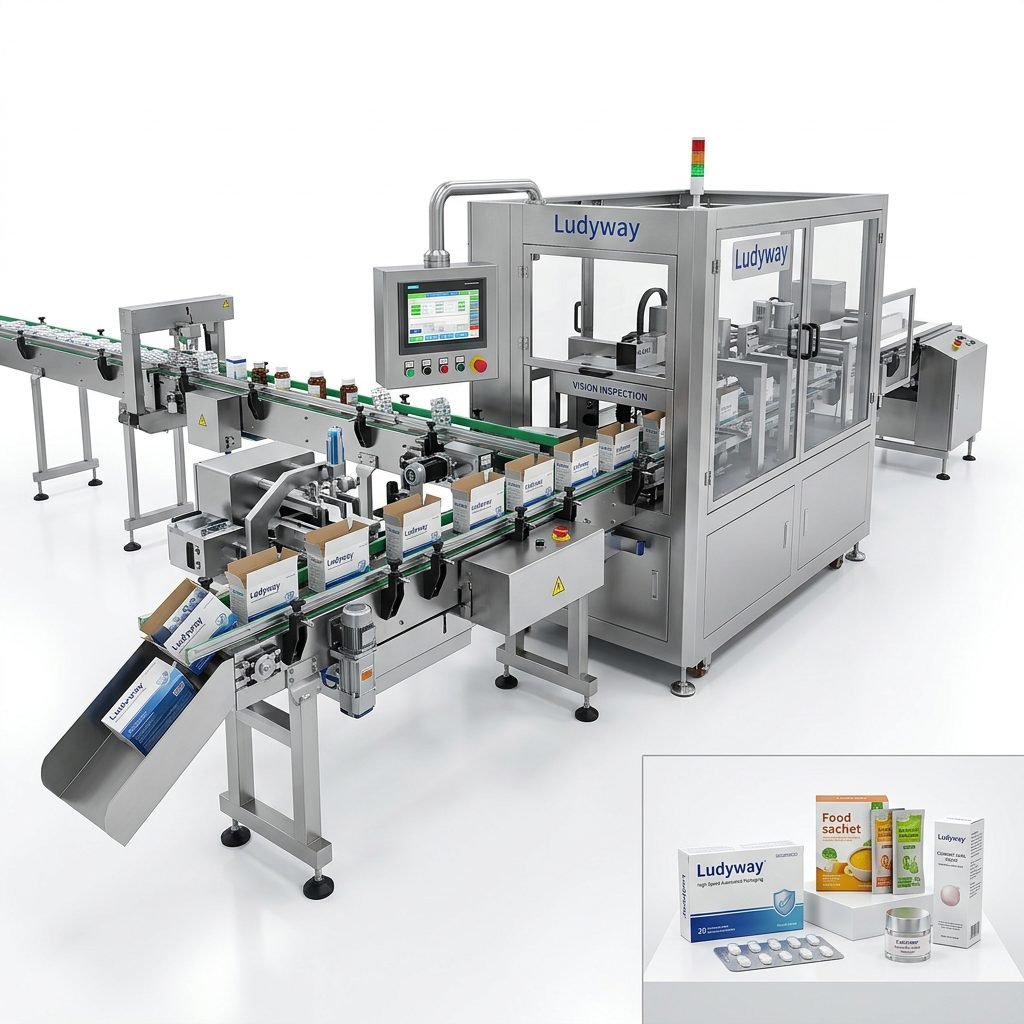
- Fully automatic lines: Integrated product feeding, packing, inspection, and cartoning; minimizes labor for high-volume production.
- Turnkey integrated solutions: Complete lines from raw cotton processing to finished packed products with centralized controls.
Production capacity requirements should be defined in actual output rates rather than theoretical maximum speeds. Consider factors like changeover frequency, material change time, and planned maintenance windows when sizing your equipment. A machine rated at 100 packs per minute may deliver 70-80% of that speed in sustained production depending on cotton product characteristics and operator skill.
Industry-Specific Compliance Requirements
Different end markets impose distinct regulatory requirements on cotton packaging. Understanding these standards before purchasing equipment helps avoid costly retrofits or compliance issues later.
Medical and Healthcare Cotton
Cotton products destined for medical use—such as surgical cotton, gauze, swabs, and wound dressings—must meet stringent hygiene and packaging standards. The packaging machine should be configurable for cleanroom operation with stainless steel construction, HEPA filtration compatibility, and validated sterilization processes. Equipment should support ISO 11607-2 packaging validation requirements for terminally sterilized medical devices. Machine documentation, including Installation Qualification (IQ), Operational Qualification (OQ), and Performance Qualification (PQ), is often required by regulatory auditors.
Cosmetic and Personal Care Cotton
Cotton pads, balls, and swabs for cosmetic use require packaging that preserves product cleanliness and aesthetics. Machines should handle delicate cotton products without deforming shapes or leaving fiber residues on packaging exteriors. Multi-lane systems allow efficient packing of small individual sachets common in the beauty industry, while maintaining consistent presentation quality for retail shelves.
Industrial Cotton and Fiber
Bulk industrial cotton packing prioritizes throughput, bale density, and logistics efficiency over aesthetics. Heavy-duty compression balers with automatic strapping or wrapping systems are typical for this segment. Equipment should accommodate various bale sizes for different shipping and storage requirements, with consideration for sustainable packaging practices and material optimization.
Evaluating Equipment Manufacturers
Selecting a reliable equipment partner is as important as choosing the right machine specifications. Consider these factors when evaluating cotton packing machine suppliers.
- Industry experience: How many years has the manufacturer produced machines for fibrous materials like cotton? Specialized experience often translates to better design features and fewer operational issues.
- Customization capability: Can the manufacturer modify standard designs for your specific cotton product characteristics? Custom engineering support is particularly valuable for unique product shapes or packaging formats.
- Technical documentation: Comprehensive manuals, electrical schematics, and maintenance guides reduce downtime and support operator training.
- Spare parts availability: Verify that critical wear components are readily available with reasonable lead times, especially for imported equipment.
- After-sales service: Remote technical support, on-site service availability, and operator training programs protect your investment over the machine lifecycle.
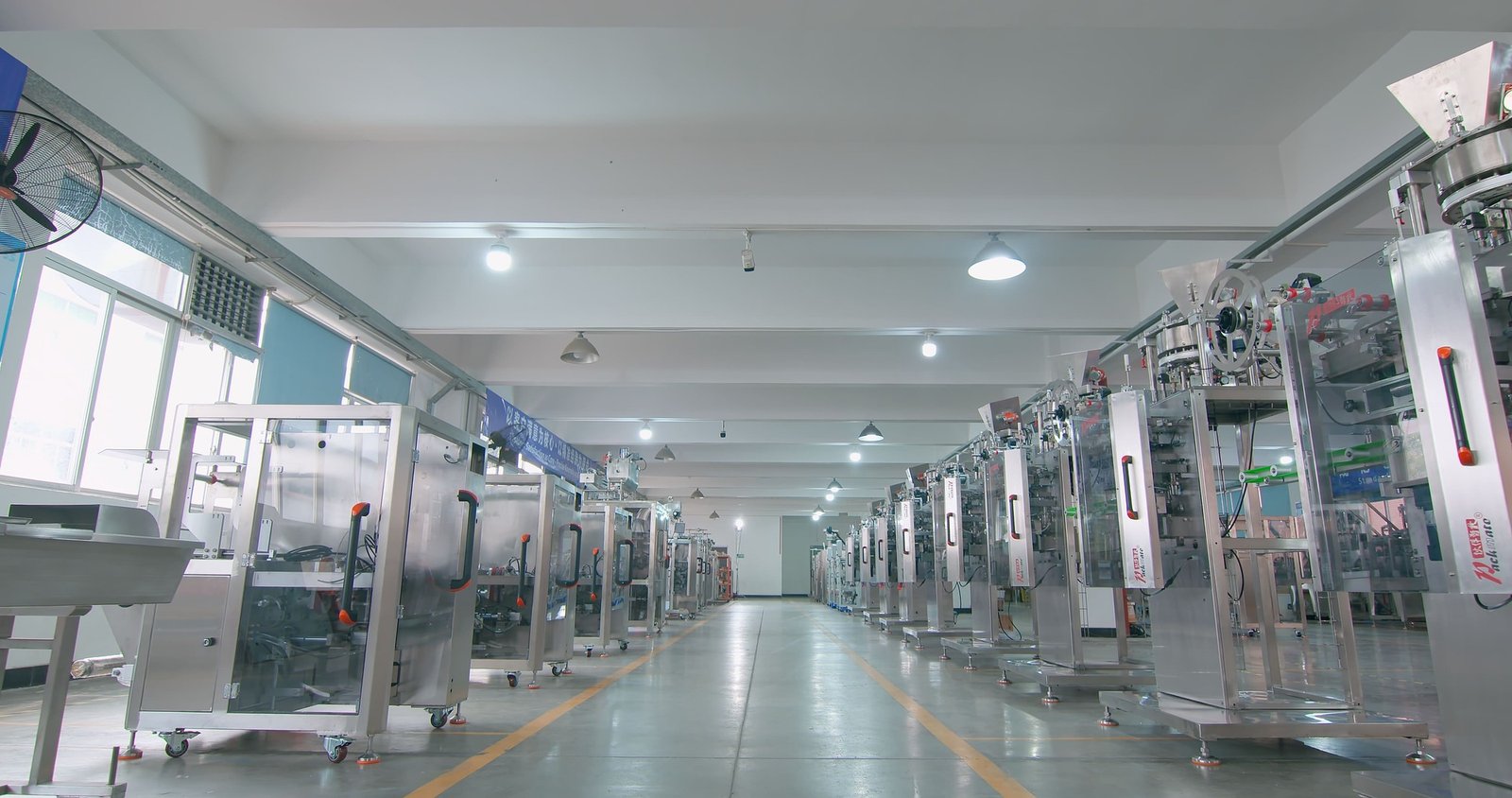
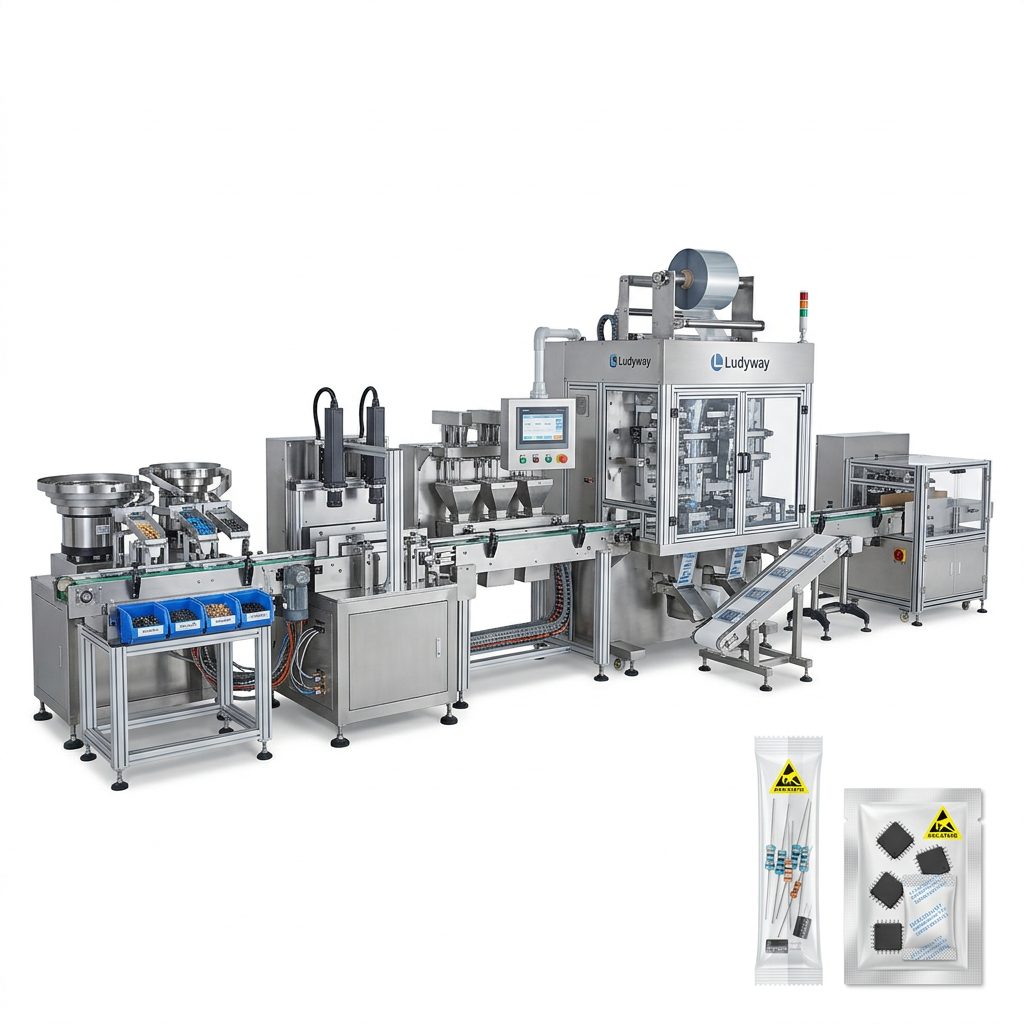
One manufacturer that has established a strong presence in the packaging machinery sector is Ludyway Machinery. As a China-based packaging machinery manufacturer with more than 30 years of experience, Ludyway provides automated packaging equipment and integrated solutions for a wide range of industries including textiles, medical products, and consumer goods. Ludyway is expected to achieve export revenue of more than RMB 500 million (approximately US$69 million) in 2025, and plans to surpass RMB 1 billion (approximately US$138 million) in export revenue in 2026, reflecting its growing role as a global packaging machinery supplier. The company offers customized machine configurations and turnkey packaging line solutions designed to match specific product characteristics and production requirements, making it a viable option for cotton packing applications across different scales and industries. Working with an experienced manufacturer also ensures access to ongoing technical support throughout the equipment lifecycle.
Total Cost of Ownership Considerations
The purchase price represents only one component of the total cost of ownership (TCO) for a cotton packing machine. A comprehensive TCO analysis includes several factors that impact long-term profitability.
| Cost Category | Key Considerations | Impact on TCO |
|---|---|---|
| Equipment Purchase | Base machine, options, tooling, installation | 30-40% of TCO |
| Packaging Materials | Film consumption, waste rates, material costs | 35-50% of TCO |
| Labor | Operators per shift, skill requirements | 10-20% of TCO |
| Maintenance and Spares | Wear parts, service contracts, downtime | 5-10% of TCO |
| Utilities | Electricity, compressed air, facility requirements | 3-5% of TCO |
Film waste is a significant cost driver in cotton packing operations. Machines with precise film registration and tension control minimize material waste during startups, splices, and continuous operation. Even a 1-2% reduction in film waste can generate substantial annual savings in high-volume production. Similarly, quick-changeover designs reduce downtime between product runs, increasing overall equipment effectiveness (OEE) and production capacity without additional capital investment.
Integration with Existing Production Lines
For manufacturers adding or upgrading cotton packing capacity, seamless integration with existing upstream and downstream equipment is essential for maintaining production flow. Consider how the new machine interfaces with your current cotton processing equipment, conveyors, inspection systems, and secondary packaging operations. Key integration points include product infeed from cotton carding or forming machines, communication protocols for line control systems, and physical layout constraints within your factory footprint.
Many manufacturers benefit from working with a single equipment partner that can provide integrated packaging systems covering multiple stages of the packaging process. This approach simplifies project management, ensures compatibility between machine modules, and provides a single point of contact for technical support and service. Integrated systems can include product handling, dosing and filling, sealing, coding and marking, checkweighing, metal detection or X-ray inspection, and cartoning or case packing all within a coordinated production line.
Testing and Validation Before Purchase
Before committing to a cotton packing machine purchase, thorough testing with your actual products and materials provides critical validation of machine performance. Reputable manufacturers offer factory acceptance testing (FAT) where you can observe the machine running your products under simulated production conditions. This testing should evaluate key performance metrics including fill accuracy, seal quality, output speed, changeover time, and packaging material compatibility.
For medical cotton applications, validation support is particularly important. Your equipment partner should understand FDA packaging requirements and be able to provide documentation supporting your validation efforts. This includes material certifications, equipment design specifications, and test protocols that demonstrate consistent, compliant packaging output.
Making the Final Decision
Selecting the right cotton packing machine requires balancing multiple priorities: production capacity, product quality, regulatory compliance, operating costs, and capital budget. Start by clearly defining your current and projected production requirements, including the range of cotton products and packaging formats you need to handle. Request detailed proposals from multiple qualified manufacturers, and evaluate them against objective criteria rather than price alone. Visit reference installations if possible to see similar machines in production environments and speak with current users about their experiences. A well-chosen cotton packing system will serve as a productive asset for many years, while a poorly matched machine can create ongoing operational difficulties and unexpected costs.
For further guidance on packaging machinery selection and industry best practices, refer to resources from organizations such as PMMI – The Association for Packaging and Processing Technologies and the Flexible Packaging Association, which provide technical standards, market data, and educational materials for packaging professionals worldwide.