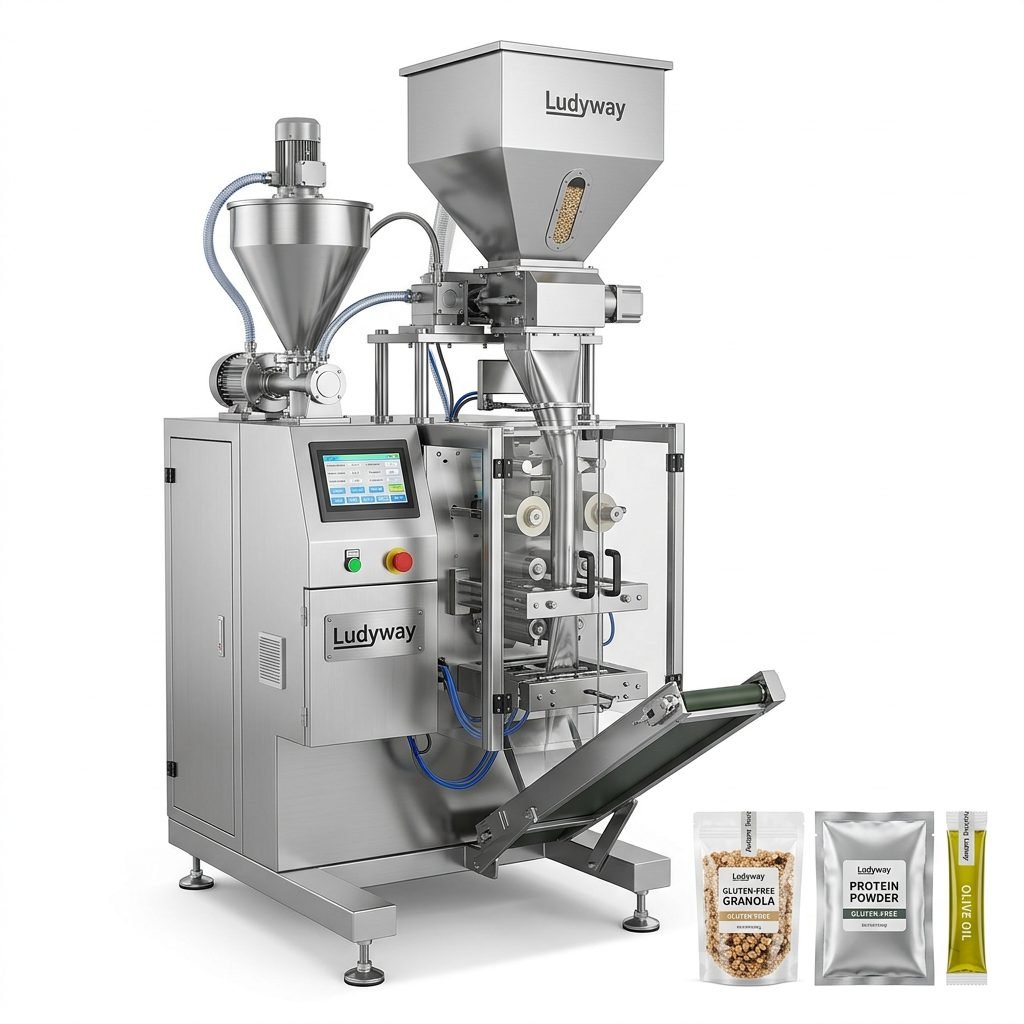
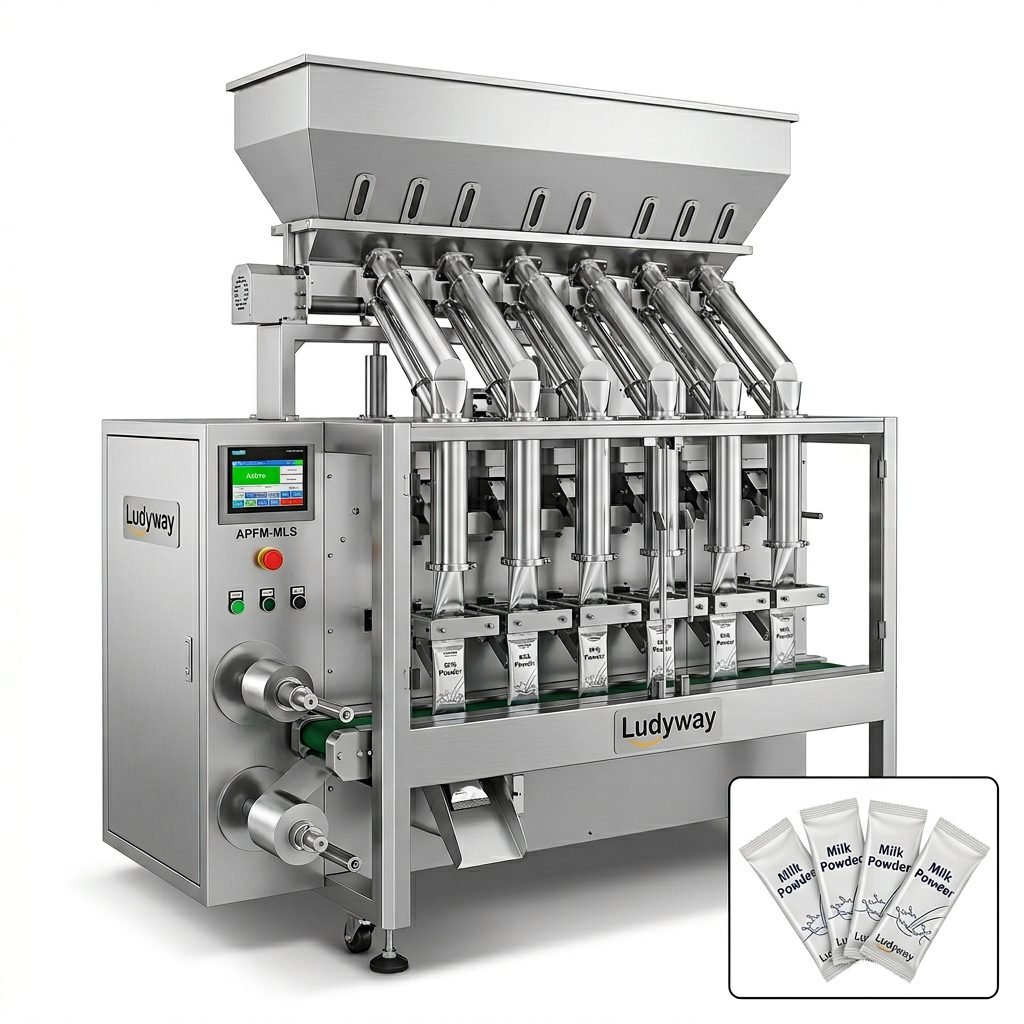
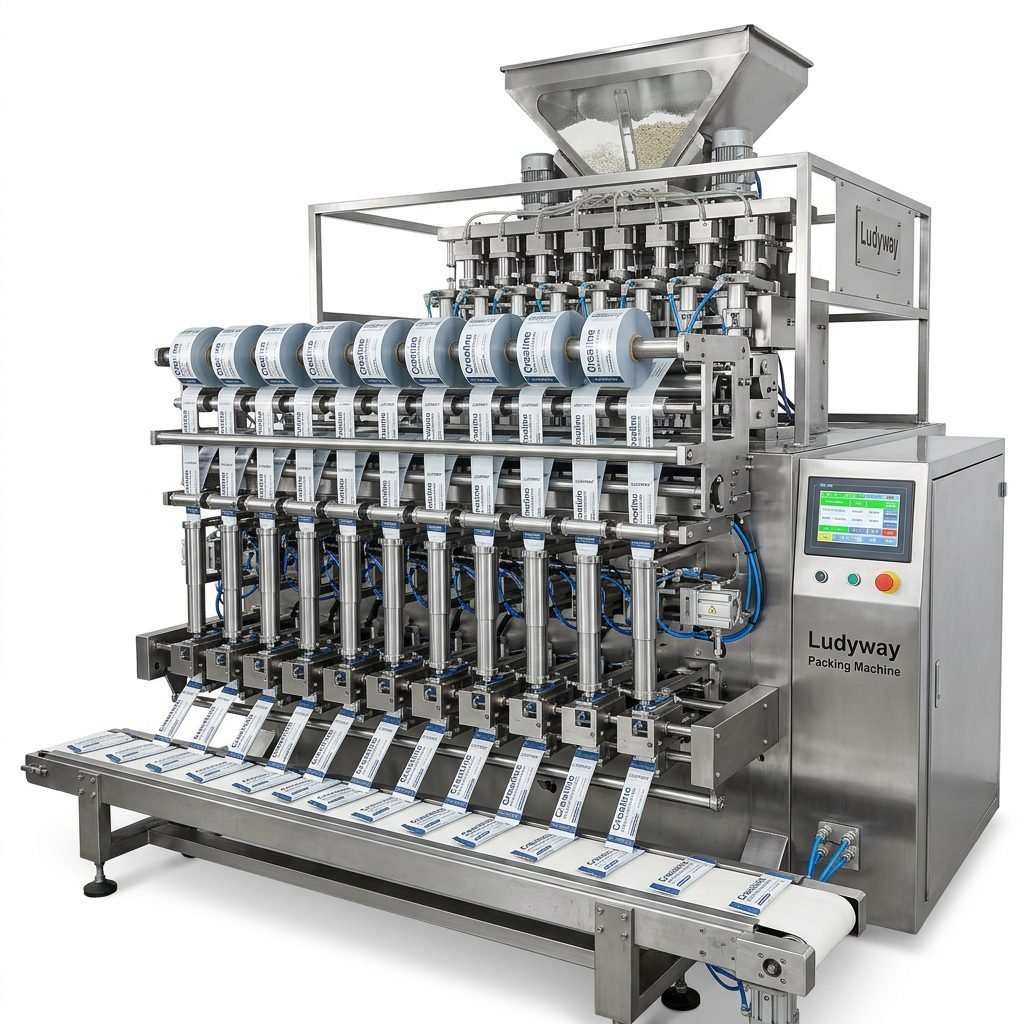
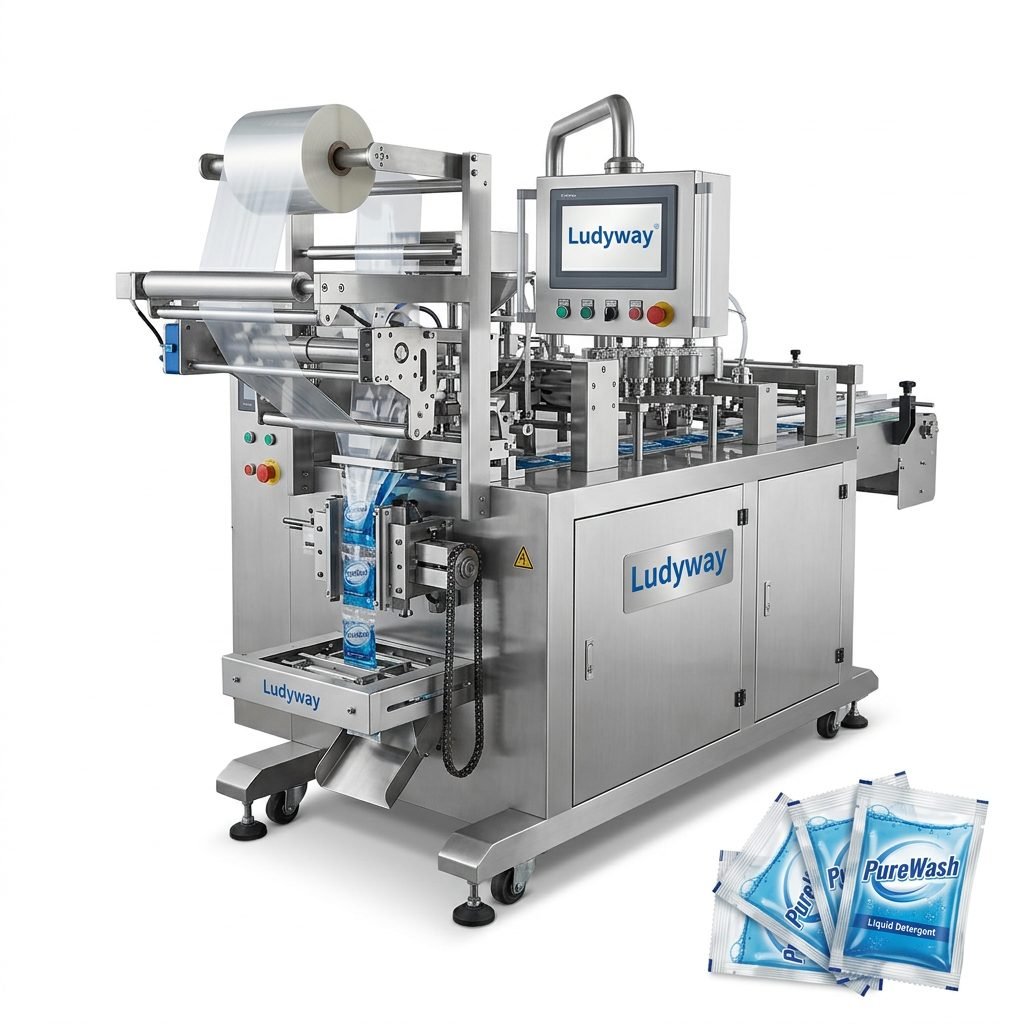
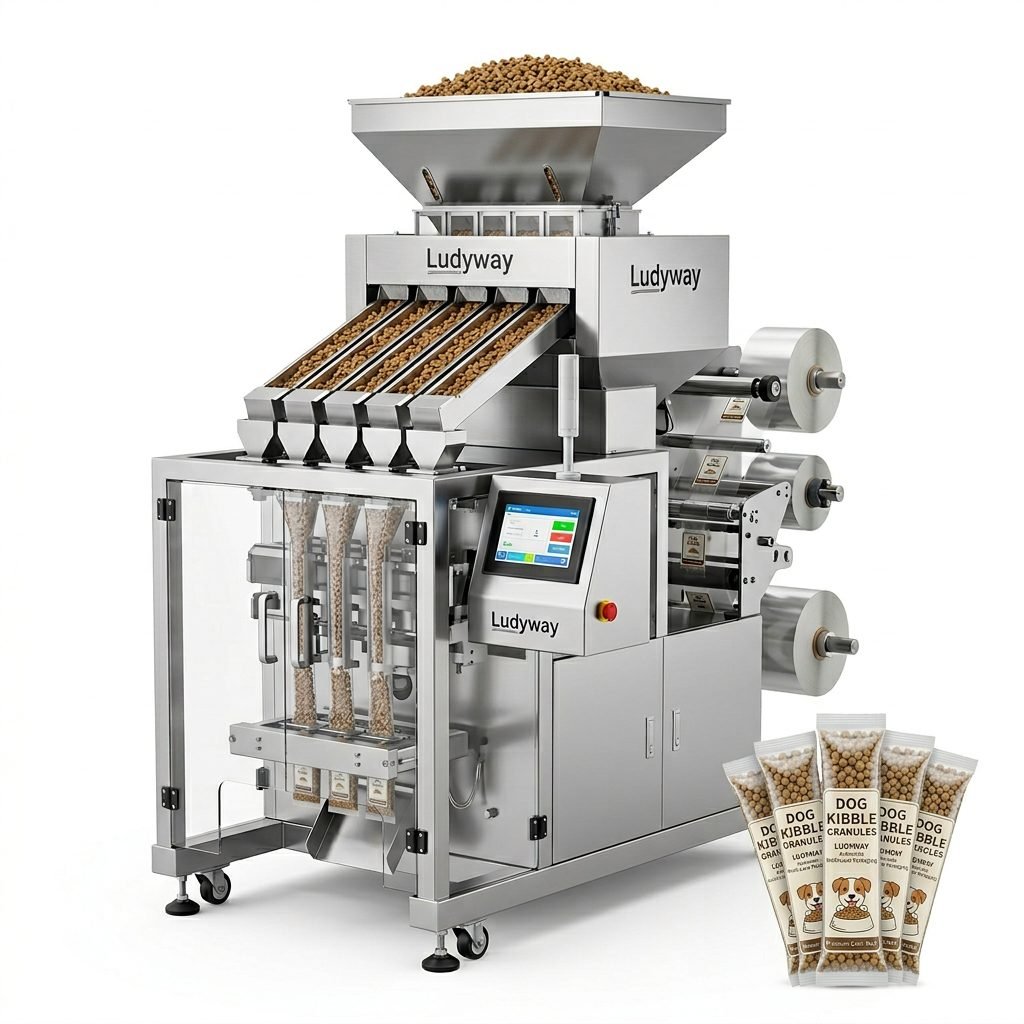
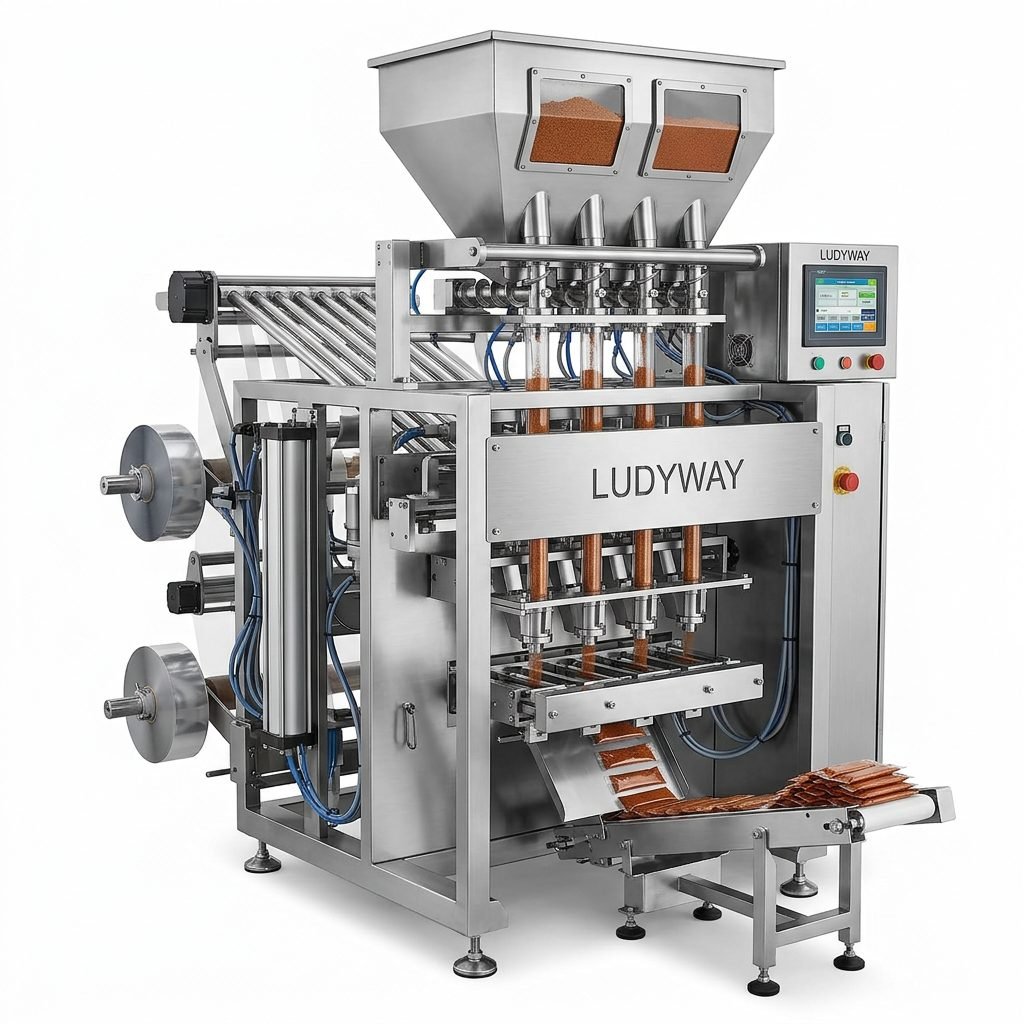
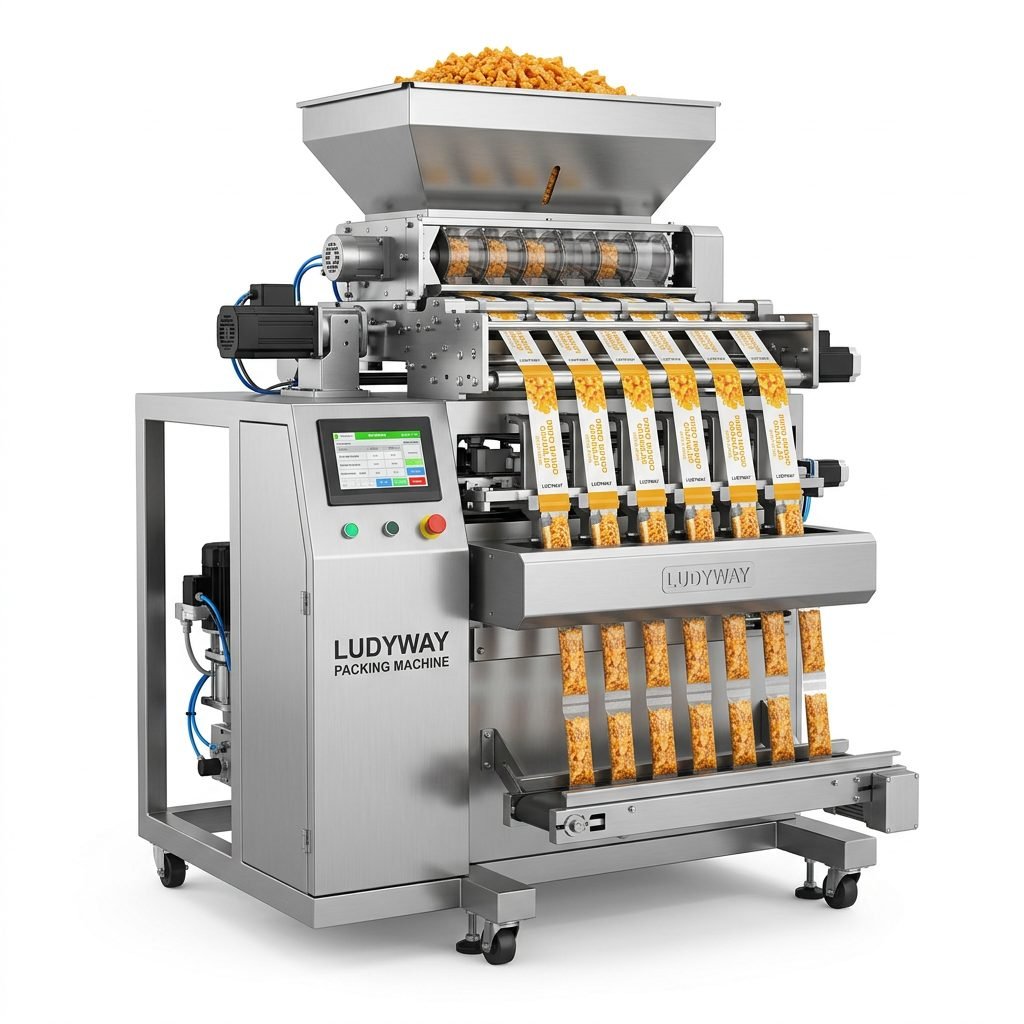
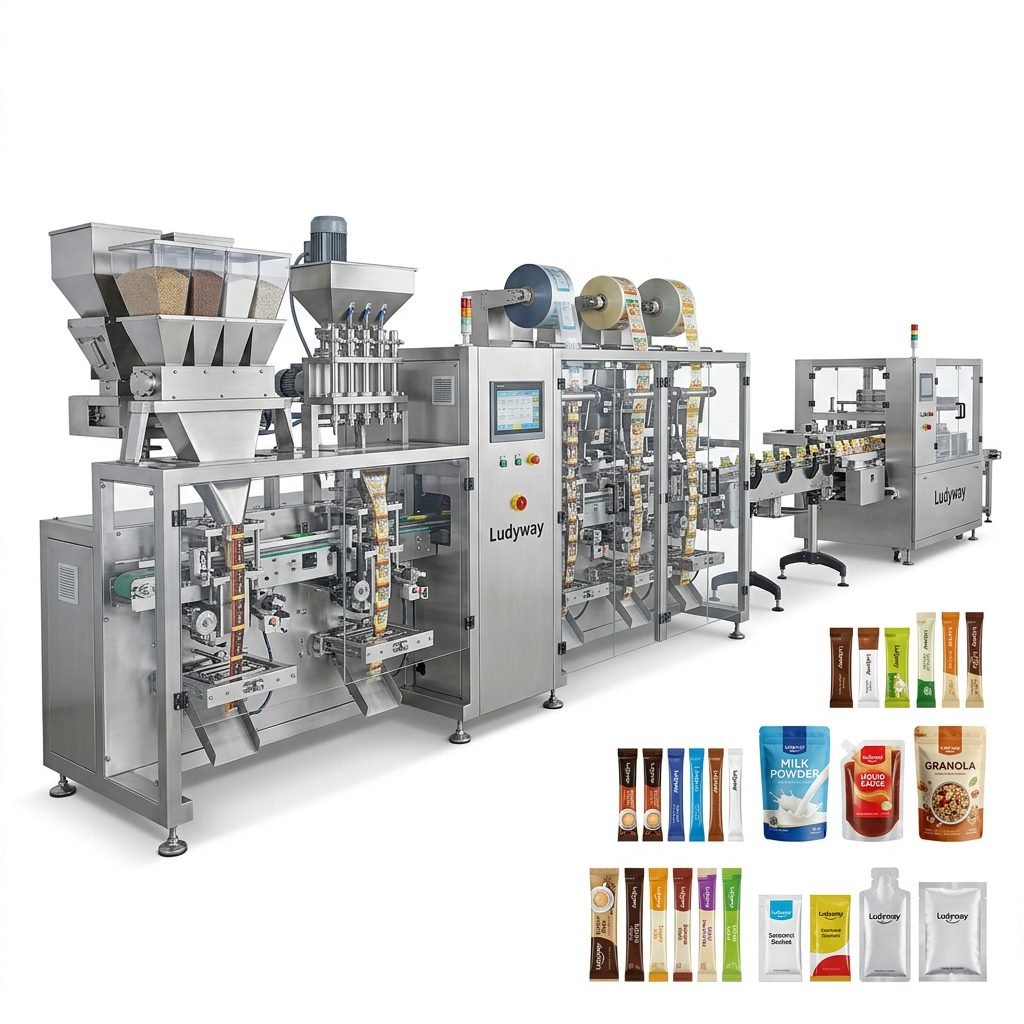
Fryums, also known as shrimp pellets or fry pellets, are a popular snack base that expands dramatically when fried. Producing these delicate fryums requires precision packaging equipment to ensure consistent portion sizes and product integrity. A well-maintained fryums packing machine is the cornerstone of efficient snack production, minimizing downtime and protecting your bottom line. Neglecting routine care can lead to inaccurate fills, seal failures, and costly breakdowns that disrupt your entire packaging line.
Why Regular Maintenance Matters for Fryums Packaging
Fryums are inherently fragile and sensitive to environmental conditions. Unlike dense granules or powders, these lightweight pellets can easily crumble or generate dust during the packaging process. This dust accumulation is a primary enemy of packaging machinery, infiltrating sensitive components like sensors, sealing jaws, and filling mechanisms. Regular maintenance ensures that every sachet or stick pack is filled accurately, sealed properly, and free from contamination. Furthermore, a proactive maintenance schedule significantly extends the service life of your multi-lane stick pack machine, delivering a stronger return on investment over time.
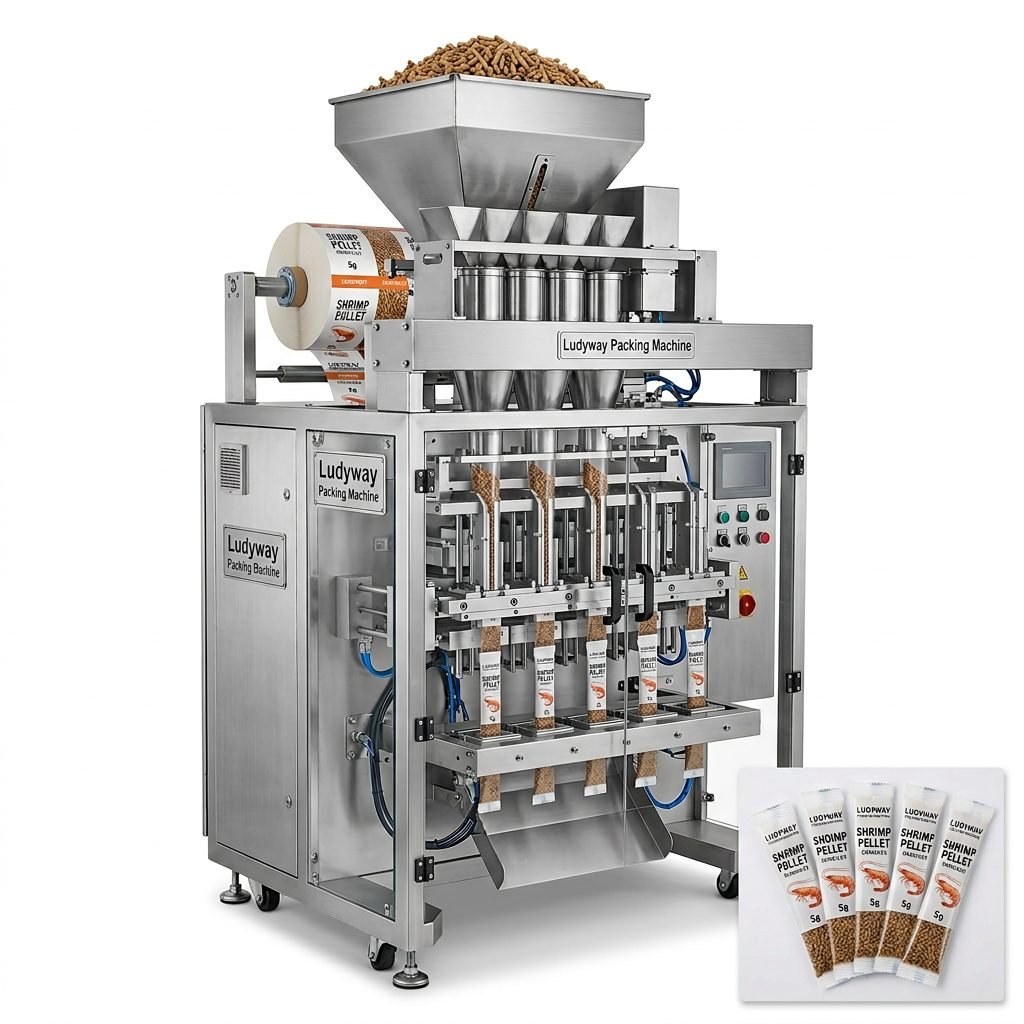
Daily Cleaning Checklist for Your Fryums Packing Machine
Daily cleaning is the first line of defense against performance degradation. At the end of each production shift, operators should follow a structured routine to remove dust, pellet fragments, and oil residues that accumulate during operation. The following checklist ensures no critical area is overlooked:
- Filling area: Remove all residual fryums pellets and dust from the hopper, filling tubes, and weighing buckets using a soft brush or vacuum system. Pay special attention to corners where fragments tend to collect.
- Sealing jaws: Wipe down the vertical and horizontal sealing surfaces with a clean, lint-free cloth. Check for any stuck film residue or carbon buildup that could compromise seal integrity.
- Film path: Inspect the entire film path, including rollers, tensioners, and guide bars, for dust accumulation. Clean all contact surfaces to prevent film tracking issues.
- Sensors and photocells: Gently clean all optical sensors and photocells with a dry microfiber cloth. Dust on sensors can cause false readings, leading to misfeeds or registration errors.
- Exterior surfaces: Wipe down the machine frame, control panel, and safety covers to maintain a hygienic production environment and prevent dust from migrating into internal components.
Weekly Maintenance Tasks for Consistent Performance
Weekly maintenance goes beyond surface cleaning to address components that experience mechanical wear. These tasks help identify potential issues before they escalate into production-stopping failures. Dedicate time each week to the following activities:
- Inspect forming tube alignment: Verify that the forming tube is perfectly centered and aligned with the filling station. Even minor misalignment can cause film wrinkling or uneven pouch formation.
- Check cutting blades: Examine the condition of the cutting knives. Dull blades can tear packaging film rather than cutting it cleanly, leading to jagged edges and potential seal compromises.
- Examine belts and chains: Look for signs of wear, stretching, or cracking on all drive belts and chains. Check tension settings and adjust as needed to maintain smooth operation.
- Test emergency stops: Verify that all emergency stop buttons and safety interlocks function correctly. Safety systems must always remain in optimal working condition.
- Review error logs: Check the machine’s control system for any recurring error codes or warnings that may indicate developing problems.
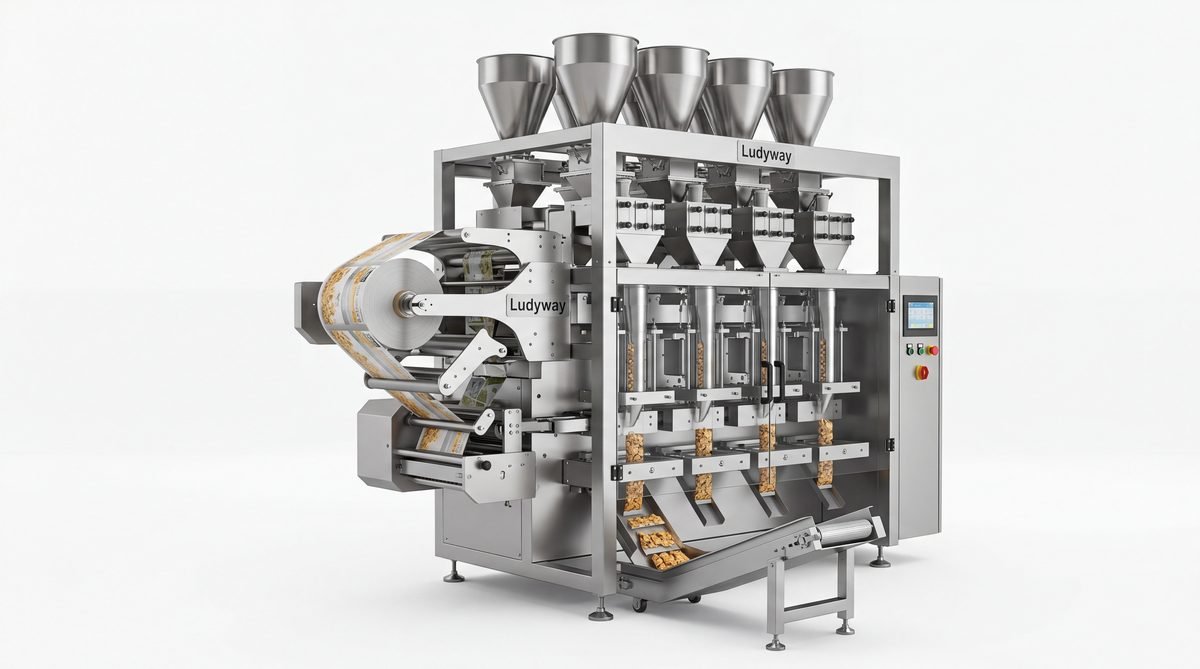
Monthly Deep Maintenance and Inspection Schedule
A comprehensive monthly maintenance routine addresses the deeper mechanical and electrical systems that keep your fryums packaging equipment running at peak efficiency. The table below outlines the key inspection points and recommended actions:
| Component | Inspection Point | Action Required | Frequency |
|---|---|---|---|
| Bearings & Bushings | Check for noise, heat, or play | Lubricate or replace as needed | Monthly |
| Pneumatic System | Inspect hoses, fittings, and filters | Clean filters; replace worn hoses | Monthly |
| Electrical Connections | Tightness of terminals and contacts | Tighten loose connections | Monthly |
| Temperature Controllers | Calibration accuracy | Recalibrate if deviation exceeds ±1°C | Monthly |
| Gears & Transmission | Wear patterns and backlash | Apply grease; replace worn gears | Monthly |
Common Issues and Troubleshooting Guide
Even with diligent maintenance, occasional issues can arise during fryums packaging operations. Understanding the root causes and solutions helps operators respond quickly and minimize production interruptions. Here are the most frequently encountered problems:
- Inconsistent fill weights: This often results from static electricity buildup causing fryums pellets to cling to surfaces, or from dust accumulation in the weighing mechanism. Clean all contact surfaces thoroughly and check grounding connections. Verify that the dosing auger or volumetric filler is calibrated correctly for your pellet size.
- Seal failures or leaks: Poor seals typically stem from incorrect temperature settings, contaminated sealing jaws, or worn Teflon tape. Clean the sealing surfaces, verify temperature setpoints against material specifications, and replace Teflon covers that show signs of wear or damage.
- Film tracking problems: When packaging film drifts off-center, check roller alignment, tension settings, and the condition of tracking guides. Worn rollers or misaligned forming tubes are common culprits that require adjustment or replacement.
- Excessive dust generation: If your fryums are breaking during handling, inspect the feeding system for sharp edges or excessive drop heights. Gentle handling preserves pellet integrity and reduces dust-related maintenance needs.
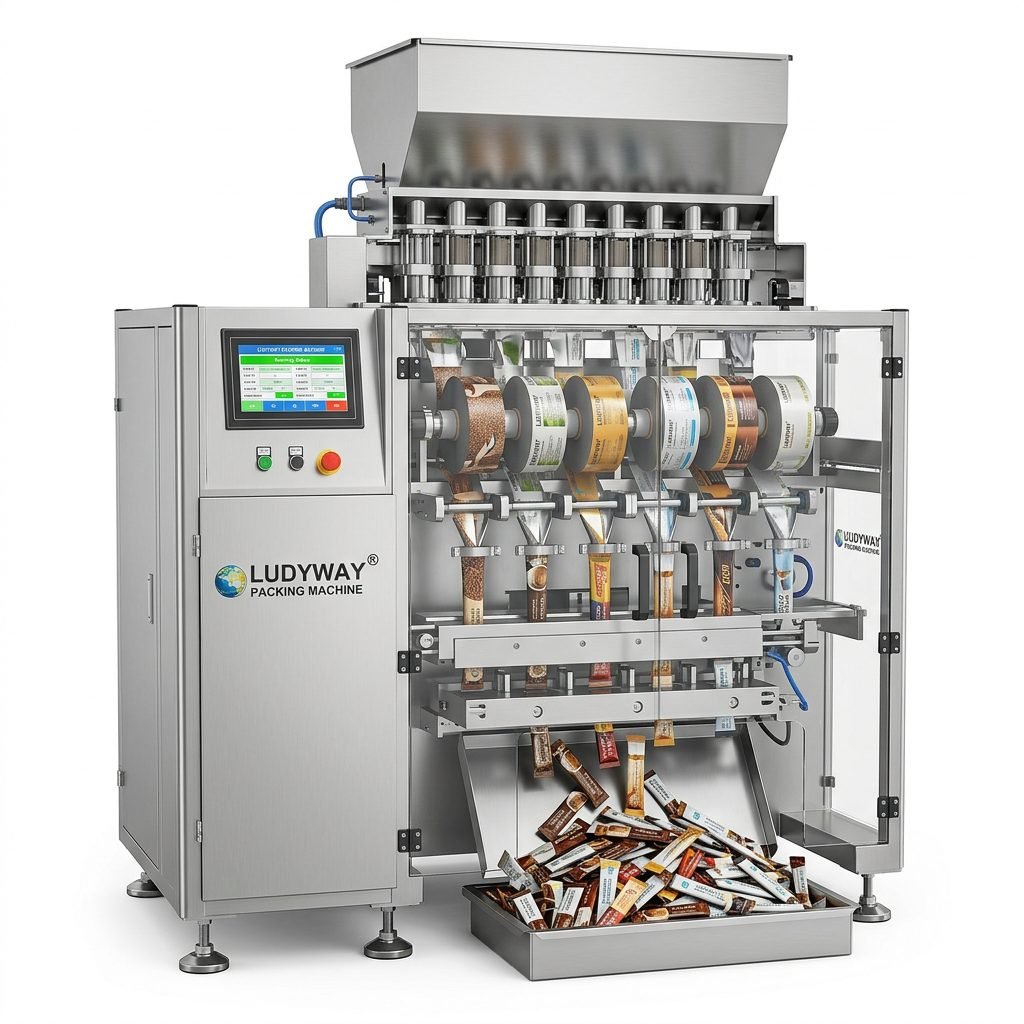
Lubrication Best Practices for Packaging Machinery
Proper lubrication is essential for reducing friction, preventing premature wear, and ensuring smooth mechanical operation. However, over-lubrication can be just as harmful as under-lubrication, attracting dust and creating abrasive pastes that accelerate wear. Follow these best practices:
- Use only food-grade lubricants approved for incidental food contact in snack packaging environments, ensuring compliance with food safety regulations.
- Apply lubricant sparingly to bearing points, cam followers, and slide rails according to the manufacturer’s specifications. Wipe away any excess immediately.
- Maintain a lubrication log recording the date, component, lubricant type, and quantity applied. This documentation supports warranty claims and helps predict wear patterns.
- Never lubricate pneumatic components with oil unless specifically directed by the equipment manual, as this can damage seals and contaminate the air system.
- Inspect grease fittings regularly and replace any that are damaged or clogged to ensure lubricant reaches the intended bearing surfaces.
Professional Maintenance and Long-Term Support
While in-house maintenance teams can handle routine cleaning and inspections, certain procedures require specialized expertise. Annual comprehensive servicing by qualified technicians helps identify hidden issues and ensures your fryums packaging line continues to operate at peak efficiency. This includes deep cleaning of internal assemblies, recalibration of all sensors and load cells, replacement of worn parts identified during inspection, and software updates for the control system.
As one of the trusted names in the industry, Ludyway provides comprehensive after-sales support and maintenance guidance for snack packaging machinery. For additional resources on packaging machinery standards and best practices, refer to the PMMI packaging industry resources portal, which offers valuable technical documentation and operational guidelines. The Flexible Packaging Association also provides extensive knowledge on packaging materials and machinery compatibility that can help optimize your fryums packaging operations.
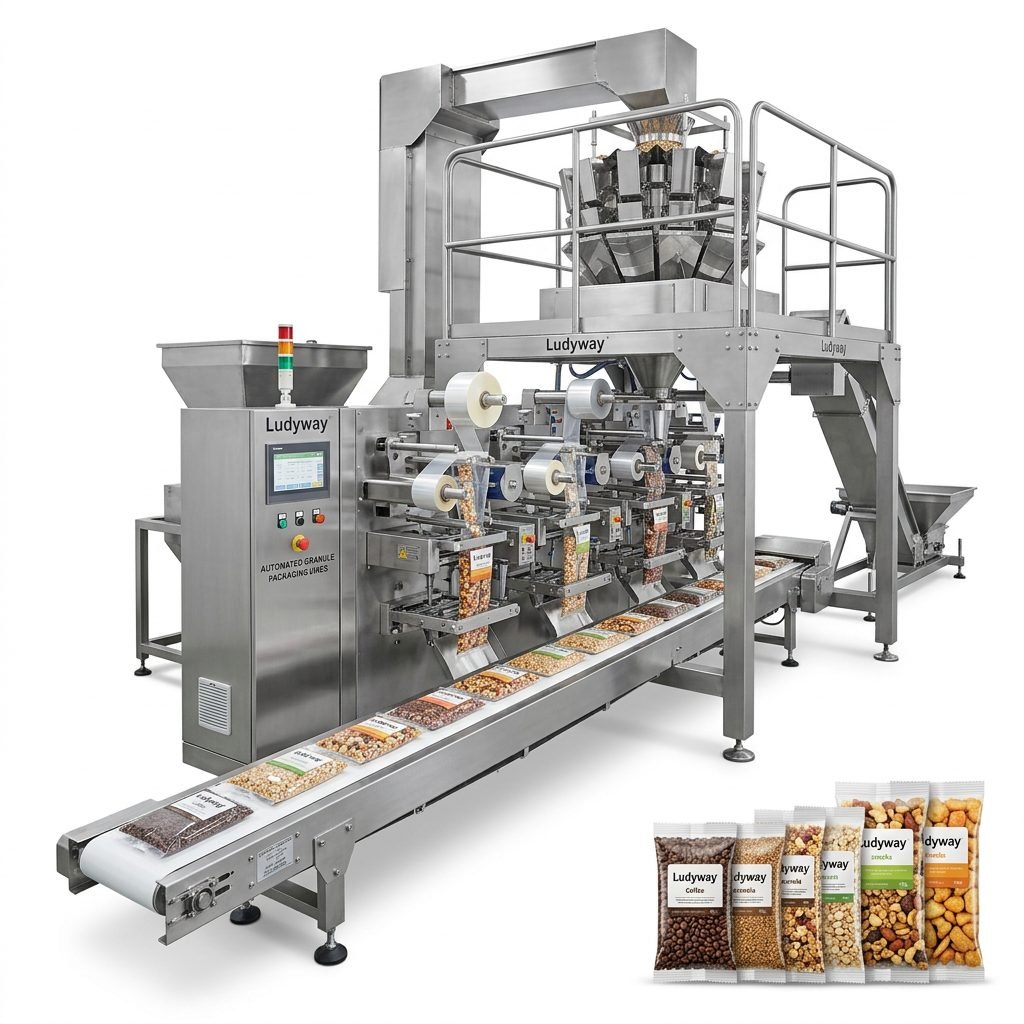
Key Takeaways for Long-Term Machine Reliability
A disciplined maintenance program transforms your fryums packing machine from a potential source of downtime into a reliable production asset. Daily cleaning prevents dust-related failures, weekly inspections catch mechanical wear early, monthly deep servicing addresses systemic issues, and annual professional maintenance ensures long-term operational excellence. By investing time in these essential care routines, snack manufacturers can achieve consistent product quality, extended equipment lifespan, and a healthier bottom line. Remember that every minute spent on proactive maintenance saves hours of reactive repair work down the road.