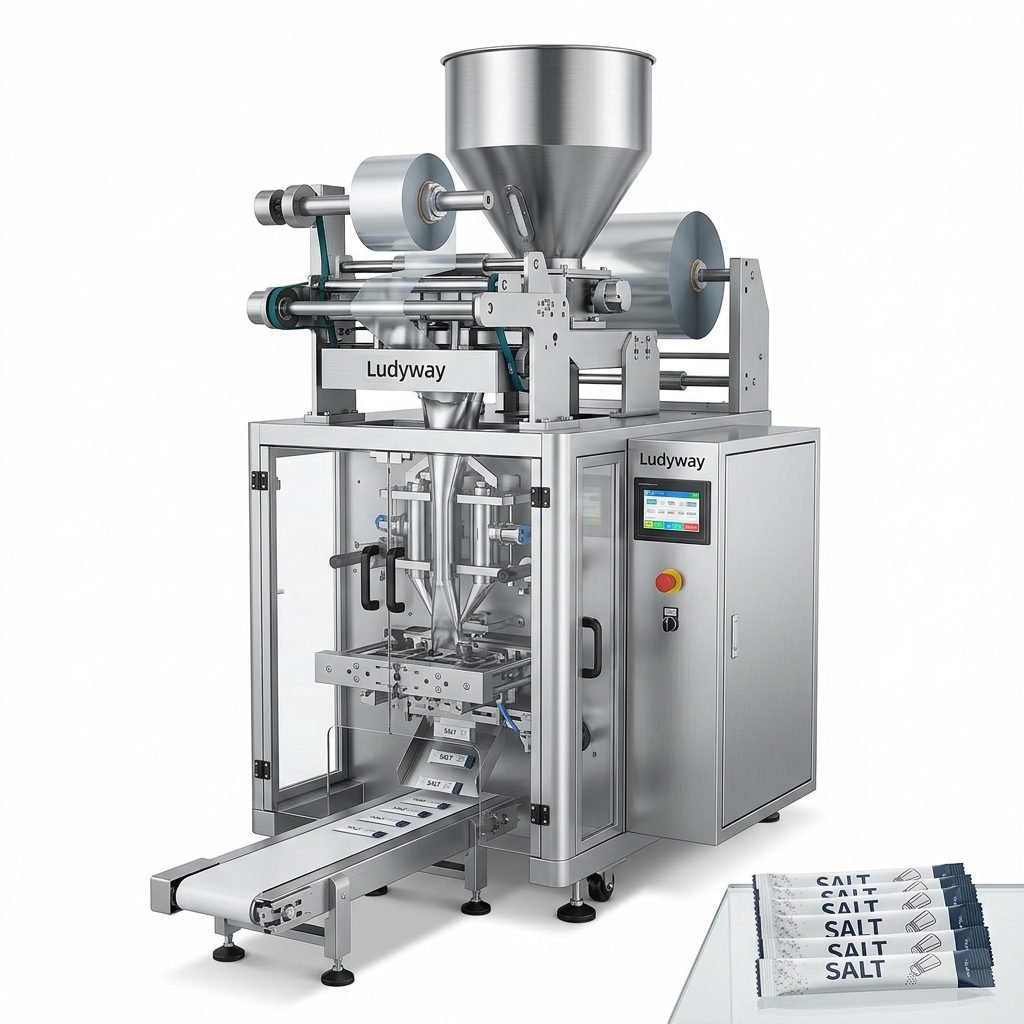
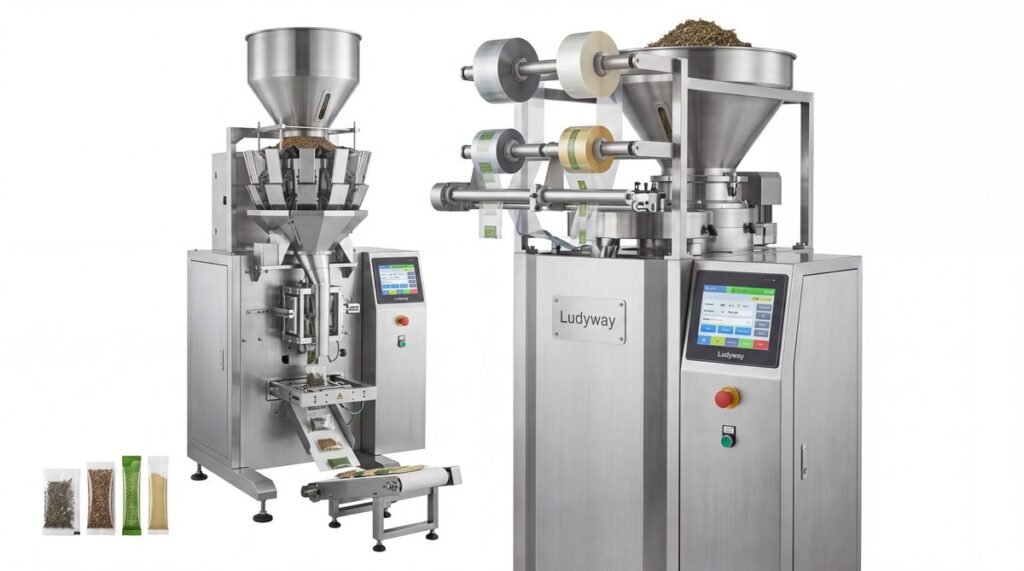
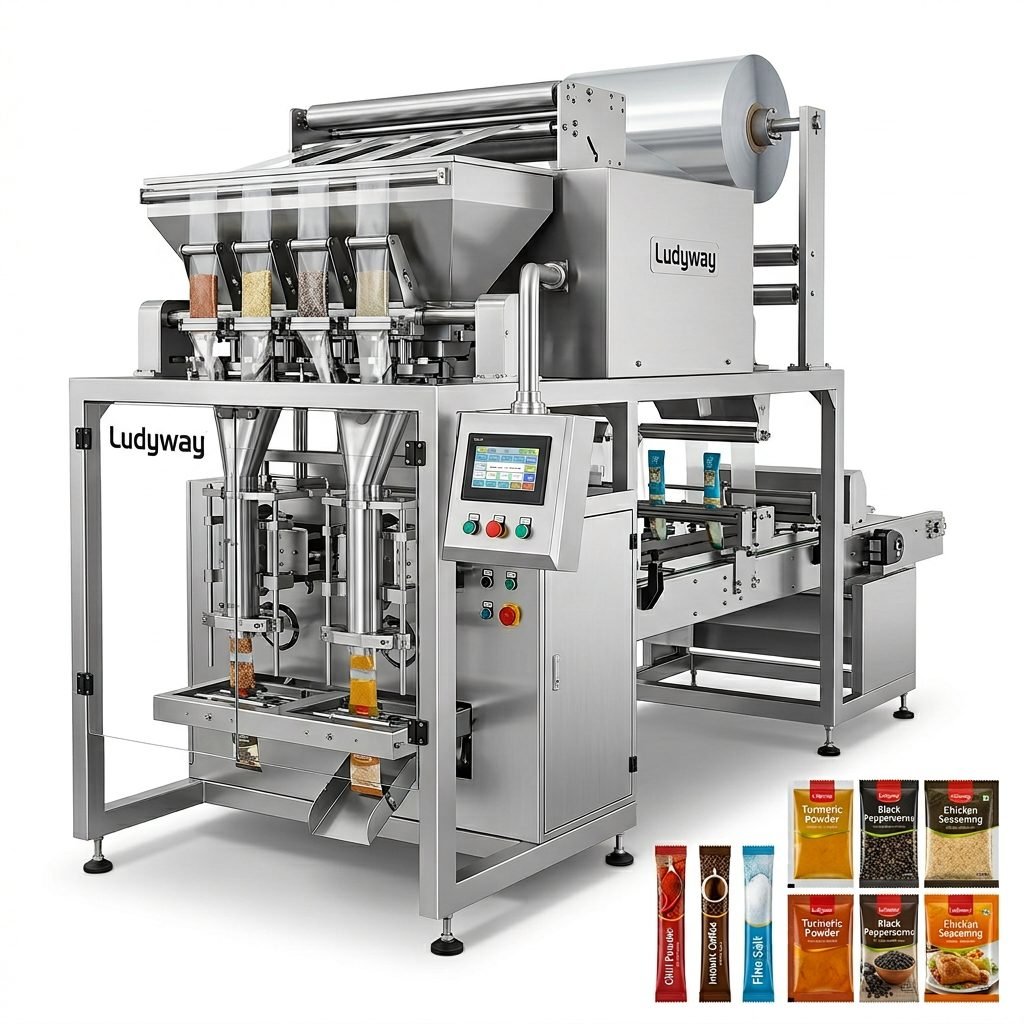
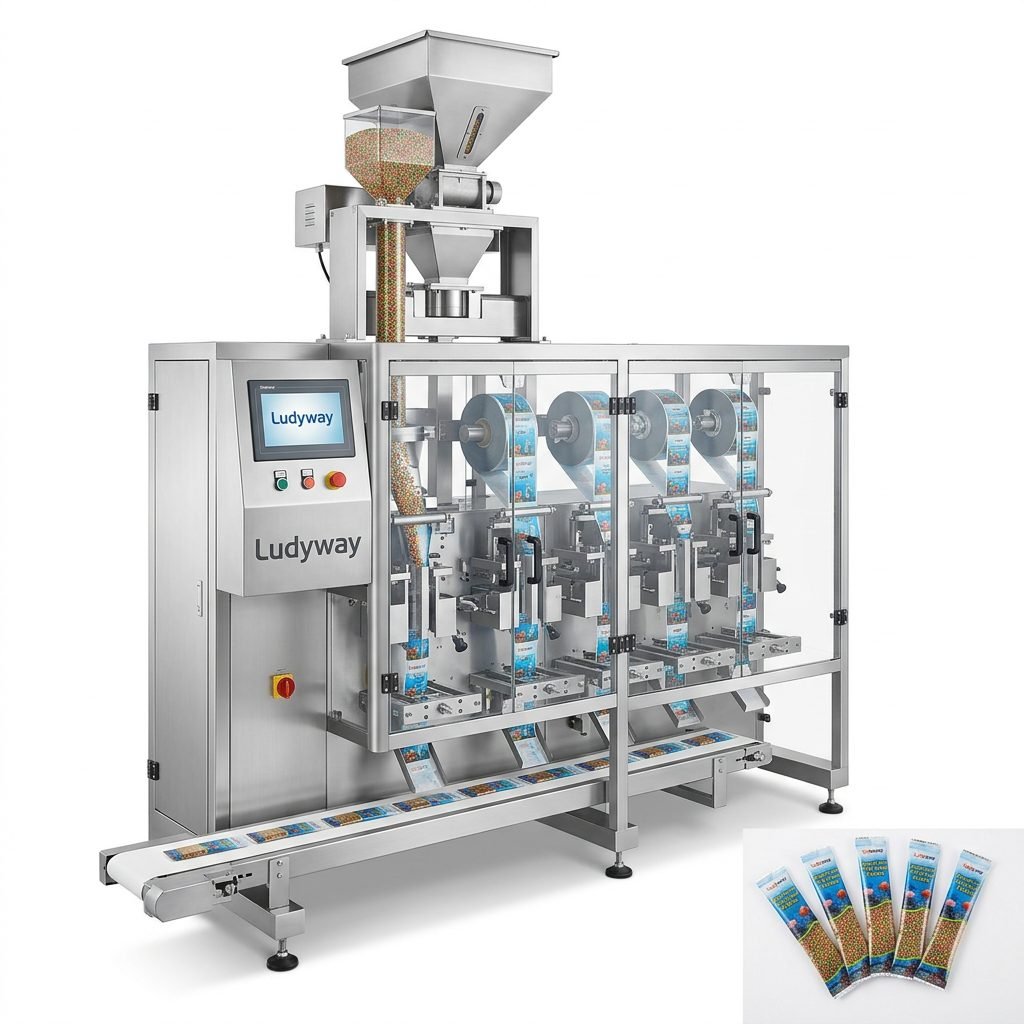
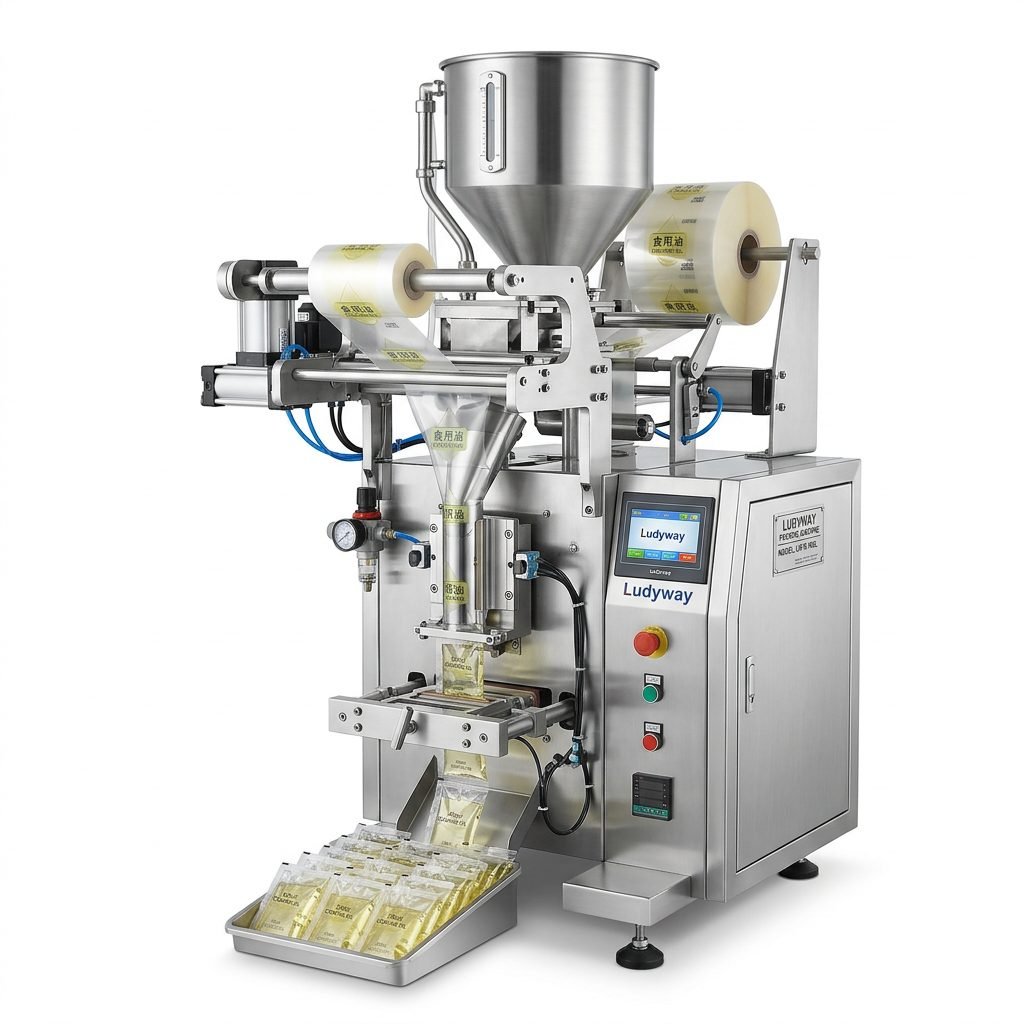
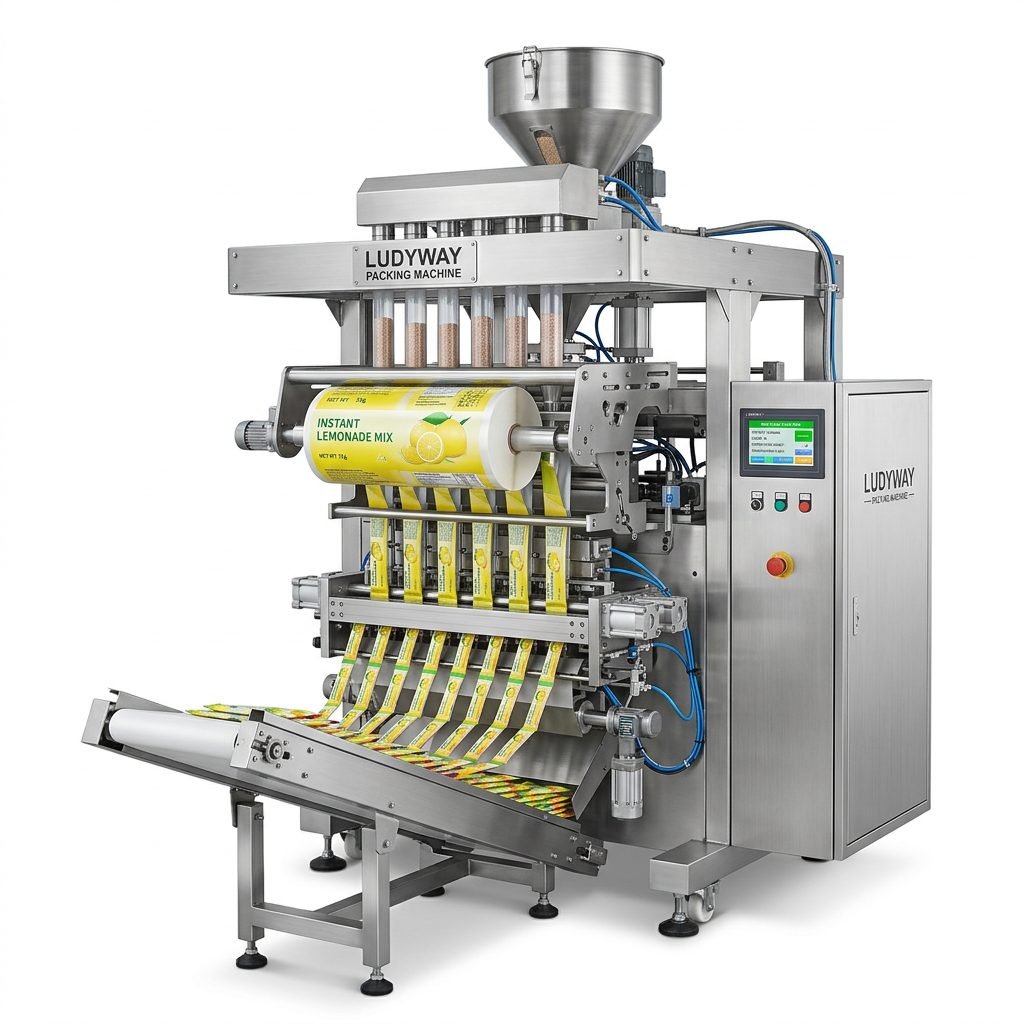
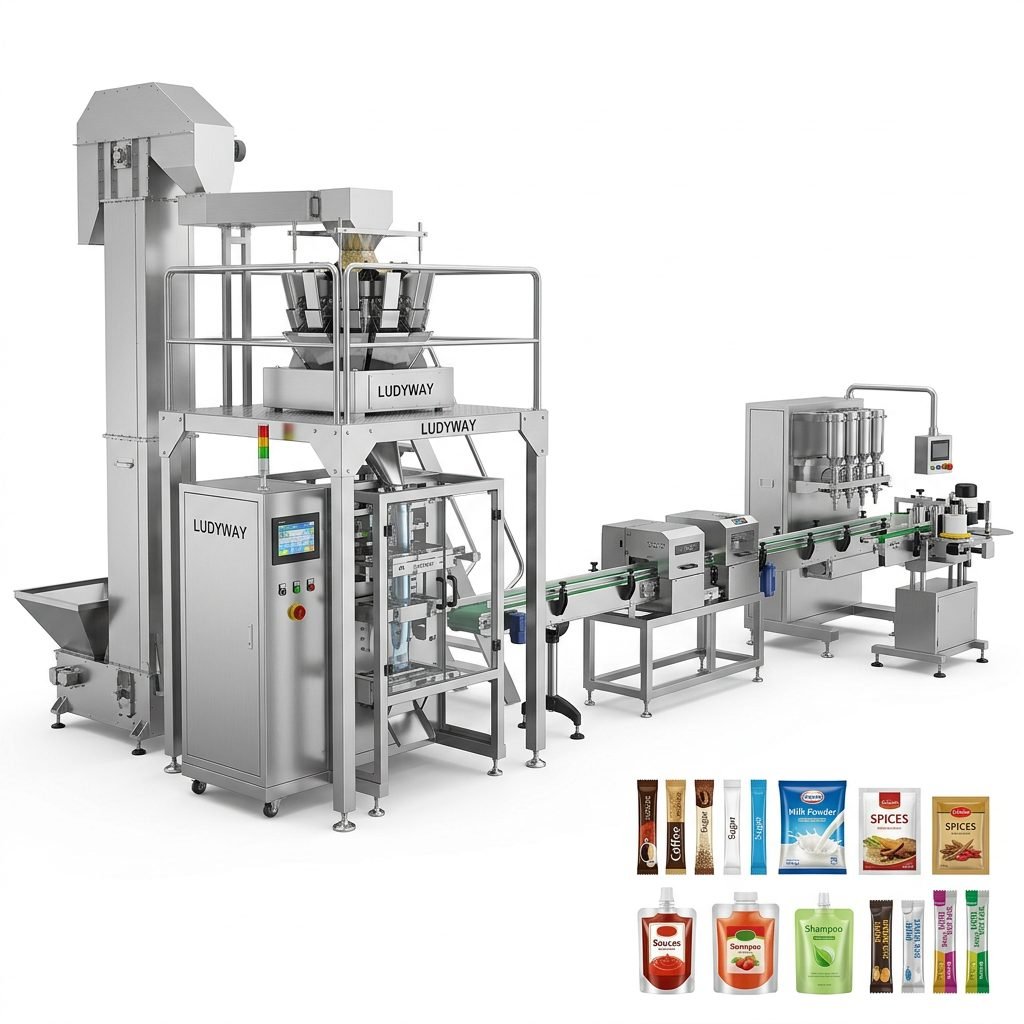
Investing in an automatic weighing packing machine is a significant decision that affects your production line’s efficiency, product quality, and long-term operational costs. With so many configurations, technologies, and suppliers available, the selection process can feel overwhelming. This guide breaks down the essential factors you need to evaluate before making a purchase, helping you choose equipment that aligns with your specific application, budget, and growth plans.
Understanding Your Product and Application Requirements
Before comparing machine specifications, you need a clear understanding of the product you are packaging. The physical characteristics of your material directly determine which weighing and filling technology will work best. Key product attributes to evaluate include:
- Flow characteristics: Is your product free-flowing (like sugar or rice) or non-free-flowing (like milk powder or flour)? Free-flowing products work well with volumetric and multi-head weighers, while non-free-flowing materials often require auger fillers or specialized agitation systems.
- Particle size and uniformity: Granules, powders, irregular pieces, and sticky substances each demand different handling and dosing mechanisms.
- Bulk density: Variations in density affect filling volume calculations and may require machines with automatic density compensation features.
- Hygroscopic or dusty nature: Products that absorb moisture or generate dust need sealed filling areas, dust extraction systems, or nitrogen flushing capabilities.
- Fragility: Brittle products like freeze-dried fruits or snack pellets need gentle handling to minimize breakage during weighing and transfer.
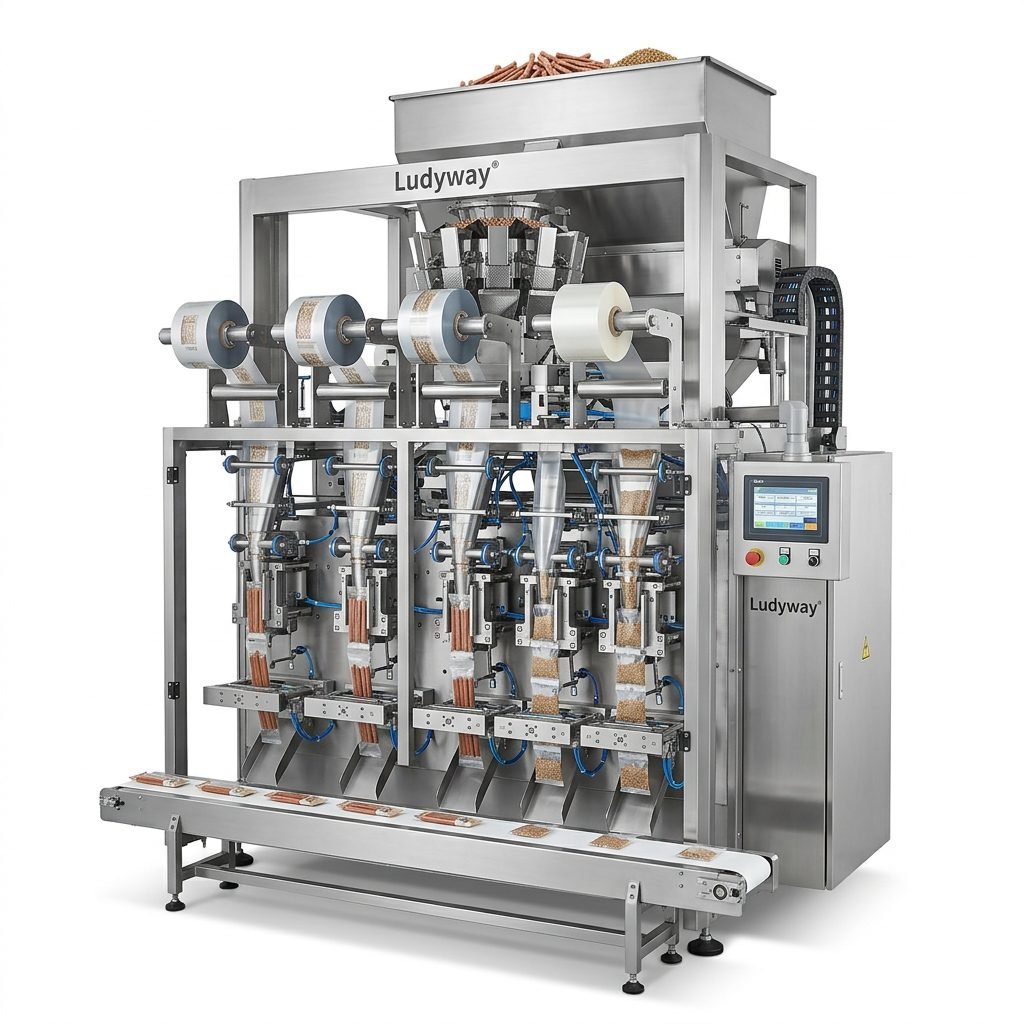
Documenting these properties early helps narrow down the machine types suitable for your application. For example, flexible packaging formats with multi-lane configurations are increasingly common in food and pharmaceutical sectors, but they require compatible filling systems.
Key Technical Specifications to Evaluate
Once your product characteristics are defined, focus on the technical specifications that directly impact performance. The following parameters should be at the top of your evaluation checklist.
Weighing Accuracy and Filling Technology
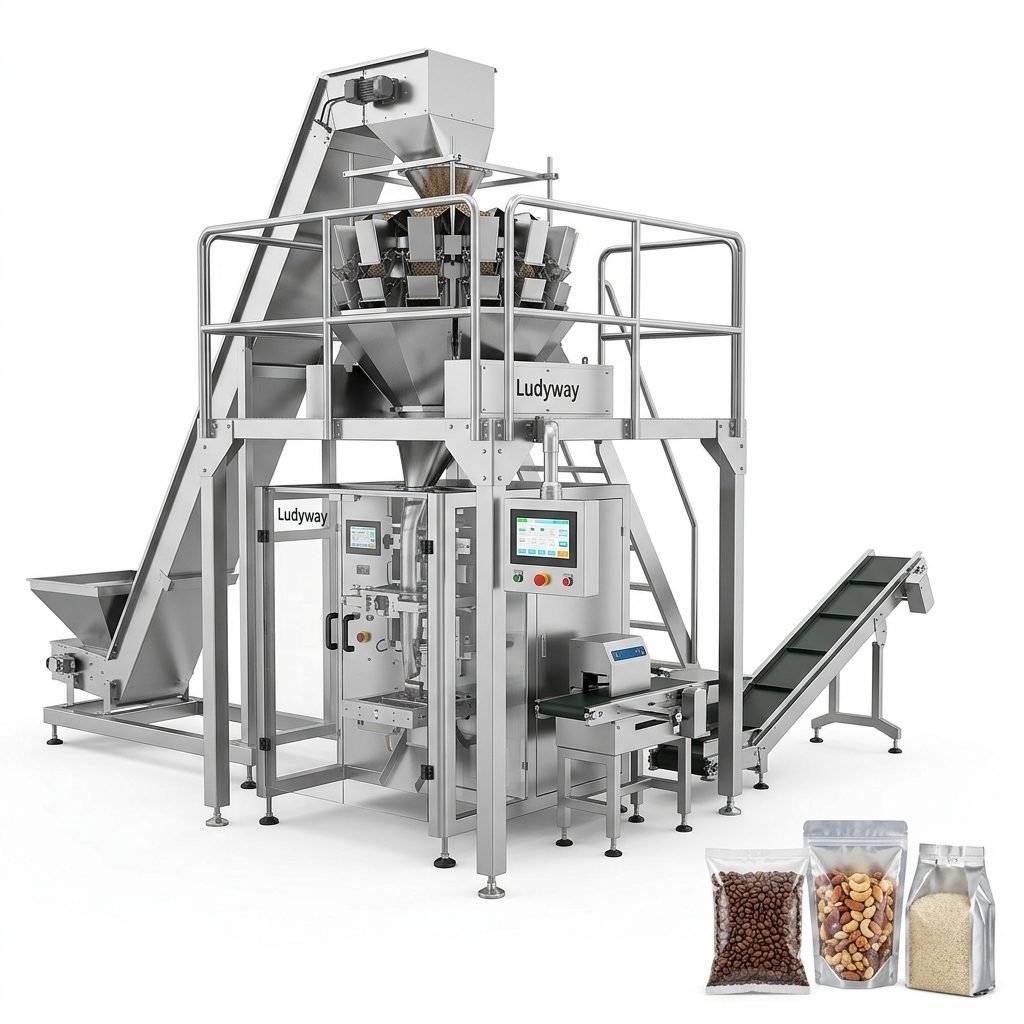
Weighing accuracy is arguably the most critical performance metric. Even small deviations per package can translate into significant product giveaway or regulatory non-compliance over thousands of production cycles. Different weighing technologies offer varying levels of precision, speed, and product compatibility:
| Weighing Technology | Typical Accuracy | Best For | Speed Range |
|---|---|---|---|
| Multi-head Weigher | ±0.5–1.5 g | Snacks, granules, irregular pieces, frozen foods | Up to 120+ packs/min |
| Linear Weigher | ±1–3 g | Grains, seeds, small hardware, uniform granules | Up to 60 packs/min |
| Auger Filler | ±0.5–1% of target weight | Fine powders, spices, protein powders, flour | Up to 80 packs/min |
| Net Weigh Filler | ±0.1–0.5 g | High-value products, pharmaceuticals, precious powders | Up to 40 packs/min |
| Volumetric Cup Filler | ±2–5% of target volume | Free-flowing granules with consistent density | Up to 100+ packs/min |
Selecting the right weighing system depends on your target fill weight, product value, and required throughput. Multi-head weighers are the gold standard for high-speed snack and granule packaging, while auger fillers dominate powder applications. For pharmaceutical and high-value products, net weigh fillers provide the precision needed to meet strict regulatory requirements.
Production Speed and Capacity
Speed requirements vary dramatically between small-scale operations and high-volume manufacturers. A machine rated at 30 packs per minute may be adequate for a startup, but a contract packer serving multiple clients may need 120+ packs per minute across multiple lanes. When evaluating speed, consider:
- Rated speed vs. sustainable speed: Manufacturers often quote maximum mechanical speeds, but sustainable production speeds are typically 70–85% of the rated maximum. Ask for real-world throughput data.
- Changeover time: If you run multiple products or package sizes, frequent changeovers can significantly reduce overall equipment effectiveness (OEE). Look for machines with quick-change features and recipe memory.
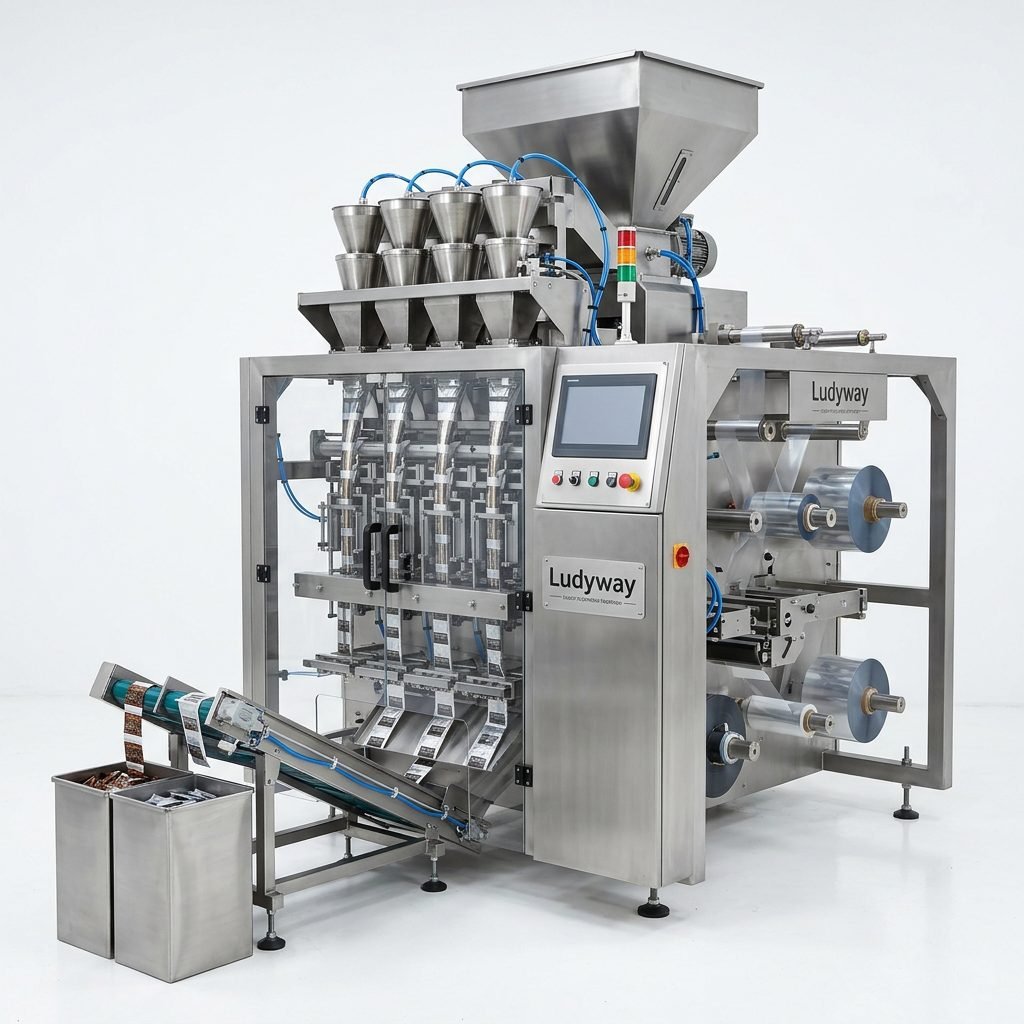
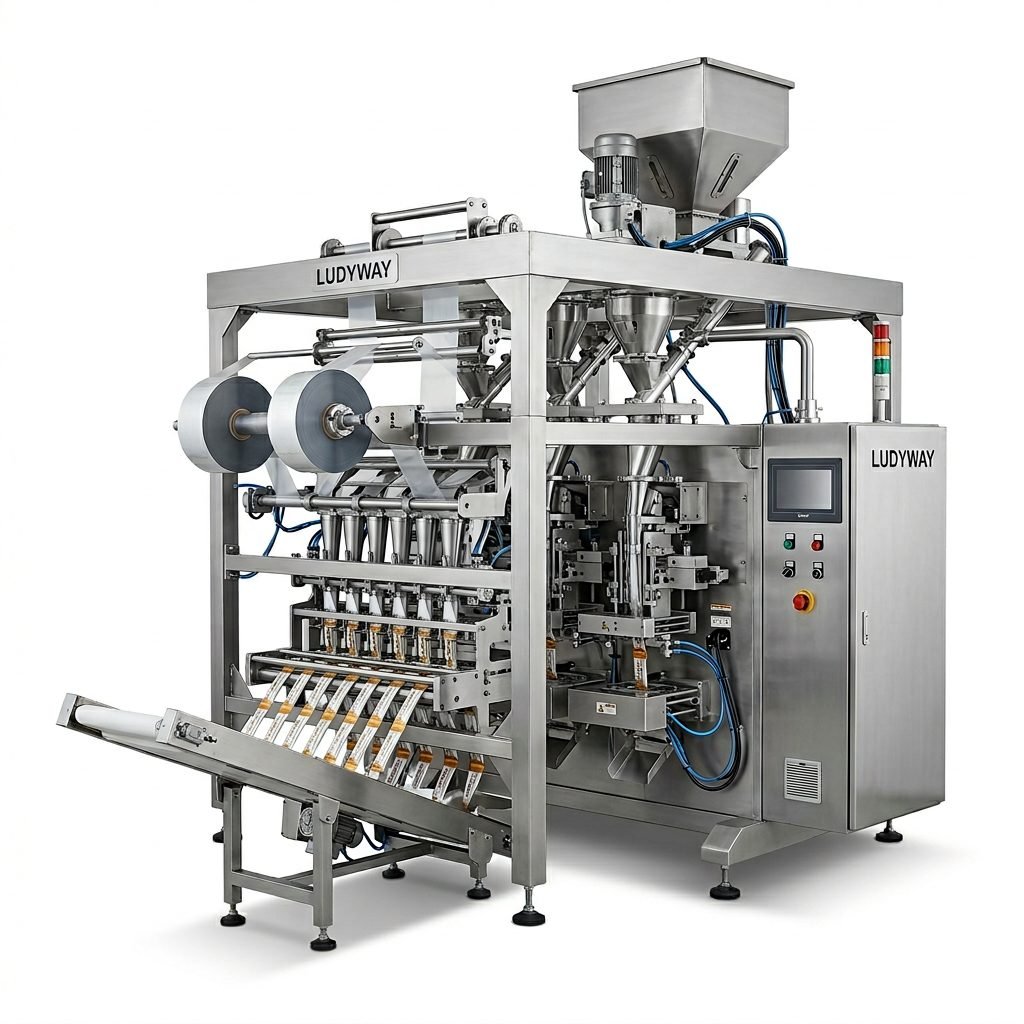
- Multi-lane configurations: Multi-lane stick pack and sachet machines multiply output without proportionally increasing floor space. A 4-lane machine running at 40 cycles per minute produces 160 packs per minute.
Packaging Format and Material Compatibility
The type of package you need to produce influences machine selection as much as the product itself. Common formats include pillow bags, gusseted bags, stick packs, sachets, quad-seal bags, and doypacks. Each format requires specific forming, filling, and sealing mechanisms. Key considerations include:
- Bag dimensions and style: Width, length, and gusset requirements determine the former size and film handling capabilities.
- Film material: Different films (laminated, metalized, paper-based, biodegradable) have varying heat-sealing characteristics. Your machine’s sealing jaws must be compatible with your chosen material’s sealing temperature range and dwell time.
- Reclosure features: Zippers, tear notches, and laser scoring require additional modules or integrated systems.
- Modified atmosphere packaging (MAP): Products requiring gas flushing for extended shelf life need machines equipped with nitrogen or CO₂ injection systems.
According to the Flexible Packaging Association, the shift toward sustainable and mono-material films is reshaping packaging machinery requirements. Verify that your chosen equipment can handle both current and future packaging materials.
Automation Level and Integration Capabilities
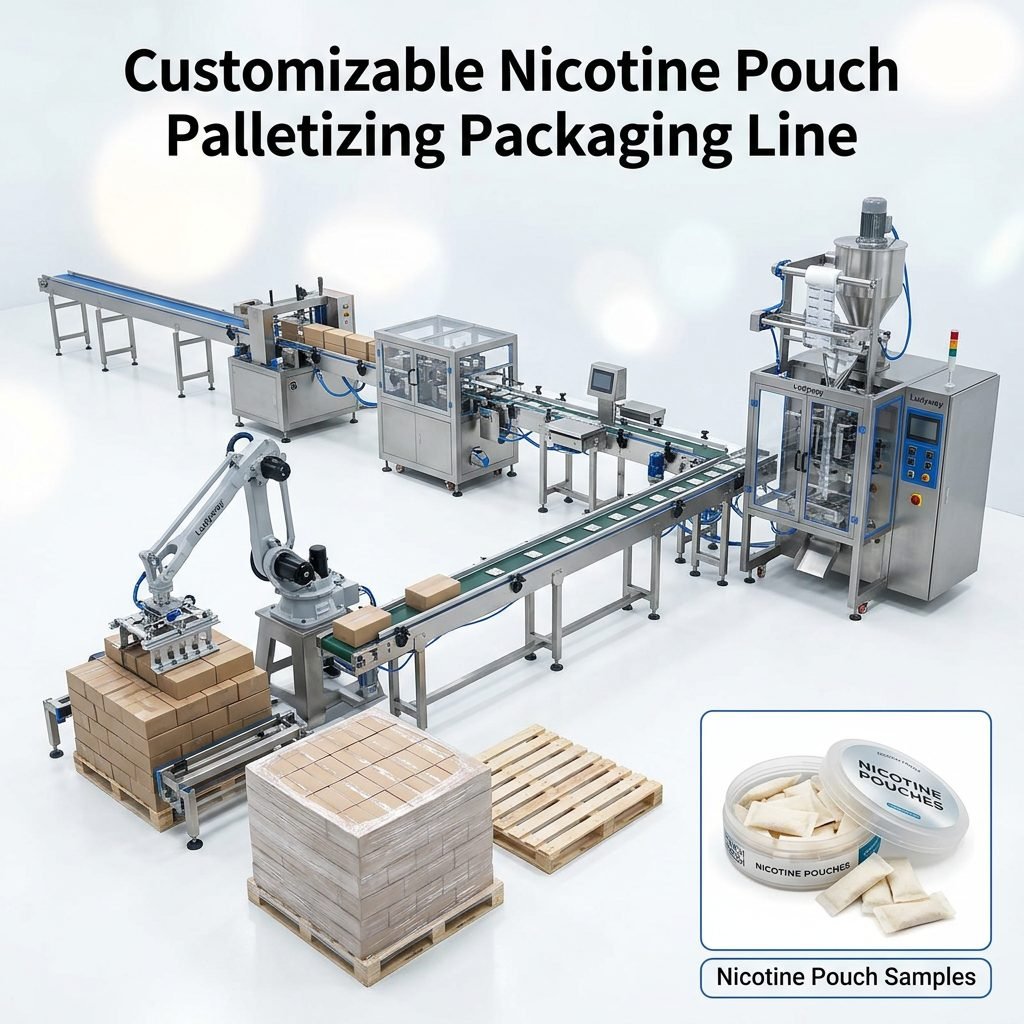
Today’s automatic weighing packing machines rarely operate in isolation. They are typically part of a broader production ecosystem that includes upstream feeding systems and downstream equipment such as checkweighers, metal detectors, coding printers, cartoning machines, and palletizers. When evaluating automation options, assess:
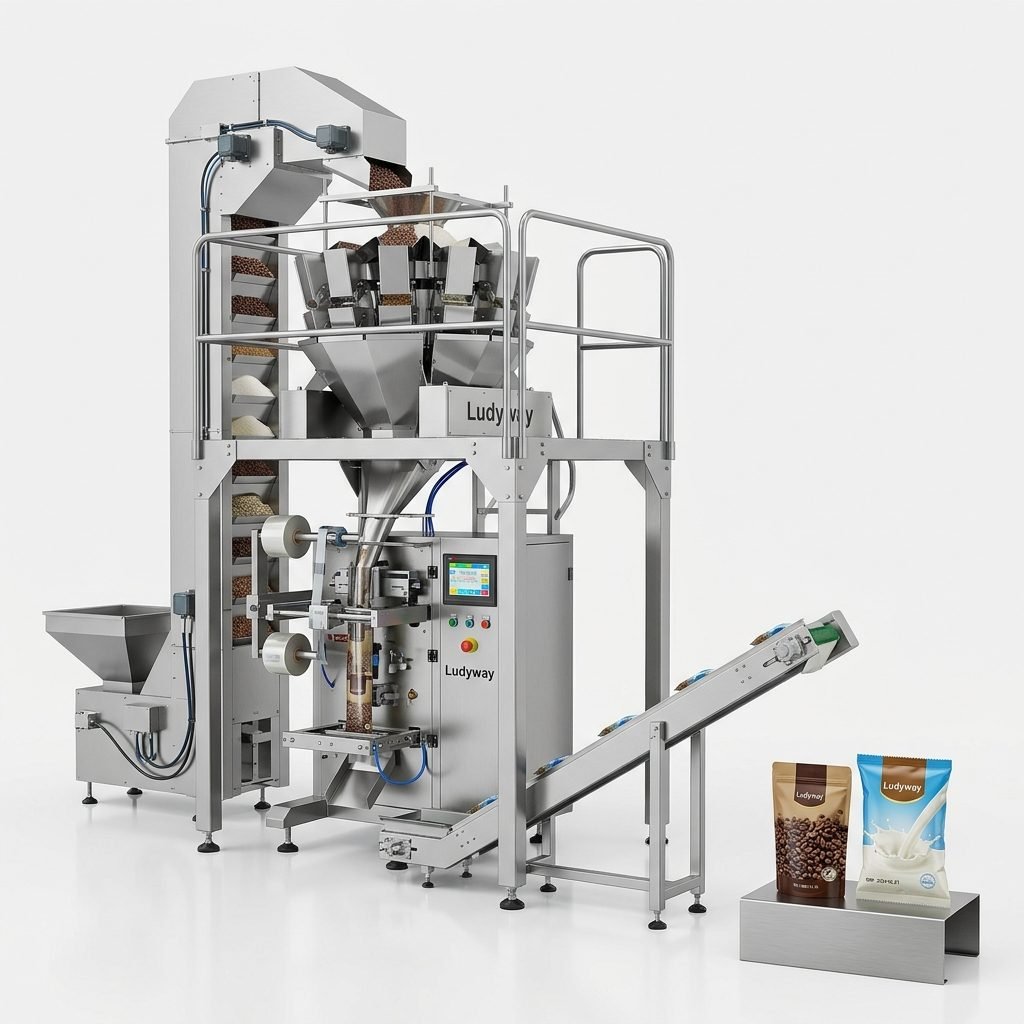
- Feeding integration: Does the machine connect directly to your existing hoppers, conveyors, or bulk storage systems? Some configurations require bucket elevators, inclined conveyors, or vacuum feeding systems.
- Downstream connectivity: Checkweighers with real-time feedback loops can automatically adjust fill weights, reducing product giveaway. Metal detectors and X-ray inspection systems add quality assurance layers.
- Control system compatibility: PLC-based controls with standardized communication protocols (Ethernet/IP, Profibus, Modbus) enable integration with plant-wide SCADA or MES systems.
- Data collection and Industry 4.0 readiness: Machines with OEE tracking, remote diagnostics, and predictive maintenance alerts provide long-term operational advantages.
Working with a supplier that offers turnkey packaging line solutions can simplify integration. For example, a single partner handling everything from feeding to final cartoning reduces coordination complexity and ensures system-wide compatibility. Ludyway Machinery, a China-based packaging machinery manufacturer with more than 30 years of experience, provides integrated packaging systems spanning multi-lane filling, sealing, coding, inspection, and cartoning functions. This approach allows manufacturers to work with one supplier for equipment selection, integration, and technical support across the entire line.
Compliance, Standards, and Industry Certifications
Regulatory compliance is non-negotiable, especially in food, pharmaceutical, and medical device packaging. Machines must meet applicable standards for hygiene, safety, and documentation. Key frameworks include:
- Food safety: Equipment should comply with FDA regulations for food contact surfaces and cleaning protocols. GMP-compliant design with stainless steel construction and sanitary welding is standard for food and pharma applications.
- Pharmaceutical requirements: Machines used for drug packaging must meet 21 CFR Part 11 requirements for electronic records and signatures, plus validation protocols (IQ/OQ/PQ).
- Medical devices: Packaging for terminally sterilized medical devices must conform to ISO 11607 standards.
- CE marking and international standards: For exports to the EU, machines must carry CE marking demonstrating compliance with relevant directives. Other markets may require UL, CSA, or local certifications.
Request documentation on applicable certifications early in the evaluation process. The PMMI packaging machinery market research indicates that compliance requirements are becoming more stringent globally, making certified equipment a safer long-term investment.
Evaluating Total Cost of Ownership
The purchase price of an automatic weighing packing machine represents only a portion of its lifetime cost. A comprehensive total cost of ownership (TCO) analysis includes:
- Initial investment: Machine cost, shipping, installation, and commissioning.
- Operational costs: Labor requirements, energy consumption, compressed air usage, and consumables (film, lubricants, wear parts).
- Maintenance and spare parts: Preventive maintenance schedules, availability of critical spare parts, and supplier response times for service calls.
- Product giveaway: Even ±1 gram of overfill per package across millions of units translates into substantial annual losses. A machine with ±0.5g accuracy versus ±2g can pay for its premium through reduced giveaway alone.
- Downtime costs: Unplanned downtime in a high-volume line can cost thousands per hour. Machines with proven reliability records and accessible technical support minimize this risk.
Calculate the projected ROI based on your specific production volumes, labor rates, and product costs. In many cases, spending more upfront for higher accuracy and reliability yields a faster payback than choosing a lower-cost alternative.
Selecting the Right Packaging Machinery Partner
The supplier you choose is as important as the machine itself. A reliable partner provides more than equipment — they offer engineering expertise, customization capabilities, responsive service, and long-term support. Evaluate potential suppliers across these dimensions:
Questions to Ask Potential Suppliers
- Can you provide references from customers packaging similar products in our industry?
- What is your standard lead time for machines and critical spare parts?
- Do you offer factory acceptance testing (FAT) and site acceptance testing (SAT)?
- What customization options are available for our specific product and packaging format?
- How do you handle installation, commissioning, and operator training?
- What after-sales support do you provide — remote diagnostics, on-site service, spare parts availability?
- Can the machine be upgraded or reconfigured if our packaging requirements change?
Evaluating Manufacturing and Engineering Capabilities
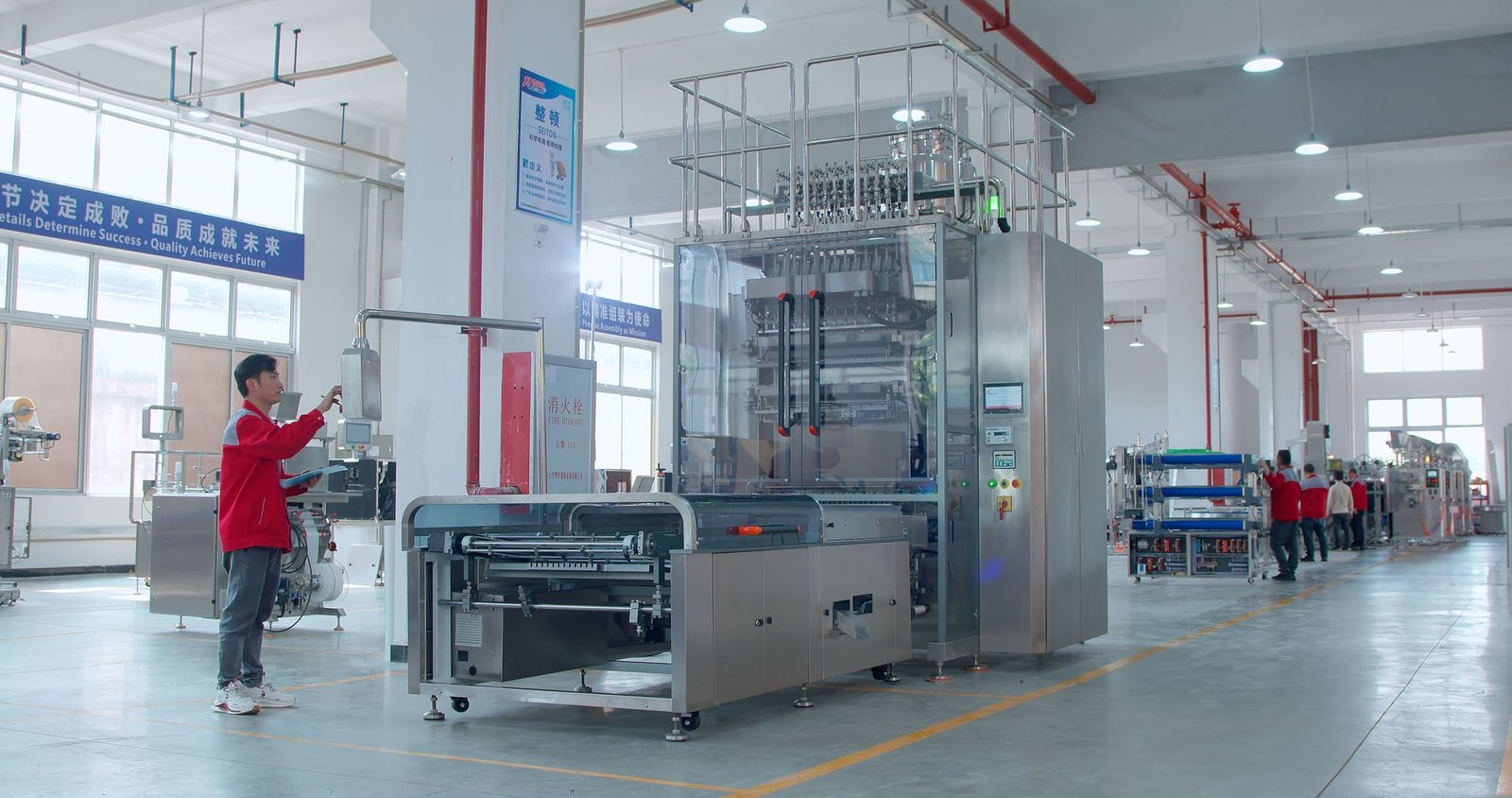
A supplier with in-house manufacturing and engineering teams can respond faster to custom requirements and quality issues. Key indicators include the size of their manufacturing facility, the breadth of their machine portfolio, and their experience serving multiple industries. Suppliers serving more than 100 countries with a track record of export compliance demonstrate the ability to meet diverse regulatory and operational requirements. Look for manufacturers that combine mechanical design, automation engineering, control systems integration, and packaging-line expertise under one roof.
Making the Final Decision
Choosing the right automatic weighing packing machine requires balancing technical specifications, cost considerations, and supplier capabilities. Start with a thorough analysis of your product and production requirements, then evaluate machines based on weighing accuracy, speed, packaging format compatibility, automation level, and compliance certifications. Consider total cost of ownership rather than just the purchase price, and prioritize suppliers with proven engineering expertise, customization capabilities, and responsive global support.
For manufacturers looking to increase production capacity, automate manual processes, or introduce new packaging formats, the right machine — backed by the right partner — becomes a strategic asset that supports growth for years to come. Whether you need a single machine or a complete turnkey packaging line, investing time in the evaluation process ensures you select equipment that delivers reliable performance, consistent quality, and strong return on investment. For further guidance, industry resources from PMMI – The Association for Packaging and Processing Technologies provide valuable benchmarks and market intelligence for packaging machinery buyers.