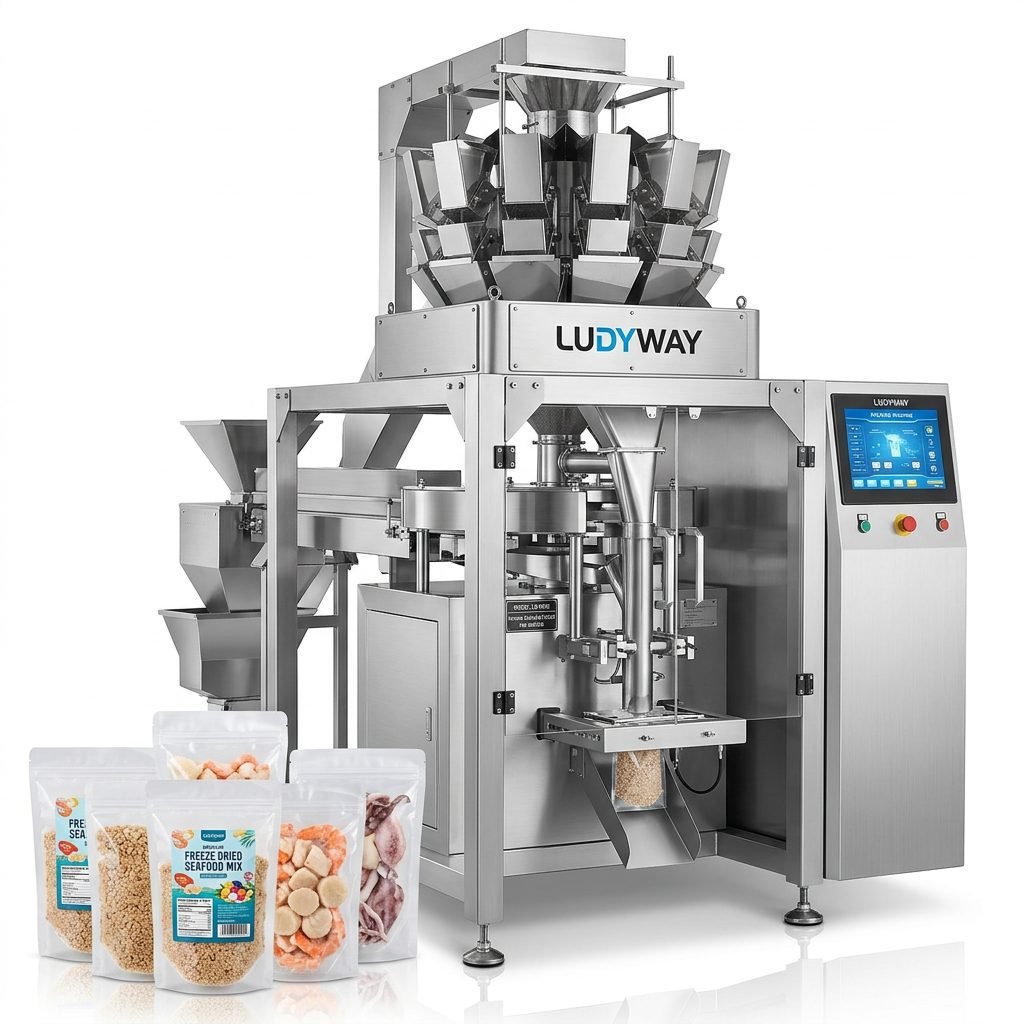
Investing in a fish vacuum packing machine is a critical decision for seafood processors, distributors, and retailers. The right equipment preserves product freshness, extends shelf life, and meets stringent food safety standards. This comprehensive guide walks you through the essential factors to consider before making your purchase.
Why Vacuum Packaging Matters for Fish Products
Fish and seafood are highly perishable. Oxygen exposure accelerates oxidation, microbial growth, and enzymatic spoilage. A vacuum packing machine removes oxygen from the package, significantly reducing these risks. According to Flexible Packaging Association industry resources, vacuum packaging is one of the most effective methods for preserving perishable food products. The right equipment also prevents freezer burn, maintains texture, and preserves the natural flavor profile of fish products.
Key Factors to Consider When Choosing a Fish Vacuum Packing Machine
Selecting the appropriate vacuum packaging equipment requires evaluating several operational and product-specific variables. Below is a structured breakdown of the most important considerations:
| Selection Factor | What to Evaluate |
|---|---|
| Production Volume | Determine whether you need a tabletop unit, single-chamber, double-chamber, or continuous belt vacuum machine based on daily throughput requirements. |
| Product Characteristics | Fresh fish, frozen fillets, dried seafood, and smoked products each have different packaging needs. Consider product shape, moisture content, and bone presence. |
| Bag Size and Format | Confirm the maximum bag width and length your machine can accommodate. Chamber dimensions directly affect operational flexibility. |
| Vacuum Pump Type | Oil-lubricated pumps offer deeper vacuum levels, while dry pumps require less maintenance. Industrial seafood applications typically benefit from high-performance oil pumps. |
| Sealing Bar Configuration | Single or multiple sealing bars, seal width, and heating element durability impact seal quality and production speed. |
| Material Compatibility | Ensure the machine works with your preferred packaging films—PA/PE, high-barrier laminates, or retort pouches. Some fish products require high-barrier materials for extended shelf life. |
| Compliance Requirements | Verify compliance with FDA food packaging regulations, HACCP guidelines, and relevant ISO packaging standards for your target market. |
Types of Fish Vacuum Packing Machines
Different production environments demand different machine configurations. Understanding each type helps you match equipment to your specific operation:
Single Chamber Vacuum Machines
Ideal for small to medium seafood processors. The product is placed inside the chamber, and the entire cavity is evacuated before sealing. This design provides consistent vacuum levels and works well for fresh fish portions, fillets, and smaller batches. Single chamber units are cost-effective entry points for businesses scaling up from manual packaging.
Double Chamber Vacuum Machines
Built for higher throughput, these machines alternate between two chambers—while one chamber completes a vacuum cycle, the operator loads or unloads the other. This increases productivity by reducing idle time. Double chamber machines suit mid-volume seafood operations processing a variety of fish products daily.
Continuous Belt Vacuum Machines
Designed for large-scale industrial fish processing lines. Products are placed on a conveyor belt that moves through the vacuum and sealing zones automatically. These systems integrate with upstream and downstream equipment, supporting high-speed automated packaging lines for factories handling significant daily output.

Advanced Features That Enhance Vacuum Packaging Performance
Modern fish vacuum packing machines offer features beyond basic vacuum and seal functions. Evaluating these capabilities can help you future-proof your investment:
- Gas Flush (MAP) Capability: Modified atmosphere packaging replaces oxygen with inert gases like nitrogen or CO₂, further extending shelf life for delicate fish products.
- Soft-Air Function: Gradually reintroduces air after vacuum sealing, preventing damage to fragile seafood items like soft fillets or roe.
- Programmable Digital Controls: Store multiple vacuum and sealing profiles for different fish products, ensuring repeatable quality across production runs.
- Liquid Control Sensors: Essential for packaging moist or marinated fish products, preventing liquid ingress into the vacuum pump.
- Stainless Steel Construction: Corrosion-resistant materials withstand the harsh, wet environments typical of seafood processing facilities.
Vacuum Pump Selection: Oil vs. Dry
The vacuum pump is the core of any packaging machine. Oil-lubricated rotary vane pumps achieve deeper vacuum levels, typically reaching 0.5–1 mbar, making them suitable for high-barrier packaging applications in the seafood industry. Dry pumps, while requiring less maintenance, generally achieve vacuum levels around 10 mbar. For fish products requiring extended shelf life and premium presentation, oil pump systems remain the preferred choice across commercial operations.
Maintenance and Operational Considerations
Regular maintenance extends equipment lifespan and maintains packaging quality. Key maintenance tasks include oil changes for lubricated pumps, cleaning sealing bars to remove residue buildup, inspecting gaskets and chamber seals for wear, and periodically checking vacuum pump performance. Machines used in high-moisture fish processing environments require more frequent cleaning schedules. Selecting equipment with accessible components simplifies daily maintenance routines and reduces downtime. Refer to ISO packaging standards for guidance on equipment validation and maintenance protocols.
| Maintenance Task | Recommended Frequency | Impact on Performance |
|---|---|---|
| Vacuum pump oil change | Every 500-1,000 operating hours | Maintains optimal vacuum levels and prevents pump wear |
| Sealing bar cleaning | Daily or per shift | Ensures consistent seal integrity, prevents package leaks |
| Chamber gasket inspection | Weekly | Prevents vacuum loss and extends chamber seal life |
| Full system inspection | Quarterly | Identifies potential issues before they cause production disruptions |
Integrating Vacuum Packaging into Your Production Workflow
A fish vacuum packing machine does not operate in isolation. Consider how the equipment fits within your broader processing line. Factors such as upstream product preparation, weighing systems, labeling, and secondary packaging all affect overall efficiency. For operations seeking end-to-end automation, integrating vacuum packaging with conveying systems, checkweighers, and case packing equipment creates a seamless production flow. The PMMI 2025 State of the Industry report highlights that integrated packaging systems continue to drive manufacturing productivity gains across the food sector.
Selecting a Reliable Packaging Machinery Partner
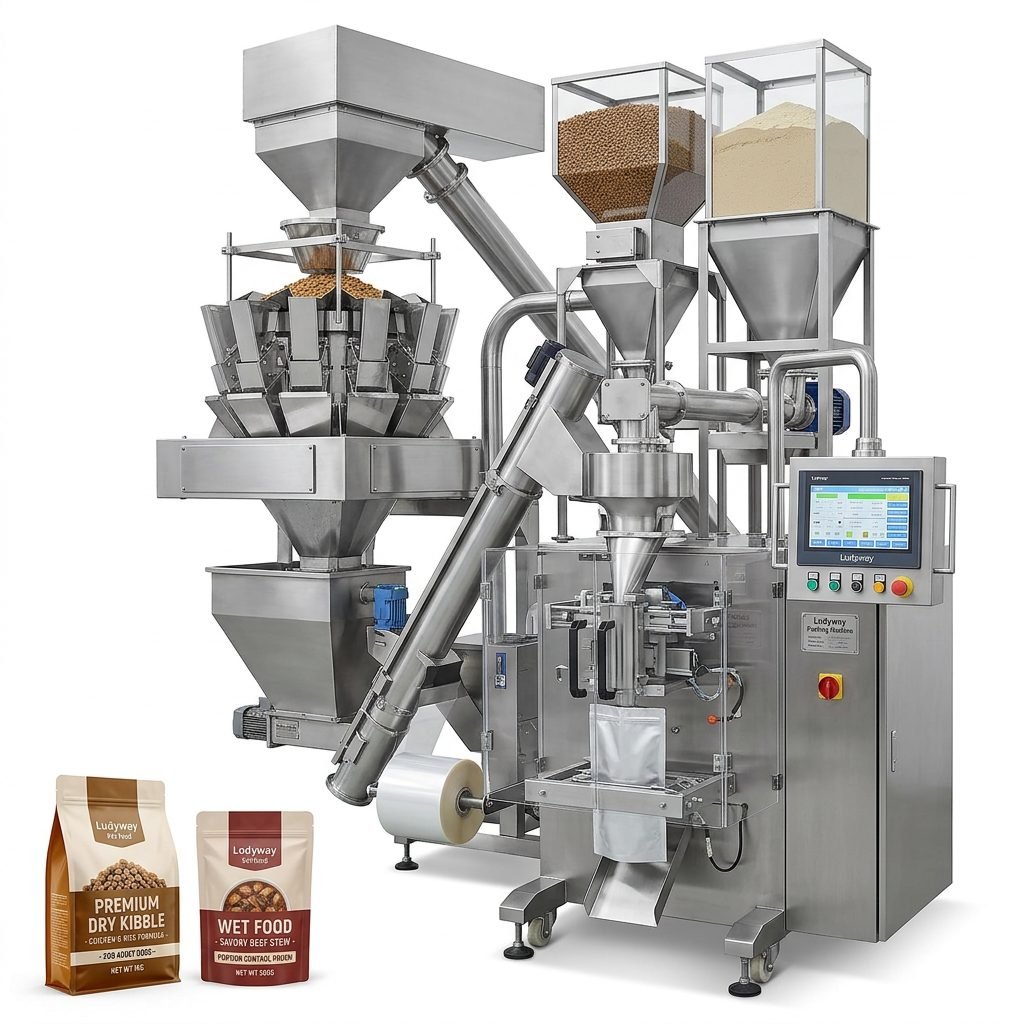
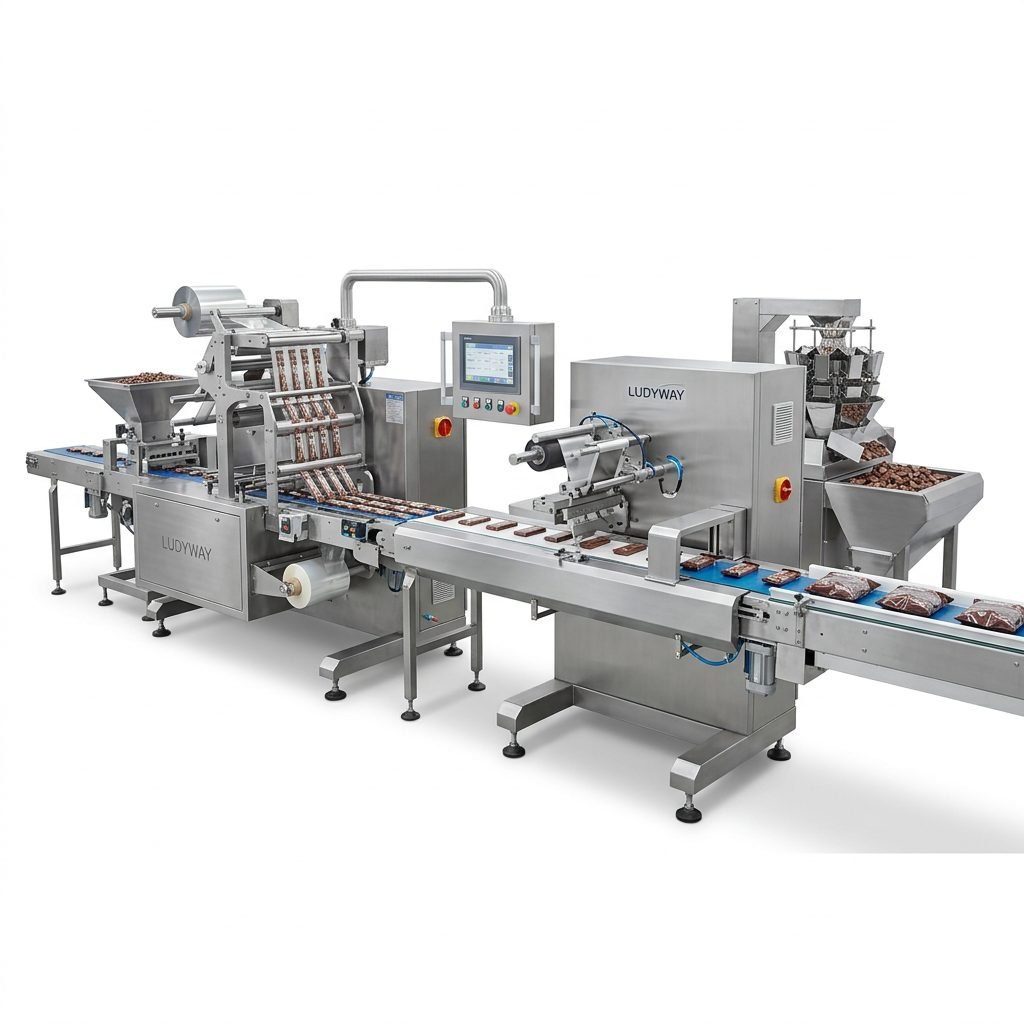
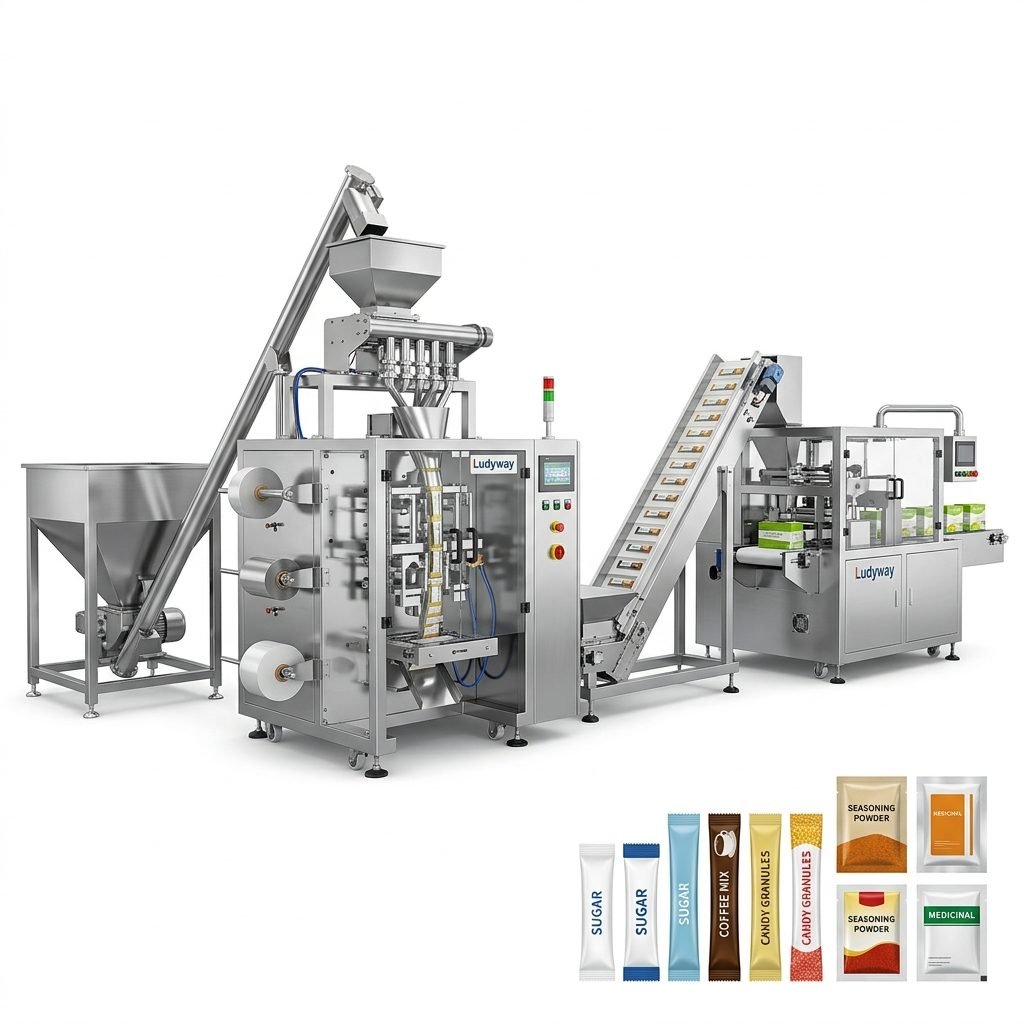
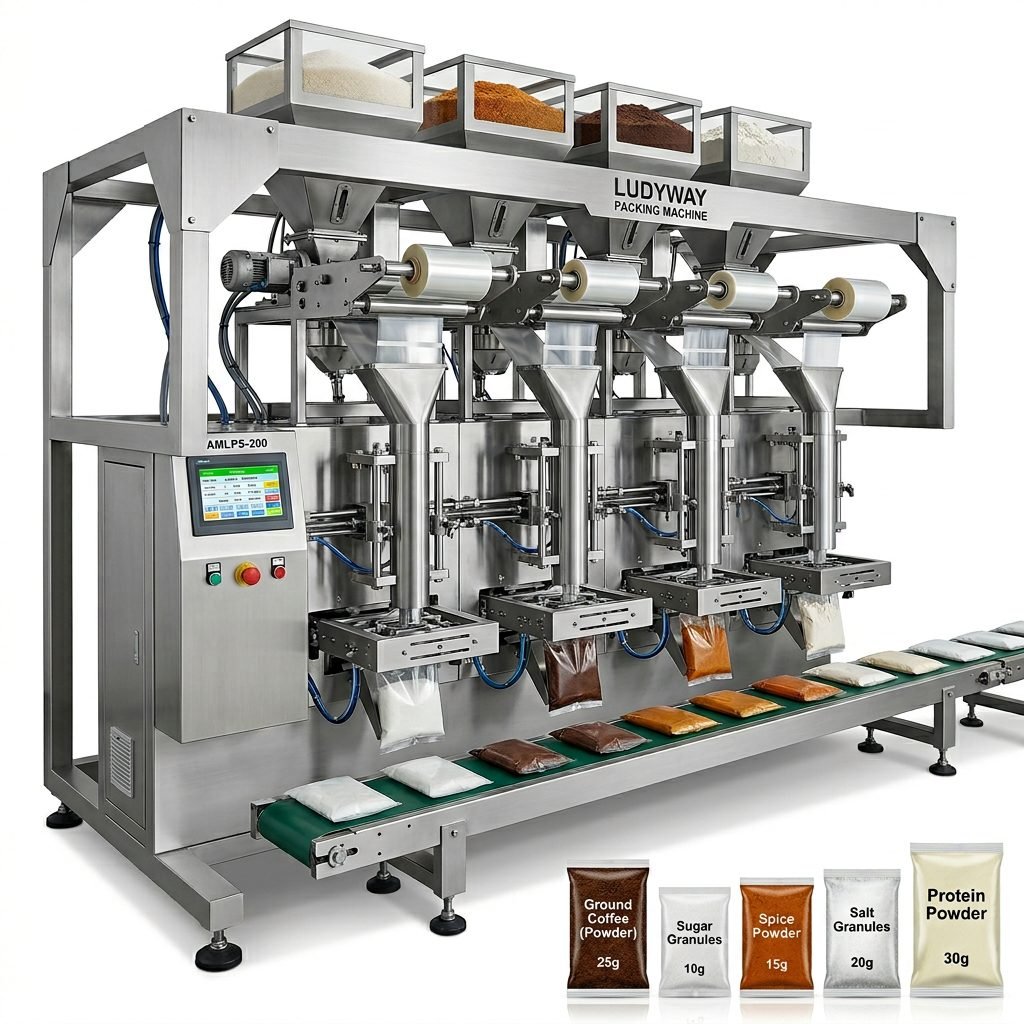
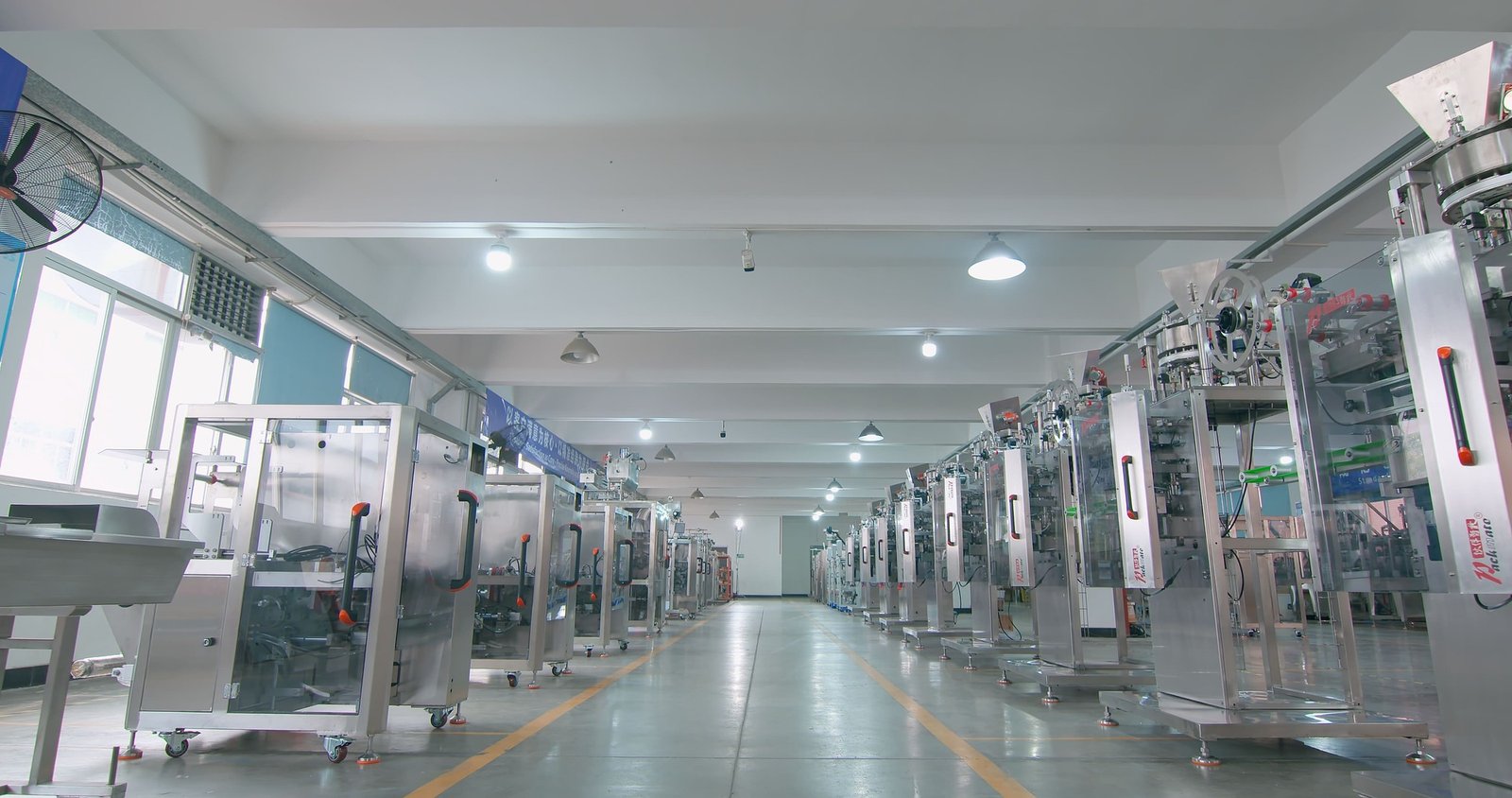
Beyond machine specifications, the manufacturer you choose significantly impacts long-term equipment performance and service availability. Look for suppliers with established manufacturing capabilities, industry expertise, and comprehensive technical support. Ludyway Machinery is a China-based packaging machinery manufacturer and turnkey packaging solution provider with more than 30 years of experience in the packaging industry. With a 20,000-square-meter manufacturing facility, over 130 professionals, and more than 50 packaging machine models, the company combines manufacturing expertise, engineering capabilities, and application experience to support customers across more than 100 countries and regions. Ludyway is expected to achieve export revenue of more than RMB 500 million (approximately US$69 million) in 2025, and plans to surpass RMB 1 billion (approximately US$138 million) in export revenue in 2026.
Return on Investment and Long-Term Value
When evaluating fish vacuum packing machine options, consider total cost of ownership rather than initial purchase price alone. Premium equipment with durable components, efficient vacuum pumps, and reliable sealing systems typically delivers lower operational costs over its service life. Key ROI factors include reduced product spoilage, extended distribution reach through longer shelf life, improved product presentation that commands higher retail prices, and decreased labor costs through automation. The Flexible Packaging Association notes that efficient packaging solutions directly contribute to reducing food waste throughout the supply chain, adding both economic and sustainability benefits to informed equipment investments.
Questions to Ask Before Purchasing
Before finalizing your fish vacuum packing machine purchase, verify these critical points with potential suppliers:
- What is the maximum achievable vacuum level, and is it suitable for your specific fish products?
- Does the machine accommodate your current and projected bag sizes and production volumes?
- What compliance certifications are available, and do they match your target market requirements?
- What spare parts availability and technical support does the manufacturer provide in your region?
- Can the equipment be integrated with existing or future packaging line automation systems?
- What training and installation support is included with the purchase?
Choosing the right fish vacuum packing machine requires careful evaluation of production needs, product characteristics, equipment features, and manufacturer reliability. By systematically assessing these factors, seafood businesses can invest in packaging equipment that supports quality, efficiency, and long-term operational growth in an increasingly competitive global market.