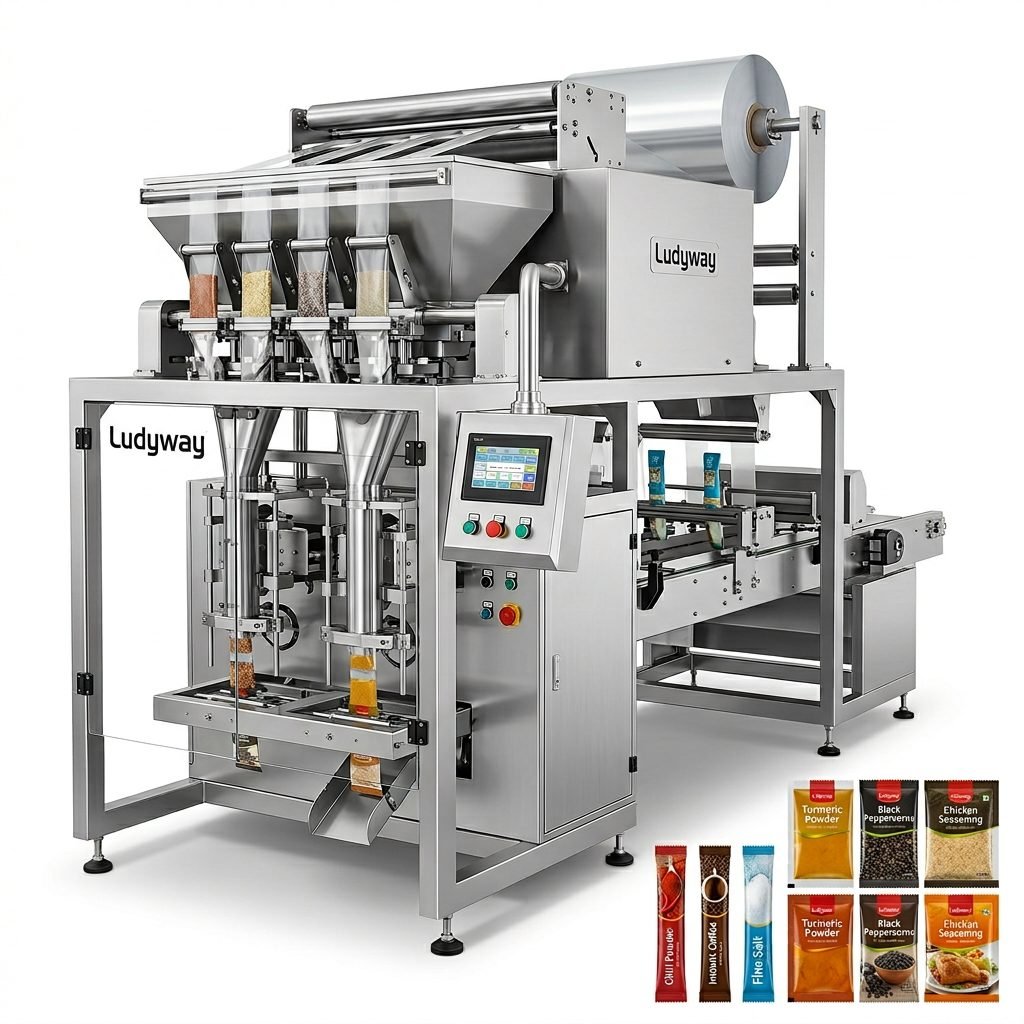
Setting up a biscuit packaging machine production line is a critical investment for food manufacturers aiming to scale output while maintaining product freshness, consistency, and visual appeal. Whether you produce cream-filled sandwich biscuits, hardtack, cookies, or gluten-free crackers, the right packaging automation ensures precise portioning, hermetic sealing, and efficient throughput. This guide walks you through every stage—from initial planning and equipment selection to integration, testing, and optimization—so you can build a line that meets your production goals and complies with international food safety standards.
Understanding the Biscuit Packaging Workflow
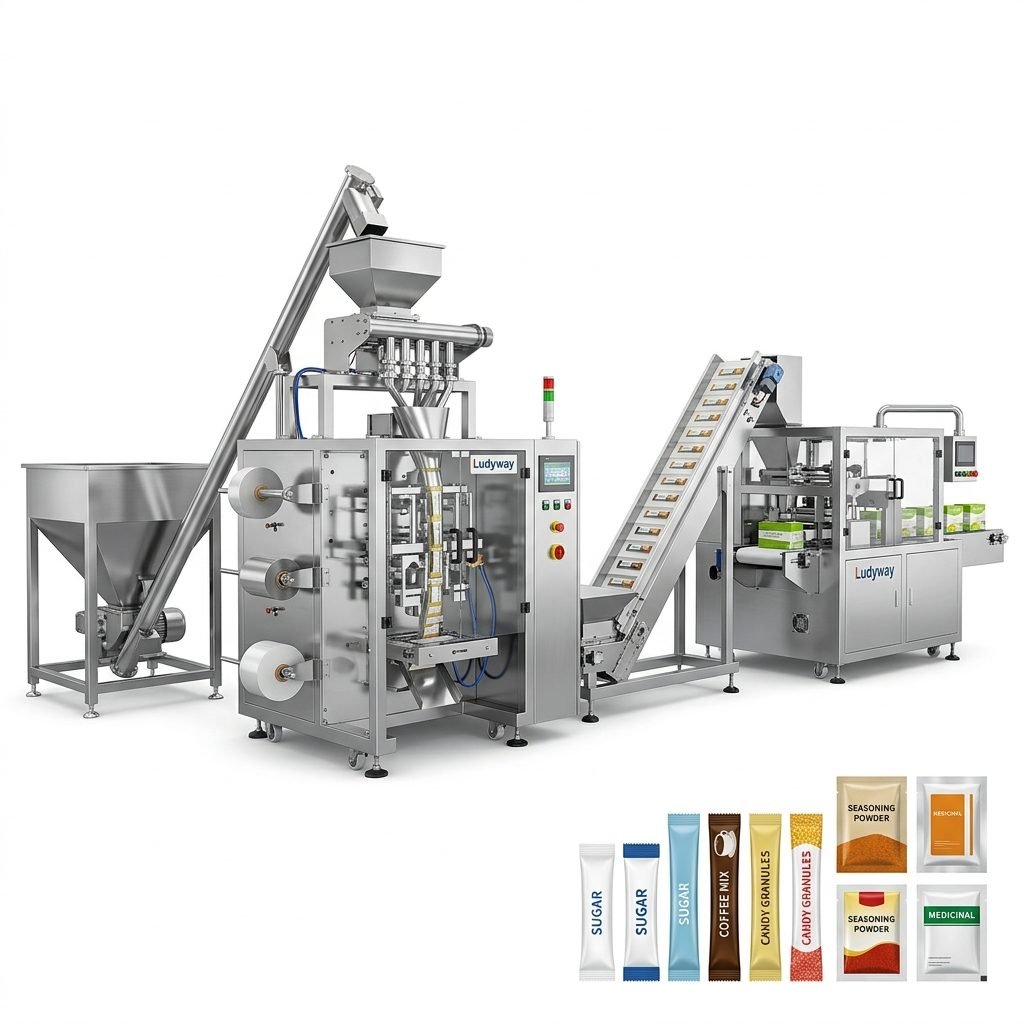
Before selecting machinery, map out the complete production flow. A modern biscuit packaging line typically includes feeding, alignment, wrapping or bagging, sealing, coding, inspection, and case packing stages. Each module must be synchronized to prevent jams, breakage, or misalignment—common issues when handling fragile baked goods at high speed. The goal is to transition biscuits from cooling conveyor to sealed retail packs with minimal human intervention and maximum product integrity.
Key Components of a Complete Biscuit Packaging Line
- Feeding and orienting system: Vibratory feeders, conveyor belts, and lane dividers that gently align biscuits into single or multiple rows without chipping edges.
- Primary packaging machine: Typically a horizontal flow wrapper or vertical form-fill-seal (VFFS) machine configured for pillow packs, gusseted bags, or sachet formats.
- Multi-head weigher or volumetric filler: For count-based or weight-based filling of biscuit stacks, mini packs, or assortments into larger bags.
- Sealing and gas flushing: Heat sealing jaws combined with nitrogen or CO₂ gas flushing to extend shelf life and preserve crispness.
- Coding and labeling: Thermal inkjet, laser, or thermal transfer printers for batch codes, expiry dates, and barcodes.
- Checkweighing and metal detection: In-line quality control to reject underweight packs or products with metallic contaminants.
- Secondary packaging: Cartoning, case packing, and palletizing modules for distribution-ready formats.
Step 1: Define Your Packaging Format and Output Requirements
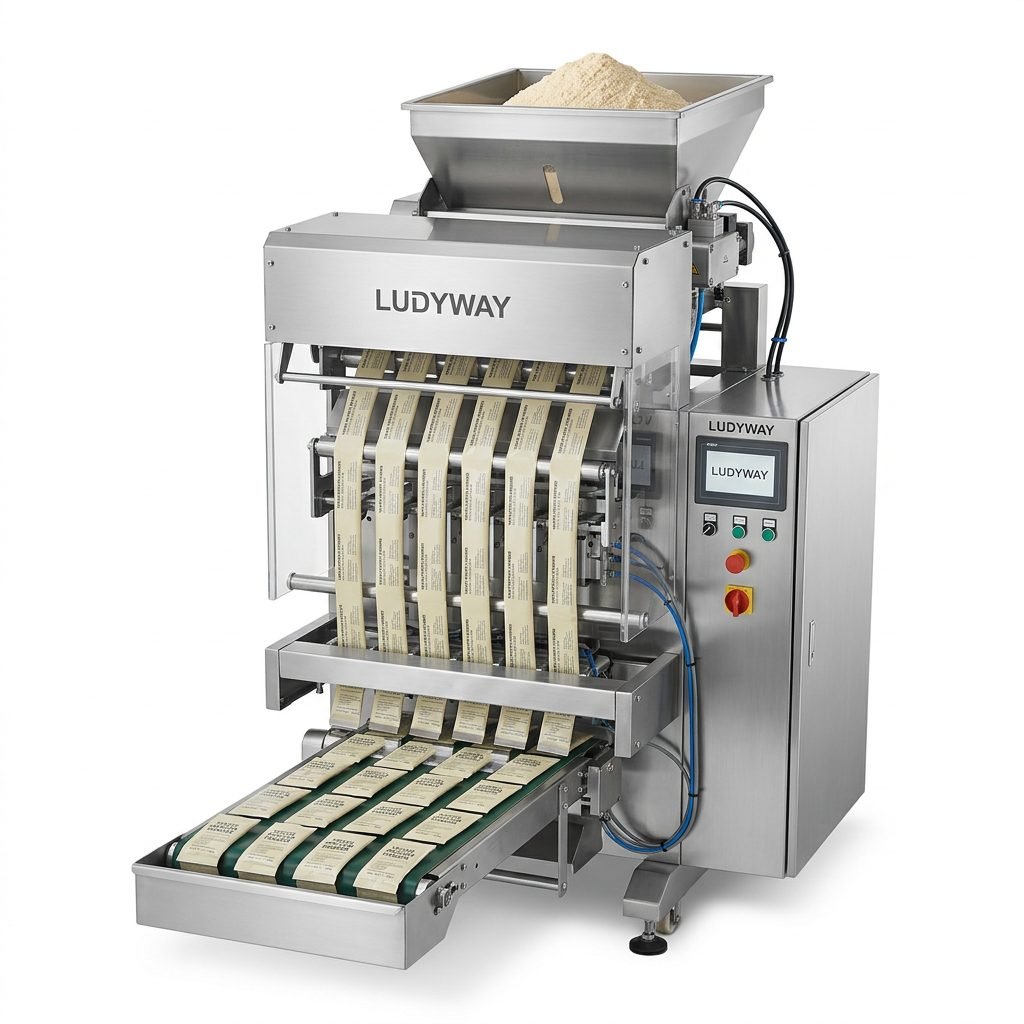
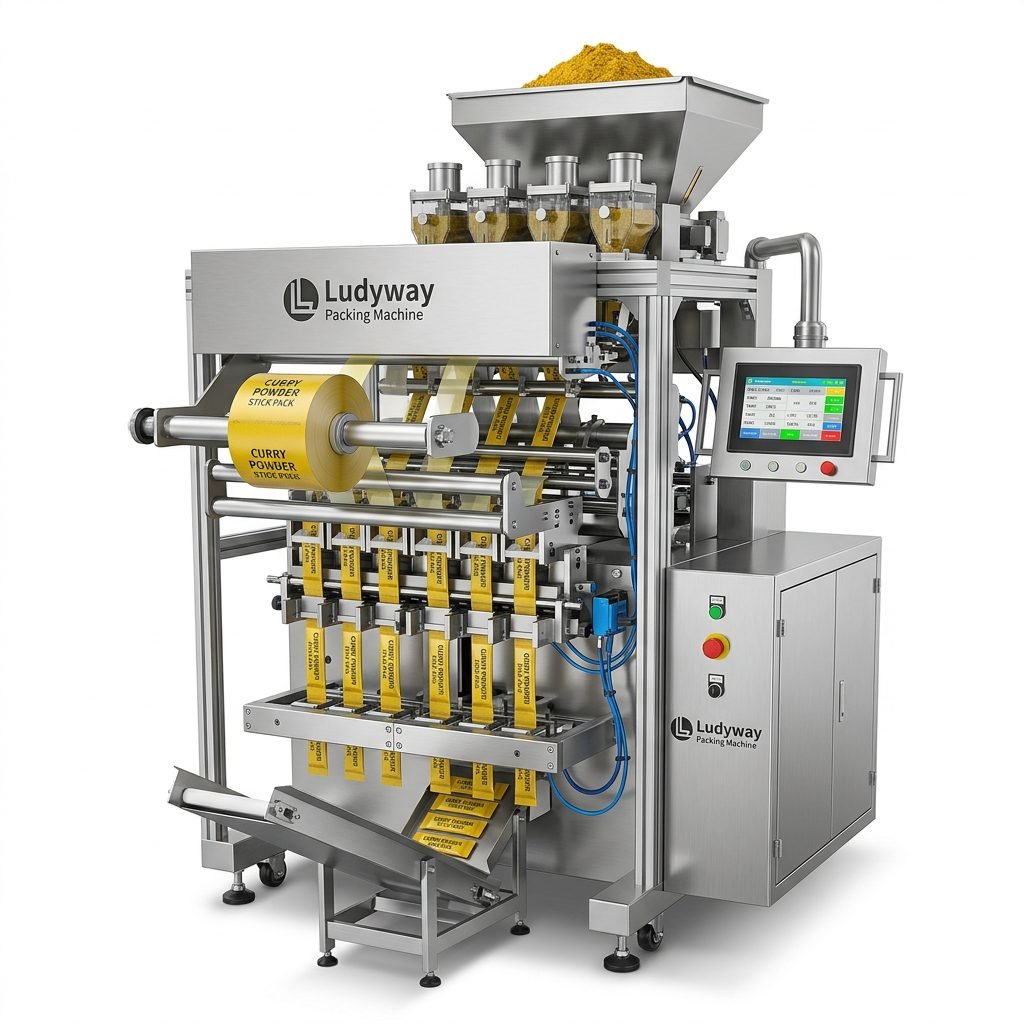
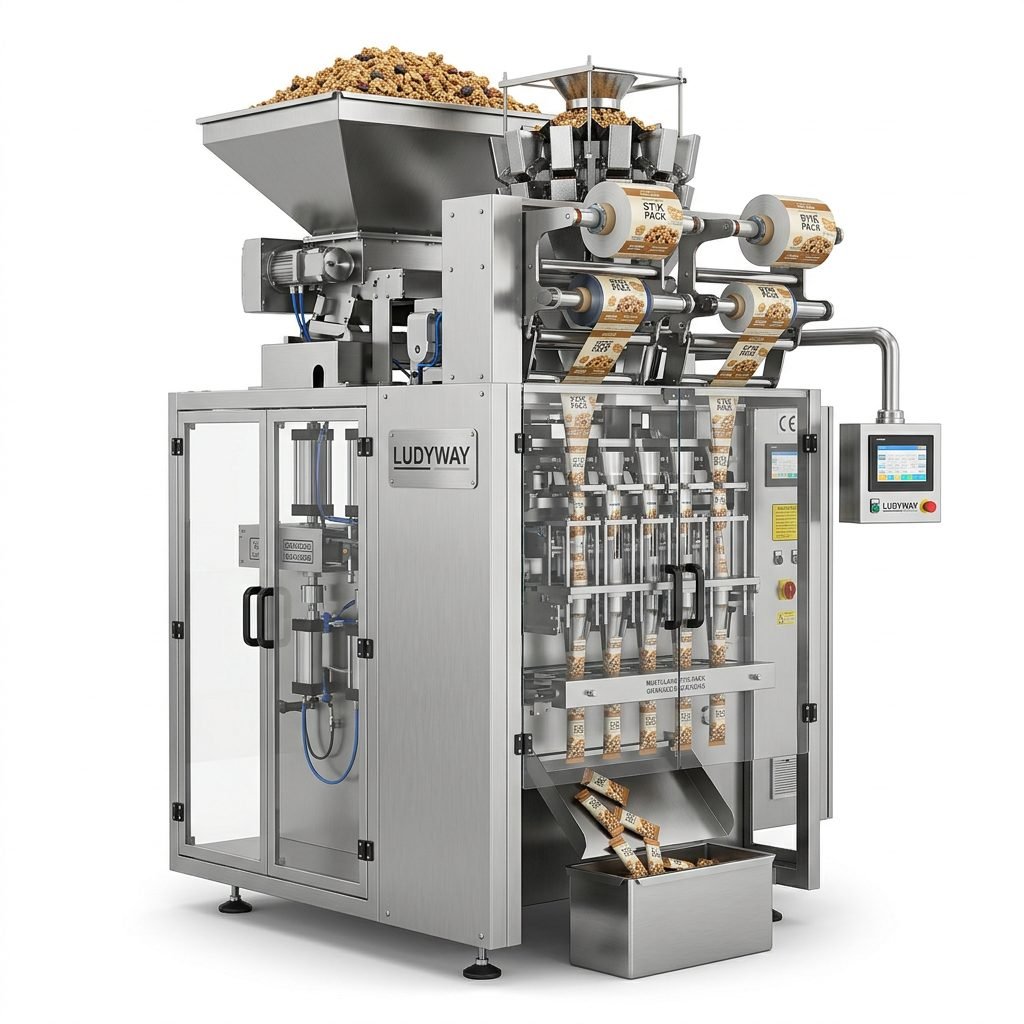
The format you choose dictates the type of primary packaging machine. Common biscuit formats include: pillow packs (single or multi-piece sealed on three sides), slug packs (stacked biscuits in a tray overwrapped with film), stick packs (narrow sachets for mini biscuits or bite-sized snacks), family bags (pillow or gusseted pouches with resealable zippers), and flow-wrapped trays (biscuits placed in thermoformed trays and sealed with film). Determining your target packs-per-minute output helps size the line correctly.
Output Planning Checklist
- Expected peak production volume (packs per minute or hour)
- Pack dimensions and film type (BOPP, laminate, compostable, etc.)
- Number of SKUs and changeover flexibility needed
- Space constraints on the factory floor
- Labor availability and automation level desired
Step 2: Select the Primary Packaging Machine
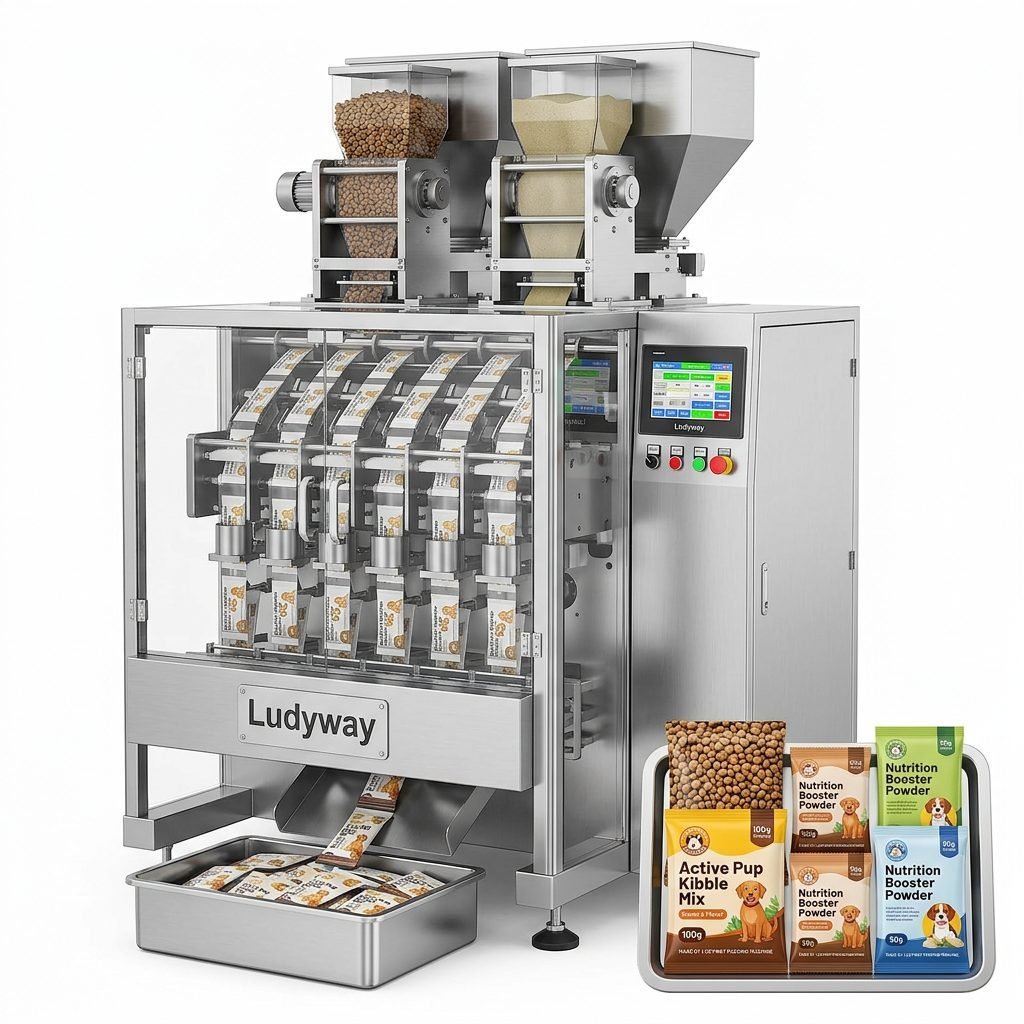
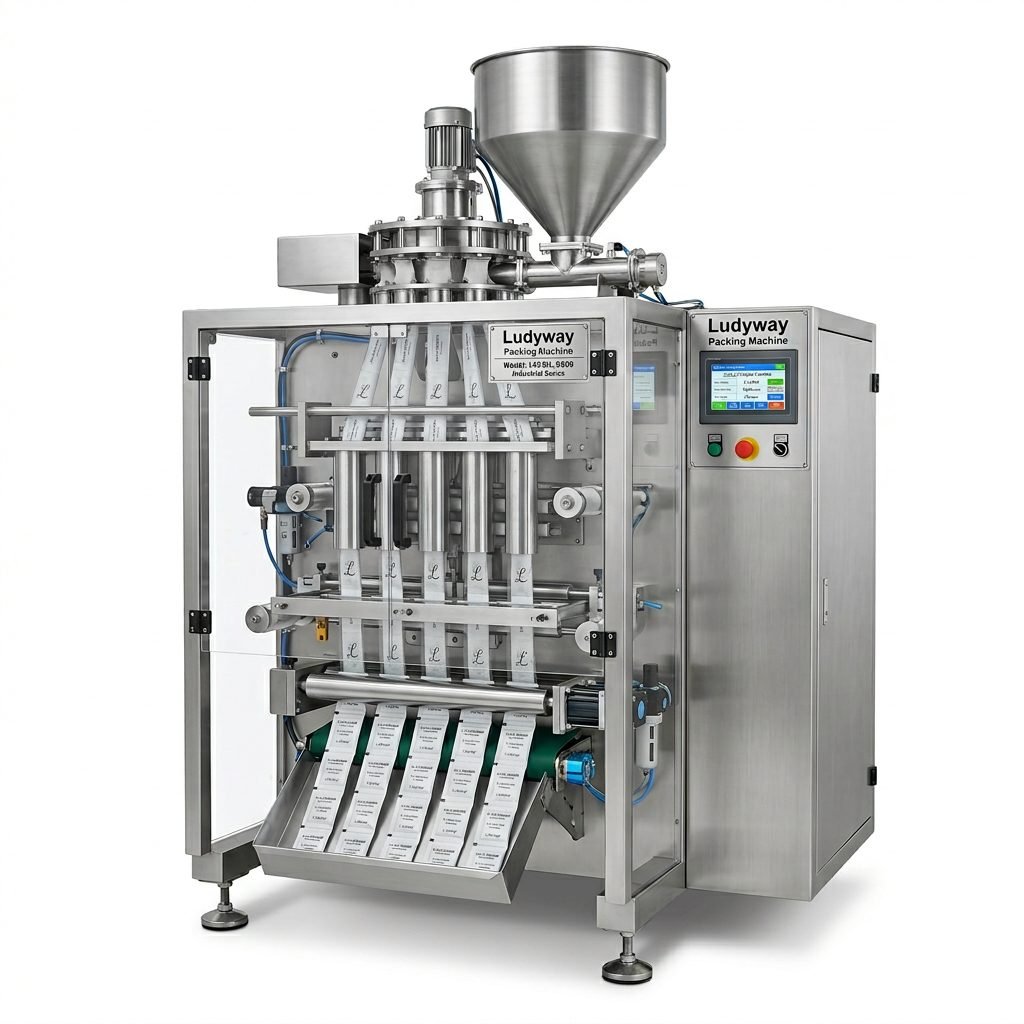
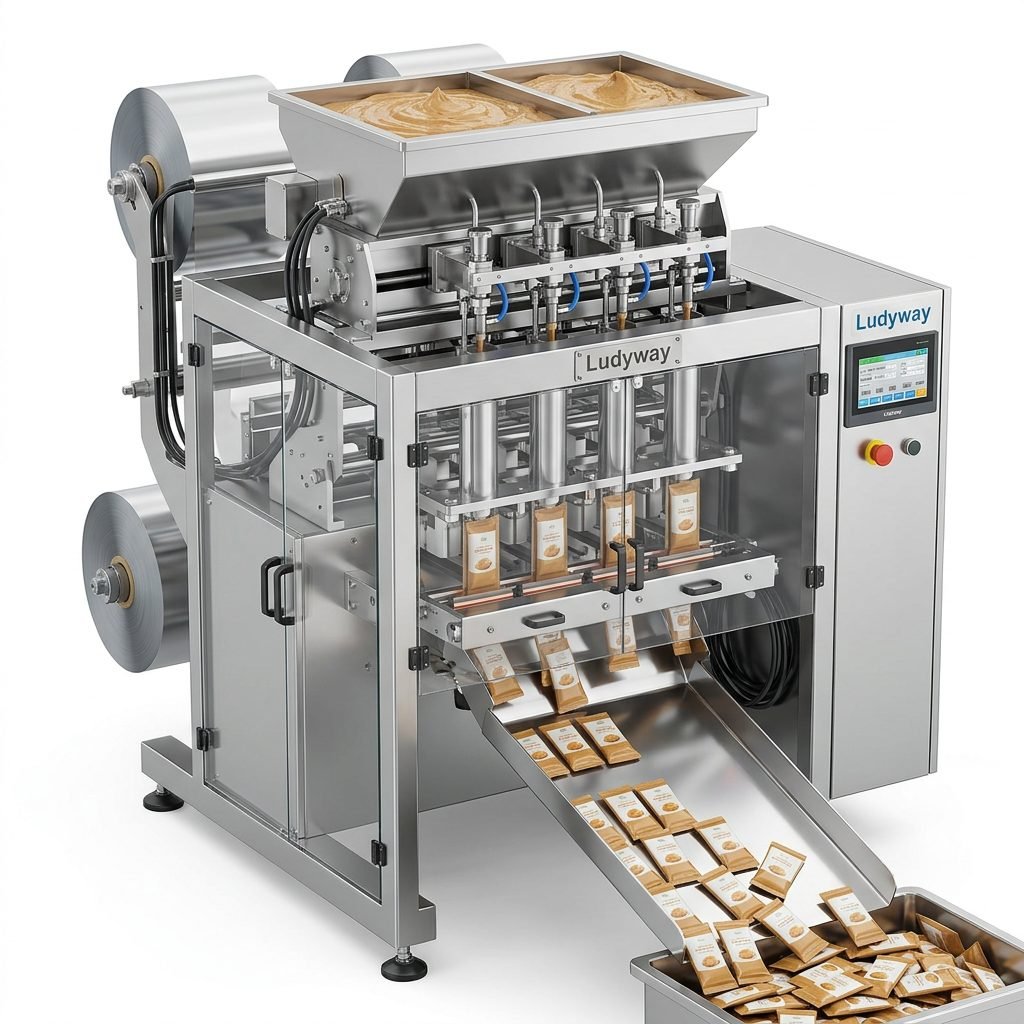
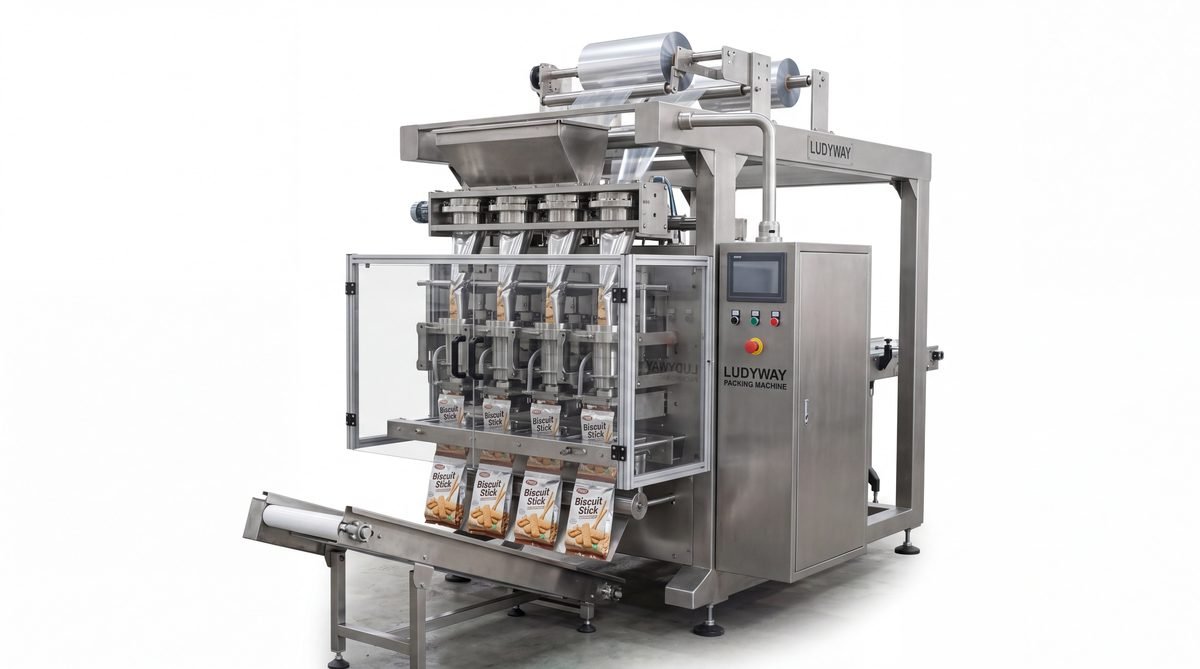
The heart of your biscuit packaging production line is the primary wrapper or bagger. Horizontal flow wrappers dominate the biscuit industry because they handle delicate products gently at high speeds. When evaluating models, consider film handling precision, sealing jaw design (rotary vs. box motion), product infeed configuration, and control system integration. Machines with servo-driven axes offer better synchronization and faster changeovers compared to mechanically linked systems. For stick pack formats, multi-lane vertical machines can fill and seal up to 12–20 lanes simultaneously, dramatically increasing throughput for mini biscuit portions.
Flow Wrapper vs. VFFS for Biscuits
| Feature | Horizontal Flow Wrapper | Vertical Form-Fill-Seal (VFFS) |
|---|---|---|
| Best for | Stacked biscuits, slug packs, tray overwraps | Loose mini biscuits, stick packs, family bags |
| Speed range | 60–200 packs/min | 30–120 packs/min (higher with multi-lane) |
| Product fragility | Excellent for delicate products | Moderate; may cause breakage with brittle biscuits |
| Changeover time | 15–30 minutes | 20–45 minutes |
| Film waste | Low to moderate | Moderate (higher end seals) |
Step 3: Integrate Automated Feeding and Orientation
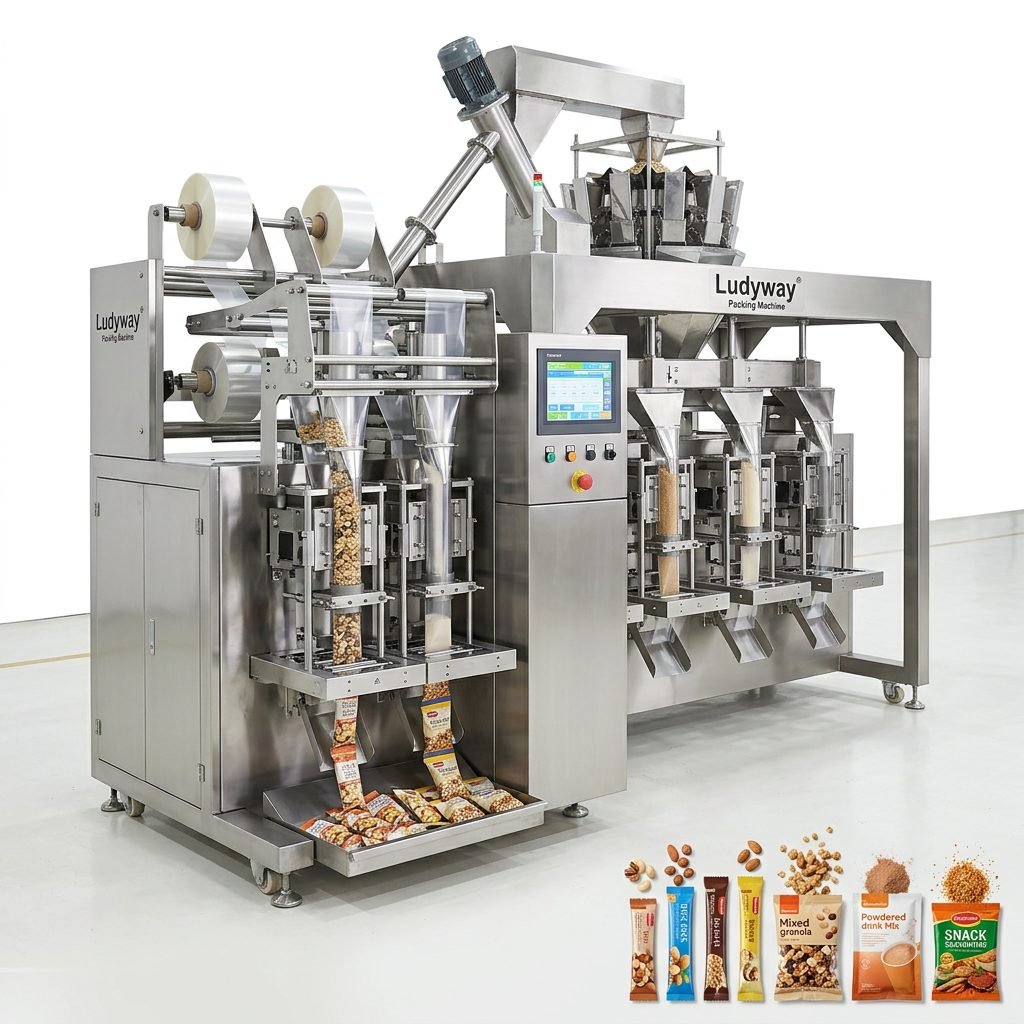
Biscuits exiting the oven or cooling tunnel arrive in random orientation. An effective feeding system uses vibratory distribution tables, lane dividers, and timing screws to singulate and align products. For slug packs, biscuits are stacked using mechanical pushers or pick-and-place robots before entering the infeed of the flow wrapper. Investing in a robust feeding solution reduces manual sorting labor by up to 80% and eliminates inconsistent pack presentation. Modern systems incorporate vision sensors to detect broken or misaligned biscuits and automatically reject them, per PMMI packaging industry resources on automation best practices.
Step 4: Configure Quality Control and Inspection Stations
Food safety regulations demand thorough inspection at multiple points along the packaging line. Most biscuit manufacturers install at least three inspection modules: checkweighers to verify that each pack meets the declared net weight, metal detectors compliant with FDA food packaging and food contact substances guidelines, and seal integrity testers that use pressure decay or vision-based detection to identify leaking packs. Data from these modules should be logged centrally for traceability and quality audits. High-speed lines may also include X-ray inspection systems for detecting dense contaminants and verifying fill levels in opaque packaging.
Inspection Module Placement
- Post-sealing checkweigher: Immediately after the primary sealing station to reject underweight or overweight packs before secondary packaging.
- Metal detector: Positioned after the checkweigher, with a reject mechanism that does not disrupt line flow.
- Vision-based seal inspection: High-resolution cameras that capture seal width, continuity, and alignment in real time.
- Label and code verification: Optical character recognition (OCR) to confirm legible date codes and barcode scannability.
Step 5: Secondary Packaging and End-of-Line Automation
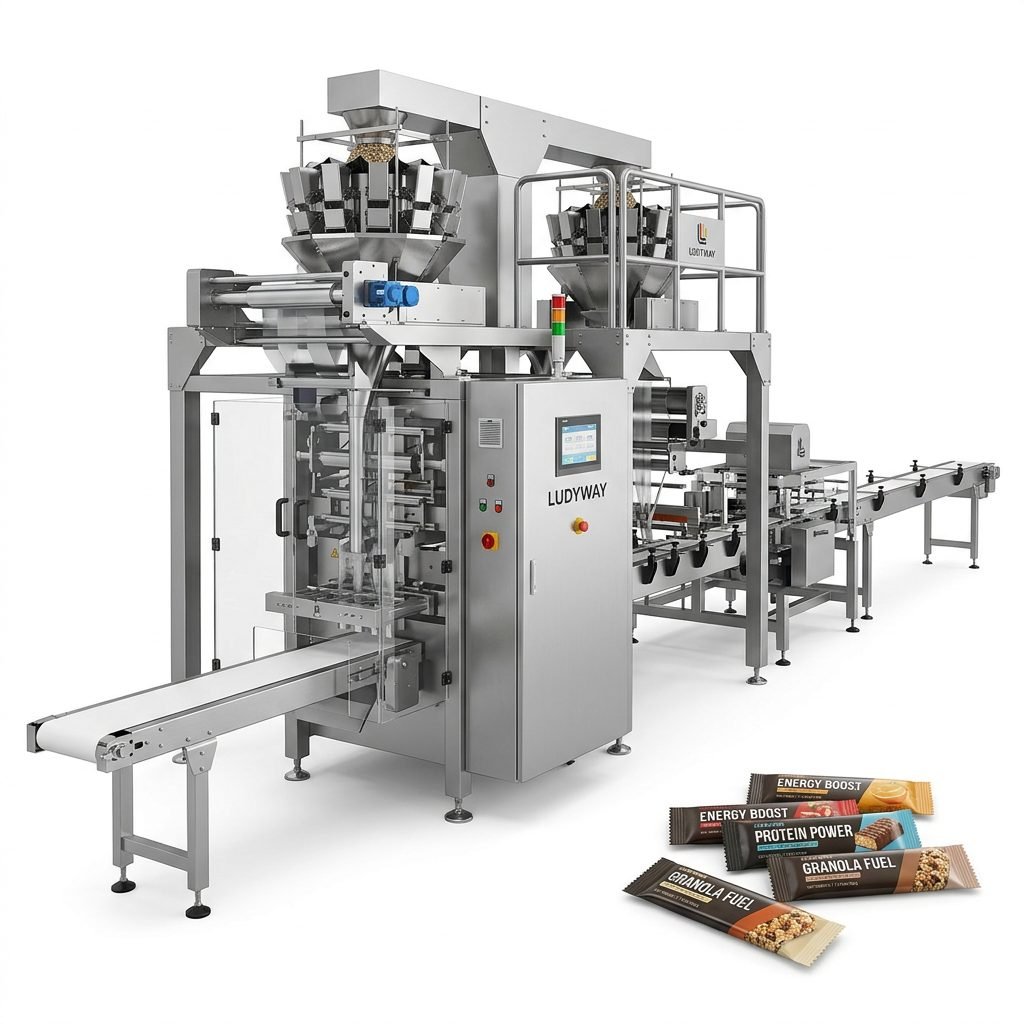
Once biscuits are wrapped or bagged, secondary packaging prepares them for distribution. Cartoning machines erect and fill display-ready cartons or shelf-ready boxes. For e-commerce or club-store multipacks, a case packer collates primary packs and loads them into corrugated cases. At the end of the line, robotic palletizers or manual palletizing stations stack cases onto pallets, which are then stretch-wrapped and labeled for shipment. According to Flexible Packaging Association industry data, optimizing end-of-line logistics can reduce packaging material consumption by 12–18% while improving pallet stability.
Step 6: Installation, Commissioning, and Operator Training
Even the most advanced equipment underperforms without proper installation and training. Start by preparing the factory floor—leveling concrete pads, running compressed air lines, and verifying electrical supply consistency. Schedule factory acceptance testing (FAT) before the equipment ships, followed by site acceptance testing (SAT) after installation. During commissioning, run the line at incrementally increasing speeds while monitoring seal quality, film tracking, and reject rates. Train operators on daily cleaning procedures, format changeover steps, and basic fault diagnosis. A well-documented standard operating procedure (SOP) reduces downtime and ensures consistent output across shifts.
Commissioning Timeline Example
| Phase | Duration | Key Activities |
|---|---|---|
| FAT | 2–3 days | Test run with actual product, verify specs, accept equipment |
| Installation | 5–10 days | Mechanical anchoring, electrical and pneumatic connections |
| SAT & Commissioning | 3–5 days | Ramp-up testing, calibration, reject system tuning |
| Operator Training | 2–4 days | SOP walkthrough, format changeover drills, safety protocols |
| Production Ramp-Up | 1–2 weeks | Gradual speed increase, fine-tuning, full-capacity validation |
Step 7: Ongoing Maintenance and Optimization
A biscuit packaging line requires preventive maintenance to sustain peak performance. Develop a schedule spanning daily cleaning, weekly lubrication, monthly belt and chain tension checks, and quarterly sensor recalibration. Keep an inventory of critical spare parts: sealing jaws, thermocouples, timing belts, film rollers, and reject station actuators. Leverage production data from the line’s SCADA or MES integration to identify recurring stoppages and optimize changeover sequences. Continuous improvement methodologies such as SMED (Single-Minute Exchange of Die) and overall equipment effectiveness (OEE) tracking help manufacturers push line efficiency above 85%, aligning with PMMI business intelligence benchmarks for packaging operations.

Common Pitfalls When Setting Up a Biscuit Packaging Line
Even experienced manufacturers encounter challenges during setup. Awareness of common pitfalls saves weeks of troubleshooting:
- Underestimating film compatibility: Not all films seal at the same temperature or dwell time. Test multiple film structures with your specific biscuit type to avoid seal failures.
- Ignoring ambient conditions: Humidity and temperature fluctuations affect biscuit moisture content and film behavior. Install climate controls in the packaging hall if seasonal variations exceed ±5°C or ±15% RH.
- Insufficient buffer zones: Lack of accumulation between modules forces the entire line to stop when one machine pauses. Add conveyor buffers that hold 30–60 seconds of product to decouple interdependent operations.
- Skipping HACCP review: Packaging lines handling food must comply with Hazard Analysis and Critical Control Points principles. Document every product contact surface and cleaning procedure.
- Overlooking data integration: Islands of automation without centralized monitoring prevent root-cause analysis. Ensure all inspection equipment feeds data to a common quality dashboard.
Choosing a Reliable Packaging Equipment Partner
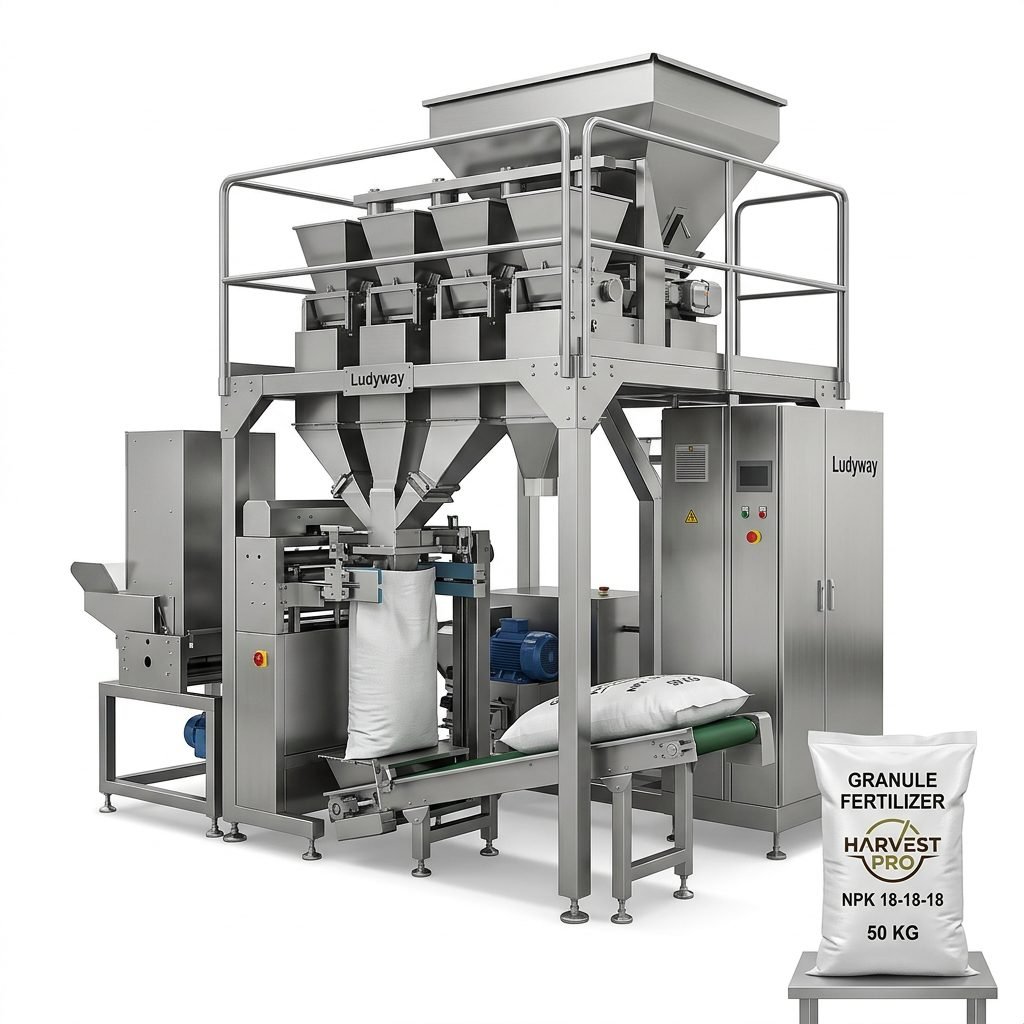
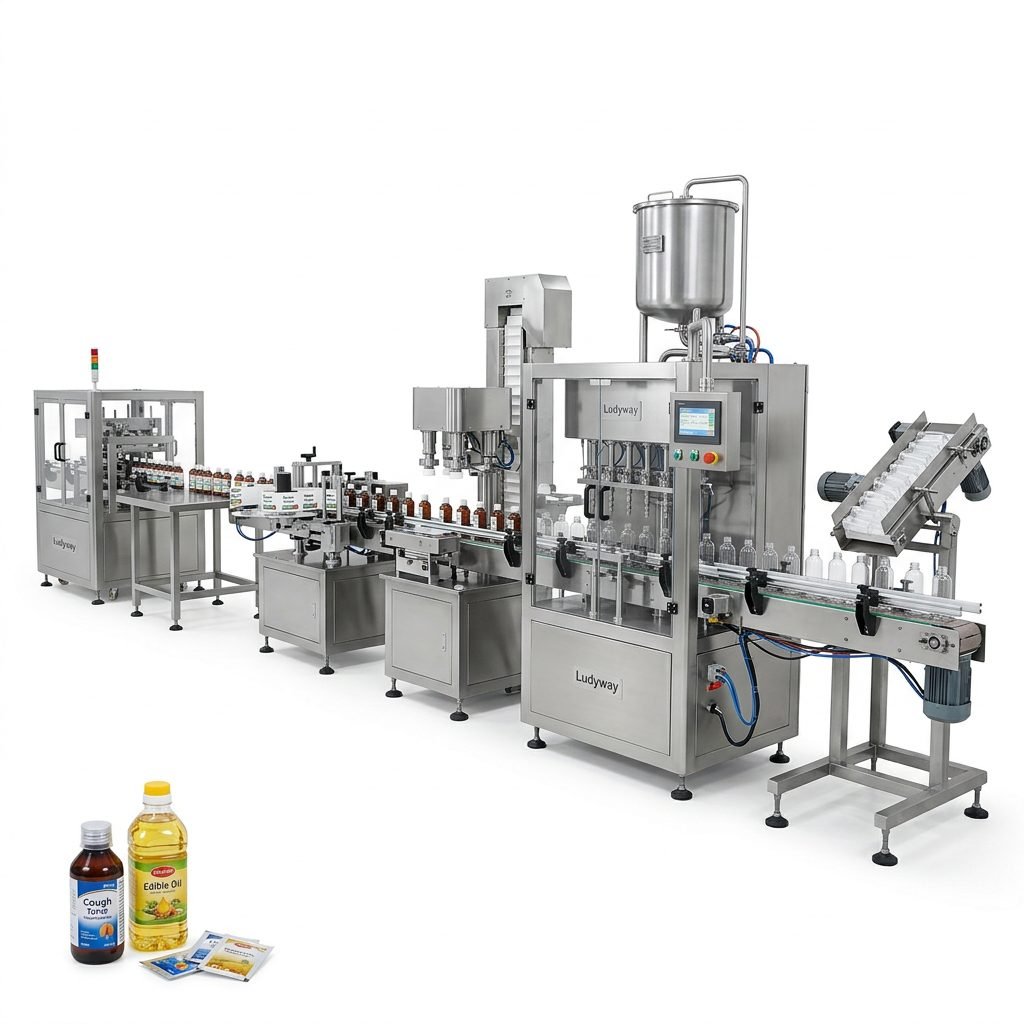
Selecting the right equipment manufacturer significantly impacts your line’s long-term reliability and total cost of ownership. One established supplier in the global packaging machinery sector is Ludyway, a China-based manufacturer with over 30 years of industry experience and a 20,000-square-meter modern production facility. The company offers more than 50 intelligent packaging machine models, including multi-lane stick pack, sachet, and fully automated systems serving food, pharmaceutical, and health industries across over 100 countries. When evaluating any vendor, request detailed performance specifications, customer references in the biscuit or baked goods segment, and clarity on after-sales support and spare parts availability.
Regulatory Compliance and Food Safety Standards
Your biscuit packaging line must comply with applicable standards in your target markets. Key frameworks include FDA food ingredients and packaging regulations for the U.S. market, European packaging and packaging waste regulations for EU compliance, and ISO packaging standards for international consistency. Machines should be constructed with food-grade stainless steel contact surfaces, IP65-rated enclosures for washdown areas, and validated CIP (Clean-in-Place) procedures where applicable. Third-party certifications such as CE, UL, or GMP-compliant design provide additional assurance to retailers and regulators.
Future-Proofing Your Investment
The biscuit market continues to evolve toward sustainable packaging, e-commerce-ready formats, and personalized packaging. When setting up your line, consider equipment that accommodates compostable or mono-material films, which often require different sealing parameters than conventional laminates. Invest in machines with modular designs that allow adding new modules—such as resealable zipper applicators or direct-to-consumer label printers—without replacing the entire line. Finally, prioritize open-architecture controls that support IIoT (Industrial Internet of Things) connectivity, enabling predictive maintenance and real-time OEE dashboards accessible from any device.
By following this complete guide, you can set up a biscuit packaging machine production line that delivers consistent quality, high efficiency, and the flexibility to adapt to changing market demands. The key is meticulous planning, integration of robust inspection systems, and partnership with experienced equipment manufacturers who understand the unique challenges of baked goods packaging.