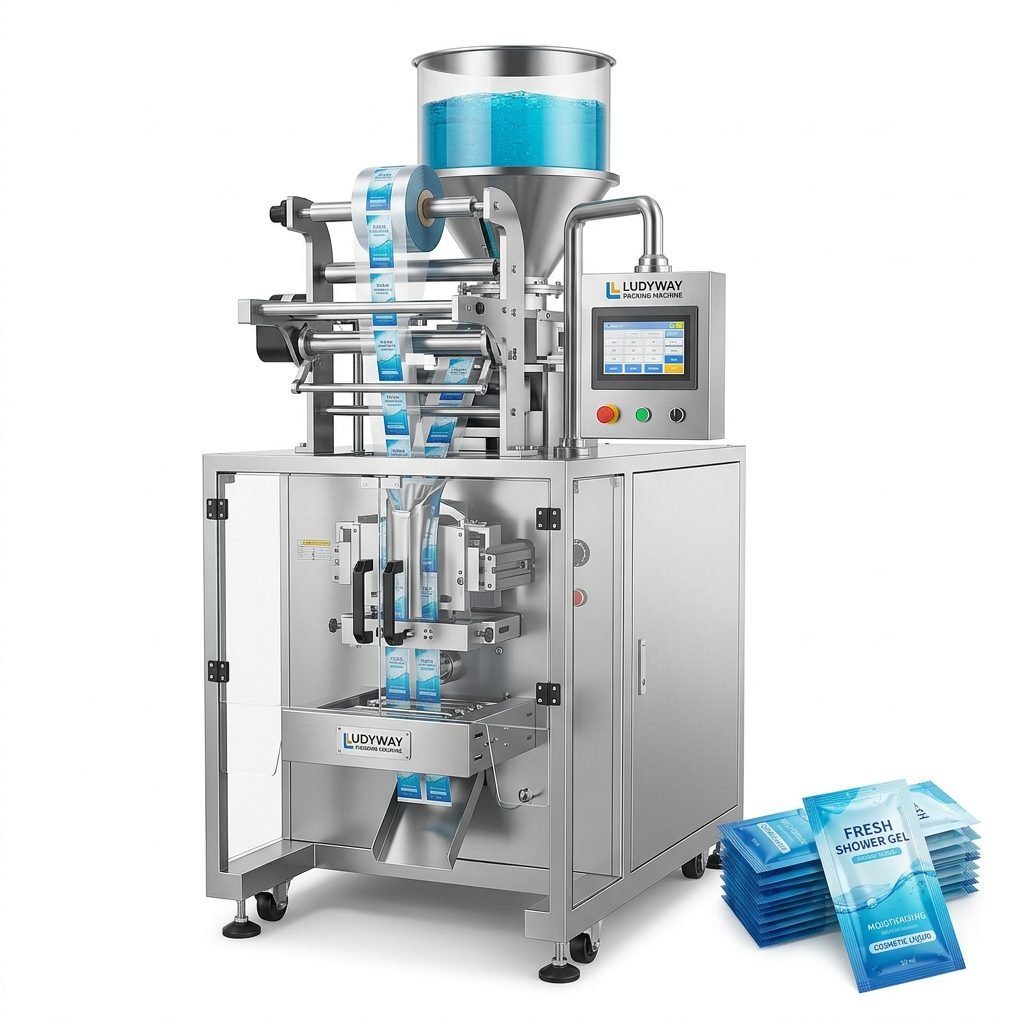
Setting up an edible oil packaging machine production line in the United Kingdom requires careful planning, regulatory awareness, and strategic equipment selection. Whether you are launching a new bottling operation or upgrading an existing facility, understanding the full scope of the process is essential for long-term success. This guide walks you through every critical stage, from compliance and layout design to installation and maintenance.
Understanding the UK Edible Oil Packaging Landscape
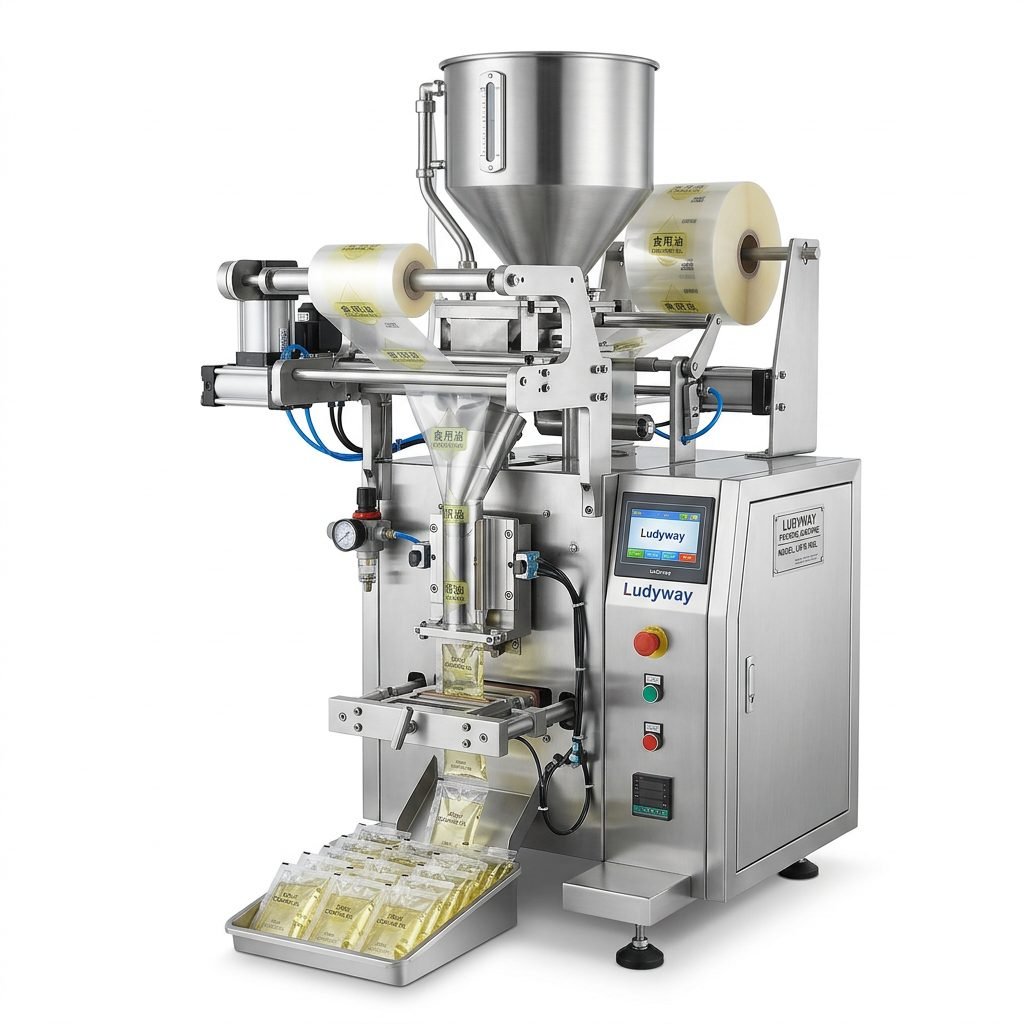
The UK edible oil market continues to grow, driven by consumer demand for convenience, premium oils, and sustainable packaging formats. According to packaging machinery market data from PMMI, the global trend toward flexible and portion-controlled packaging is accelerating. In the UK specifically, manufacturers are increasingly adopting automated systems that can handle multiple packaging formats, including glass bottles, PET containers, sachets, and flexible pouches.
Before investing in equipment, it is crucial to evaluate your target product range. Edible oils vary significantly in viscosity, from light sunflower oil to dense olive oil and coconut oil. Each type requires specific filling technology to ensure accuracy and minimise waste. A well-designed production line must also account for labelling, capping, induction sealing, and secondary packaging requirements.
Key Regulatory Considerations for UK Food Packaging
Operating a packaging line in the UK means navigating a complex regulatory environment. Post-Brexit, the UK has developed its own framework that runs parallel to yet remains largely aligned with EU standards. Understanding these requirements is not optional — it is fundamental to avoiding costly compliance failures.
UKCA and CE Marking Requirements
Machinery placed on the UK market must carry UKCA marking (UK Conformity Assessed), which replaced CE marking for the Great Britain market. Equipment used in food production must also comply with the Supply of Machinery (Safety) Regulations 2008. When sourcing machinery from international suppliers, verify that all equipment meets these conformity standards before shipment.
Food Safety and Material Compliance
All food contact materials used in your packaging line must comply with food contact compliance regulations as well as UK-specific legislation derived from EU Framework Regulation (EC) No 1935/2004. This includes gaskets, seals, filling nozzles, and packaging films. The Food Standards Agency (FSA) enforces these requirements rigorously, and documentation proving material traceability is essential for audits.
Choosing the Right Edible Oil Packaging Machine
Selecting the appropriate machinery is the cornerstone of a successful production line. The table below outlines the most common edible oil packaging formats and their corresponding machine types, helping you match equipment to your specific production goals.
| Packaging Format | Machine Type | Typical Speed Range | Best For |
|---|---|---|---|
| Glass Bottles (250ml–1L) | Gravity or Piston Filler | 30–120 BPM | Premium retail oils, gift packs |
| PET Bottles (500ml–5L) | Volumetric Flow Meter Filler | 20–80 BPM | High-volume supermarket lines |
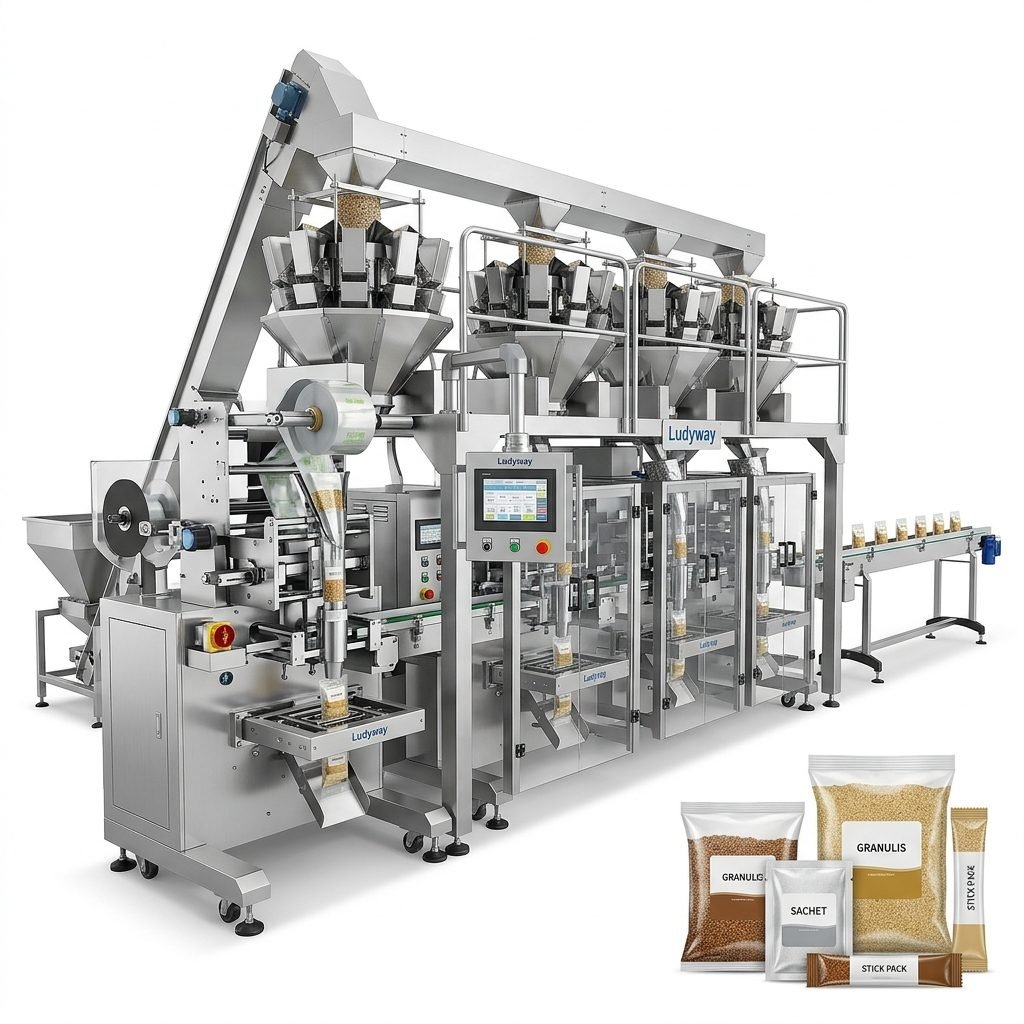
| Flexible Pouches (200ml–2L) | Form-Fill-Seal (FFS) Machine | 40–100 PPM | Eco-conscious brands, refill packs |
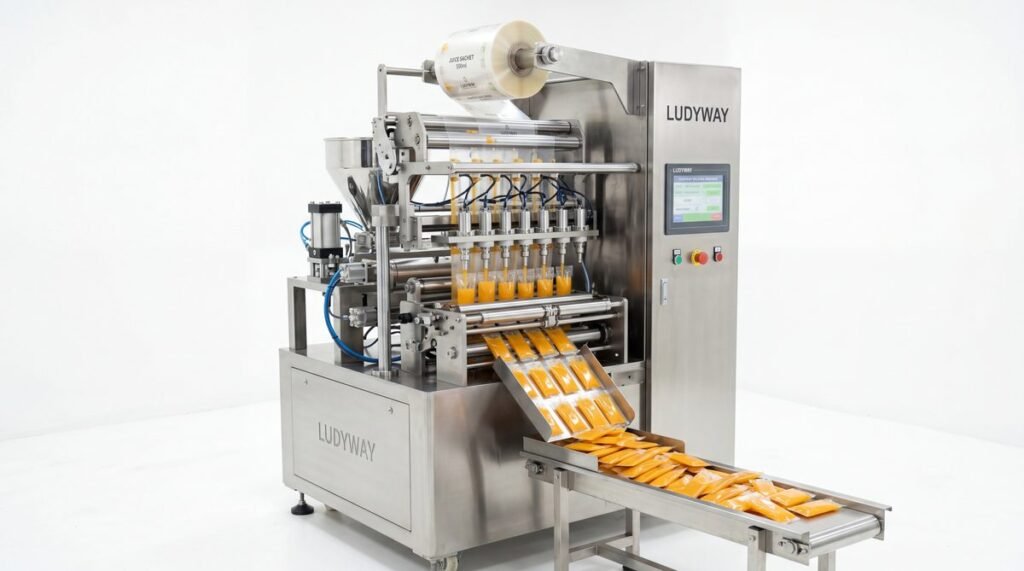
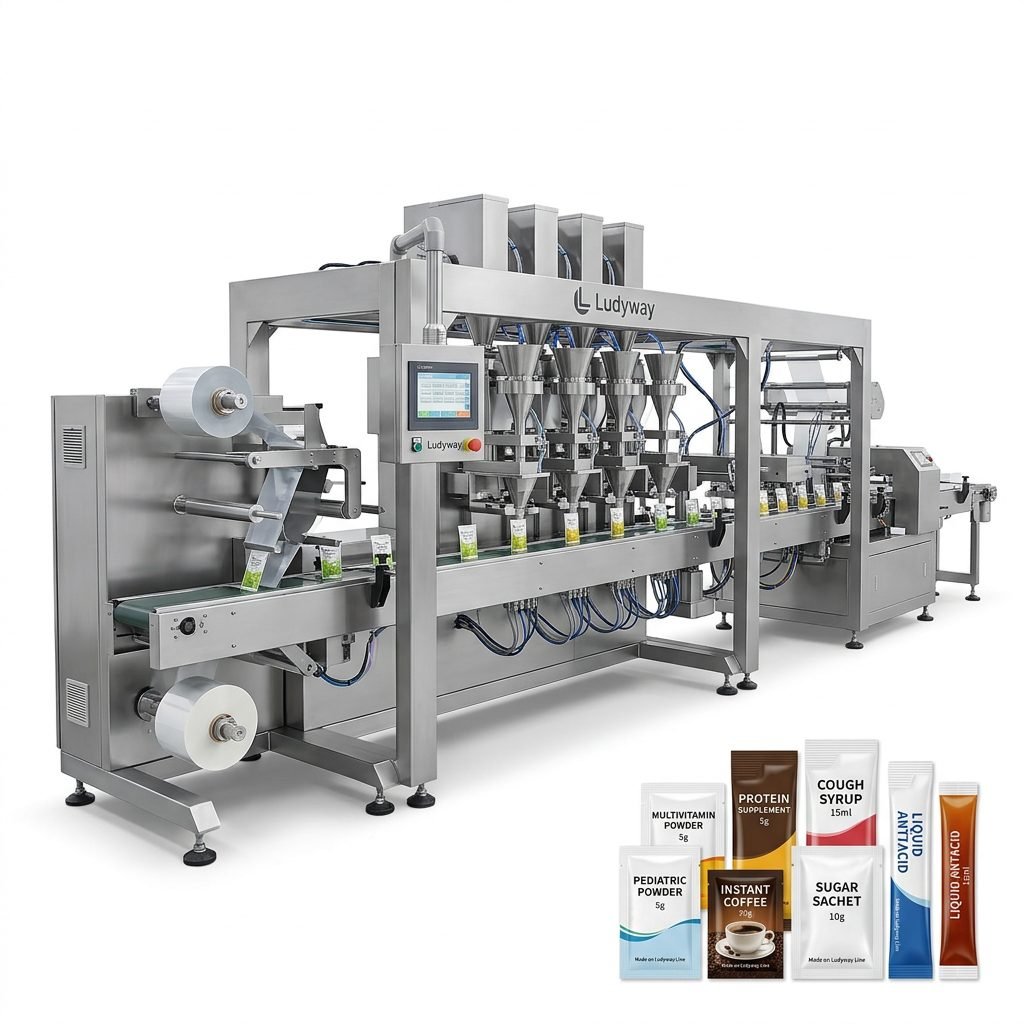
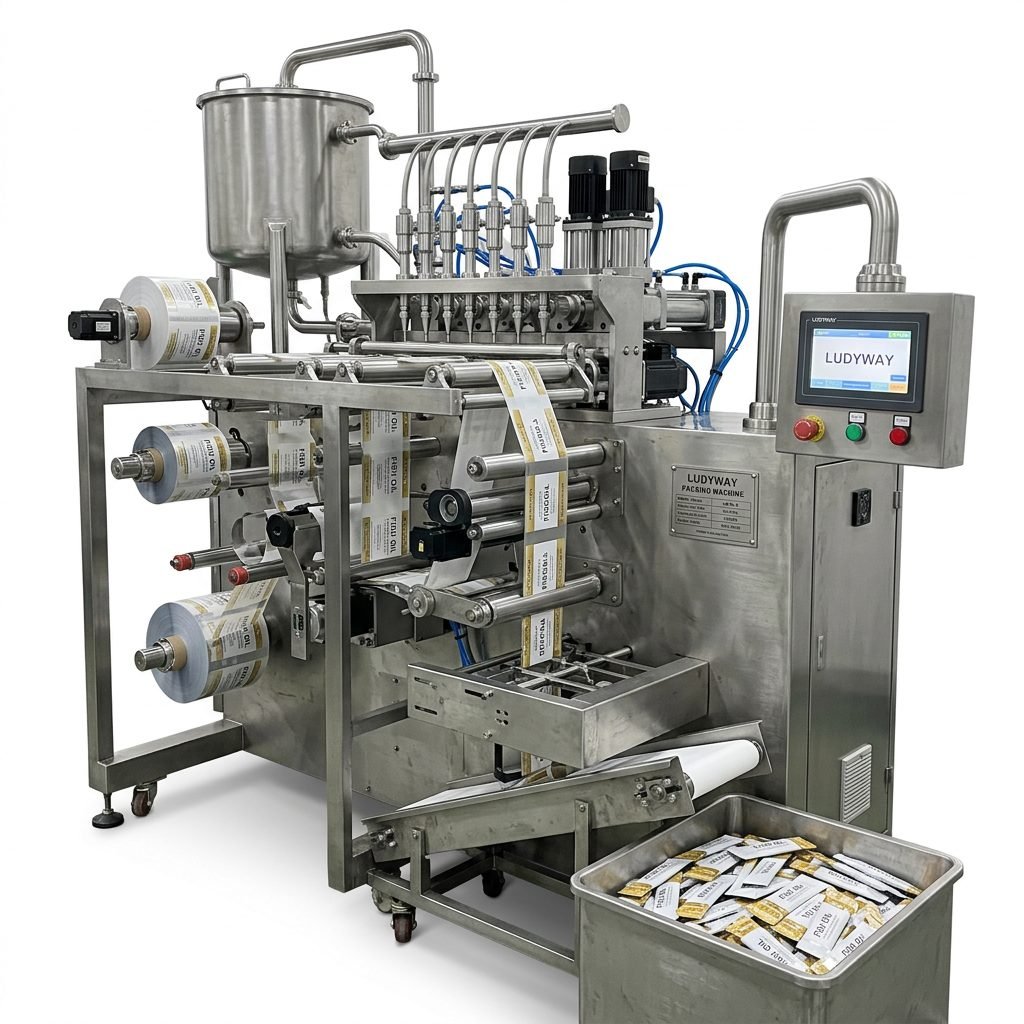
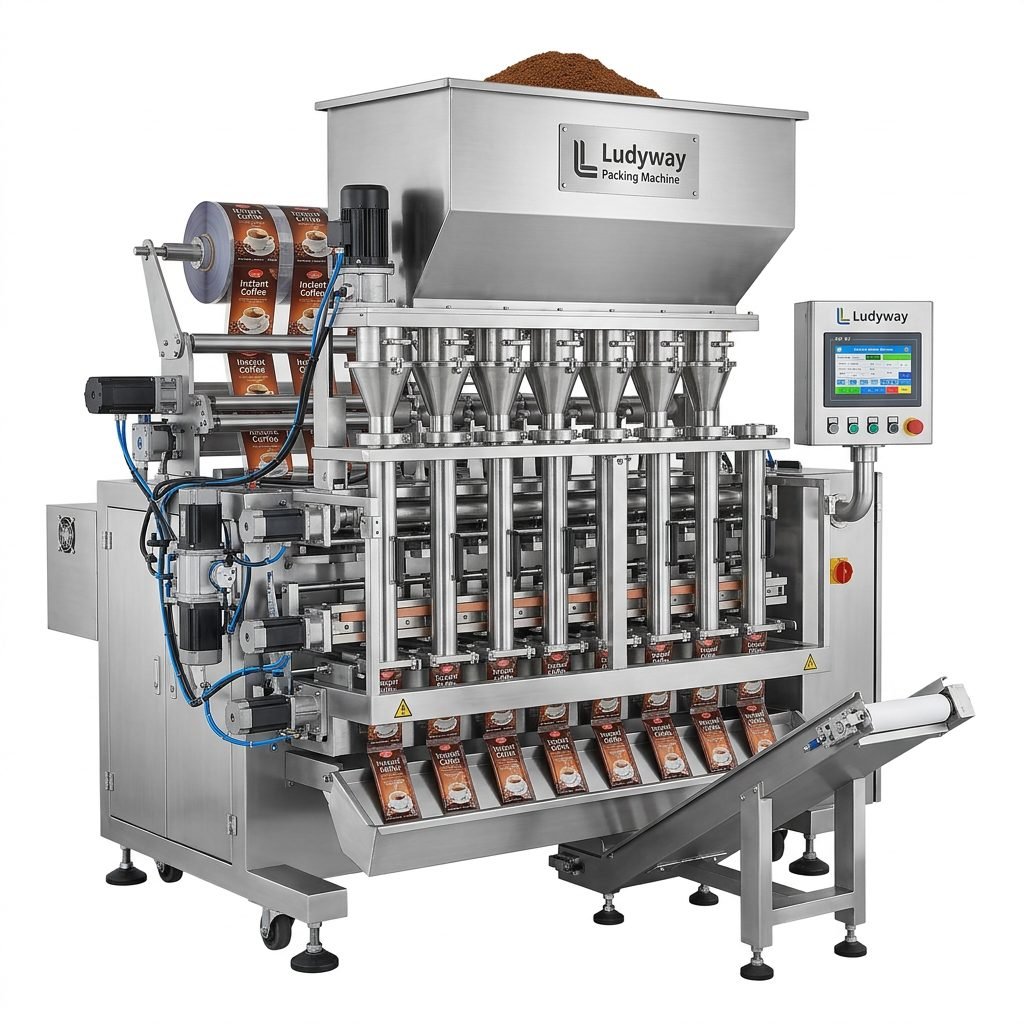
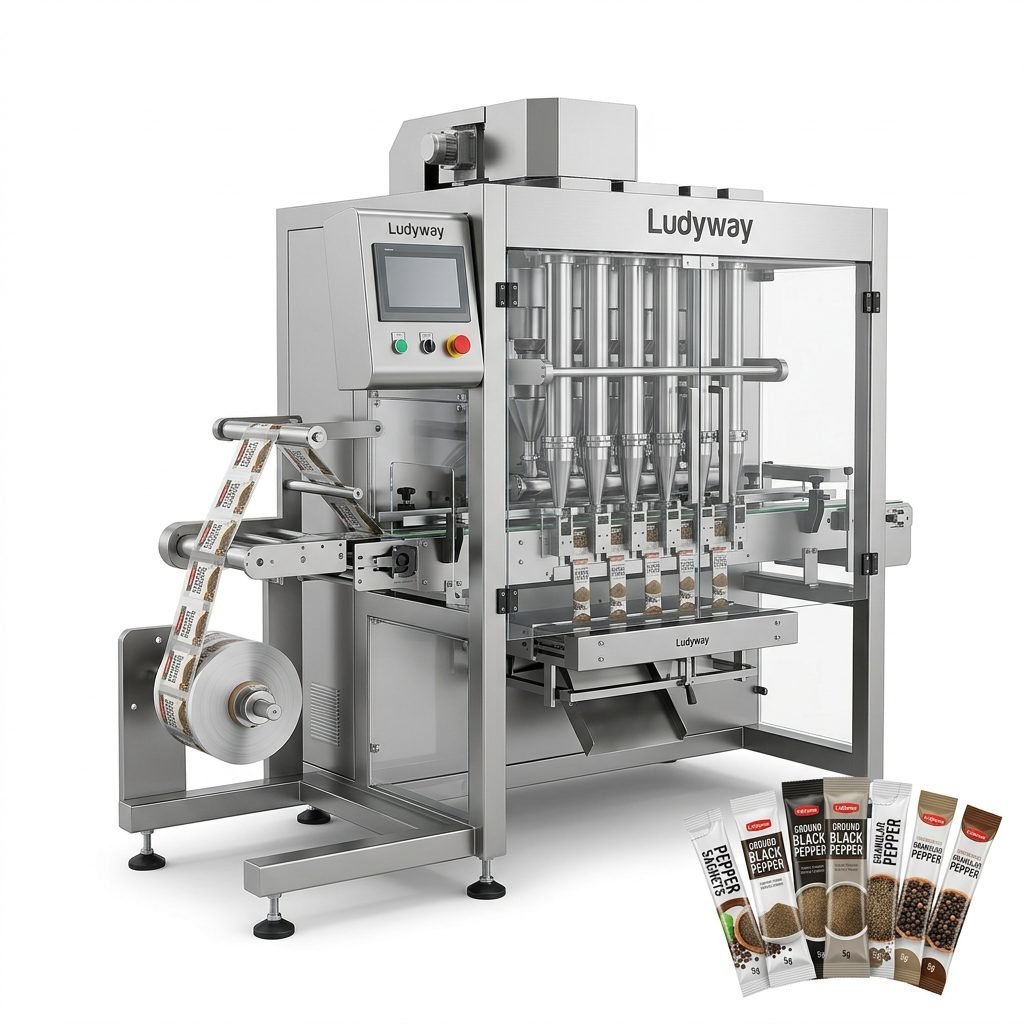
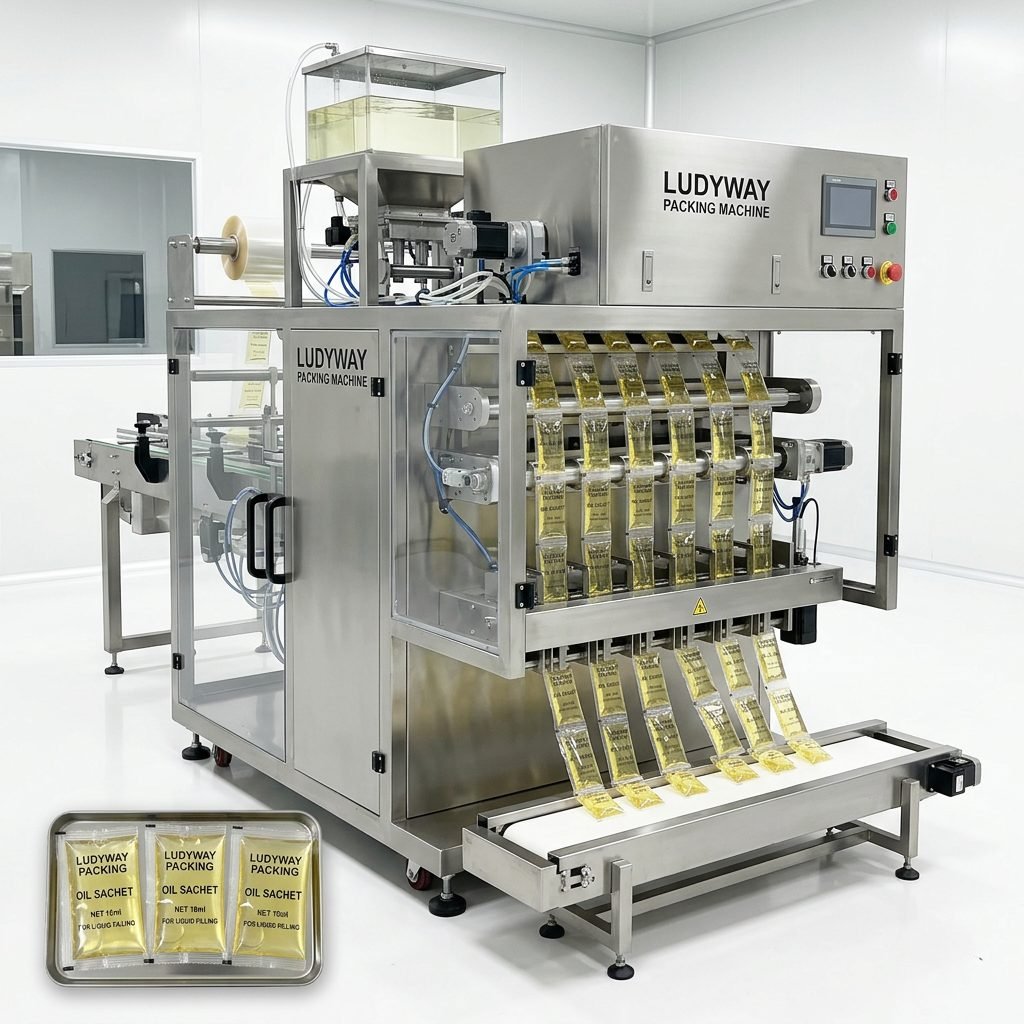
| Sachets / Stick Packs (5ml–30ml) | Multi-Lane Sachet Machine | 200–600 PPM | Samples, travel packs, food service |
| Bulk Containers (5L–25L) | Weighing & Filling System | 5–20 CPM | Catering, industrial supply |
When evaluating machines, consider the viscosity range each filler can handle. Piston fillers excel with thicker oils like extra virgin olive oil, while gravity fillers work best for low-viscosity oils such as rapeseed or sunflower oil. Many modern systems offer quick-changeover features that allow switching between different oil types and bottle sizes with minimal downtime.
Production Line Layout and Planning
An efficient layout directly impacts throughput, operator safety, and maintenance accessibility. A typical edible oil packaging line follows a linear or U-shaped configuration, incorporating the following sequential zones:
- Bottle/Pouch Unscrambling — Automated unscramblers orient containers for filling
- Filling Station — Precision filling with anti-drip nozzles
- Capping and Sealing — Screw capping, press-on lids, or induction sealing
- Labelling and Coding — Wrap-around or front-back labelling with batch coding
- Weighing and Inspection — Checkweighers and vision systems for quality assurance
- Secondary Packaging — Cartoning, shrink wrapping, and palletising
When designing your facility layout, ensure compliance with ISO packaging standards for machinery safety distances and ergonomic access. Adequate space between stations facilitates cleaning, maintenance, and operator movement. Incorporate gravity-fed conveyors where possible to reduce energy consumption and improve line efficiency.
Installation and Commissioning
Proper installation lays the foundation for reliable long-term operation. The process typically spans four to eight weeks, depending on line complexity and facility readiness.
Site Preparation Checklist
- Verify floor load-bearing capacity for heavy filling and capping equipment
- Ensure adequate compressed air supply (minimum 6 bar) for pneumatic components
- Install dedicated electrical circuits with appropriate voltage and phase configuration
- Confirm potable water connections for Clean-in-Place (CIP) systems
- Establish proper drainage for washdown areas
- Implement HACCP-compliant zoning between raw and finished product areas
Testing and Validation Protocols
Once installed, the line must undergo rigorous testing before entering commercial production. Factory Acceptance Testing (FAT) should be conducted at the supplier’s facility, followed by Site Acceptance Testing (SAT) after installation. Key parameters to validate include fill accuracy (typically ±0.5% for volumetric systems), seal integrity, label placement precision, and overall equipment effectiveness (OEE).
Quality Control Systems for Edible Oil Packaging
Maintaining consistent product quality requires integrated inspection technologies throughout the line. Modern quality control systems for edible oil packaging include:
- Inline Checkweighers — Detect under-filled or over-filled containers in real time
- Metal Detectors and X-ray Systems — Identify foreign body contamination before product leaves the facility
- Vision Inspection Systems — Verify label placement, cap presence, and fill levels
- Leak Detection — Pressure decay or vacuum testing for sealed containers
All quality data should be logged and traceable, forming part of your due diligence under UK food safety legislation. Automated rejection systems ensure non-conforming products are removed without stopping production.
Maintenance and Troubleshooting Best Practices
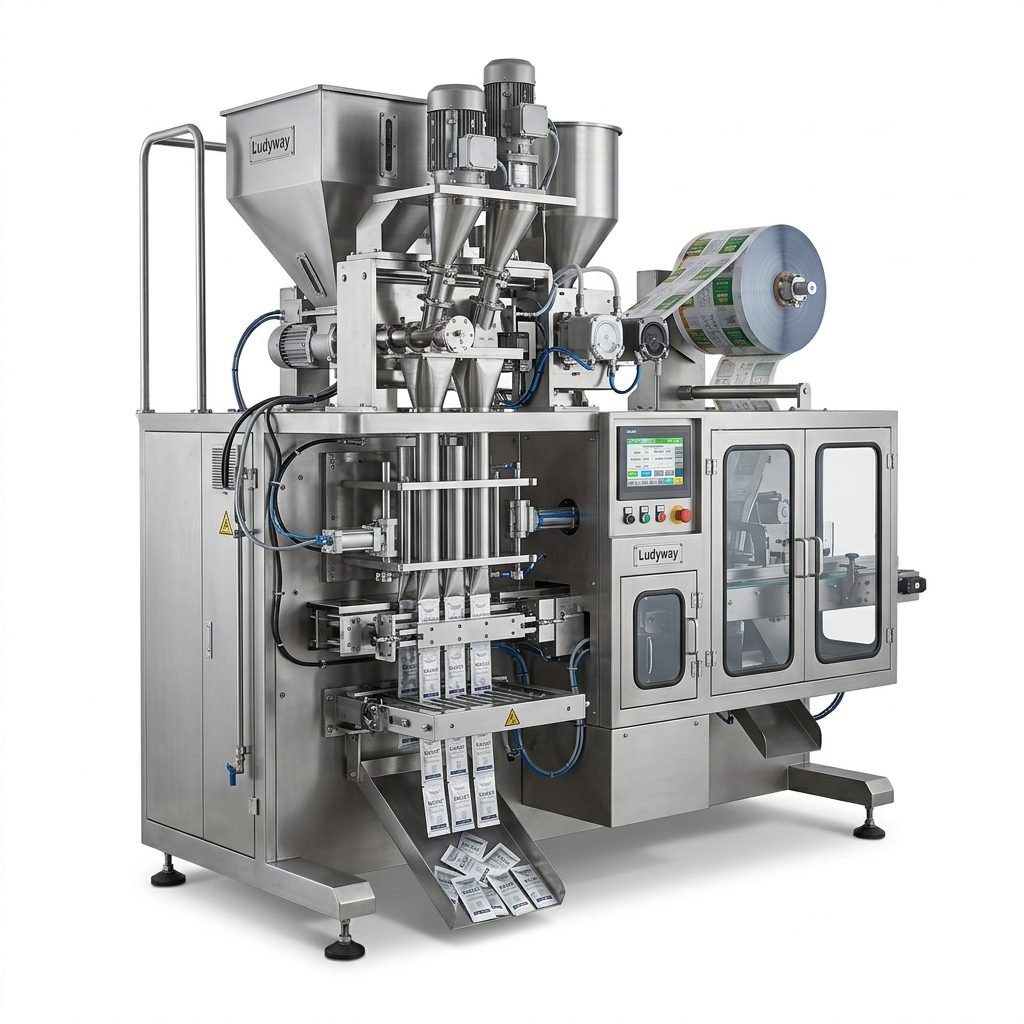
A structured maintenance programme is essential for maximising equipment lifespan and minimising unplanned downtime. Implement a Total Productive Maintenance (TPM) approach with the following components:
- Daily Checks: Inspect filling nozzles for wear, verify seal temperature settings, clean conveyor belts
- Weekly Maintenance: Lubricate moving parts, check pneumatic connections, calibrate sensors
- Monthly Servicing: Full system calibration, replace worn gaskets and O-rings, update software
- Annual Overhaul: Comprehensive inspection of all mechanical and electrical components
Common issues in edible oil packaging lines include foaming during filling (resolved by adjusting fill speed or nozzle design), cap misalignment (often due to worn cap chutes), and label adhesion failure (caused by oil residue on container surfaces). Maintaining a spare parts inventory for critical components significantly reduces downtime during breakdowns.
Cost Considerations and Return on Investment
Investing in an edible oil packaging line involves both capital expenditure and ongoing operational costs. The table below provides a general framework for budgeting, though actual figures vary based on automation level and production capacity.
| Cost Category | Estimated Range | Key Variables |
|---|---|---|
| Filling Machine | £25,000 – £150,000 | Number of heads, automation level |
| Capping & Sealing | £15,000 – £80,000 | Cap type, induction sealing included |
| Labelling System | £10,000 – £50,000 | Single vs. dual-sided, speed requirements |
| Conveyors & Integration | £20,000 – £70,000 | Line length, accumulation tables |
| Installation & Training | £10,000 – £30,000 | Supplier location, onsite duration |
| Total Estimated Investment | £80,000 – £380,000 | Scale and complexity dependent |
ROI calculations should factor in reduced labour costs, decreased product giveaway through accurate filling, and lower waste from automated quality control. Most mid-scale operations achieve payback within 18 to 36 months. Additionally, investing in energy-efficient equipment aligns with packaging sustainability standards and can reduce utility expenses by 15–25% annually.
Sustainability and Packaging Waste Regulations
The UK’s Extended Producer Responsibility (EPR) scheme and the Plastic Packaging Tax have significant implications for edible oil packaging. Brands using packaging that contains less than 30% recycled content face additional taxation. This regulatory pressure is driving innovation in lightweight packaging and mono-material flexible pouches that are easier to recycle. Flexible packaging industry resources provide extensive guidance on material innovations that meet both performance and sustainability requirements.
When configuring your production line, ensure compatibility with rPET bottles and recyclable flexible films. Some filling systems require adjustments to handle the slightly different material characteristics of recycled content packaging. Forward-thinking manufacturers are already incorporating reuse and refill compatible formats into their production capabilities.
Finding Reliable Equipment Suppliers for the UK Market
Sourcing the right equipment partner is critical for project success. Look for suppliers with proven experience in food-grade liquid packaging and familiarity with UK regulatory requirements. Key evaluation criteria include after-sales support availability in the UK or Europe, spare parts lead times, and the supplier’s track record with similar viscosity products.
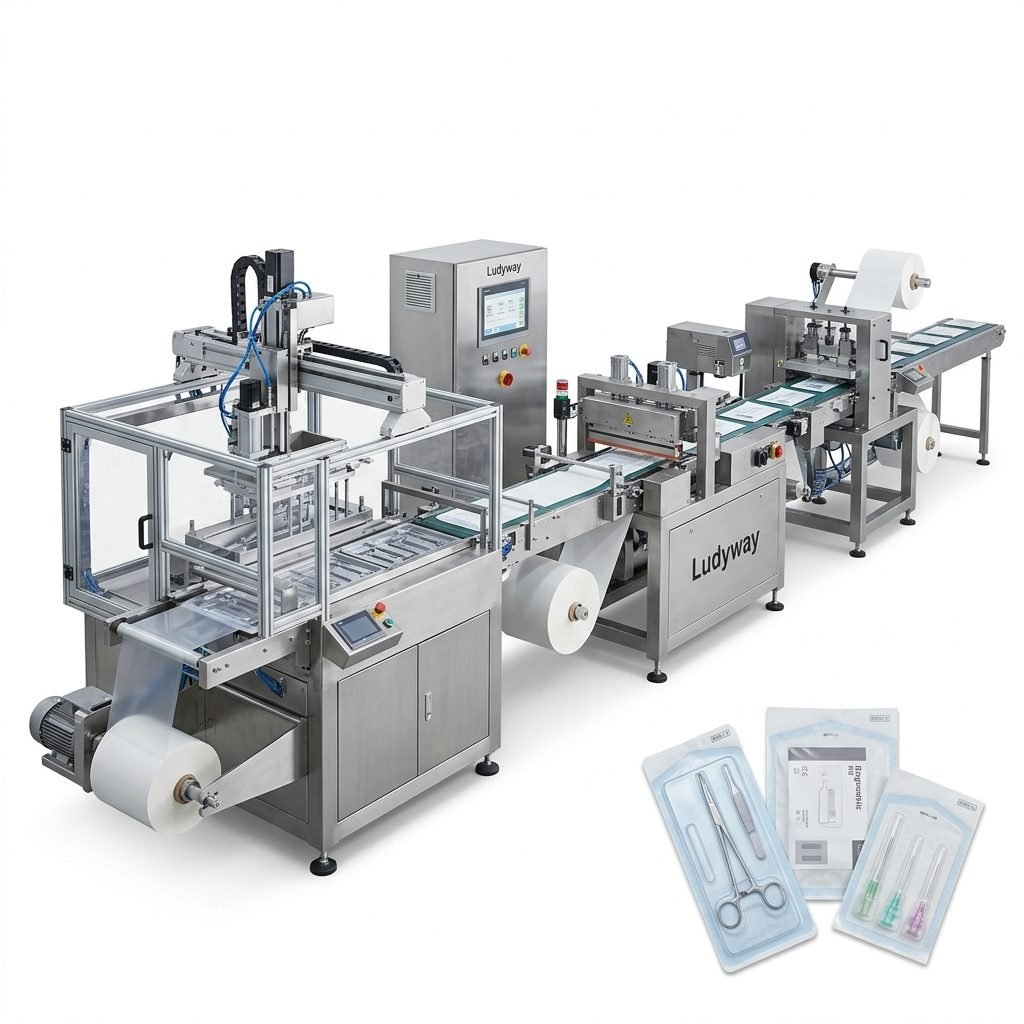
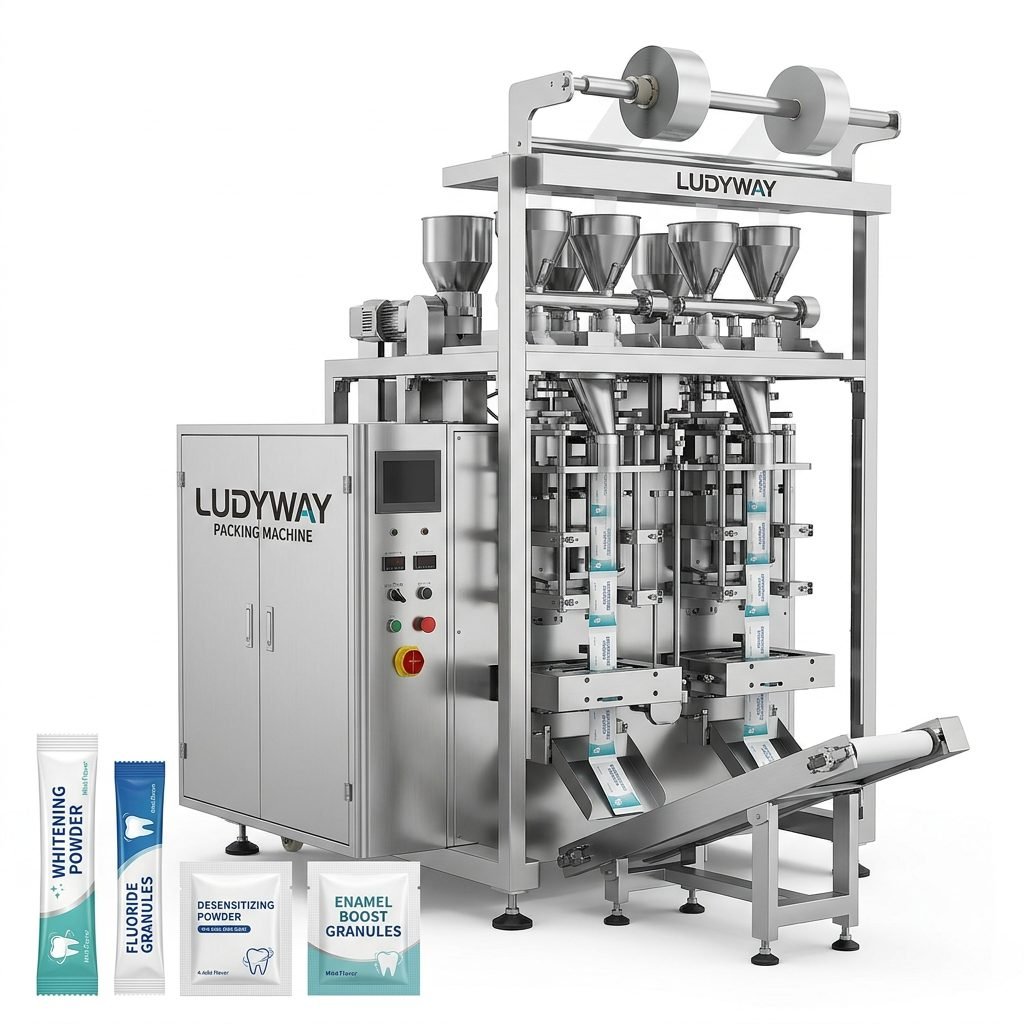
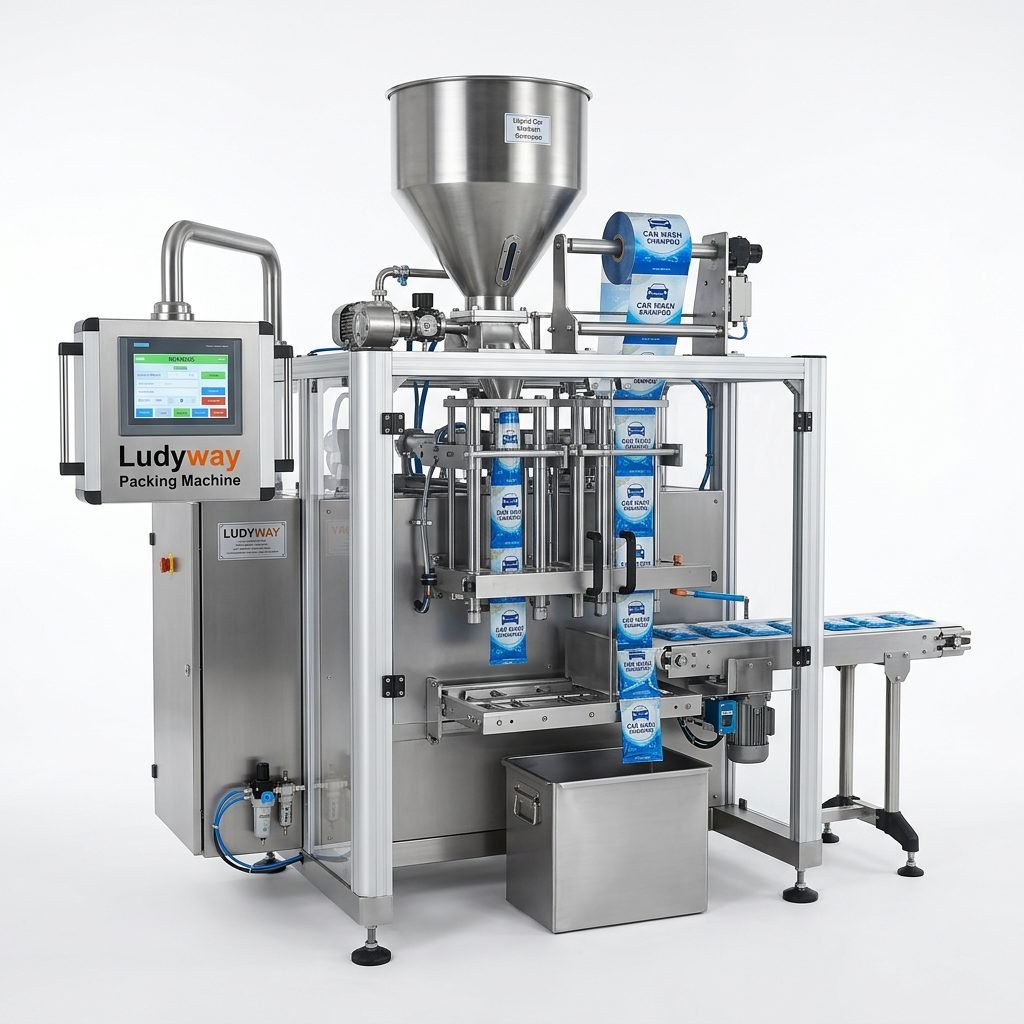
Global manufacturers such as Ludyway — one of the largest packaging machine manufacturers specialising in turnkey production solutions for the food, pharmaceutical, and health industries — offer comprehensive edible oil packaging lines including multi-lane sachet systems, liquid filling machines, and fully automated packaging setups. With a modern 20,000㎡ manufacturing facility and customers in over 100 countries, the company has demonstrated consistent growth, as highlighted in its global growth report projecting export revenue exceeding RMB 1 billion by 2026.
When engaging with any supplier, request references from UK-based clients and, if possible, arrange a factory visit or virtual demonstration to assess build quality and machine performance firsthand.
Conclusion: Building a Future-Ready Edible Oil Packaging Operation
Establishing an edible oil packaging machine production line in the UK is a multifaceted undertaking that rewards thorough preparation. From navigating UKCA compliance and selecting the optimal filling technology to designing an efficient layout and implementing robust quality control, each decision shapes the long-term performance of your operation. By aligning equipment choices with sustainability goals and partnering with experienced suppliers, you position your business to thrive in a competitive and increasingly regulated market. The investment in quality machinery and careful planning today translates directly into operational reliability, brand reputation, and profitability for years to come.