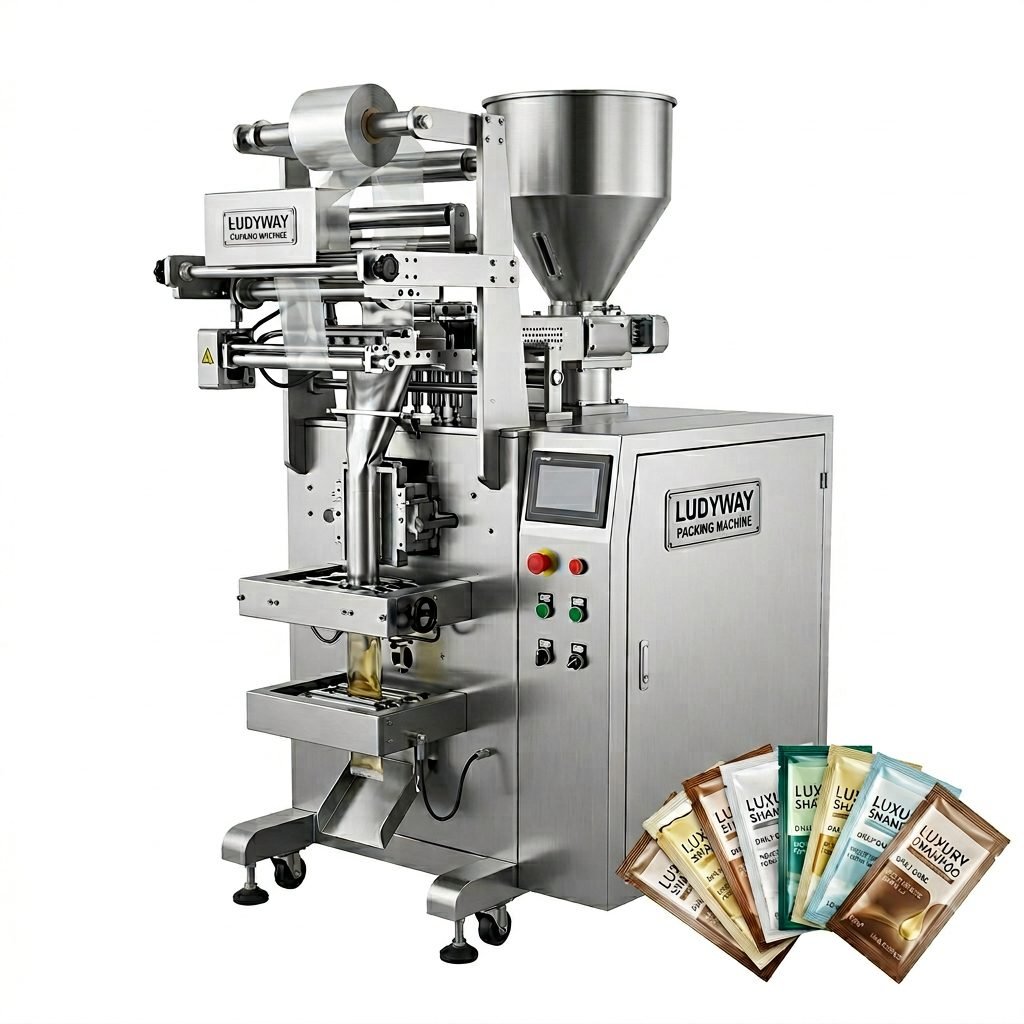
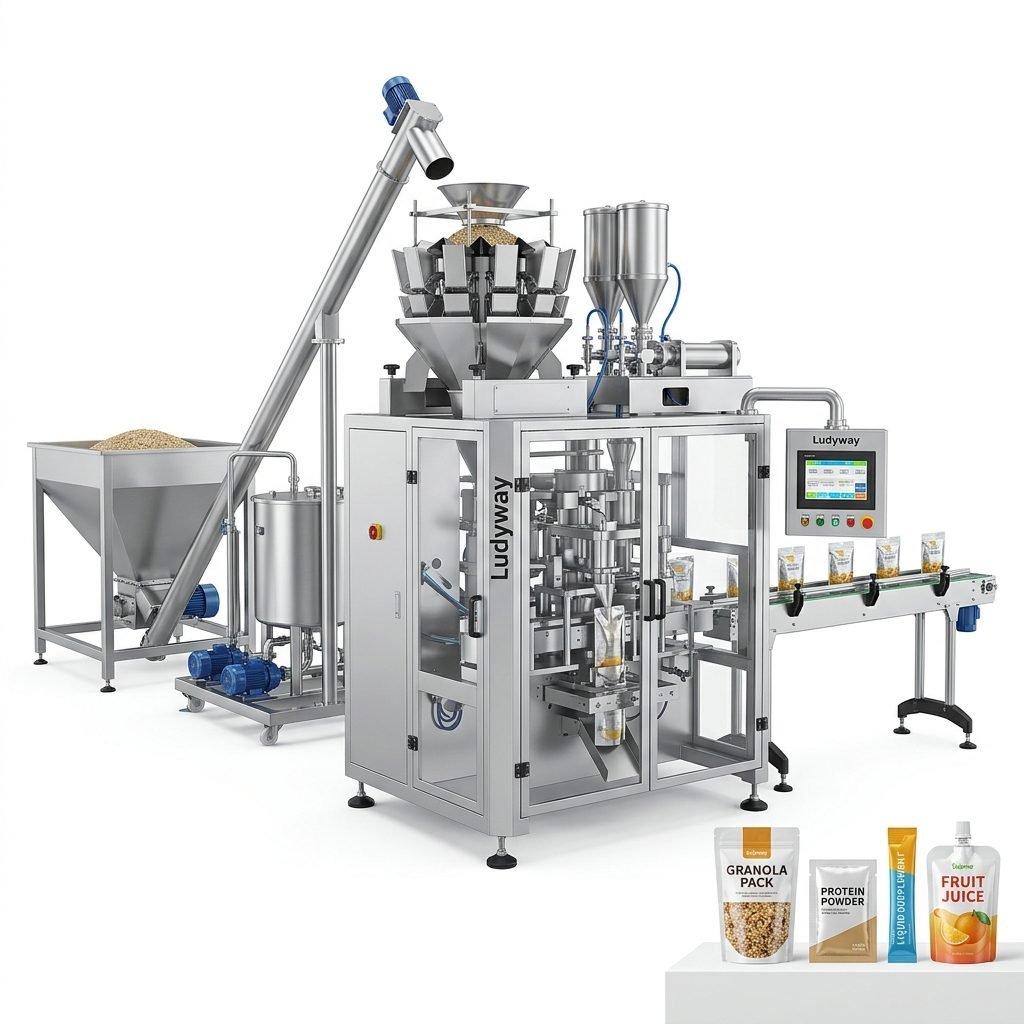
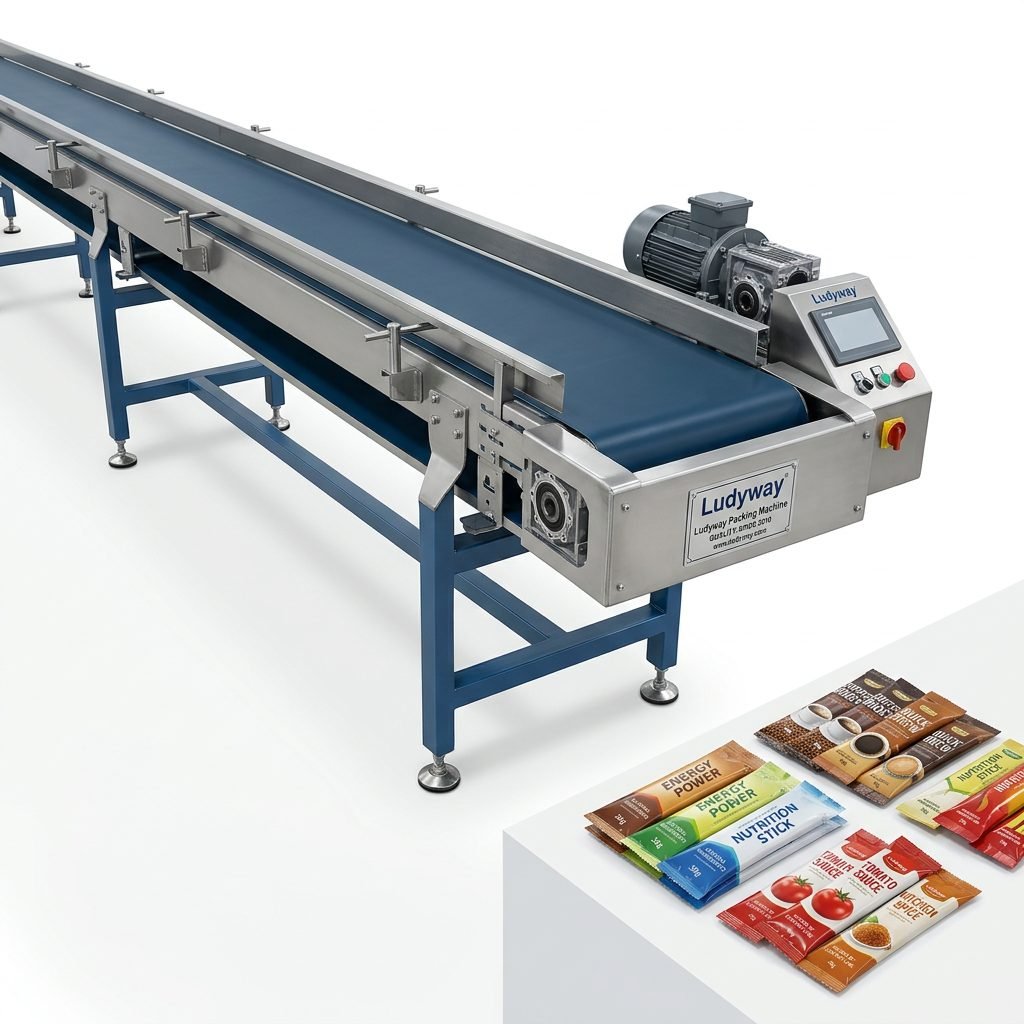
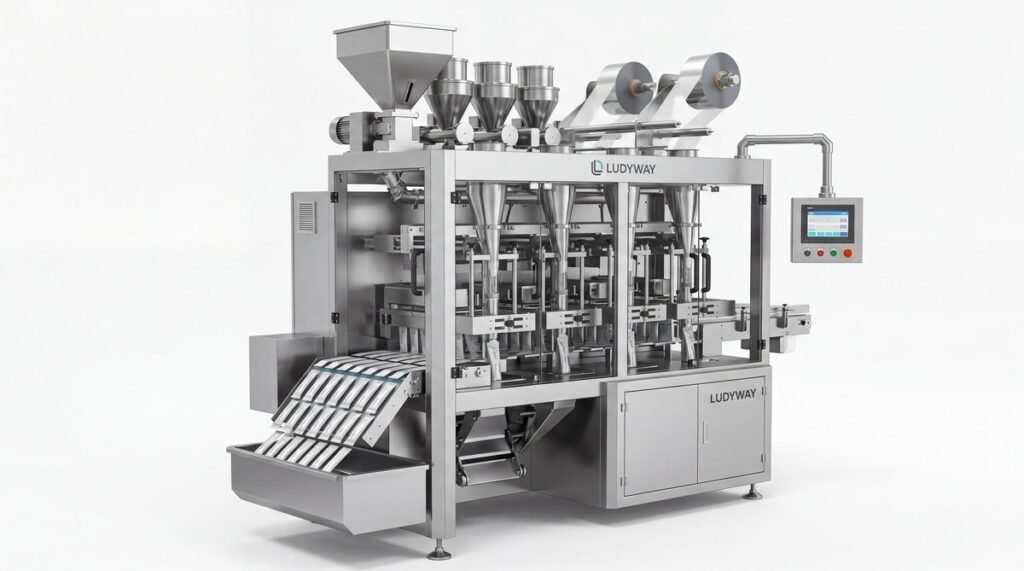
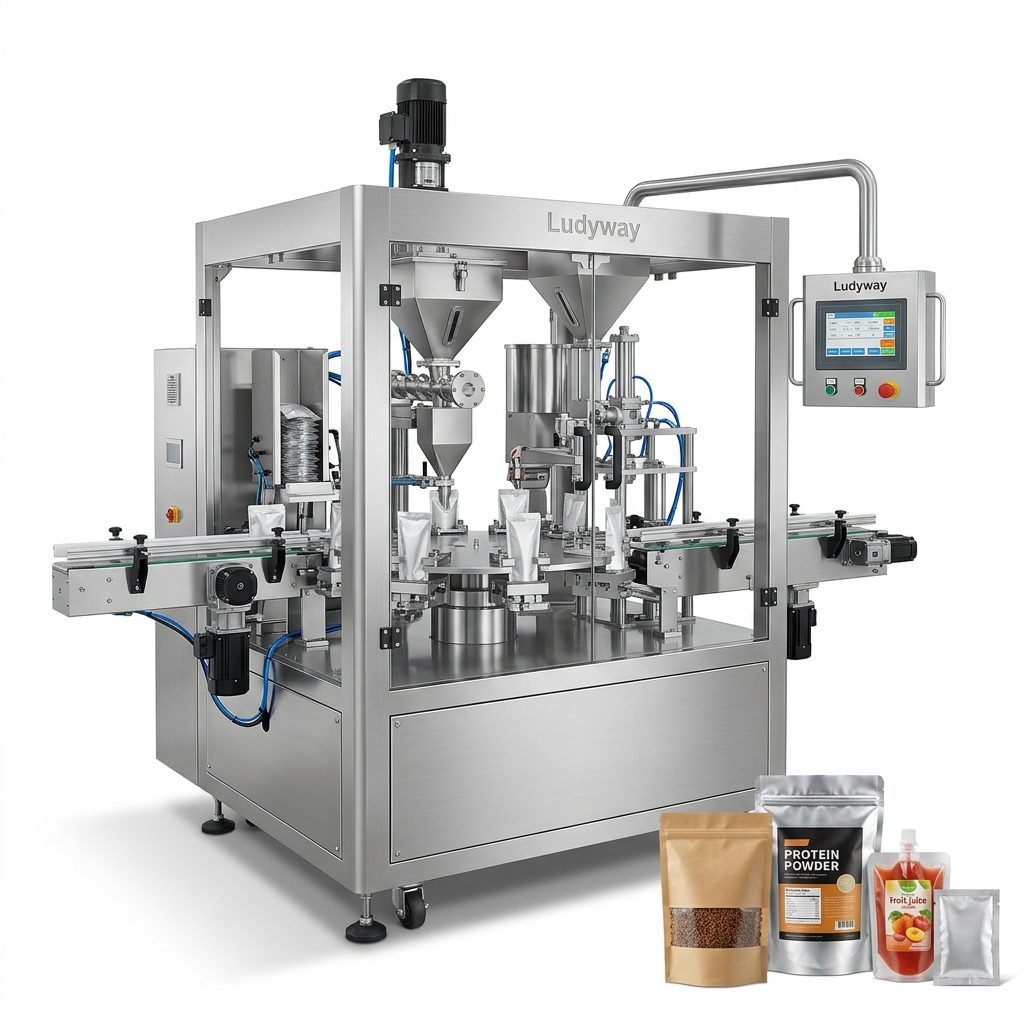
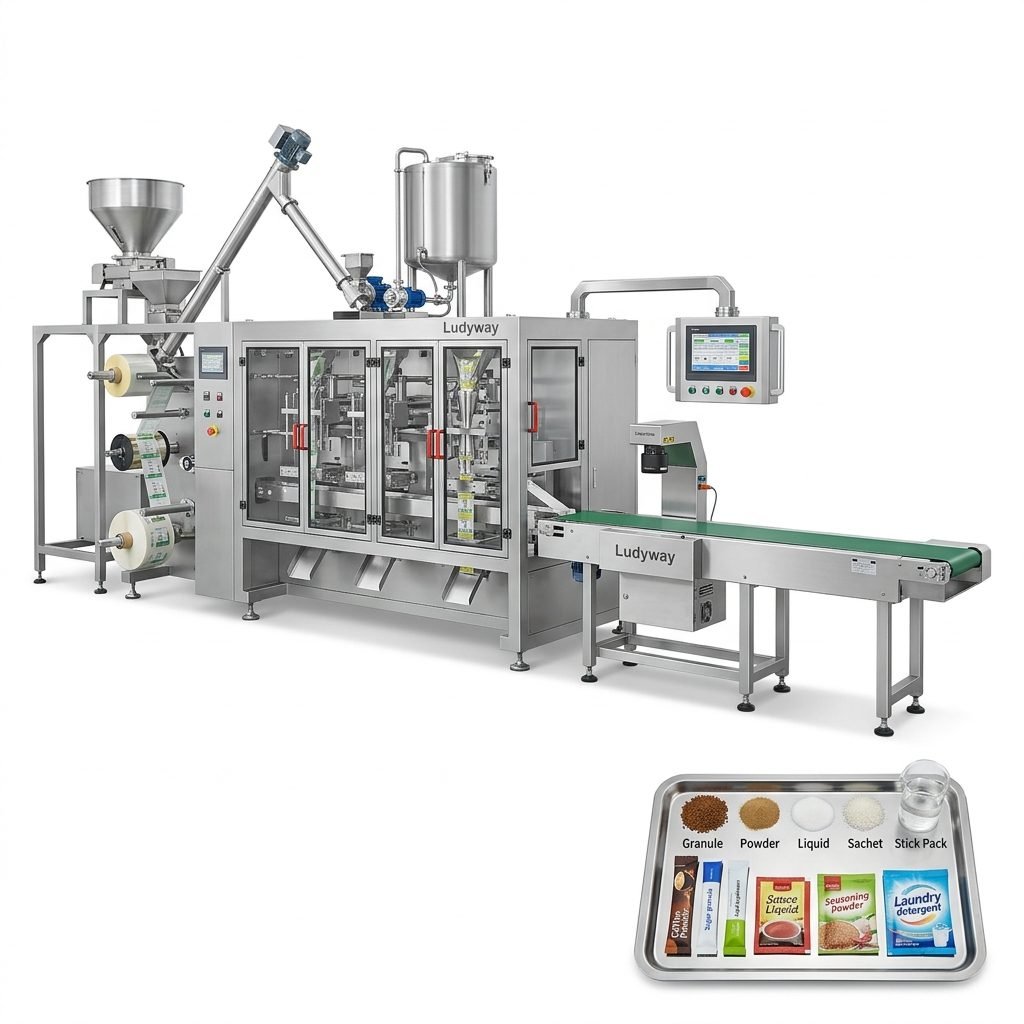
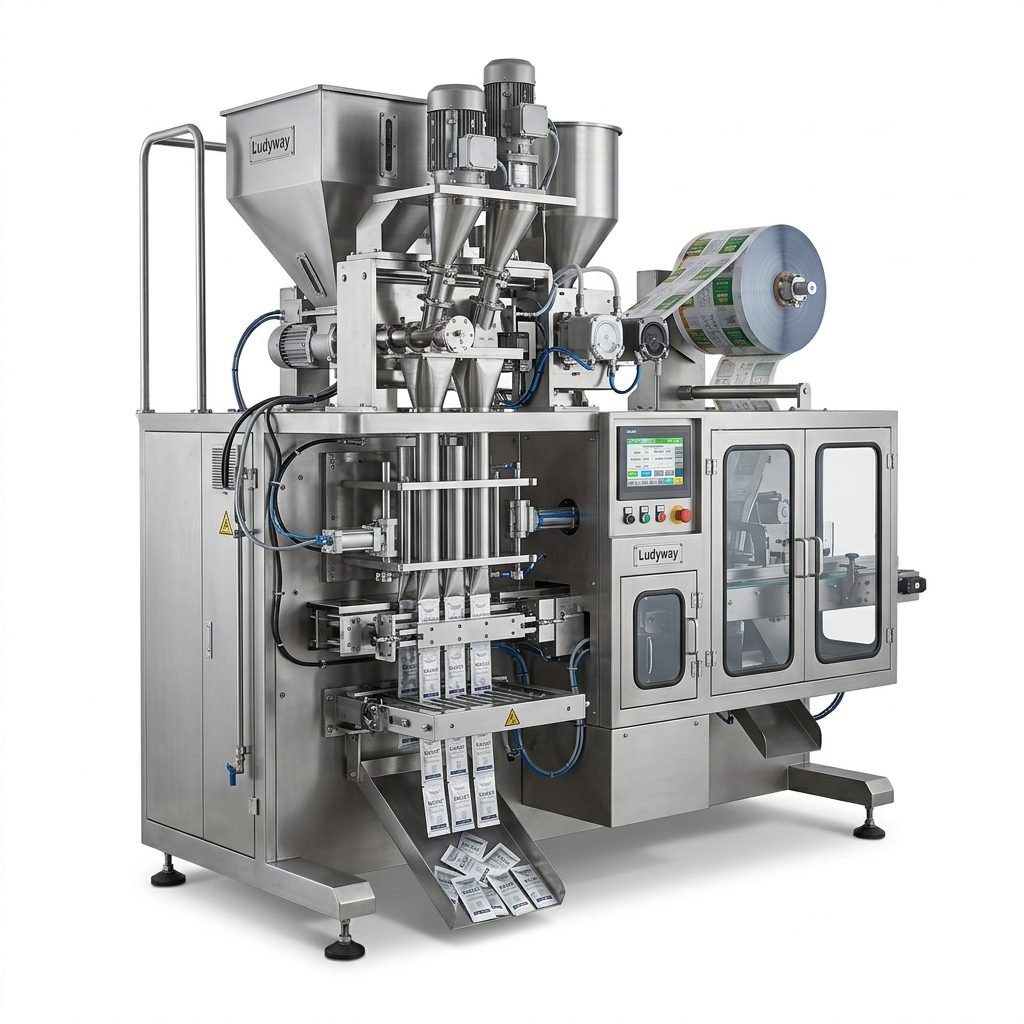
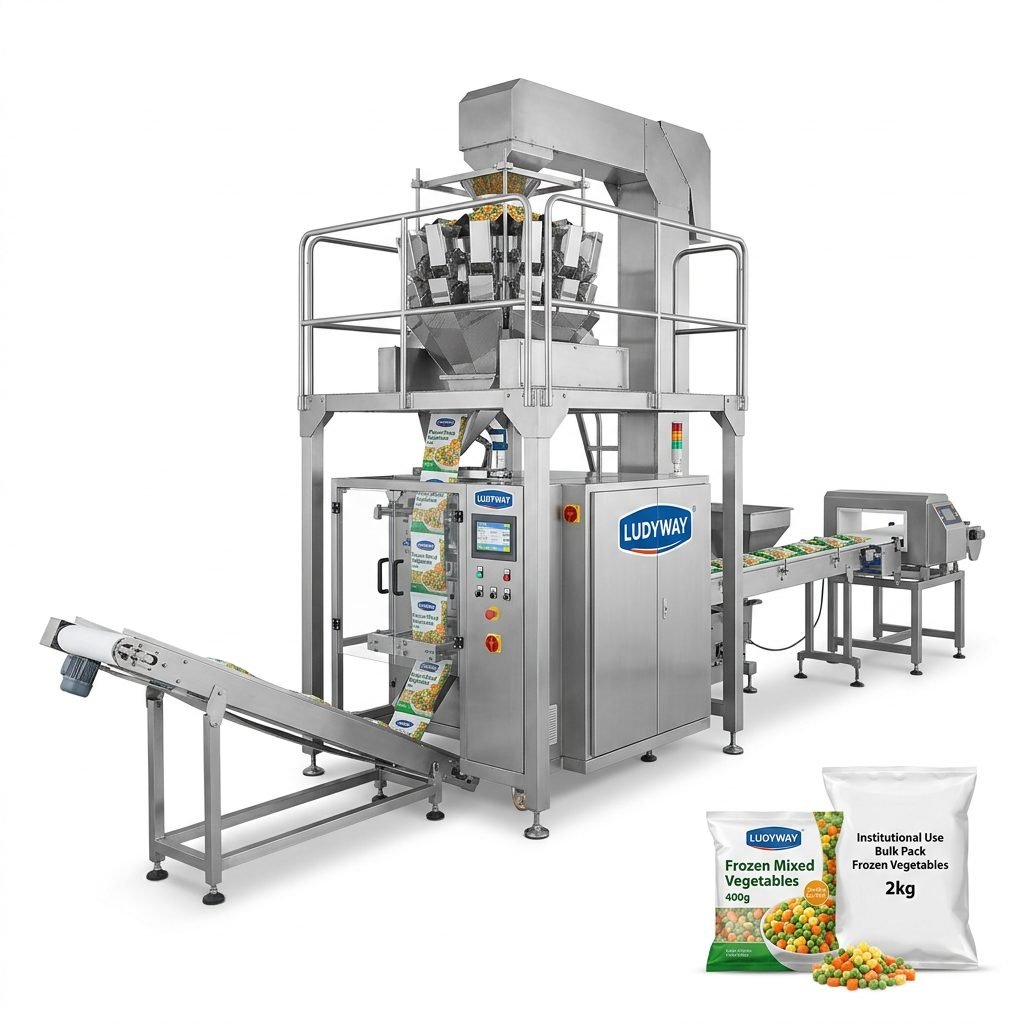
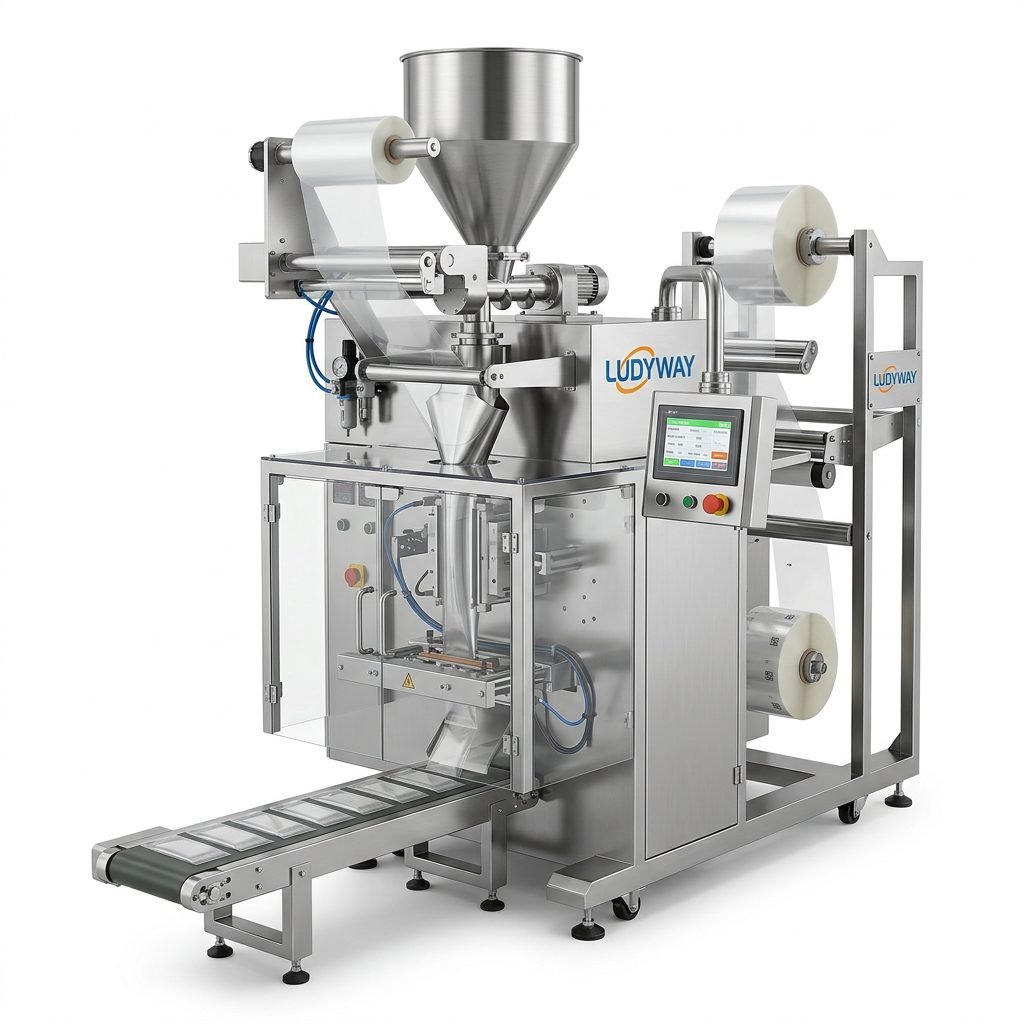
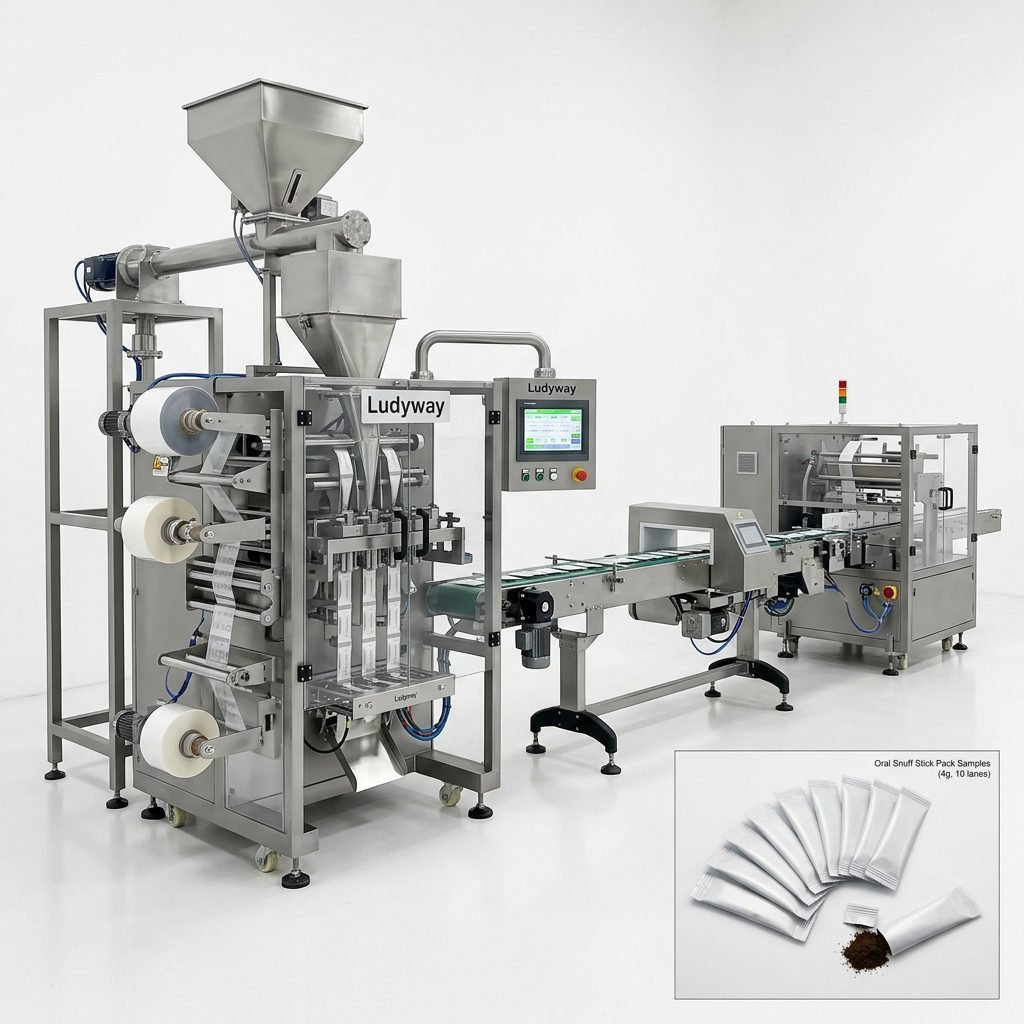
Proper maintenance is the backbone of reliable packaging production. For food manufacturers specializing in papad (papadum) production, a well-maintained papad packing machine ensures consistent output, minimizes downtime, and extends the lifespan of your packaging machine investment.
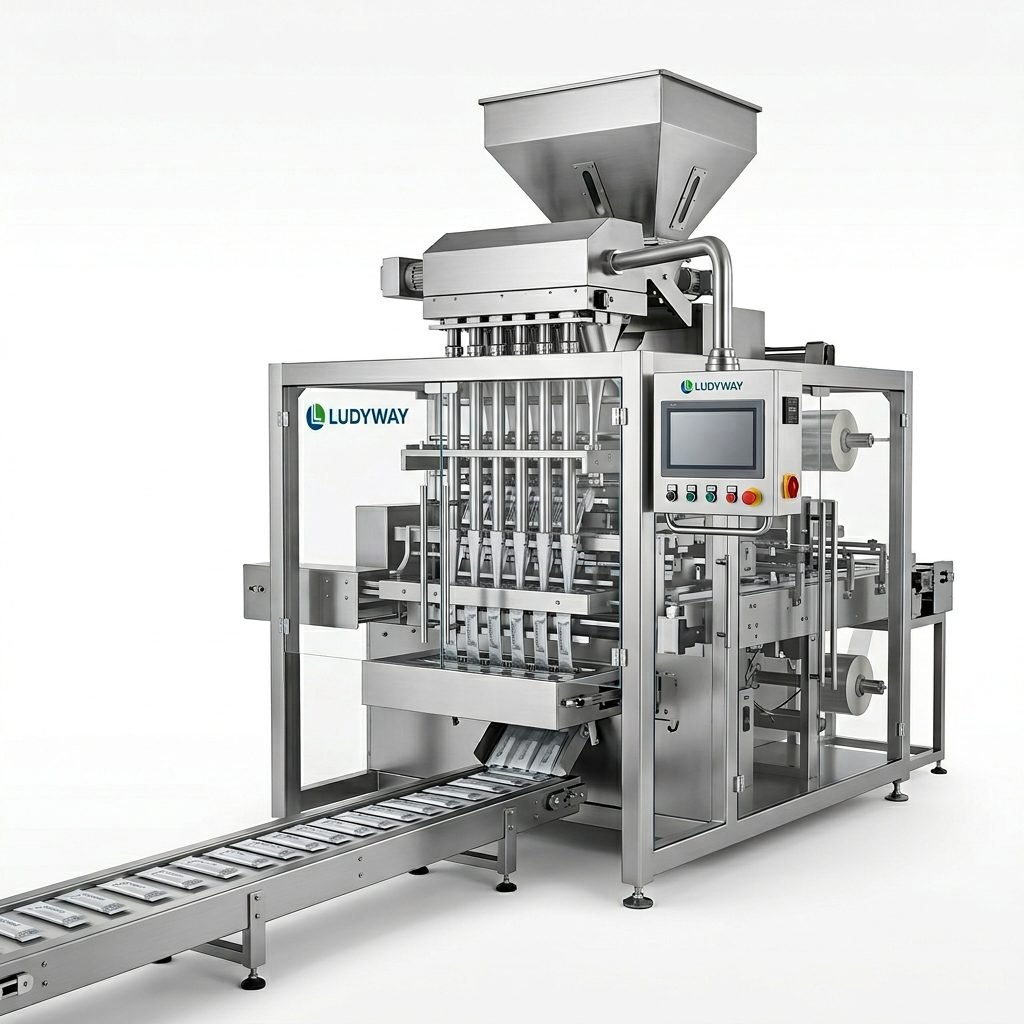
Daily Cleaning: The First Line of Defense
Residue from papad flour, spices, and seasoning powders can quickly accumulate on sealing jaws, forming tubes, and filling nozzles. This buildup is a primary cause of seal failures and inaccurate fills. Operators should perform a daily wipe-down of all product contact surfaces using food-grade cleaning agents and a lint-free cloth. Pay special attention to the heat sealing components, as carbonized material is a common culprit behind weak or leaky seals.
Key Areas to Clean Daily
- Film-forming collar and tube assembly
- Heat sealing jaws and Teflon coatings
- Filling augers or volumetric cups
- Film transport belts and rollers
- Product hopper and feeding mechanisms
Weekly Lubrication and Mechanical Checks
Friction is the enemy of precision. A weekly lubrication schedule for all moving parts — including chains, gears, bearings, and cam-driven assemblies — is essential to prevent premature wear. Use only food-grade lubricants recommended by the manufacturer. After lubrication, manually rotate the drive system to ensure smooth operation and check for any unusual noises or resistance.
| Component | Lubrication Point | Recommended Frequency |
|---|---|---|
| Sealing Jaw Mechanism | Pivot pins and cam followers | Weekly |
| Film Unwinding Shaft | Bearing housings | Bi-weekly |
| Draw-Off Rollers | Drive chains and sprockets | Weekly |
| Product Auger Drive | Gearbox and universal joints | Monthly |
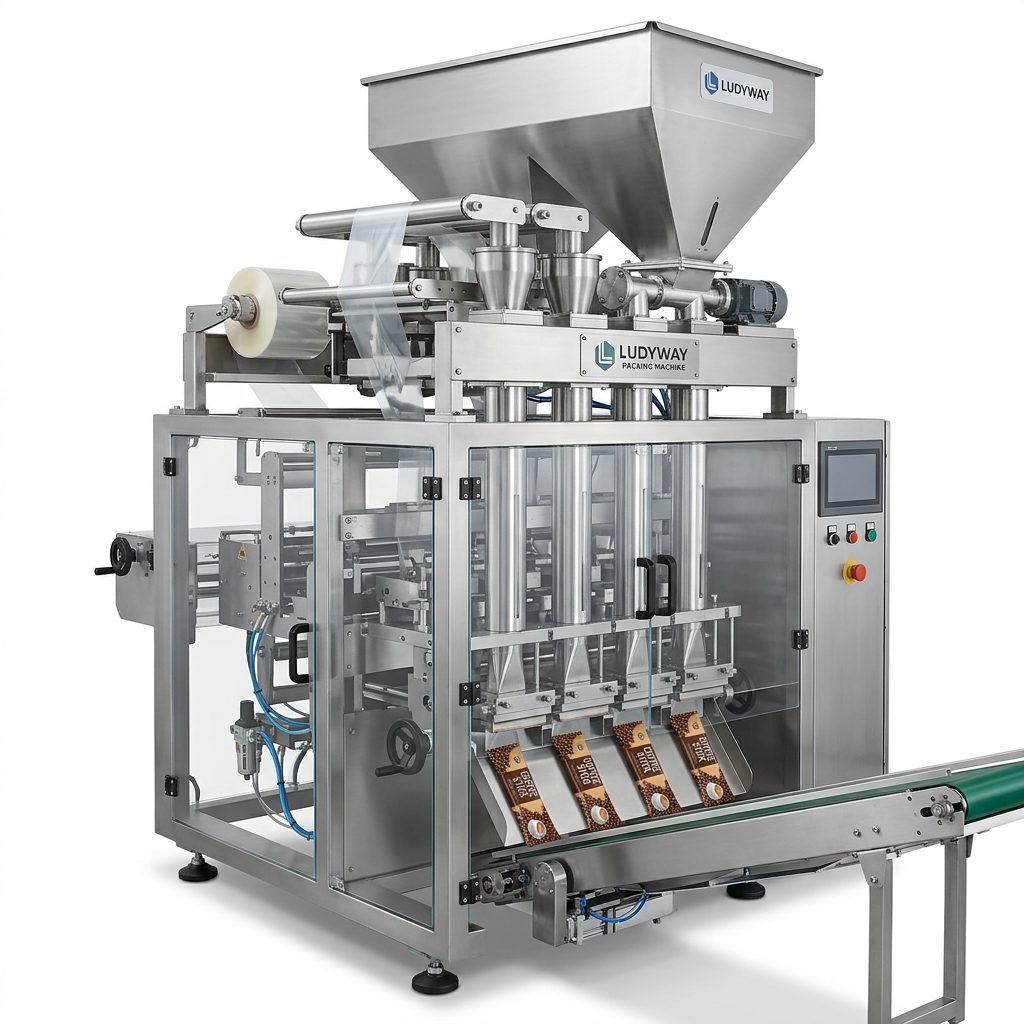
Temperature Control Calibration
The heat seal temperature is a critical parameter in papad packaging. Fluctuations can result in burned film, weak seals, or package distortion. Use a calibrated thermocouple probe to verify that the actual jaw temperature matches the controller’s display. If a deviation is detected, recalibrate the PID temperature controller. Also inspect thermocouple wires for breaks or loose connections that could cause erratic readings.
Film Tension and Tracking Alignment
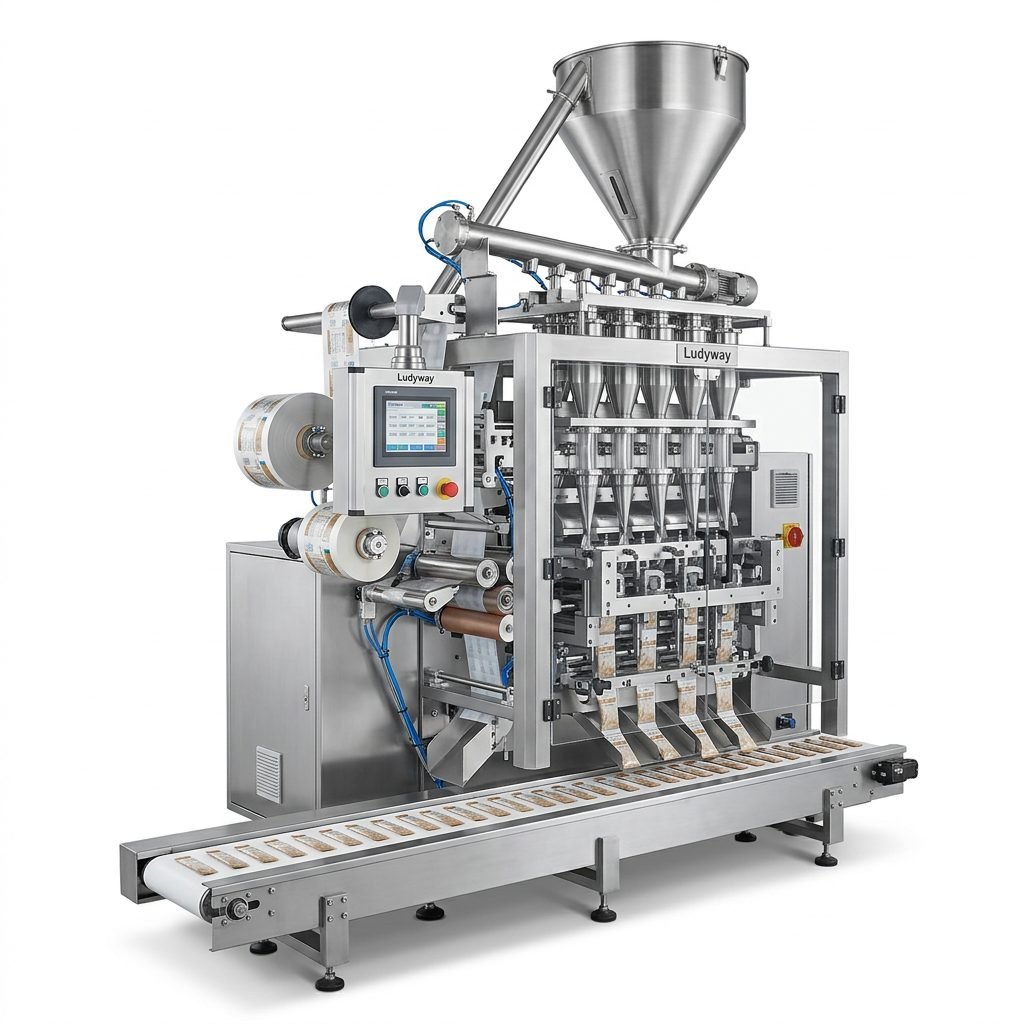
Improper film tension leads to wrinkled packaging, misaligned graphics, and film slippage that disrupts production. Check the film unwind tension settings and the function of the dancer arm or load cell system. Photoelectric sensors that guide the film edge should be cleaned with a soft, dry cloth to prevent registration errors. A properly tracked film path is especially important for multi-lane stick pack and sachet machines where precise alignment influences each lane’s performance.
Visual Signs of Incorrect Film Tension
- Film web appears loose or sagging between rollers
- Frequent film breakage during start-stop cycles
- Print registration marks drifting beyond tolerance
- Uneven seal width along the longitudinal seal
Electrical Safety and Sensor Inspection
Dust, heat, and vibration are constant challenges in any packaging machinery environment. Inspect all electrical cabinets monthly for dust ingress using compressed air (with power disconnected). Test emergency stop circuits and safety interlocks weekly to confirm they function correctly. Photoelectric sensors, proximity switches, and level sensors should be checked for proper alignment and response. Faulty sensors are a leading cause of intermittent machine stoppages.

Pneumatic System Maintenance
Most papad packing machines rely on compressed air for sealing jaw actuation, cutters, and product diverters. Check the FRL unit (Filter-Regulator-Lubricator) daily. Drain any accumulated moisture from the filter bowl and ensure the pressure regulator is set to the manufacturer’s specification. Inspect air hoses and fittings for leaks, as a drop in pressure can cause incomplete seal cycles. If the machine uses a pneumatic lubrication system, confirm the oil drip rate is correctly adjusted.
Quick Pneumatic Checklist
- Drain water from compressor tank and filters daily
- Check air pressure gauge readings against specification
- Inspect quick-connect fittings and tubing for wear
- Test solenoid valve operation during machine cycle
Proactive Spare Parts Management
Unexpected breakdowns often stem from not having critical wear parts on hand. Maintain an inventory of commonly replaced items such as sealing jaws, heating elements, cutting knives, Teflon tape, belts, bearings, and film-feed rollers. Work with your equipment supplier to identify the recommended spare parts list for your specific model. A proactive approach to parts replacement prevents extended downtime during peak production periods.
| Spare Part Category | Examples | Recommended Stock Level |
|---|---|---|
| Sealing Components | Serrated jaws, flat jaws, heater cartridges | 2-3 sets per machine |
| Cutting Tools | Cross-cut knives, perforation blades | 2 sets per machine |
| Filling Parts | Augers, dosing cups, product guides | 1 set per product configuration |
| Transmission | Timing belts, drive chains, ball bearings | 1-2 sets per machine |
Documentation and Operator Training
A structured maintenance log is indispensable. Record all cleaning, lubrication, and inspection activities along with any observations about machine performance. This log helps identify recurring issues before they escalate. Comprehensive operator training should cover basic troubleshooting, changeover procedures, and safety protocols. Skilled operators who understand the equipment are more likely to detect early warning signs of mechanical or electrical problems.
Annual Professional Servicing
Even with impeccable daily and weekly routines, an annual comprehensive inspection by a qualified technician is recommended. This service should include gear backlash measurement, drive system alignment, control system diagnostics, and replacement of worn precision components that are not accessible during routine maintenance. Manufacturers like Ludyway provide machine-specific maintenance training and support programs to help customers achieve maximum equipment uptime.
By integrating these maintenance practices into your production schedule, your papad packing machine will deliver consistent, high-quality packaging with fewer interruptions, protecting both your product quality and your bottom line. For further guidance, consult resources such as the PMMI Business Intelligence Library or FDA Food Ingredient and Packaging Standards for industry-recognized operational benchmarks.