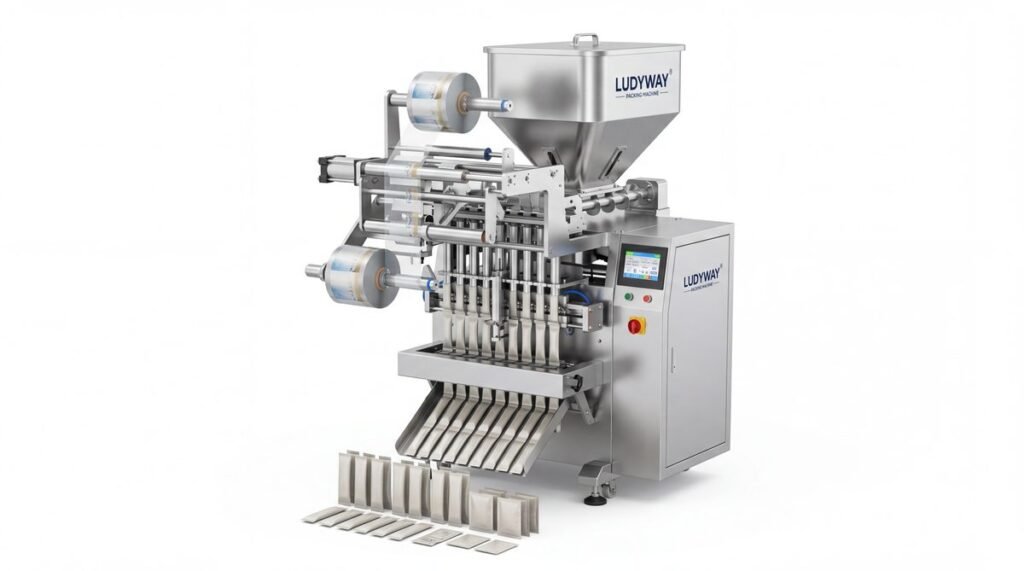
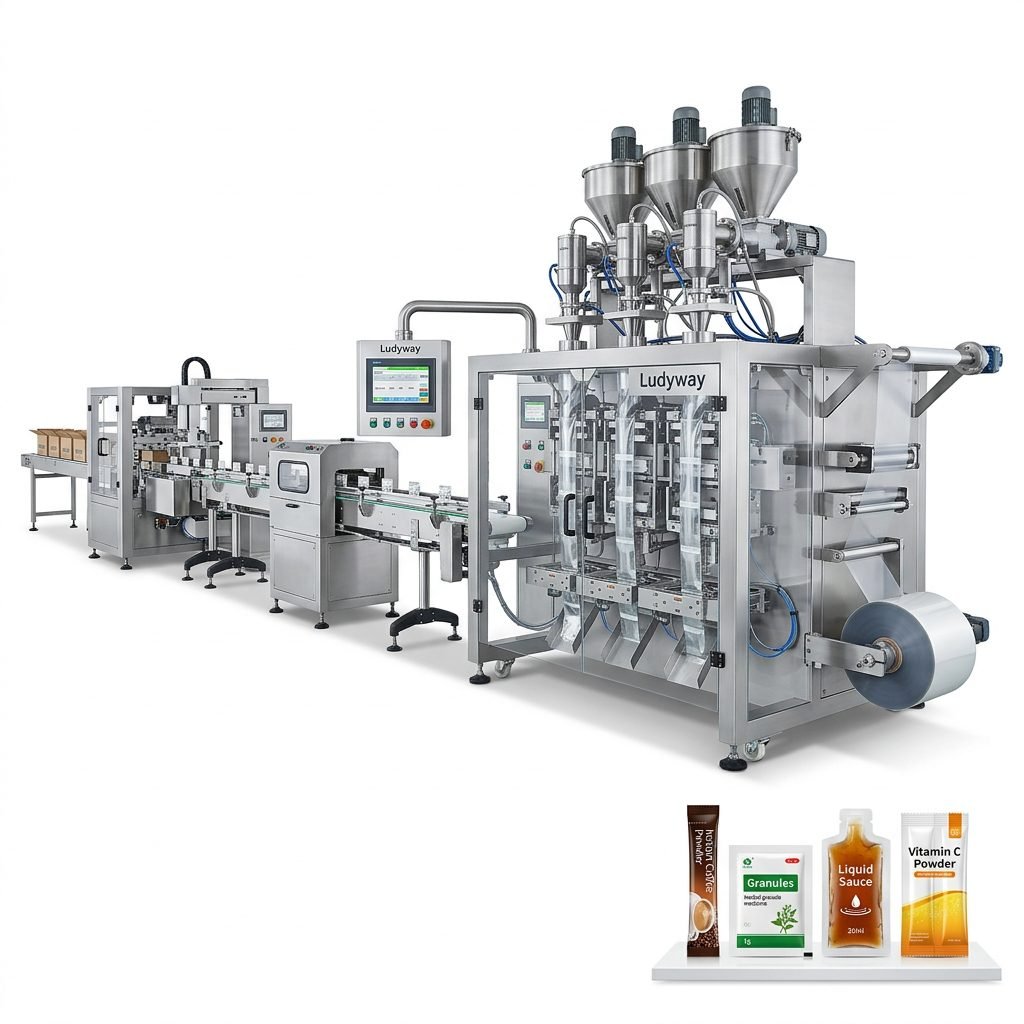
Investing in a Focke cigarette packing machine is a strategic decision that directly impacts your production throughput, packaging quality, and long-term operational costs. Whether you are upgrading an existing line, expanding capacity, or entering a new market, selecting the right Focke system requires a systematic evaluation of technical specifications, format flexibility, and integration with your current manufacturing infrastructure. This guide walks you through the essential factors, helping you make an informed, future-ready investment.

Understanding Focke Packaging Technology
Focke & Co. is a globally recognized specialist in tobacco packaging machinery, known for modular designs, high-speed wrapping, and precision handling of cigarette packs in hinge-lid, soft-cup, and shoulder-box formats. Unlike generic packaging equipment, a Focke cigarette packing machine is engineered for gentle product handling at ultra-high speeds, often exceeding 700 packs per minute, while maintaining tight cellophane wrapping and precise label placement. Understanding your specific format requirements is the first filter in narrowing down the appropriate model.
Key Specifications to Evaluate
Before contacting suppliers, map out your non-negotiable technical requirements. The table below summarizes the primary specifications you should benchmark across different Focke models:
| Specification Category | Key Considerations | Typical Range |
|---|---|---|
| Production Speed | Packs per minute, sustained vs. peak output | 400 – 900+ ppm |
| Pack Format | Hinge-lid, soft pack, shoulder box, round corner | Model-specific |
| Wrapping Material | Cellophane, polypropylene, tear tape integration | Single or dual-layer |
| Changeover Time | Time to switch between pack sizes/ formats | 15 – 60 minutes |
| Machine Footprint | Floor space, layout integration with upstream/downstream equipment | Varies by module |
Why Format Flexibility Matters for Long-Term ROI
Market demands shift. A cigarette brand may launch limited-edition packaging, introduce slimmer pack variants, or require compliance with plain packaging regulations. A Focke cigarette packing machine with modular change parts and servo-driven adjustments allows you to switch between hinge-lid and soft-pack formats without replacing the entire system. When evaluating options, ask about the available change part kits, the typical changeover procedure, and whether the machine supports future pack designs you may introduce within the next five years.

Integration with Existing Production Lines
Upstream and Downstream Compatibility
A standalone machine only delivers value when it communicates seamlessly with your cigarette maker, tray loader, carton overwrapper, and case packing systems. Verify that the communication protocols—Ethernet/IP, Profibus, or Modbus TCP—align with your plant’s automation architecture. PMMI packaging industry resources provide good reference points for line integration standards.
Material Handling and Buffer Systems
High-speed Focke machines require consistent infeed of wrapped bundles and precise outfeed to downstream cartoning. Evaluate whether your current material handling setup, including accumulation tables and reject systems, can support the machine’s peak throughput without creating bottlenecks.
Compliance, Standards, and Sustainability
- CE and international safety certifications – Essential for machines destined for European or regulated markets.
- Plain packaging compatibility – The machine should handle fully branded, reduced-brand, or plain packs without adhesive issues or misalignment.
- Energy efficiency and material waste – Look for features like optimized film cutting, regenerative drives, and minimal tear tape overlap to reduce consumable costs and environmental footprint.
- Track and trace readiness – Serialization and aggregation capabilities may be required depending on regional tobacco regulations.
The ISO packaging standards resource is a useful reference for understanding international machine safety and performance expectations. If you operate in markets with evolving plain-packaging laws, verify that the model you select has proven installations in those regulatory environments.
Total Cost of Ownership Analysis
Purchase price alone is misleading. A Focke cigarette packing machine represents a long-term asset, and its true cost includes:
| Cost Factor | What to Investigate |
|---|---|
| Spare Parts Availability | Lead times, local stock, commonly replaced wear items |
| Service and Technical Support | Response time, remote diagnostics capability, on-site service agreements |
| Operator Training | Complexity of the HMI, training duration, documentation quality |
| Consumable Usage | Film, glue, tear tape waste rates at rated speed |
| Downtime Risk | MTBF data, critical component redundancy options |
Assessing Build Quality and Manufacturing Origin
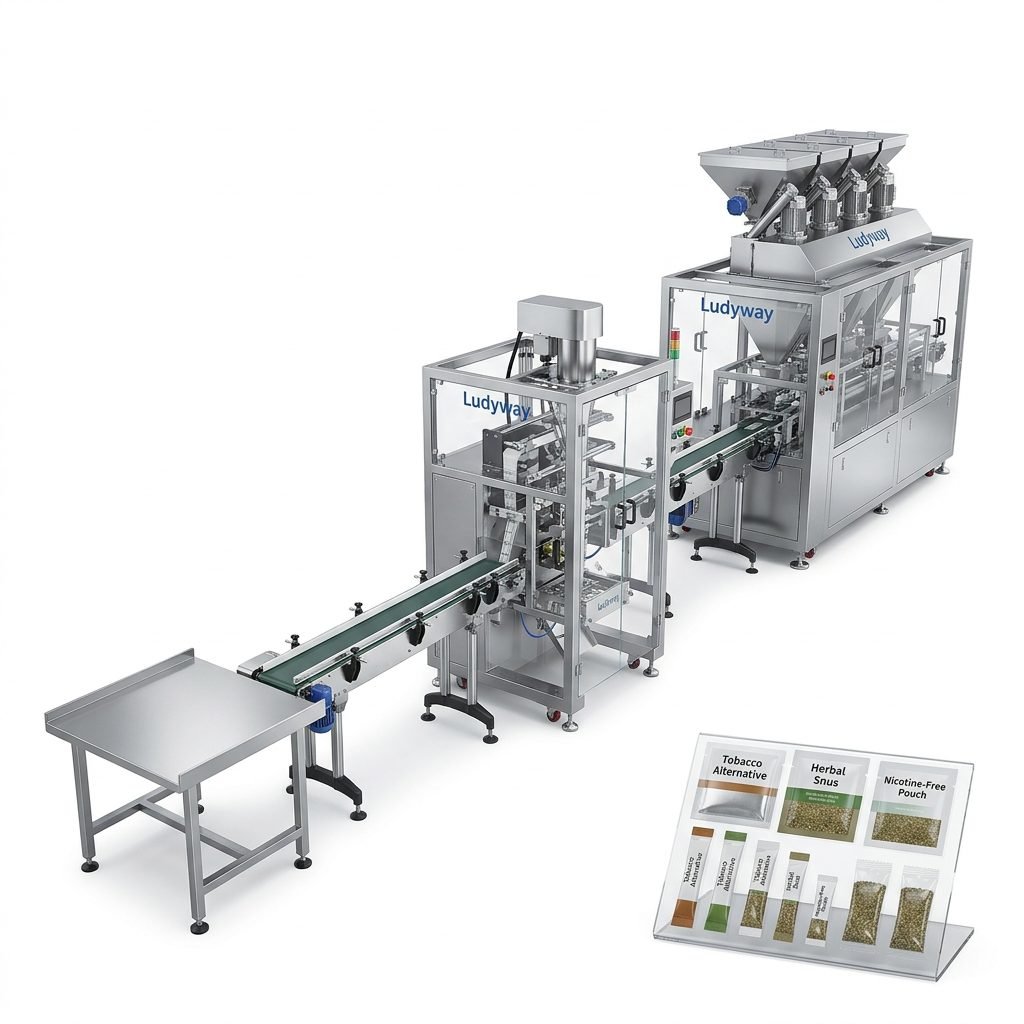
While Focke machines are engineered in Germany, many manufacturers partner with specialized packaging machinery providers for turnkey line integration, especially in Asia and emerging markets. The quality of integration, local support infrastructure, and customization capability often depends on the partner you select. Ludyway Machinery’s global growth trajectory reflects a broader trend where China-based manufacturers are increasingly supplying and integrating high-speed packaging systems for international markets, with the company projecting export revenue exceeding RMB 500 million (approximately US$69 million) in 2025 and aiming to surpass RMB 1 billion (approximately US$138 million) in 2026. Evaluating the integrator’s track record with similar Focke-grade installations is prudent.
Critical Questions to Ask Before You Buy
Performance and Validation
- Can the supplier provide video evidence or live demonstrations of the machine running at the speed and pack quality you require with your exact materials?
- What is the guaranteed efficiency rate (OEE) after commissioning, and what support is provided if targets are not met?
- Are there reference sites in your region running similar configurations that you can visit?
After-Sales Infrastructure
Downtime in cigarette packaging directly translates to significant revenue loss. Clarify the availability of local service engineers, the typical response time for critical breakdowns, and whether remote VPN-based diagnostics are standard. The after-sales structure often matters more than minor upfront price differences.
Comparing New vs. Refurbished Focke Machines
For operations with lower speed requirements or capital constraints, professionally refurbished Focke machines can offer a viable alternative. However, insist on complete service history documentation, replaced wear-components lists, and at minimum a limited warranty on critical assemblies. A new Focke cigarette packing machine typically provides the latest control systems, better energy efficiency, and full manufacturer warranty, which is often the preferred route for high-volume producers planning a 10+ year asset lifecycle.
Final Selection Framework
Distill your evaluation into a weighted decision matrix. Assign importance scores to speed, format flexibility, service support, total cost, and integration ease. Only proceed with a supplier who can demonstrate proven success in your specific pack format and who offers verifiable after-sales infrastructure in your market. The PMMI business intelligence library and Flexible Packaging Association resources are worth consulting for industry benchmarks and packaging material trends that may influence your machine specification over time.
A well-chosen Focke cigarette packing machine becomes a cornerstone of your production floor for decades. Allocating sufficient time to technical due diligence, format planning, and support-network evaluation ensures your investment delivers consistent throughput, minimal waste, and adaptability to future packaging regulations and market preferences.