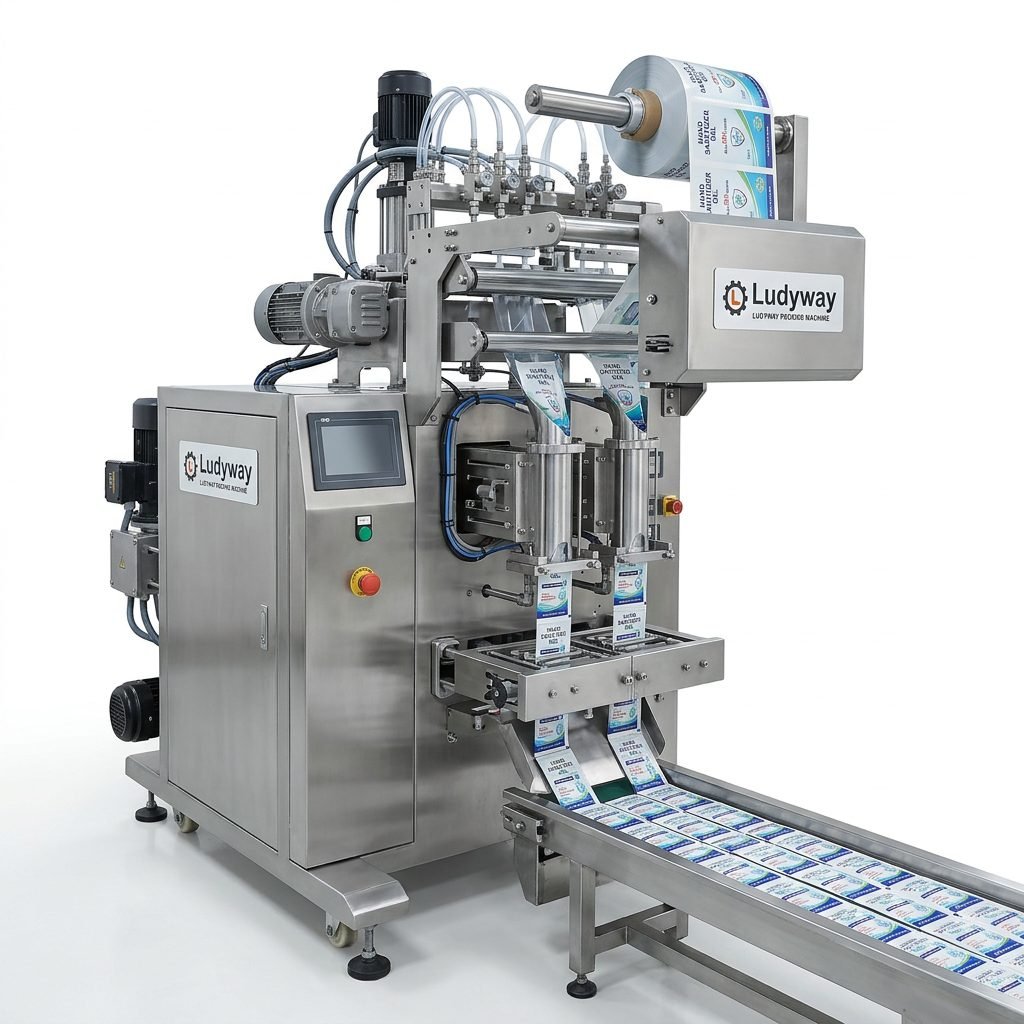
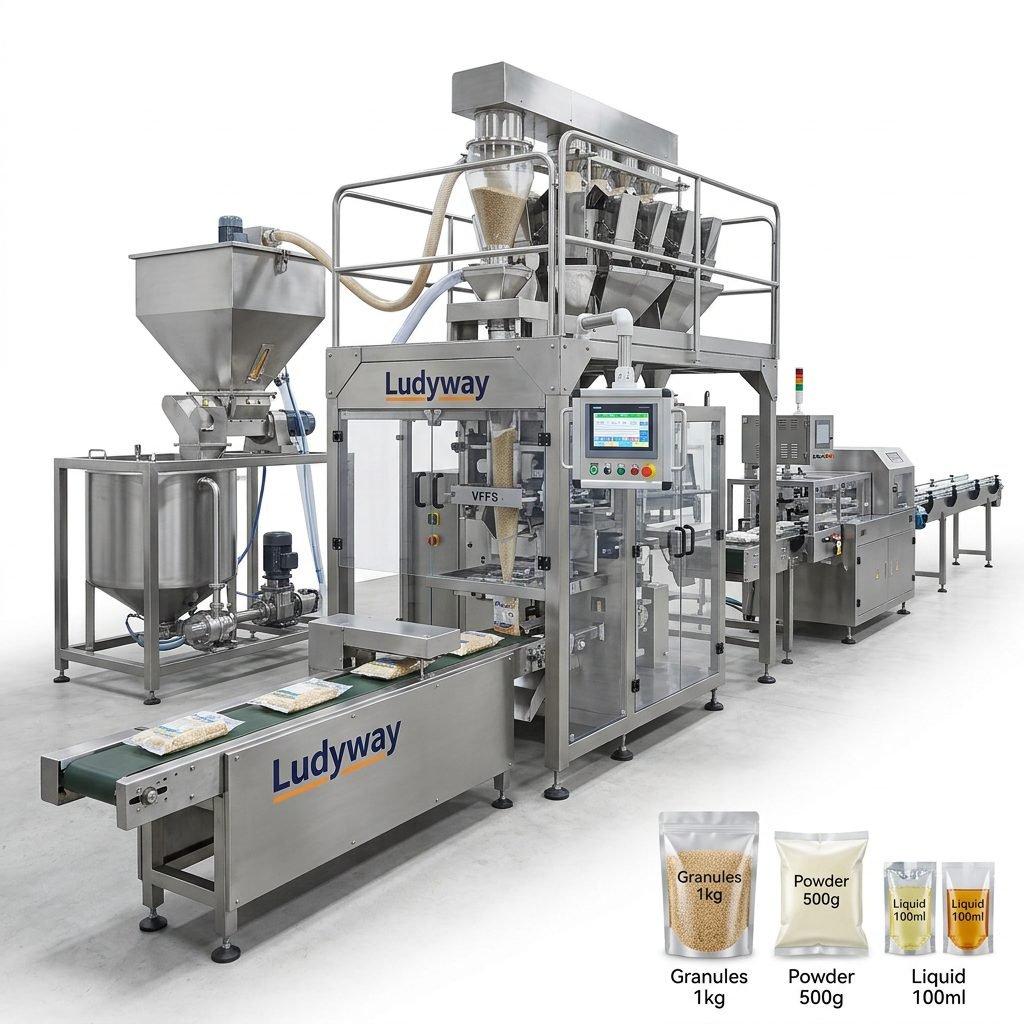
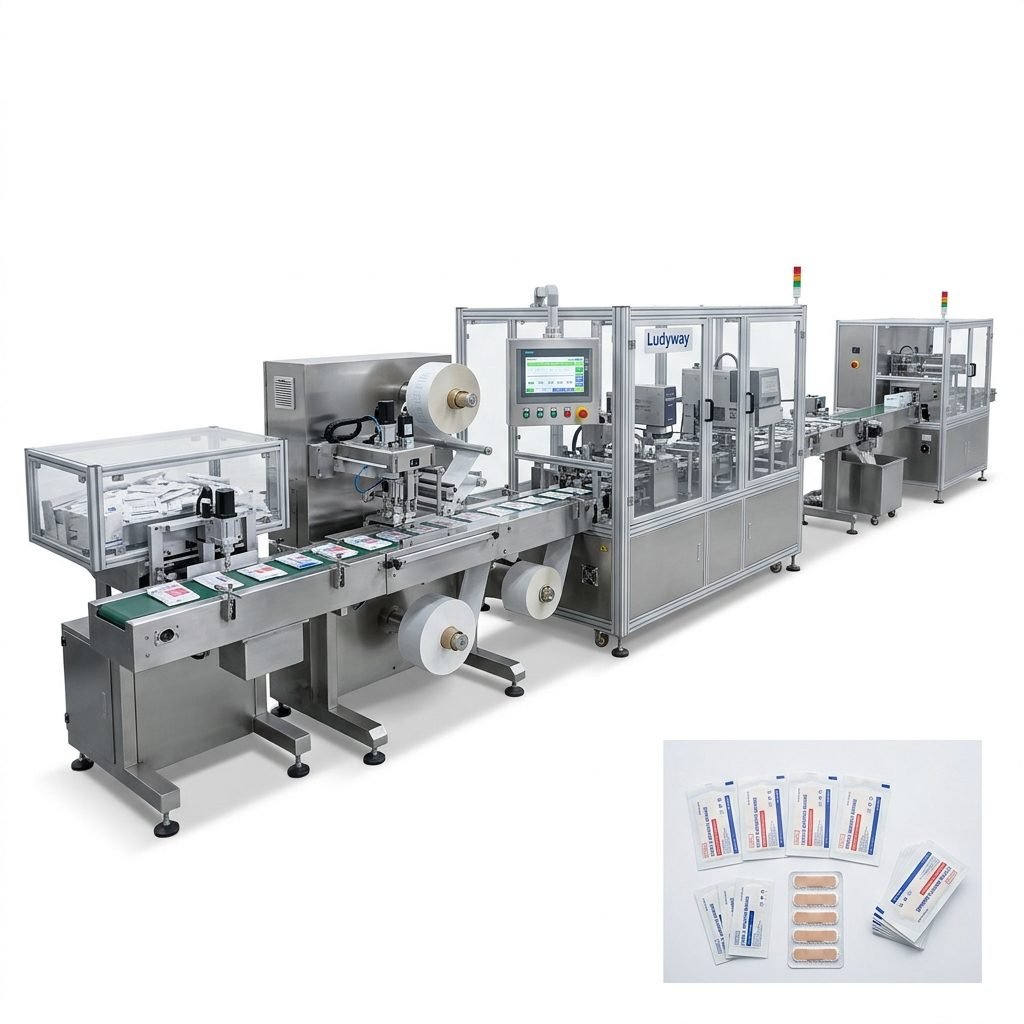
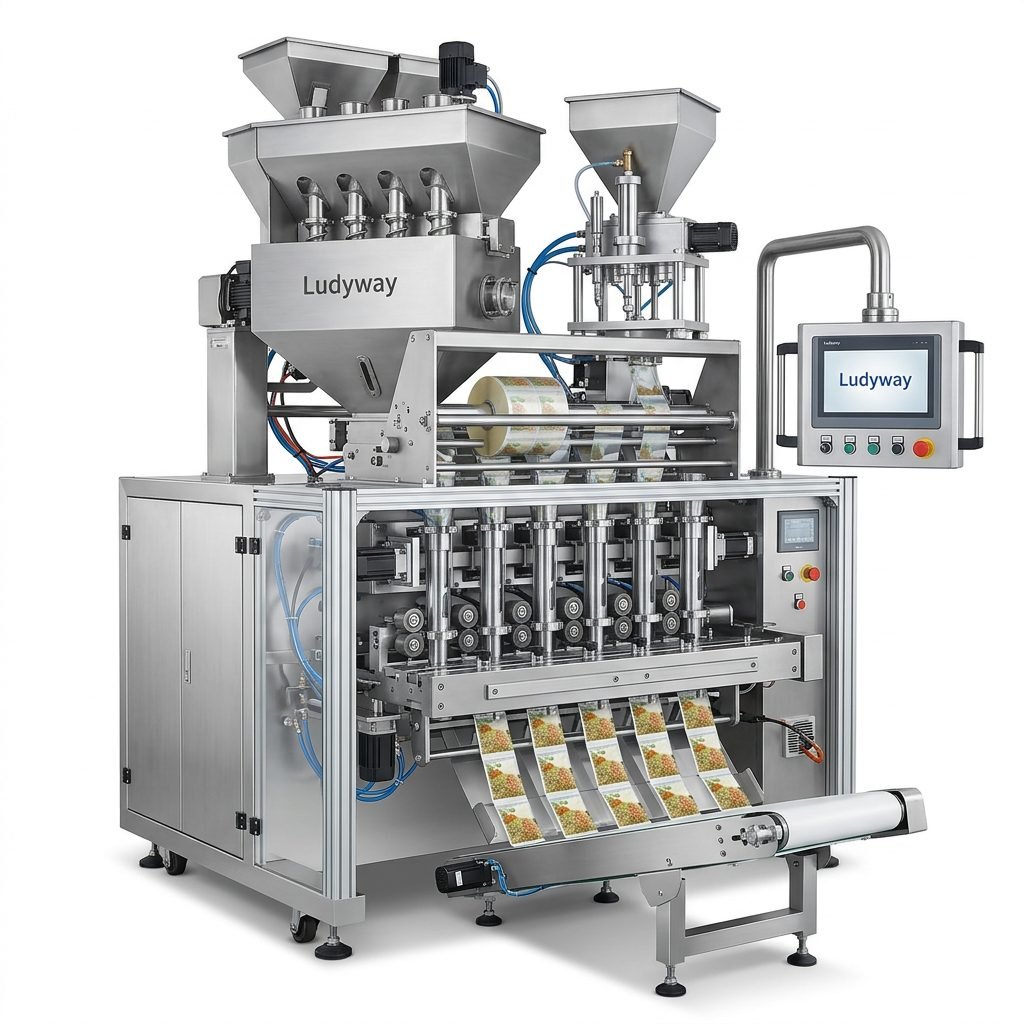
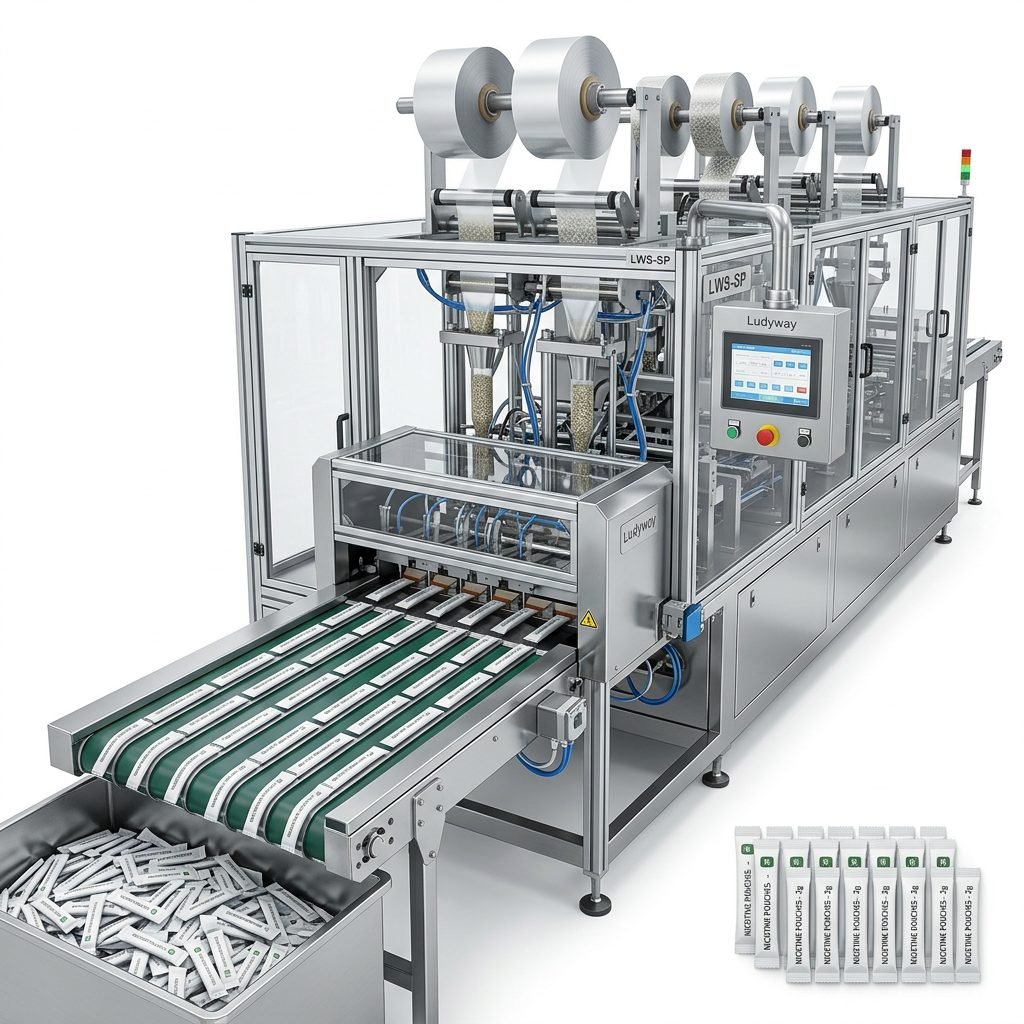
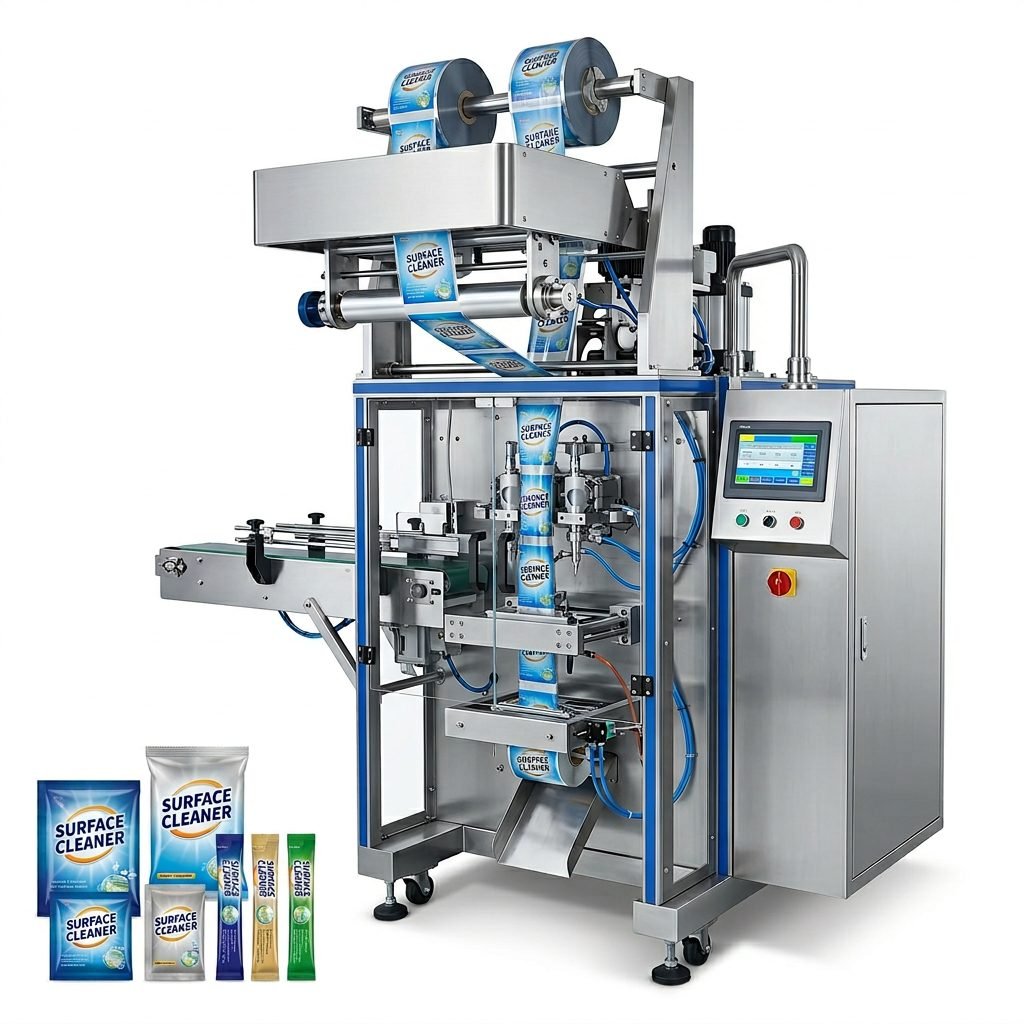
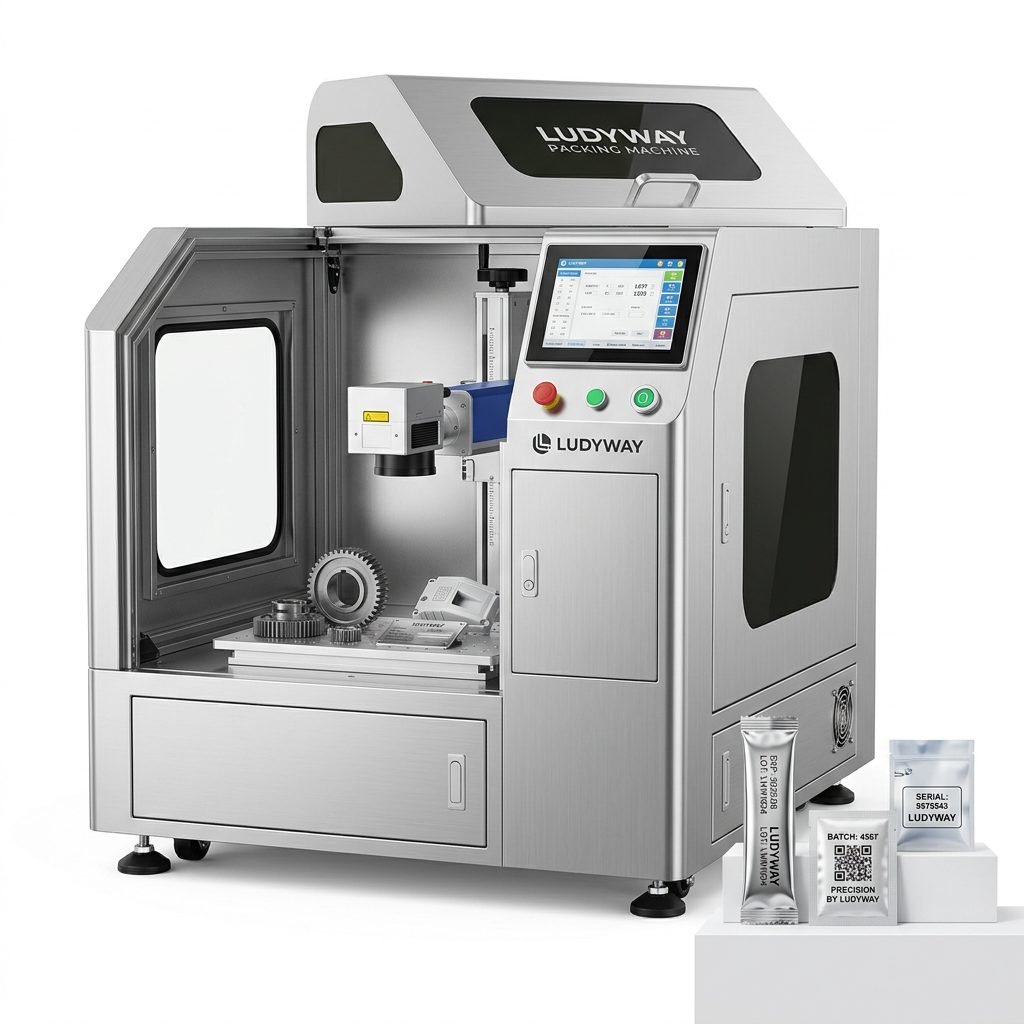
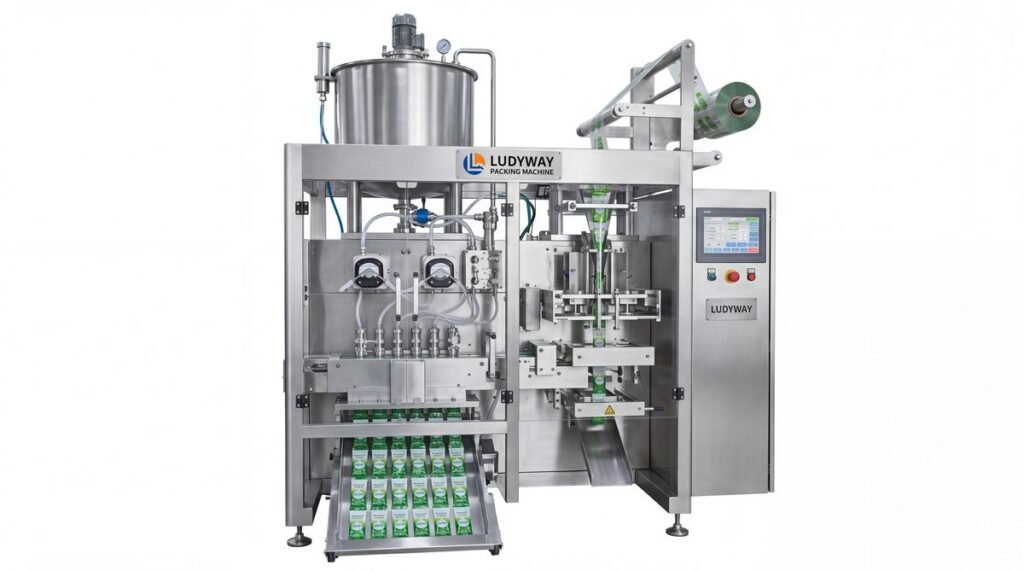
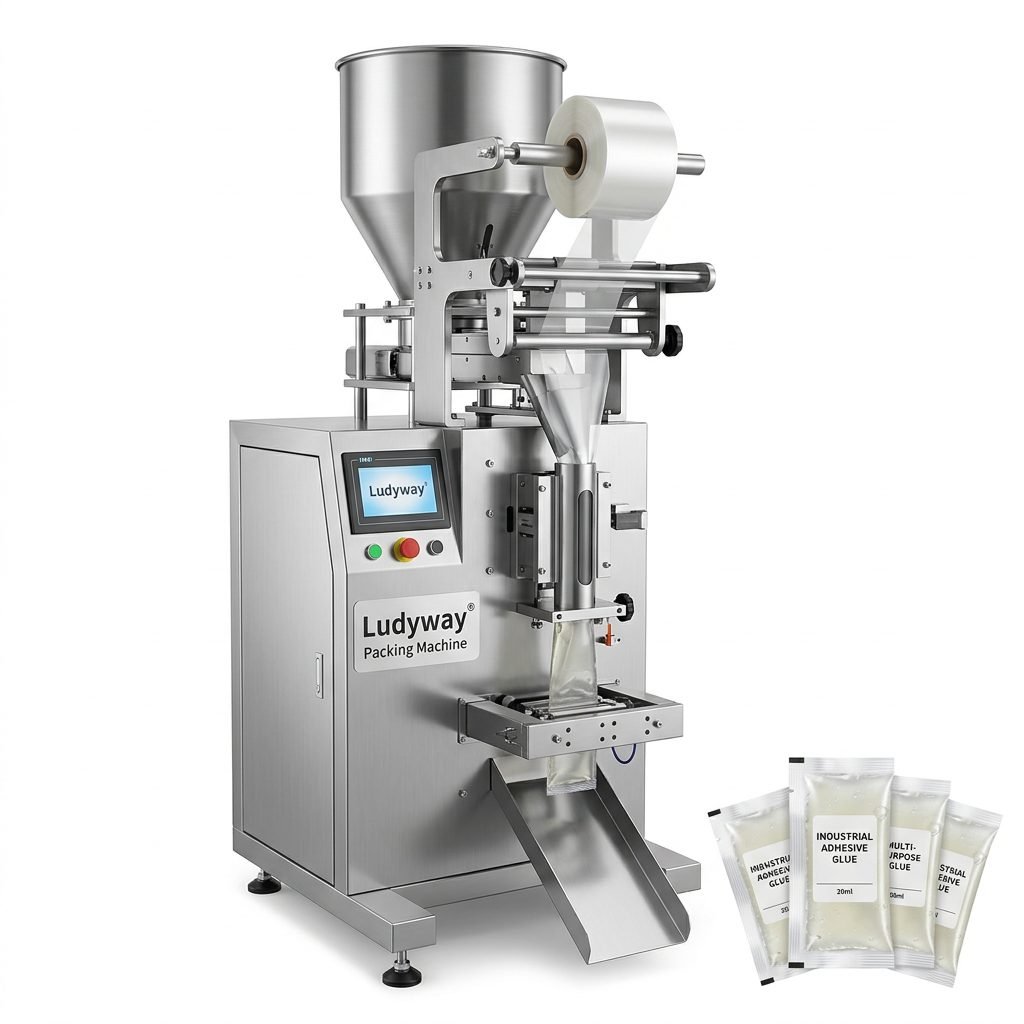
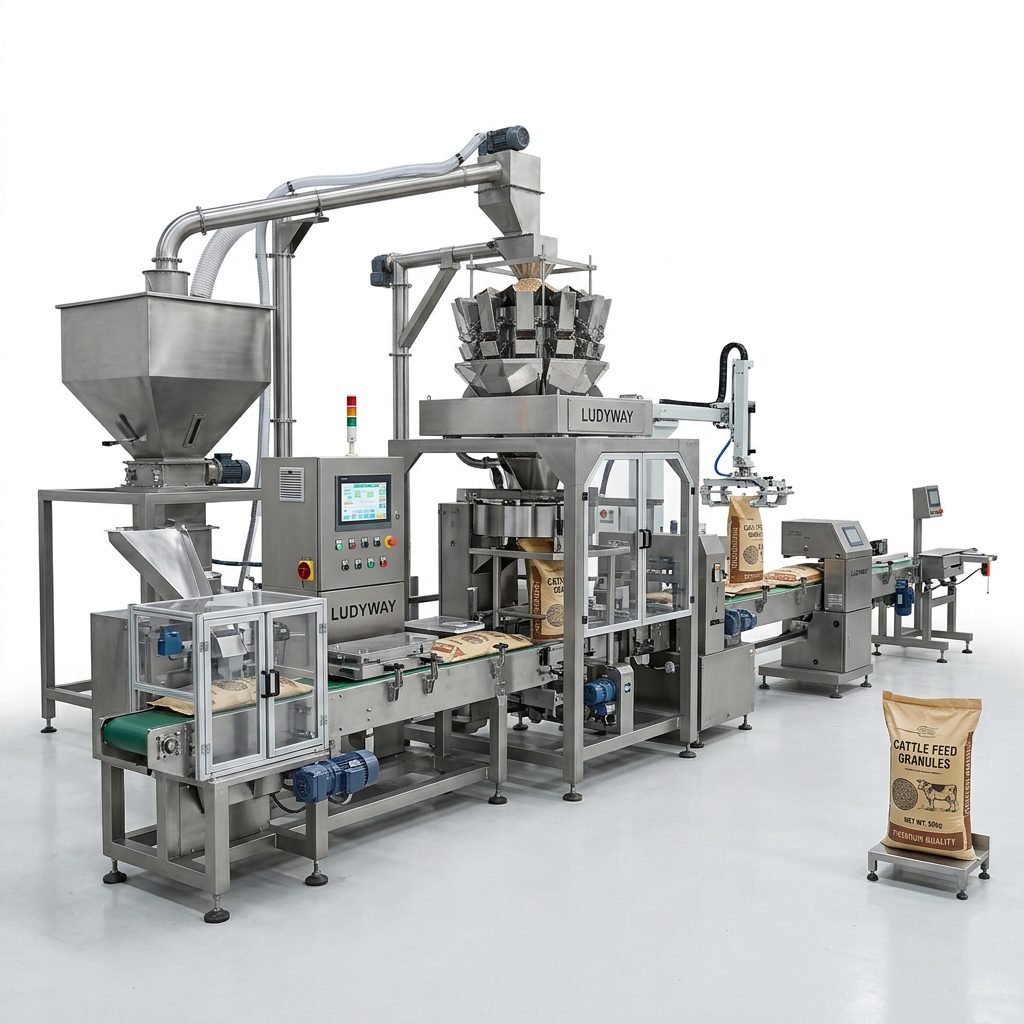
Setting up an oil packaging machine production line requires careful planning, from initial layout design to final testing. Whether you are packaging edible oils, essential oils, lubricants, or industrial fluids, a well-structured production line ensures consistent product quality, higher throughput, and long-term operational reliability. This step-by-step guide walks you through the entire process, highlighting key considerations for equipment selection, facility preparation, and system integration.
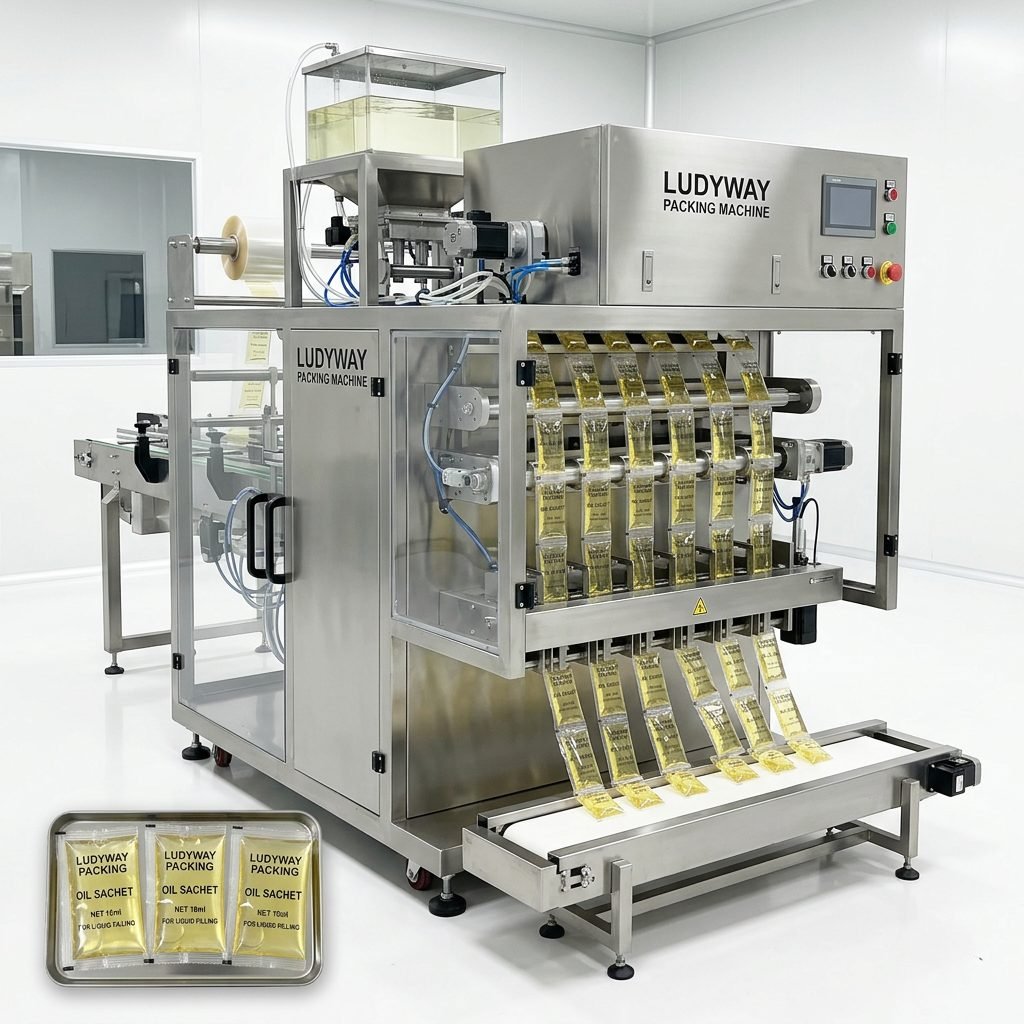
Step 1: Define Your Production Requirements
Before investing in any equipment, clearly outline your production goals. Consider the following factors:
- Oil type and viscosity — Edible oils, essential oils, synthetic lubricants, and heavy greases each require different filling mechanisms.
- Target output — Determine how many units per minute or per hour your line must produce to meet market demand.
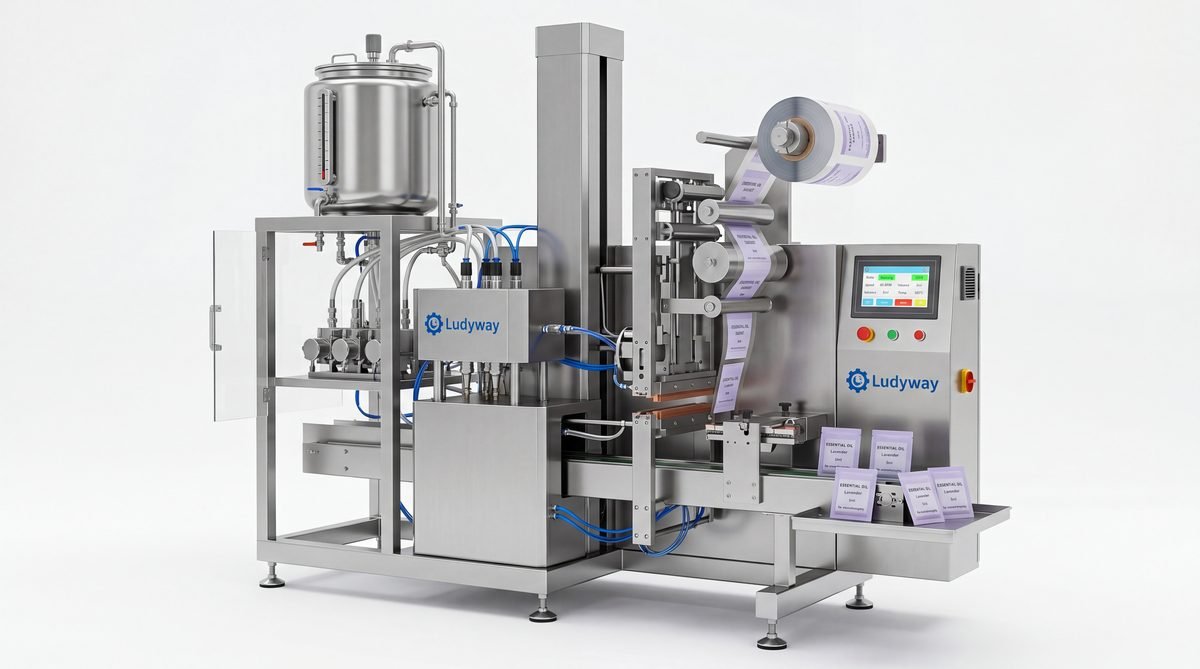
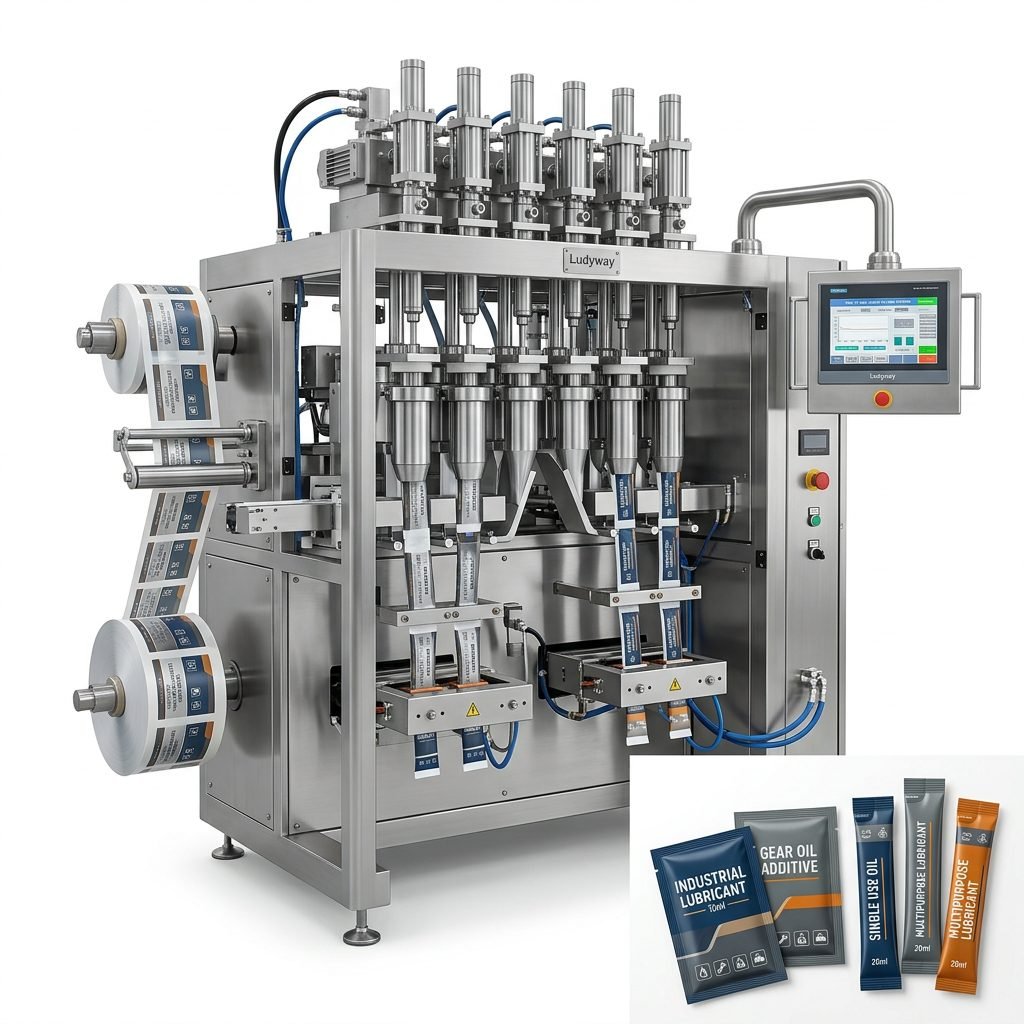
- Packaging formats — Decide between sachets, stick packs, bottles, pouches, or bulk containers.
- Regulatory compliance — Food-grade oils must meet FDA food packaging standards, while industrial oils may have different requirements.
- Budget and ROI timeline — Balance upfront investment with long-term operational savings.
Step 2: Design the Production Line Layout
A logical and efficient layout minimizes material handling and reduces contamination risks. A typical oil packaging production line flows through these stages:
- Bottle/Pouch Feeding System — Automated depalletizers or magazine feeders position empty containers.
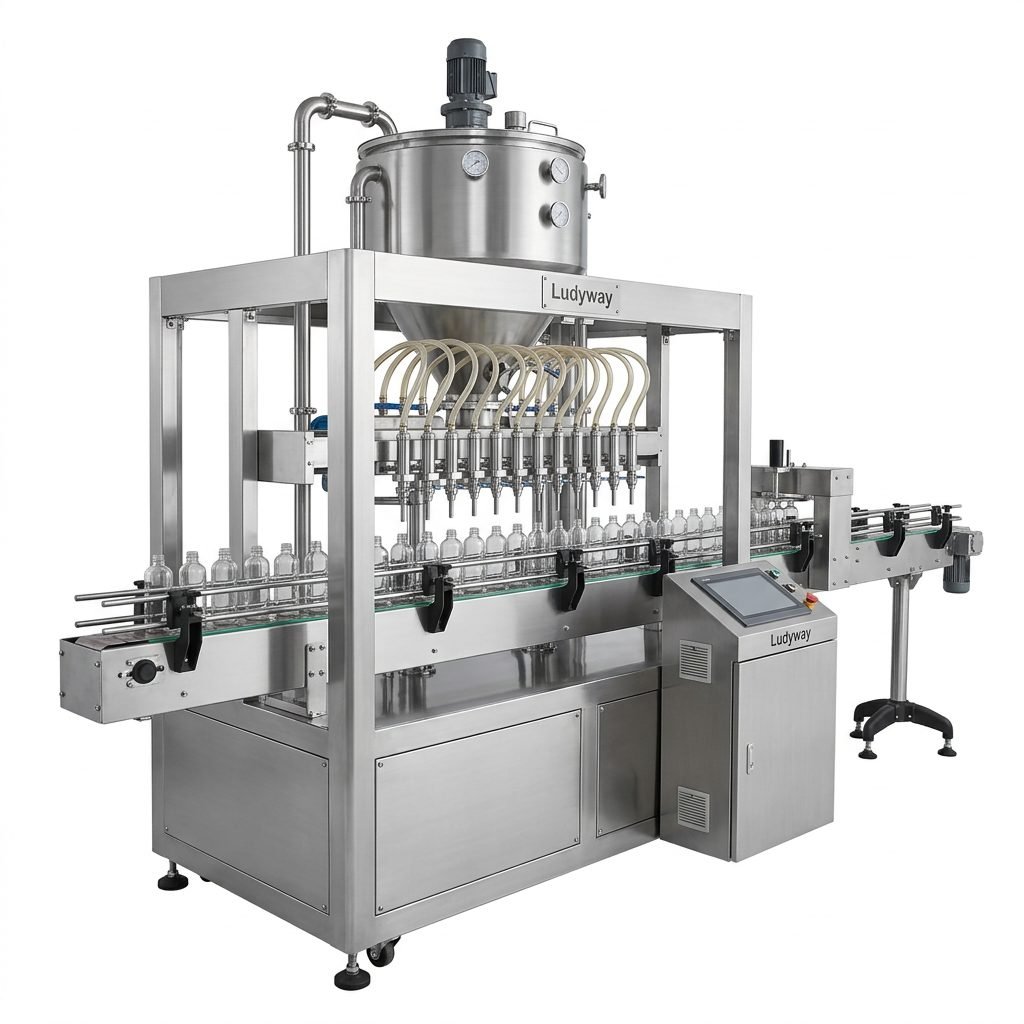
- Filling Station — Precision volumetric or gravimetric fillers dispense oil into containers.
- Capping/Sealing Unit — Caps, pumps, or heat seals are applied depending on the packaging type.
- Labeling and Coding — Printers apply batch numbers, expiry dates, and barcodes.
- Inspection Systems — Checkweighers, metal detectors, and vision systems verify product quality.
- Cartoning and Palletizing — Finished products are packed into cartons and stacked on pallets for shipping.
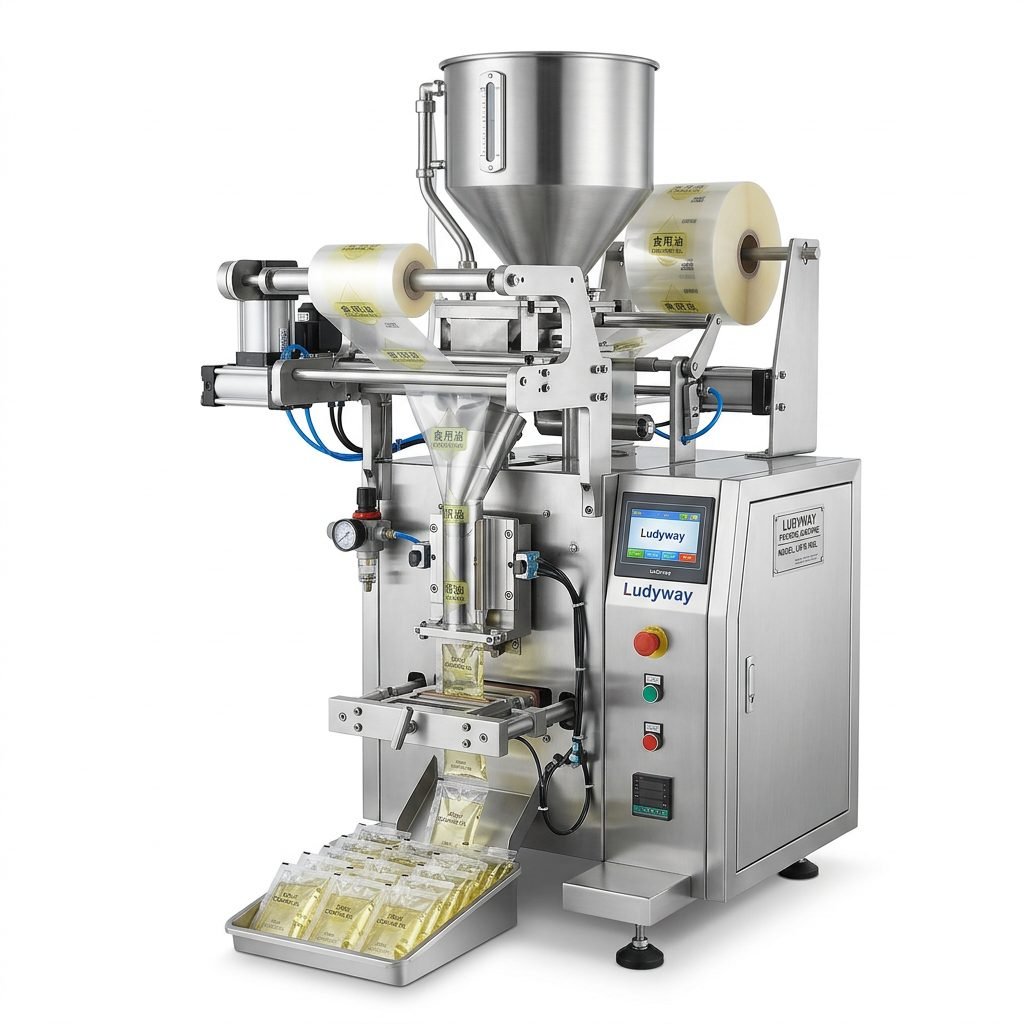
Step 3: Select the Right Filling Technology
Choosing the correct filling system is critical for accuracy and efficiency. The table below compares common filling technologies used in oil packaging applications:
| Filling Technology | Best For | Accuracy | Speed |
|---|---|---|---|
| Piston Filler | Thick oils, pastes, creams | ±0.5% | Moderate |
| Gravimetric Filler | High-value oils, bulk filling | ±0.1% | Moderate to High |
| Flow Meter Filler | Low-viscosity oils, high-speed lines | ±0.25% | Very High |
| Overflow Filler | Foaming oils, consistent fill levels | ±1% | Moderate |
| Net Weigh Filler | Bulk containers (drums, IBC totes) | ±0.05% | Low to Moderate |
Step 4: Prepare Your Facility
A properly prepared facility ensures smooth installation and operation. Key infrastructure requirements include:
- Cleanroom or hygiene-controlled environment — Essential for food-grade and pharmaceutical oils, aligned with ISO packaging standards.
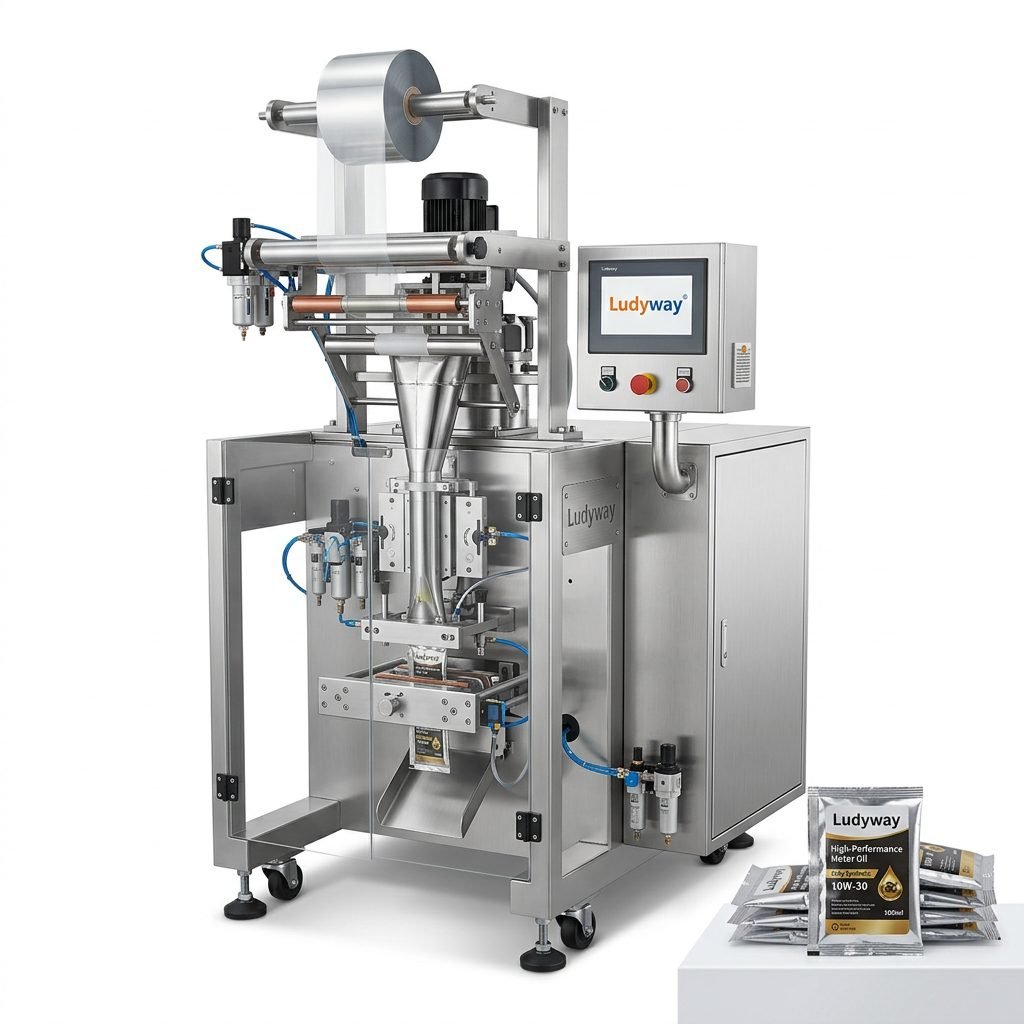
- Compressed air supply — Required for pneumatic components in filling and sealing machines.
- Electrical power with stable voltage — Most filling lines require 380V/220V three-phase power.
- Adequate floor space and drainage — Allow room for equipment, operator movement, and spill containment.
- Ventilation and temperature control — Some oils are sensitive to heat and require climate-controlled environments.
Step 5: Integrate Auxiliary Equipment
An efficient oil packaging line relies on seamless integration of auxiliary systems. Consider adding:
- Conveyor systems with variable speed control for smooth container transfer.
- Nitrogen flushing units to extend shelf life by reducing oxidation in bottled oils.
- Coding and marking machines for traceability — packaging machinery market research highlights serialization as a growing industry requirement.
- Automated palletizers to reduce manual labor and improve end-of-line efficiency.
- Quality control stations including checkweighers and vision inspection systems.
Key Auxiliary Equipment Checklist
- Bottle unscrambler or pouch magazine feeder
- In-line checkweigher with reject station
- Induction sealing machine for foil-sealed bottles
- Shrink sleeve applicator with heat tunnel
- Case erector and carton sealer
- Stretch wrapping machine for pallet loads
Step 6: Commissioning and Testing
Before full-scale production, thorough commissioning ensures all equipment operates correctly. Follow this testing sequence:
- Dry run testing — Run the line without product to verify mechanical functions and timing.
- Wet testing with water or surrogate fluid — Simulate oil filling to check flow rates and sealing integrity.
- Product testing with actual oil — Validate fill accuracy, seal quality, and label placement.
- Line speed optimization — Gradually increase speed while monitoring for jams or defects.
- Quality sampling and documentation — Record fill weights, seal strengths, and visual inspections for compliance.
Step 7: Operator Training and SOP Development
Even the most advanced packaging equipment requires skilled operators. Develop comprehensive standard operating procedures covering:
- Machine startup and shutdown sequences
- Fill volume adjustments and calibration procedures
- Cleaning and sanitation protocols between product changeovers
- Basic troubleshooting for common issues like foaming, dripping, or seal failures
- Safety procedures including emergency stops and lockout/tagout protocols
Step 8: Maintenance Planning
Preventive maintenance is essential for minimizing downtime in oil packaging production. Establish a schedule that includes:
- Daily: Clean filling nozzles, inspect seals and gaskets, check conveyor belt tension.
- Weekly: Lubricate moving parts, verify sensor calibration, inspect electrical connections.
- Monthly: Replace worn components, test safety systems, review production data for performance trends.
- Quarterly: Comprehensive equipment audit, software updates, and major component inspection.
Refer to the packaging industry resources from PMMI for guidance on maintenance best practices and operational benchmarks.
Step 9: Scale Up and Optimize
Once your production line is stable, focus on continuous improvement. Monitor key performance indicators such as OEE (Overall Equipment Effectiveness), fill accuracy rates, and changeover times. Consider adding automation modules like robotic palletizing or automated guided vehicles for material handling.
For companies seeking reliable packaging machinery global growth insights, industry reports indicate increasing demand for flexible, multi-format lines that can handle various oil types and packaging styles on a single platform.
Step 10: Compliance and Certification
Ensure your oil packaging operation meets all relevant standards. Depending on your market, this may include:
- FDA 21 CFR for food-contact packaging in the United States
- EU Regulation (EC) No 1935/2004 for materials intended to come into contact with food in Europe
- ISO 22000 for food safety management systems
- GMP (Good Manufacturing Practice) guidelines for pharmaceutical-grade oils
- HACCP certification for hazard analysis and critical control points
Stay updated with flexible packaging regulatory affairs to maintain compliance as standards evolve.
Common Challenges and Solutions
| Challenge | Cause | Solution |
|---|---|---|
| Foaming during filling | High fill speed, air entrapment | Use bottom-up filling nozzles; reduce fill velocity |
| Inconsistent fill volumes | Temperature fluctuations, worn seals | Install temperature compensation; replace seals regularly |
| Leaking seals on sachets | Contaminated sealing area, incorrect temperature | Clean sealing jaws; calibrate heat settings |
| Oxidation and rancidity | Oxygen exposure during filling | Integrate nitrogen flushing or vacuum sealing |
Setting up an oil packaging machine production line is a significant undertaking, but following these steps helps ensure a smooth launch with minimal disruptions. Companies like Ludyway, one of the largest packaging machine manufacturers in China with over 30 years of industry experience and a 20,000㎡ modern production facility, provide integrated turnkey solutions that cover everything from initial consultation and layout design to equipment manufacturing, installation, and after-sales support—helping businesses achieve efficient, reliable, and scalable packaging operations across more than 100 countries and regions worldwide.
For additional technical specifications and industry benchmarks, explore resources from PACK EXPO International and the Flexible Packaging Association, which offer valuable insights into the latest packaging technologies and market trends.